TL;DR / At a Glance: Unveiled at the WWDC26 keynote, Apple’s latest platform upgrades—headlined by macOS Golden Gate and iOS 27—introduce a structural shift toward privacy-first, cloud-local artificial intelligence. This ecosystem overhaul replaces legacy voice frameworks with Siri AI, a multi-modal standalone application featuring onscreen awareness and live camera-driven Visual Intelligence. Visually, Liquid Glass 2.0 refines text legibility through adaptive refraction layer adjustments and user-customizable sliders. Under the hood, complex multi-modal calculation tasks are securely routed using an ephemeral Private Cloud Compute architecture integrated with Google Gemini infrastructure, ensuring zero persistent user data storage.
The annual migration to Cupertino has wrapped, and the opening keynote of WWDC26 has officially set the tech landscape ablaze. For the past year, Apple has faced relentless industry pressure to answer a critical question: Can the company’s strict local privacy philosophy survive in an era dominated by raw, cloud-brute-forced generative AI?
At Apple Park, Tim Cook and Craig Federighi delivered their definitive answer. WWDC26 marks a historic turning point for the ecosystem—a structural leap that fuses a heavily optimised on-device operating framework with secure, private cloud infrastructure. Moving past the experimental flat designs of yesteryear, Apple unveiled major platform upgrades, including macOS Golden Gate, iOS 27, and a ground-up intelligence reconstruction that permanently changes how we interact with our glass.
If you are a tech professional, software engineer, or high-intent consumer evaluating this ecosystem shift, here is your comprehensive master directory of every single major announcement from the show.
The WWDC26 Core Announcement Matrix
1. The Siri AI Revolution
- The Quick Hit: Siri has been completely rebuilt from its code foundations into Siri AI, transitioning from a basic voice-command gimmick into a multi-modal, highly conversational standalone application.
- Key Performance Metric: Features an advanced system orchestrator with onscreen awareness, enabling Siri to analyse your active app displays, read live camera data, and query your secure local search index to execute complex cross-app tasks instantly.
2. Liquid Glass 2.0 Visual Refinements
- The Quick Hit: Apple is actively listening to user and developer feedback regarding the transparency and legibility limits of its Fluent Plus visual language.
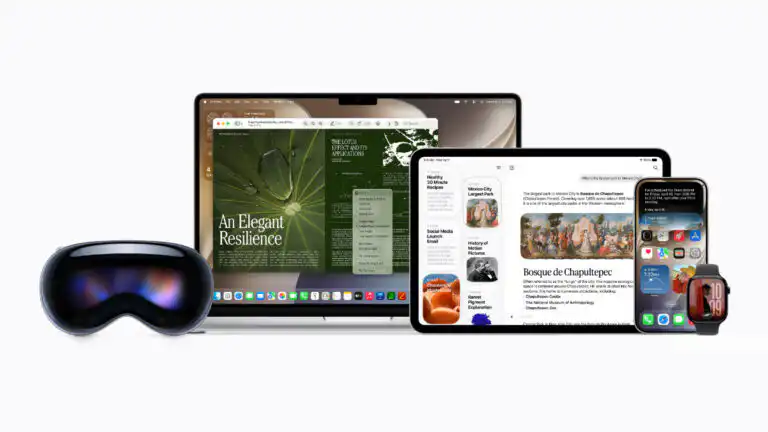
- Key Performance Metric: Introduces tuned Liquid Glass composition layers that diffuse complex background text more effectively, backed by a user-customizable depth-and-tint slider in System Settings.
3. Automation Unlocked: Shortcuts AI & Safari Tracking
- The Quick Hit: Creating complex, multi-step macros is no longer gated behind technical coding expertise. Shortcuts now compiles full automation scripts from plain natural language descriptions.
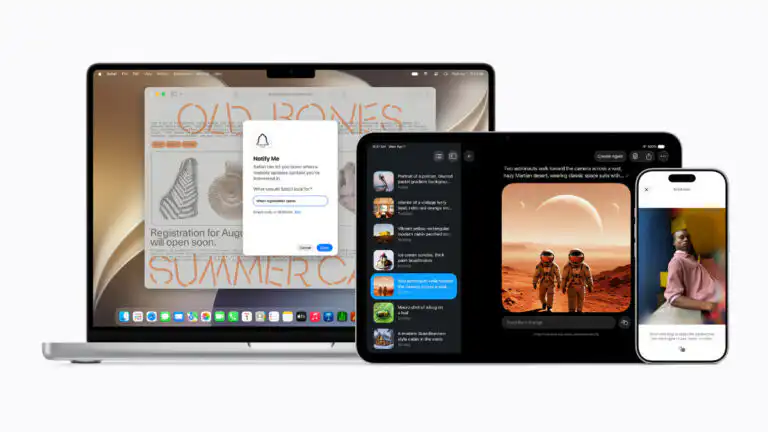
- Key Performance Metric: Safari gains Notify Me, an automated background page-monitoring tool that alerts users to web-state changes without manual page refreshes, working alongside automated account security updates inside the Passwords app.
4. The Trillion-Dollar Handshake: Apple-Google Cloud Alliance
- The Quick Hit: Apple has established a deep cloud-local computing partnership, integrating its custom on-device Foundation Models directly with the infrastructure backing Google’s Gemini family.
- Key Performance Metric: High-tier generative tasks utilise Private Cloud Compute, ensuring data sent off-device for multi-modal calculations is never stored, never accessible to Apple or Google, and remains open to continuous independent audit.
5. Changing of the Guard: The Ternus Transition Era
- The Quick Hit: This keynote carries immense historical weight as Tim Cook’s final WWDC showcase before John Ternus officially steps up as Apple’s Chief Executive Officer on September 1st.
- Key Performance Metric: The presentation layout deliberately showcased John Ternus handling a massive share of the stage, signaling a distinct transition toward hardware refinement, tighter silicon integration, and platform structural consistency.
Other Little Things
- System Performance Speedups: Apple optimised core system schedulers all the way back to the iPhone 11. App launch speeds are up to 30% faster, AirDrop file transfers clock an 80% velocity boost, and camera library photo loading is up to 70% faster.
- Spatial Reframing in Photos: Leverages advanced on-device spatial models co-developed for Apple Vision Pro, allowing users to physically shift the camera perspective, angle, and framing of a photo after it has been captured.
Adam Lobo’s Take
Apple did not just answer the market’s intense pressure at WWDC26—they systematically exposed the sloppy privacy shortcuts taken by their cloud-first competitors. While other tech giants expect you to surrender your personal data interactions to their servers by default, Apple has built a magnificent, uncompromising iron curtain between your personal context and external computing layers.
When you subject this master rollout to our signature mamak test—evaluating real-world everyday utility while sitting down at a local spot—the value of this optimisation is massive. Features like Siri AI instantly splitting a local dinner bill via visual camera intelligence, or Safari tracking a background webpage update while your phone is stowed in your pocket, are features built for actual human workflows, not tech-lab hype.
The upcoming beta cycles are going to be intensely competitive, but by making these state-of-the-art AI features entirely free across compatible hardware updates, Apple has completely redefined the value proposition of modern client software. The era of true privacy-first intelligence has arrived, and the entire ecosystem is glowing.
What is the absolute number one feature you are eager to test when the public betas land next month? Are you counting down the days for Siri AI, or are you tweaking your desktop setups for Liquid Glass 2.0? Let me know your thoughts in the comment section below!