
TL;DR / At a Glance: The OPPO Find X9 Pro vs. Vivo X300 Pro camera comparison is a fierce battle of software tuning, as both flagships share almost identical high-end hardware, including a massive 200MP telephoto sensor and a 50MP Sony main lens. The Vivo X300 Pro stands out for casual shooters with its punchy ZEISS optics, superior low-light tracking, and sharper ultra-long-range zoom. Meanwhile, the OPPO Find X9 Pro caters to purists who prefer Hasselblad’s true-to-life color accuracy, cleaner macro textures, and superior creative widescreen video features.
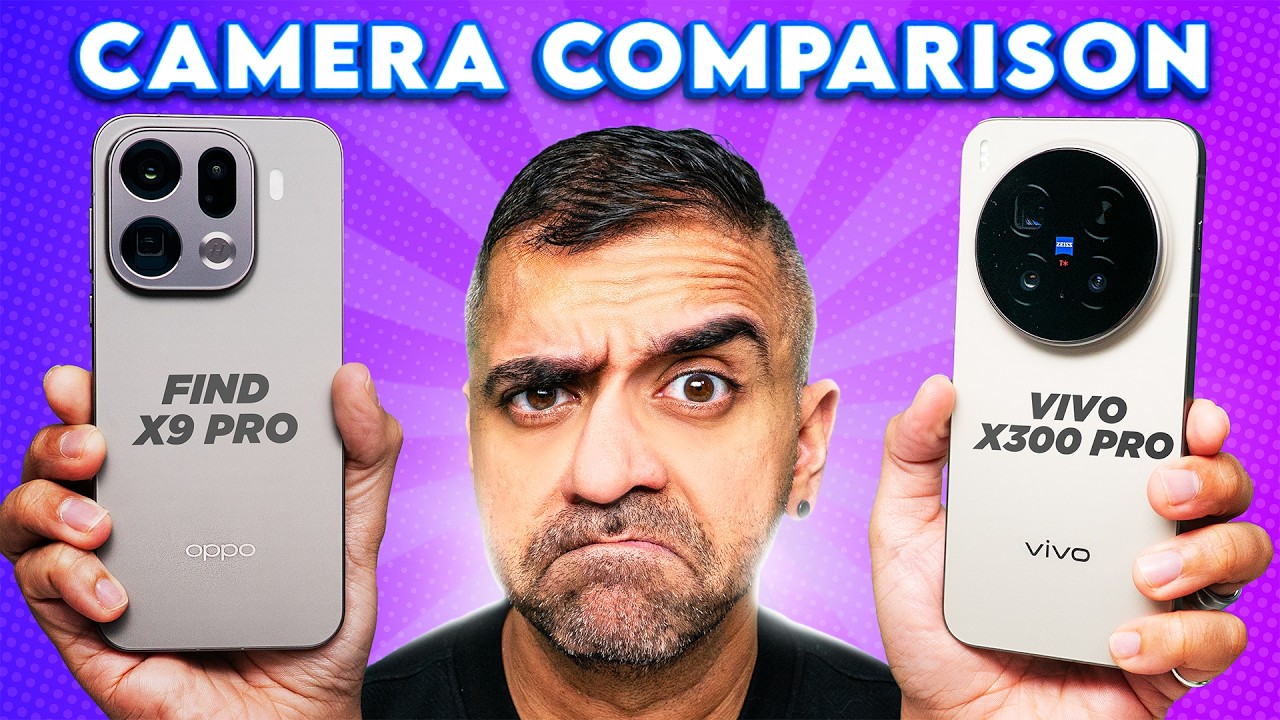
When I reviewed the OPPO Find X9 Pro, many said this, and some were not happy, especially when I compared it with a vivo X300 Pro to a point where someone suggested I was working for vivo, right? So, since you requested to do a camera comparison between these two phones, here it is. So, watch first and buy smart because once you see this, you cannot unsee it!
Watch the full OPPO Find X9 Pro vs vivo X300 Pro: In-Depth Camera Comparison below:
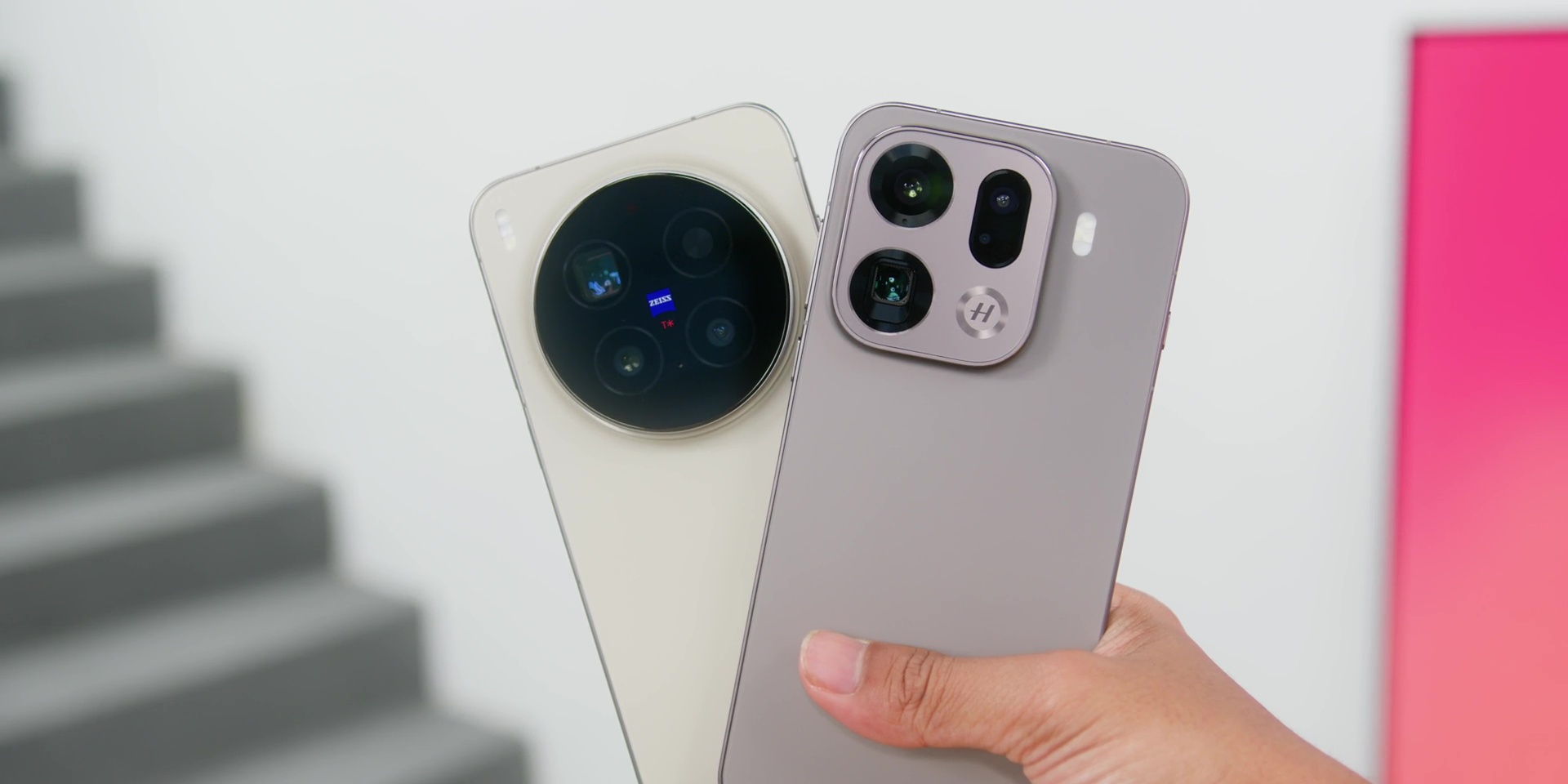
Specs
So, let’s start with the specs since it’s the only time I’ll be talking about it. While both Megapixel counts on both phones are the same, there is a slight difference in the aperture value or the focal length of each phone.
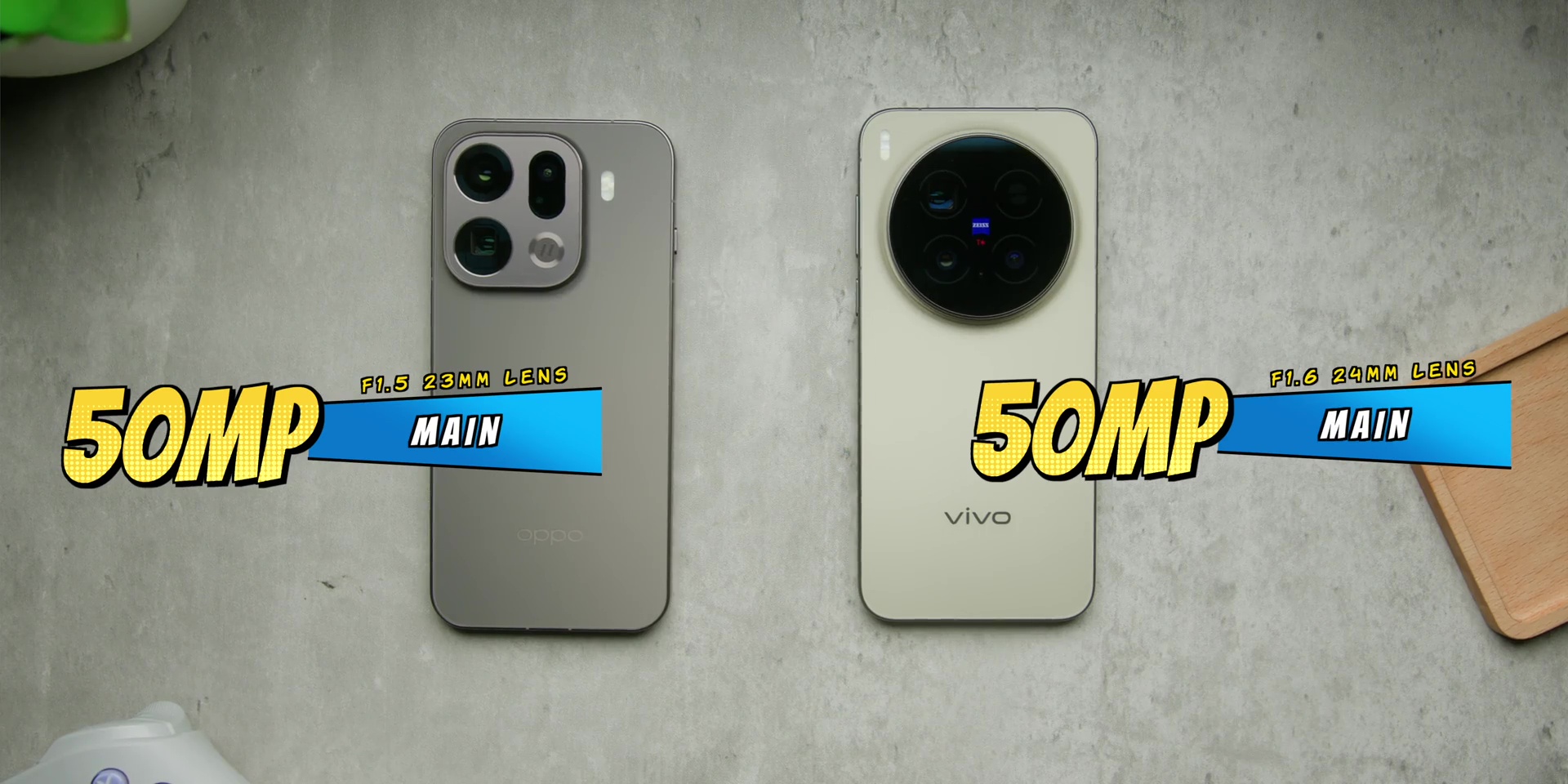
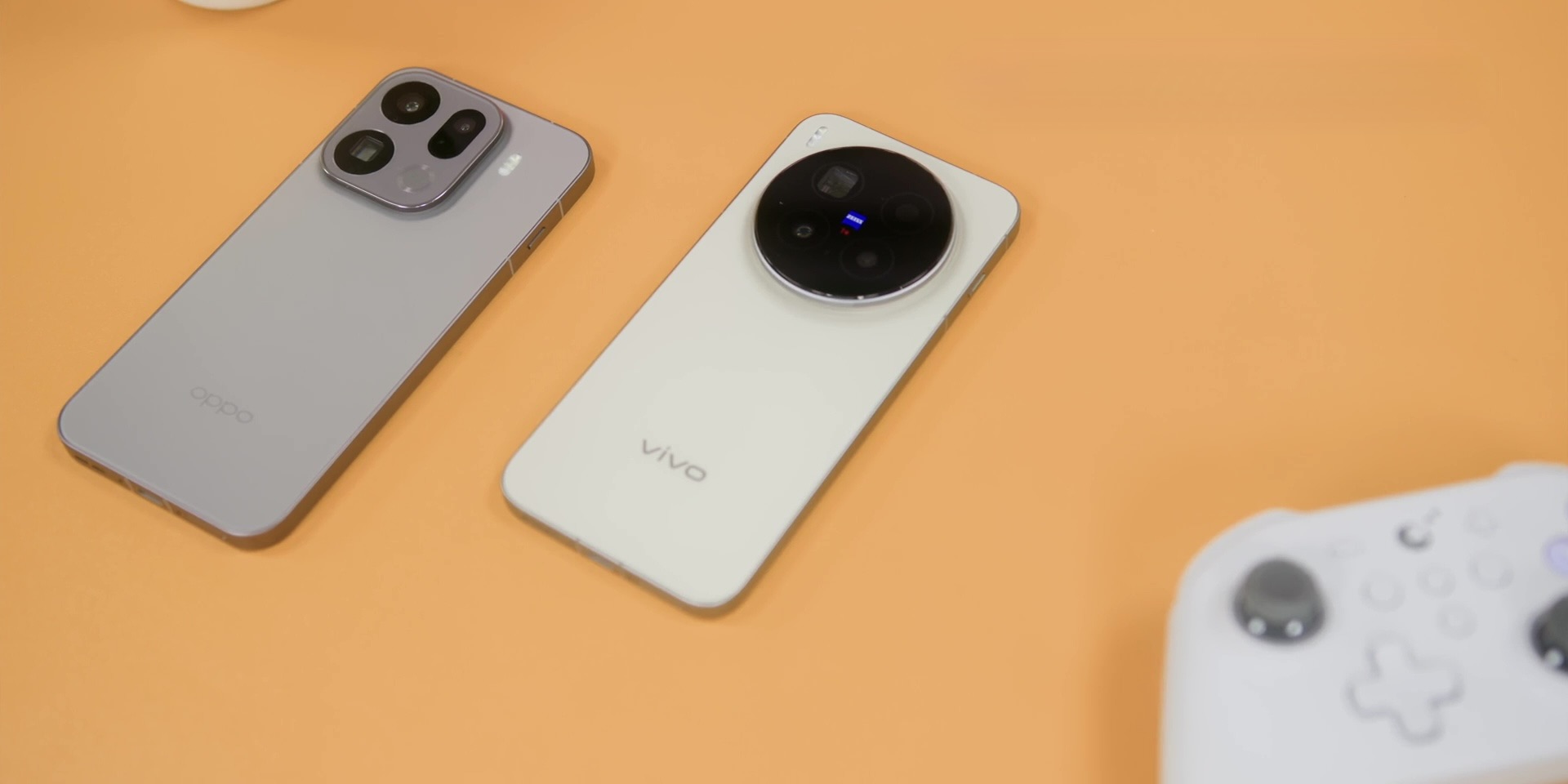
Besides the ZEISS lens optics and the Hasselblad color, looking side by side, the main lens is both a 50 MP, but the vivo’s aperture value is smaller at f/1.6 compared to f/1.5 on the OPPO. The focal length on the OPPO is also wider at 23mm compared to 24mm on the vivo.
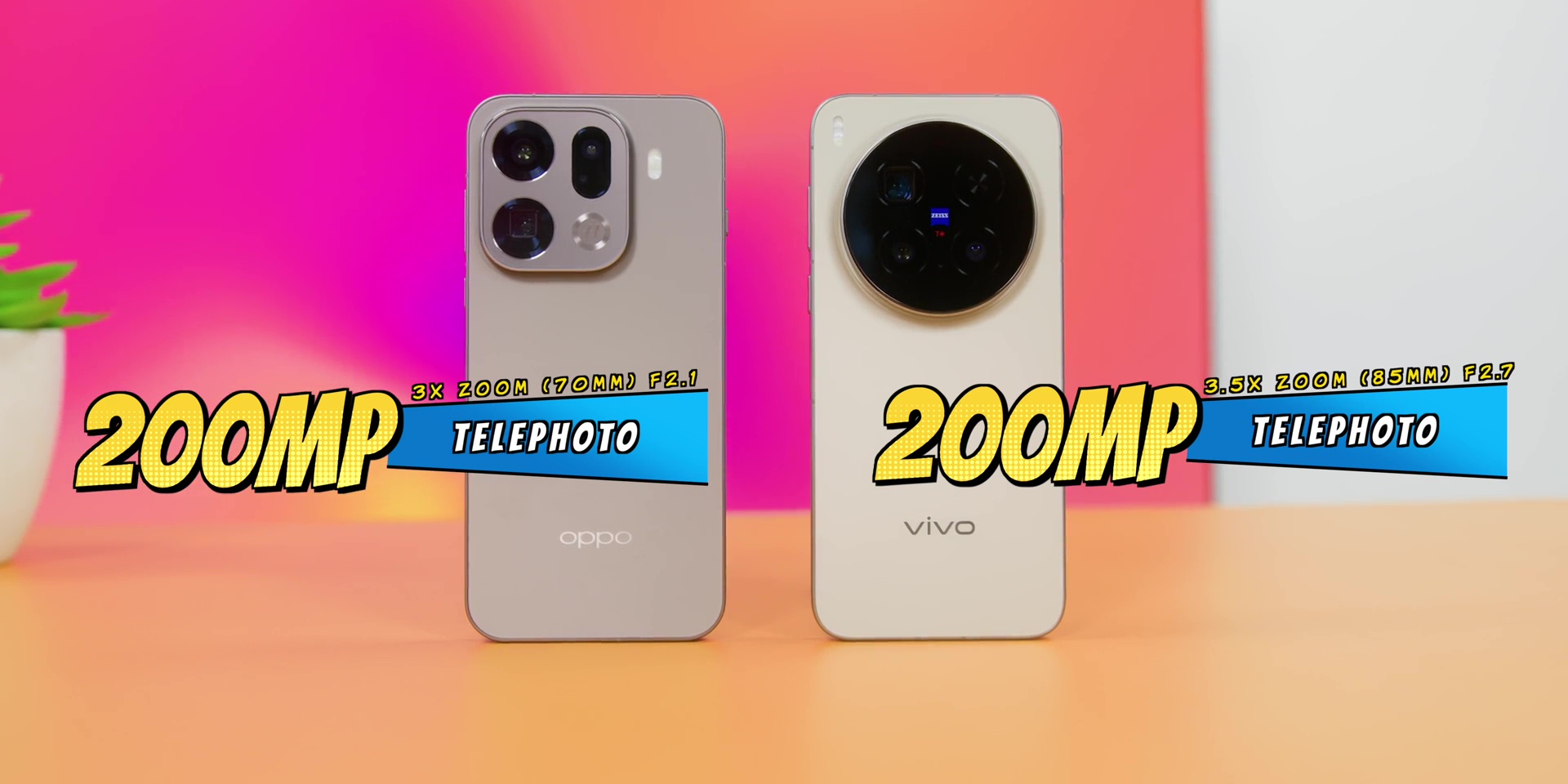
Then as for the telephoto lenses, both are 200 MP lenses and the periscope focal length is 85mm or 3.5x zoom on the vivo and 70mm or 3x zoom on the OPPO. And the aperture value is wider on the OPPO at f/2.1 compared to f/2.7 on the vivo.
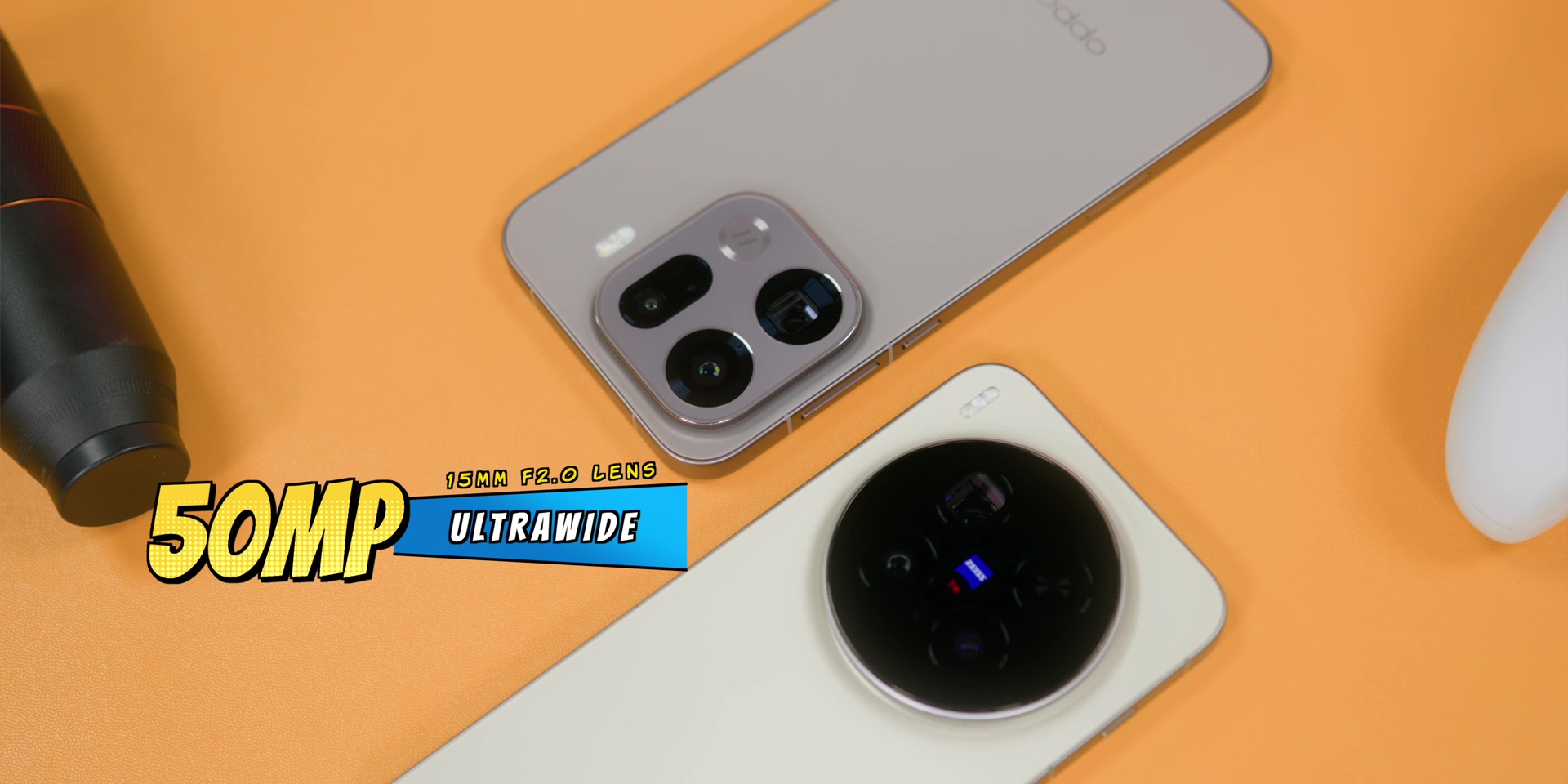
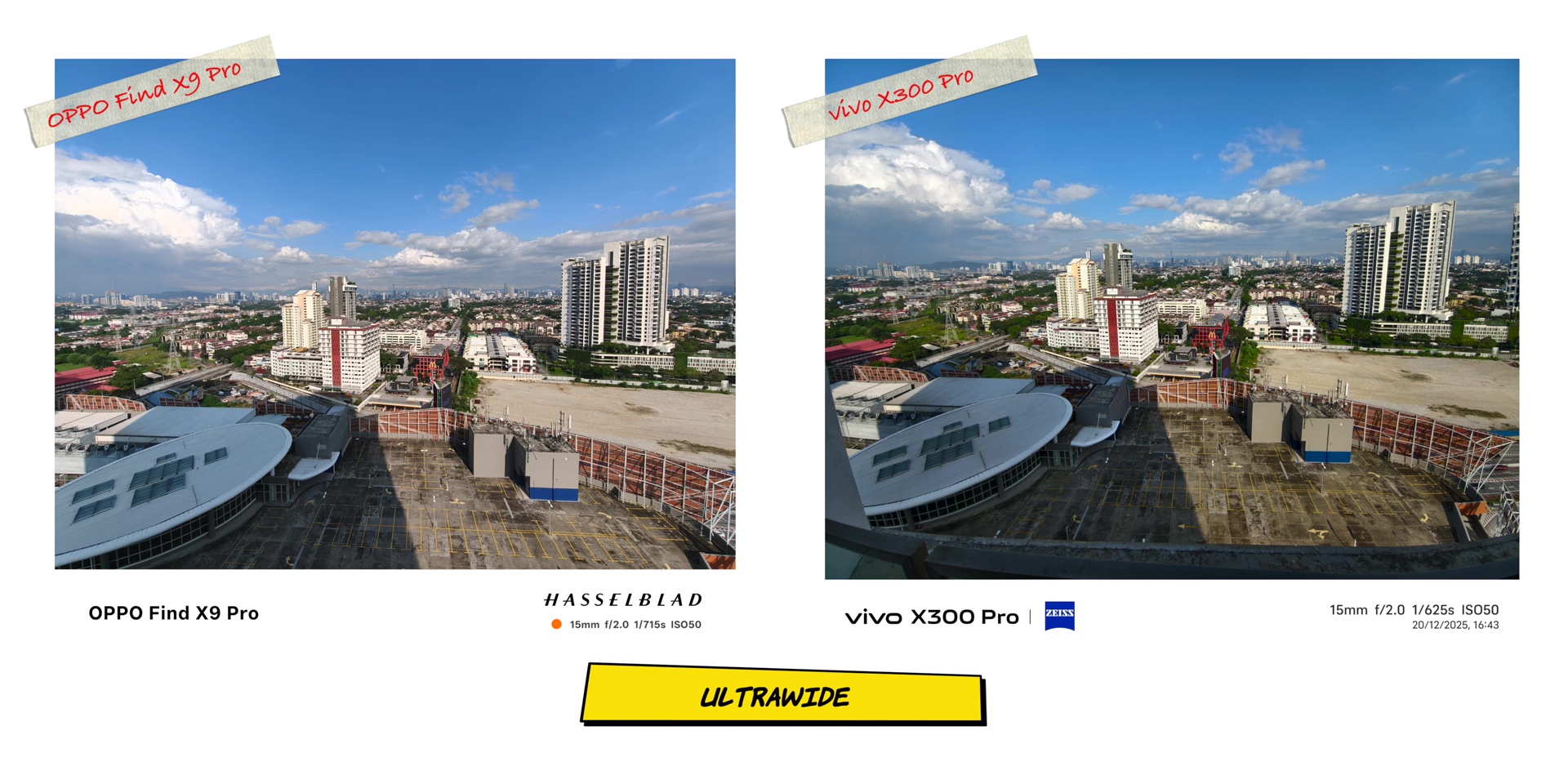
Then both phones share the same ultra wide cameras which is a 50 MP f/2.0 15mm ultra wide lens.
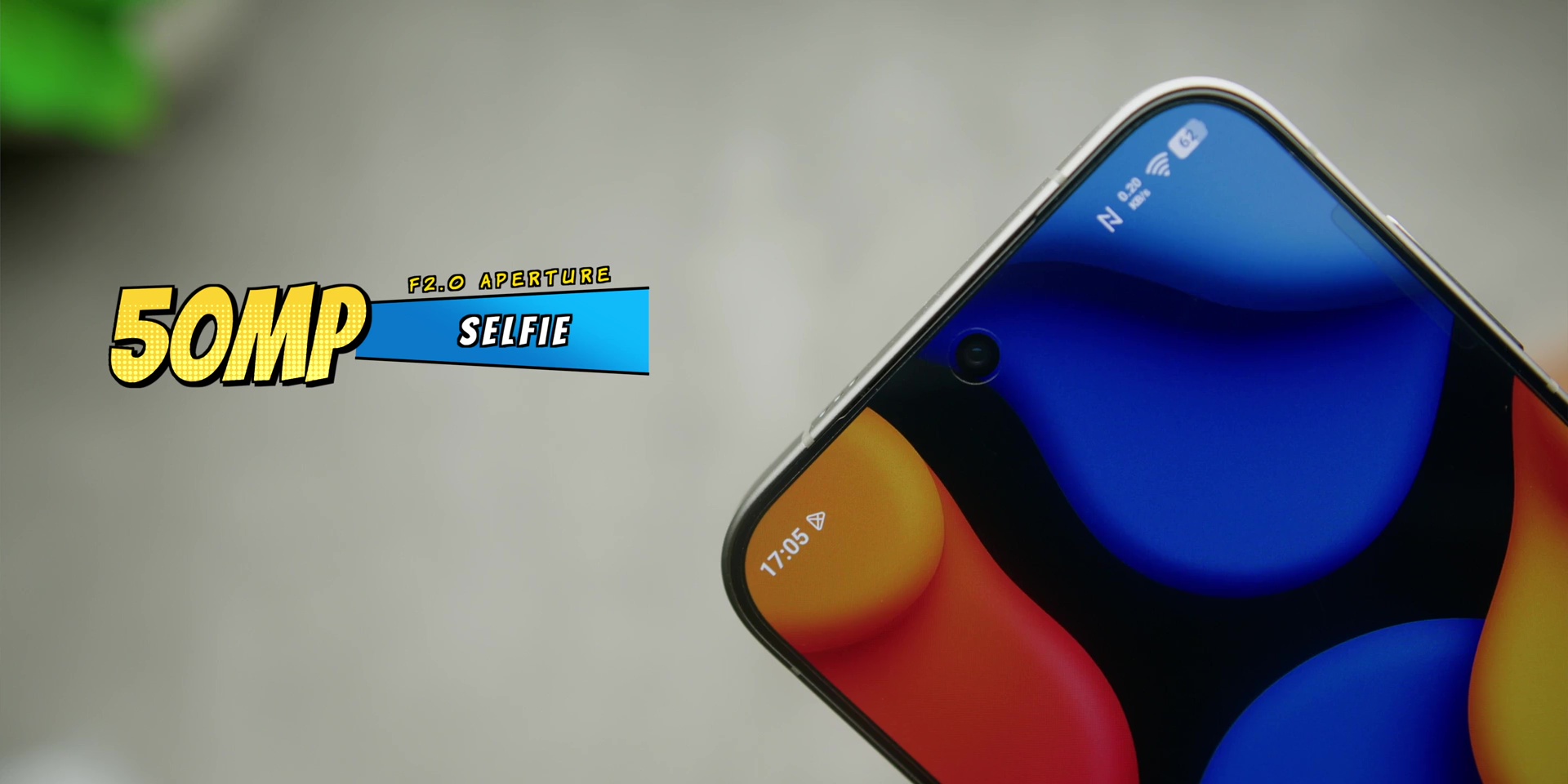
And while the front camera’s MP count and the aperture values are the same at 50 MP f/2.0 aperture, but the focal length is 21mm on the OPPO and wider at 20mm on the vivo.
OPPO Find X9 Pro vs. Vivo X300 Pro: Core Specs
| Feature | OPPO Find X9 Pro | Vivo X300 Pro |
| Processor | MediaTek Dimensity 9500 (3 nm) | MediaTek Dimensity 9500 (3 nm) |
| Display | 6.78-inch LTPO AMOLED (2772 x 1272, 3600 nits peak) | 6.78-inch LTPO AMOLED (2800 x 1260, 4500 nits peak) |
| Main Camera | 50MP f/1.5, 23mm, 1/1.28″, OIS (Hasselblad Tuning) | 50MP f/1.6, 24mm, 1/1.28″, OIS (ZEISS Optics) |
| Telephoto Camera | 200MP f/2.1, 70mm, 1/1.56″, OIS 3x Optical Zoom (4600mm max) | 200MP f/2.7, 85mm, 1/1.4″, OIS 3.7x Optical Zoom (5400mm max) |
| Ultra-Wide Camera | 50MP f/2.0, 15mm, 120° FOV | 50MP f/2.0, 15mm, 119° FOV |
| Front Camera | 50MP f/2.0, 21mm, AF | 50MP f/2.0, 20mm, AF |
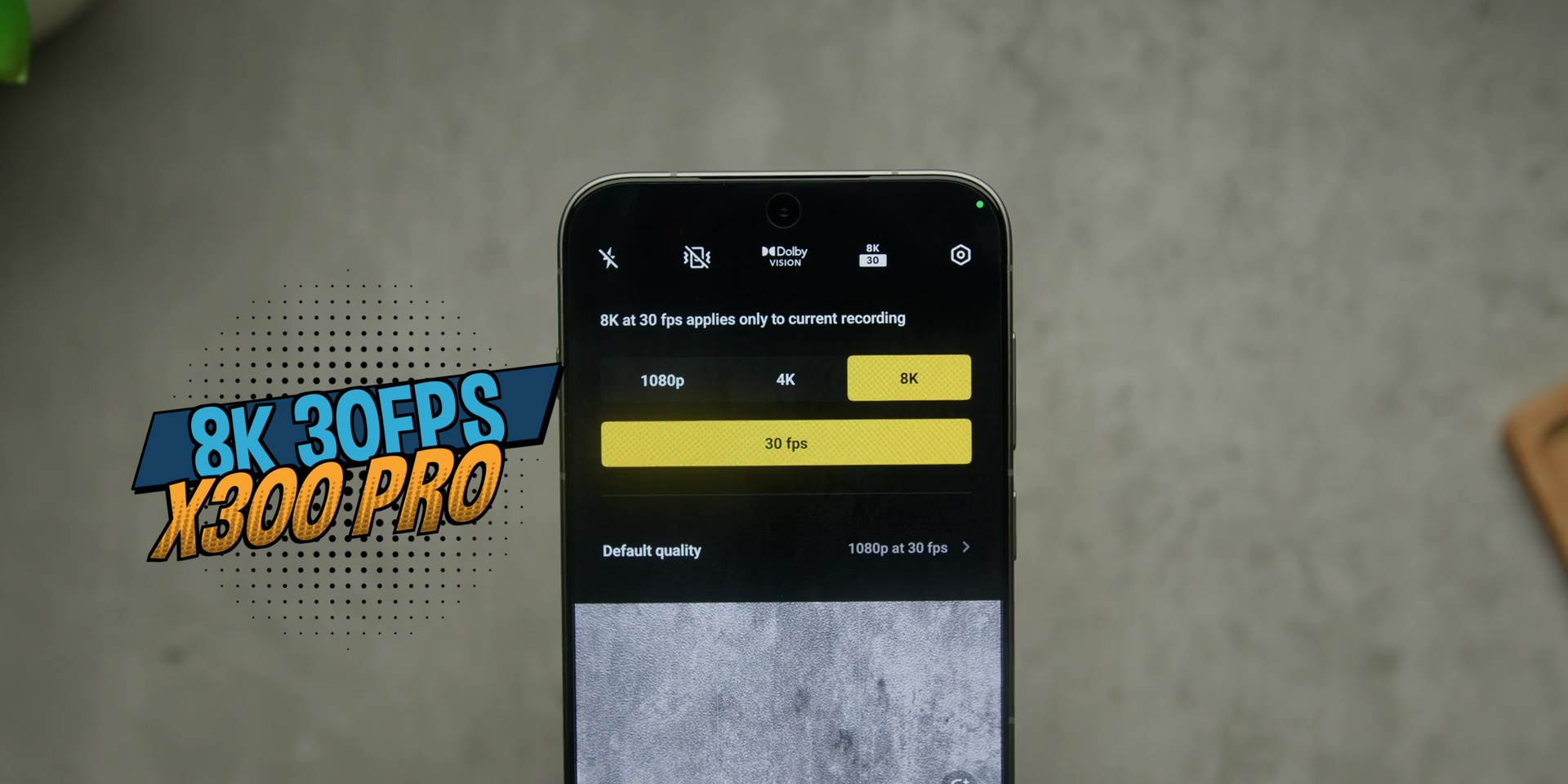
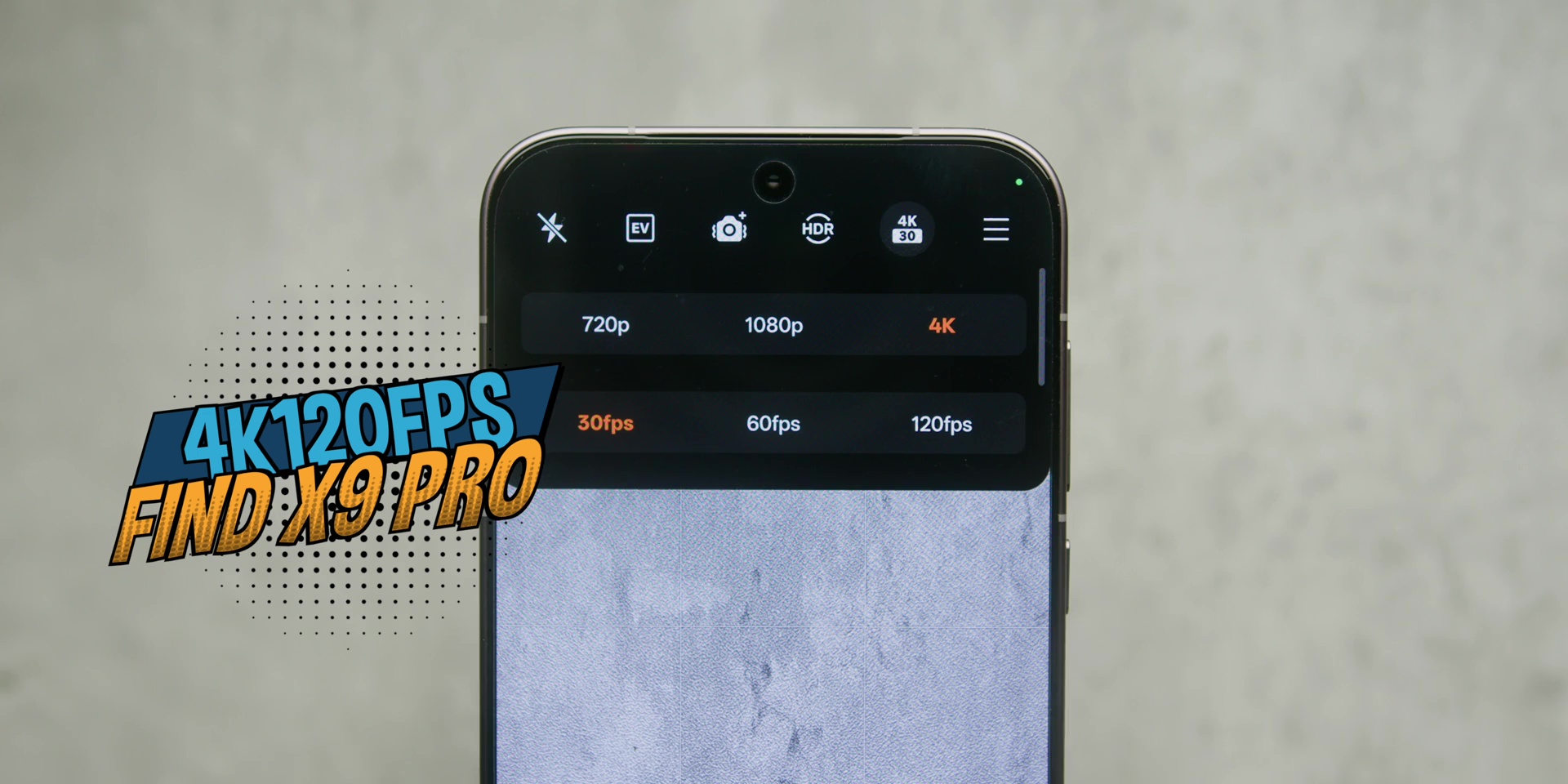
| Video Recording | Up to 4K @ 120fps (Dolby Vision/LOG) | Up to 8K @ 30fps / 4K @ 120fps (LOG) |
| Battery Capacity | 7,500 mAh (Silicon-Carbon) | 6,510 mAh (Global version) |
| Charging Speed | 80W Wired / 50W Wireless | 90W Wired / 40W Wireless |
| Durability Rating | IP66 / IP68 / IP69 | IP68 / IP69 |
| Est. Malaysia Price | From RM4,999 | From RM4,699 |
Ultrawide & Main Lens
Starting from the ultra wide lenses, you’ll see exact results on both since as mentioned the specs are the same where even the ISO values meaning the exposure settings taken automatically are the same too at 50 on the first comparison photos but with a slight difference in the automatic shutter speed value.
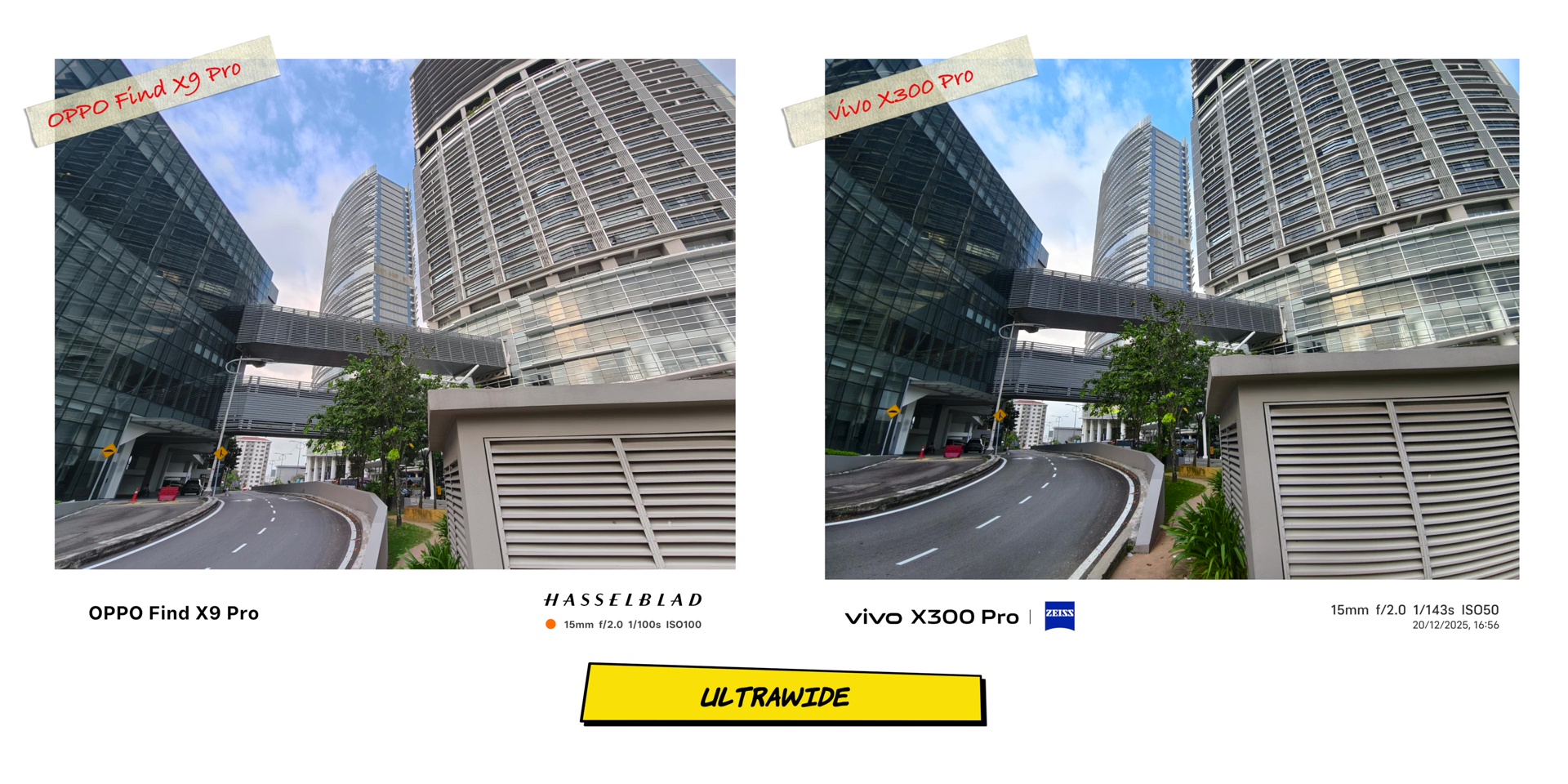
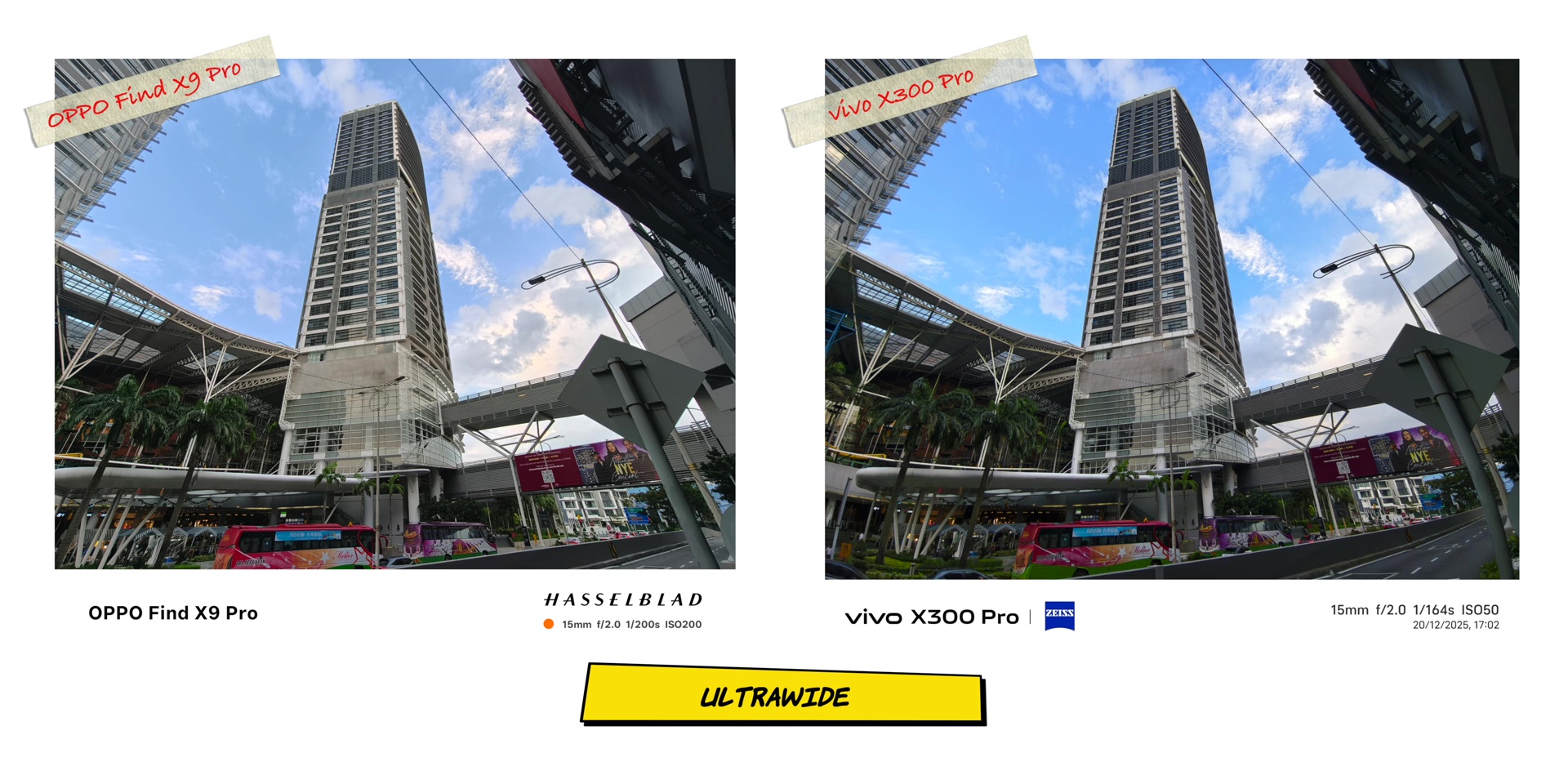
And even though this second comparison’s value of the ISO value is slightly different, but the results were the same, probably with a little more saturated image on the vivo and the story was the same over on this comparison photo too.
What’s expected is that the main lenses perform and look very similar too. And yes, it was the case again where vivo once again was a little bluer in the skies area. The focal length on the OPPO is slightly wider as mentioned earlier on the main lenses, but both perform equally as good.
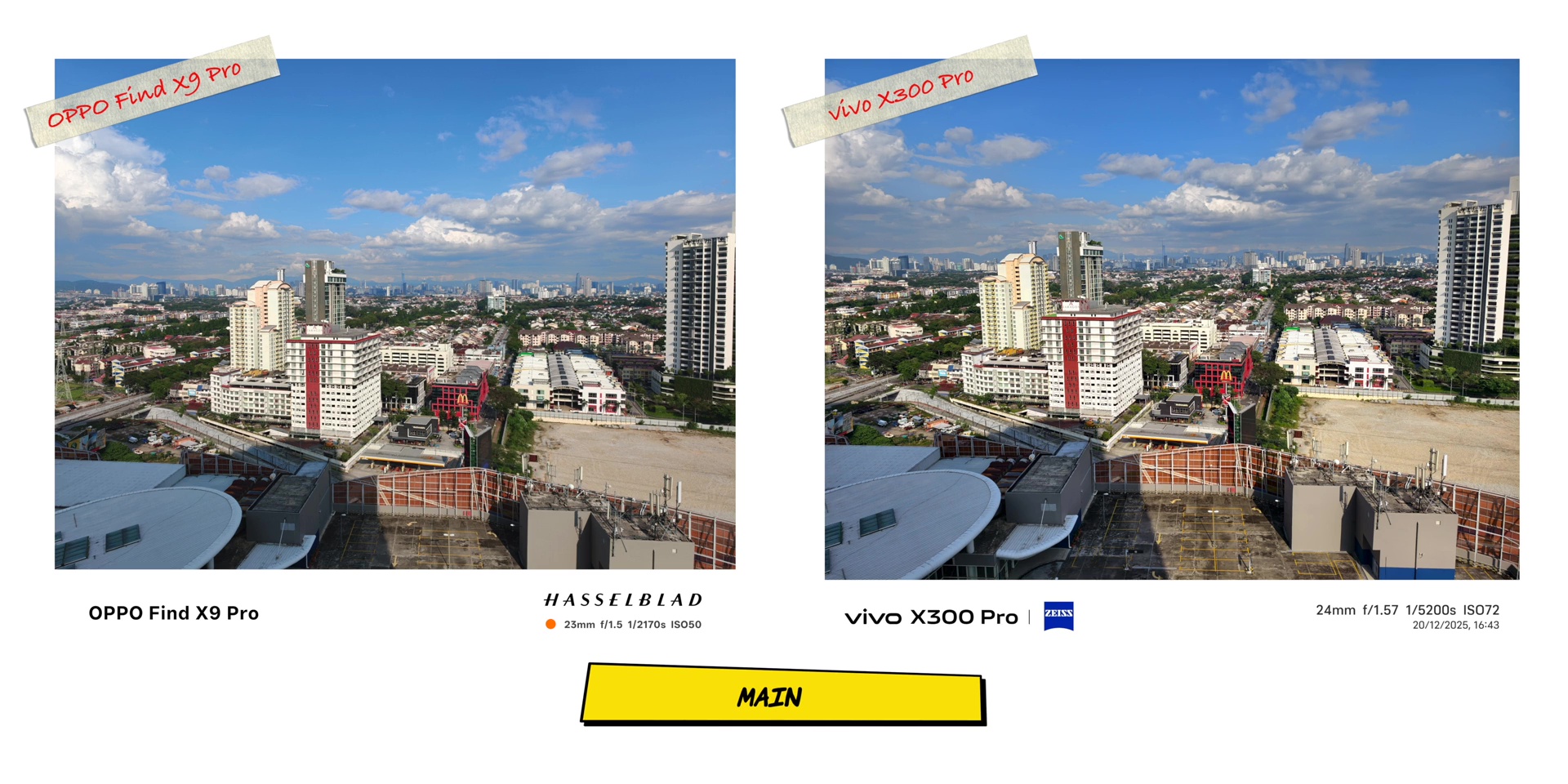
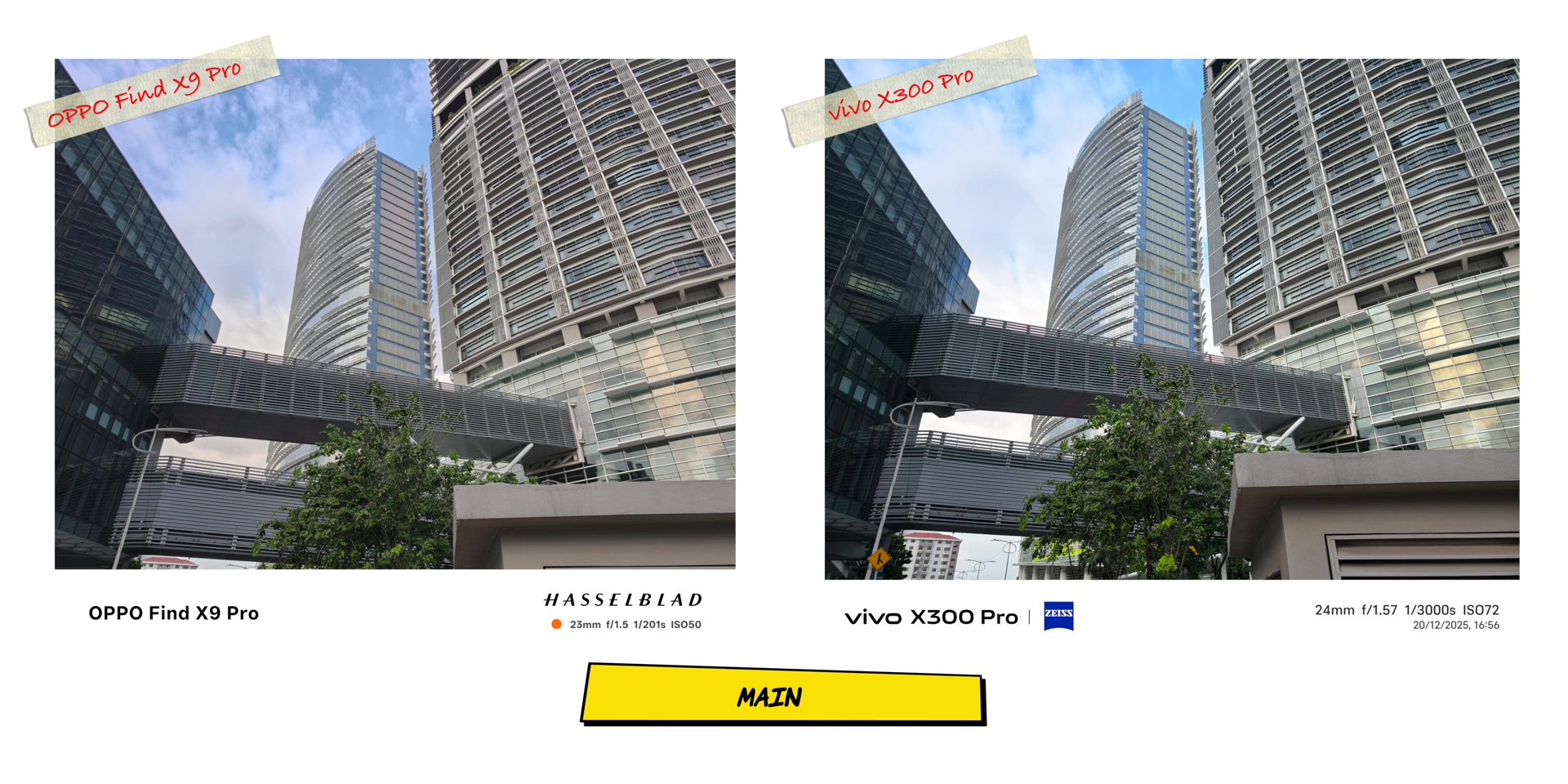
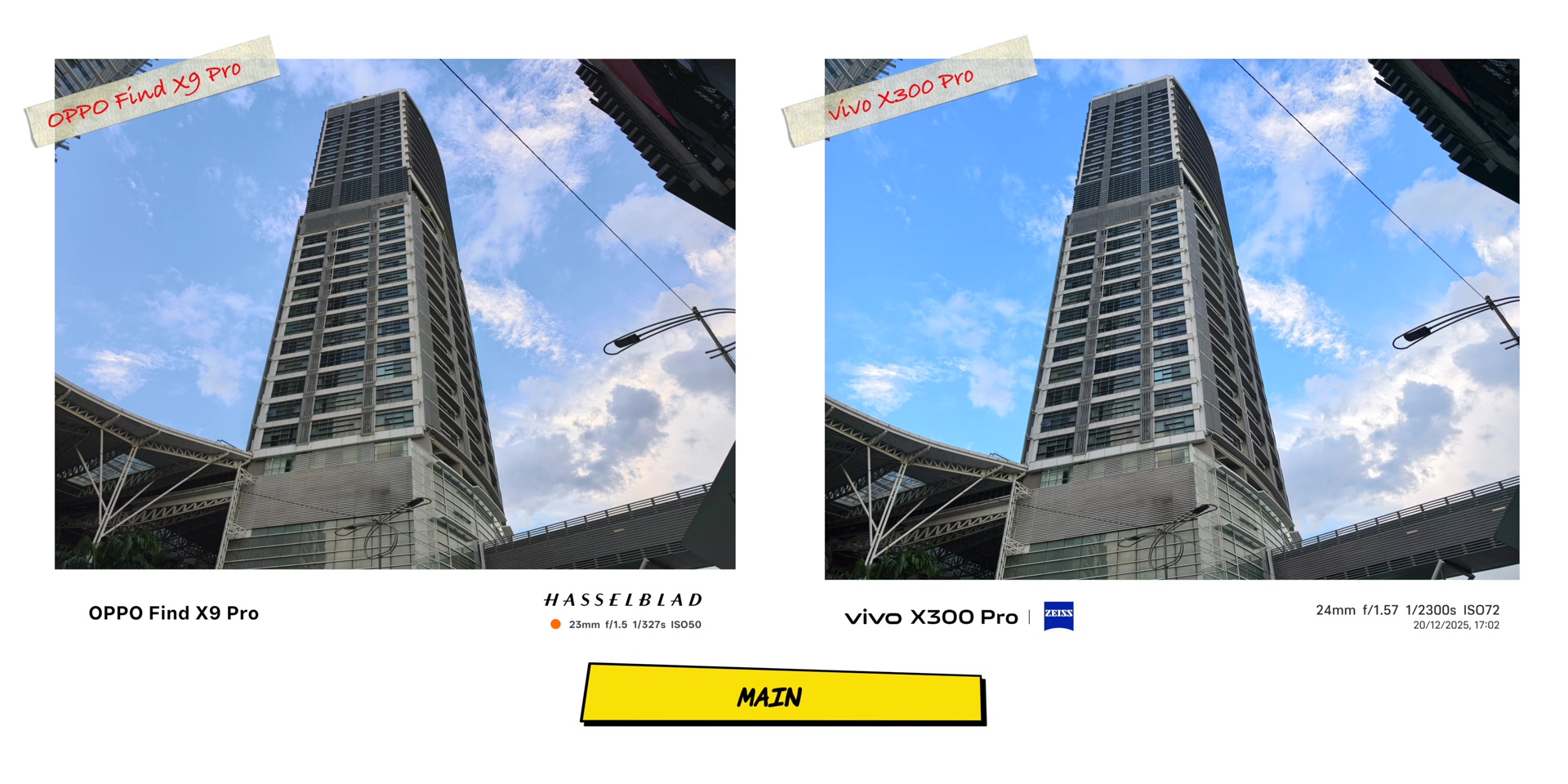
Zoom + Telephoto
The telephoto and the zoom capabilities on both phones are slightly different during the first few focal lengths by default in the camera app where if you touch the zoom value it will sometimes change to a different focal length within that. So I decided to test different ones during the day and also at night as well.
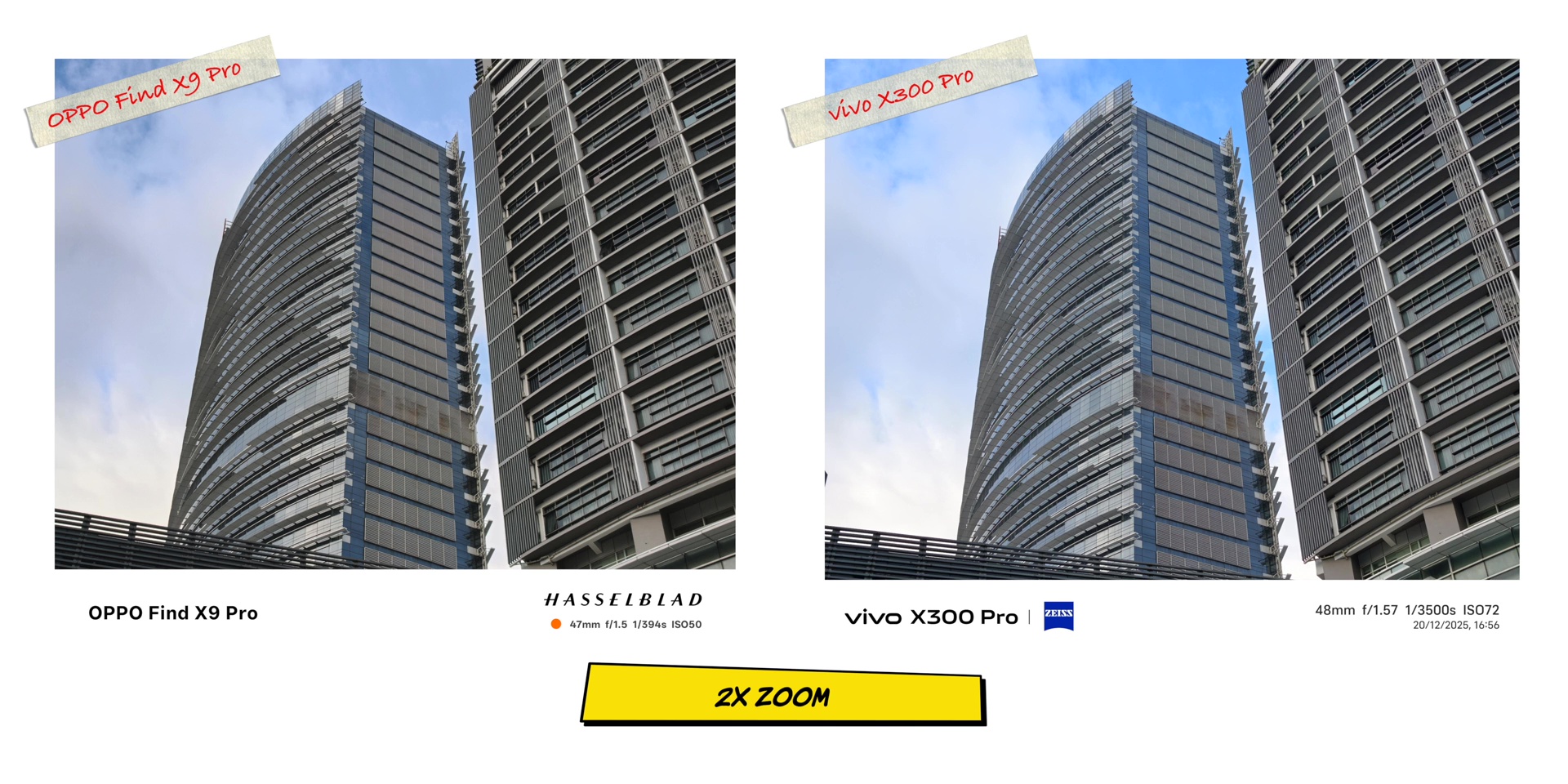
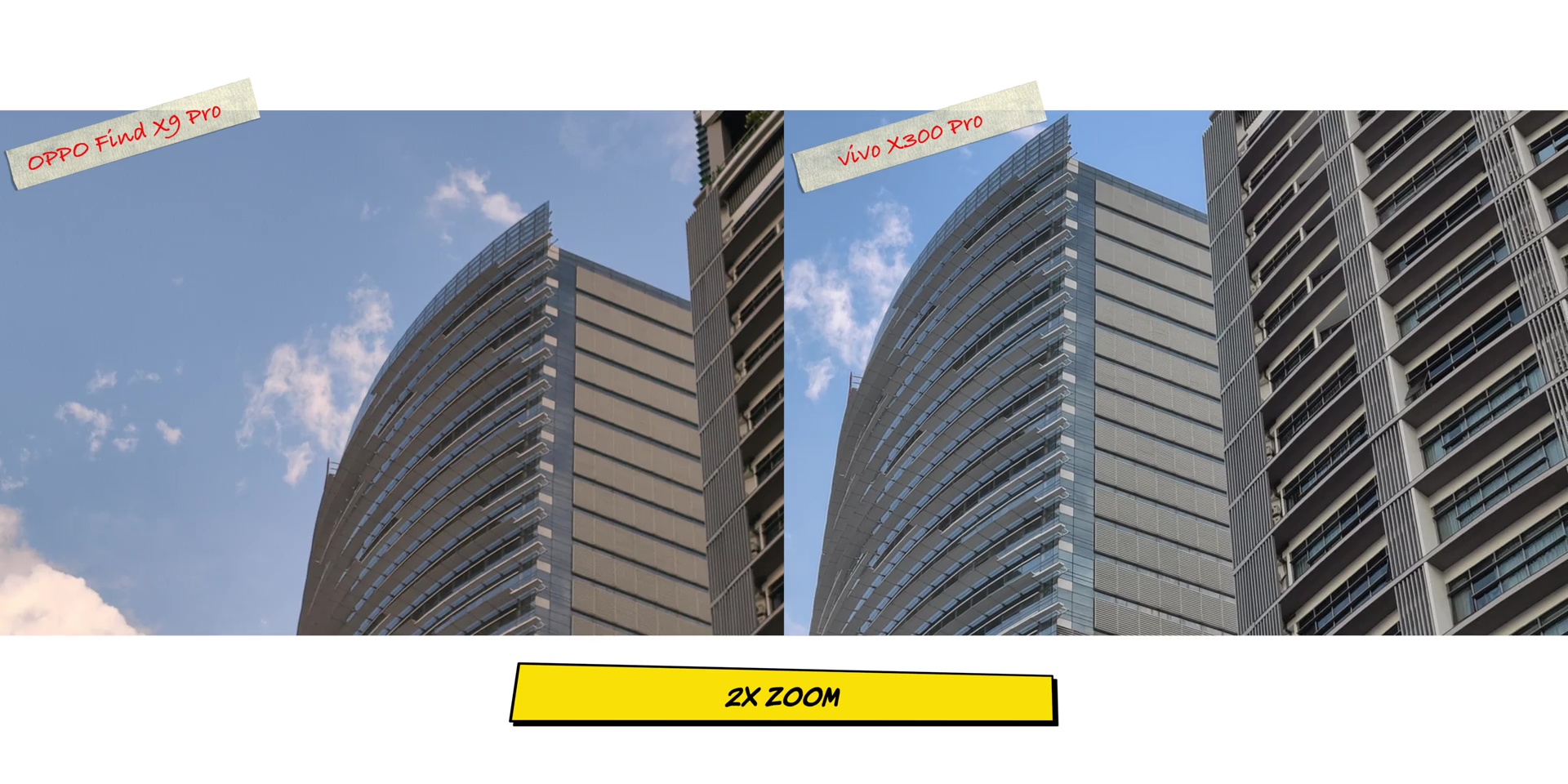
So looking at the first zoomed in 2x image at 48mm on the vivo and 47mm on the OPPO. This time around, the skies looked a bit brighter blue on the OPPO, but in the other areas it was the same.
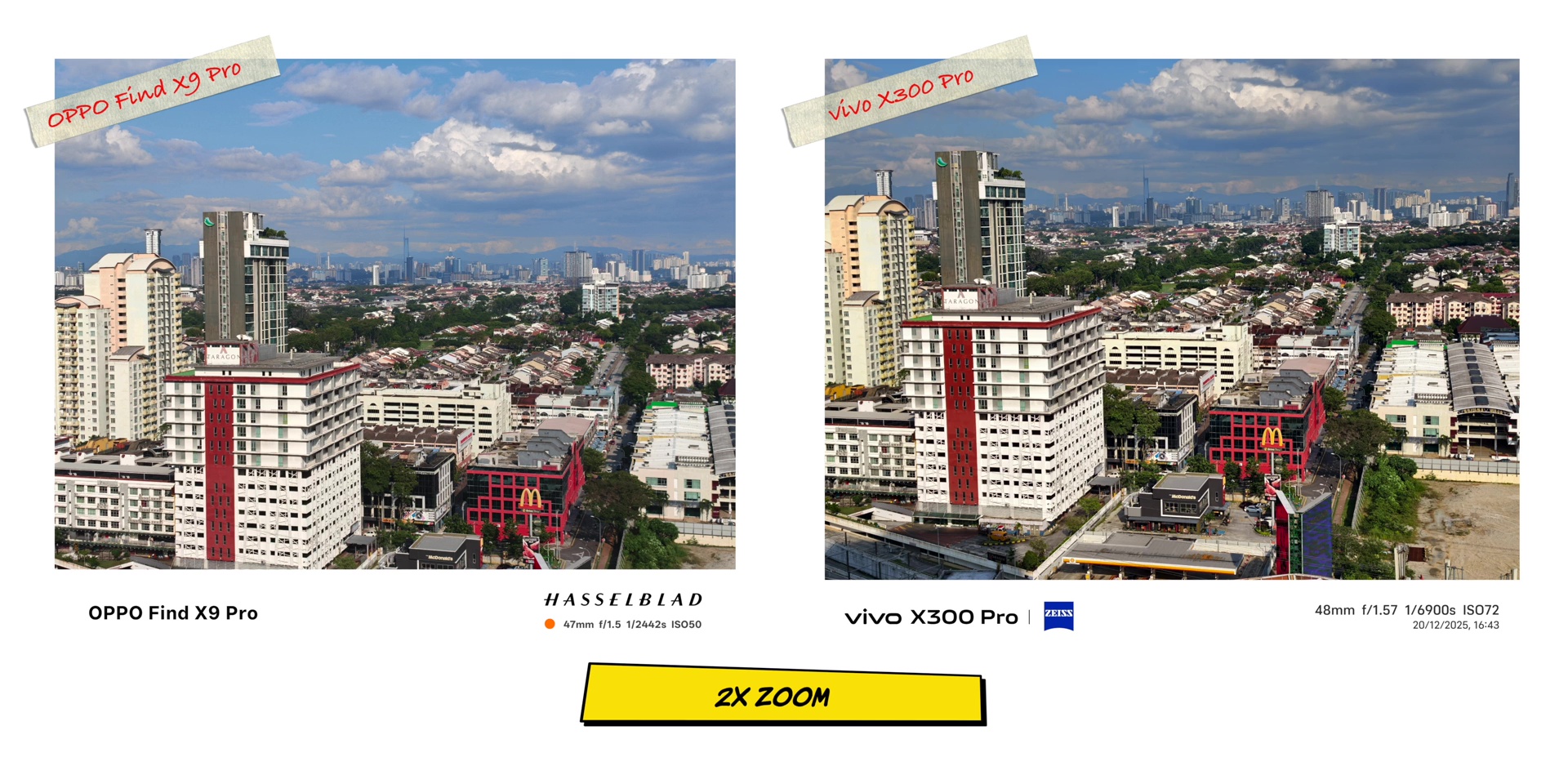
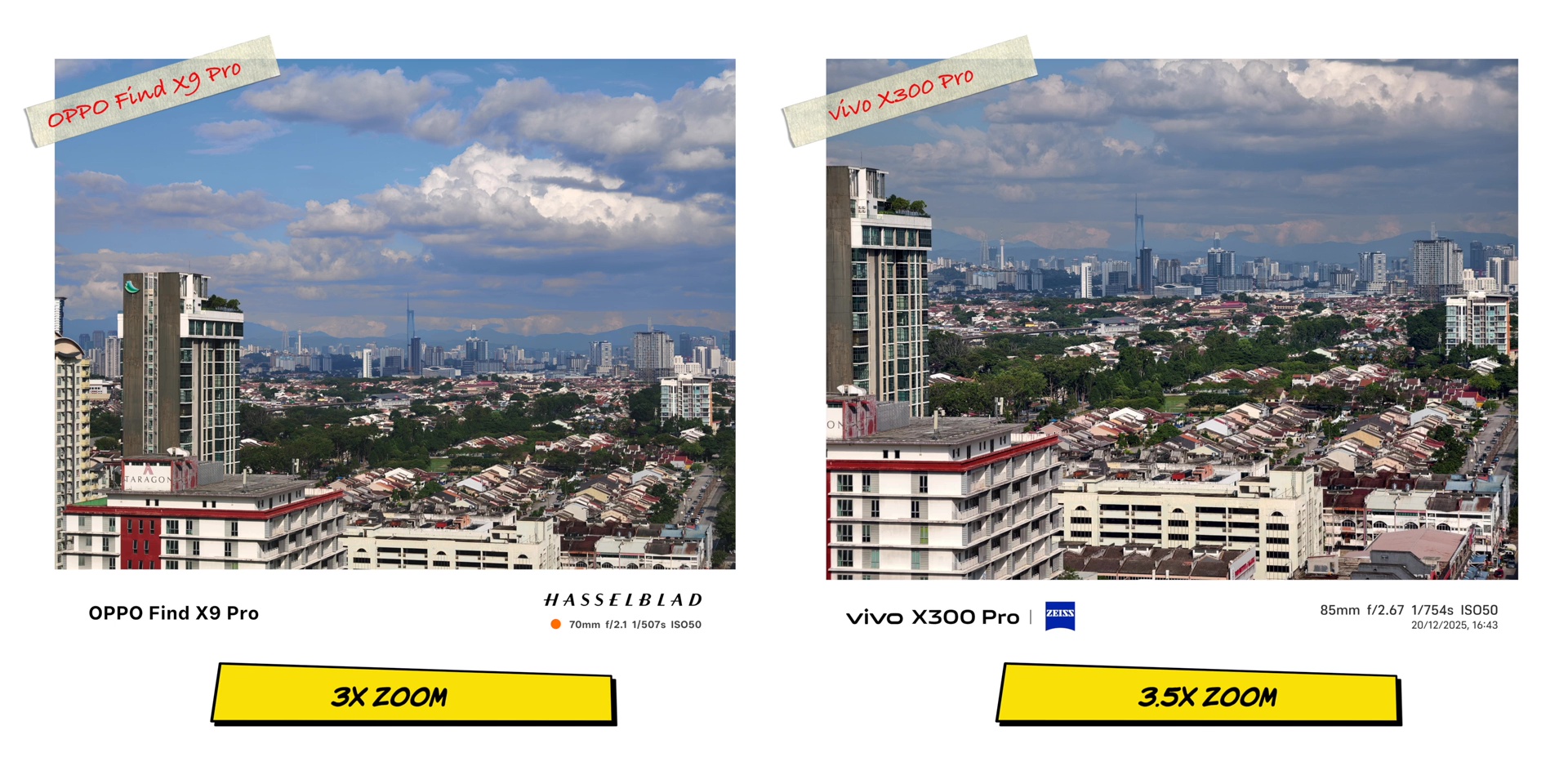
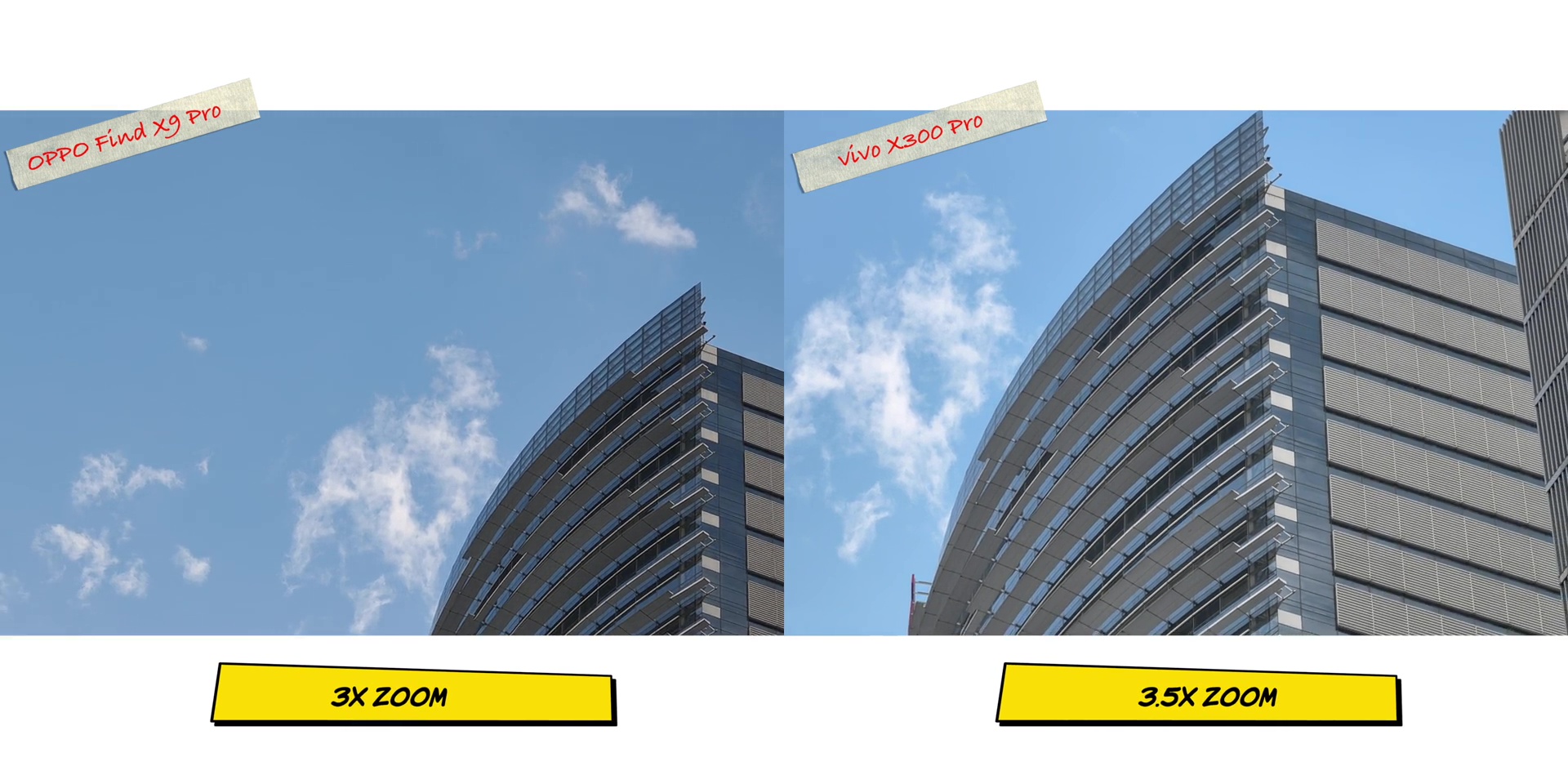
Next, looking at both of the optical periscope lenses, the vivo’s 85mm and OPPO 70mm look great, but just a slight color difference like how it was previously before this. The vivo is at 85mm, so you’ll notice a difference in crop value side by side.
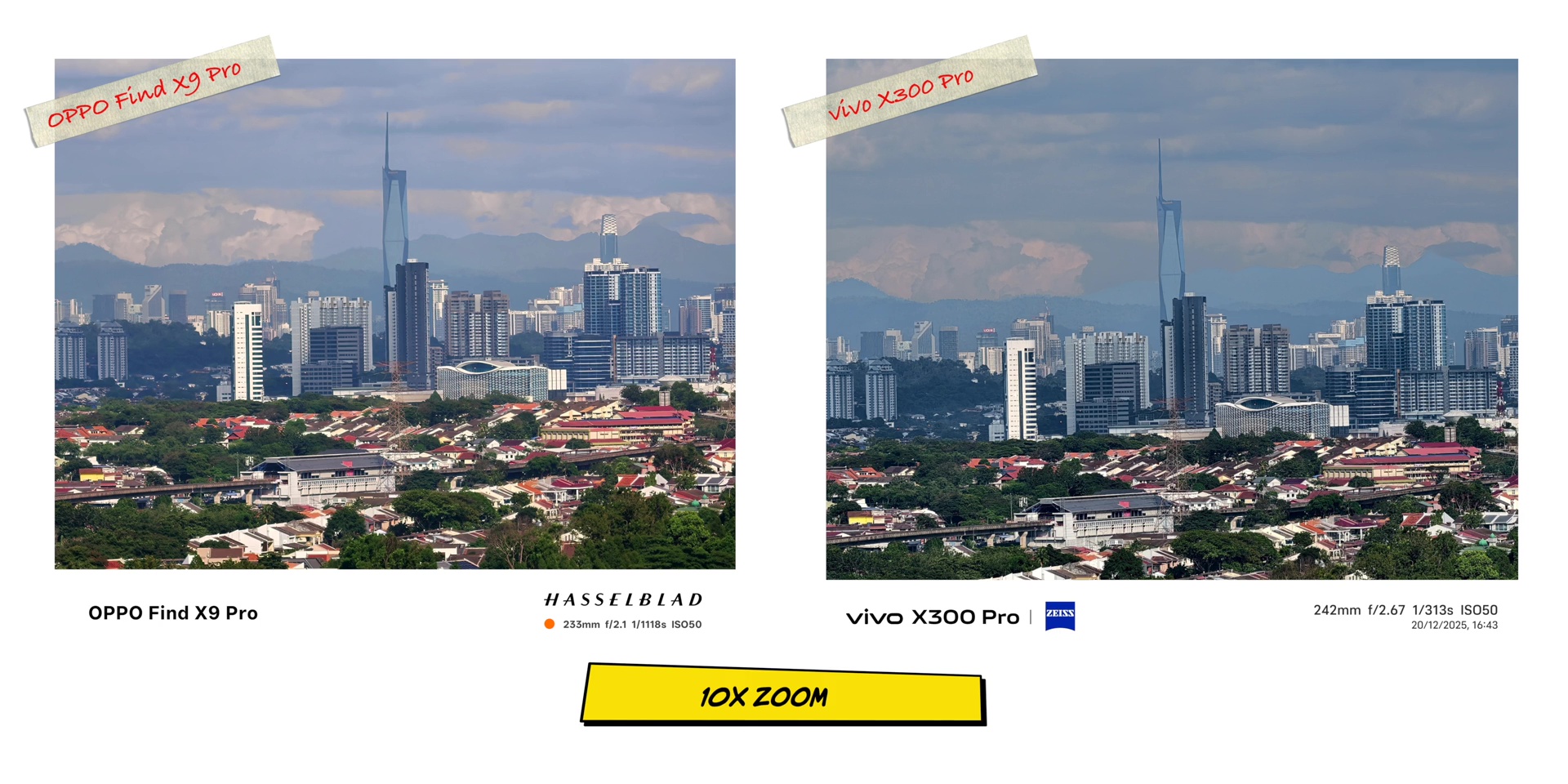
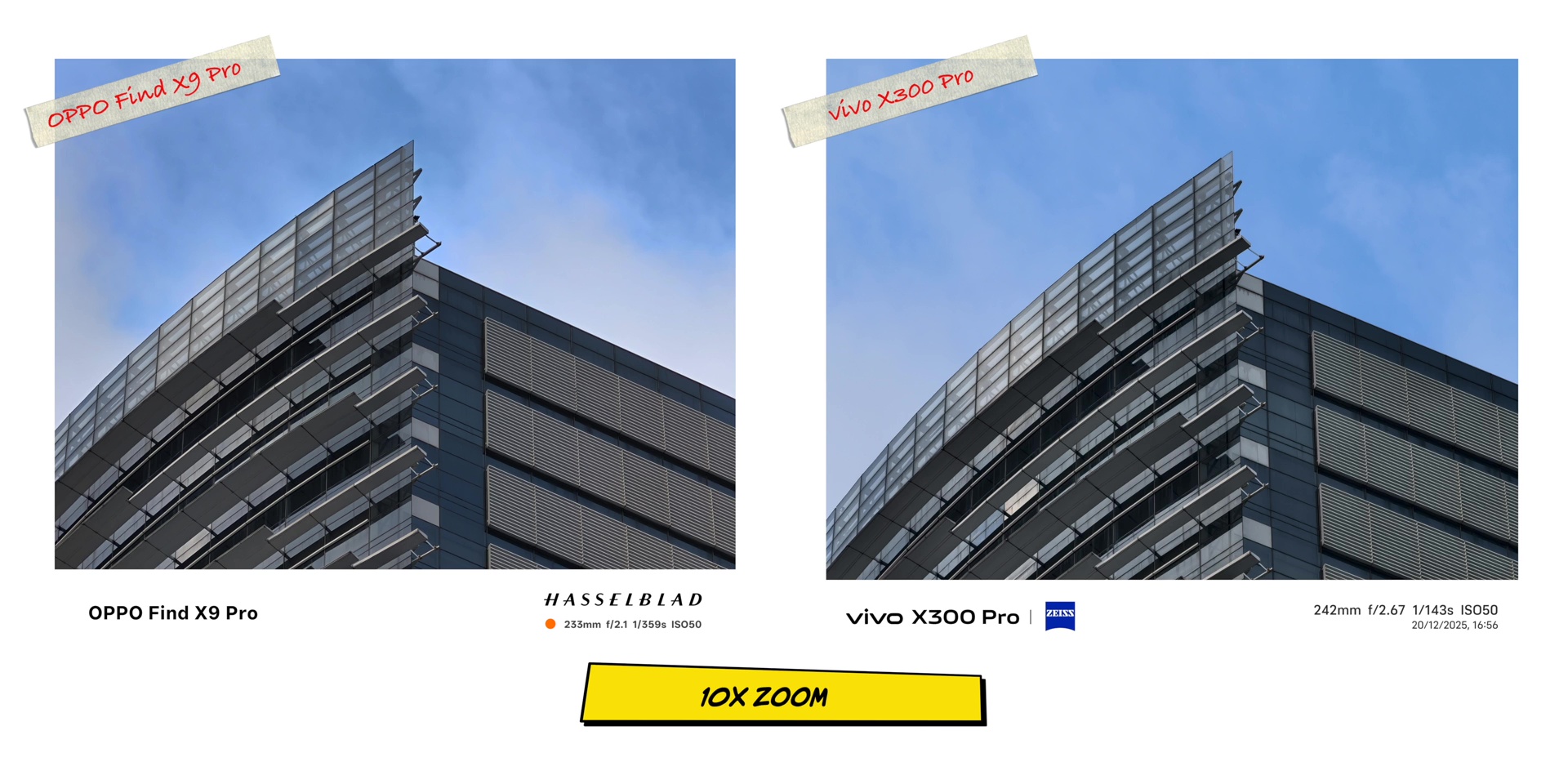
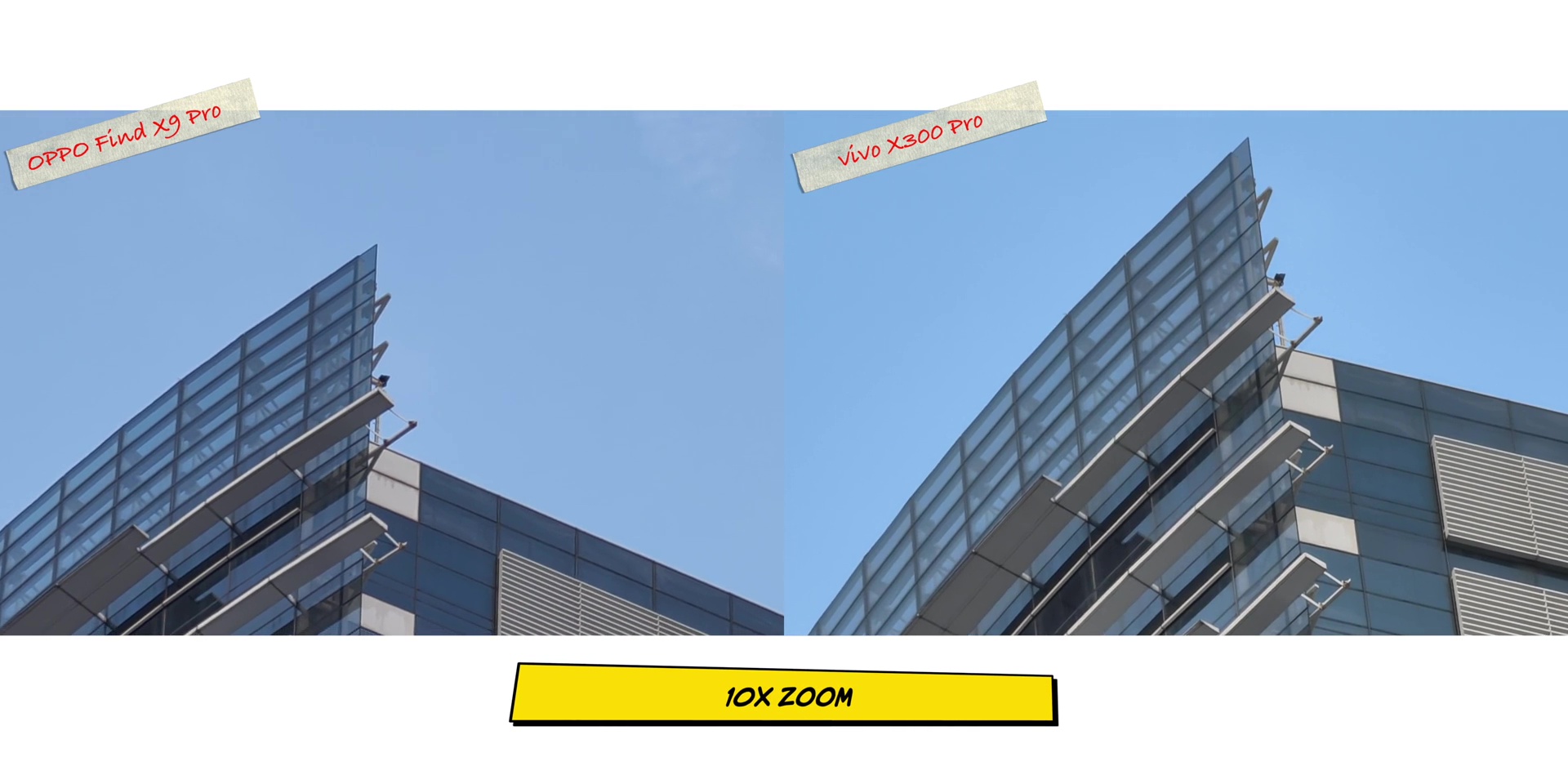
Then the focal length starts to differ where this 242mm on the vivo and the 233mm on the OPPO are 10x zoom still maintaining great details and quality as well.
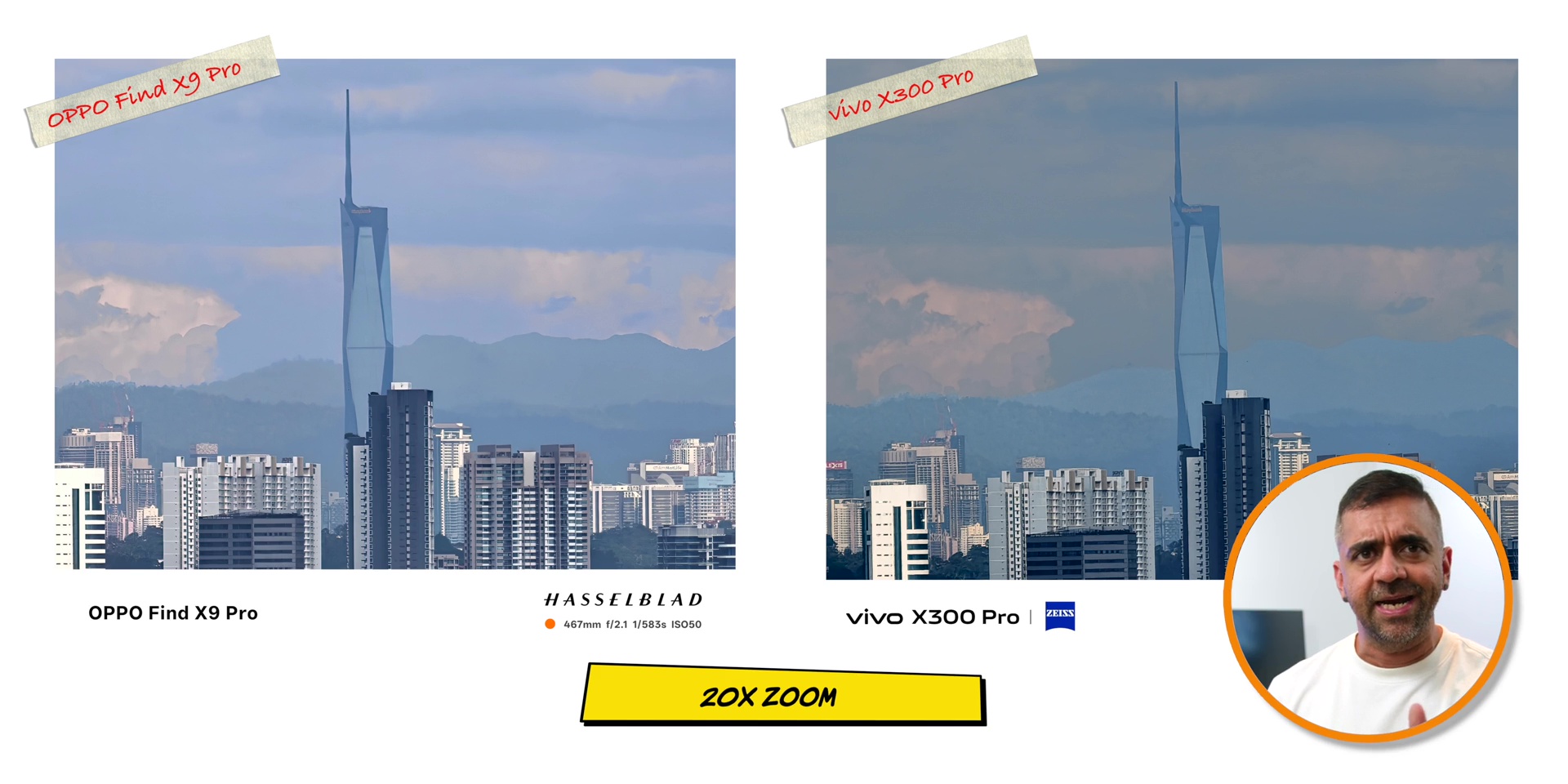
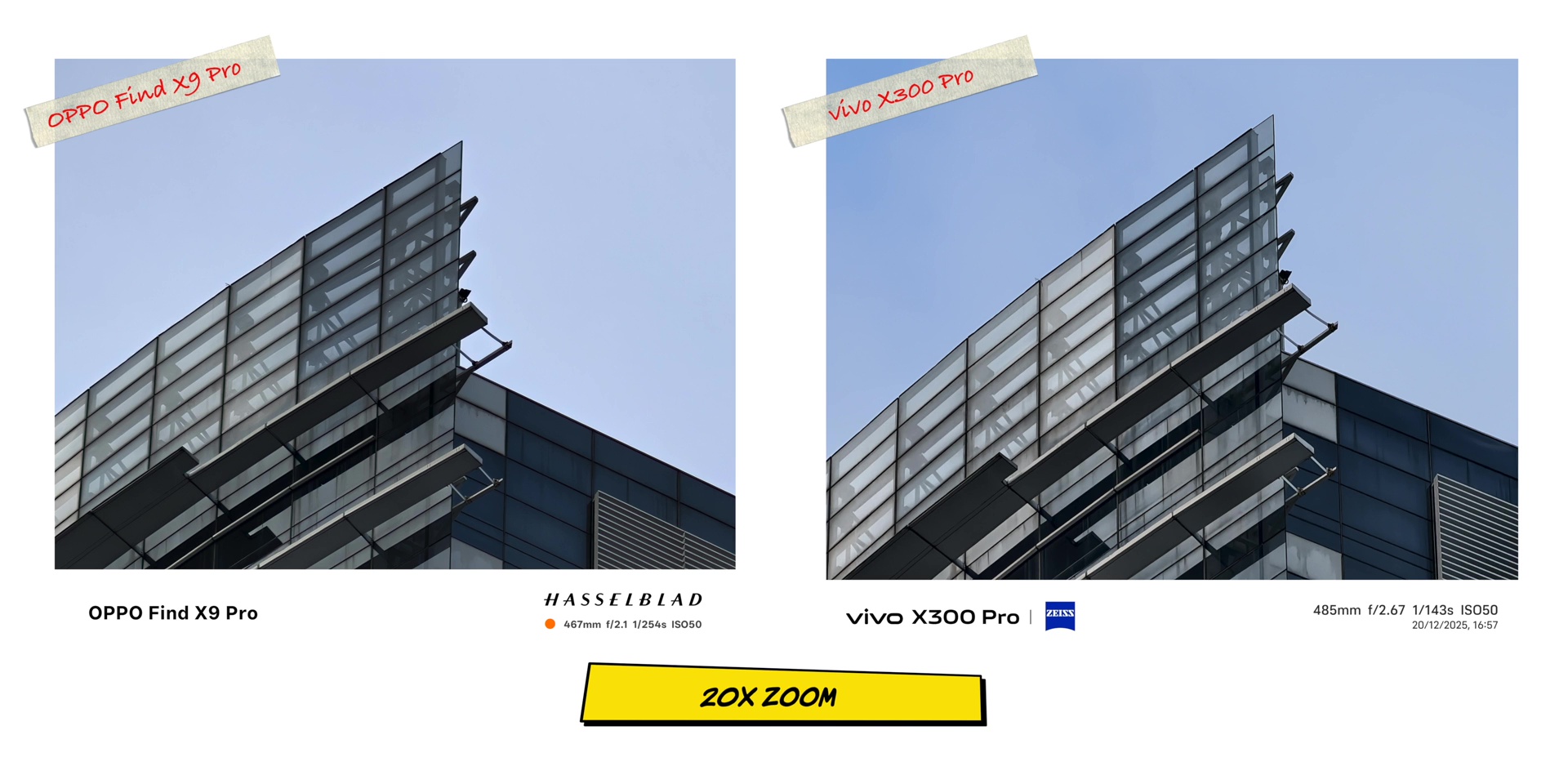
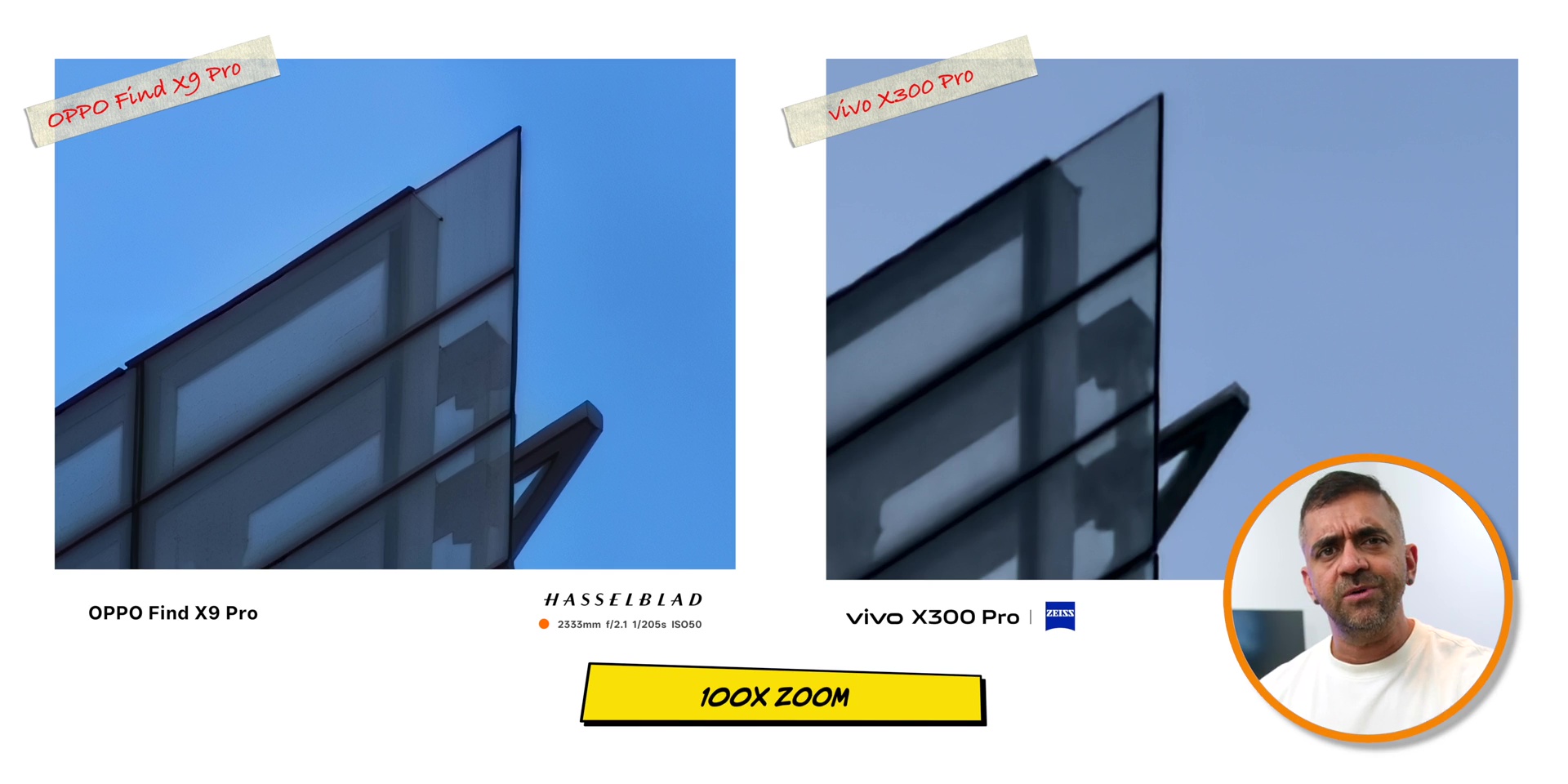
Then at 20x zoom you almost see the Maybank writing at the Merdeka 118 tower but not very clear which is understandable since it’s a very cloudy area far ahead where it gets more smudgy from the 50x zoom onwards. But the sharpness of the building was better on the OPPO.
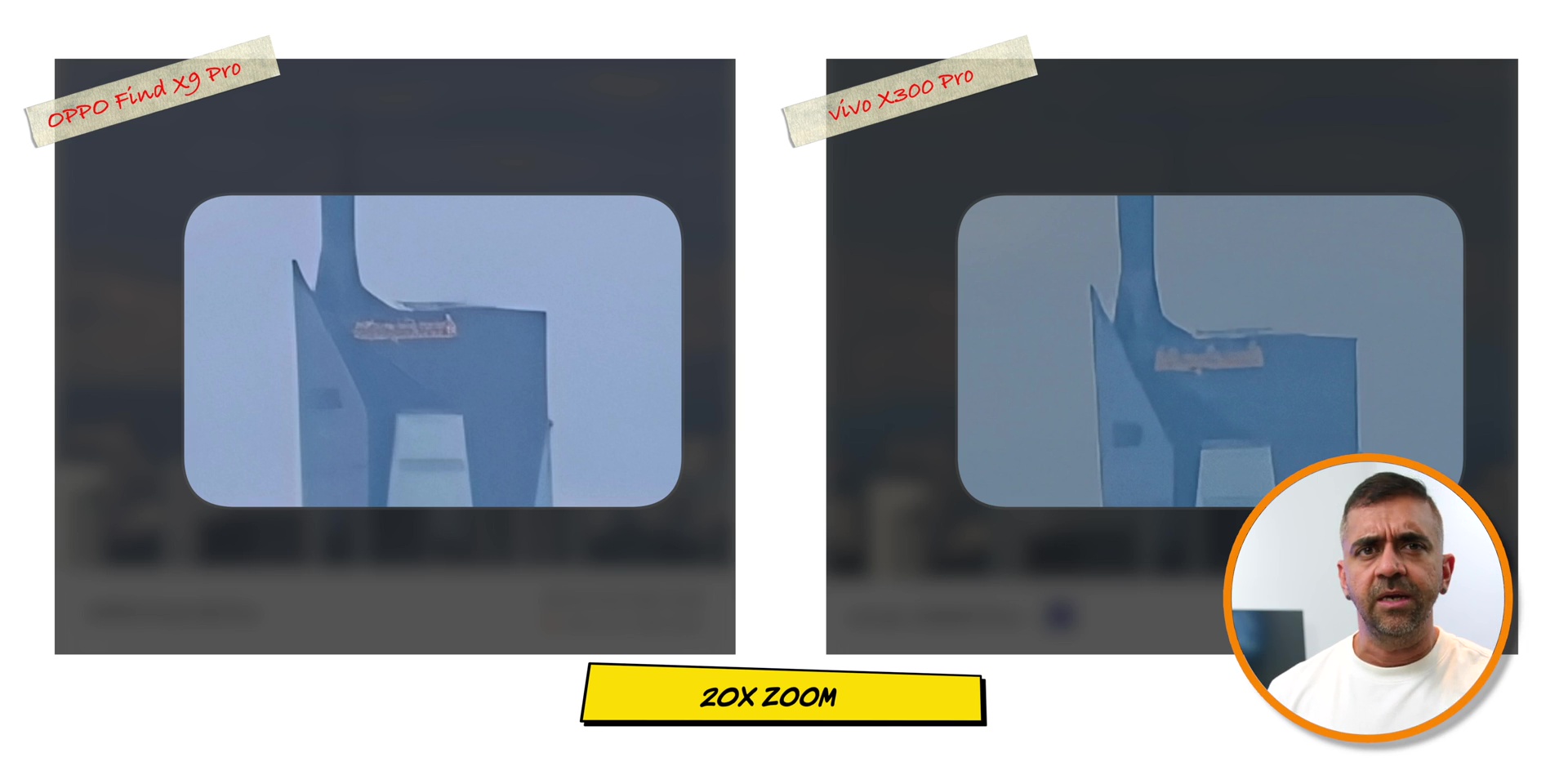
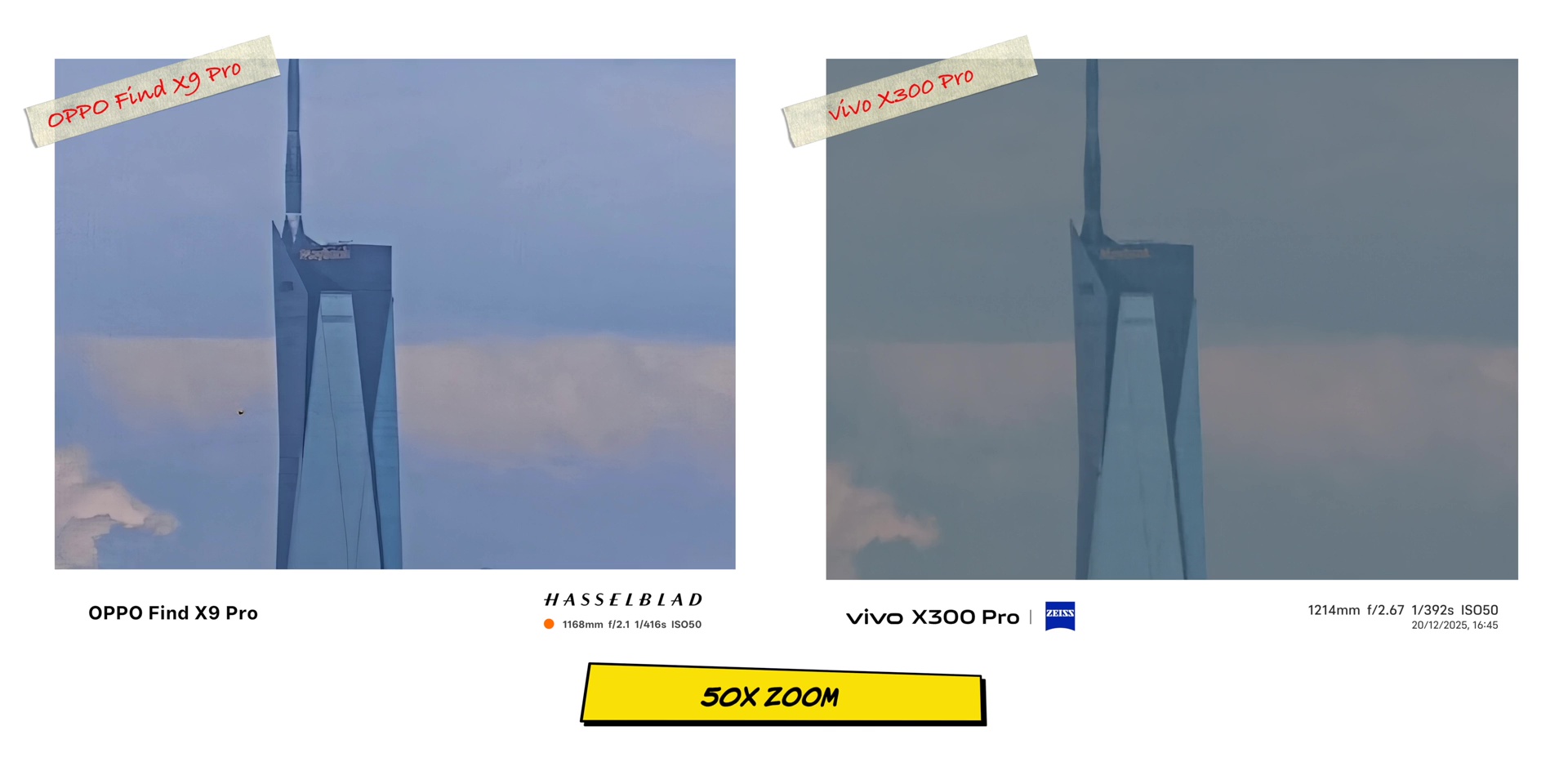
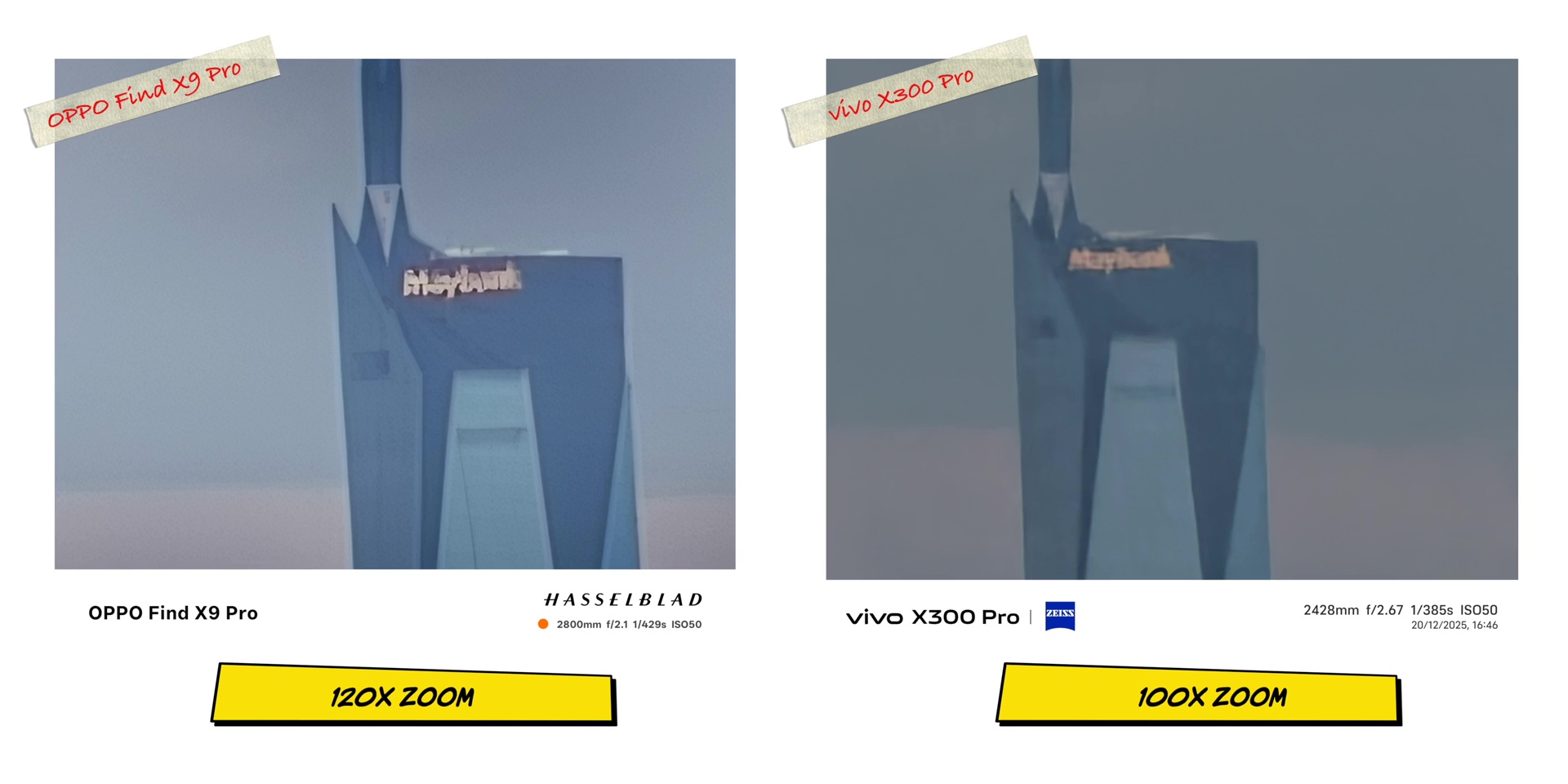
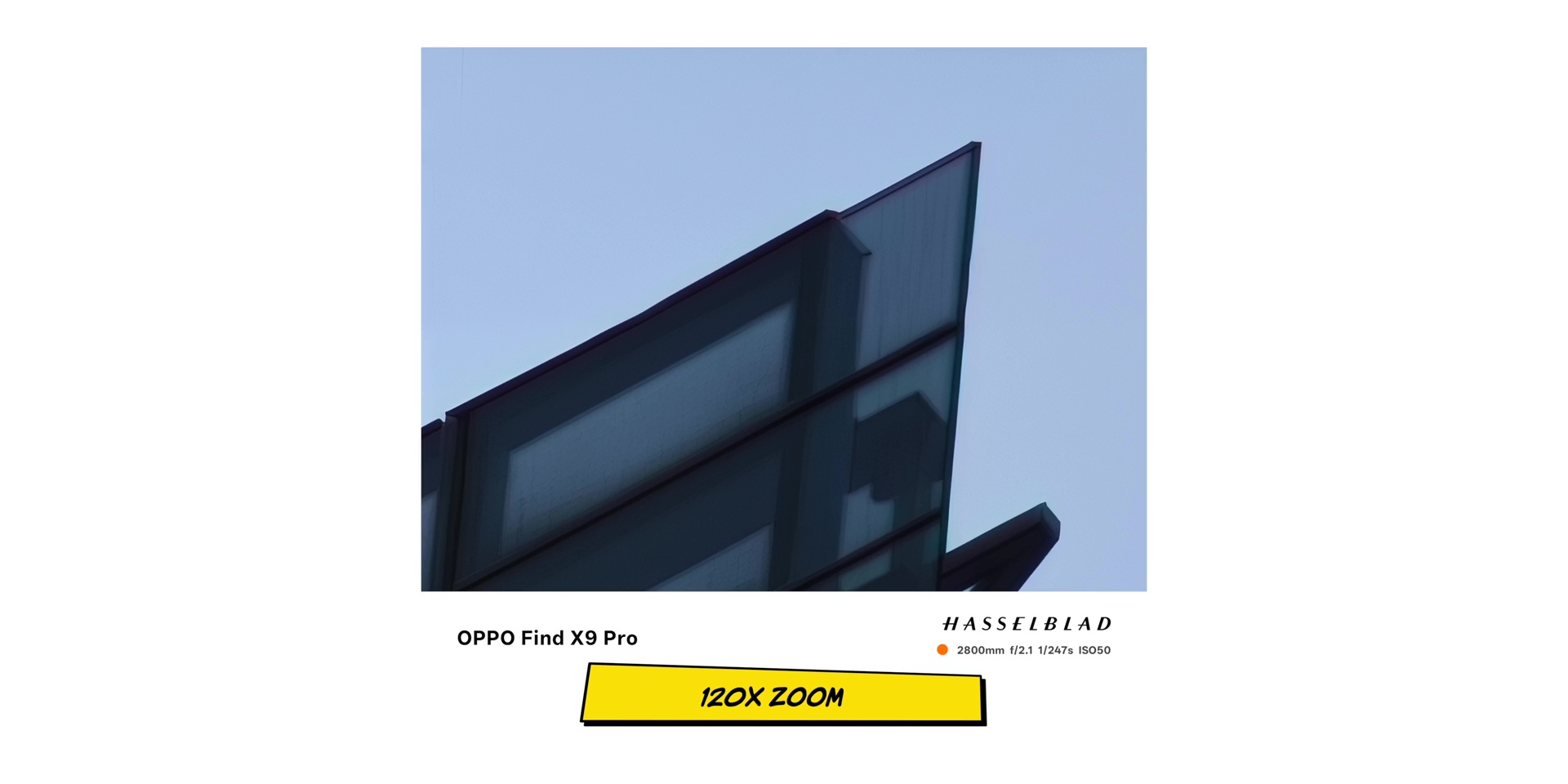
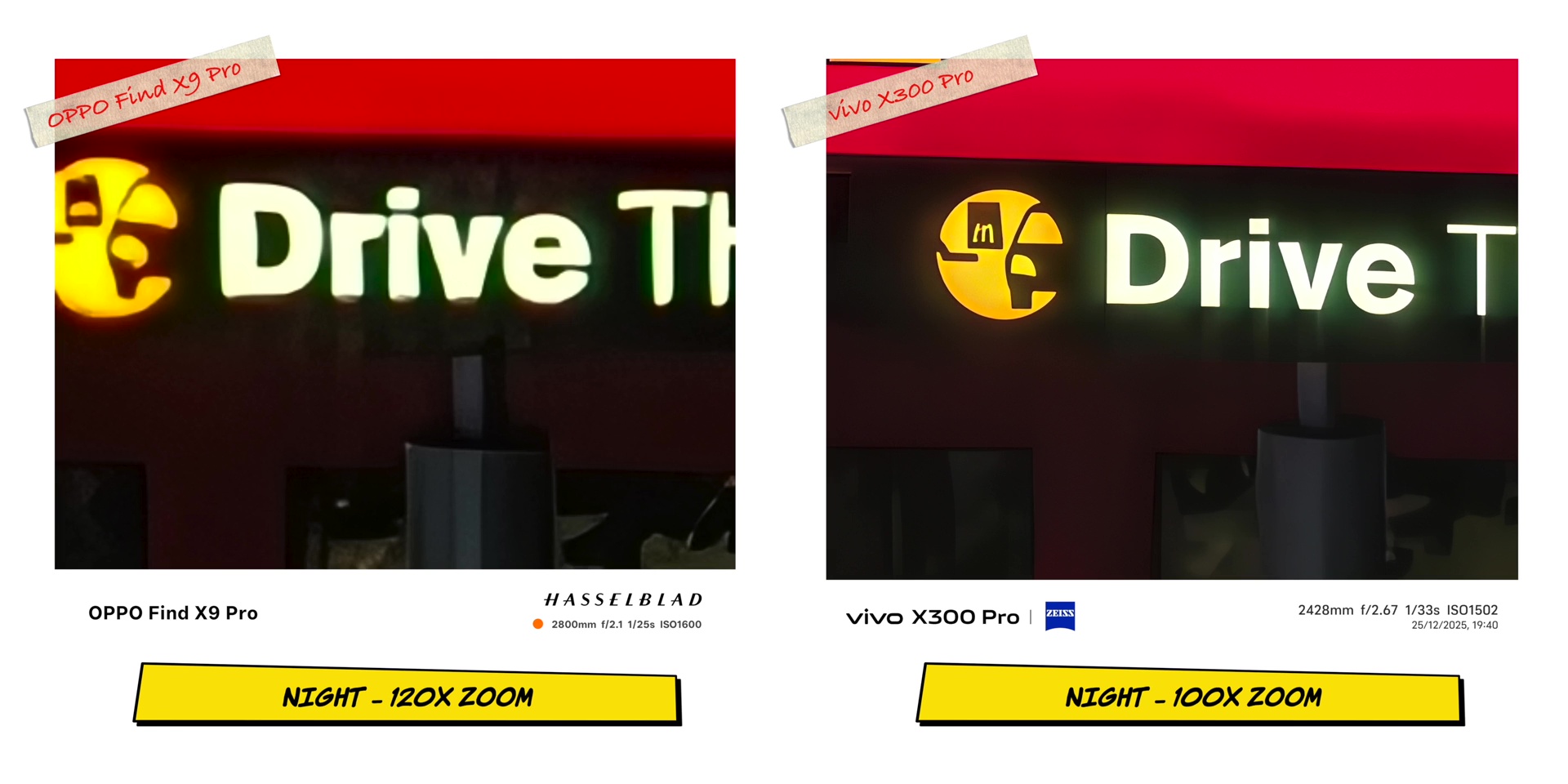
And while OPPO can go up to a maximum of 120x zoom, the vivo is limited to 100x zoom. But as seen in both images side by side, I wouldn’t use any one of them.
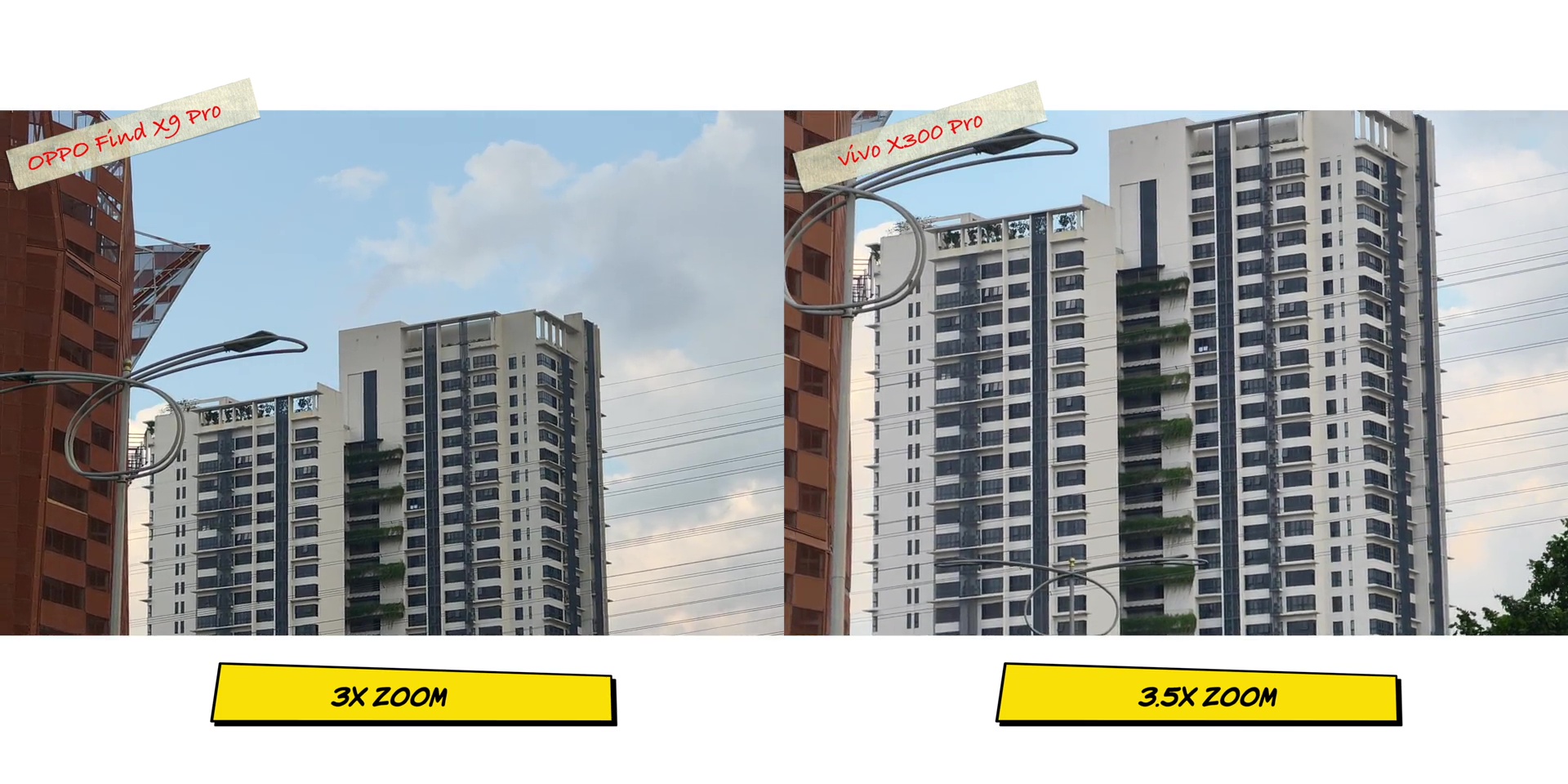
As for this second batch of photos, the stories were the same, for the 2x zoom or in vivo’s 3.5x optical zoom against OPPO’s 3x zoom.
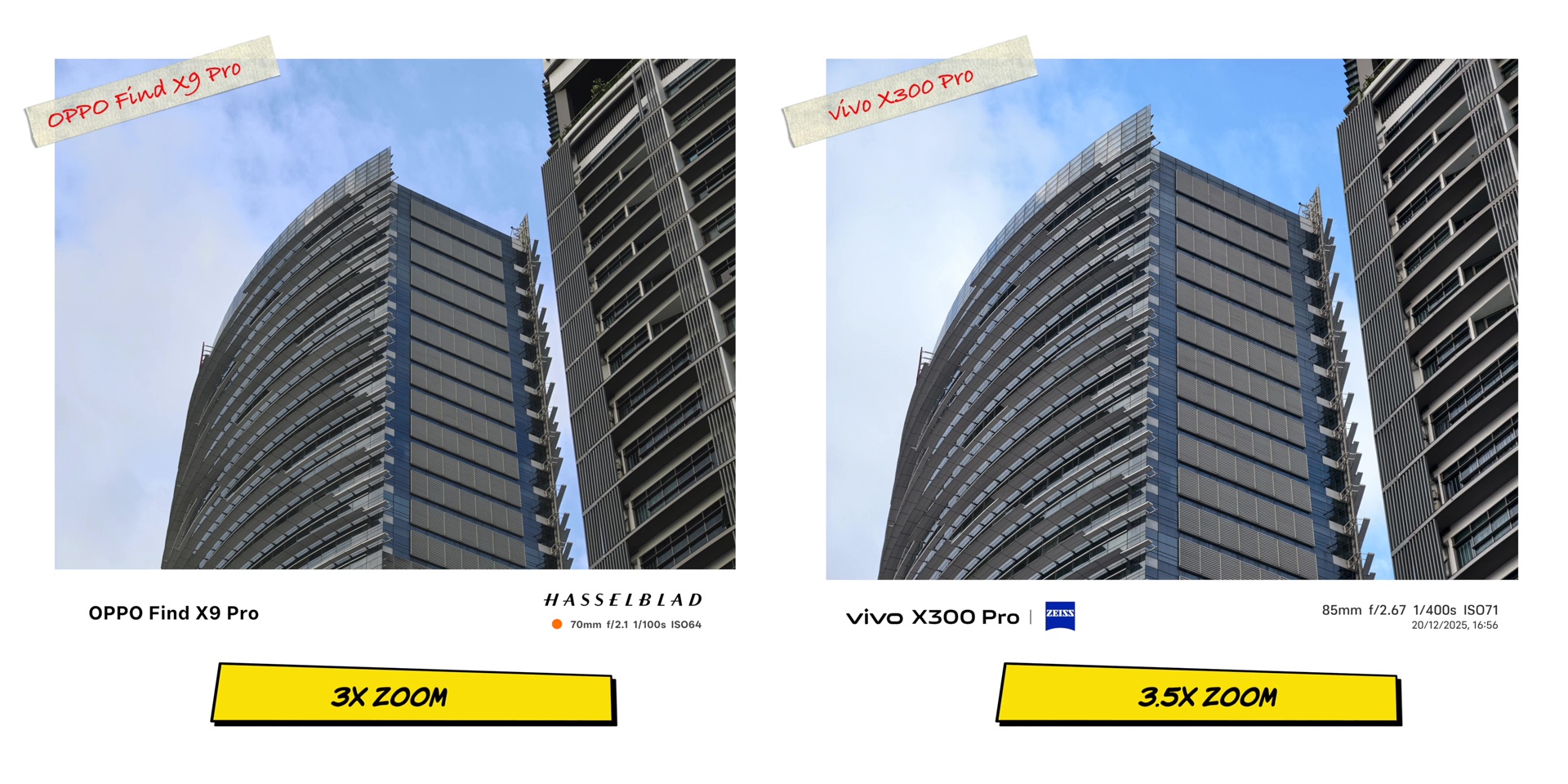
As mentioned in the camera app, there’s even a 6x zoom on the OPPO, which is about 140mm, which did look very nice too.
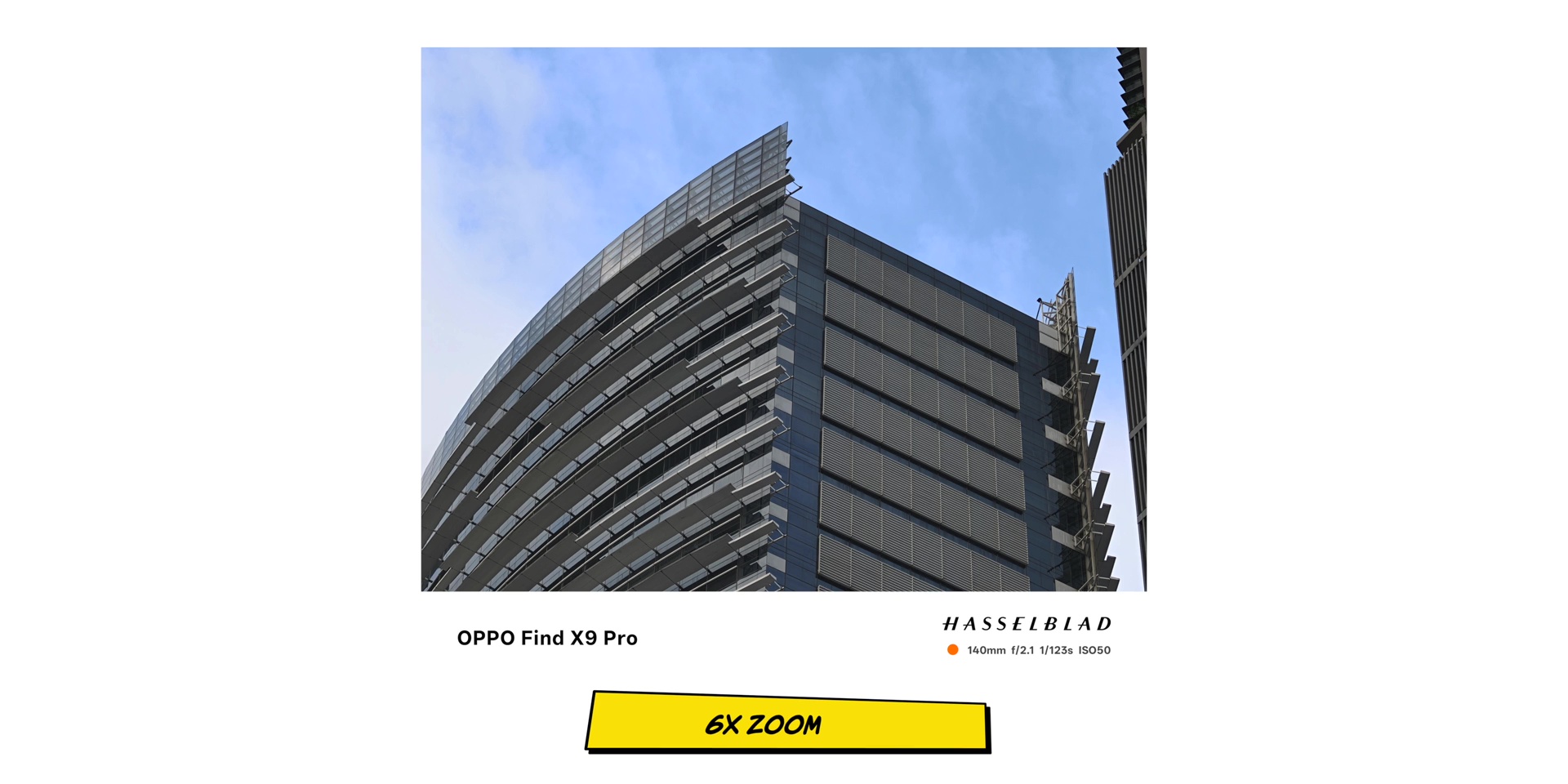
But even when you compare just the 10x zoom on both, you’re looking at similar results once again, where it was the same for the 20x zoom where the quality starts to degrade more on the vivo on the 50x zoom onwards.
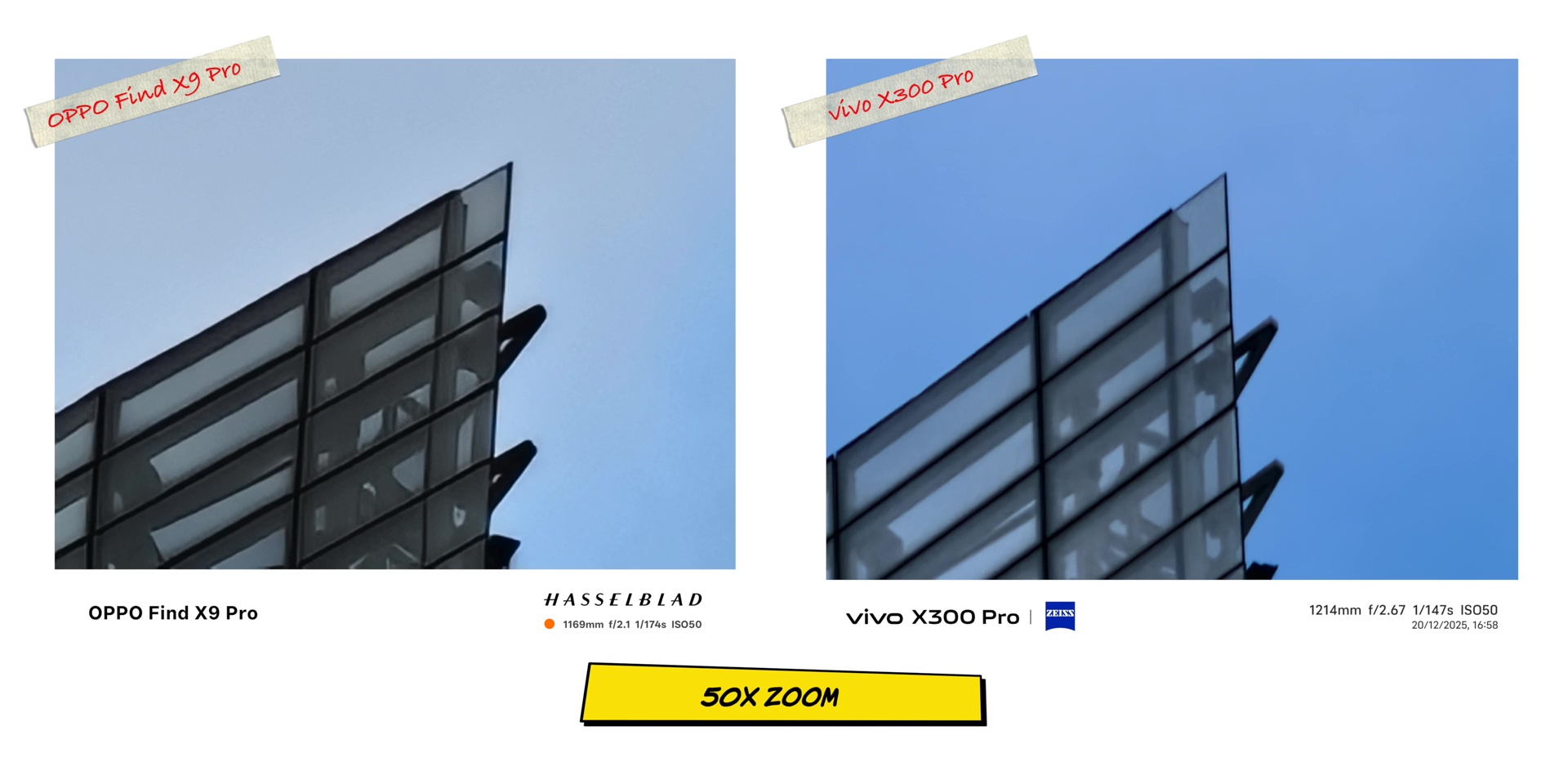
And while OPPO was still sharper at 100x zoom, there was quite a color shift over here where it goes back to the original colors at OPPO’s max 120x zoom. So based on this, if you’re zooming up to 10x, you won’t really see much of a difference, just beyond 20x as seen in these sample photos.
Portrait Mode
Like the zoom values earlier, the portrait mode has different focal lengths to choose from in between the default focal length in the camera app.
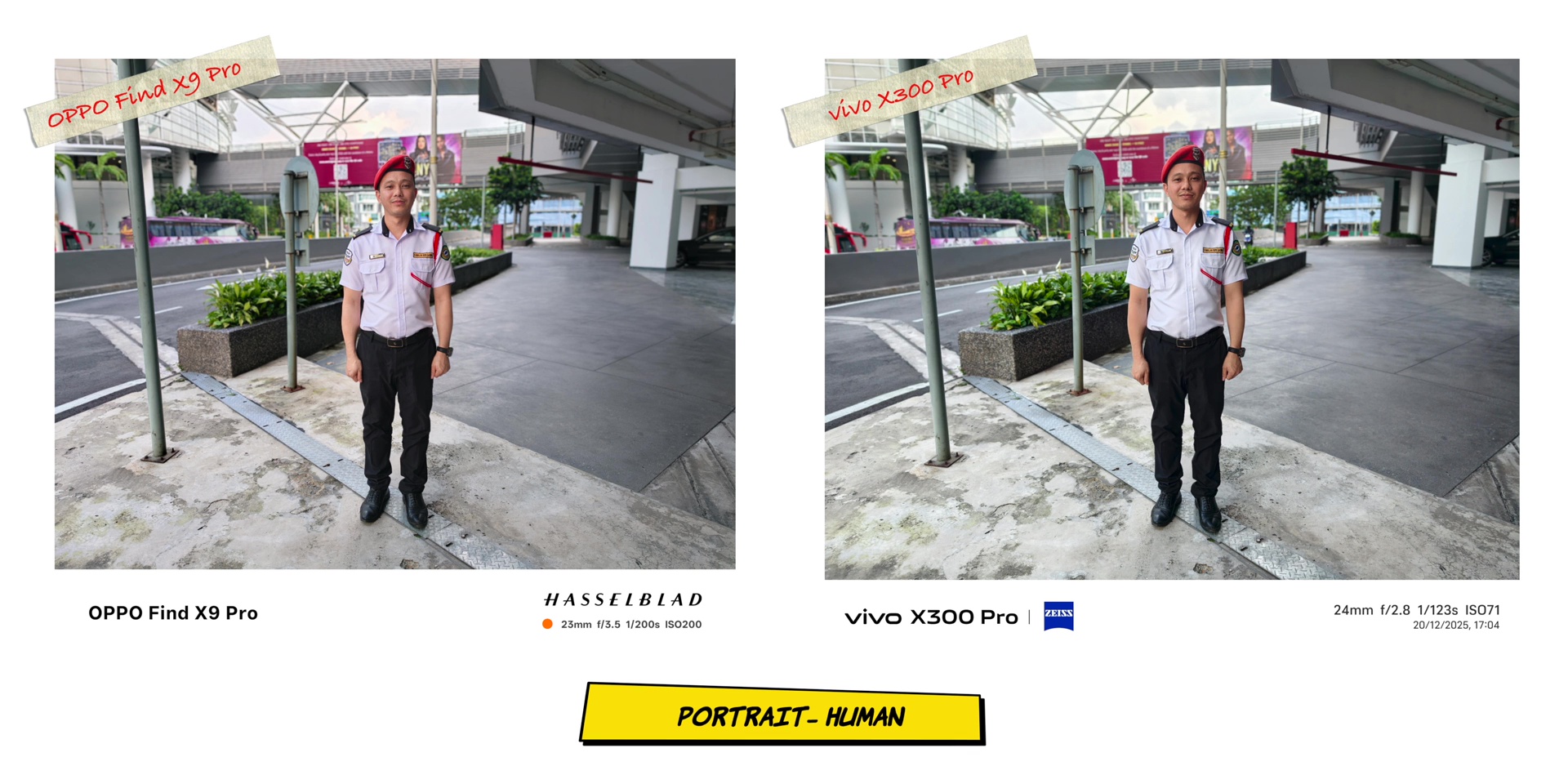
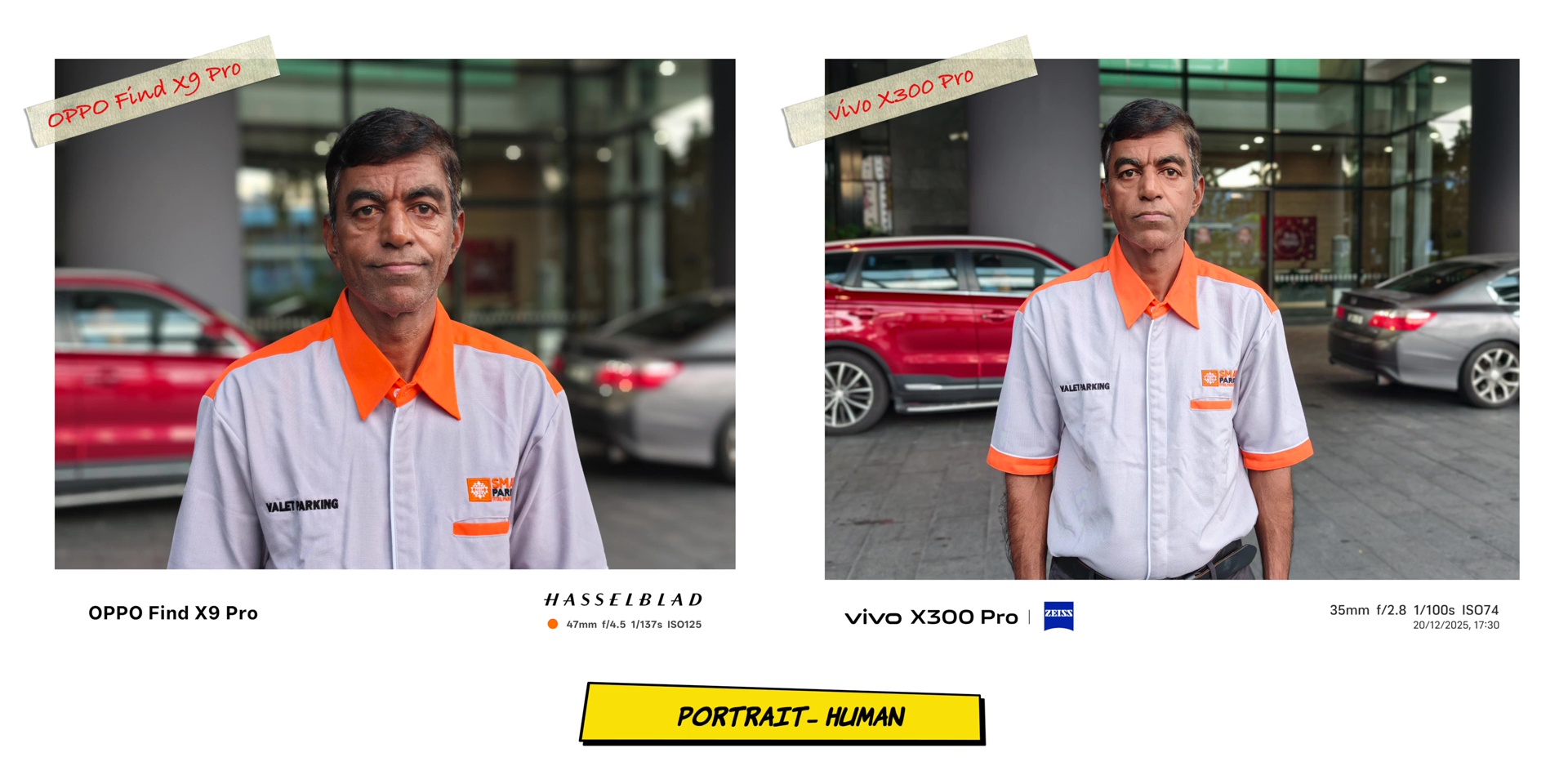
Firstly the 1x portrait mode focal length is the same on both of the main lenses and it did well on both 24mm and 23mm. Even in this wide angle at 23mm on the OPPO the edge detection was really good and the edge detection was consistently good at 35mm on the vivo and 47mm on the OPPO.
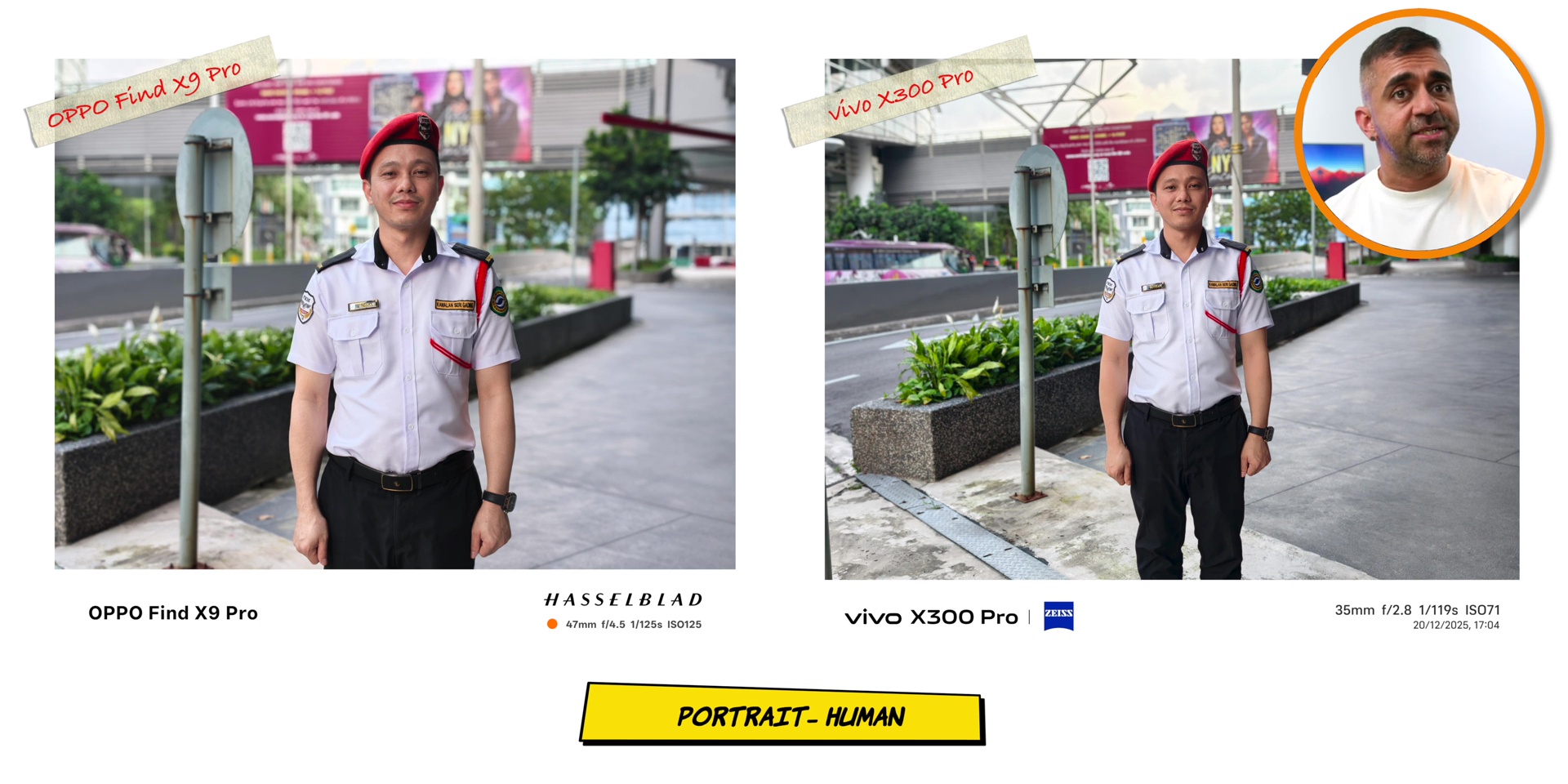
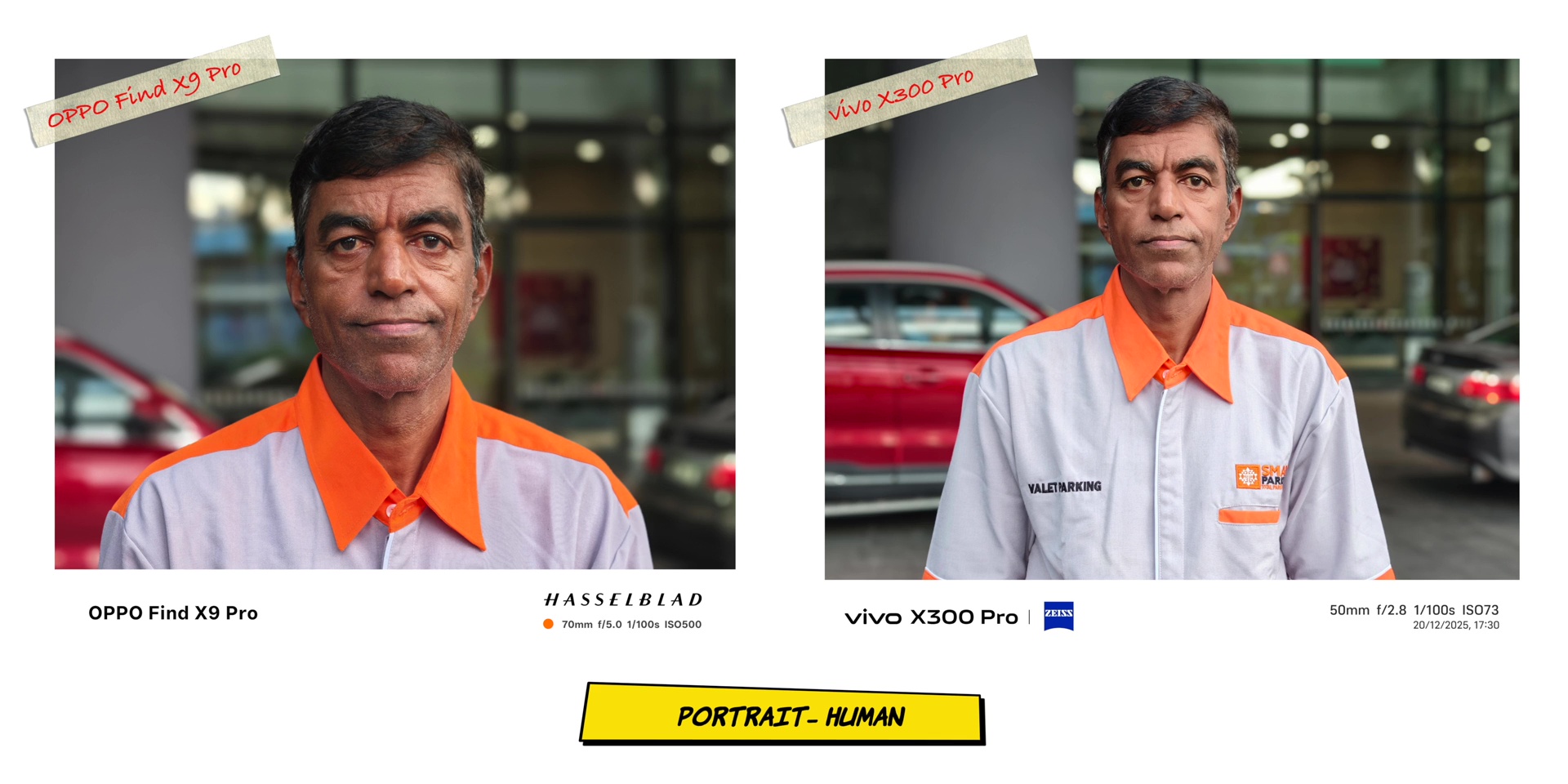
So it was on the 50mm on the vivo and 70mm on the OPPO while maintaining the same colors throughout. While OPPO has a focal length up to 85mm max, which I’ll show you a portrait mode at night for that particular value, but compared to the 85mm max value on the OPPO, vivo has an additional 135mm to really get that nice portrait photo look.
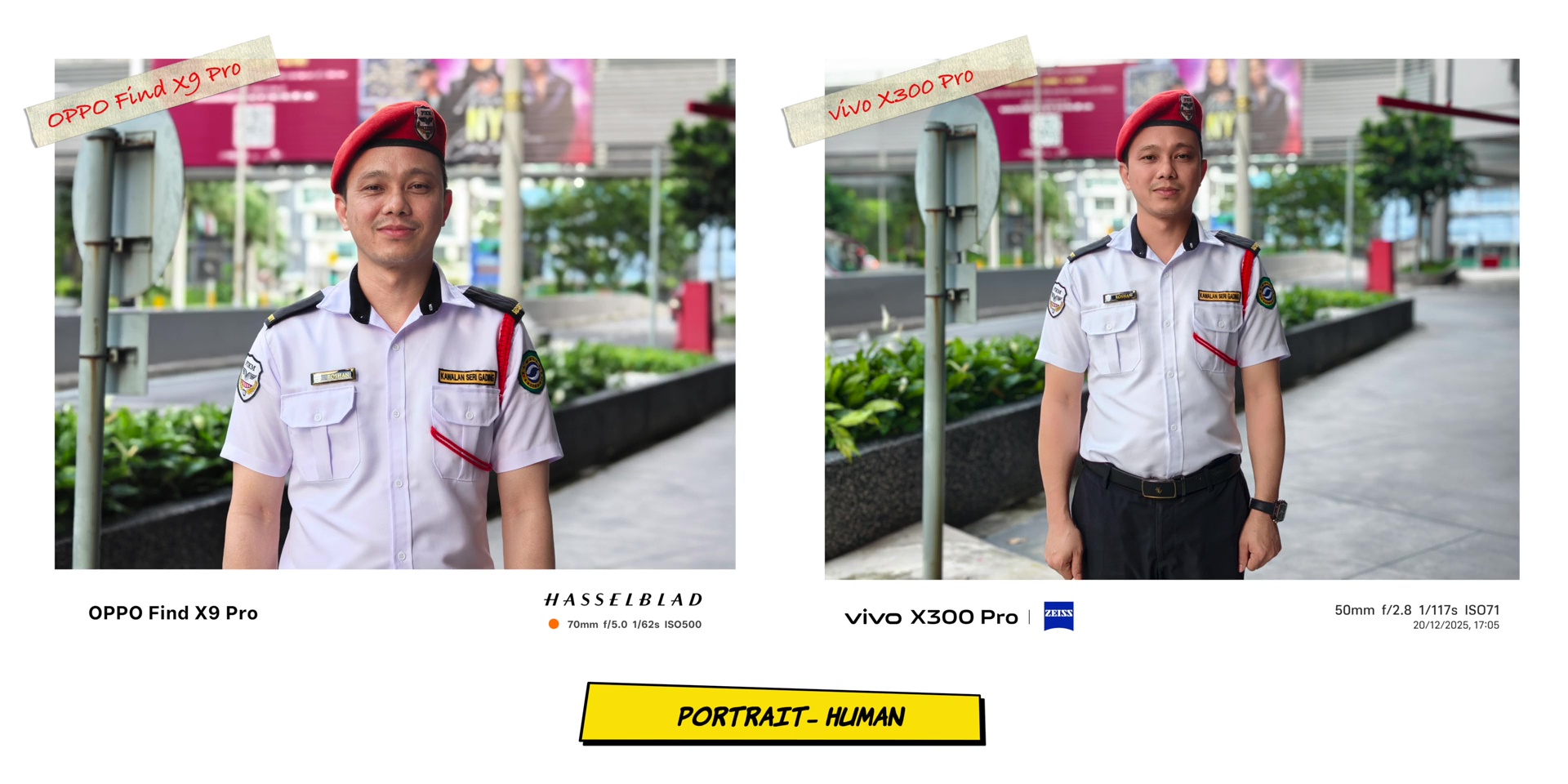


And the same could be said for portrait mode on objects too at 1x zoom, 2x zoom, the in between 50mm mode on the vivo against the optical 70mm zoom on the OPPO with a more punchier contrast on the 85mm on the vivo and a tack-sharp 135mm portrait mode on the flower too.
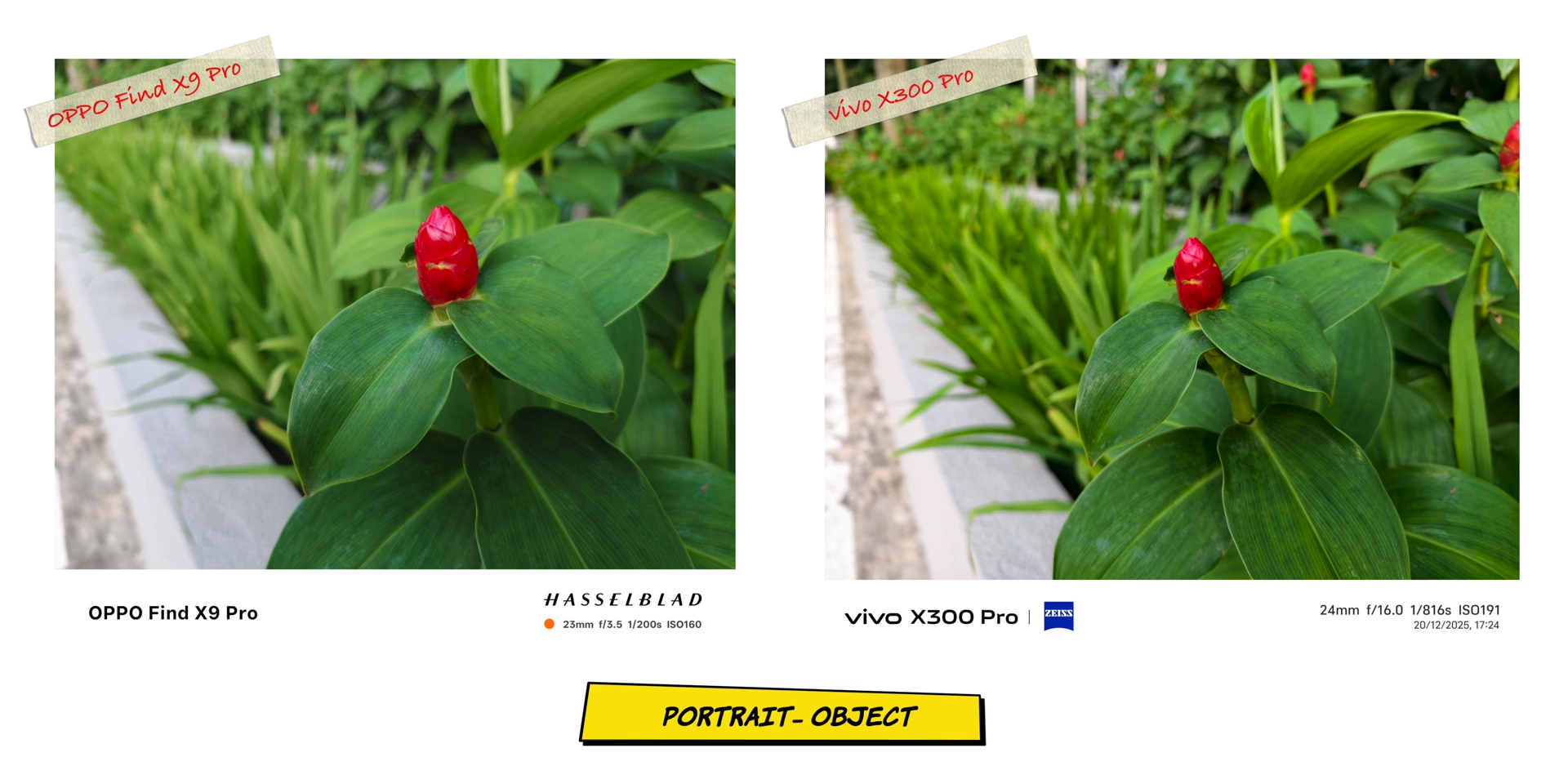
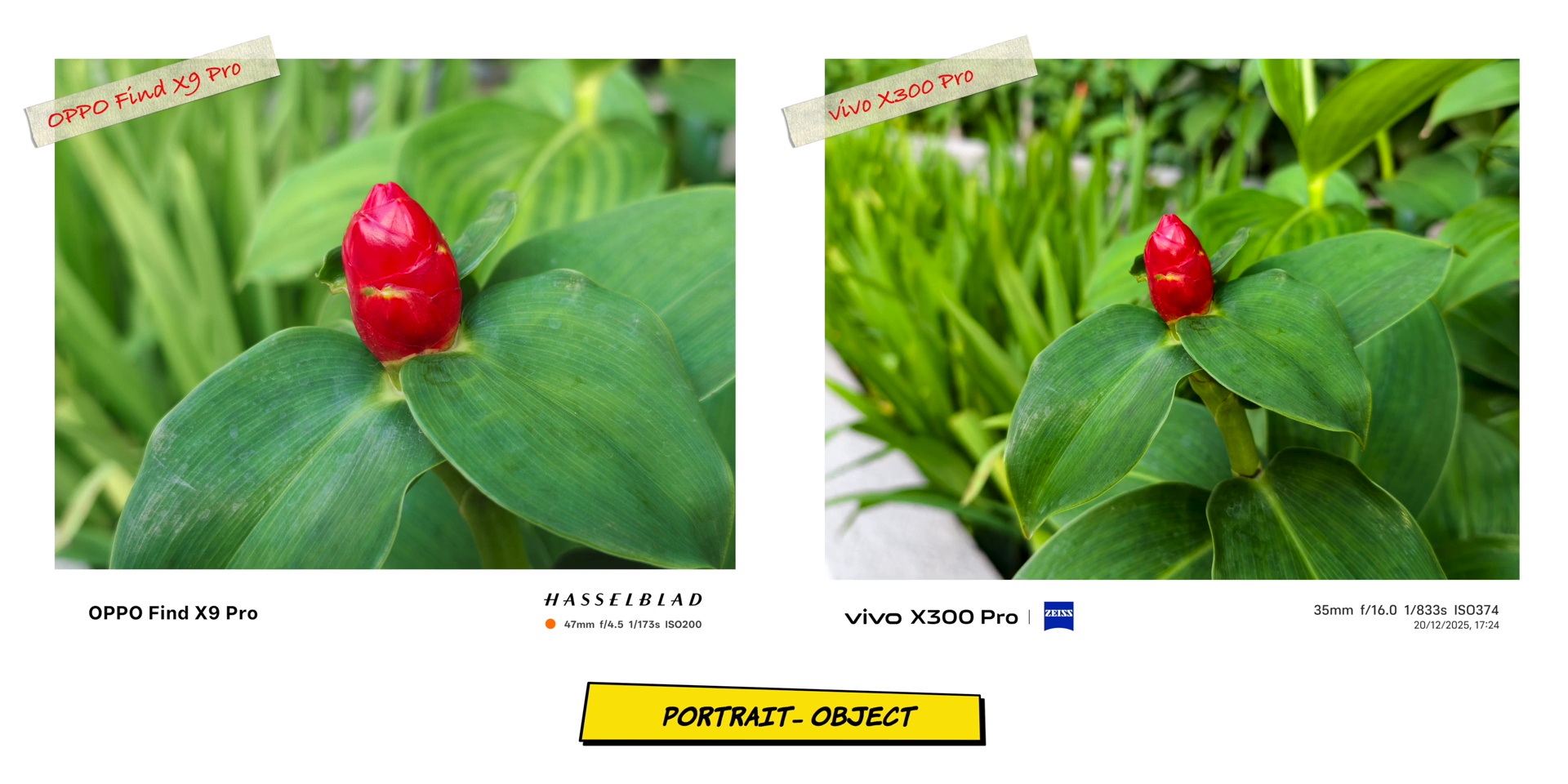
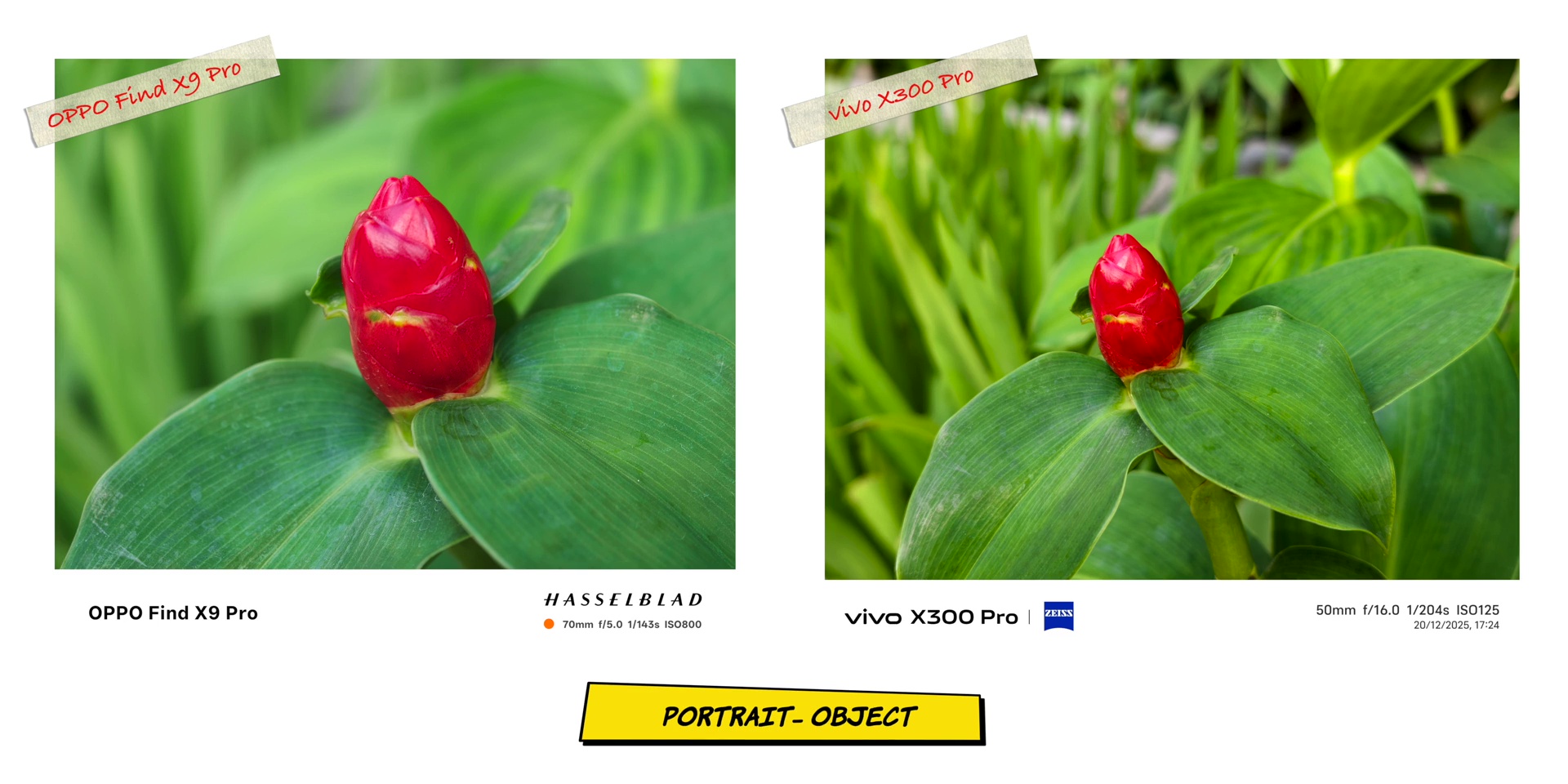


But OPPO does it better when it comes to tracking more complicated edges like this weird tree over here at 1x zoom where vivo starts to focus more towards the middle of the photo and starts to neglect the corners or the edges of the tree. But both were the same at 50mm on the vivo and 70mm on the OPPO where vivo once again goes closer to 135mm.
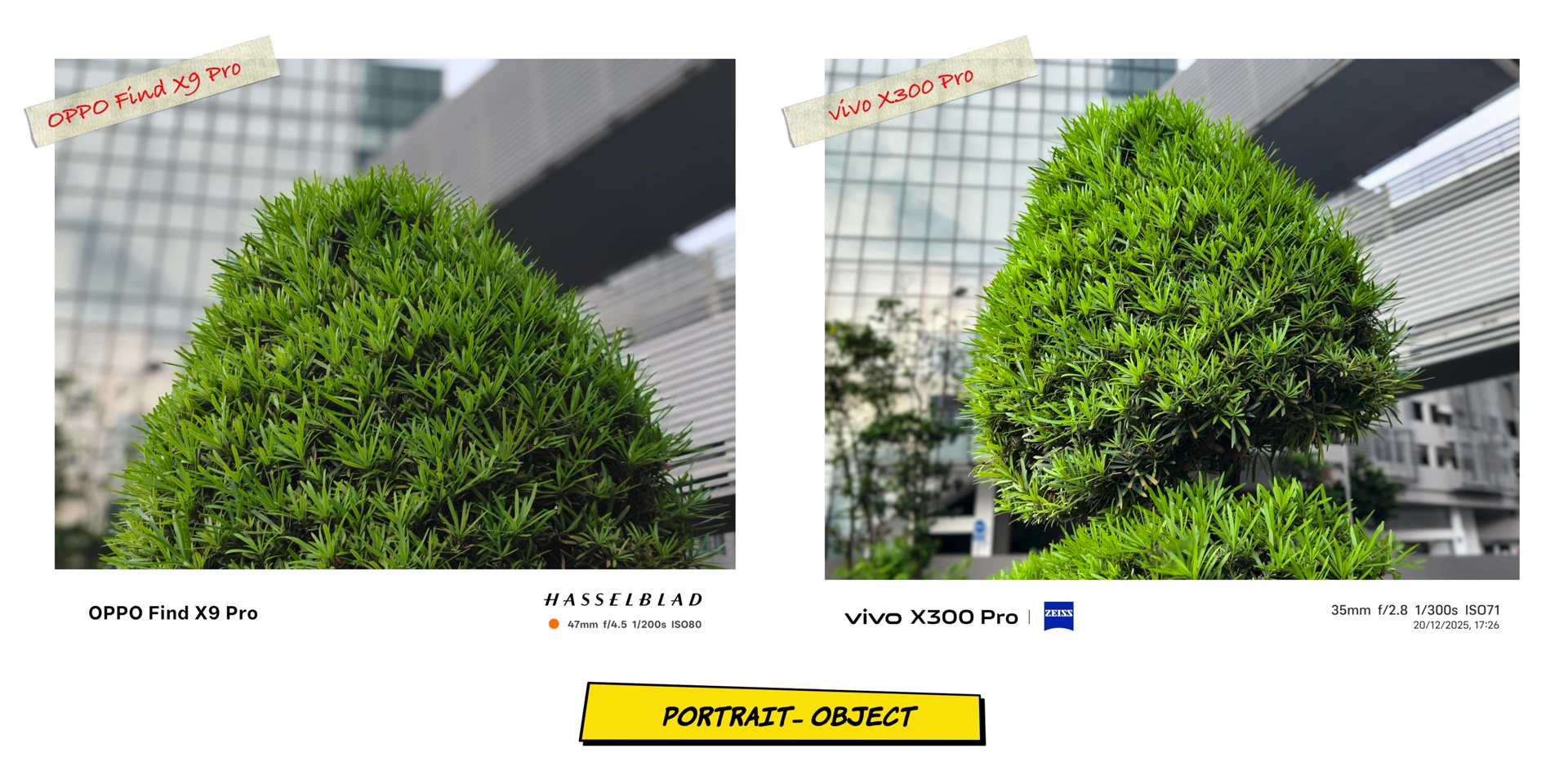
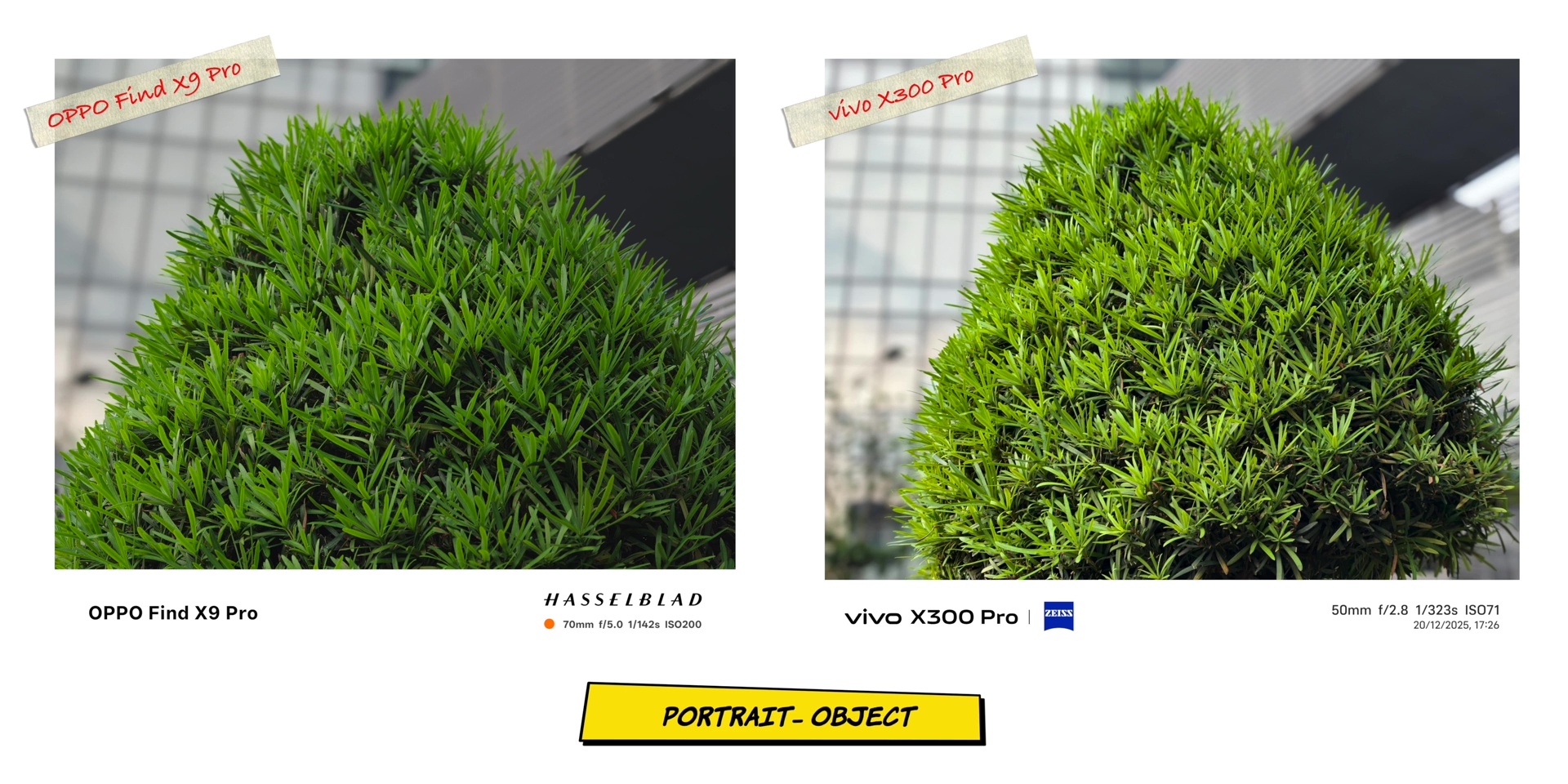
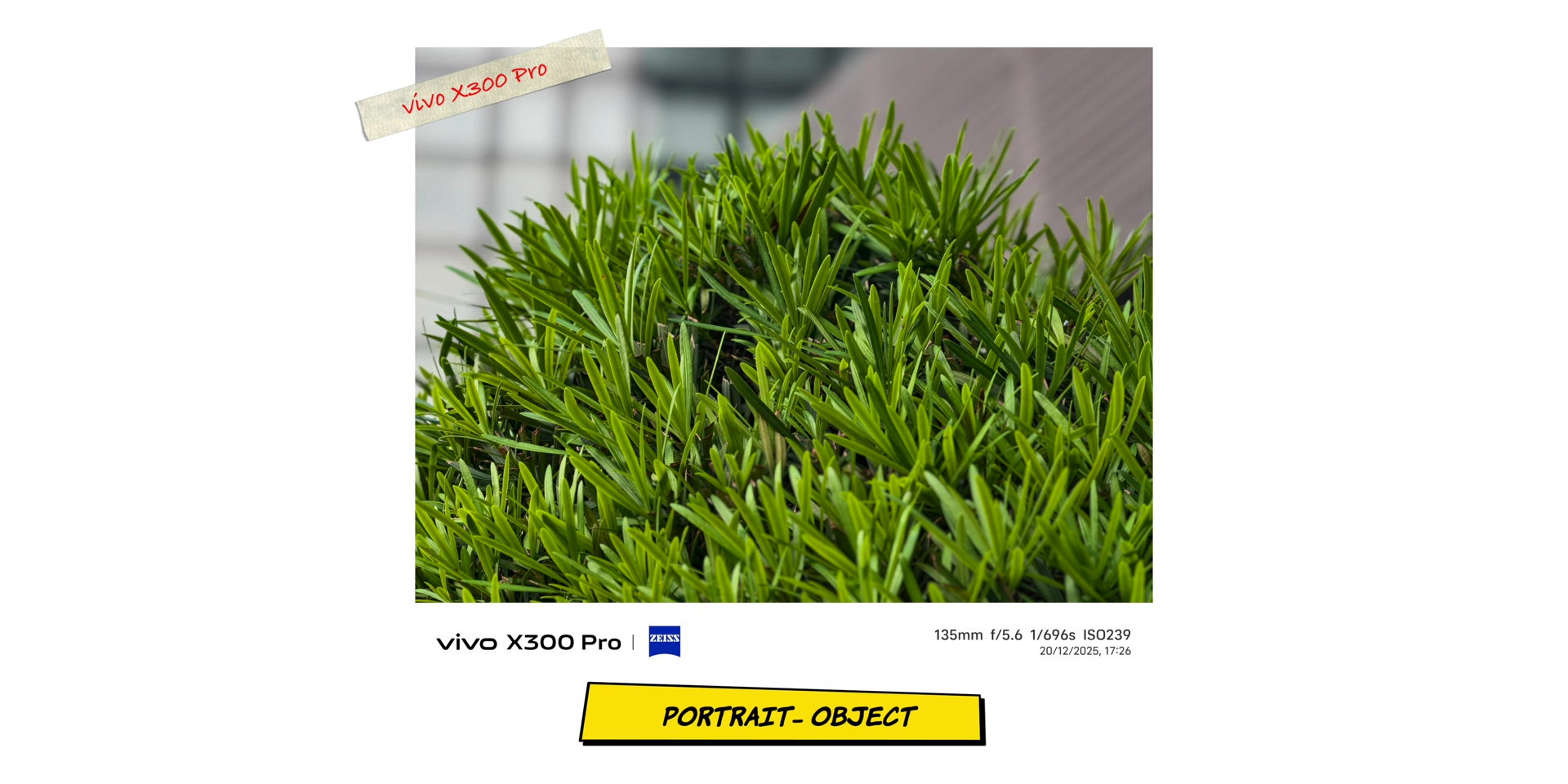
Then when taking photo of a person with a darker skin color, the skin tones on vivo was more color accurate compared to the OPPO, when this time around the OPPO made things a tiny vibrant, especially on his orange collars.
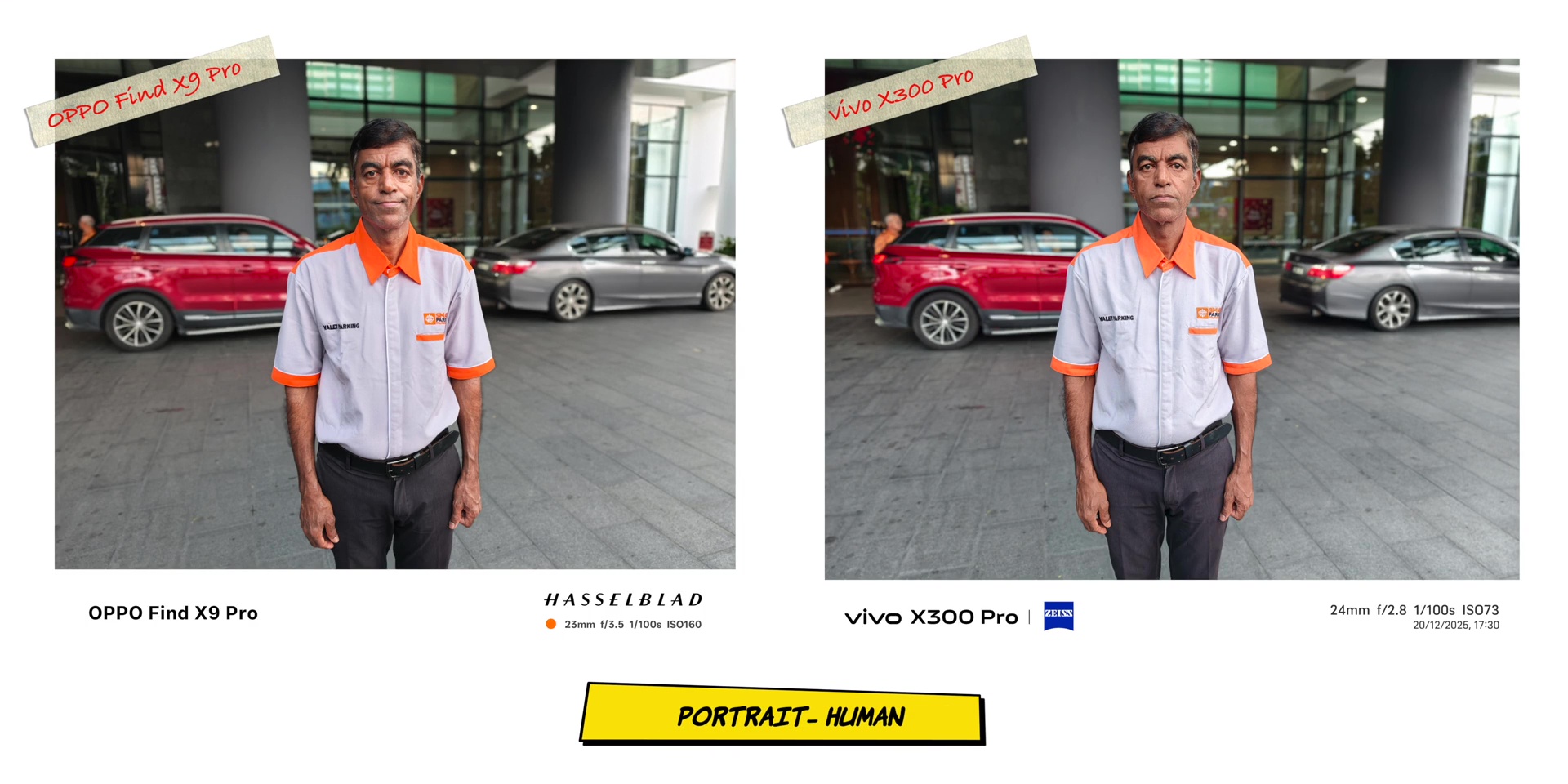
And the story was the same throughout the portrait mode over here, maintaining the best subject to background blur on both, with vivo once again going up to 135mm in this portrait mode.


Selfie Portrait
As for the portrait selfie photos, I tried it in two different situations: one with the light shining towards my face and another one with a backlight.
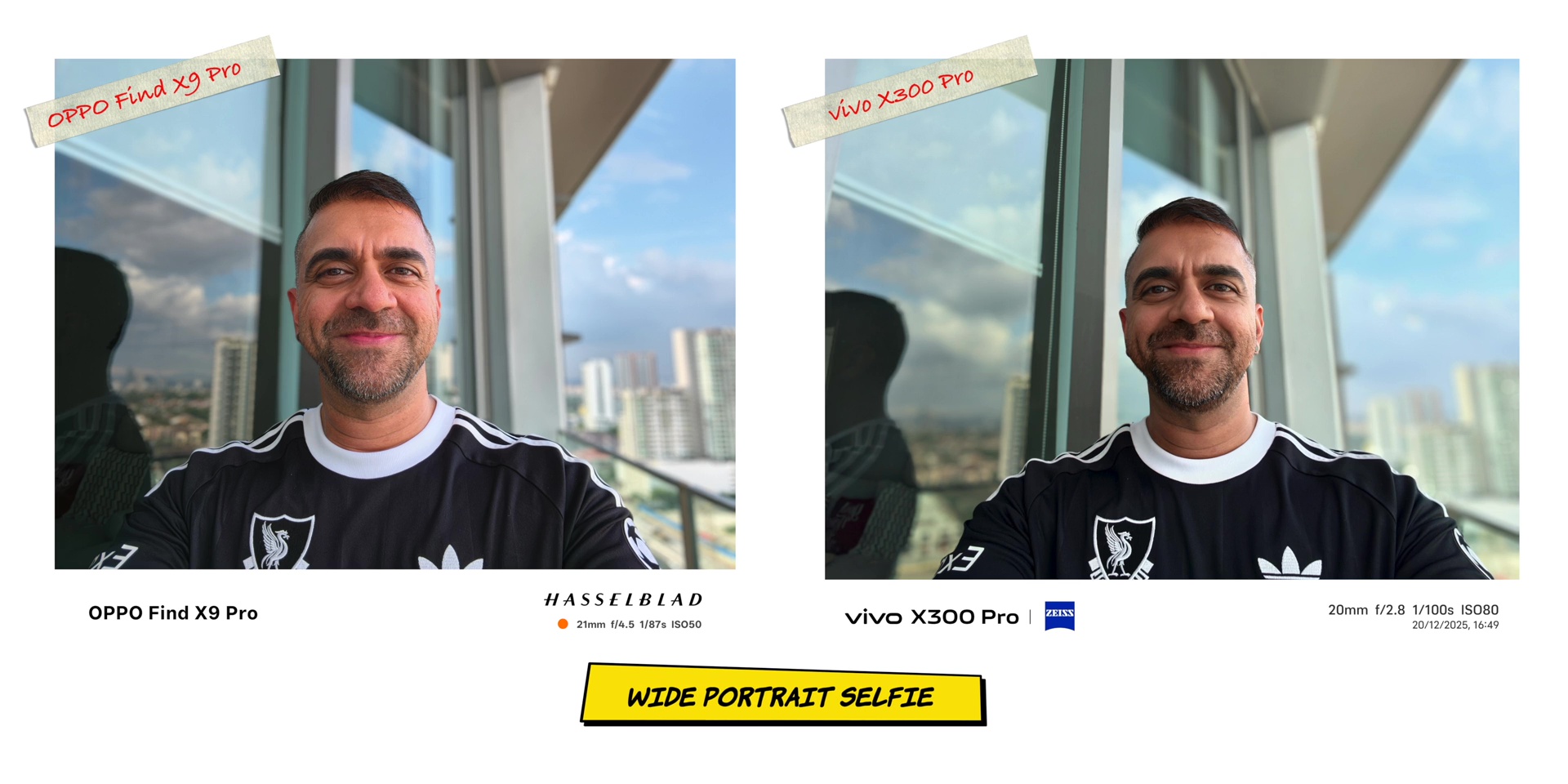
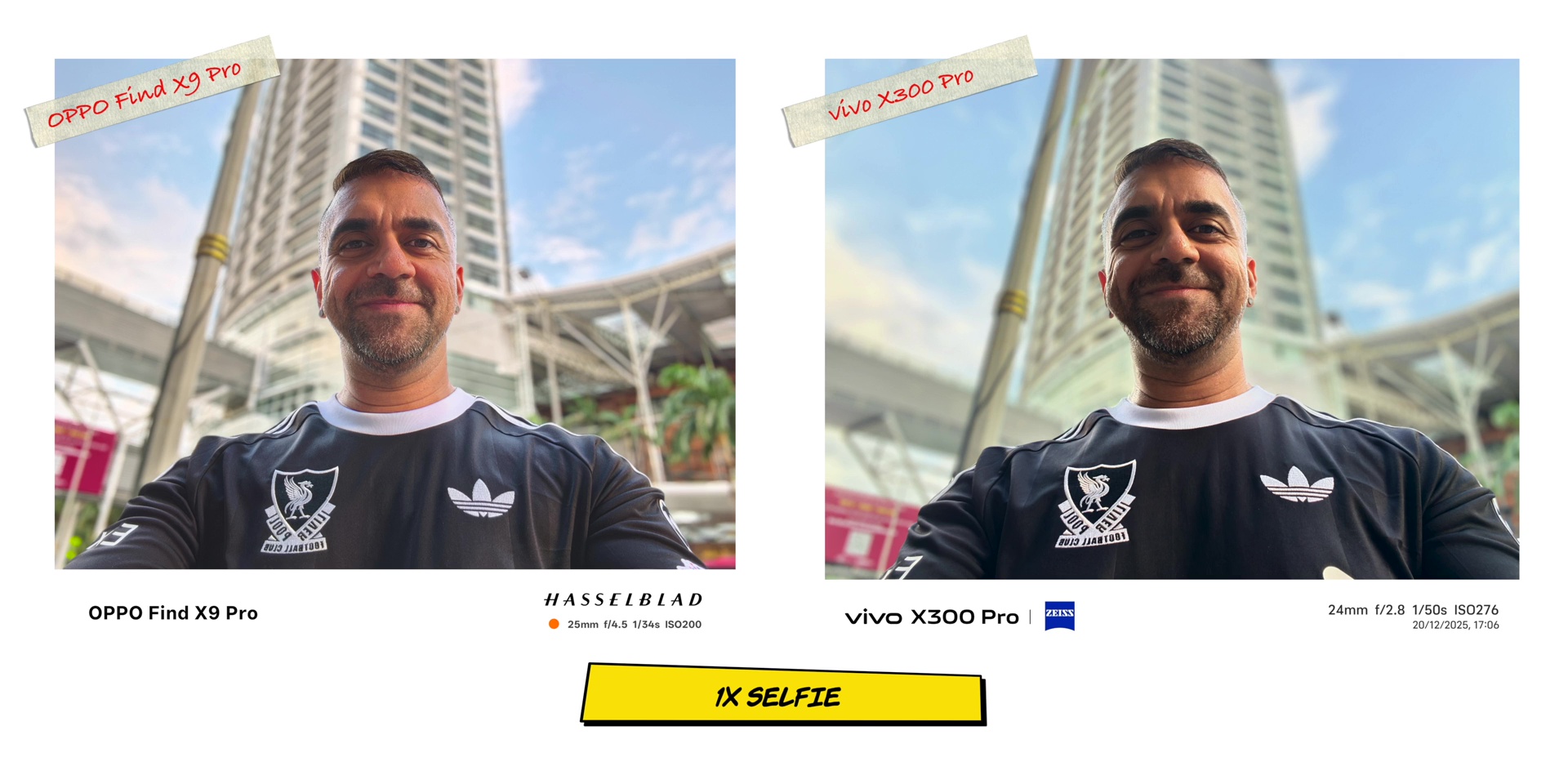
Look at this first wider selfie portrait photo. While both looked great and had excellent dynamic range too, but vivo did apply some sort of a beauty mode on my skin tones even when I turned it off completely. So I prefer the selfie photos on OPPO because of how it looks more real life with my wrinkly parts of my face showing all the way. But the colors on the vivo were a bit more vibrant. So this does come down to a personal preference. And the slightly touched up skin look was also present on the 1x mode.
But while there is an option for a 2x selfie portrait on the vivo, there isn’t on the OPPO only for the non-portrait mode for the selfie camera, which was fine because I don’t know why there’s even an option for you to take a 2x selfie photo. Like you really need to stretch your hand so far ahead to get you framed up properly in the shot.

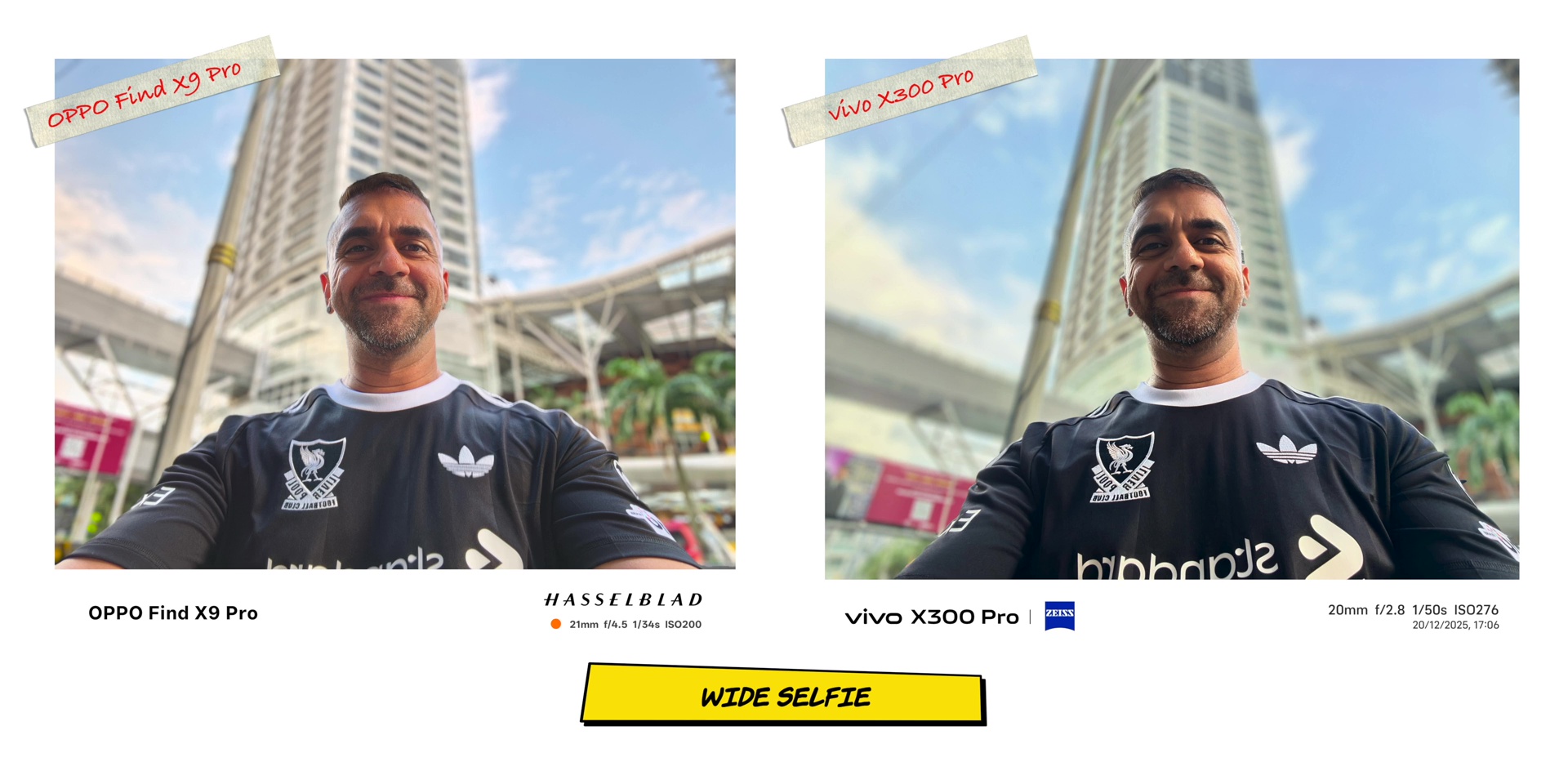
Then as for the backlight situation on the wider selfie while both did very well to show my face even though it was really bright at the back of me but the contrast level was adjusted on the OPPO to make my face a bit more brighter where again this is based on a personal preference and the type of the image processing on both and it was the same for the 1x main lens for a backlit situation.
Daytime Video
[Sample video footage are on my YouTube video]
Switching over to the video comparison during the day. Firstly, this vivo X300 Pro records up to 8K resolution compared to OPPO only recording up to 4K. So, just to be fair, I’m just comparing the quality on the 4K.
The ultra wide lenses on both look great. The dynamic range was also on point and nicely exposed as well.

There’s a slight difference in the contrast value of the 1x video, but not too much of a difference. And the same can be said for the 2x video quality.

And so, it was on the optical video lens quality on 3.5x zoom on the vivo and 3x respectively on the OPPO. But the max zoom that I would recommend is just 10x zoom quality on both. Even if the vivo can go up to 20x zoom and OPPO at 18x zoom.
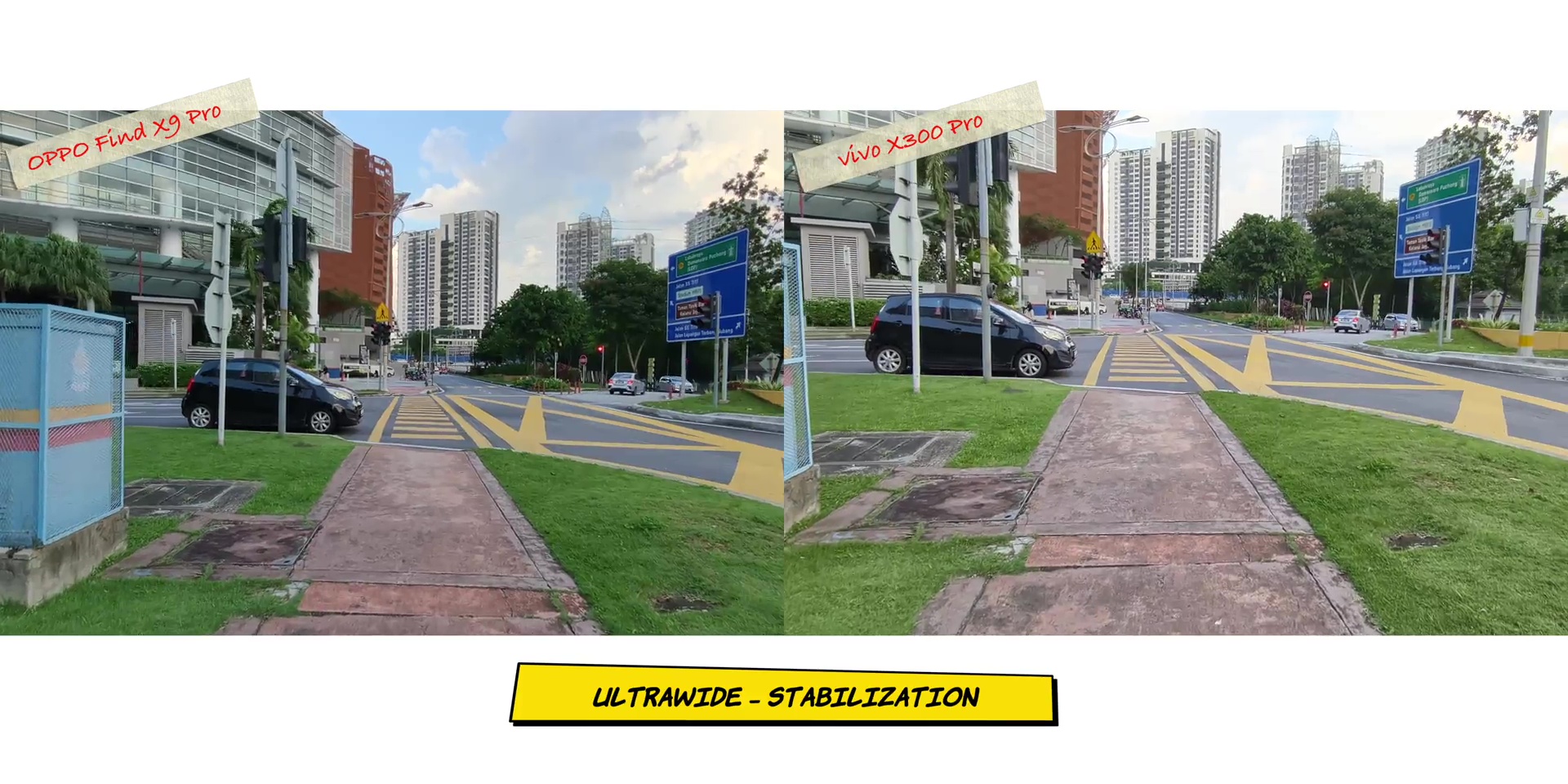
Stabilization for the ultra wide lenses were great on both. Very gimbalike and nice. So it was for the 1x stabilization but it was better on the vivo at 2x stabilization. And the OPPO stabilization becomes better back again on the optical 3x zoom. So it was on the vivo X300 Pro too, up to 10x stabilization as well compared side by side with the OPPO.
Before I move forward, in my in-depth review, I mentioned there was a color shift in real time when I switched between the 2x to the 3x mode when I was using the OPPO Find X9 Pro. Well, I had to test it out again and this time I made sure that I toggle on the Lock White Balance while recording videos, which was nicely pointed out by a person named “cheemun” in the comments.
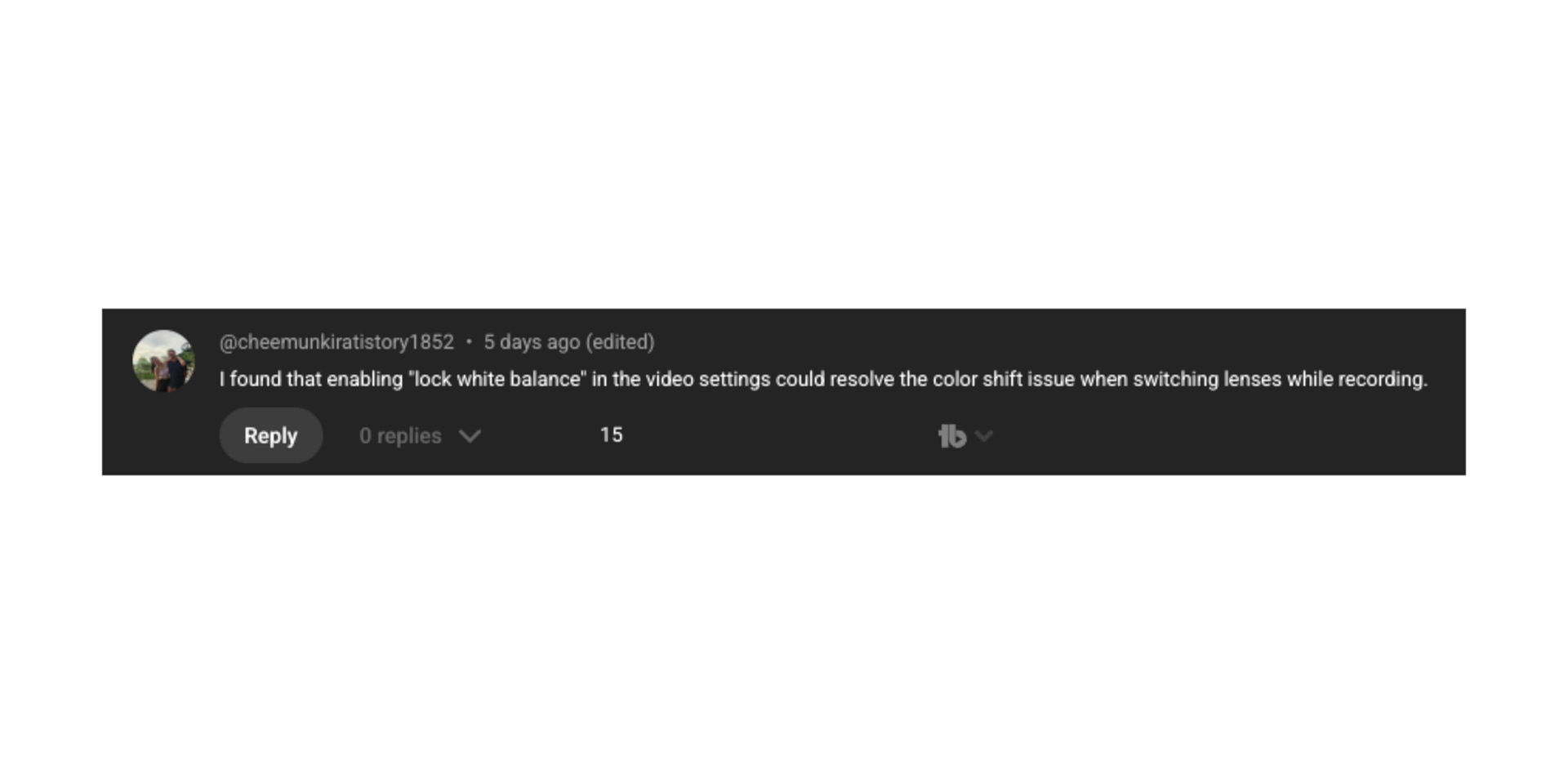
What’s surprising is that before recording the color shift was not there. It was really nice in terms of the white balance, but when I hit record, you will see the color shift compared to vivo, which maintains the white balance when switching between the 2x and the 3x in real time. So, it’s definitely not a hardware issue where OPPO needs to fix this in post.

LOG Video Recording
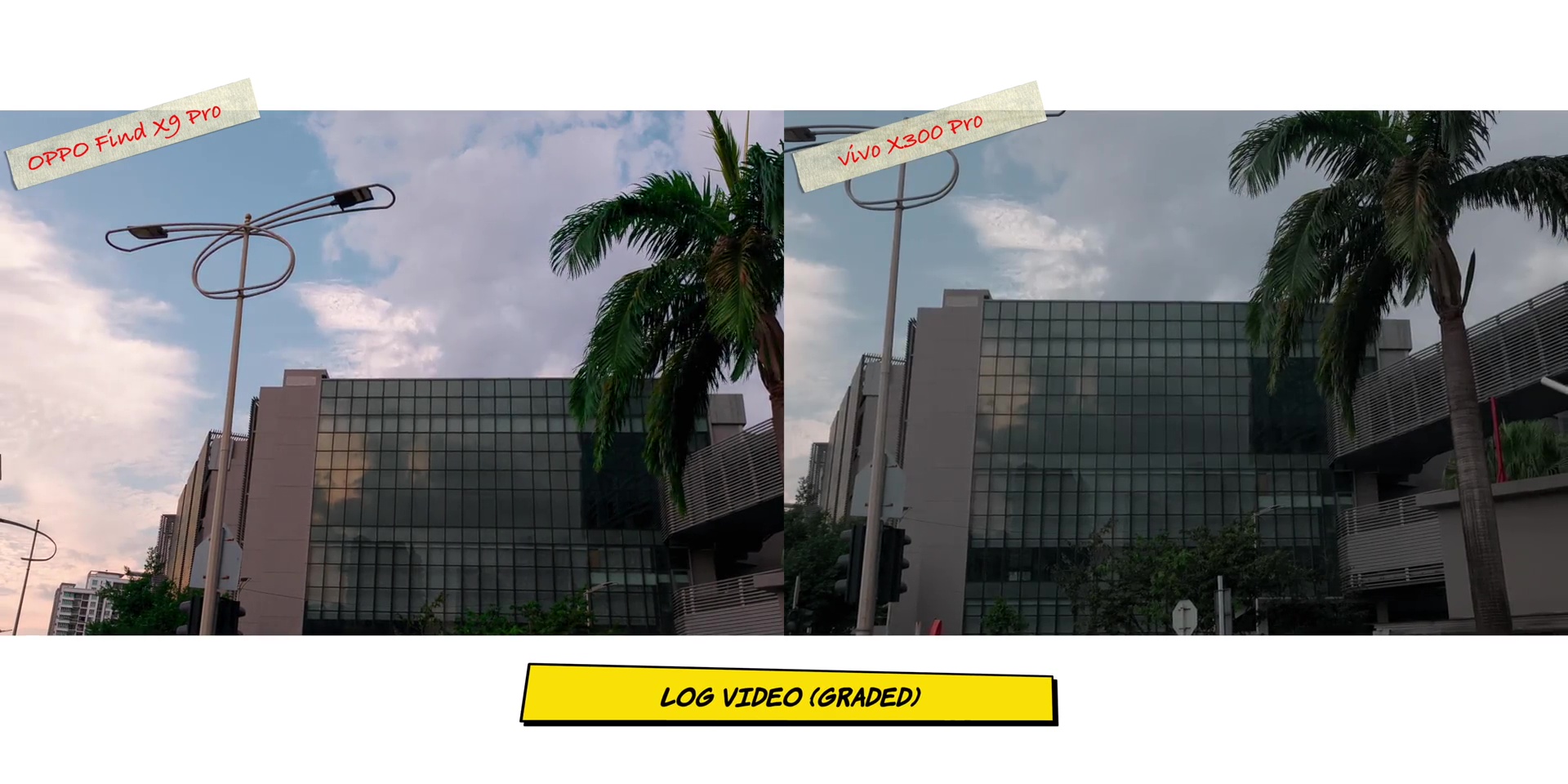
Next, while both phones can record LOG video recording, vivo gives you a flatter profile on the colors before grading it. While each brand did not state the number of the stops of the dynamic range it provides or the color bitrate officially.
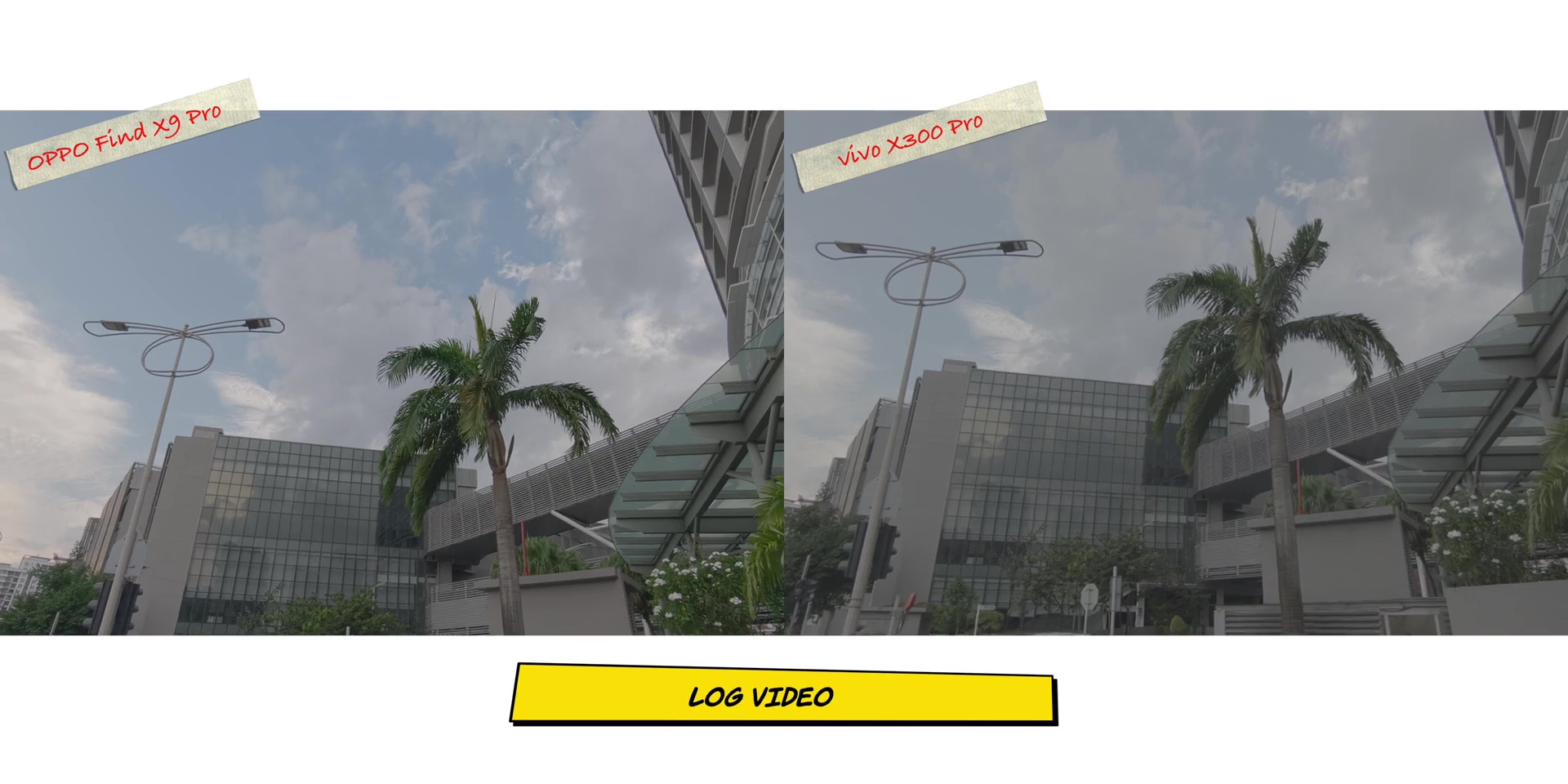
And while each has the ACES and the Dolby Vision certification workflow because vivo is slightly flatter in the color you can adjust the colors a bit more on the LOG footage for the vivo X300 Pro.
Front Video
As for the front video quality, starting from the ultra wide 4K quality, that looks great. The quality of the skin tones was exactly how it was in the photos mentioned earlier.

But the exposure of the background skies on the OPPO was not as good as the vivo, as the dynamic range still didn’t improve even at the 1x zoom.

But the “good news” is that if it’s something that you appreciate, the 2x mode that I talked about in the video where it takes too much of your face. Well, that is available here on the OPPO. But as you can see over here, the dynamic range wasn’t the best. However, the stabilization was great on both.

But everything makes sense if you take photos and videos at night, right? Because while all the smartphone cameras do a very good job during the day, we need to find out how it is at night.
Night Ultrawide & Main Lens
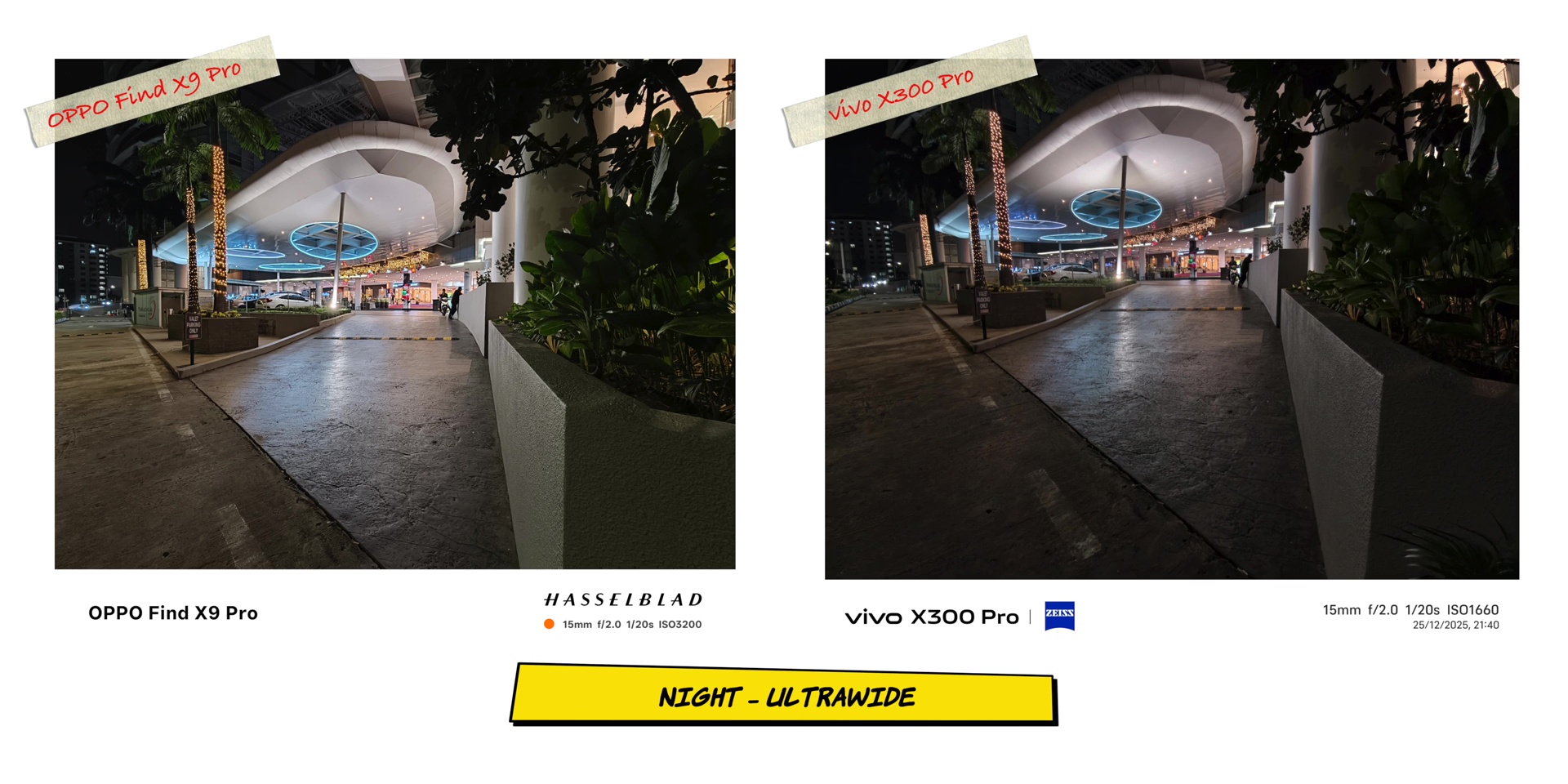
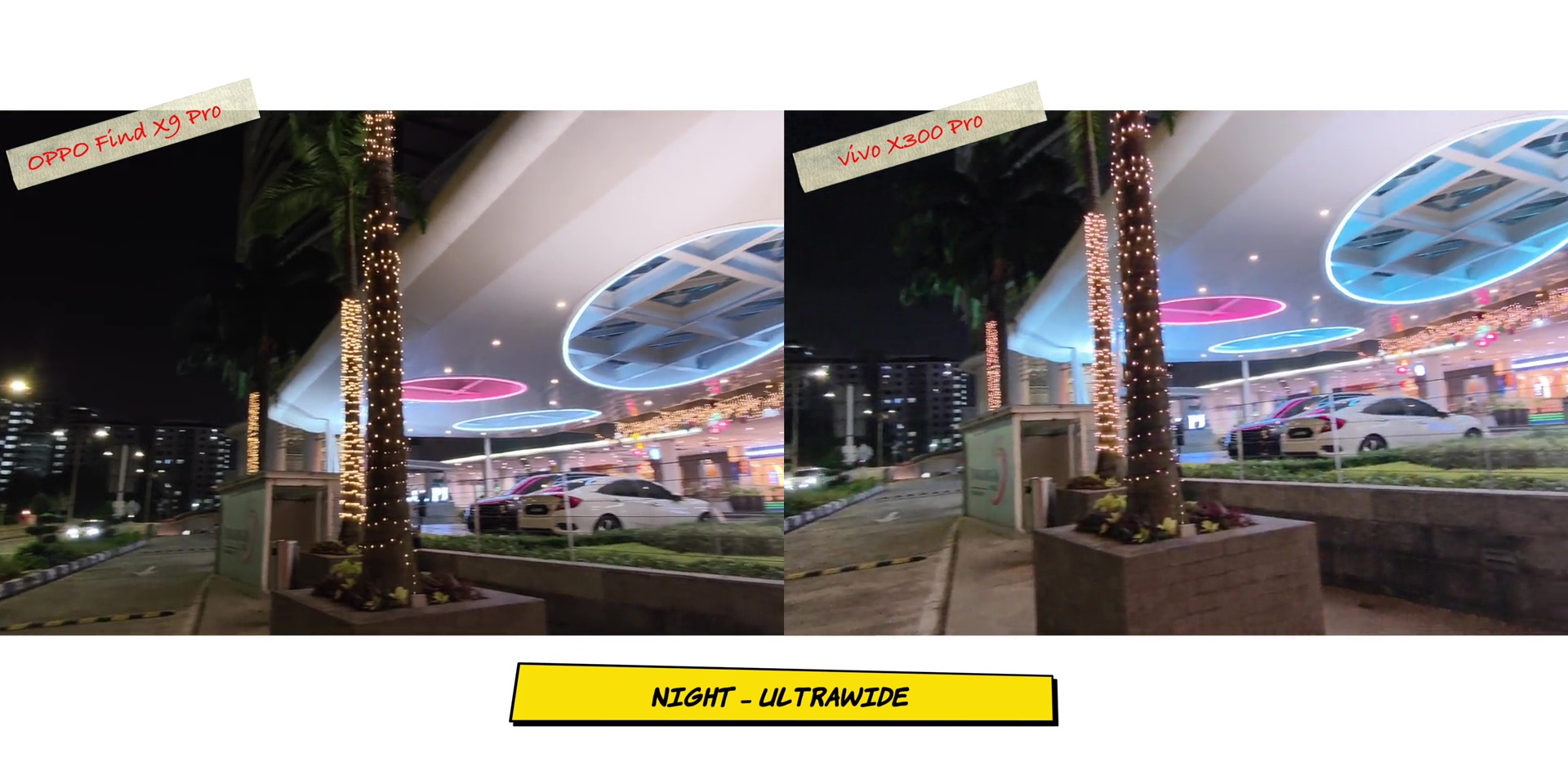
So, the nighttime photos on the ultra wide lenses were great both in terms of the highlights and the shadows. But when it comes to the skies accuracy, the OPPO did better where the skies were more black and true to life instead of overcompensating it and making it bluer instead.
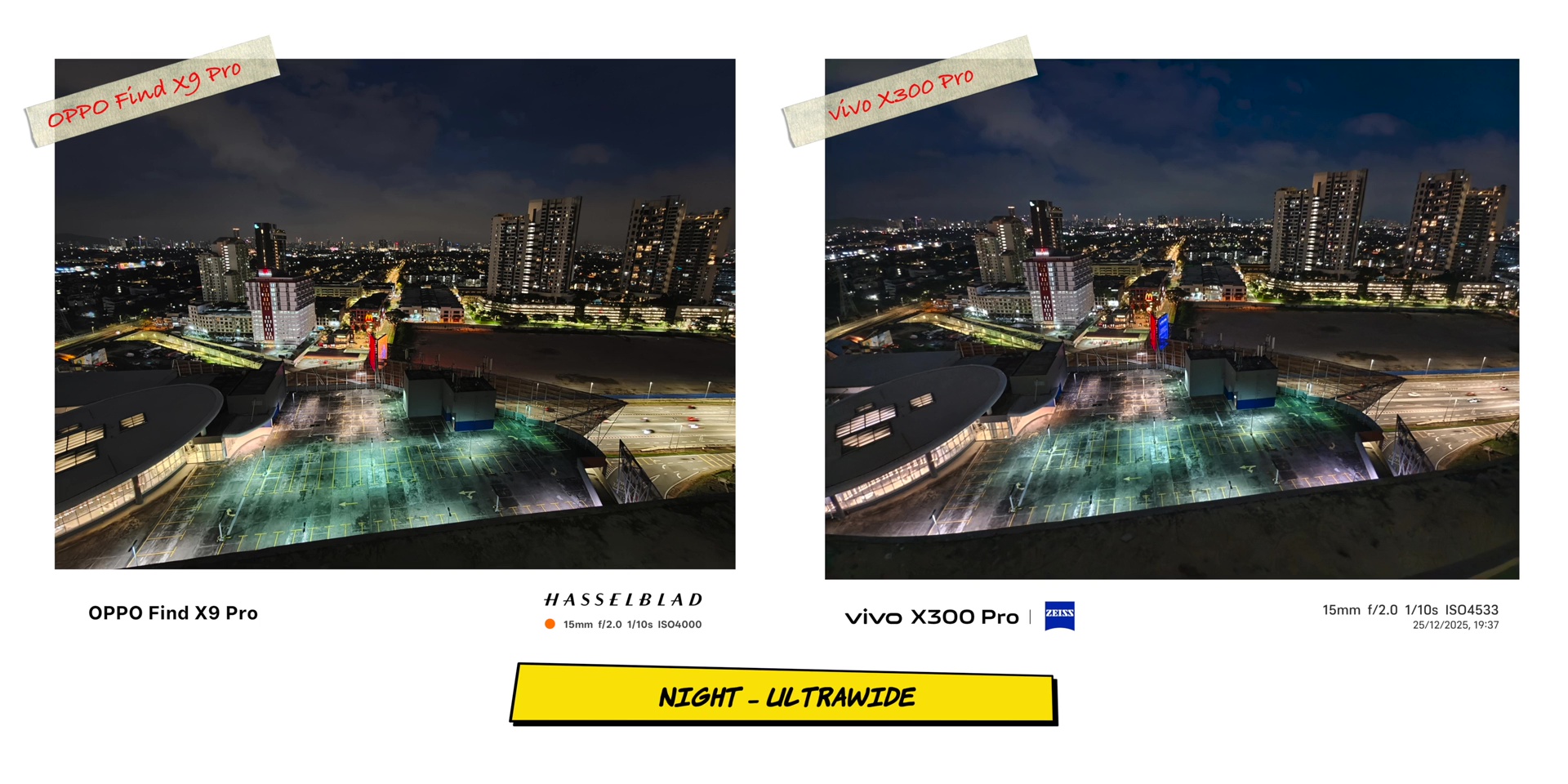
But if it’s more of a combination of lights and darker areas of the image, both look great as seen in this second comparison image.
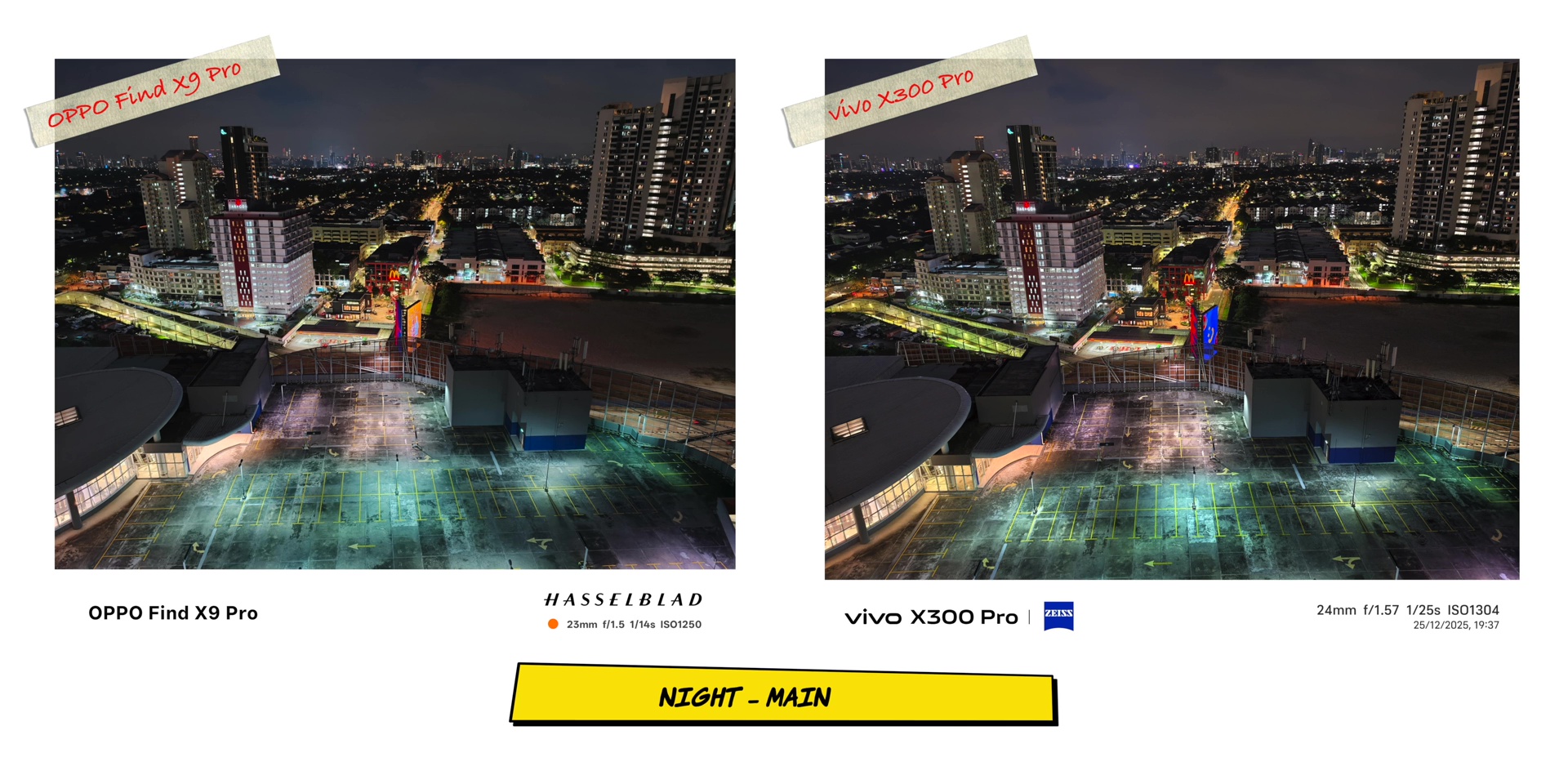
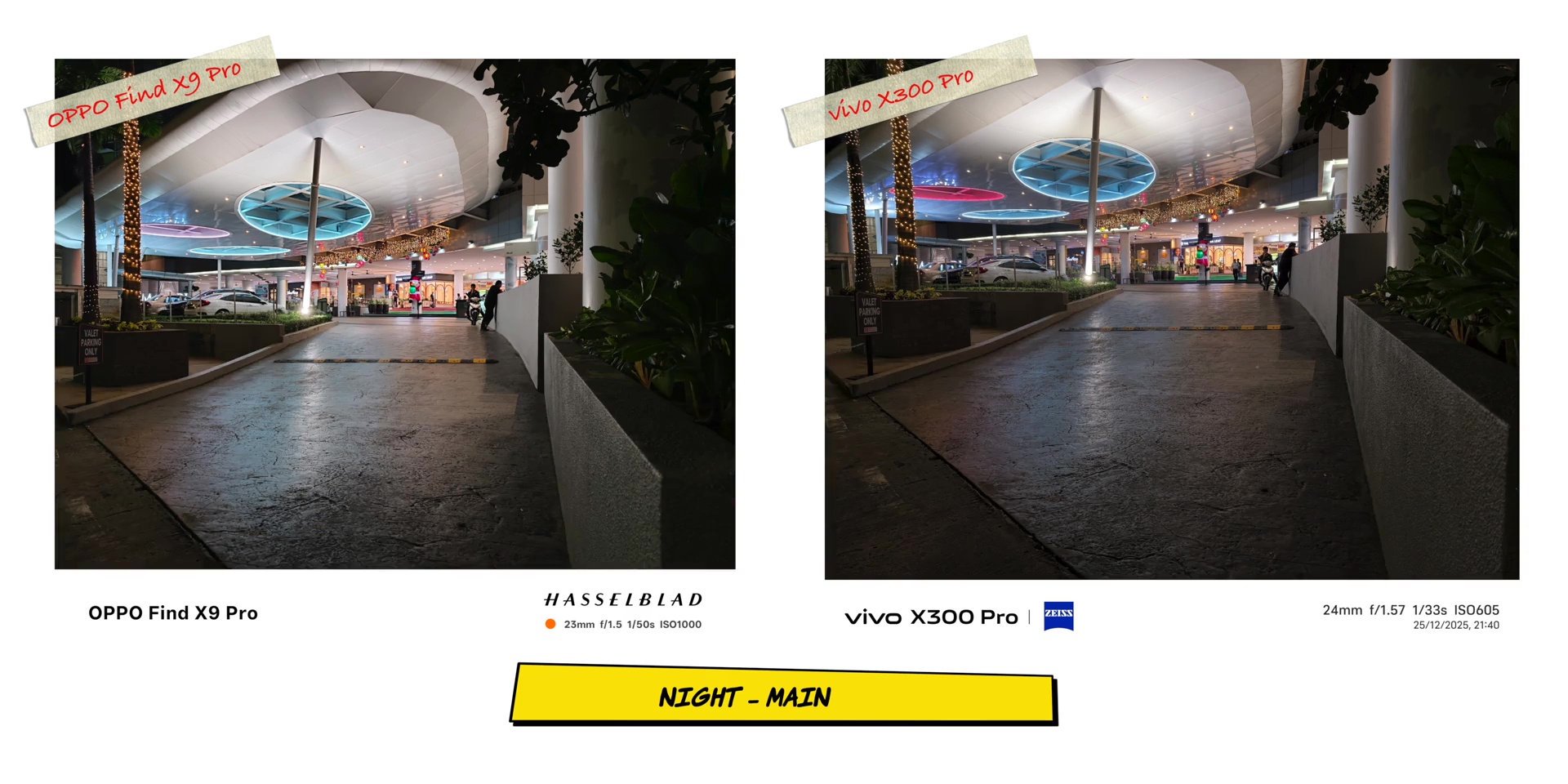
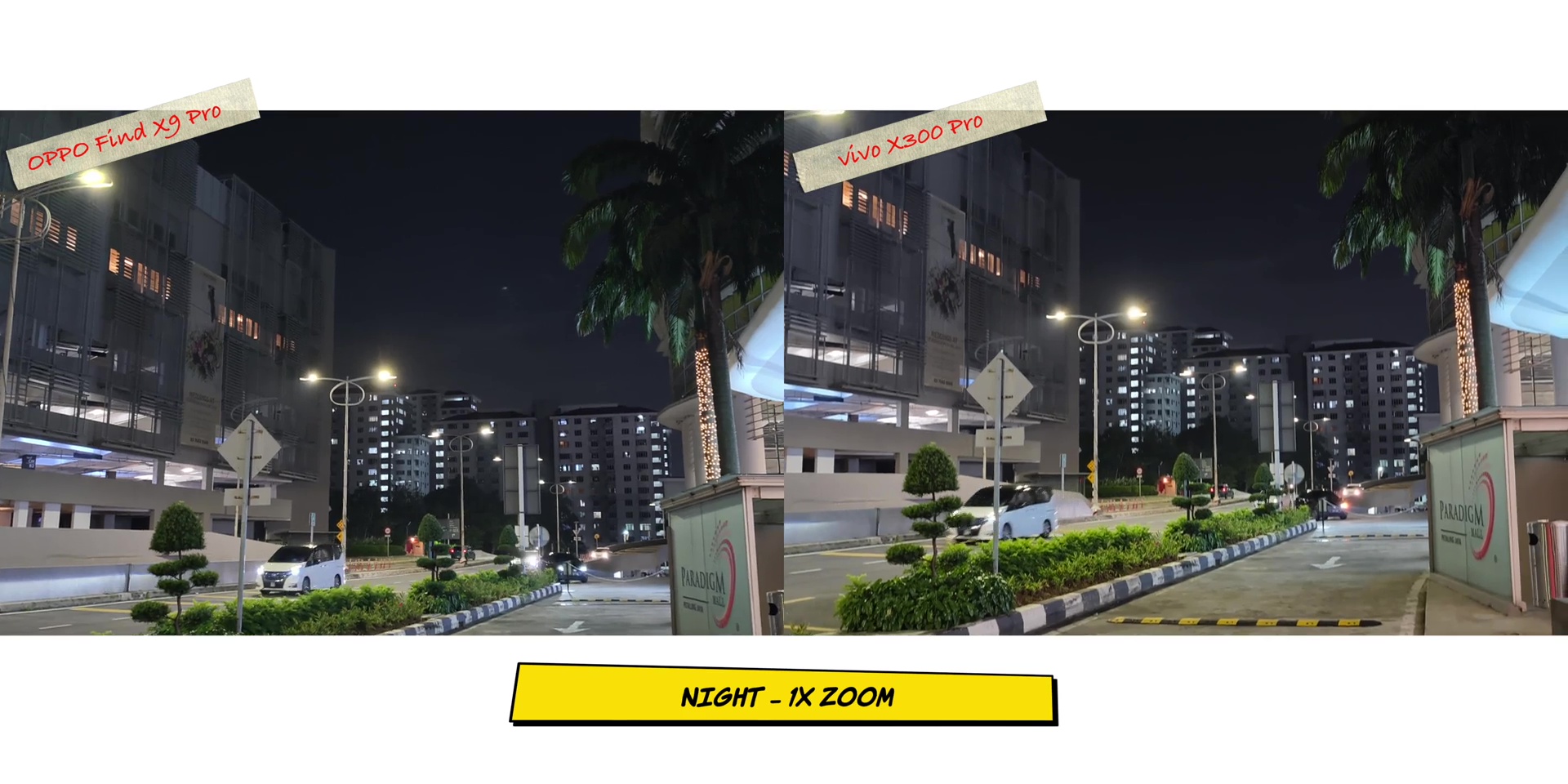
Then the color accuracy was heavily improved on vivo’s main lenses at night for the first scene and it looked great on the second set of images as well.
Night Zoom + Telephoto
Then the different focal lengths on the telephoto lenses look equally as good when comparing vivo’s 48mm against OPPO’s 47mm.
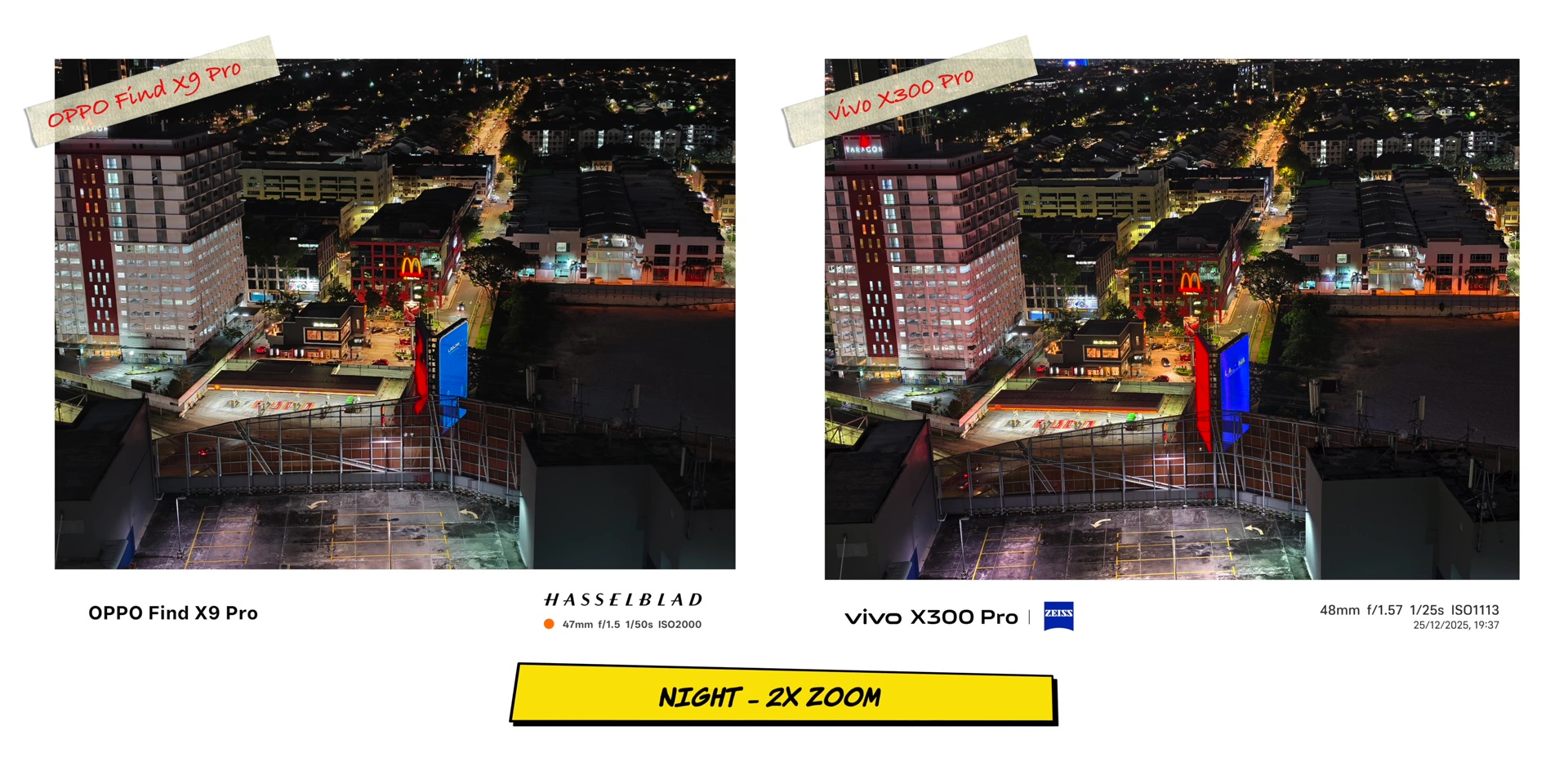
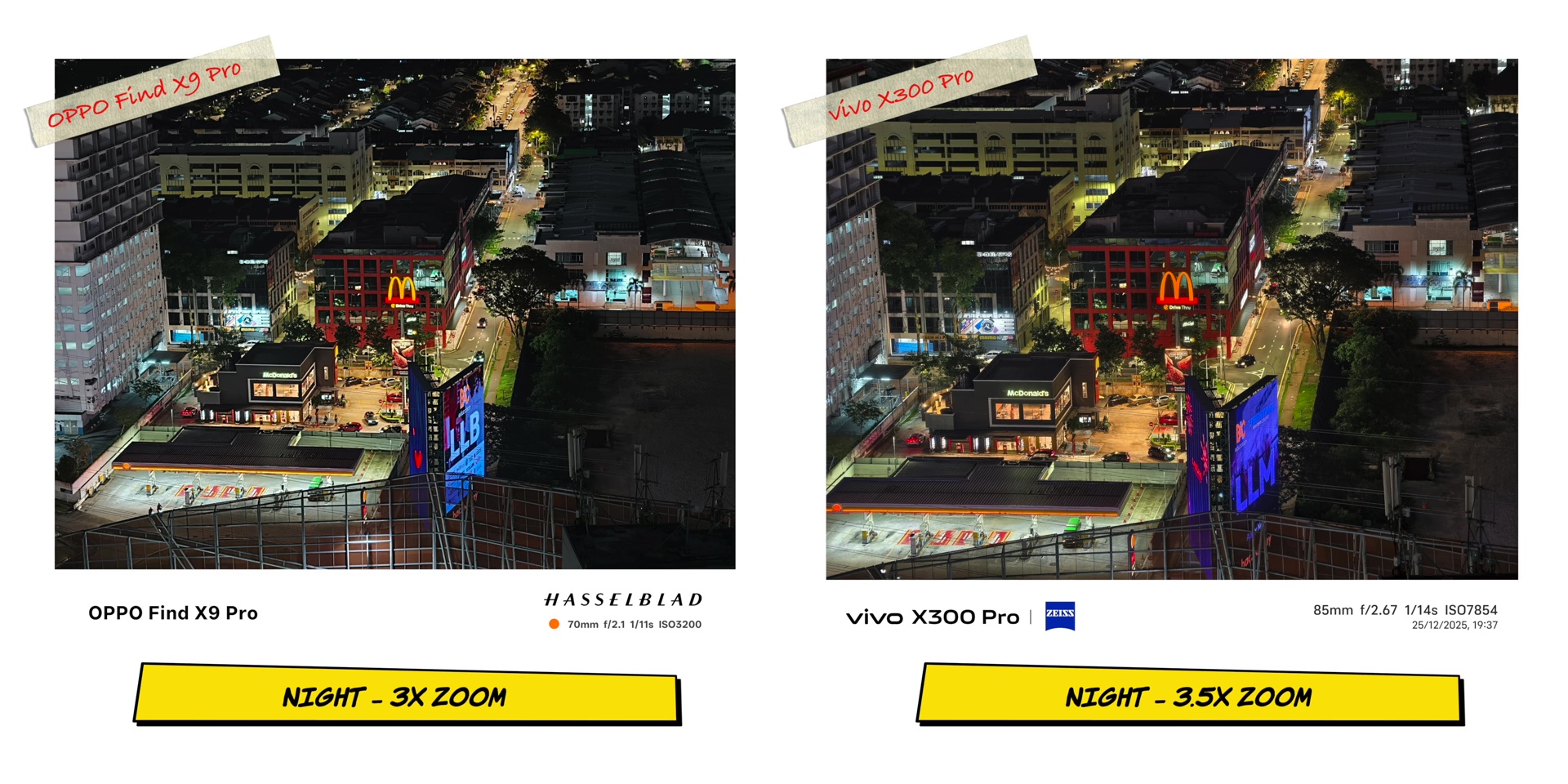
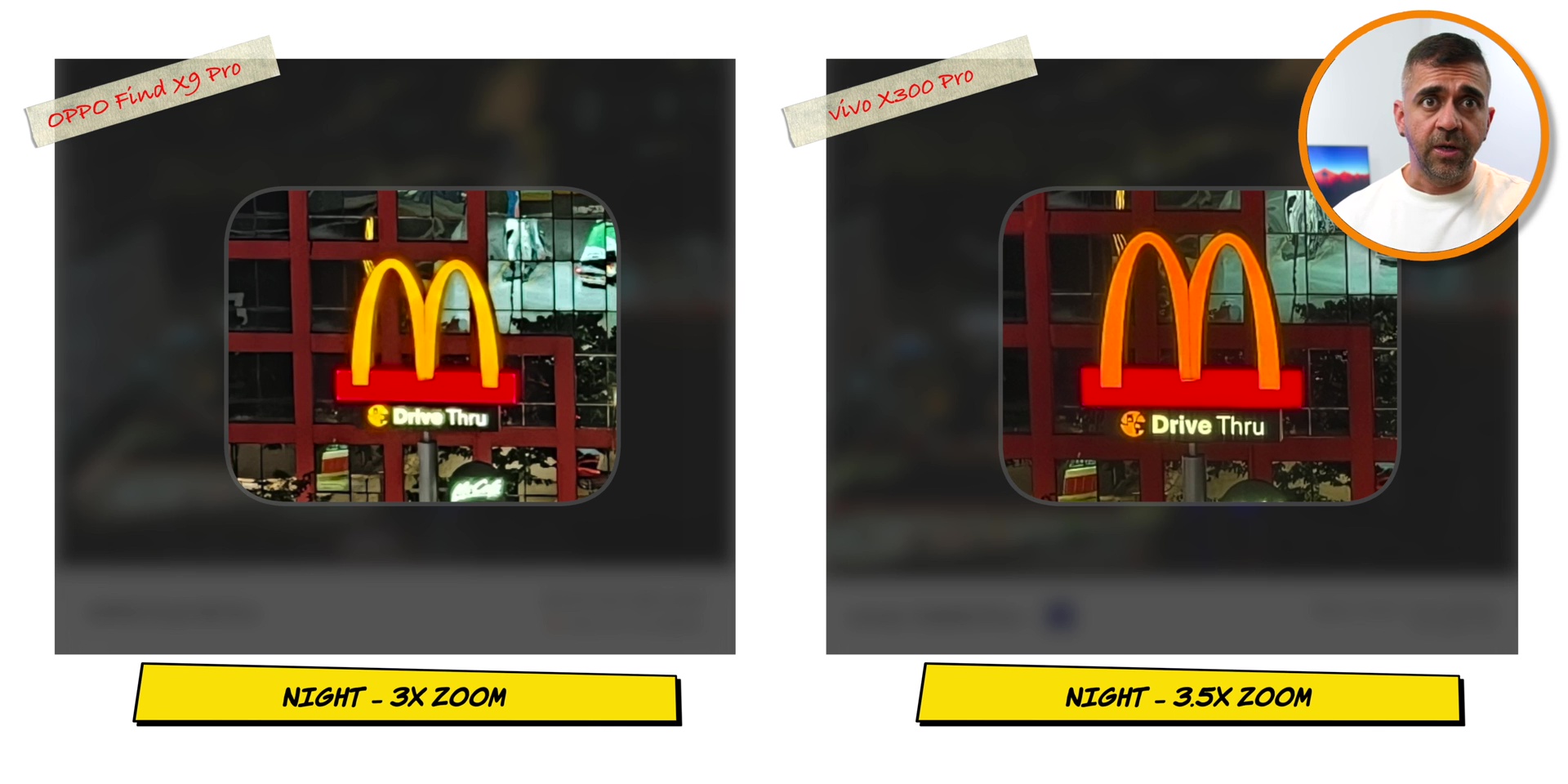
And since OPPO’s optical telephoto is at 70mm. If you compare that with vivo’s 85mm, if you zoom in close to the McDonald’s drive-thru sign, it is sharper on the vivo. Even if there is an option on the 85mm on the OPPO, but it is not as clear as a vivo.
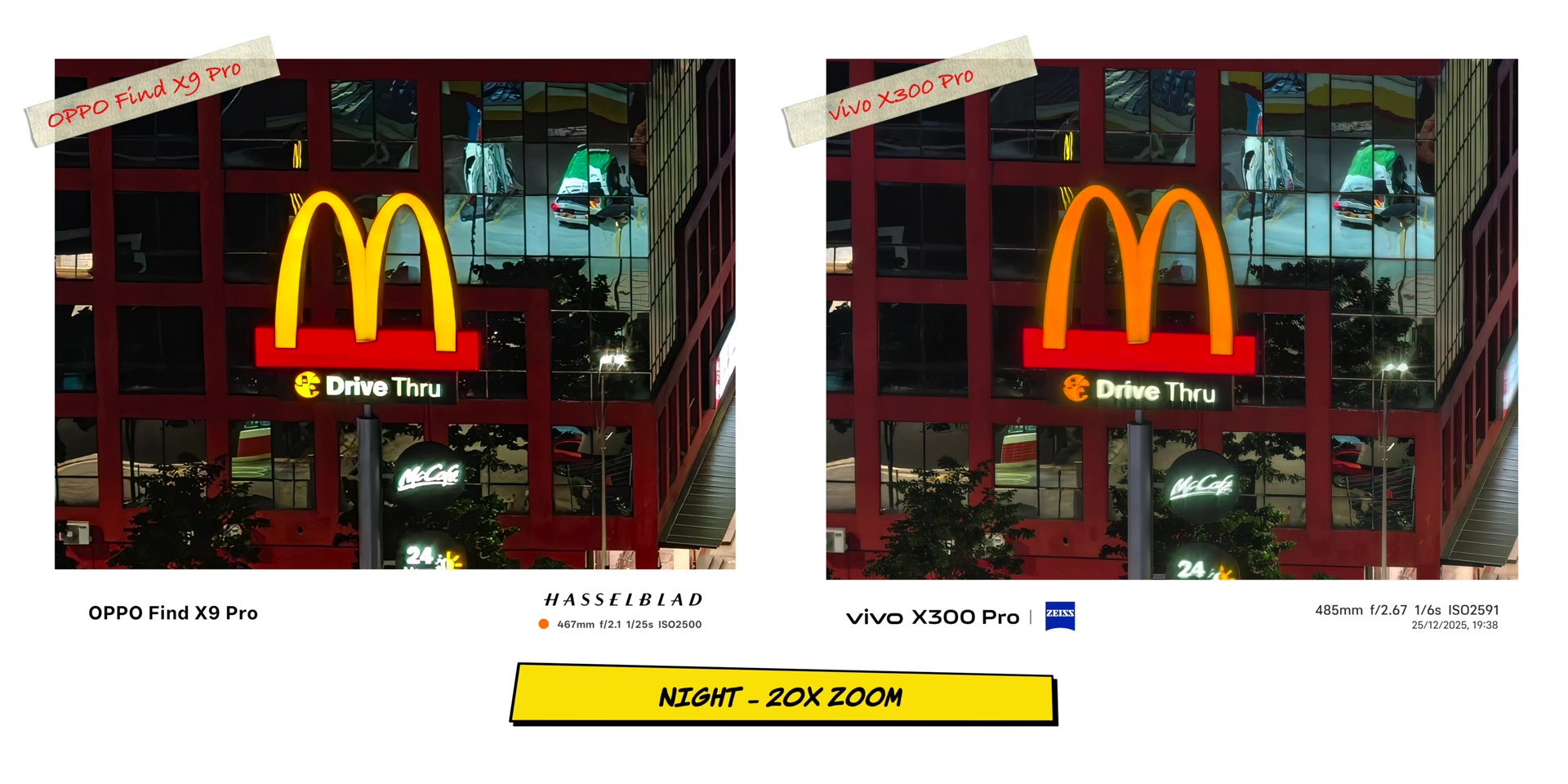
But things start to fall a bit on the 20x zoom on vivo. A little smudgy. And OPPO is still trying to use its image processing to fix the 20x zoom.
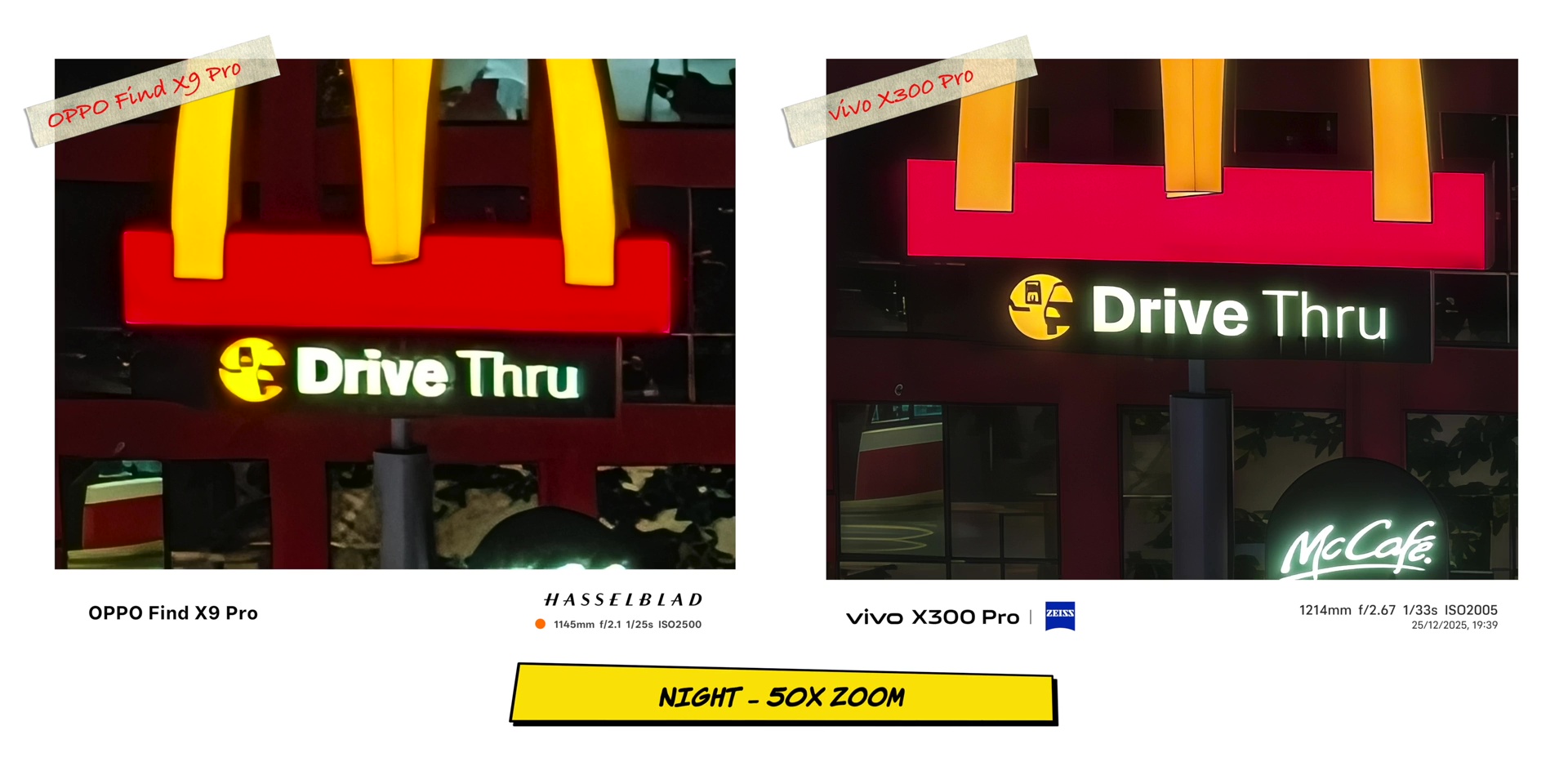
But vivo comes back stronger at the 50x compared to OPPO’s 50x. And vivo’s image processing kicks in even stronger to make sure that you see the details at the 100x zoom compared to OPPO’s 120x.
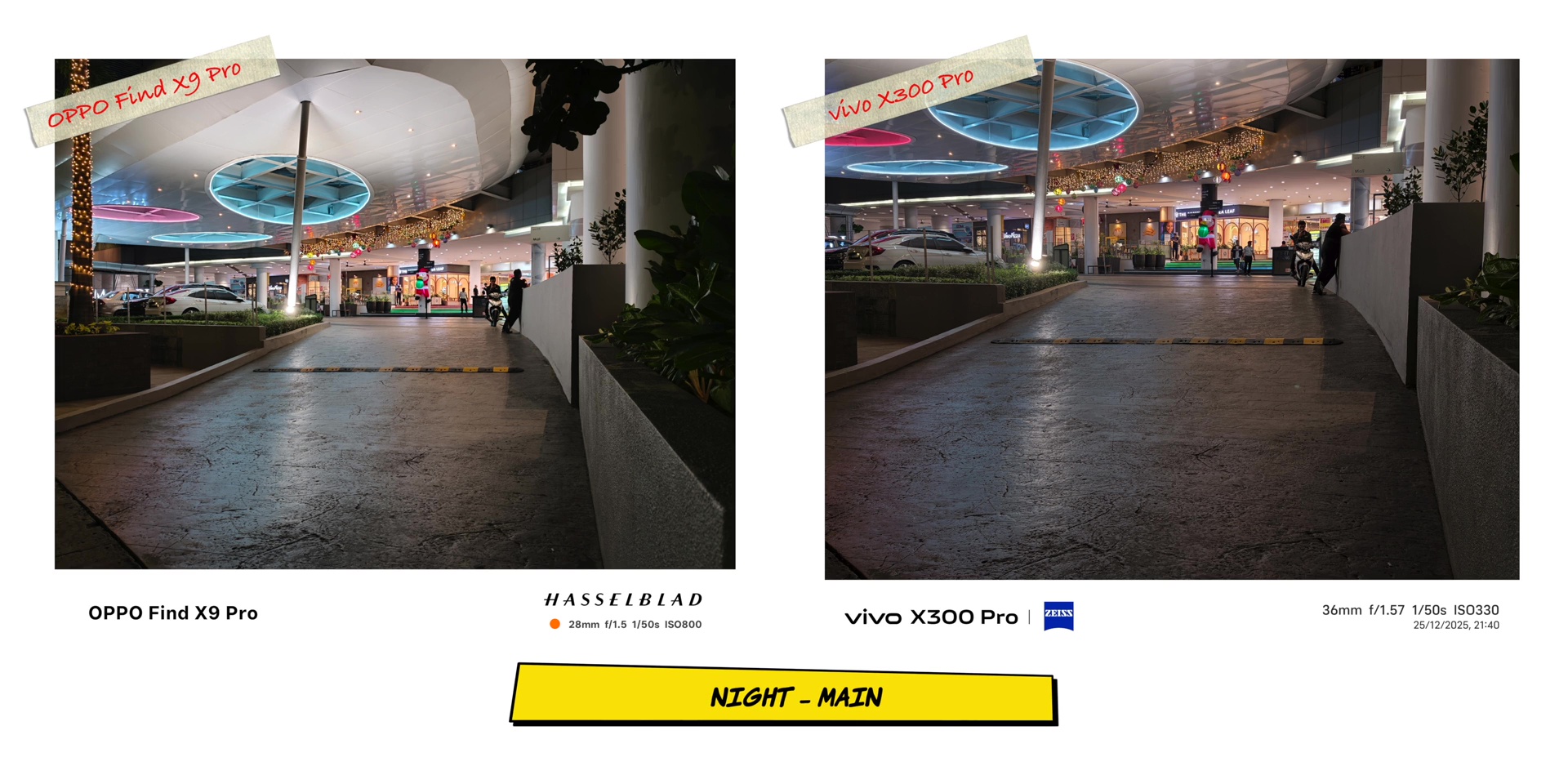
Testing out different sets of photos since I mentioned there’s an additional focal length that the phone apps provide by default. This one shows that vivo has a 1.5x mode too which is at 36mm and OPPO has a 1.2x mode as well at 28mm. Yeah. So quite an amount of work for me to do and for me to test it out. So yeah, quality wise both were great as expected. So it was only 2x mode on both.
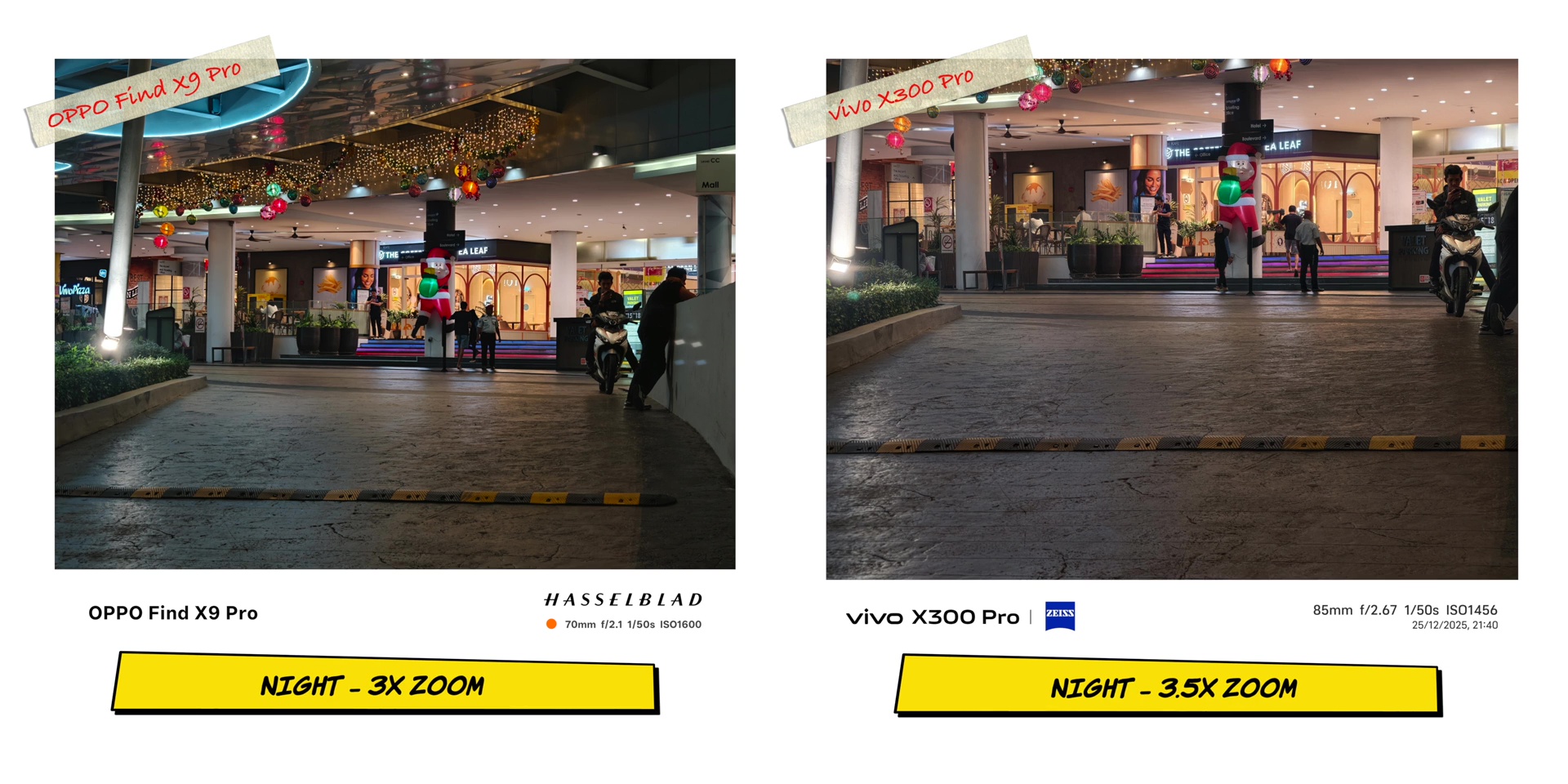
Then the optical lenses on each, which is 3.5x zoom and 3x zoom respectively, were also really great and so it was beyond that as well.
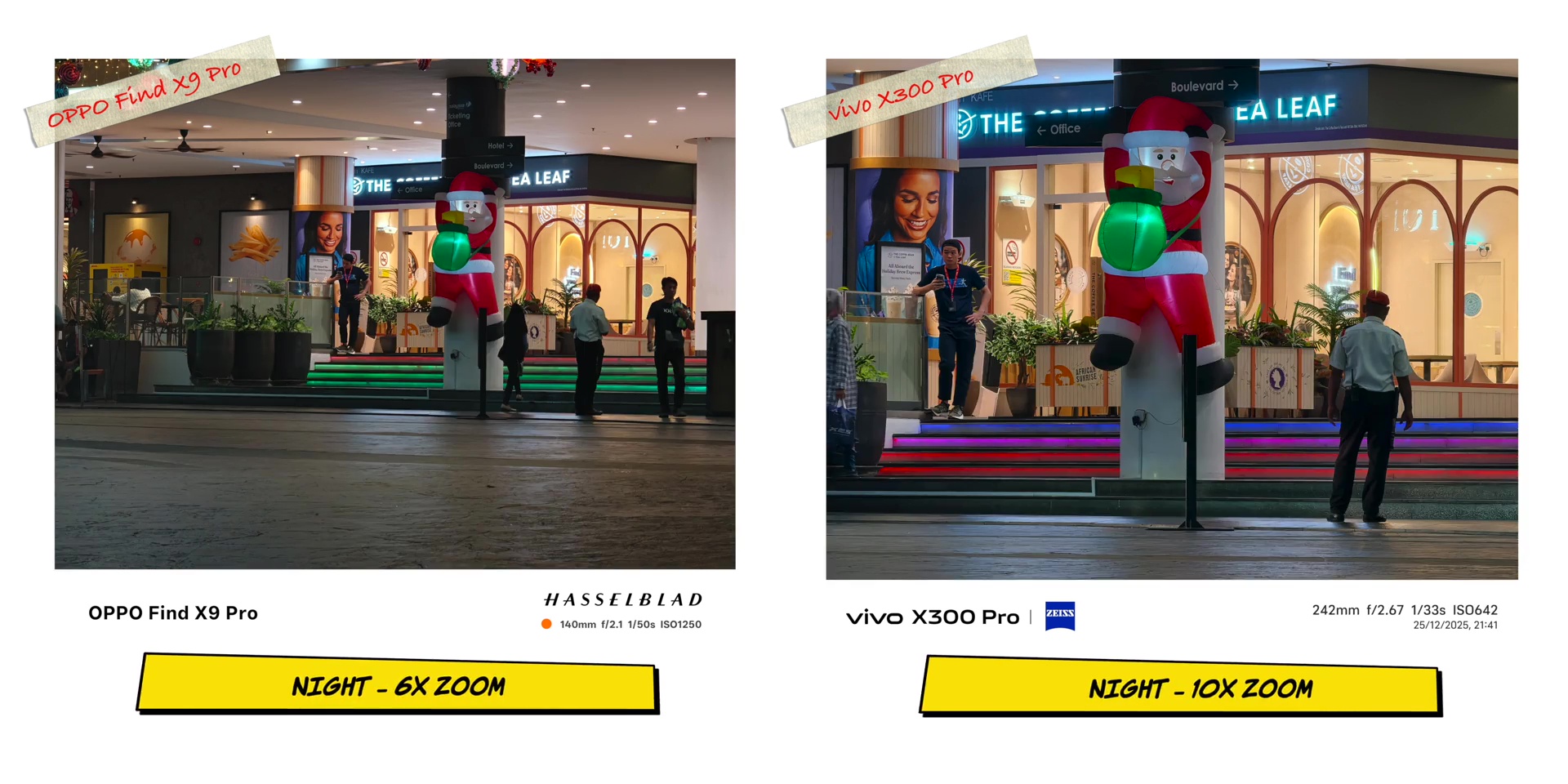
But this time around the 20x zoom on this scenario was better on a vivo.

Maintaining its quality at 50x zoom without extra lines or artifacts as seen on the OPPO but the image processing is back on the OPPO on the 100x zoom onwards once again.


Night Portrait Mode
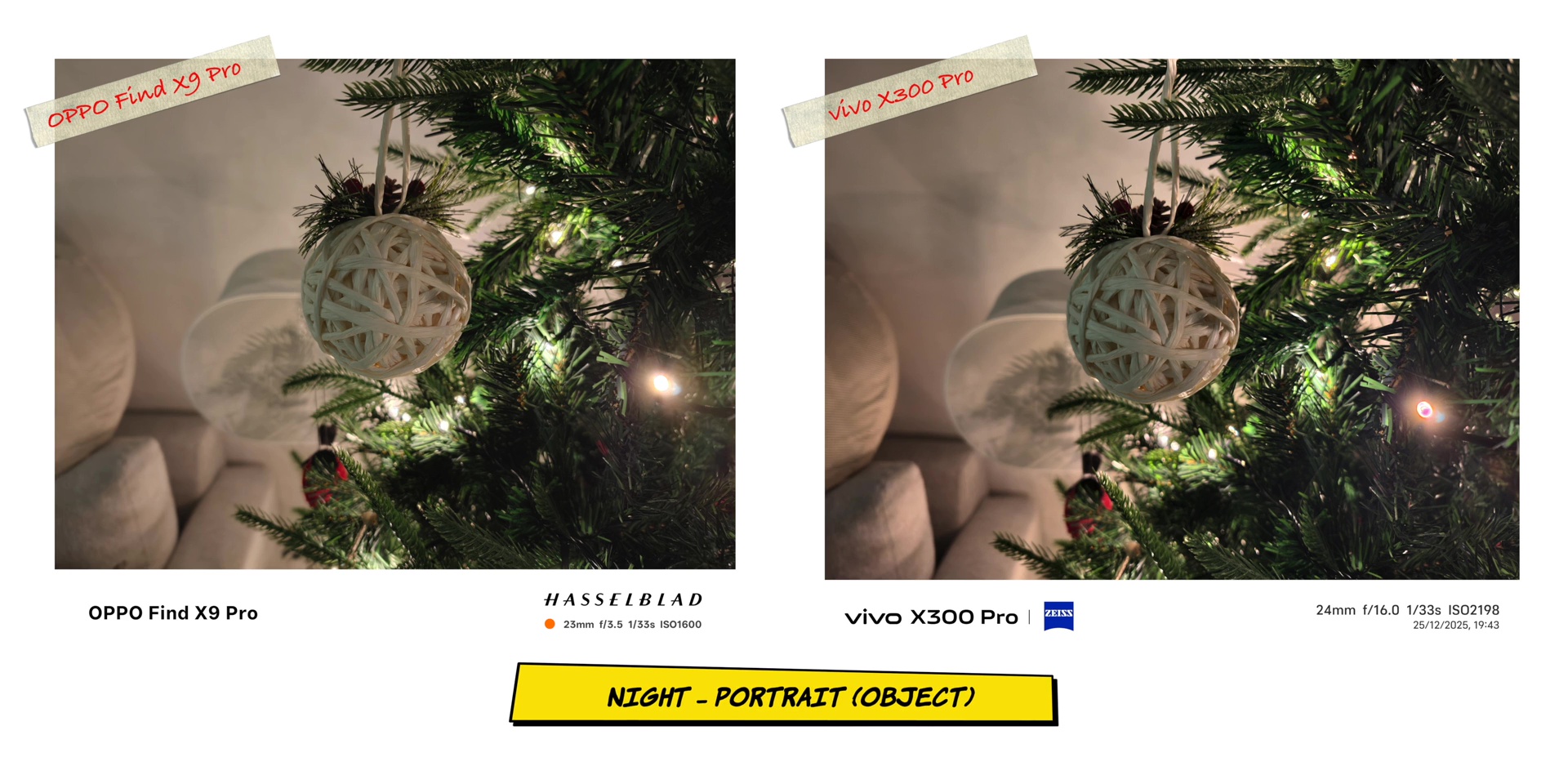
As for the nighttime portrait mode, starting from the objects, both look great under a low light situation at this first 1x focal length. The subject for this case is a paper-like ornament which was a little darker on the OPPO as you can see side by side. And this could be because of the automatic ISO or the exposure value as mentioned is way lower and seen over here compared to the vivo.
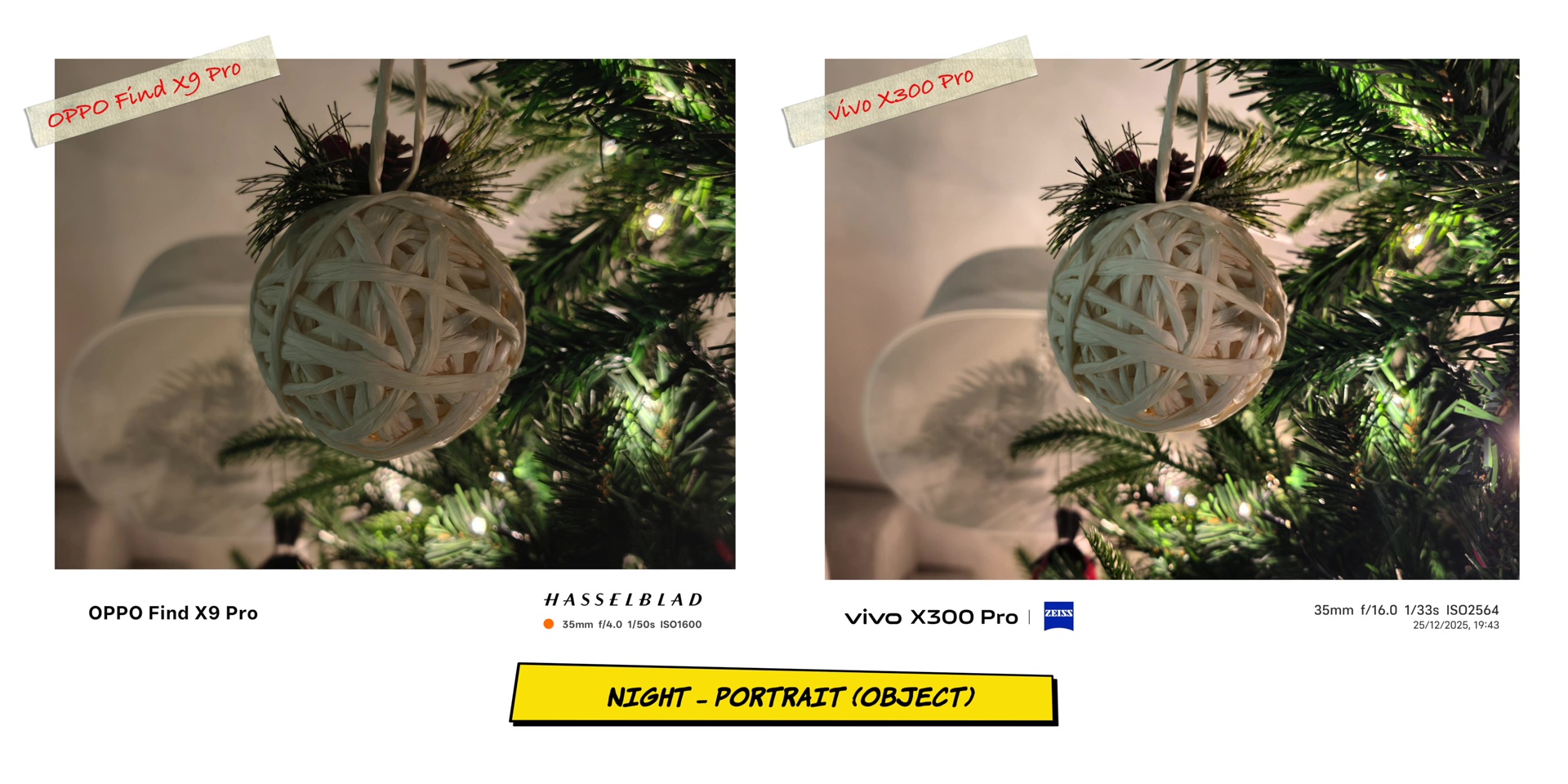
But you start to see similar results on the 50mm on the vivo compared to OPPO’s 47mm.
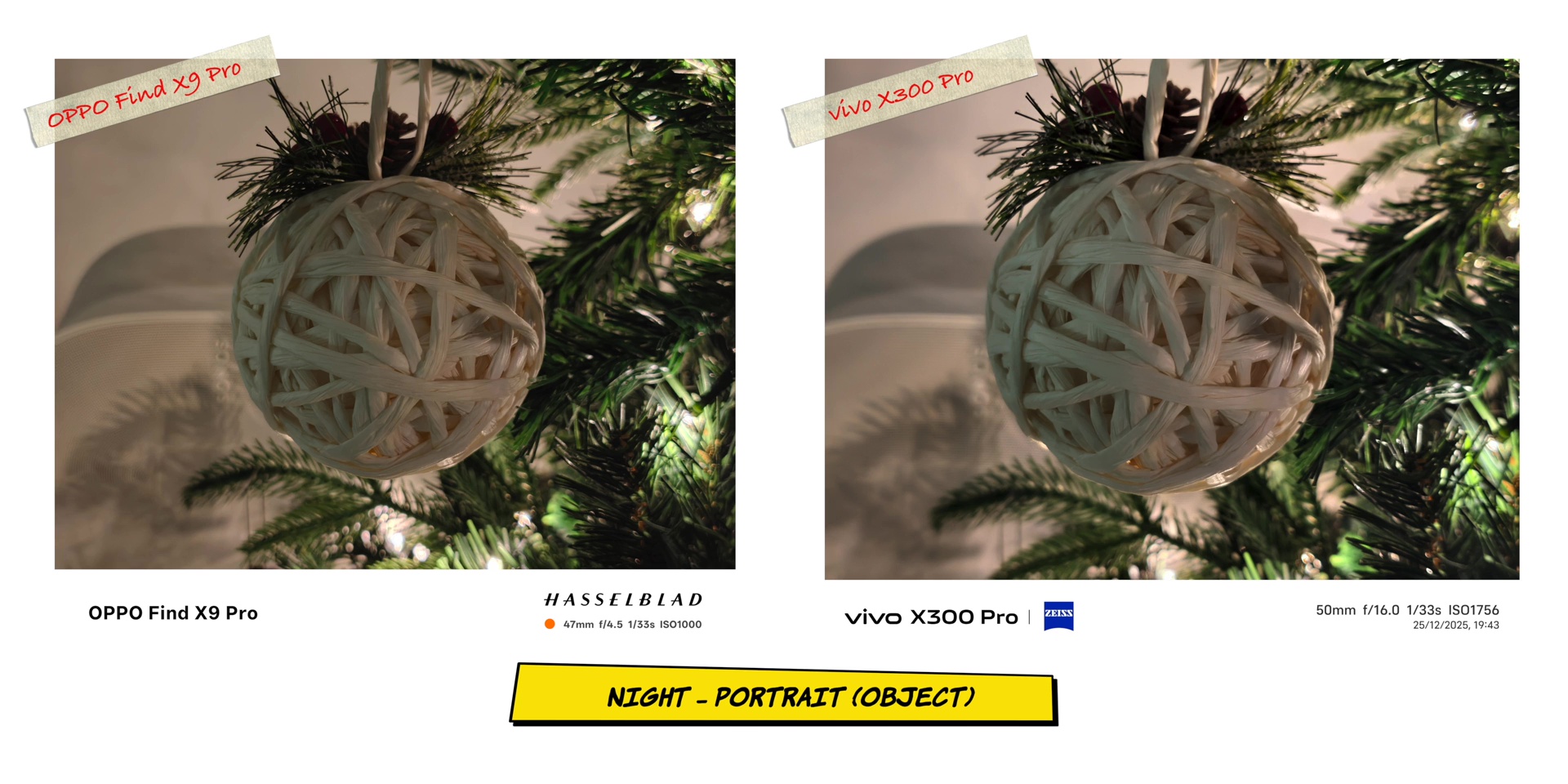
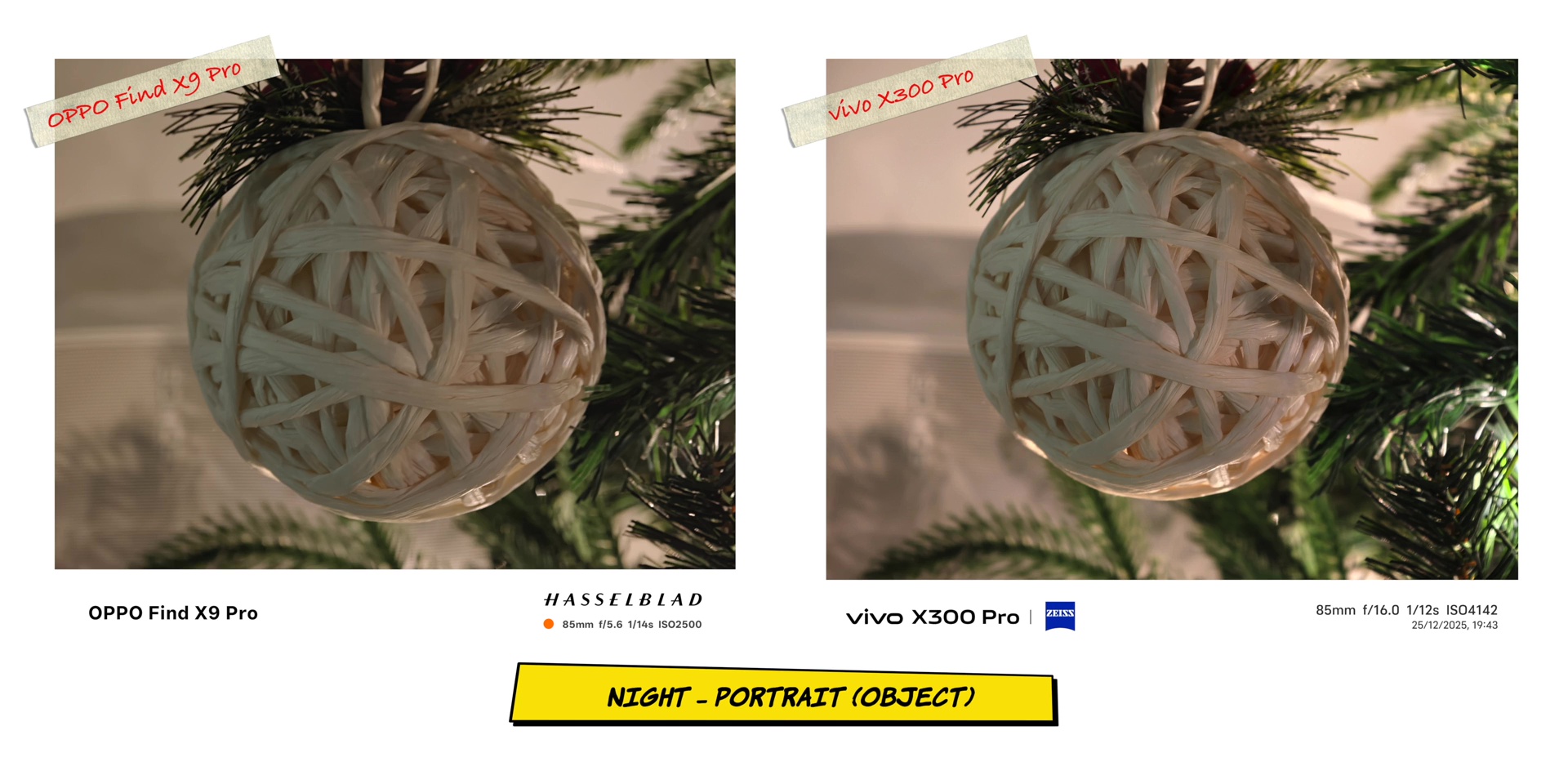
Looking at this 85mm focal length on each. Not sure why, but the subject was not in focus, which means that you really need to be aware as I didn’t even touch the focus on the vivo, but it did focus very well compared to the OPPO. And once again, vivo has the advantage of punching in 135mm over here.

Then for humans once again for a nighttime situation it was slightly more saturated on the OPPO this time around but the details on OPPO were more realistic than the slightly beauty mode on the vivo. So this is again based on a personal preference. So it was on the other focal lengths too.
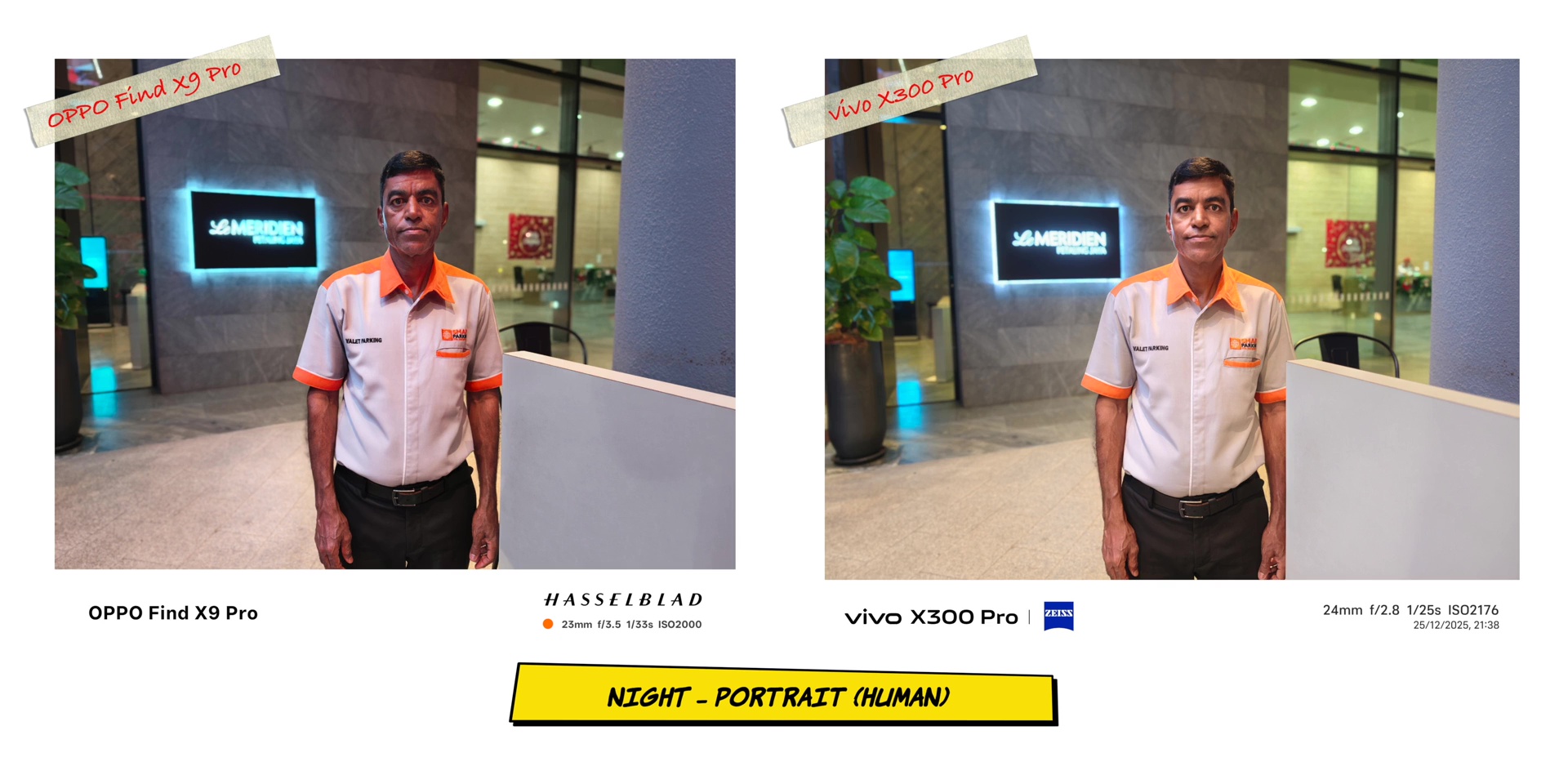
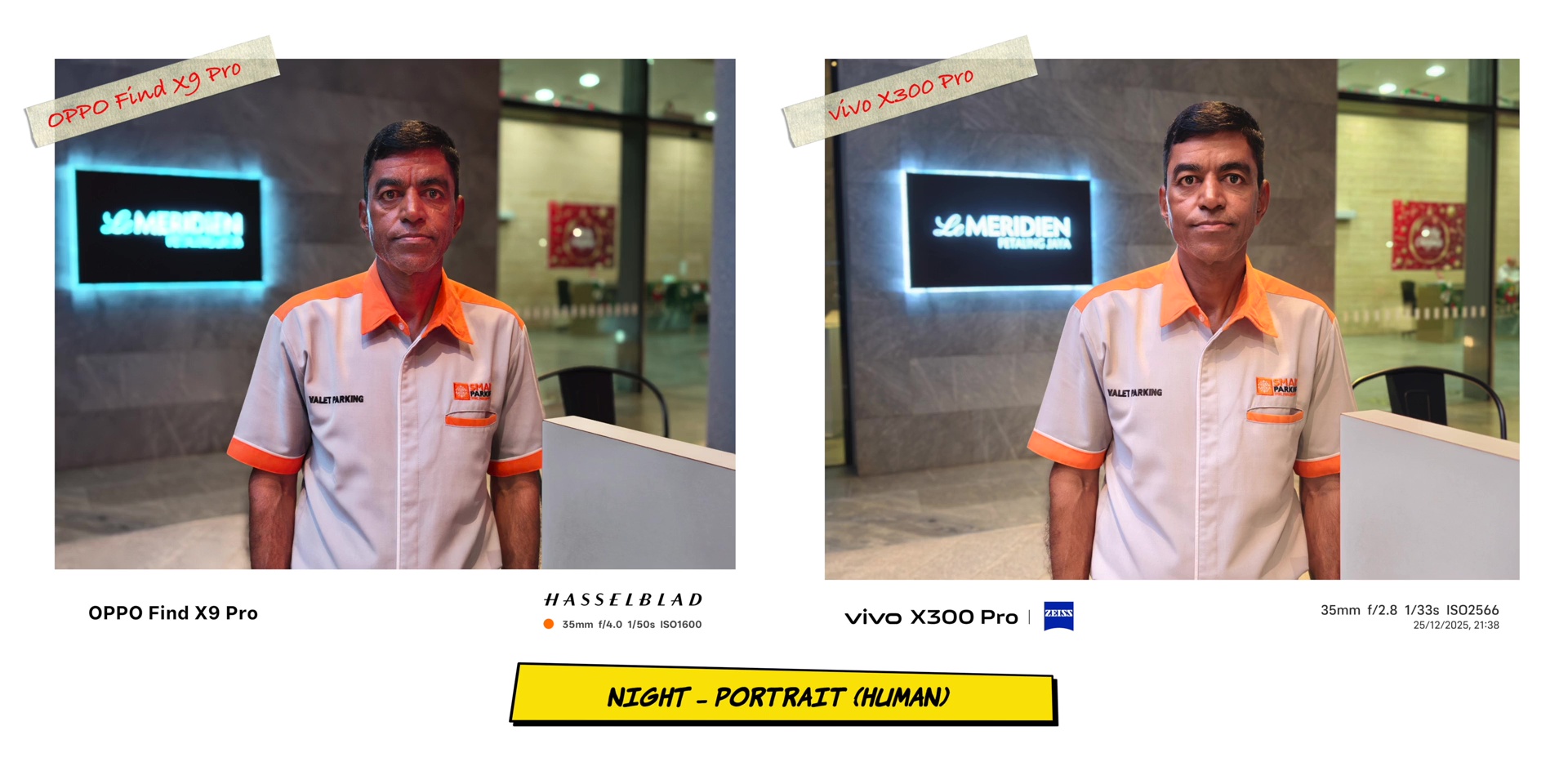
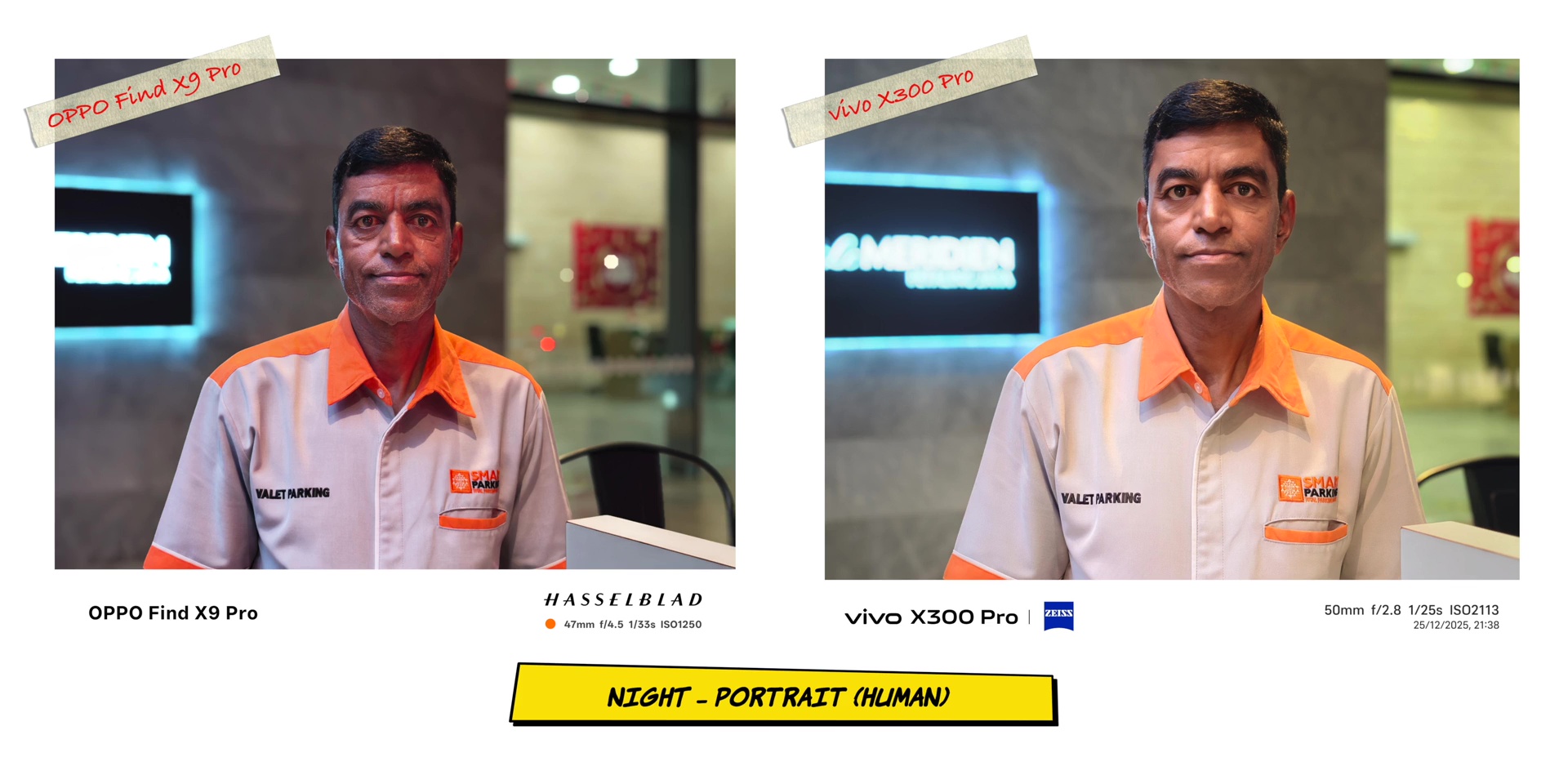
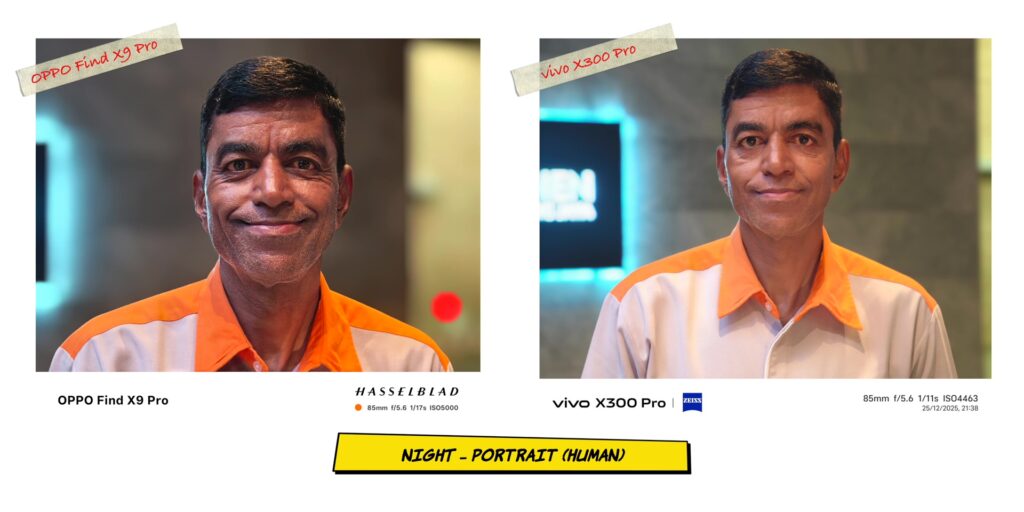
But where you start to see an obvious beautifying mode applied on vivo is in this 85mm because he almost looks unrecognizable where he looked more in tune to what OPPO was showing in his right skin tones and textures as well.
Selfie Night
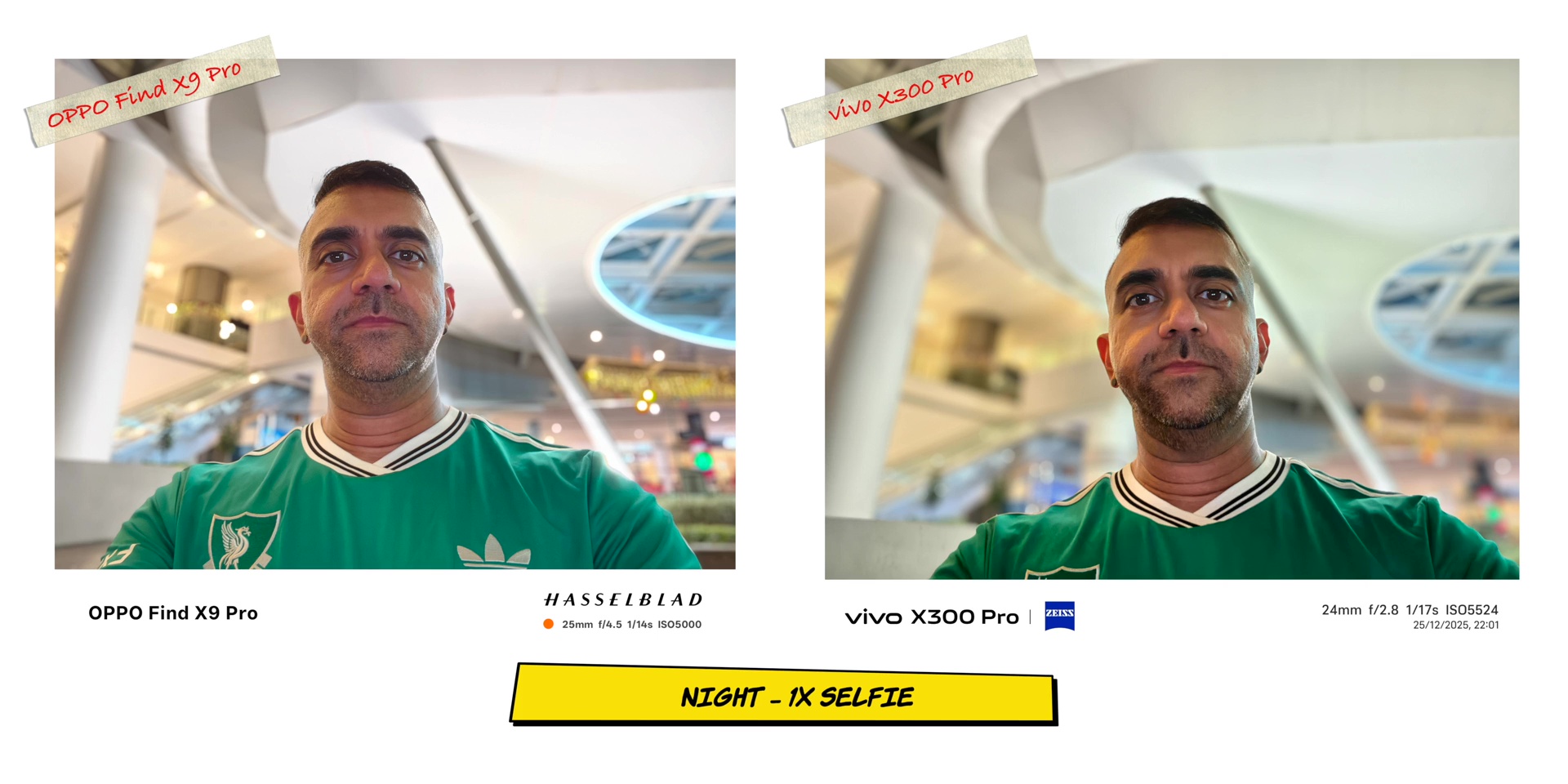
Like the daytime selfie, the nighttime selfies were also taken in two different scenarios. One with the light shining on my face and the other one with back lighting.
And looking at the first shots with the lighting in front, the wide selfie and the main portrait selfie look great. Nicely lighting up my skin tones and had a great subject to background blur.


Once again, there is a 2x mode for the vivo in this portrait selfie mode, which once again I do not know why it even exists.
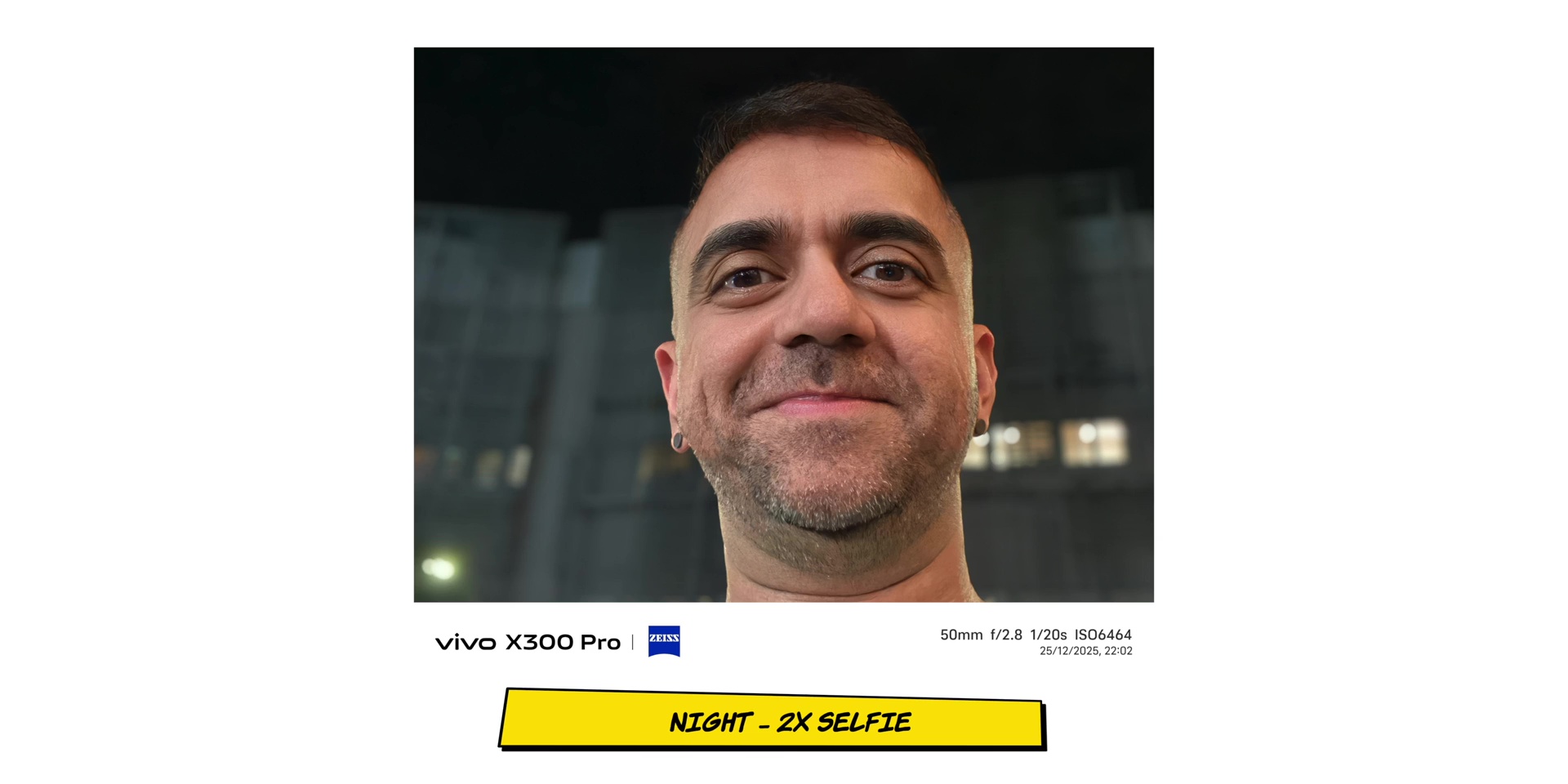
Then as for a backlit situation, it was the similar story as daytime where the skin tones were a little darker on a vivo on the wide selfie compared to OPPO with a different contrast too, but still looking great on both even at 1x zoom as well.

Nighttime Video
[Sample video footage are on my YouTube video]
As for the nighttime videos, I knew at the back of my head that the vivo’s ultra wide lenses at night when it comes to video wasn’t going to be good because this is my third time testing these cameras out.
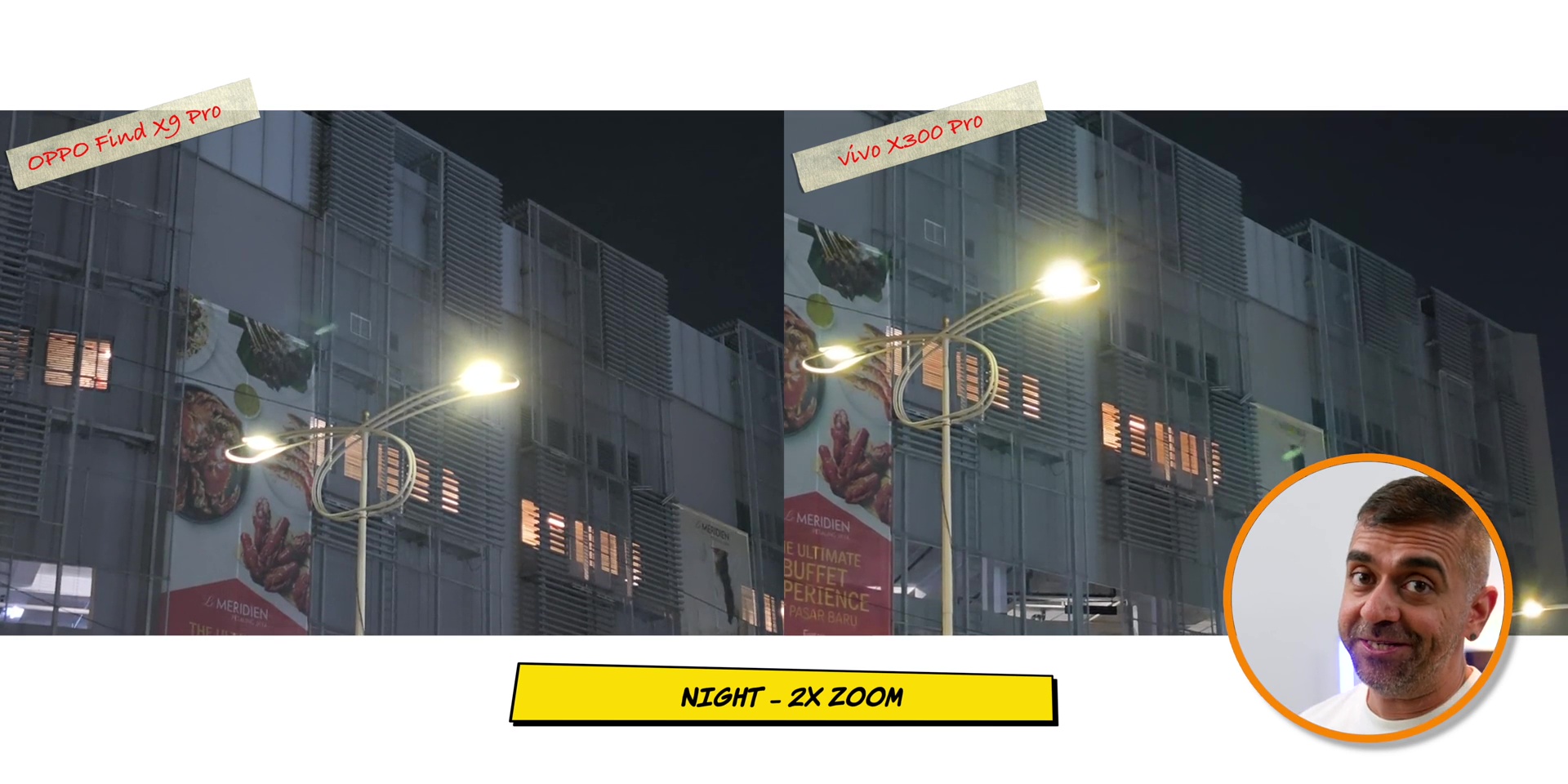
And yes, it was the case because the video on OPPO was a little better, but it was a little jittery when I was moving the camera while panning. Not sure why, but the 1x video at night was much improved where the quality was great with a tiny speck of lens flare on both phones when shown against a lamppost.
Then the battle of the lens flares is available on the 2x mode on both as seen in this footage. So you can pick and choose which one you prefer because the quality of the darker areas does look the same.
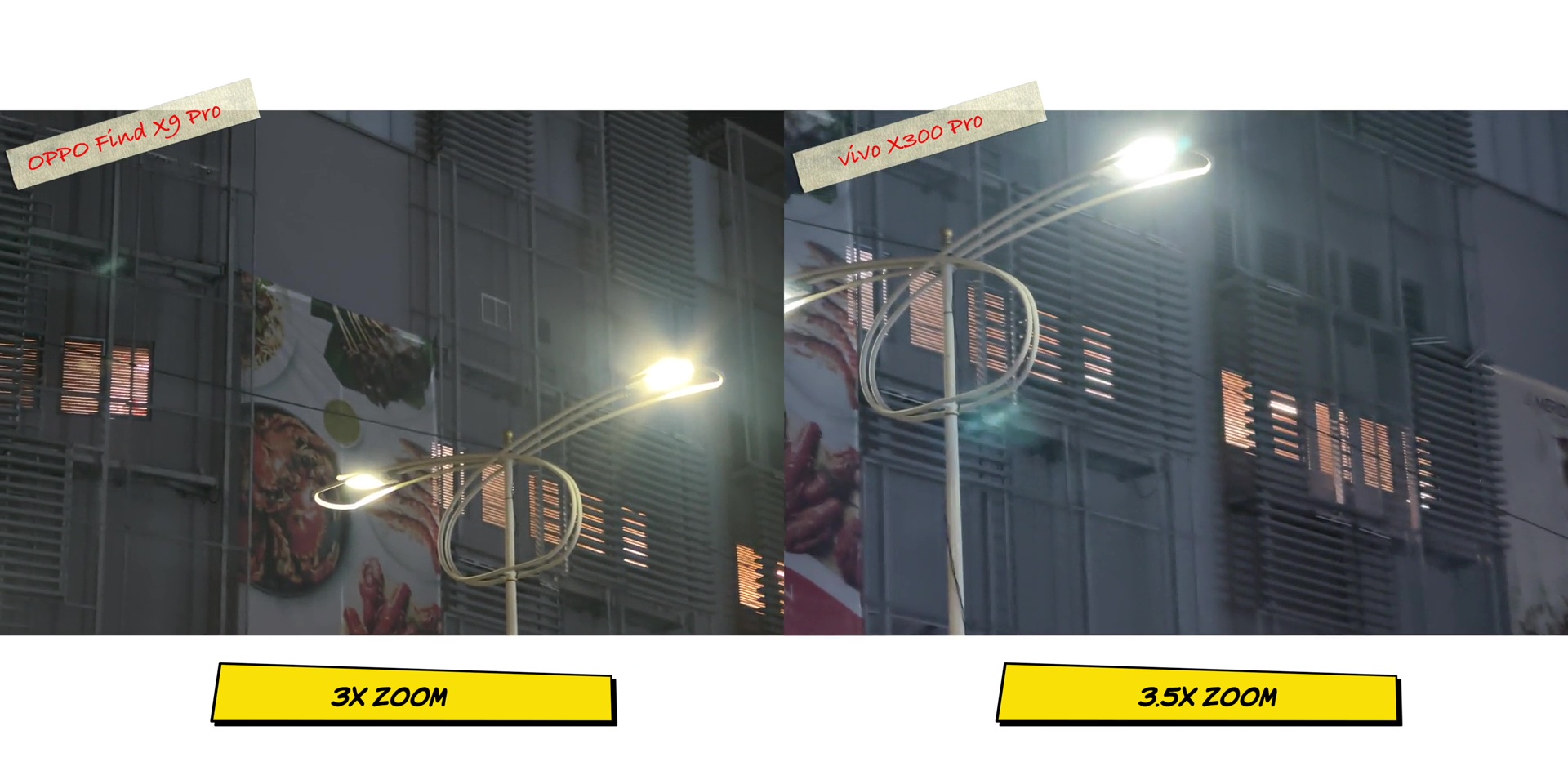
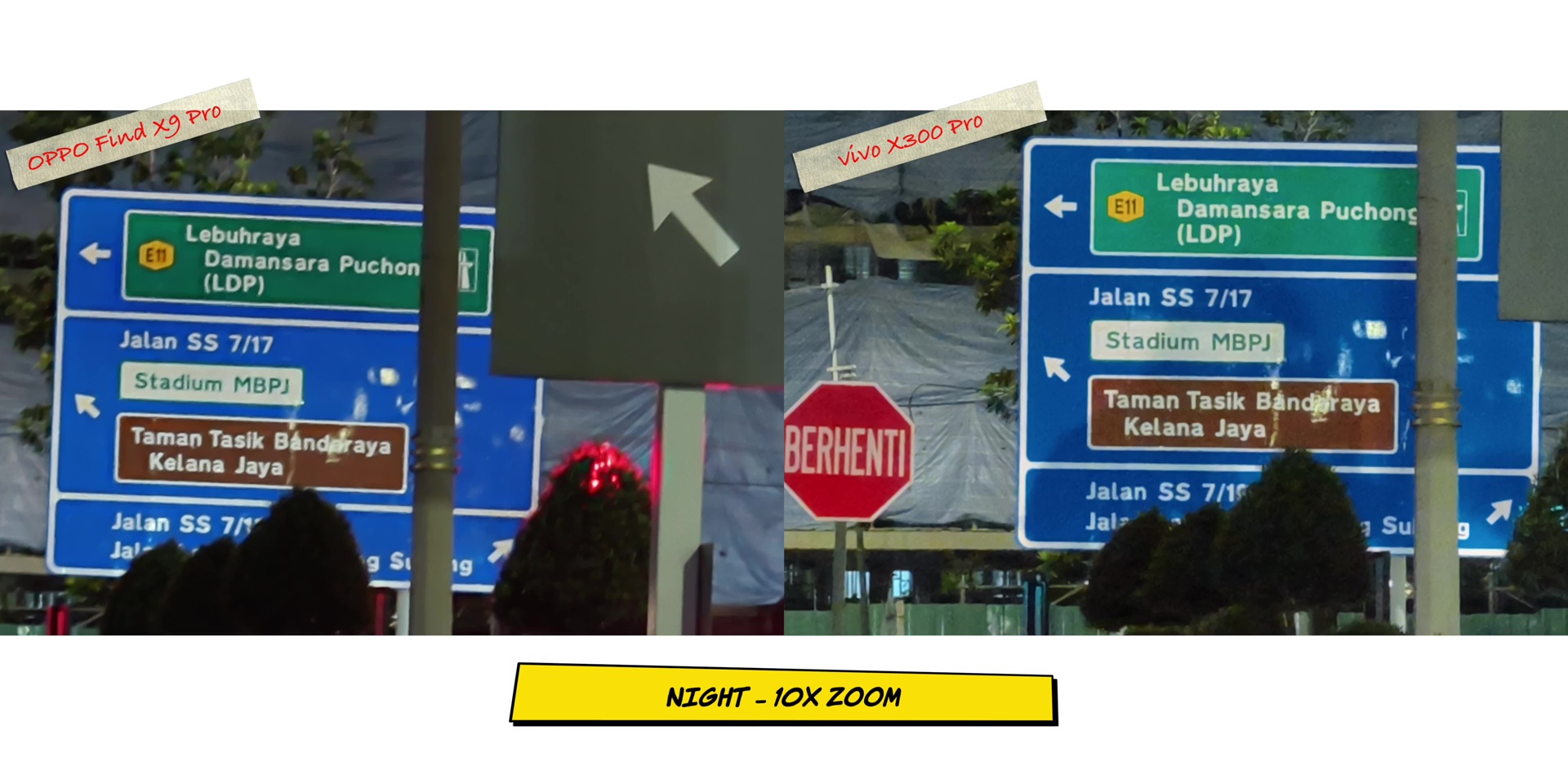
Then the lens flare was even more prominent on the telephoto optical zoom. But since this is a comparison video, if you pause at the 10x video mode on both when it was focusing on the signboard, just for the sake of knowing who did better on reading the signage at night at this 10x mode, both did well, but vivo’s footage was a bit more stable, making it more readable, just for the sake of comparing so you can know which is better.
Speaking of being stable, as for the video stabilization, once again, if I had to choose, I would go with OPPO for the ultra wide lenses. And once again, the 1x video stabilization was heavily improved on the vivo.
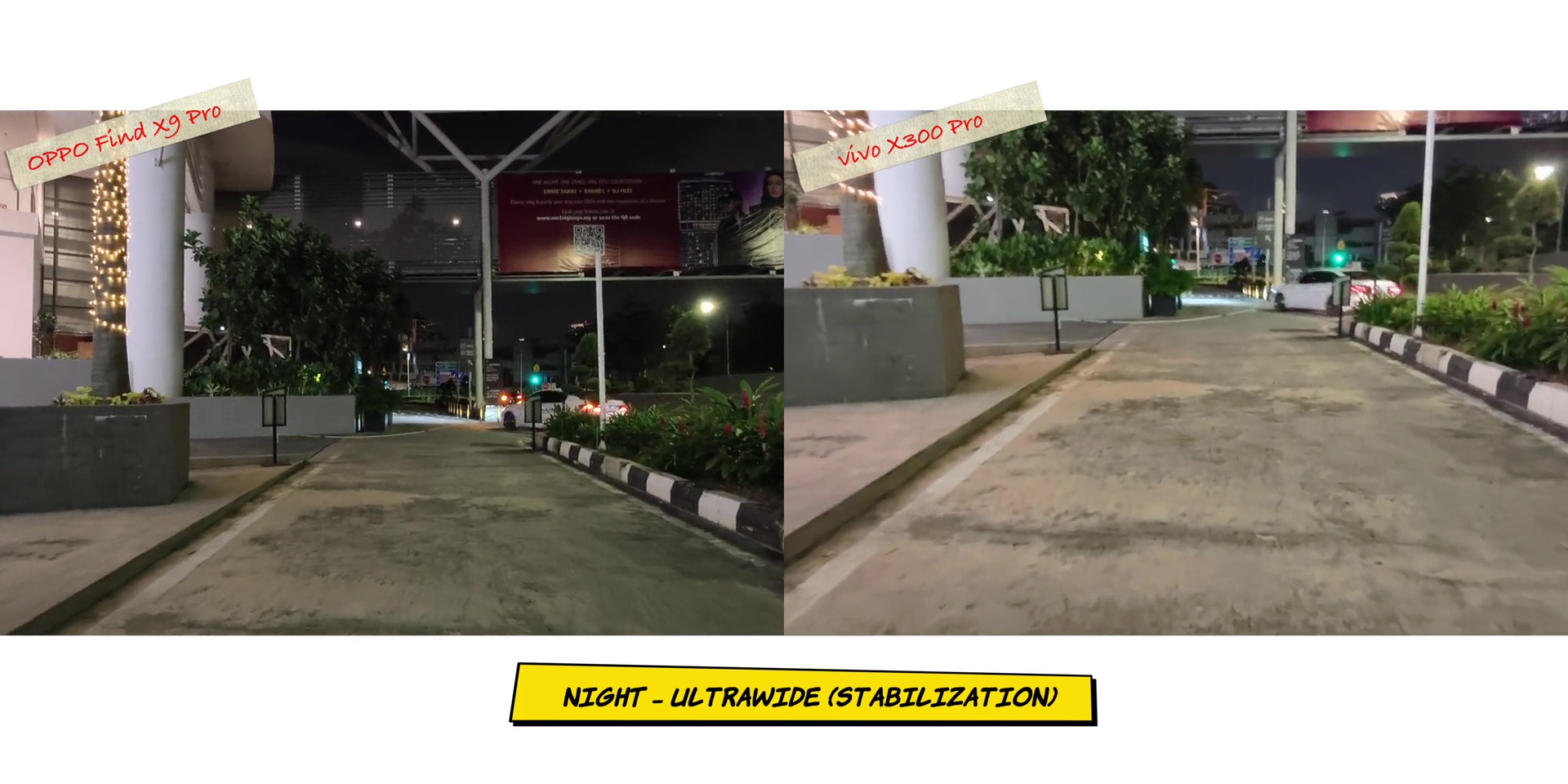
So, it was on the OPPO. Like during the day, the 2x stabilization on the vivo was better than the OPPO. So, it was for the optical zoom as well or the 3x zoom on the OPPO and 3.5x zoom on the vivo X300 Pro. And I won’t go beyond 10x mode on both for this particular video because of the quality.
Front Nighttime Video
[Again, all sample video footage are on my YouTube video]
While the front video quality on both looks similar but as seen towards the middle part of the video, the lens flare came in and said hello to my face mid recording. The lens flare was better on the OPPO at 1x mode compared to the vivo. But once again, the quality remains the same.

Since there is the infamous 2x mode video on the OPPO too, testing that against the vivo, the OPPO didn’t want to focus on my face. Yeah, again I do not know why this exists, but I had to test out this 2x video for you to see which is better.

Stabilization for the ultra wide lenses was slightly better on the vivo. The 1x stabilization was very similar, and you can see for yourself how the 2x video quality stabilization looks, so you can be the judge.

Don’t forget to check out the vlogging test on my YouTube video!
Conclusion
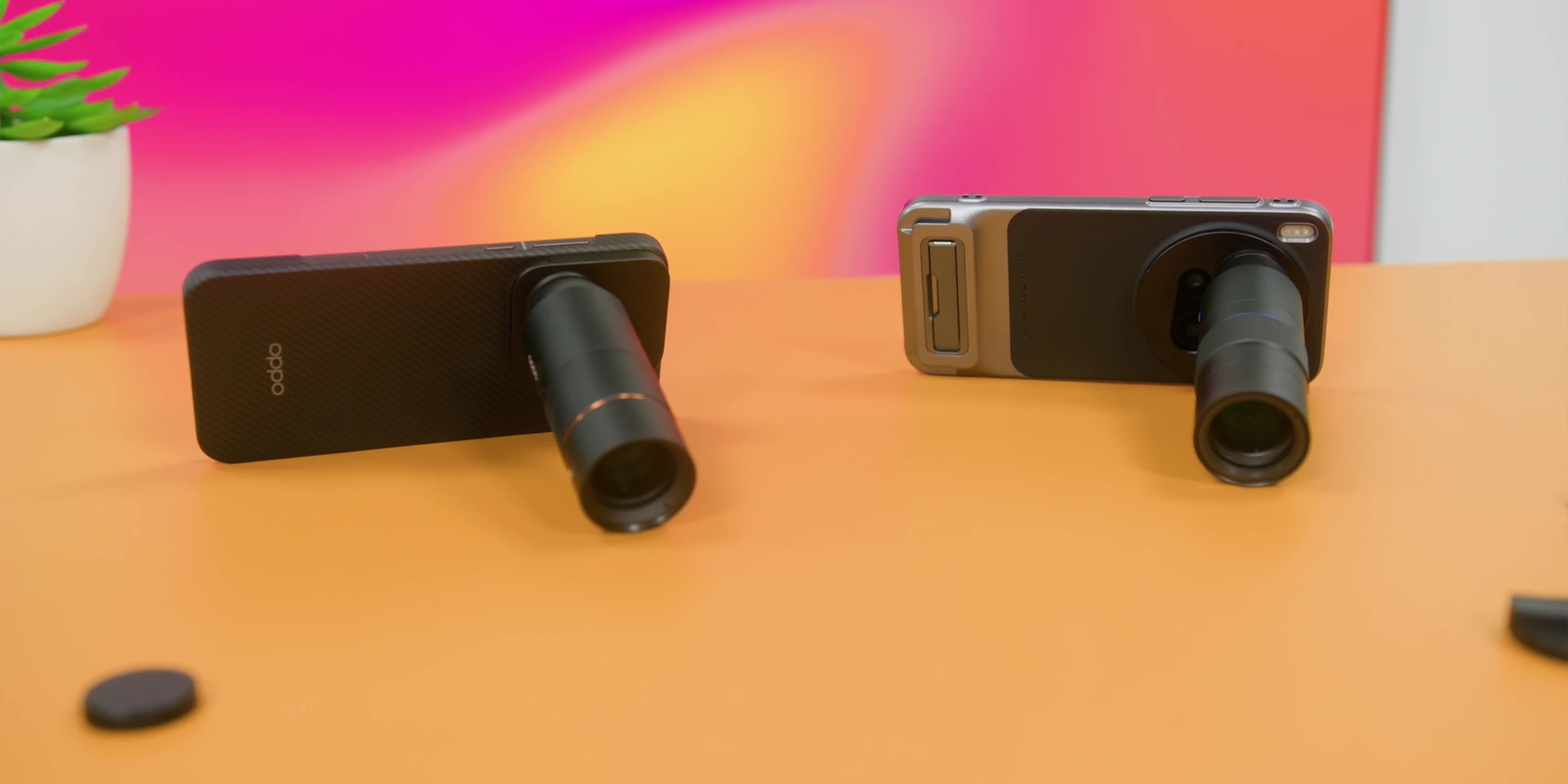
One thing that I didn’t go into this comparison video is to compare which is better in this telephoto lens kit since not everyone will be getting this particular lens kit. But if you want to know which is better, let me know in the comment section of my YouTube video and I’ll do a YouTube Shorts comparison for you.
Since you’ve seen this particular in-depth camera comparison, let me know which do you prefer!
[Watch the full video on YouTube here]
Buying via Malaysian Telcos: Maxis vs. CelcomDigi
If you are looking to pull the trigger on either of these flagships, locking them down through a telco contract is the smartest way to bypass the heavy retail price tags. Both Maxis and CelcomDigi have listed the OPPO Find X9 Pro and the Vivo X300 Pro on their respective device contract tiers, making them highly accessible through monthly instalment plans.
Here is how the telco landscape breaks down to help you make your final purchase decision:
1. The Maxis Route: Zerolution 24M / 36M
Maxis relies on its signature Zerolution programme, offering 0% interest and zero upfront payment for eligible long-term customers.
- The Setup: You can spread the cost over a shorter 24-month commitment or stretch it to 36 months to secure the lowest possible monthly device fee.
- The Math: * The Vivo X300 Pro starts at a lighter RM70/month on their higher-tier Maxis Postpaid plans.
- The OPPO Find X9 Pro carries a slightly higher premium, starting at RM80/month.
- The Perks: Maxis sweetens the deal by bundling 3 months of free Maxis Device Care, providing immediate peace of mind against accidental damage or liquid spills, which is vital for any glass-heavy camera flagship. If you are already locked into a premium Maxis Unlimited data tier, upgrading your current line here keeps things streamlined on a single bill.
2. The CelcomDigi Route: Easy360
CelcomDigi addresses the comparison with its Easy360 device financing plans, known for offering highly competitive entry points with zero upfront fees and interest-free monthly instalments over a 36-month stretch.
- The Setup: Tailored specifically for those who consume massive amounts of data for mobile vlogging or streaming high-res 4K files. The monthly device price scales aggressively down based on the size of the CelcomDigi Postpaid 5G plan you bundle it with.
- The Strategy: Because CelcomDigi merges massive data quotas with their phone plans, it provides an exceptional operational pairing for the OPPO Find X9 Pro’s heavy video-centric workflows or the Vivo’s data-hungry cloud-AI processing.
The Verdict: Which Telco Deal Wins?
- Go with Maxis if you prioritize premium customer ecosystem perks, want a shorter 24-month option to upgrade sooner, and value the immediate financial shield of a complimentary 3-month device protection plan.
- Go with CelcomDigi if you are trying to minimize your absolute monthly cash outflow over a 36-month timeline and want maximum uncapped 5G data to upload your massive 200MP camera creations on the go without hitting a data wall.
Telco Plan Quick-Glance Comparison
Here is how the entry-level pricing breaks down for both flagships across Maxis and CelcomDigi on their lowest-tier financing plans.
| Feature / Detail | Maxis Plan (Zerolution) | CelcomDigi Plan (Easy360) |
| Financing Programme | Zerolution 24-Month / 36-Month | Easy360 36-Month |
| Upfront Payment | RM0 (For eligible customers) | RM0 (For eligible customers) |
| Interest Rate | 0% Interest | 0% Interest |
| Vivo X300 Pro Price | From RM70 / month | From RM65 / month |
| OPPO Find X9 Pro Price | From RM80 / month | From RM74 / month |
| Top-Tier Plan Bundle | Maxis Postpaid 199 (Unlimited Data) | CelcomDigi Postpaid 5G 260 (Unlimited Data) |
| Exclusive Perks | FREE 3-Months Maxis Device Care (Accidental & liquid damage coverage) | Maximized 5G Data Quotas tailored for heavy content uploading |
| Best Suited For | Shorter 24-month contract flexibility and built-in device protection insurance. | Maximizing monthly savings over a steady 36-month timeline with raw data volume. |
Frequently Asked Questions
Which phone has the better overall camera between the OPPO Find X9 Pro and Vivo X300 Pro?
It depends entirely on your shooting style. Because both phones feature nearly identical hardware—including a 50MP main sensor and a massive 200MP telephoto lens—the real difference lies in the software processing. The Vivo X300 Pro is the better “point-and-shoot” option, delivering bright low-light images and highly stylized ZEISS portrait effects. The OPPO Find X9 Pro is ideal for creators who prefer natural, realistic Hasselblad color tuning, sharper close-up macro shots, and cinematic video modes.
How do the zoom capabilities compare on these two devices?
While both flagships utilize a 200MP telephoto sensor, the Vivo X300 Pro takes the edge for extreme distances. Its slightly larger sensor allows for a 3.5x default optical zoom and can stretch up to a 5400mm digital equivalent with better clarity. The OPPO Find X9 Pro provides a 3x optical zoom and extends up to a 4600mm digital equivalent, relying more heavily on AI computational sharpening at ultra-long distances.
Which phone is better for low-light and portrait photography?
The Vivo X300 Pro handles dim environments and moving subjects more effectively, using its aggressive post-processing to brighten up dark scenes and freeze frames without blur. It also features unique cinematic ZEISS portrait modes that emulate classic lenses. The OPPO Find X9 Pro focuses on accurate skin tones and subtle background separation via Hasselblad tuning, making it look more realistic but less punchy right out of the box.
Can both phones use external lens accessories?
Yes. Both the OPPO Find X9 Pro and the Vivo X300 Pro support optional first-party teleconverter accessories. When attached, these physical lens extenders drastically amplify the optical reach of their telephoto cameras, essentially turning either smartphone into a high-powered mini telescope.
Which device should I pick if I prioritise video and vlogging?
The OPPO Find X9 Pro is the superior option for creative videography and vlogging. It captures cleaner audio, features sharper details on its 50MP selfie camera, and includes unique creative tools like the widescreen XPAN mode, dual-view recording, and underwater shooting settings. While the Vivo X300 Pro offers excellent video stabilisation, its processing is geared more toward stills than creative video layouts.
Related: