
So, last year’s vivo X200 series was really great. It had one of the best smartphone cameras ever, but it had one problem. The software was a little meh. So, did vivo fix it with the X300 series? And which other areas did they improve that might consider you to finally make a switch? Well, after using the vivo X300 Pro for a month, here is your answer.
Design & Build
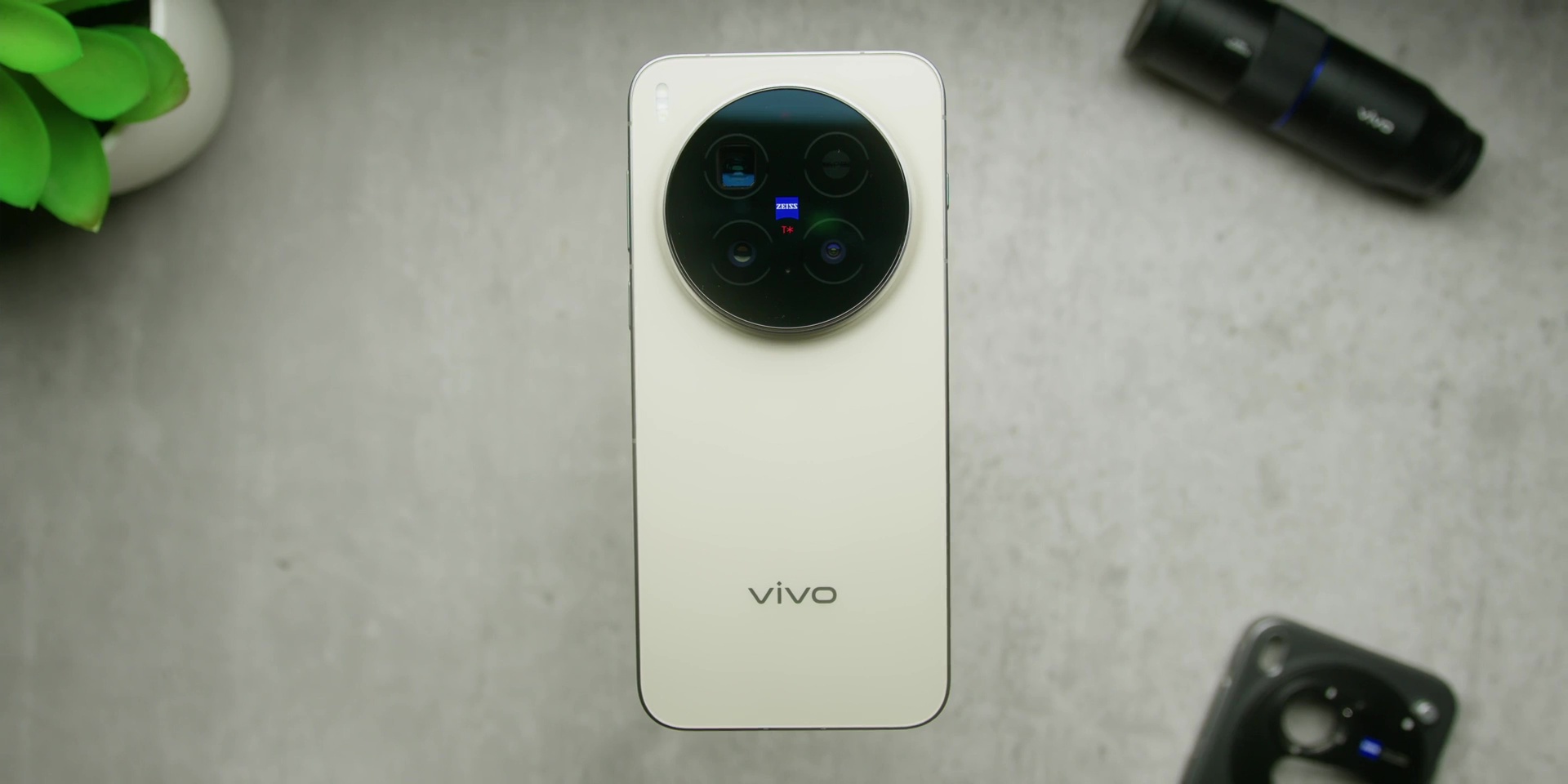
So, I have this in what vivo calls Dune Brown. And yes, it is a very nice name. It wasn’t a color that I immediately fell in love with the moment I saw it, but the more I used it, the more I liked it. It also has a gunmetal type of color frame, which I personally would love for it to be a silver color or even follow the same color all the way. But in the hands, that’s a different taste since the back and the sides are matte.
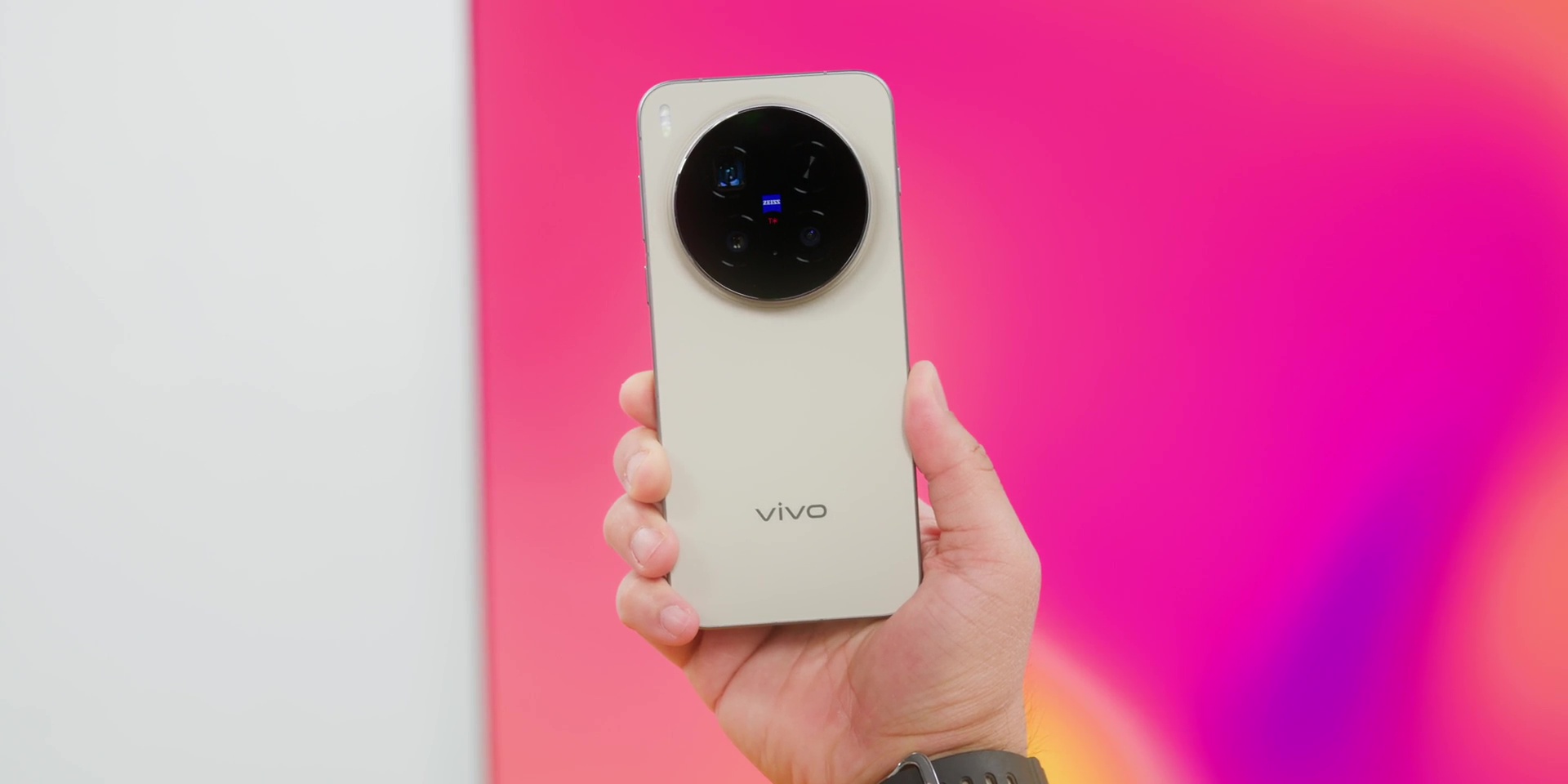
The texture is a lot grippier in the hands, and the curved edges also felt really nice, too. No sharp edges or almost sharp edges like the S25 Ultra where this feels very close to the iPhone 17 Pro Max. While this doesn’t have Gorilla Glass that other companies use, it has the Armor Glass instead with a Mohs level 4 as compared to Mohs level 6 on the latest Gorilla Glass. Yes, it is the first time I’m actually hearing the term “Mohs” too.
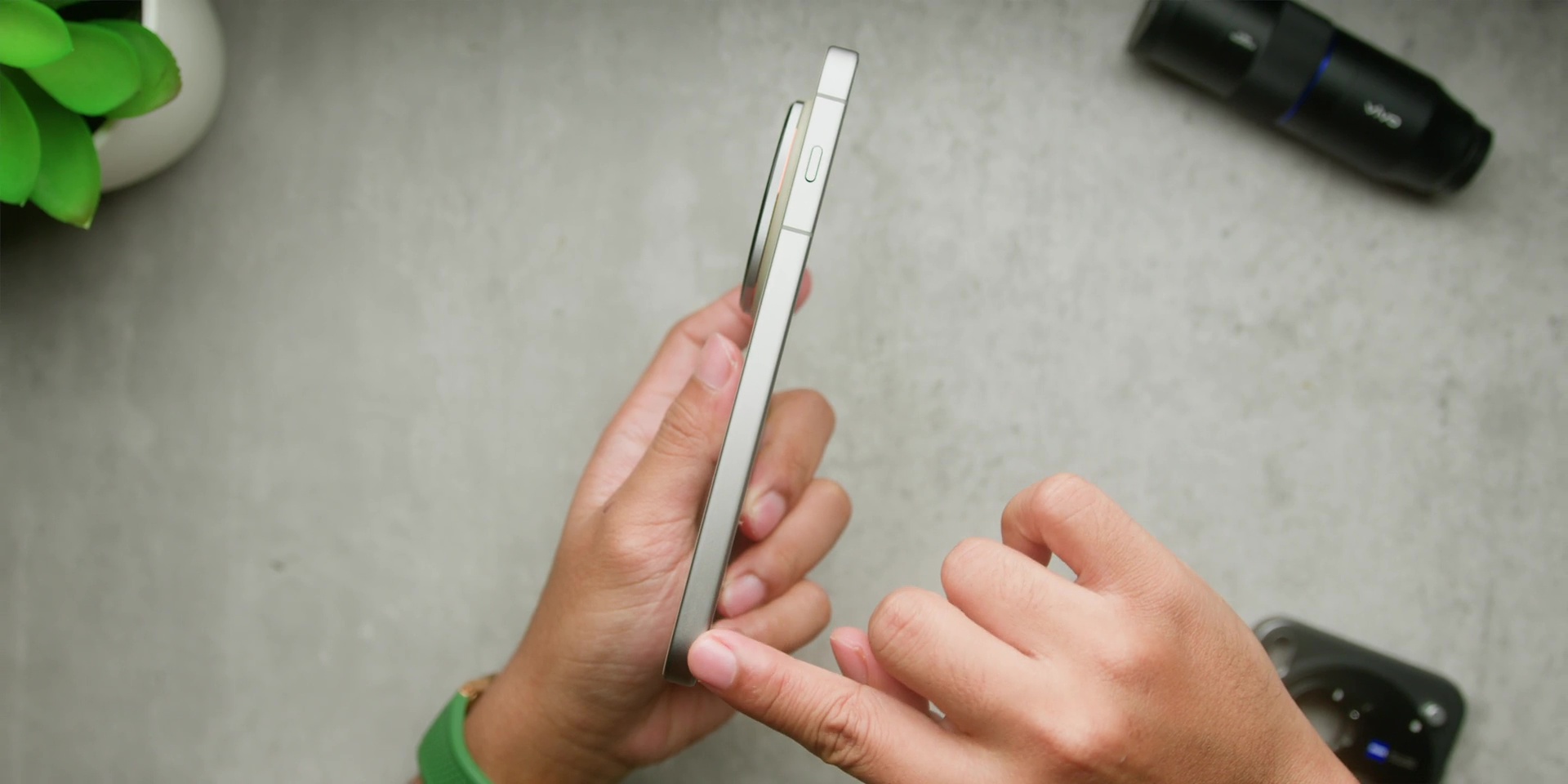
The entire month of using this phone. As usual, I’ve been using it without a case with vivo’s built-in screen protector, and I didn’t have any issues with this where it even comes with IP68 and IP69 rating for dust and water protection.
And yes, as much as this camera bump or plateau looks like a big blob, it has 2 major benefits:
- Number one, since this takes so much space around the phone, it allows you to rest this on a table without wobbling at all.
- And second of all, this also works perfectly as a resting place for your index finger. So you can type and hold this phone without the fear of sliding it down.
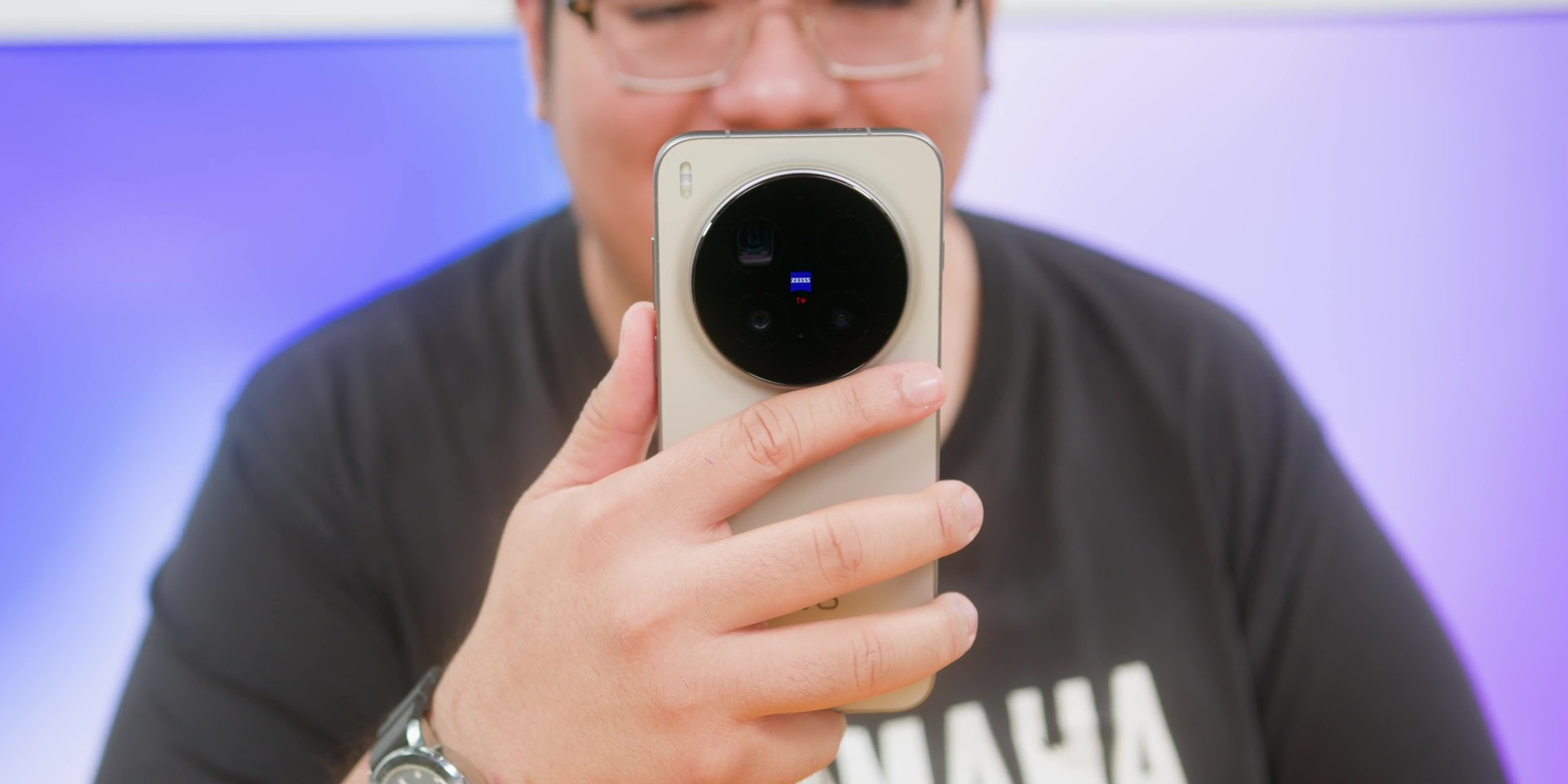
But yes, the reason why the camera bump is huge is also the fact that this is really good when it comes to photography and videography.
Display
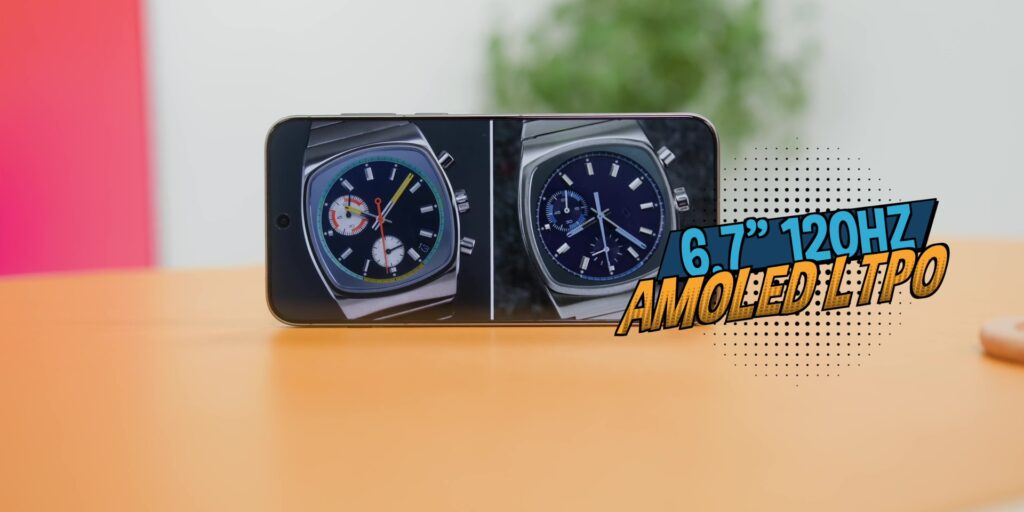
So this has a 6.7-inch 120 Hz AMOLED LTPO HDR10+ screen with 4500 nits of peak brightness. The display remains crisp, sharp, and clear while watching content on YouTube, Netflix, and Disney+ was really nice.
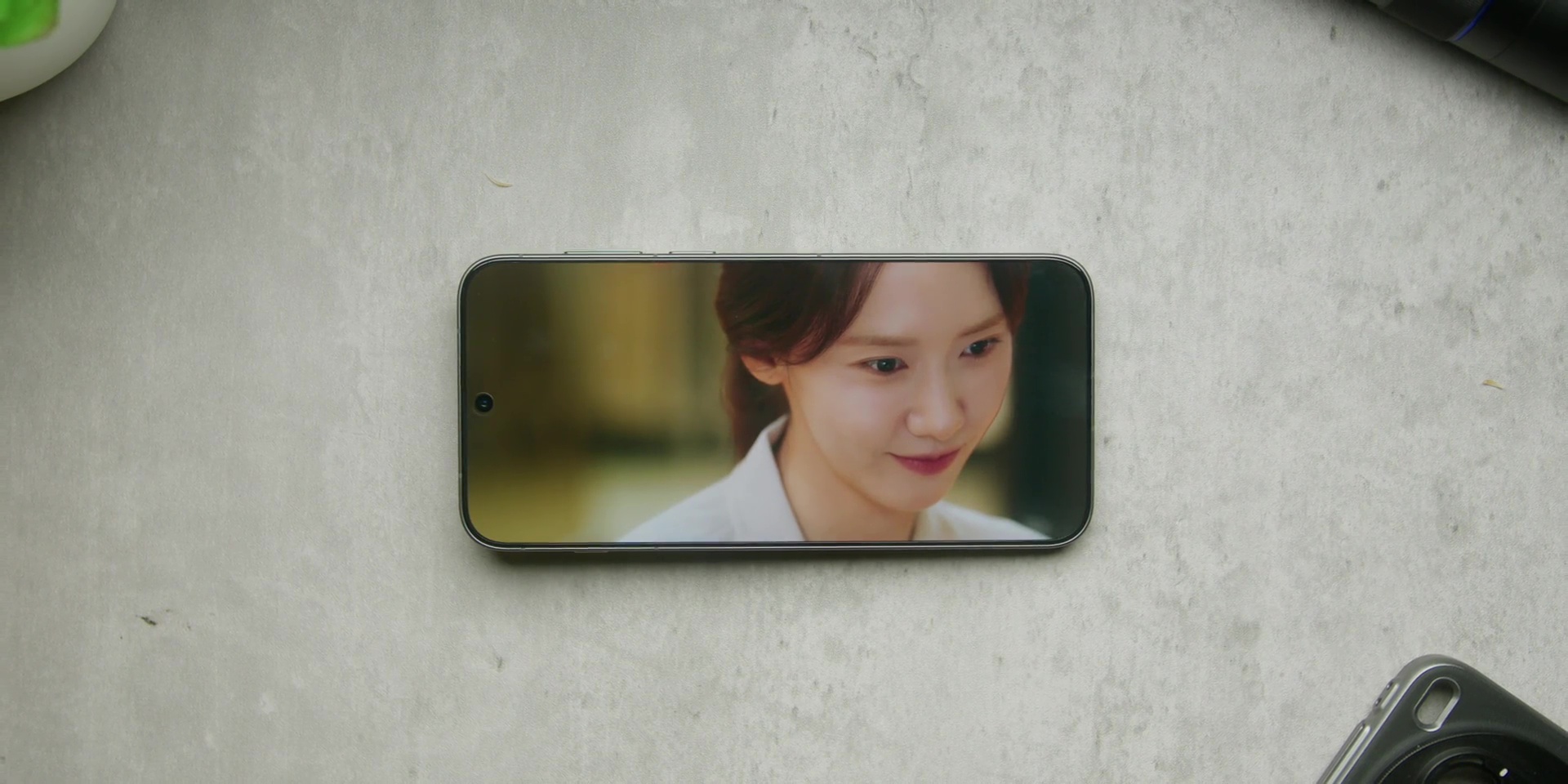
These stereo speakers are more than loud enough and also very nice to hear to a point where everything feels too immersive and that sounds like “Huh? Speakers being so immersive?” Well, trust me because I’ve been listening to this side to side with other flagships and you will get the difference in this.
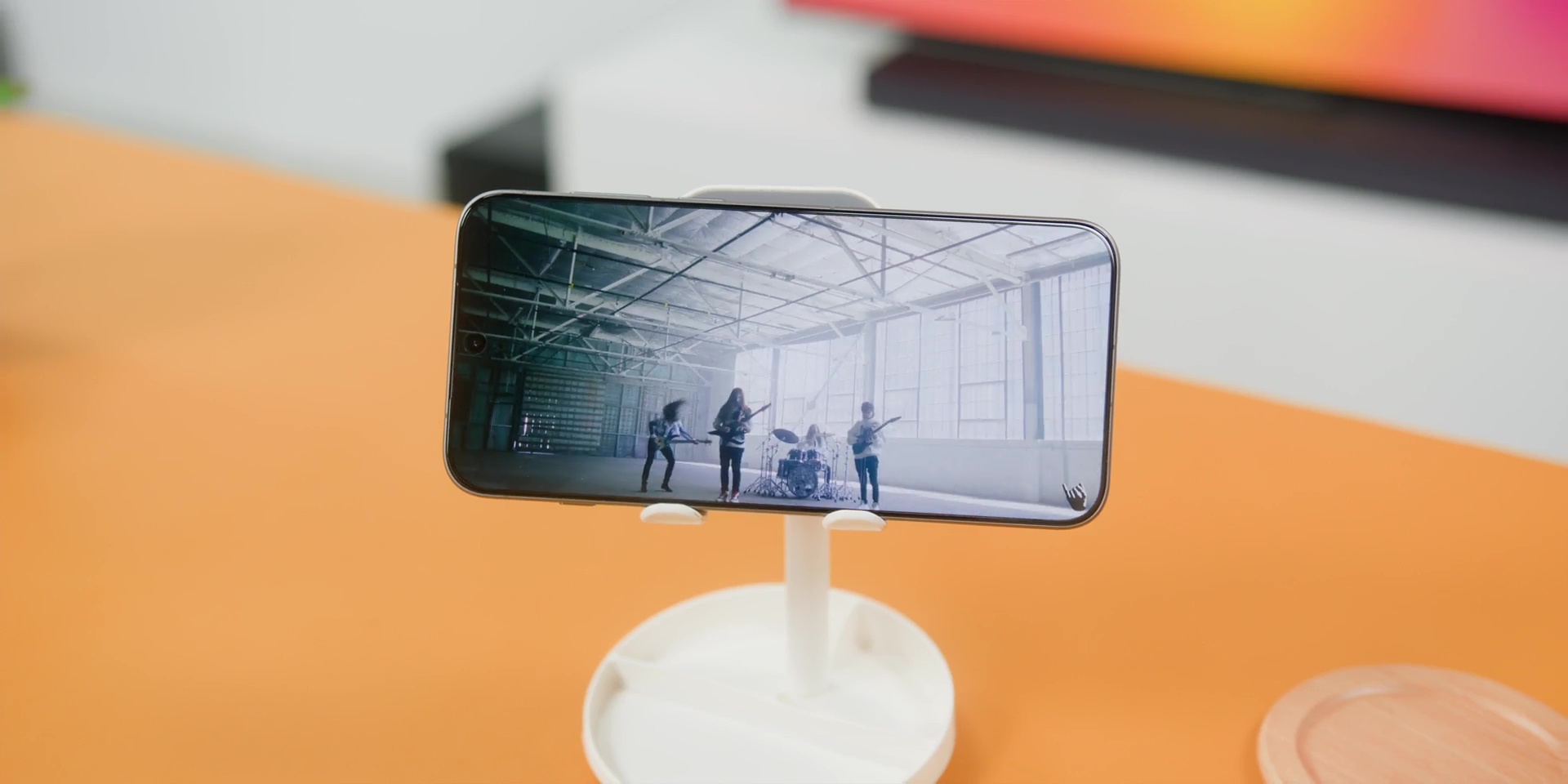
Overall the screen is very nice and sharp and even under direct sunlight outdoors as well. Unlike the S25 Ultra, this phone doesn’t have the anti-reflective coating, which might sound like a deal breaker until you see the claimed anti-reflective coating of the iPhone 17 series, which is barely there. Then you realize that it is something that is nice to have, but not a must-have. So, yes, the display is surely one of the biggest strengths of the phone, especially when using it daily.
Cameras
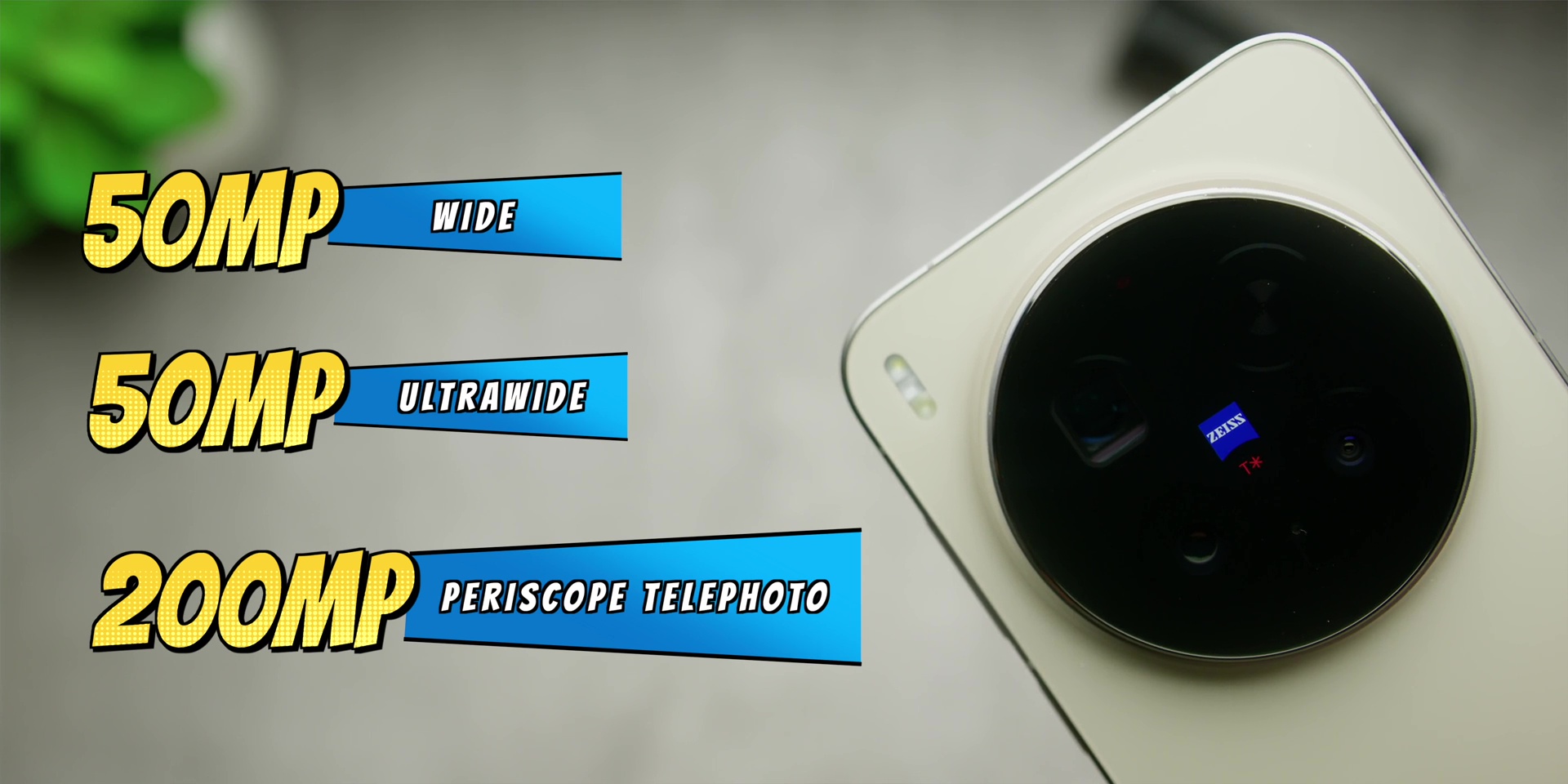
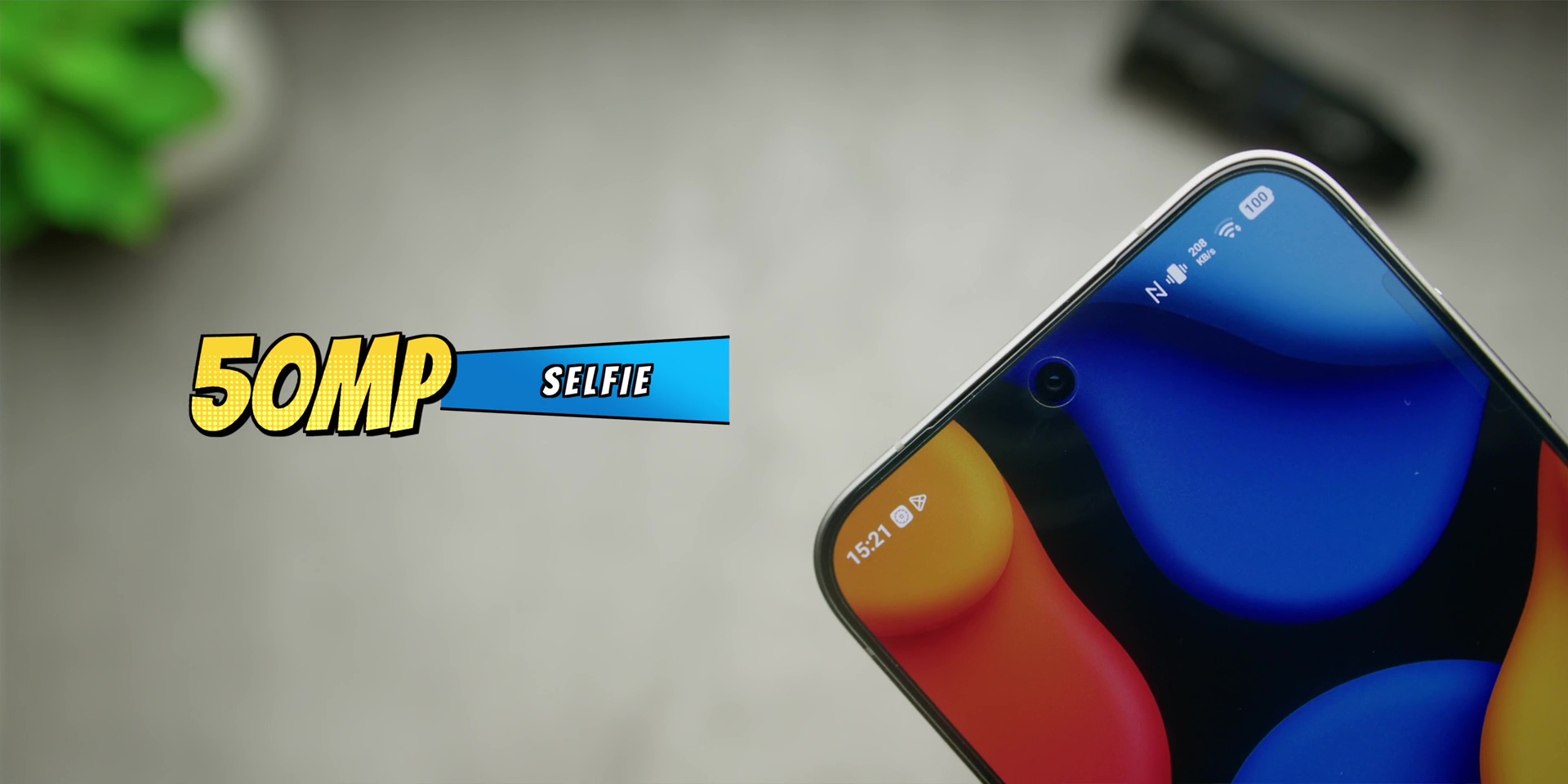
But what about the cameras then? Because this literally covers half of the back of the phone. Starting with the numbers, this has:
- a 50 MP wide,
- a 50 MP ultra wide,
- a 200 MP periscope telephoto lens, and;
- a 50 MP front camera as well.
vivo went all in with the specs and the results did match that too.
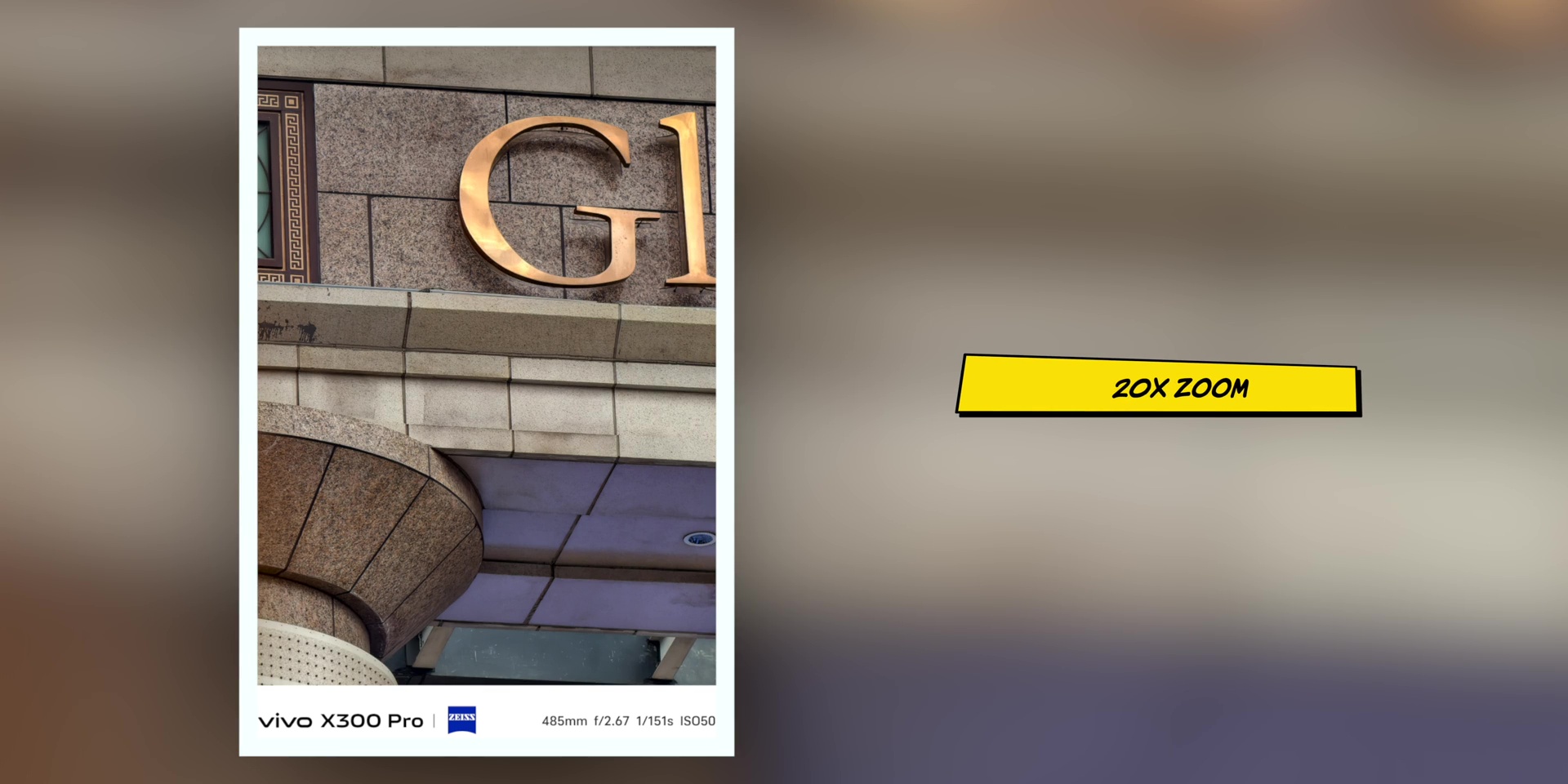
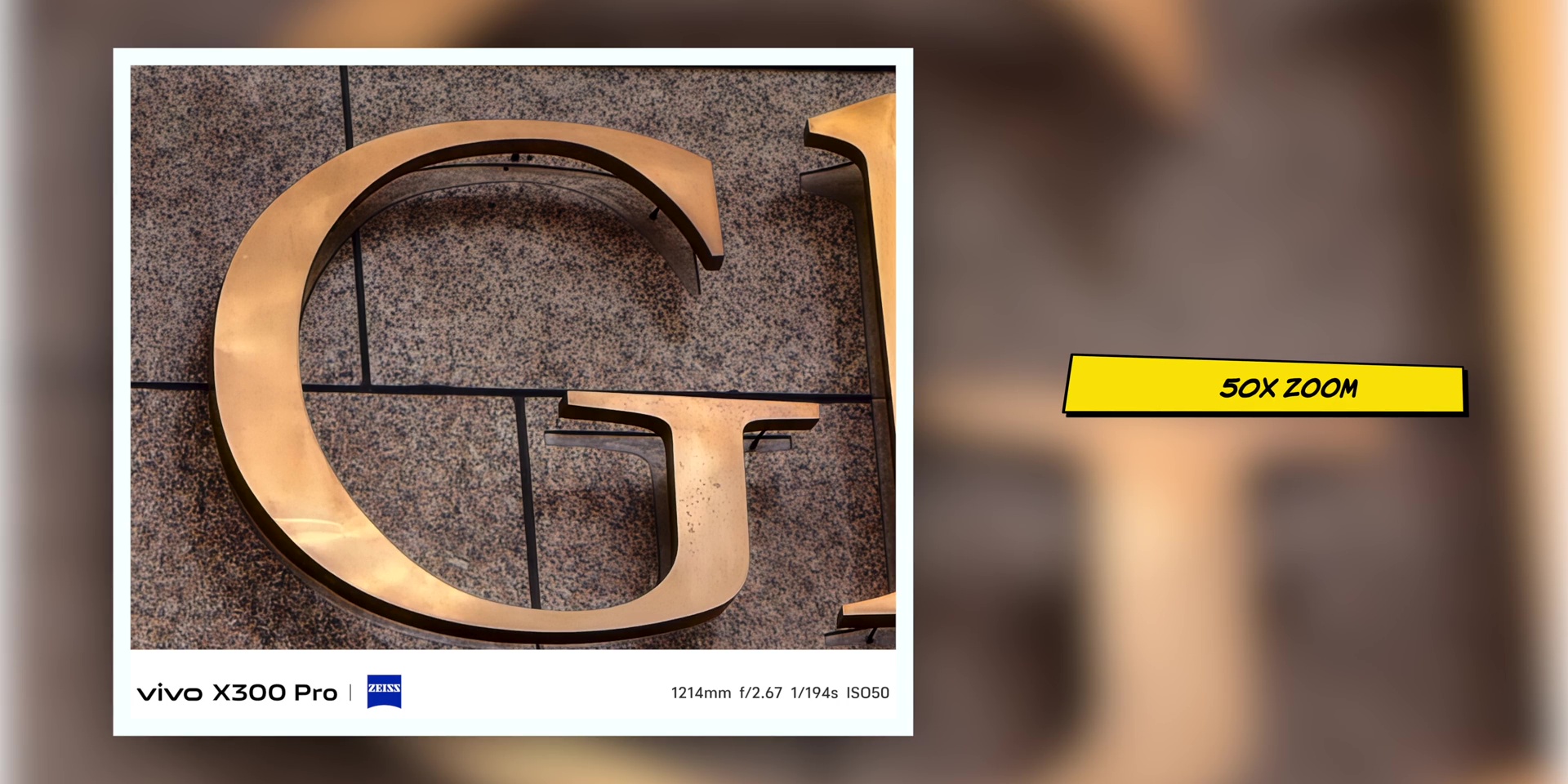
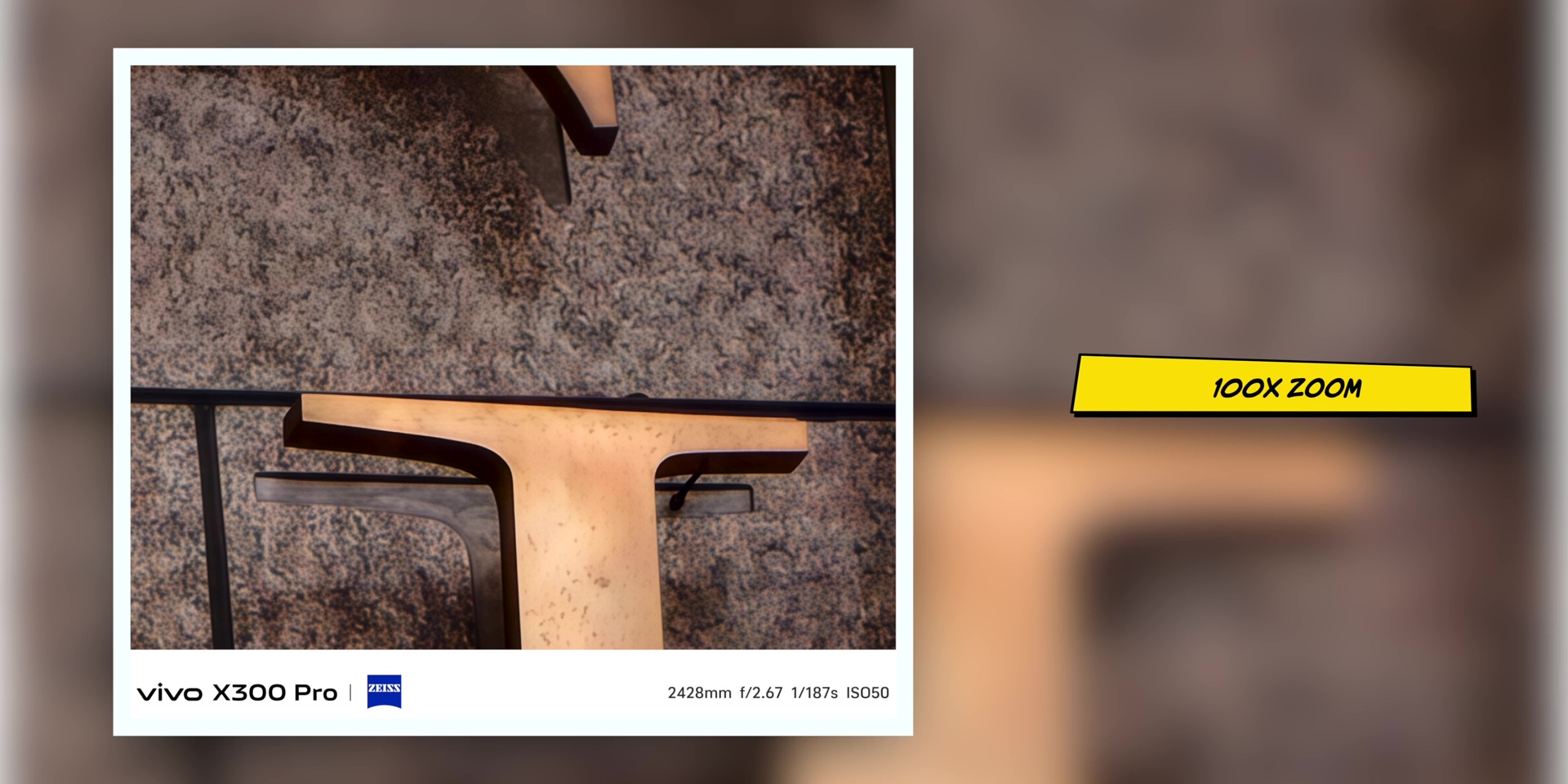
Starting from the ultra wide lenses, the 15mm lens performed well with great dynamic range and sharp from edge to edge without any distortion at all. But what’s truly amazing is that even if you zoom all the way to 100x where not only the details of every single shot was amazing, but there was no color shift at all compared to many other flagships with the higher zoom values.
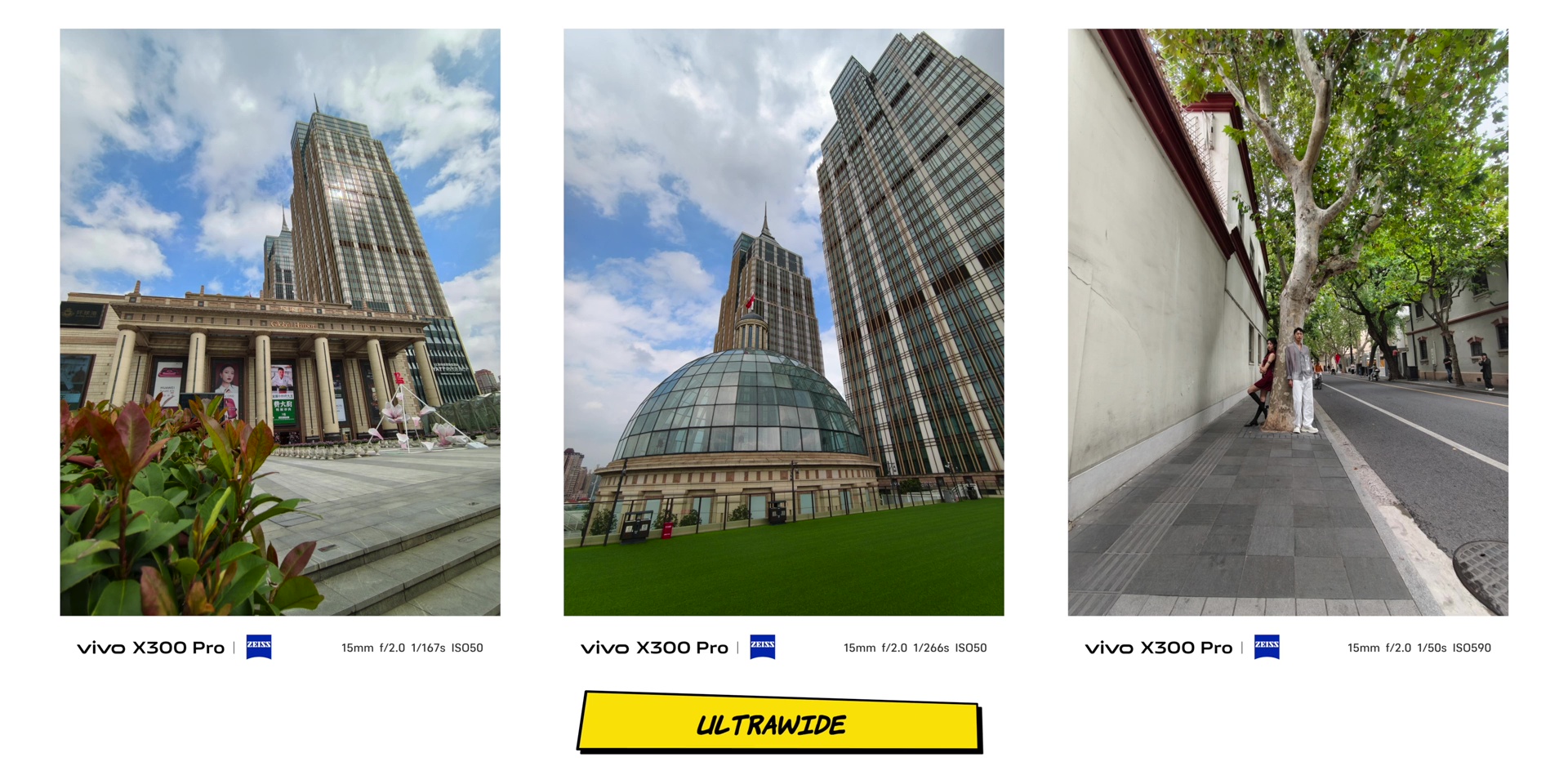
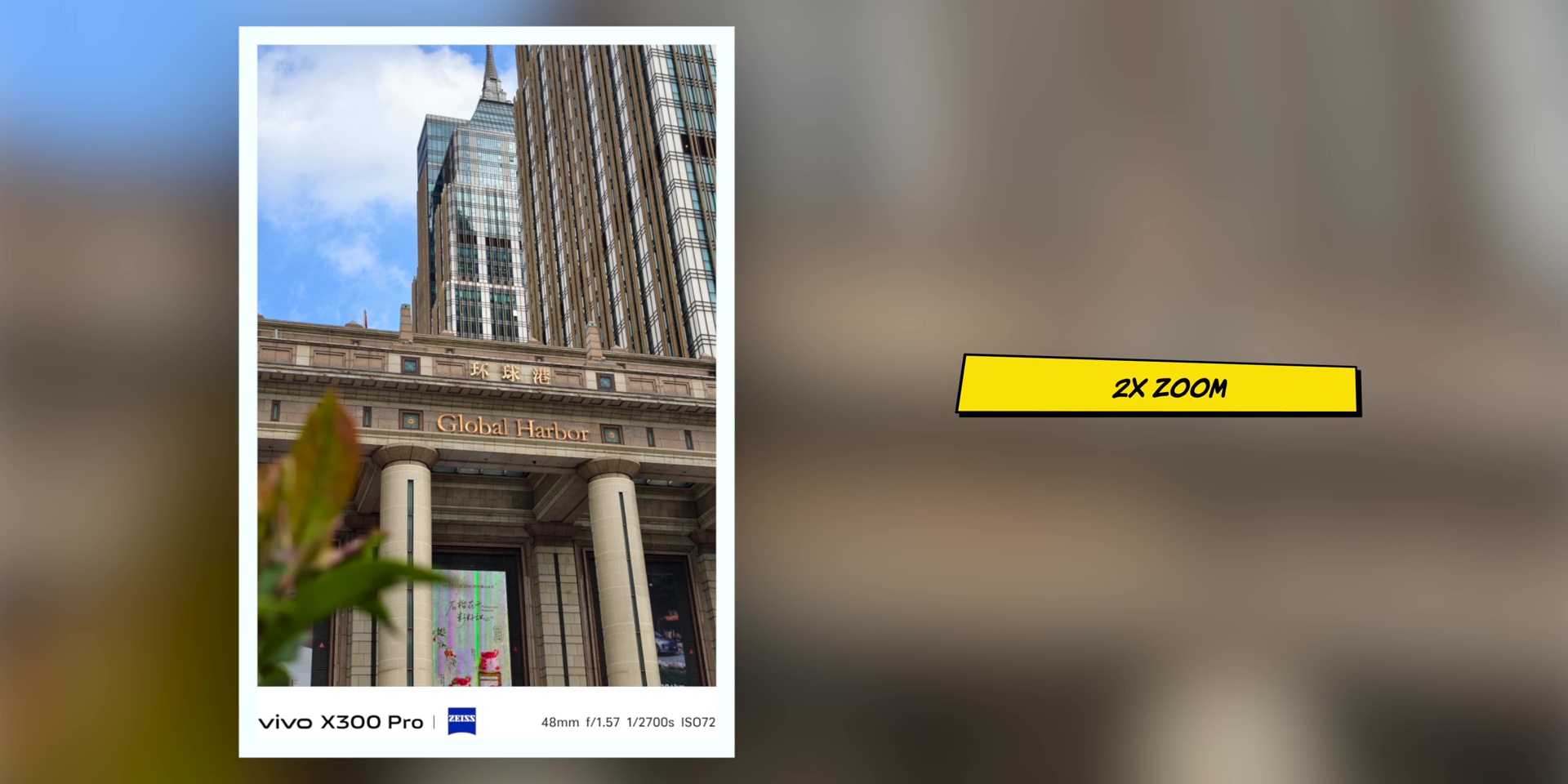
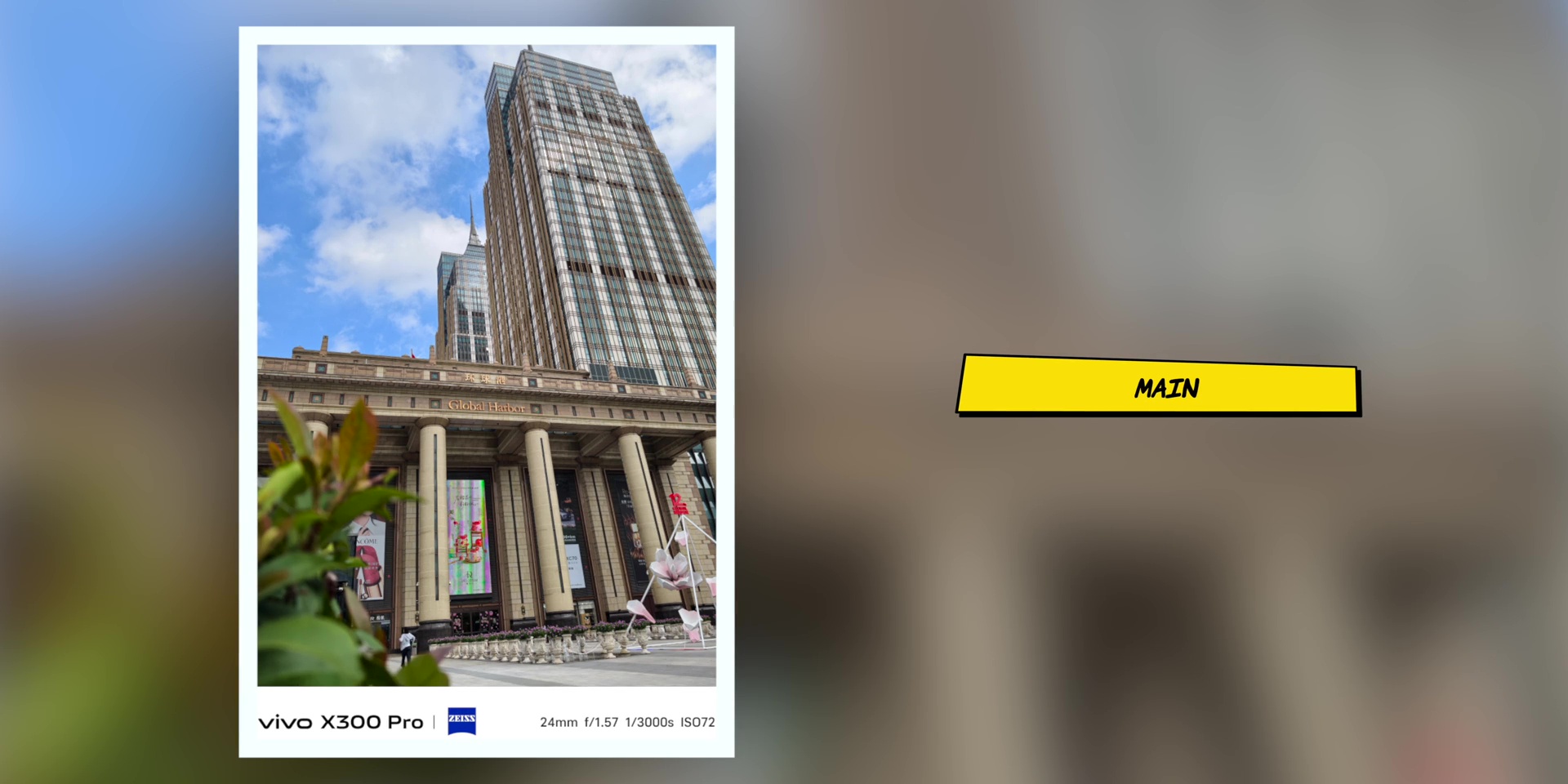
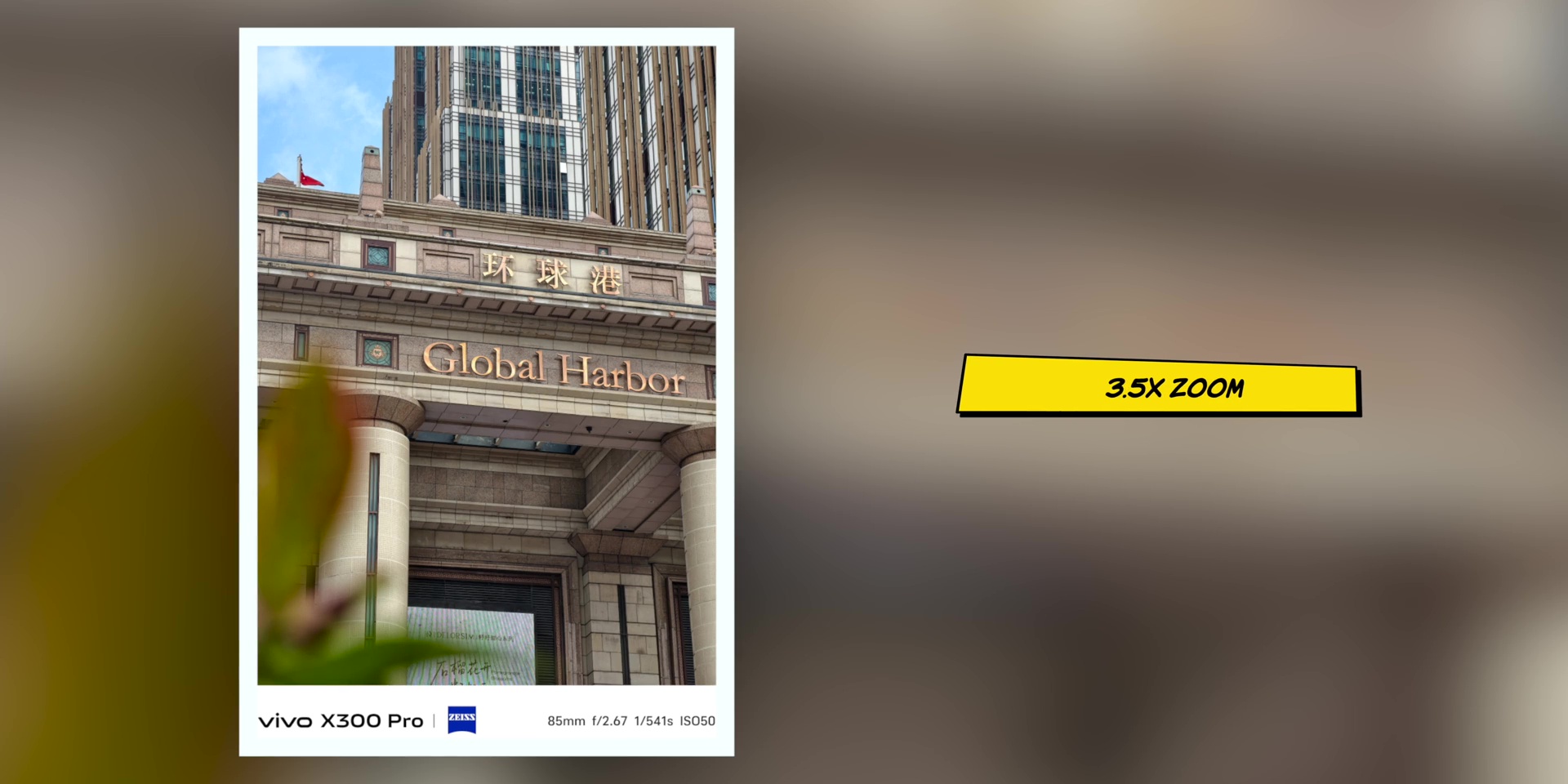
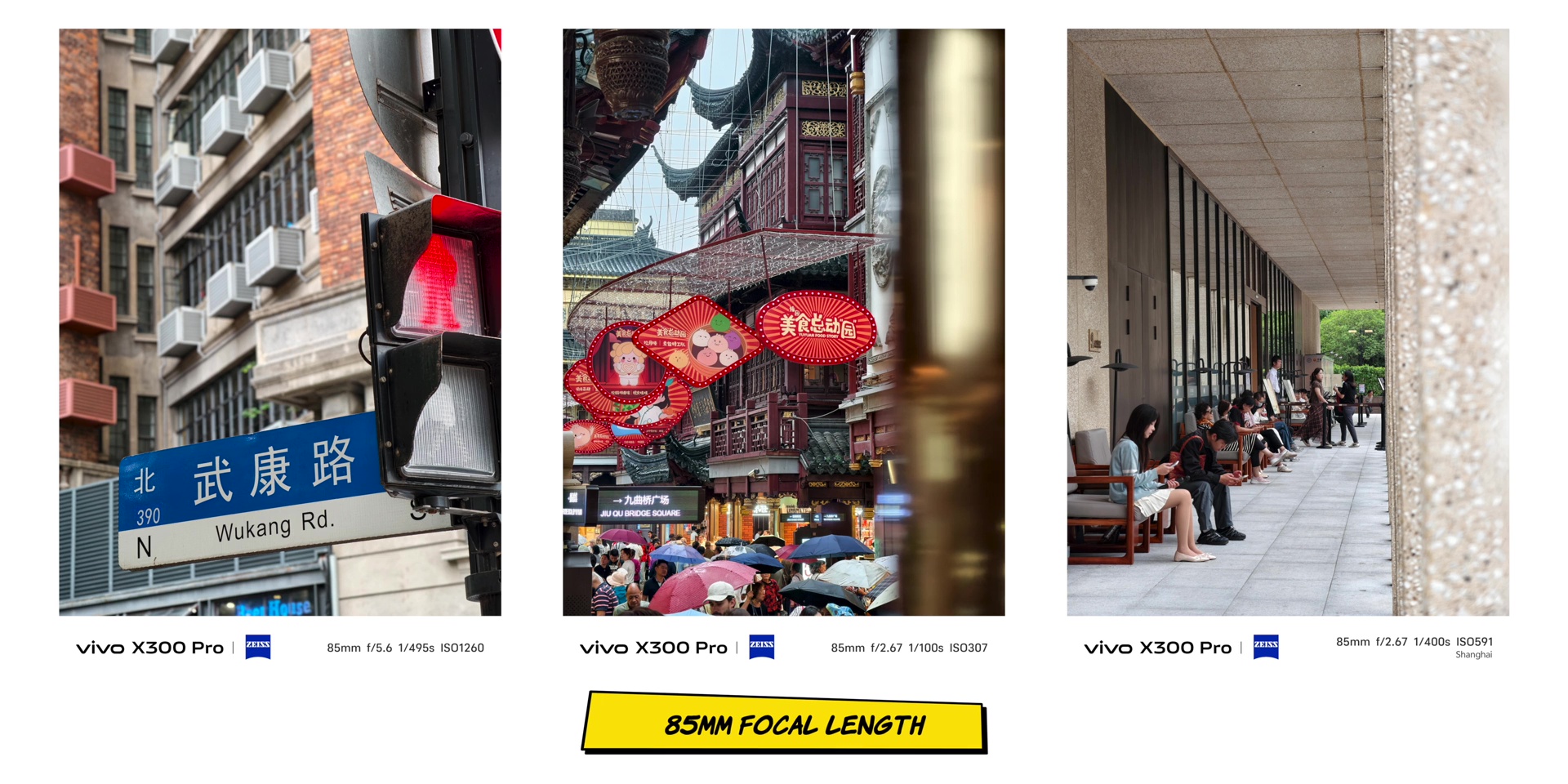
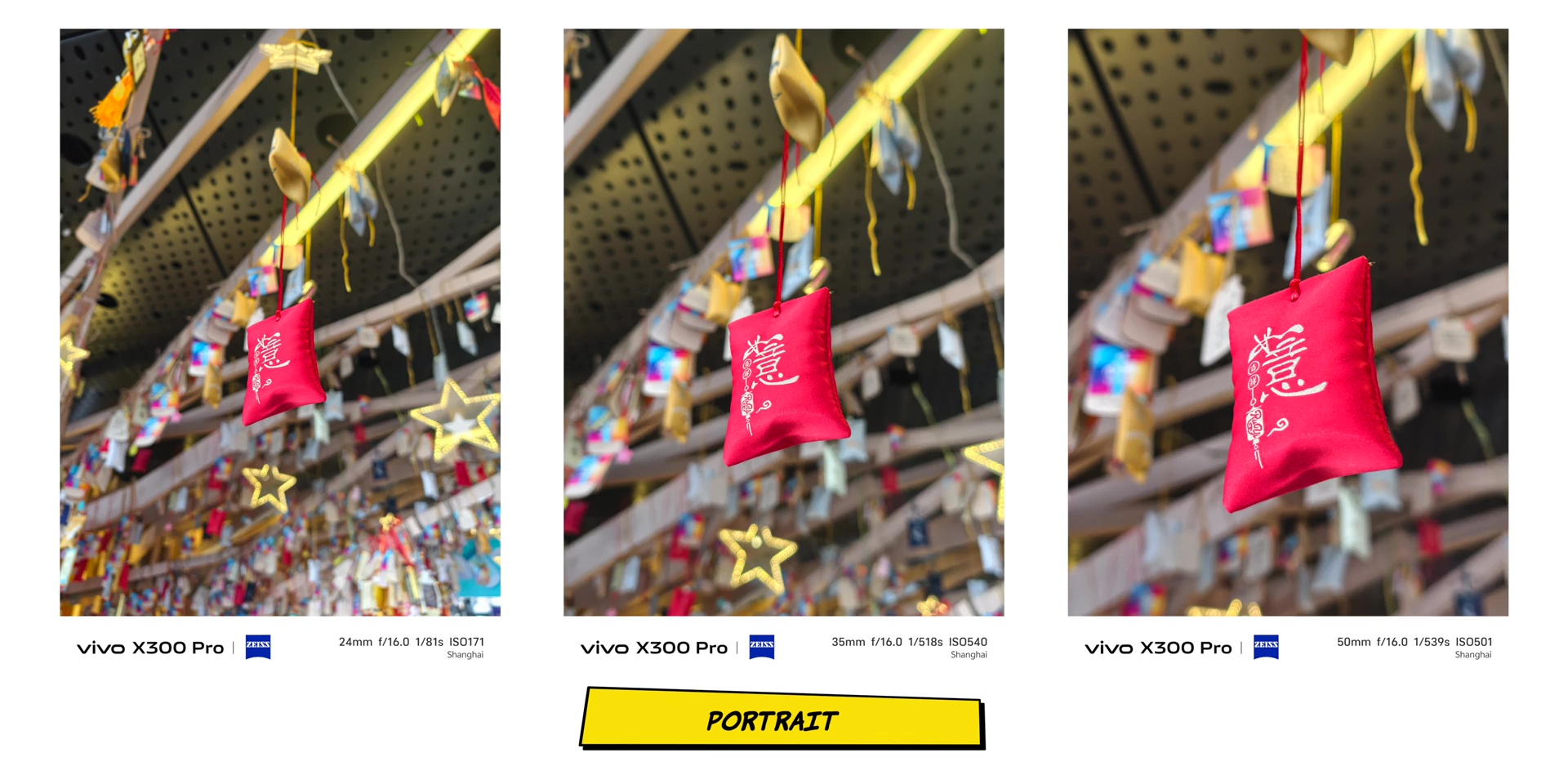
Among all of the focal lengths, just like last year, I love the 85mm that was the best because this 3.5x zoom was very handy whether you’re taking street photography or a person near or far where it hits the right point of view. Then the rear portrait photos were amazing as expected with different focal lengths from 24mm all the way to 135mm.

But once again, the 85mm portrait shots looked the best for a person and the different focal length for objects were also flawless too.

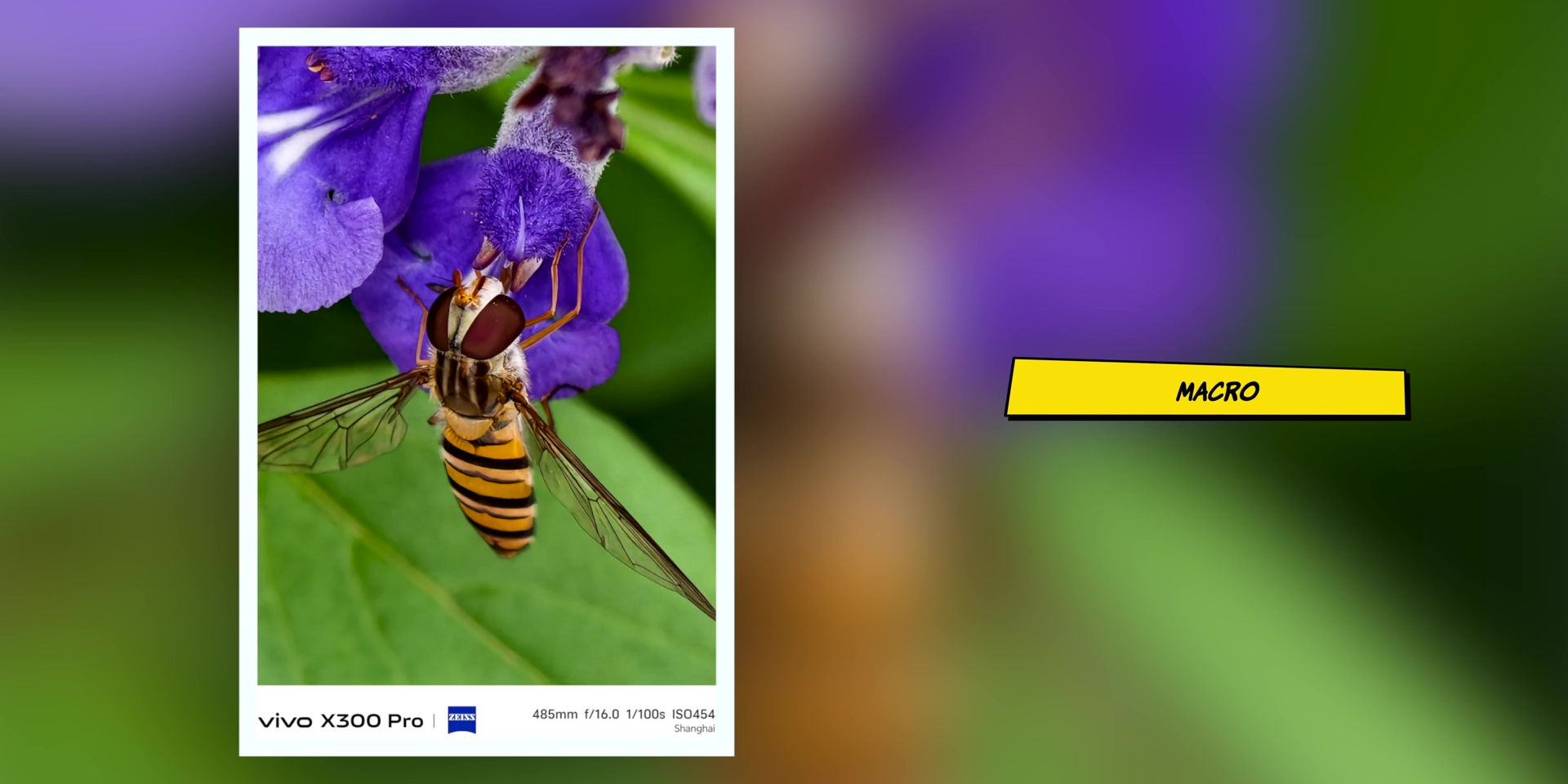
And the macro photos were also super good as well where the minimum focus distance was very close as it was very easy to nail the focus too.
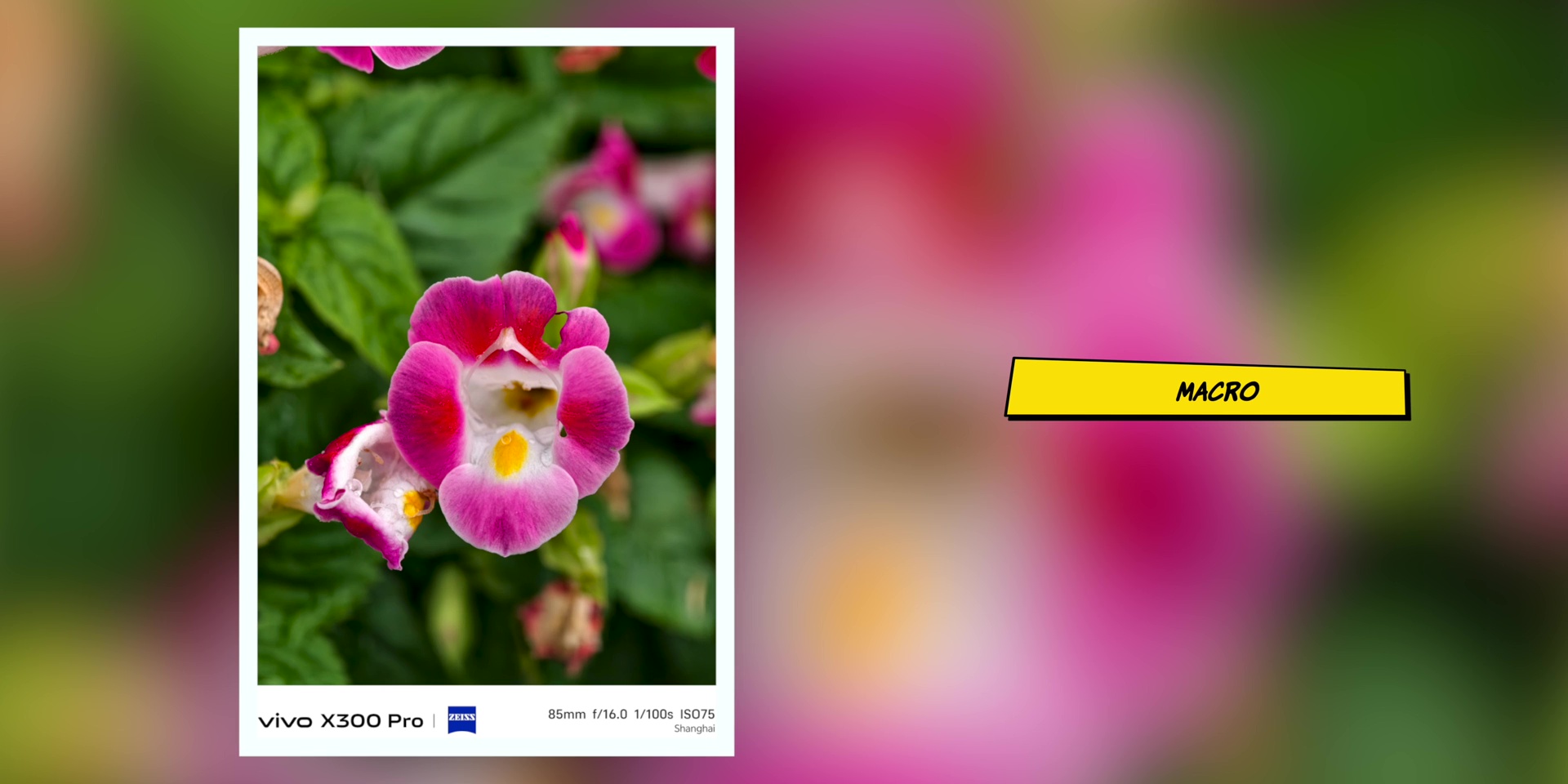
Then the front camera photos are very sharp. There are detailing everywhere and gone are the days of having those unnecessary beauty modes on the face even if you turn it off. The dynamic range of the front camera was also on point. So was the background blur too.


Nighttime Photography
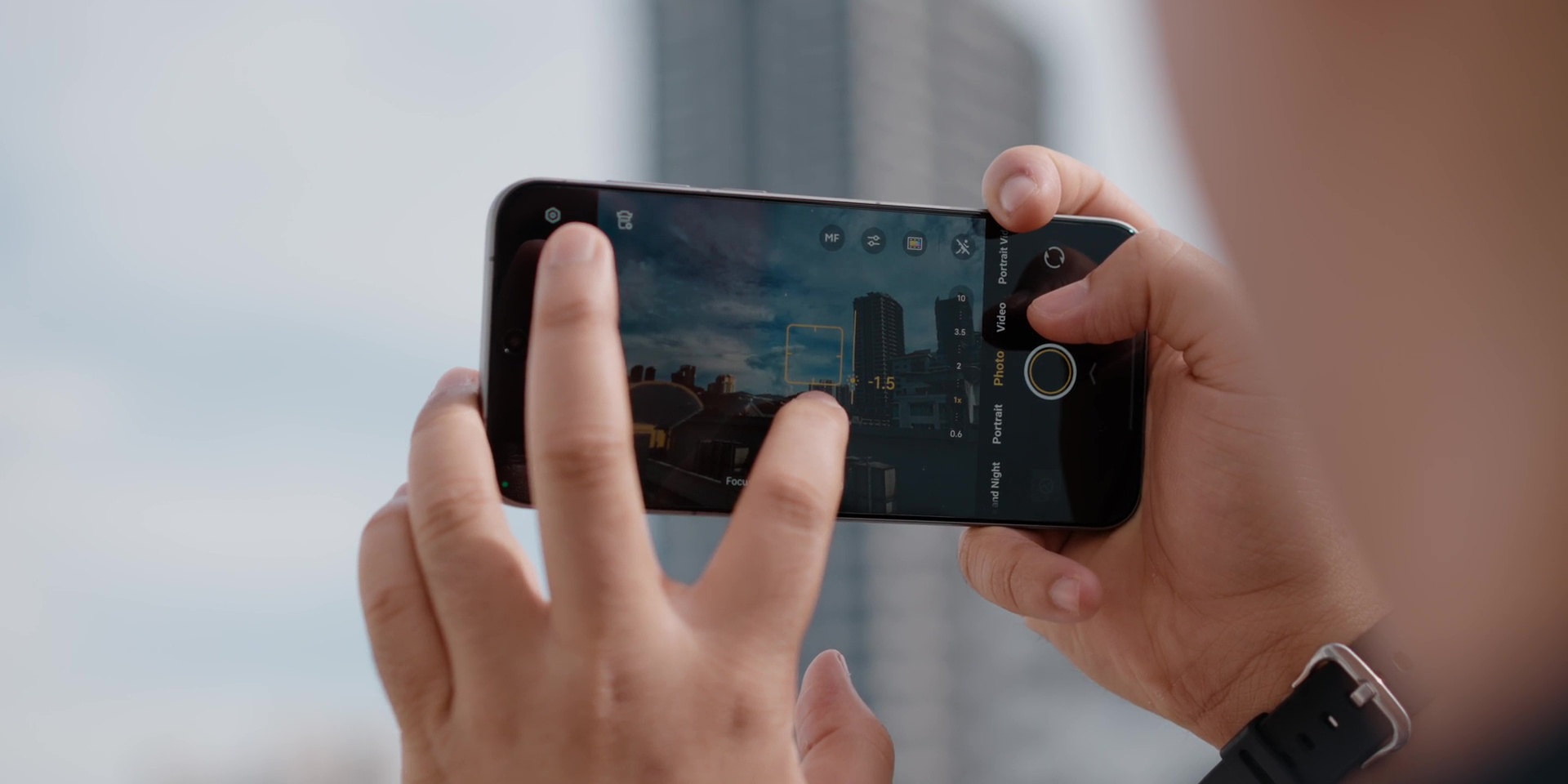
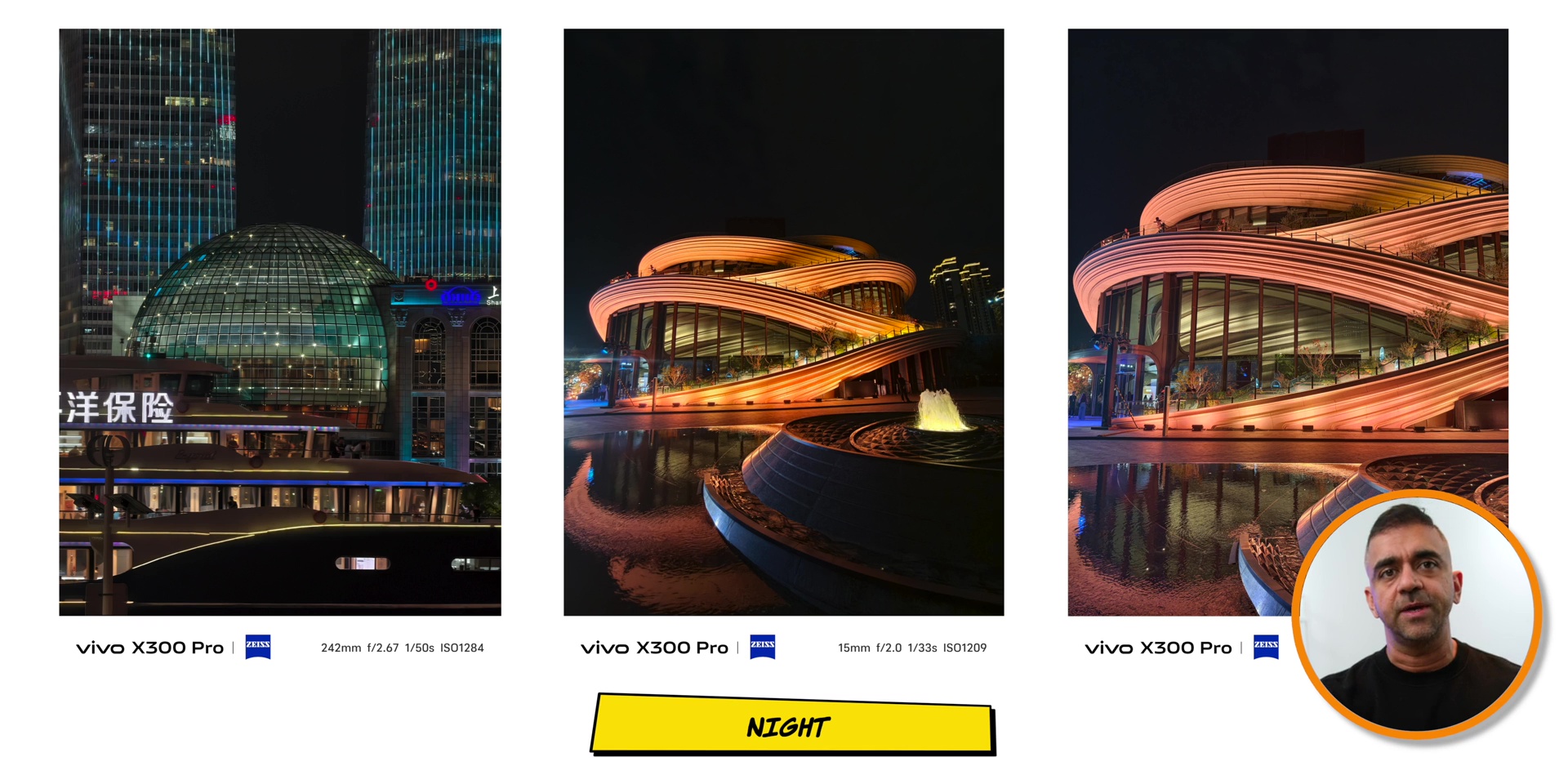
Then the nighttime photos for the different focal lengths did also a very good job. But my advice is to bring the exposure down a little before taking a photo by touching and dragging the exposure slider in the app as it brightens up the skies a little too much.
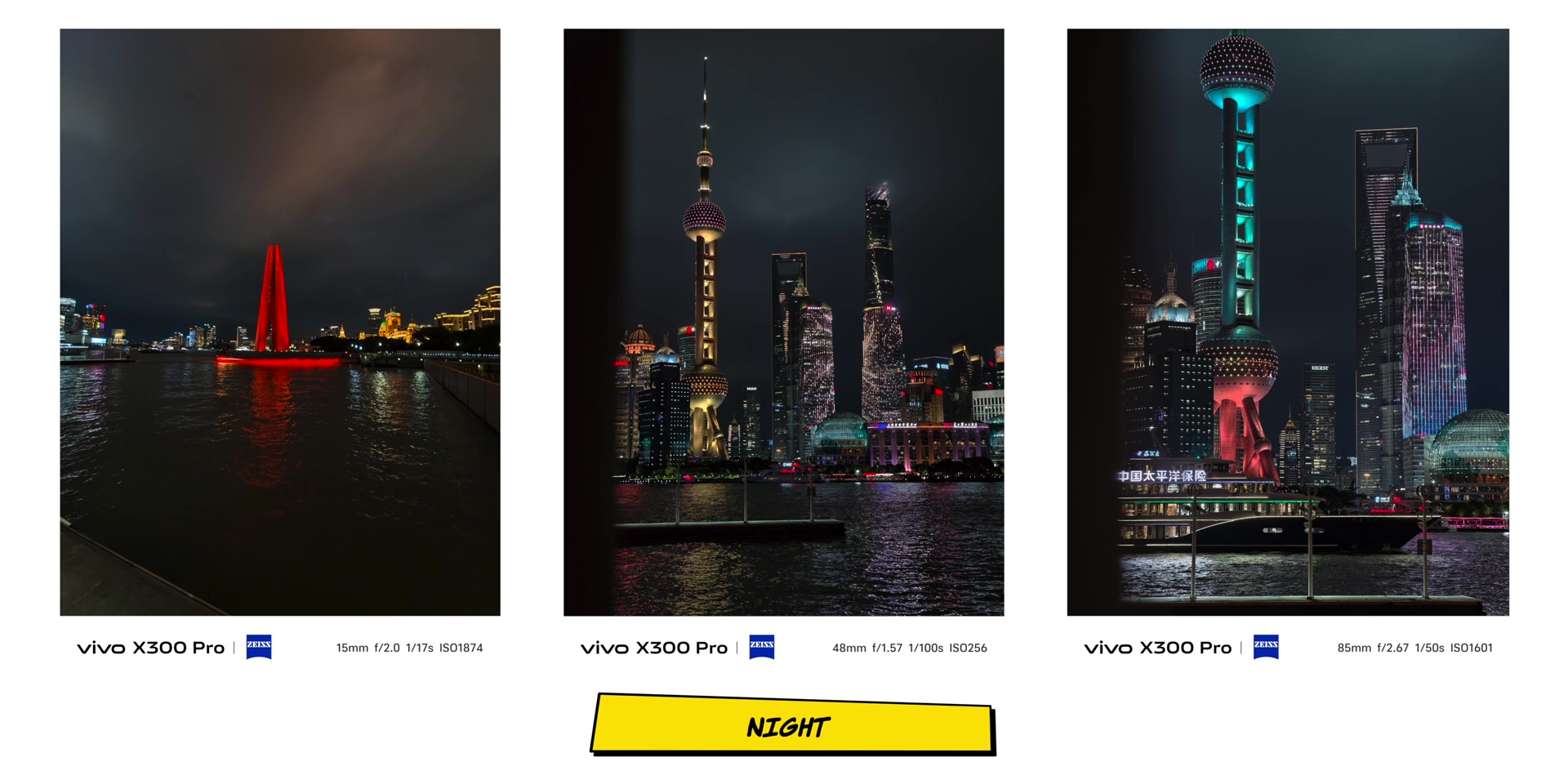
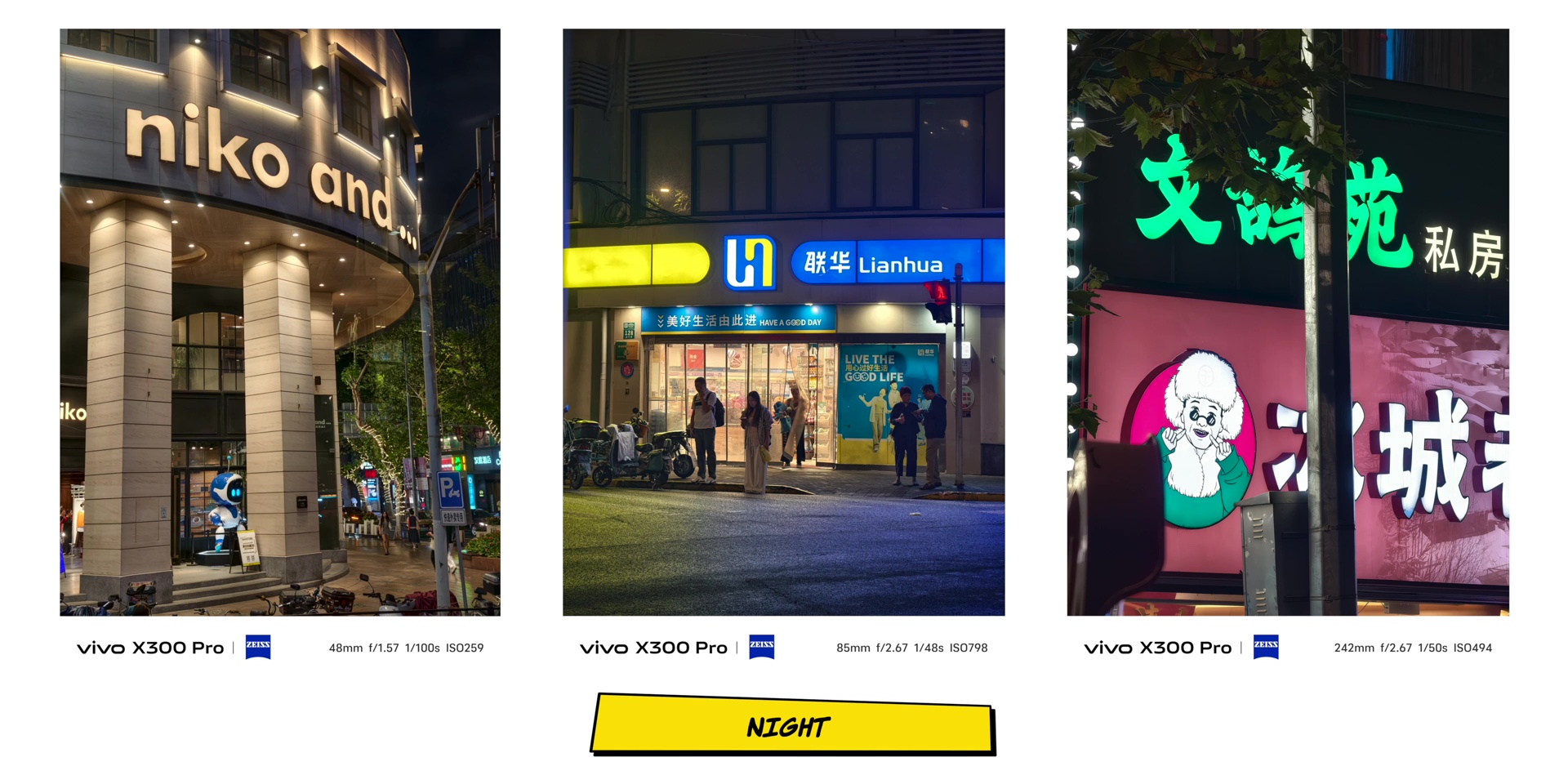
Other than that, that annoying lens flare that you get on the iPhone? There’s no such thing over here as seen in these three sample photos of glowing signage.
But the portrait mode for the nighttime shots were also very interesting because if you’re taking a photo at night with maybe some red color lights or other different color lights on a person, you can turn on the AI Flash Portrait in the camera app where it gives you a nice soft lighting to the person as seen side by side between these two photos. And the tip is to get close enough to the subject or the AI might make it look like a different person or a different face based on some shots taken from other fellow creators.

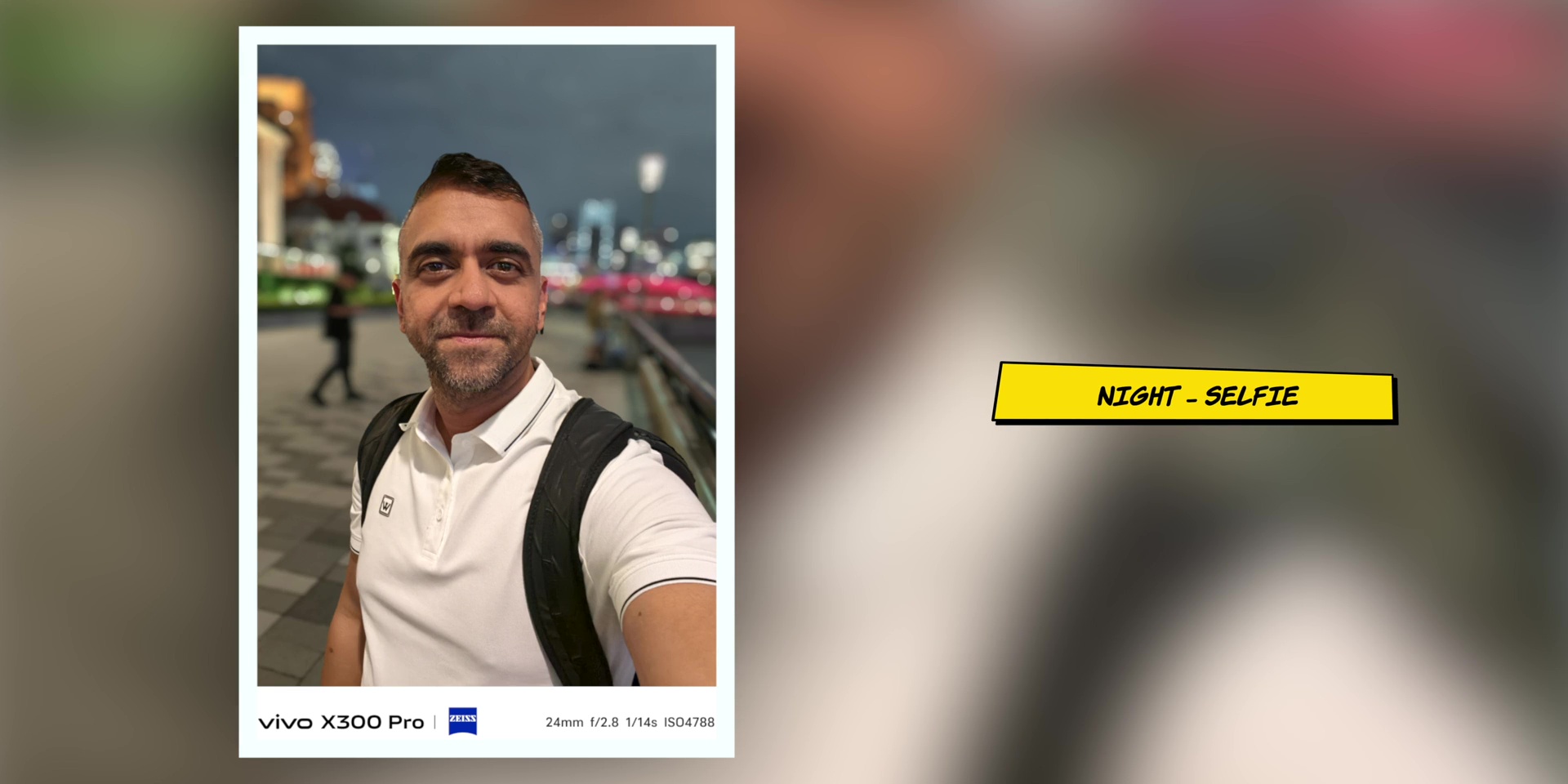
And the nighttime selfie photos were also great too.
Video Recording
[Check out all the video footage on my YouTube video]
As for video, the phone records up to 8K 30fps. The quality was great as expected, very nice and sharp even at 2x zoom at 8K. Then the 4K video quality was good at all of the focal lengths. But I would go up to 10x max as the 15x and the 20x were just decent at best.


But what’s unique and something that other phones do not have currently is 4K 60fps for the portrait video. And yes, the quality was superb. And while I knew that the stabilization was going to be good for the ultra wide, 1x, and even the 2x, but to my surprise, the 3.5x and even the 10x was really good.


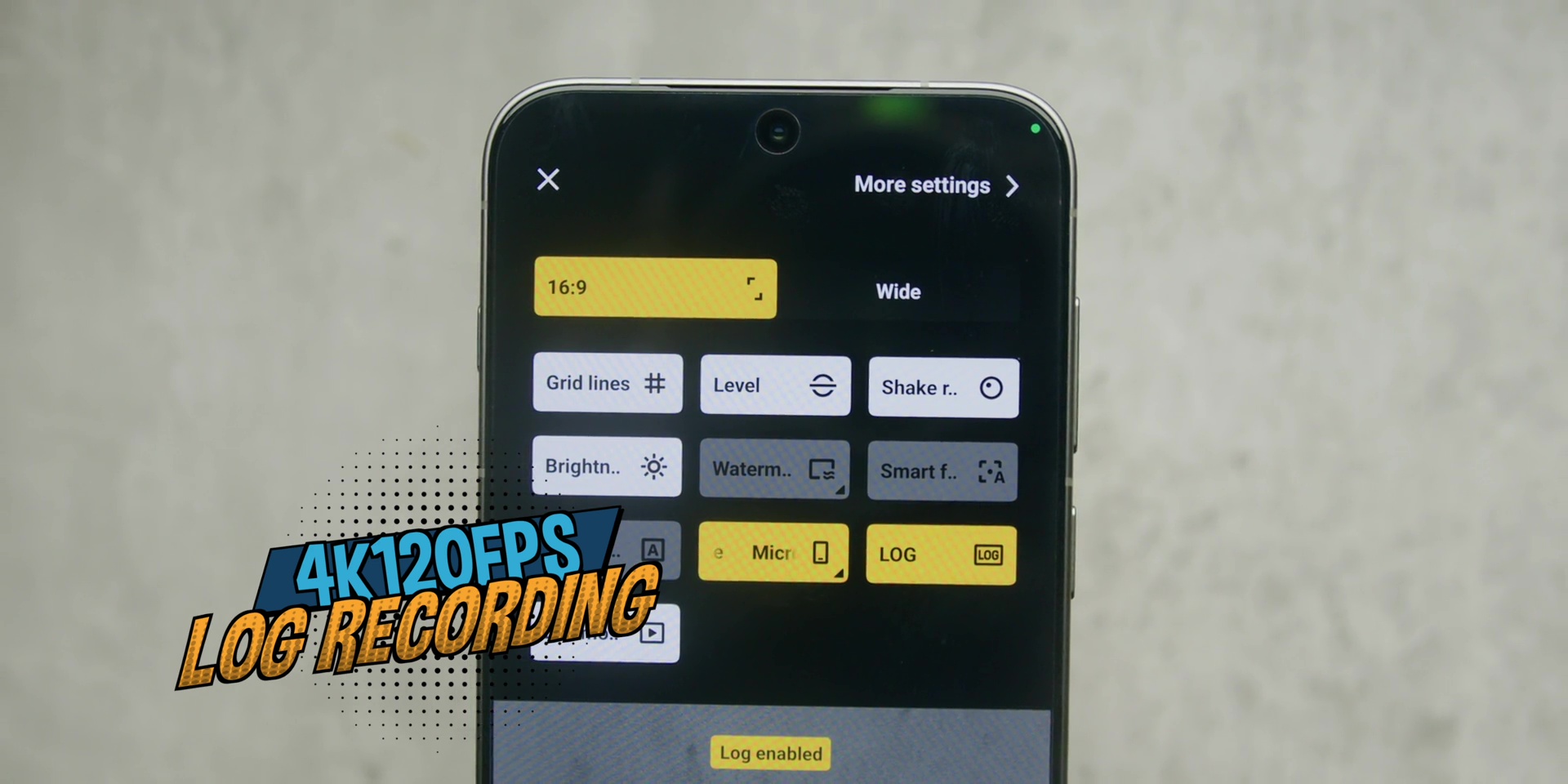
Just like last year, there’s also Log recording, and you can record up to 4K, 120 fps in Log, but not 8K like the S25 Ultra. But yes, the quality of the Log footage here was stunning on the ultra wide, the main, the 2x, and even the 3.5x zoom.

And the front video quality was great, recording up to 4K 60fps with great stabilization, too.

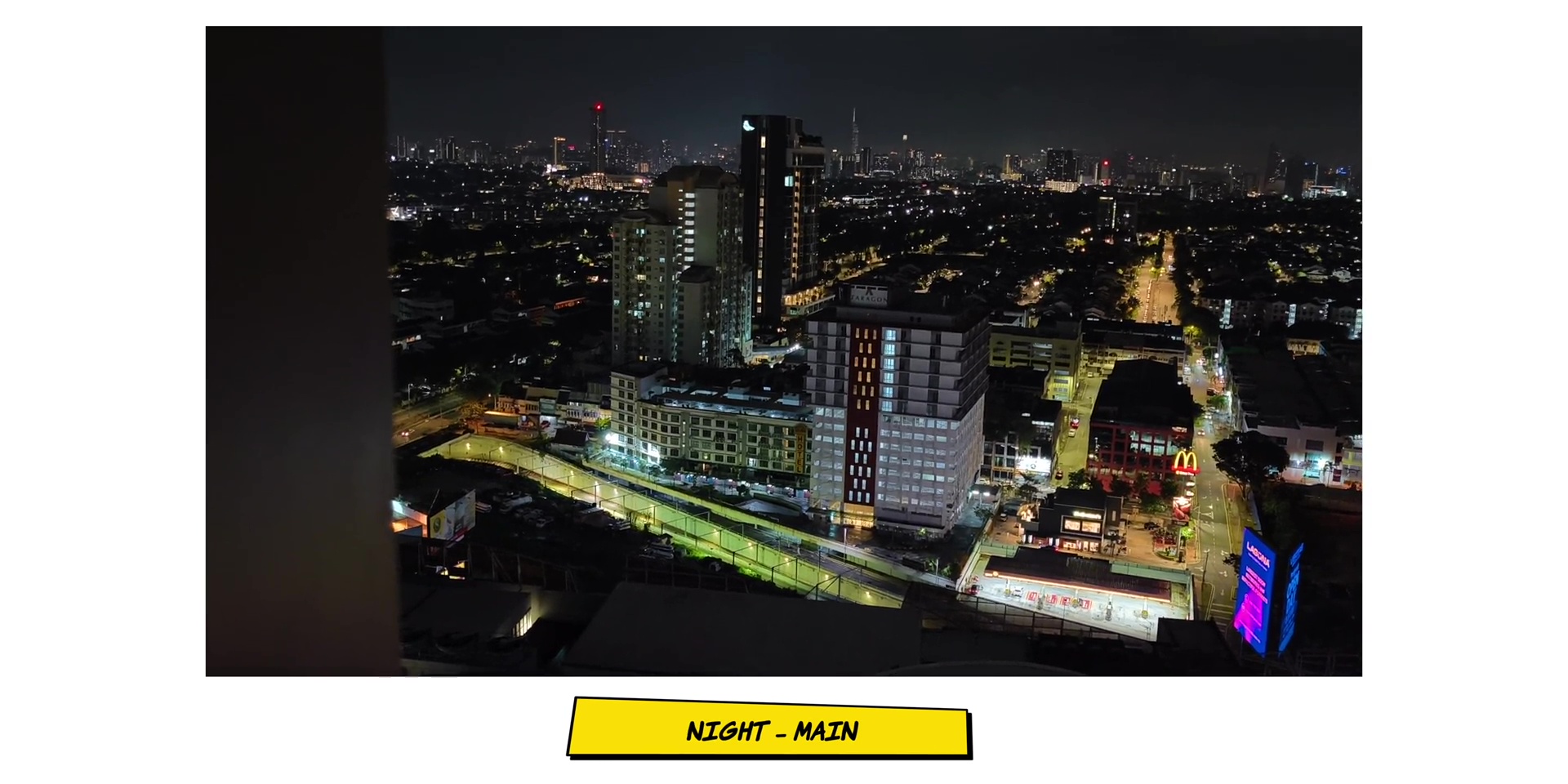
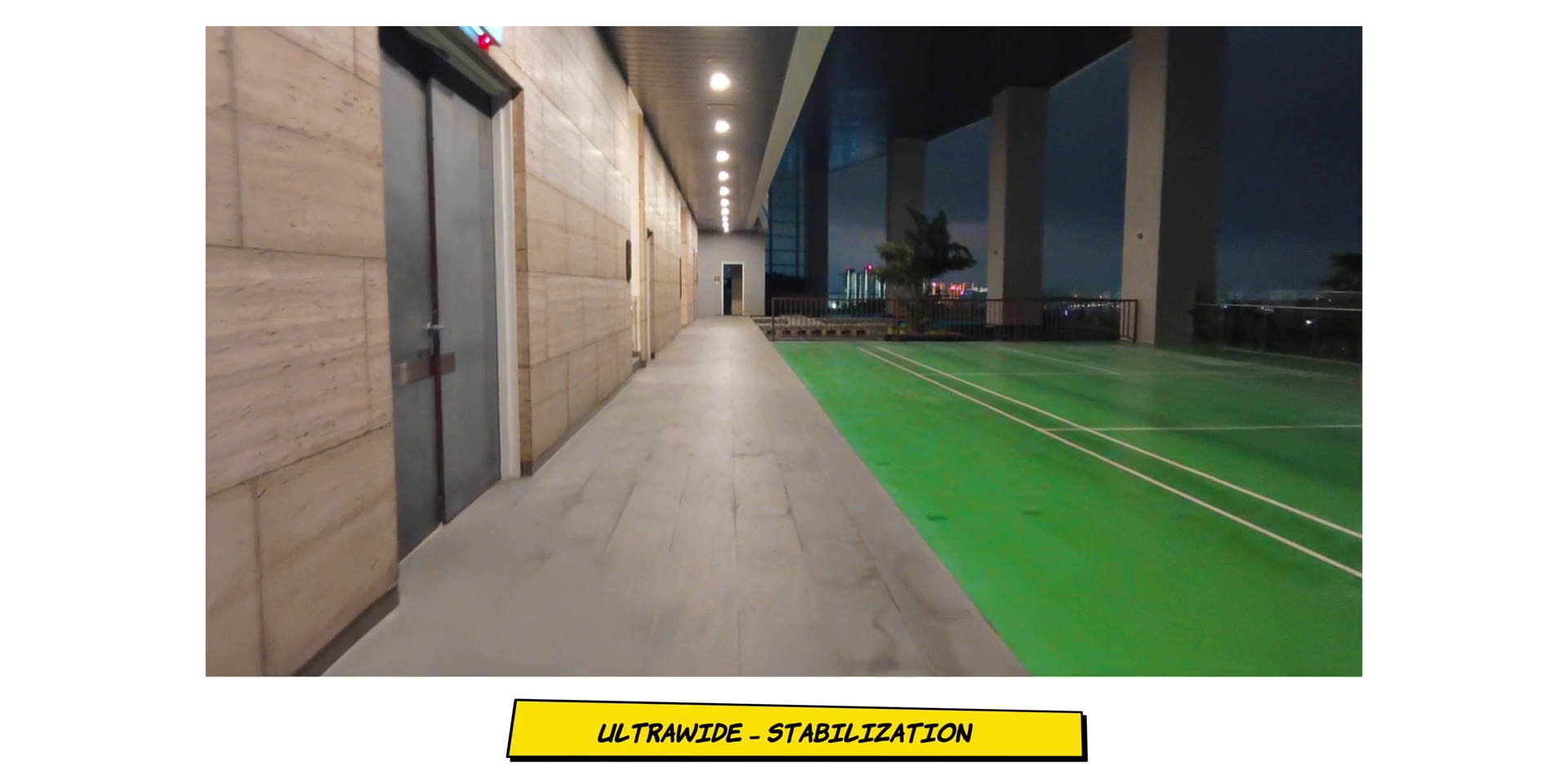
As for nighttime videos, the quality was also great, performing as good as the nighttime photos, but you see some noise in the darker areas for the 10x mode. There’s also great stabilization at night from the ultra wide up to 2x, but the front video cameras were not as great as the daytime videos where it didn’t get the white balance well and the quality was not that great either.


Telephoto Extender
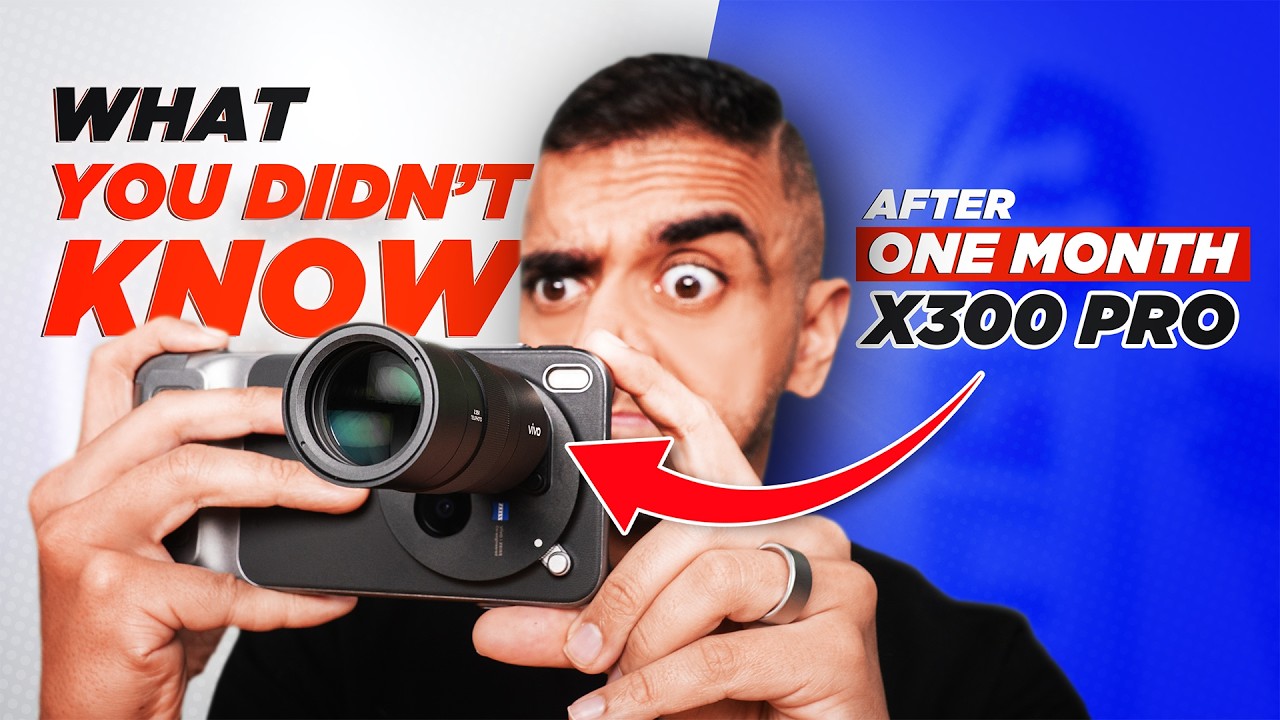
And then there’s this, the Telephoto Extender. This concept is obviously not new as Xiaomi debuted this during MWC this year, but the problem was that it was not available for everybody to purchase because it was just a concept. And this is available for you or anyone to get it where it currently retails at RM999 in Malaysia where it converts to about USD241.
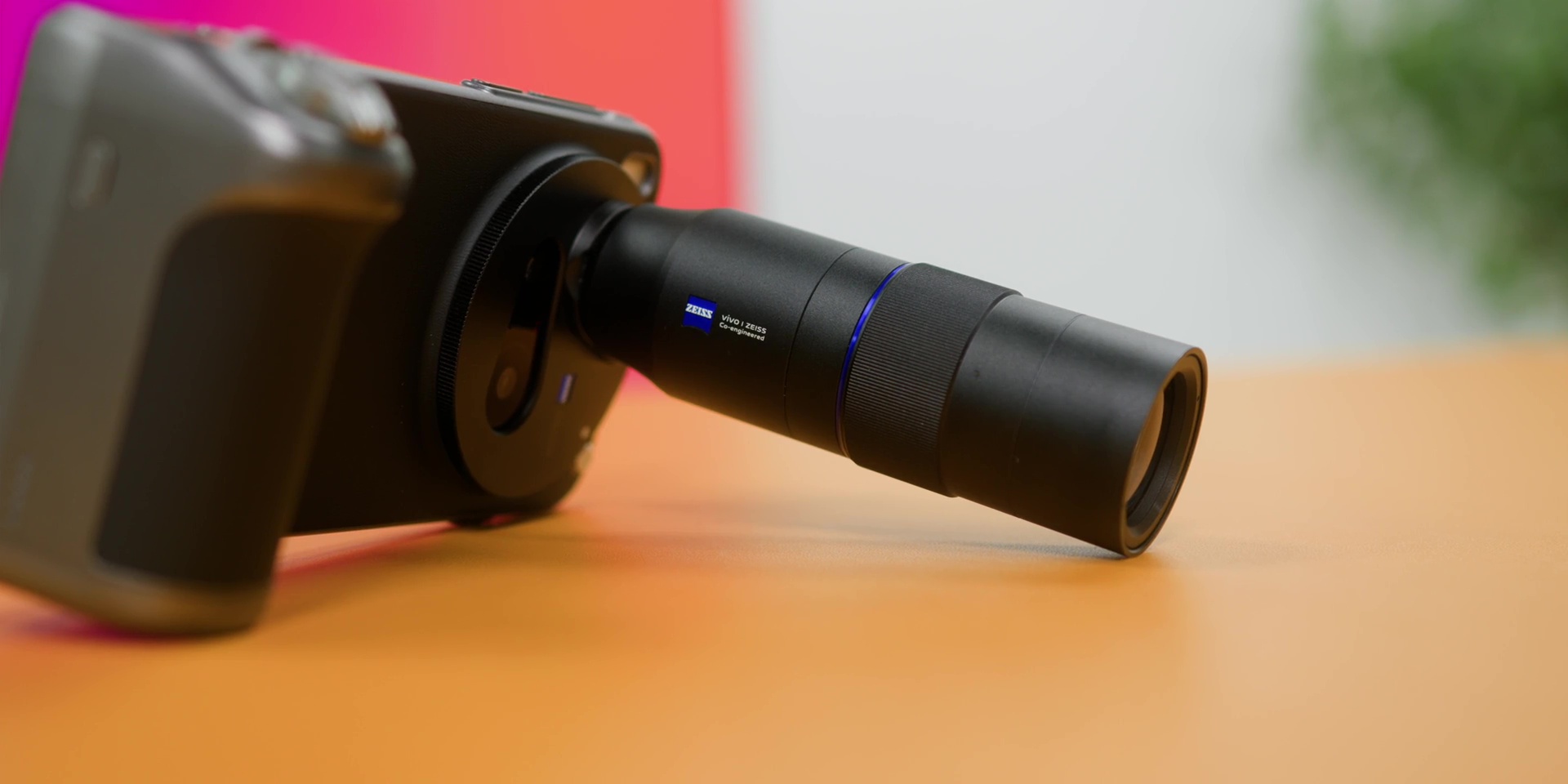
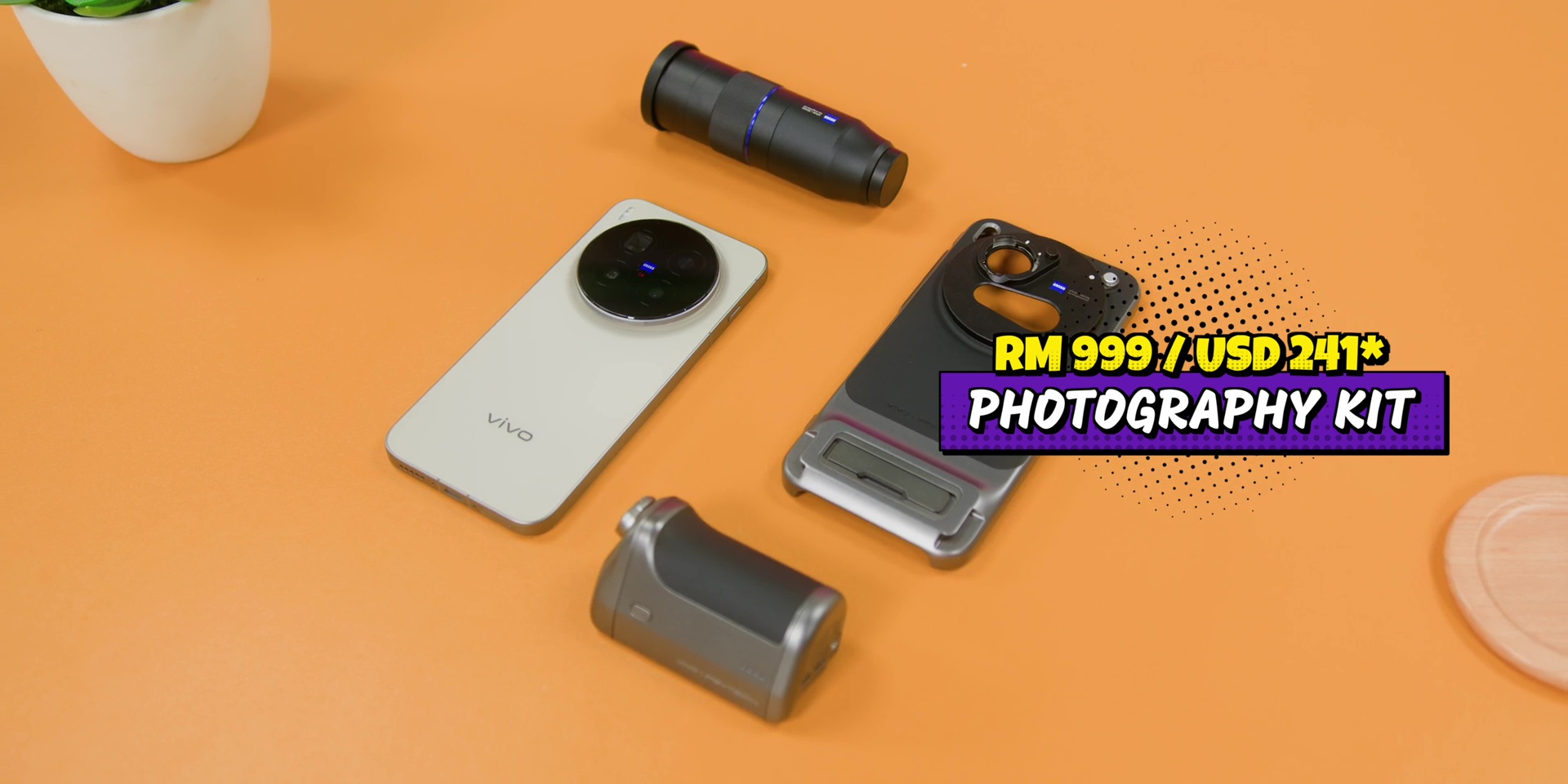
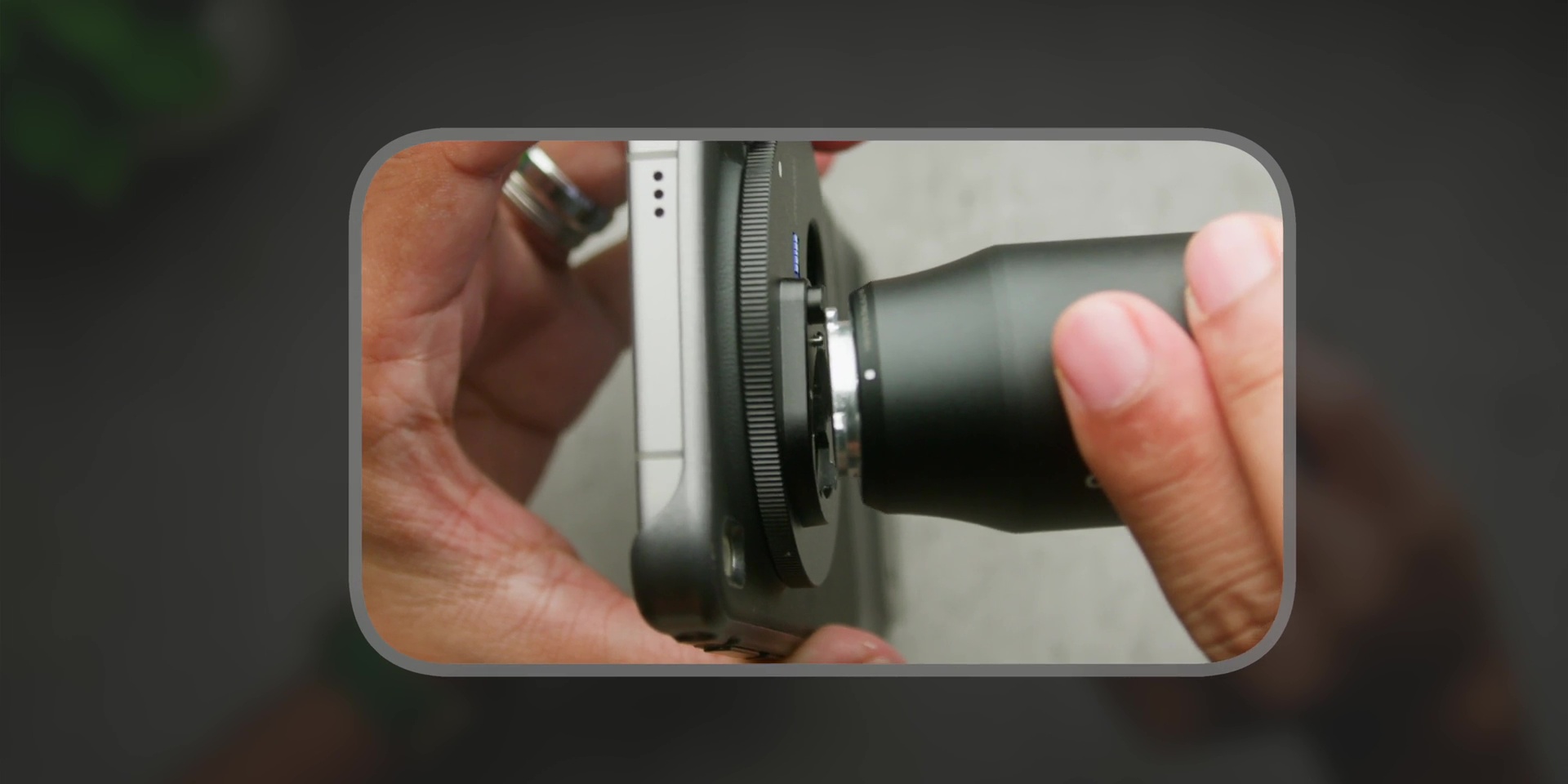
So this comes together with a case and also this particular adapter where after you insert this, you can also insert the lens just like how you insert for a mirrorless camera. And that is done by aligning the white dots and you’re all set. And then go to the camera app and enable telephoto extender and then select the icon in the camera app and you’ll be able to take amazing shots like this.
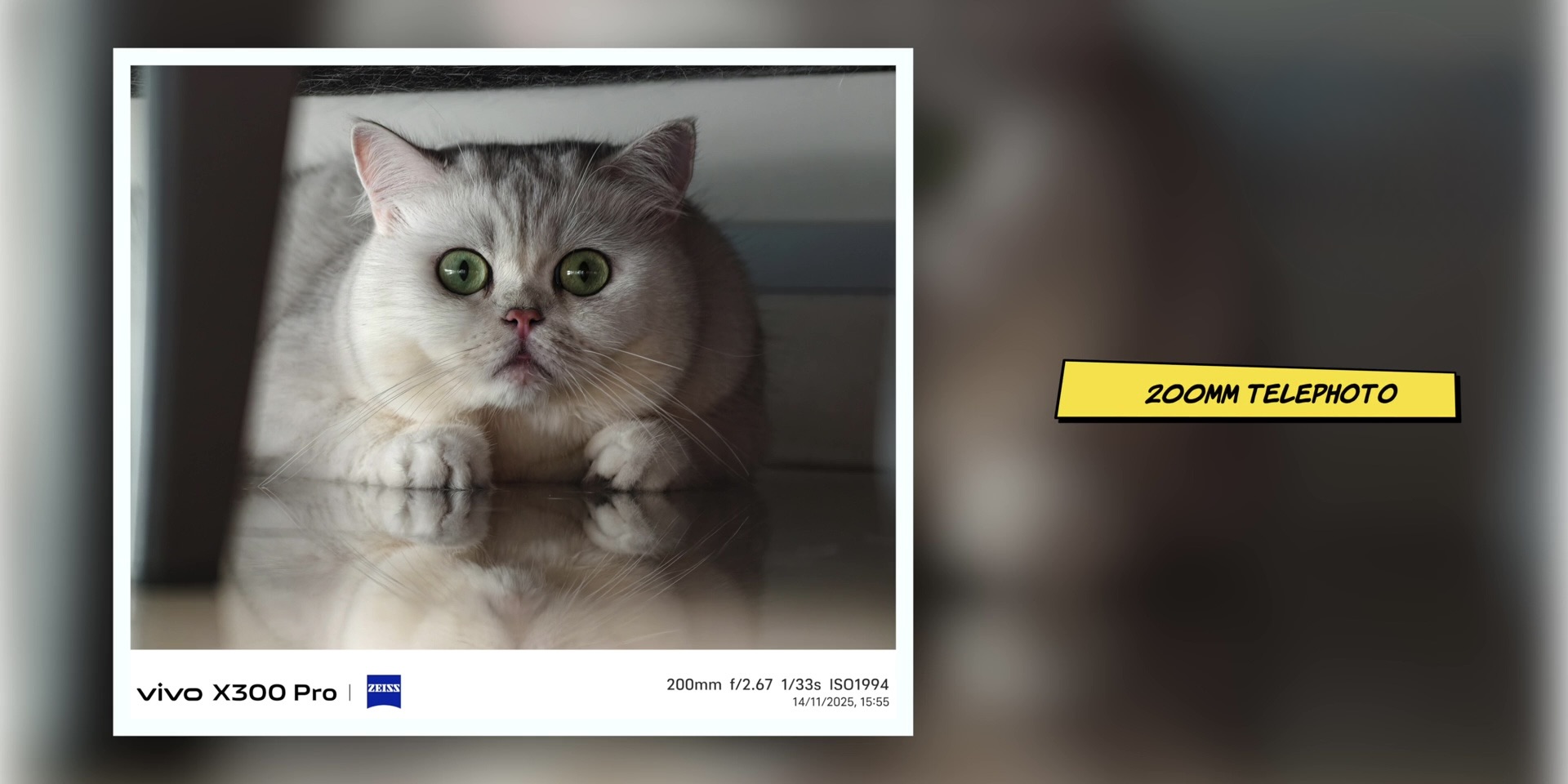
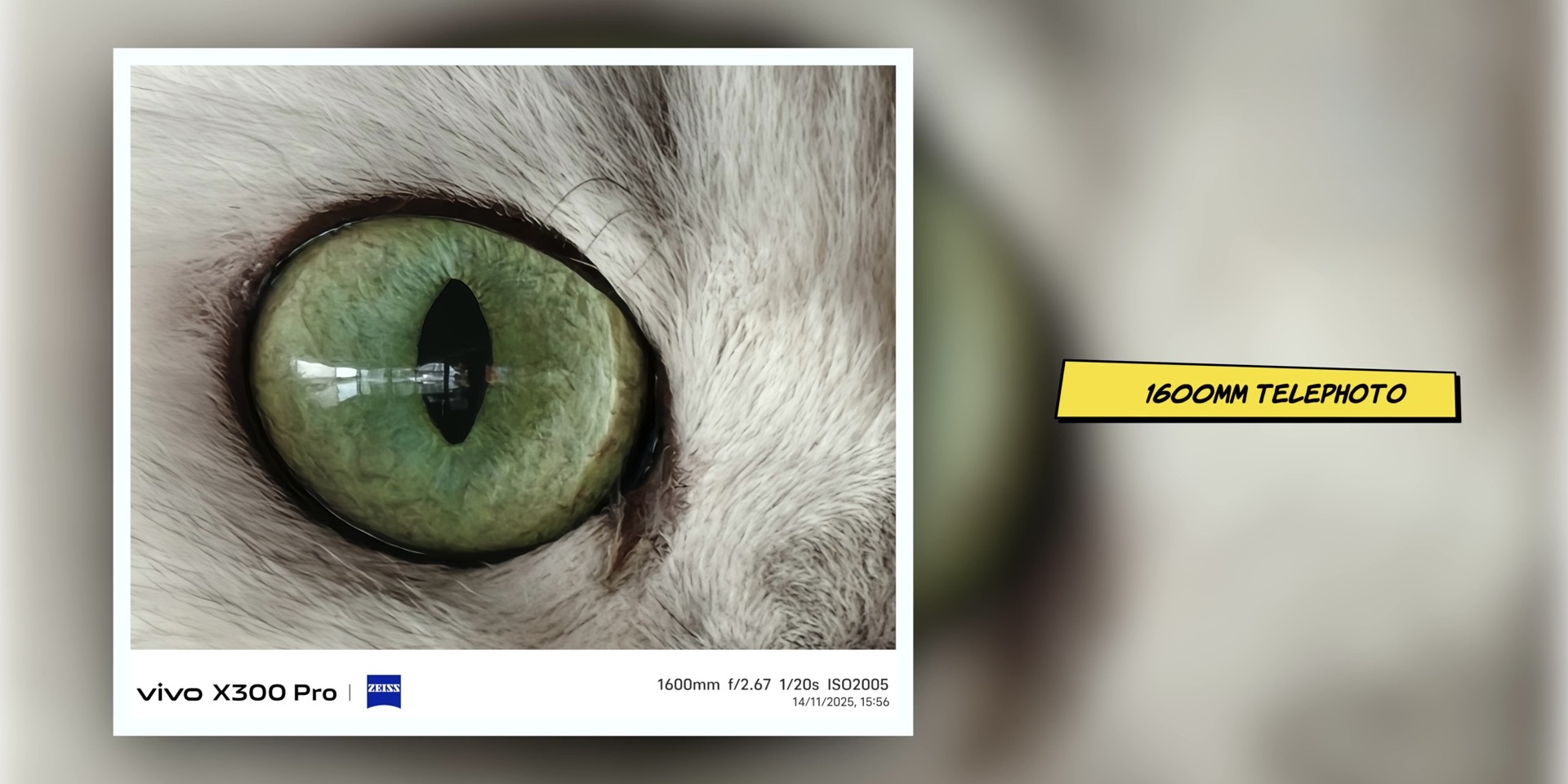
So, after putting this on, the default zoom will be at 200mm, the optical focal length. But in the camera app, you can switch between 400mm all the way to freaking 5400mm. But those are digital zoom. So, yes, it is really nice to know that there’s such options in the market today, making smartphones not as boring as a lot of people say.
Software
So, this out of the box comes with a new OriginOS 6 instead of Funtouch OS, and it is a very welcome change. The X200 series felt a little mid-range where the overall and the UI now is way way smoother and premium. The animations are also really lovely and there are more colors and better separation between different settings.
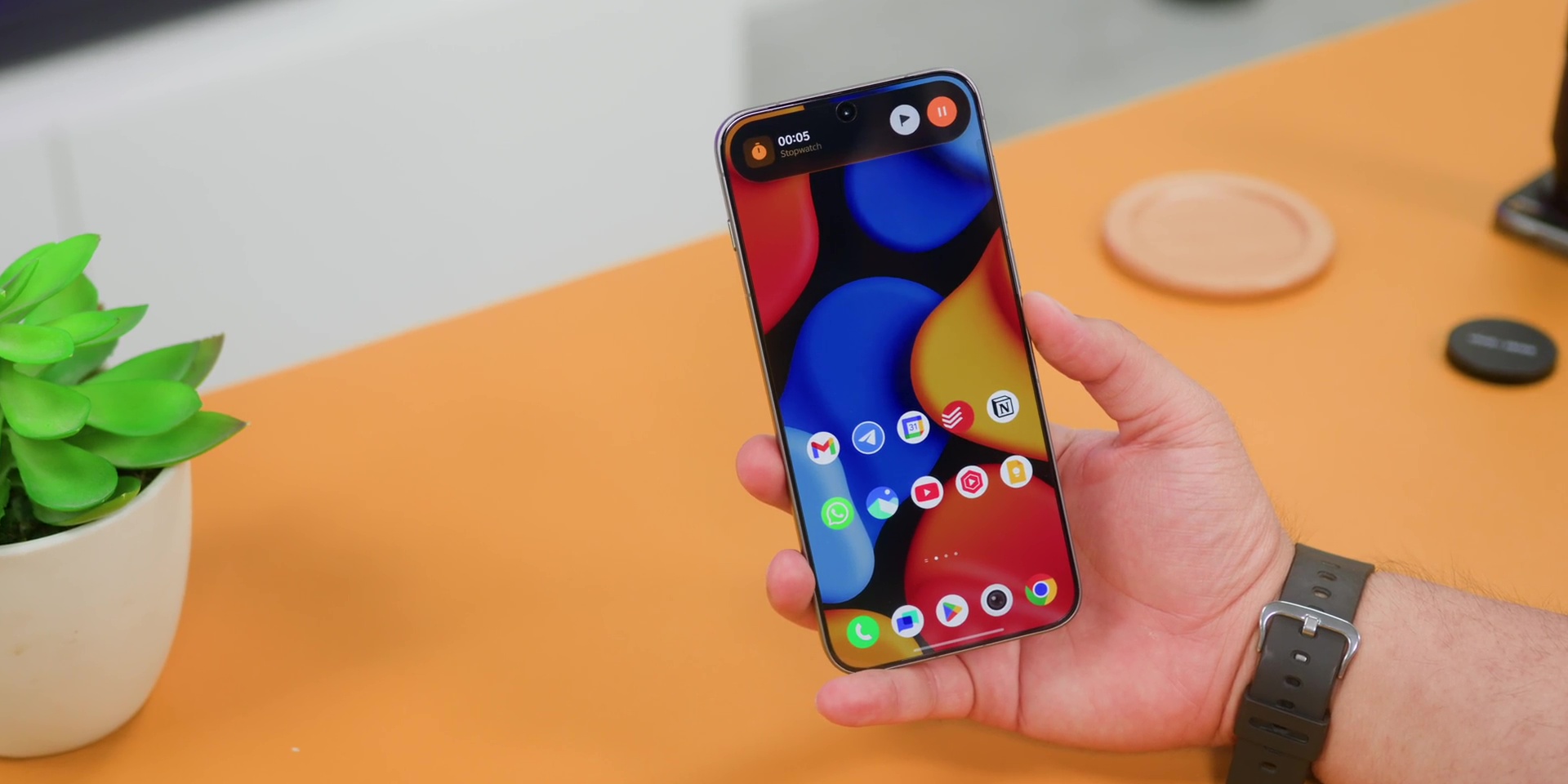
Everything feels a lot more interactive and snappy especially with the dynamic hole punch as well which is basically Apple’s Dynamic Island which vivo calls this the Origin Island. While this does the basic things like showing recorder, music, timers, and notification over there, there’s also one thing very cool and unique about this.
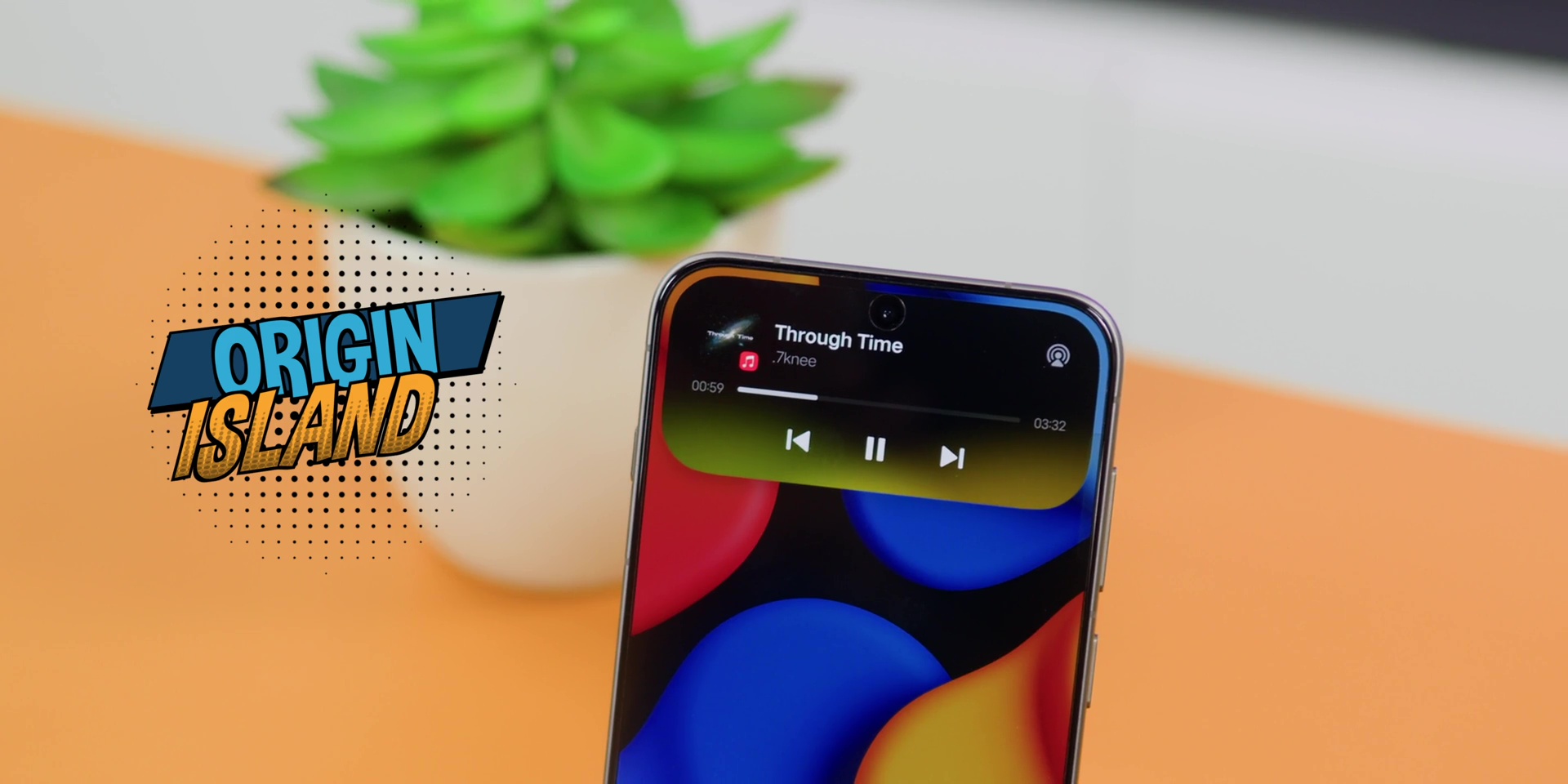
For example, if you read something interesting that you want to share from your browser to say Threads or WhatsApp, just highlight the text and drag it at the top. And you can select the app of your choice over there, which beats a typical copying and pasting, which is very cool. This means that multitasking was never easy and as simple as this. It’s like showing an iPhone user a photo without a lens flare.

So, yeah, the vivo Origin Island is excellent. That might need you to keep reminding yourself that this is an Android phone and not an iPhone. But one thing would keep reminding you that this is an Android which is their reliable AI. (Sorry Siri)
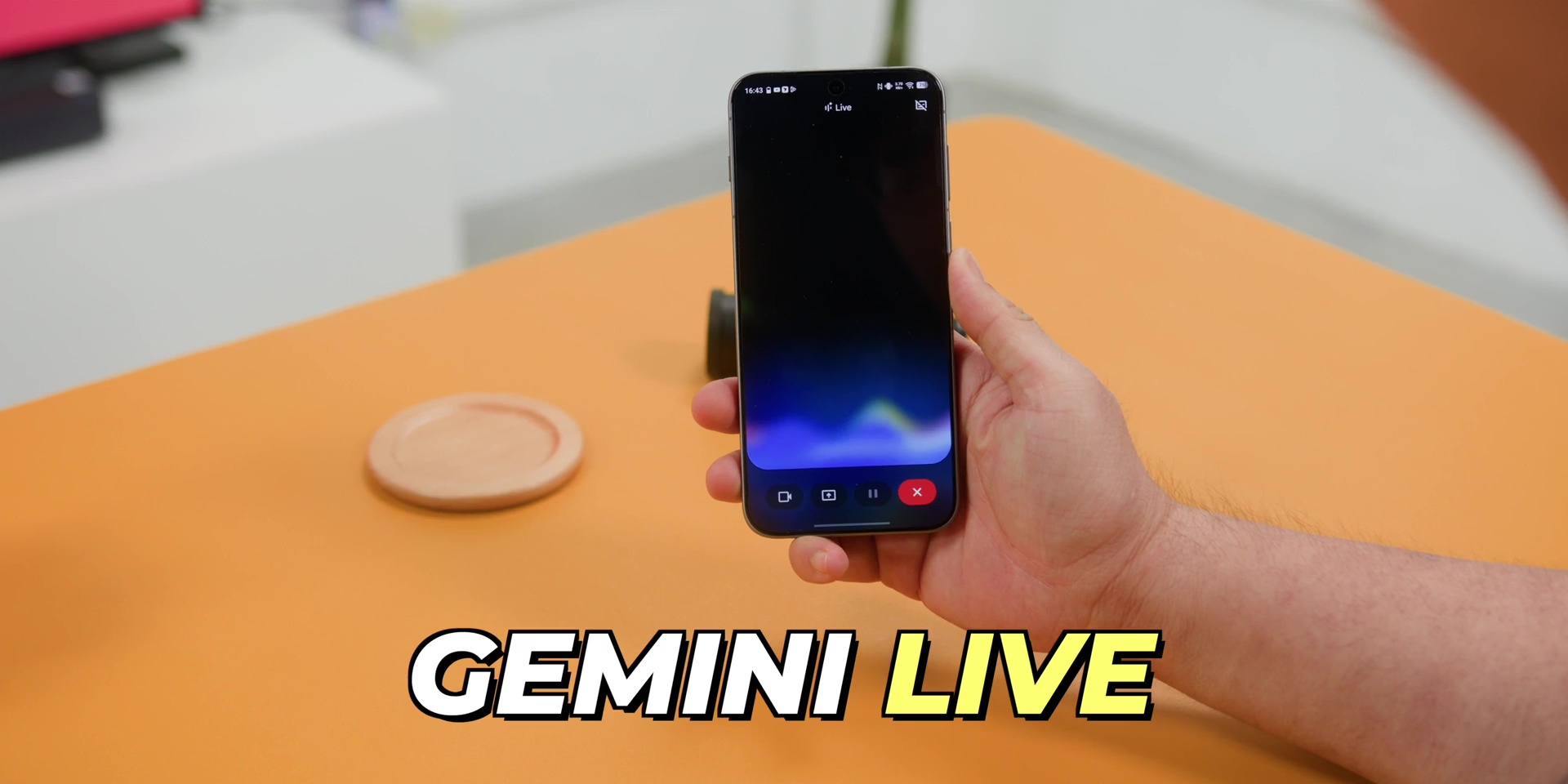
Starting with the ones that everyone knows like AI Phone Assist, AI Summarize and AI Erase and the usual Circle To Search and Gemini Live as well.
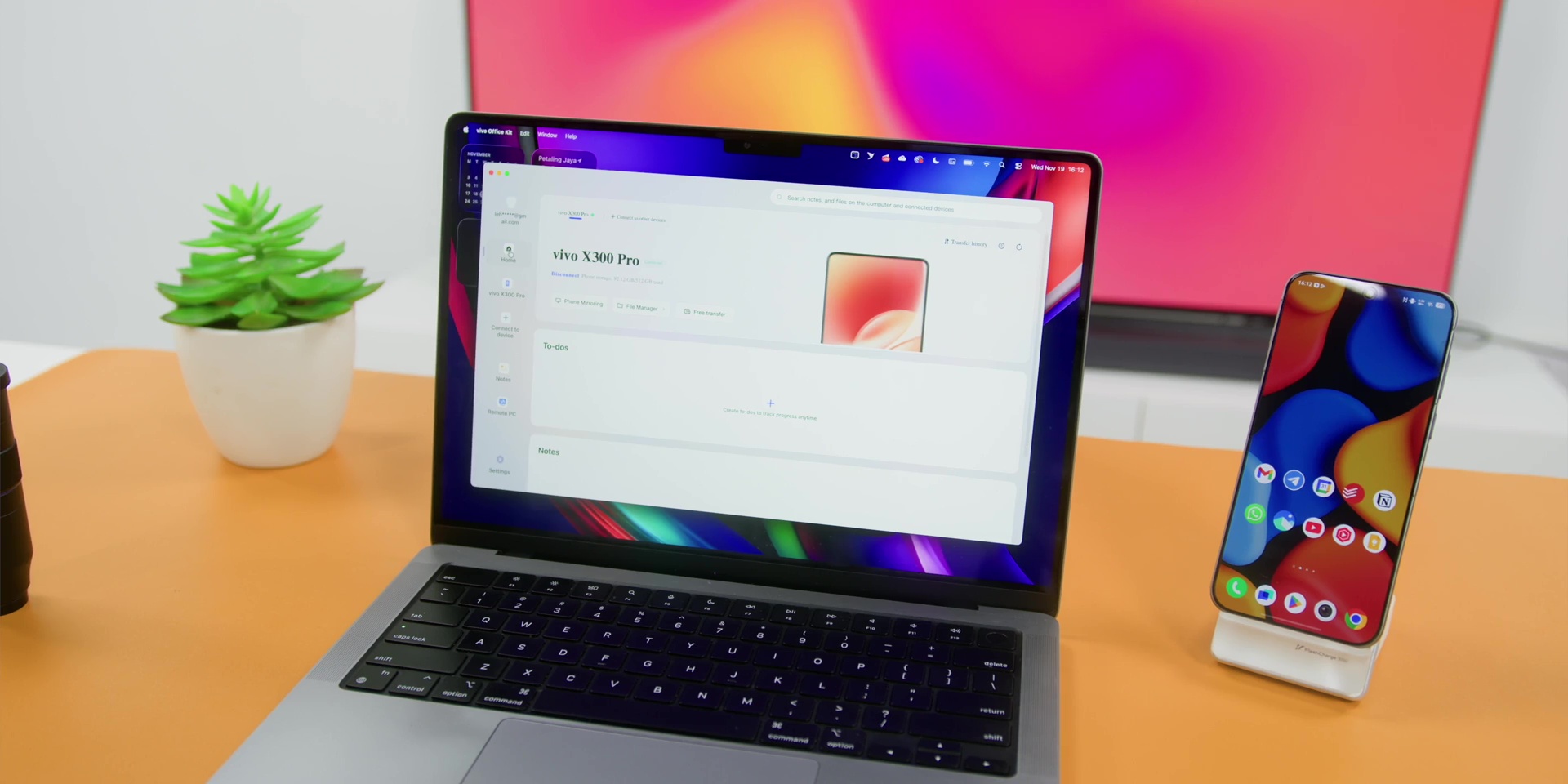
On top of that you can also connect this directly to a Mac or Windows which vivo calls this the Office Kit. It lets you share files, mirror your devices and transfer or even delete files back and forth. While I understand and I’m not surprised by the Windows integration with this particular phone, I was truly shocked by how well it did with a Mac. So yeah, if you’re a user of a Mac, this will surely make you switch too.
But the only thing missing compared to a typical iOS device is MagSafe. So hopefully next year they will do a Pixel and put it on this phone instead of typically getting a MagSafe style case.
To top it all off, it comes with 5 years of OS updates. And surprisingly, this was the very first smartphone that didn’t heat at all during the setup process because that is very common that I face while setting up any other phones. So, a big thumbs up to vivo for that.
Performance
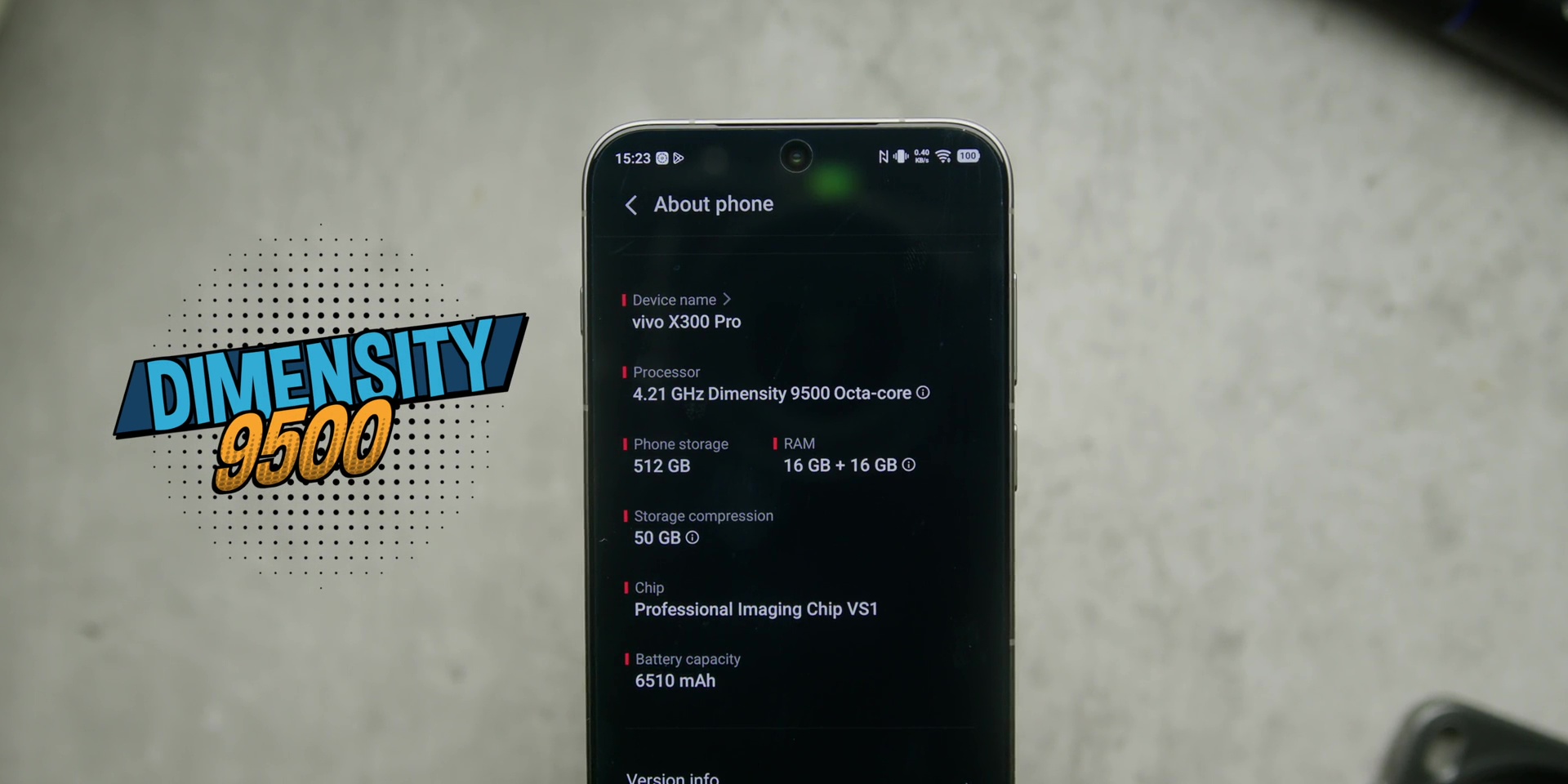
So to maintain this level of smoothness and the fluidity on the software as mentioned earlier, it comes with a Dimensity 9500 chipset which is based on a 3nm process the same as the A19 Pro from Apple. It seems like vivo is really picking and choosing the best to include in their phones, especially with the large battery.
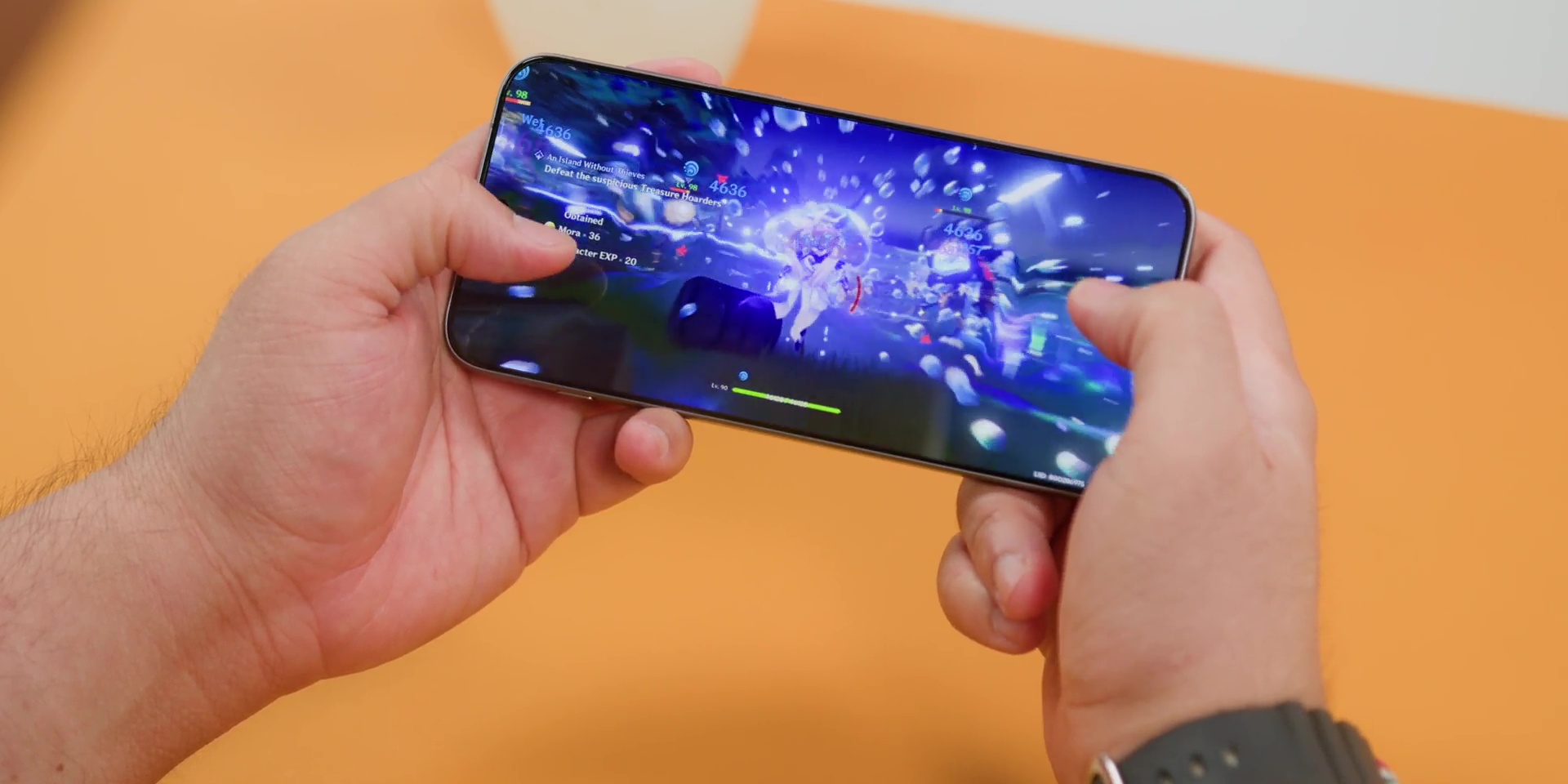
Gaming on the phone felt very comfortable and barely any warmth during long gameplay with the highest setting, specifically for Genshin Impact.
Battery
So, this comes with a massive 6510 mAh of silicon-carbon battery which is 30% bigger than what Samsung and Apple provides.
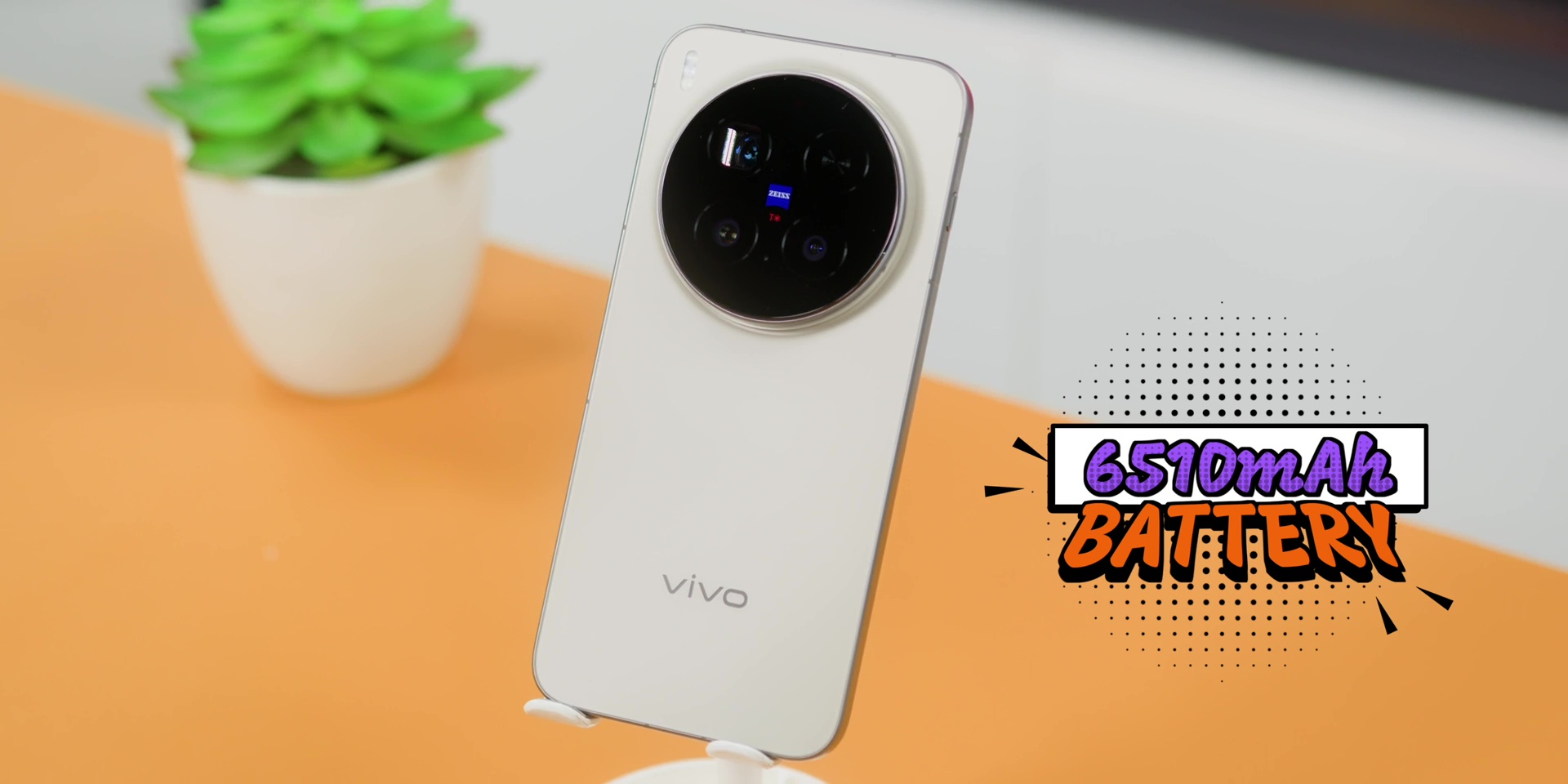
I used it for an hour straight and it just dropped 5%. And I went like surely this isn’t the truth. But when I use it for a day with 248 minutes of screen on time, I mean 4 hours and 8 minutes, I ended up the first day with 66% left. Yes, the first day.
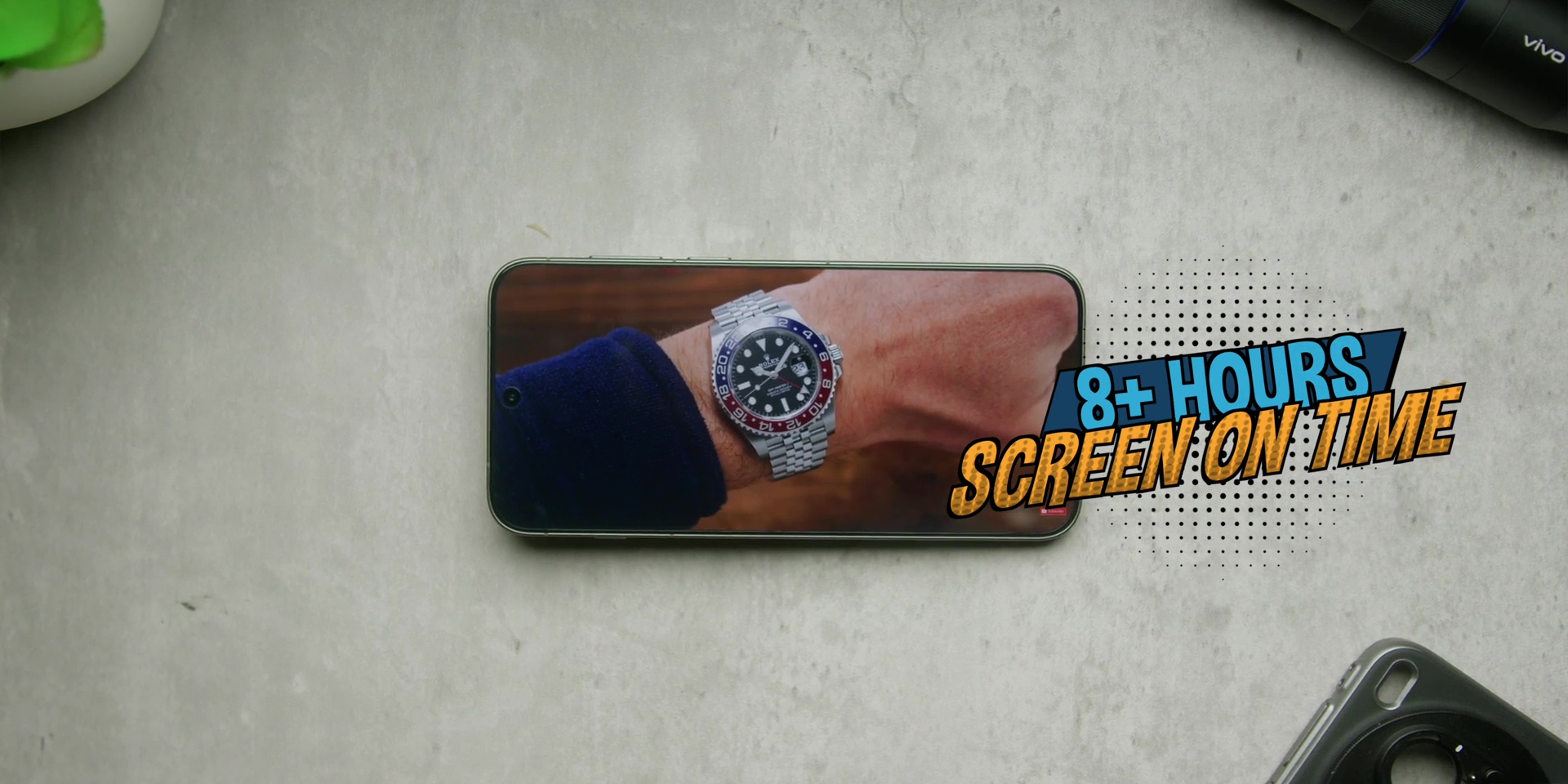
And on Day 2, I used it for 3 hours and 3 minutes and ended day two with 31% still remaining. And at this point of time, I was thinking, should I just sell my charger, which comes inside of the box? But finally, halfway to Day 3 with 39 minutes of use, I was at 11% at around 2:30 p.m. So, yes, I saw a hope to use my charger. But all in all, you’ll get an average of 8+ hours of screen on time on heavy usage.
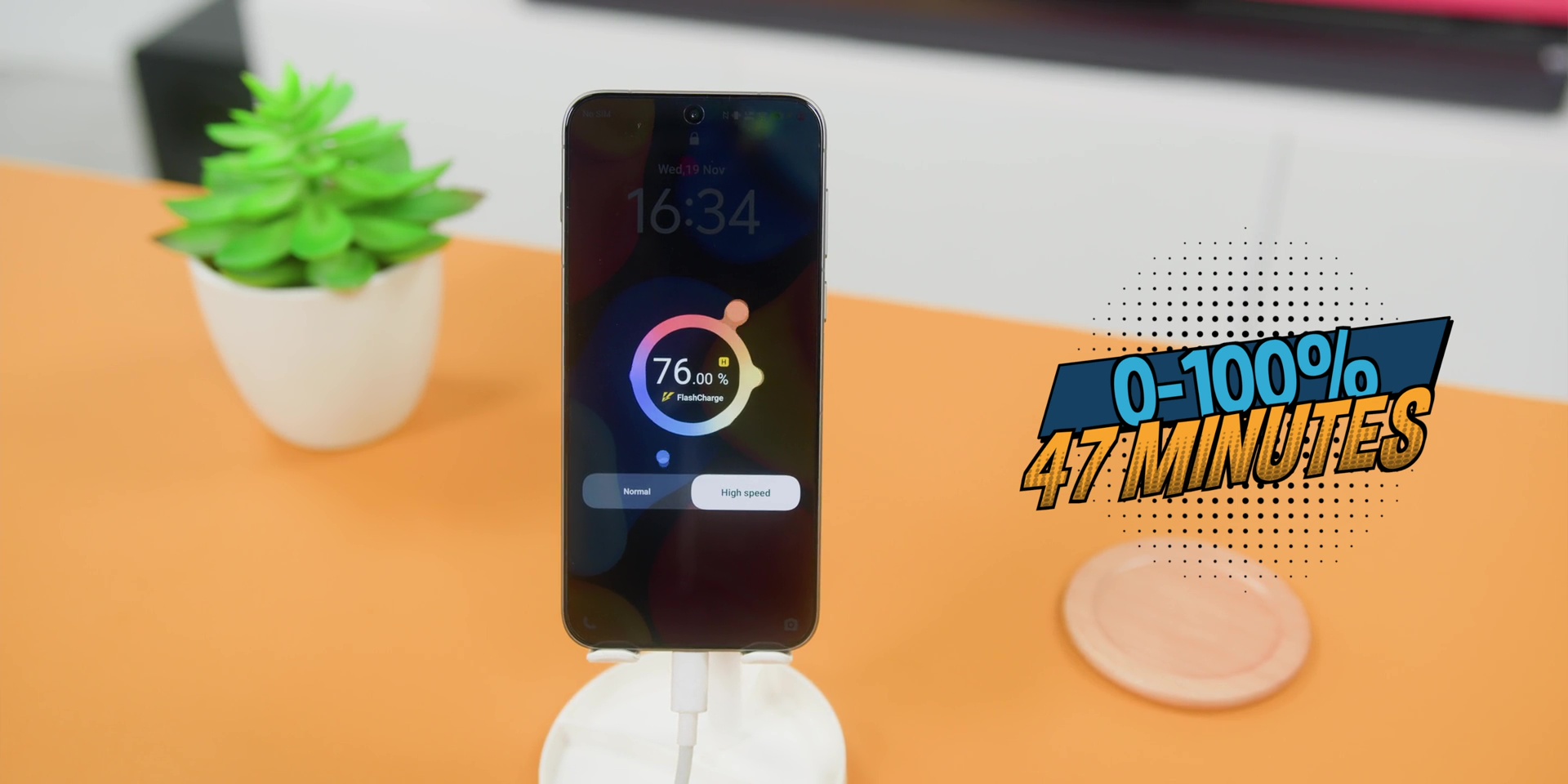
But never in my life have I felt this happy to plug in my phone because I wanted to see how quickly it charges. Since the 90W charger comes inside of the box, as mentioned earlier, it goes from 0 to 100% in around 47 minutes. And the 40W wireless charging takes this from 0 to 100% in about 67 minutes.
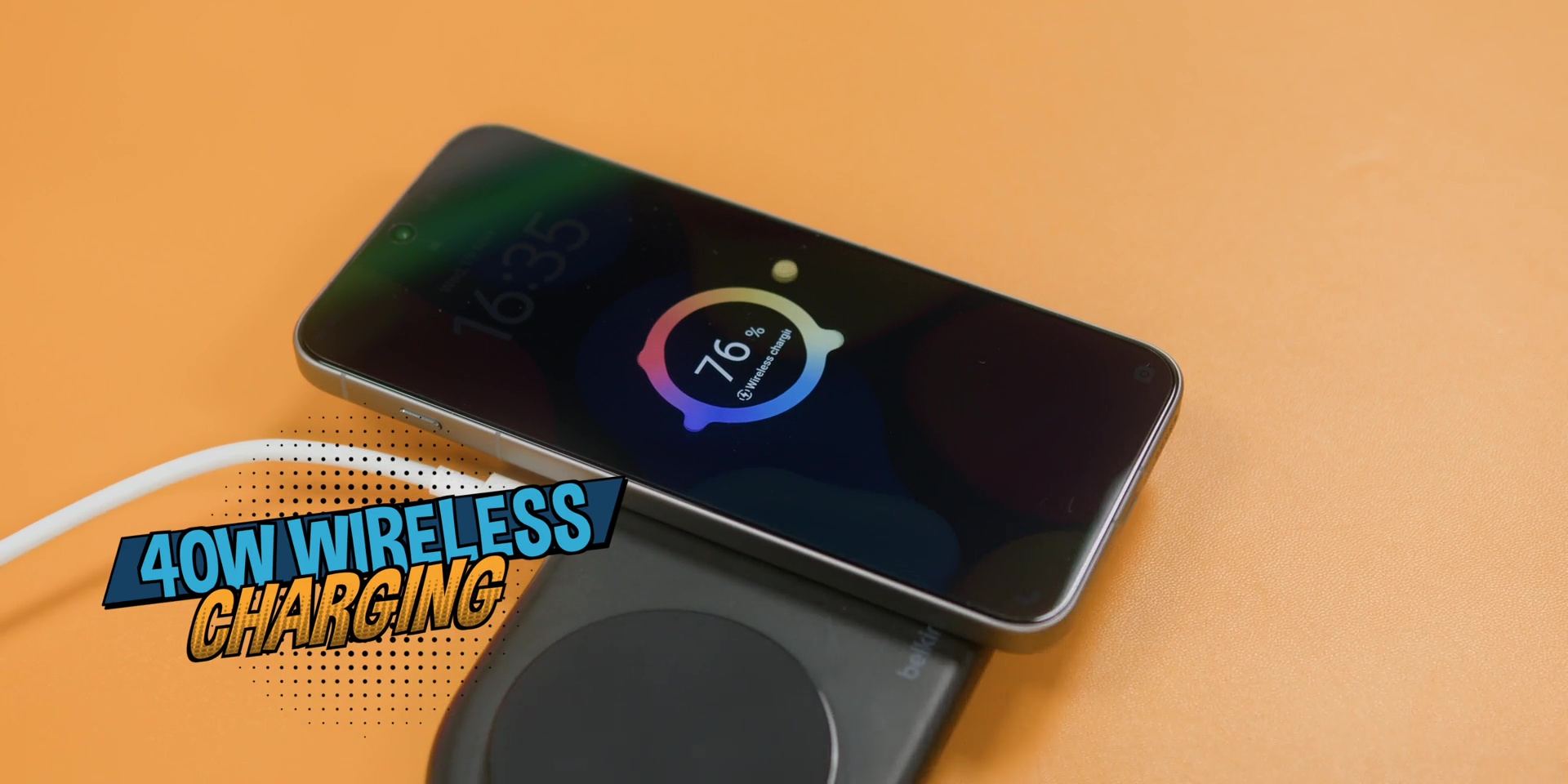
There’s also reverse wired and wireless charging just in case you want to charge other devices too. I guess this is a smart feature that vivo did to put or roast other companies because this single device has much capacity when it comes to the battery which is hard to empty.
Conclusion
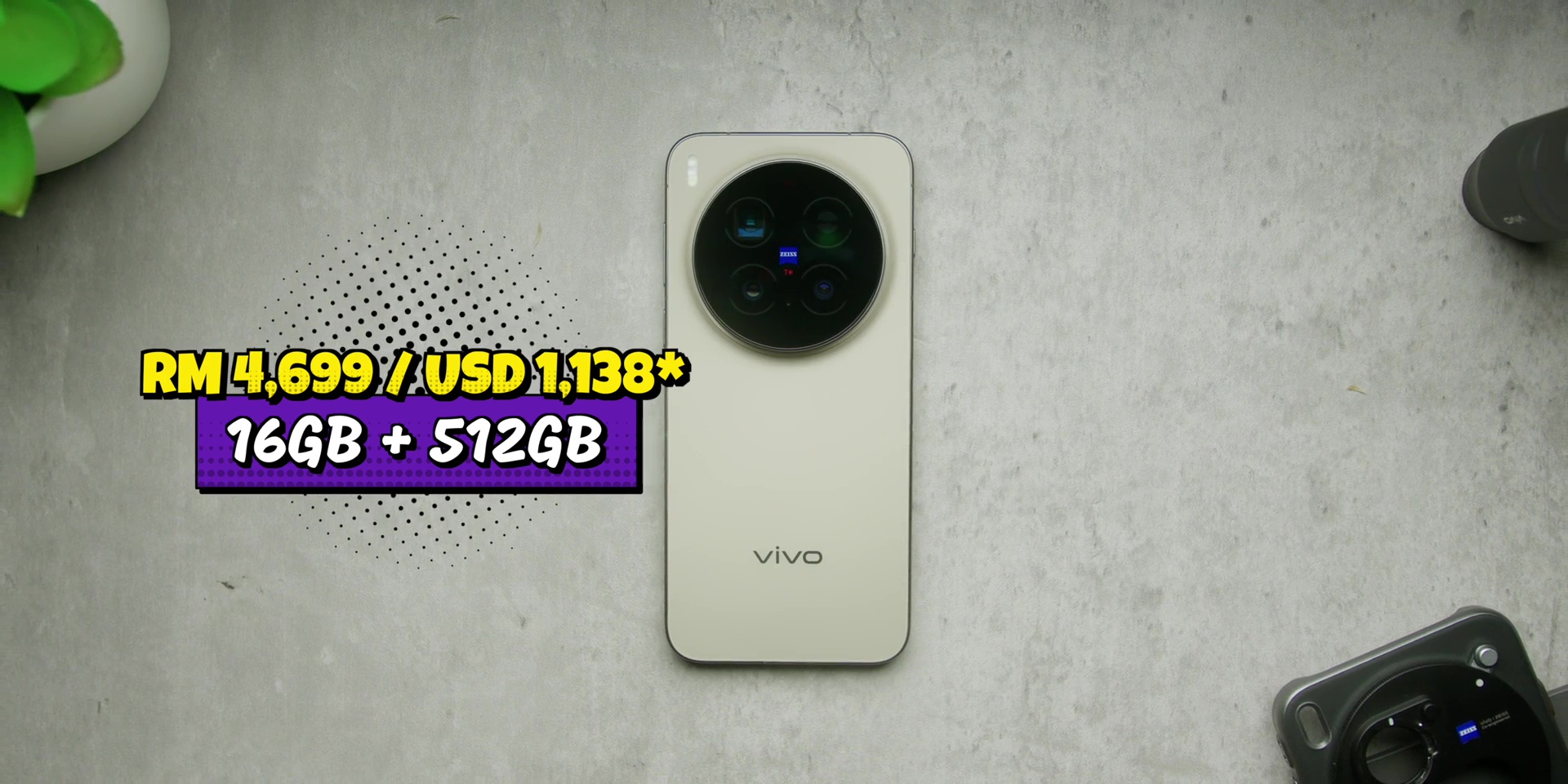
So what’s the conclusion? Well, I guess vivo is really trying hard to gain the market share with the type of devices they are making, especially with this phone coming with an amazing price of RM4,699, which is about USD1,138 being the most affordable flagship (as of the timing of this review).
Not only did the X series last year sell so much, the V and the Y series also are very capable on their own where this ticks every single box that you could care about. The best display, performance, battery, exceptional cameras, and amazing software that will make you make the switch.
[Watch the full review on YouTube here]
Related:
- OPPO Find X9 Pro vs vivo X300 Pro: In-Depth Camera Comparison
- vivo Debuts vivo X300 and X300 Pro in Malaysia with 200MP Zoom, OriginOS 6 and Massive BlueVolt Batteries