
TL;DR / At a Glance: What are the biggest announcements in WWDC history? The most significant WWDC announcements include the launch of the iPhone SDK in 2008 (creating the App Store), the iOS 7 flat design redesign in 2013, the transition to Apple Silicon in 2020, and the introduction of Apple Intelligence in 2024. These moments shifted the industry toward the modern app economy, minimalist UI, and on-device AI.
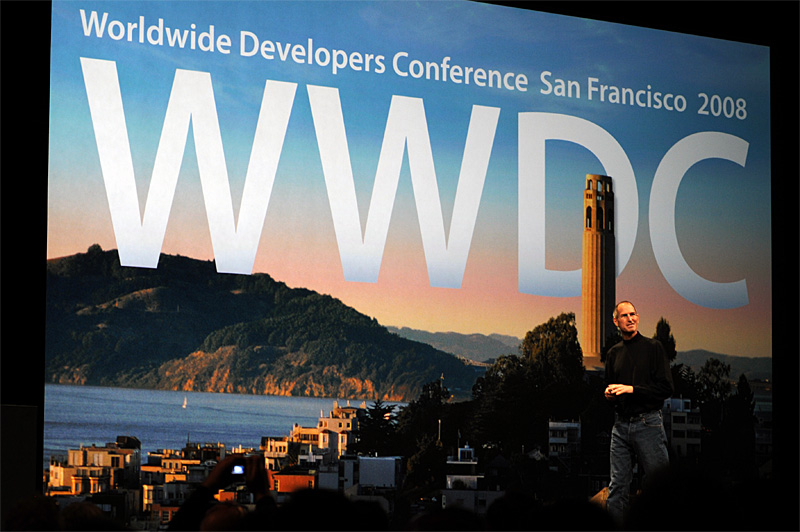
If June to you meant the start of summer, boy, are you missing out on a bunch. In the tech world, June is about the delivery room of the future. While Apple’s September events are the glitzy “fashion shows” for hardware, the Worldwide Developers Conference (WWDC) aka “Dub dub” is where the soul of Apple devices is built.
As we stand on the precipice of iOS 27 and Siri 2.0, we must look back at the architectural pivots that moved the needle. These weren’t mere software updates, they were the pillars of the modern digital economy.
1. 2008: The iPhone SDK (The Birth of the App Store)
It’s hard to remember a time before “there’s an app for that.” In 2007, Steve Jobs was adamant that web apps (running in Safari) were the only way forward for the iPhone. He was fundamentally wrong, and the developers let him know it.
At WWDC 2008, Apple performed one of its most famous pivots. By introducing the iPhone SDK, they allowed third-party developers to write native code for the first time. Hello, App Economy. From Grab superapp in Malaysia to TikTok globally, the trillion-dollar industry we live in today was born in that 2008 keynote.
- The Buy Smart Take: This moment proved that hardware is only as good as the software ecosystem it supports. It’s a lesson we are seeing repeated today as we wait for the Agentic AI transition.
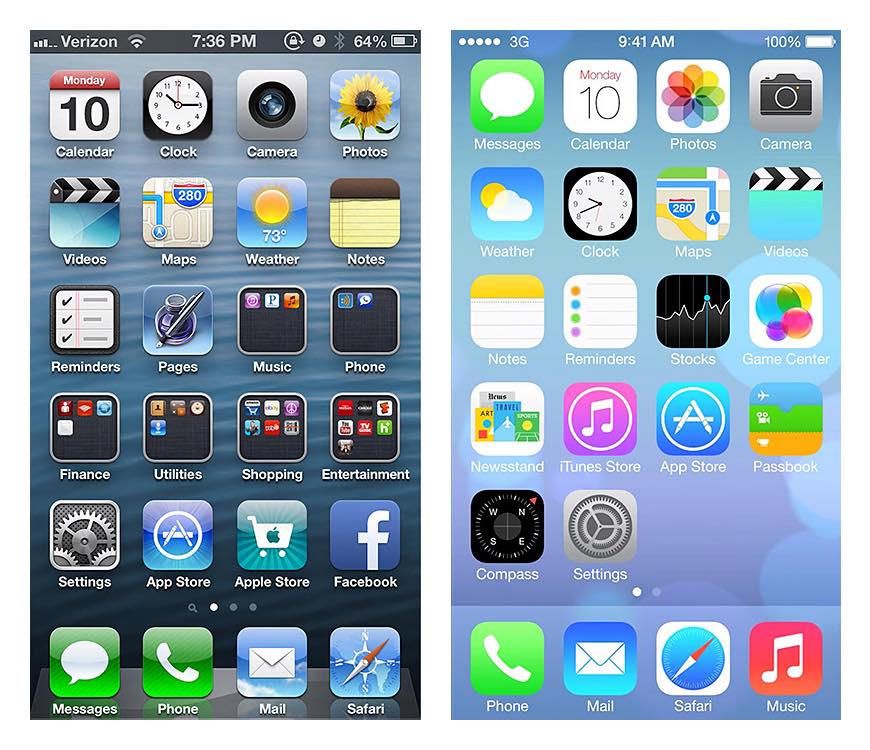
2. 2013: iOS 7 (The Death of Skeuomorphism)
If you want to see a room full of developers gasp, show them the transition from iOS 6 to iOS 7. Under the direction of Jony Ive, Apple performed digital surgery on the iPhone. We moved away from skeuomorphism; design that mimicked real-world textures like leather, felt, and glossy glass; and entered the era of Flat Design.
This was a jarring, controversial shift. Critics called it “neon-coloured” and “too thin,” but within 24 hours, the design language of the entire world changed. Google and Samsung immediately accelerated their own flat-design pivots. iOS 7 taught us that Apple doesn’t just follow trends; they dictate the visual vocabulary of the planet.
3. 2020: The Apple Silicon Transition
For years, the “Mac vs. PC” debate was limited by Intel’s roadmap. At WWDC 2020, Tim Cook announced a “bet the company” move: Apple was leaving Intel for its own M-series silicon.
This was an architectural masterclass. By moving to ARM-based chips, Apple achieved a level of performance-per-watt that seemed physically impossible. The M1 chip didn’t just make Macs faster; it made them silent, cool, and gave them 20-hour battery lives. This transition is the reason why, in 2026, we are able to even consider running Large Language Models (LLMs) locally on a laptop. This silicon lead is why Apple can weather the $200B Memory Gamble better than most; they own the entire vertical stack.
4. 2024: Apple Intelligence (The AI Foundation)
If 2008 was the year of the App, 2024 was the year of the Model. Apple Intelligence was the official admission that the cloud wasn’t enough. By integrating AI into the very foundation of the OS, rather than just an app, Apple set a new standard for privacy-first machine learning.
This wasn’t just about a smarter Siri; it was about On-Device Semantic Indexing. This allowed your iPhone to understand your personal context—who your family is, what your flight details are, and what’s in your emails—without that data ever leaving your device.
5. 2025: visionOS and the Liquid Glass Design
Last year, we saw the most significant UI evolution since iOS 7: Liquid Glass. With the Vision Pro becoming more mainstream, Apple realised that “Flat Design” doesn’t work in 3D space.
Liquid Glass introduced a depth-based UI where windows don’t just sit on a screen—they react to lighting, cast shadows, and have a physical presence. It was the first sign that Apple is preparing us for a post-smartphone world. Whether you’re on a MacBook or immersing yourself in the Vision Pro, the interface now feels like an organic part of your environment.
The “Adam Lobo” Final Word
As we look toward WWDC26, history tells us one thing: Apple uses this event to build the tracks that their hardware will run on for the next five years. Whether it’s iOS 27 or a new M5 Mac Studio, the real story is always in the architecture.
Stay tuned as we dive into the next chapter of this series: The Hardware Surprises that Apple shouldn’t have announced at WWDC.
What’s your fondest memory of WWDC?