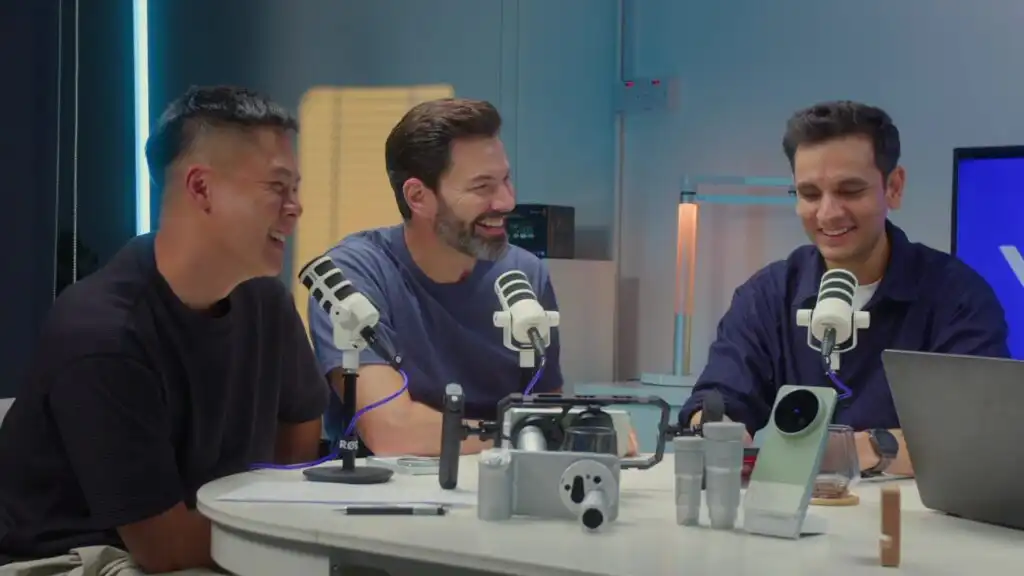
In a special deep-dive podcast on Adam Lobo TV, Adam sat down with an elite panel to dissect the current state of mobile filmmaking.
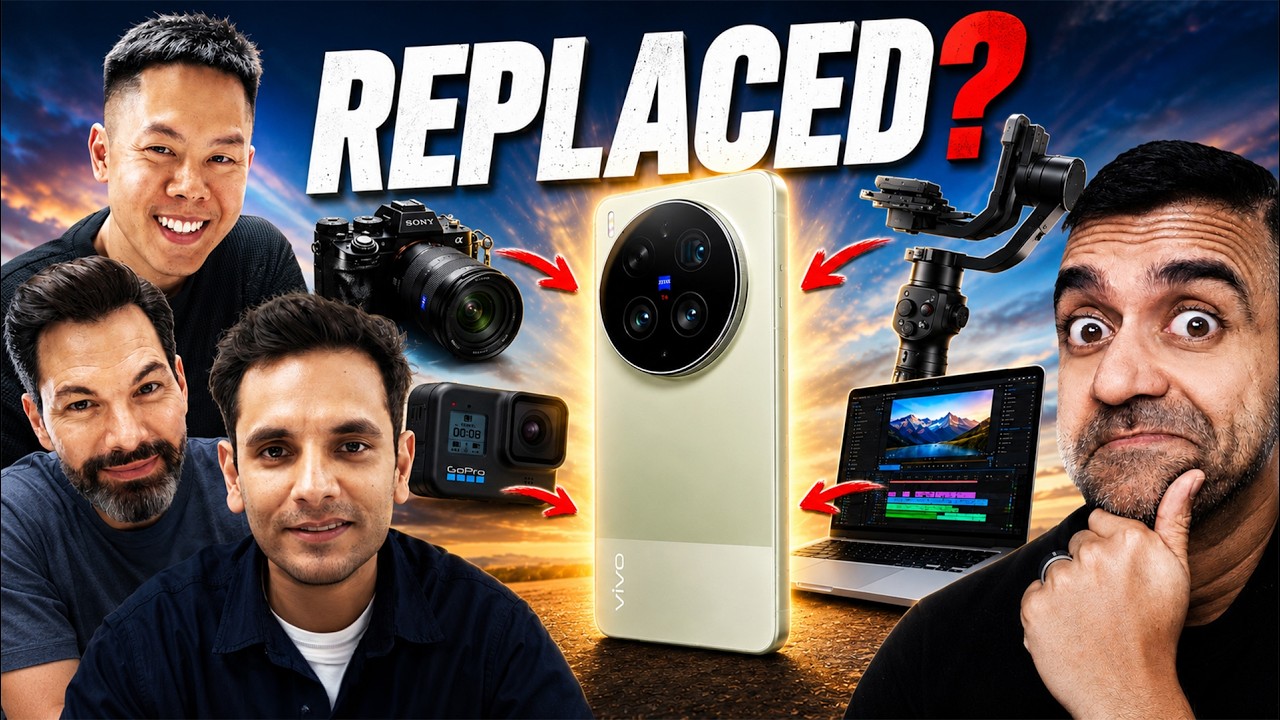
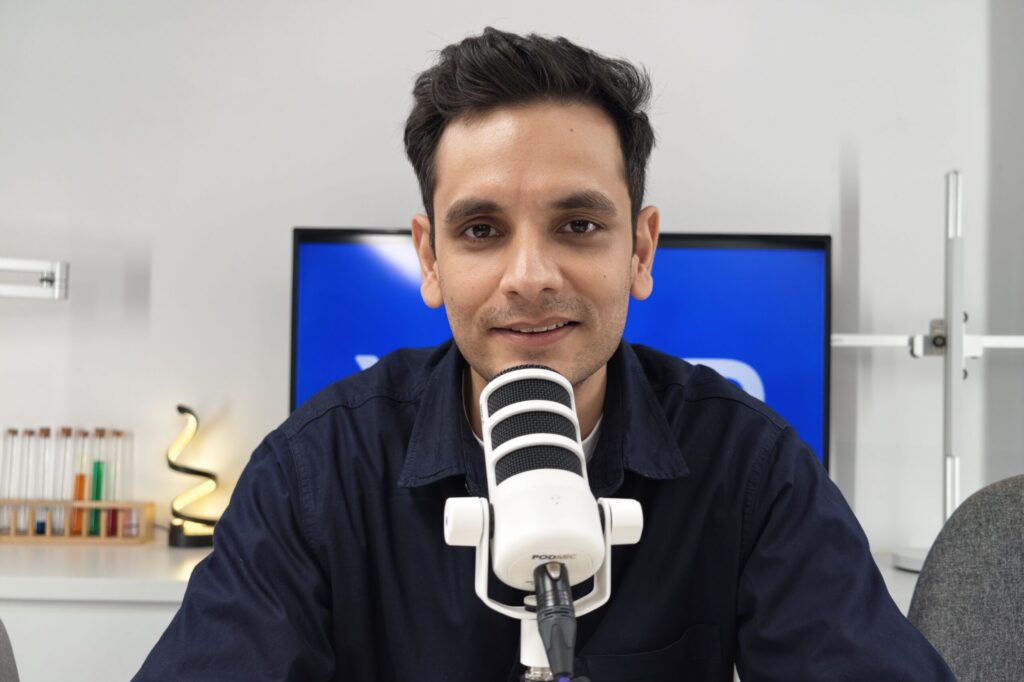
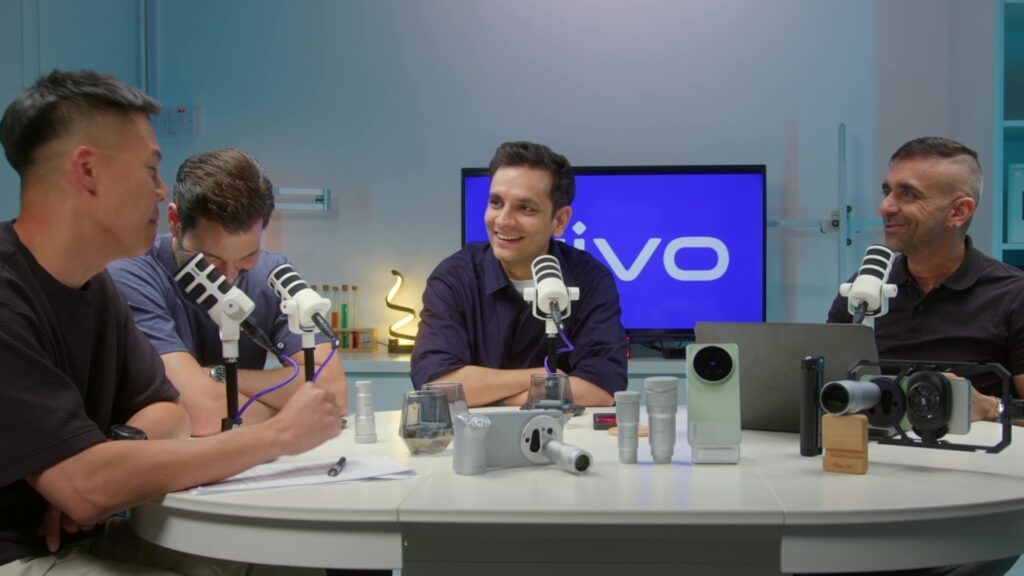
Joining the conversation were:
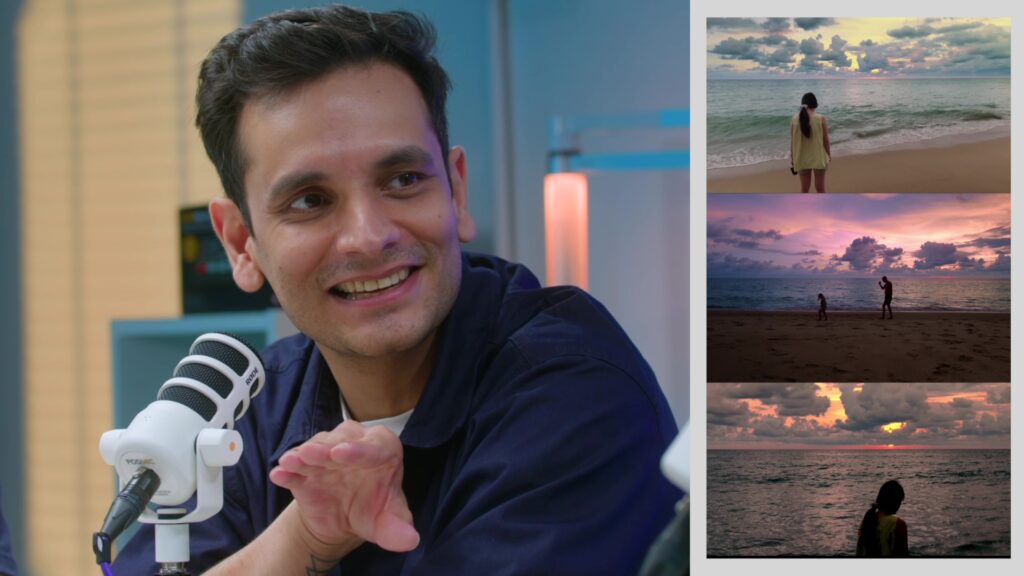
- Keshav Chugh, Senior Product Manager for Imaging at vivo Global;
- Bobby Tonelli, a Singapore-based actor and creator; and
- Alvin Lim, a tech and travel YouTuber based in Taiwan.
The discussion moved beyond typical smartphone “specs” to explore how the vivo X300 Ultra is fundamentally changing the professional workflow for creators who are used to carrying massive amounts of gear.
The Creator’s Burden: Gear Fatigue and Post-Production Friction
Video time stamp reference: 00:01:30
For years, Adam has relied on Blackmagic Cinema Cameras to produce high-end content, but he admitted that the friction of the professional workflow is a constant struggle. One of the greatest pain points is the time required to transfer massive files and grade footage in post-production, often requiring him to ask for extra time during trips just to unload memory cards.
Alvin shared a similar struggle with physical exhaustion, noting that at 37 years old, lugging 20kg to 30kg of mirrorless gear, tripods, and action cameras on his back every day is no longer sustainable. Bobby added that creators are often “spoiled for choice,” carrying everything from medium format cameras to pocket cams, which can actually paralyze the creative process by making it harder to decide what gear to use for a specific moment.
Breaking the Stigma: Hardware Built for Optics, Not Just Pixels
Video time stamp reference: 00:07:38
The panel explored why the X300 Ultra feels different from a standard flagship, specifically highlighting vivo’s philosophy of “sensor parity”. While most phones compromise on ultra-wide or telephoto quality, the X300 Ultra treats every lens as a “main camera,” ensuring the 14mm ultra-wide is just as capable as the primary sensor.
Keshav detailed how the device achieves its clarity through a deep partnership with ZEISS:
- ZEISS T* Coating: Unlike other manufacturers, every individual lens element—both glass and plastic—features this coating to eliminate ghosting and reflections.
- Multispectral Sensor: The phone features a dedicated 12-bit, 5MP multi-spectral sensor on the back. Its sole job is to calculate color accuracy in real-time, feeding data to the main sensor to ensure “what you see is what you get”.
- Optics R&D: Keshav noted that “every pixel that is lost in the lens that doesn’t reach the sensor is wasted light,” a principle that drove their heavy investment into high-quality raw materials for the optics.
The Professional Toolkit: 4K 120fps and ACES Certification
Video time stamp reference: 00:27:34
For professional filmmakers, the X300 Ultra is ACES (Academy Color Encoding System) certified. This allows mobile footage to sit in the same color space as a Blackmagic or Sony camera, meaning a single color grade can be applied across all clips in a DaVinci Resolve timeline without manual matching.
The technical capabilities mentioned by the panel include:
- 4K 120fps Log: Shooting in APV Log provides a bitrate and color depth higher than some much larger professional cameras.
- AI Motion Blur: To solve the “jitter” common in 24fps smartphone footage, the X300 Ultra uses AI to estimate frames and add cinematic motion blur.
- Film Style vs. Film Look: The “Film Style” mode mimics a 2.4:1 anamorphic ratio and adds halation (the red glow around highlights) and grain to mimic traditional film stock.
Real-World Proof: Visual “Money Shots”
Video time stamp reference: 00:14:41
The creators shared stunning examples of the hardware in action:
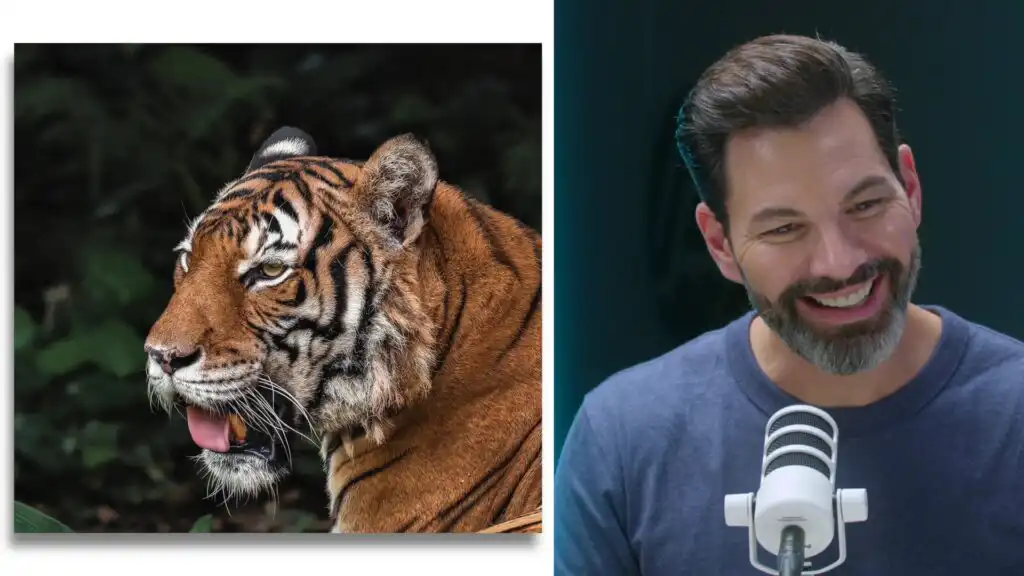
- The Mandai Wildlife Portraits [00:17:09]: Bobby showcased wildlife portraits of lions and tigers at the Mandai Wildlife Reserve using the 400mm telephoto. He was “shocked” by the detail and the “perceptual HDR” that avoided the overly processed look of typical smartphones.
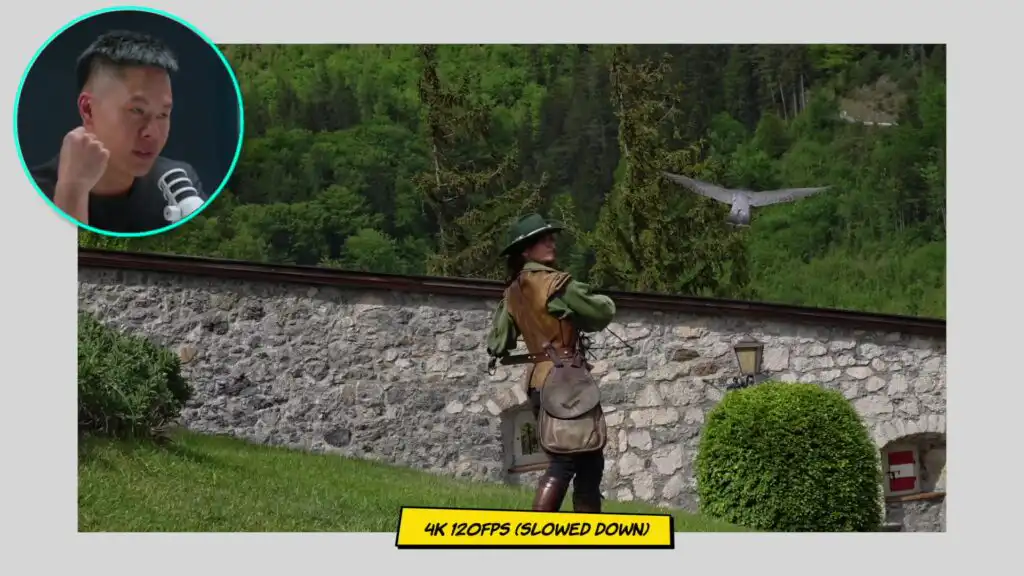
- The Salzburg Bird Shot [00:20:03]: Alvin captured cinematic slow-motion footage of birds in Austria. Because his phone was accessible, he switched to 4K 120fps and caught a moment he would have missed while setting up a mirrorless rig.
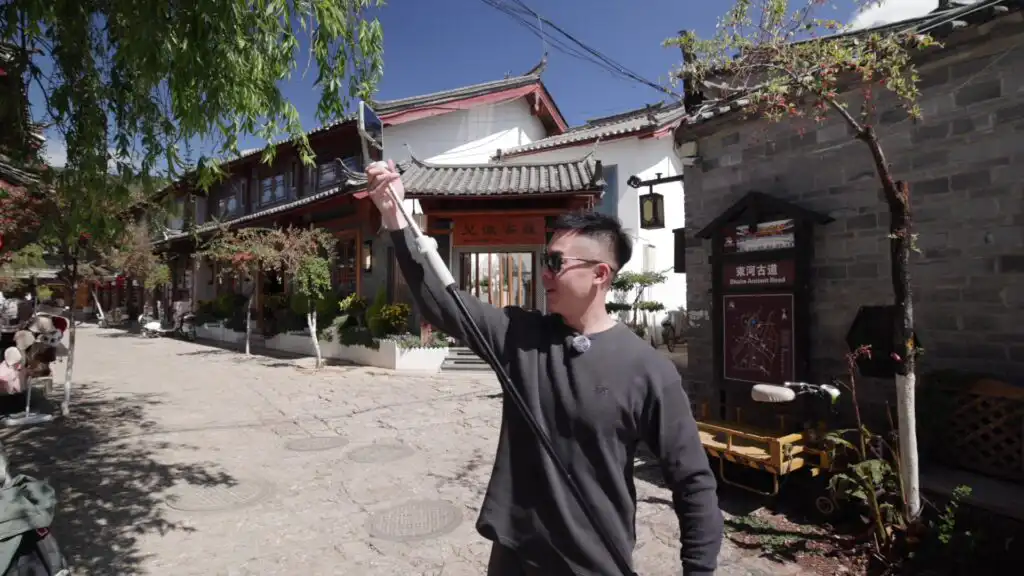
- The 3-Meter “Crane Shot” [00:47:57]: Using a 300cm selfie stick, Alvin mimicked a professional crane shot, lowering the lightweight phone through tree branches—a maneuver impossible with a heavy cinema camera.
- Postcards from Lijiang [00:23:02]: Keshav demonstrated handheld APV Log footage that looked like high-end B-roll, graded using official vivo LUTs.


The Ultimate Rig: The vivo x SmallRig Ecosystem
Video time stamp reference: 00:34:02
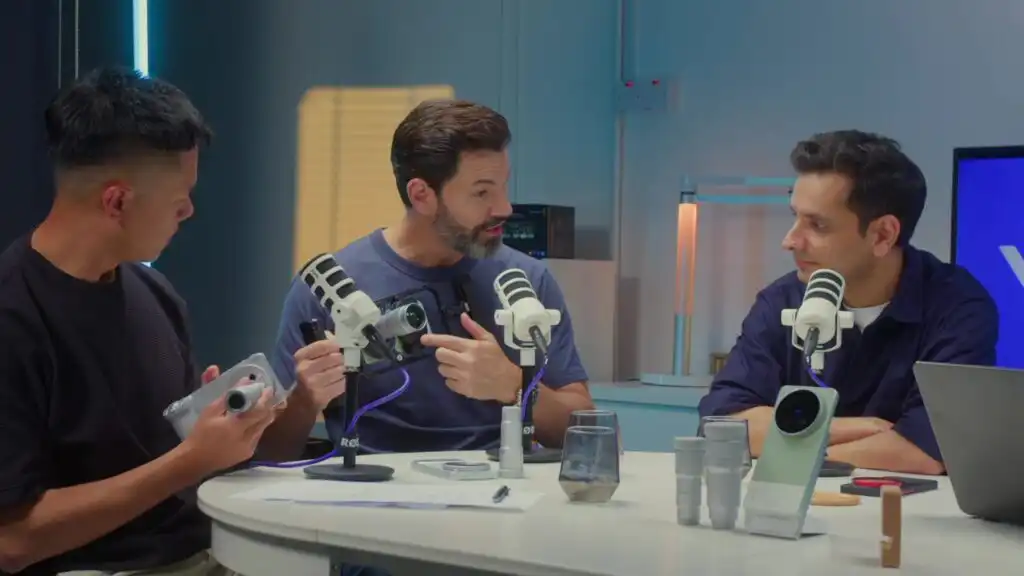
The panel showcased the vivo SmallRig Pro Video Rig Kit designed for the X300 Ultra, which transforms the phone into a tactical cinema rig. The setup includes:
- NATO Railings & Cold Shoes: For adding external microphones, lighting, and handles.
- Bluetooth Controller: A grip that doubles as a remote shutter when the phone is mounted on a tripod.
- Telephoto Extenders: Optical attachments that provide a clean 200mm and 400mm reach.
The Verdict: A Camera That Makes Phone Calls
Video time stamp reference: 00:49:12
The session concluded with a look at the future of imaging. Keshav noted that vivo aims to remove the barrier to entry for young cinematographers who may not be able to afford multiple expensive lenses. As AI and computational photography continue to evolve, the gap between mobile and professional gear is closing rapidly.
While Adam noted that his Blackmagic rig remains a staple in his studio, the smartphone has now earned its place as a valid B-roll camera in a professional workflow. As Bobby put it, the X300 Ultra is “a really good camera that makes good calls“.
Watch the full episode on Adam Lobo TV for side-by-side footage comparisons! As always, watch first and then buy smart.