
TL;DR / At A Glance
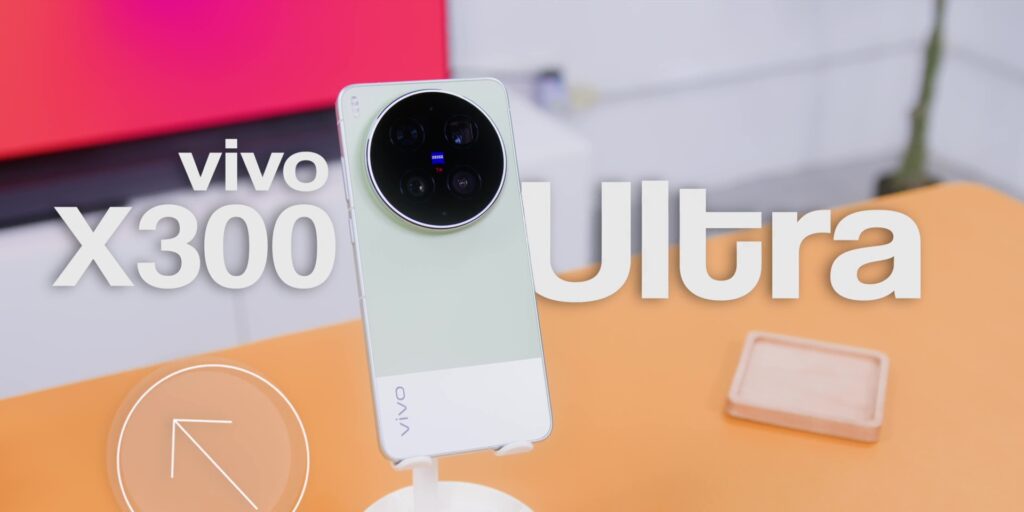
The vivo X300 Ultra establishes itself as the 2026 leader in mobile portraiture and zoom consistency. Key highlights include the massive 200MP periscope telephoto lens, offering industry-leading 85mm and 135mm focal lengths. Unlike its predecessors, it fixes night-time overexposure and introduces a professional-grade Pro Video app. While the front-facing “selfie” camera struggles with backlight consistency in photos, its 4K video dynamic range and stabilization are arguably the best in class, even outperforming the iPhone in specific flare-resistance tests.
.
For the most accurate representation of color and detail of the sample shots, we recommend viewing the original video in 4K on YouTube.
When a phone company says they are the “King of Photography”, most of us just say, “Yeah, whatever.” and move on because we heard that before, right?
But when I used this vivo X300 Ultra daily for a month, it actually made me stop mid-shoot and go, “Wait, did I just do this on a smartphone?” And it happened multiple times.
So, in this article, you’ll find out what’s good and probably some deal breakers that might make you think twice. Watch first and buy smart.
Specs
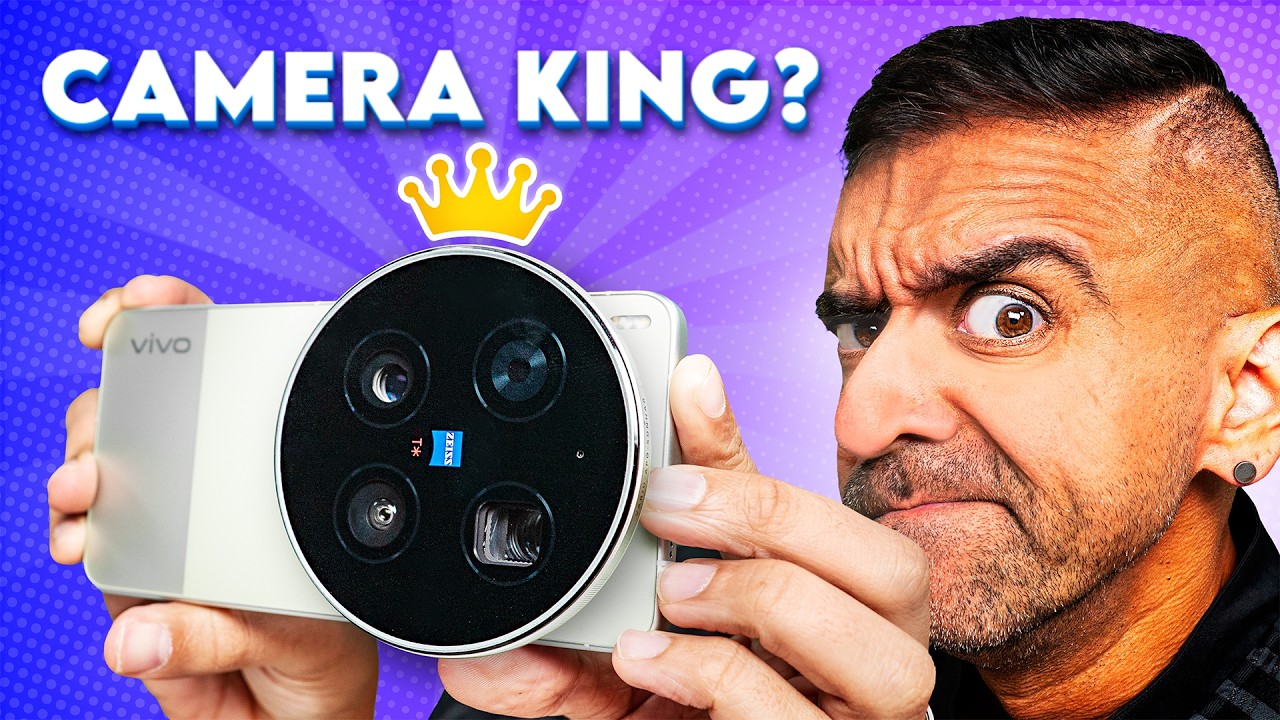
Let’s quickly go through the camera specs just for the sake of a recap.
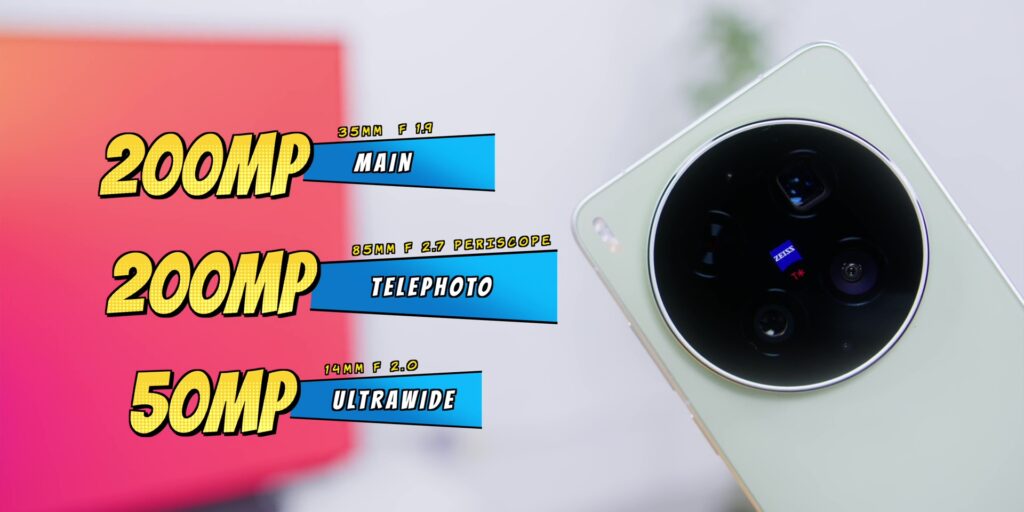
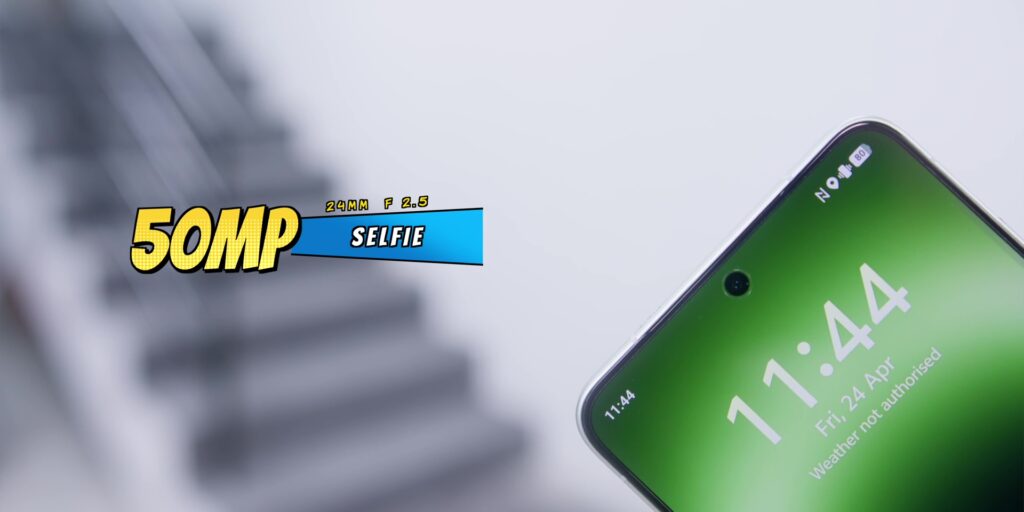
- The main camera is a 200 MP 35mm with an aperture value of f/1.9.
- Another 200 MP periscope telephoto lens, which is an 85mm lens with an f/2.7 aperture.
- And the ultra wide camera is a 50 MP f/2.0 14mm lens.
- And finally, the front camera is another 50 MP f/2.5 24mm wide lens.
So, this is the only time I’ll be talking about specs because the rest of this article is all camera samples for you, both for photos and videos.
Camera
Ultrawide
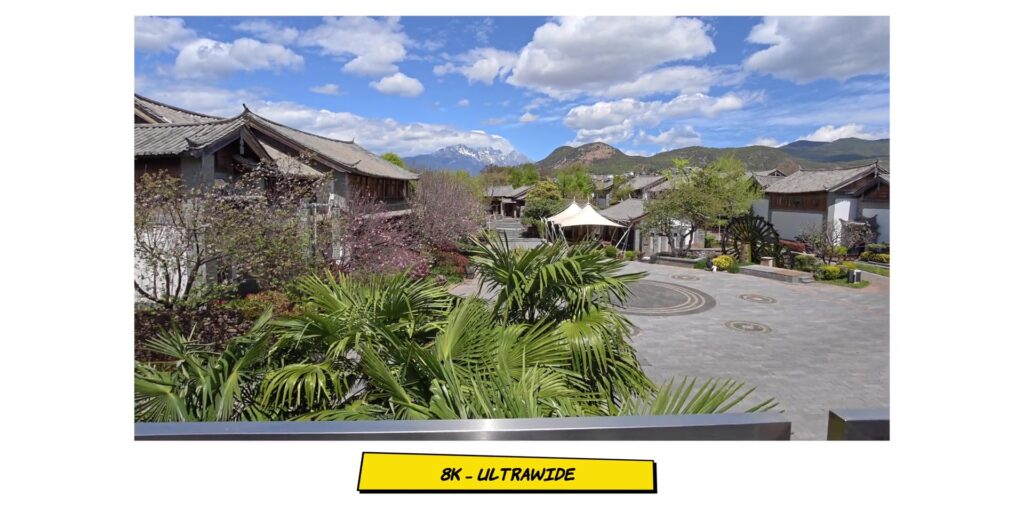
Starting from the ultra wide lenses, it is a 14mm lens, but it was still sharp from edge to edge. Dynamic range wise, no matter how bright the skies were, it captured it wonderfully.
Even with the combination of a darker contrast and a brighter areas, it did very well with the dedicated Street Photography Mode in the camera app, where usually on smartphones, they won’t do very well on this particular focal length on the Street Photography Mode.
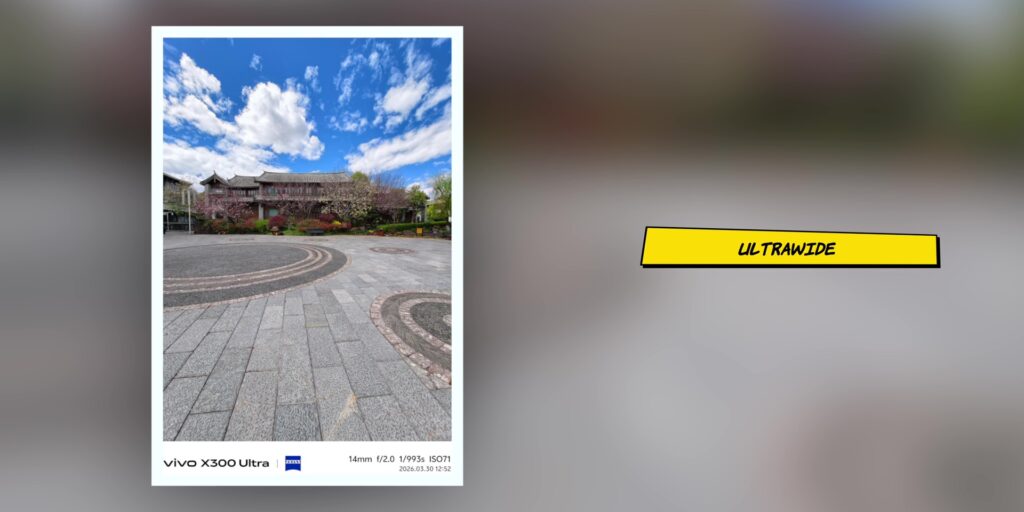
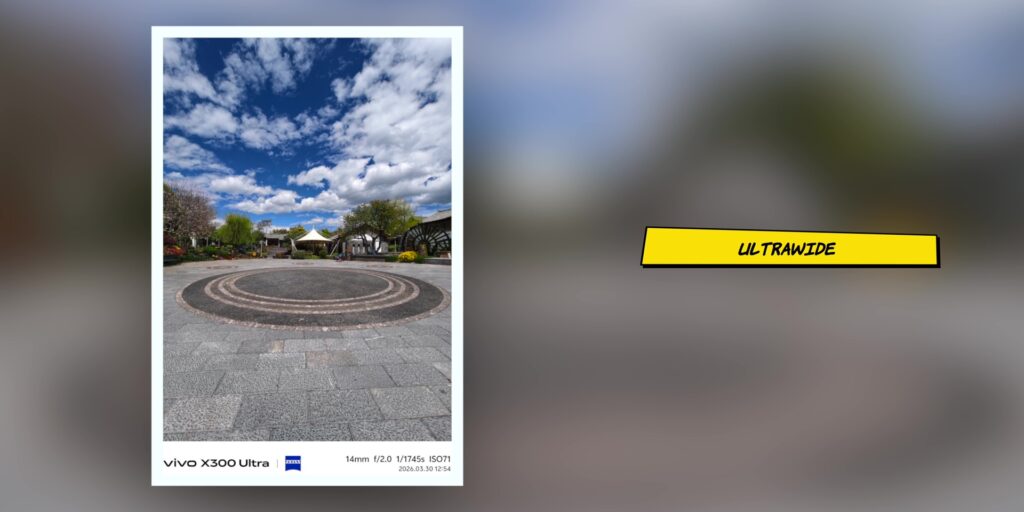
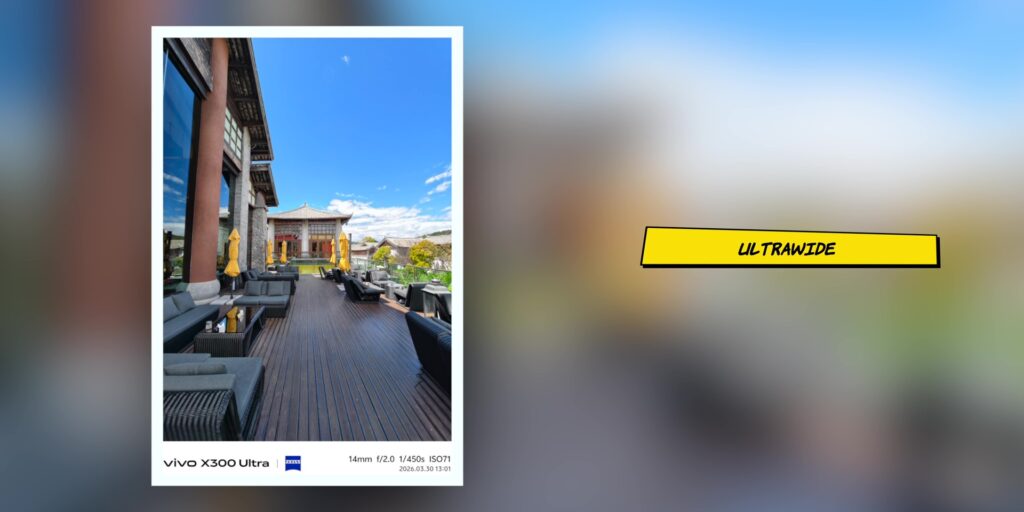
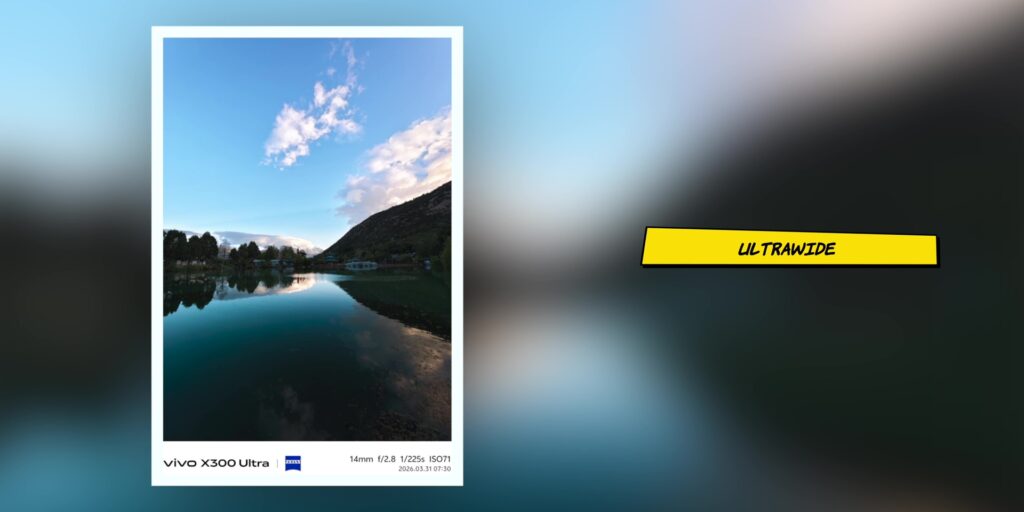

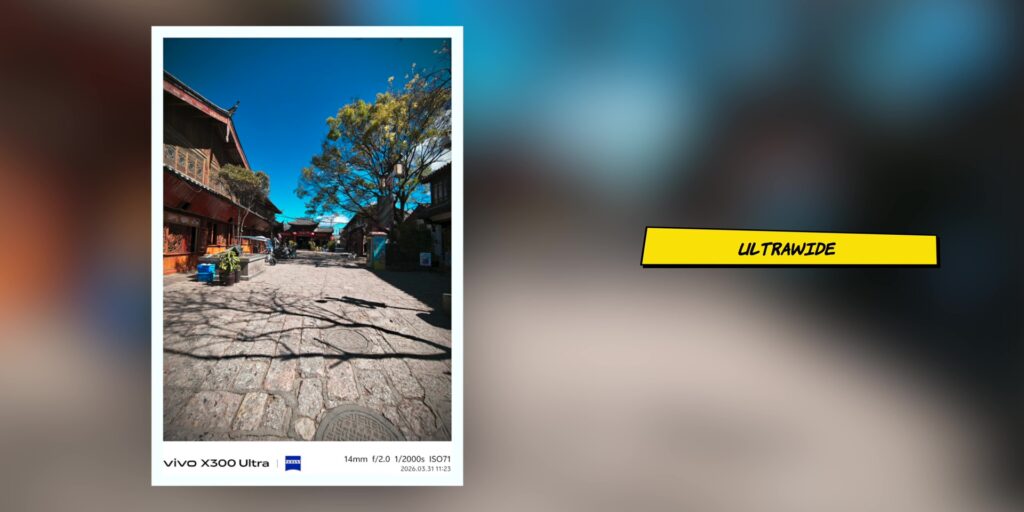
Usually it’s on the telephoto lens, but it did very well over here. And more on this particular photography mode later on.
Main + Zoom
The main lens was obviously very good. And starting with this first batch of photos, the color consistency and the sharpness for each focal length were amazing.
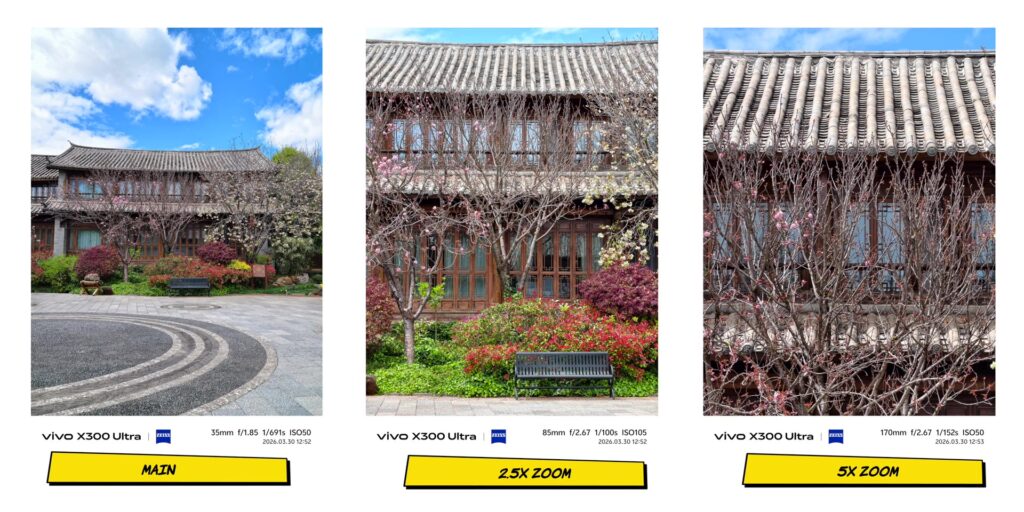
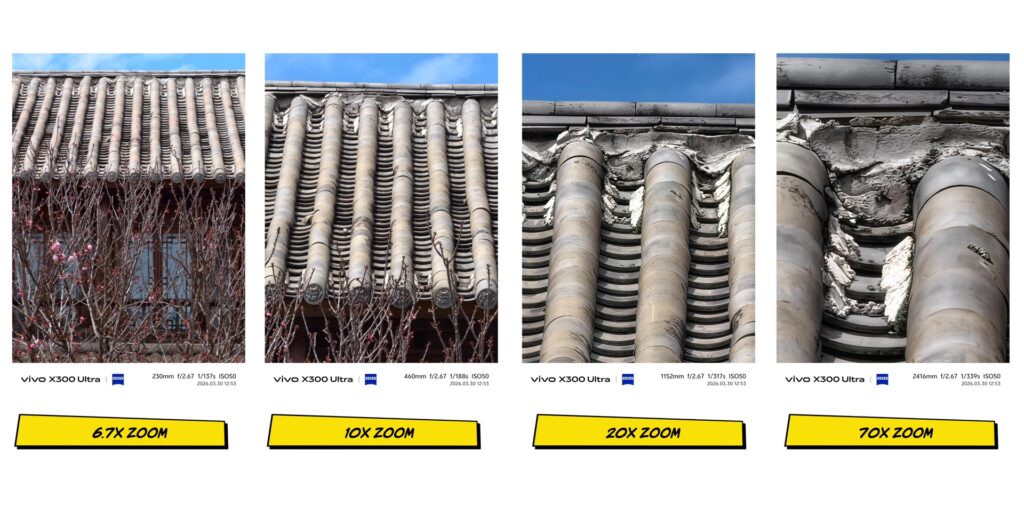
Going from 1x all the way to max 70x, even looking at this second batch of different focal lengths, it is not always where a smartphone maintains the sharpness and the colors throughout the whole entire focal length. even at 70x zoom once again.
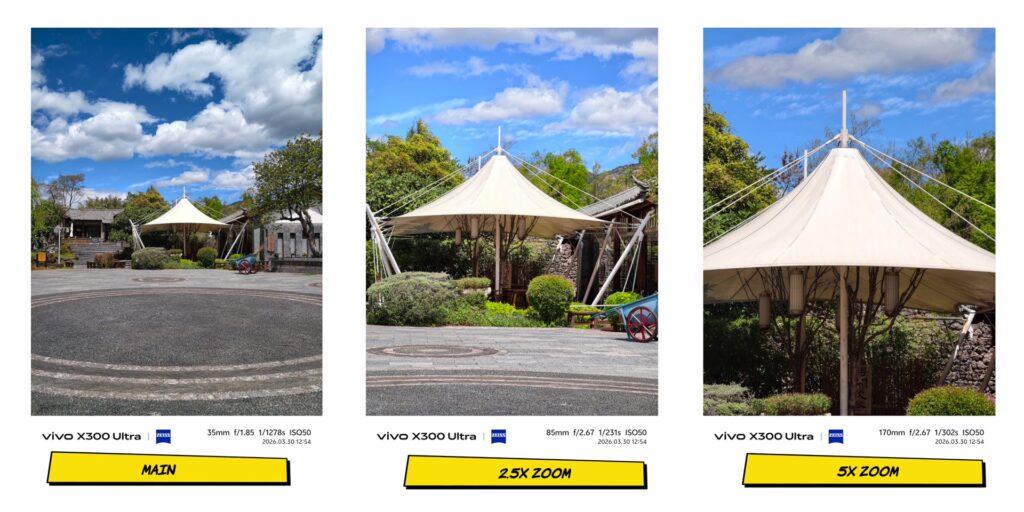
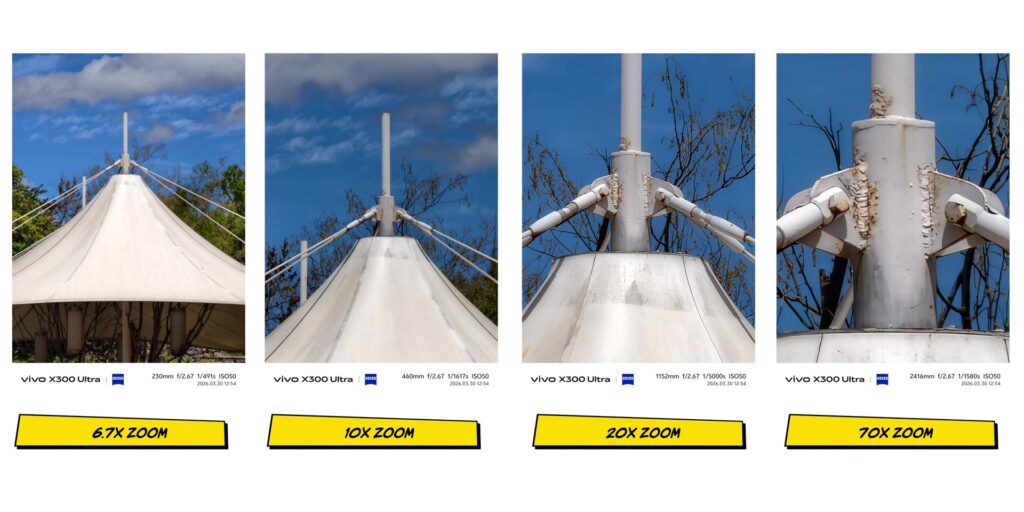
If you’re wondering, hey, why only Max 70x zoom? Because Adam, didn’t the vivo X300 Pro give us up to 100x zoom? Well, you’re absolutely right, my friend.
And I was also wondering the same, but only when I did a comparison reel on Instagram. Follow me if you haven’t done so.
It was then when I realized that the vivo X300 Ultra does not have anything higher than a 70x zoom. And that is because the Ultra variant interprets the zoom value differently.
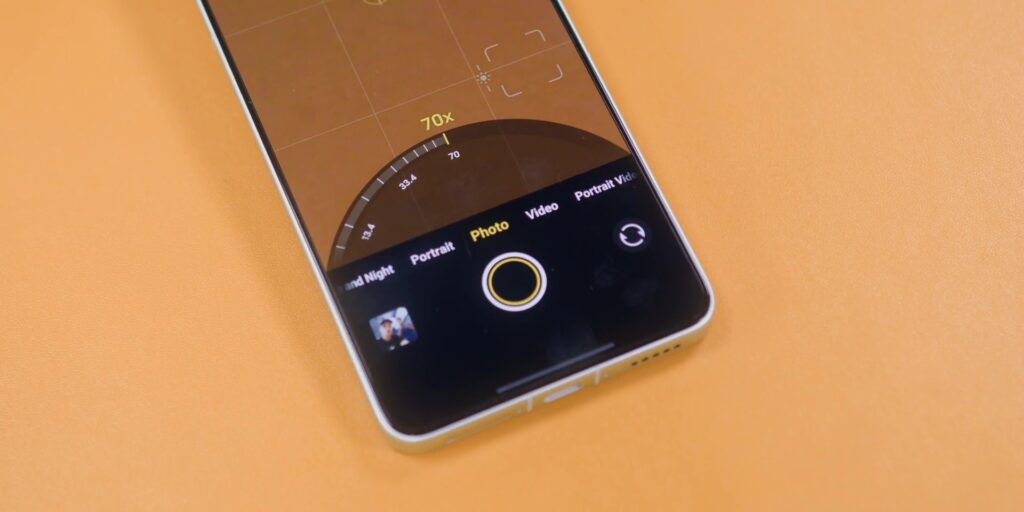
So what I meant by that is that the Pro’s 1x is 36mm and the ultra’s 1x is at 35mm. And while that’s not so much of a difference, where it gets totally different is from the 10x zoom onwards where:
- on the Pro the 10x zoom is at 485mm; whereas on the Ultra 10x mode is 460mm instead.
- Then the Pro’s 50x is 1214mm; while the Ultra’s 20x is 1150mm.
- And the 100x zoom on the Pro is 2428mm; but the Ultra 70x is at 2416mm.
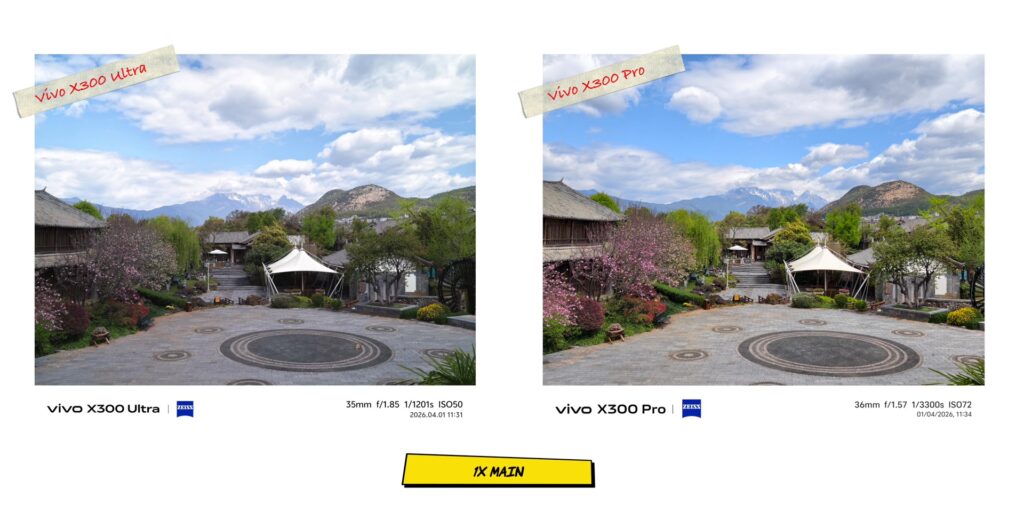
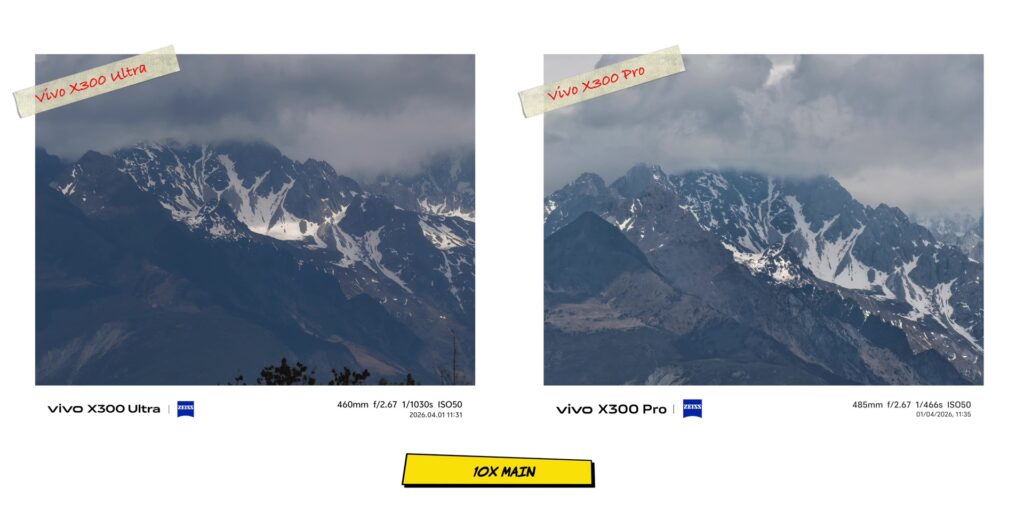
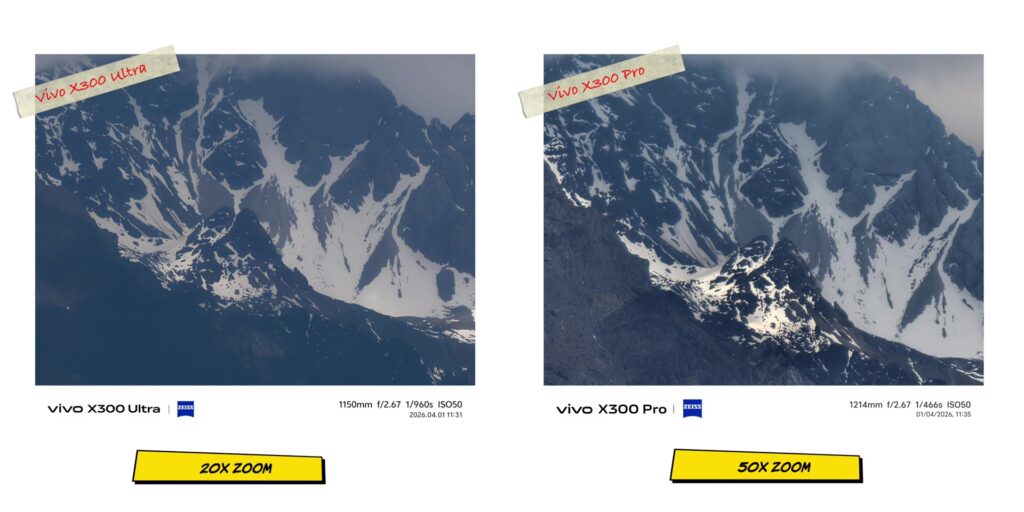
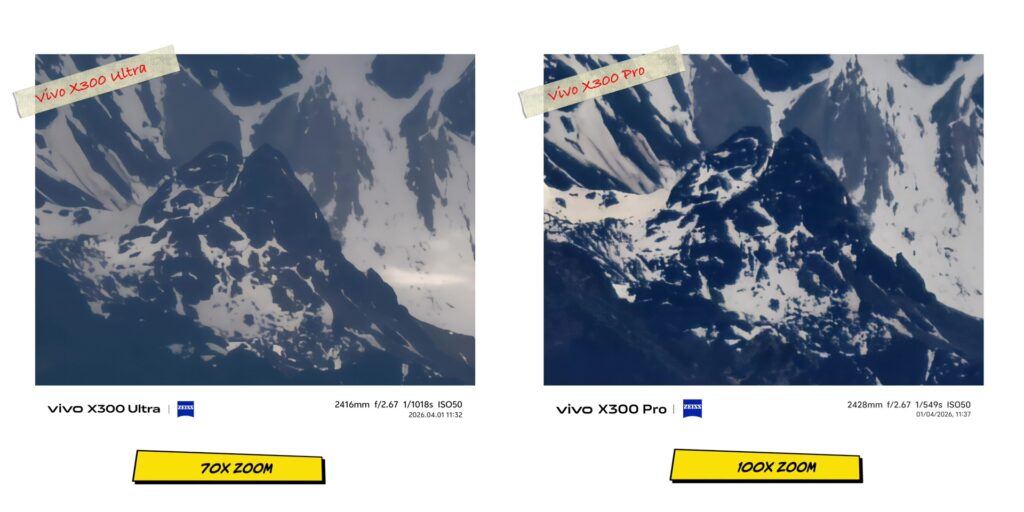
So yeah, while 100x zoom to the 70x zoom seems like a hell of a lot of difference. But focal lengthwise, you’re actually looking at a difference of only 12mm. So yeah, that was pretty interesting and weird at the same time.
Speaking of which, if you’re wondering about the comparison between the Pro and this particular Ultra, when it comes to the overall photos, the main lenses side by side were great throughout the whole entire focal length.
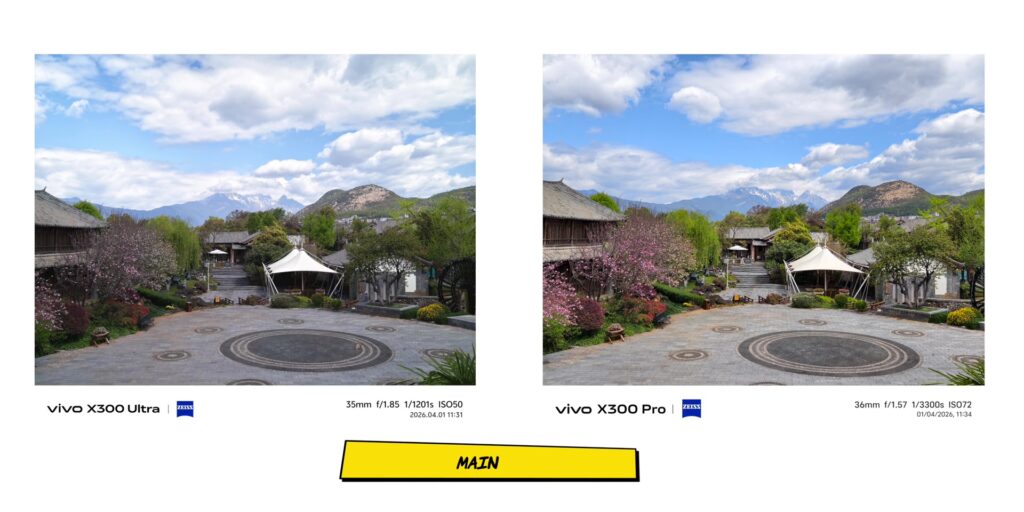
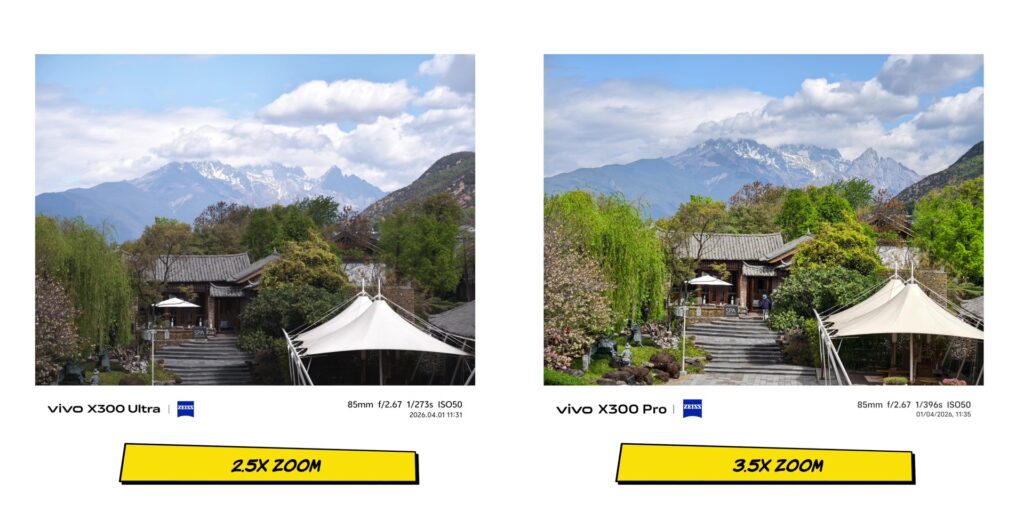
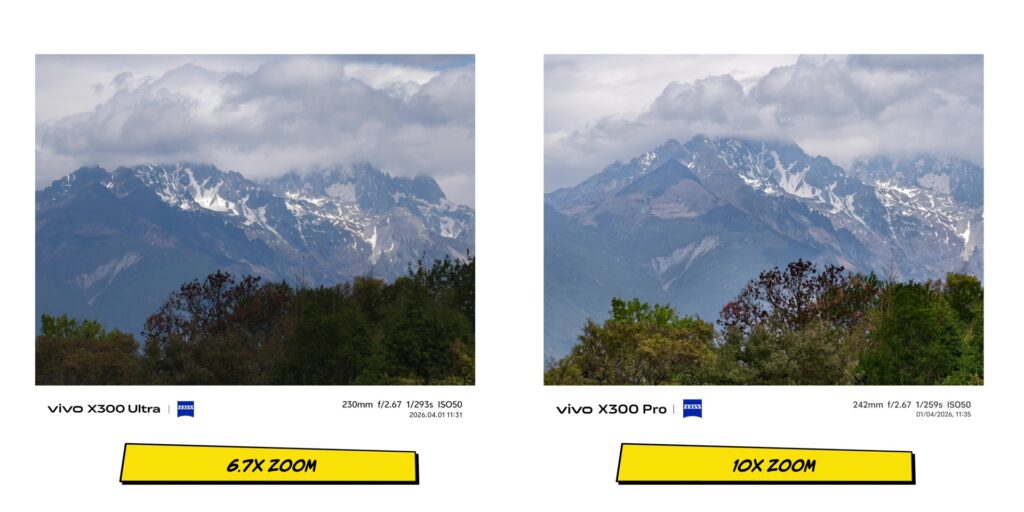
And the Pro is a bit more saturated and the Ultra has more true-to-life colors. And this reminds me of what a comment came from this person named “kittyperez7370″ where she or he commented that it’s like Leica Vibrant and Leica Authentic. But this is using the ZEISS optics.
Which one you prefer? A more saturated look on the Pro or natural style on this particular Ultra? For me, I honestly prefer how the images look less overprocessed, not only for the Pro but compared to any other flagship smartphones.
Stage Mode
So, vivo has had the Stage Mode feature for quite a while right now. And when I was in Lijiang, Yunnan in China during the launch, I sat towards the right side of the stage and I was pretty far away from the stage.
So, I managed to get some really nice close-ups of the presenter and it did turn out great, especially for the 230mm and the 460mm lens. So, I can totally vouch for this Stage Mode on this vivo X300 Ultra.


Street Photography Mode
Speaking of modes, one huge credit that I should give to vivo and probably you should too is because of the fact that they actually really take people’s feedback very well.
And what I mean by that is that vivo organizes this thing called the Blue Talk where they get a bunch of media and creators to give their feedback on the phone’s cameras.
And while I cannot take credit for this particular feature, but I remember very vividly last year when the Pro was launched, someone did actually suggest to vivo to have the Street Photography Mode to be easily accessed in the camera app.
And guess what? if you go and open the camera app and if you swipe all the way to the left, it will have the Street Photography Mode right in the camera app.
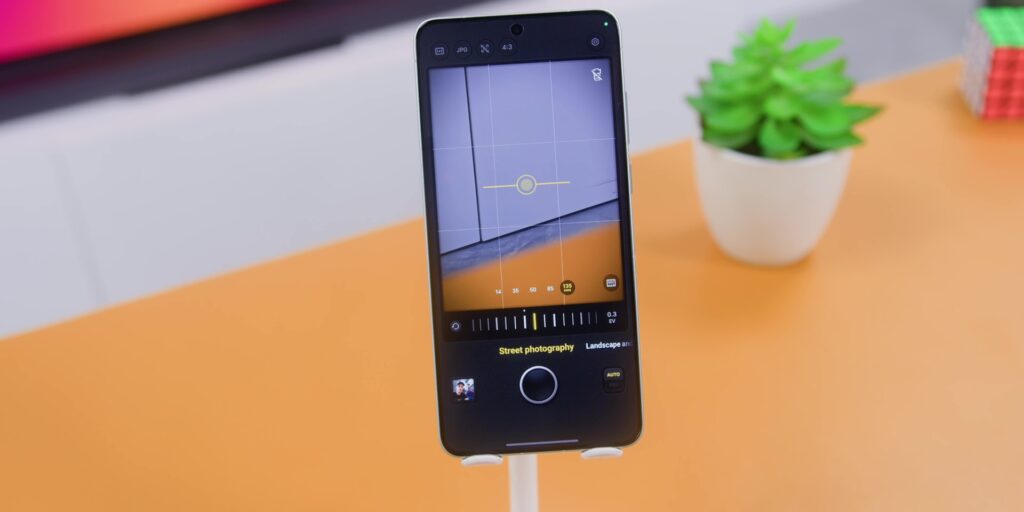
And yes, you will really love it because besides the 14mm ultra wide shots you saw earlier, the color palette and the dark and slightly moody look for all of the focal length look very great and very reminiscent of the Xiaomi 17 Ultra when I was taking photos in Chongqing, China.
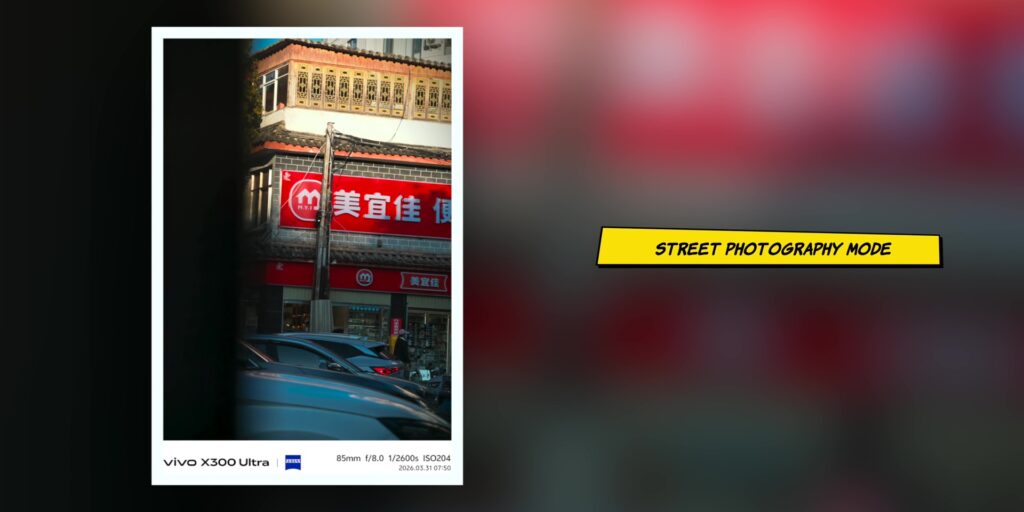
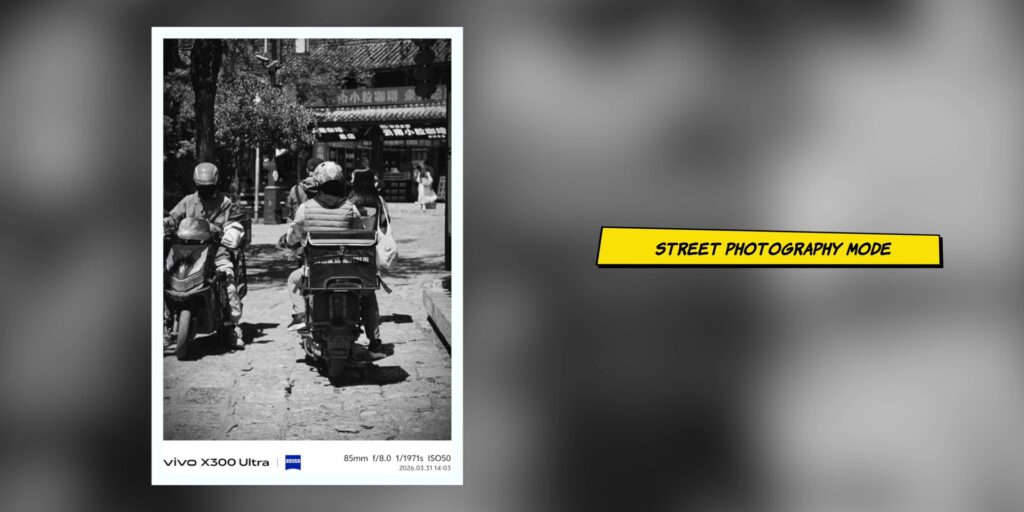
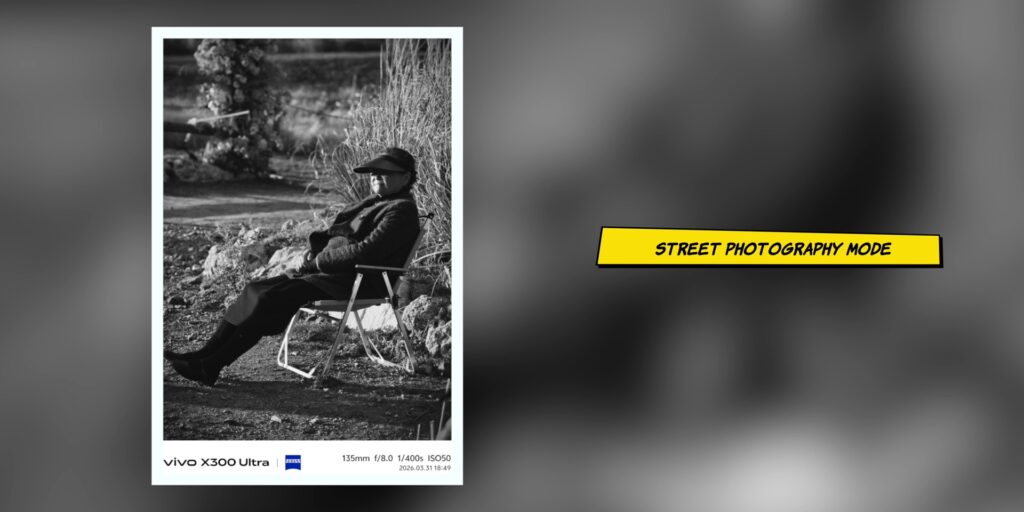
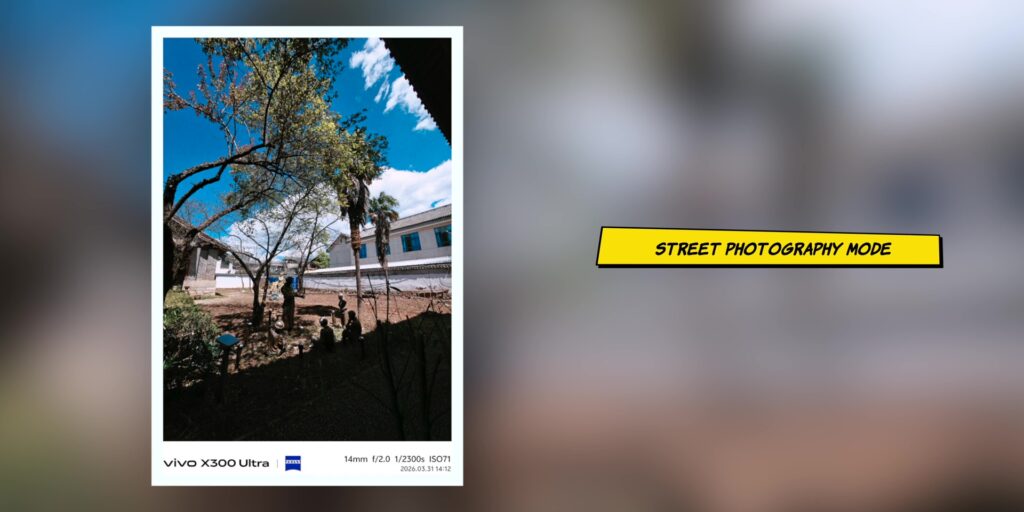
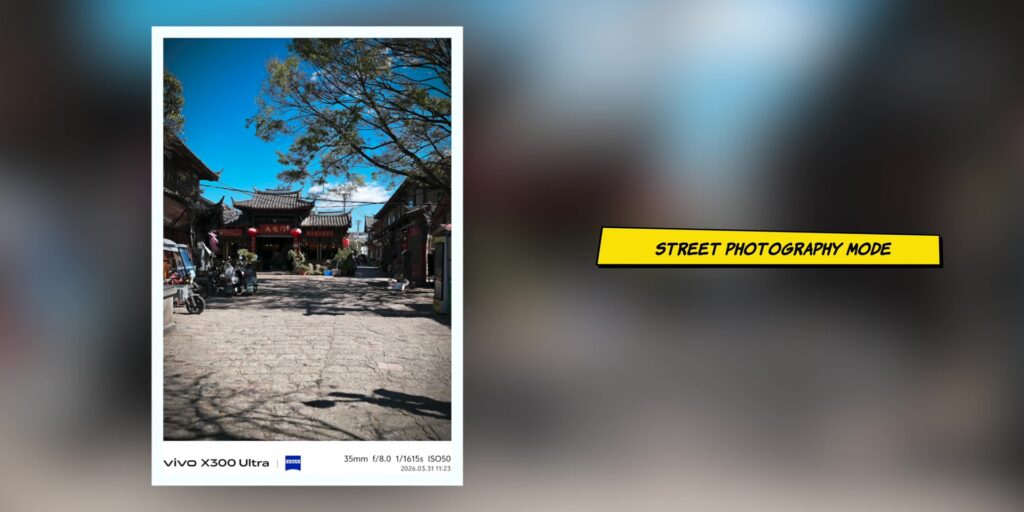
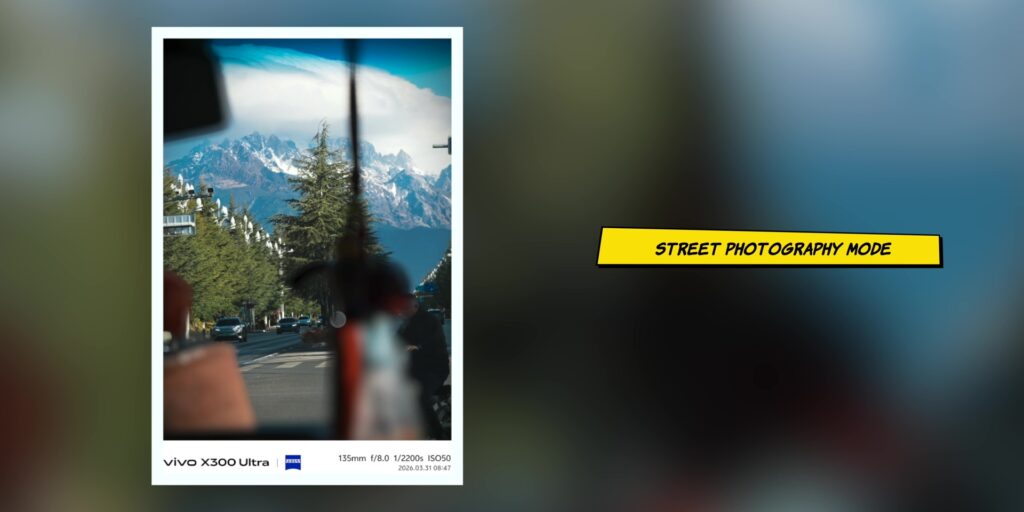
And while they didn’t take cues directly from Xiaomi, it is nice that this dedicated mode is here and also easily accessible.
400mm Telephoto Extender
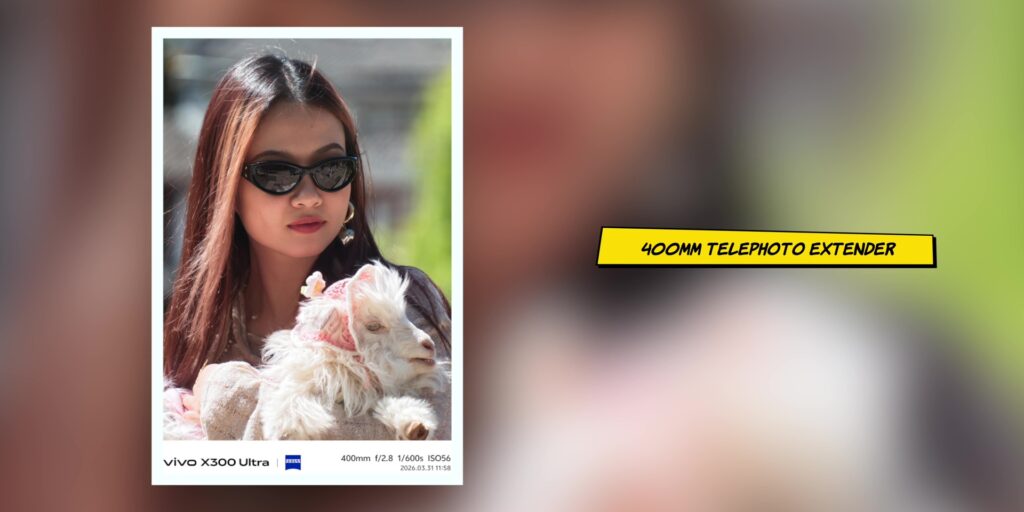
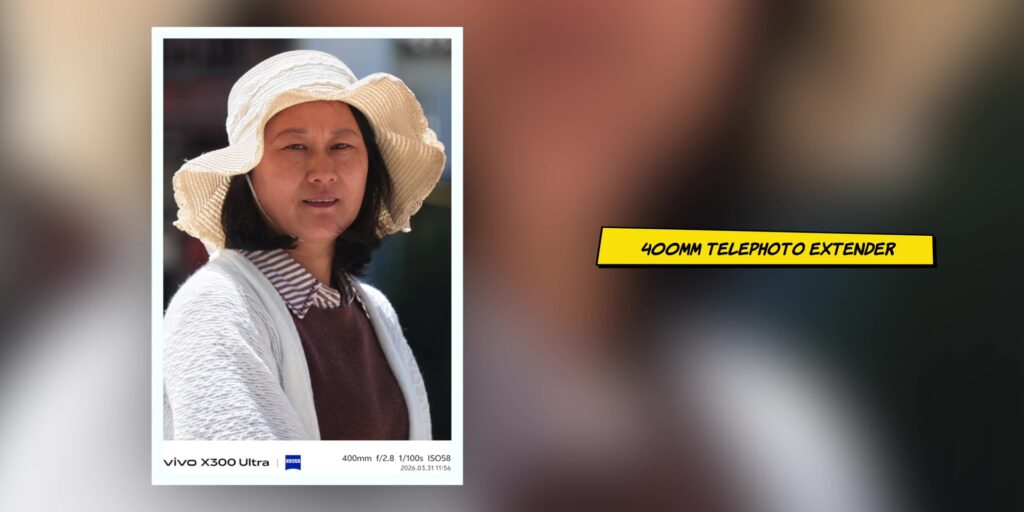
But if there’s one thing that I really wanted to test out is taking photos with a new lens extender which was also introduced together with this X300 Ultra.
So the extender lens was released on the Pro, right? And that was a 200mm lens. This has a new focal length of 400mm and unfortunately I had to give them back hence I do not have one now to show you.
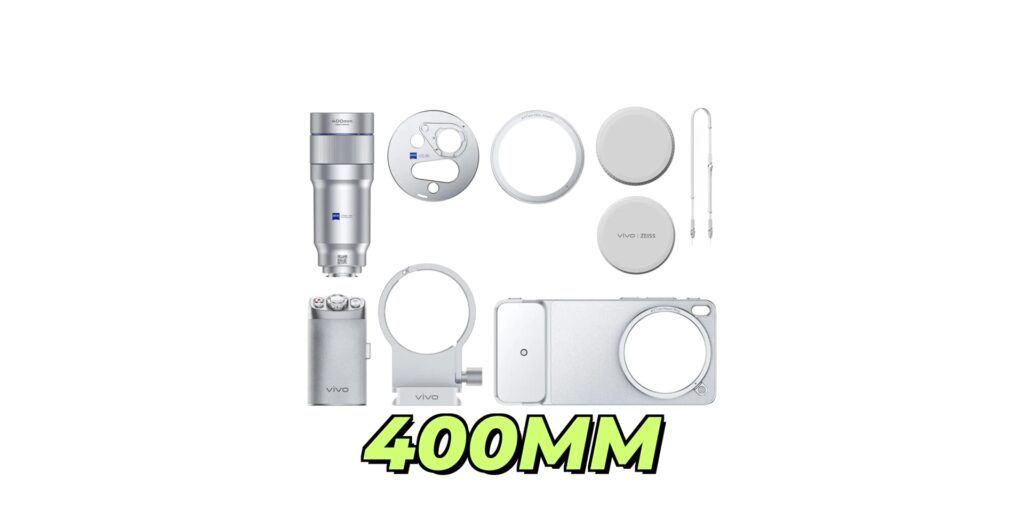
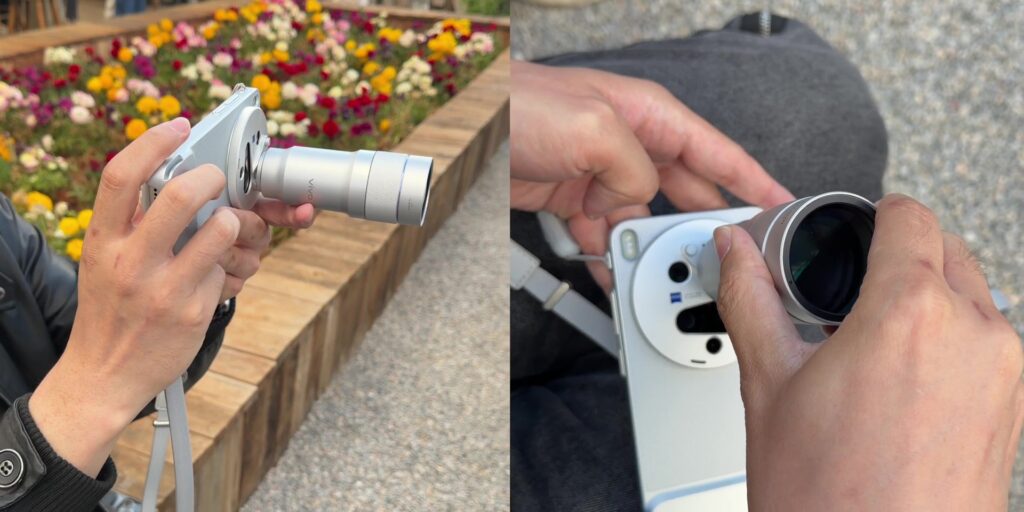
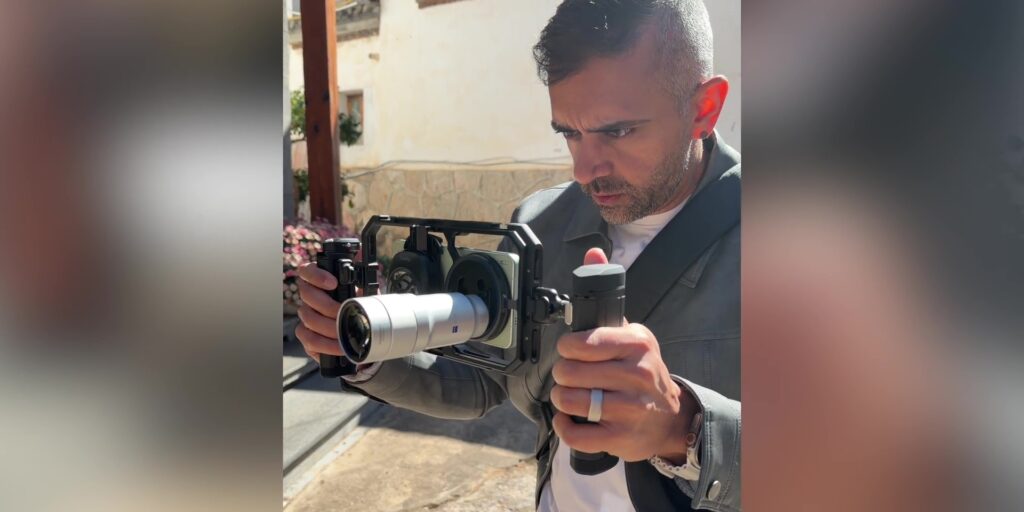
But the good news is that I managed to take some photos and even videos with it. But the video samples are coming later on.
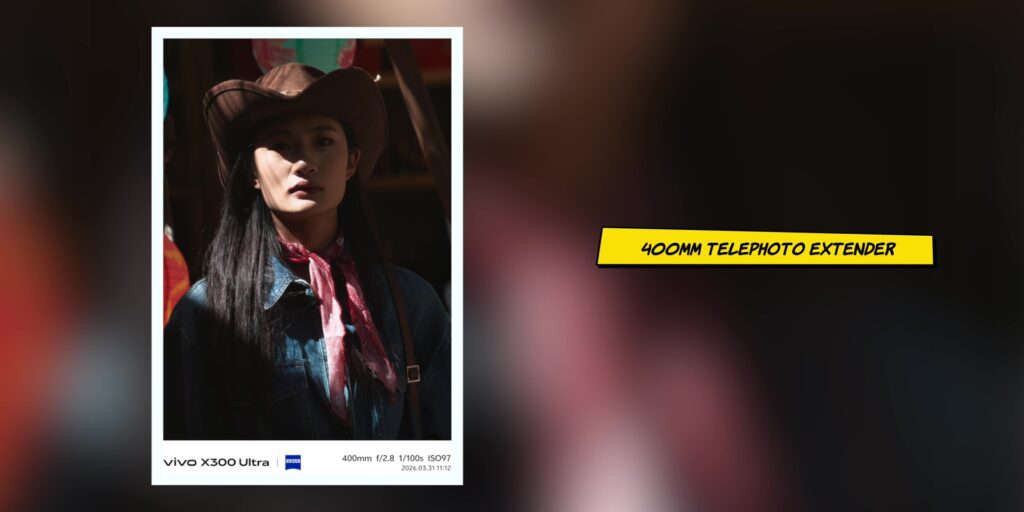
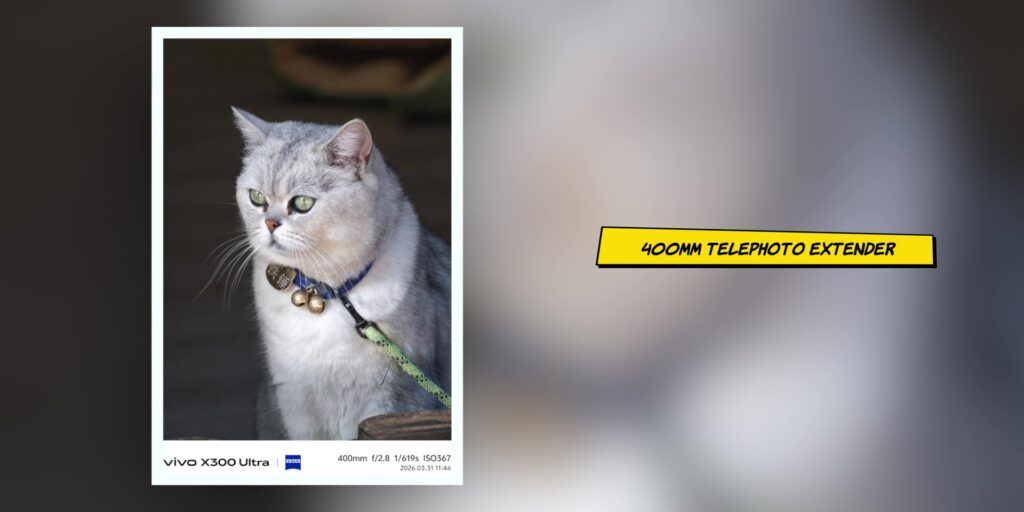
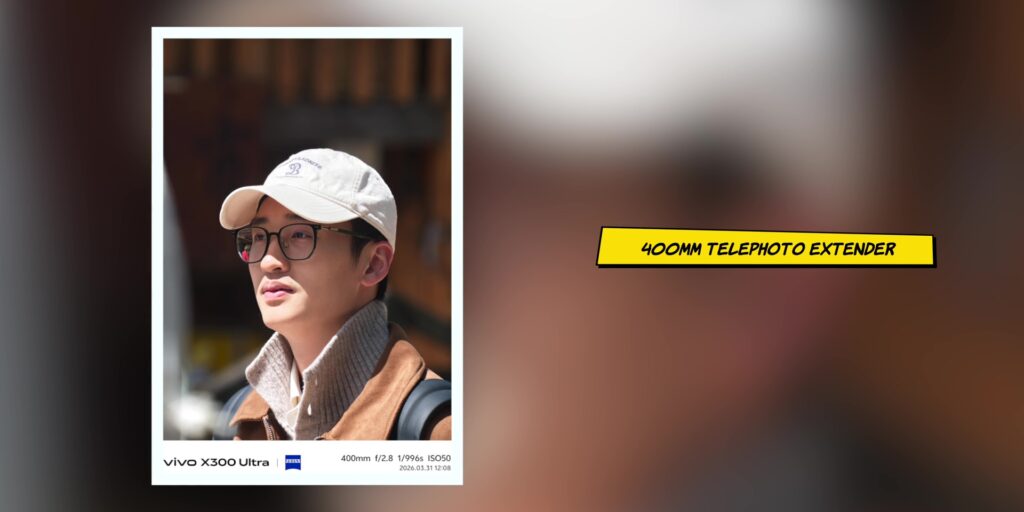
And holy cow. Firstly, the pictures on this 400mm look really great. Nobody in the right frame of mind would even guess that this came from a smartphone, especially if you just remove the vivo watermark as seen in this particular camera sample. It is the ultimate portrait taking lens from afar.
Portrait Mode
But if you don’t have the physical extender lens, not to worry because the good news is that the dedicated portrait mode on this particular Ultra variant also performed exceptionally well.
What’s new on this Ultra is that vivo has given us an option of a 14mm portrait mode or a 0.4x portrait mode. Not sure who asked for that super wide portrait mode, but apparently vivo thought it was a good idea.
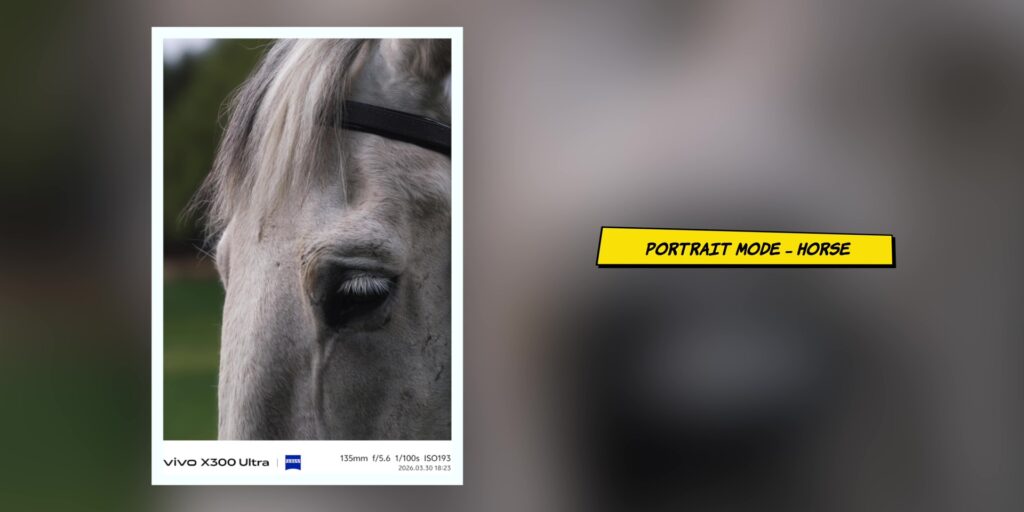
So, does that translate to taking very good portrait photos? Well, to test it out, I took a photo of a horse. Yep, super random, I know.
But since there was a horse there during the launch activation, why not, right? And to my surprise, even with such a wide focal length, the subject to background blur was fully captured nicely.

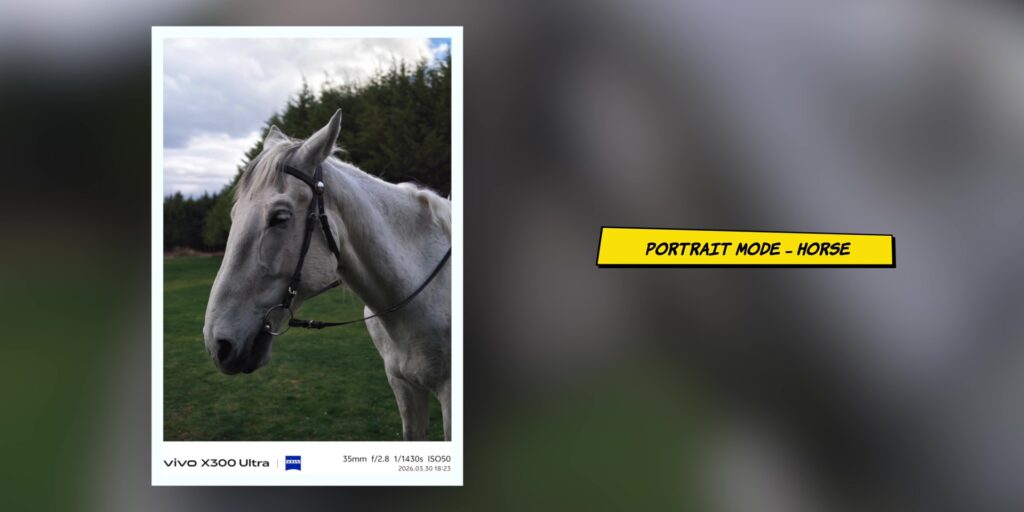
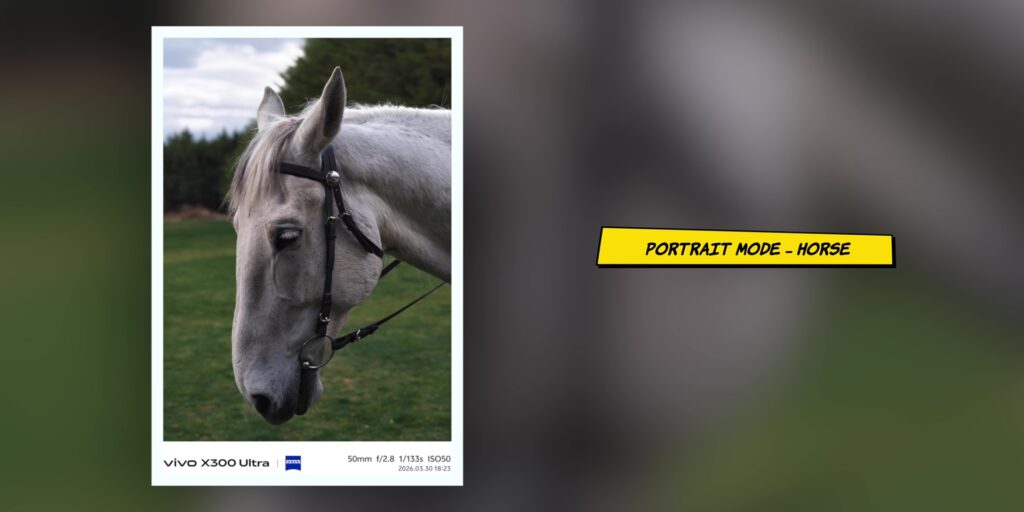

Because who would have thought with such a focal length, there was also a background blur as well. Then the other focal lengths in portrait mode include 35mm, 50mm, and my favorite, the 85mm.
And the 135mm also looks really amazing because the amount of separation that it captured between the horsehair was also very superb.
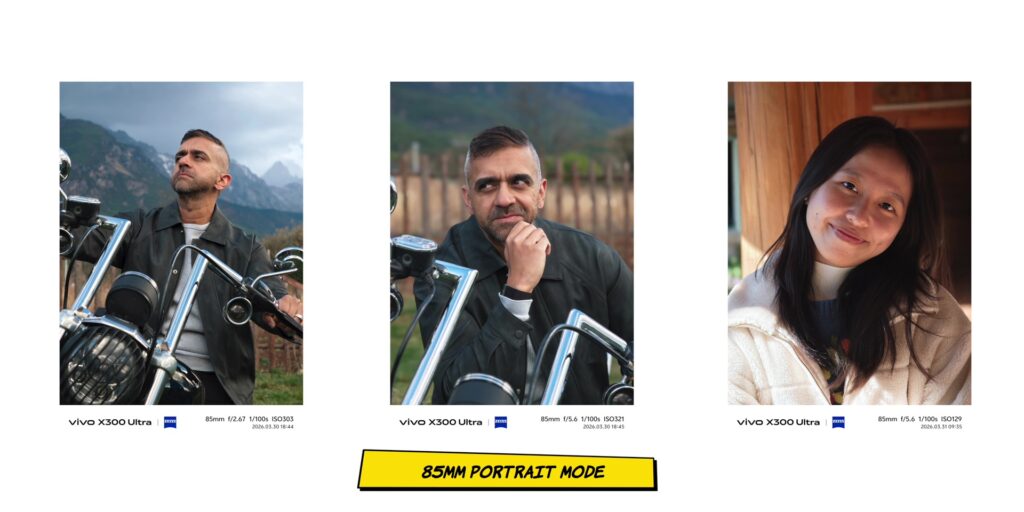
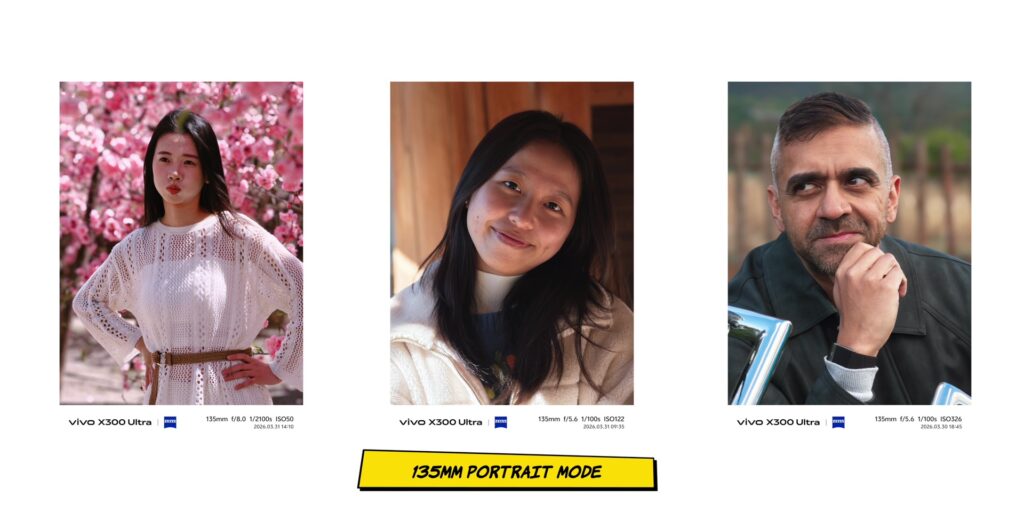
Then moving on to human portraits. The 14mm again looked very interestingly good. So it was for the 35mm and the 50mm.





But once again the biggest yes came in the form of the 85mm and the 135mm. So all of this means that vivo still holds the record for me and I’m sure you would agree too for having the best portrait mode photos on a smartphone camera especially for the 85mm and the 135mm as seen in these camera samples.
Super Macro Mode
But there’s another area that vivo has been very good, especially since the X200 series onwards, which is the Super Macro Mode.
And while there are five focal lengths to choose from in the camera app, the one that I felt that look the best in terms of balancing the right distance to the subject and also easy to focus situation would be the 85mm firstly, which is the 2.5x zoom.
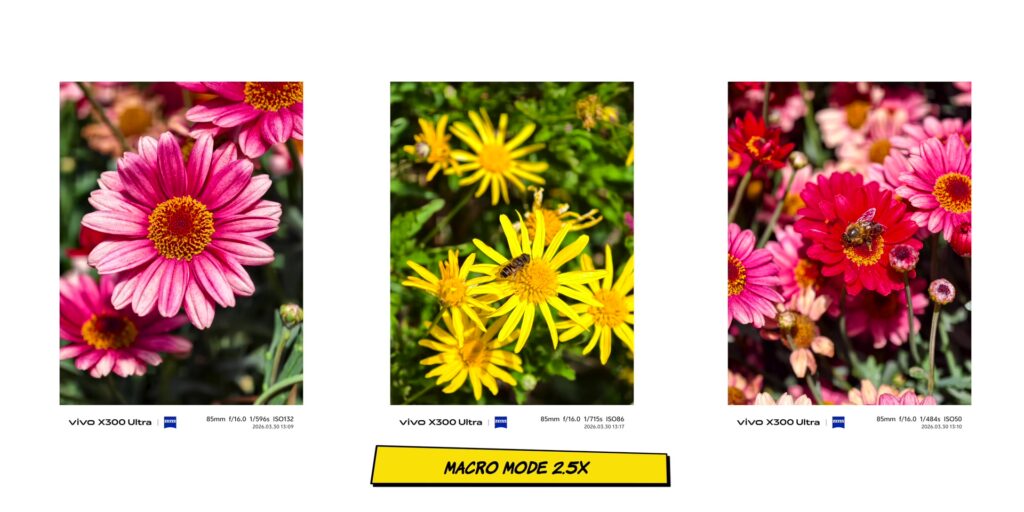
And the second one would be the 6.7x zoom or 230mm where it was perfect when you see a bee hopping on a flower without scaring the shit out of it by putting it close to the camera.
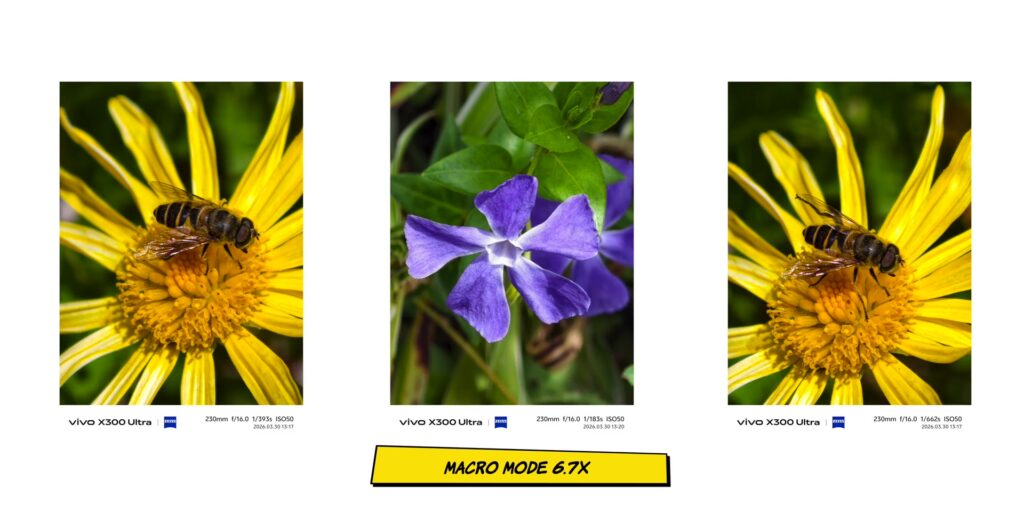
This was a very good focal length. So you can just switch it to the 6.7x zoom and you’re done. Super effortless and clean.
Selfie
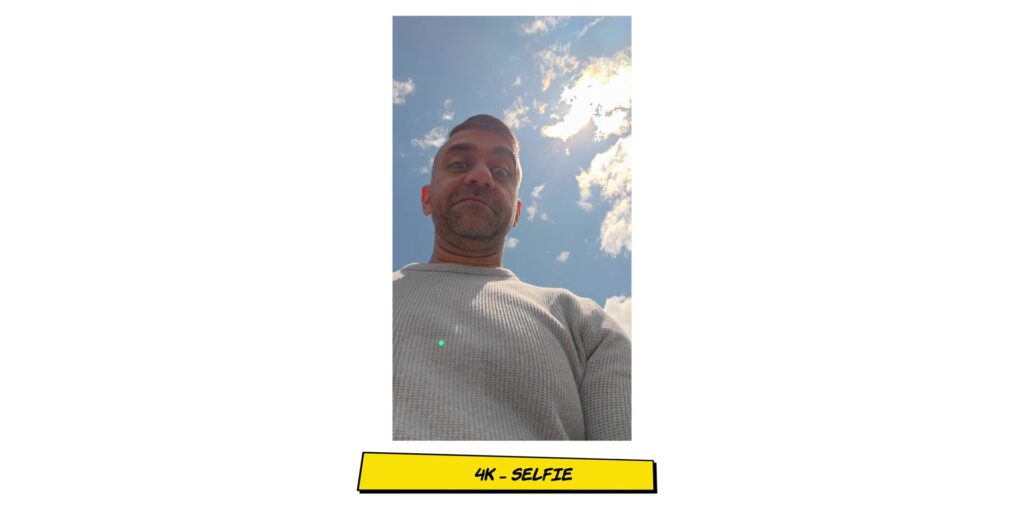
But as for the selfie photos, there was the good and the not so good. The good news is that if there is light in front of you, you will get one of the best portrait selfie shots ever on the flagship.
But if you have some sort of a backlit situation either on the side or even worse from the back, then you might actually look pale like what you see over here.
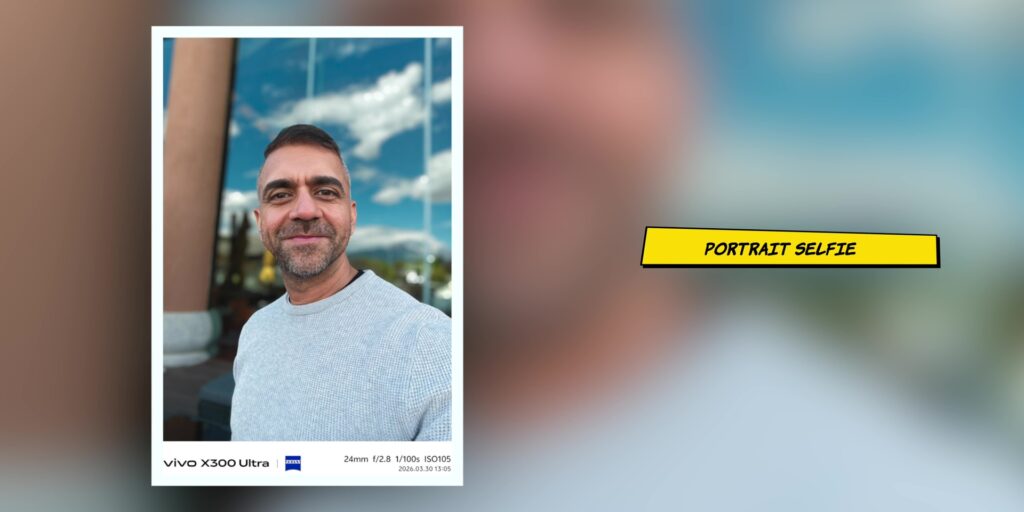
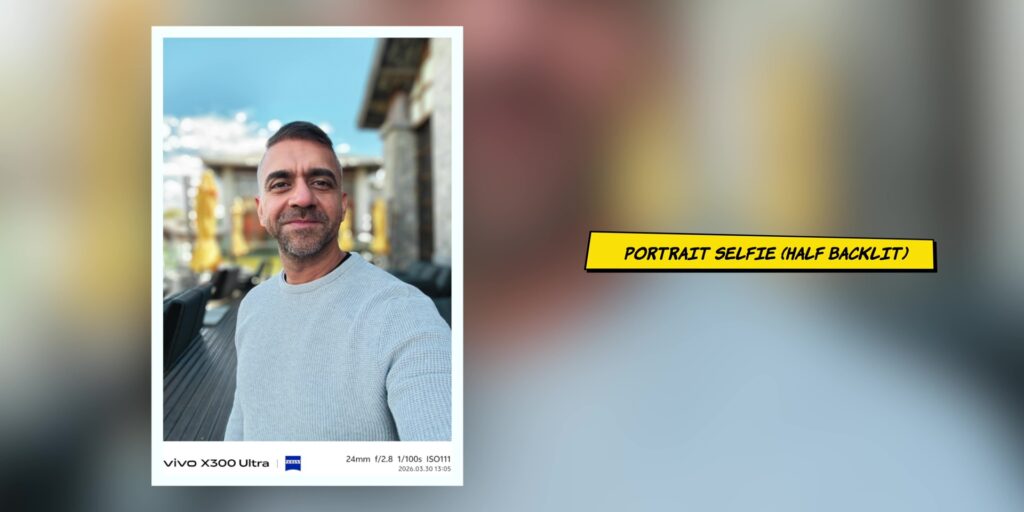

So probably this is the only Achilles Heel of the phone’s front camera. But then again, that could be fixed with a software update. So keep that in mind.
Night
But all of the sample photos you saw during the day was good, right? But how about when it comes to nighttime?
Well, every phone is going to perform damn well during the day, right? So, before leaving China, I took some few night shots over there and a lot when I came back to Malaysia because all of this only matters more if the night photos was really good. So, let’s check it out.
Night Ultrawide
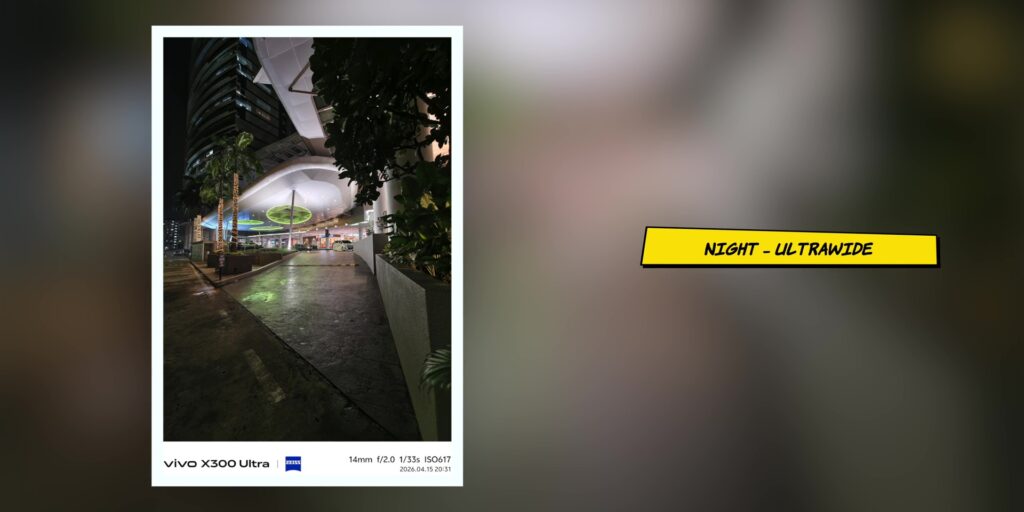
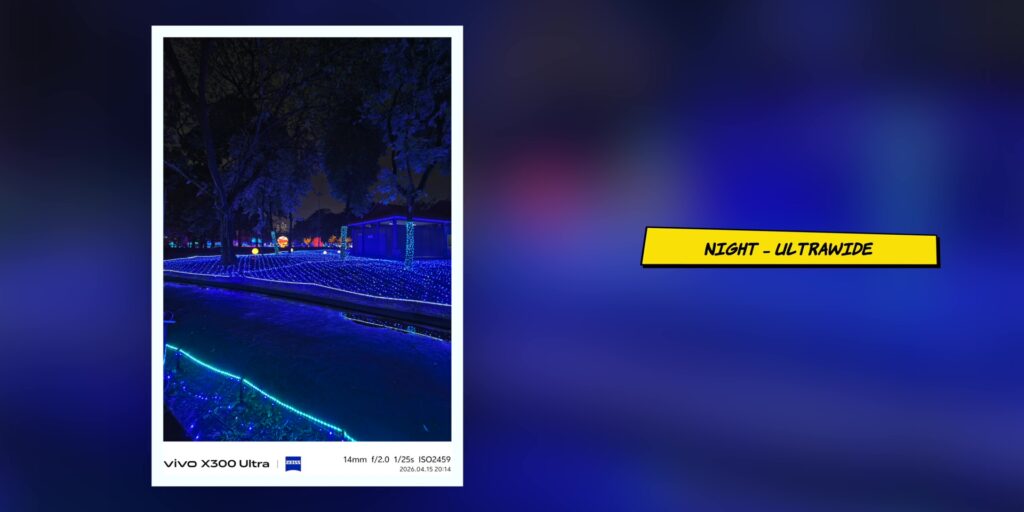
So, the biggest improvement started from the ultra wide lenses because if you watch my in-depth camera review of the vivo X300 Pro or the in-depth review of the vivo X300 Pro, that phone had issues when it comes to overexposing the image, especially the skies area, almost making a night photo look like it was taken during the day.
So, I had to touch the screen and bring down the overall exposure just to get the right exposure. And here’s where I will humbly take credit for this particular feature because I gave the feedback of telling vivo about this particular overexposure issue.
And guess what? There’s no such issues right now on the Ultra. So, taking photos at night was totally effortless whether or not you’re in a very dark natural area or a combo of mixed lighting and taking photos directly at the neon lights.
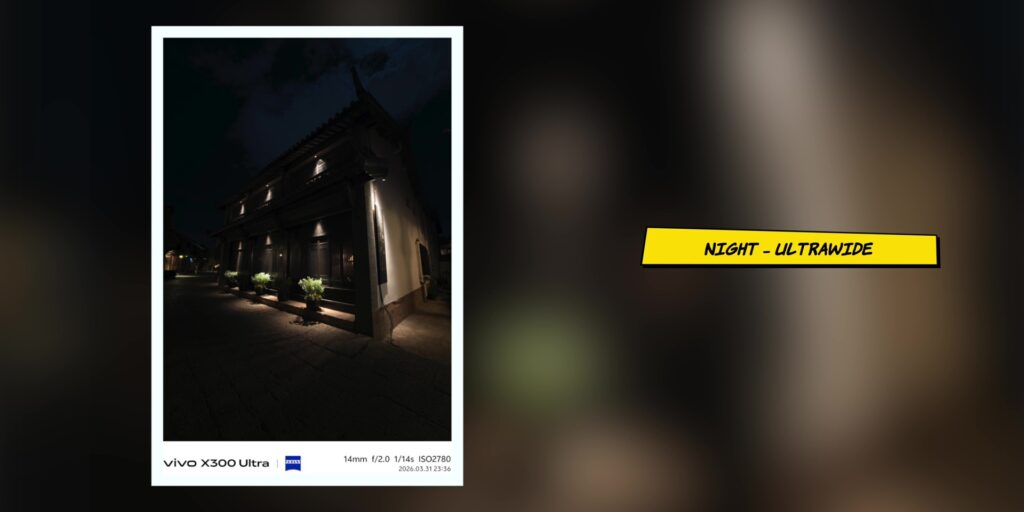
Main + Zoom Night
And of course, the main lenses captured the best of the shadows and the highlights very well, just blending effortlessly.
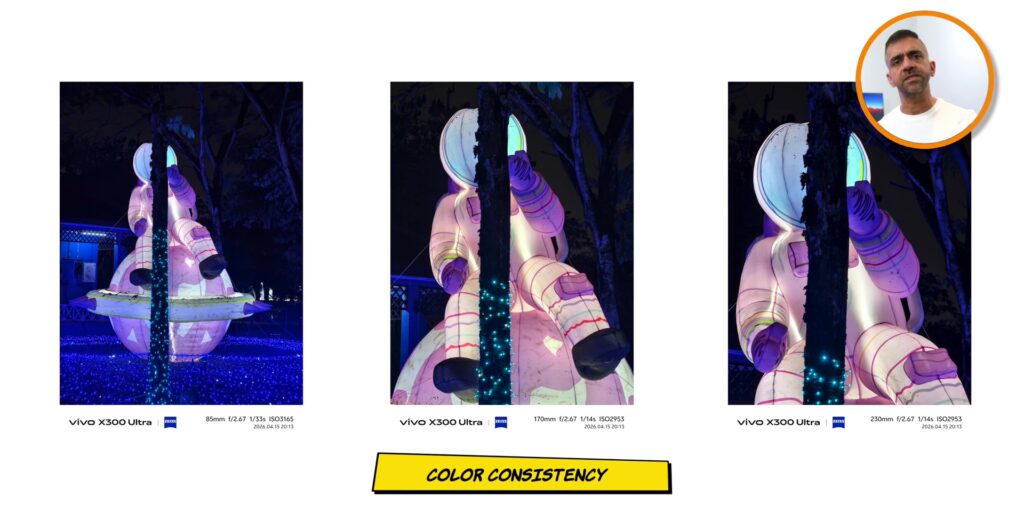
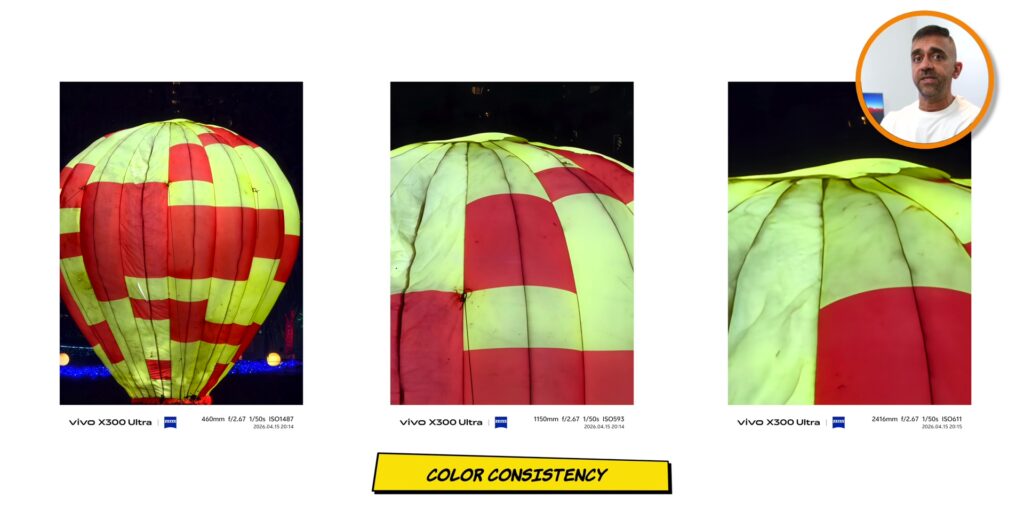
But the biggest quality factor once again is the consistency, my friend. Because just like how it was during the day, the color consistency and even taking photos towards a lighted feature was really nice.
Portrait Mode Night
Then the nighttime human portrait photos also perform as good as the day too. Not something that you usually say on a smartphone, even if it’s a flagship.
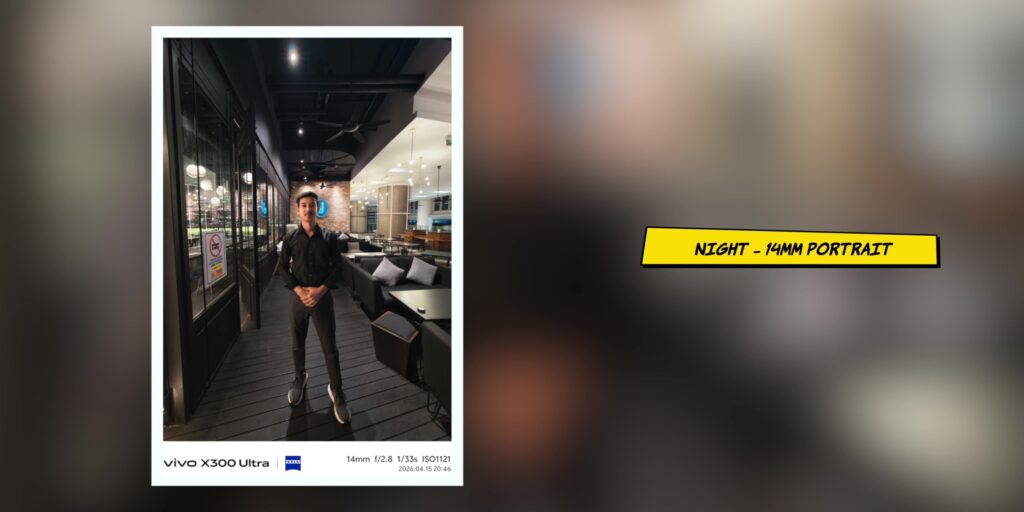
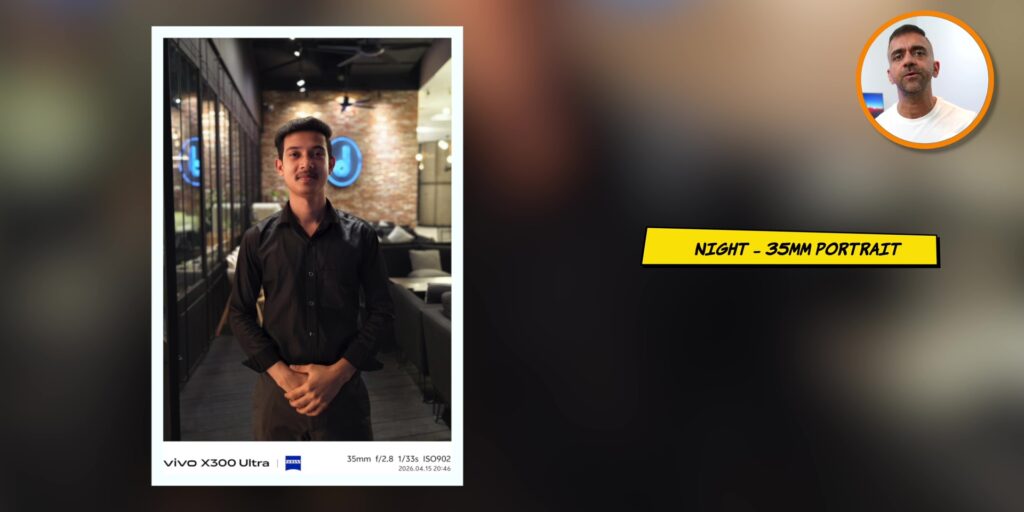
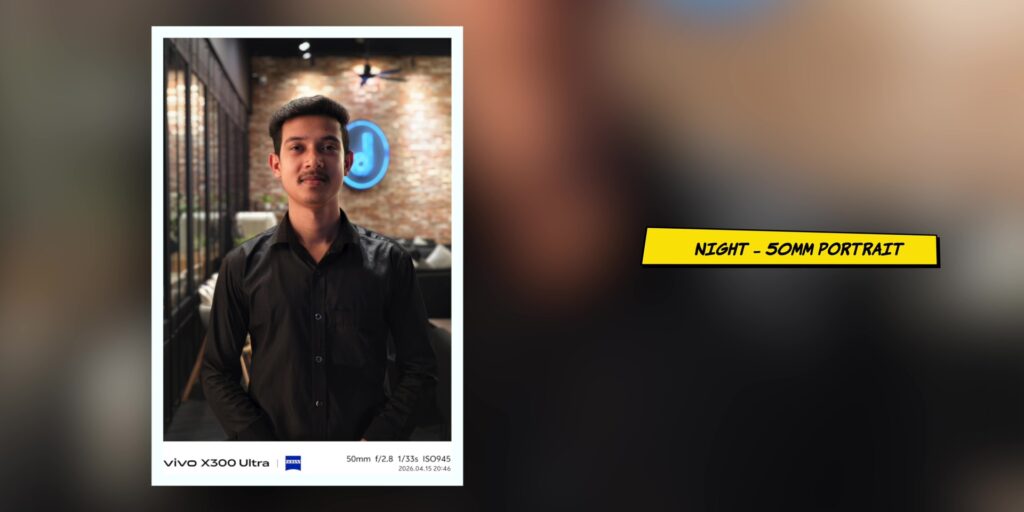
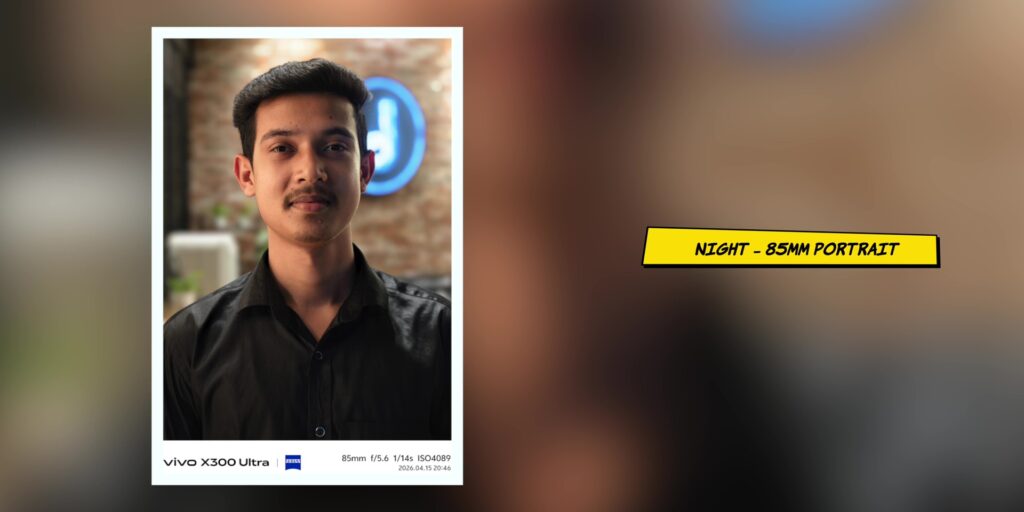
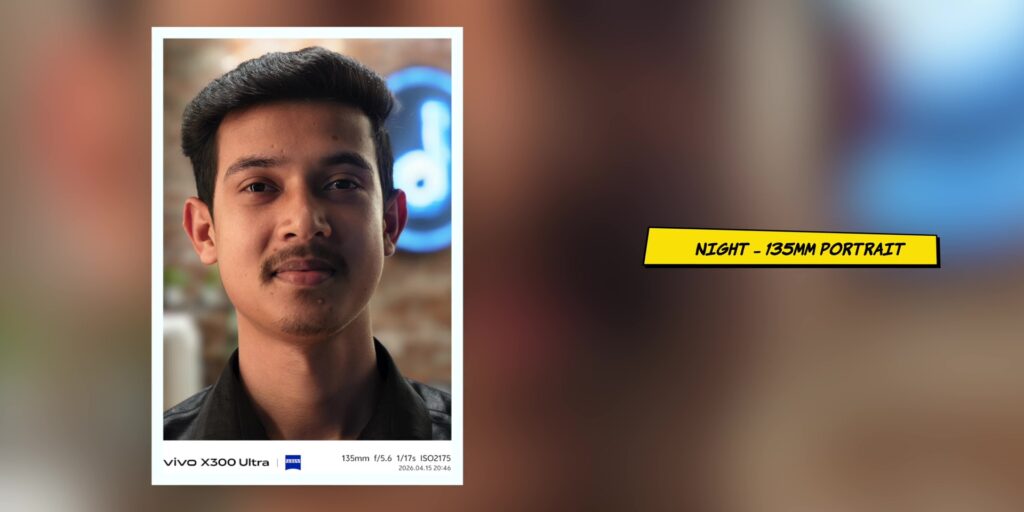
But what really stood out to me was from the 50mm onwards where you can see the amazing shadows on the side of his face, balancing it and blending it perfectly where the shot looked very intentional where I assure you I just asked him to stand there and he was very kind enough for me to take the photos without thinking of anything at all.
But do keep a look out if you have lights coming at the back of the subject though because while the light bulb at the back of the girl was shot on this particular 85mm stay sharp without any glow or overspilling the lights at the back did look a little different when it comes to the 135mm.
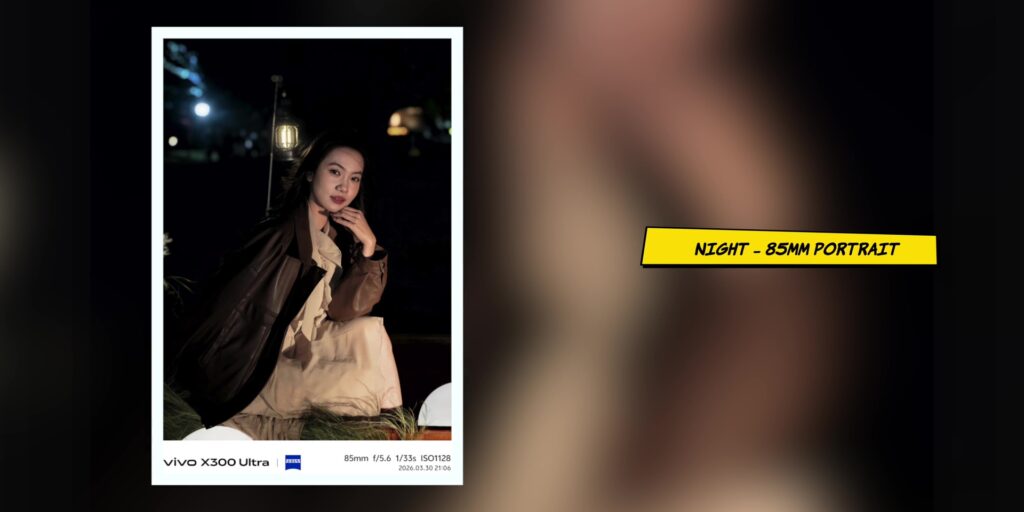
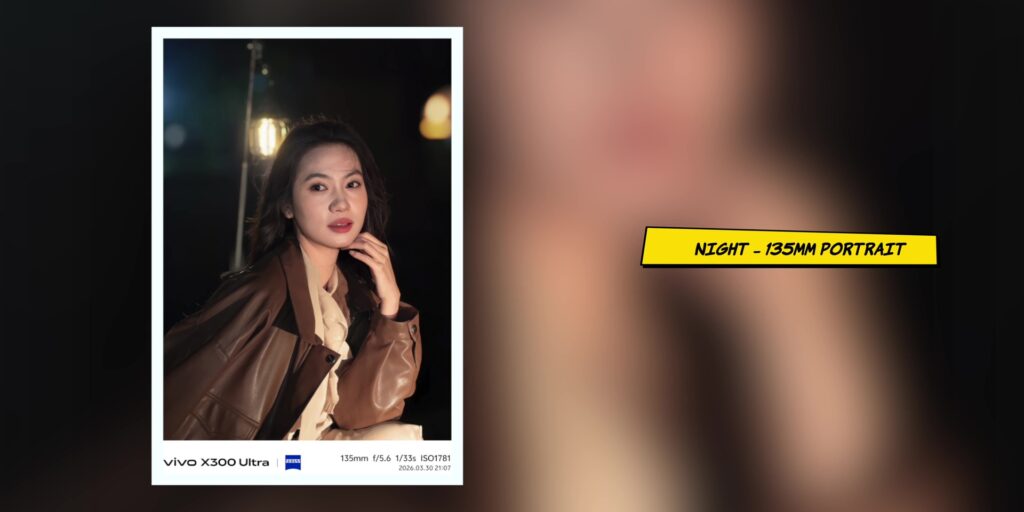
It didn’t turn out bad or anything but as mentioned this is something that you should look out during a low lit situation.
Night Selfie
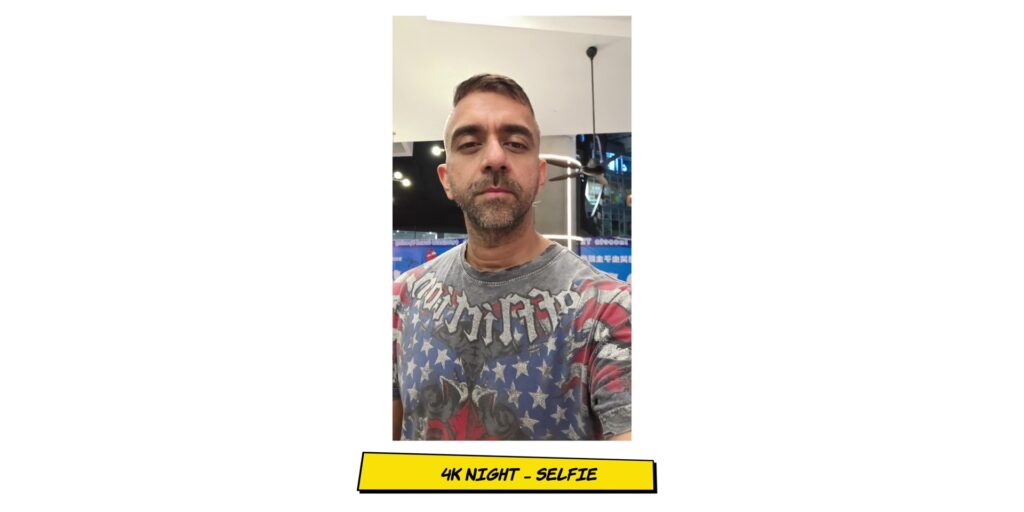
Then as for taking selfies at night, it looked great as long as some amount of light on your face and back lit situation was not an issue this time around where even the background blur flowed very well.
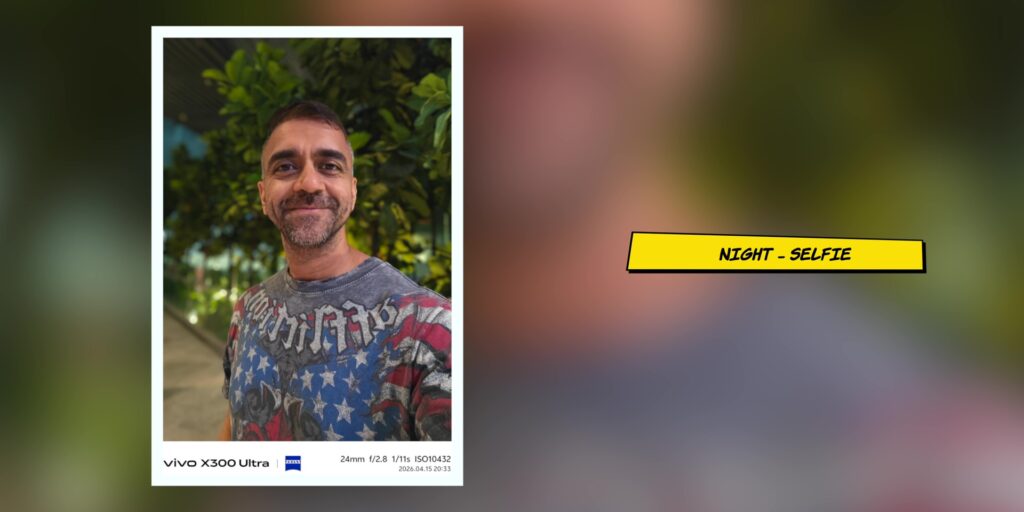
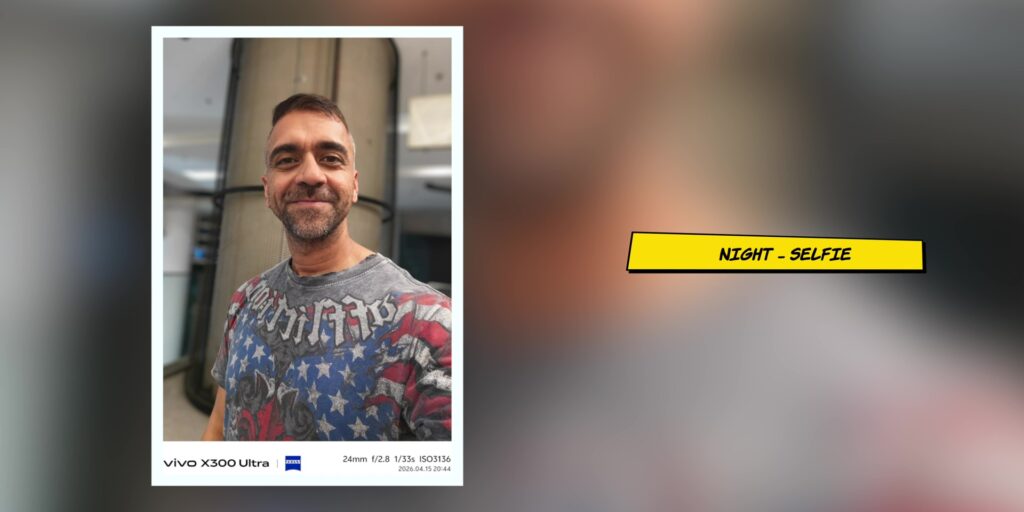
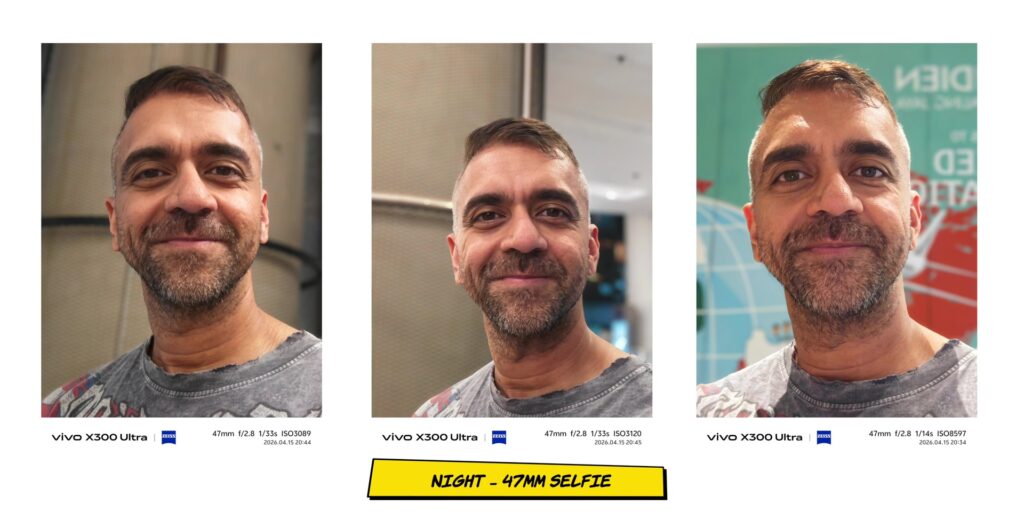
There’s also the zoom in feature on the selfie going from 24mm to 47mm. Well, I’ll take Vernon’s code of asking this because who asked for this? Because I still do not understand why does this zoom in 47mm exists.
Video
[Sample video footage are on my YouTube video]
For years, vivo has always known to be the photography king, right? Well, for this new Ultra, vivo’s extra attempt is making the video quality as good according to them. So, let’s find out if that’s really true, shall we?
Firstly, the phone’s 8K video for the ultra wide, the 1x, and the 2.5x was really good, but depending on the scene, even the 5x, and even the 6.7x zoom can be just a little noisy in the footage.
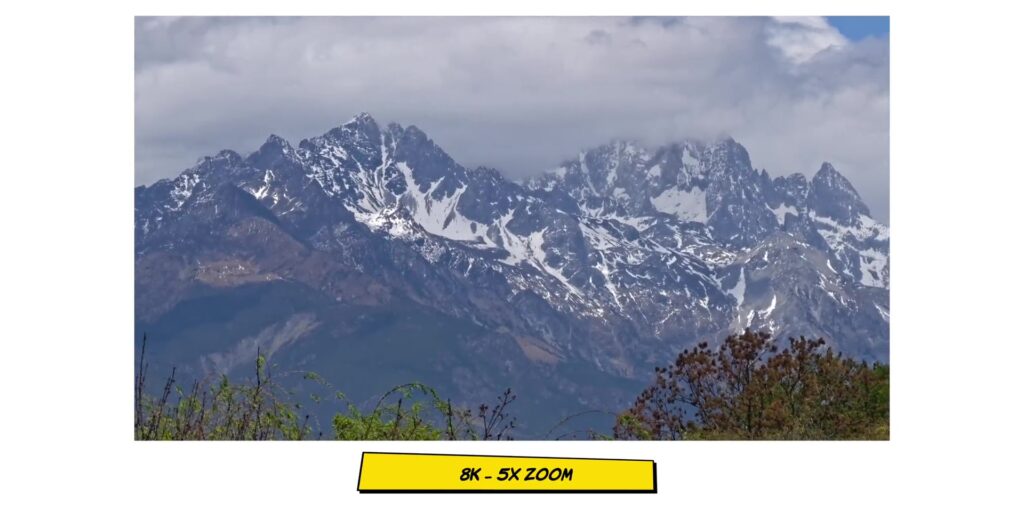
And the same could be said for the 4K video on the ultra wide, the main lens, and the 2.5x as well. But the degrade of footage was a bit more prominent from the 5x onwards for the 4K compared to 8K.
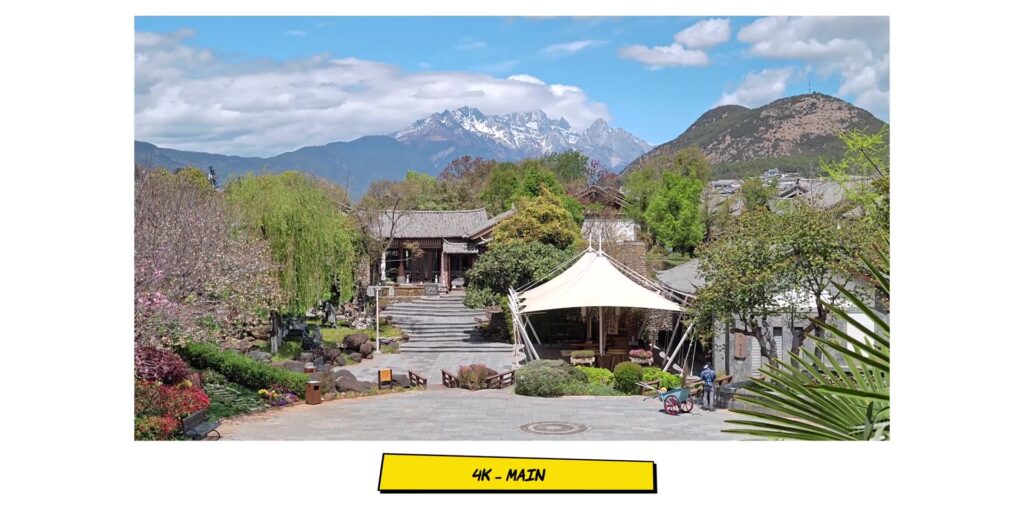
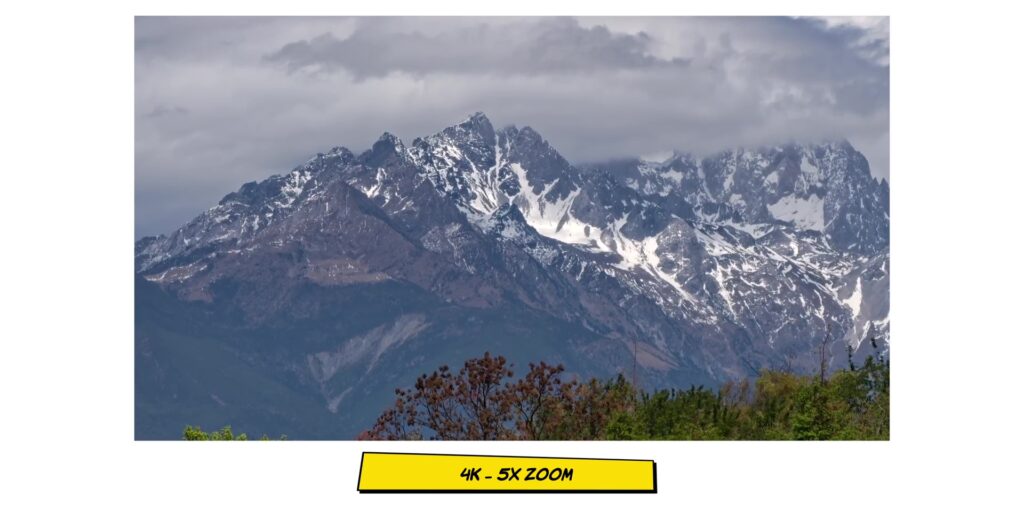
So my advice is just to stick with the ultra wide to the 2.5x max to get the utmost and best quality.
But stabilization though that was totally a different story because while you and I would have predicted that the ultra wide and the main lenses would do an excellent job of that which it did do well.
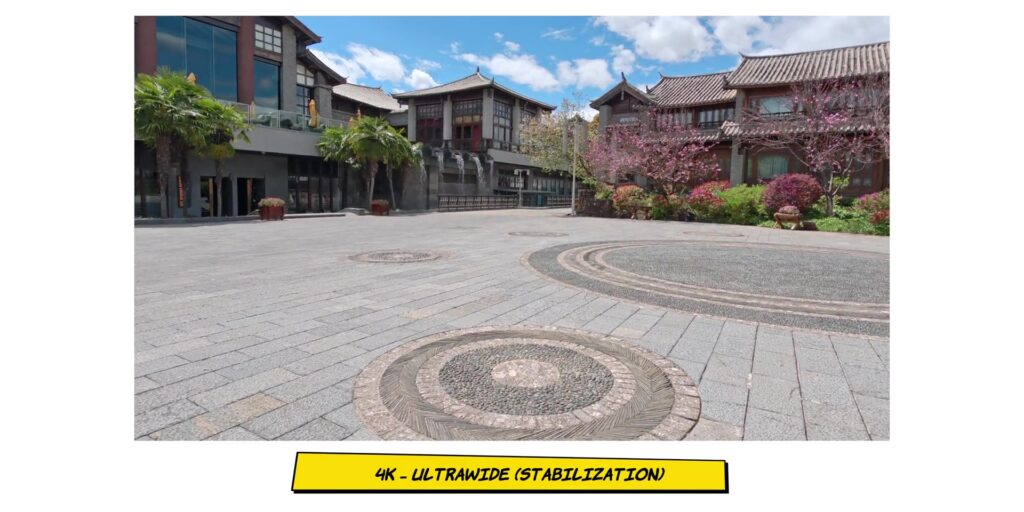
But what really surprised me and I’m sure it will surprise you was how good the stabilization was for 5x and even 6.7x as well.
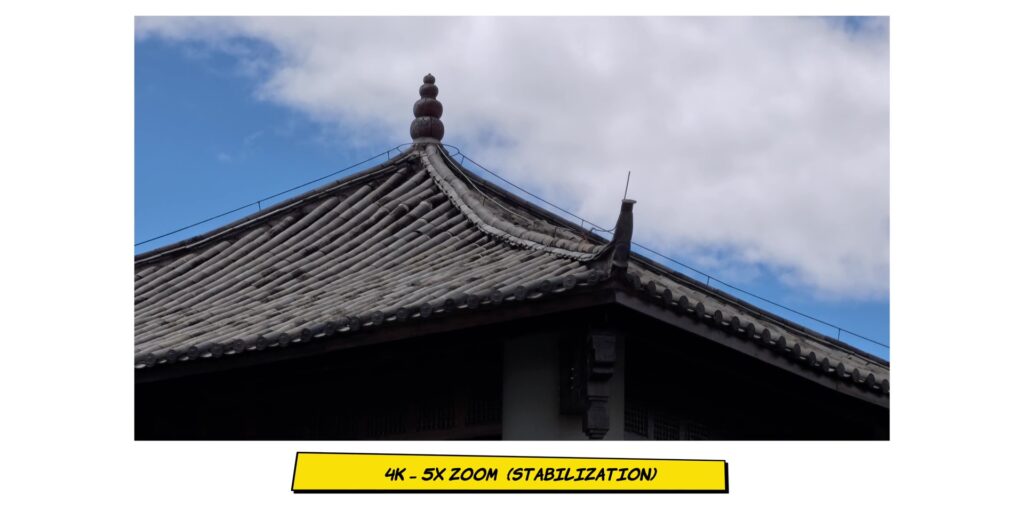
Then switching to a higher resolution of 8K while the ultra wide, the main and the 2.5x zoom were great. But the stabilization from 5x onwards was not as great.
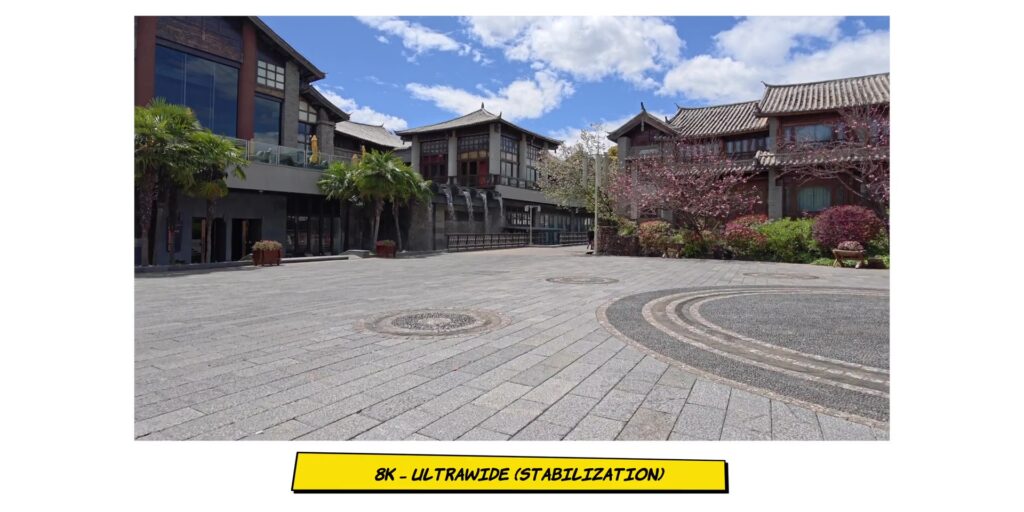

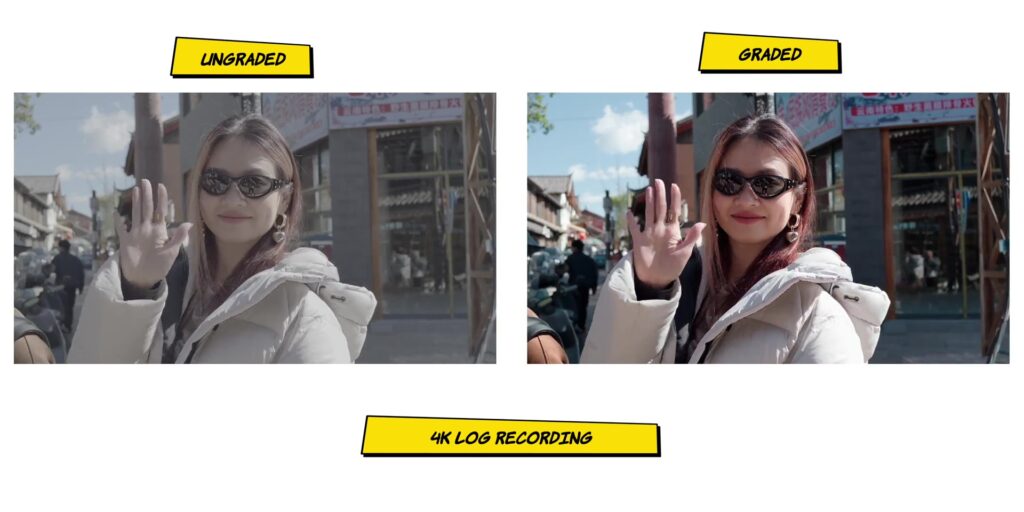
However, another area that has a really great improvement is the LOG video recording as a video quality and the dynamic range was really good at 4K resolution.
And also new is vivo’s introduction of the Pro Video camera app which reminds me of the Blackmagic camera app where you have to download that separately.
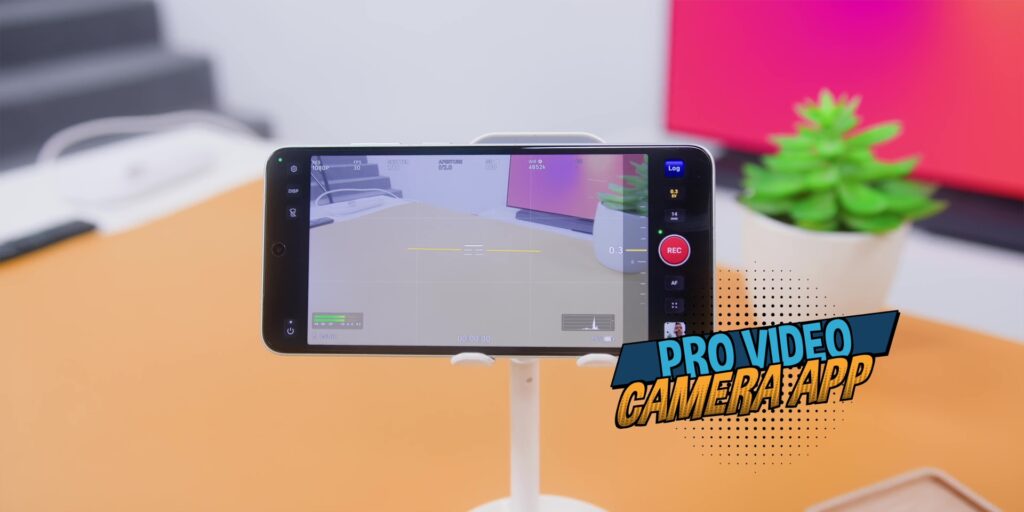
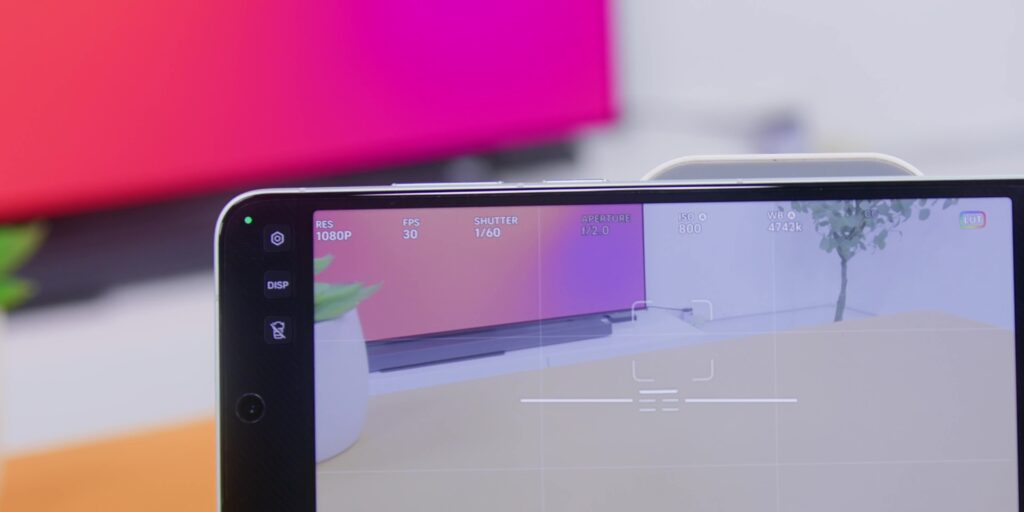
So it is nice that you can find all of the easy adjustments everything over there like the resolution, frame rate, shutter speed, ISO, white balance and more including preview with LUTS changing lenses and metering options too.
So yes, vivo are clearly saying that you don’t need to download another pro app now because they have this builtin.
400mm Telephoto Extender
In this footage you can see my buddy Joshua is using the telephoto extender lens. I obviously wanted to get some video shots too. So let’s check it out.
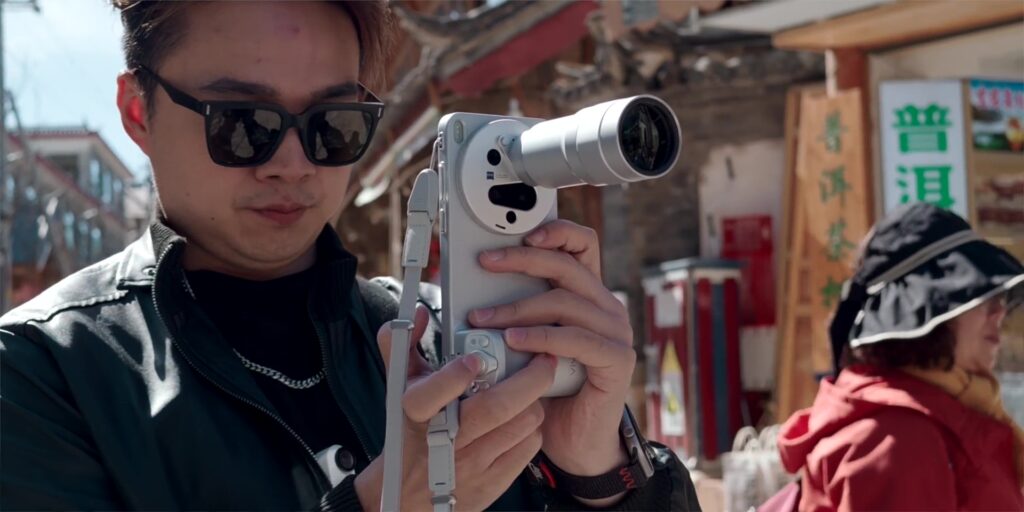
And yes, the quality was so freaking good. The focus was effortless. The shallow depth of field was as good as any cinema camera out there.
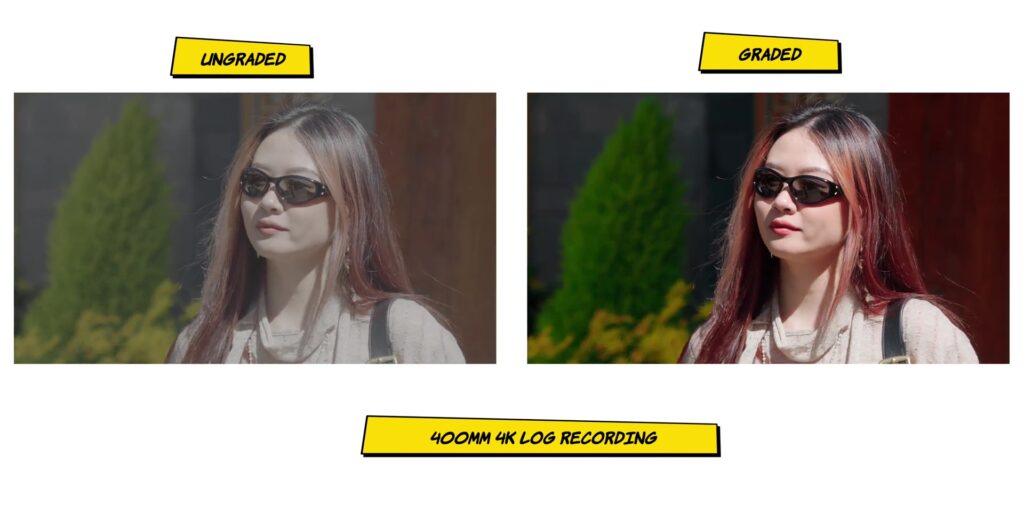
And trust me, I use a Blackmagic camera app for all of our videos. So the results were really similar and definitely better than any mirrorless cameras.
4K 120fps
Then another thing that I test out was the 4K 120 fps slow-mo. And yes, the quality for the ultra wide, the main and the 2.5x was really good, but you will see a drop in quality from the 5x mode onwards.

Front Video
However, the area that has a massive improvements over any other vivo phones is the front video camera because not only the quality and the stabilization were amazing, but the dynamic range though was so good to a point that I pointed the camera directly at the freaking sun and yet it was not overexposed. Even the clouds next to it was visible. Like, holy mother of God, guys.
Night Rear Video
While we all know how great nighttime photos were, but let’s look at the video quality at night. As expected, the 8K video was great from the ultra wide lens, the 1x, the 2.5x, all the way to even 5x as well, where it didn’t do an iPhone where give the typical lens flare when taking videos against the lights.
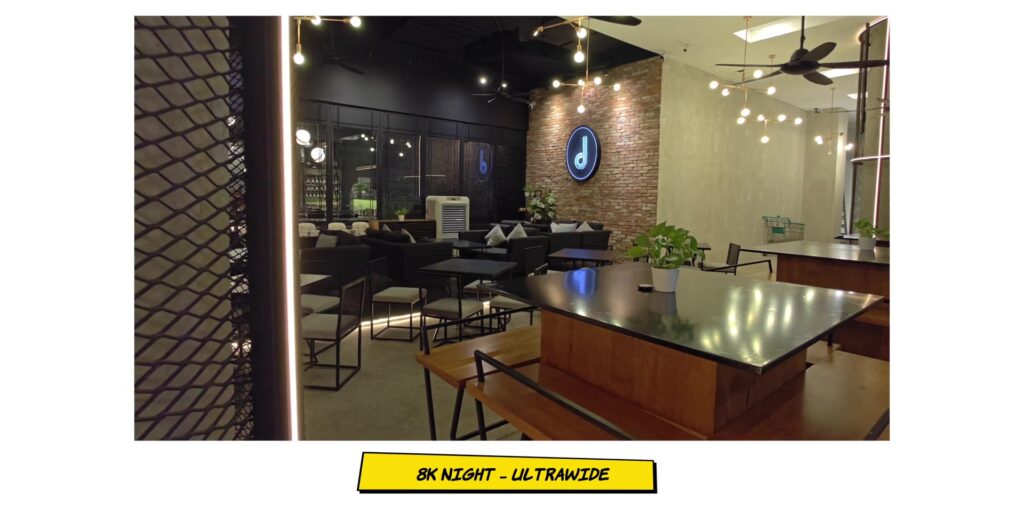
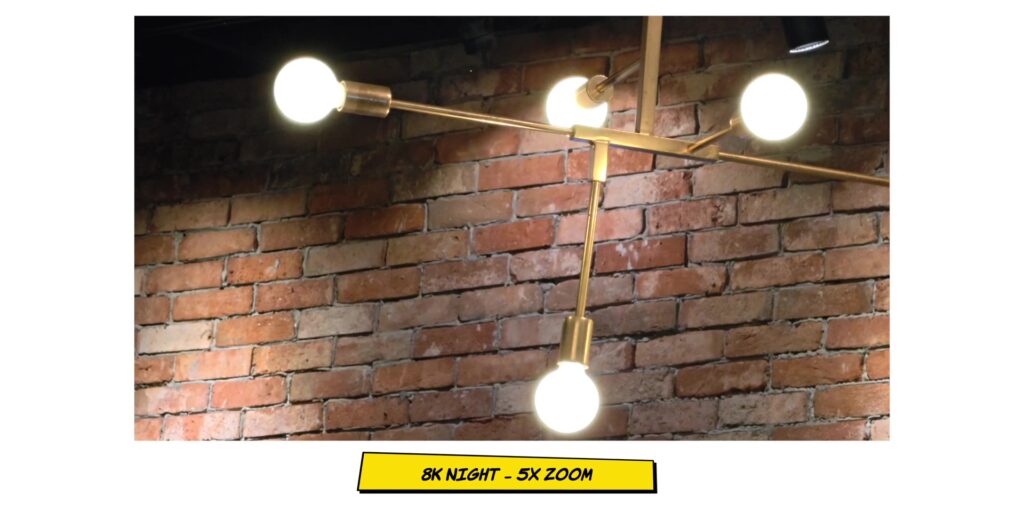
But then, that’s unfair, right? Because we are comparing 8K versus iPhone’s 4K. So, I brought the resolution down to 4K, and the results were similar, which was amazing when it comes to the ultra wide and even the 1x zoom.
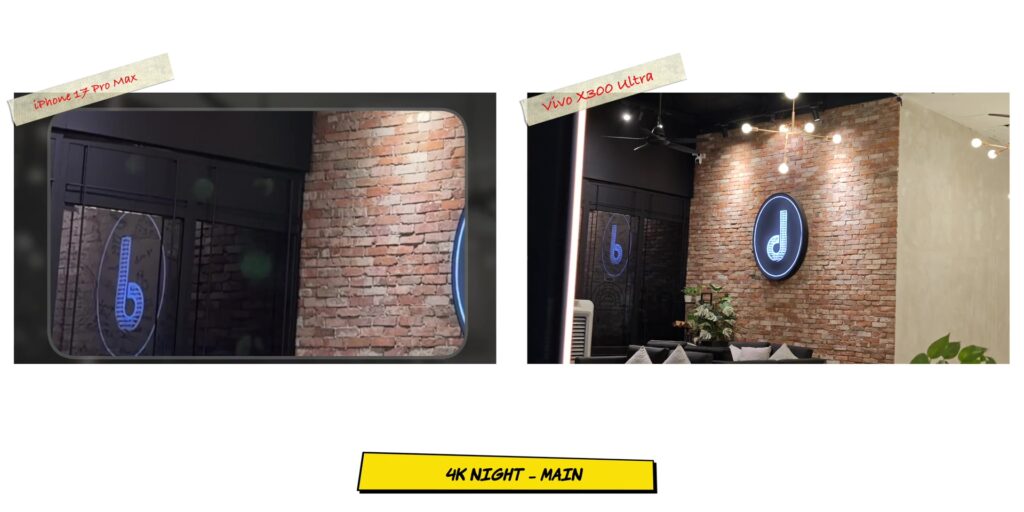
Then out of curiosity, I decided to take my iPhone 17 Pro Max to see if there is any lens flare because sometimes it depends on the scene, right?
As you can clearly see side by side, the lens flare is very much visible on the iPhone 17 Pro Max. And I even tried to test this out further by increasing the range to 2.5x and 5x. And there’s no lens flare or glare and the quality remains great.
Just like the day, stabilization at 4K was very good from the ultra wide and the main lens, but it was a bit “warpy” like you put an image stabilization on Final Cut Pro. That’s how it looks compared to DaVinci Resolve, of course.
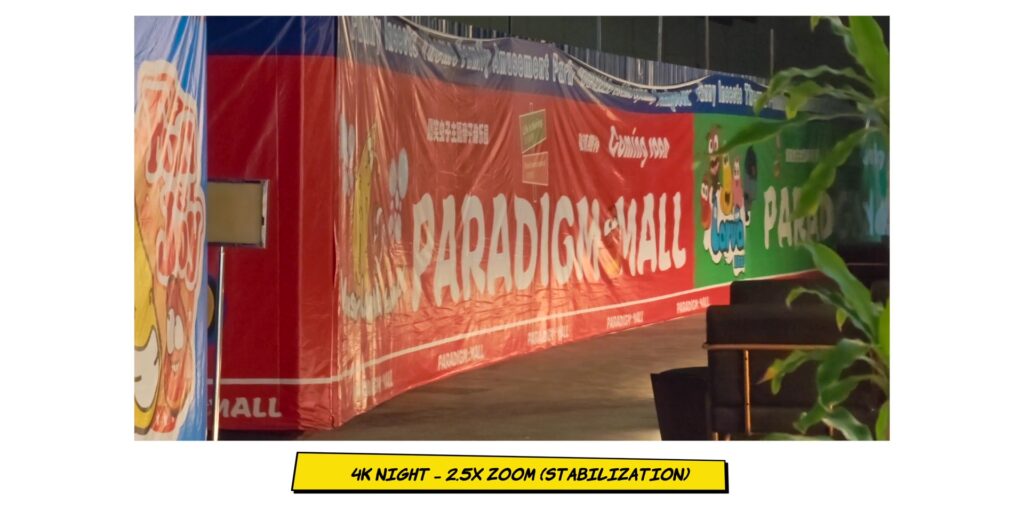
So, yes, it was a little “warpy” at 2.5x and 5x as well. And while the ultra wide at 8K resolution was great on the stabilization, but the main lens was also “warpy” as well. I do not know whether this word is such a word in a dictionary, but you get what I mean.
And it was like that for the 2.5x and the 5x mode, probably because at night time the processing is a little different.
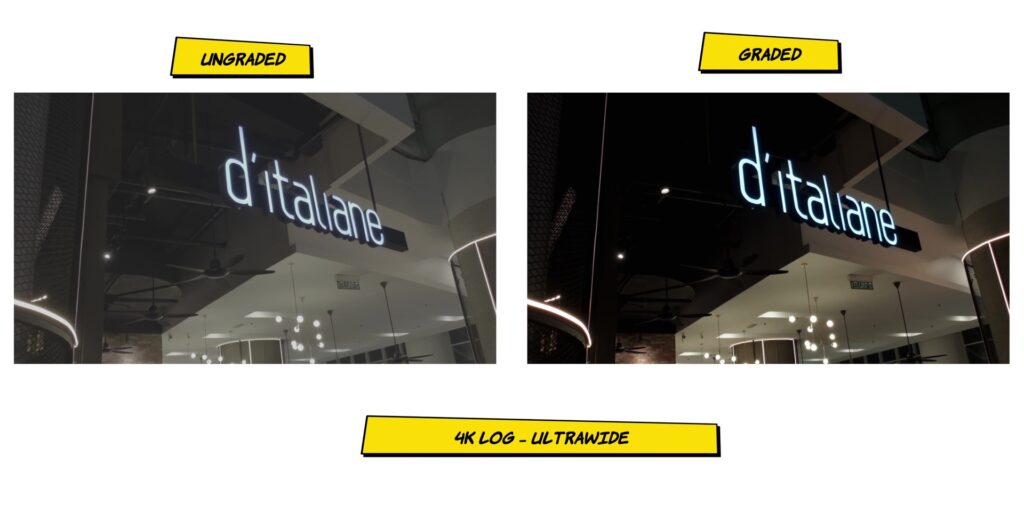
I also tried the LOG recording at night and because the dynamic range was really good, it turned out really great, balancing the shadow details extremely well from the ultra wide lenses, the main lens and even the 2.5x as well. So yes, LOG recording looks really nice at night too.
Night Front Video
Then the front video recording at night was as good as during the day. The quality especially for the dynamic range for the bulbs behind me was very prominent still and the stabilization was really good too.
Conclusion
So, in conclusion, after putting the vivo X300 Ultra through all of that, here’s where I land. If you shoot lots of portraits, this would still be a very good smartphone without question the best smartphone, for 85mm and 135mm especially, nothing comes close.
And if you’re into street photography or night shots, the improvements that vivo has done are really meaningful. Not marketing fluff, actual real differences that you will feel.
And if you shoot videos, the front camera alone was actually a revelation. And the new camera app was also a game changer as well. But the only real caveat is that the selfie lighting during the day was not as good.
But if you’re wondering, how is the vivo X300 Pro? Well, I did an in-depth camera review to compare it against the OPPO Find X9 Pro, so check that video out.
.
[Watch the full review video on YouTube here]
What is the main difference between the vivo X300 Ultra and the X300 Pro zoom?
While the Pro offers 100x digital zoom, the Ultra tops out at 70x. However, the Ultra interprets focal lengths differently; its 70x (2416mm) is nearly identical to the Pro’s 100x (2428mm) in actual reach, but with a focus on more natural, “true-to-life” color science over the Pro’s saturated look.
Does the vivo X300 Ultra still overexpose night shots?
No. Following feedback from the “Blue Talk” creator sessions, vivo has corrected the overexposure issues found in the Pro model. Night shots on the Ultra now maintain accurate shadow detail and realistic sky exposures without needing manual adjustment.
Is the 400mm extender lens worth it?
The 400mm focal length allows for professional-grade portraits from a distance with subject separation that rivals mirrorless cameras. If you are a dedicated mobile photographer, the depth of field achieved at 400mm is a significant upgrade.
What are the weaknesses of the X300 Ultra camera?
The primary “Achilles’ Heel” is the front-facing camera in photo mode. While video is excellent, selfie photos can appear pale or washed out when dealing with strong backlit situations.
How does the video stabilization compare to the iPhone?
The vivo X300 Ultra shows exceptional stabilization at 5x and 6.7x zoom in 4K. At night, it outperforms the iPhone 17 Pro Max by significantly reducing lens flare and glare when shooting against bright light sources, though some “warping” can occur in 8K stabilization.
Related: