
TL;DR / At a Glance: Is the Proton e.MAS 7 PHEV better than a full EV? I believe the Proton e.MAS 7 PHEV offers a superior user experience (UX) for Malaysians by eliminating range anxiety. With a combined range of 1,065km and a pure EV range of 170km, it functions as a daily EV for city commutes while providing the freedom of a petrol engine for long trips without needing dedicated charging infrastructure.
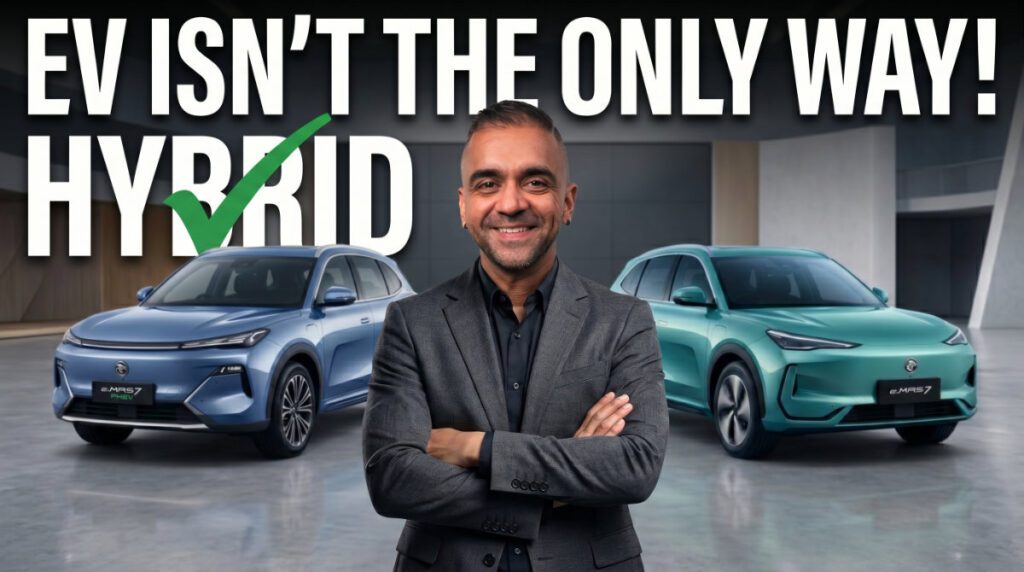
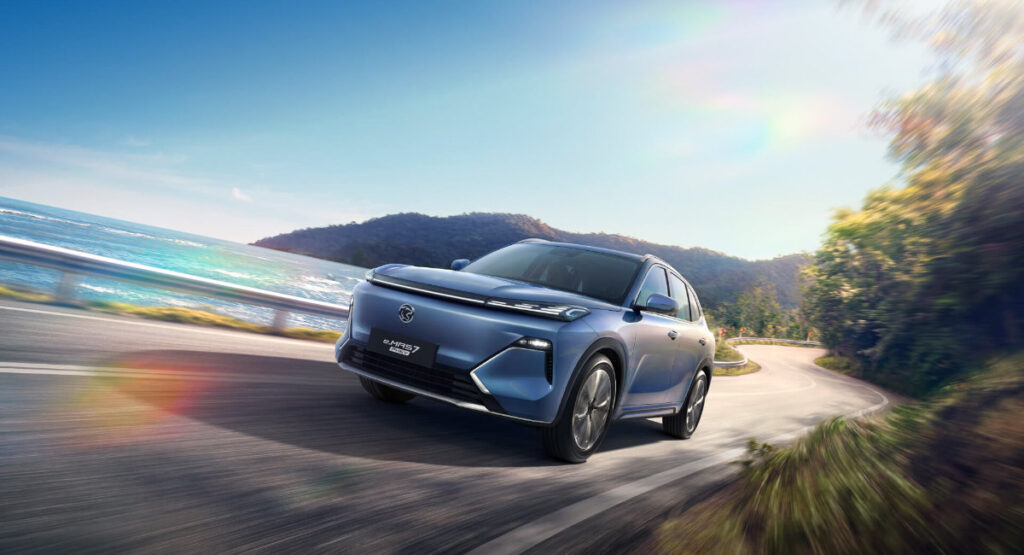
Proton has officially launched the e.MAS 7 PHEV (Plug-in Hybrid Electric Vehicle) in Malaysia, and it might just be the most important car in their current lineup. While the pure-electric e.MAS 7 and e.MAS 5 got the early hype, the PHEV version—launched in February 2026—is the one that solves the “real-world” equation for the average Malaysian family.
The “Buy Smart” Reality: Why PHEVs Win the Transition
I’ve said it before and I’ll say it again: PHEVs are the way forward, not full EVs. At least for now, the transition to full electric is a massive jump that requires infrastructure we simply haven’t perfected yet. Let me get it straight, I’m not here to burst the EV bubble. EV infrastructure will get there…someday. But today, and for the better part of the next half a decade or so, we still have gaps to fill. Here is why the e.MAS 7 PHEV is a nice interim that actually delivers a better user experience (UX):
- No Charging Infra Needed: You don’t need a wallbox to get home. If you forget to charge or the chargers at the R&R are full, the 1.5L high-efficiency engine kicks in.
- Co-existence is Key: PHEVs don’t try to kill the Internal Combustion Engine (ICE); they marry it with the benefits of an EV. You get the silent, torque-heavy city drive of an electric car and the long-range security of a traditional one.
- Proton’s Powerplant Variety: For Proton, this adds a vital layer to their strategy. They now cover ICE (X50/X70), PHEV (e.MAS 7 PHEV), and EV (e.MAS 7). This variety means they have a car for every type of Malaysian driver.
Global Trend: The Resurgence vs. The Hype
While EVs get all the headlines, 2026 is seeing a massive PHEV Resurgence.
- The Safety Net Psychology: Gartner forecasts that global ownership of PHEVs will rise by 32% in 2026. Research from both Gartner and Deloitte shows that 2026 consumers are valuing the “back-up engine” more than ever. After a few years of early adopters complaining about broken chargers or long queues at charging stations, the mass market is saying, “I want to plug in, but I don’t want to be stranded.”
- Infrastructure Lag: This is the biggest driver. Globally, public fast-charging coverage is still patchy once you leave major city corridors. PHEVs smooth over these gaps, making them the most logical choice for families who only own one car.
- The Toyota Philosophy: Industry giants like Toyota have stayed firm on their multi-pathway approach. They argue that providing a mix of Hybrid, PHEV, and EV is the fastest way to reduce carbon emissions globally because it meets customers where they actually live—not where the infrastructure hopes they will be.
- The Competitors: Proton is entering a ring with heavyweights like the Chery Tiggo 7 PHEV (will BYD bring it the Seal U aka Sealion 5?). While Chery offers more raw torque, Proton wins on dimensions, boot space (528L), and pure EV range.
Who Else is Winning the PHEV Game?
Proton isn’t alone. In 2026, almost every major manufacturer has doubled down on PHEVs to capture the skeptical buyer who wants the EV torque without the dead battery fear.
- The Range Leaders:
- Toyota: The 2026 RAV4 Plug-in Hybrid is the gold standard, offering nearly 90km of pure EV range and a massive total range. Toyota’s philosophy perfectly matches yours—they have always argued that a multi-pathway (HEV, PHEV, and BEV) is smarter than going 100% electric.
- BYD: While known for EVs, their DM-i (Dual Mode) technology is a global best-seller. The BYD Seal U PHEV is currently one of the top-selling plug-ins in Europe and Australia.
- The Luxury Standard:
- BMW: The BMW X5 xDrive50e is a fan favourite in Malaysia. It offers over 100km of pure EV range, meaning most “TRX to PJ” commutes are 100% petrol-free, but you can still drive to Singapore on a single tank.
- Volvo: They continue to lead with the XC60 and XC90 Recharge series, which won “Best Luxury Plug-in Hybrid” awards in the US for 2026 (Source: PRNewswire).
- The Value Challengers:
- Kia & Hyundai: Models like the Sportage PHEV and Tucson PHEV are winning awards for 2026 because they offer 4WD stability with hybrid efficiency—something many budget EVs still struggle with.
- Mitsubishi: The Outlander PHEV remains a pioneer, especially with its “Vehicle-to-Load” (V2L) features that let you power your house or camping gear from the car.
Source: European Alternative Fuels Observatory
BEV vs. PHEV: The 2026 Reality Check
Before you put down a deposit, you need to understand where your money is actually going. Here is how the user experience differs in the current Malaysian landscape.
| Feature | Battery Electric (BEV) | Plug-in Hybrid (PHEV) |
| Daily Commute | 100% Electric (Cheaper) | 100% Electric (If charged daily) |
| Balik Kampung Trip | Mandatory Charger Planning | Zero Stress (Fuel up anywhere) |
| At-Home Charging | Essential for best UX | Optional / Supplemental |
| Infrastructure Reliance | 100% Dependent | 0% Dependent (Safety net engine) |
| Maintenance | Lowest (No engine oil/plugs) | Standard (Two systems to maintain) |
| Resale Value (2026) | Volatile (Battery anxiety) | Stable (High mass-market demand) |
Proton e.MAS 7 PHEV: Specs & Pricing
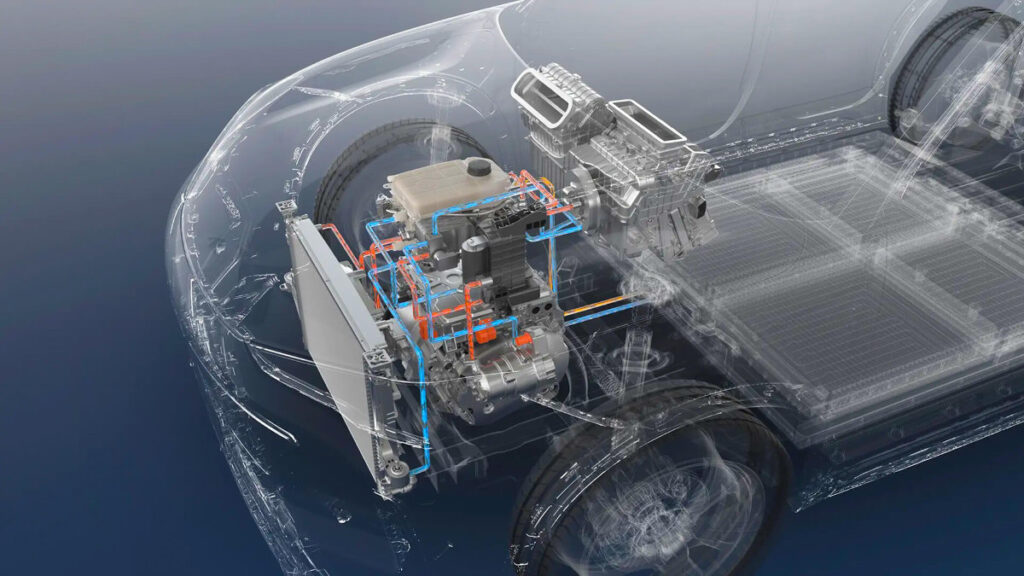
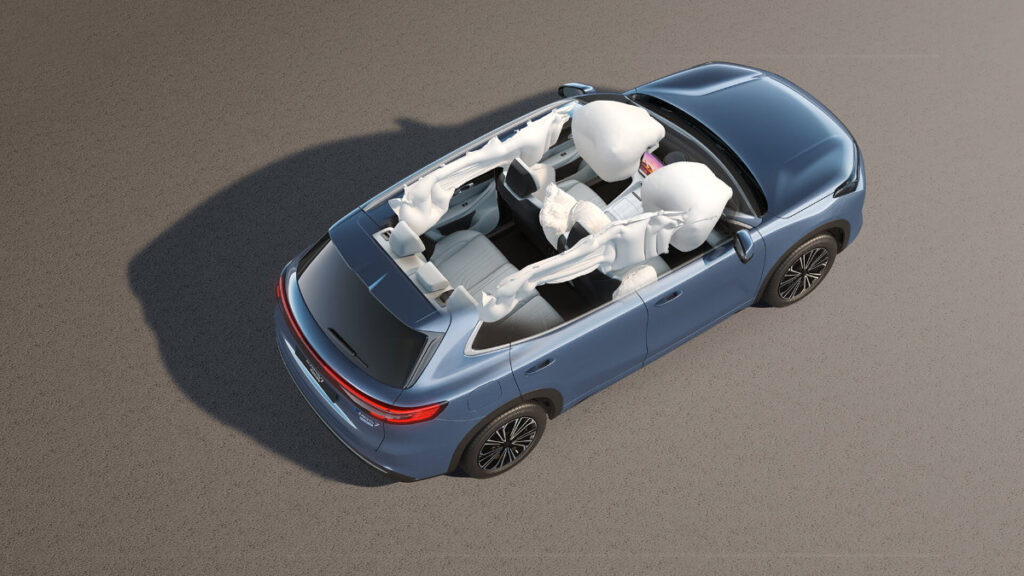
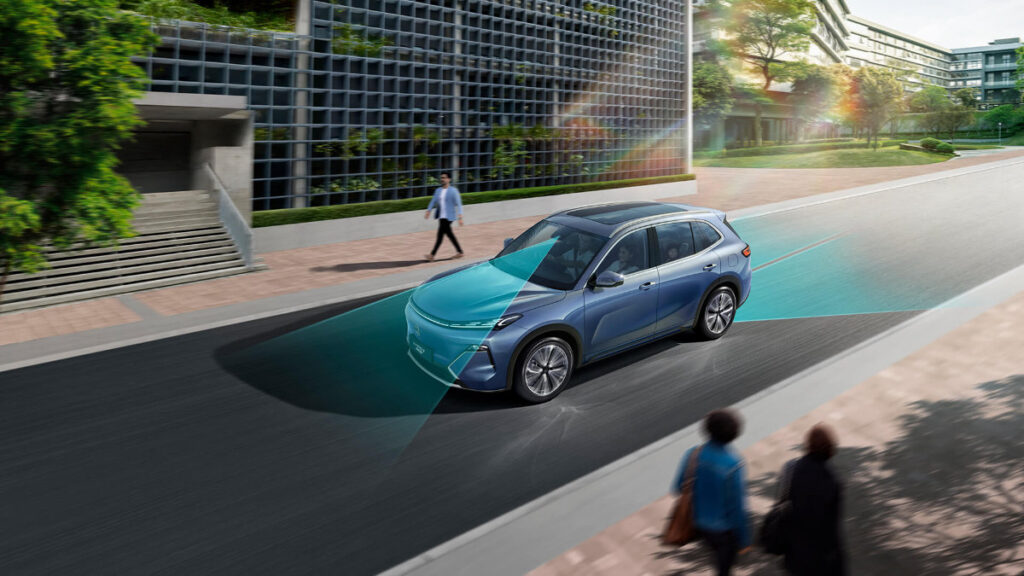
The e.MAS 7 PHEV is based on Geely’s latest EM-i Super Hybrid architecture. It isn’t just about saving fuel; it’s about having a “daily EV” that can transform into a long-distance cruiser.
| Feature | Prime (Essential) | Premium (The Sweet Spot) | Premium Plus (Top Spec) |
| Launch Price | RM105,800* | RM119,800* | RM125,800* |
| Battery (LFP) | 18.4 kWh (CATL) | 18.4 kWh (CATL) | 29.8 kWh (Aegis) |
| Pure EV Range | 105km (NEDC) | 105km (NEDC) | 170km (NEDC) |
| Combined Range | 1,000km | 1,000km | 1,065km |
| DC Fast Charge | 30kW | 30kW | 60kW |
| Wheels | 18-inch Alloy | 19-inch Alloy | 19-inch Alloy |
| Sound System | 6-Speakers | 16-Speaker Flyme | 16-Speaker Flyme |
| Head-Up Display | No | 13.8-inch HUD | 13.8-inch HUD |
| Sunroof | No | No | Panoramic Sunroof |
*Price includes RM4,000 launch rebate and “Power Trade-In” incentives.
Editor’s Note: That 170km pure EV range on the Premium Plus is the “Daily EV Hack.” Most KL commuters can drive to work and back for three days straight without ever using a drop of petrol. It behaves like an EV for the 9-to-5, but stays a reliable ICE for those weekend trips to Penang or JB.
The “Buy Smart” Verdict: Which Variant Should You Get?
- The Prime (RM105,800): Best for the budget-conscious family who wants the 1,000km security and doesn’t care about the fancy tech. You still get the core PHEV experience and the massive boot space.
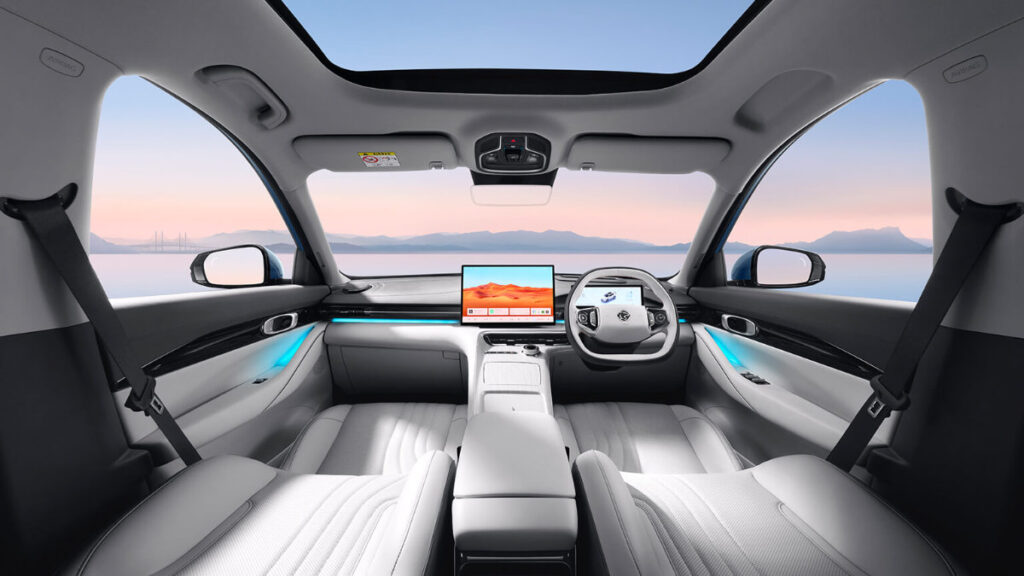
- The Premium (RM119,800): This is my pick for most people. You get the 16-speaker Flyme Audio (which is excellent), the HUD, and the Ventilated Seats. You lose out on the extra range of the Plus, but 105km is already more than enough for a daily KL commute.
- The Premium Plus (RM125,800): Get this if you want the “Grand Tourer” experience. The 170km EV range is class-leading, and the 60kW DC charging means you can top up at a charger almost as fast as a pure EV. Plus, the Panoramic Sunroof really opens up the cabin.
Ready to take the leap? Head over to the official Proton e.MAS 7 PHEV webpage.