TL;DR / At a Glance: The Ferrari Luce (Type F222) is a $640,000, 1,035-horsepower luxury EV designed in collaboration with Sir Jony Ive’s creative collective, LoveFrom. Instead of following the industry trend of massive, distraction-heavy touchscreens, the Luce features a revolutionary tactile interior focused on physical, watch-grade mechanical switchgear and an interactive analog-OLED parallax display. It solves common EV drawbacks by generating an authentic sound signature amplified directly from its high-spinning electric motors and featuring an upgradeable, modular 880V battery system to combat digital obsolescence.
For the last ten years, the global automotive market has been suffering from a severe case of “Silicon Valley Envy.” Driven by the meteoric rise of premium EVs treating cars like disposable tech appliances, vehicle interiors have degraded into a lazy, uninspiring race for screen real estate. The formula has become dangerously monotonous: strip away the physical dashboard, glue a massive, fingerprint-magnet piece of glass to the centre console, and force drivers to dig through three layers of submenus just to aim an air vent or adjust the air conditioning.
“We are convinced that a company demonstrates its leadership when it has the courage to dare and to take on the challenge of new technologies. The Ferrari Luce is the result of more than 60 of our new patents and lies at the heart of an ecosystem of collaborations with outstanding technology partners. We have created a car that combines unique driving emotions with extraordinary performance, driving pleasure, and comfort for the Ferraristi of today and tomorrow.”
Ferrari CEO Benedetto Vigna
As Ferrari Chairman John Elkann bluntly noted at the car’s global launch in Rome, treating an EV as a “consumer electronics object” is the single biggest mistake the automotive industry has made this decade.
So, when Maranello announced its partnership with LoveFrom—the creative collective founded by legendary former Apple design chief Sir Jony Ive and industrial icon Marc Newson—the automotive purists panicked. The fear was logical: the man who gave the world the buttonless, hyper-minimalist iPhone glass slab was about to turn Ferrari’s first-ever all-electric car into a cold, clinical rolling smartphone.
They were completely wrong.
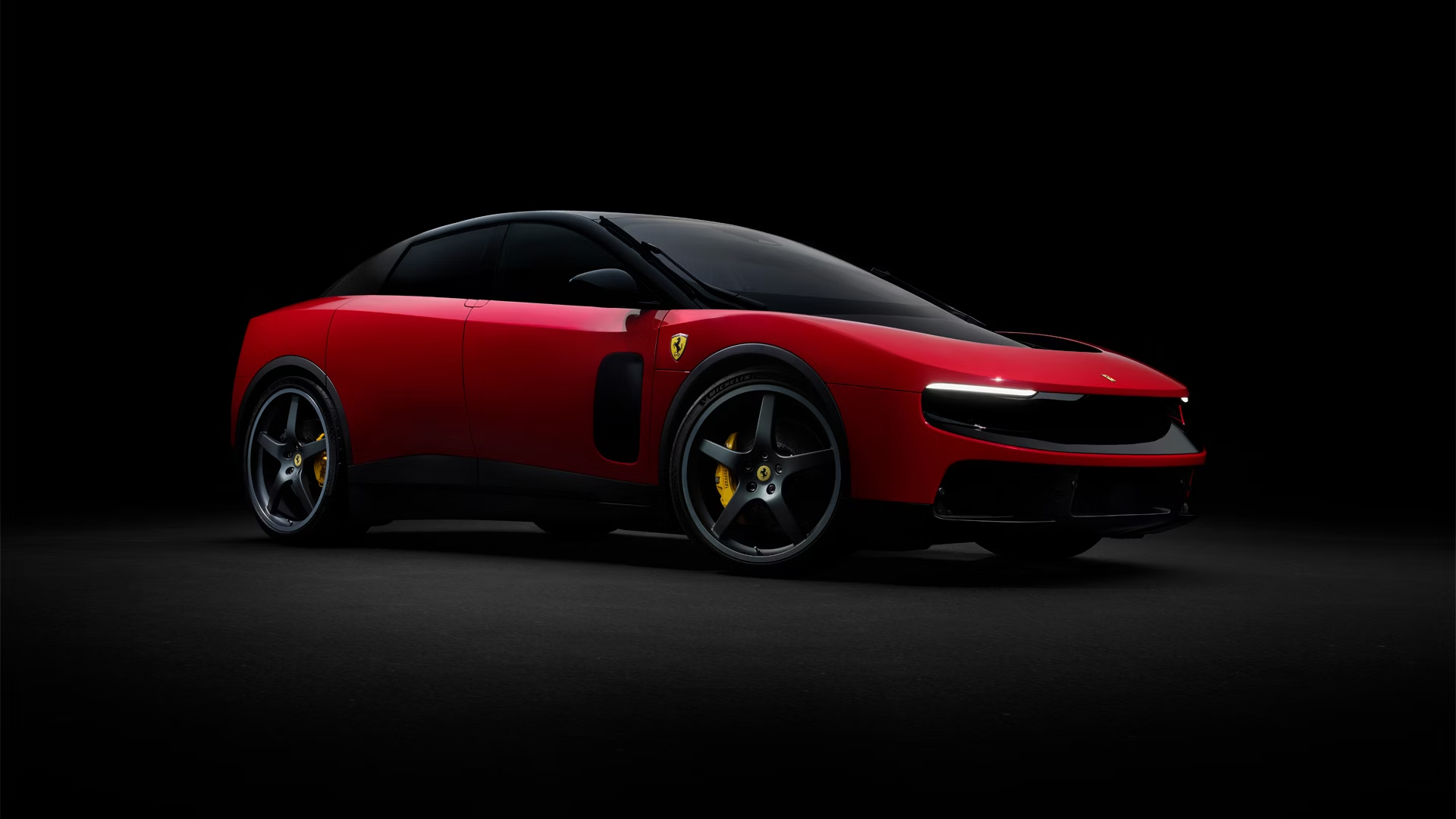
The Ferrari Luce (Type F222) is a $640,000 (€550,000 / approx. RM3 million before local Malaysian taxes) powerhouse pushing 1,035 horsepower via four independent motors. But its most radical breakthrough isn’t the 0-100 km/h sprint of 2.5 seconds. It is the cabin. Sir Jony Ive didn’t build an iPhone on wheels. He engineered a profound, tactile rebellion that completely rescues luxury user interfaces from touchscreen hell (thank you, Sir Jony).
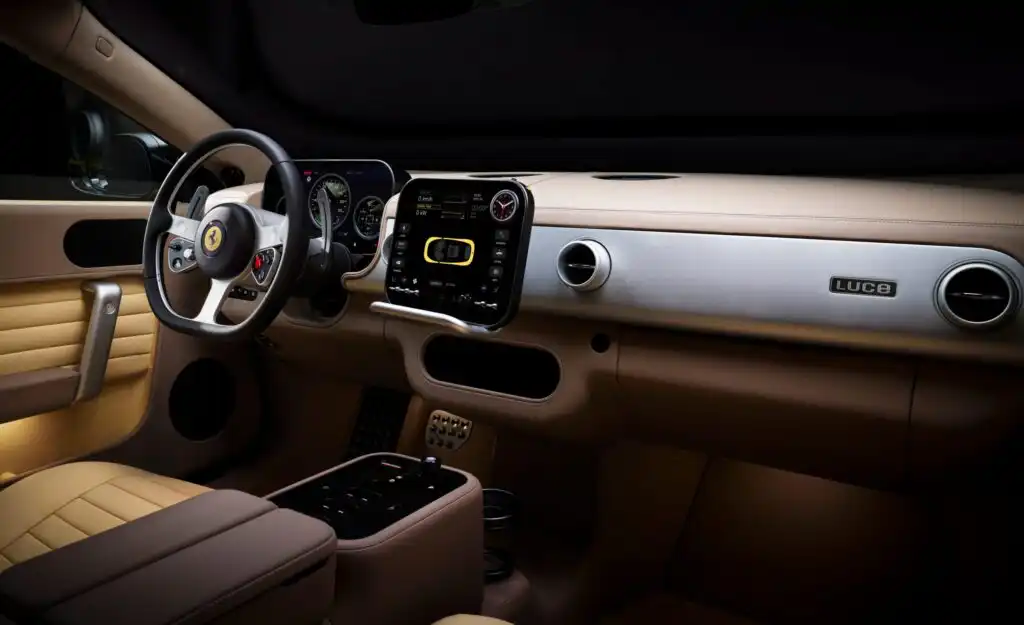
Deconstructing LoveFrom’s “Tactile Rebellion”
At 5,026 mm long, the Luce is a structural anomaly—it is Ferrari’s longest production car to date, and the first to offer a five-seat configuration, a spatial luxury unlocked entirely by eliminating legacy petrol drivetrain packaging. The entire upper glass-house canopy is crafted by Corning.
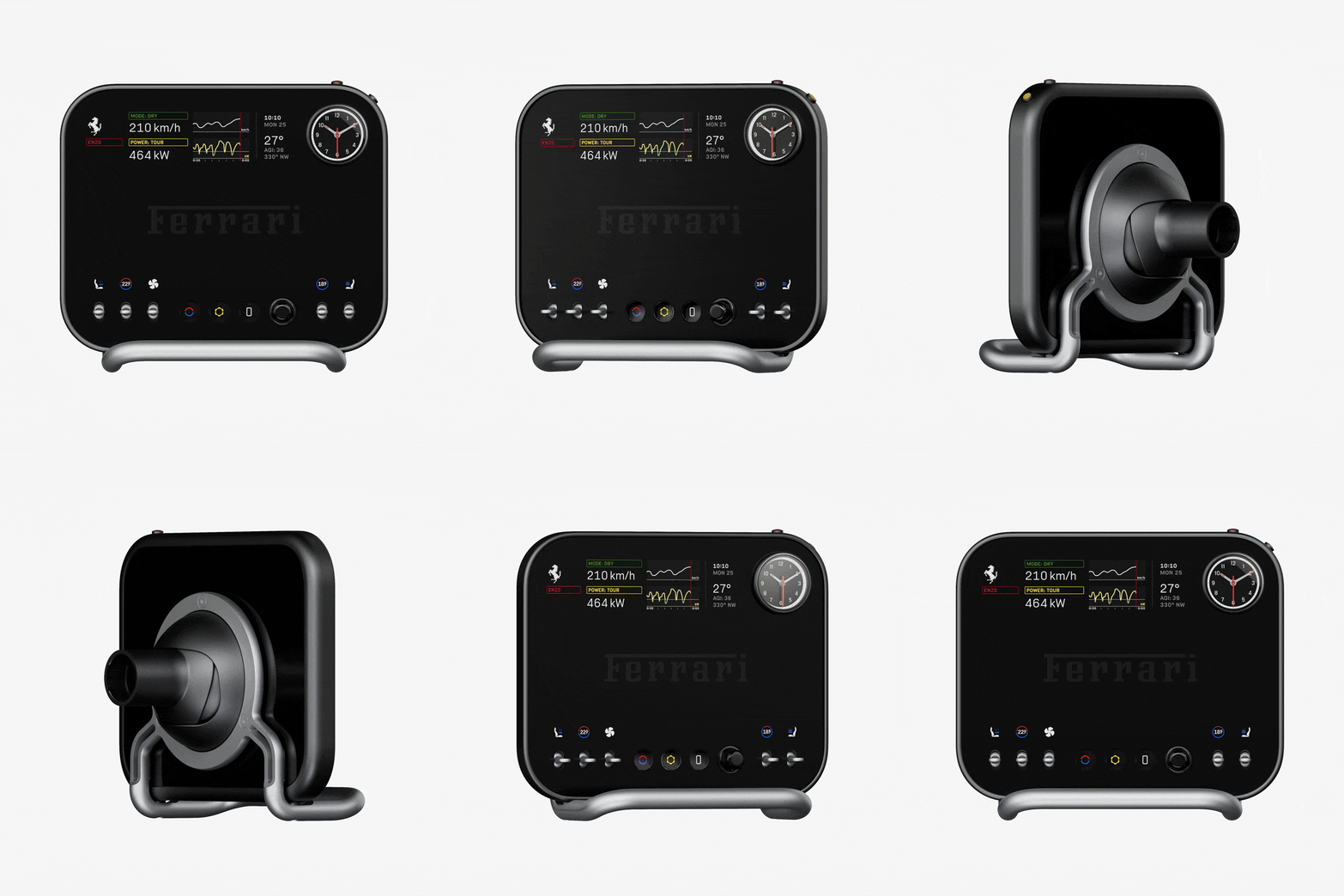
But step inside through its rear suicide coach doors, and you are not greeted by a blinding, distraction-heavy central monitor. Instead, Ive and Newson have treated the interior as an ecosystem of independent, meticulously crafted hardware nodes.
The Automotive UI Paradigm Shift
| The Modern EV Status Quo | The Ferrari Luce UX |
| * Screen-heavy submenus | * Tactile Mechanical Toggles |
| * Glare-prone glossy glass | * Recessed Analog-OLED Nodes |
| * Disposable tech lifespan | * Removable/Upgradable Cells |
* Synthetic .mp3 audio notes | * Kinetic Axle Amplification |
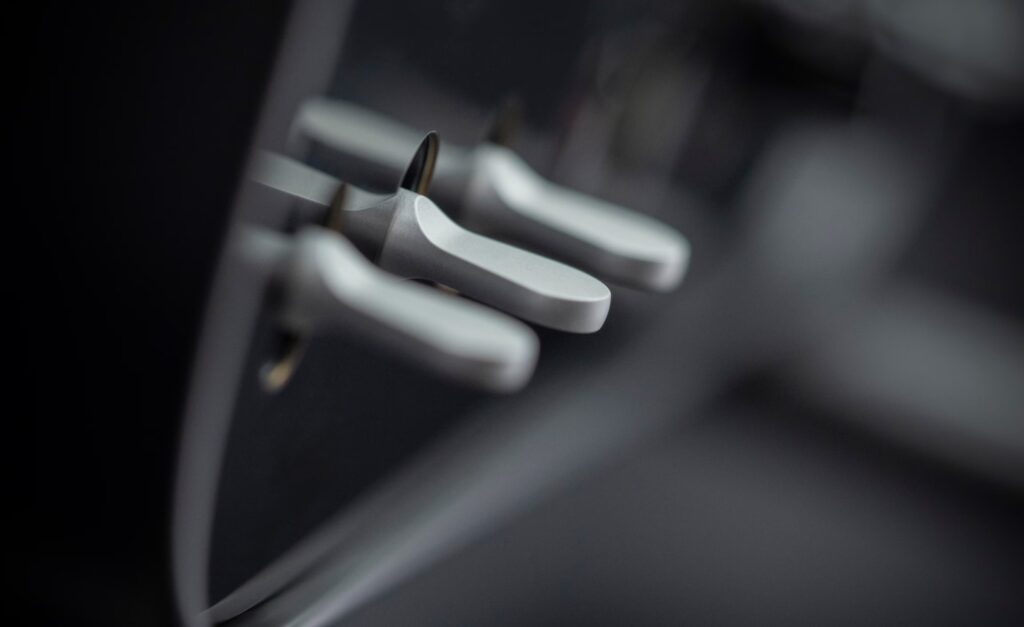
1. The Fighter-Jet Switchgear
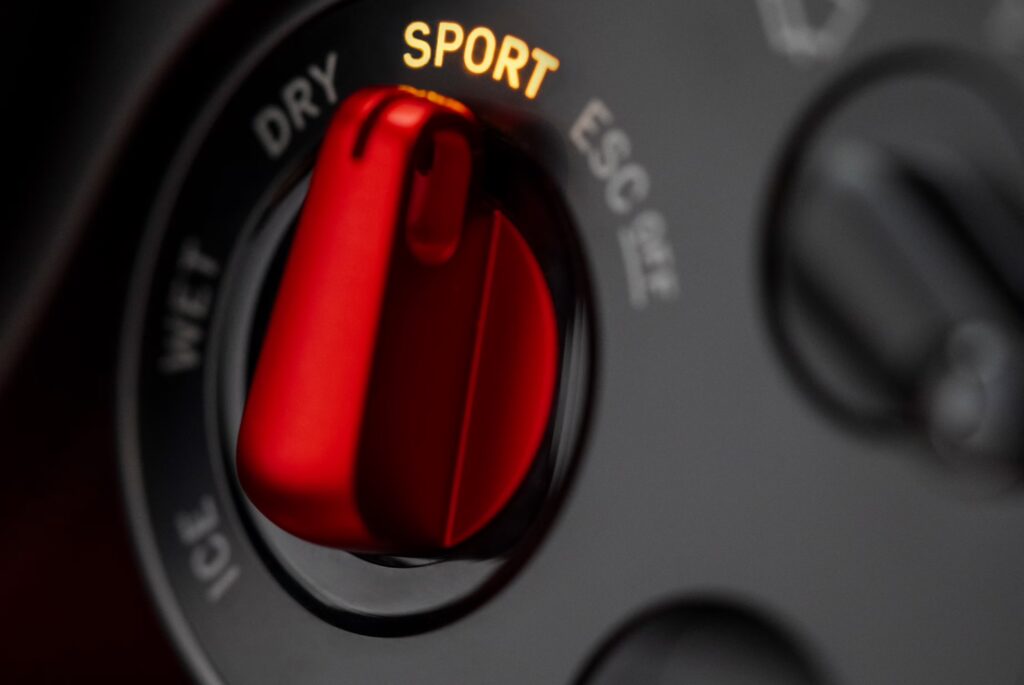
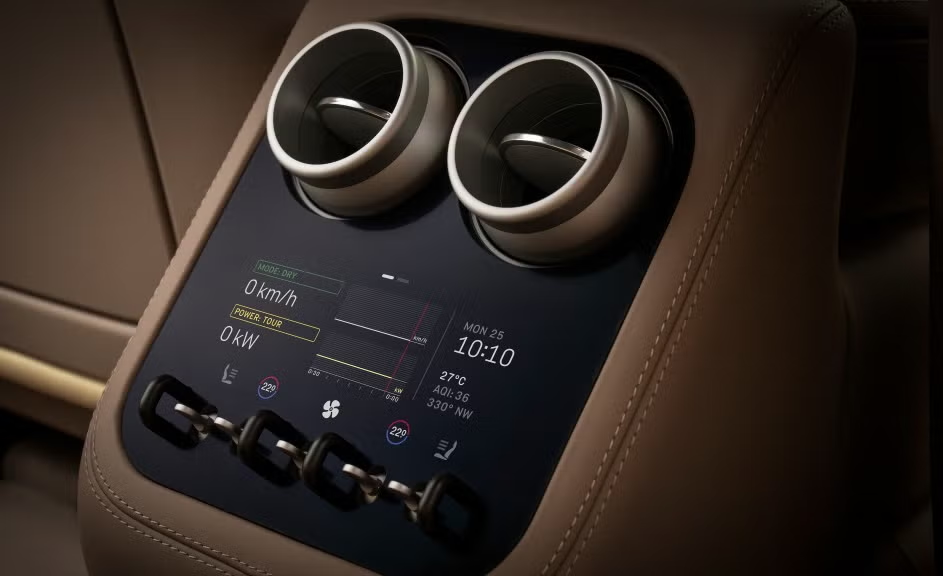
Instead of hiding vital functions inside software layers, the Luce relies on physical controls. Spherical aluminum air vents function with mechanical purity: you twist an outer ring, and a visible central flap swings open or closed with a definitive, mechanical click.
Every single button, toggle, and paddle inside the Luce has been designed with its own nested, CNC-machined aluminum housing. The knobs and switches feel less like car parts and more like the crown of a high-end luxury watch or a premium custom mechanical keyboard. The object explains itself instantly to your hands, meaning you never have to squint at a screen while driving.
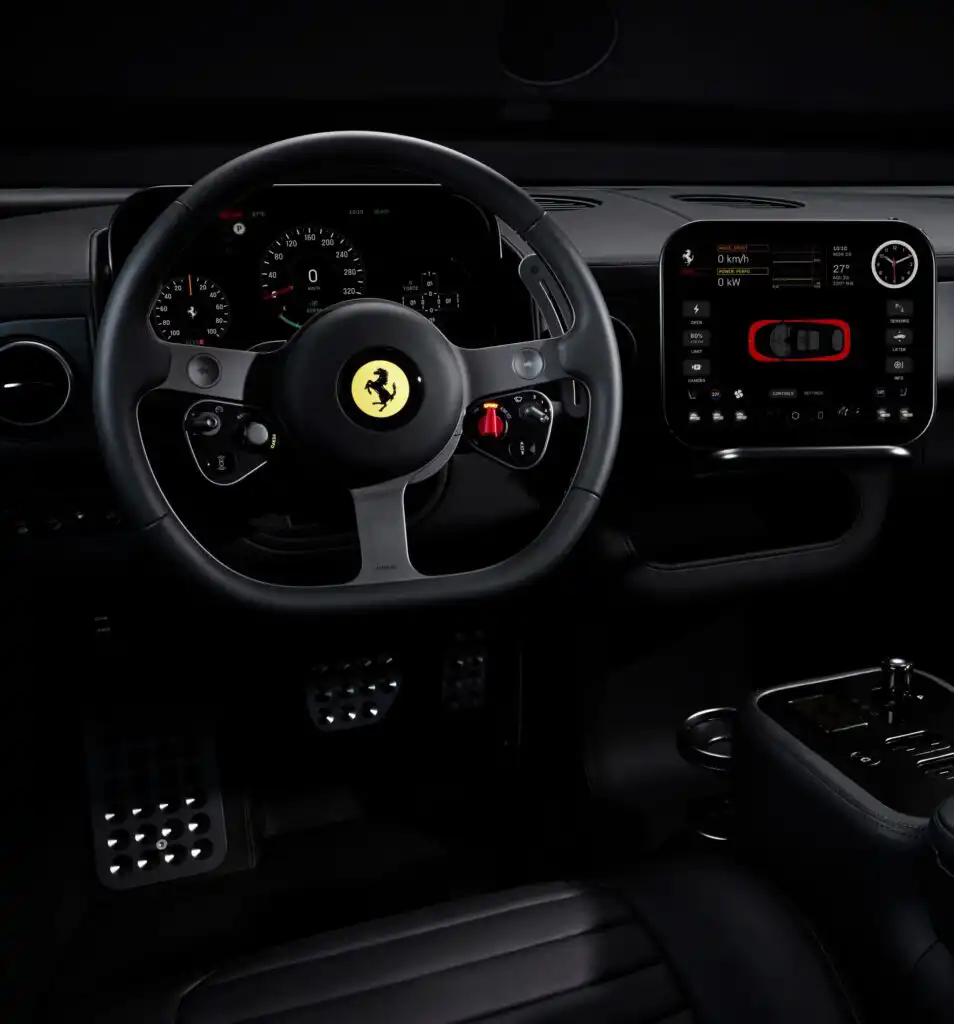
2. The Unified Steering Column & Parallax Display
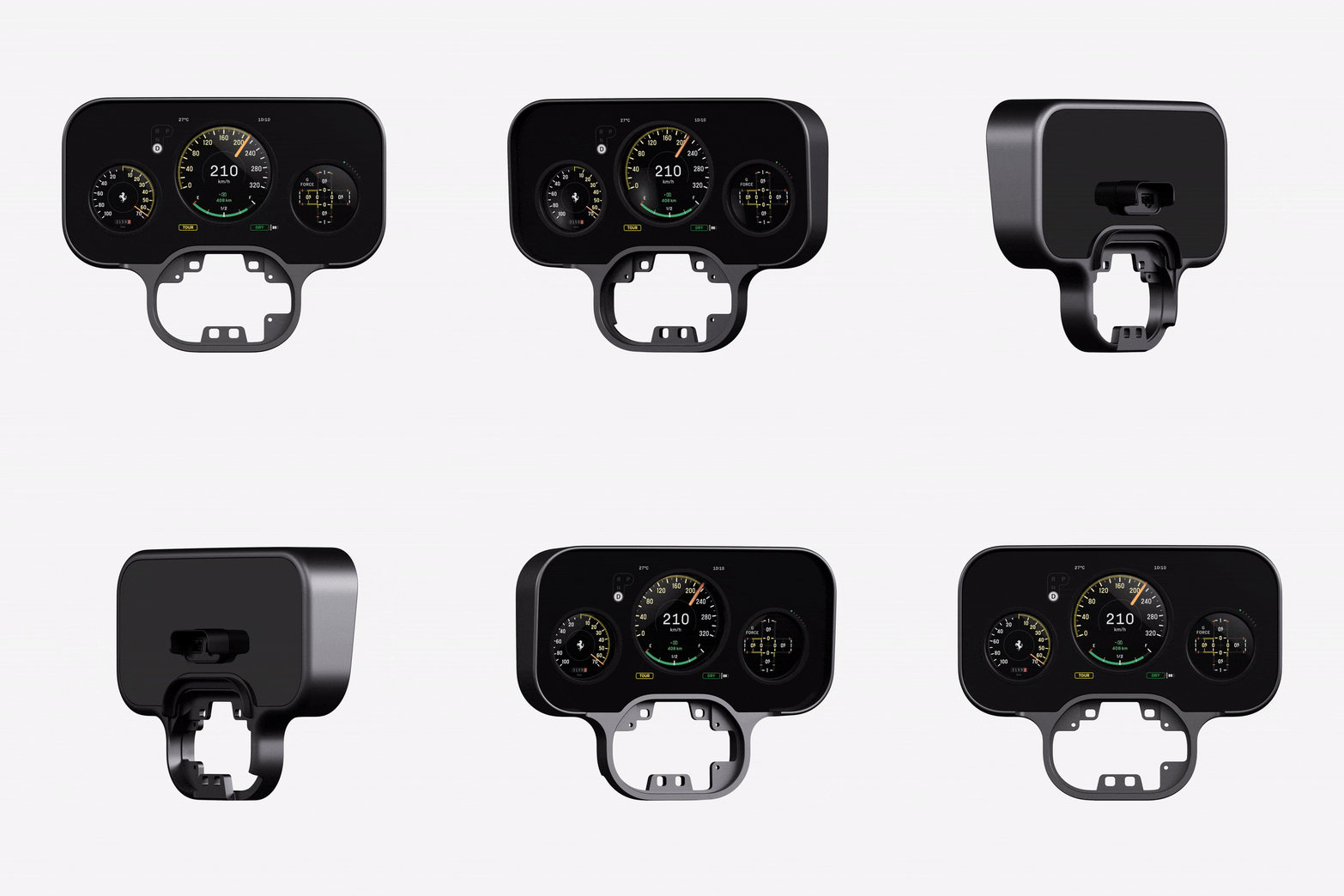
In most modern cars, tilting the steering wheel blocks your view of the gauges. The Luce fixes this by moving the entire rig—the steering wheel, steering column, and instrument panel—as one unified gesture.
The instrument cluster itself features three round digital screens recessed inside a fourth background display. Ferrari utilised borderless, organic light-emitting diodes (OLED) that require zero backlighting, paired with specialised optical lens elements. This creates a brilliant, physical parallax effect. The graphics gain physical depth, shifting subtly based on your eye level to blend digital clarity with an authentic, analogue feel.
The Physics of Sound: An Acoustic Guitar vs. an MP3
The loudest complaint leveled against high-performance EVs is their complete lack of soul. Traditional enthusiast car culture loathes the sterile silence of electric motors, and they equally despise the artificial, pre-recorded spaceship hums piped through interior speakers by mainstream manufacturers.
Ferrari’s Chief Product Development Officer, Gianmaria Fulgenzi, openly admitted that sound was one of the biggest engineering hurdles of the five-year project. Maranello’s solution? Completely reject synthetic digital wave generation.
The Luce does not play an audio file. Instead, Ferrari engineers mounted highly sensitive kinetic accelerometers directly onto the quad electric motors—which feature F1-derived Halbach array rotors spinning at a screaming 30,000RPM at the front and 25,500RPM at the rear.
These sensors capture the raw, microscopic physical vibrations generated by the mechanical components under load. The frequencies are then routed through physical acoustic amplifiers, using the structural hollow cavities of the largest single-piece casting in the rear sub-frame to naturally resonate the sound out to the street and back into the cabin. Just like an electric guitar uses a pickup to amplify the real vibration of a physical string, the Luce amplifies its true mechanical pulse.
Solving the Luxury EV “Obsolescence Trap”
For tech-savvy professionals and high-intent buyers, the ultimate deterrent to buying a high-end EV is the “smartphone lifecycle.” A petrol-powered Ferrari is an appreciating heirloom asset; a modern premium EV typically behaves like consumer tech, destined for severe battery degradation and digital obsolescence within a decade.
Ferrari explicitly engineered the Luce around the principle of permanence, ensuring it aligns with the brand’s track record of keeping 90% of all vehicles they have ever made still on the road.
- The Removable, Modular Battery: The 880V battery pack (delivering a massive 122 kWh capacity using advanced cells from SK On) is tightly integrated into the floor chassis for optimal side-impact protection and a low center of mass. Crucially, Ferrari designed the battery modules to be entirely removable and repairable. When next-generation high-density cells or solid-state batteries emerge in the 2030s, owners can officially swap out the old pack for upgraded hardware without altering the vehicle’s structural frame.
- In-House Longevity: Because Ferrari designs and assembles its electric engines, inverters, and software completely in-house in Maranello rather than outsourcing to third-party suppliers, they are guaranteeing parts and service availability well into the future, fundamentally protecting the vehicle’s long-term resale value.
The Tech Analyst Verdict
The global automotive media is currently split, and social media platforms are highly polarised. Critics are panicking over the radical “jellybean-like” aerodynamics and comparing the visual shift to Jaguar’s recent brand controversies.
But traditional automotive critics are looking at this through the wrong lens. Ferrari isn’t trying to sell the Luce to their legacy petrol collectors. They are actively targeting a new demographic of ultra-high-net-worth tech leaders and professionals who want peak electric performance but are utterly exhausted by screen fatigue.
The Ferrari Luce is a calculated masterclass. By giving Sir Jony Ive and LoveFrom the freedom to prioritise material purity, tactile mechanics, and upgradeable architecture, Ferrari hasn’t just built a blindingly fast 1,036-hp EV. They have written the definitive blueprint for how luxury technology survives in a sustainable, future-proof world.
Ferrari Luce (Type F222) — Official Key Specs
| Parameter | Specification / Data Metric | Technical Insight |
| Powertrain Type | Pure Electric (BEV), 4 Independent Motors | One dedicated e-motor per wheel; unlocks infinite, millisecond-level torque vectoring. |
| Total System Output | 1,035 horsepower (Over 1,050cv in Boost Mode) | Front axle produces 210kW; Rear axle produces a massive 620kW. |
| F1 Innovation | Halbach Array Rotor Configuration | Formula 1 technology brought to production sports cars to maximise torque density and slash motor weight. |
| Performance | 0-100km/h in 2.5 seconds | Top Speed: 310km/h | Direct, instantaneous electric power distribution with a 47:53 rear-biased weight split. |
| Battery Architecture | 880V High-Voltage System, 122kWh Capacity | Cell chemistry developed by SK On; absorbs up to half a megawatt of power for sustained lap performance. |
| Claimed Range | 530km (WLTP) | Features an active front axle disconnect system that shifts completely to rear-wheel drive while cruising to maximise range. |
| Chassis Composition | 75% Recycled Aluminum Spaceframe | Uses the largest single-piece hollow casting in Ferrari history to cut NVH while matching rigid track parameters. |
| Suspension System | 3rd-Gen 48V Active Suspension System | Eliminates traditional anti-roll bars entirely; ball screws feature a 20% higher pitch to absorb high-velocity vertical impacts. |
| Dimensions | Length: 5,026 mm | Width: 1,999 mm | Height: 1,544 mm | Ferrari’s longest production vehicle to date, riding on massive staggered wheels (23-inch front, 24-inch rear). |
| Base Price | €550,000 / Approx. $640,000 USD | Equivalent to roughly RM3 Million before local SE Asian import duties, taxes, and customisation options. |
Gallery
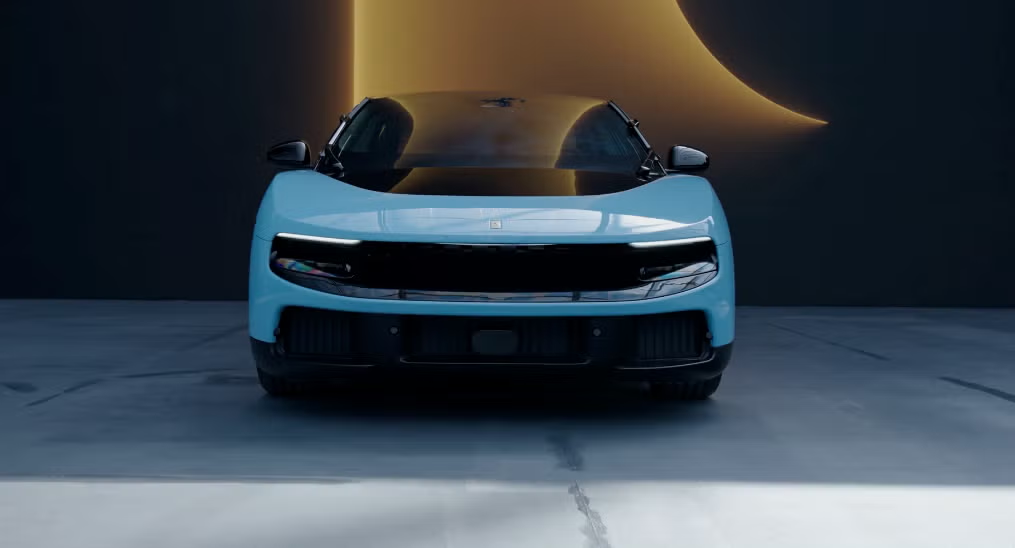
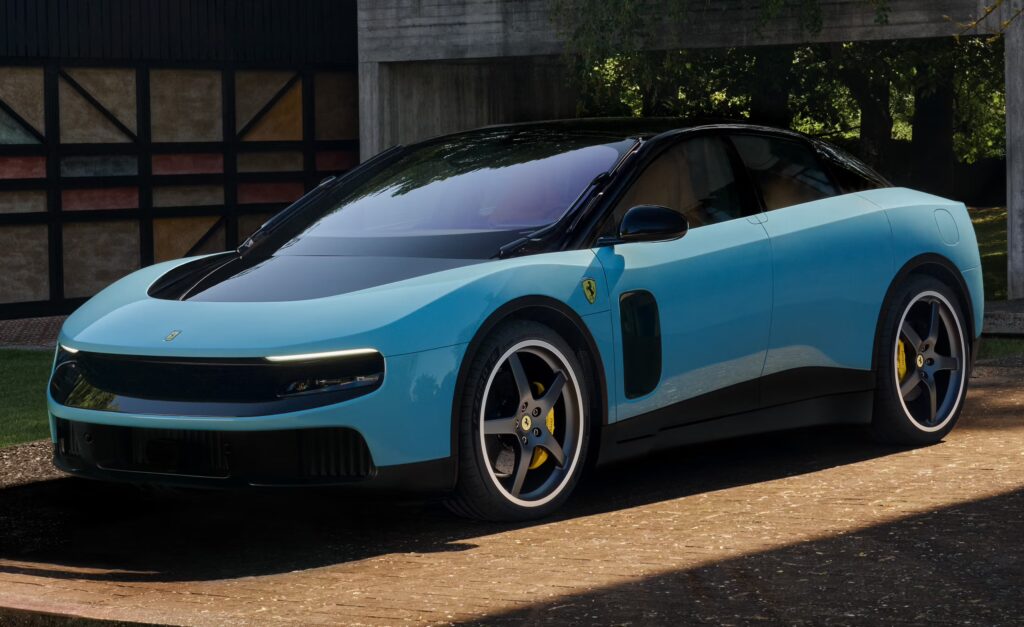
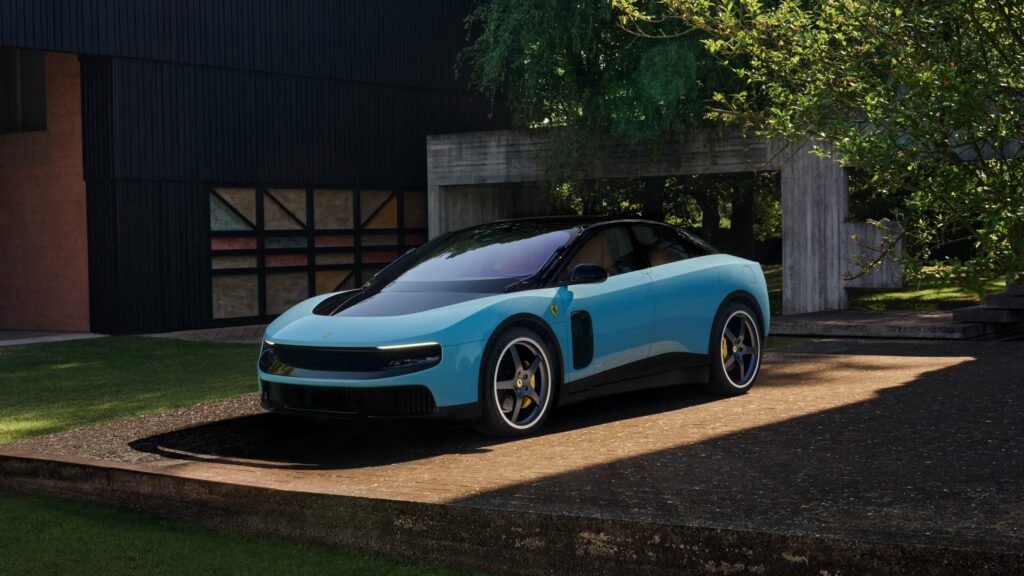
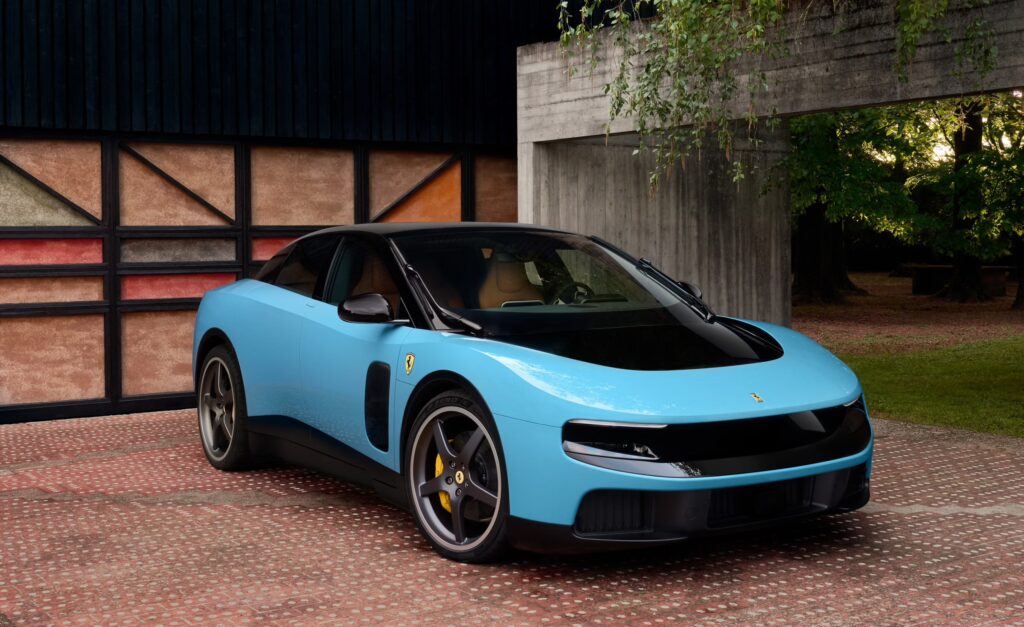
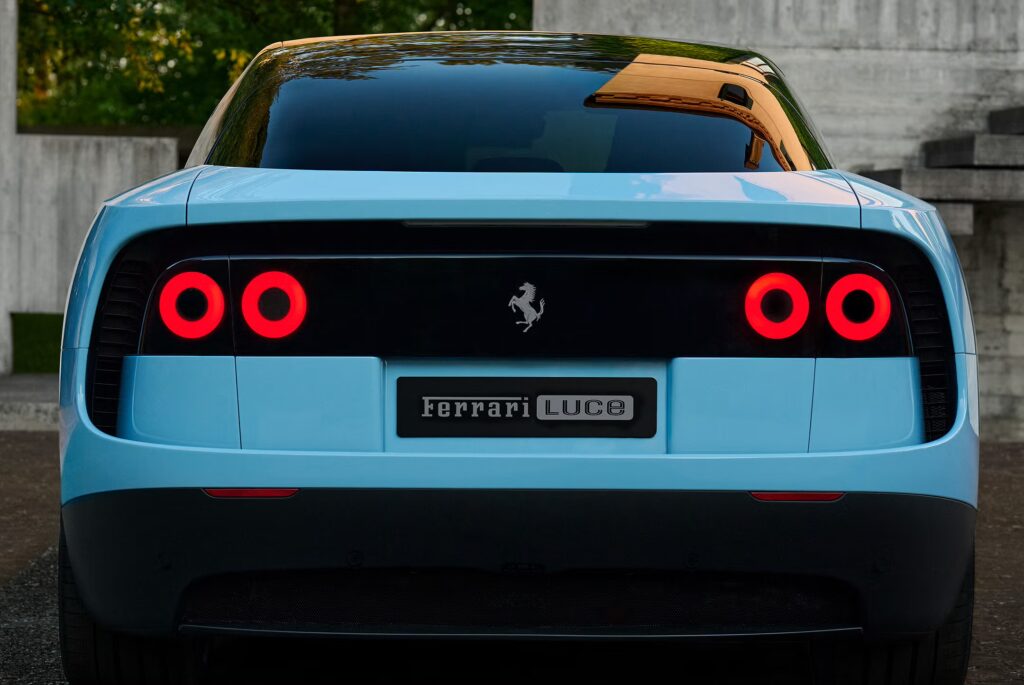
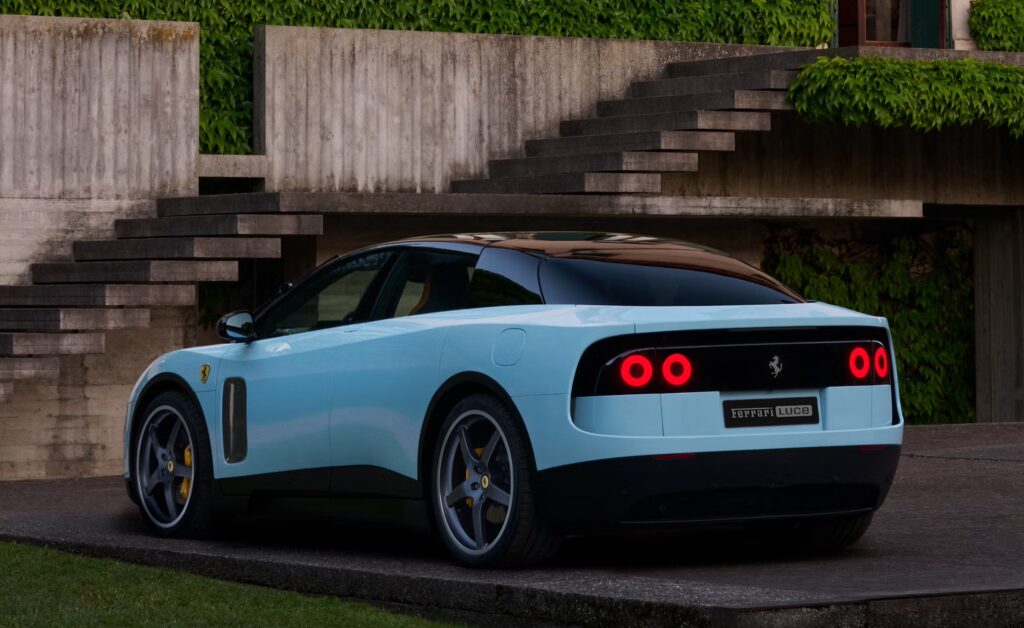
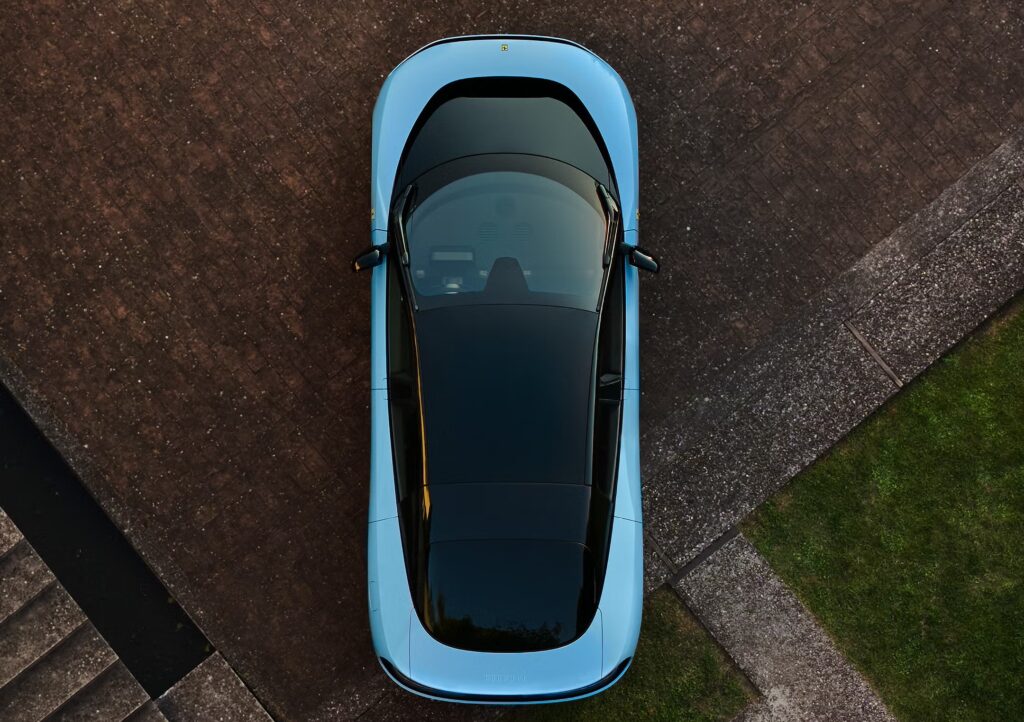
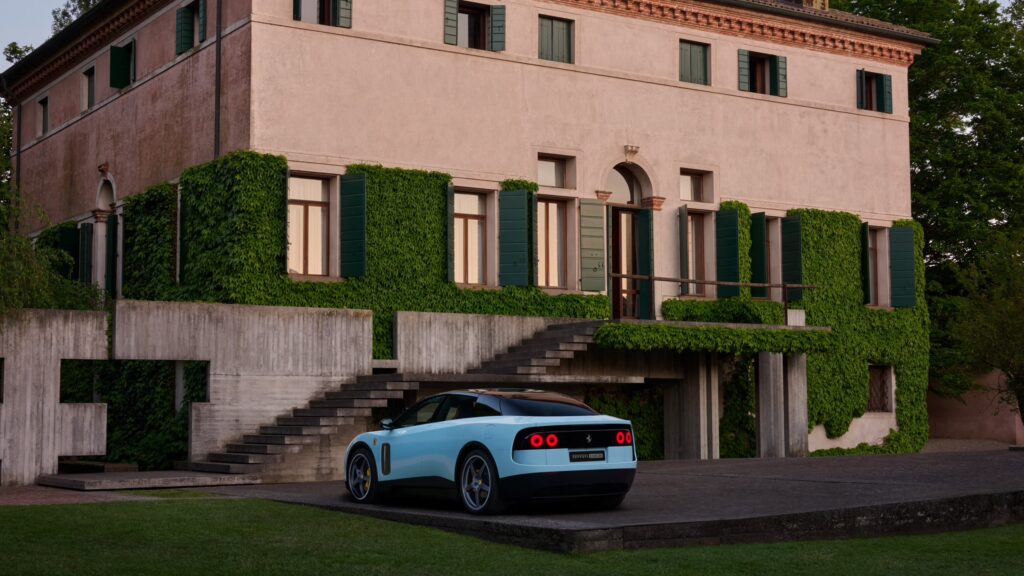
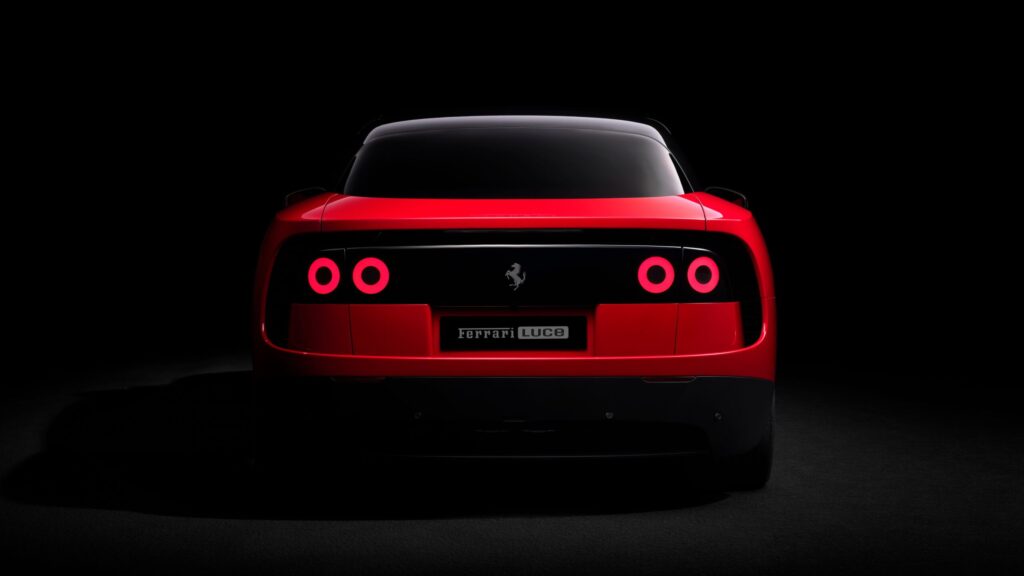
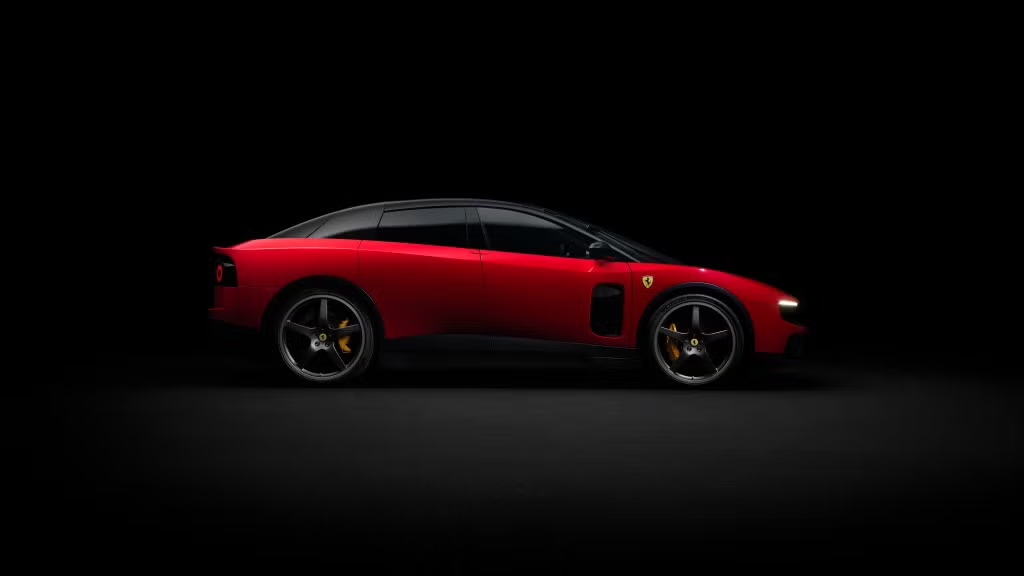
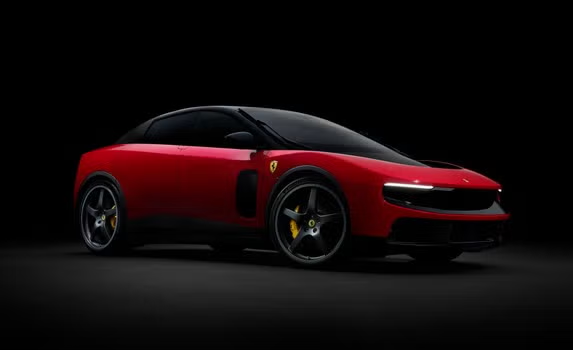
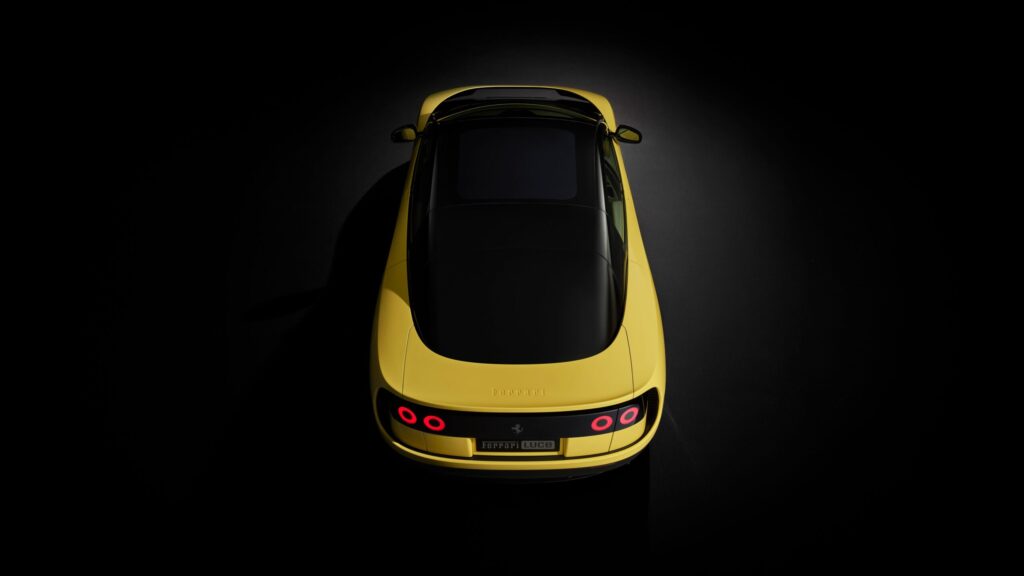
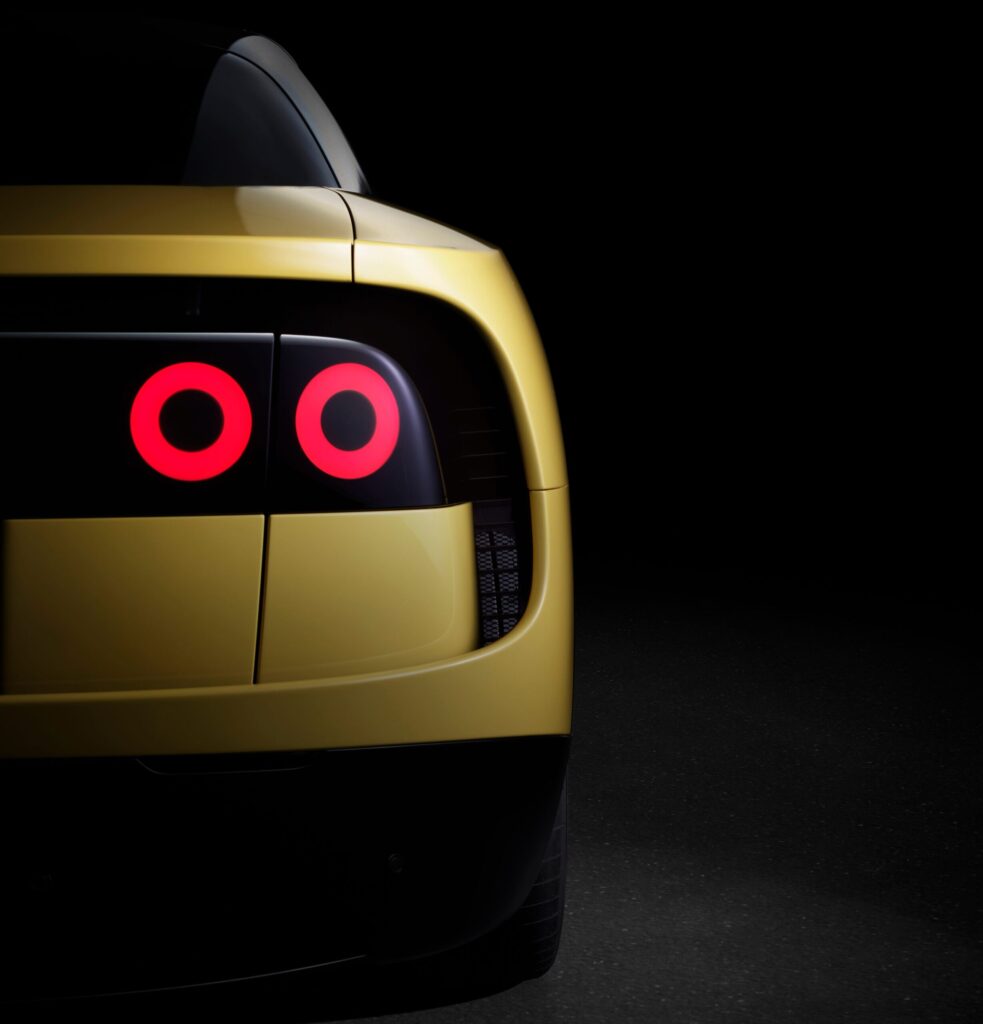
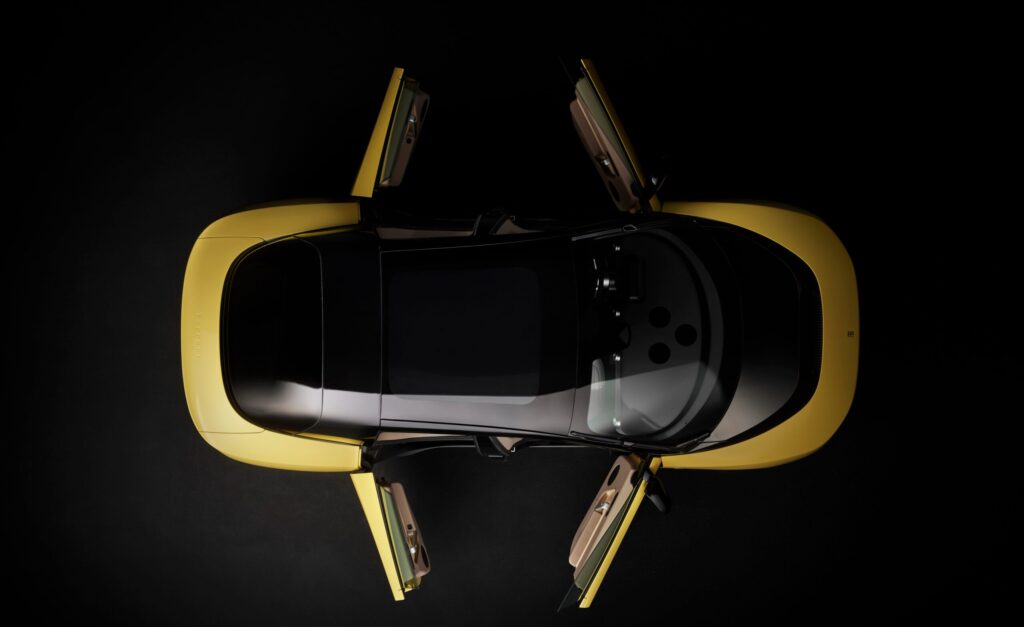
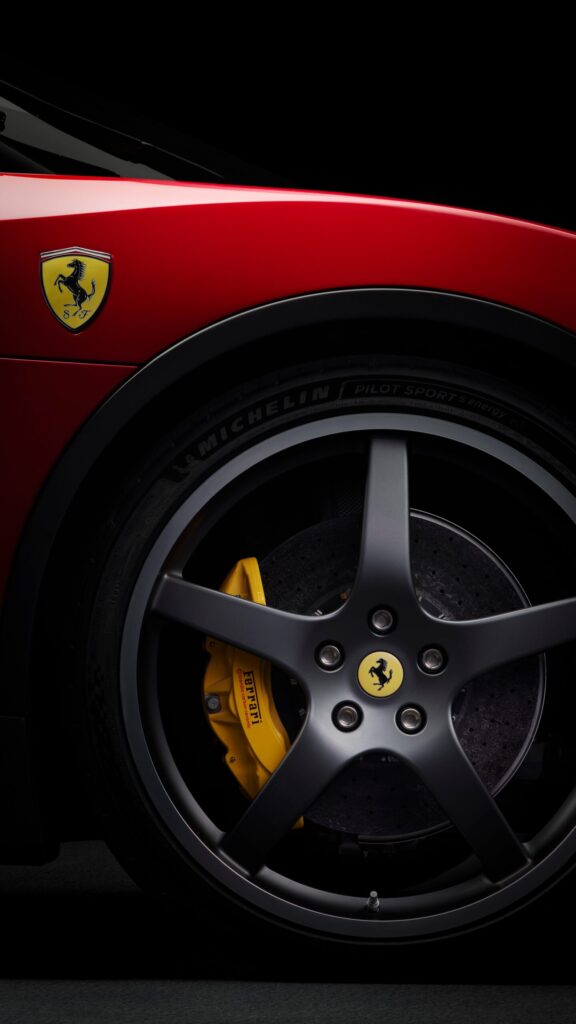
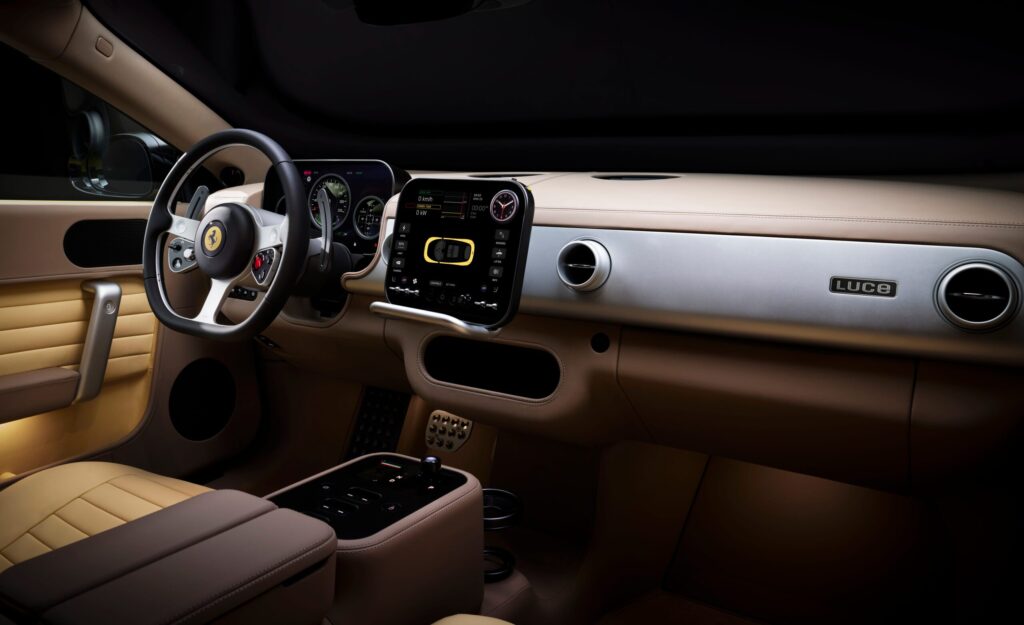
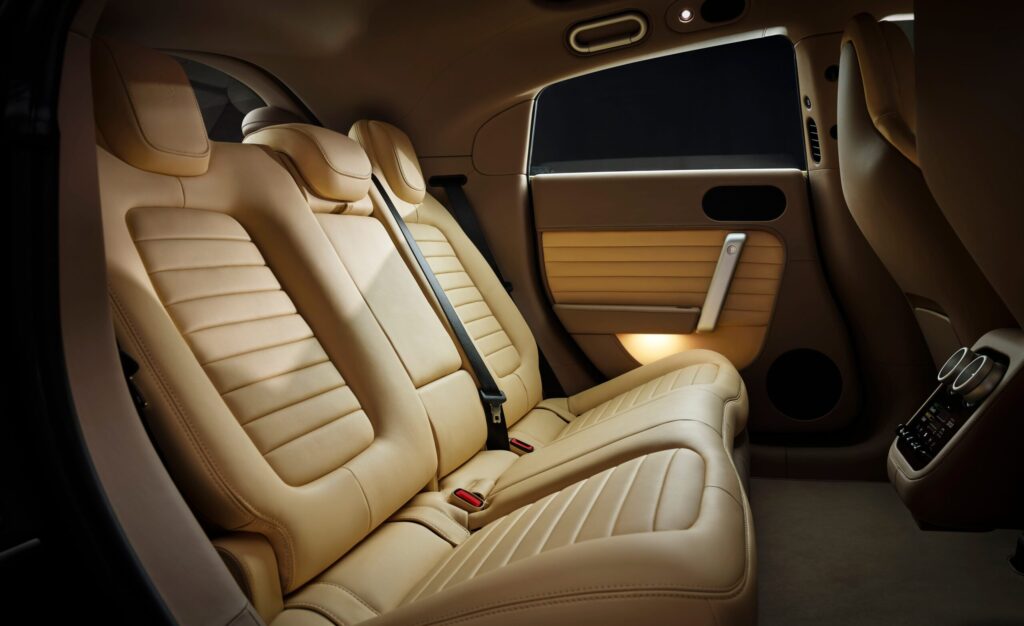
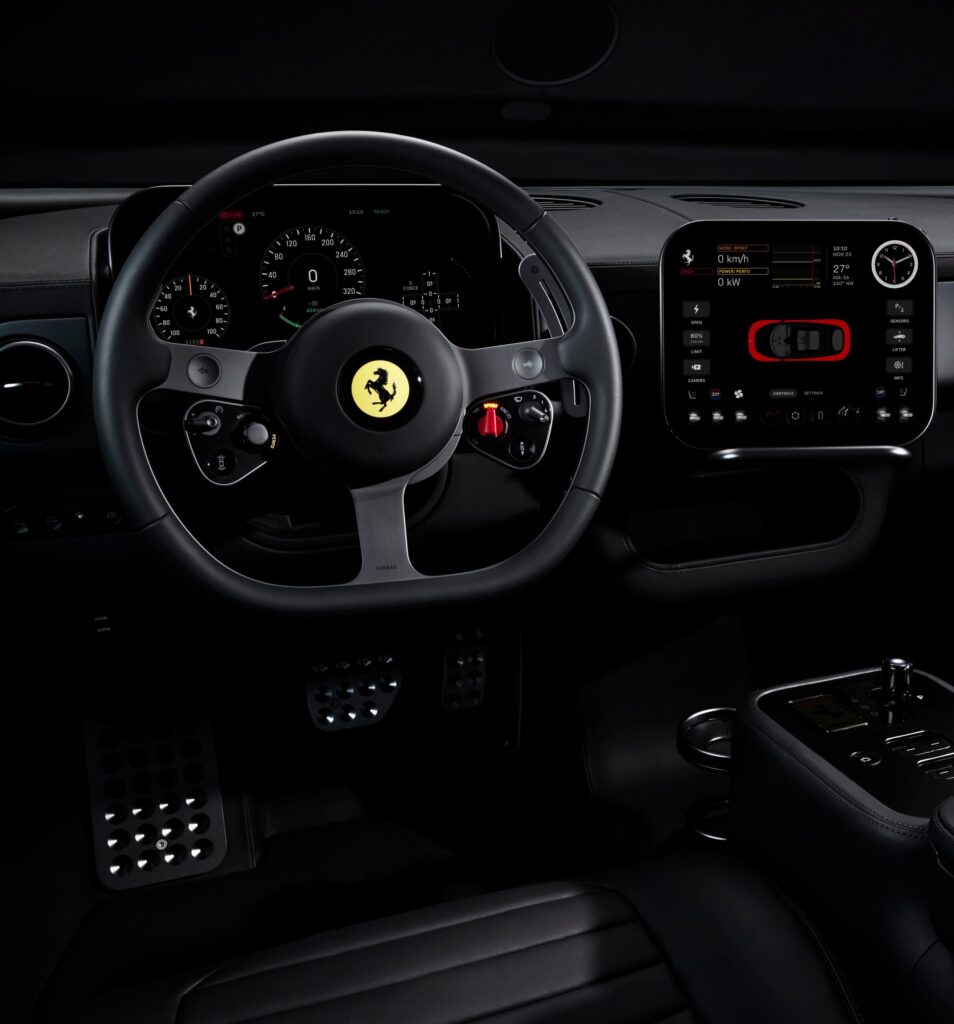
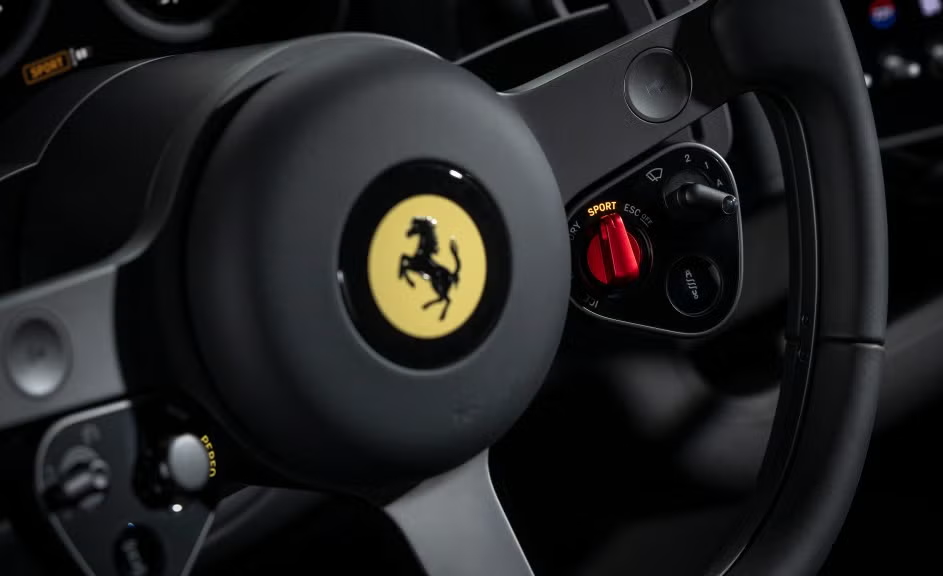
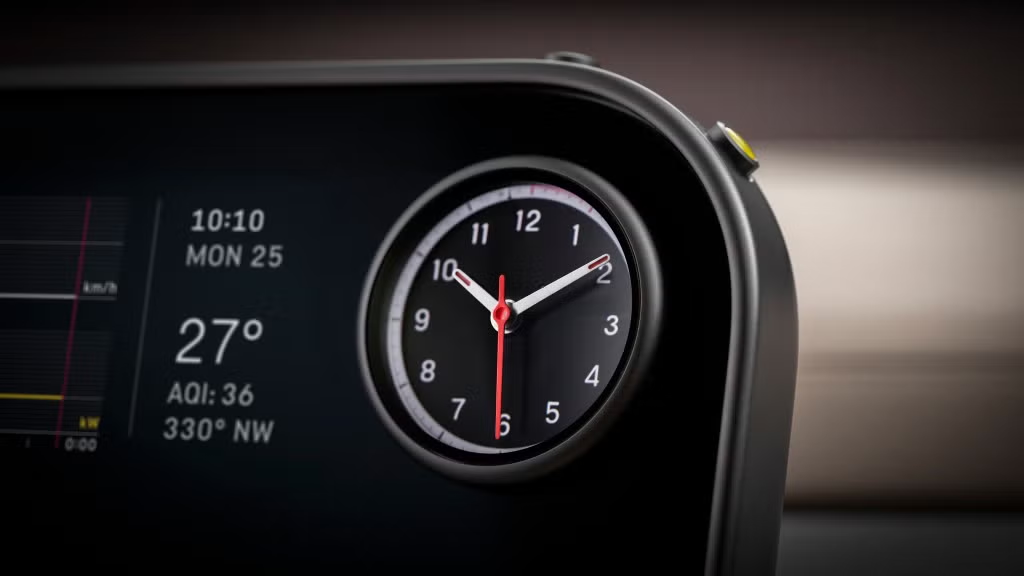
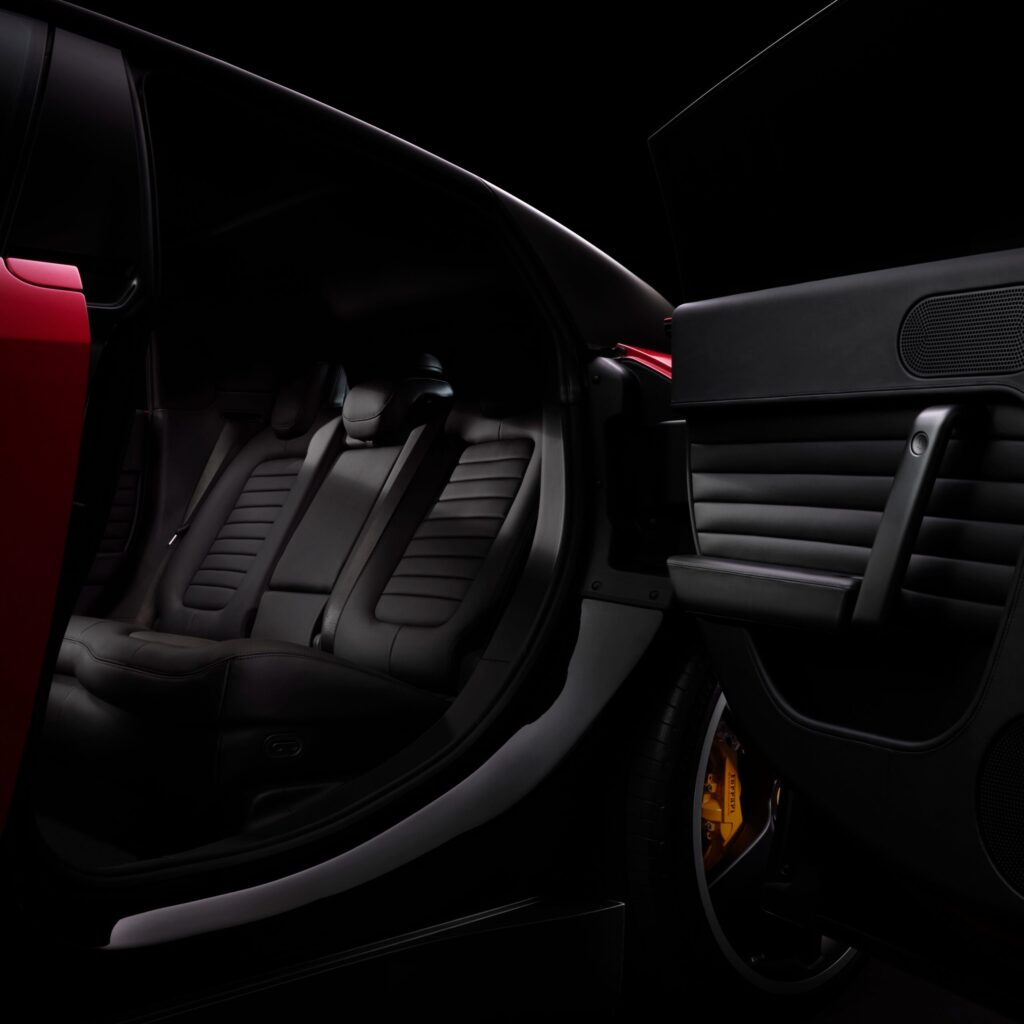
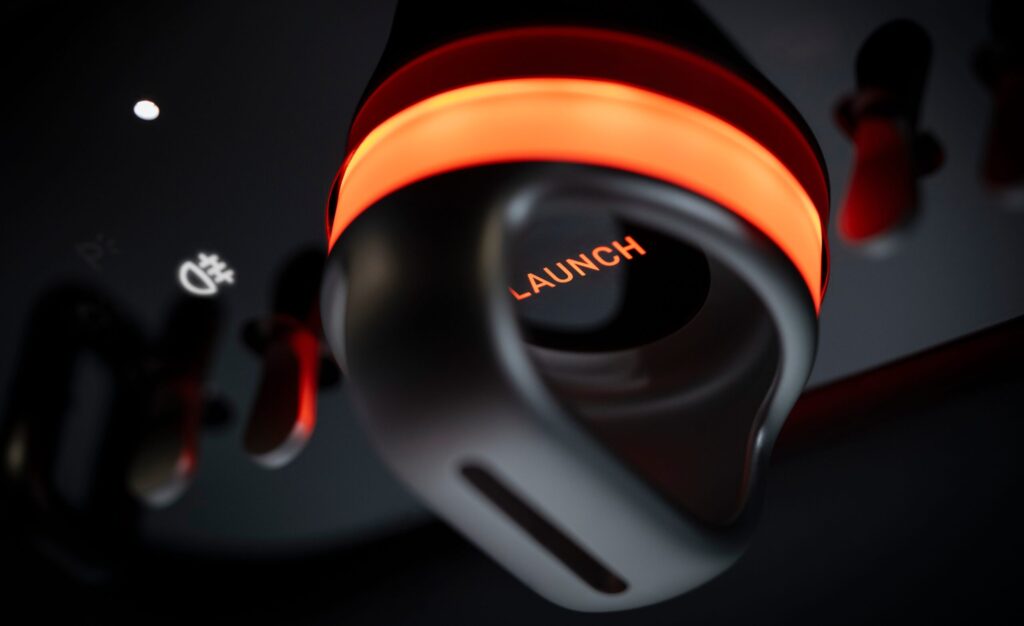
Photo credit: Ferrari
Frequently Asked Questions
Who designed the Ferrari Luce and what makes its design unique?
The Ferrari Luce (Type F222) was designed in partnership with LoveFrom, the creative collective founded by legendary former Apple design chief Sir Jony Ive and industrial icon Marc Newson. What makes it unique is its strict refusal to use giant touchscreen submenus. Instead, the cabin utilises premium, CNC-machined physical buttons, watch-grade dials, and mechanical toggle switches to rescue drivers from “touchscreen hell.”
What are the performance specifications and battery capacity of the Ferrari Luce?
The Ferrari Luce is a pure electric vehicle (BEV) powered by four independent motors that pump out a massive 1,036 horsepower. It rockets from 0-100km/h in just 2.5 seconds and tops out at 310km/h. It features an 880V high-voltage architecture paired with a 122kWh battery capacity developed by SK On, delivering a claimed range of 530km under the WLTP cycle.
How does the Ferrari Luce fix the “fake sound” problem found in most electric vehicles?
Instead of piping synthetic, pre-recorded .mp3 files or spaceship hums through the speakers, the Luce captures its sound naturally. Ferrari mounted highly sensitive kinetic accelerometers directly onto the electric motors, which spin at up to 30,000 RPM. These real physical vibrations are sent through hollow acoustic amplification cavities built directly into the car’s rear chassis frame, acting like the body of an acoustic guitar to project a genuine, visceral mechanical sound.
Will the technology inside the Ferrari Luce become obsolete like a smartphone?
No. Ferrari explicitly engineered the Luce around the principle of permanence to protect its long-term resale value. The 122 kWh battery pack is completely modular and removable. When next-generation high-density or solid-state batteries debut in the 2030s, owners can officially swap out the old cells for upgraded hardware without altering the car’s structural spaceframe. Furthermore, all software, engines, and inverters are built in-house in Maranello to ensure indefinite parts availability.
How much does the Ferrari Luce cost and what are its dimensions?
The base price of the Ferrari Luce is €550,000 (approximately $640,000 USD or roughly RM3 million before local Malaysian import duties, taxes, and personalisation options). At 5,026mm long, 1,999mm wide, and 1,544mm tall, it is Ferrari’s longest production car to date, riding on staggered 23-inch front and 24-inch rear wheels to accommodate its unique five-seat cabin layout.