
Report: Apple Developing Sub-$1000 MacBook and Major iPhone Satellite Expansion
Apple is developing a significant expansion of its satellite connectivity features for the iPhone and is also working on a new entry-level MacBook aimed at the education market, according to a recent report from Bloomberg’s Mark Gurman.
These moves signal a major push to integrate satellite technology deeper into the iPhone ecosystem and to compete more aggressively with lower-priced laptops from rivals.
iPhone Satellite Features to Expand Beyond Emergencies

Apple’s current “Emergency SOS via Satellite” is reportedly just the beginning. The company is developing a suite of new features that would make satellite connectivity a core part of the iPhone experience. Among the key features in development is satellite-powered Apple Maps, which would allow users to get navigation and directions even without a cellular or Wi-Fi signal.
The Messages app is also slated for an upgrade, enabling users to send and receive full images and photos over a satellite link, a significant step up from the current text-only emergency feature.
Furthermore, Apple is working on “natural usage” connectivity to eliminate the need for users to point their phones directly at a satellite. This would allow future iPhones to maintain a connection while in a pocket, in a car, or even indoors. To expand the ecosystem, the company is reportedly building an API (Application Programming Interface) for third-party developers to integrate satellite connectivity into their own apps.
Finally, future iPhone models, possibly the “iPhone 18,” are expected to include support for 5G NTN (non-terrestrial networks), which would permit cell towers to tap into satellites for expanded coverage.
These ambitious features are contingent on significant infrastructure upgrades to Apple’s partner, Globalstar, which Apple is reportedly helping to finance.
New Low-Cost MacBook to Target Chromebooks
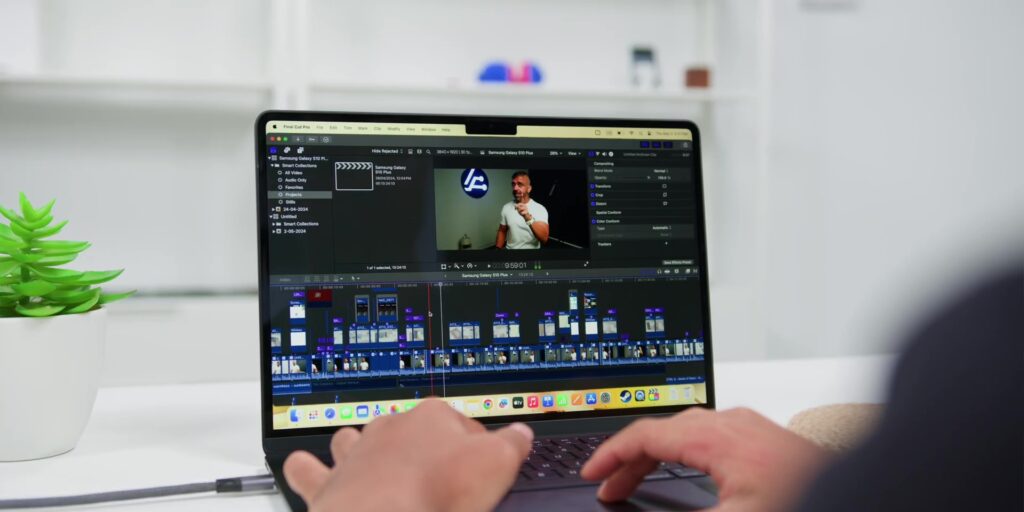
In a separate development, the report details Apple’s plans for a new, “low-cost” MacBook designed to compete directly with Google’s Chromebooks and other budget-friendly Windows laptops, particularly in the education sector.
Details on the rumoured laptop suggest an aggressive pricing strategy, with the device expected to be priced “well under USD1,000” and some analysts speculating it could fall in the USD500 to USD800 range. To achieve this, the new MacBook would reportedly be the first to use an A-series chip, similar to those in iPhones like the A18 Pro, rather than the more powerful M-series chips.
Despite this, performance is still expected to be competitive, potentially exceeding the original M1 chip. The entry-level design is said to feature a smaller, lower-end LCD screen (under 13.6 inches) and may come in a variety of colours, similar to the iMac or entry-level iPads. This device, reportedly codenamed “J700,” is in early production and is tentatively scheduled for a launch in the first half of 2026.
These initiatives indicate Apple is focused on both high-end, next-generation connectivity and capturing a wider, more budget-conscious segment of the personal computing market.