
HUAWEI and OPPO Reportedly Adopting Square Selfie Sensors for Future Phones
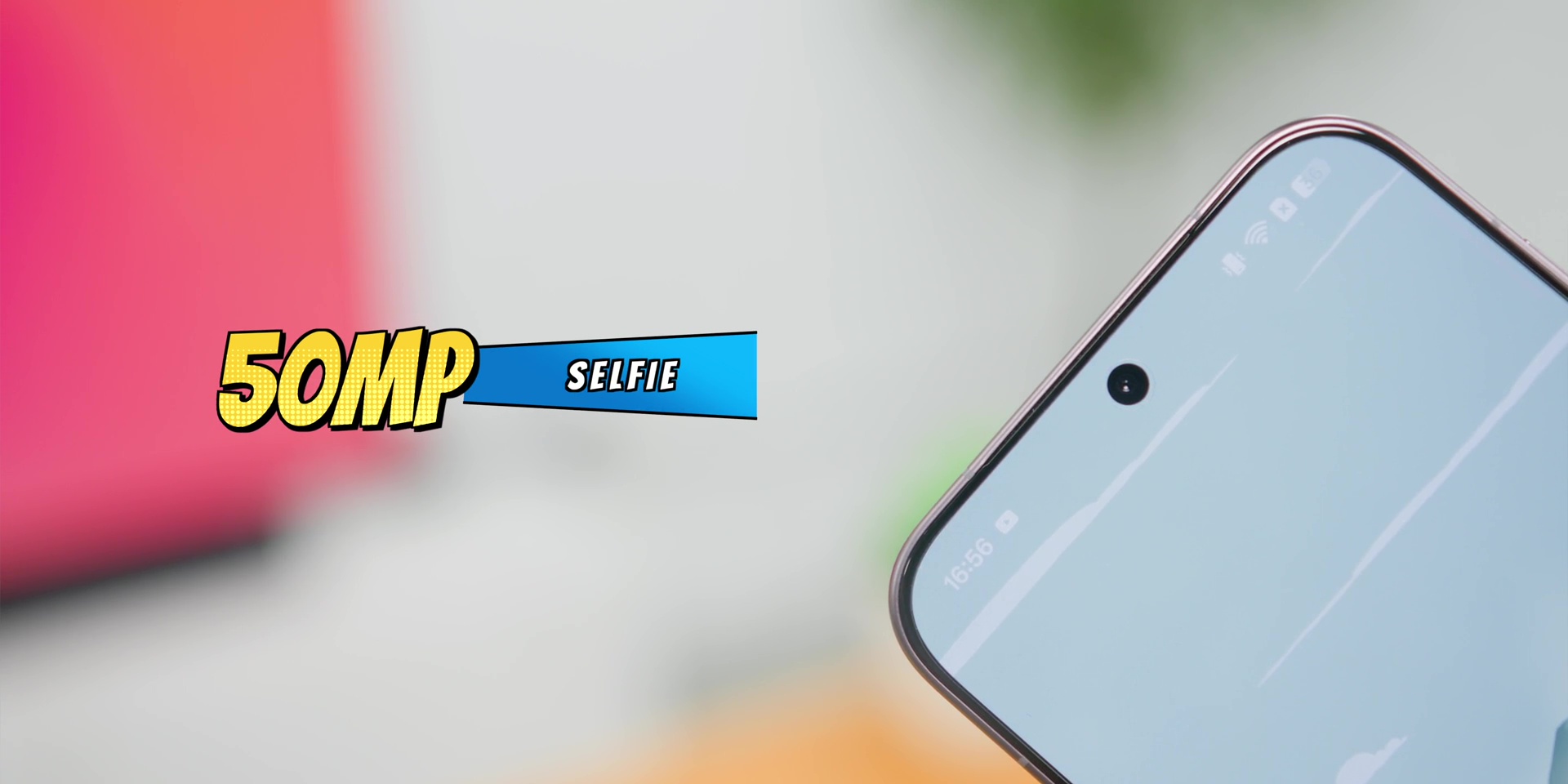
TL;DR: HUAWEI and OPPO are reportedly testing square selfie sensors for their upcoming Nova 16 and Find X10 series, following Apple’s iPhone 17. The 1:1 aspect ratio allows for seamless portrait and landscape shooting without rotation.
Following Apple’s introduction of a square selfie sensor on the iPhone 17 series, Chinese tech giants HUAWEI and OPPO are reportedly preparing to adopt similar technology for their upcoming smartphones.
According to a new leak from the regular tipster Digital Chat Station, both companies are currently testing 1:1 aspect ratio sensors for front-facing cameras. If confirmed, they would be the first Chinese brands to follow the trend set by Apple, potentially reshaping the standard for mobile self-portraits.
Strategic Implementation
The leak suggests that the two companies will target different market segments with this technology.
- HUAWEI: The leak indicates that HUAWEI plans to introduce the square sensor on its camera-focused mid-range devices. The upcoming Nova 16 series is tipped to be the debut platform for this feature, aligning with the brand’s history of prioritising selfie innovation for younger demographics.
- OPPO: In contrast, OPPO is reportedly planning a flagship rollout. The square sensor is expected to feature in the Find X10 series, with the tipster noting that OPPO’s implementation will be “even more advanced” than Apple’s current offering.
The Square Sensor Advantage
The shift to a square (1:1) format offers distinct practical benefits. As demonstrated by the iPhone 17’s 18MP selfie camera, a square sensor supports seamless shooting in both portrait and landscape orientations without the need to physically rotate the phone. It also facilitates more effective auto-zoom capabilities, allowing for better framing in video calls and group shots.
With selfie culture remaining a dominant driver of smartphone sales in Asia, the adoption of this versatile sensor format by HUAWEI and OPPO could trigger a broader industry shift in 2026.