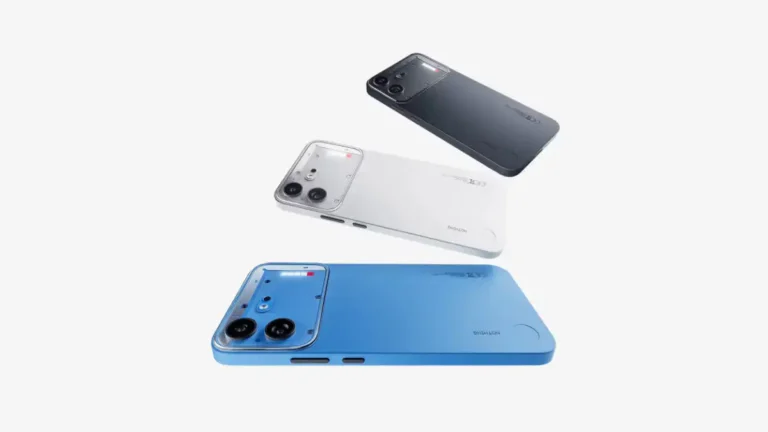

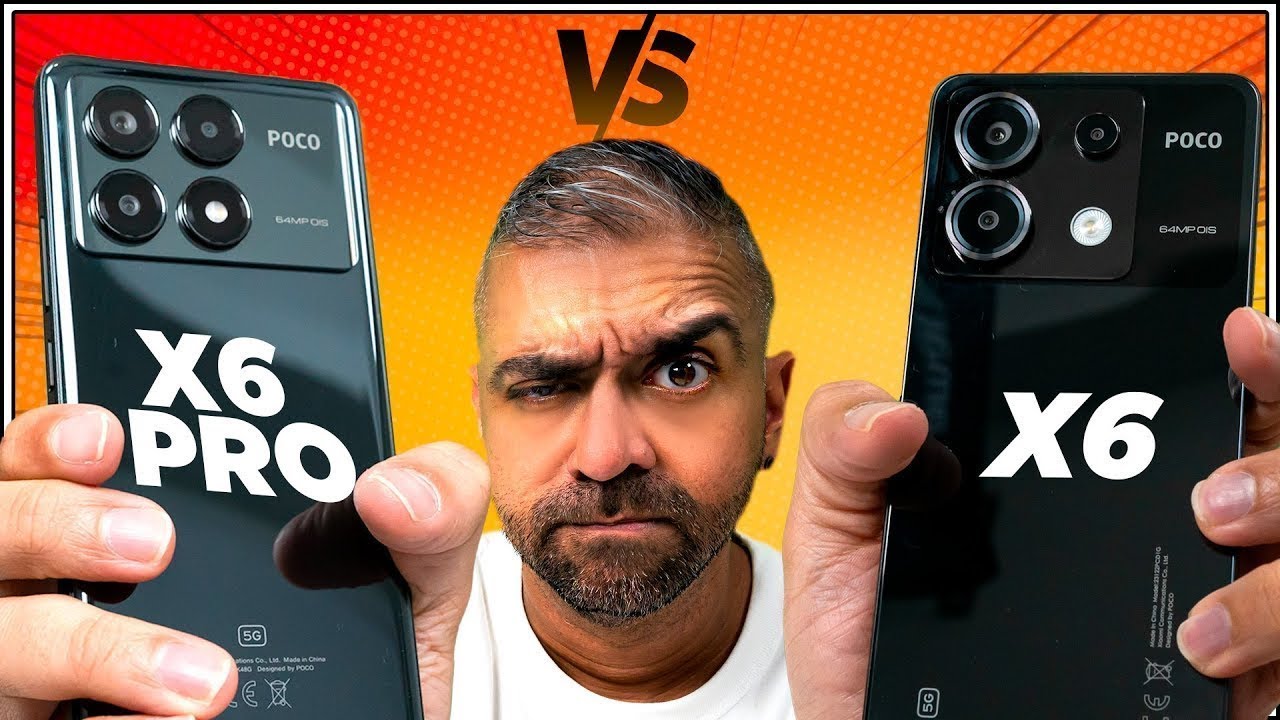
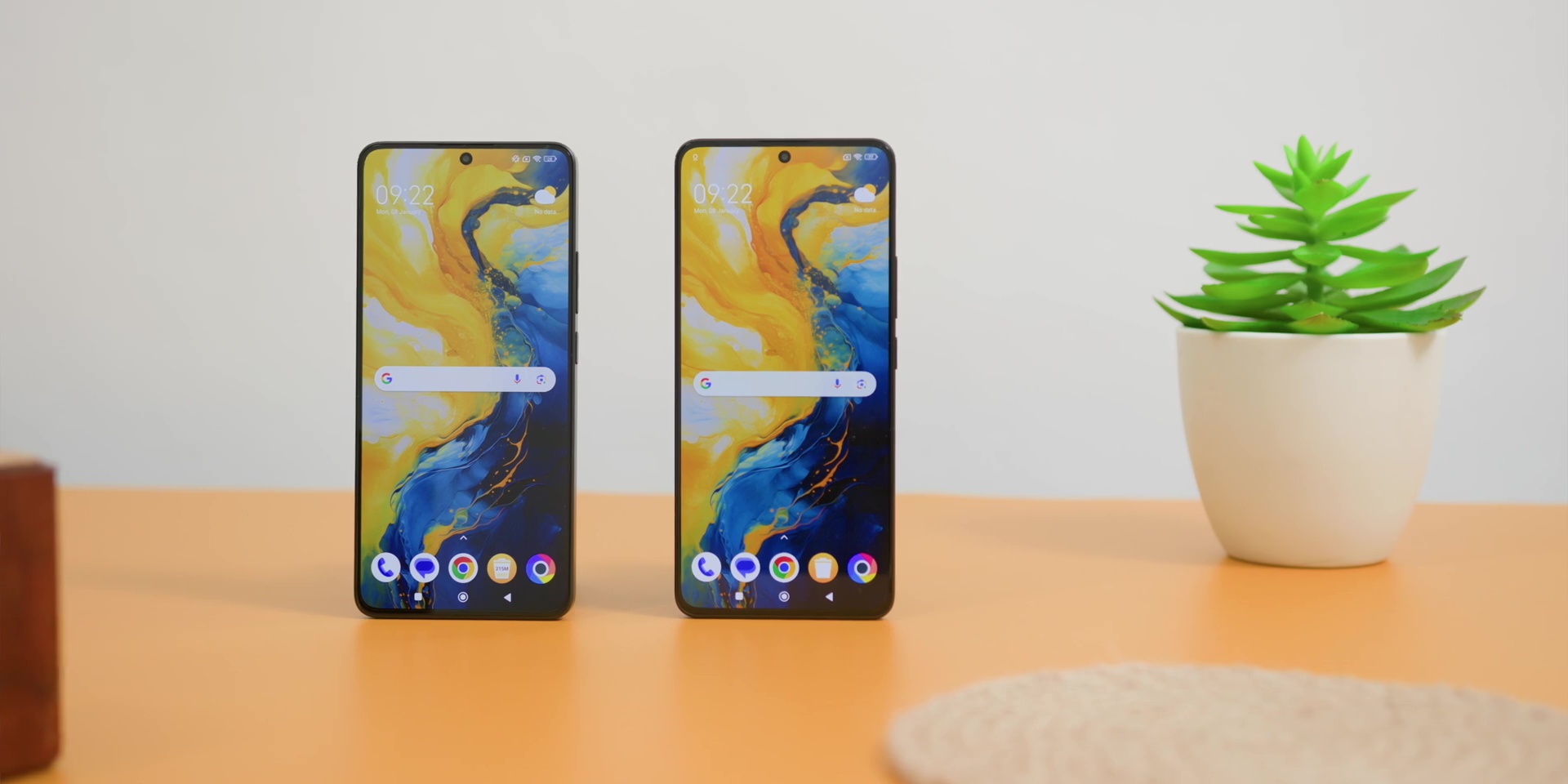
This is the new POCO X6 and the X6 Pro; both have the same screen size with the same refresh rate, the same set of cameras, even though they look different.
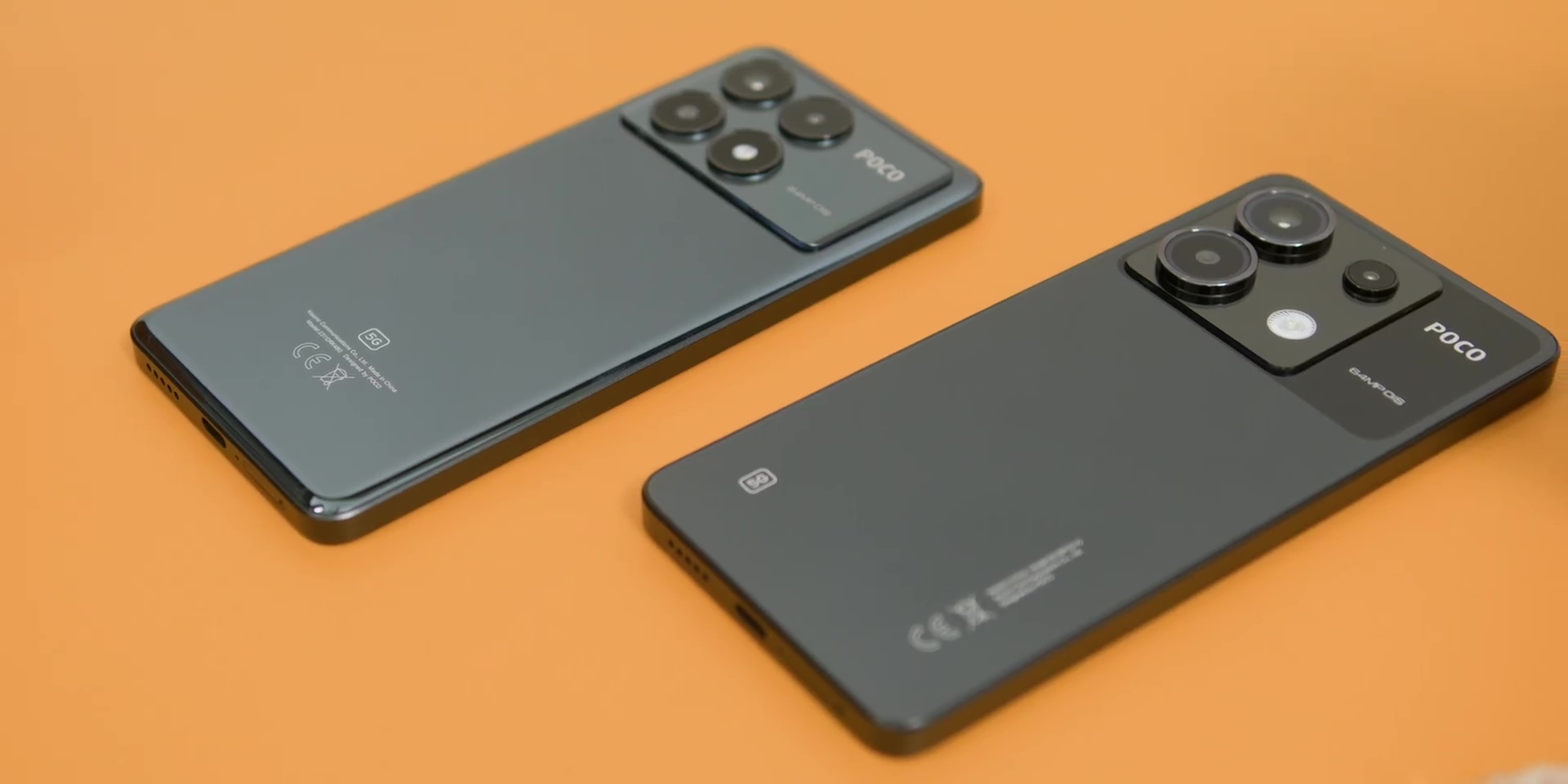
So what else is different? Well, let me tell you.
–
Difference
The first difference is the phone’s chipset. Now, the Pro comes with a new MediaTek Dimensity 8300-Ultra chipset, and the X6 has the new Snapdragon 7s Gen 2 chipset. But since both have the same 4nm chipset, you can expect similar performance for everyday use.
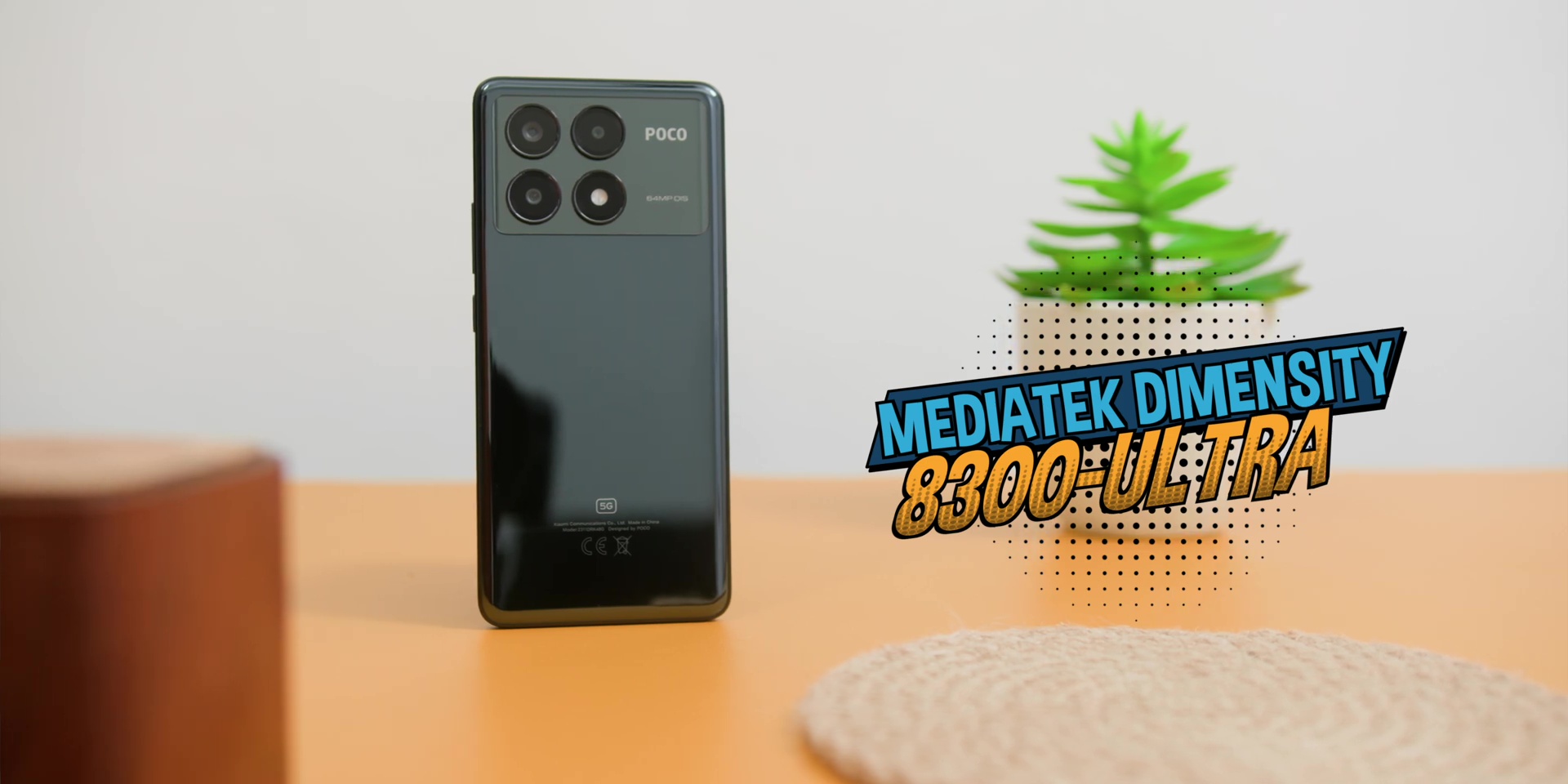
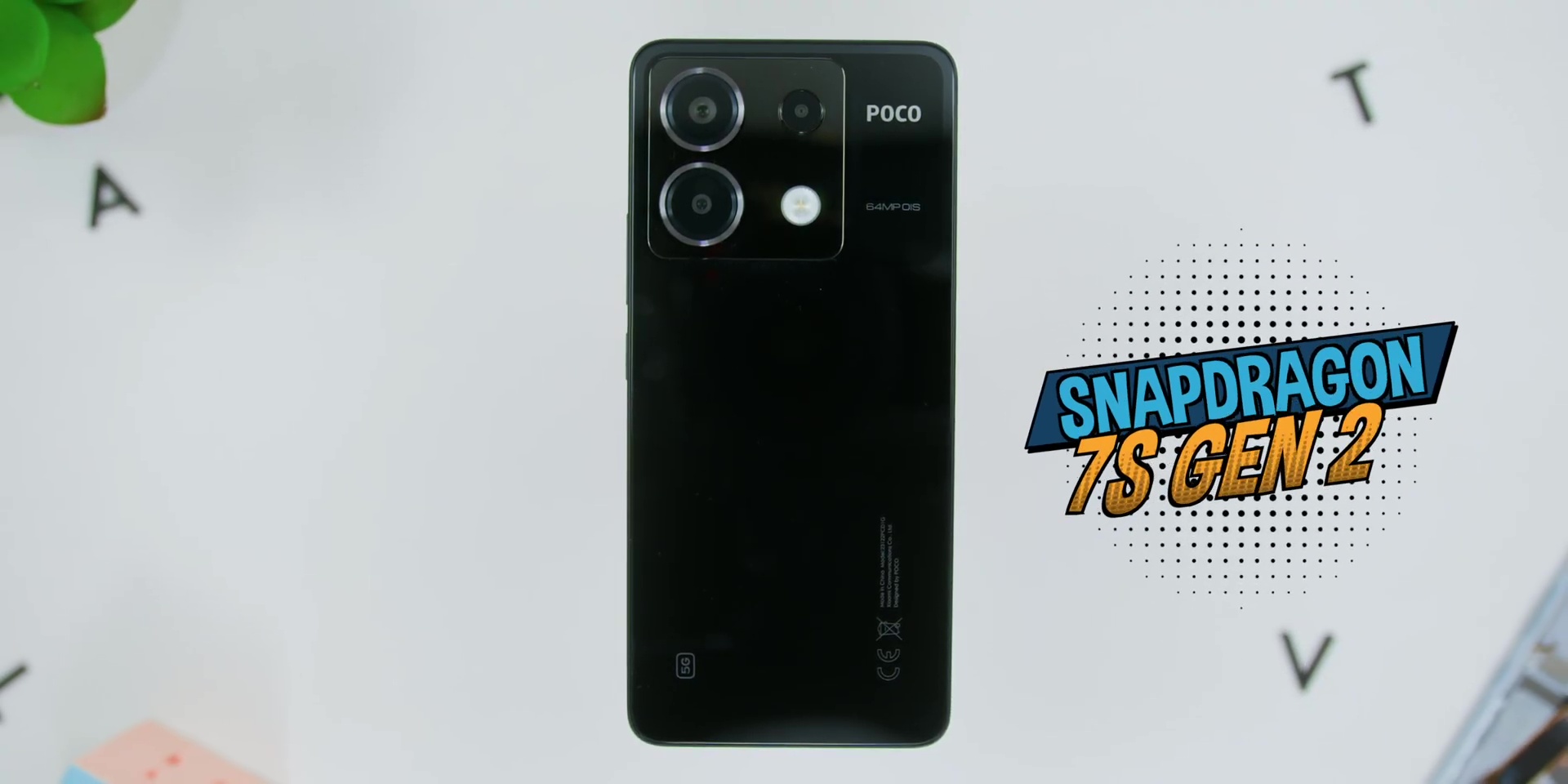
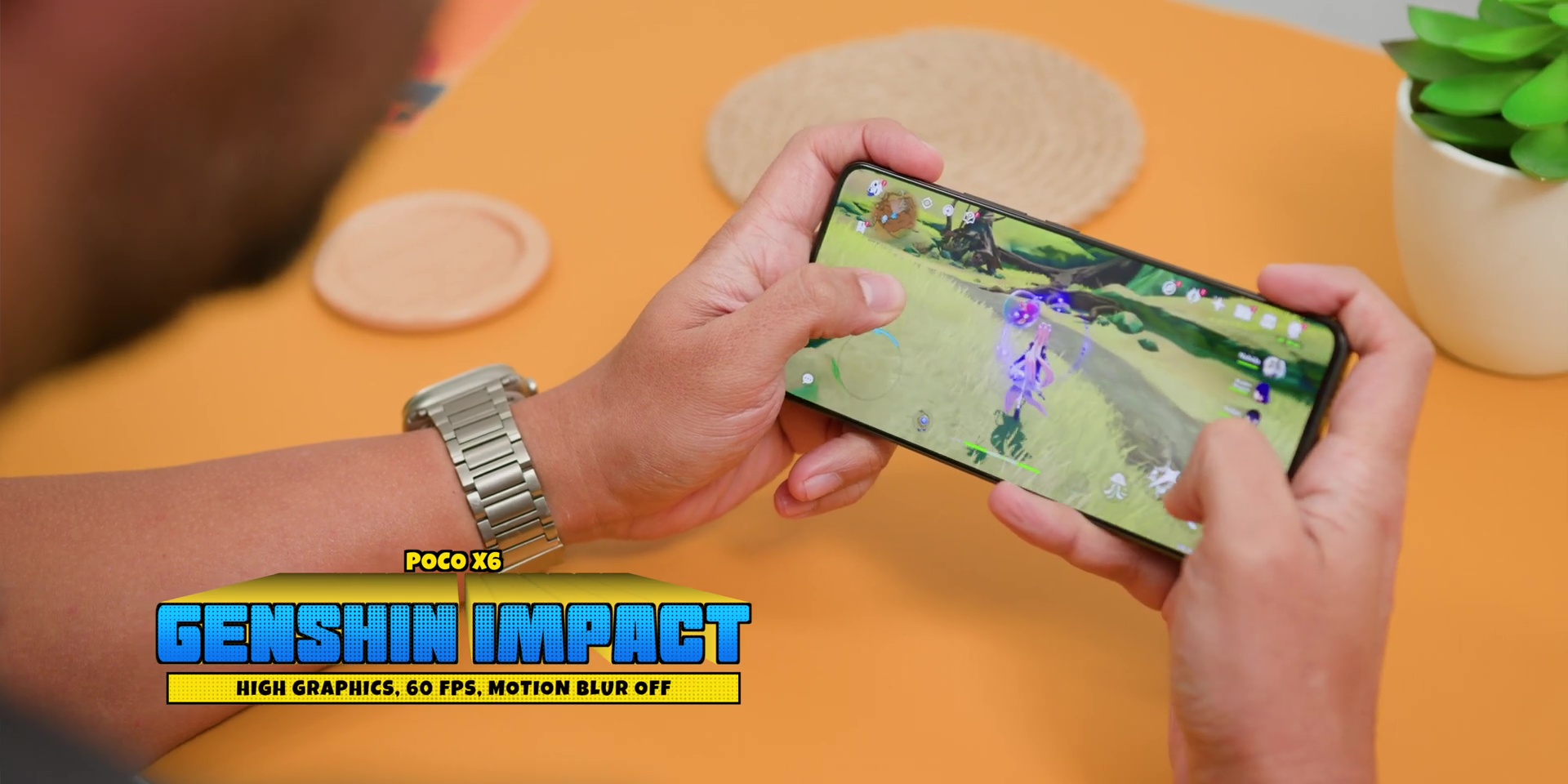
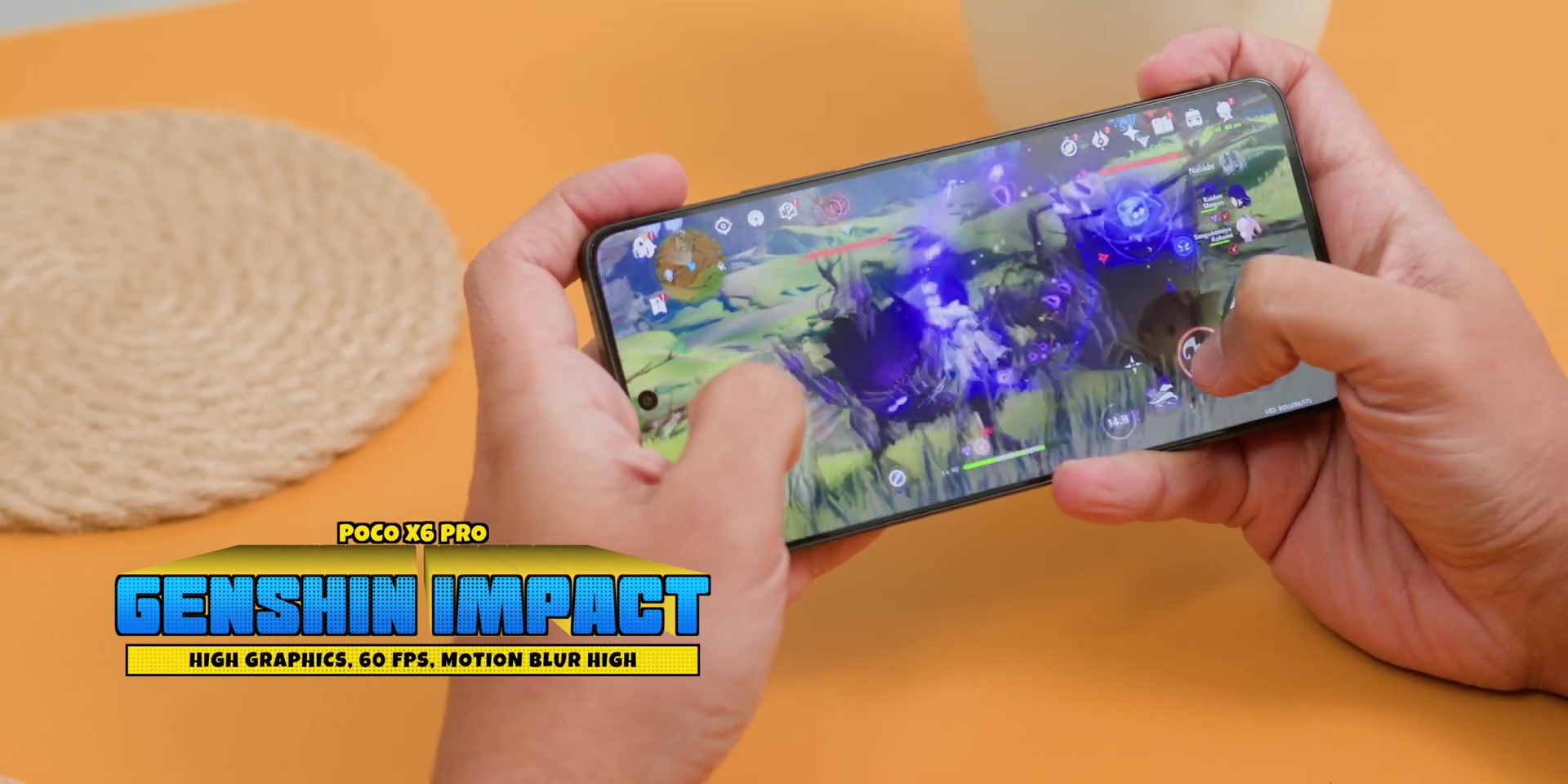
However, during gaming with high-quality games like Genshin Impact, both had the most optimal performance.
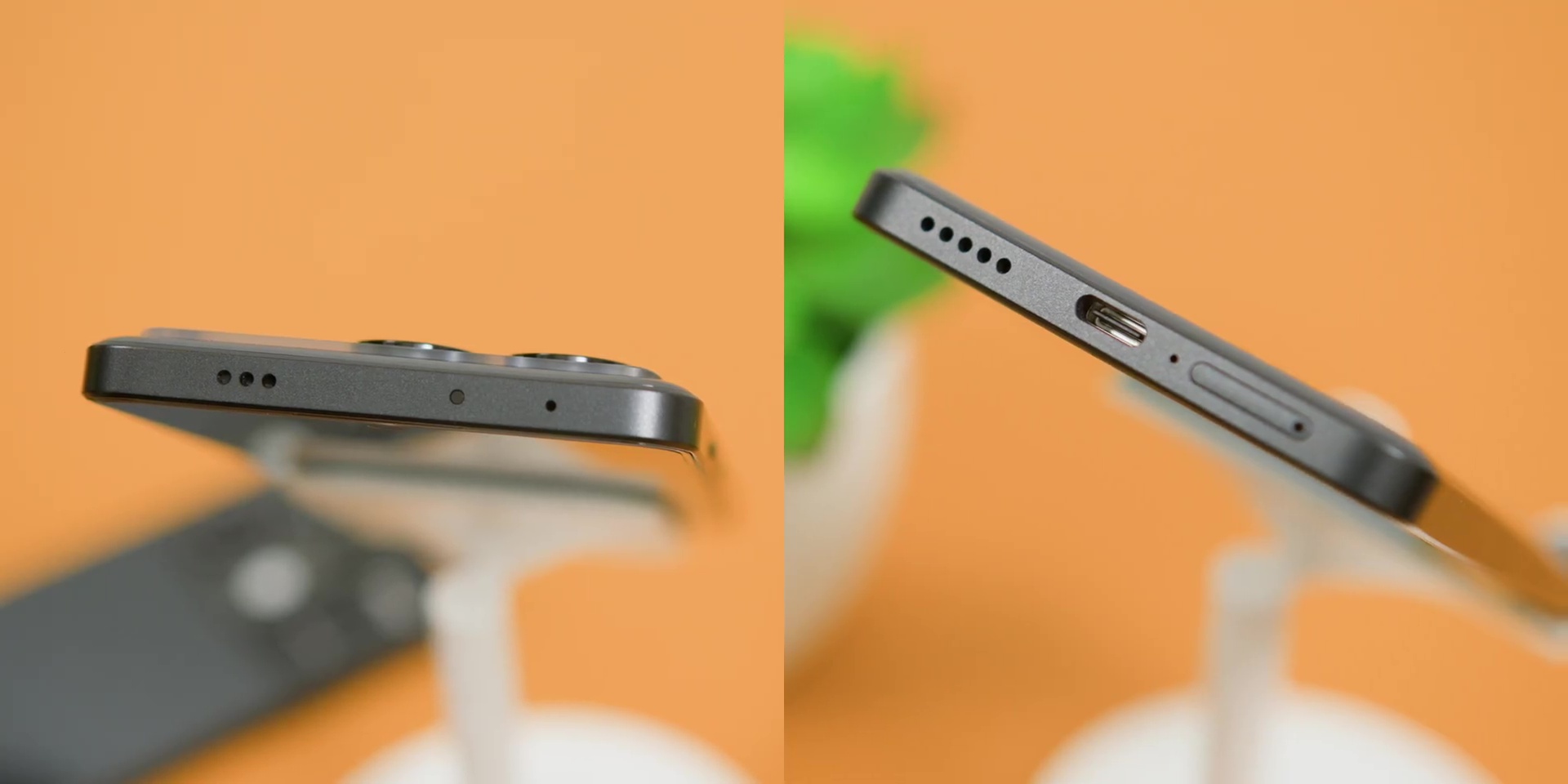
Next, the X6 has a headphone jack, and the X6 Pro does not. Now, this seems to be the case with most POCO phones, where they feel like the Pro users do not use wired headphones. Not sure who came up with that idea, but yeah, that’s the case over here.
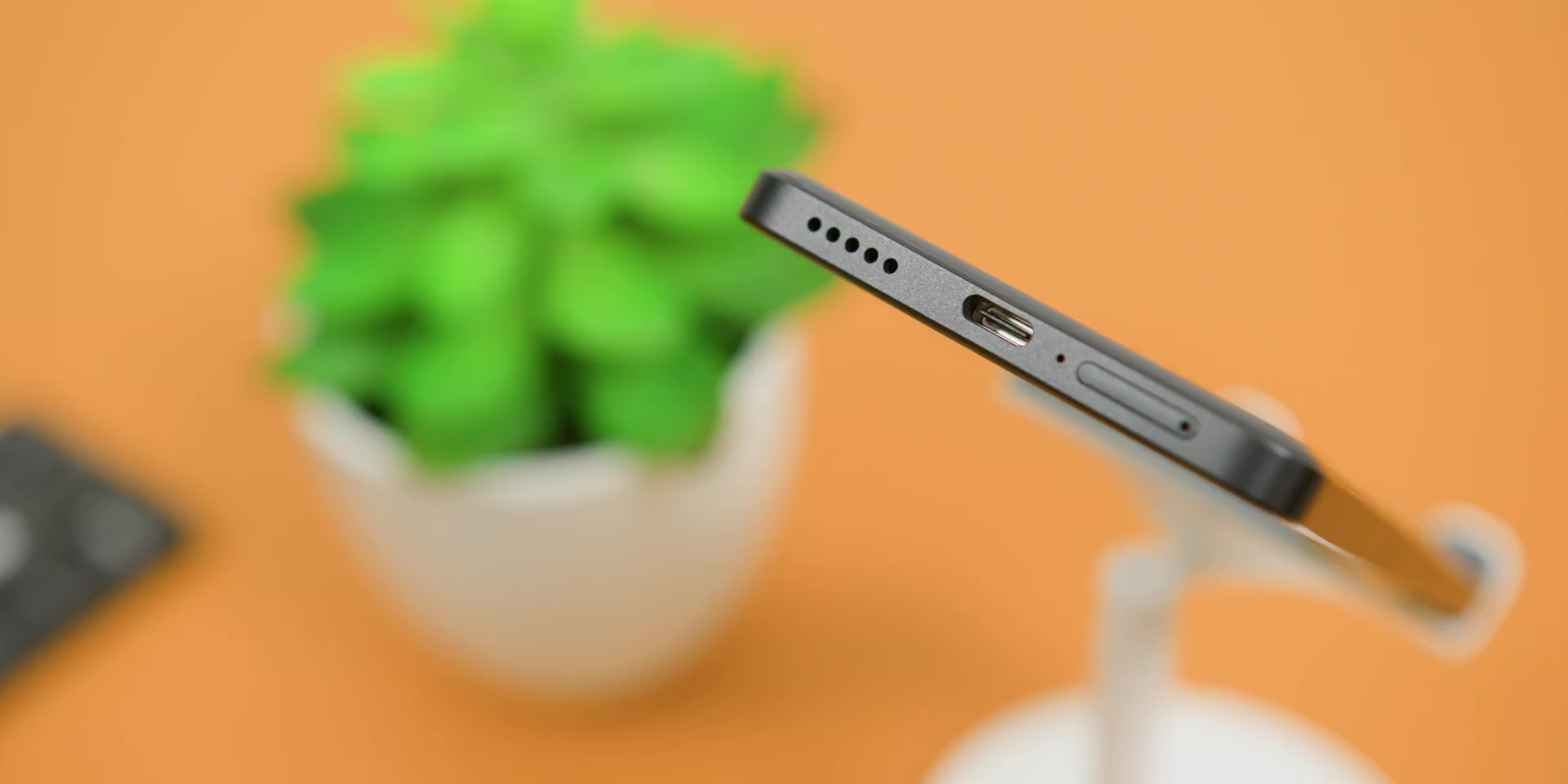
But I am curious, guys, do you feel that in the year 2024 (Happy New Year, guys), the headphone jack is still important on smartphones?
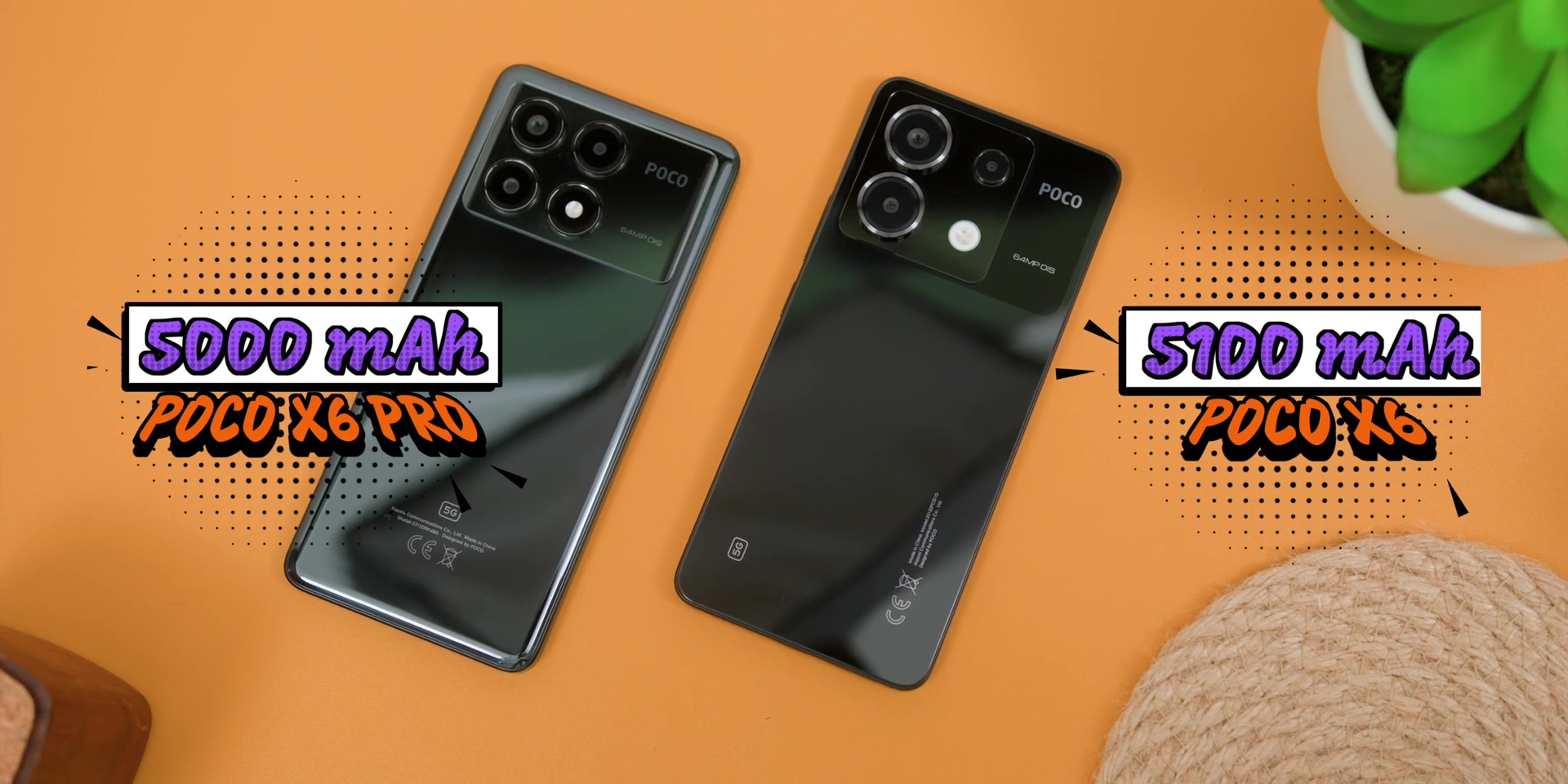
Then two very peculiar differences got me going, “Huh?” First is the battery size because the Pro comes with 100 mAh less compared to the non-Pro. So stay tuned for how the battery performs when I use these two phones longer.
And the second weird thing is that the Pro comes with Corning Gorilla Glass 5 versus the non-Pro, which comes with Corning Gorilla Glass Victus.
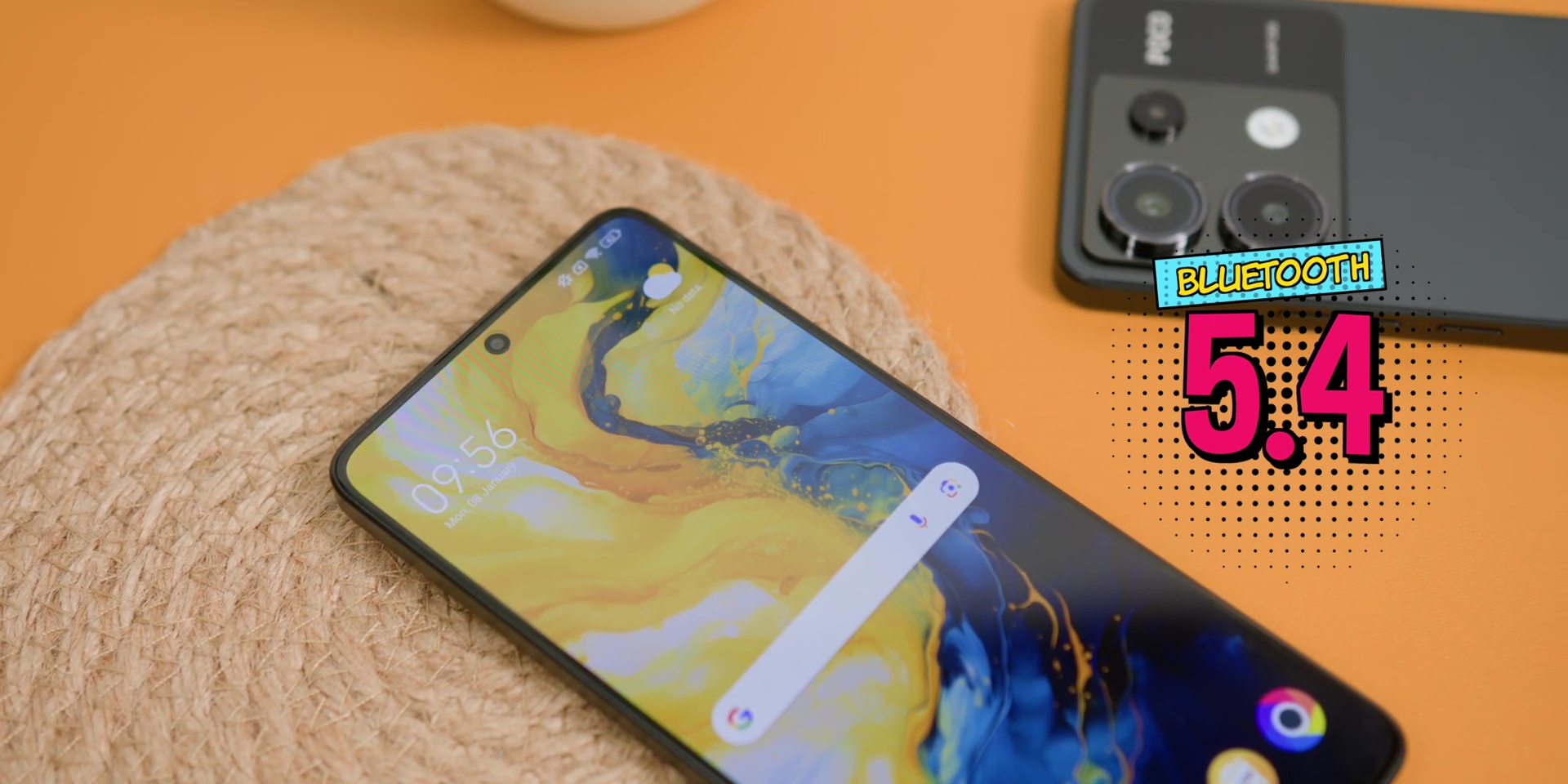
Another minor difference is the Bluetooth version, where the X6 Pro comes with version 5.4, and the X6 comes with version 5.2. Not a huge deal over here, but worth mentioning because it may matter to some people.
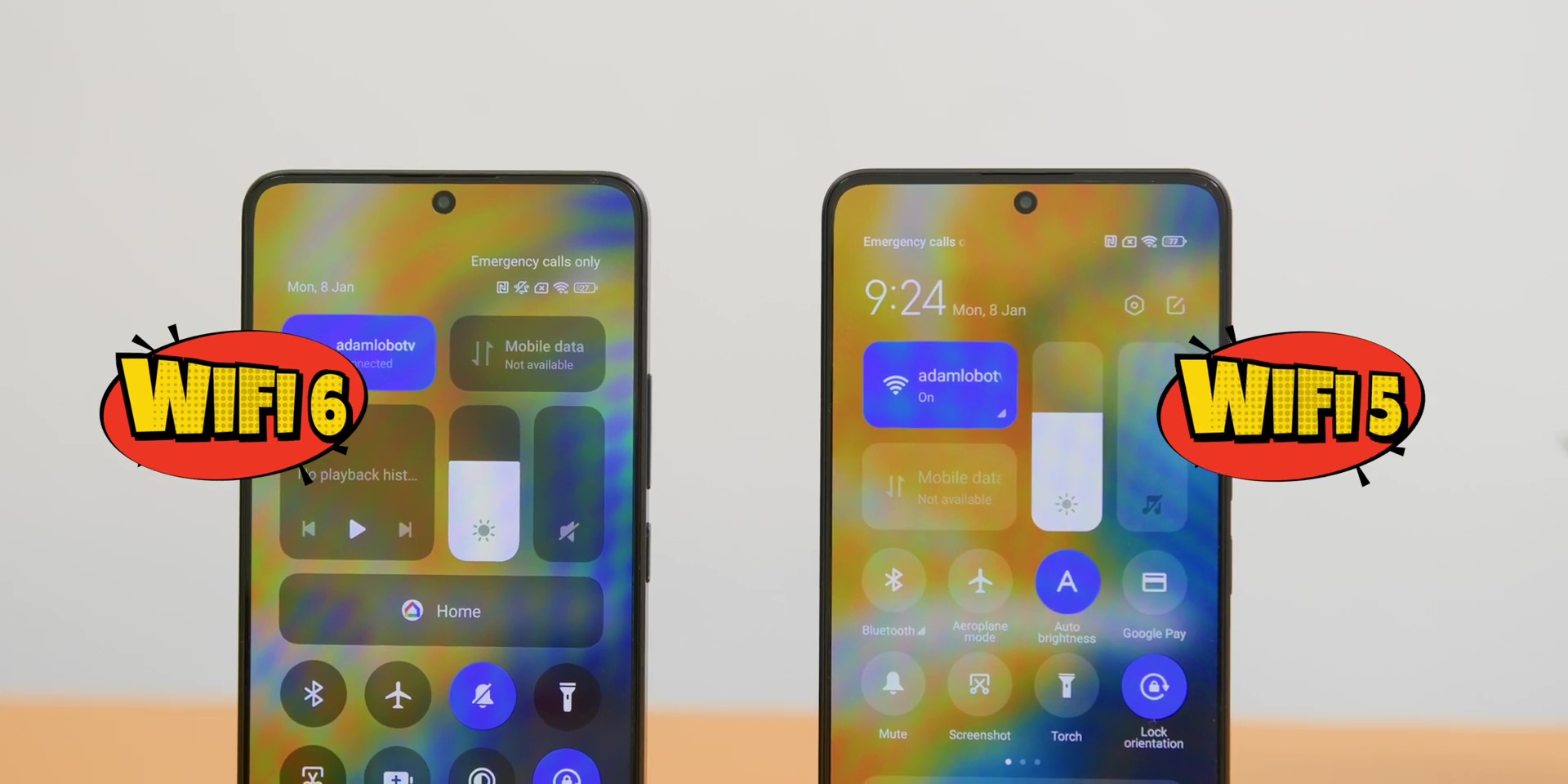
Then speaking of connectivity, the X6 Pro comes with Wi-Fi 6 compared to Wi-Fi 5 on the X6.
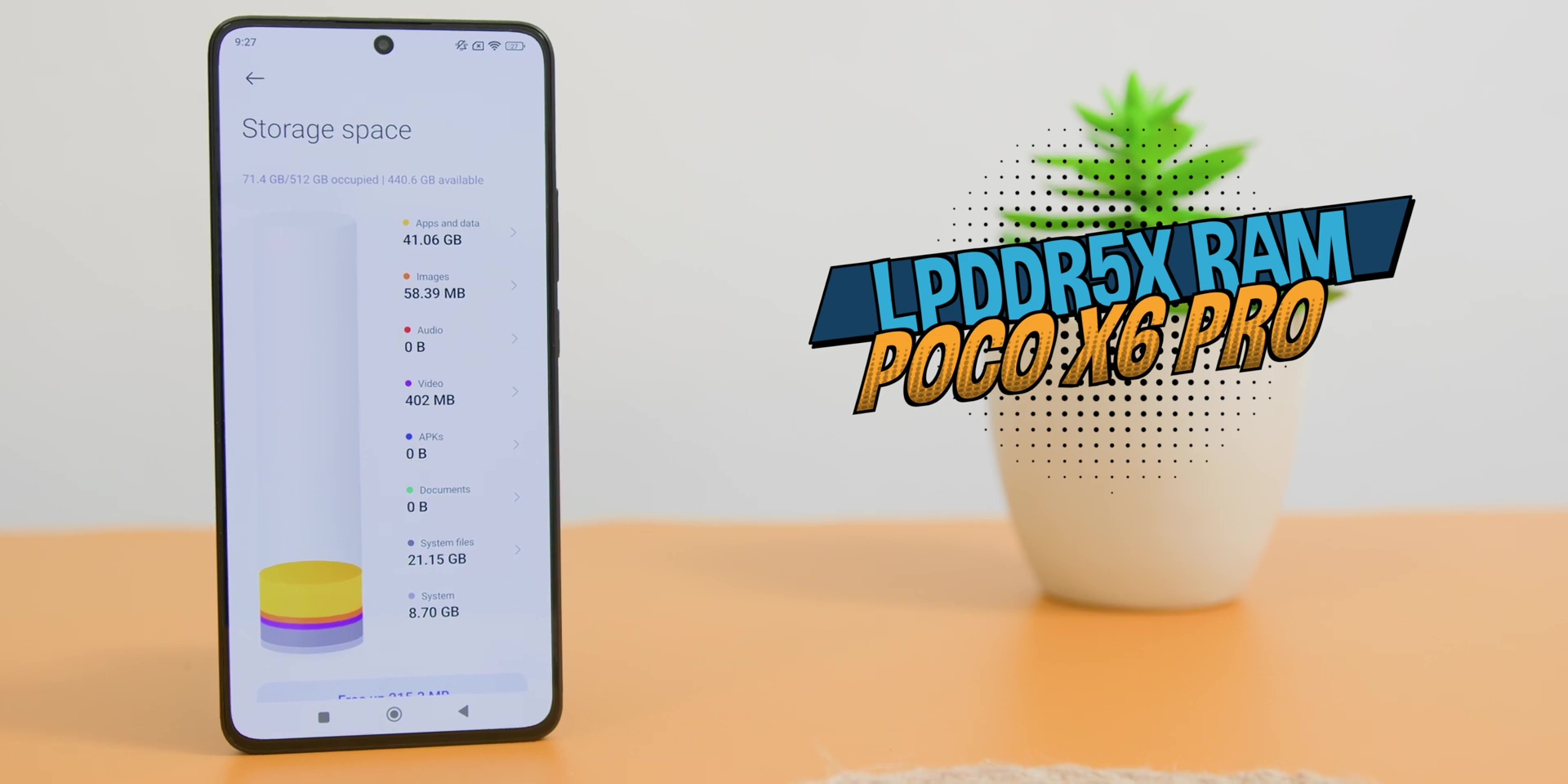
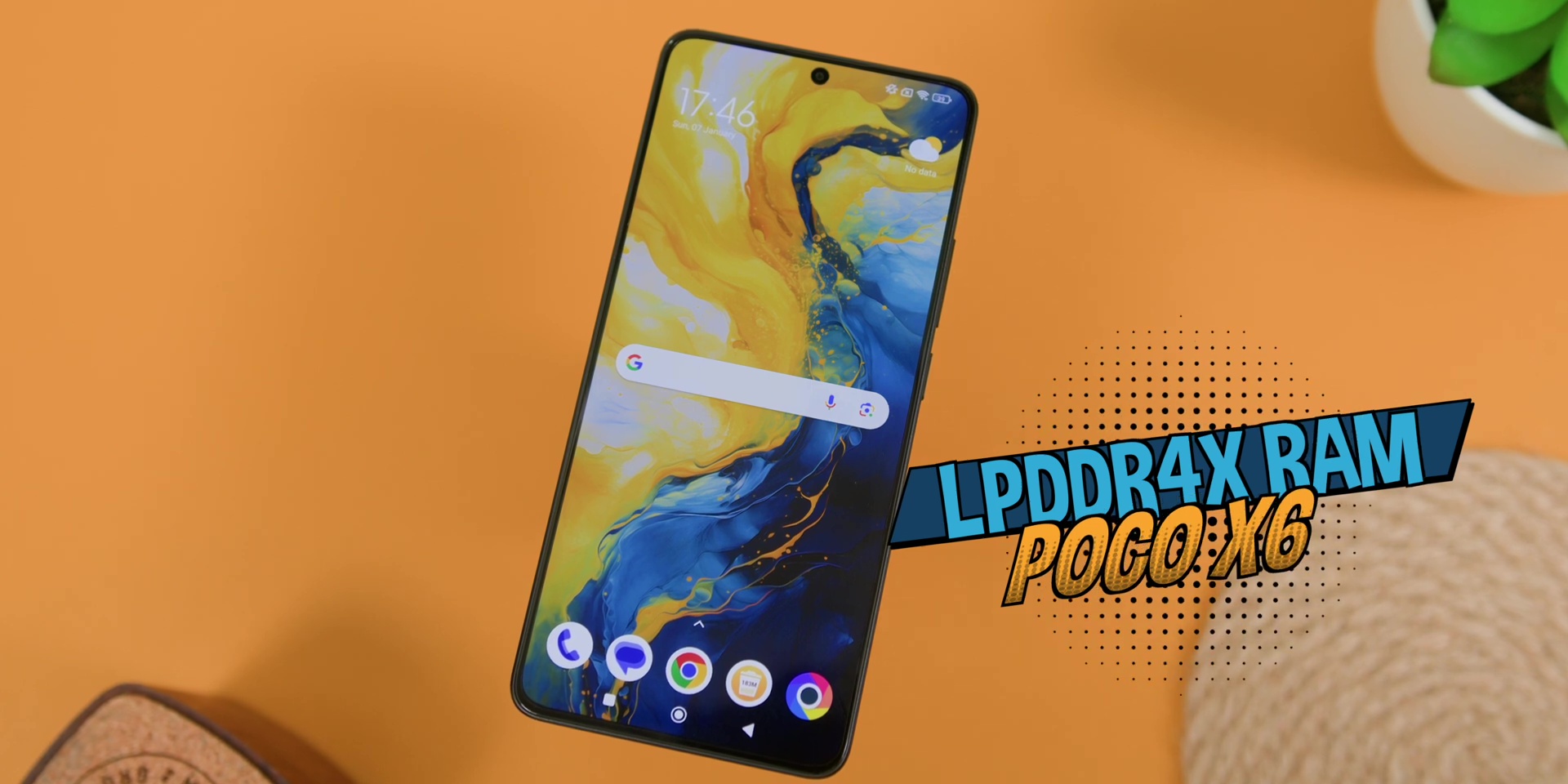
As for the RAM, the Pro comes with faster LPDDR5X RAM with UFS 4.0, and the non-Pro comes with LPDDR4X RAM, which is fine since it’s just a step down. The storage speeds, though, go all the way down to UFS version 2.2.
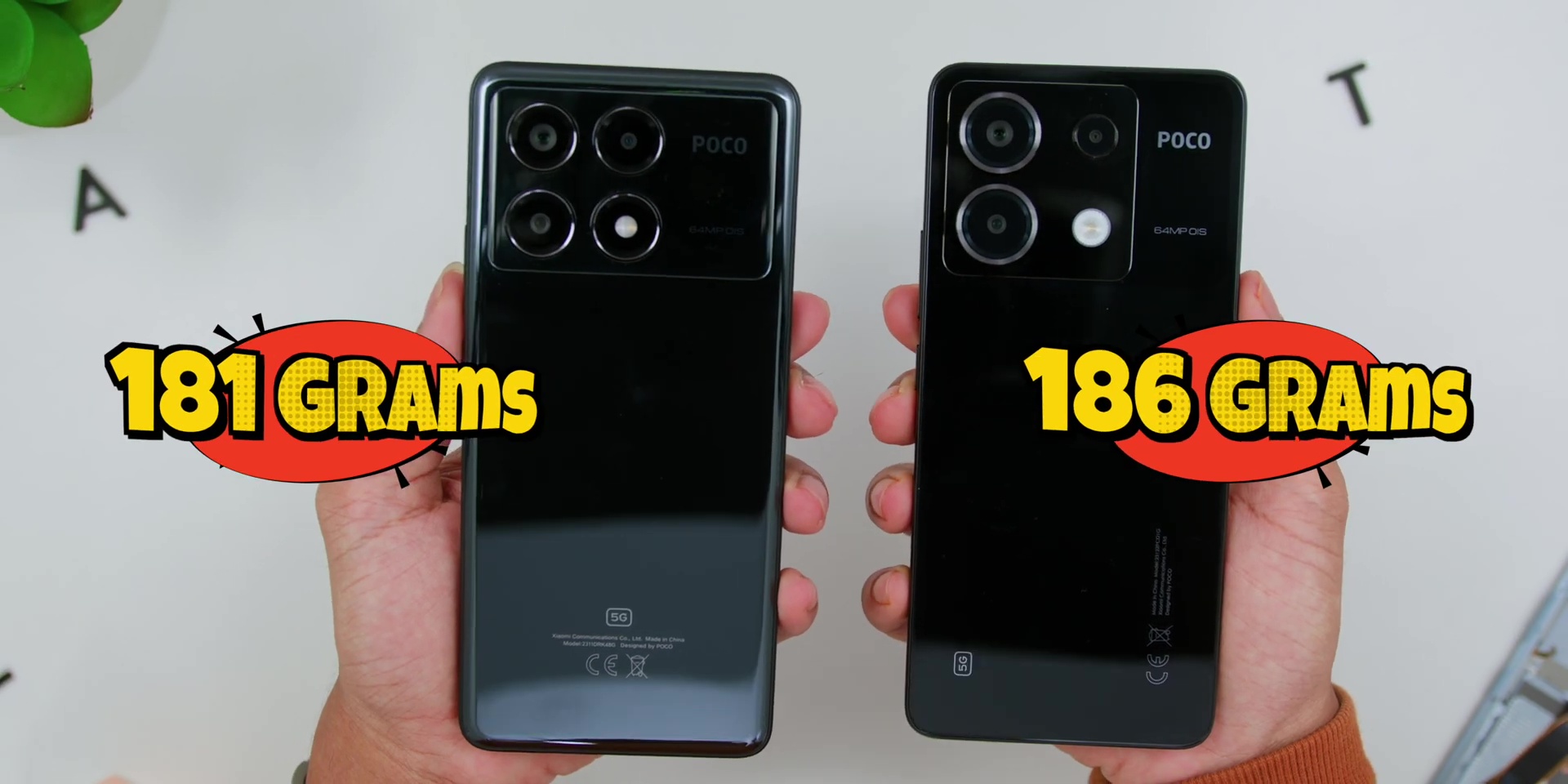
Design-wise, while both come with a plastic back, the Pro has a vegan leather option, but I’m not sure whether or not it will be coming here in Malaysia. The Pro is also apparently 5 grams heavier, which is something that you wouldn’t feel the differences when holding both of the phones side by side.
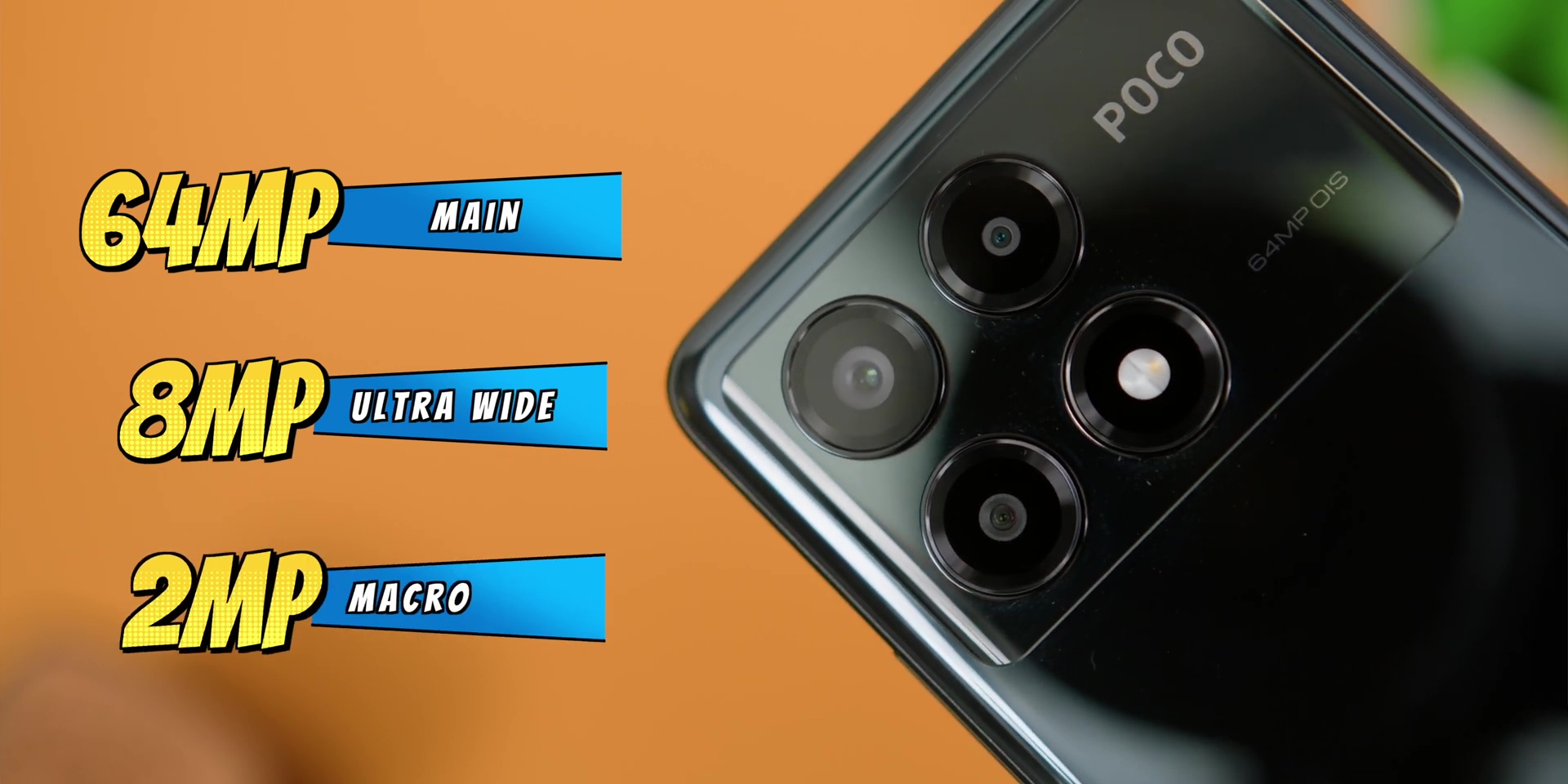
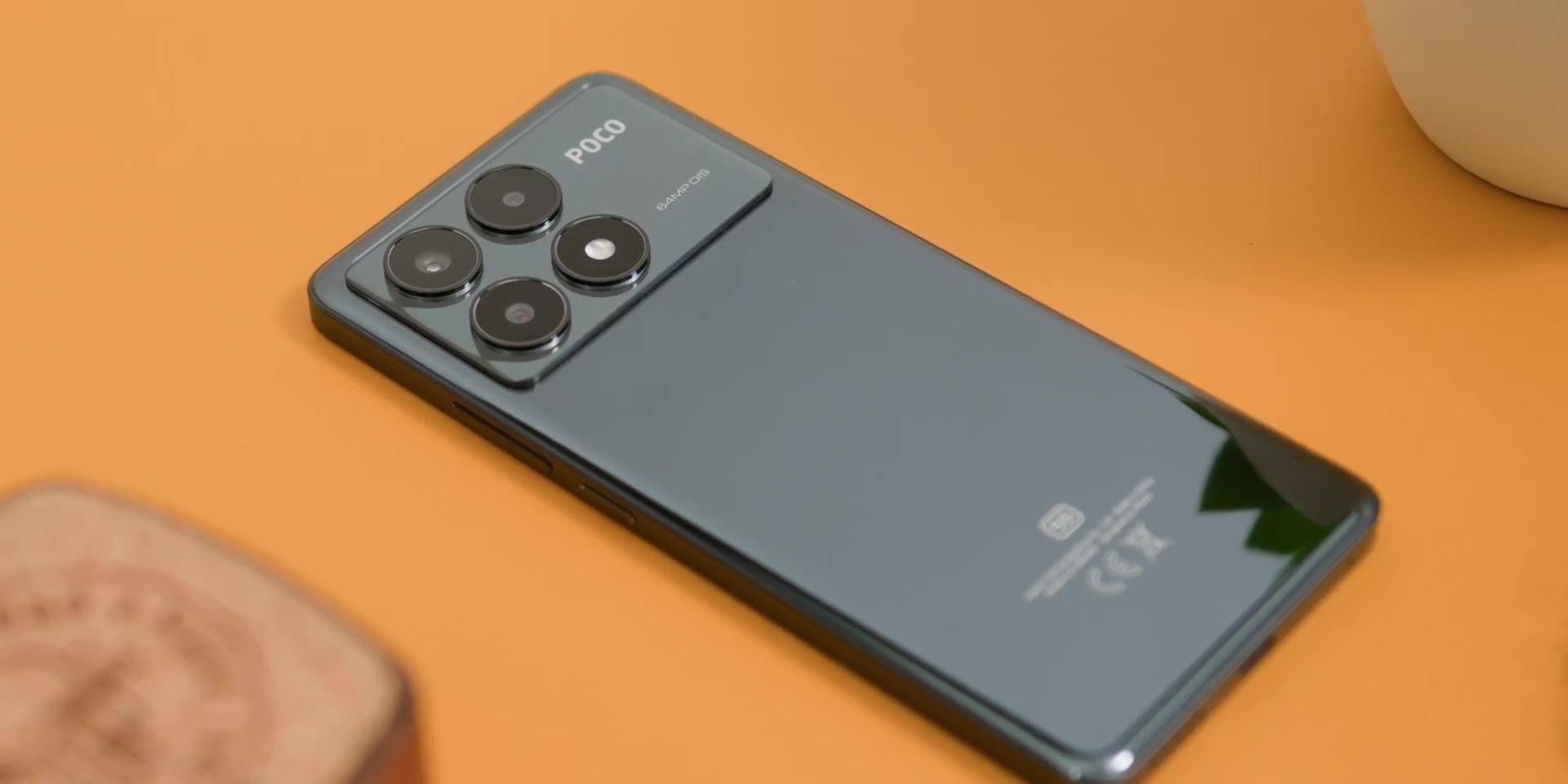
Then the rear looks a tad bit different, and although there is a physical difference in how the camera array looks, both have the same 64MP main camera with OIS, an 8MP Ultra-wide lens, and a 2MP macro camera.
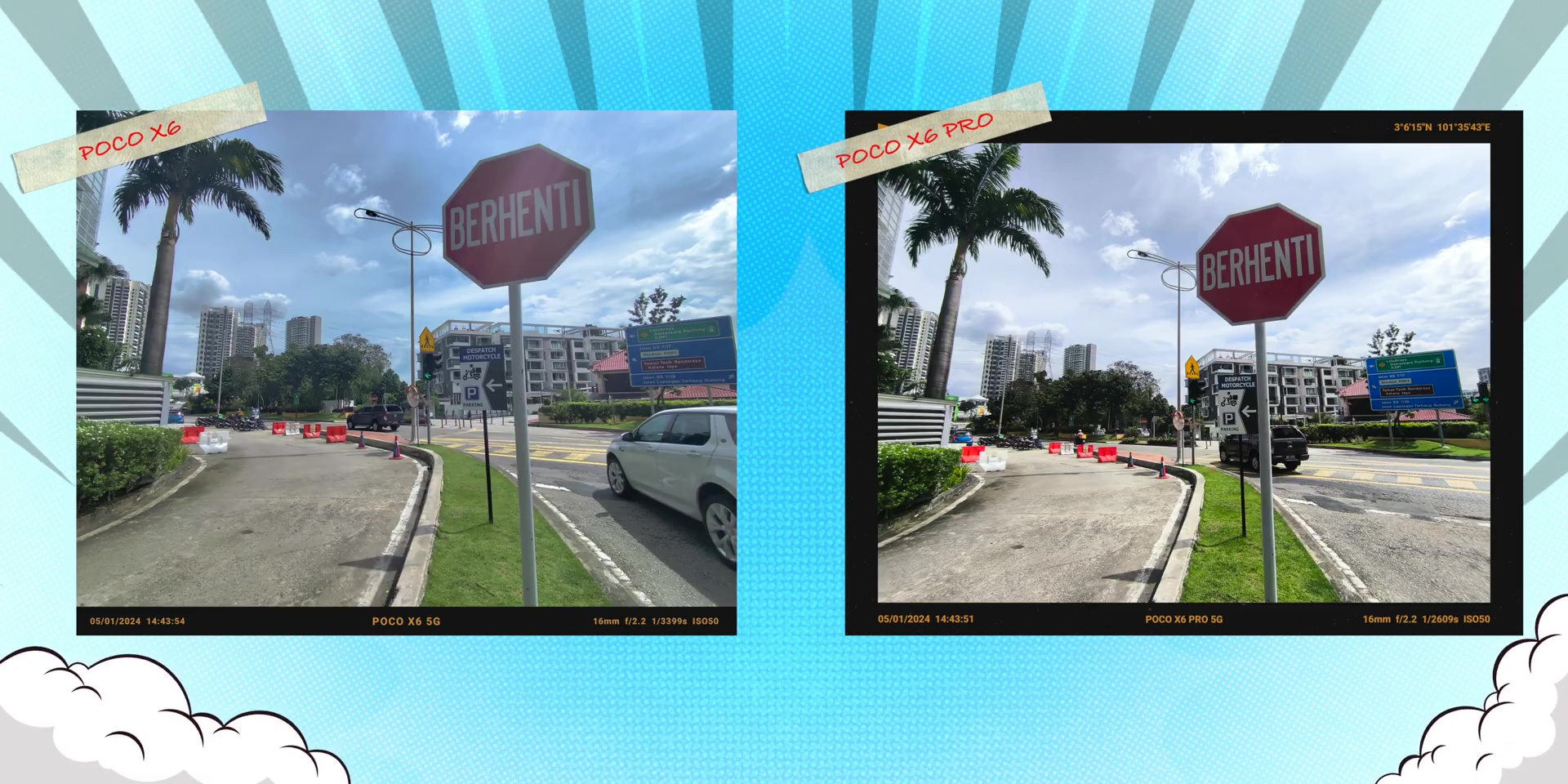
Based on my quick camera test, even though they have the same set of cameras, they did look slightly different. This could be due to the image processing for both of the different chipsets being offered. The same could be said for the front camera as well.



Similarities
So with that, let’s talk about what is the same between both phones.
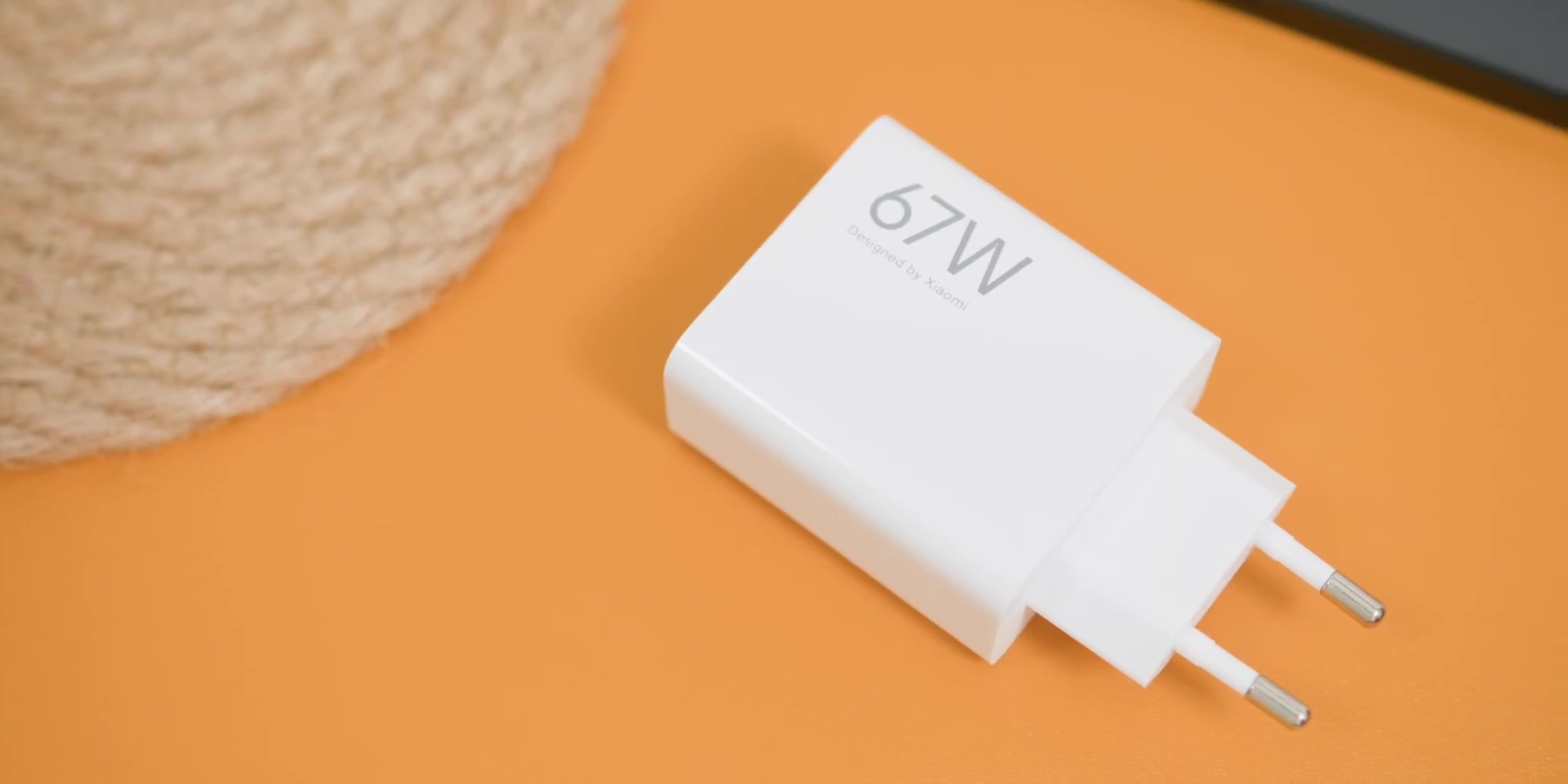
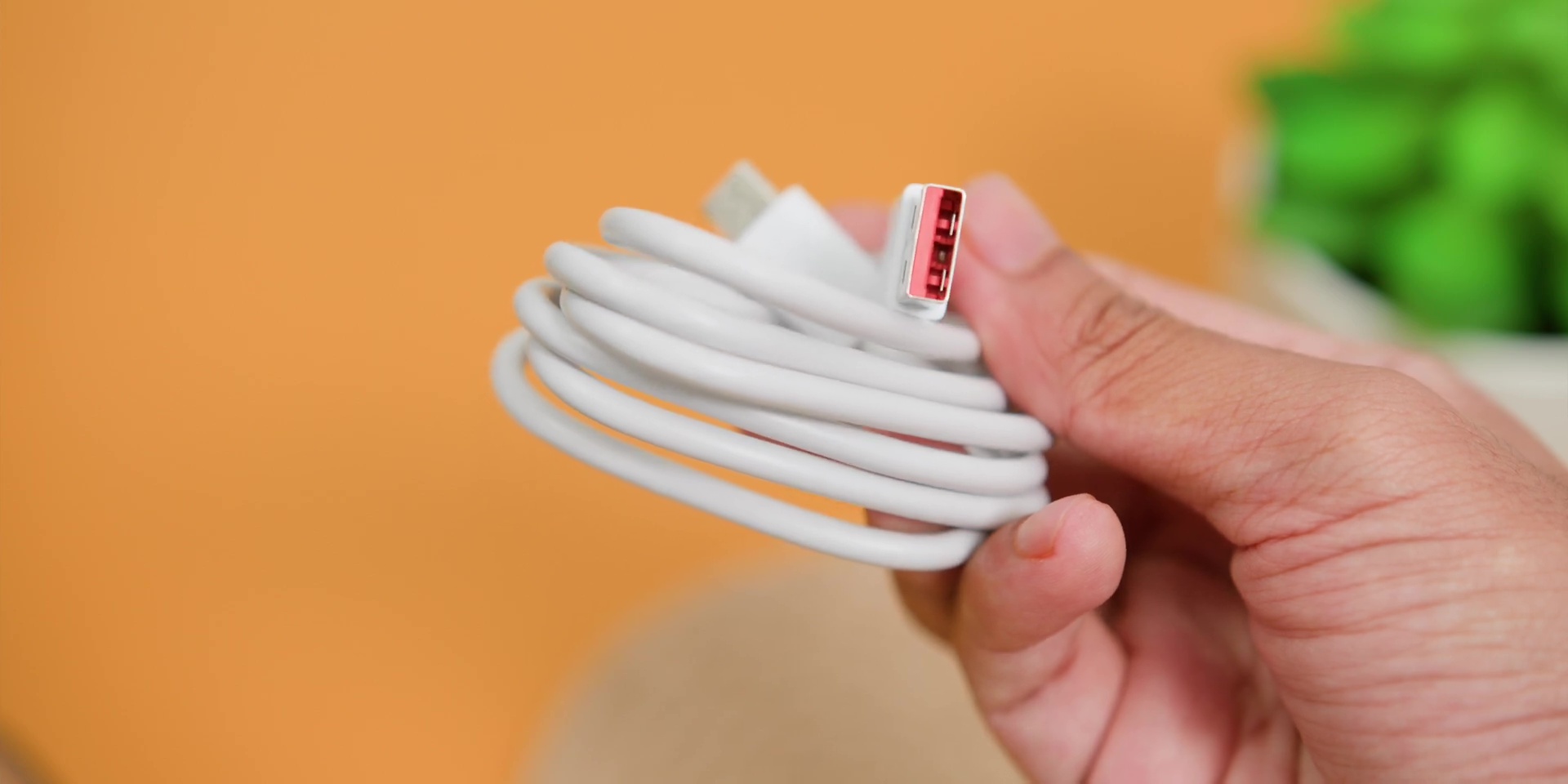
Inside the box, you get a 67W Turbocharging and a USB-A to USB-C cable.
They both have the same 6.67” screen size, the same 120Hz refresh rate, and a massive 2160Hz touch sampling rate.
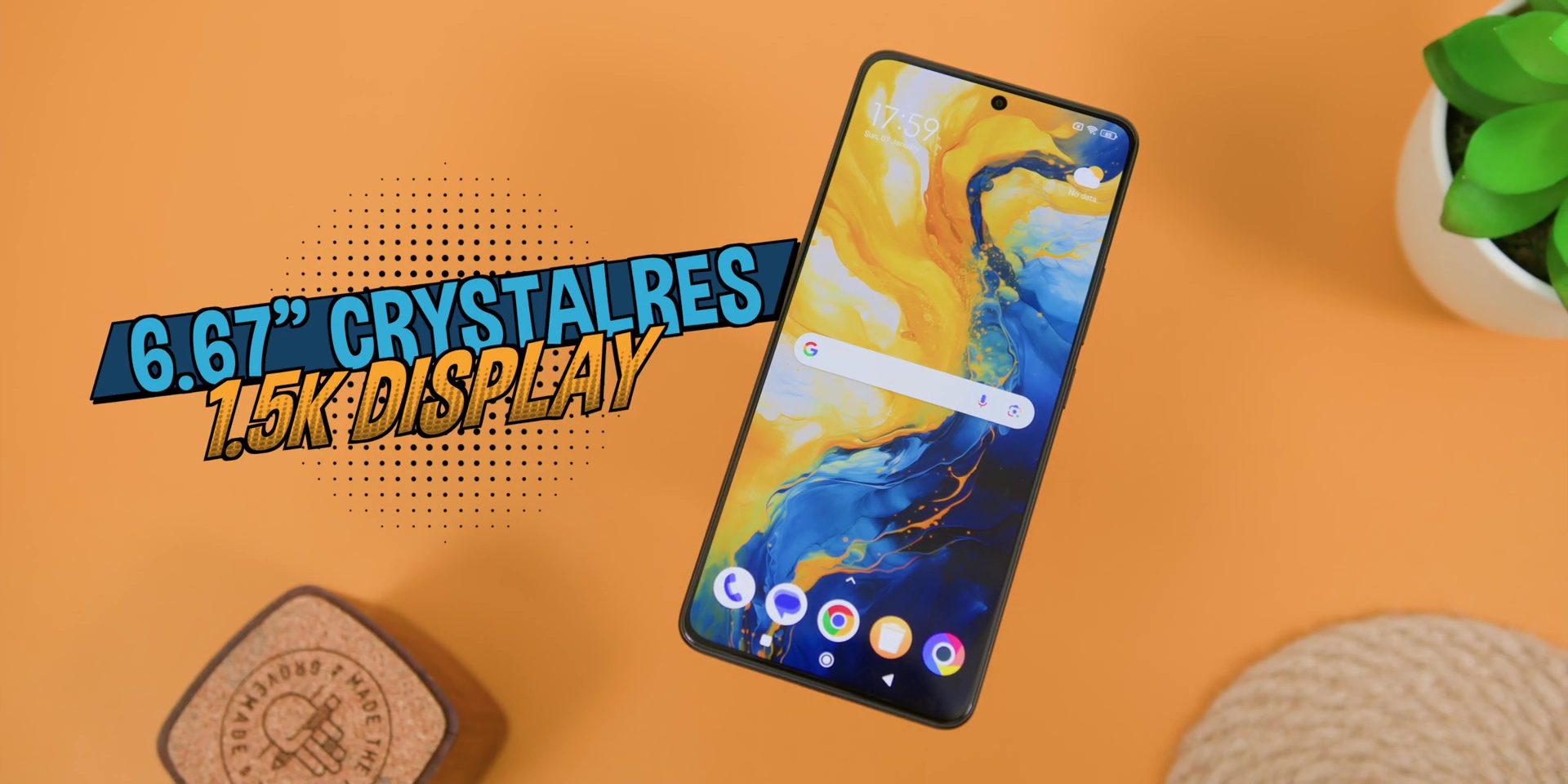
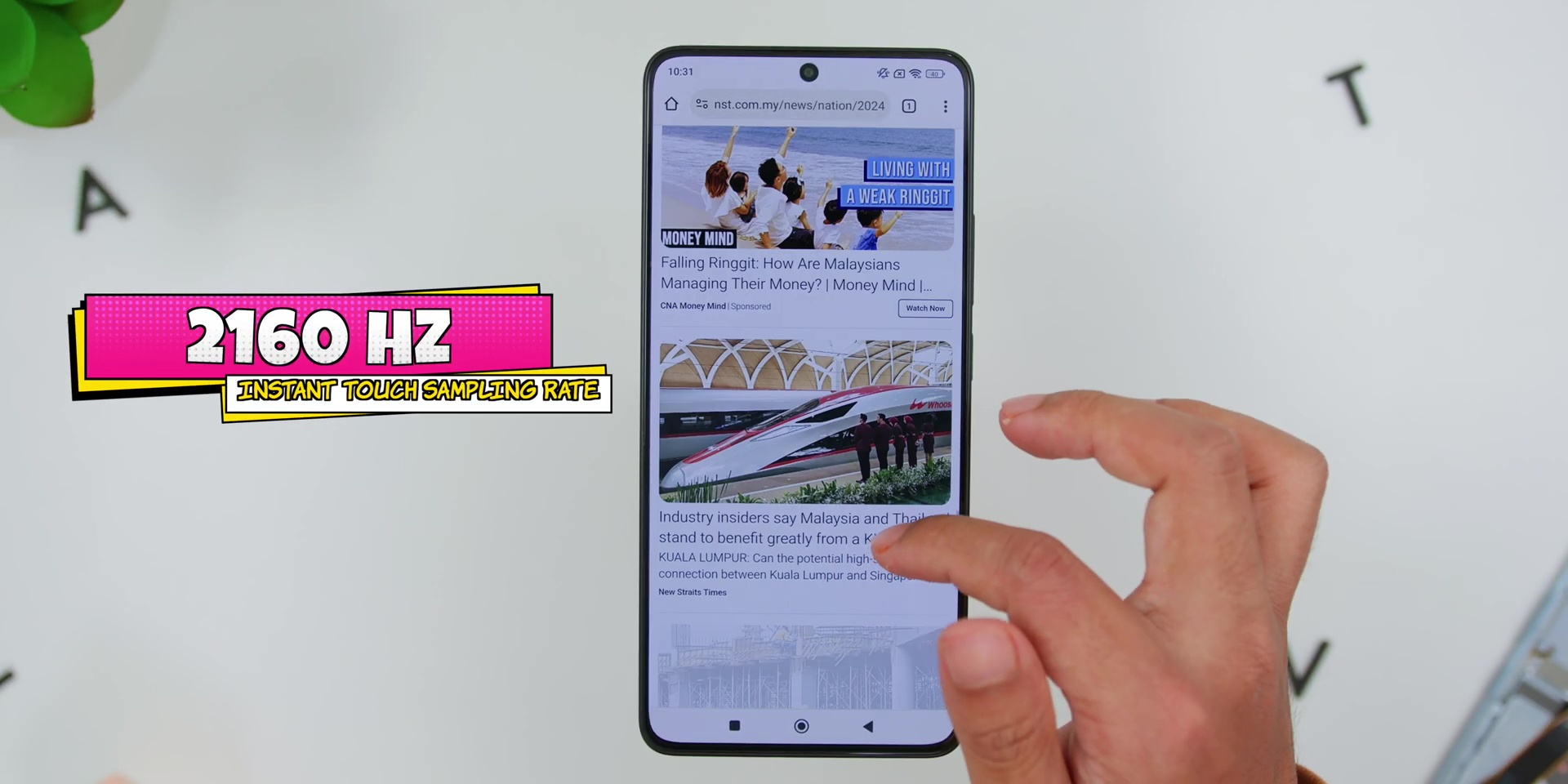
So this means they will have a quicker response compared to other typical 120Hz screens. Both are AMOLED displays, so you will get a very good display with up to 1,800 nits of peak brightness. So that was really nice.
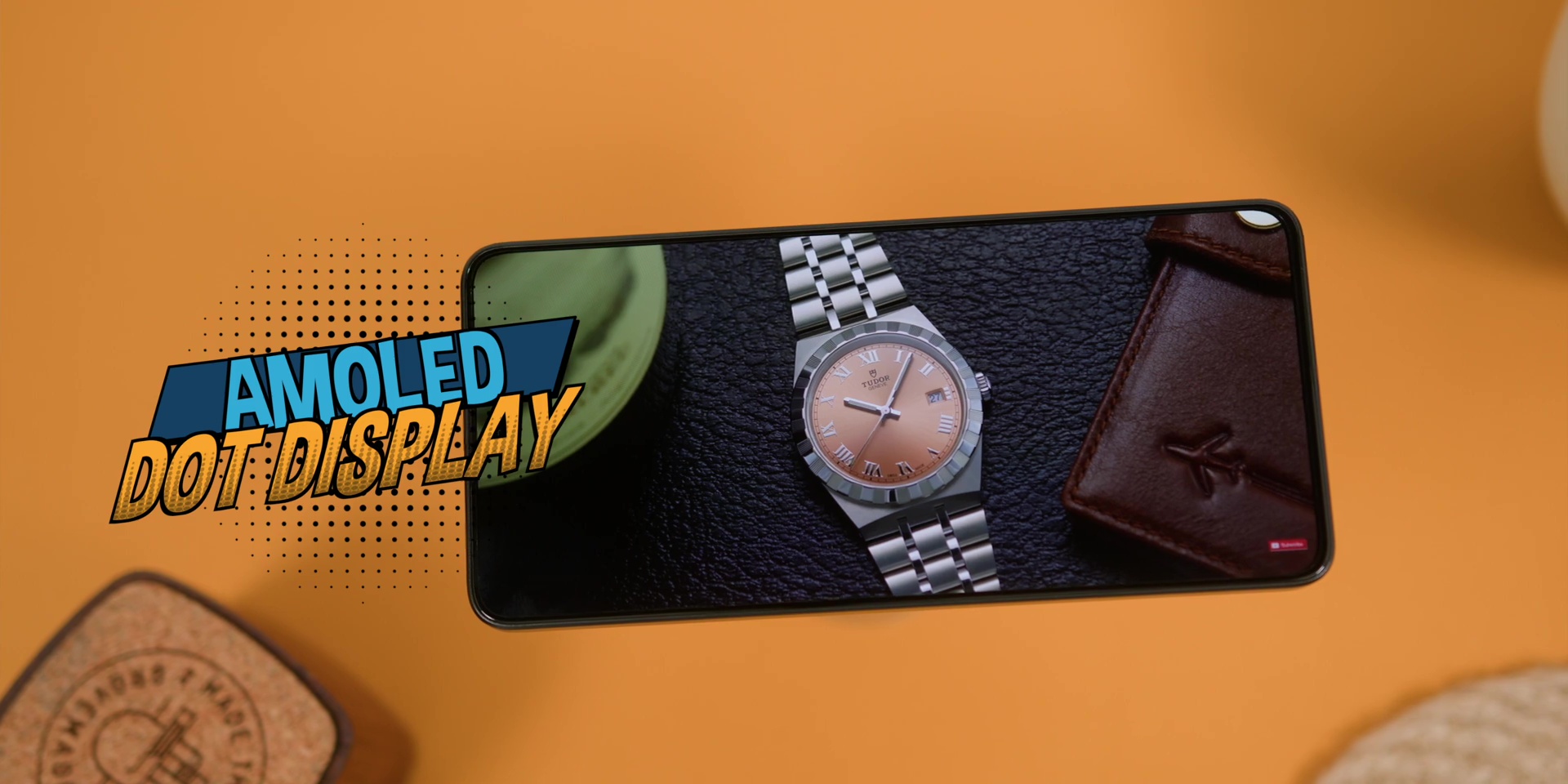
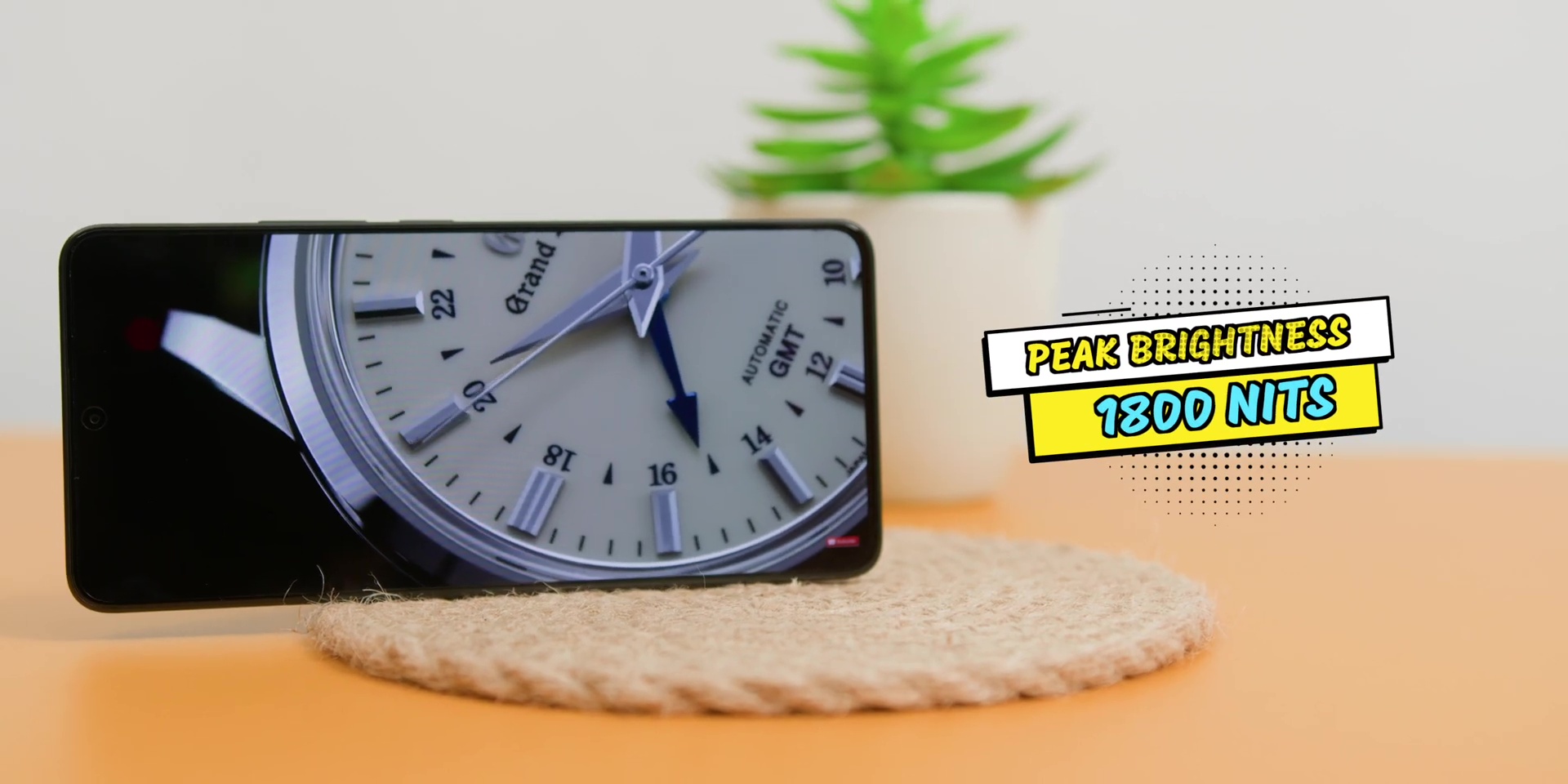
Both have the same glossy finish with a squared-off matte finish at the sides, which I like but not so much on the rear since it is an extreme fingerprint magnet. Now, the amount of times that I had to wipe off my fingerprints at the back of the phone when I was doing this review is no joke, my friend.
And finally, all of our prayers have been answered, my friends, because there’s a brand new UI from Xiaomi called the Xiaomi HyperOS. Yes, it is still based on Android version 14.
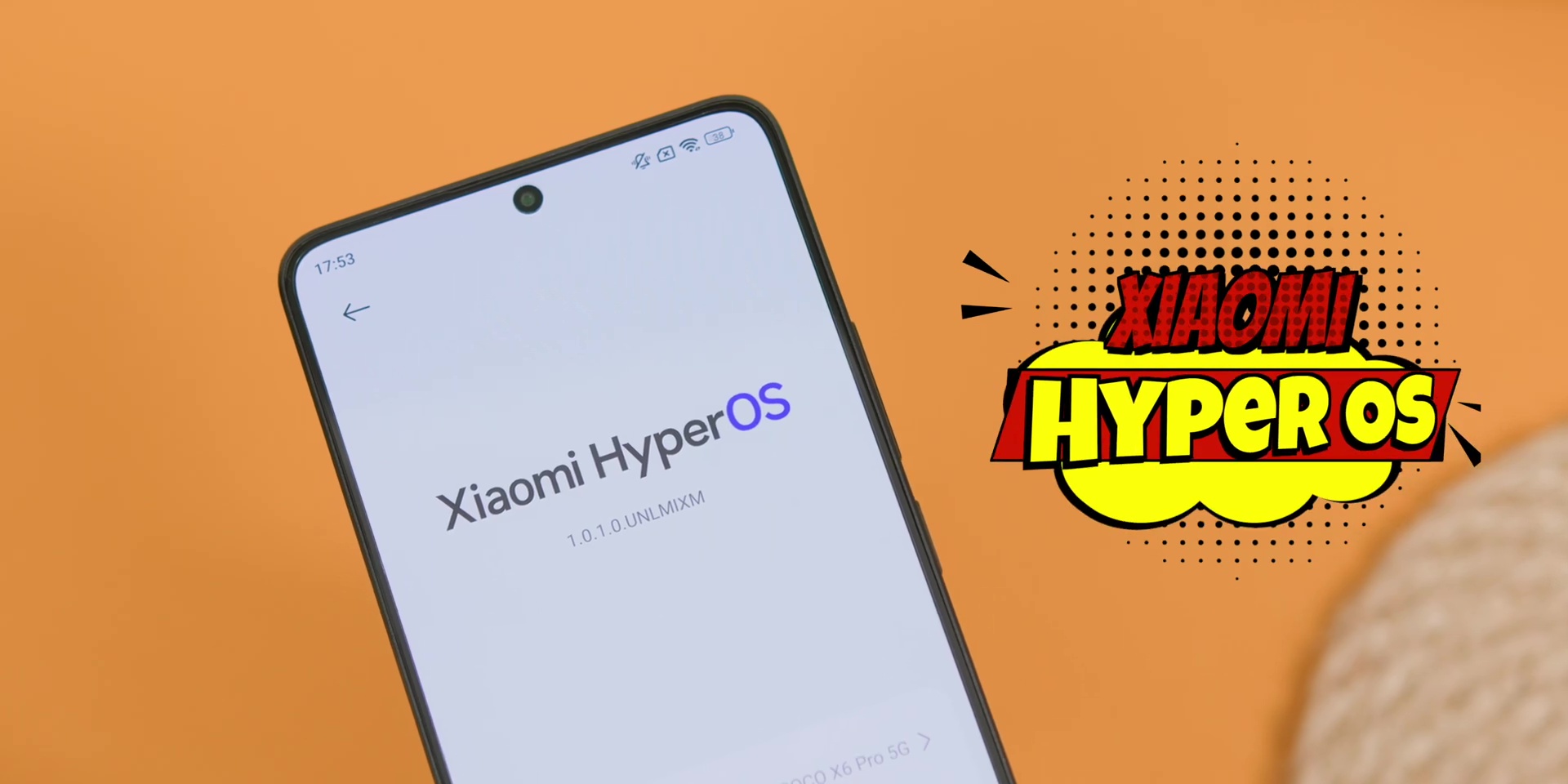
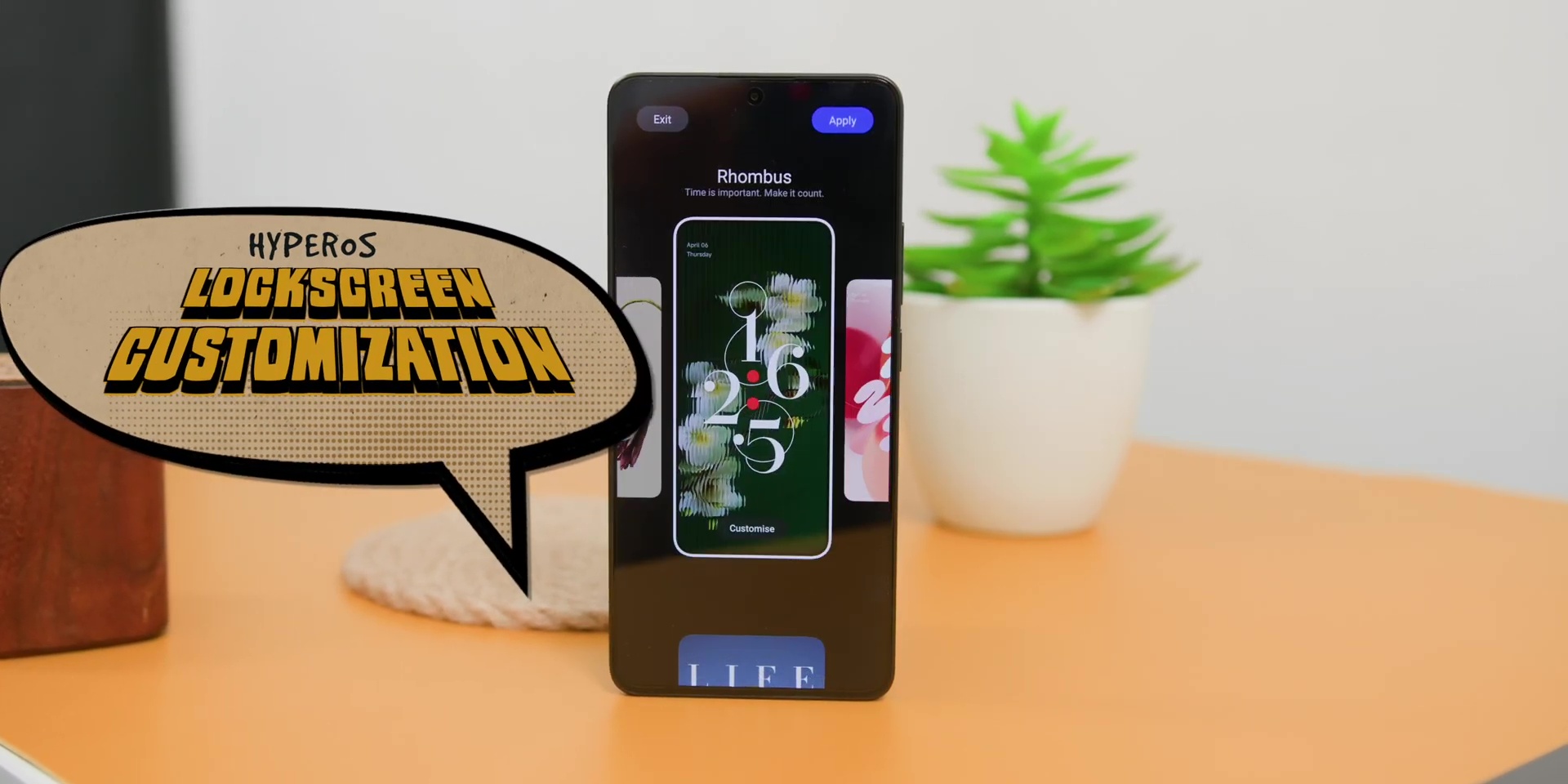
So what’s new? First of all, there is a brand new lock screen customization, including adding a Depth Effect similar to the iPhone. Yes, it is the same as an iPhone, but I’m not complaining because it is a good integration.
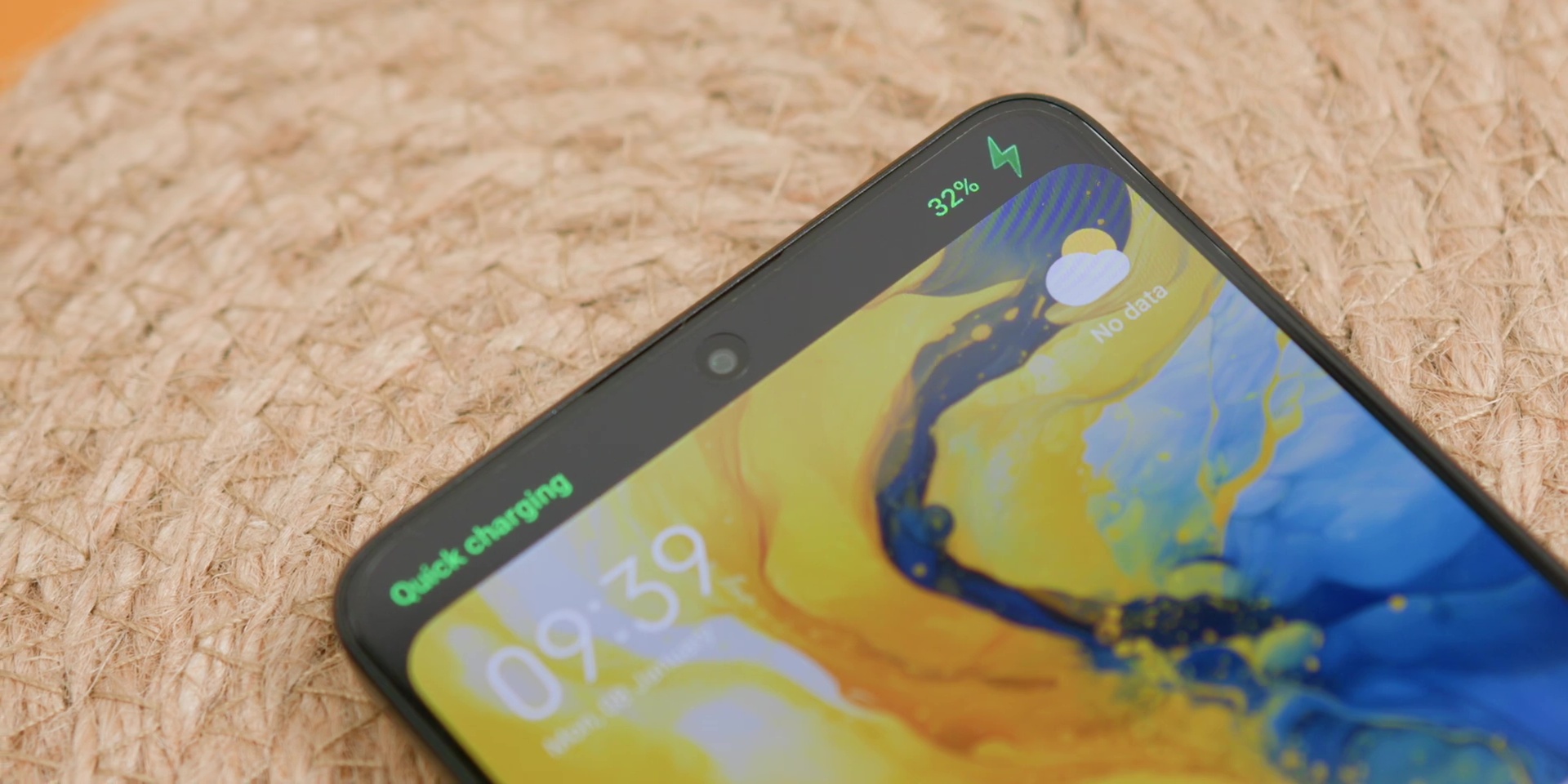
Now speaking of an iPhone-like feature, there’s also a sort of a Dynamic Island kind of effect, but instead, it’s a bar on top that gives you a popup at the top part of the screen when you’re doing something like charging the phone or changing the ringer mode as well.
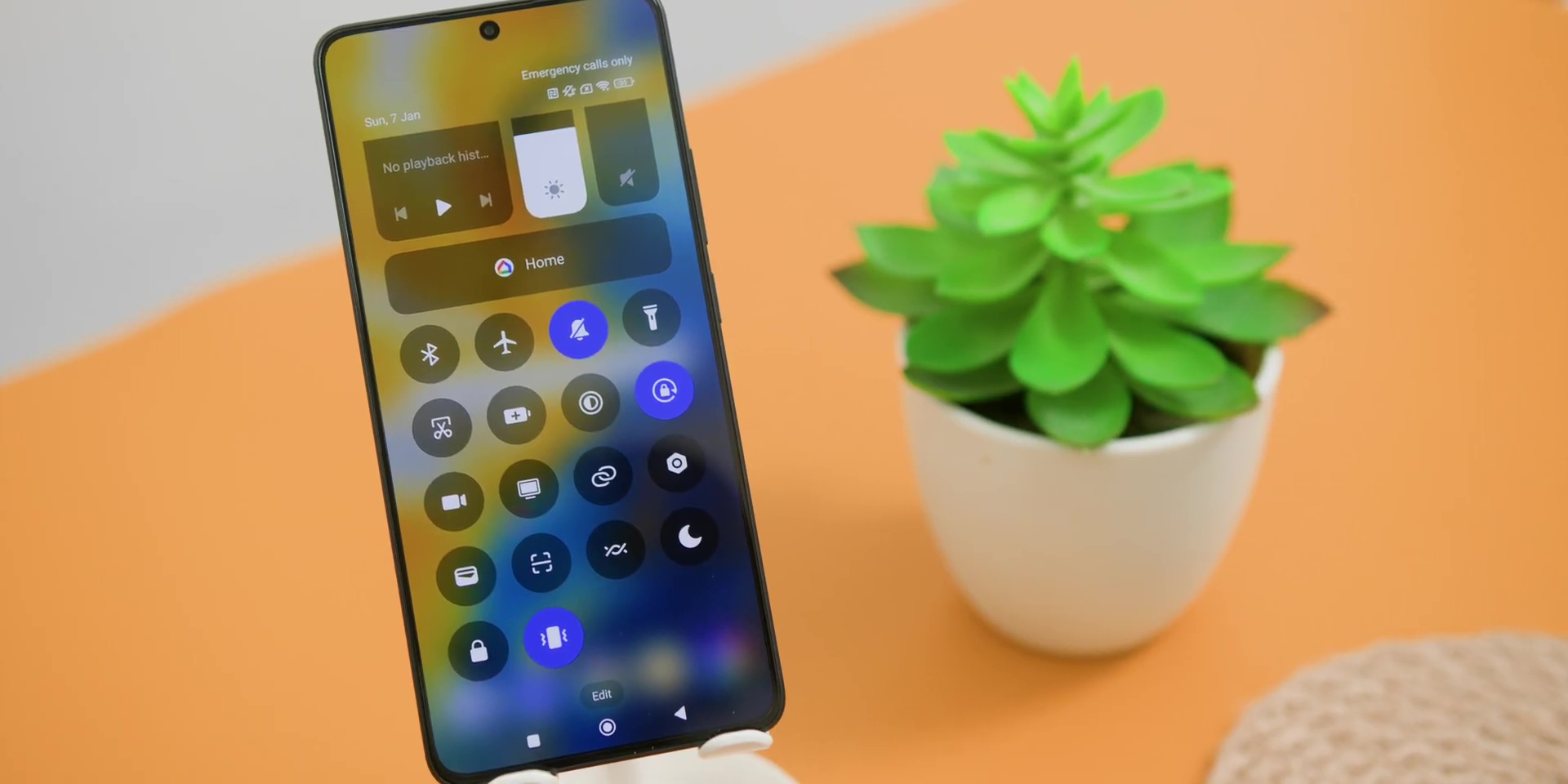
Then there are a lot of other visual tweaks for the menu and the widgets as well.
Apparently, this HyperOS is looking to be the future for Xiaomi devices that will not only be powering their upcoming smartphones but also the entire ecosystem of devices like their tablets, earbuds, speakers, vacuum cleaners, TVs, and more. So yes, I am really looking forward to that too. And there are other current devices that will be having this brand new OS in the first quarter this year.
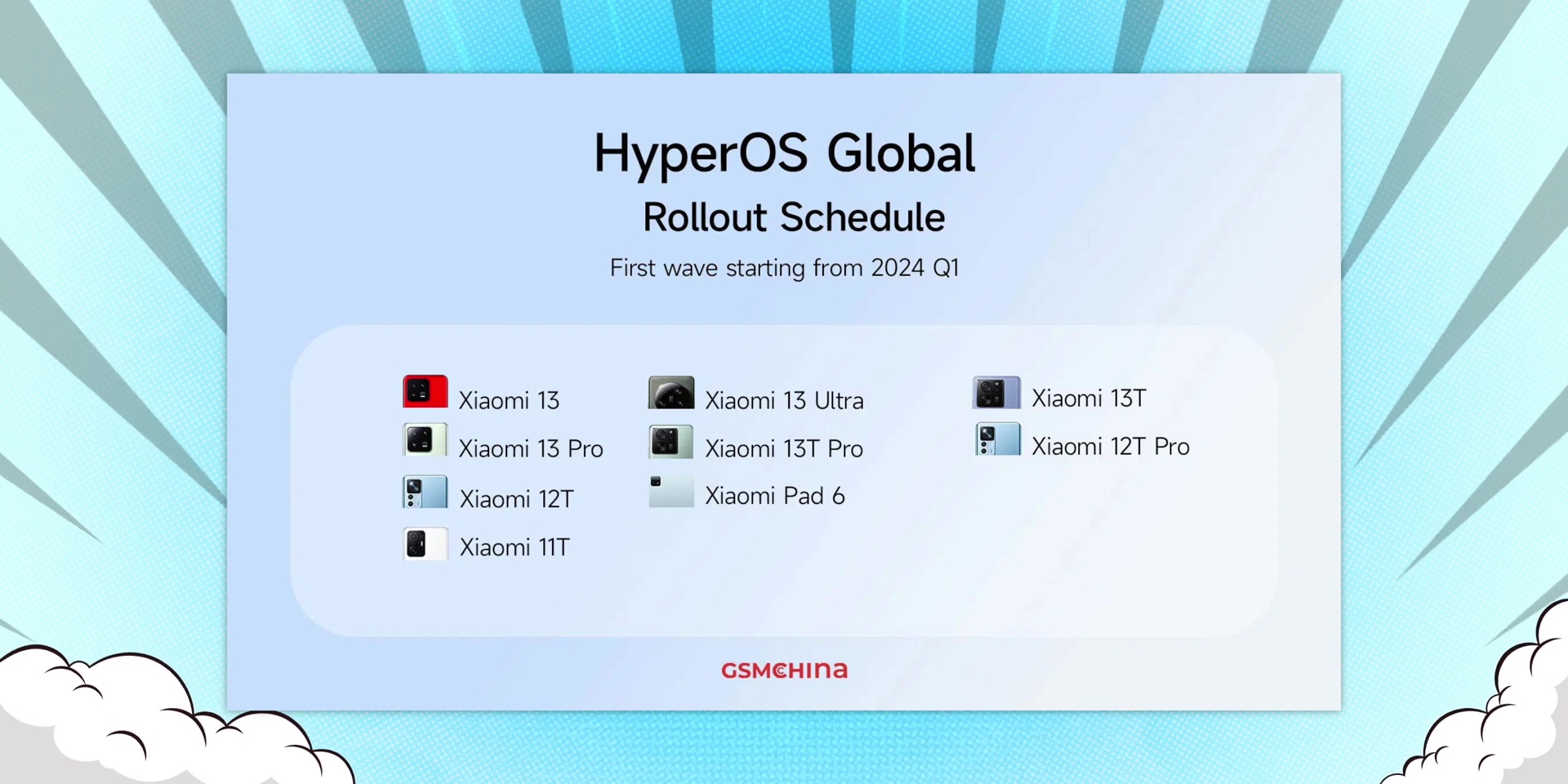
Now, one thing worth mentioning is that, as of the time of this review, the POCO X6 has yet to receive the HyperOS update. But I am very confident that it will be coming soon since it’s supposed to be shipping with one, and as a reviewer, I got these devices early.
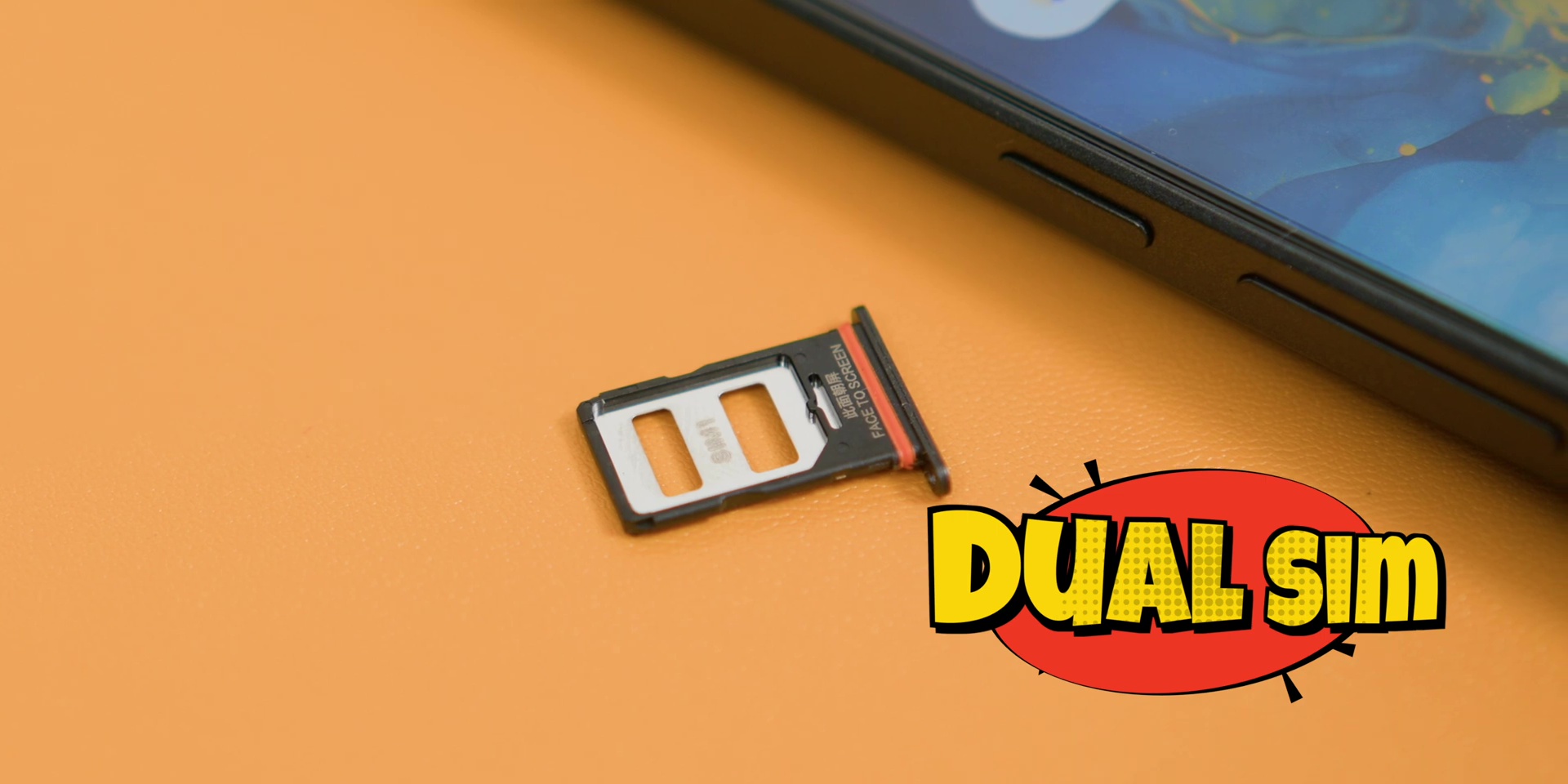
Then moving on, both come with dual SIM card support with no micro SD card slot.
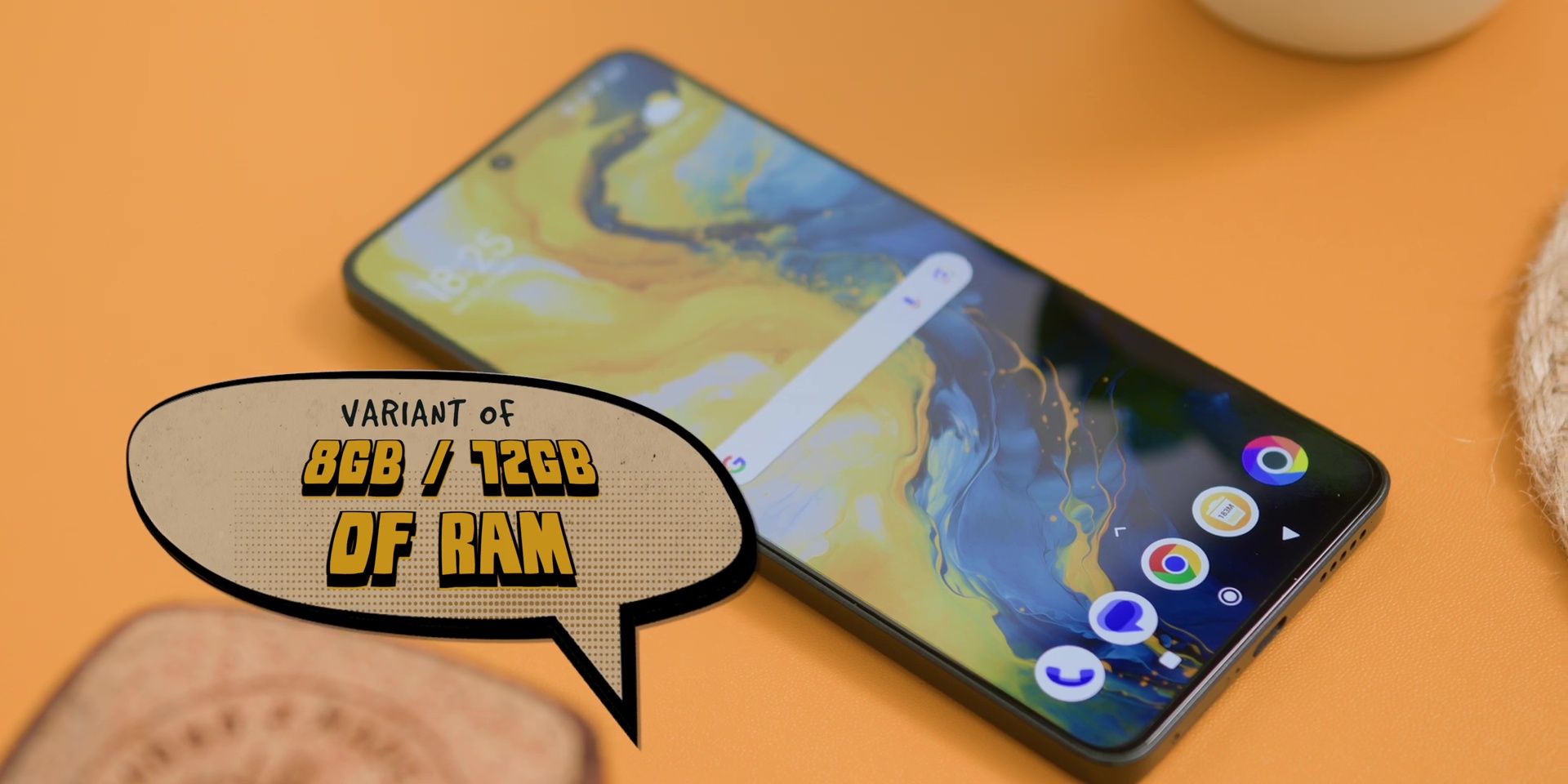
It has dual speakers, IP54 Splash protected, supports NFC, and comes with a similar configuration of either 8GB of RAM or 12GB of RAM and up to 512GB of storage.