
Smartphone Market Braces for Price Hikes and Spec Downgrades as Memory Costs Soar
Smartphone consumers worldwide may face higher prices and reduced hardware specifications in early 2026, according to new data released by market intelligence firm TrendForce.
A sharp projected rise in memory prices for the first quarter of 2026 is expected to exert significant cost pressure on global handset manufacturers. This surge is forcing brands to rethink their strategies, with many opting to increase device prices or downgrade specifications to maintain profitability.
Rising Costs Impact Apple and Android Devices
The report highlights that memory components account for an increasingly large share of Bill of Materials (BOM) costs in smartphones. This trend affects the entire industry, from budget Android manufacturers to premium giants like Apple.
Even with its strong profitability, Apple is expected to see a significant increase in the memory component of its total manufacturing costs in early 2026. Analysts suggest this could lead the tech giant to reevaluate pricing strategies for upcoming iPhone models and potentially reduce or eliminate standard price cuts on older generations.
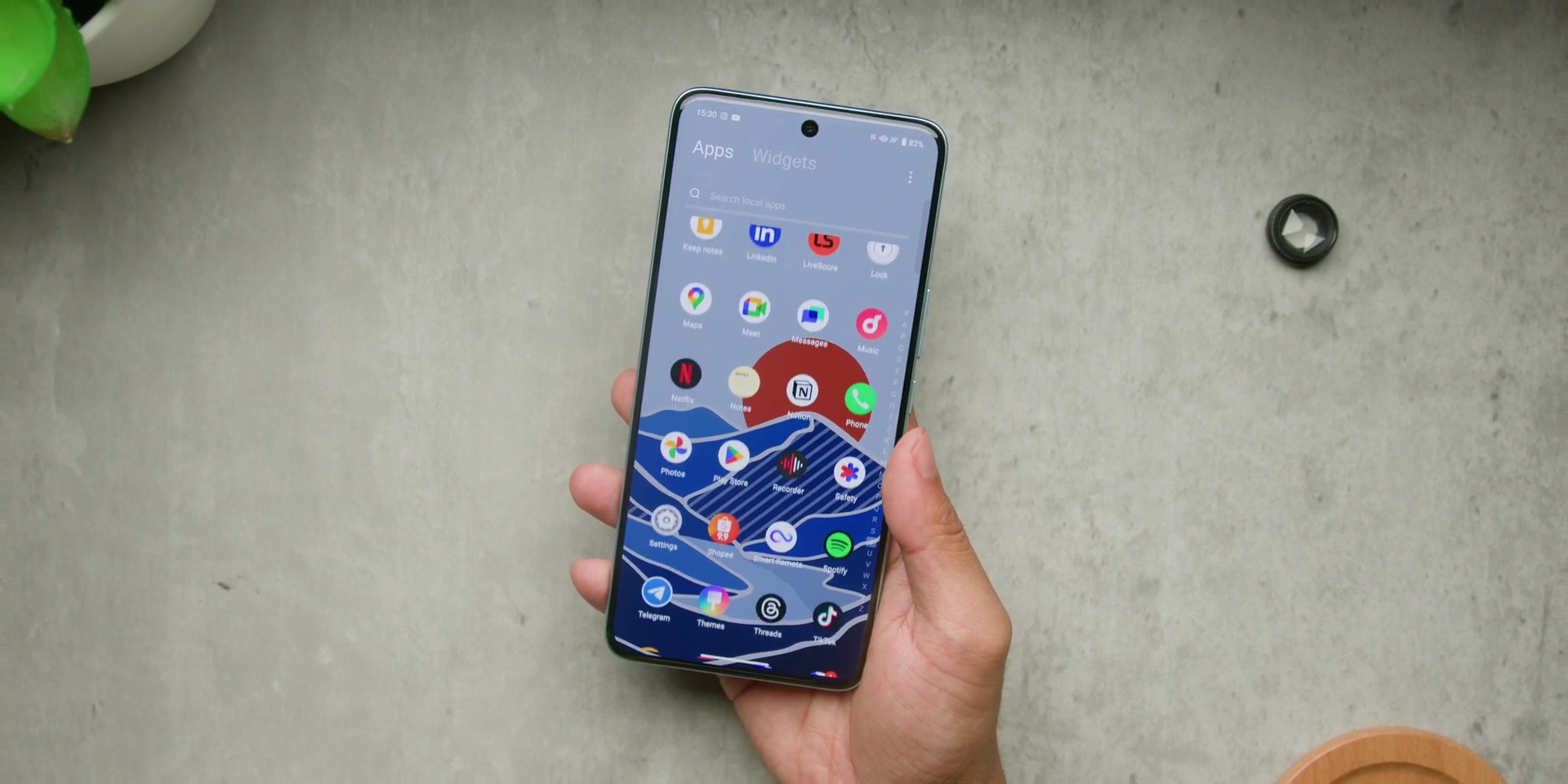
For Android brands, particularly those targeting the fierce mid-to-low-end markets, memory specifications have long been a key marketing differentiator. However, the rising costs will likely compel these manufacturers to raise launch prices for new 2026 models. Existing models may also see price adjustments or shortened lifecycles to minimise financial losses.
The Return of Lower Specifications
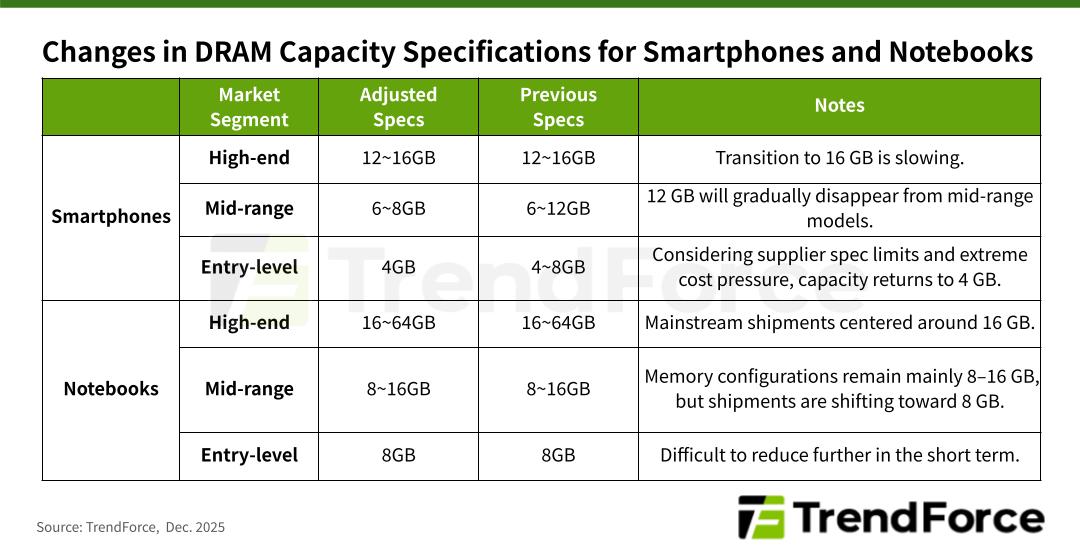
In a move that may frustrate mobile enthusiasts, manufacturers are turning to specification downgrades as a primary cost-saving measure.
High-end and mid-range devices are expected to stagnate near minimum memory standards, effectively slowing down upgrade cycles. The budget market will likely be hit hardest, with TrendForce predicting that base models for low-end smartphones could revert to 4GB of RAM in 2026, representing a step backwards for industry standards.
As the industry navigates this volatility, market resources are expected to become further concentrated among a few leading smartphone brands, potentially squeezing out smaller competitors as shipment forecasts face downward revisions.