
Sony Unveils LYTIA 901: A 200MP Sensor That Uses AI to Revolutionise Mobile Zoom
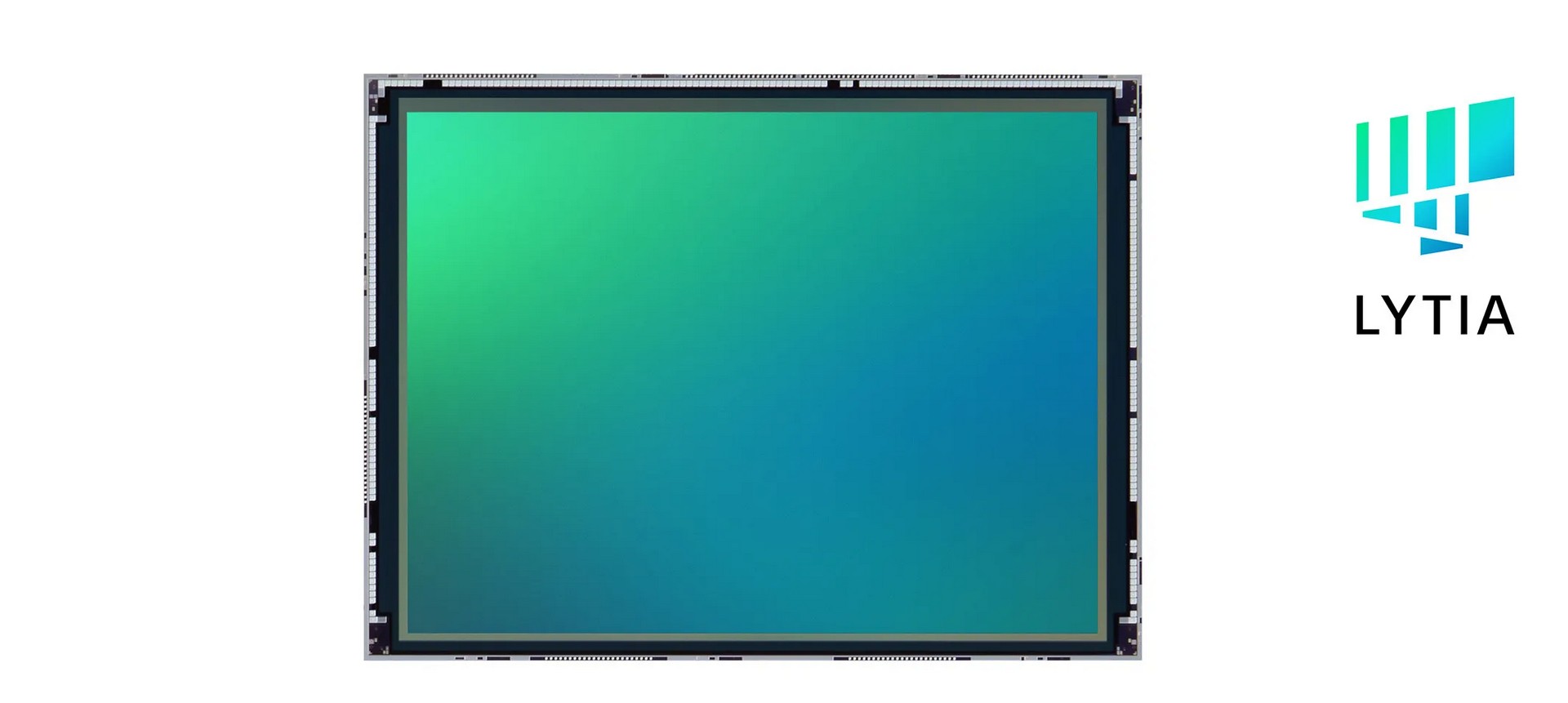
Sony Semiconductor Solutions (Sony) has officially announced the successor to its flagship mobile image sensor, introducing the LYTIA 901. Scheduled for mass production in November 2025, the new 1/1.12-type sensor boasts an effective resolution of approximately 200 megapixels and introduces an industry-first integration of AI technology directly within the sensor hardware to handle complex image processing tasks.
The End of the Multi-Lens Era?
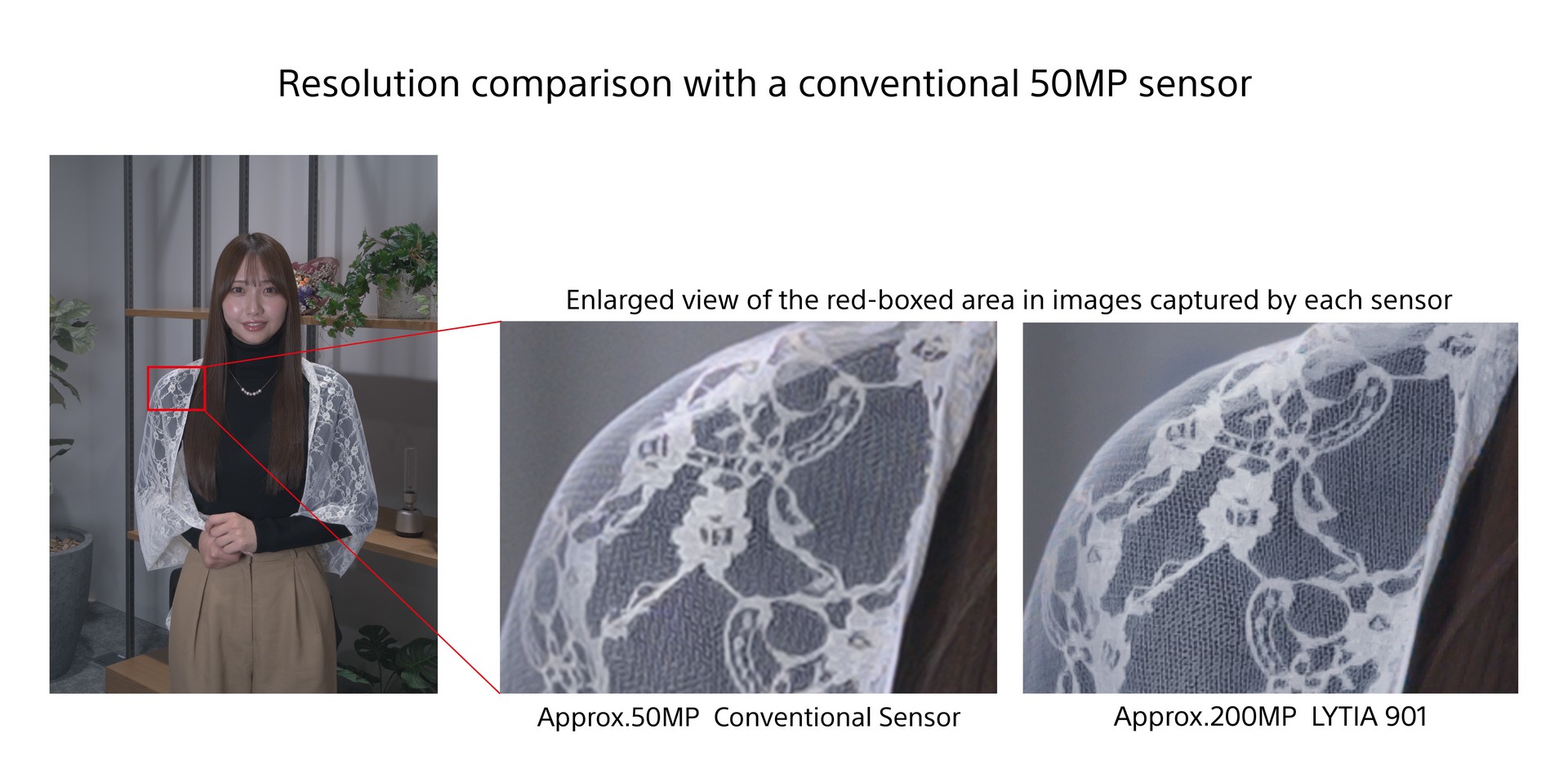
The headline feature of the LYTIA 901 is its ability to deliver high-definition image quality even at 4x digital zoom on a monocular (single-lens) camera system. By integrating an AI learning-based processing circuit directly into the sensor, Sony claims to have solved one of the biggest challenges in mobile photography: maintaining detail and texture when zooming in without a dedicated telephoto lens.
“This product uses a pixel array format that delivers both high resolution and high sensitivity,” Sony stated in their press release. “It offers new experiential value when shooting on mobile cameras.”
Technical Deep Dive
The LYTIA 901 is a stacked CMOS image sensor with a diagonal size of 14.287 mm (1/1.12-type) and a pixel size of 0.7 μm. While the physical size is slightly smaller than the 1-inch type sensors found in some premium flagships, the high pixel density and novel architecture aim to bridge that gap.
Quad-Quad Bayer Coding (QQBC)
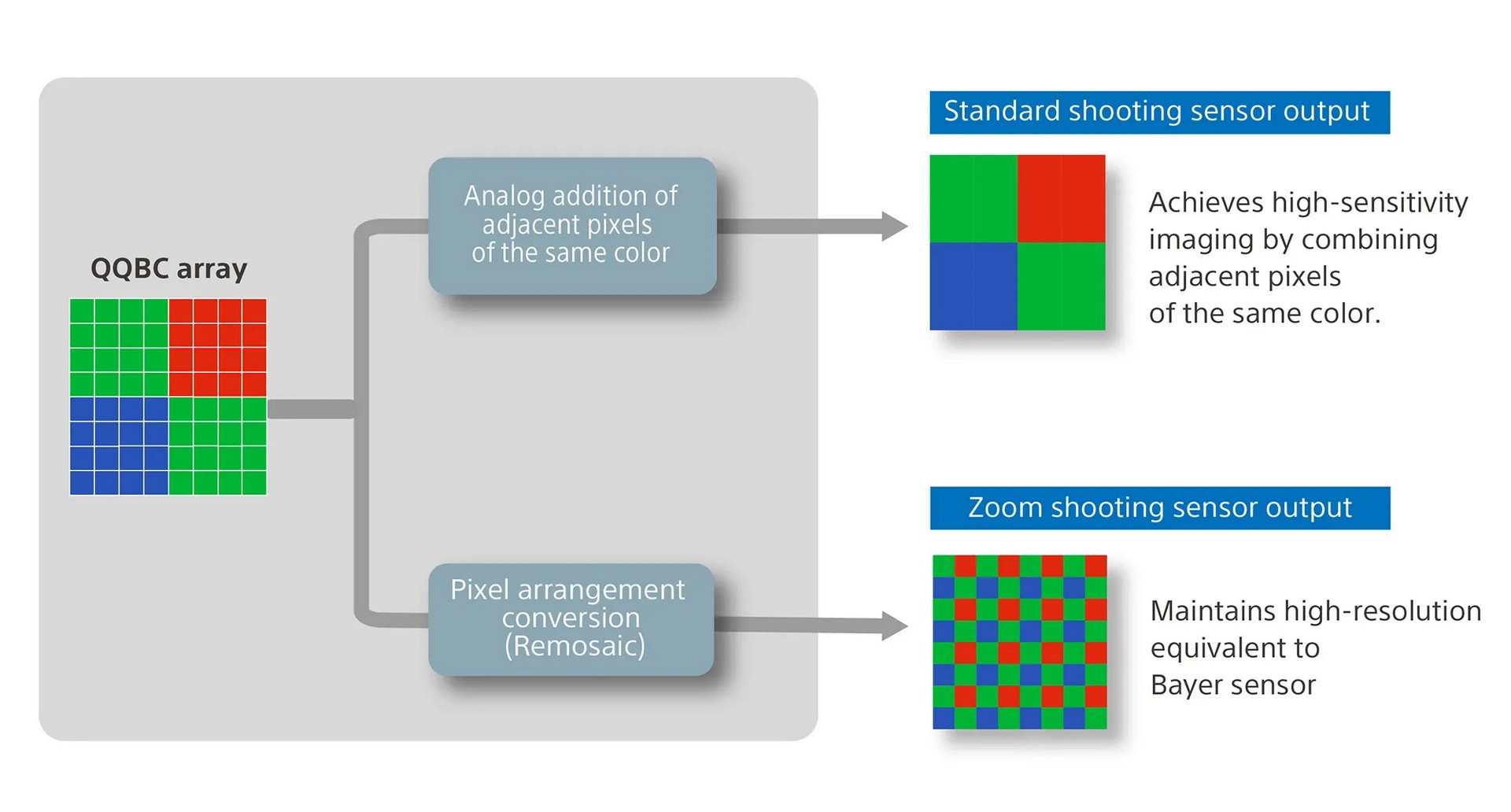
The sensor utilises a Quad-Quad Bayer Coding array. This structure clusters 16 adjacent pixels (4×4) with the same colour filter.
- Low Light: In dim conditions, the sensor bins these 16 pixels into one large unit, significantly increasing light sensitivity and reducing noise.
- High Resolution: In bright conditions or when zooming, the sensor uses “remosaicing” to revert these clusters into a standard pixel array, capturing full 200MP detail.
AI-Driven Remosaicing
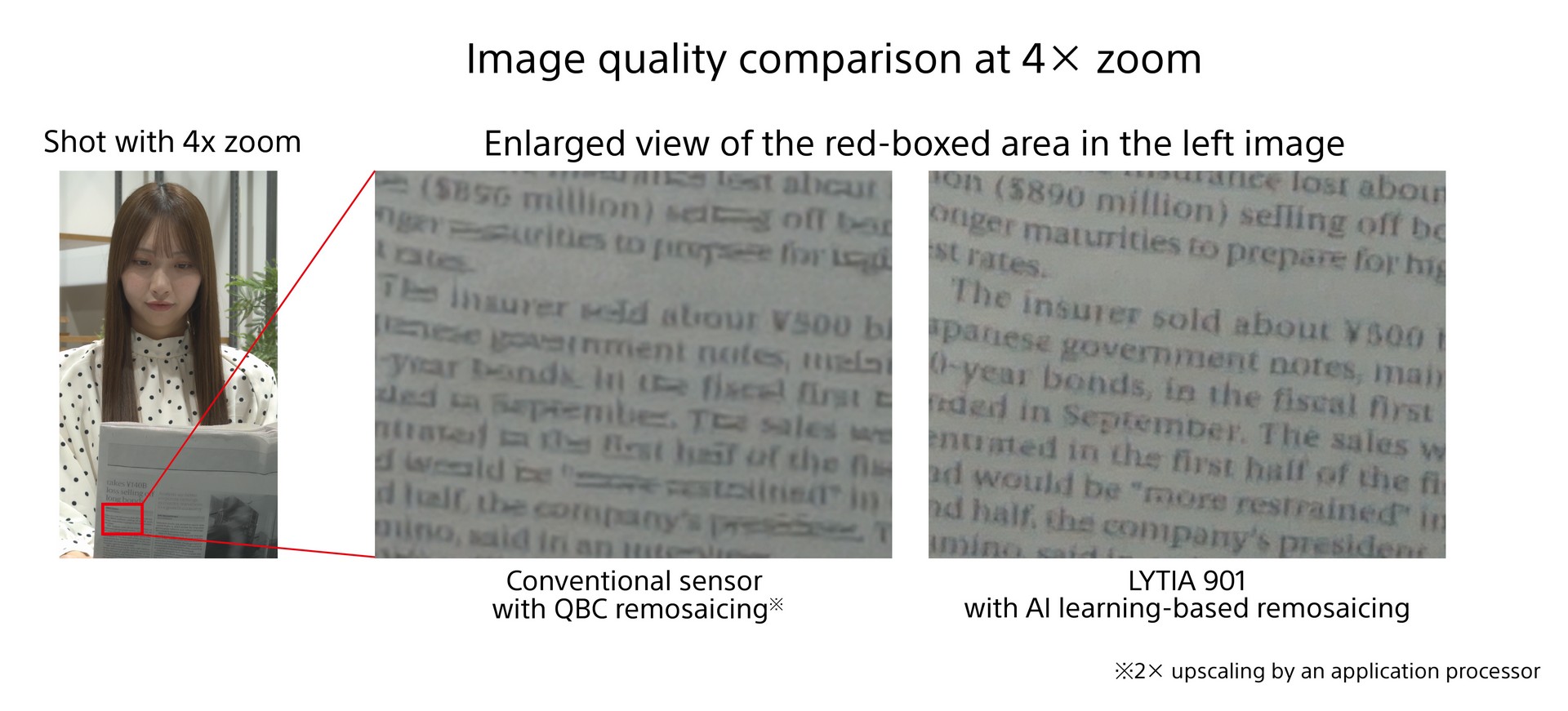
Previously, the “remosaicing” process, converting the proprietary Quad-Quad data into a standard image, was handled by the phone’s application processor (ISP). The LYTIA 901 moves this task inside the sensor itself using a dedicated AI circuit.
- Benefit: This hardware-level AI processing allows for better reproduction of high-frequency details (like fine textures and text) that traditional algorithms often smooth out.
- Performance: It supports high-speed processing, enabling 4K video capture at 30 fps even while zoomed in up to 4x.
Extreme Dynamic Range
Sony has equipped the LYTIA 901 with multiple HDR technologies to ensure performance in challenging lighting:
- DCG-HDR & Fine12bit ADC: Improves quantisation bit depth from 10 bits to 12 bits, ensuring rich tonal expression across the zoom range.
- HF-HDR (Hybrid Frame-HDR): Composites short exposure frames with Dual Conversion Gain data to achieve a dynamic range of over 100 dB, significantly suppressing highlight blowouts and shadow blackouts.
Market Implications
The release of the LYTIA 901 signals a potential shift in smartphone design. By offering high-quality 4x zoom from a main wide-angle sensor, manufacturers may be able to omit dedicated telephoto lenses in mid-range or “compact flagship” devices without sacrificing zoom versatility. This could lead to thinner camera bumps and lower manufacturing costs while maintaining premium imaging capabilities.
For more information, visit the official LYTIA brand site.