
Fast Charging Myths: The Science of Silicon-Carbon Batteries in 2026
TL:DR: Is fast charging safe? Yes. Modern phones use dual-cell architecture and Silicon-Carbon anodes to manage heat and distribute electrical load. While heat can degrade batteries over time, built-in safety protocols in modern devices ensure that charging speeds are throttled to maintain long-term health.
We’ve all been there. You’re down to 5% battery, you’ve got 15 minutes before you have to leave the house, and you’re staring at that “Ultra Fast Charge” animation on your screen like it’s a countdown timer. But every time that phone starts getting warm, that little voice in your head asks: “Is this actually safe? Am I killing my battery just to save ten minutes?”
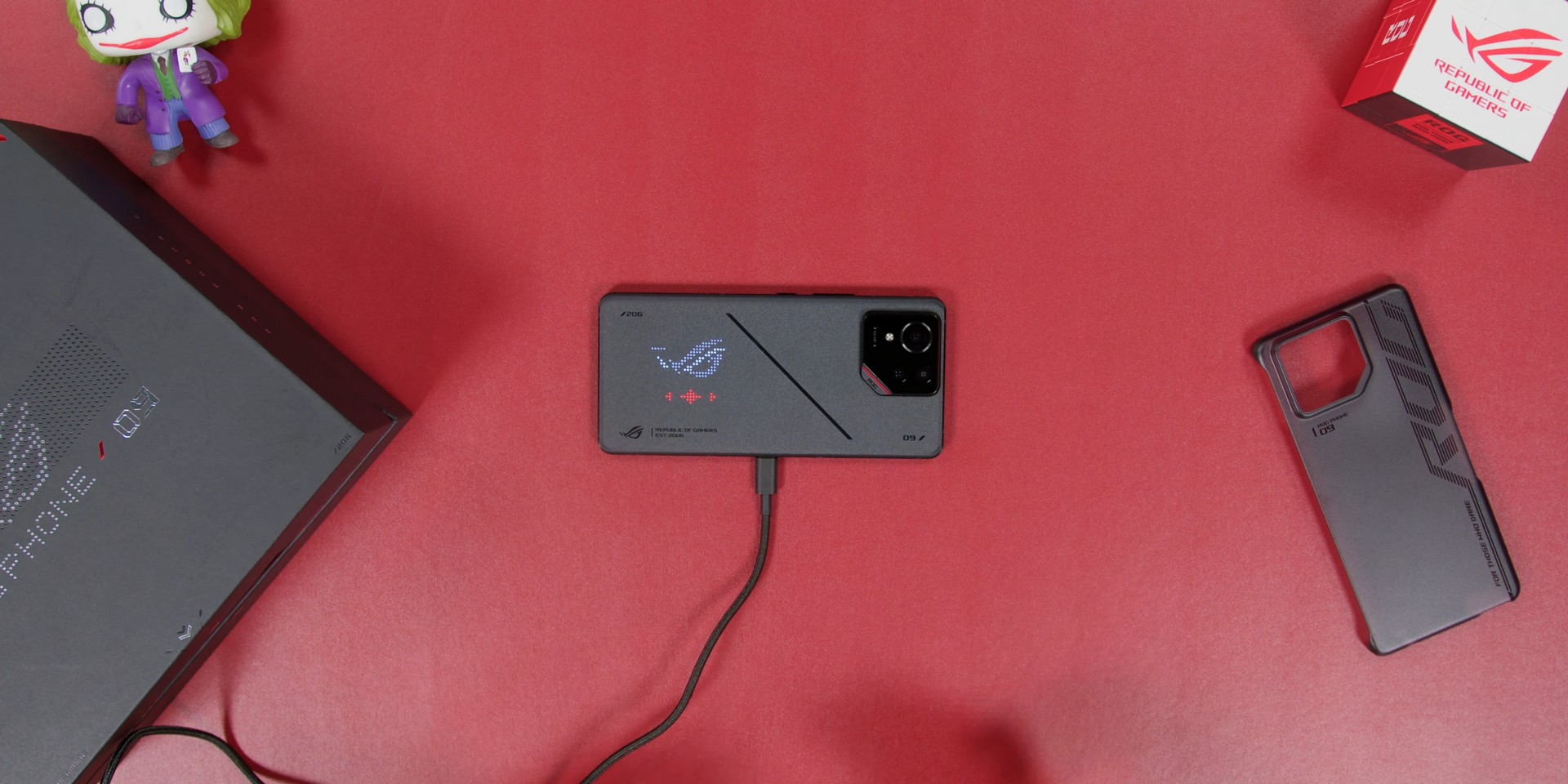
In early 2026, we are seeing 200W, 240W, and even whispers of 300W charging speeds. Meanwhile, giants like Apple and Samsung are still hovering around the 25W to 45W mark. Do they know something we don’t? Or are they just playing it too safe? To understand whether your “need for speed” is actually hurting your device, we have to look past the marketing and into the chemistry and physics of modern power delivery.
The Theatre Analogy: How Charging Actually Works
One of the most persistent misconceptions is that a 120W charger is pushing 120W of “brute force” into your phone from the moment you plug it in until it hits 100%. It simply does not work like that. Charging a lithium-ion battery is like filling a theatre with people. When the theatre is empty, people can run in and find seats quickly. This is what engineers call the Constant Current phase. As the battery fills up, usually near 80% charge, the remaining people have to walk slowly to find the last few seats to avoid a crush. This is the Constant Voltage or Trickle Charge phase.
Your phone’s Charging Integrated Circuit is constantly communicating with the power brick. If the battery gets too hot, the phone tells the charger to back off. This is why the last 20% of your charge often takes just as long as the first 50%. Fast charging isn’t a constant blast; it’s a sophisticated, declining curve designed to protect the chemical integrity of the cells. If you see “120W” on the box, keep in mind that it is the peak speed, not the average.
Beating the Heat with Dual-Cell Architecture
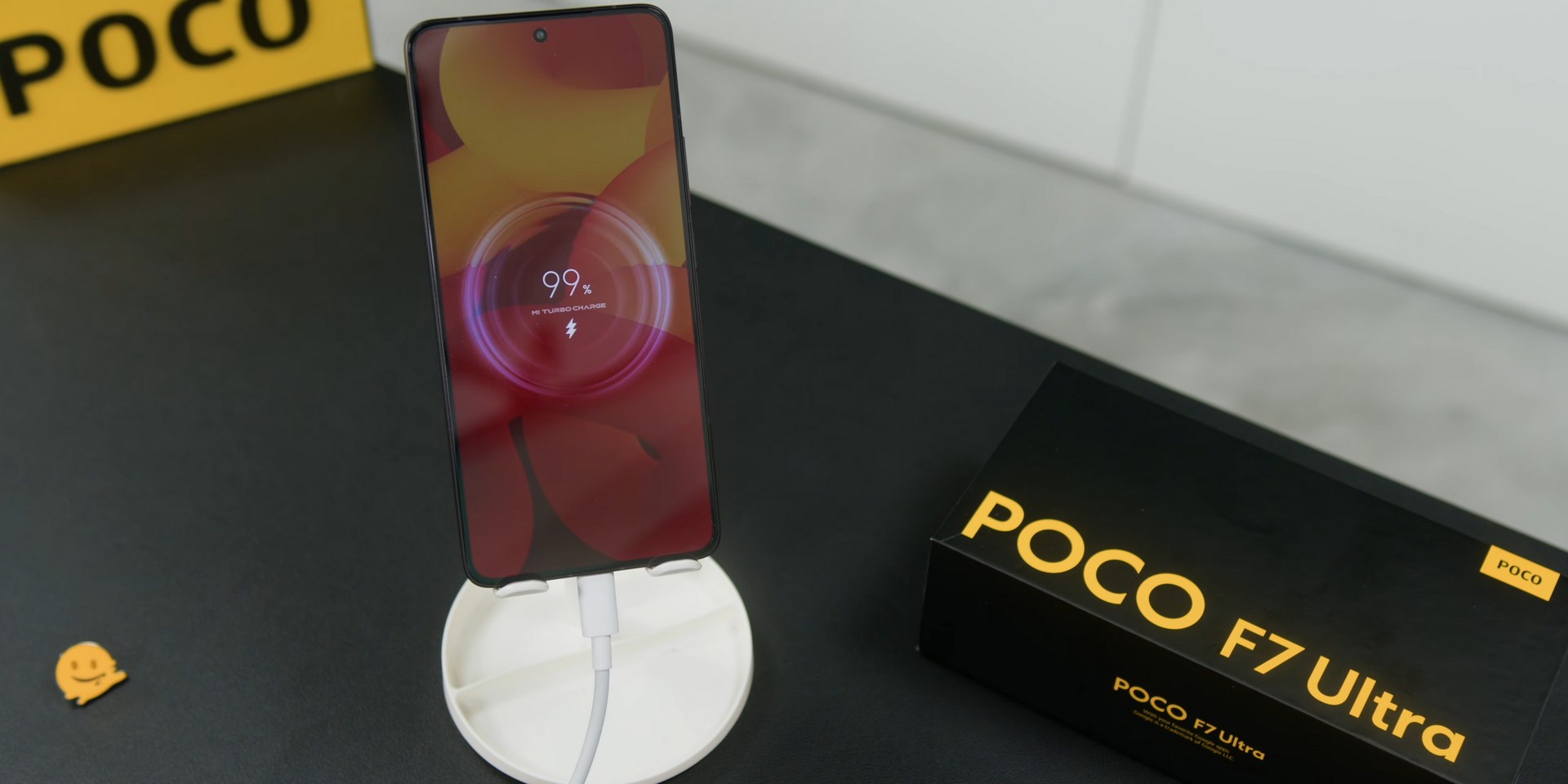
However, the biggest enemy of a battery isn’t actually “speed”, it’s heat. If you try to push 120W into a single battery cell, it will generate immense heat due to internal resistance, which leads to lithium plating and permanent capacity loss. In the worst-case scenario, it leads to a thermal runaway. To solve this, modern high-speed brands use Dual-Cell Architecture. Instead of one 5,000mAh battery, your phone has two 2,500mAh batteries. When you plug in a 120W charger, the phone splits the power: 60W goes to Battery A, and 60W goes to Battery B.
It’s like having two smaller hoses filling two buckets instead of one giant firehose trying to blast into one. It’s more efficient, generates way less heat per cell, and is essentially how brands like Xiaomi and OnePlus hit those crazy speeds without your phone turning into a pocket-heater. By splitting the load, the battery cells actually feel a much lower charge rate than the headline number suggests.
The Conservative Approach of Apple and Samsung
This raises the question people often ask: “Why does my RM5,000 Samsung Galaxy S25 Ultra charge slower than a RM1,500 Redmi?” While it’s easy to blame the big companies for being “boring,” there are technical reasons why the Big Two remain conservative. Apple and Samsung design their phones for a five to seven-year lifecycle.
High-wattage charging, no matter how well managed, creates more cycle stress than slow charging. By capping at lower wattages, they ensure your battery stays above 80% health for the entire duration of your software support. There is also the matter of safety and legal liability. After the infamous Galaxy Note 7 incident, Samsung became the most cautious company in the industry. They would rather you wait 60 minutes for a charge than risk even a 0.01% chance of a thermal event.
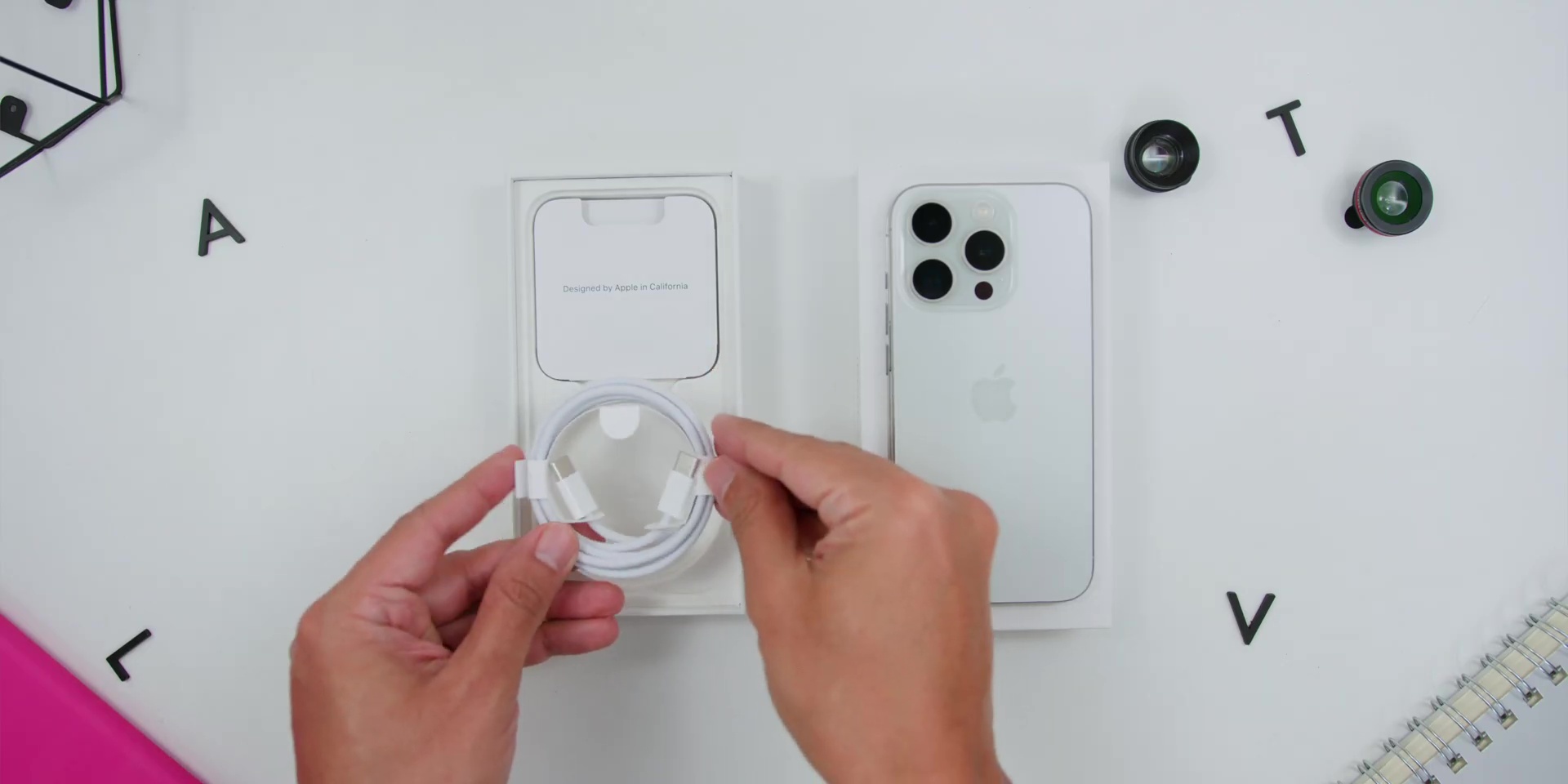
Furthermore, Apple and Samsung stick to the universal USB Power Delivery (PPS) standard. This ensures any high-quality third-party charger works safely. Chinese manufacturers often use proprietary protocols, meaning you only get those 200W speeds if you use their specific cable and their specific brick.
The 2026 Shift: Silicon-Carbon Chemistry
The real hardware revolution in 2026 isn’t just about the brick in your wall; it is about the “juice” in your pocket. For over a decade, we were basically stuck in a toxic relationship with Lithium-Ion Graphite Anode batteries.
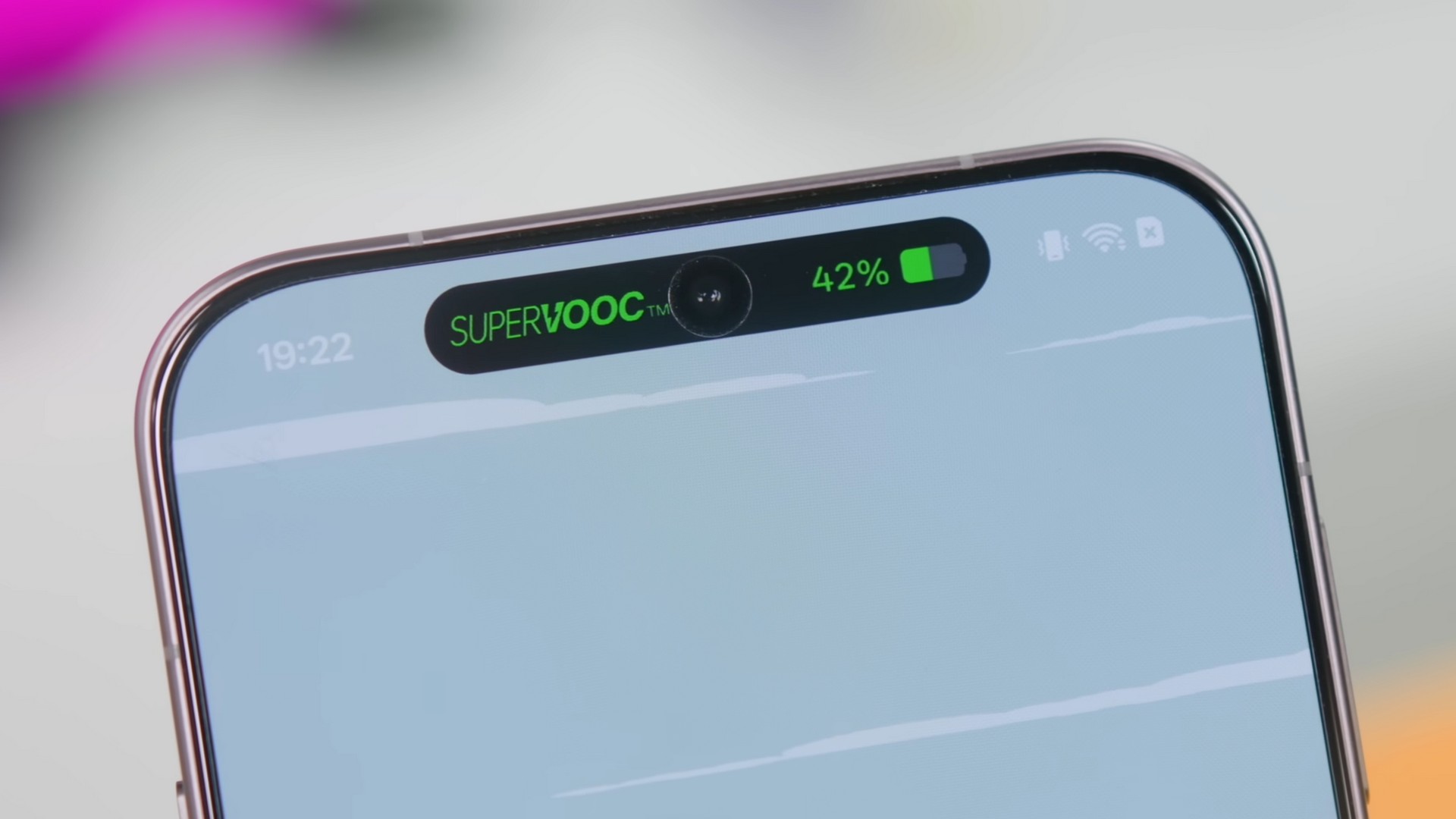
But 2026 is officially the year of the Silicon-Carbon (Si-C) battery. You have probably spotted these in the latest high-end flagships. Silicon-Carbon is essentially the “holy grail” because silicon can hold up to ten times more lithium ions than graphite. In the past, pure silicon would swell and crack like an overinflated balloon, but the 2026 breakthrough uses a Carbon Matrix. This microscopic cage holds the silicon in place as it expands, allowing us to cram 6,000mAh batteries into phones that are barely 8mm thin.
This tech dunks on old-school Graphite in every category. It offers way higher energy density, so you get more power without your phone looking like a brick from 1995. It lets manufacturers make phones 20% to 30% thinner without the battery dying by lunchtime. Because Si-C is naturally more conductive, it handles speed with less internal drama. It even thrives in the cold, staying stable at -20°C, where your old iPhone would usually just give up and go to sleep.
Solid-State: The Final Boss of Battery Tech
While Si-C is our current hero, Solid-State Batteries are the “final boss” we are all waiting for. By swapping out that liquid electrolyte for a solid ceramic or polymer, these batteries become physically incapable of catching fire. They can handle 500W charging without breaking a sweat, but for now, they are more expensive than a first-class ticket to Mars. We probably won’t see them in smartphones until around 2028 because car makers are currently hogging all the supply for EVs. But once they hit the mobile market, “battery anxiety” will finally be a thing of the past.
Living with Fast Charging: The Real-Talk Rules
The verdict for 2026 is simple: stop stressing. Your phone is likely smarter than most of the people in your contact list. If you want to maximise your battery’s lifespan without becoming a hermit who hides from chargers, follow these “Real-Talk” rules.
First, stick to the 20-80 Rule. Lithium batteries are like humans: they hate being totally empty, and they are not huge fans of being stuffed to the brim. Try to keep yours in that sweet spot in the middle. Second, for the love of tech, stop gaming while you are fast charging. You are creating “double heat” from the processor and the battery at the same time, which is essentially a death sentence for battery health.
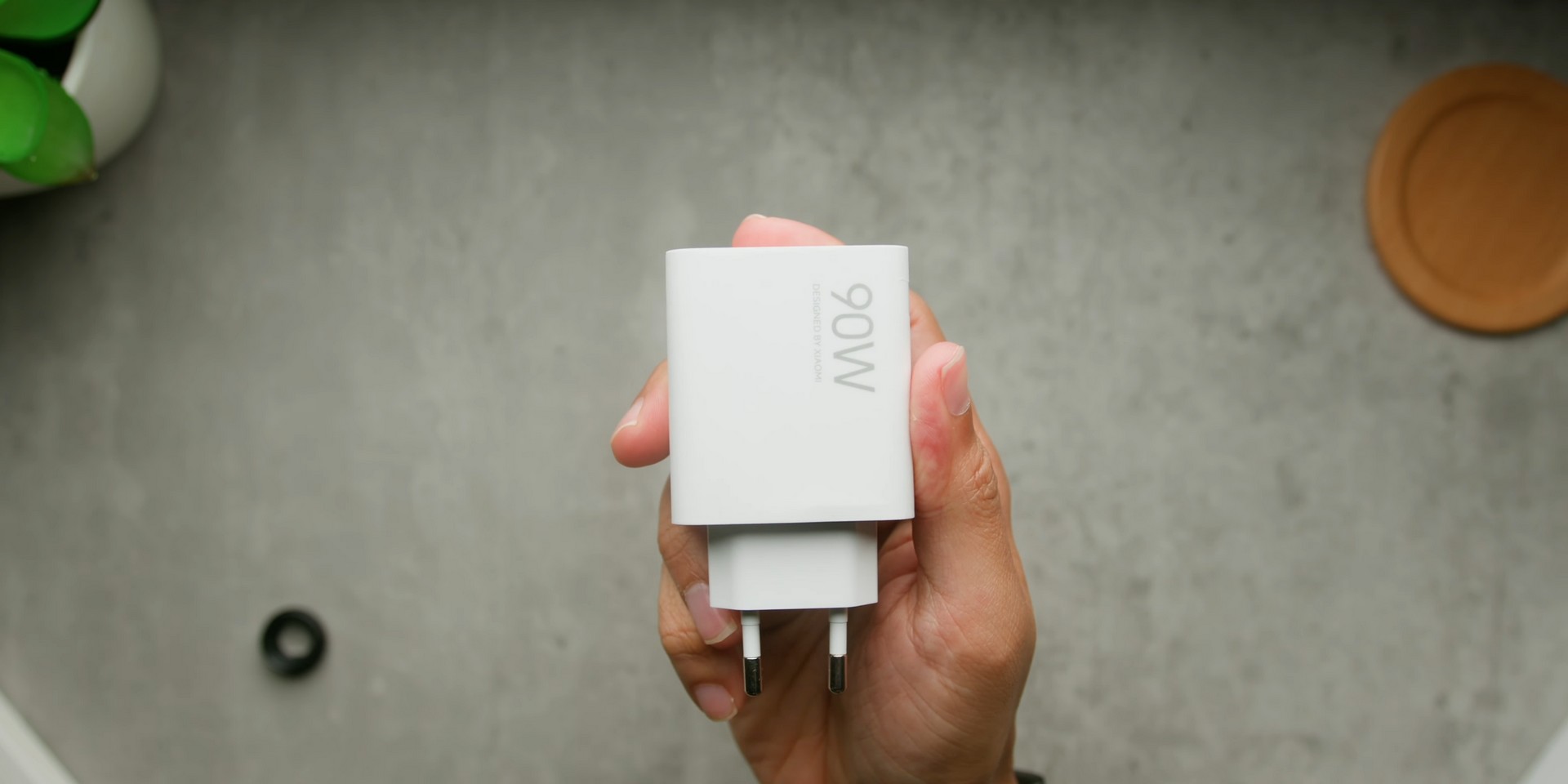
Third, don’t buy your chargers from dodgy stores. Even seemingly all right places like a petrol station or “Kedai Ustaz” sell chargers that could potentially harm your device. A certified 100W GaN charger is an investment in your phone’s future. Finally, keep it cool. If your phone is sitting in a hot car or baking in the sun, that is the worst time to plug it in.
Fast charging has finally grown up. It is not a gimmick anymore; it is just clever engineering. Use it, enjoy it, and go live your life.