
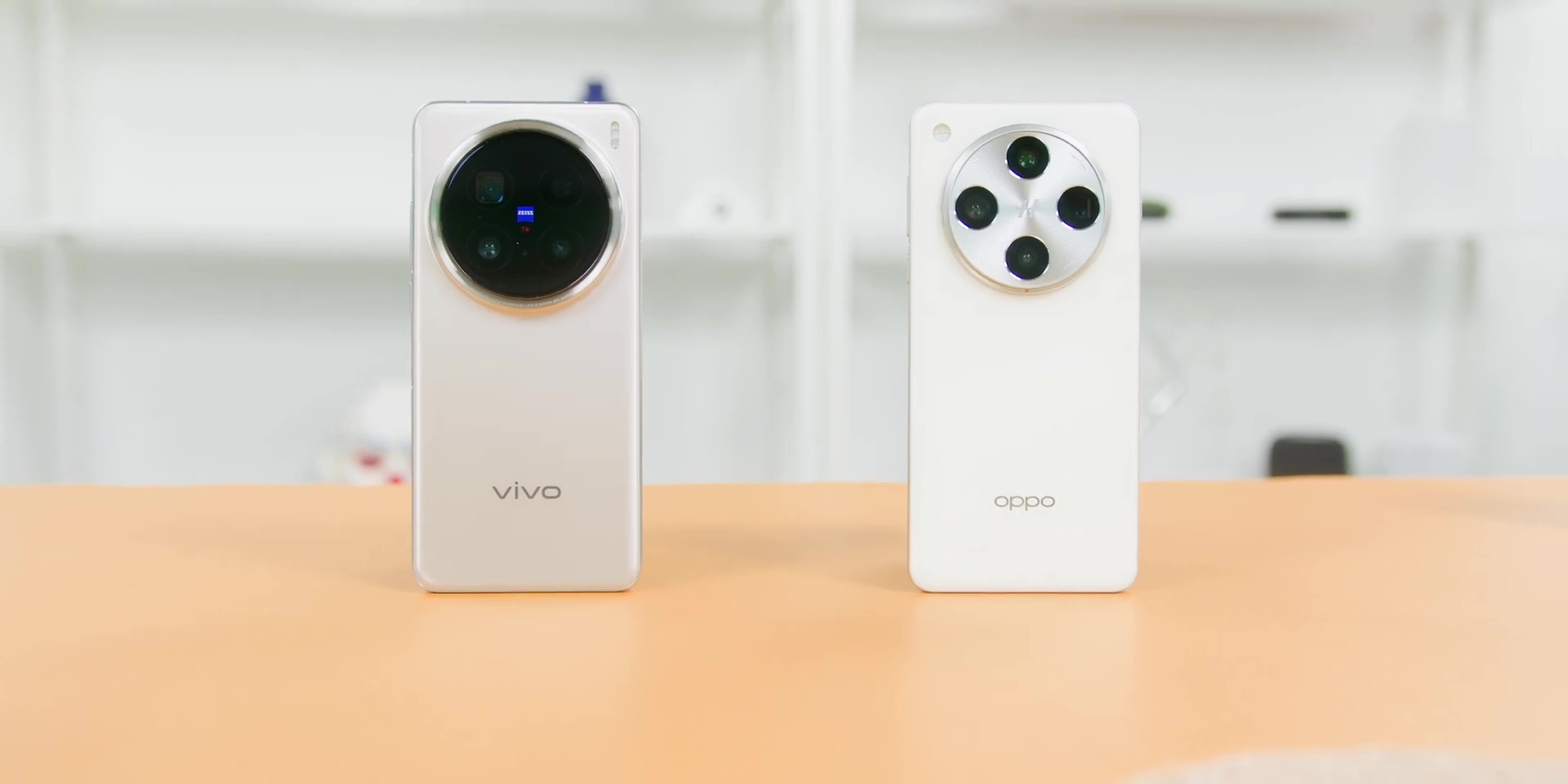
The vivo X200 Pro versus the OPPO Find X8 Pro – both have the same display size, the same IP rating, and even the same chipset. So which do you choose? Well, you’ll get your answer in this review.
Design
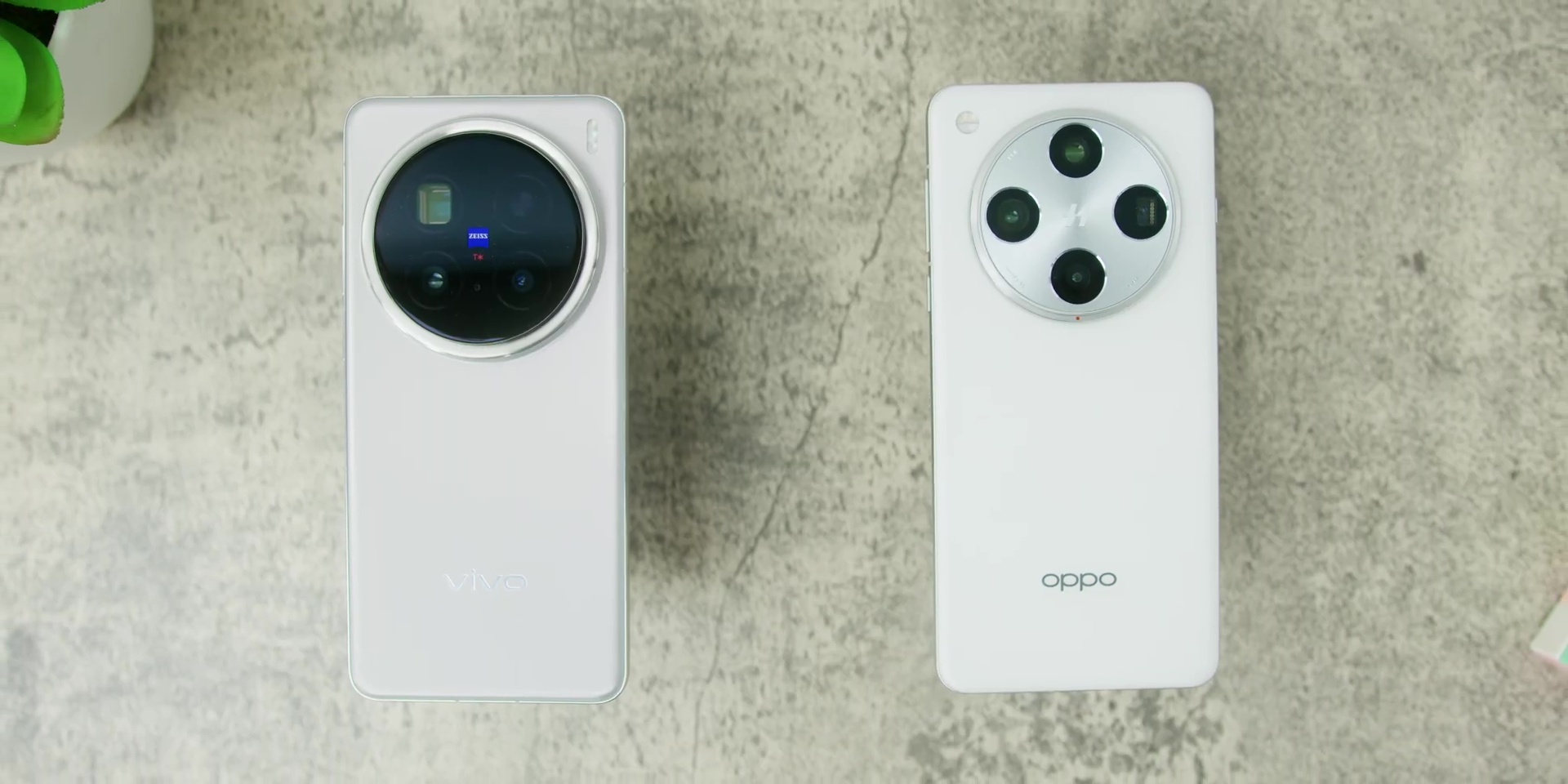
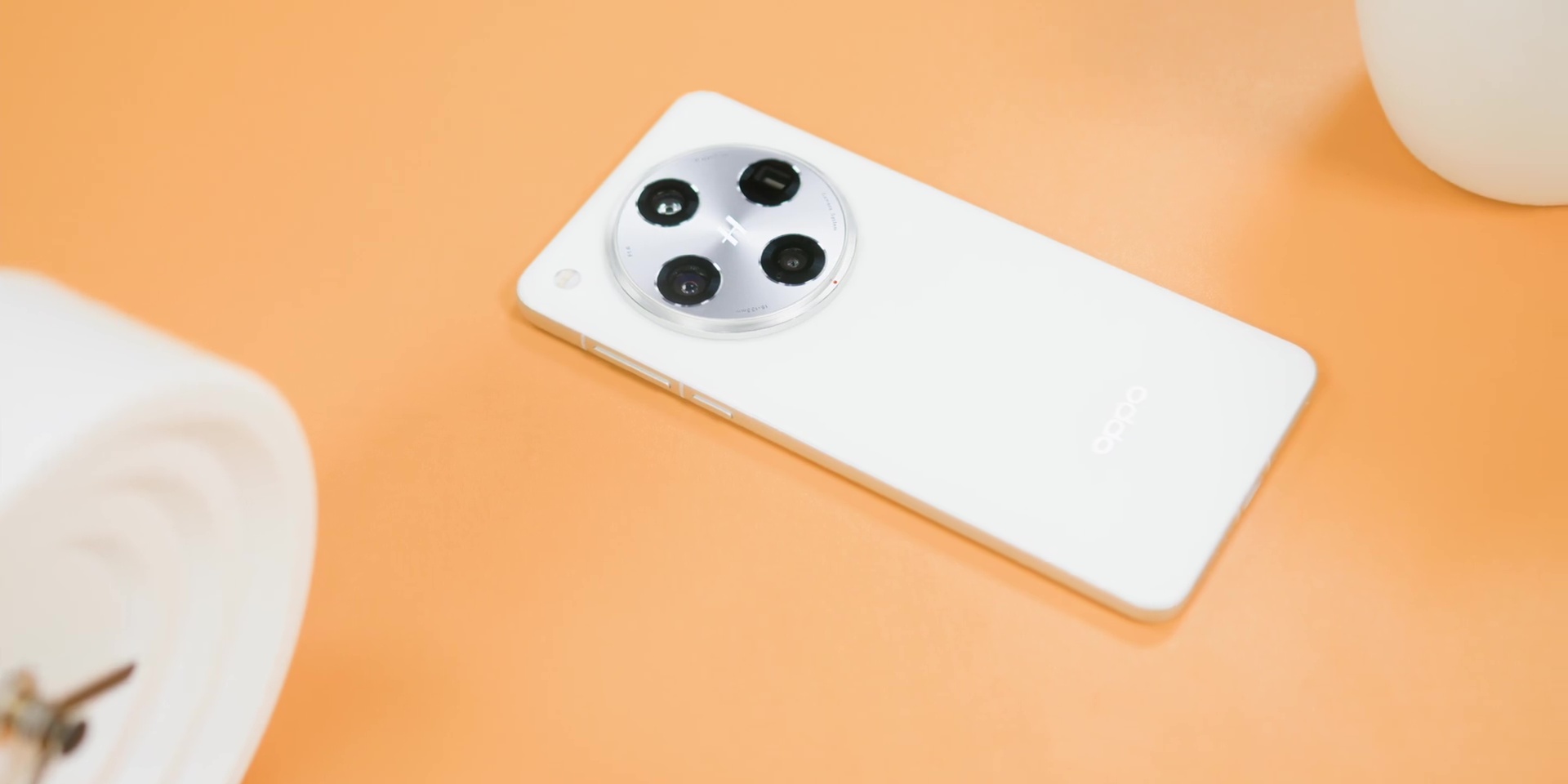
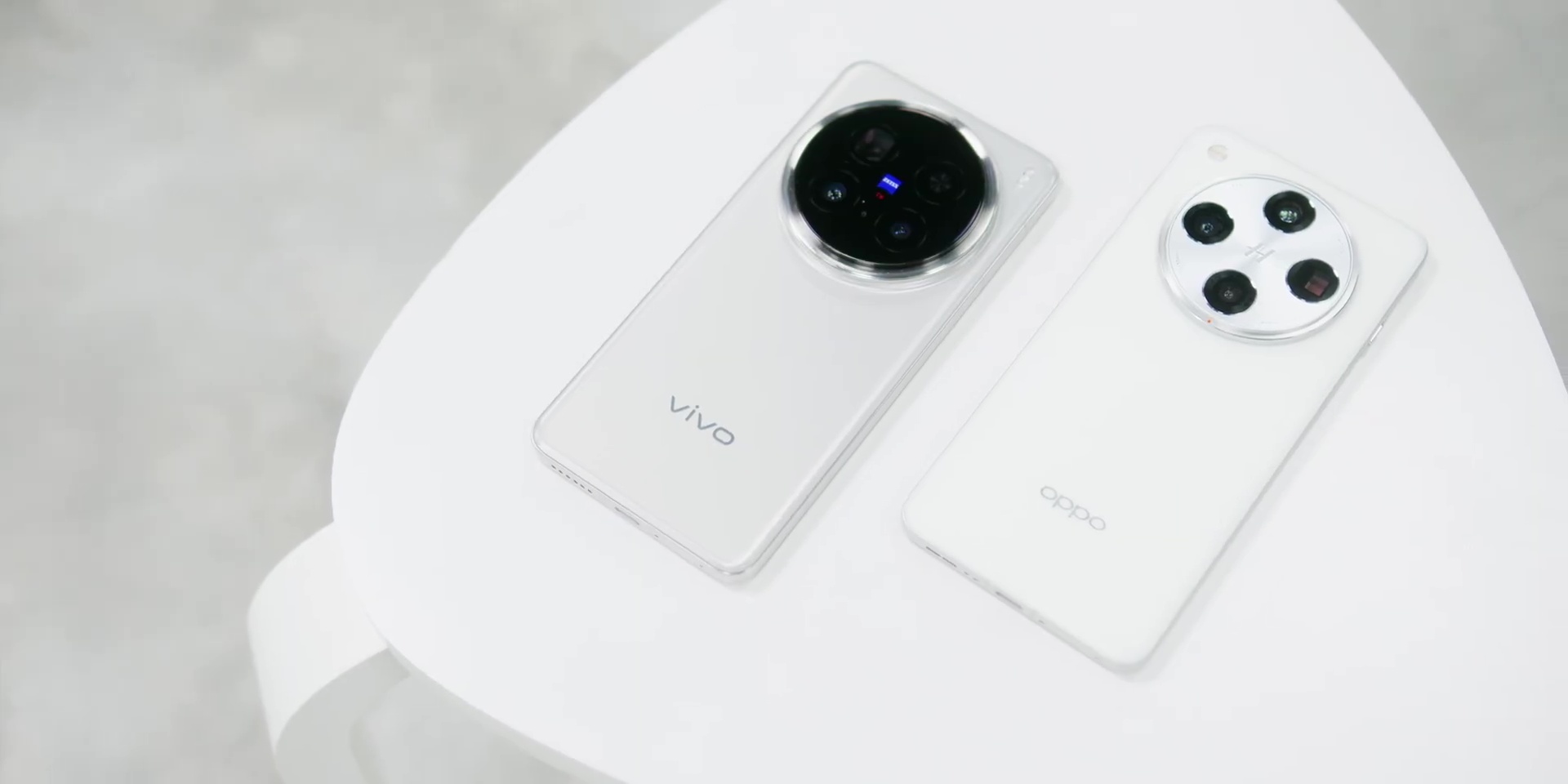
Starting from the design. On day-to-day use, the OPPO Find X8 Pro felt nicer to hold. This is due to the textured back glass.
And while the vivo X200 Pro wasn’t bad, the smoother glass back meant that it had the potential to slip off from your hands.
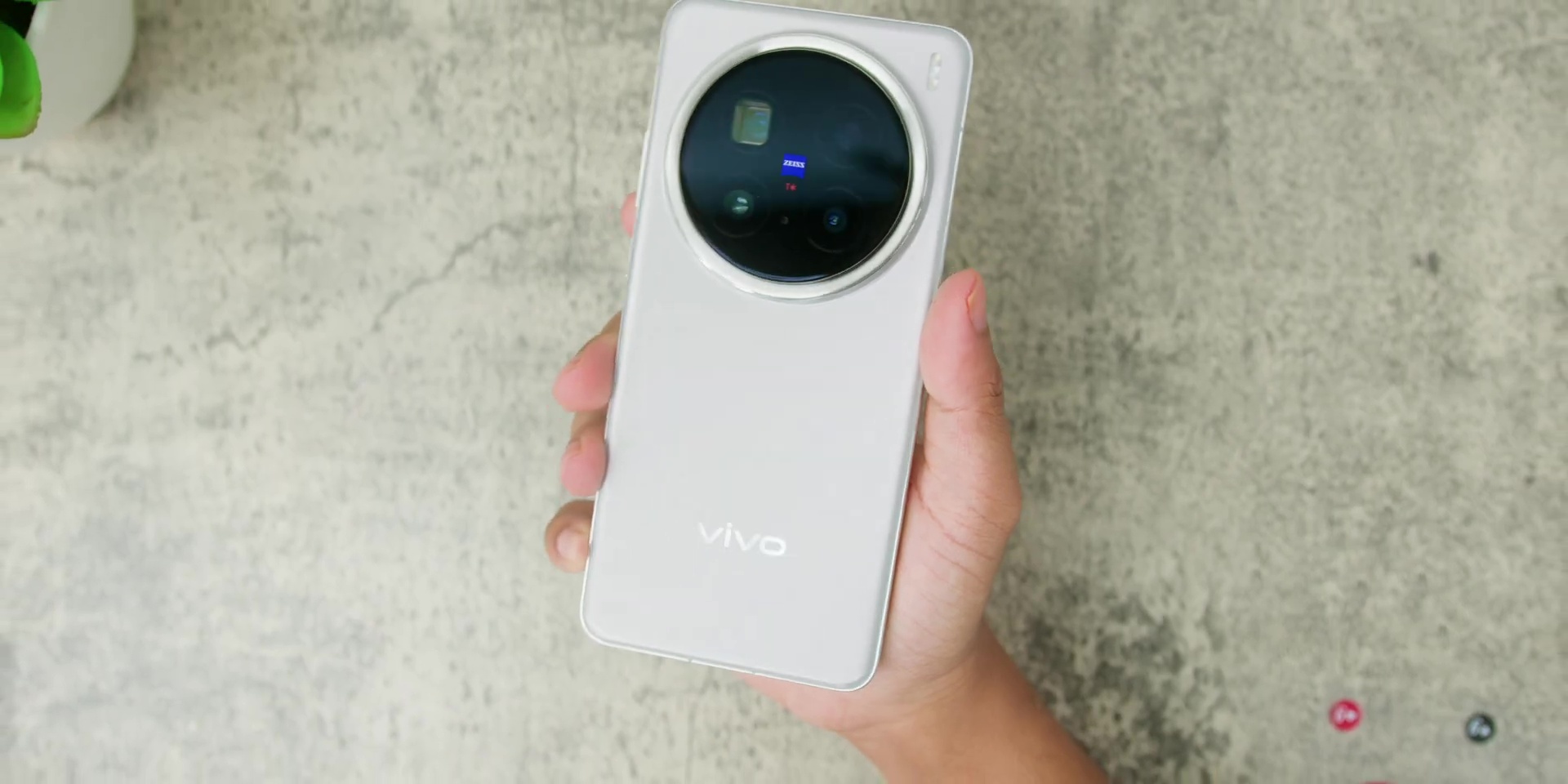
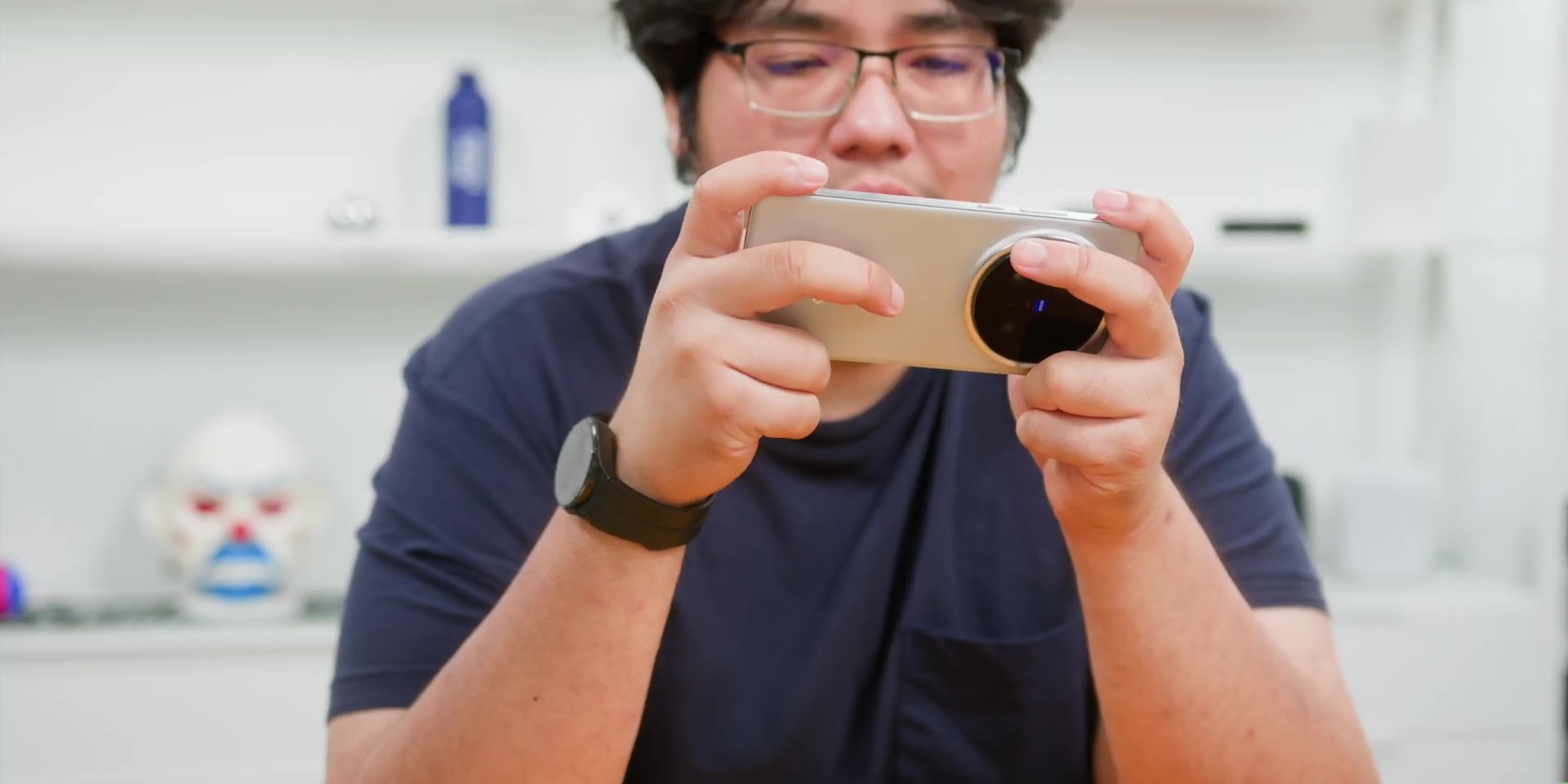
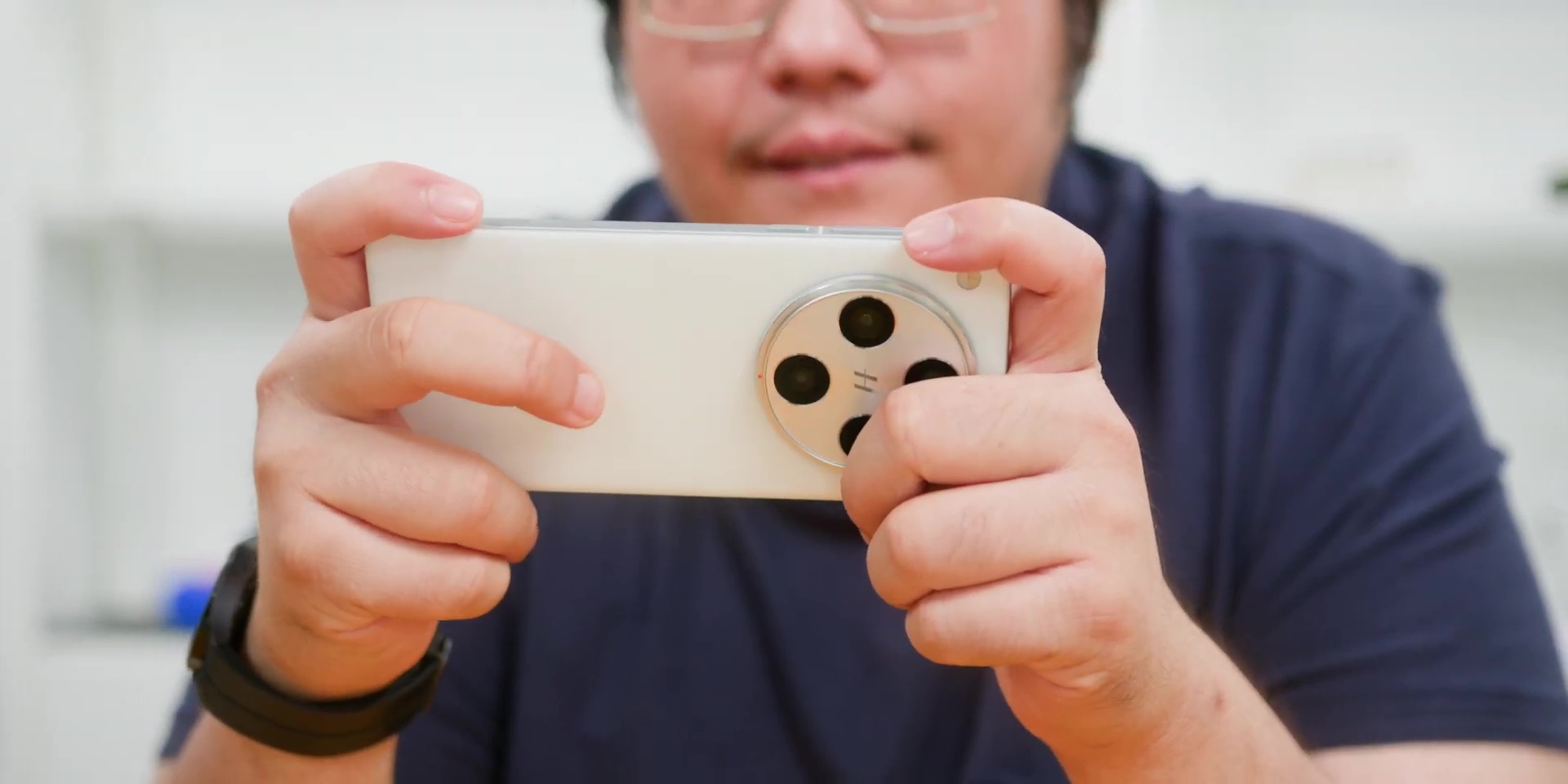
Both work equally well for typing and using daily, but when it comes to gaming for long periods, since this vivo X200 Pro’s camera bump was bigger, it was less comfortable to game for long periods compared to the OPPO Find X8 Pro.
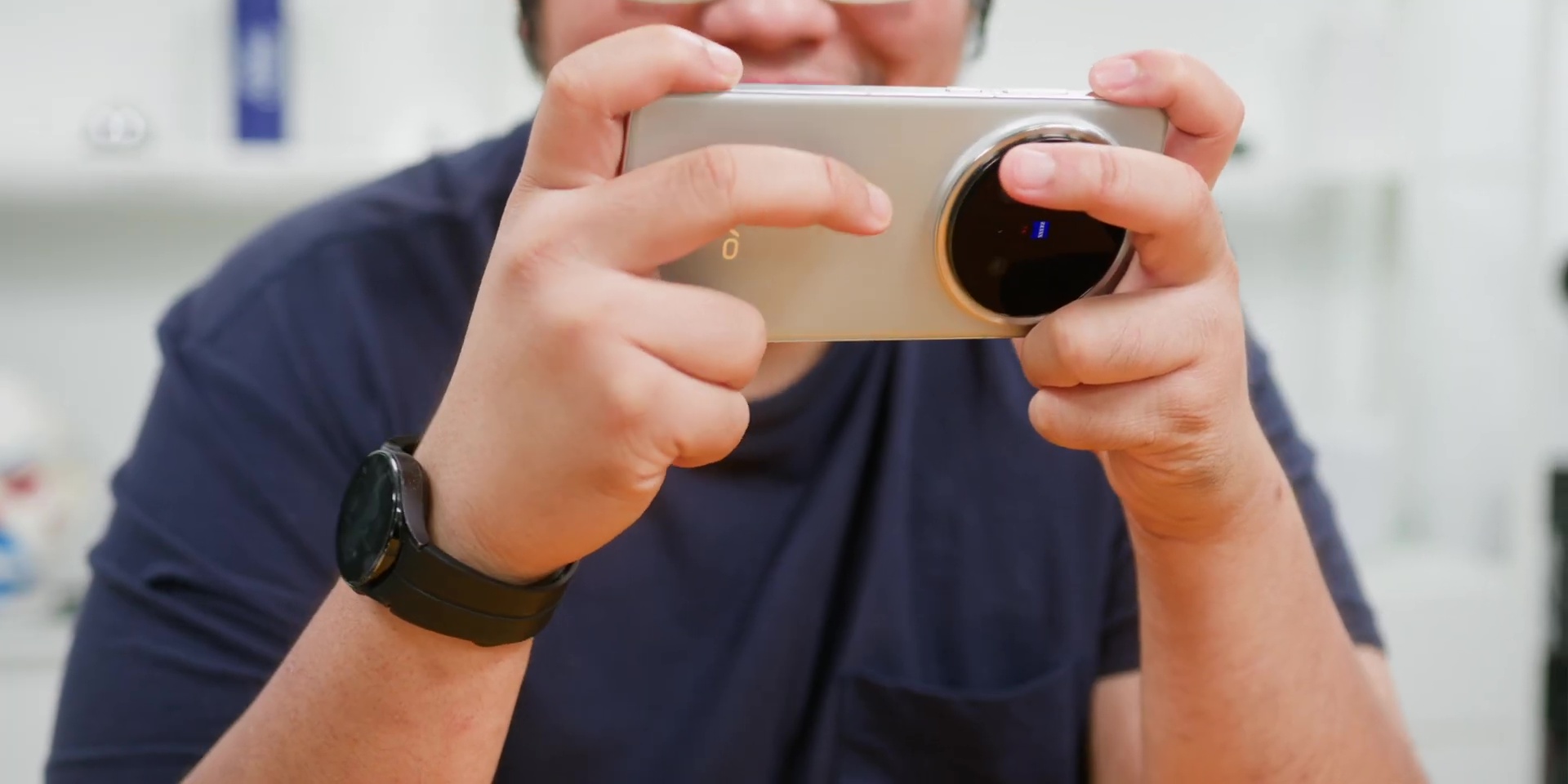
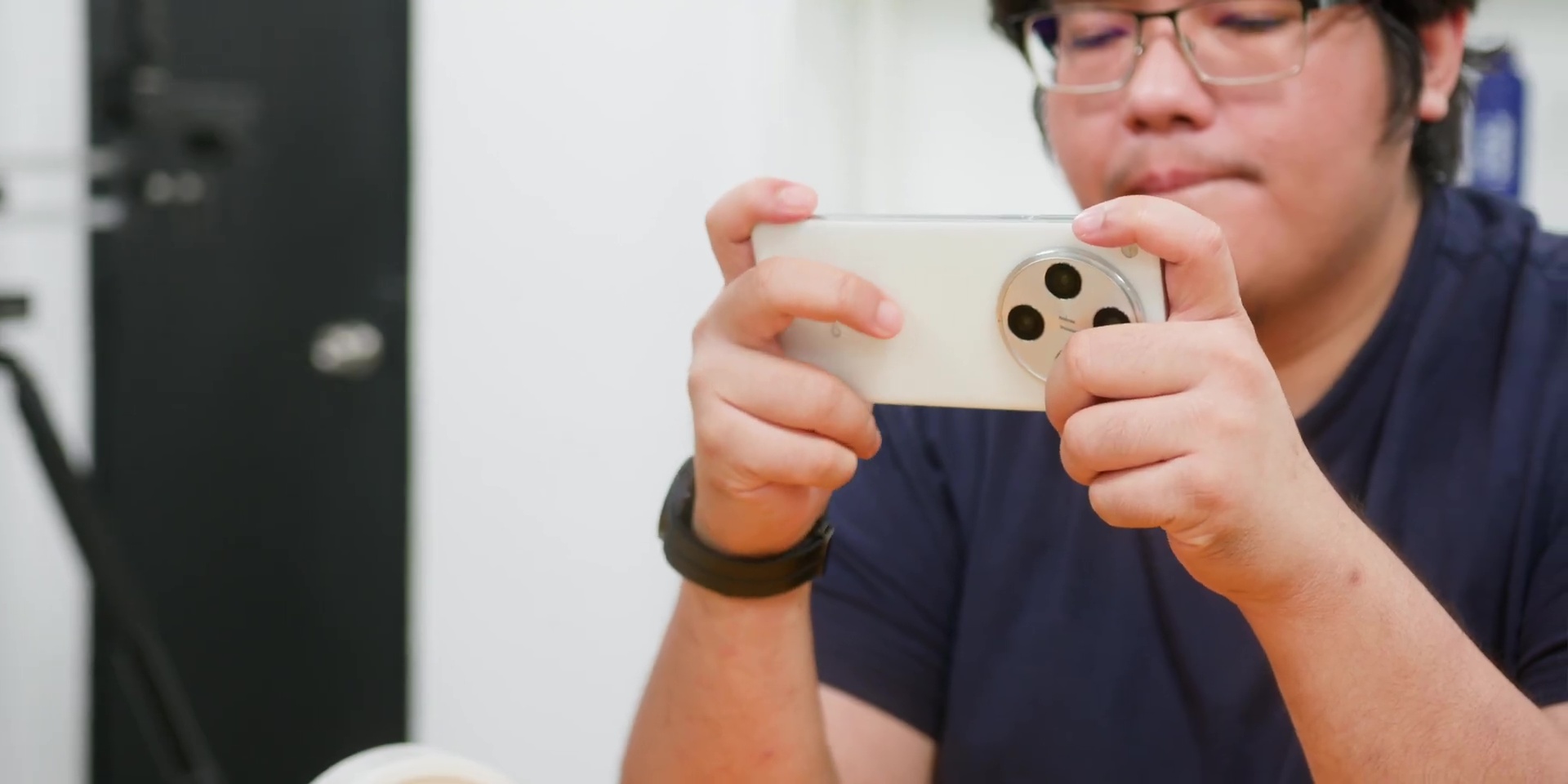
But the good news is that if you’re like me, who loves to type on the phone, on the surface both do not wobble at all when you’re typing the phone on, say, your table or any other flat surface.
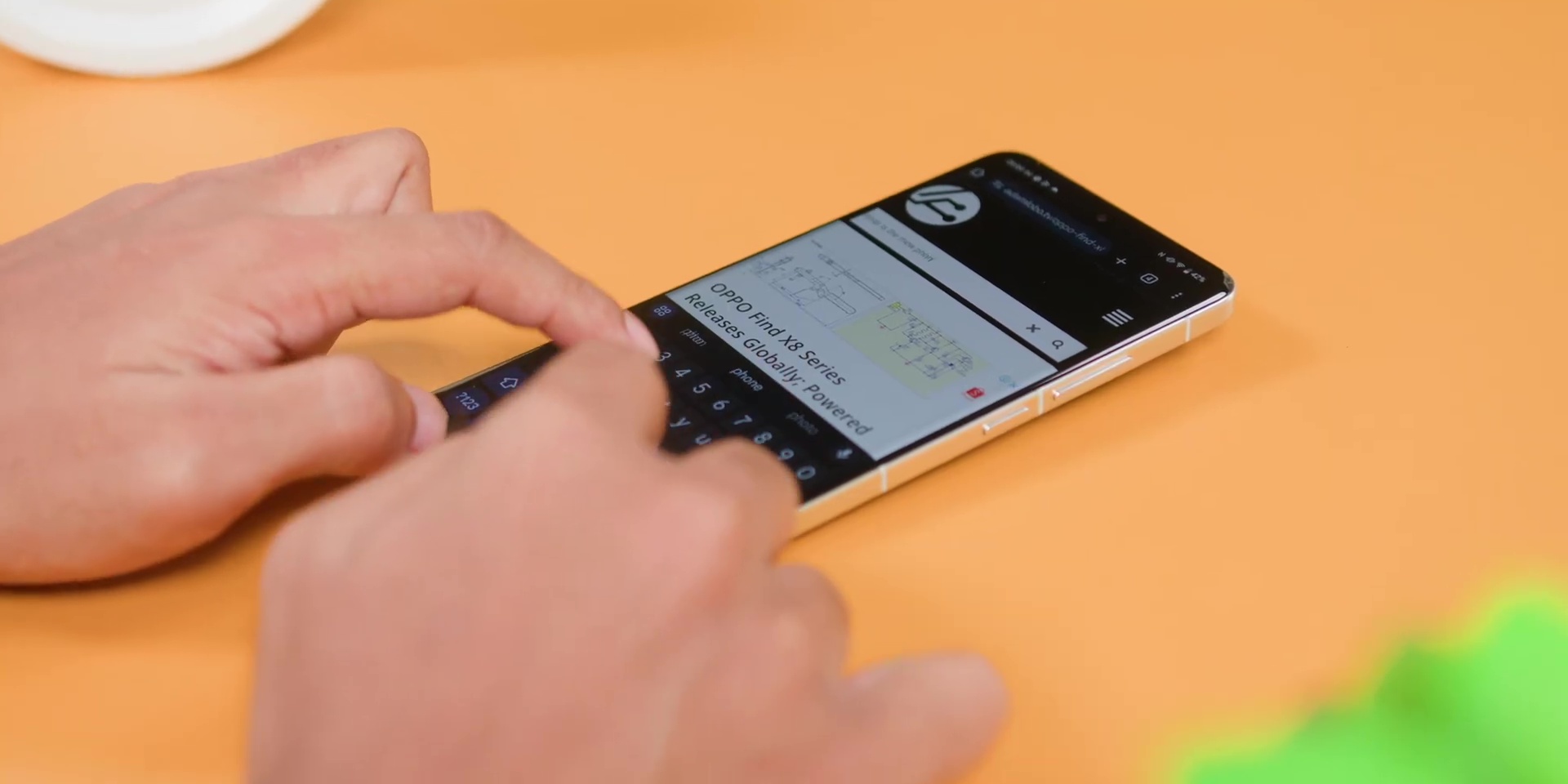
So if I really had to choose in this particular category, I would give this to the OPPO Find X8 Pro, where the only competition would be the regular non-pro X8, as I felt that the boxier design was better.
I find it weird because all of these Chinese makers seem to always make the non-pro boxy and have a flat-screen, and the pro is usually curved. Yep, even HUAWEI tends to do this too. Isn’t it supposed to be the other way around?
Durability
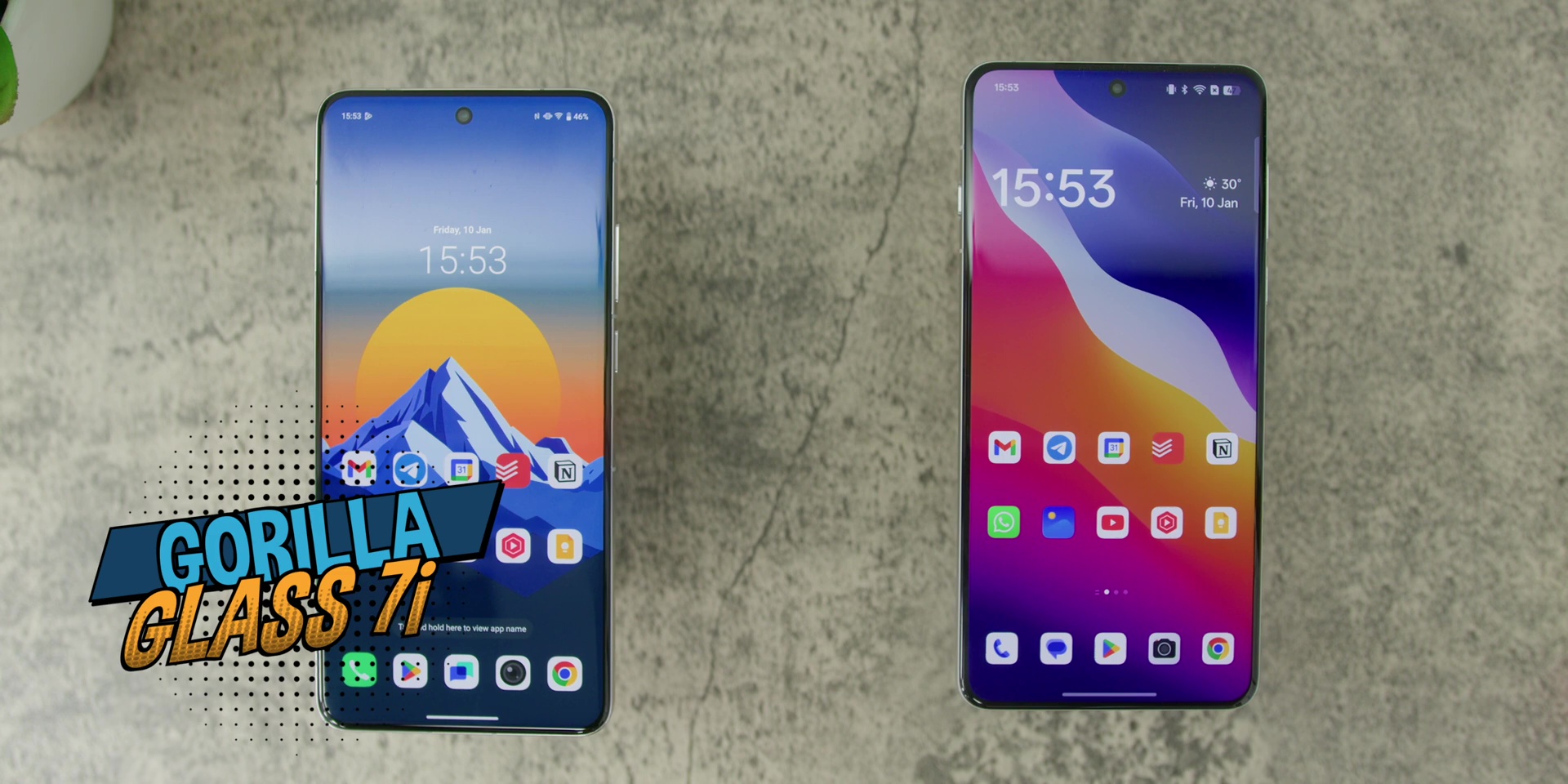
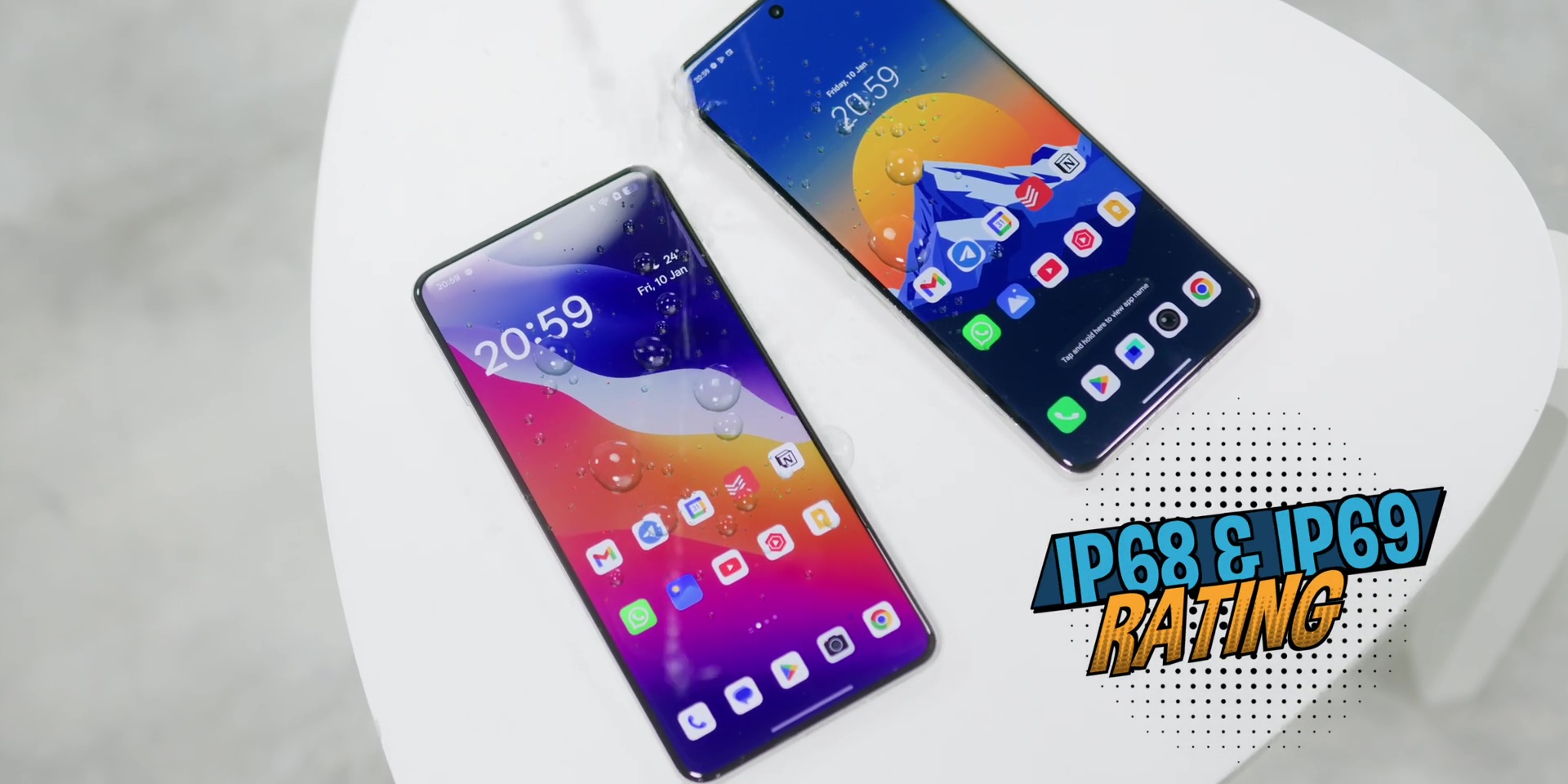
In terms of durability, the OPPO Find X8 Pro comes with a Corning Gorilla Glass 7i, and the vivo X200 Pro has an Armor Glass. There’s no mention of whether or not this is under Corning or not, but using this phone daily, there were no visible scratches or scuffs on the screen, especially since I use both of these phones without a case or even a screen protector. Both have the same IP68 and IP69 certification too.
But one major feature that levels up the OPPO Find X8 Pro is the fact that it has an alert slider and also a dedicated camera shutter button, which such feature is not available on the vivo X200 Pro, as they were probably looking towards being a bit more minimal.
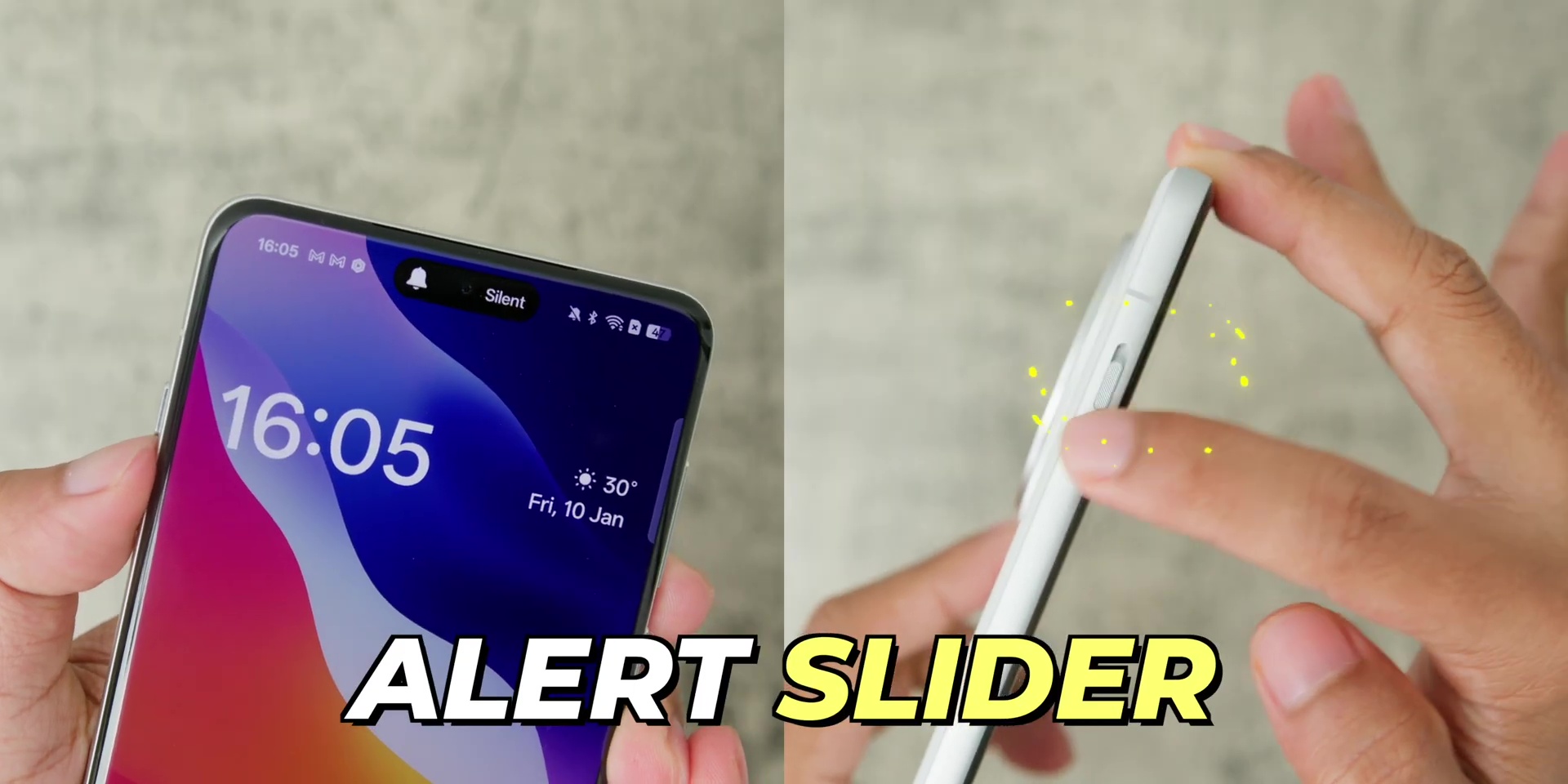
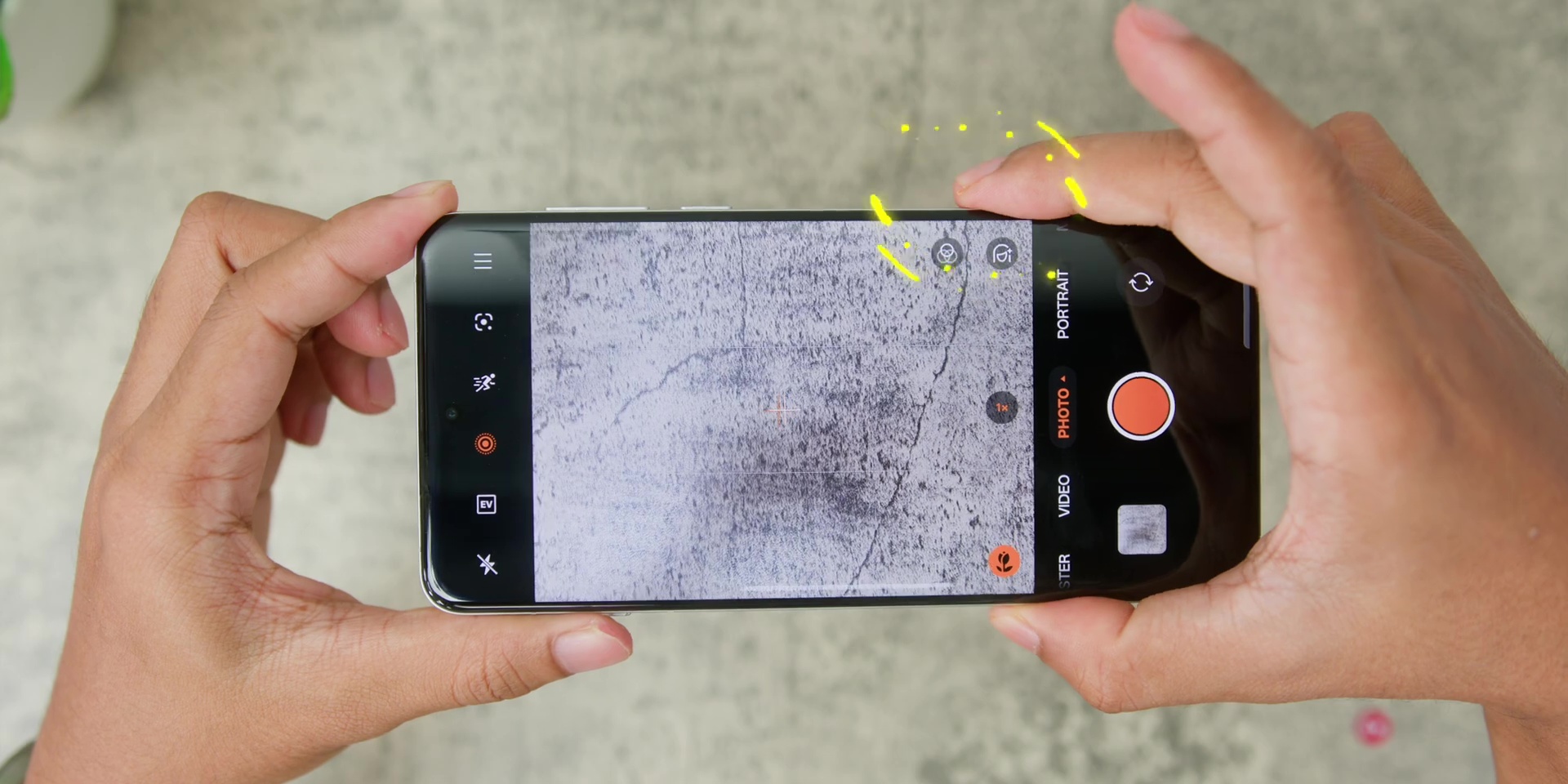
So if you want more physical quick controls for your phone, then the OPPO Find X8 Pro should be your pick. So design-wise, it’s a matter of preference. Do you like the more physical controls, or do you prefer a more streamlined look?
For me, in this department, I would go with the OPPO Find X8 Pro.
Display
Both phones feature the same 6.7-inch LTPO AMOLED display with 120Hz refresh rate and Dolby Vision support. The display’s colors are vibrant, and blacks are really nice and deep, and the peak brightness hits an impressive 4500 nits on both.
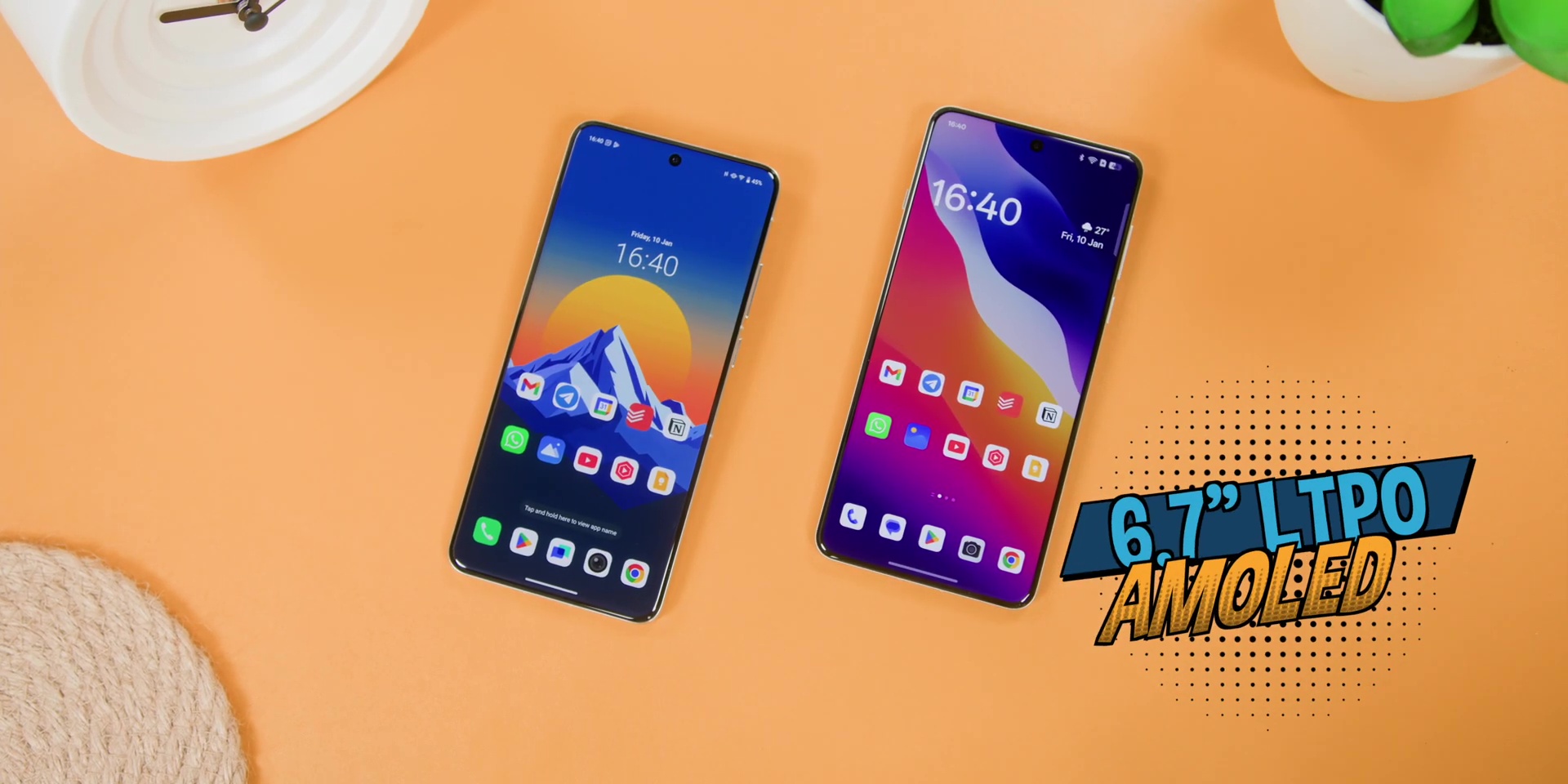
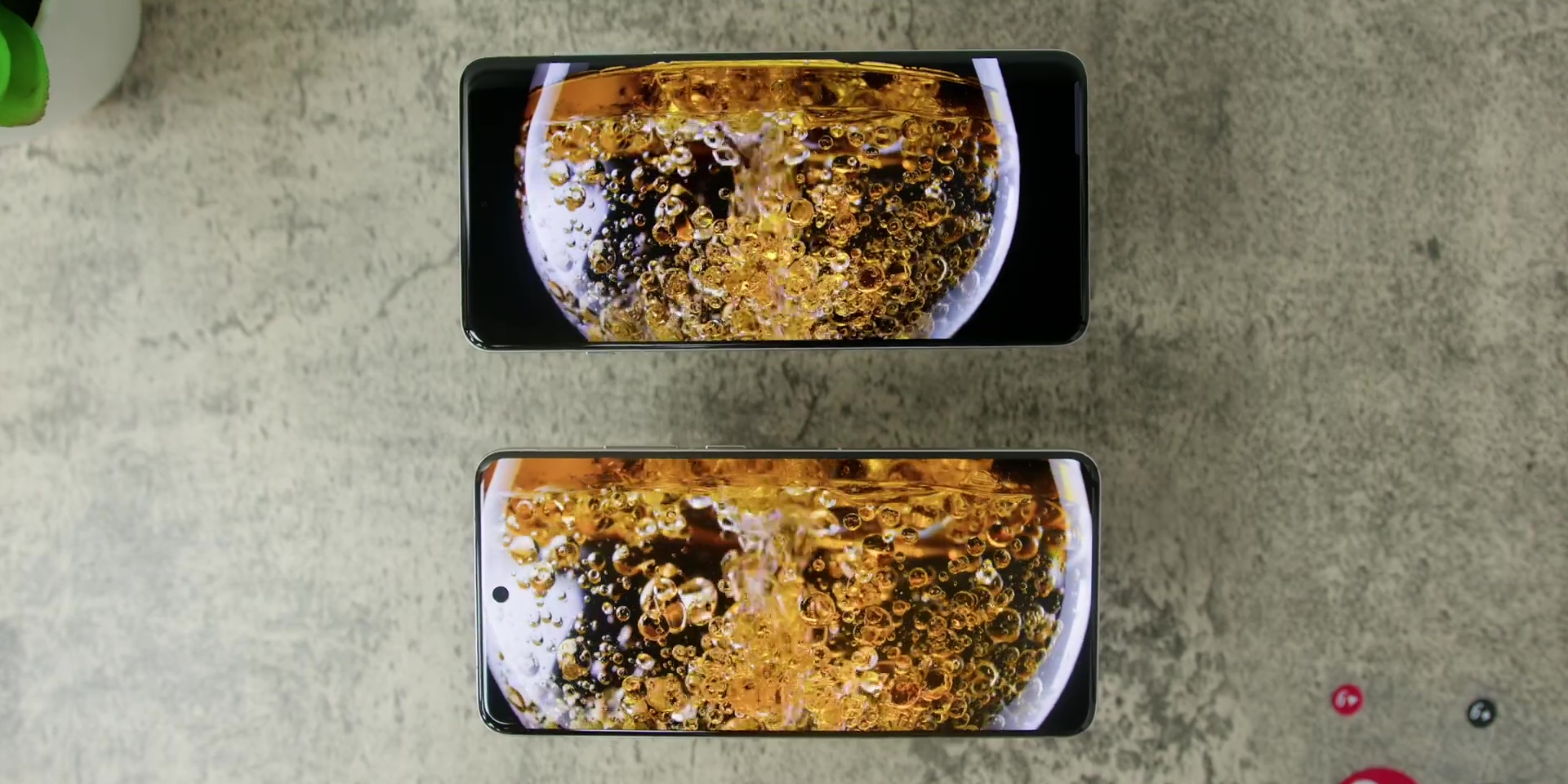
I know that this is a comparison review where I need to help you choose between both, but honestly, when it comes to the phone screen, both were equally as good.
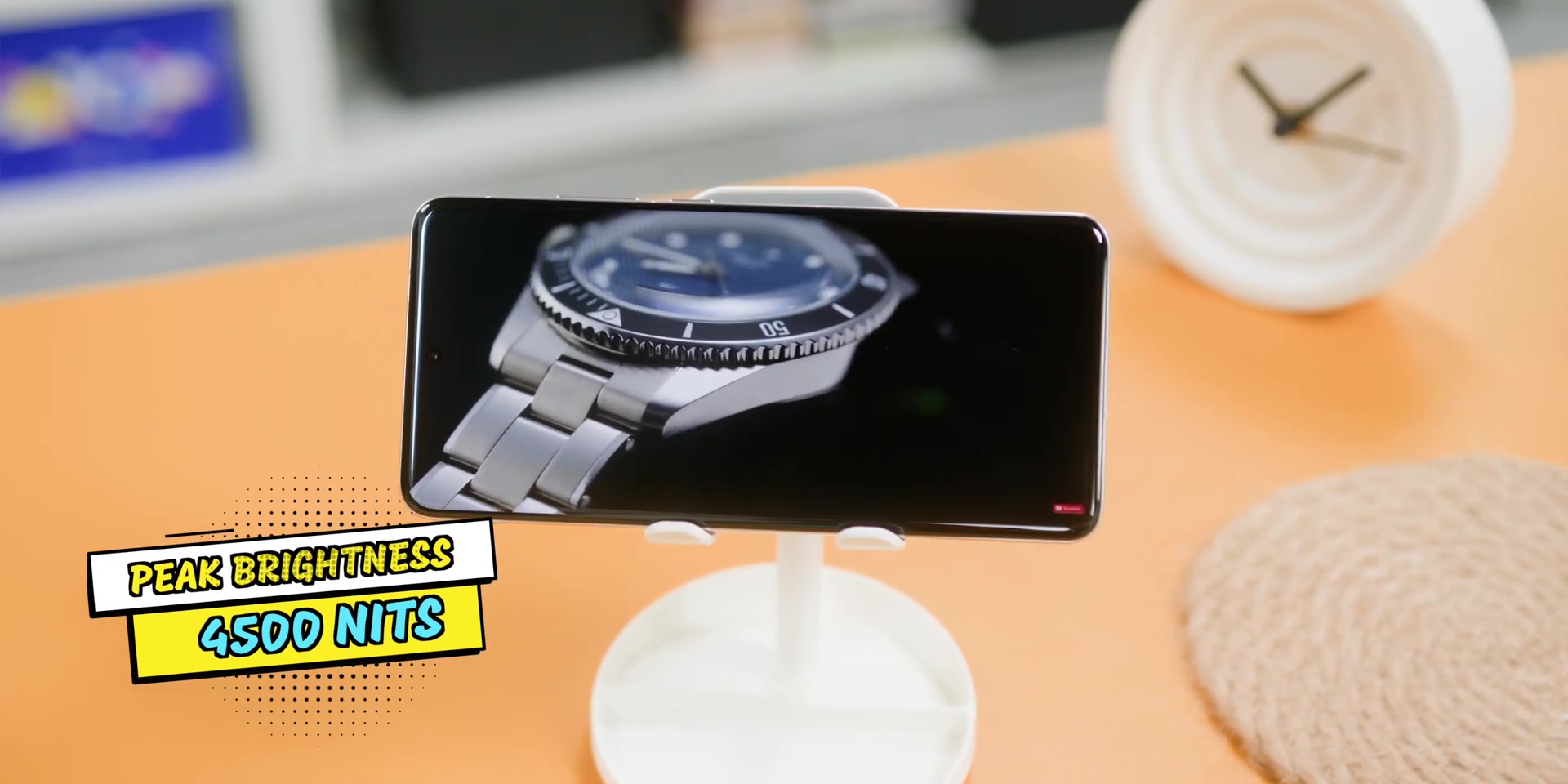
The screens were slightly curved on both, so the experience when it comes to watching videos or just using the phone every day was the same. So I would give it a tie over here unless one of them was a flatter display. But nope, the screens are the same but different. It’s like a twin showing up at the party with the same exact outfit that you have no choice but to pick.
Cameras
Now, for the cameras, which is the most requested comparison. I’m not going to dive into the specs and go straight on comparing these images.
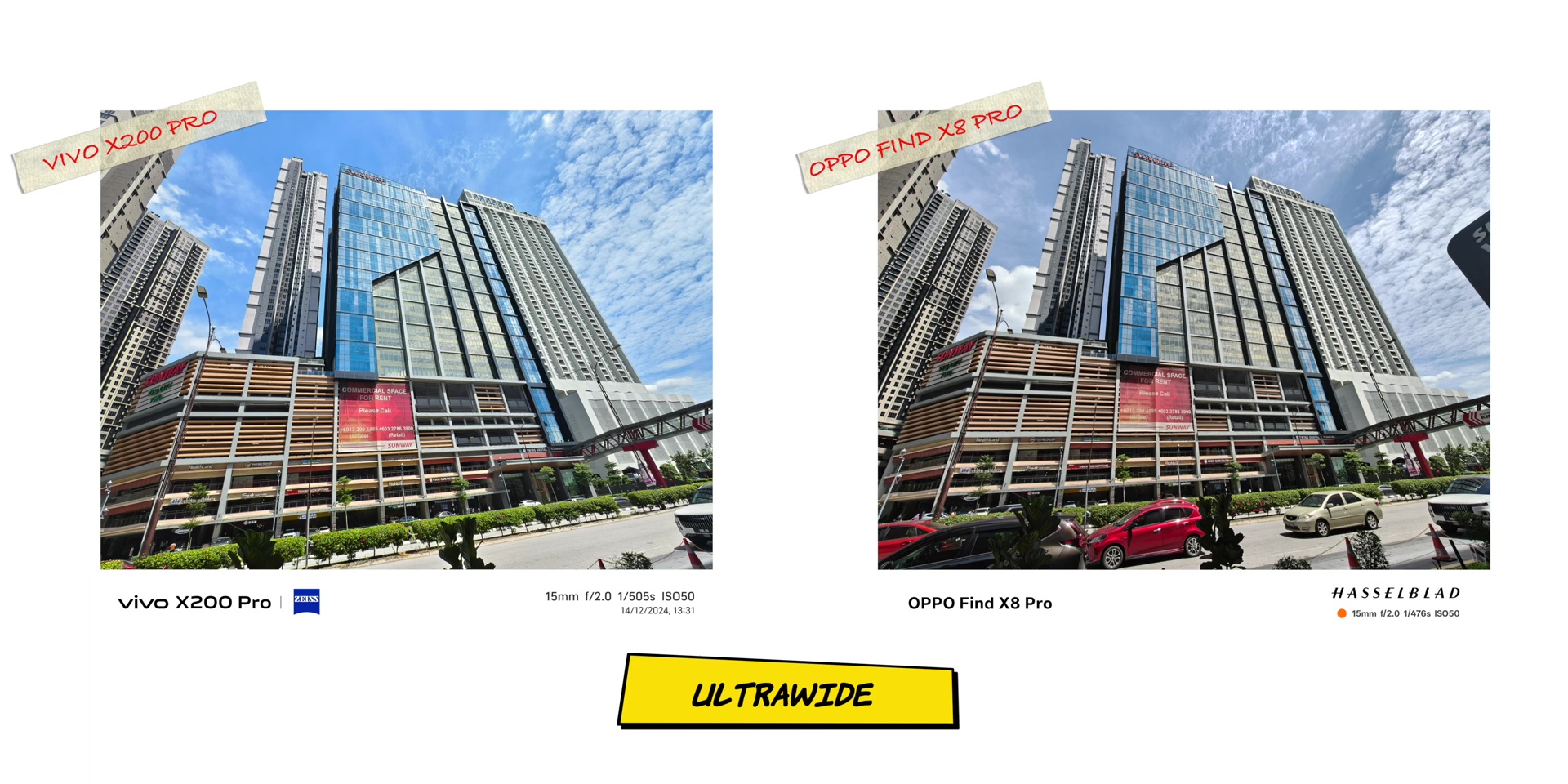
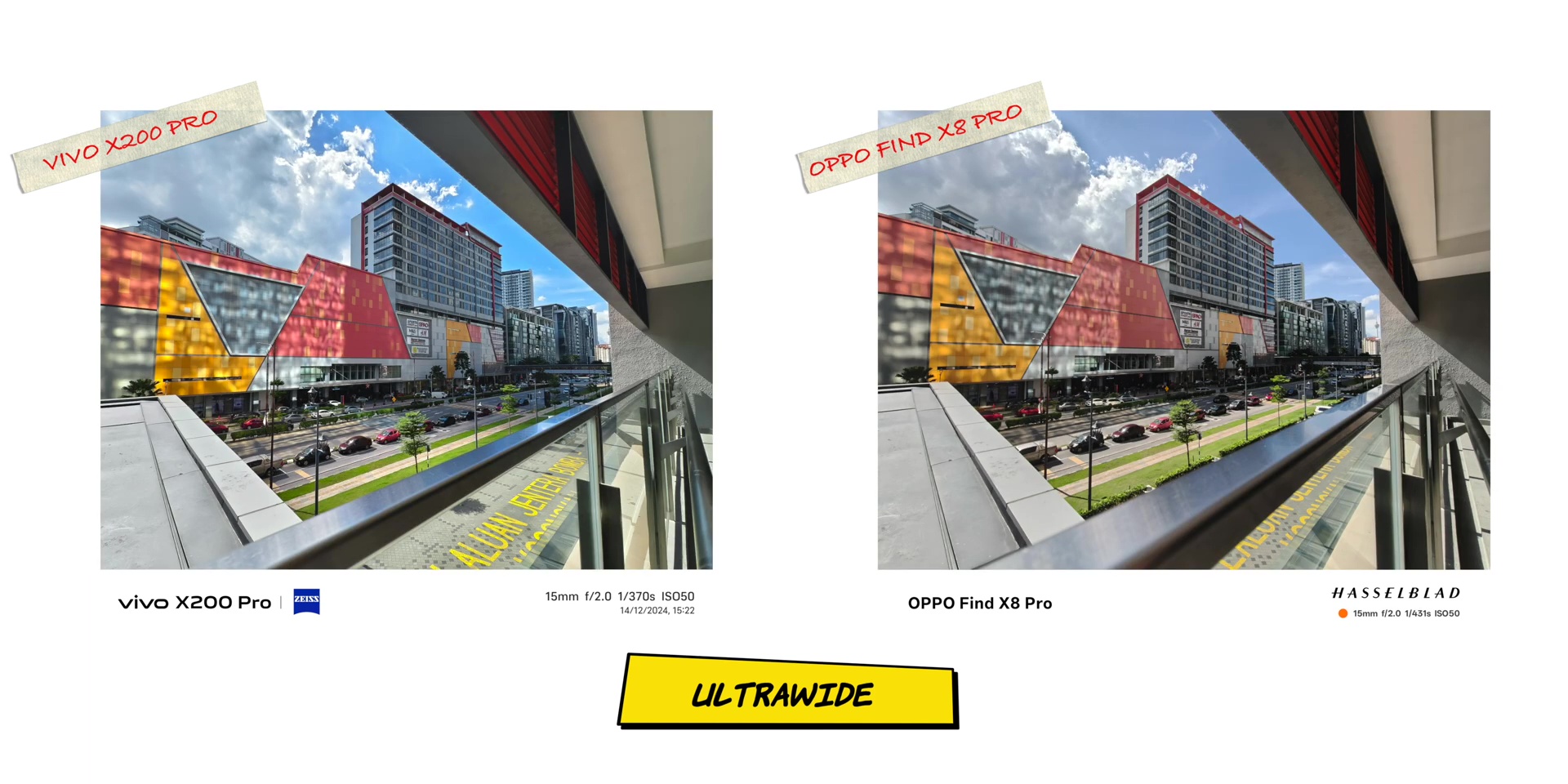
Starting from the ultrawide lenses, straight out of the camera, the vivo’s image looks more pleasing with a more vibrant photo. One might think that vivo is bringing up the saturation in post, but to be honest, the image on the vivo was more accurate in real life. Other than the color accuracy, the dynamic range and sharpness from edge to edge were amazing on both.
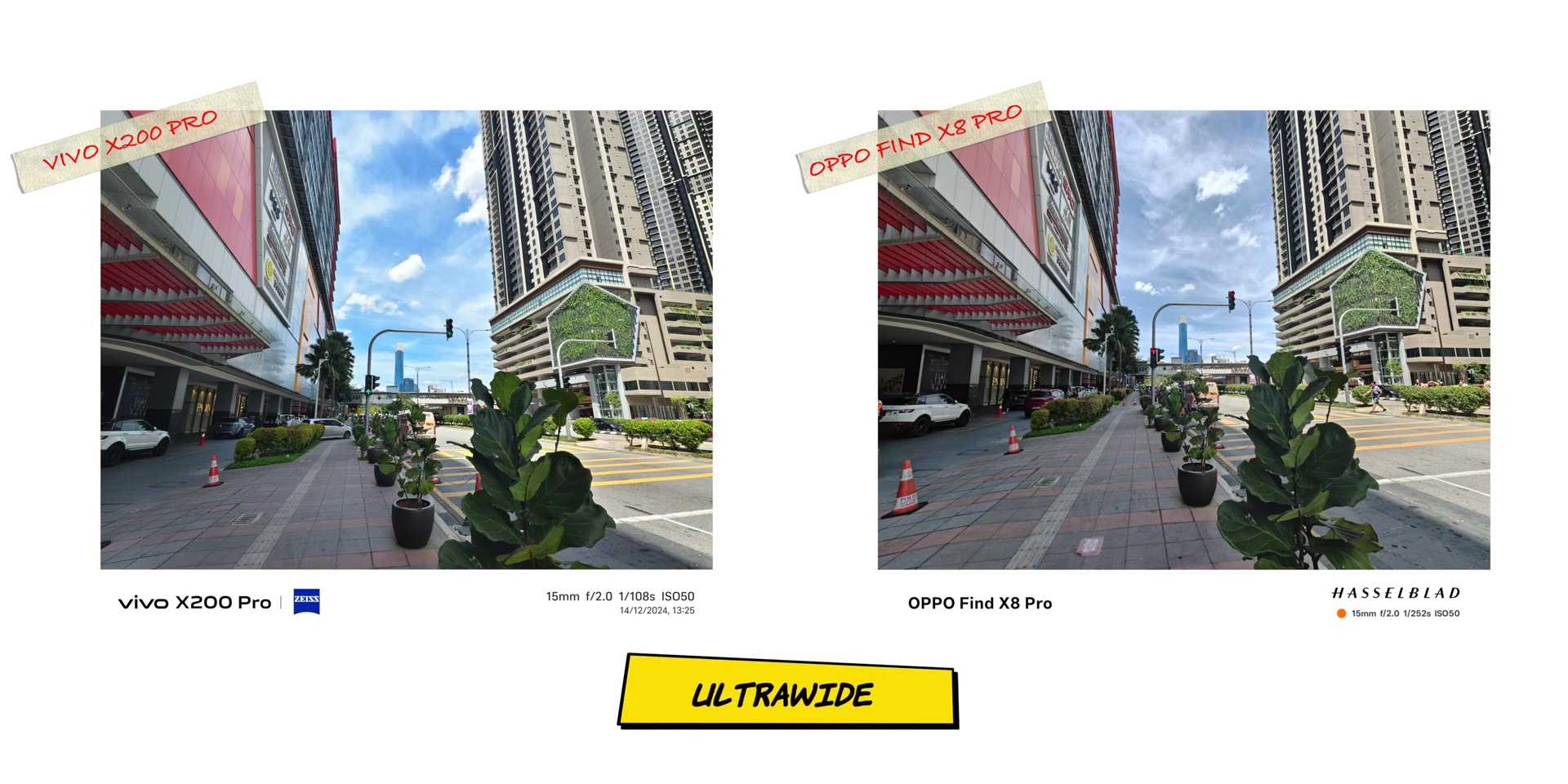
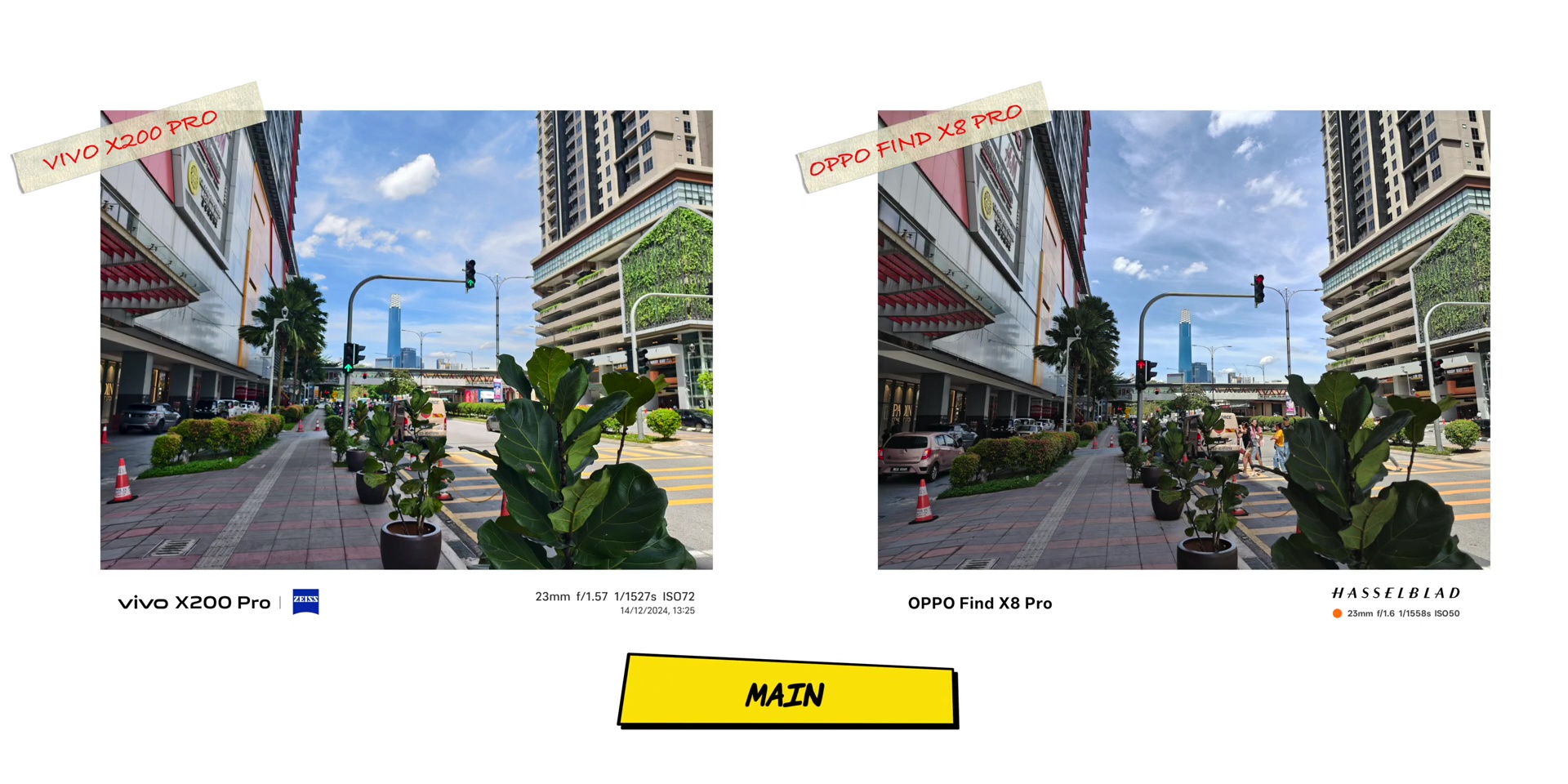
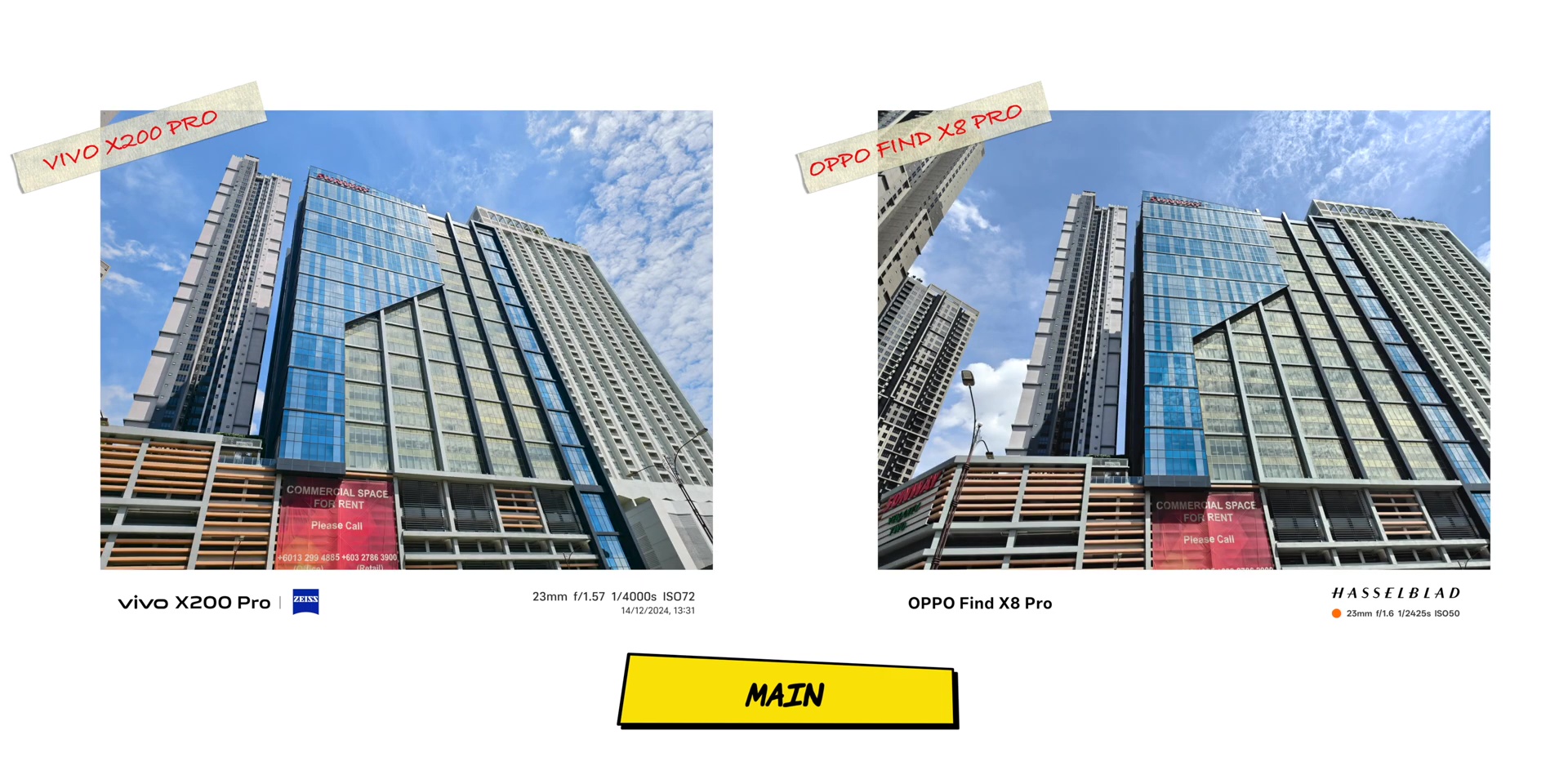
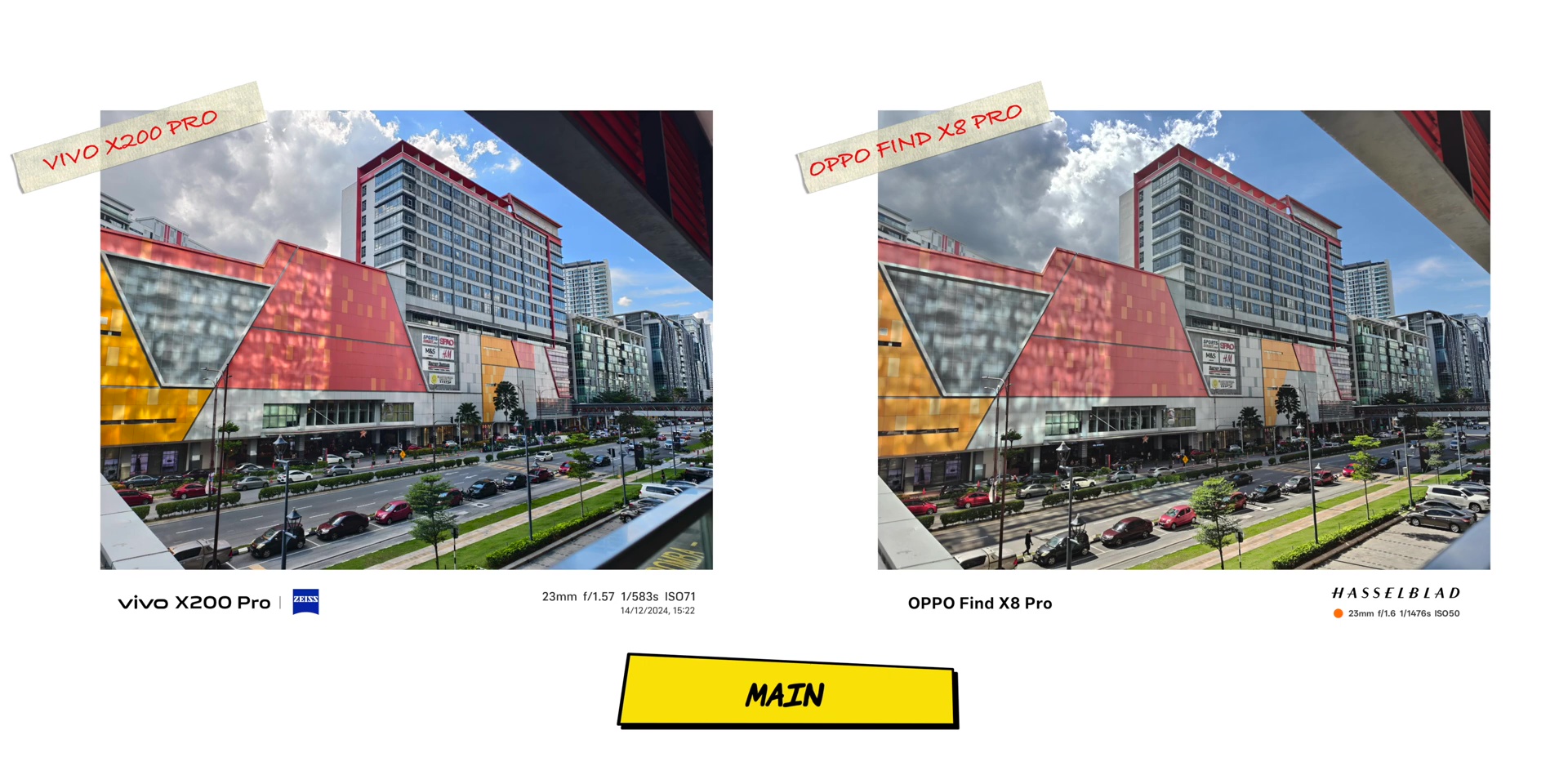
Looking at the main lenses, the vibrancy remained consistent from the ultrawide lenses to the main lenses, where you would see more details on the shadows. And based on this first image, there are more details towards the plant at the bottom of the screen, so the vivo does better once again over here. Other than that, the dynamic range for the highlights on the photos did look great as seen side by side.
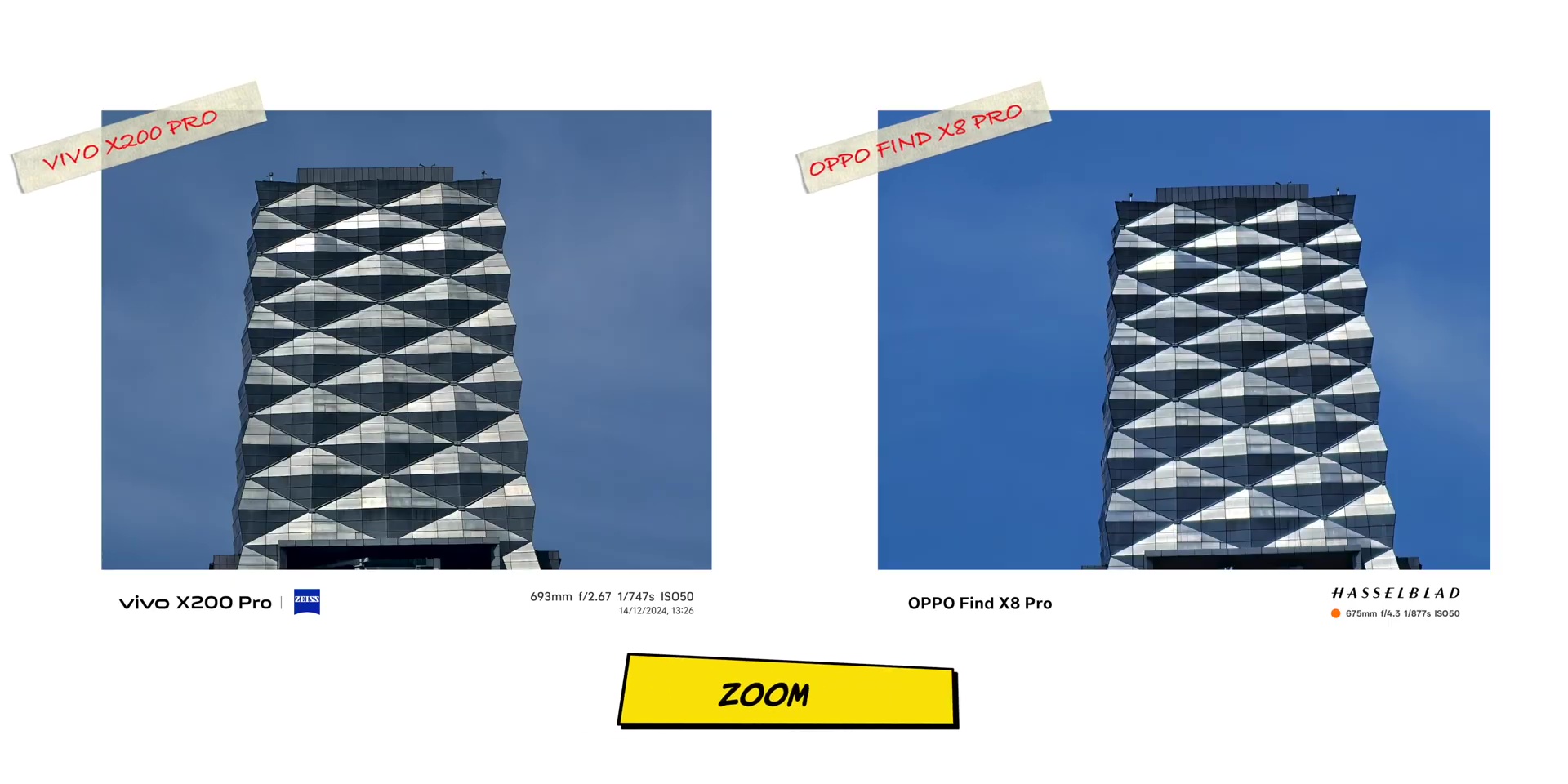
Zoom capability still was very strong on both, once again a little better on the X200 Pro as it was very consistent throughout, even with the X200 Pro having a higher zoom value in this particular focal length of 230mm on the X200 Pro and 225mm on the Find X8 Pro.
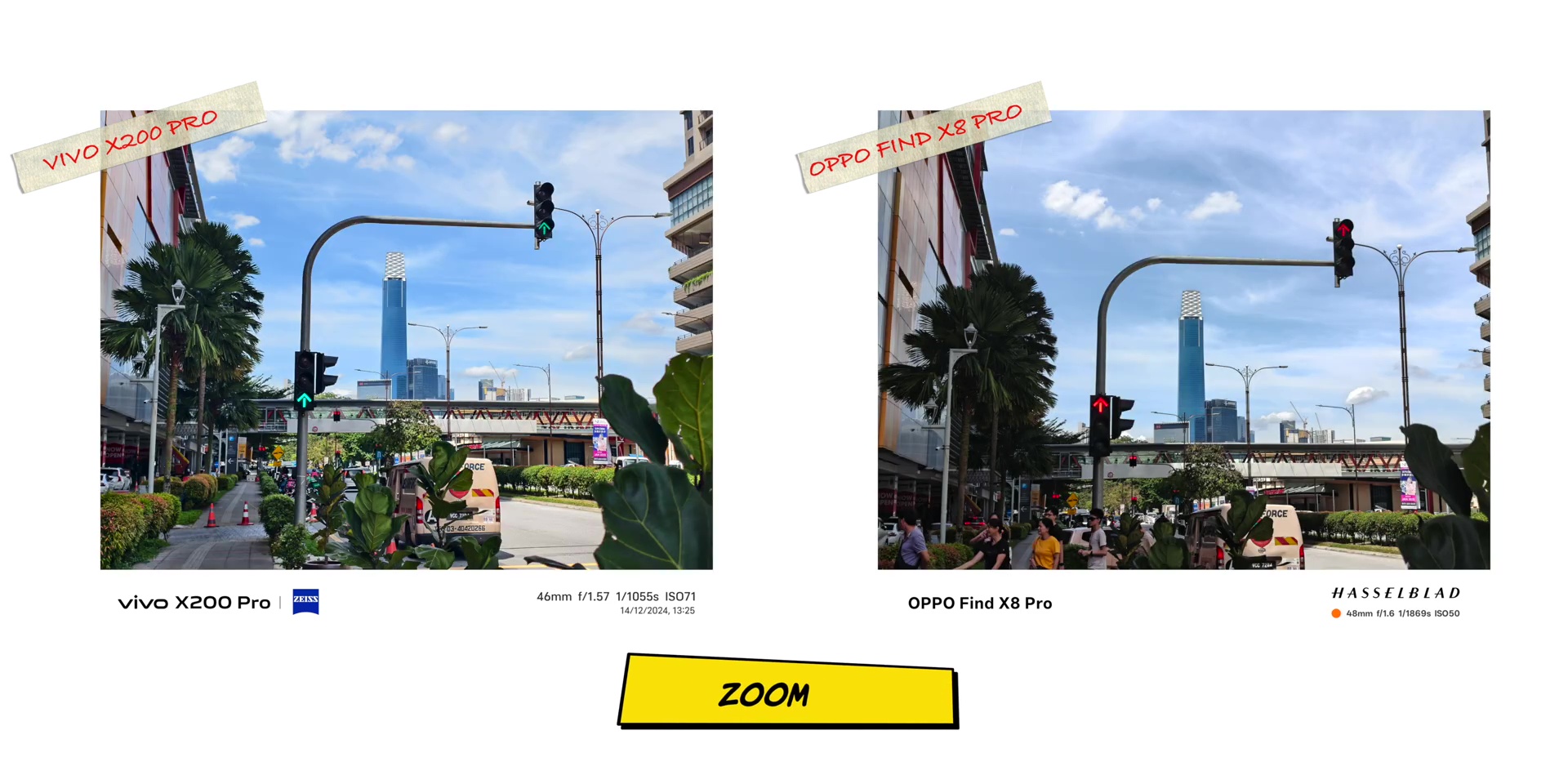
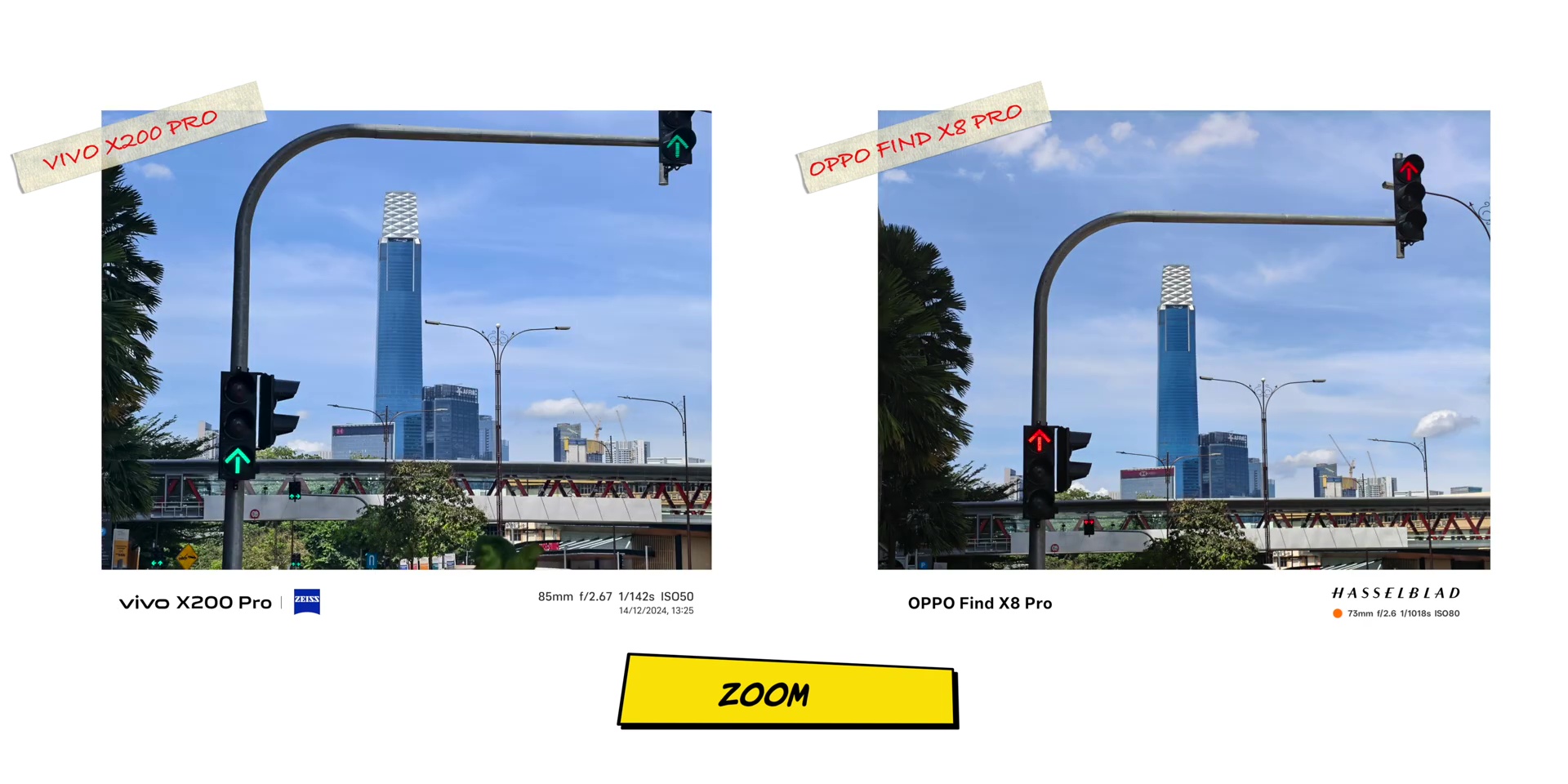
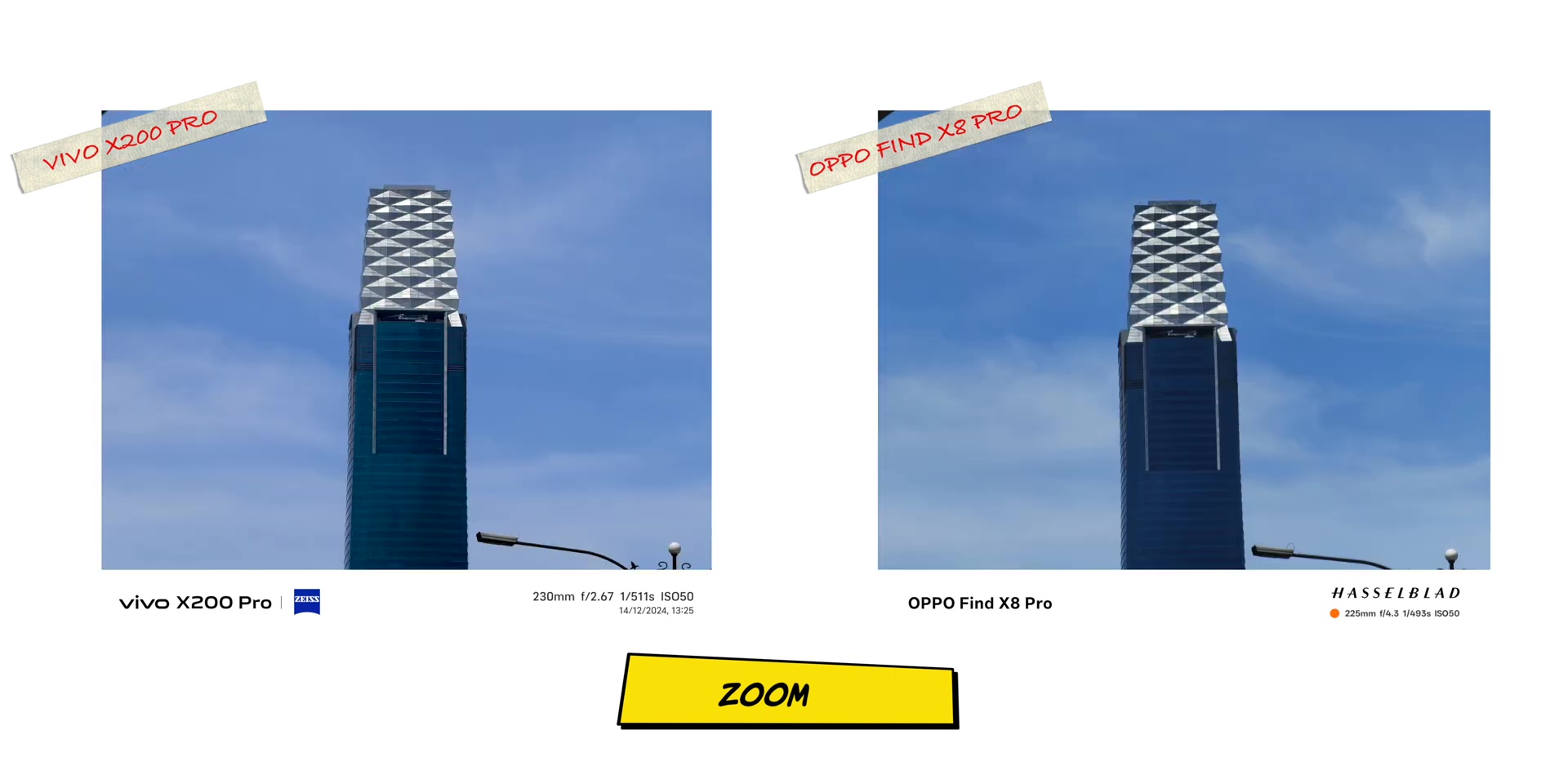
The details were nicely sharp and maintained on the X200 Pro. But what’s very interesting is that if you plan on zooming further, the AI image processing on the OPPO was better, as seen in the 675mm shot, where even the colors of the skies were brought back to life on the OPPO as well.
Then the story was the same when going towards the 120x zoom on the OPPO, where the details were better on vivo’s max 100x zoom but at the expense of OPPO not being able to really stabilize the shots in this particular zoom-in situation compared to the vivo X200 Pro.
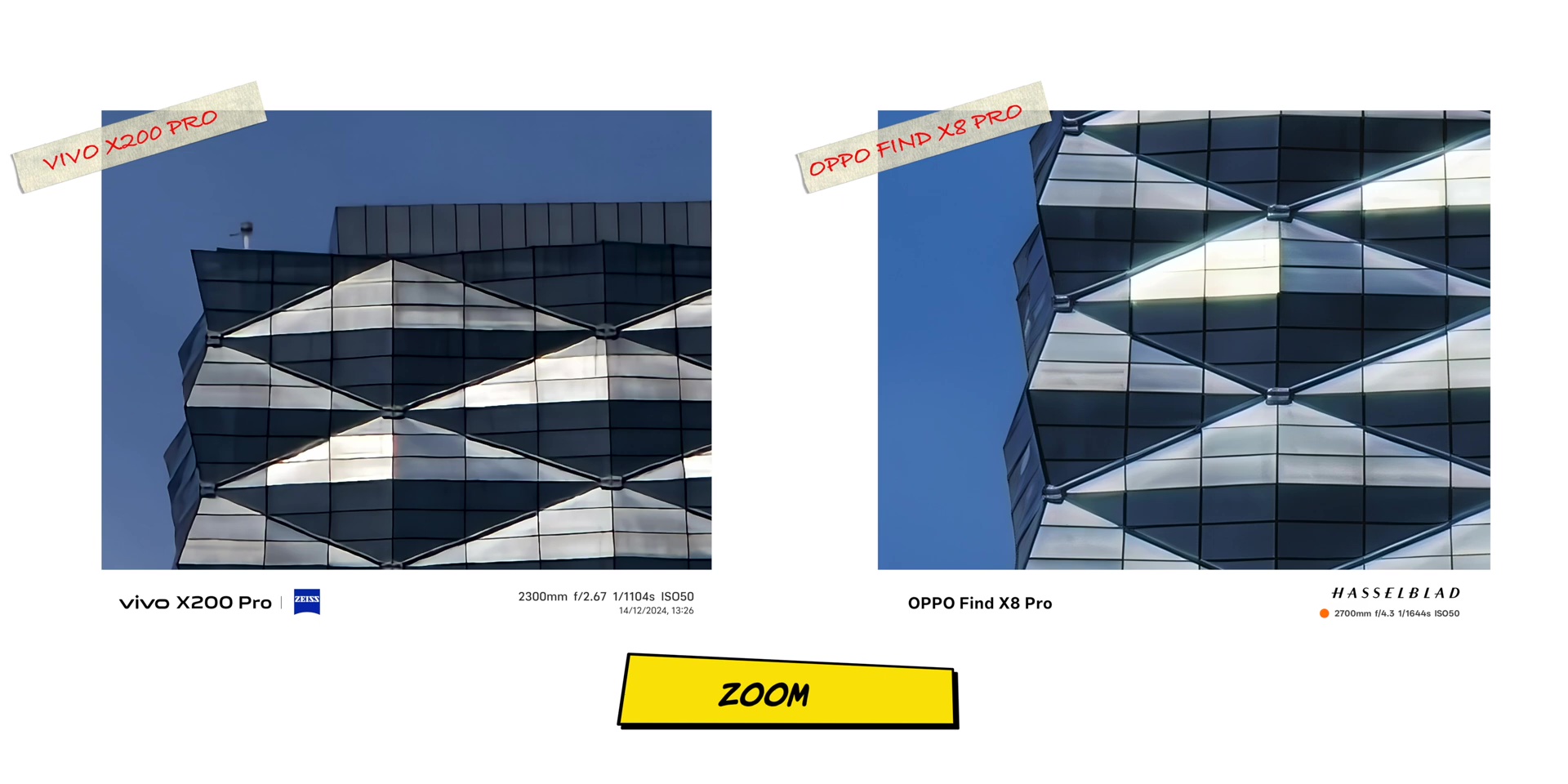
So yeah, I found that quite interesting as vivo’s main marketing campaign was that zoom was the best, right? You know those campaigns where they have this stage mode to zoom in super close. But as seen in this comparison, the OPPO Find X8 Pro did a better overall job if you’re going to the max zoom.
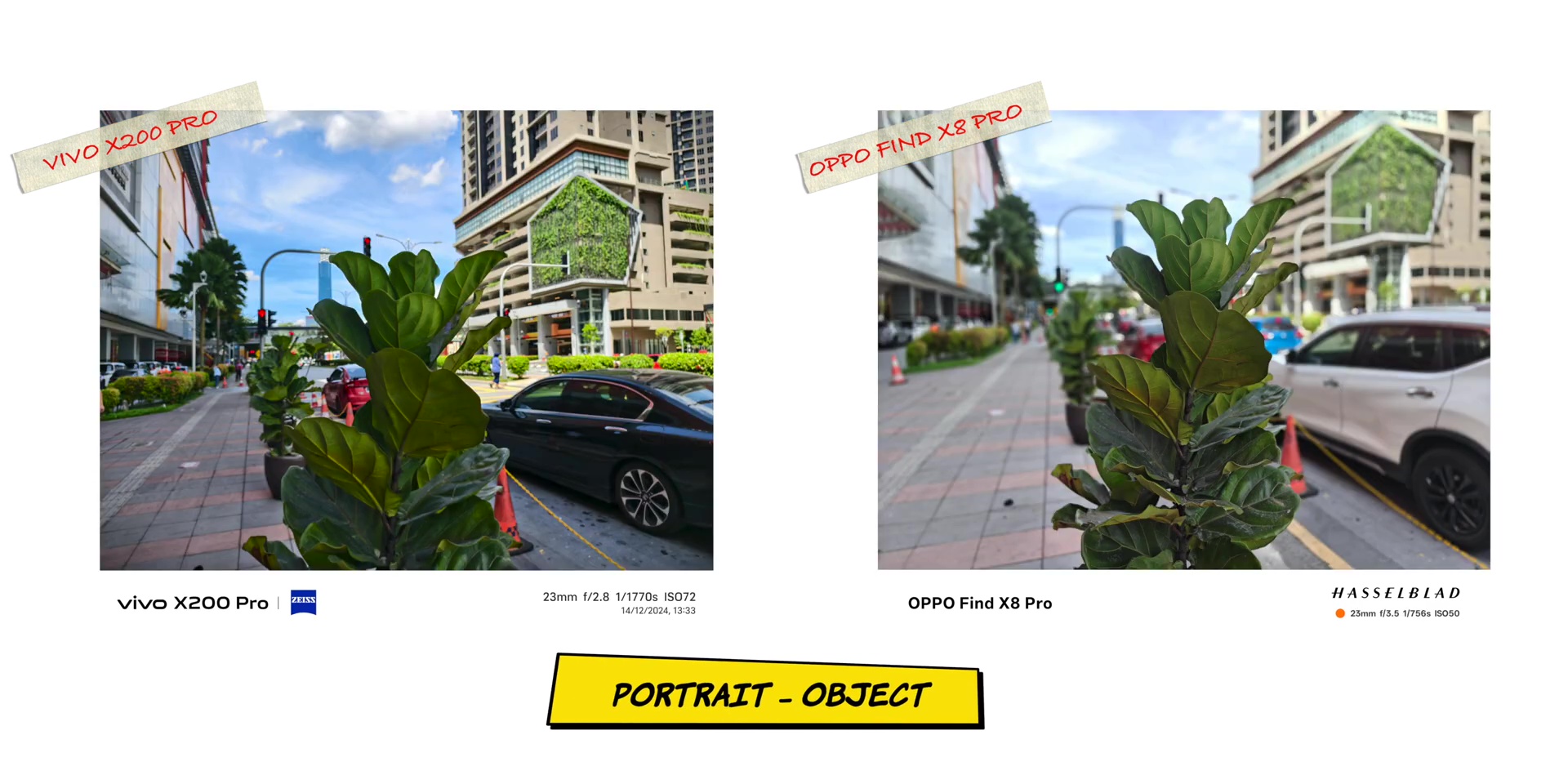
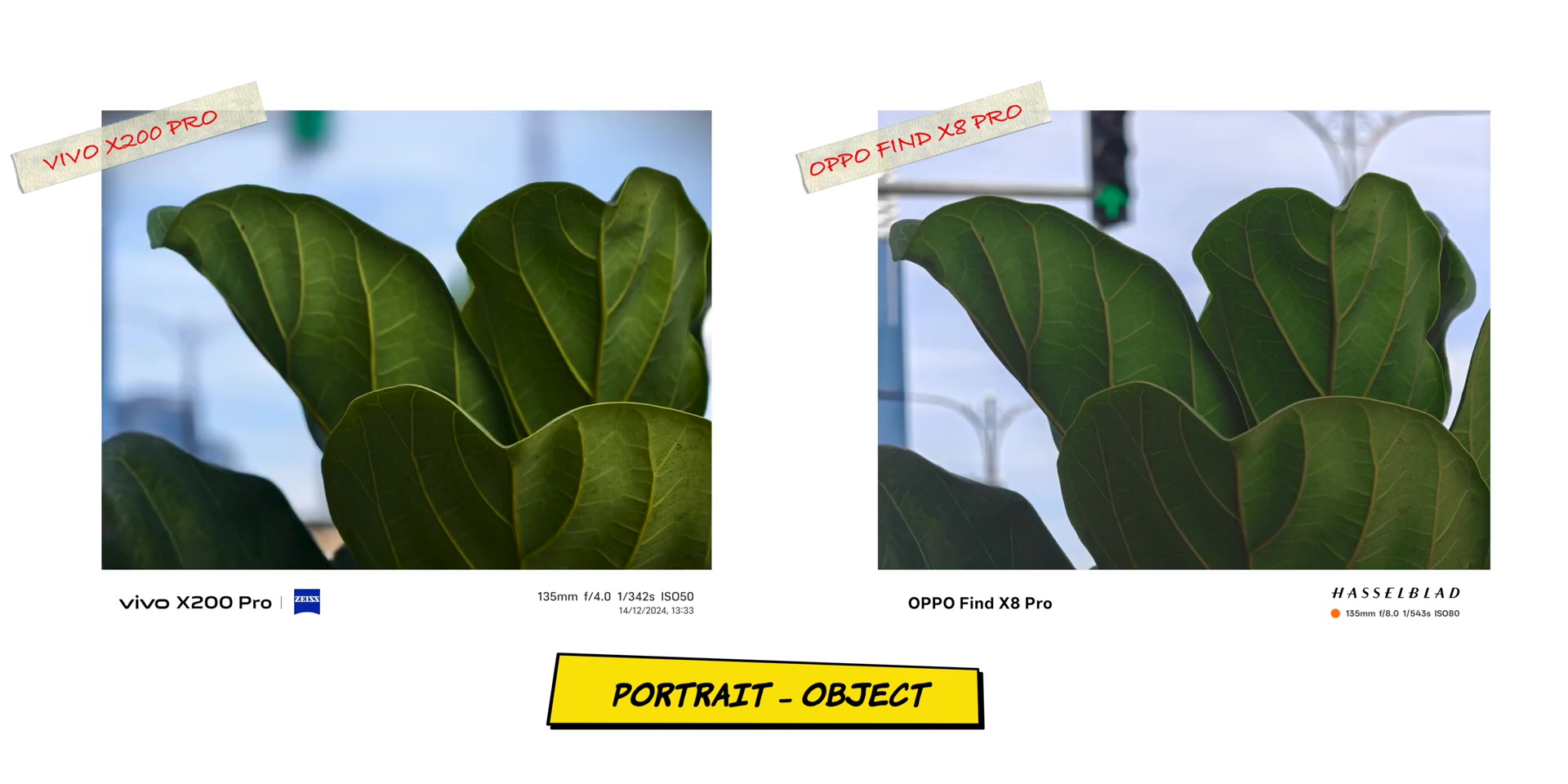
As for portrait photography, starting from objects, here’s where the X200 Pro regains its quality with better edge detection and also was consistent from the 23mm onwards, other than the mid-telephoto focal length as well. But if you’re taking a 135mm portrait shot, once again, the OPPO Find X8 Pro does better on the edge detection.
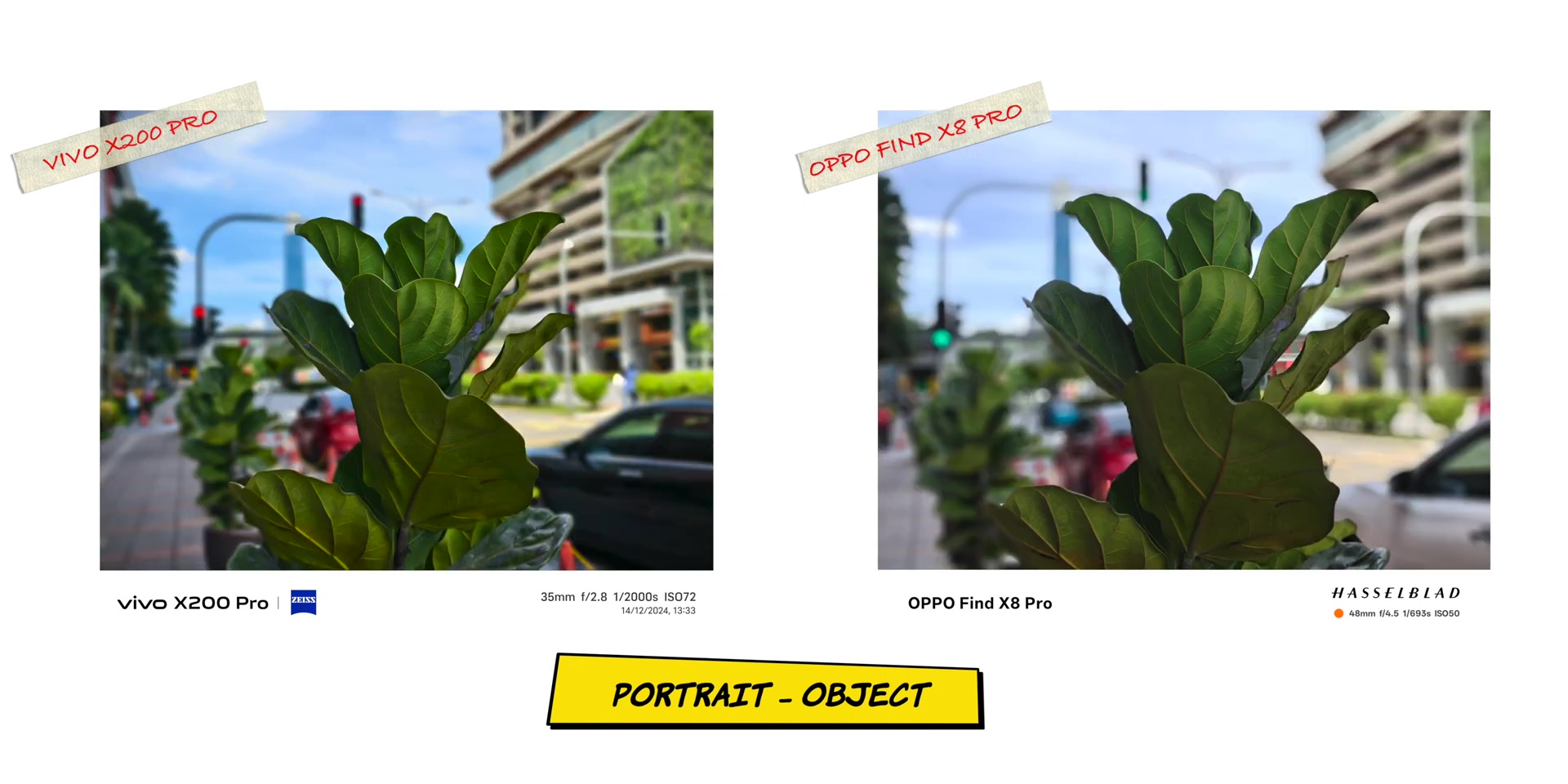
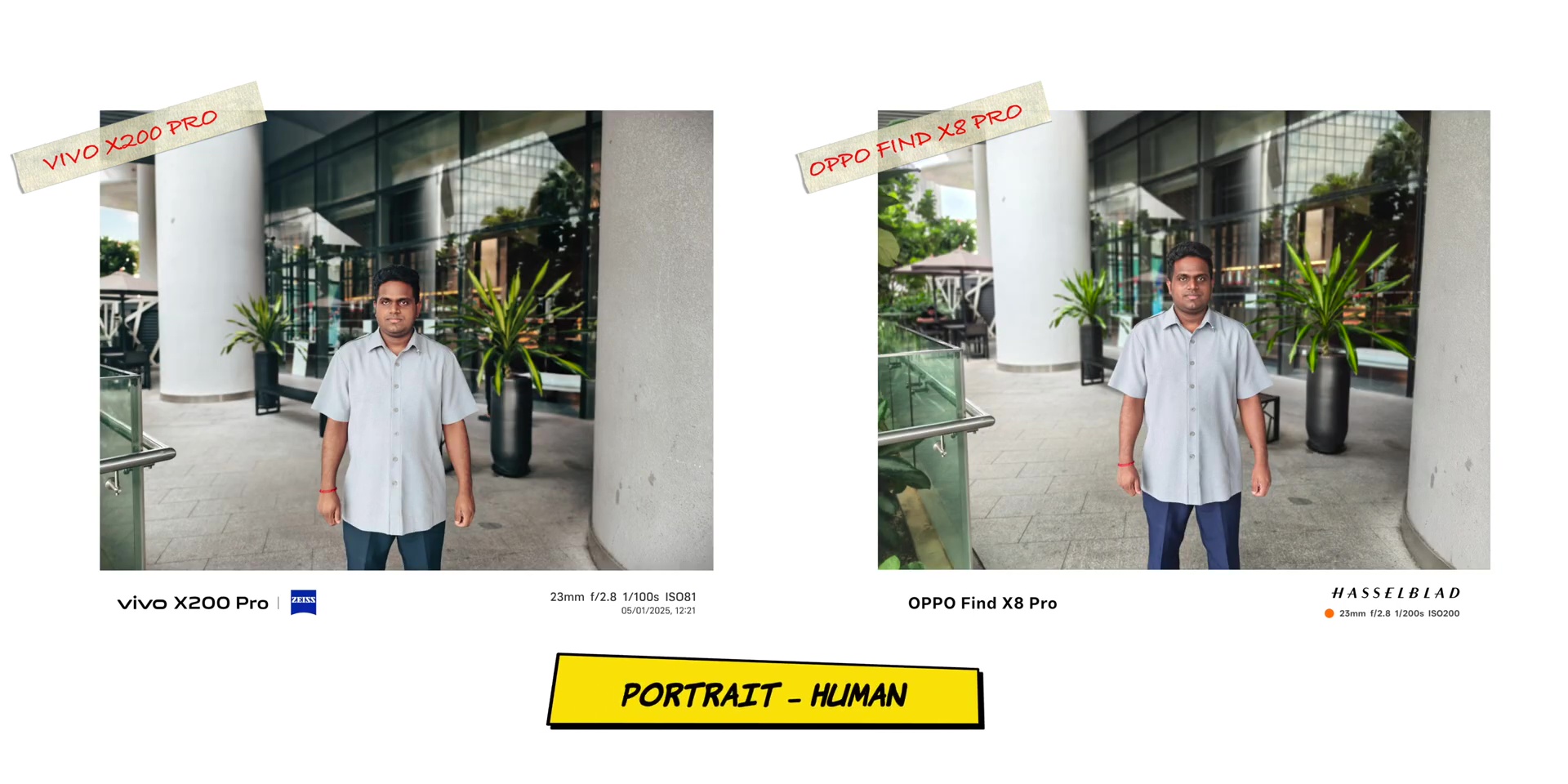
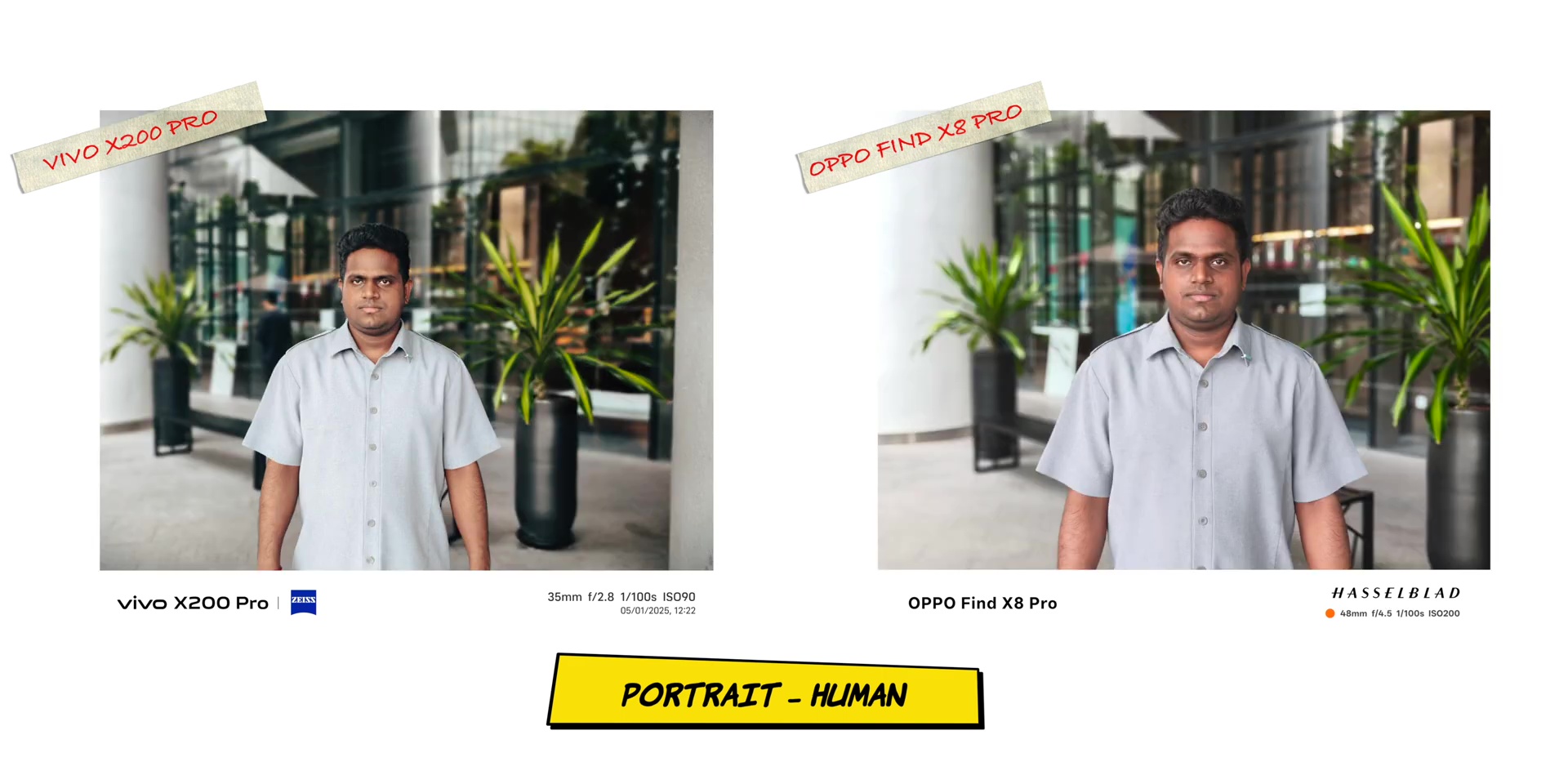
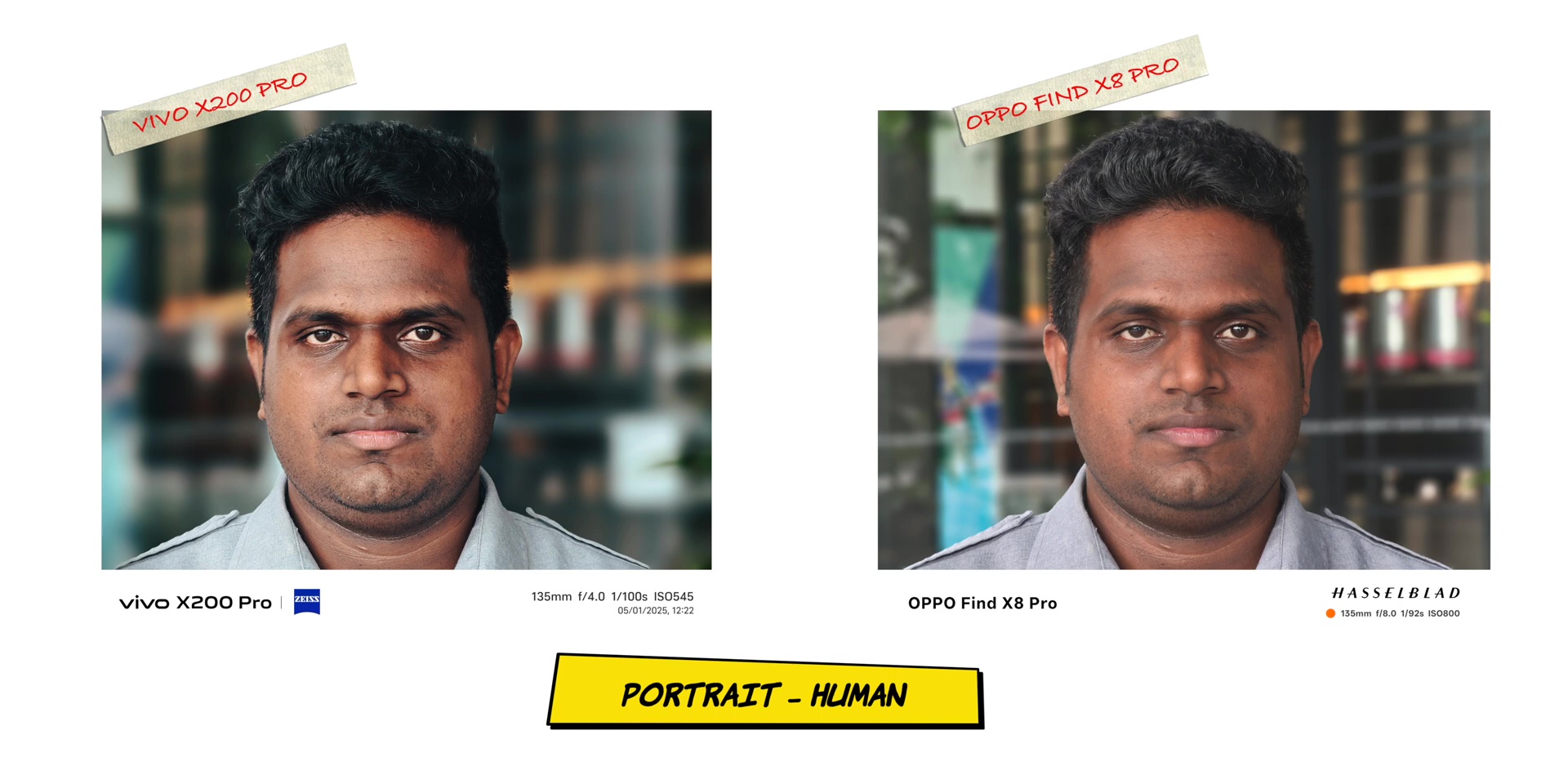
Then, as for human portrait photos, from the skin tones to the edge detection, both performed very well at the 23mm focal length. What’s interesting is that even though I adjusted the aperture to f2.8 manually before taking this particular 48mm picture on the Find X8 Pro, it adjusted the aperture to f4.5, which is not a big deal but something to keep in mind. But other than that, you can expect both to perform very well, especially from an edge detection standpoint.
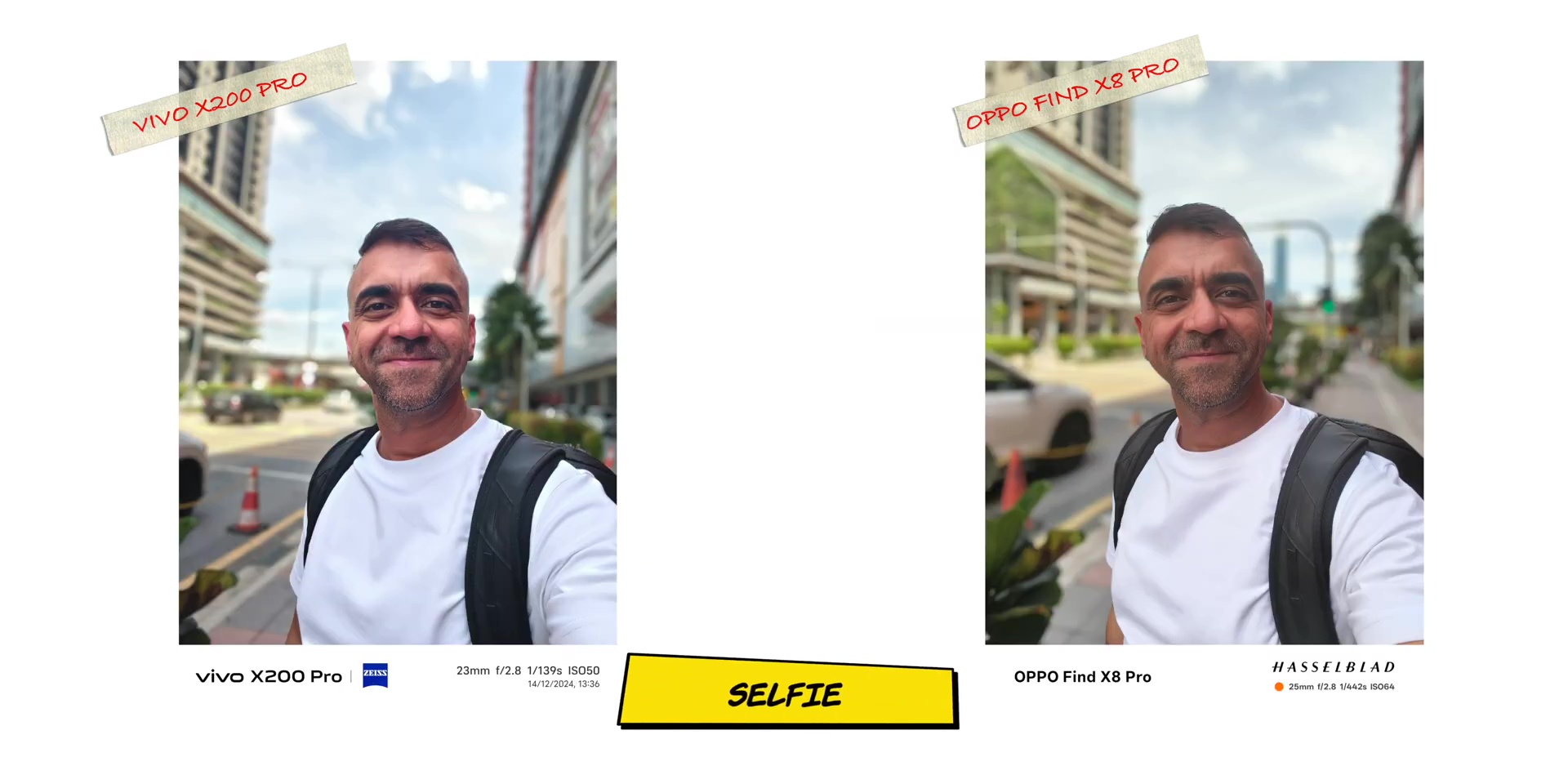
Then, selfie photos on the vivo X200 Pro were a bit wider at 23mm compared to 25mm on the Find X8 Pro. The quality on both was really good, just that the Find X8 Pro was a bit warmer in color. But there’s a wider selfie option of 21mm on the OPPO Find X8 Pro, so it’s a bit more versatile over here.
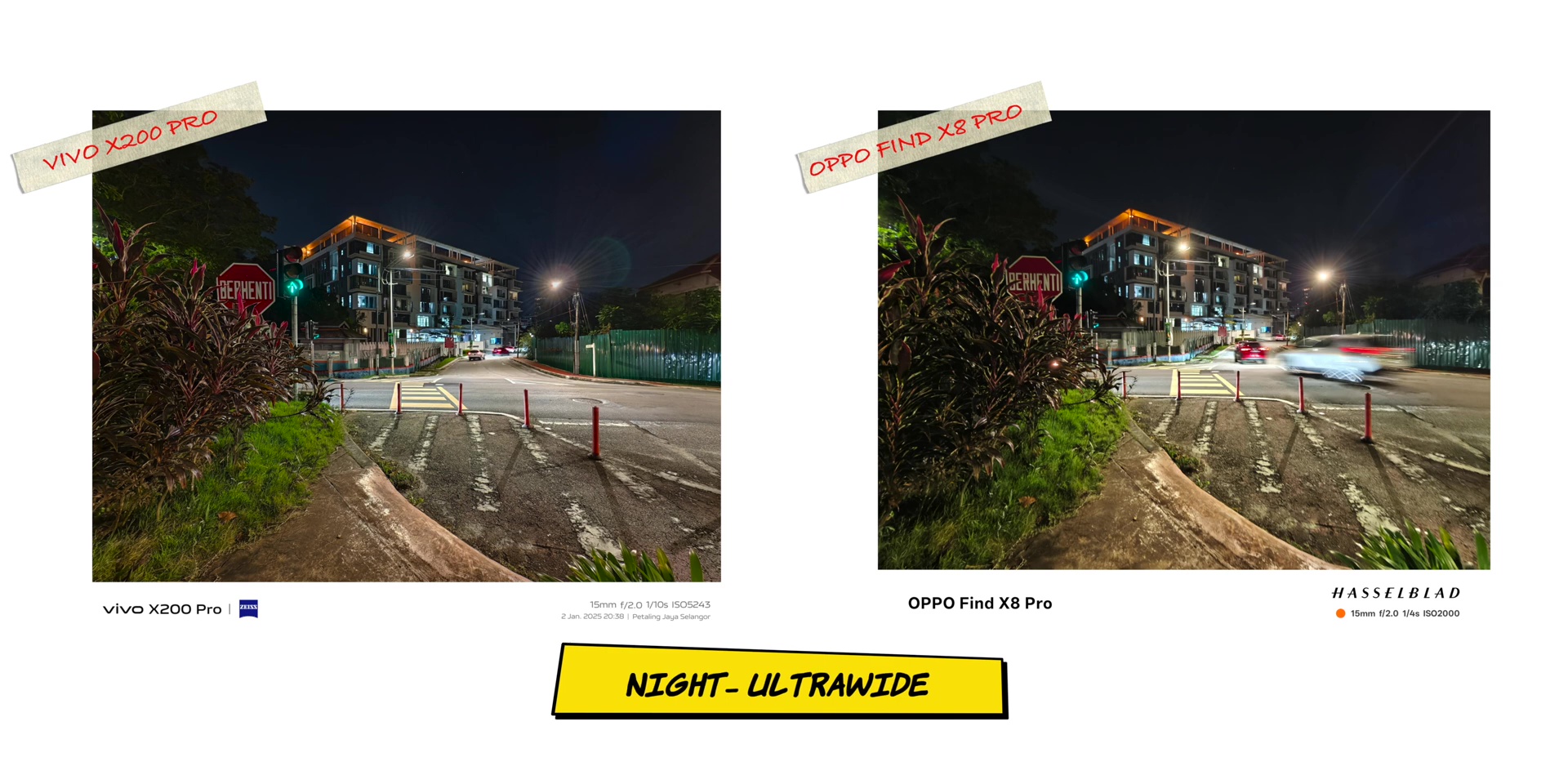
Ultrawide lenses at night perform well on both, where the lens flare was a bit more prominent on the X200 Pro. But the way both phones handled the highlights and shadow details was great in this particular first image.
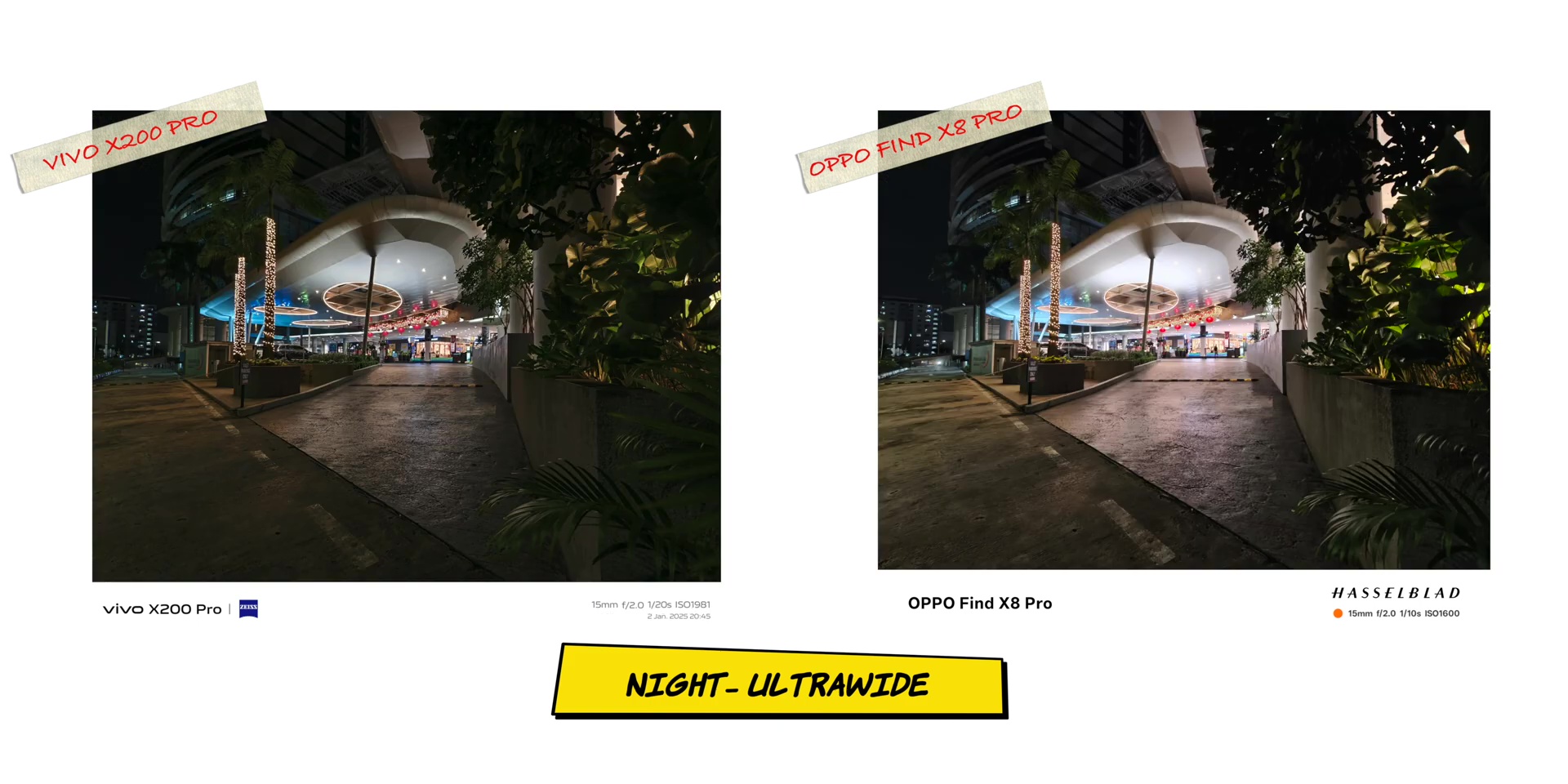
However, on this second ultra-wide shot, the OPPO Find X8 Pro does better on the details of the lit-up area in the middle, even with a lower ISO value than the X200 Pro.
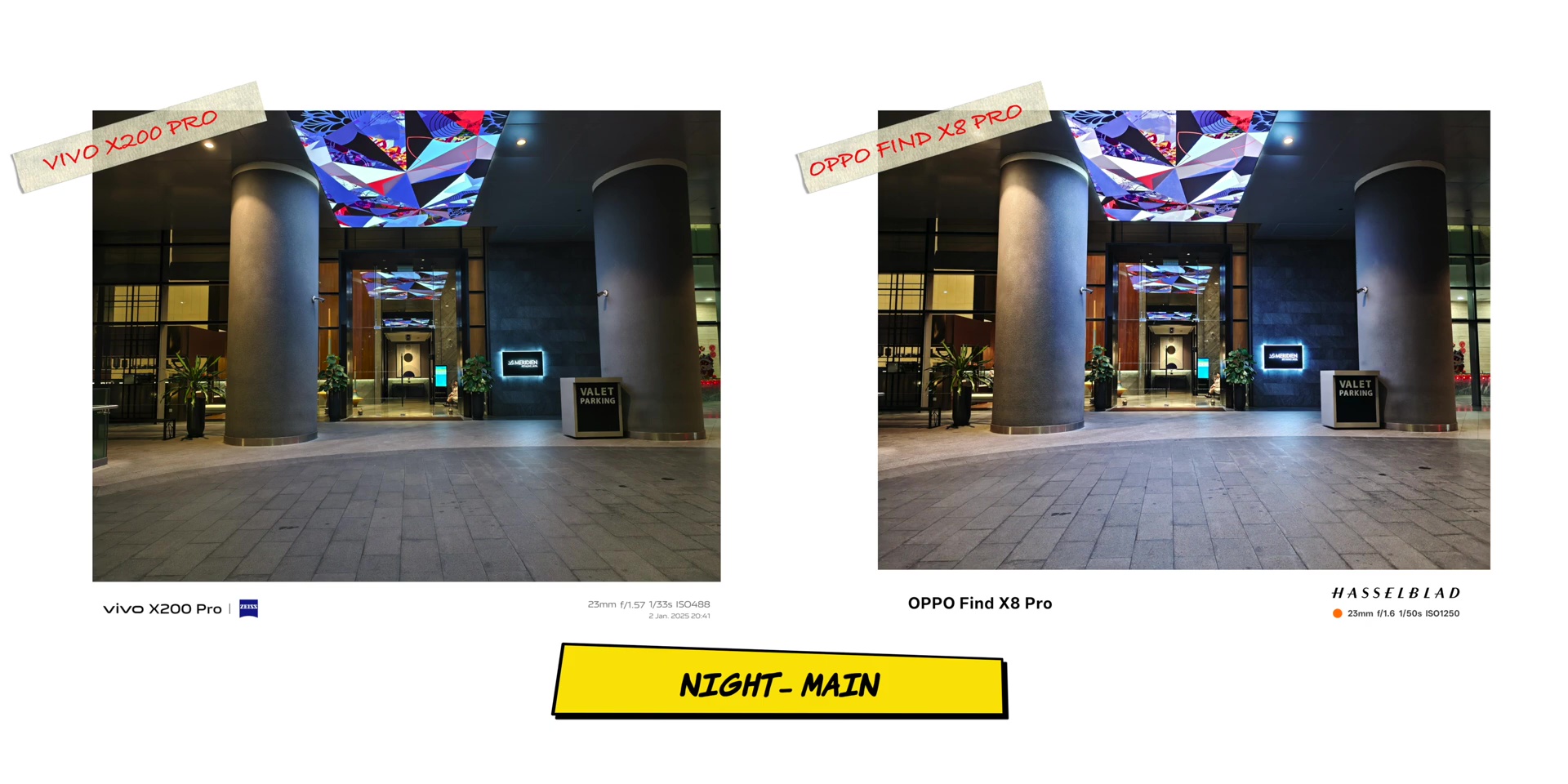
There was just a tiny bit more detail on the highlights for the main lenses on the X200 Pro, where you can almost see the light bulb in the lamppost or even the red traffic lights.
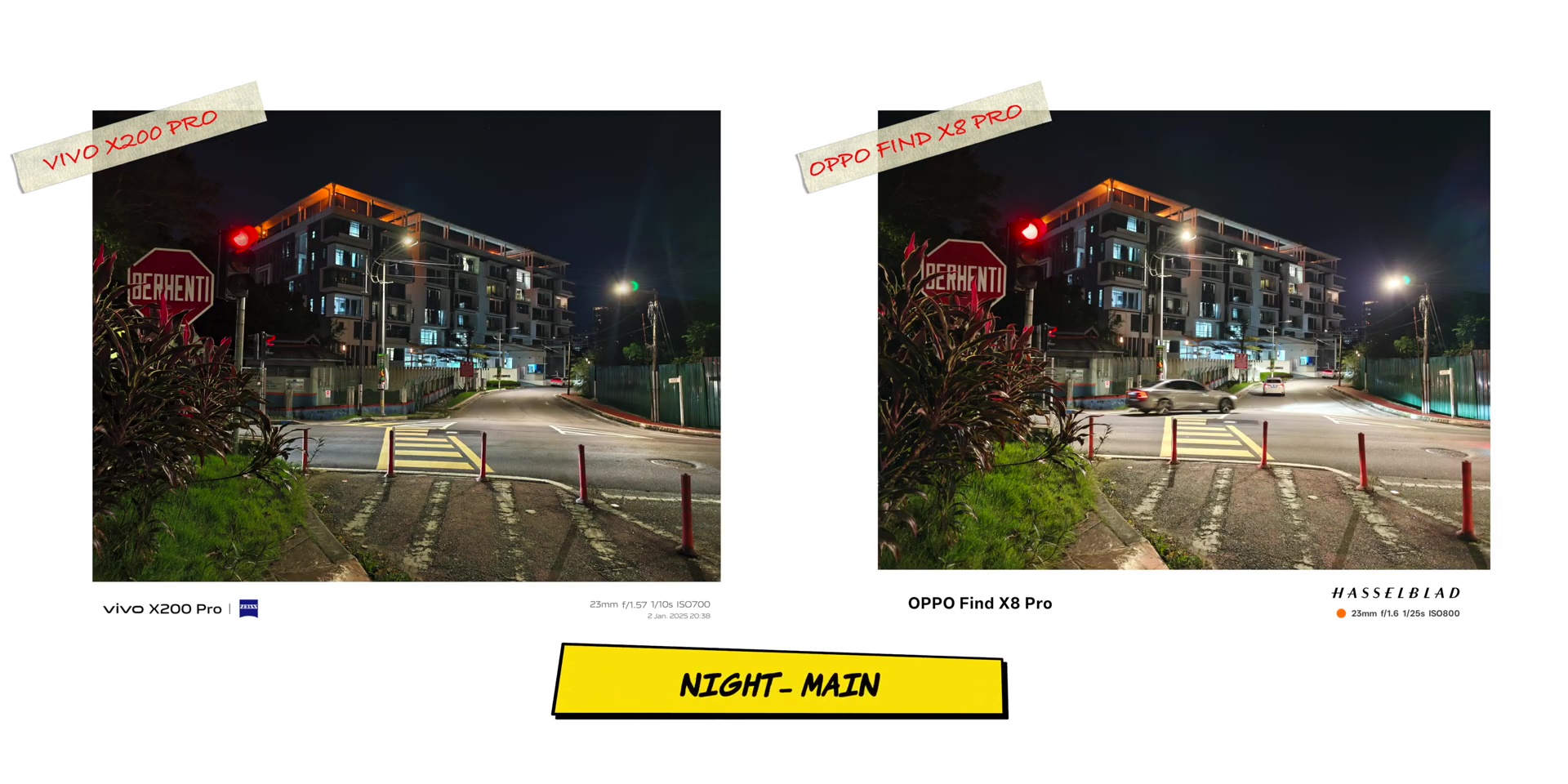
But in a typical low-light scenario, the main lenses did a very good job indeed.
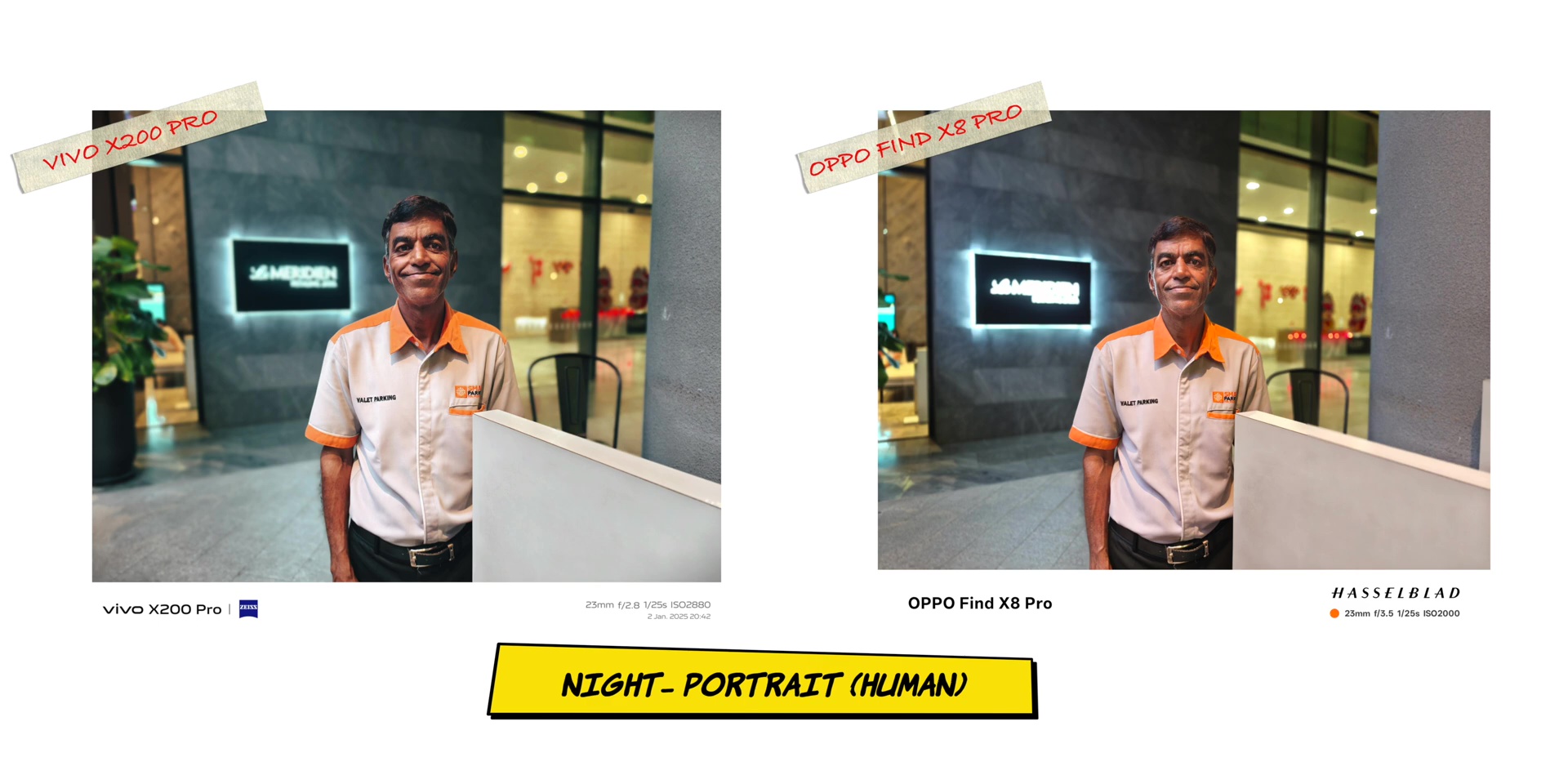
The nighttime portrait photo for humans at 23mm was equally as good from the edge detection point of view.
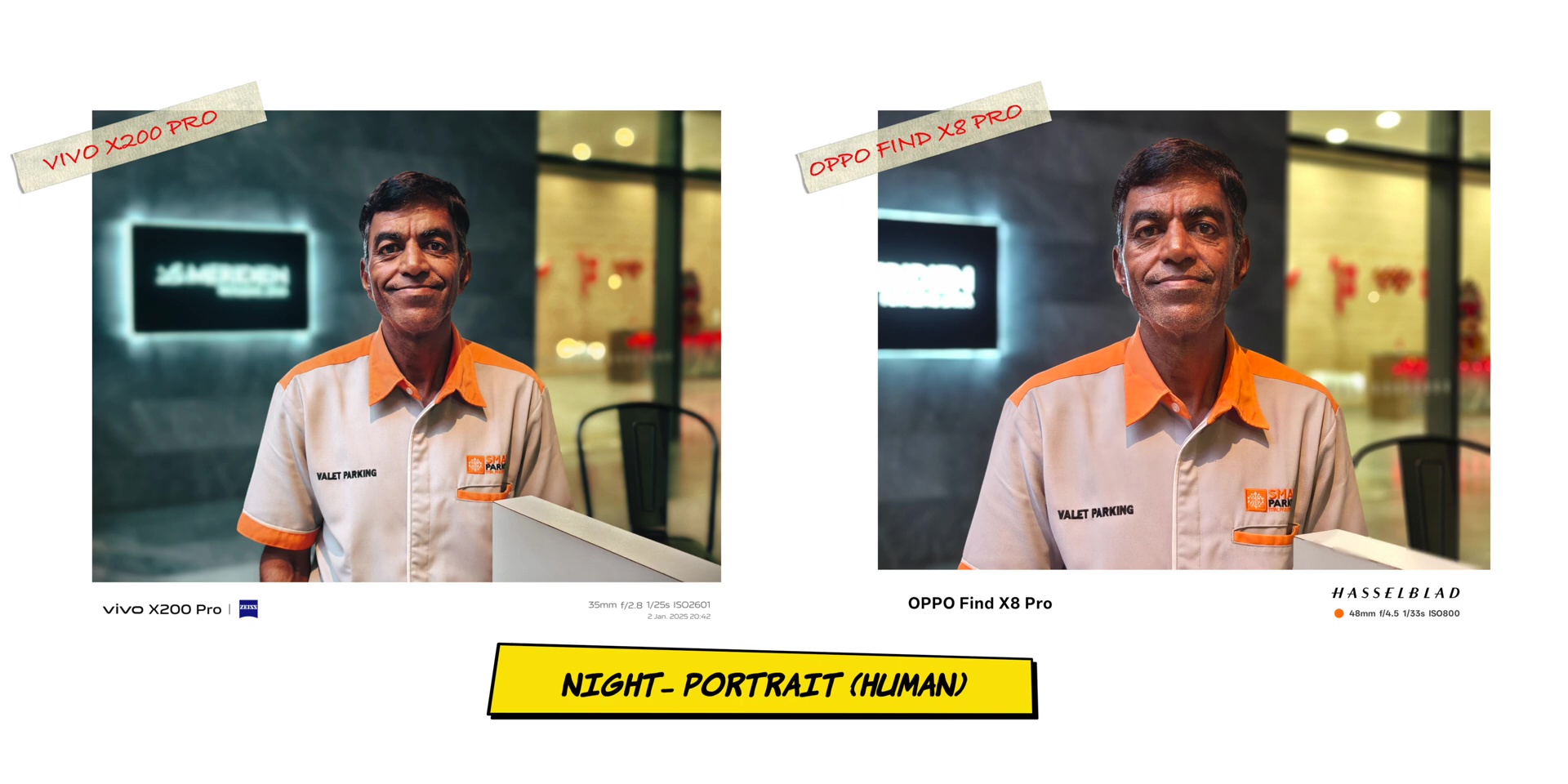
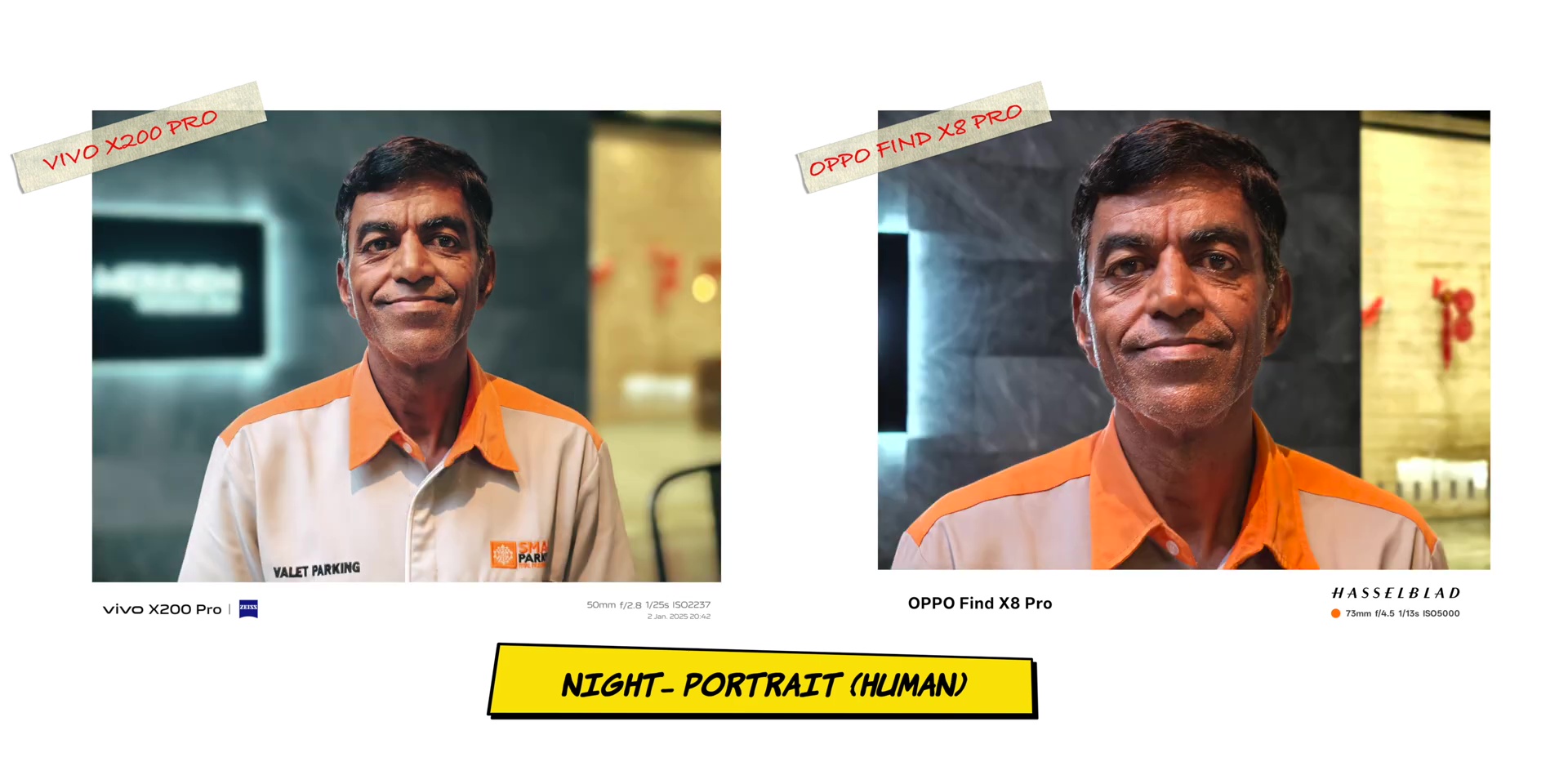
In terms of the dynamic range, the X200 Pro was better, as seen on the Le Méridien signage at the back. But the quality was great all the way for each of the focal lengths available in the portrait mode.
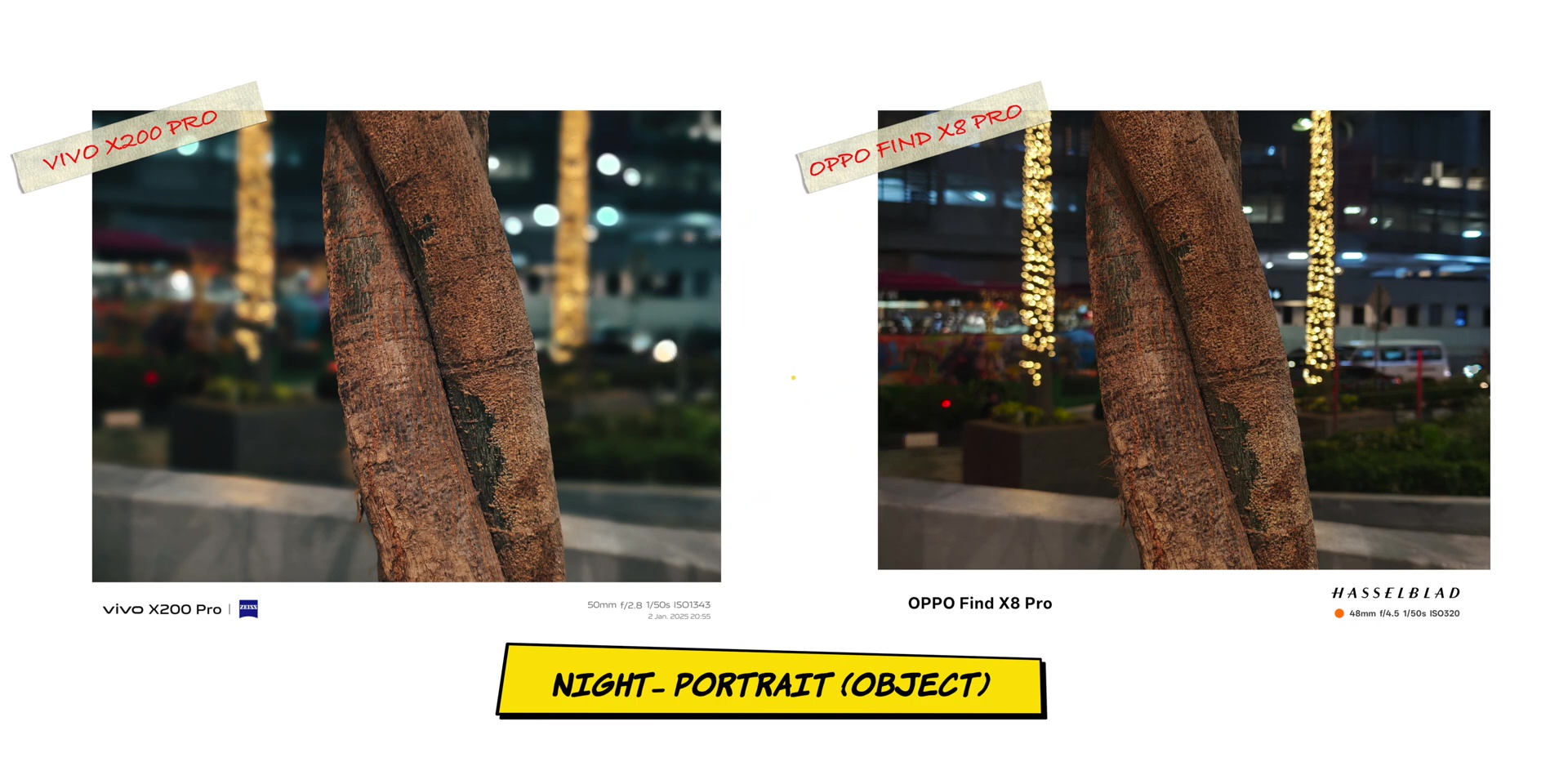
However, what’s interesting is that the details for the portrait mode on objects were a tiny bit better on the OPPO Find X8 Pro.
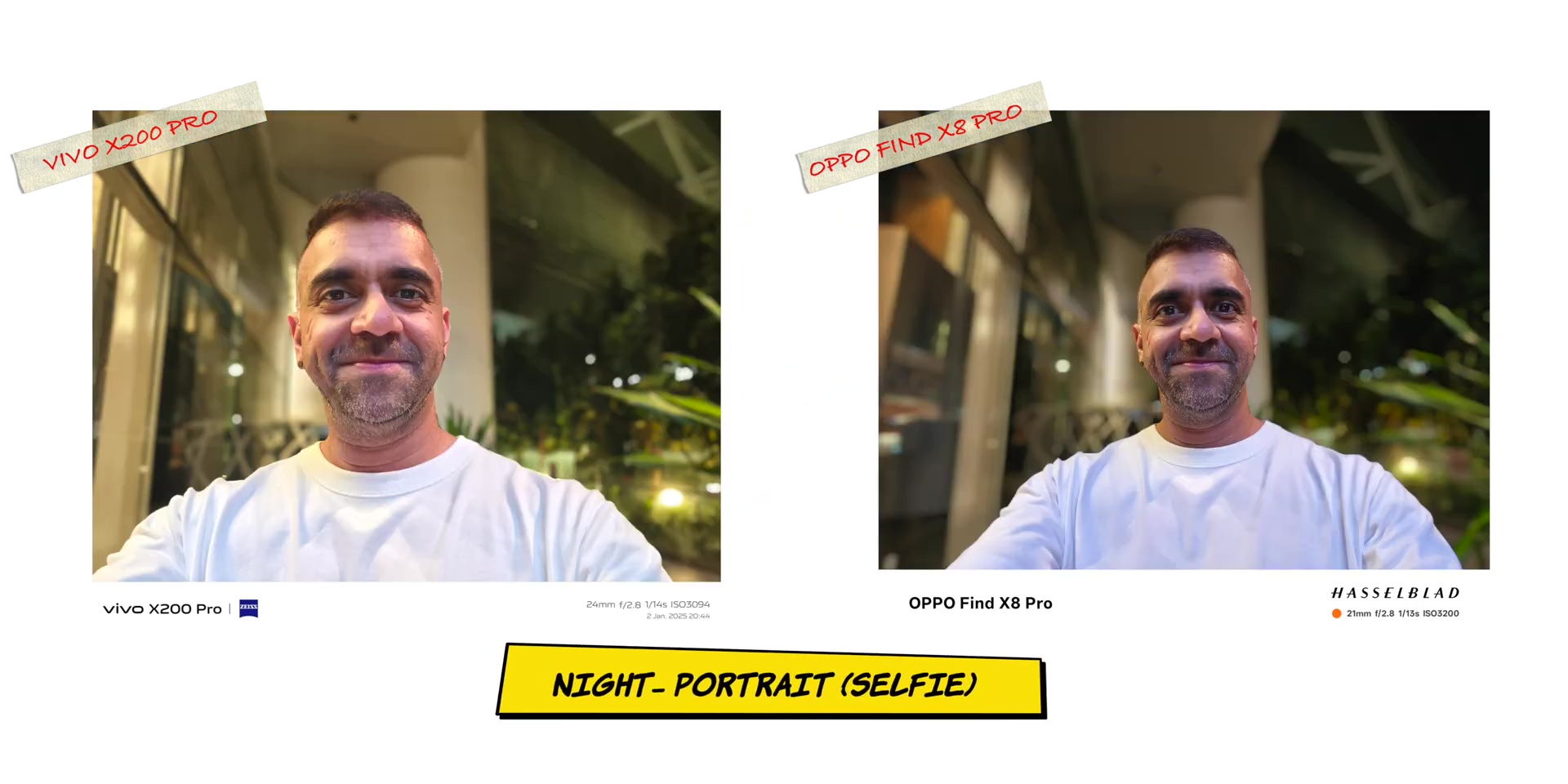
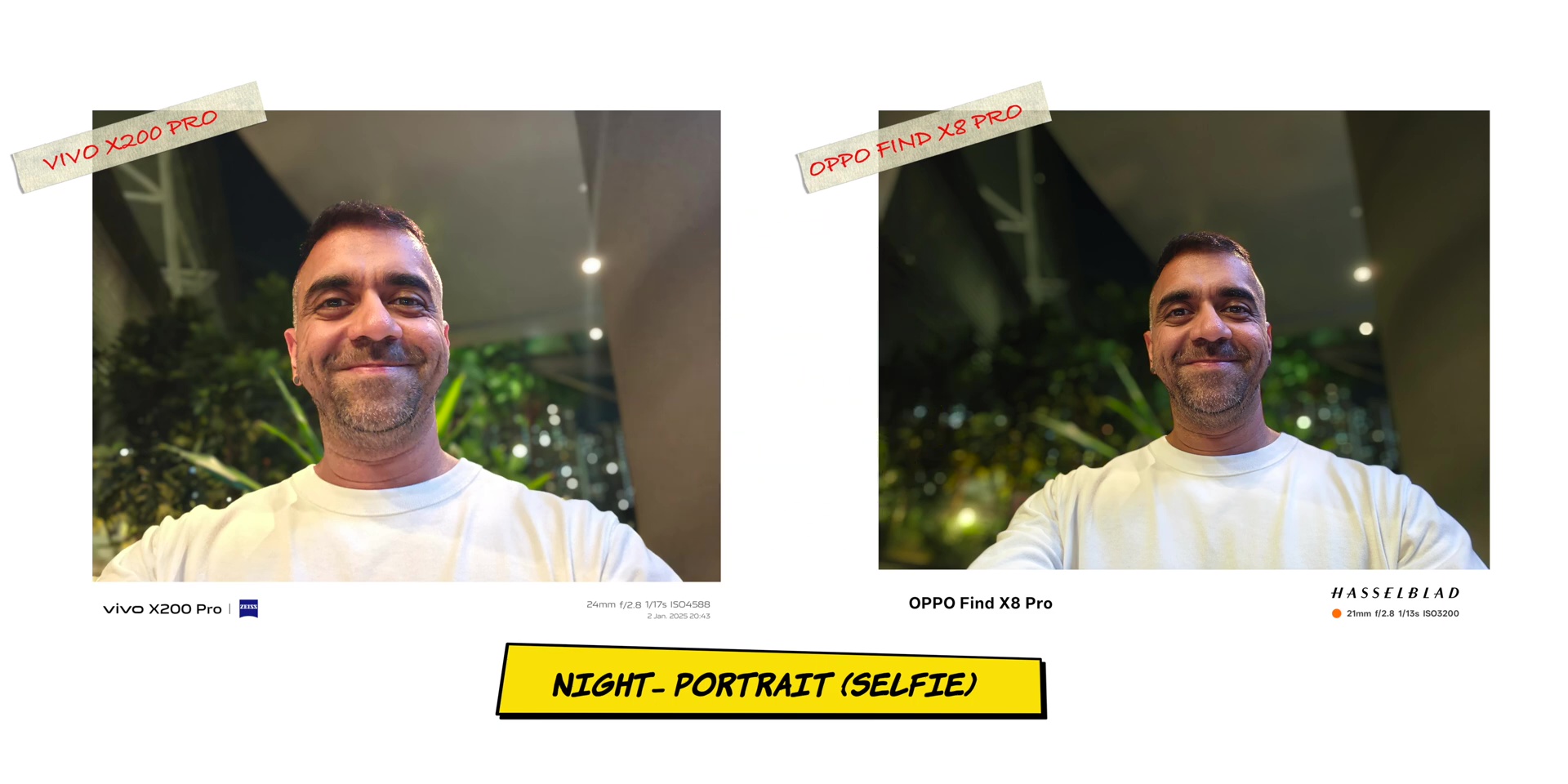
Then, the nighttime selfies were great on both. But if I had to choose, I would go with the better skin tones and the contrast on the OPPO Find X8 Pro.
Video Recording [Sample video footage available in my YouTube video]
As for video recording, the OPPO Find X8 Pro records up to 4K 60 FPS, whereas the vivo X200 Pro can go up to 8K 30 FPS. Starting from the ultrawide lenses, while the stabilization was good, the dynamic range on the X200 Pro was better, as seen in the sky area.
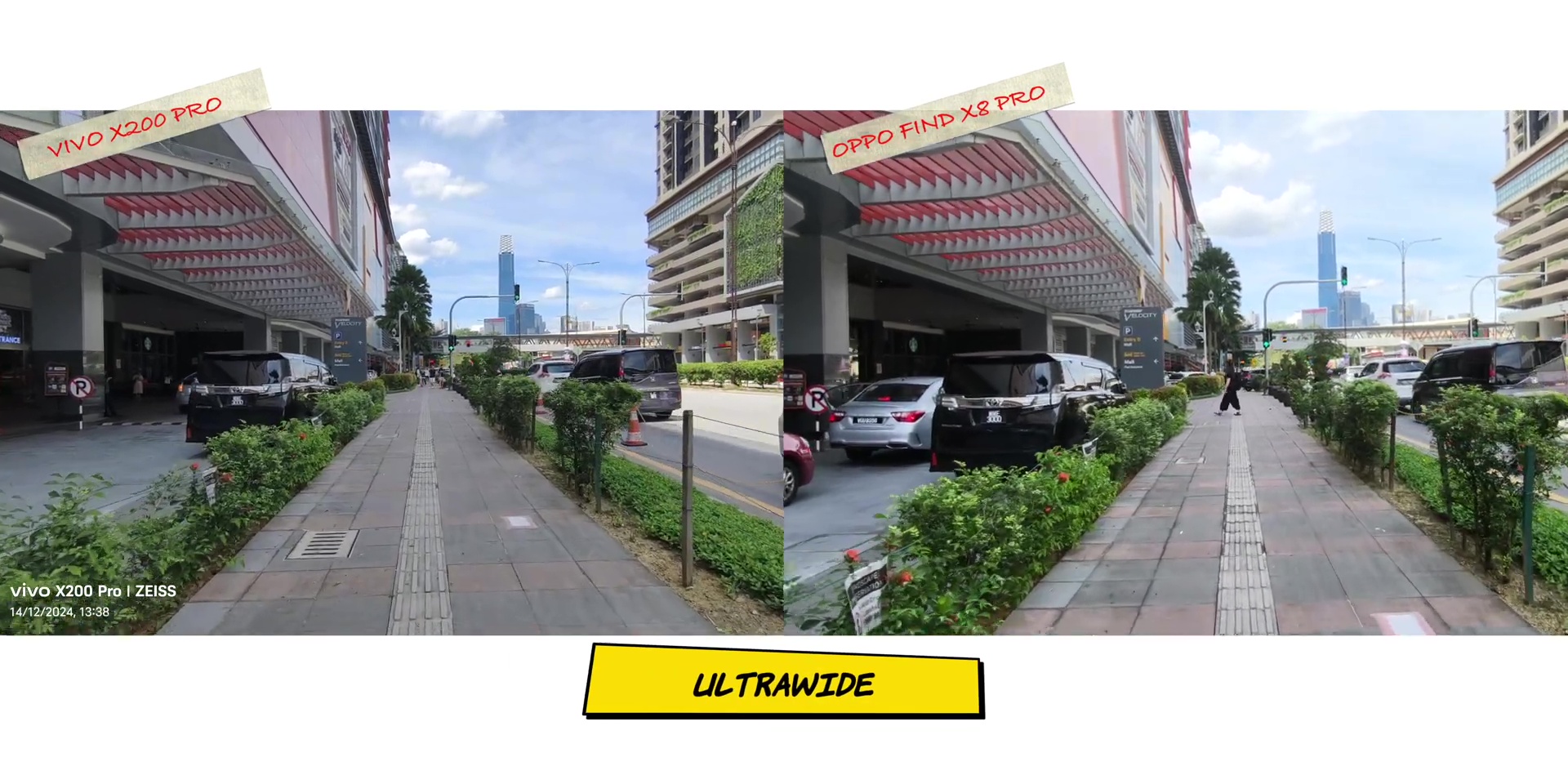
It was better when you switched to the main lenses, but still, the highlights on the vivo and sharpness on the X200 Pro were better once again, even at 2x zoom.
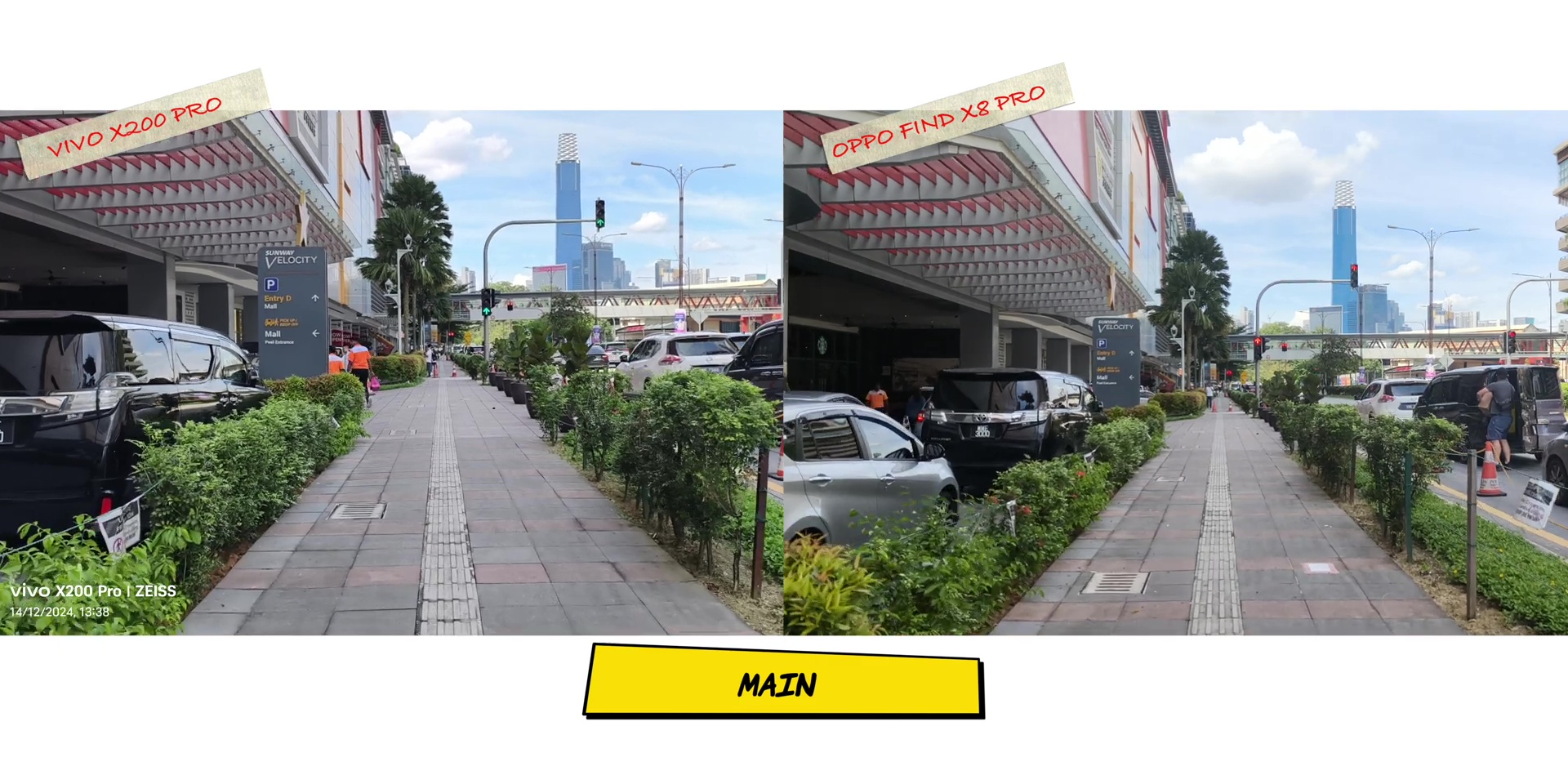
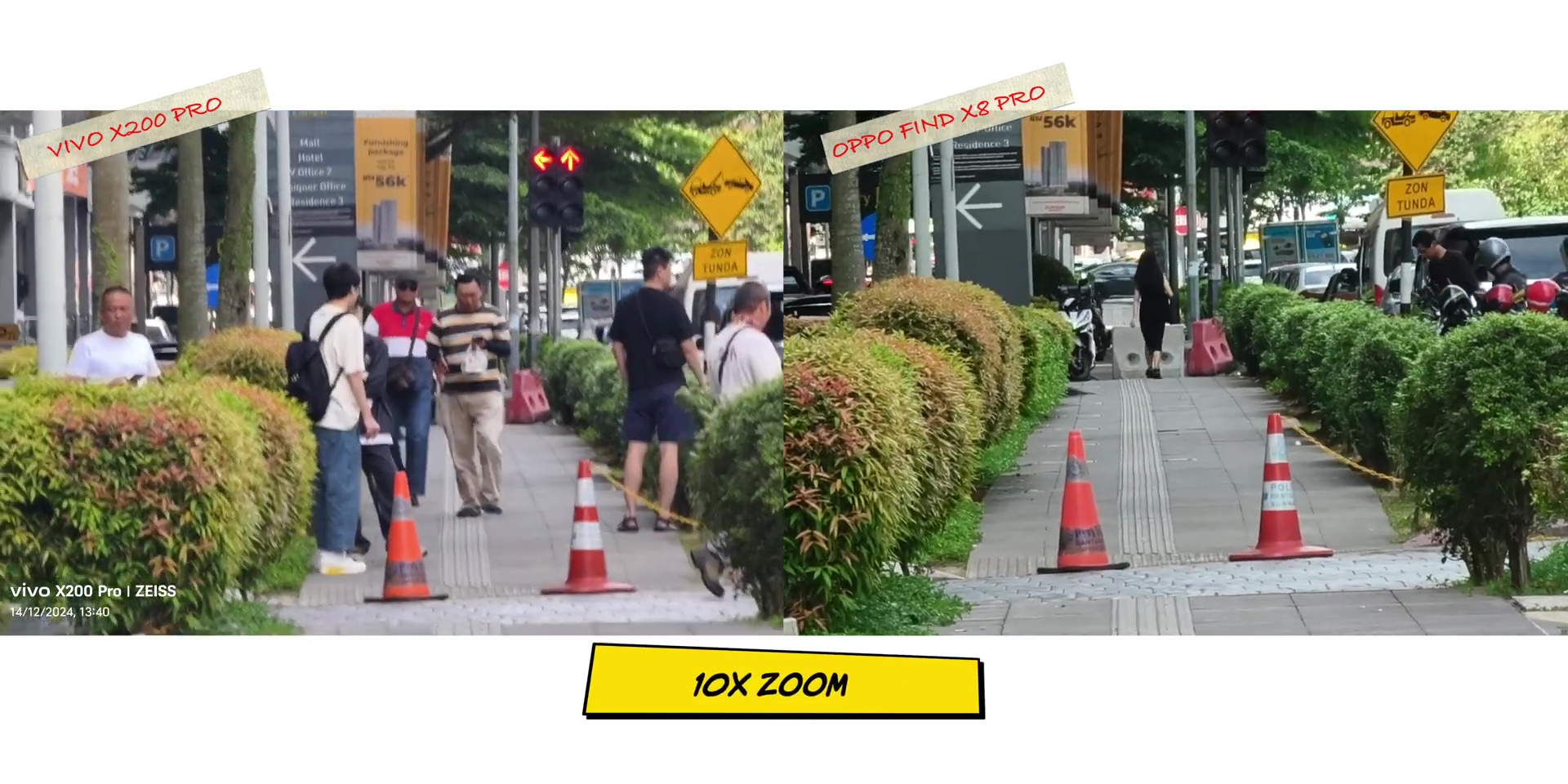
While the image stabilization on the Find X8 Pro was better, albeit a bit wobbly at 10x zoom, overall, the vivo X200 Pro did way better when it comes to video quality and overall stabilization.
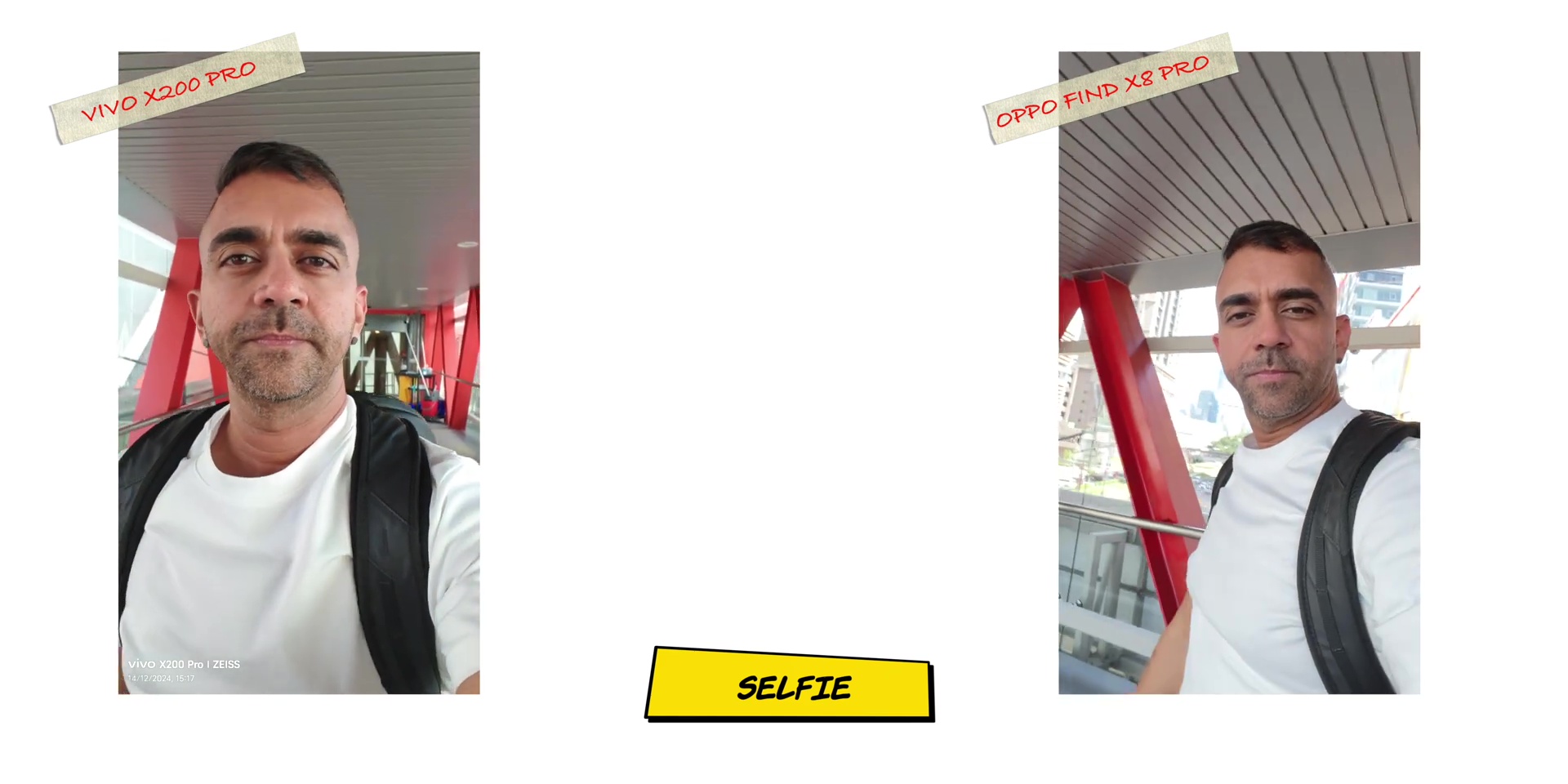
Then, selfie video recording on both was up to 4K 60 FPS, and the quality and the image stabilization were really great on both.
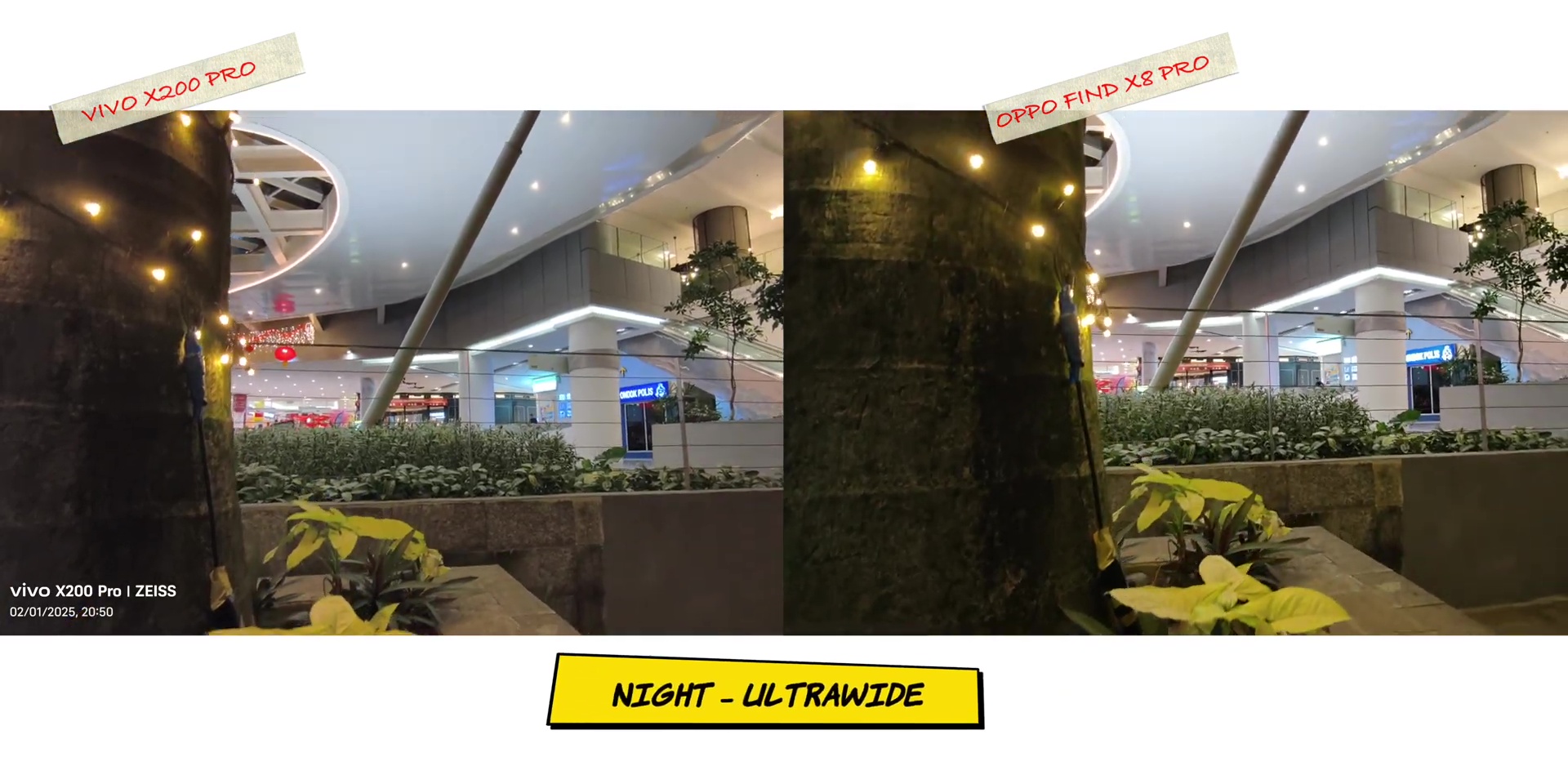
Nighttime video on the ultrawide lenses was very similar, but you start to see better performance on the X200 Pro in terms of the main lenses onwards, in terms of quality, but stabilization was great on both phones.
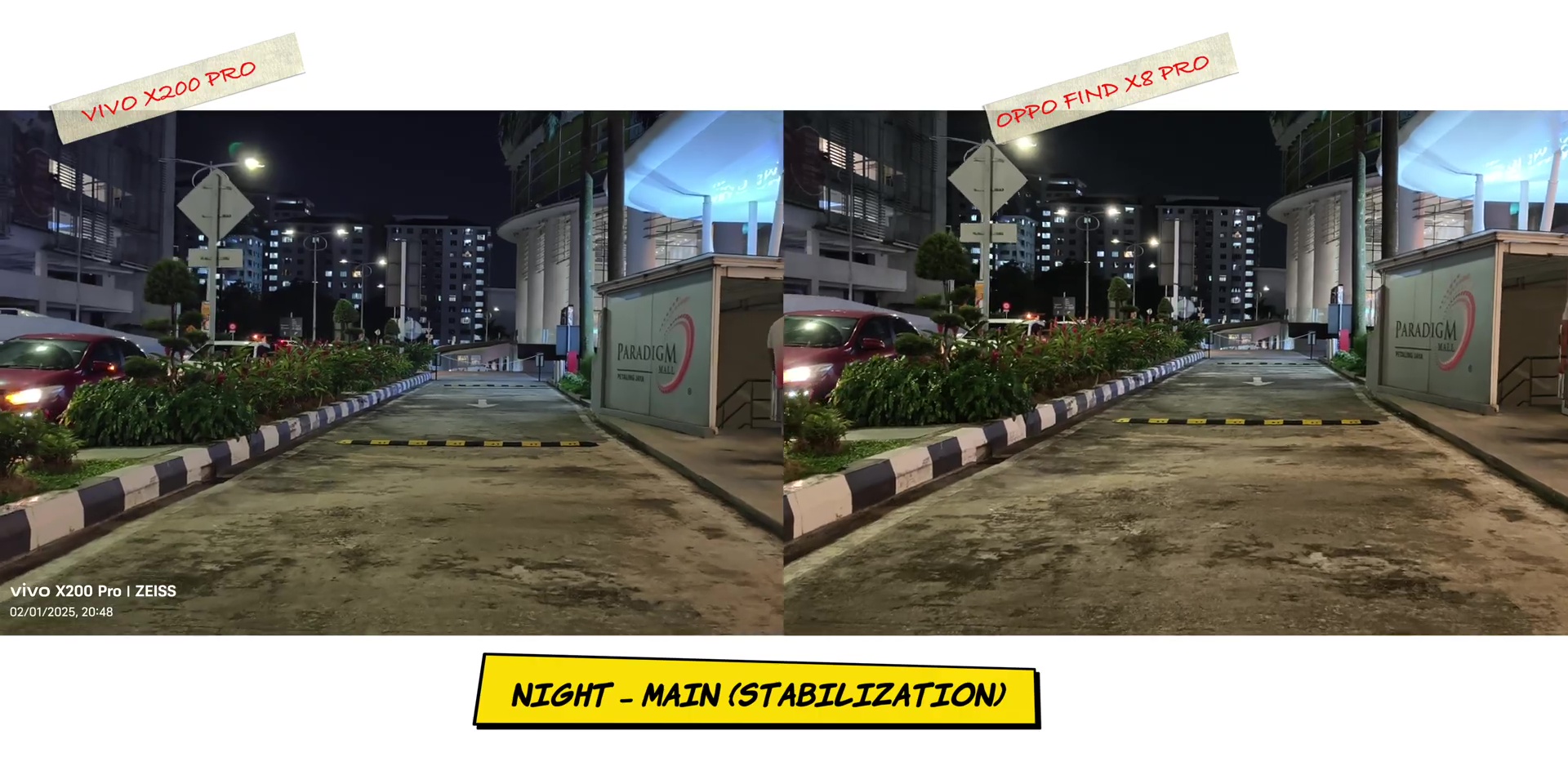
However, if you’re planning on recording selfie videos at night, I personally think that both of them suck. But yes, the vivo X200 Pro does a bit better over here.

[Vlog test available in my YouTube video]
Phew, what a comparison test this is!
Software
Software-wise, while both run on Android 15, I will cut to the chase to tell you that OPPO’s ColorOS 15 is surely superior from a feature standpoint.
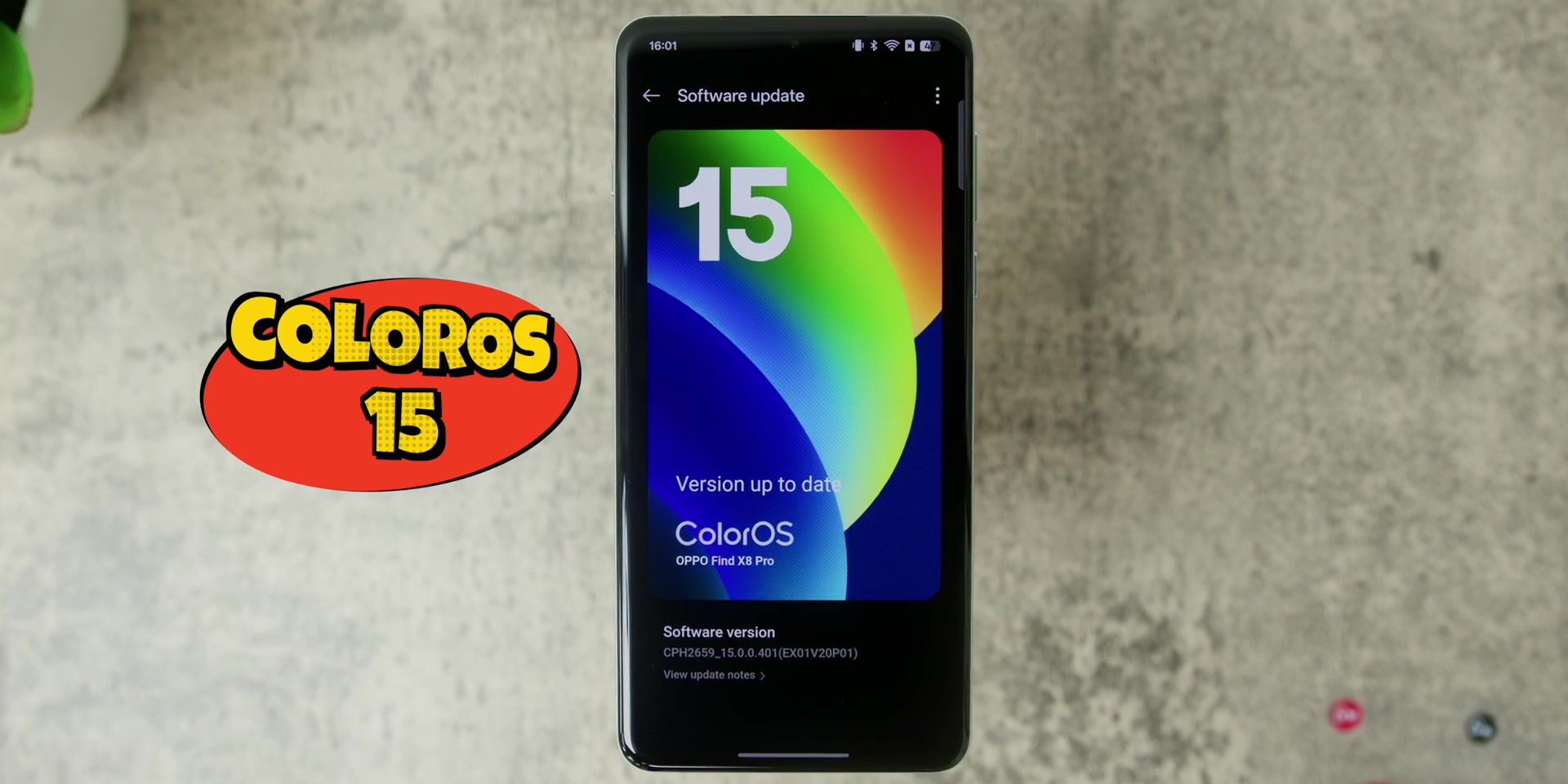
While they almost copied some of the iPhone-like features, like the Aqua Dynamics, Touch-to-share, Live photos, and even official MagSafe-like accessories, it not only makes it appealing from an Android user’s perspective but also probably someone who wants to switch from an iPhone to an Android phone.
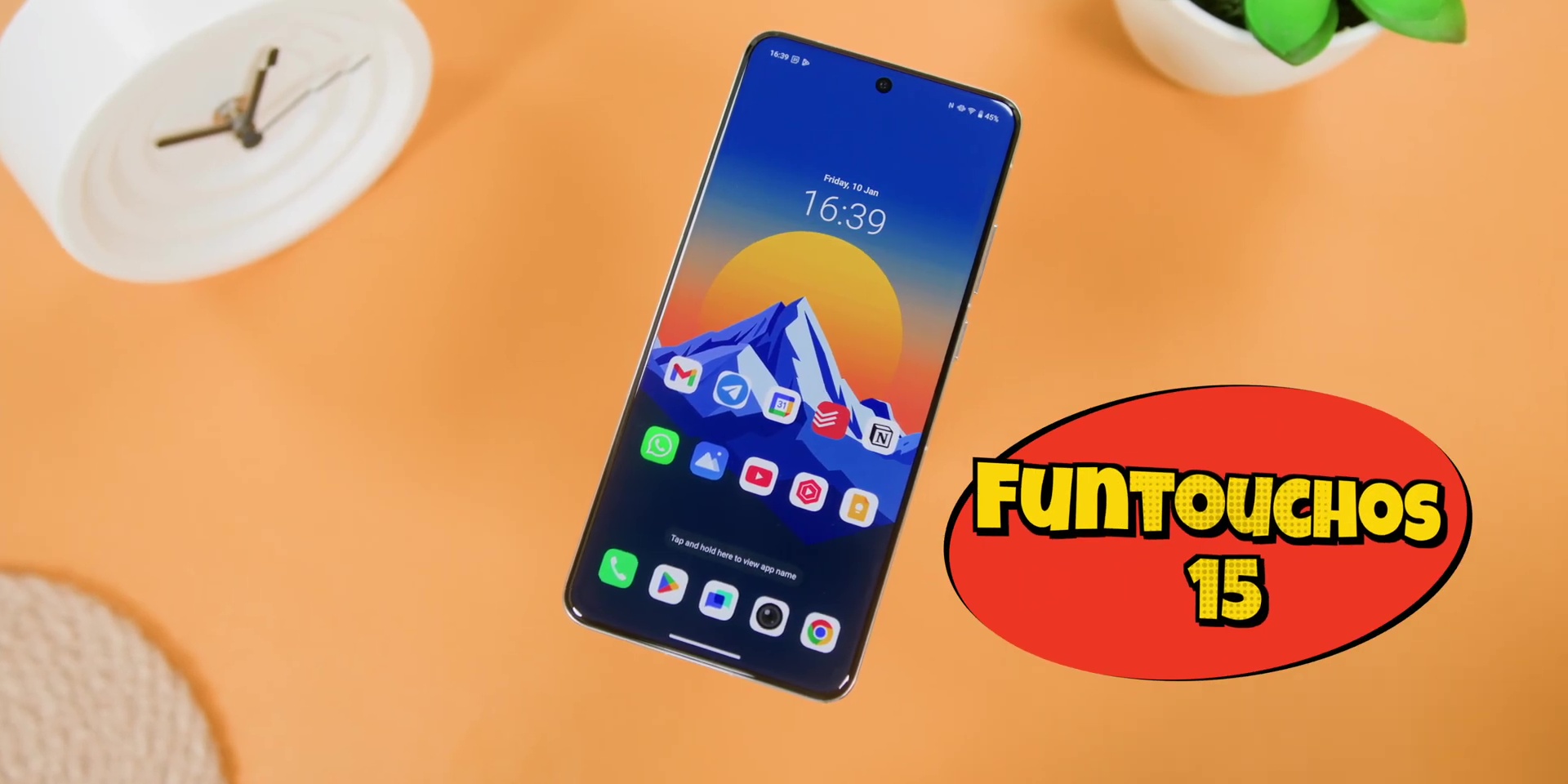
However, vivo’s Funtouch OS 15 was also great, with great UI and overall design, where it felt very smooth. I didn’t experience any issues when I was using the Funtouch OS 15 or even the ColorOS 15 daily.
But where I thought it would be interesting is to compare the AI capabilities of both. So what I did was I downloaded two Taj Mahal pictures online, and I tried one famously used feature, which is the AI Eraser.
For the first shot, I tried removing this picture of one person from this ultrawide shot. And while both do a good job at removing this single person, the X200 Pro did better on the reflection of the person.


Then, the second test was based on removing more than one person in this particular image, where I used the camera app and just painted all of the people over there. And this time around, once again, the vivo X200 Pro did way better.


Now, I know that this takes several attempts for you to get it perfect, but it does seem that vivo’s AI works better, especially when using AI to really detect a person or any photobombers for this particular case.
Battery
Battery life was totally expected, because yes, size does matter over here. The vivo X200 Pro’s 6000 mAh battery gave me an average of 7 hours plus screen-on time when I was at 10% battery with dark mode turned on, compared to the OPPO Find X8 Pro (5910 mAh) doing the best at around 5 hours plus in the same scenario too.
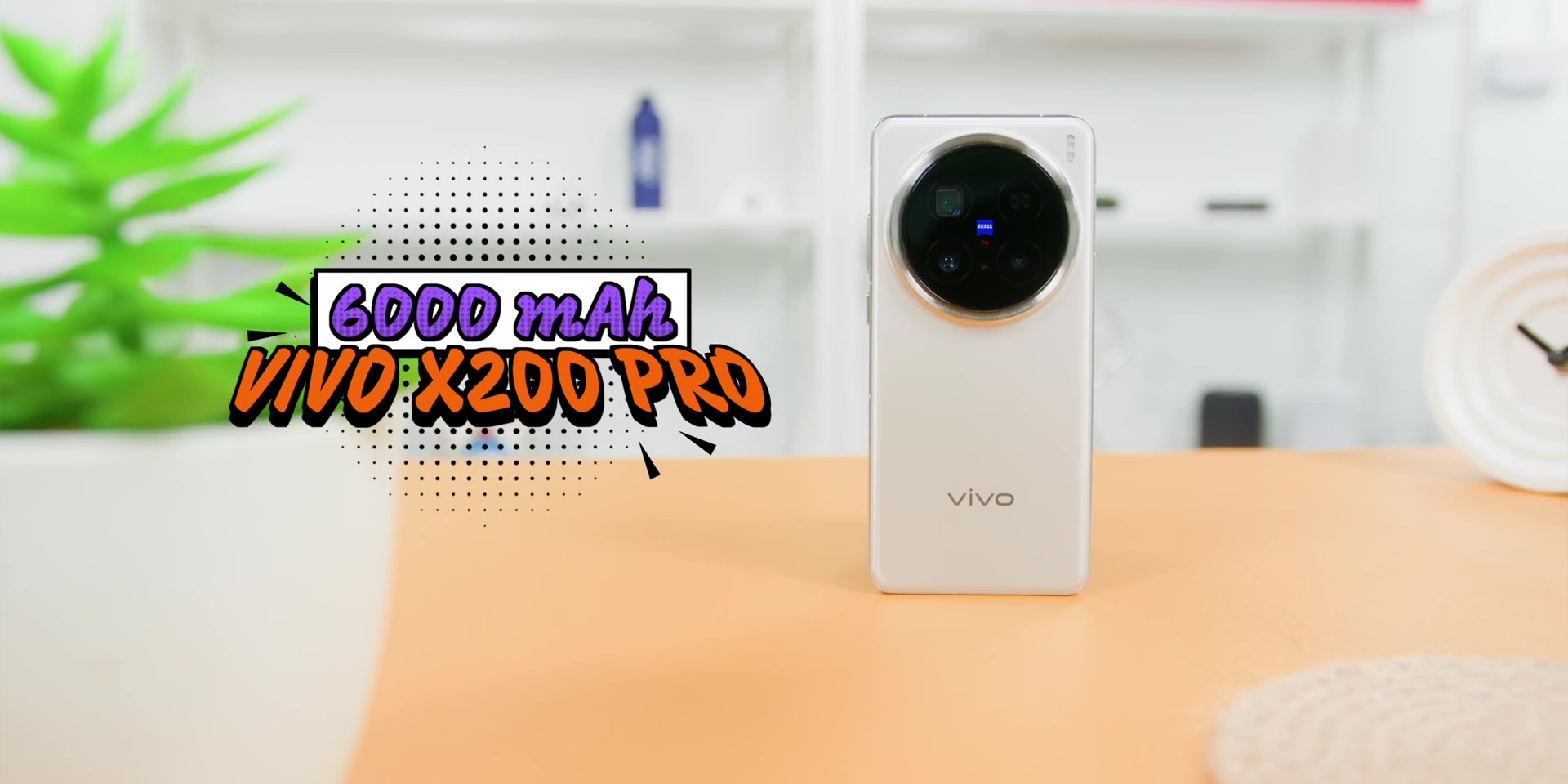
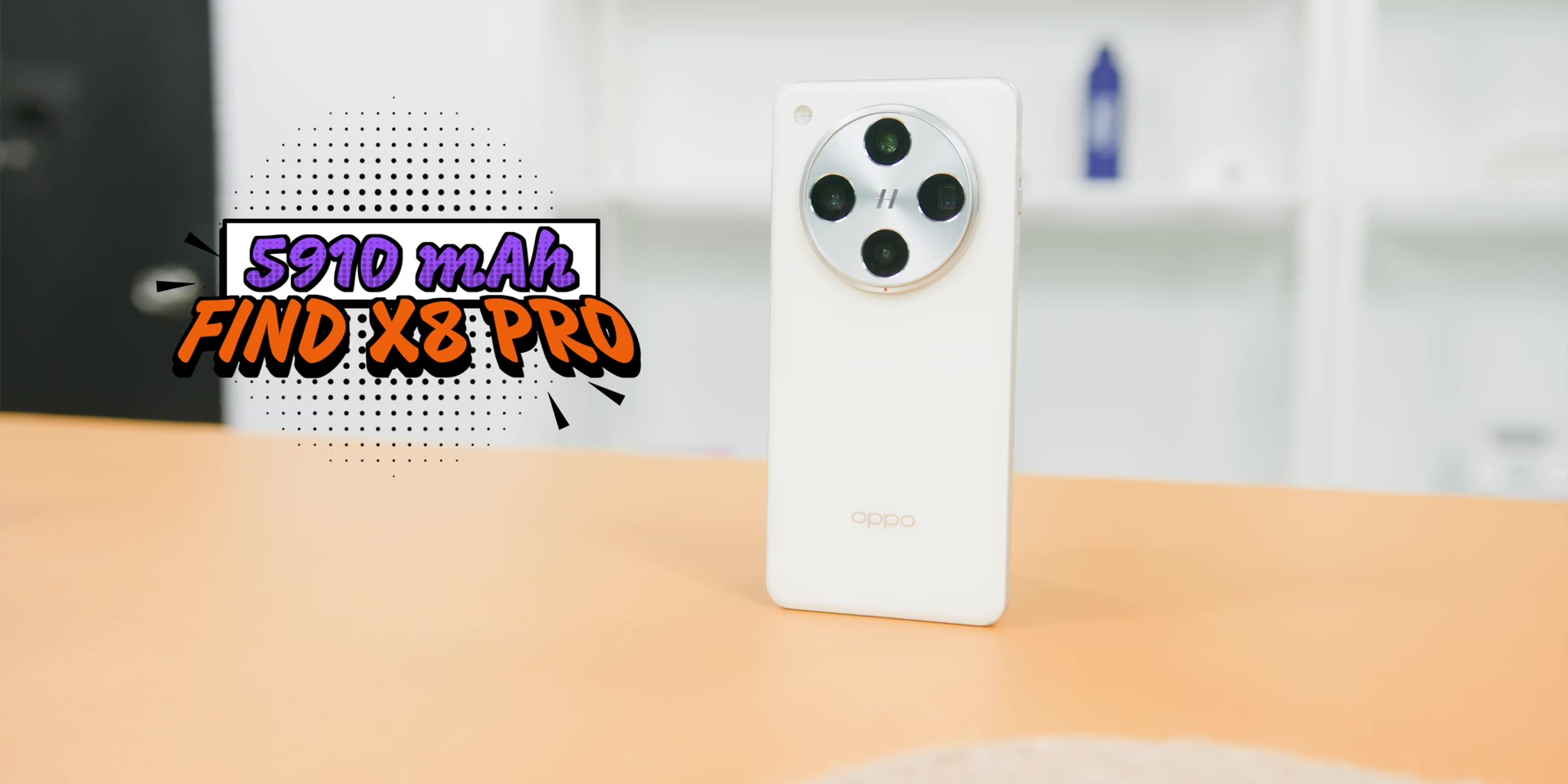
Both phones did give me more than a day’s use, which was great compared to some flagship devices that can’t even stay beyond a day. Yes, I’m looking at you, iPhone 16 Pro Max.
Then, charging speeds though was a totally different story, because the vivo X200 Pro has a faster 90W wired charging compared to 80W on the Find X8 Pro, but slower in wireless charging of 30W compared to OPPO’s 50W.
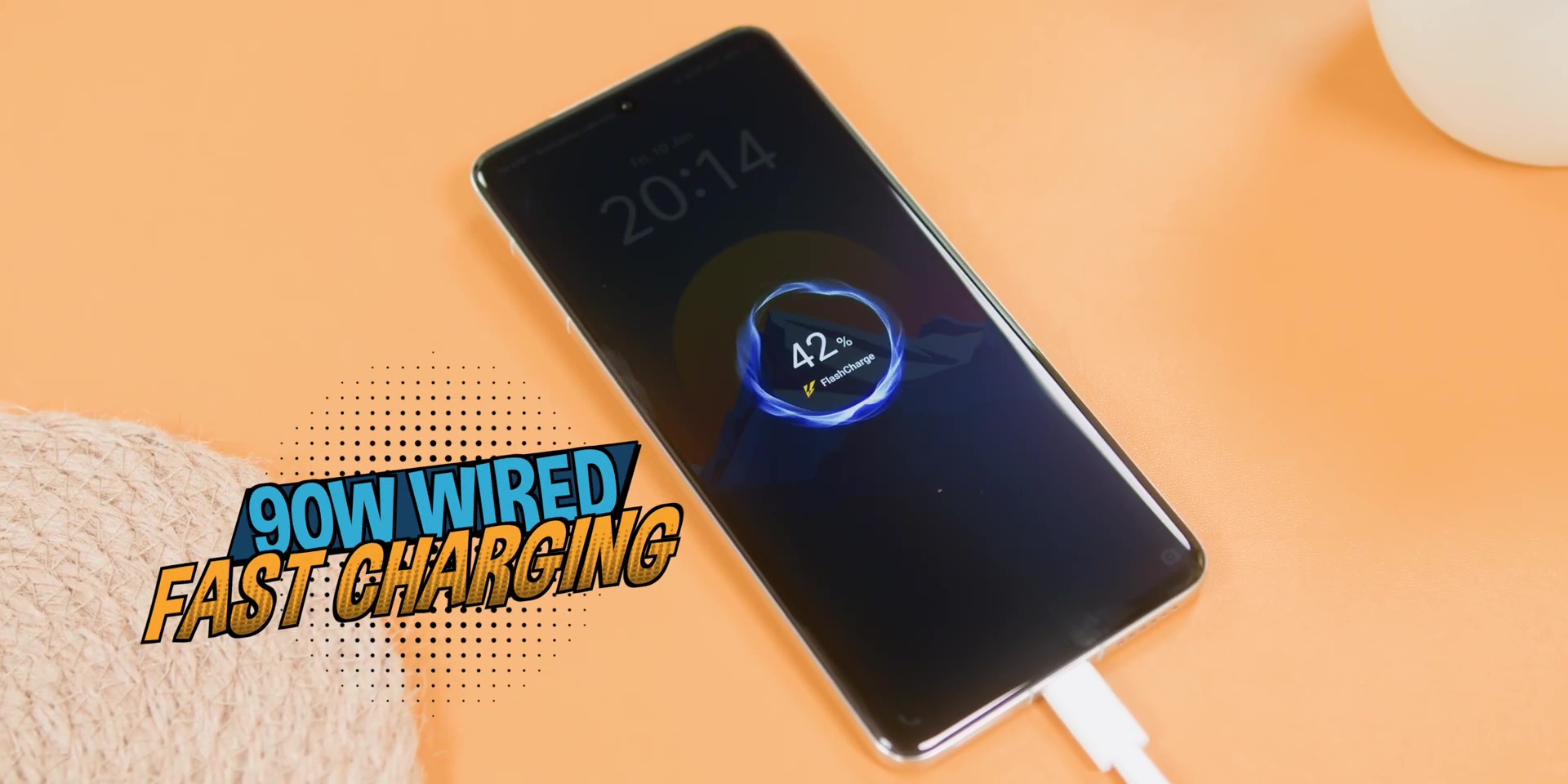
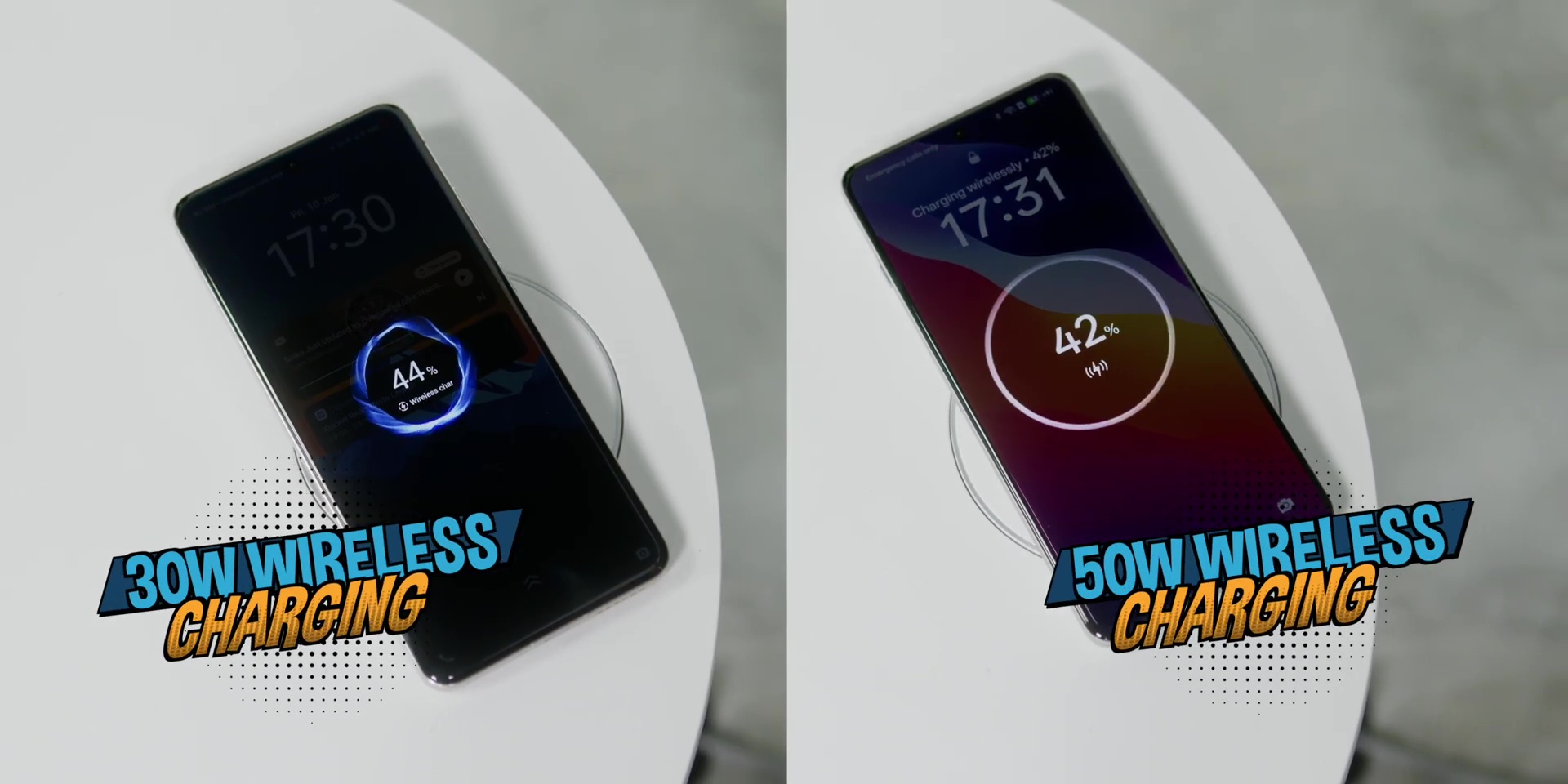
So if speed is your priority, then you can choose your poison on which is your preferred charging option. For me, it doesn’t really matter, since I use the wired charging more when I’m low on battery, or I just use the wireless charging when I go to sleep. So yeah, I would give this department to the vivo X200 Pro over here.
Gaming
As mentioned at the beginning of this review, both phones are powered by the same MediaTek Dimensity 9400 chipset. It also has the same RAM variant and the same UFS 4.0 storage. So did it perform the same, or was it totally different?
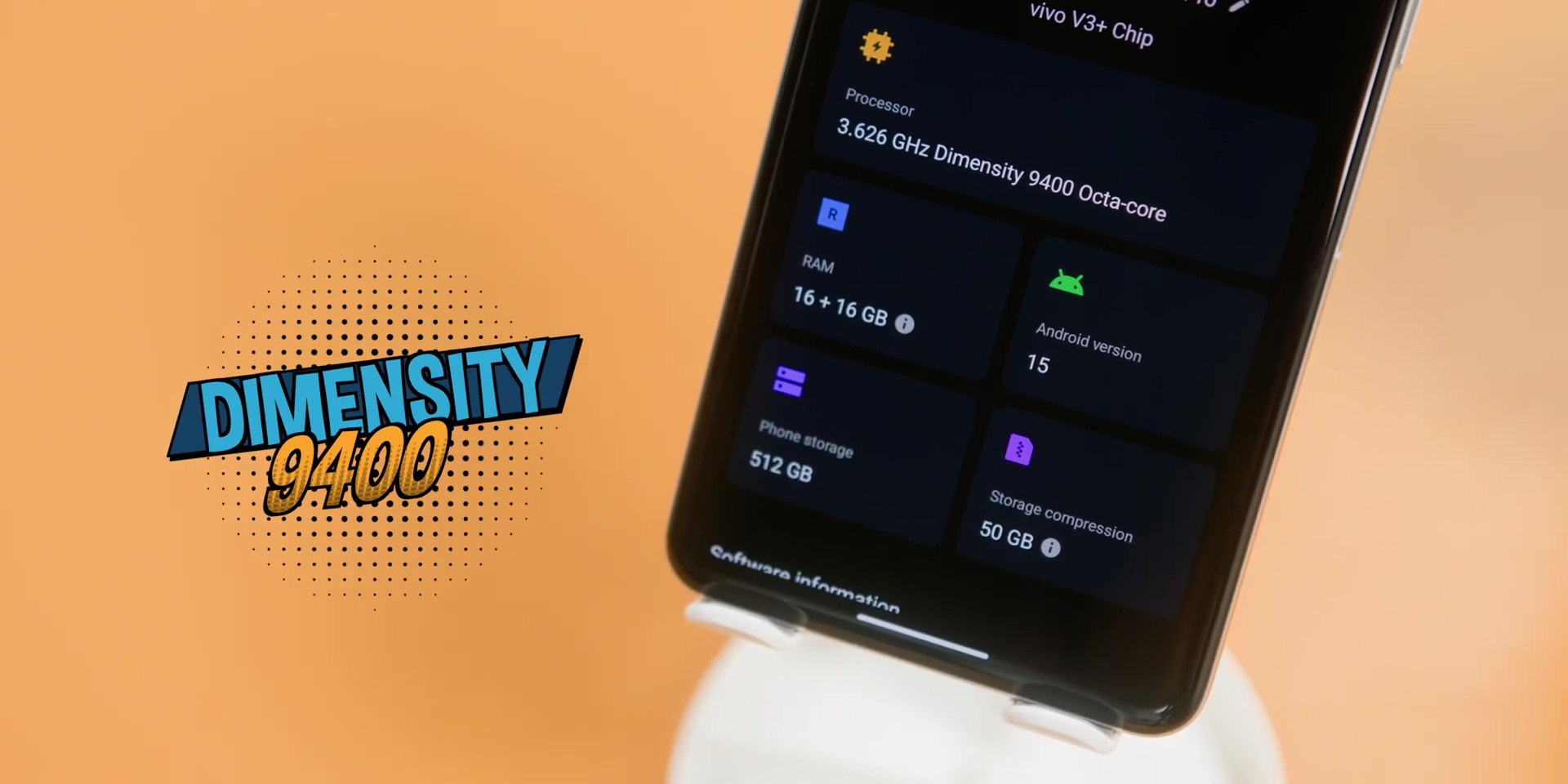
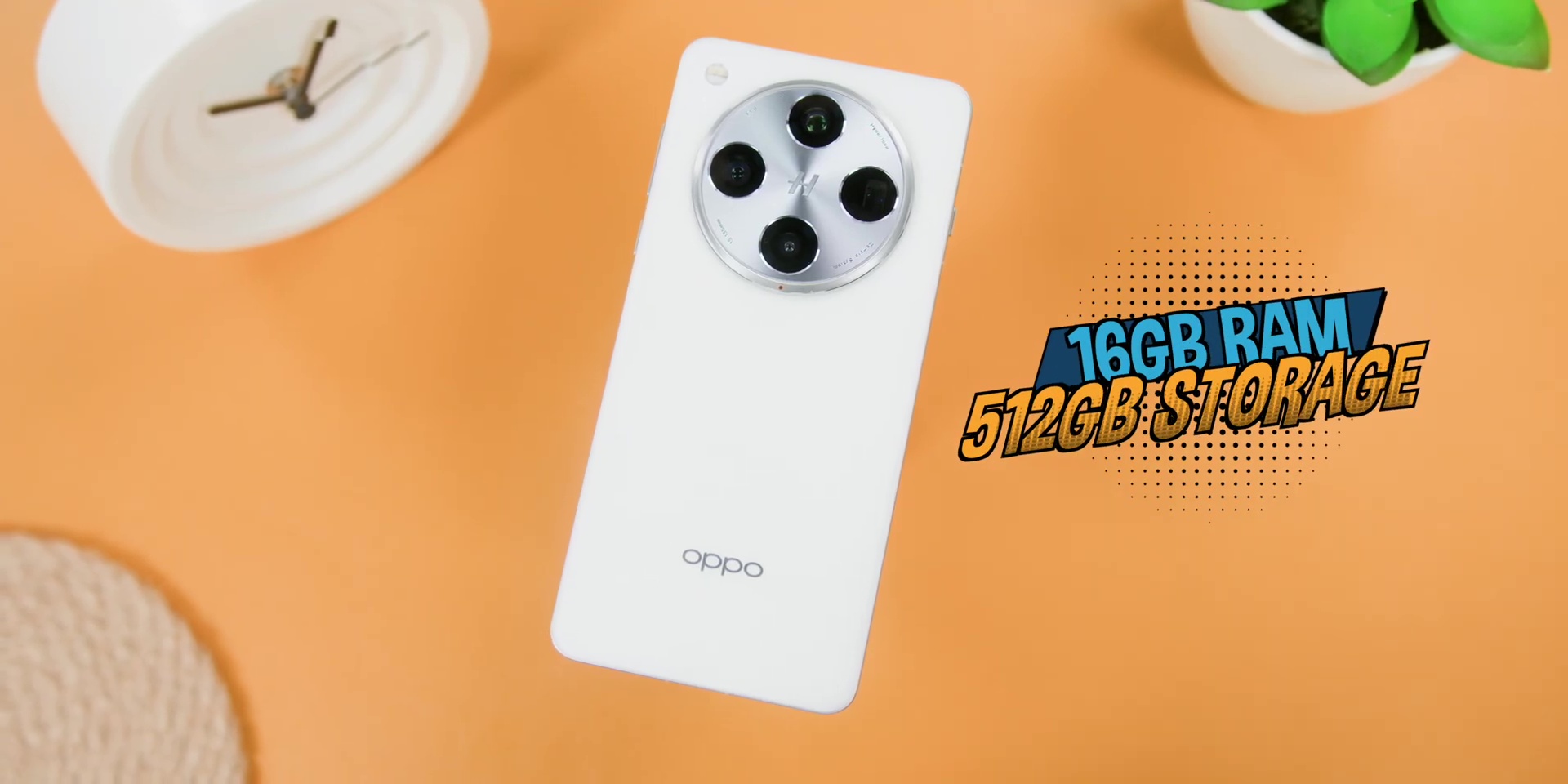
Well, I did a head-to-head comparison on Genshin Impact. Both ran very well at graphics set to Very High and motion blur turned on all the way. Both were super smooth with no stutter or any lag.
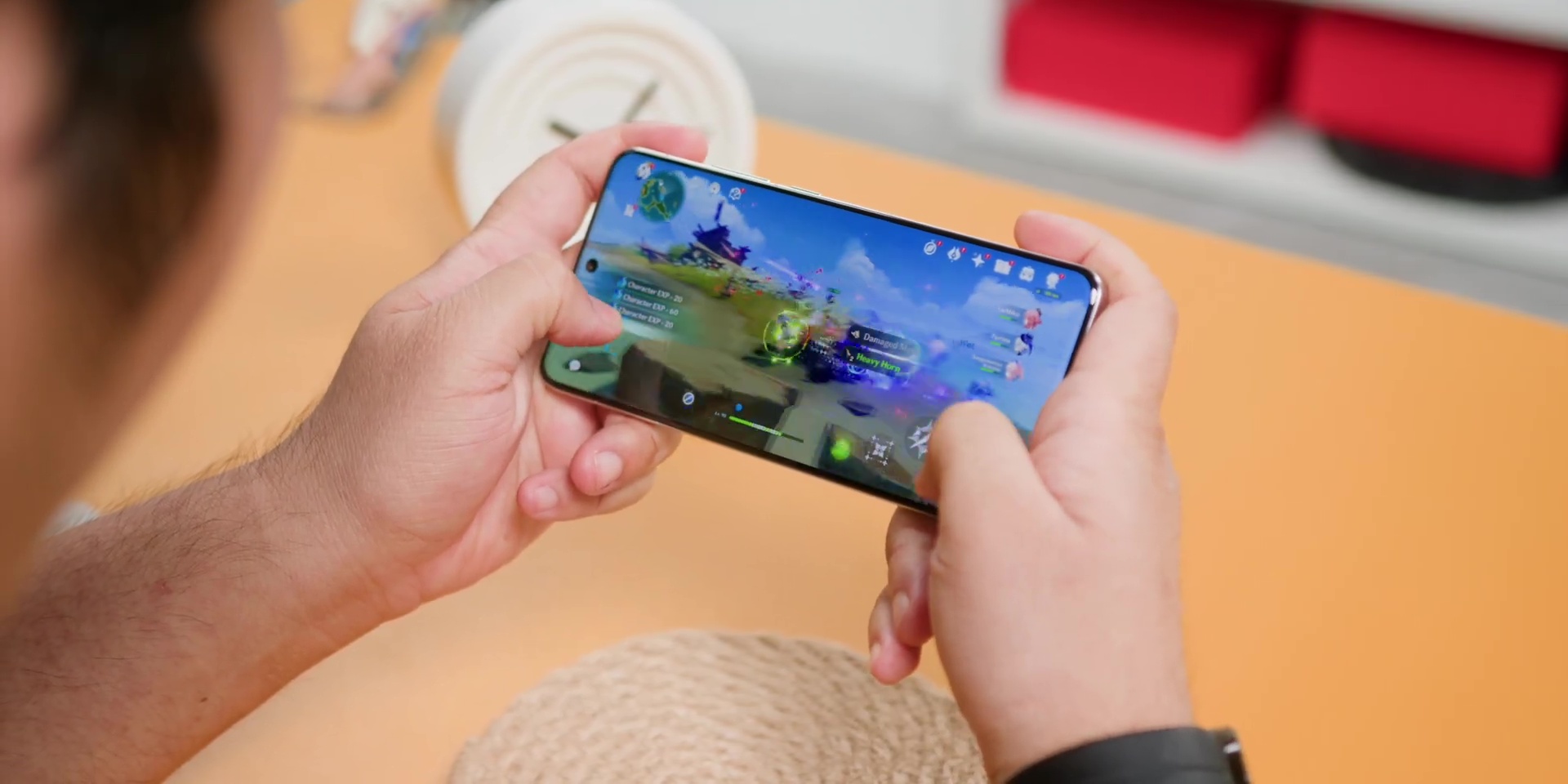
But in terms of comfort, as mentioned, the huge camera bump at the back of the vivo X200 Pro didn’t make gaming very comfortable for long periods. However, with the case on, it was better in the hands.
But all in all, while the gaming performance on both was equally good and did very well, I would give this department to the OPPO Find X8 Pro because of how comfortable it was for gaming for long.
Conclusion
So, with all of these tests done, you can finally make a purchase decision!