
Memory Crunch Triggers Major Laptop Price Hikes by Dell and Lenovo
The personal computer market is bracing for a significant financial hit as leading manufacturers Dell and Lenovo prepare to hike laptop prices by as much as 15% to 20% in the coming weeks. The move, driven by a global “memory crunch” fueled by unprecedented demand for AI servers, threatens to dampen consumer demand and reshape the industry’s forecast for 2026.
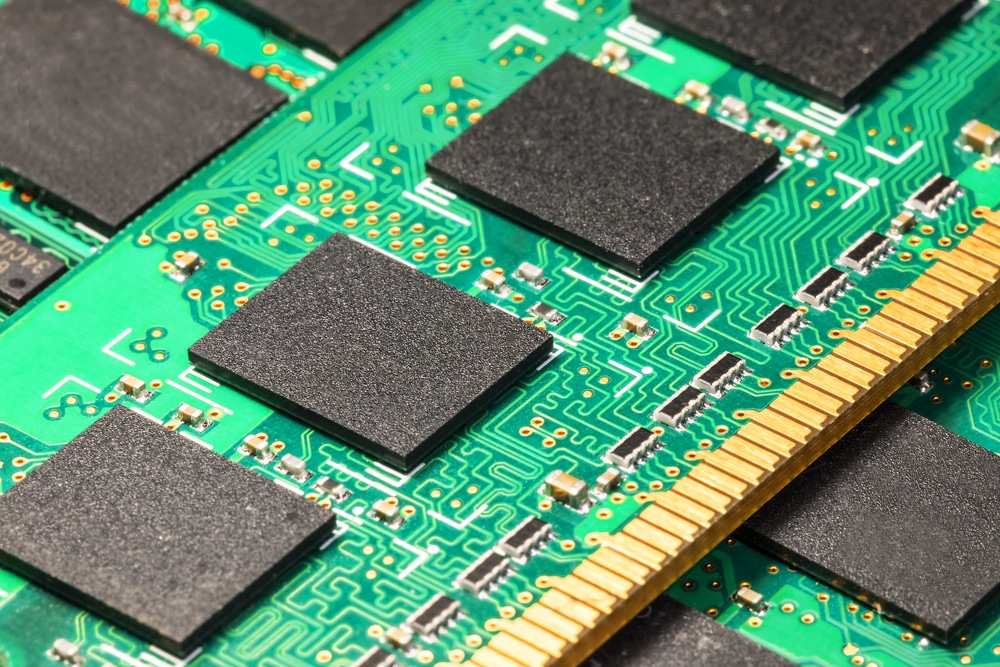
According to industry sources cited in an exclusive TrendForce report, the core issue is the soaring cost of DRAM (Dynamic Random-Access Memory) chips. The massive investment in high-performance AI systems has created intense competition for memory components, pushing prices for key elements like DDR5 up by as much as 70% year-over-year.
Dell Leads the Charge
Dell is taking the earliest and most aggressive action. The technology giant has reportedly issued a price-hike alert to its customers, indicating that prices are expected to rise by at least 15% to 20%. This increase is anticipated to take effect as soon as mid-December 2025. Dell COO Jeff Clarke previously warned in late November that he had “never seen memory-chip costs rise this fast,” with expenses climbing across every product line.
Lenovo Follows Suit
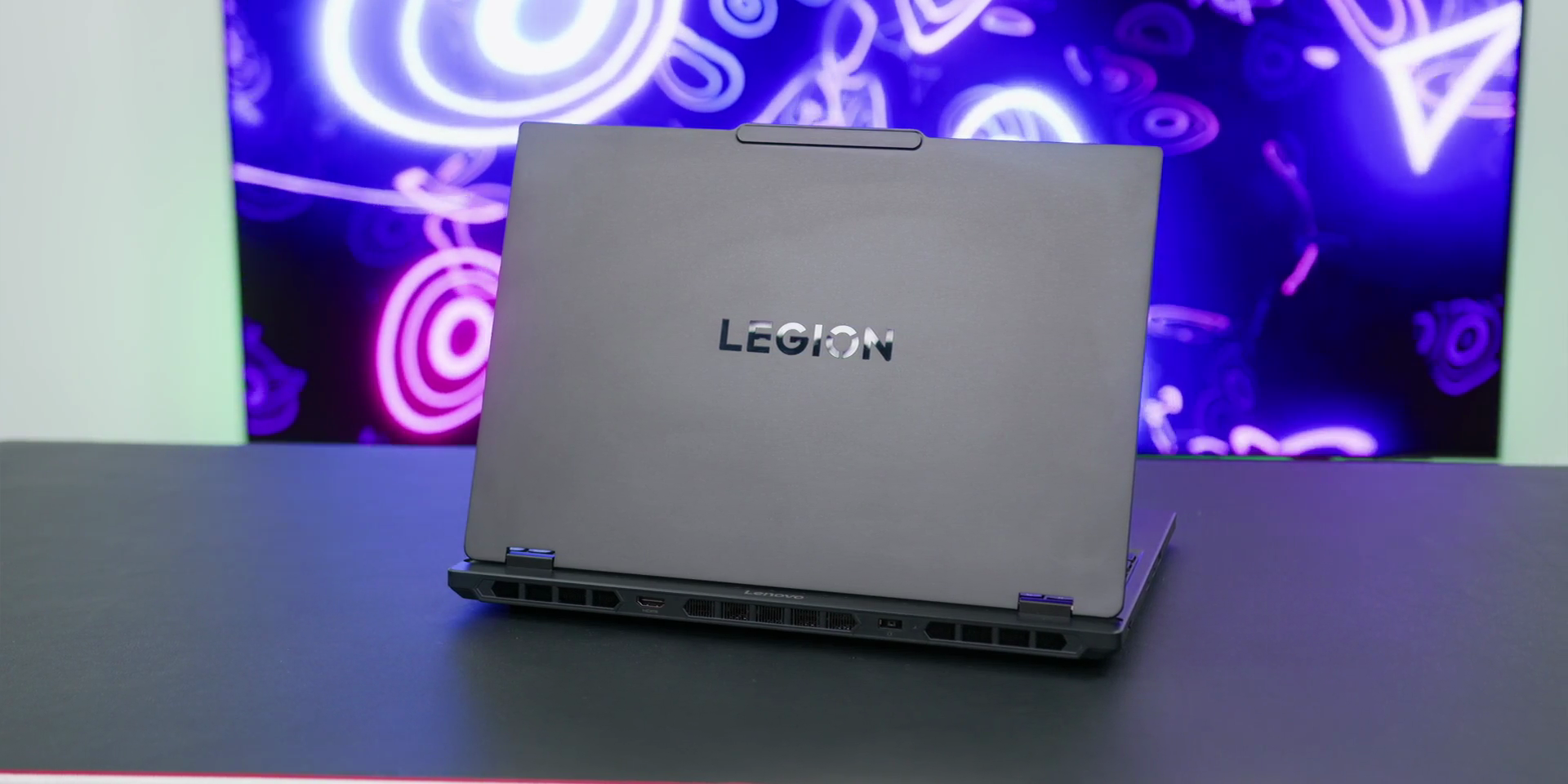
Lenovo, another major PC manufacturer, is following a similar path. The company has notified clients that all current quotations and prices will expire on January 1, 2026, with price adjustments scheduled to take effect shortly thereafter in early 2026. Lenovo pointed to two main factors in its notice: the intensifying memory shortage and the rapid integration of AI technologies into computing infrastructure.
The memory price surge has dramatically increased the Bill of Materials (BOM) costs for PC makers. With memory chips making up an estimated 15% to 18% of a typical PC’s cost, these hikes translate directly into higher retail prices.
Market Impact
The ripple effect is already changing market outlooks. TrendForce has responded by downgrading its 2026 notebook shipment forecast. Initial projections of a 1.7% year-over-year growth have now been revised to a 2.4% year-over-year decline, reflecting expectations that higher retail prices will significantly curb market demand for consumer electronics. Global leaders, including HP, Samsung, and LG, are also reportedly rethinking their 2026 product roadmaps, including those for next-generation AI PCs and tablets, as they contend with mounting profit pressures.