Samsung Phone Prices May Rise as RAM Costs Soar
Consumers may soon face higher prices for new smartphones and PCs as a surge in memory chip prices, dubbed “memoryflation,” begins to ripple through the global electronics market. Samsung is reportedly considering raising the prices of its IT products, including smartphones, to combat the mounting pressure from rising component costs.
This development comes as the tech industry grapples with a significant supply shortage in general-purpose DRAM (Dynamic Random-Access Memory), a critical component for nearly all computing devices. The shortage is an indirect consequence of the artificial intelligence boom, which has pushed manufacturers to prioritise the production of high-profit High Bandwidth Memory (HBM) for AI servers.
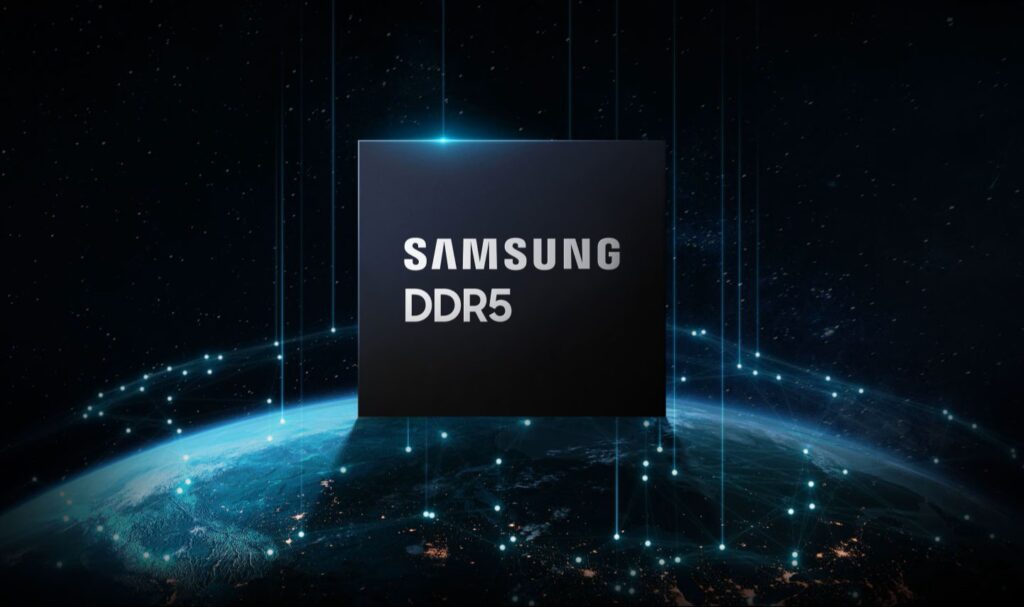
This supply crunch is being driven by the memory giants themselves, including Samsung’s own semiconductor division, SK Hynix, and Micron. These companies are pivoting production lines to the more lucrative HBM, which can be five to six times more expensive than standard DRAM. While this shift is highly profitable for chipmakers, it has created a supply shortage of the general-purpose chips that Samsung’s own electronics division relies on for its phones and PCs, leading to internal cost pressure.
The impact is already visible in the wider PC market. In Seoul’s renowned Yongsan electronics market, the price for a common 32GB DDR5 RAM module has more than doubled in just one month. This, in turn, has driven the price of popular custom-built PCs up by over 25%.
The smartphone sector is also feeling the squeeze. While other brands, such as Chinese manufacturer Xiaomi, have already increased the price of new phones by 7.5%, all eyes are now on Samsung. With Samsung reportedly reviewing its own pricing strategy, its decision will likely set the trend for the entire high-end and mid-range market.
Analysts predict that this “memoryflation” is not a short-term spike, forecasting that the upward price pressure on memory could continue until 2027 or 2028. This squeeze is affecting all manufacturers, forcing even major players like Apple to secure their supply chains. In a move that highlights Samsung’s central role as a key supplier, Apple has reportedly placed massive advance orders for memory chips from Samsung to hedge against future hikes.