Apple to Reportedly Split iPhone Releases into Fall and Spring Cycles
Apple is reportedly ending its twenty-year tradition of a singular September iPhone event. Starting in 2026, the tech giant plans to dismantle its annual cycle in favour of staggered, bi-annual releases; a move poised to reshape the smartphone industry’s calendar.
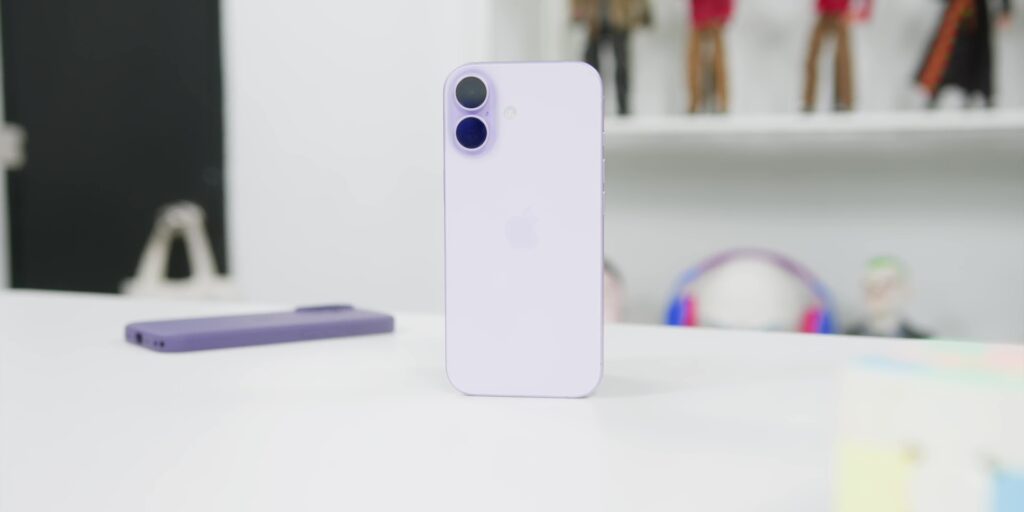
According to Bloomberg’s Power On newsletter, Apple will split its flagship lineup into two distinct launch windows:
- Fall (The Powerhouses): The high-end “Pro” models will remain in the traditional autumn slot, capitalising on the holiday shopping rush. This window will also likely serve as the launchpad for experimental devices, including the long-rumoured foldable iPhone.
- Spring (The Mainstream): The standard base models and the ultra-thin “iPhone Air” will shift to a spring release, arriving roughly six months after their Pro counterparts.
Why the Split?
This strategic pivot addresses critical logistical hurdles. By decoupling the lineup, Apple can:
- Stabilise Revenue: Move away from the volatility of a single holiday “boom” quarter.
- Unburden Engineering: Allow teams to dedicate specific cycles to different tiers rather than rushing the entire fleet for a single deadline.
- Dominating the Cycle: Ensure Apple products dominate the news cycle year-round, preventing the “Pro” models from overshadowing the consumer-focused devices.
A “New Era” of Hardware
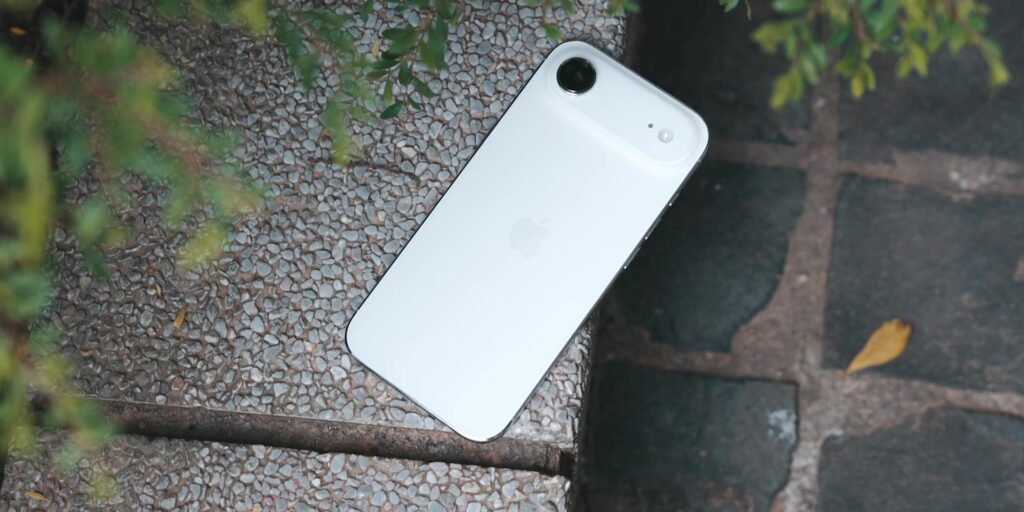
The schedule change appears to be the prelude to a radical hardware evolution. Beyond the standalone “iPhone Air,” reports indicate Apple is developing a futuristic 2027 flagship featuring a curved display and a front-facing camera completely hidden beneath the screen.
If implemented, this shift marks the end of the “iPhone Event” as we know it, signalling a more aggressive, year-round approach to hardware dominance.