Apple Reportedly Eyeing Intel for Chip Production by 2027, Analyst Says
Apple is reportedly exploring a partnership with Intel to manufacture entry-level chips starting as early as 2027.
According to a new report from analyst Ming-Chi Kuo, surveys indicate that “visibility on Intel becoming an advanced-node supplier to Apple has recently improved significantly.” The move would mark a symbolic reunion between the two tech giants, years after Apple transitioned its Mac lineup away from Intel processors to its own “Apple Silicon.”
The Scope of the Potential Deal
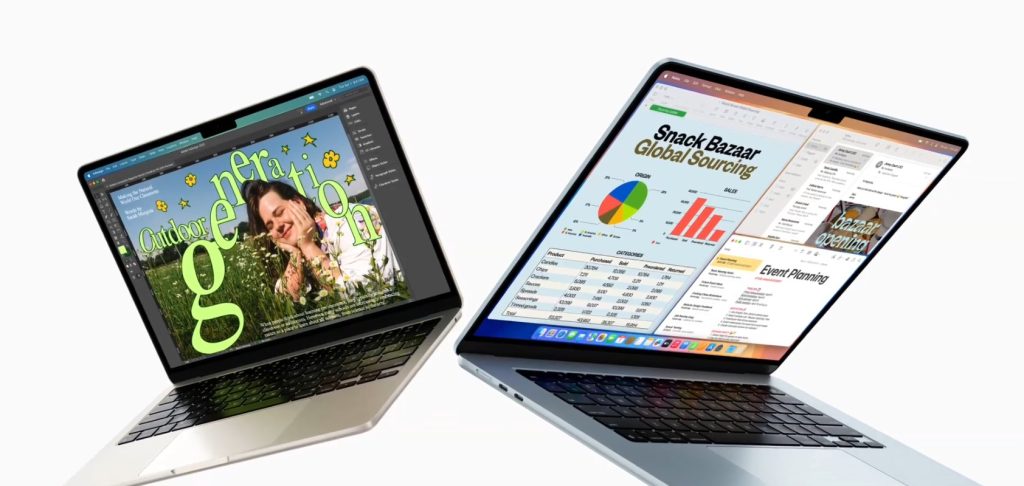
Kuo’s analysis suggests that the partnership would initially be limited in scope. Intel is expected to manufacture Apple’s lowest-end M-series processors, likely destined for devices such as the iPad Air and MacBook Air.
“If the partnership goes ahead, Intel could begin shipping these processors as early as the second or third quarter of 2027,” Kuo noted. However, the timeline is contingent on Intel successfully releasing its 18AP Process Design Kit (PDK) 1.0/1.1 in early 2026, which Apple engineers would need to finalise their designs.
Kuo reports that Apple has already signed a non-disclosure agreement (NDA) with Intel and has begun evaluating the chipmaker’s 18AP manufacturing process.
Strategic Implications
While the volume of chips, estimated at 15 to 20 million units annually, is relatively small compared to the company’s total output, the strategic implications are significant:
- For the Cupertino firm: The move appears to be a calculated effort to diversify its supply chain. Currently, it relies almost exclusively on Taiwan Semiconductor Manufacturing Company (TSMC) for its custom silicon. Adding a secondary supplier would reduce this dependency and provide a domestic manufacturing option. Kuo explicitly highlighted that the deal would signal “strong support from Apple for the Trump administration’s push for its homegrown companies to manufacture in the U.S.”
- For Intel: Securing such a high-profile client as a foundry customer would be a major vote of confidence for CEO Pat Gelsinger’s turnaround strategy. The foundry division has struggled to compete with TSMC, and landing this account would validate its technical capabilities.
However, Kuo tempered expectations regarding the impact on TSMC. He emphasised that the deal would have “virtually no material impact on TSMC’s fundamentals or its technology leadership over the next several years.” The tech giant remains highly dependent on the Taiwanese corporation for its cutting-edge processors, including the A-series chips for phones and the high-performance Pro/Max/Ultra chips for computers.
Looking Ahead
While no final contract has been confirmed, the evaluation phase represents the closest the two entities have come to a manufacturing partnership since the Mac maker began designing its own silicon. If successful, the deal could serve as a model for other U.S. tech firms looking to reshore critical components of their supply chain.