Windows Gaming Outlook: Microsoft’s Roadmap for Windows 11 in 2026
Following a year of hardware innovation in 2025, Microsoft has unveiled its strategic roadmap for the year ahead, promising to bring handheld-inspired features to the broader PC ecosystem and introduce significant AI-driven performance tools in early 2026.
In a forward-looking statement on the Windows Experience Blog, Ian LeGrow, Corporate Vice President of Windows + Devices, outlined the company’s commitment to “empower players to play what they want… wherever they want,” detailing four key pillars for the next phase of Windows gaming.
Handheld Features Coming to Desktop
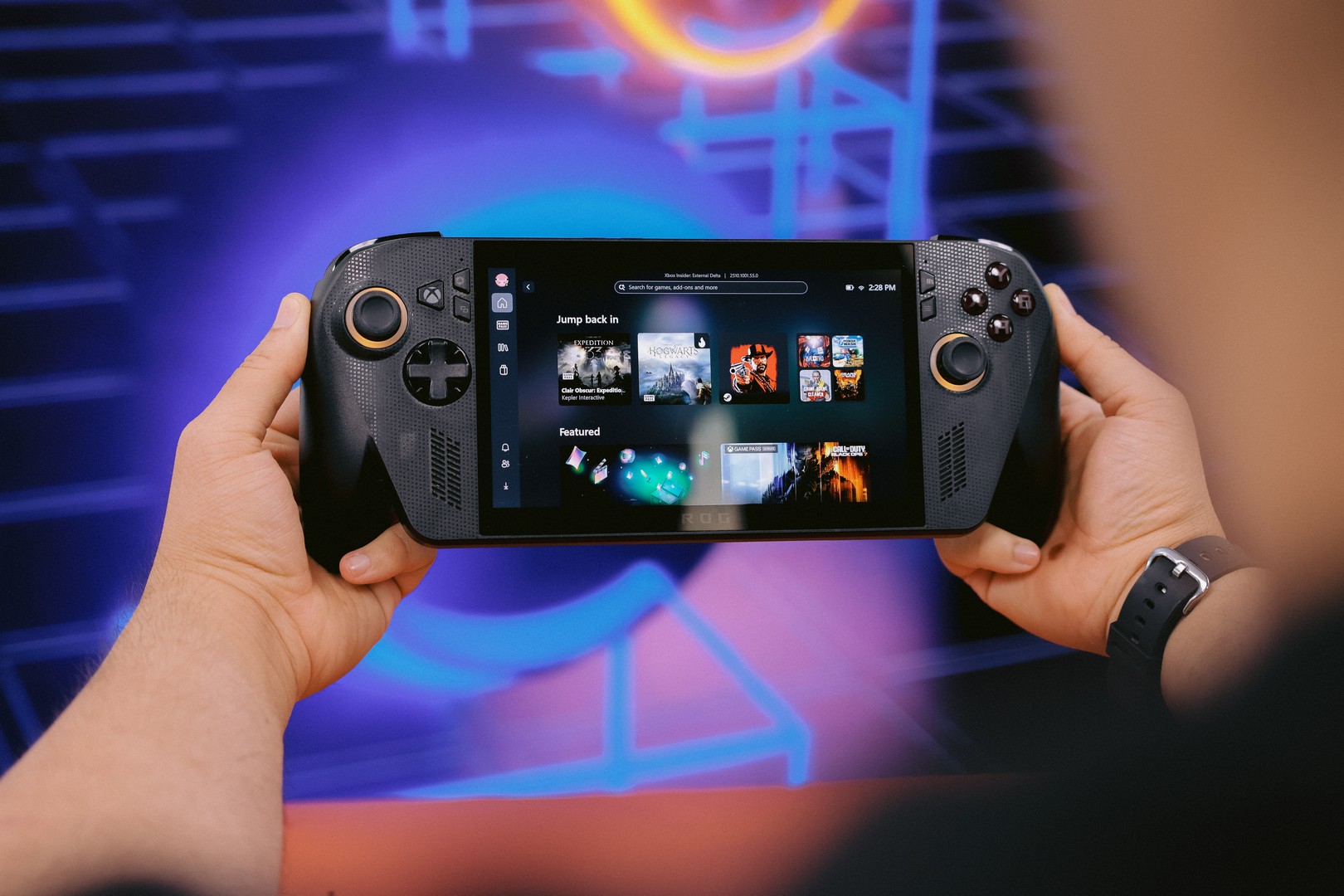
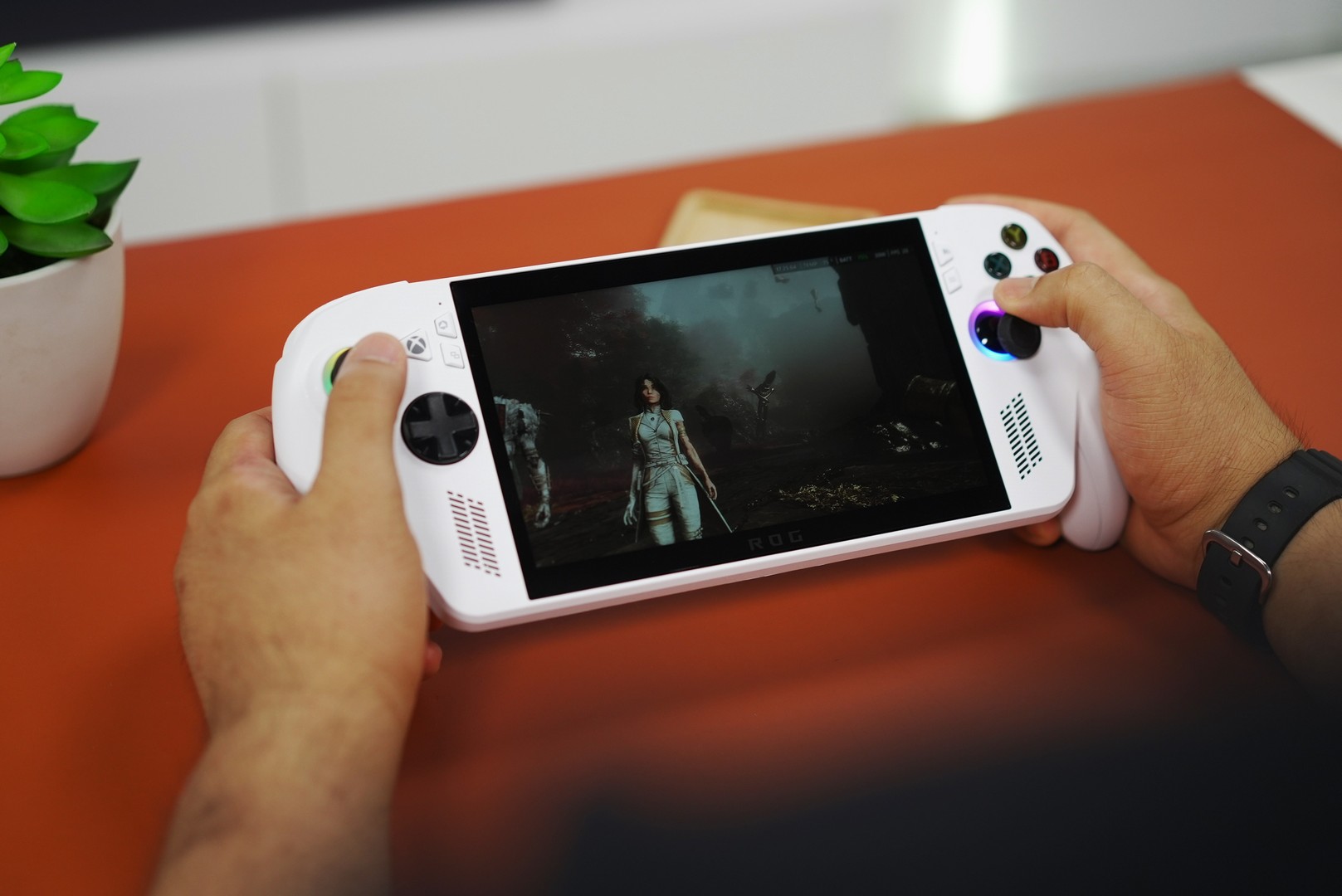
The most immediate change coming in 2026 is the expansion of the Xbox Full Screen Experience (FSE). Originally developed as a dedicated interface for handhelds like the ROG Xbox Ally, this controller-first dashboard is moving to the wider Windows 11 ecosystem.
- The Plan: Microsoft is bringing FSE to standard desktops, laptops, and 2-in-1s.
- The Goal: To provide a “console-like” home screen for all PC gamers, minimising distractions and background activity regardless of the device form factor.
- Availability: Currently in preview for Windows Insiders, a broader rollout is expected throughout the upcoming year.
AI Upscaling on AMD Hardware
One of the most significant technical updates slated for early 2026 involves Auto Super Resolution (Auto SR). While this OS-level AI upscaling feature debuted on Snapdragon X processors, Microsoft plans to expand its compatibility significantly.
- Early 2026 Launch: A public preview of Auto SR will arrive for the ROG Xbox Ally X.
- Technology: This update will employ the AMD Ryzen AI NPU to deliver sharper visuals and smoother framerates in DirectX games without requiring developer intervention.
The End of “Shader Stutter”
Building on the success of Advanced Shader Delivery (ASD) in 2025, Microsoft plans to aggressively expand this technology in the coming year. ASD preloads game shaders during installation to prevent the stuttering that often plagues the first few minutes of PC gameplay.
- Expansion Plans: Microsoft has begun early integration work to support additional hardware and storefronts beyond the Xbox app.
- Developer Tools: The Agility SDK will continue to be updated, giving more studios the tools to prepare precompiled shader bundles for their titles.
Performance Fundamentals & Neural Rendering
Beyond specific features, Microsoft committed to deep, system-level refinements for 2026. The team will continue to tune “performance fundamentals,” focusing on:
- Background Workload Management: Ensuring non-gaming tasks do not interrupt gameplay.
- Power & Scheduling: Optimising CPU frequency profiles for better battery life on mobile devices.
Looking further ahead, Microsoft is laying the foundation for Neural Rendering. The company is building infrastructure to integrate efficient machine learning models directly into the rendering pipeline, eventually enabling standard support for AI-based denoising, upscaling, and material enhancement across the platform.