TL;DR / At a Glance: Australia’s digital infrastructure giant, NEXTDC, has officially launched KL1 in Section 51A, Petaling Jaya. Backed by a massive RM2.8 billion (A$1 billion) investment, this 65MW facility stands as Peninsular Malaysia’s very first Uptime Institute Tier IV-certified data centre. Engineered explicitly to operate as an elite AI Factory, KL1 guarantees a native 100% uptime service level agreement (SLA) via complete fault-tolerant redundancy. While the facility bypasses local water pressure and residential power grids through closed-loop air cooling and dedicated high-voltage lines, nearby populations face distinct micro-environmental challenges, including low-frequency noise hums and a localised urban heat island effect.

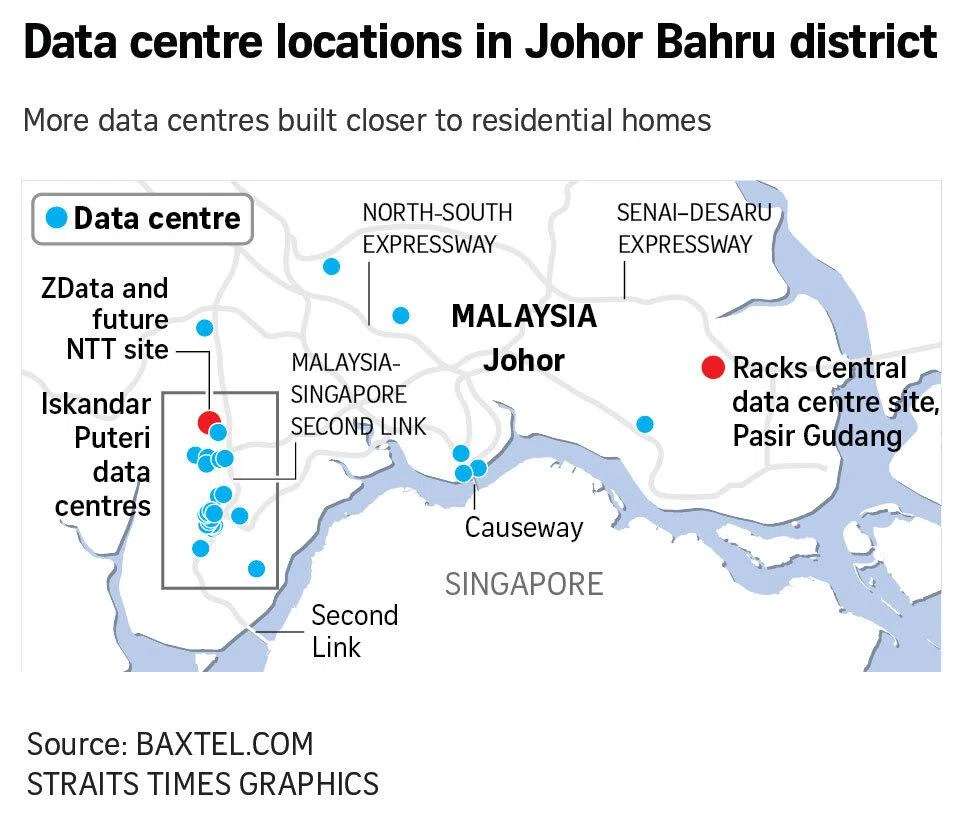
When we talk about Malaysia’s multi-billion-ringgit digital infrastructure boom, everyone instantly looks at Johor. The southern state has been hogging the limelight with massive industrial hyperscale builds. But while Johor is great for raw scale, it is geographically separated from the actual corporate headquarters, banking networks, and tech hubs that need immediate, low-latency processing power.
Well, the tech centre of gravity just shifted right back to Selangor.
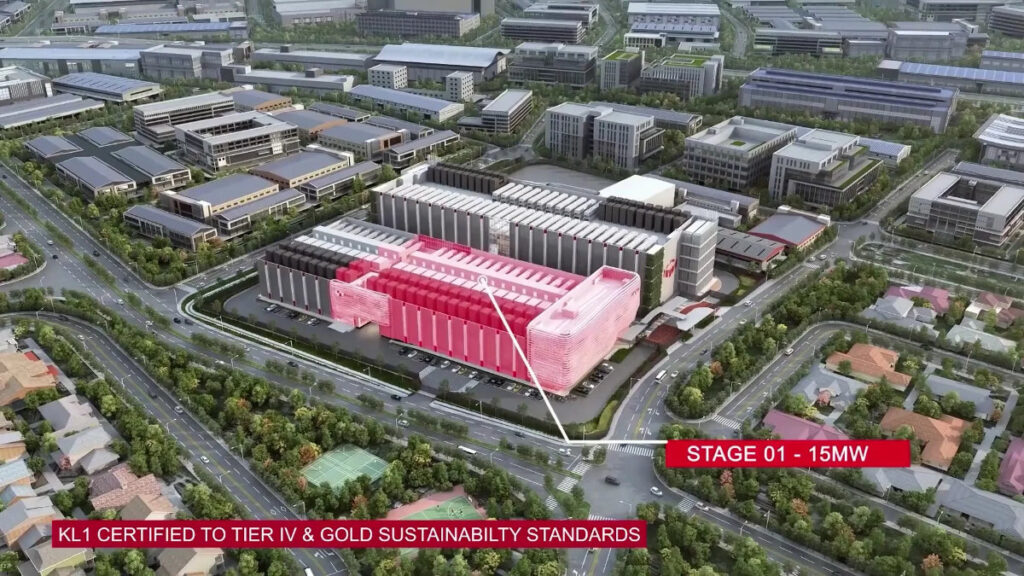
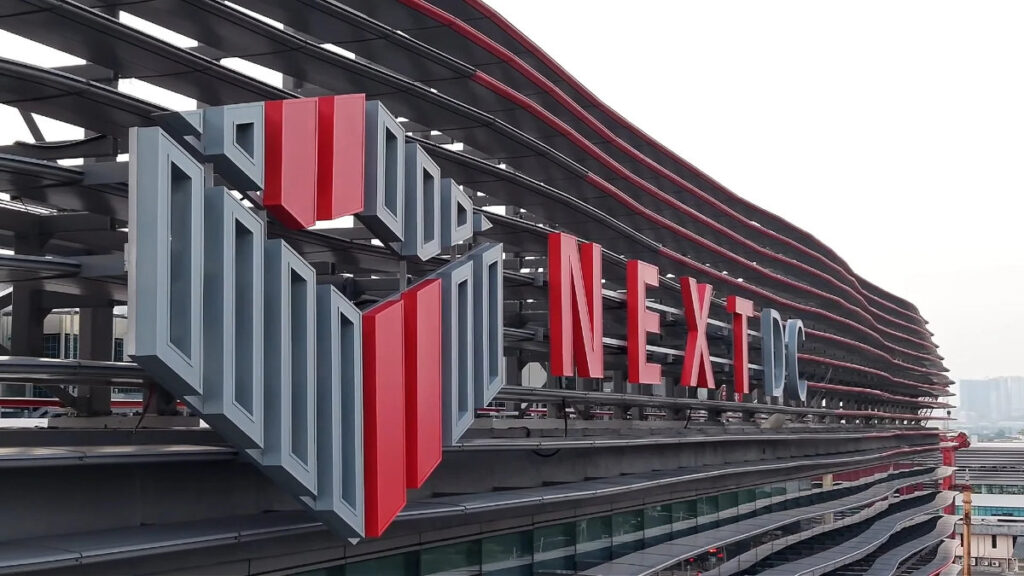
Australia’s data centre titan, NEXTDC, has officially pulled the trigger on KL1 in Section 51A, Petaling Jaya. This isn’t just another boring server farm hidden away in an industrial park; this is a massive RM2.8 billion (A$1 billion), 65MW powerhouse. More importantly, it is Peninsular Malaysia’s very first Uptime Institute Tier IV-certified facility.
From the launch stage, Digital Minister Gobind Singh Deo openly hailed the site as a cornerstone of our AI Nation 2030 ambitions. But before we get completely swept up in corporate sustainability brochures and political hype, let’s execute a strict reality check. Putting a massive, power-hungry industrial computing monolith directly into an established, mature suburb like PJ demands a serious deep dive into resource strains and local community anxieties.
Demystifying Tier IV: The 100% Uptime Reality
Most people hear tech specs like Tier III or Tier IV and their eyes glaze over. Let’s break down the real-world operational math behind this setup. Most local enterprises and cloud providers currently run out of Tier III facilities. Now, Tier III is highly reliable, but it still allows for roughly 1.6 hours of planned or unplanned downtime every single year. In the corporate banking or e-commerce world, 1.6 hours of a dead server can mean millions of ringgit out the window.
Tier IV is an entirely different level of engineering. It means the facility is 100% fault-tolerant. Every single power path, cooling line, backup generator, and network switch is completely duplicated across independent, autonomous structural architectures.
NEXTDC is backing this build with a native 100% uptime service level agreement (SLA). If a main utility transformer blows up or an entire cooling line goes offline, backup systems engage dynamically without a single millisecond of disruption to active computing racks. The annual downtime ceiling here is restricted to less than 26 minutes, giving local businesses absolute operational peace of mind.
The Infrastructure Check: Can PJ Actually Support This?
When a building draws 65 megawatts of power, the population has an absolute right to ask: Are our lights going to flicker? Is our household water pressure going to drop to zero? Let’s separate the marketing fluff from the actual engineering.
1. The Electricity Grid Strain
A 65MW maximum draw is roughly equivalent to powering tens of thousands of local residential homes simultaneously. If KL1 hooked into the standard municipal grid, Section 51A would face immediate, continuous blackouts.
To prevent this, the facility operates under Tenaga Nasional Berhad’s (TNB) Green Lane Pathway. This framework forces high-volume data centers to connect directly to high-voltage transmission lines via dedicated substations, completely isolating their heavy electricity draw from the localised distribution lines that power your home’s air conditioning and appliances. While Malaysia maintains a comfortable national power reserve margin of 28% to 36%, KL1 won’t be tapping into your neighbourhood’s immediate power supply.
2. The Water Supply Myth
Traditional data centers are notorious water hogs, utilising water-intensive evaporative cooling towers that can drain millions of litres of treated water per day. If deployed in PJ, it would completely cripple the local water ecosystem.
NEXTDC has sidestepped this entirely by outfitting KL1 with advanced closed-loop air-cooling systems and mechanical chillers. Because the liquid cooling agents remain permanently sealed inside closed loops, the facility requires zero continuous municipal water intake to top up evaporative loss. Backed by a large-scale rainwater harvesting infrastructure to handle secondary building requirements, the site successfully minimises its reliance on Air Selangor’s domestic pipes.
The Population Cost: Real Realities Around the Block
While your taps won’t run dry and your electricity remains safe, dropping an elite AI factory into Petaling Jaya introduces highly distinct, localised environmental footprints that nearby populations must actively monitor.
1. Noise Pollution (The Chiller Whine)
This is the single biggest immediate issue for the surrounding PJ population. Keeping thousands of high-density NVIDIA DGX server arrays from melting requires massive, industrial-grade external exhaust fans and chillers running 24/7/365.
If not insulated perfectly, these units emit a constant, low-frequency acoustic hum. While city traffic masks this during the day, that low-frequence hum can easily travel across neighborhood lines at night when ambient sound dies down. We’ve already seen visible community pushback in regions like Gelang Patah over noise (and dust) pollution from less-regulated sites. NEXTDC claims world-class sound attenuation, but local resident associations must keep their decibels meters ready.
2. The Micro “Heat Island” Effect
Basic physics dictates that 65MW of high-performance computing generates massive amounts of thermal energy. Because KL1 relies heavily on air-cooling loops, that intense heat has to be continuously vented out into the immediate atmosphere.
The facility essentially behaves like a giant, high-powered hairdryer. While this has zero impact on macro climate systems, it can trigger a micro-scale Urban Heat Island effect immediately around Section 51A. A study by Research Gate proves that the start of operations at an AI data centre triggers a distinct microclimate zone where the average Land Surface Temperature (LST) increases by 2ºC (specifically aggregating at an average of 2.07ºC). The ambient air temperature right outside the facility perimeter will likely feel noticeably warmer than the surrounding blocks, altering micro-local comfort levels. In fact, an average monthly LST increase of 1ºC can be measured up to 4.5 km away from the data centre.
3. Industrial Diesel Backups
To secure that unyielding Tier IV status, KL1 must be capable of surviving a total TNB grid failure. This requires housing massive banks of industrial diesel generators and thousands of litres of fuel on-site.
These generators must undergo routine monthly test fires to ensure operational readiness. During these testing windows, residents may notice brief periods of engine roars and minor exhaust emissions. The local population needs to ensure that the Petaling Jaya City Council (MBPJ) holds the operator strictly to environmental containment bylaws regarding fuel spill safety and exhaust filtration.
Technical Performance Matrix
Here is how NEXTDC KL1 stacks up against the current data infrastructure landscape in Malaysia:
Malaysia Data Centre Core Blueprint
| Core Engineering Metric | NEXTDC KL1 (Petaling Jaya) | Standard Regional Hubs (Johor/KL) |
| Uptime Tier Certification | Tier IV Certified (Fault-Tolerant) | Tier III Typical (Maintained Redundancy) |
| Uptime Guarantee (SLA) | 100% Absolute Uptime | 99.982% Typical Uptime |
| Grid Power Isolation | Dedicated High-Voltage Substation | Shared Industrial Grid Routing |
| Primary Cooling Mode | Closed-Loop Air / Rainwater Harvest | Evaporative Water Towers (High Drain) |
| Micro-Environmental Impact | Local Heat Venting / Low Acoustic Hum | High Water Intake / Remote Footprint |
| Primary Target Workflow | Sovereign AI, FinTech, Hyperscale Nodes | General Enterprise Colocation, Backups |
The Verdict: Keep a Watchful Eye on the Engine Room
The launch of NEXTDC KL1 is an undeniable sign of industrial maturation, transforming the Klang Valley from a consumer delivery lane into a high-grade manufacturing ecosystem for machine learning. For the Malaysian tech sector, it proves our regional digital infrastructure has caught up with international enterprise requirements without relying on external computing lines.
From an engineering perspective, NEXTDC has done a spectacular job utilising closed-loop cooling and isolated power routing to protect local municipal grids from collapsing. You do not need to worry about utility starvation. However, do not let corporate sustainability brochures make you complacent. As a local population, the immediate watchpoints are ambient noise tracking and ensuring that MBPJ holds the facility tightly to strict local zoning and acoustic bylaws so that the engine room of the new AI economy doesn’t ruin a quiet night’s sleep in Petaling Jaya.
Other Little Things
1. Cyberjaya KL2 is Next
NEXTDC isn’t stopping at Petaling Jaya. The company has already locked down a massive site in Cyberjaya to build KL2. This upcoming facility is planned to be an even larger hyperscale campus, scaling up to a massive 120W capability to complement the edge-focused, low-latency layout of the Petaling Jaya KL1 site.
2. The Direct Cloud Interconnect
Because KL1 acts as a primary landing zone for major global hyperscalers, local businesses colocating within the facility get access to direct, hardware-level cloud interconnects. This bypasses the public internet completely, allowing corporate networks to securely pipe data directly into AWS, Google Cloud, or Azure ecosystems at lightning speeds.
3. The Federal Task Force Expansion
The policy ripple effect from the KL1 launch stage happened almost instantly. During his launch speech, Selangor Menteri Besar Datuk Seri Amirudin Shari called for all state governments to be officially represented on Putrajaya’s federal Data Centre Task Force (DCTF) to better manage national resource planning. Digital Minister Gobind Singh Deo accepted the proposal on the spot, confirming the invitation is currently being processed.
Frequently Asked Questions
What is NEXTDC KL1 and where is it located?
NEXTDC KL1 is a premium hyperscale data centre developed via a RM2.8 billion investment, physically located in Section 51A, Petaling Jaya, Selangor. The facility outputs a total capacity of 65MW and stands as Peninsular Malaysia’s very first Uptime Institute Tier IV-certified data centre.
Will NEXTDC KL1 cause water shortages or lower water pressure in Petaling Jaya?
No. Traditional data centers use massive evaporative cooling towers that drain millions of litres of municipal water daily. KL1 sidesteps this by utilising closed-loop air-cooling mechanics and industrial chillers. Because the coolant remains sealed within internal pipe loops, it requires zero continuous municipal water draw, protecting Air Selangor’s local domestic water pressure.
Will the massive 65MW power draw cause residential electricity grids to fail?
It will not. Under TNB’s Green Lane Pathway, KL1 is forbidden from tapping into the localised distribution lines that power your neighborhood’s homes. Instead, the facility connects directly to high-voltage transmission lines via a dedicated, independent substation structure, completely insulating residential electricity lines from the data center’s massive AI workloads.
What environmental concerns should local PJ residents monitor regarding KL1?
The three immediate watchpoints for the surrounding population are noise, localised heat, and generator testing. The facility runs heavy industrial fans 24/7, which can emit a low-frequency acoustic hum at night if sound isolation degrades. Furthermore, venting 65MW of heat creates a minor micro-urban heat island effect directly outside the facility walls, and monthly routine testing of their backup diesel generators will generate temporary engine noise.
Why is the Petaling Jaya location important compared to data centres in Johor?
While Johor offers massive plots for raw space accumulation, its geographic distance introduces latency overhead for Klang Valley operations. By sitting natively in Petaling Jaya, KL1 optimises data transit via short local fiber loops. This brings ultra-low latency metrics for local financial tech hubs, banking institutions, and enterprise headquarters located in the capital region.
Citations & Source Links
- NEXTDC Official News: NEXTDC Goes Live With KL1 Kuala Lumpur
- NEXTDC Official News: Launching Strategic AI-Ready Data Centre in Southeast Asia
- Certified Strategic: NEXTDC KL1 Opens in Kuala Lumpur as Malaysia Expands Data Centre Task Force to All States
- BusinessToday: NEXTDC Launches RM2.8 Billion AI-Ready Data Centre In Kuala Lumpur
- Research Gate: The data heat island effect: quantifying the impact of AI data centers in a warming world