

Microsoft Unveils ‘Human-Centred’ AI Push with Copilot Fall Release
Microsoft recently announced its “Copilot Fall Release,” rolling out 12 new features designed to make its AI assistant more personal, collaborative, and deeply integrated into daily workflows. The update, detailed in a company blog post, signals a major push toward what Microsoft AI CEO Mustafa Suleyman calls “human-centred AI.”
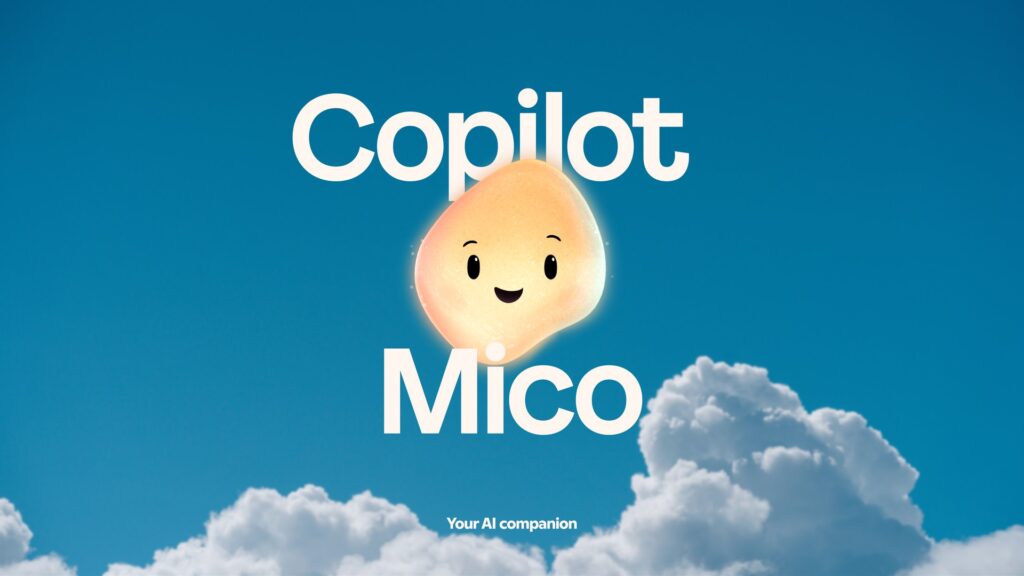
The release focuses heavily on making Microsoft’s AI assistant a more personal and context-aware companion. Key features include:
- Long-Term Memory: Copilot can now remember important personal information and preferences, such as “I’m training for a marathon,” and reference past conversations to pick up where users left off.
- Mico Character: An optional, expressive visual character named Mico has been introduced to make voice conversations feel more natural and engaging.
- Connectors: Copilot can now link to third-party services like Gmail, Google Drive, and Google Calendar, allowing users to search for documents, emails, and events across their personal accounts.
- Proactive Actions: A new preview feature anticipates needs, surfacing timely insights and suggesting next steps based on a user’s recent activity.
A significant theme of the update is making AI a social and collaborative tool, not an isolating one. A new feature called Groups turns the AI assistant into a shared experience, allowing up to 32 people to brainstorm, plan, and study together. In these shared chats, it can summarise threads, propose options, and split tasks.

The AI assistant is also being woven more deeply into Microsoft’s core products. Copilot Mode in Edge is evolving into an “AI browser” that can reason across open tabs, summarise and compare information, and take actions like booking a hotel. On the desktop, Copilot on Windows now features a “Hey Copilot” wake word and a new “Copilot home” to help users resume recent tasks and files.

Other notable additions include Copilot for health, which grounds health-related answers in credible sources like Harvard Health, and Learn Live, a voice-enabled “Socratic tutor” that guides students through concepts.
The new features are live now in the United States and are rolling out to the UK, Canada, and other markets over the next few weeks. Currently, there’s no word on when these features will be released in Malaysia or other markets.