
TL;DR / At A Glance:
The POCO X8 Pro Max is arguably the best mid-range smartphone in Malaysia under RM2,000, retailing at RM1,999 for the 512GB variant. Powered by the MediaTek Dimensity 9500s processor, it delivers near-flagship performance, excellent gaming capabilities, and an unprecedented 8,500mAh battery offering over 2.5 days of endurance with 100W fast charging. While it boasts a gorgeous 6.8-inch AMOLED display and solid IP68/IP69 protection, users must compromise on a heavy 218g build, average video stabilization capped at 1080p for the ultra-wide lens, and the lack of wireless charging.

At the end of my “Best Phones Under RM2,000” review, I called this phone, the POCO X8 Pro Max, the clear winner, and your comments went off asking for a full review of this phone. So, here we are. One phone, full breakdown, no fluff, just the truth.
Watch first and buy smart!
Design
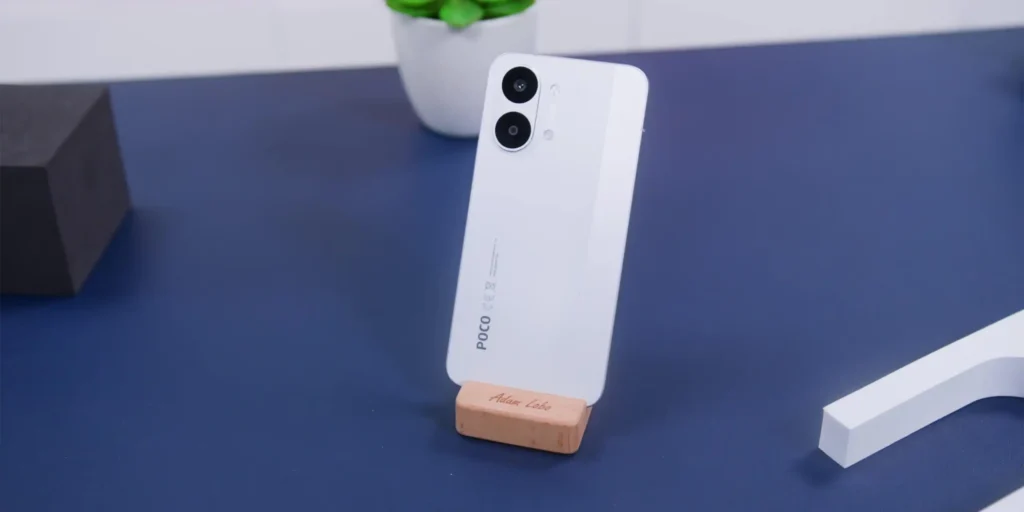
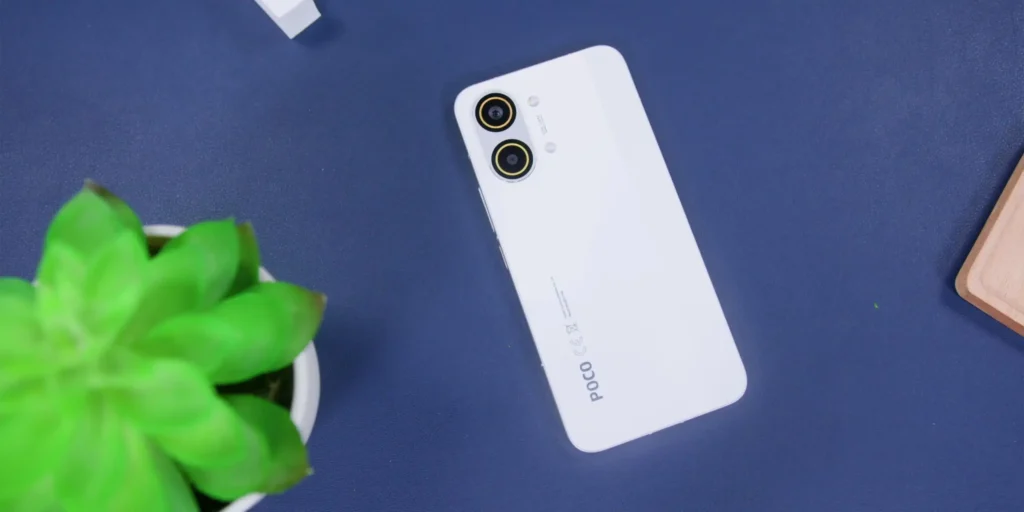
Let’s start with what it looks and feels like because at first glance, guess what it reminds me of or might remind you of? Remember the legendary POCO F3? Yes, it does give you those vibes, right? And you have three color options which are Black, White, and Blue.
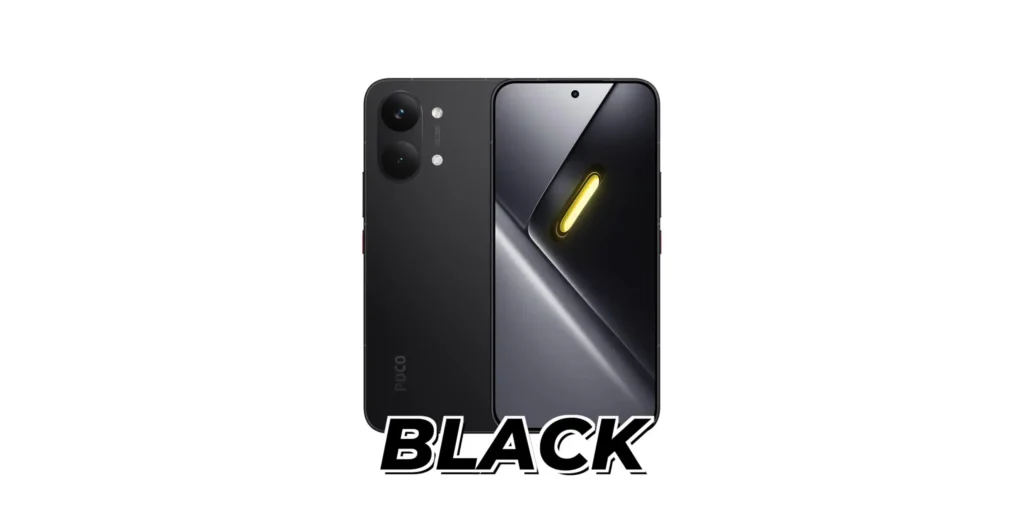
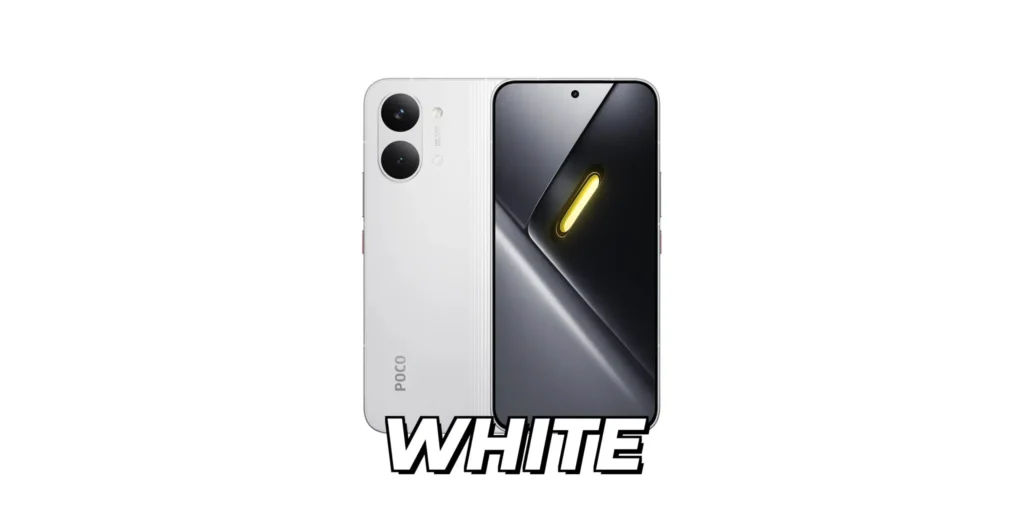
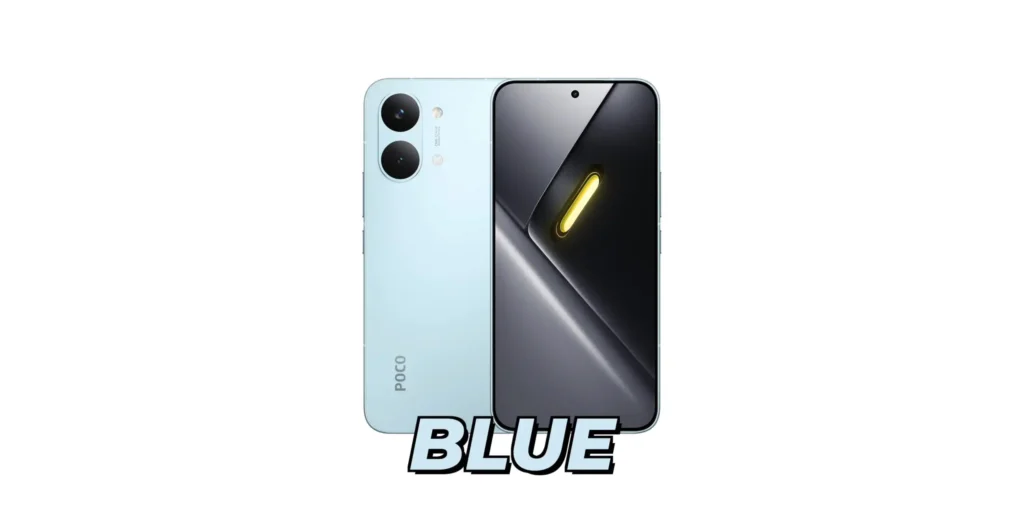
As usual, I have in White because you know me, I love how white color smartphones are, and I also love how premium that this looks. Definitely does not look like a typical RM1,999 phone. There’s also a subtle two-tone finish at the back and also vertical lines running along one side. Then there’s also a matte finish on the frame and also at the back as well, which means there’ll be no fingerprint magnet situation. But when you pick this up, it just feels very solid.
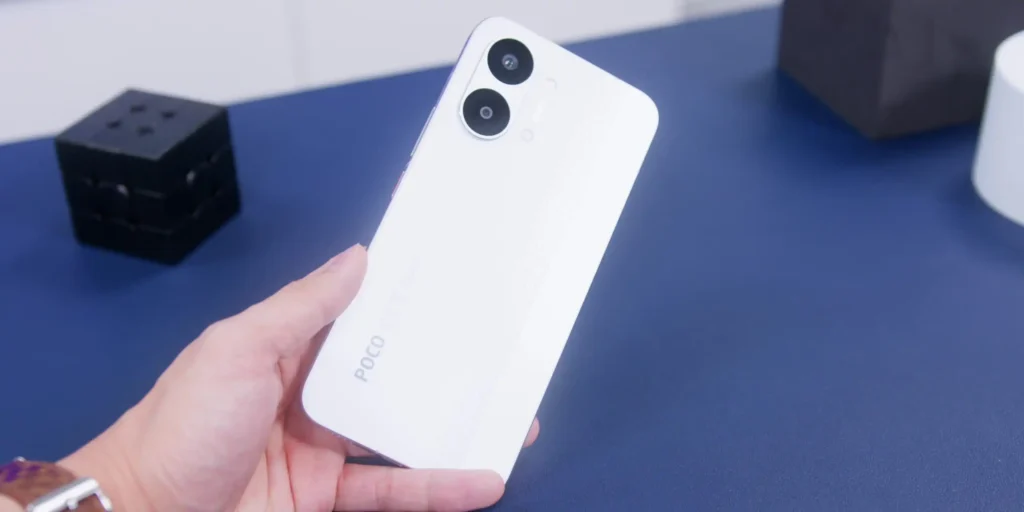
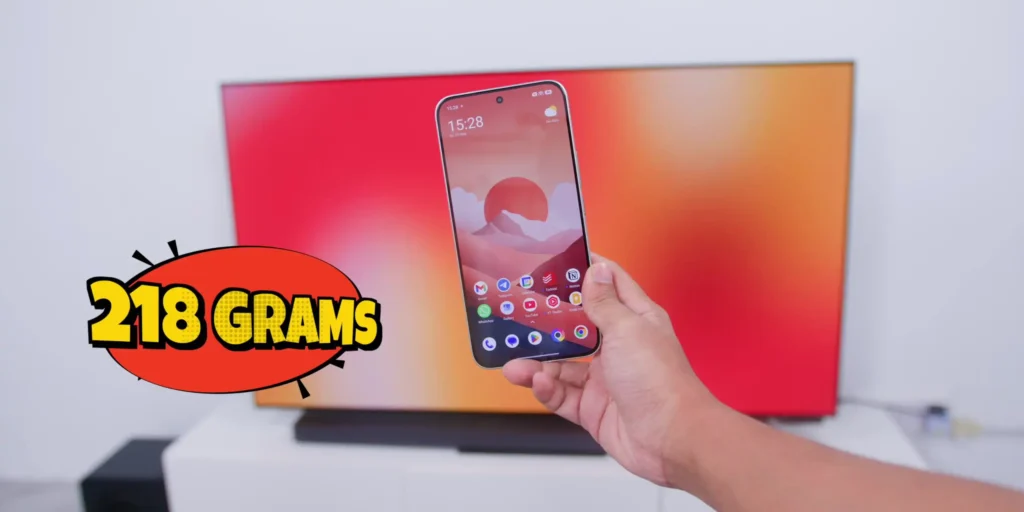
But the elephant in the room or for this case the “white elephant” is the fact that this is at 218 grams. So this phone is quite heavy, which is heavier than Arne Slot’s ego of managing Liverpool Football Club. So yeah, if you love phones that are lighter. So you need to keep that in mind. But the trade-off is that you actually get a fiberglass back and a Corning Gorilla Glass 7i up front.
But the star of the show is this, the camera lenses. Not exactly the cameras. But what happens inside. Because there are RGB light rings surrounding the camera lenses, which POCO calls it the Back light effects where you can find this in the additional settings under the Settings menu.
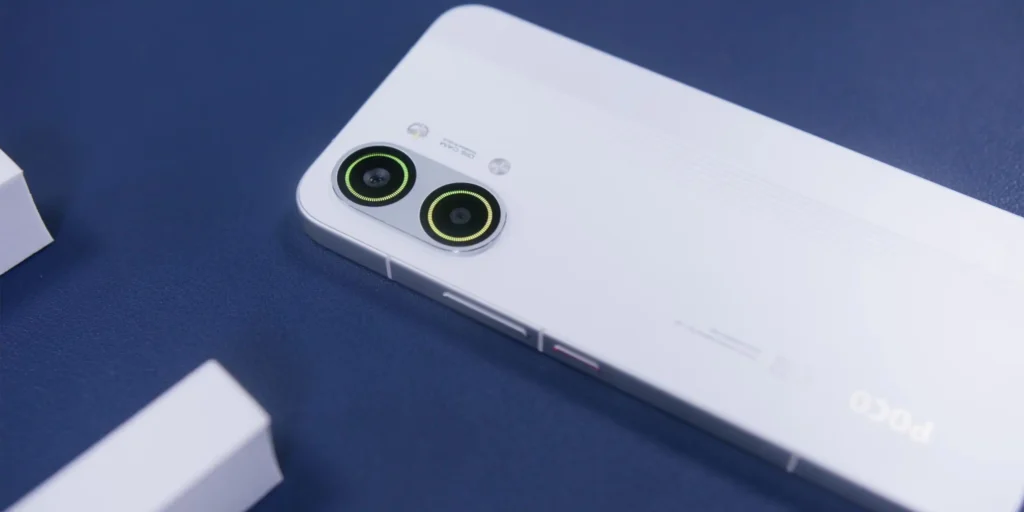
So after you turn this on, there are several effects as POCO calls it where you can turn it on for all of your incoming calls or for specific or favorite contacts. Perfect when you have your phone face down, so you’ll know exactly who is calling. Or you can even configure this when music is playing for say apps like the Mi Music or the overpriced Spotify or Apple Music and YouTube Music as well.
There are also dedicated lighting effects for games like PUBG Mobile and Call of Duty once you have that installed. So yes, that would come in handy if you’re feeling extra fancy when playing games.
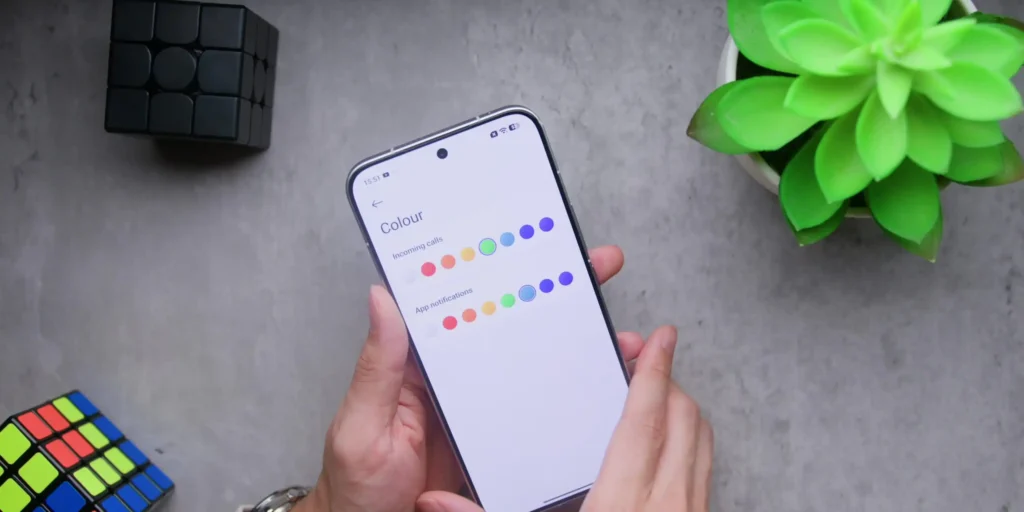
But other than that, you can also set it to turn on for notification or specific apps or even turn it on as a camera status indicator. And then you can also adjust specific colors and control the brightness level over there too.
So yeah, it’s like another version of the Nothing’s Glyph Interface, but a very interesting iteration of that.
Then there’s also IP68 and IP69. And yes, for a phone that is RM1,999, it’s quite a spec to put it in here. So, it does survive being dunked underwater and high pressure water jets as well.
Display
The display is a 6.8-inch AMOLED 120Hz refresh rate screen with 3,500 nits of peak brightness and 2,000 nits of typical brightness value. And when I was using this daily, it was gorgeous with deep blacks, crisp highlights with 12-bit color depth.
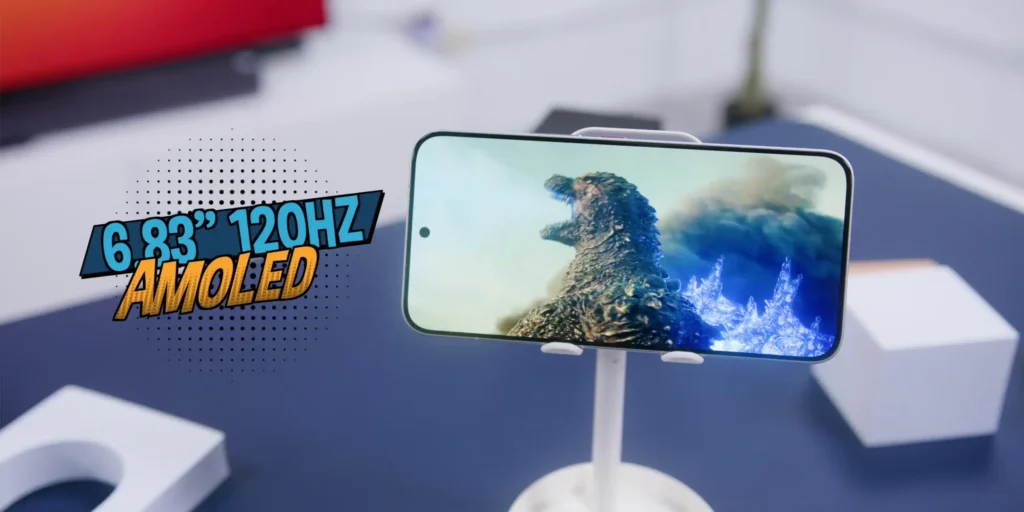
There’s also Dolby Vision support when you’re watching on Netflix or any other video streaming platforms that have Dolby Vision. And in Malaysian sunlight or a bright studio like here, the screen holds perfectly.
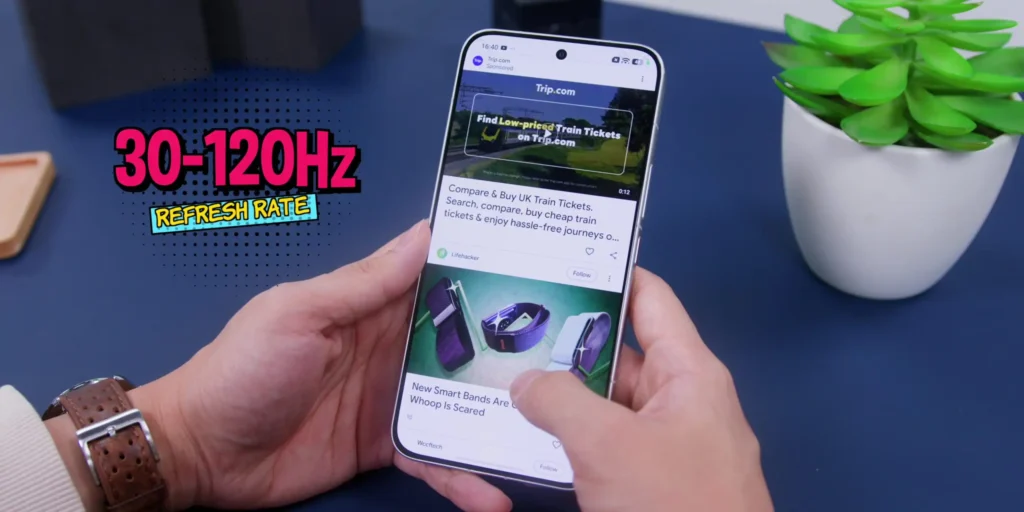
But there are a couple things to note. First, this is not an LTPO display. So, the refresh rate only adjusts between 30 to 120Hz, not all the way down to 1Hz like some flagships.
And the Always-On Display, it actually fades out after 10 seconds. Like, what’s the point you call it an Always-On Display if this is going to be fading out after 10 seconds?
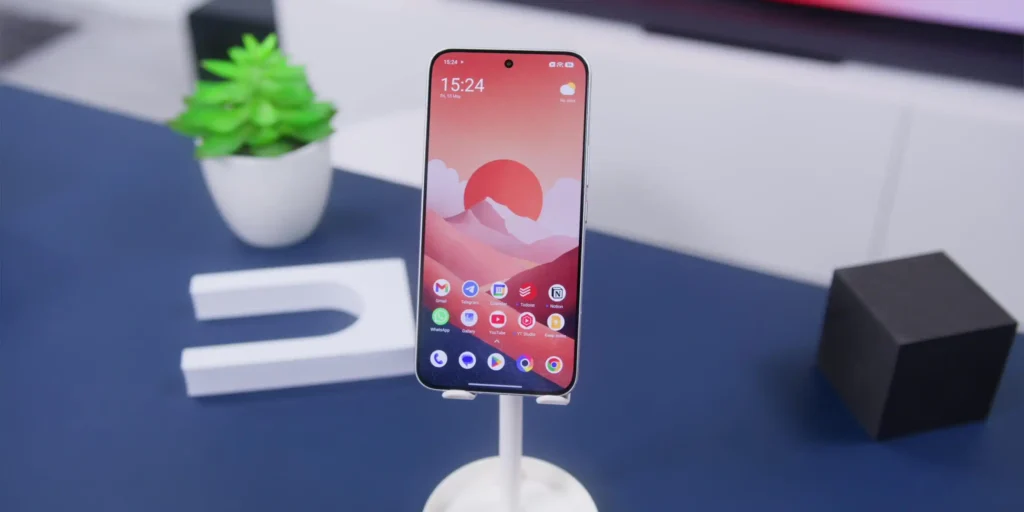
But yes, the display itself is absolutely great with no complaints other than the Always-On Display situation.
Performance
But the performance is where the POCO X8 Pro Max really starts showing off because you get the MediaTek Dimensity 9500s, which is a 3nm chip, which is near flagship silicon chip.
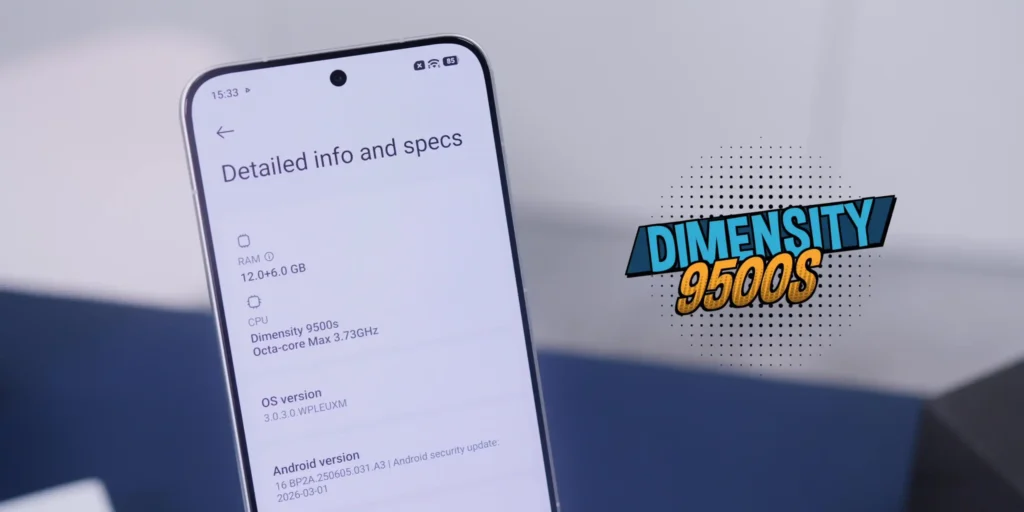
Just to put that into perspective, this is the same chipset as last year’s Dimensity 9400+ which has the same cores and the same clock speeds but the only difference is there’s the new ISP and a new cellular modem as well. So, you can think of this as the 9400++ and paired with the LPDDR5X RAM and UFS 4.1 storage.
When it comes to using this daily, it was very buttery smooth, but all of that only makes “POCO sense” if the gaming was good, right? Well, I did throw some of the most demanding titles when it comes to gaming on this phone.
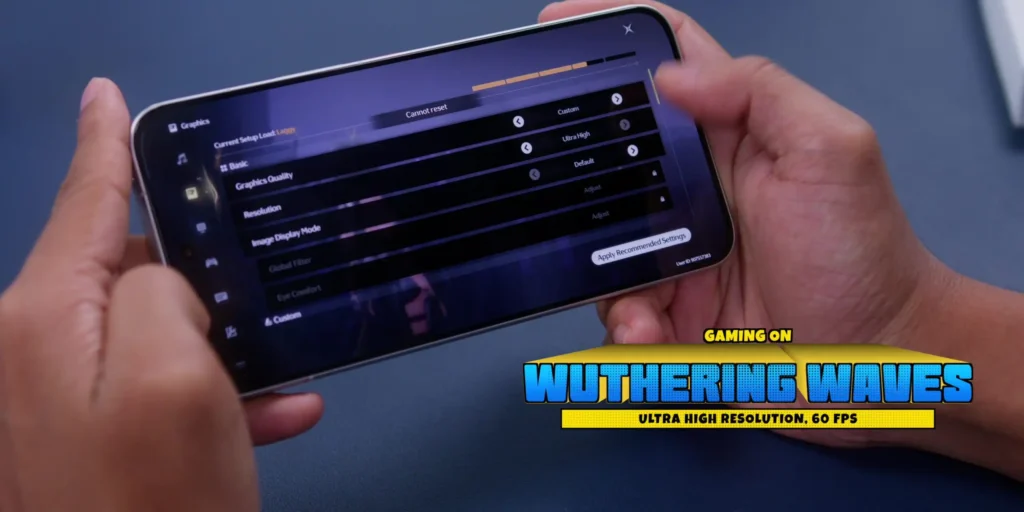
Starting at Wuthering Waves, it was great at maxed out graphics where it held at 60 fps almost the entire session.
Then as for COD Mobile, it was solid at 120 fps on very high graphics settings with super resolution turned on which was really madness.

And then Genshin Impact was best played on this particular setting shown over here.
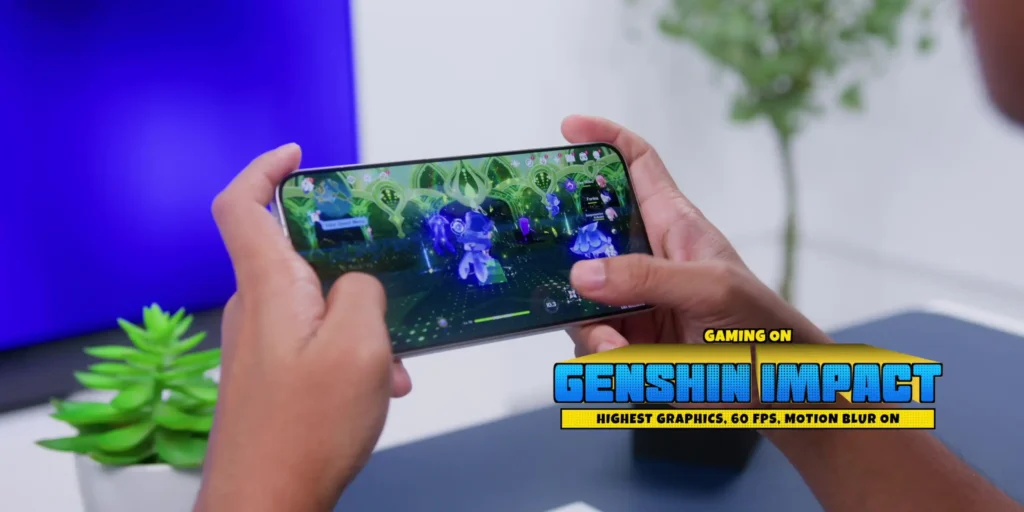
And the claimed 3D Ice Loop cooling system does its job too where the phone did get a tiny bit warm towards the camera bump area, but only if you go for really heavy gaming. But it has never throttled the game and never too uncomfortable to hold when it comes to gaming for a long period of time.
But one thing to note for gamers though is the fact that the frame interpolation feature only works on supported titles. So there’ll be 60 fps cap games like Wuthering Waves that will stay at 60 fps which won’t double to 120 fps.
And also worth mentioning is the fact that this does not have bypass charging while gaming, which is not a great thing for gamers because remember the vivo V70 FE I reviewed? Which goes under the same category, which is actually even cheaper than this, actually has bypass charging, which is not a dedicated gaming smartphone. So other than that, the performance on this phone is surely flagship tier in all except for the name.
Software
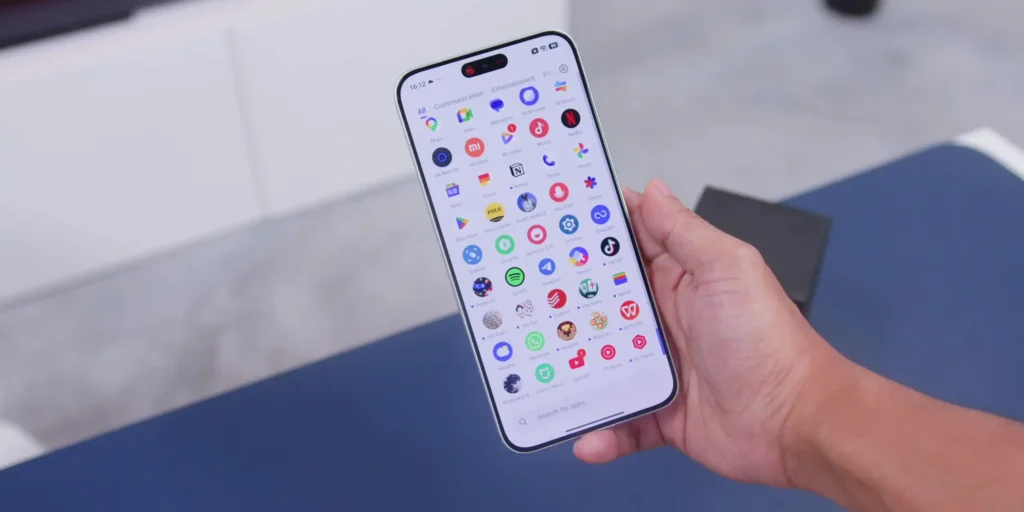
When it comes to the software, the POCO X8 Pro Max ships with HyperOS 3 on Android 16. It is Xiaomi software and look, I’m going to be honest with you. It is functional. It’s clean “enough” and it looks good, but very busy.

Out of the box, it comes loaded with pre-installed apps that you didn’t ask for. Like, who asked for this? Random games, shopping apps, and other weird apps that you probably never ever heard before. So, you might be spending at least 10 minutes just trying to set it up for the very first time, just uninstalling all of those apps that you don’t need. But after that, it runs very well.
Then there’s also a dedicated Game Turbo mode with a range of useful tools as well.
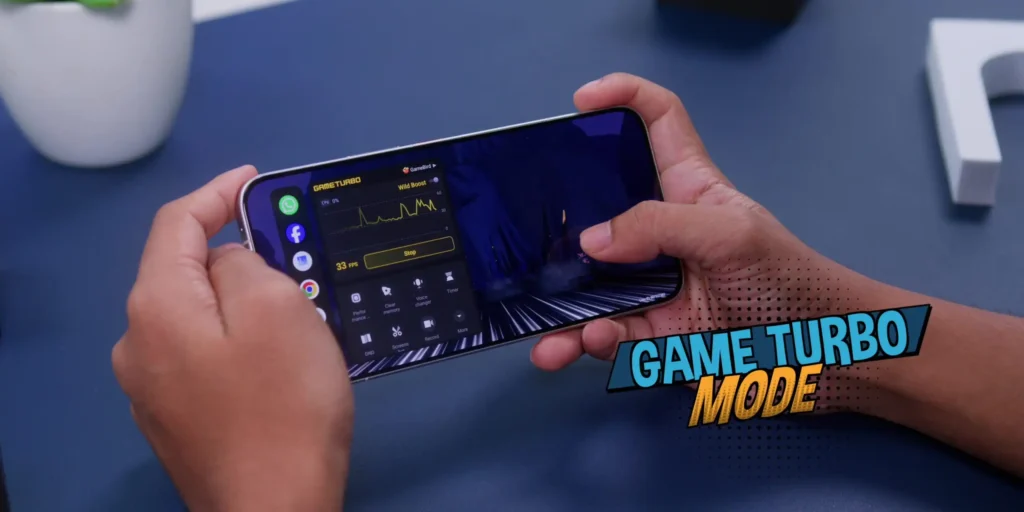
It also has a 480Hz touch sampling rate, NFC, eSIM support, IR blaster, Wi-Fi 7 and Bluetooth version 6.
eSIM support is definitely worth mentioning because this is actually a very good feature and on this phone especially for a phone within this particular price point. So that is a great addition especially if you travel a lot.
Then storage starts at 256 GB of storage, which is very generous, and it will also be cheaper at RM1,799, but you can step up to 512 GB to reach the RM1,999 mark. Compare that to what certain companies charge for double the storage. You will feel very good about your life choices when you use this phone.
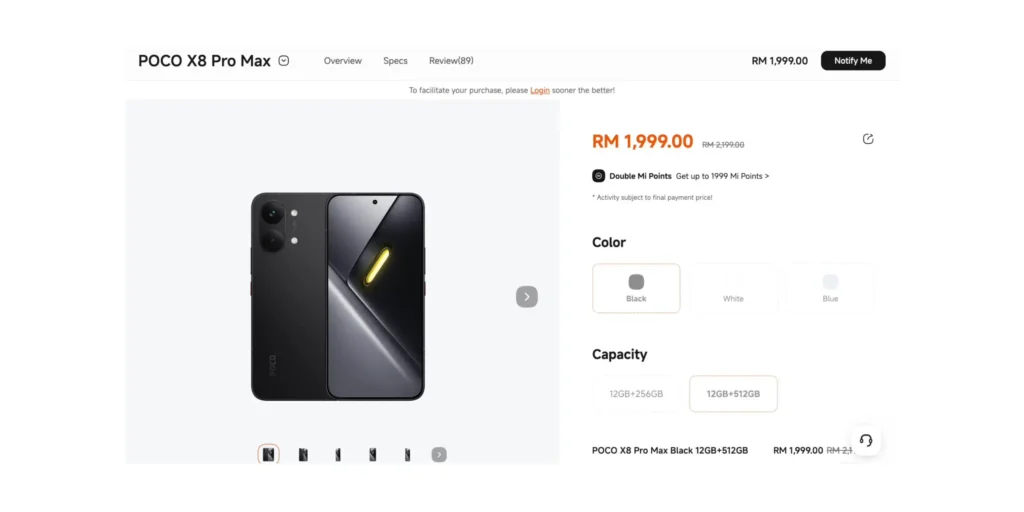
Then, when it comes to the software updates, POCO has confirmed 4 years of major Android updates and 6 years of security patches. Now, that is solid. not Samsung Galaxy A series solid, but it is still pretty good.
Camera
When it comes to cameras, here’s the thing. When I first reviewed this phone alongside with the other cameras on here, it was just meh. But after a recent software update, there were a lot of improvements on it, especially the ultra wide lenses. However, that does not mean there’s no weaknesses on the phone’s camera, which I’ll tell you soon when I go through the camera samples on the photos and videos as well.
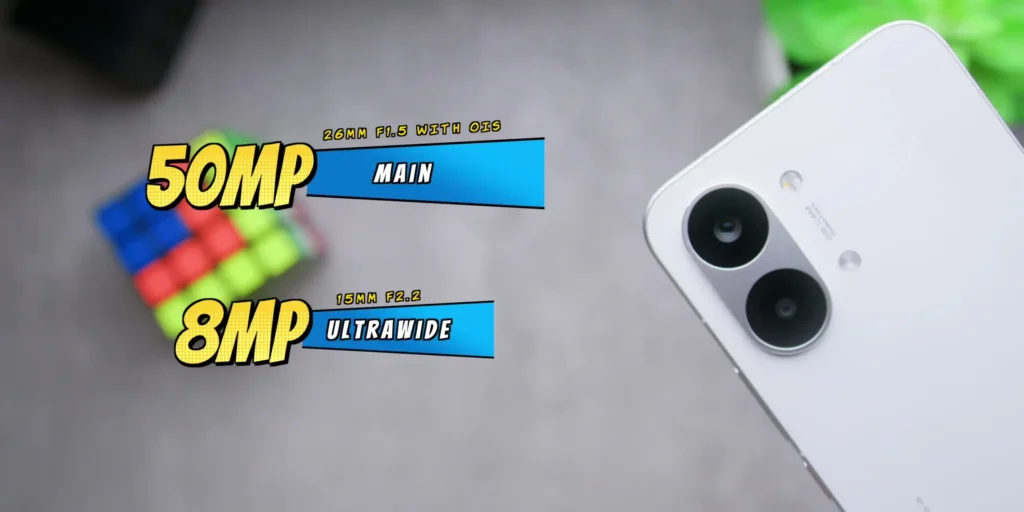

But before that, let’s recap on the specs.
- A 50MP 26mm main sensor with OIS with an f/1.5 aperture
- An 8MP f/2.2 15mm ultra wide at the back, and;
- A 20MP f/2.2 selfie camera.
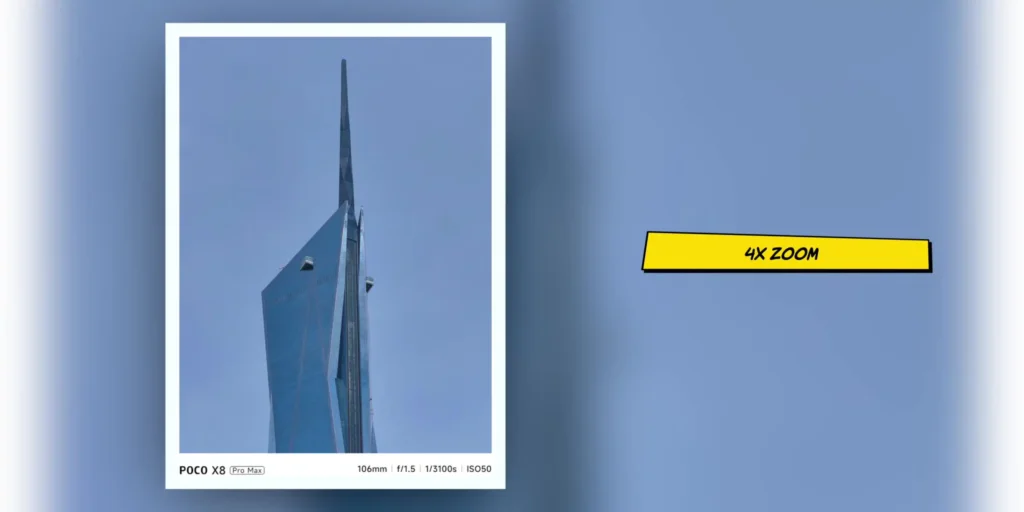
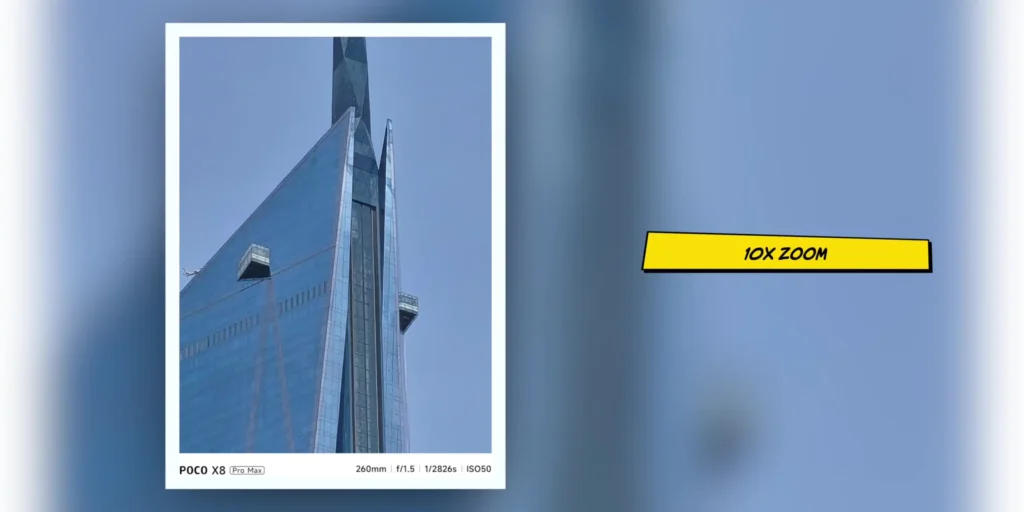
So yes, there are no telephoto lenses over here. That means that if you’re zooming anything beyond 1x, it is done digitally.
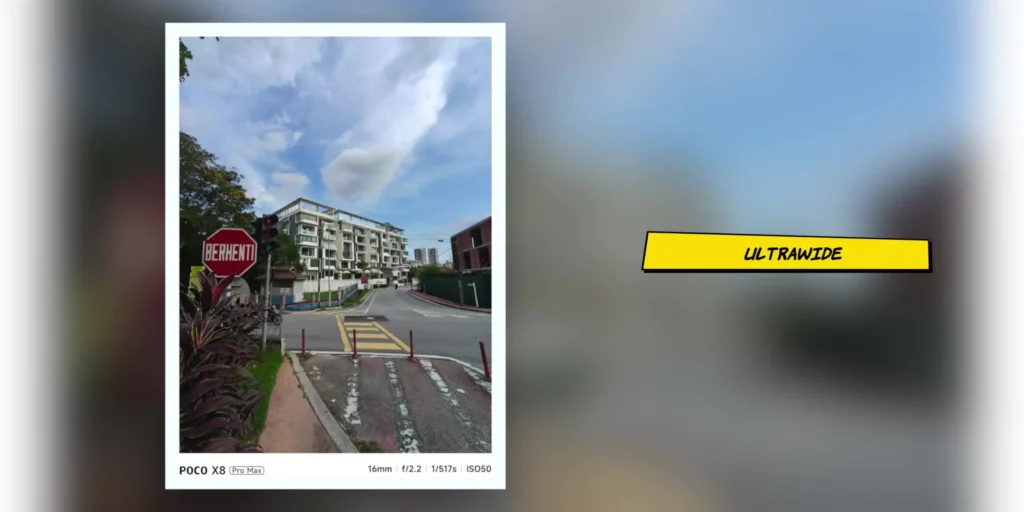
Starting from the daytime shots as seen in these ultra wide photos, the images did look nice with great dynamic range with no barrel distortion, even at the 16mm focal length.


The main camera was obviously the best. Colors are natural and not oversaturated, unlike some brands that make every photo look like a screen saver that you put at the back of your computer.

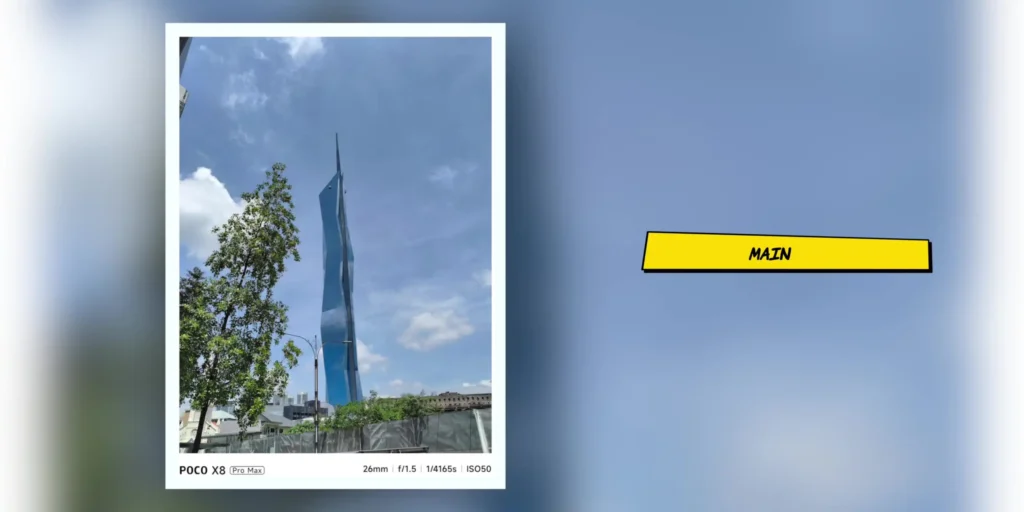
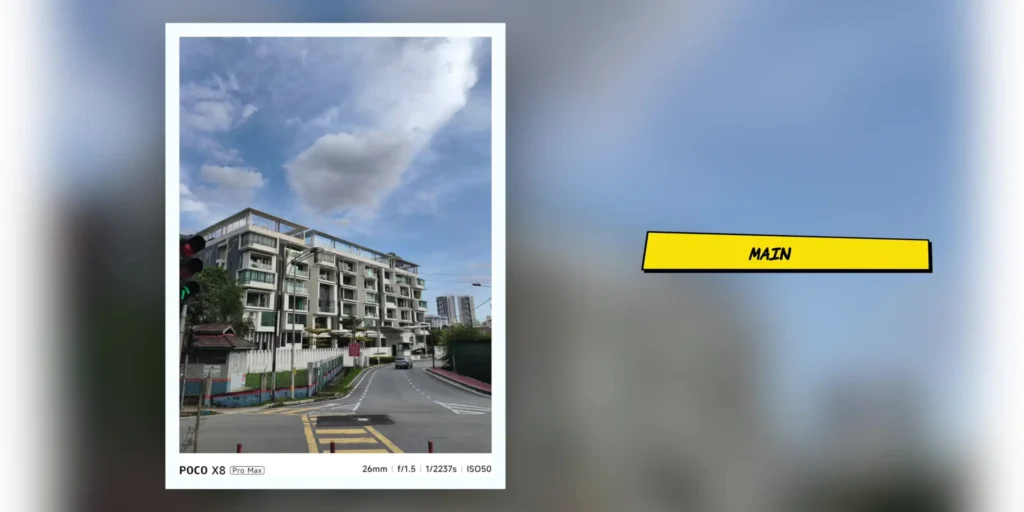
But the 2x digital zoom was so much better than I even expected because the colors and the overall noise levels were not visible at all.
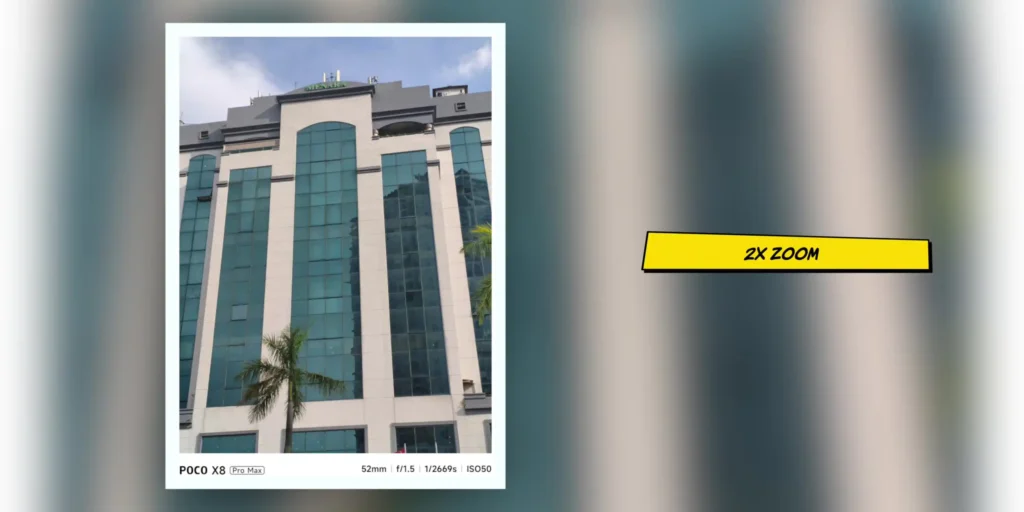

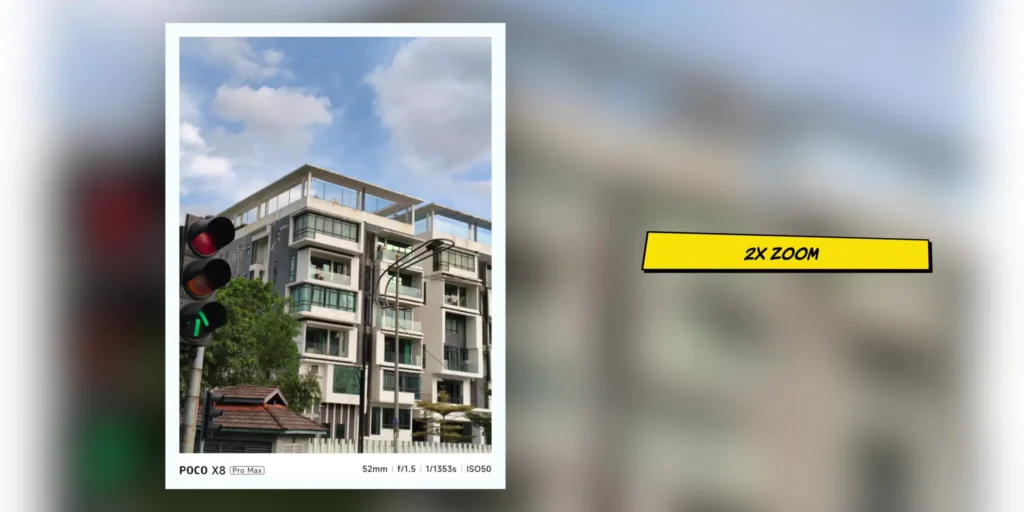
However, when you start going upwards from 4x zoom, here’s where you can see the degrade on the overall quality where the max zoom is at 10x zoom.

Then the rear portrait mode had 1x mode at 26mm, which did look great because the main lenses were used over here. Even though there was a photo bomber at the side next to Gwen, but it still managed to capture the subject to background blur of that particular fella.



Once again the surprise came in the form of the 2x portrait mode which is a 52mm focal length which did do well from a quality and the edge detection perspective as seen at Gwen’s ponytail and the edges of Jeevan’s hair.



The previous generation selfie photos on the POCO X series were not as great as the F series. But the good news is that it looked great over here even in different lighting situations.


Nighttime
However, when it comes to taking photos at night, I honestly expected that the ultra wide lenses to really look bad like how it was before this. But the good news is that it didn’t at all because the highlights, especially the darker areas of the photo, were very well maintained.



But of course the main lenses for the night shots also performed very well as expected. So it was for the 2x mode.





But the real surprise was the 4x zoom, and I would say that even at 5x zoom as well but don’t get your hopes high when it comes to the 10x mode because it was not good during the day. So obviously at night it’s not going to look very good as well.



Portrait mode at night was also really good too, not only when it comes to the human portrait mode, but also when it comes to taking photos of objects as well.




Then the selfie photos at night are where you need to be a little more aware of where the light source is and only then you’ll get some decent shots out of it.


Video Recording
[Check out the sample video footage on my YouTube video]
At this point in time, you might be asking, “But Adam, what are the areas that the camera is not as good as you claim?” Well, you guessed it. It’s the video performance because firstly, the rear ultra wide camera records only up to 1080p and the quality was: “Okay la, bro.” But of course, you’ll get better quality on the main lens since it can record up to 4K up to 60 fps.


Then the 2x 4K quality was obviously not as good as the main lens since it is cropped digitally as mentioned earlier. So while the 2x zoom photos were great, but not so much on the video quality.

When it comes to stabilization though, the ultra wide 1080p was good. The 4K main lens had this tiny jerk occasionally in the footage and that jerking feature or a jerking motion was more prominent at 2x stabilization. And for the life of me, please do not use the 5x stabilization on this 1080p…
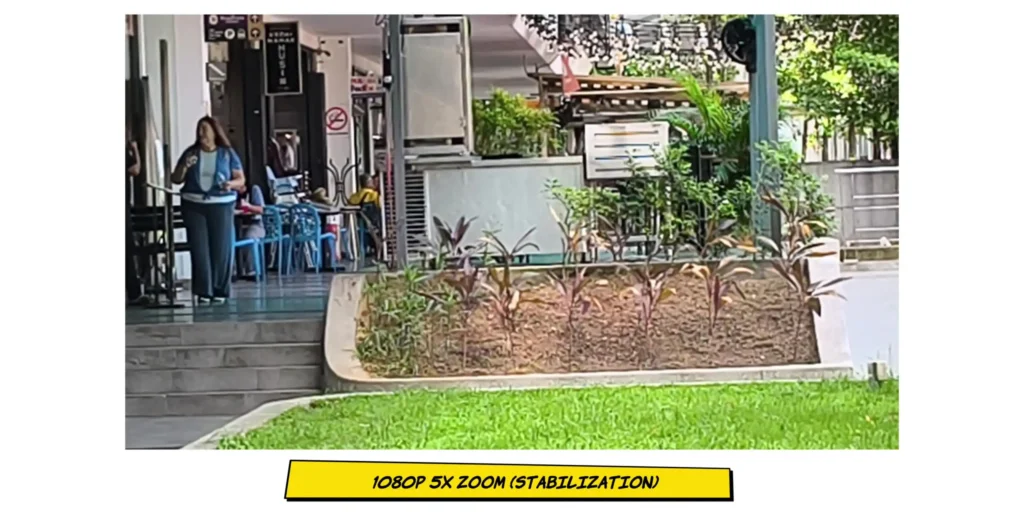
Then the front video quality was just okay because it records up to 1080p. And if you know me, you know what I think of smartphones that cannot record 4K selfie video, right? But the stabilization was pretty decent.

Then the story was the same at night when it comes to the ultra wide lenses, which was decent. And the real winner here was of course the main lens at 4K recording. And so it was for the 2x mode at 4K.


This time around the ultra wide lenses did have some jitters because the overall footage was also even darker compared to the 4K footage overall. The 4K stabilization jitters were seen even more prominently and even so for the 4K 2x mode as well.
And you’ll see some level of noise for the front video footage at night where it didn’t handle the stabilization very well at night too.

So the bottom line on the cameras is this. If you shoot a lot in good lighting for photos and videos and you don’t zoom much, you’ll be very happy. But if camera performance is your number one priority, look at the vivo V70 FE at RM1,599 onwards instead because that 200MP sensor with OIS will make this camera cry in a corner.
Sound
As for audio, it has Dolby Atmos with dual stereo speakers. As a person who loves and appreciates audio speakers, I’m going to be honest with you and say that the audio on here was not good at all.
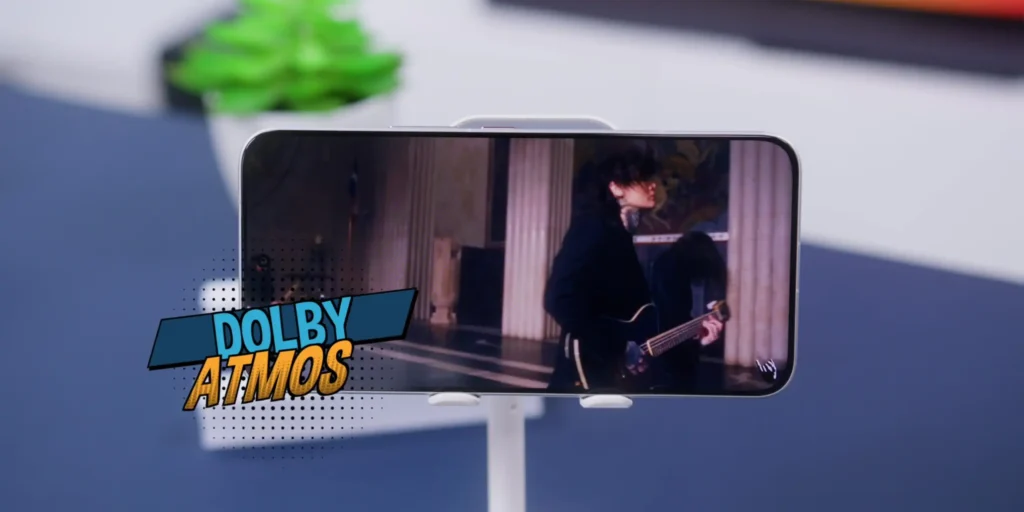
Now, I’m not saying that because I’m comparing this with the POCO F8 Ultra with the nice woofer and all because the speakers over here sounded a bit hollow whether or not you’re watching movies or even just watching a podcast. It is definitely something that I’ve heard better on other smartphones within this price range.
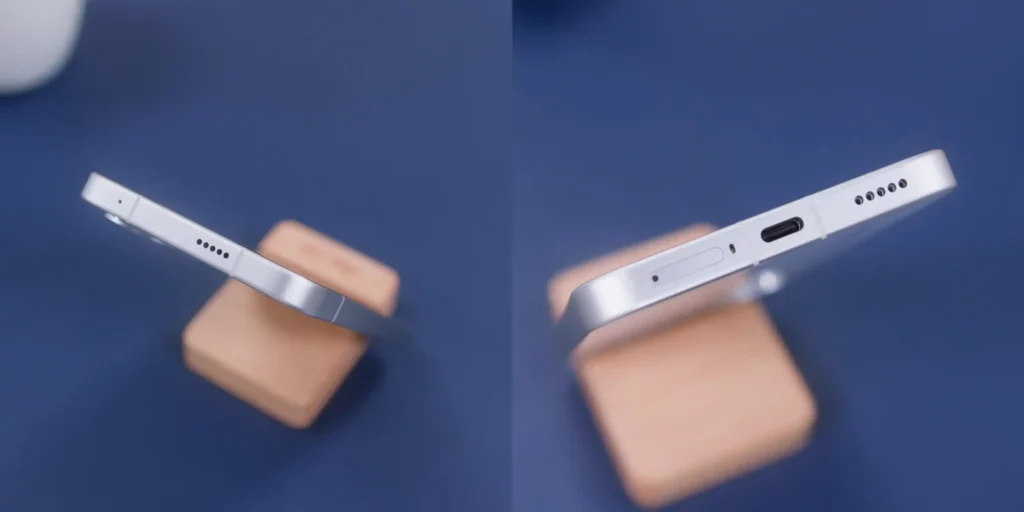
But the good news is there is Bluetooth 6 as mentioned earlier for wireless audio. So, yes, here’s another area that you would consider getting the POCO X8 Pro Max if you want to get a very good audio speaker on your phone.
Battery
Battery is of course one of these sections that you are definitely waiting for because a massive 8,500 mAh of battery is in here. Yes, I’m going to say that again. 8,500 mAh of battery.
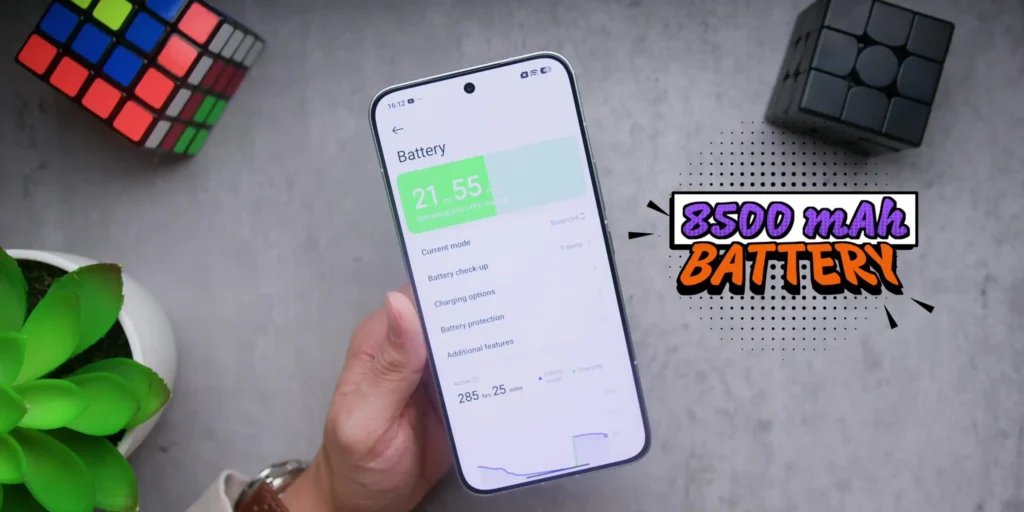
For context, most flagships that cost between RM4,000 to RM5,000 only push around 5,000 to 5,500 mAh. Even a Nothing Phone (4a) from my earlier video within the same price bracket, the global variant has only 5,080 mAh. And even the vivo V70 FE has an impressive 7,000 mAh of battery gets left in the dust over here.
So, how is it when it comes to using this phone every single day? Well, always 2 and 1/2 days on a single charge with mixed use of gaming sessions, scrolling, watching videos, and you know, just using the phone daily.
It handled all of that and even asked for more where even on a pure screen on battery drain test, it is over 16 hours of screen on time, which is really madness. So yeah, it’s basically a power bank that is also making phone calls.
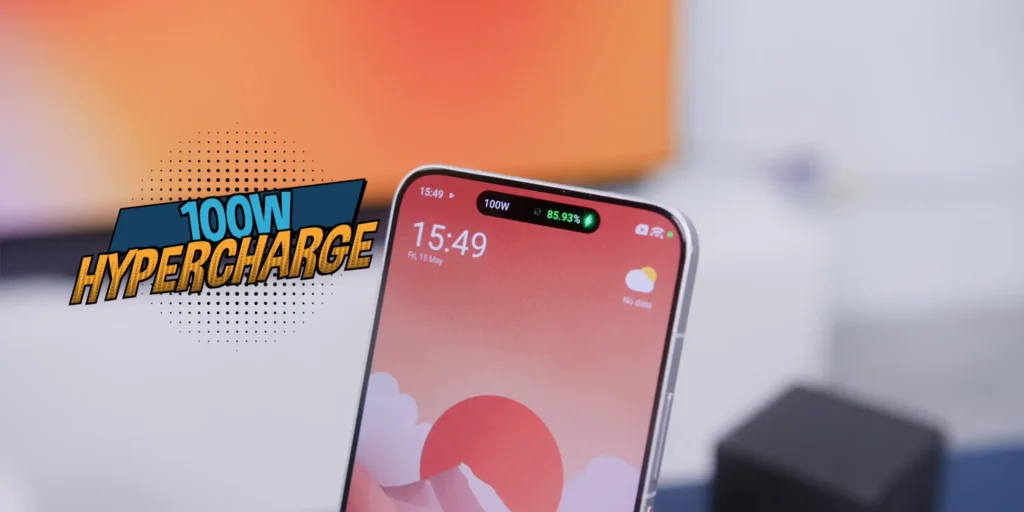
Charging is at 100W, which does make sense because filling up 8,500 mAh of battery without fast charging is like you’re going to put this charge up until the next Hari Raya. And there’s also 27W of reverse wired charging, too.
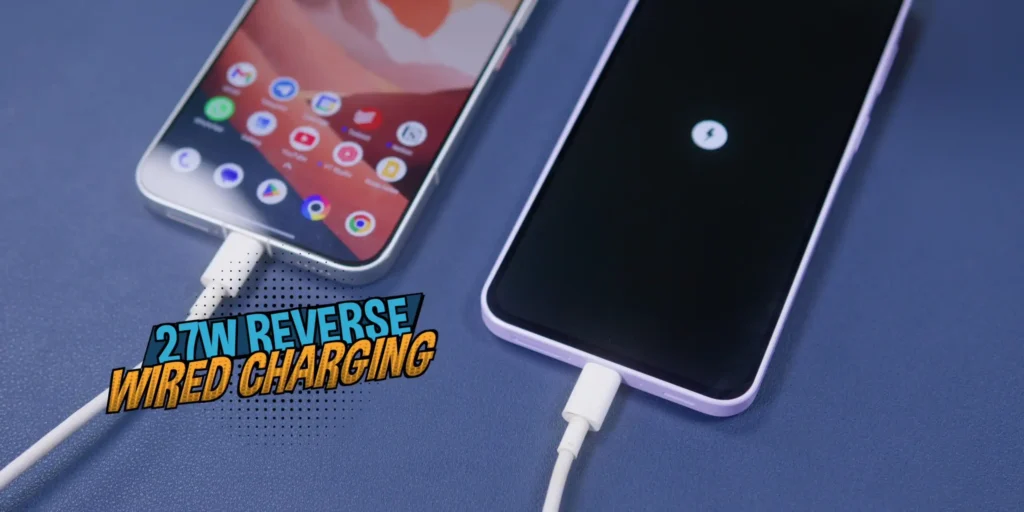
So if your friend’s phone is dying at a 3% drama mode, you can actually plug this into your POCO or plug their phone into the POCO and save the day.
But there’s one miss though – no wireless charging, but at RM1,999, that is very understandable. So, that is one of the few areas where other phones that cost a little more have the edge.
Verdict
So, should you buy the POCO X8 Pro Max? Well, if you want a near flagship performance at exactly RM1,999, then the answer is obviously yes.
The Dimensity 9500s chip is no joke, the display is gorgeous, the battery is really insane, and the IP68 and IP69 protection is really great. It also has eSIM, Wi-Fi 7, and Bluetooth 6.
All of that specs that you would usually pay for maybe RM3,000 to RM4,000, but you’re getting at only RM1,999.
But of course, there are little trade-offs like the heavy factor of 218 grams. Camera is good, but not that great, especially with no telephoto lenses. And the video performance is not the best as well.
HyperOS still needs a little more cleanup. It is definitely better than MIUI, but you know, out of the box, it’s still not the best compared to other Android skins out right now. There’s also no wireless charging.
But here’s the thing, at RM1,999, you’re not compromising on performance. You’re not compromising on a battery. You’re not compromising on the build quality. You’re making a choice about what matters to you. And for most people, performance and battery is what matters most.
So that makes the POCO X8 Pro Max untouchable at this price. Hence why it is still my best phone under RM2,000 right now.
.
[Watch the full review video on YouTube]
What is the price of the POCO X8 Pro Max in Malaysia?
The POCO X8 Pro Max starts at RM1,799 for the 256GB storage variant and goes up to RM1,999 for the 512GB model paired with LPDDR5X RAM.
How long does the POCO X8 Pro Max battery last?
Equipped with a massive 8,500mAh battery, the device easily lasts up to 2.5 days on a single charge with mixed-use daily tracking, yielding over 16 hours of continuous screen-on time.
Does the POCO X8 Pro Max support wireless charging?
No, the POCO X8 Pro Max does not support wireless charging. However, it features 100W wired fast charging and 27W reverse wired charging to power other devices.
Does the POCO X8 Pro Max camera have a telephoto lens?
No, the device features a triple-camera system consisting of a 50MP main sensor with OIS, an 8MP ultra-wide sensor, and a 20MP selfie camera. Any zoom beyond 1x is handled digitally.
Related: