TL;DR / At a Glance: The Snapdragon C Platform is a value-oriented entry-tier ARM processor targeting portable laptops starting at $300 (approx. RM1,190). Eschewing the custom Oryon cores of the premium X-Elite series, Snapdragon C scales down to Qualcomm’s phone-derived Kryo big.LITTLE core architecture to deliver fanless, cool, and silent designs with all-day battery life. Launched ahead of Computex 2026 with hardware commitments from Acer, HP, and Lenovo, this AI-capable platform features an integrated NPU and acts as the PC ecosystem’s primary shield against Apple’s budget MacBook Neo while natively positioning itself to power the upcoming Googlebook and Android-desktop evolution.
Until very recently, if you walked into a store looking for a budget laptop under the RM1,500 mark, your options were utterly depressing. You were basically forced to choose between a plastic Windows machine running a sluggish, entry-level x86 chip that stuttered when opening three browser tabs, or a basic Chromebook that felt incredibly restricted. To make matters worse, Apple absolutely disrupted the entry-tier game earlier this year by dropping the MacBook Neo—a $599 fanless beauty running on a binned A18 Pro mobile chip that completely weaponised battery life for students.
Windows OEMs have been left standing out in the cold without a legitimate shield to fend off Apple’s budget invasion.
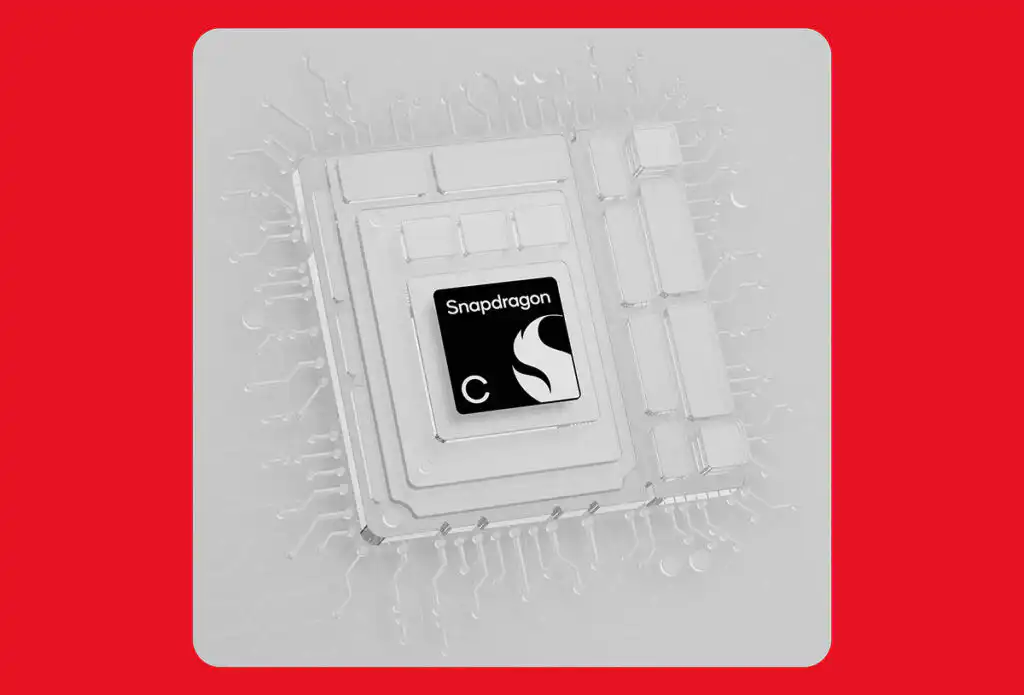
But Qualcomm is officially crashing the value party. Fresh out of their Computex 2026 hardware staging, Qualcomm has pulled the curtain back on the Snapdragon C Platform. This is a ground-up pivot designed to bring modern, responsive computing, built-in AI smarts, and unhinged all-day battery runtimes to entry-tier laptops starting at a breakthrough $300 (approx. RM1,189). Can this new piece of silicon save the budget PC ecosystem?
Fending Off Apple’s MacBook Neo
To understand the existence of Snapdragon C, you have to understand the chess match currently playing out in the industry. Apple realised they could completely conquer the education and field-work markets by repurposing mobile smartphone silicon inside a laptop chassis—which is exactly how the MacBook Neo was born.
Qualcomm is now copying that exact playbook to defend the Windows camp.
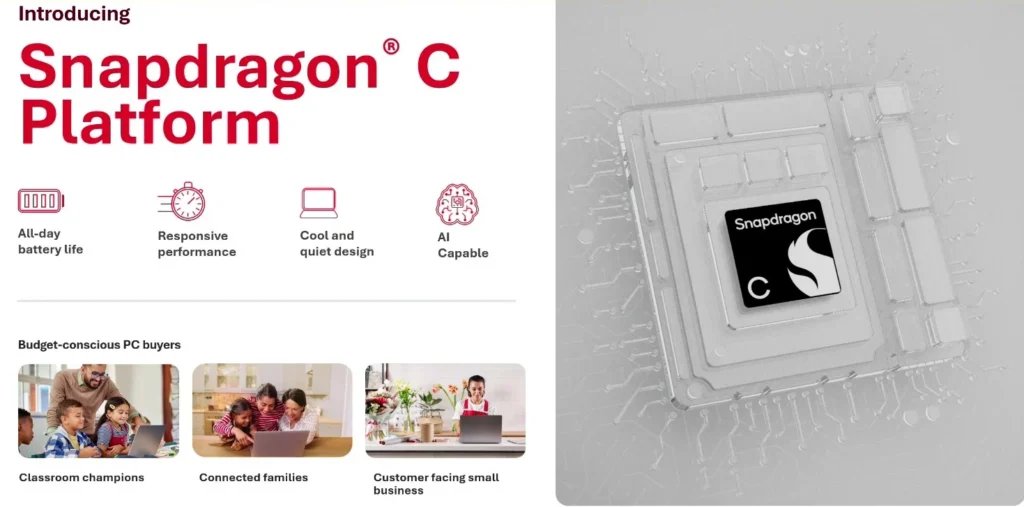
Instead of deploying the custom, power-hungry Oryon CPU cores found inside their premium Snapdragon X Elite line, Qualcomm went back to its legendary Kryo SoC smartphone packaging. This uses a highly efficient big.LITTLE core configuration, pairing clusters of high-performance cores with ultra-low-power efficiency structures.
Because it is built on a mobile-first thermal blueprint, OEMs can ditch noisy internal cooling fans entirely. You are looking at razor-thin, dead-silent laptops from top-tier brands like Acer, HP, and Lenovo that deliver smooth daily multitasking and video streaming without turning your lap into a literal stove.
Powering the Next Gen: Chromebooks, Low-End Laptops, (and Googlebooks)?
The big architectural question burning through the community is what operating systems this value-tier silicon will actually run on. While Qualcomm is pitching this heavily alongside Microsoft for entry-level Windows layouts, the real war is happening over Google’s upcoming hardware roadmap.
Yes, Snapdragon C is fully engineered to power the next generation of Chromebooks and low-end portables. But more importantly, could this platform also power the Googlebook ecosystem launching this fall (more about this later).
For those out of the loop, Googlebooks represent Google’s massive shift away from legacy, cloud-bound ChromeOS into a unified, Android-based desktop operating system that runs native apps and local AI features. Because Snapdragon C comes standard with an integrated hardware NPU, it gives hardware manufacturers an immediate, low-cost pipeline to run Google’s local AI-native toolsets.
The First Contender: Acer Aspire Go 15
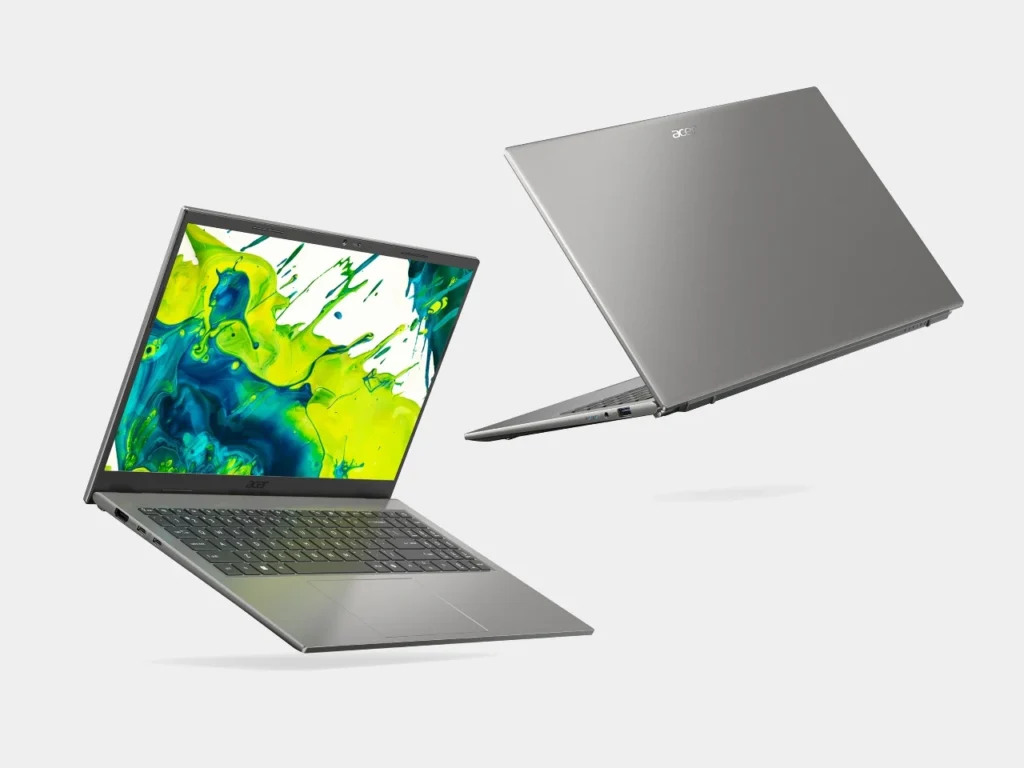
We don’t have to wait until late 2026 to see what these machines look like in the flesh. Acer has officially broken cover on the world’s first retail Snapdragon C device: the Acer Aspire Go 15.
Aimed directly at students and small businesses, the Aspire Go 15 sets a very clean baseline for what this platform category can pull off:
- The Core Footprint: It pairs the Snapdragon C chip with a comfortable 15.6-inch narrow-bezel display.
- Storage Allocations: To maintain smooth daily operations, it maxes out configuration-wise with a healthy 8GB of RAM and 512GB of onboard storage.
- The Connectivity I/O: You get zero legacy compromises—it houses two full-function USB Type-C ports, an HDMI out port, and modern Wi-Fi 6E radios for lightning-fast school or office connectivity.
Technical Performance Matrix
Here is how the new Snapdragon C platform aligns with the current budget computing landscape on paper:
Entry-Tier Laptop Silicon Landscape
| Feature Metric | Qualcomm Snapdragon C | Apple A18 Pro (MacBook Neo) | Intel Wildcat Lake (Entry) |
| Target Retail Floor | $300+ (Approx. RM1,190) | $599 (Approx. RM2,380) | $350+ Typical |
| Core Architecture | Kryo big.LITTLE (ARM) | 6-Core Apple Silicon (ARM) | x86 Hybrid Architecture |
| Thermal Layout | Fanless / Silent | Fanless / Silent | Fan-Cooled Active Typical |
| Hardware NPU | Integrated Standard | 16-Core Neural Engine | VPU / NPU Layer Dependent |
| Primary OS Targets | Windows on ARM / Googlebooks | macOS Tahoe | Windows 11 Home / ChromeOS |
| Baseline RAM Ceiling | 8GB Maximum | 8GB Unified | 8GB / 16GB Scaled |
Other Little Things
1. The Value Horizon
Keep in mind that the “C” in Snapdragon C explicitly stands for Compute, not Cheap (I’m unconvinced). Qualcomm’s main marketing goal here is ensuring that buying a value-oriented laptop no longer feels like a secondary punishment. You get premium, modern essentials like instant-wake capabilities, multi-day standby times, and silent performance at x86 Celeron-level pricing.
2. The RAM Constraint
Hardware and platform engineers have noted that to hit that aggressive $300 price bracket, Snapdragon C architectures enforce a strict 8GB RAM ceiling. While this is completely fine for casual school workloads, Google doc editing, and watching Netflix, do not buy these expecting to execute heavy video editing or complex IDE developer compiles.
3. NPU Optimisation, Not Copilot+
While Snapdragon C devices feature a dedicated, built-in Neural Processing Unit (NPU) to handle background AI tasks natively, the total TOPS computing power will sit below the strict threshold required for Microsoft’s Copilot+ PC certification. It will cleanly handle live captioning, background blur, and local on-device assistants, but won’t run high-end generative Windows features. This could also mean it may not meet Googlebook base hardware requirements.
The Verdict: Budget Laptops Just Got Serious
For the longest time, Apple had an uncontested monopoly on high-efficiency, premium budget computing with the MacBook Neo. Windows and Google partners were left completely defenseless at the bottom end of the market.
The Snapdragon C platform is a massive, necessary line in the sand. By bringing smartphone thermal efficiency and all-day battery endurance down to a raw $300 price floor, Qualcomm is completely saving the entry-tier laptop from being a frustrating experience. Whether it is inside an Acer Windows machine or an upcoming Chromebook, budget computing is finally getting the flagship-grade respect it deserves.
What’s your take? Would you drop RM1,200 on an all-day battery ARM Windows laptop, or are you saving up for a MacBook Neo? Drop your thoughts in the comment section below!
Frequently Asked Questions (FAQ)
What is the Snapdragon C Platform and how much will laptops using it cost?
The Snapdragon C Platform is a newly unveiled entry-tier ARM processor from Qualcomm built for value-oriented laptops. Devices powered by this platform are targeting an incredibly affordable starting price floor of $300 (approximately RM1,190) and up.
Will Snapdragon C chips power the next generation of Chromebooks and Googlebooks?
Yes. Snapdragon C is the PC ecosystem’s direct response to Apple’s $599 MacBook Neo. It mirrors Apple’s strategy by utilising highly optimized, phone-derived ARM core architectures (Qualcomm Kryo) to deliver incredibly long battery runtimes inside completely silent, fanless budget laptop chassis designs.
Does the Snapdragon C platform support on-device Artificial Intelligence features?
Yes, the platform includes a dedicated, integrated hardware Neural Processing Unit (NPU) to manage on-device AI tasks like background blur and live captions. However, its peak performance metrics sit below the strict computing threshold required for Microsoft’s official premium Copilot+ PC classification badge.
Which computer brands are releasing laptops with the Snapdragon C processor?
Qualcomm has officially locked in hardware commitments from leading global computer manufacturers, with Acer, HP, and Lenovo actively building retail laptop designs powered by the Snapdragon C platform scheduled to launch later this year. The Acer Aspire Go 15 stands as the very first announced retail model using the platform.