
TL;DR / At A Glance
The RTX 50-series shortage of 2026 is a structural supply crisis caused by NVIDIA prioritising HBM3e and GDDR7 memory for high-margin AI accelerators like the Rubin R100. Reports indicate a 30-40% reduction in consumer GPU production, leading to severe scarcity for flagship models like the RTX 5090 and RTX 5080. With memory costs surging and AI data centers consuming 70% of global supply, gamers should expect price hikes of up to 30% and limited restocks through Q3 2026.
The Death of the Enthusiast Tier?
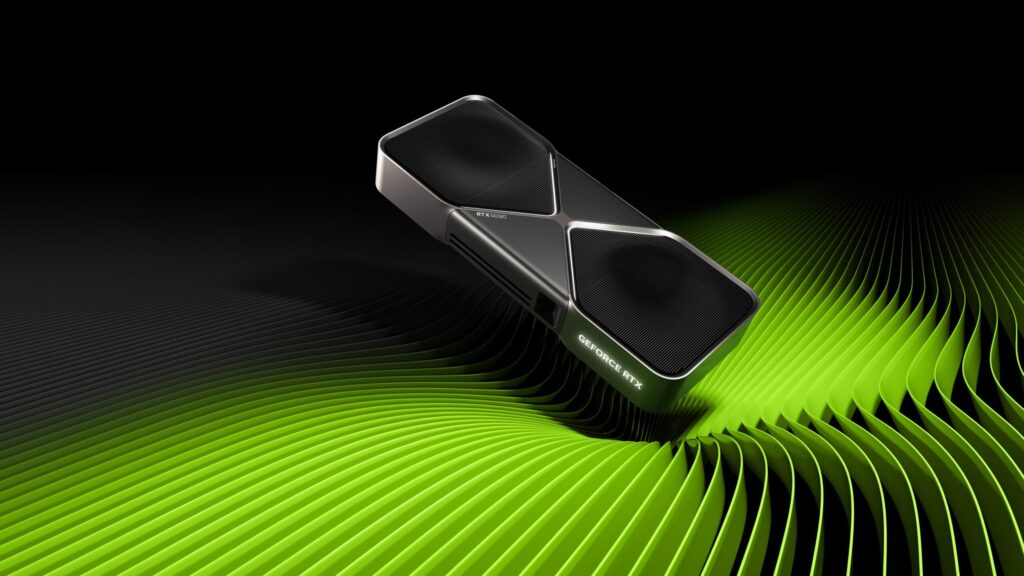
For decades, the relationship between NVIDIA and gamers was simple: we bought the cards, and they built the tech. But as we move into the second quarter of 2026, that relationship has fundamentally fractured. The RTX 50-series shortage isn’t just a repeat of the crypto-mining era; it is a strategic pivot by the world’s most valuable chipmaker.
NVIDIA’s data center business now accounts for over 90% of its revenue. In that context, a gaming GPU like the RTX 5090—despite its RM10,000+ price tag in Malaysia—is actually a low-margin product. The result? Gamers are no longer the priority. We are now fighting for the scraps of silicon left over from the AI revolution.
The Memory Crisis: GDDR7 vs. HBM3e
The technical bottleneck behind the scarcity is a phenomenon industry analysts are calling “RAMageddon.” The high-density GDDR7 memory required for the Blackwell-based RTX 50-series is being produced on the same lines as the HBM3e memory used in NVIDIA’s enterprise AI chips.
When a single AI accelerator can sell for $40,000 (approx. RM188,000), NVIDIA has every incentive to funnel its limited memory supply toward the enterprise sector. Internal reports suggest that production for the RTX 5090 and 5080 has been slashed by up to 40% to ensure that the upcoming Vera Rubin AI platforms have enough memory to meet the insatiable demand from OpenAI, Microsoft, and Google.
The “Shortage” Strategy: Prioritising Low-VRAM Cards
In a move that has frustrated the PC building community, NVIDIA is reportedly prioritizing the production of entry-level cards like the RTX 5050 and RTX 5060 Ti (8GB). Why? Because these cards use less memory and older GDDR6 modules that aren’t in direct competition with AI hardware.
This leaves the “Enthusiast Tier” in a state of hibernation. If you were planning to build a high-end 4K editing rig or a gaming beast this April, you are facing a grim reality.
Price Hikes and the Secondary Market
With supply hitting near-zero levels, prices are behaving predictably. We are seeing a baseline 30% price increase across the entire 50-series stack. The RTX 5080, which launched at a suggested price of around RM4,800, is now frequently listed for RM6,500 or more.
| GPU Model | Launch Price (Est. RM) | April 2026 Market Price | Availability |
| RTX 5090 | RM9,500 | RM14,000+ | Extremely Rare |
| RTX 5080 | RM4,800 | RM6,500 | Scarce |
| RTX 5070 | RM2,600 | RM3,400 | Limited |
| RTX 5060 | RM1,450 | RM1,900 | Available |
The $3,000 Question: Should You Buy Now?
Here is the uncomfortable truth: this RTX 50-series shortage isn’t going to end in a few months. As long as AI companies are willing to pay a premium for silicon, the consumer market will remain sidelined.
If you absolutely need a GPU for work, you may have to bite the bullet on these elevated prices. However, for gamers, 2026 might be the year of the “wait-and-see.” We are seeing a historic three-to-four-year gap between major generational leaps because NVIDIA has no reason to rush a “Super” refresh when they can’t even keep the base models in stock. My advice? Look at the second-hand RTX 40-series market or explore cloud gaming. Don’t let FOMO drive you into a bad financial decision.
Frequently Asked Questions
Why is there an RTX 50-series shortage in 2026?
The shortage is caused by a global memory crisis (GDDR7 and HBM3e) and NVIDIA prioritising its high-margin AI data center chips over consumer gaming GPUs.
When will RTX 5090 stock stabilise?
Supply is expected to remain severely constrained through Q3 2026, with some analysts predicting shortages lasting until early 2027 as AI demand continues to dominate production lines.
Are GPU prices increasing in 2026?
Yes, high-end GPU prices have seen a 15-30% increase since launch due to memory scarcity and the redirecting of manufacturing resources.