
TL;DR / At a Glance: In a direct collaboration with the Malaysian Ministry of Education, Samsung Malaysia Electronics launched its AI-Powered Classroom initiative to accelerate digital literacy in public schools. Supported by SNS Network and content partner Sasbadi Holdings, the program equips pilot classrooms at SMK Nilai Impian and SMKA Naim Lil Banat with Samsung Galaxy Tab A9+ tablets, digital smartboards, and an AI-driven learning platform. To ensure long-term usability and security, Samsung commits a full six years of operating system and security updates for all deployed educational devices.
The race to digitise public education across Southeast Asia has historically suffered from a recurring hardware curse. For years, massive corporate tech initiatives followed a predictable copywriting blueprint: a tech brand drops a generic press release announcing a donation of thousands of standalone budget tablets to local schools, takes a photo with ministry officials, and walks away. Within twelve months, those unmanaged devices inevitably morph into remote-controlled decorations, gathering dust in staffrooms because the school lacks the infrastructure, cooling, or curriculum-aligned software to make the hardware useful.
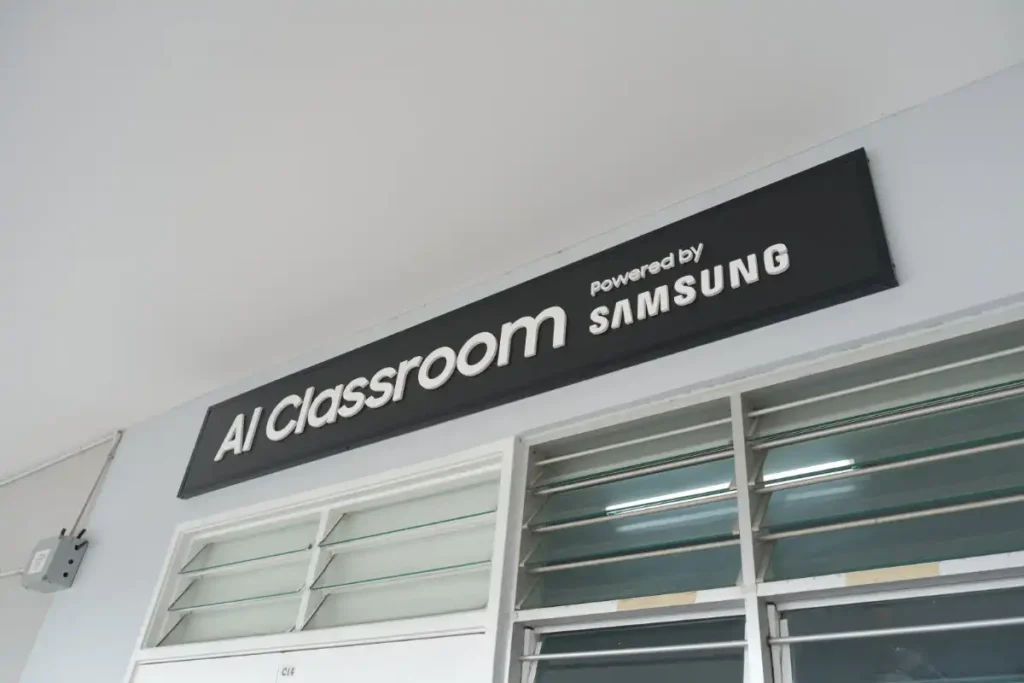
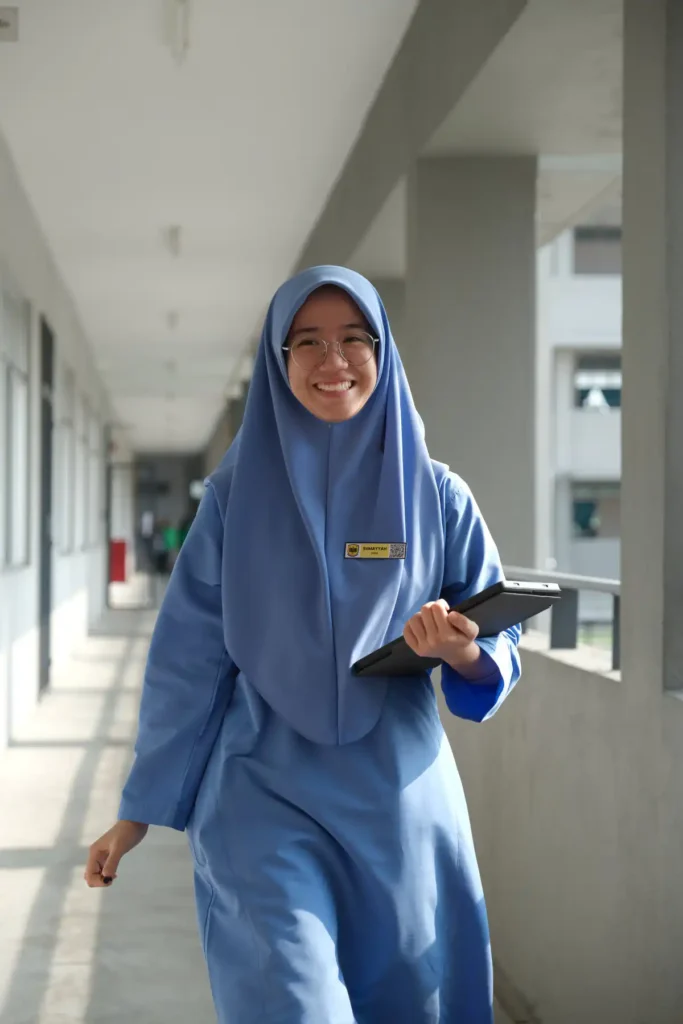
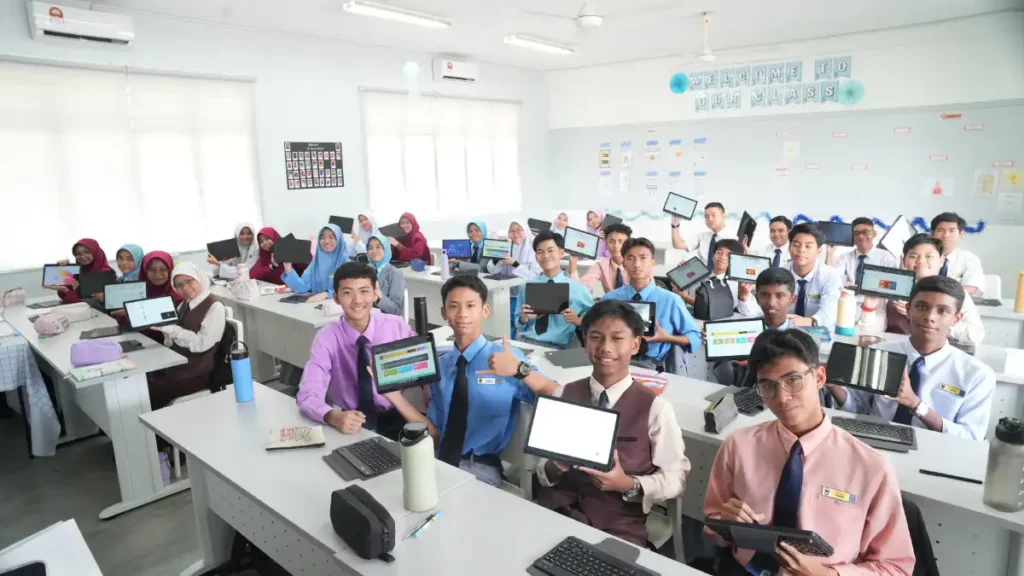
The arrival of Samsung Malaysia Electronics’ latest hardware initiative directly challenges this broken cycle. In an immediate partnership with the Malaysian Ministry of Education, the company launched its official AI-Powered Classroom initiative. Instead of treating hardware deployment as an isolated charity checklist, this pilot rollout targets a deep, end-to-end infrastructural transformation within public schools, starting with pilot testbeds at SMK Nilai Impian in Negeri Sembilan and SMKA Naim Lil Banat in Kelantan.
The real intelligence of this setup sits in the complete structural ecosystem built around the devices. Samsung partnered with local technology provider SNS Network to overhaul the physical learning environments, installing dedicated tablet charging stations, stable connectivity access nodes, and full air-conditioning systems to ensure the digital labs remain functionally practical.
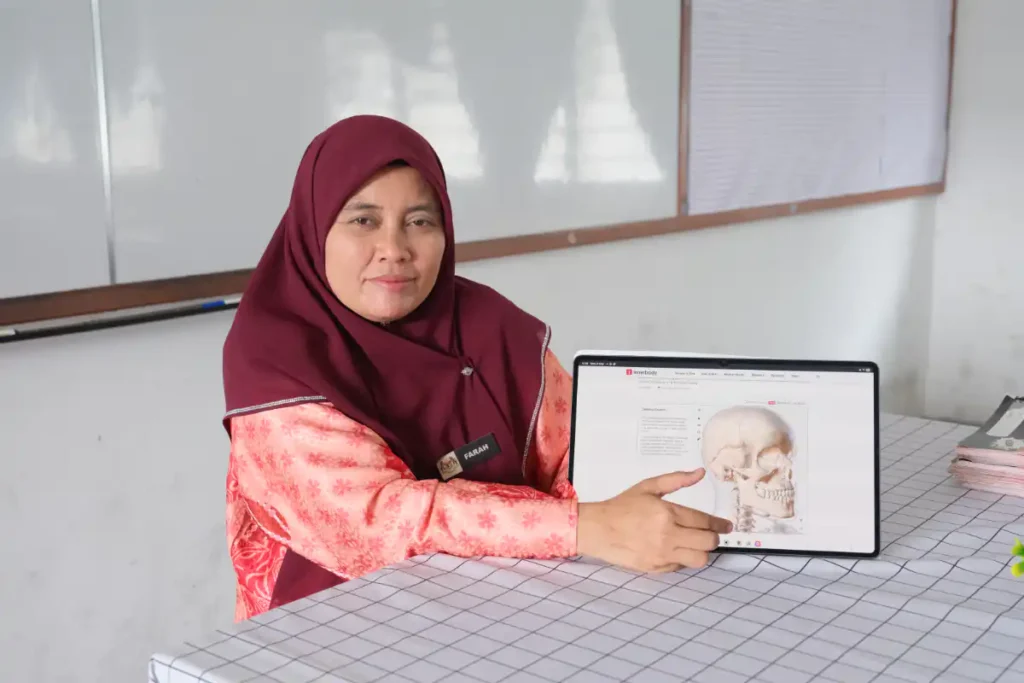
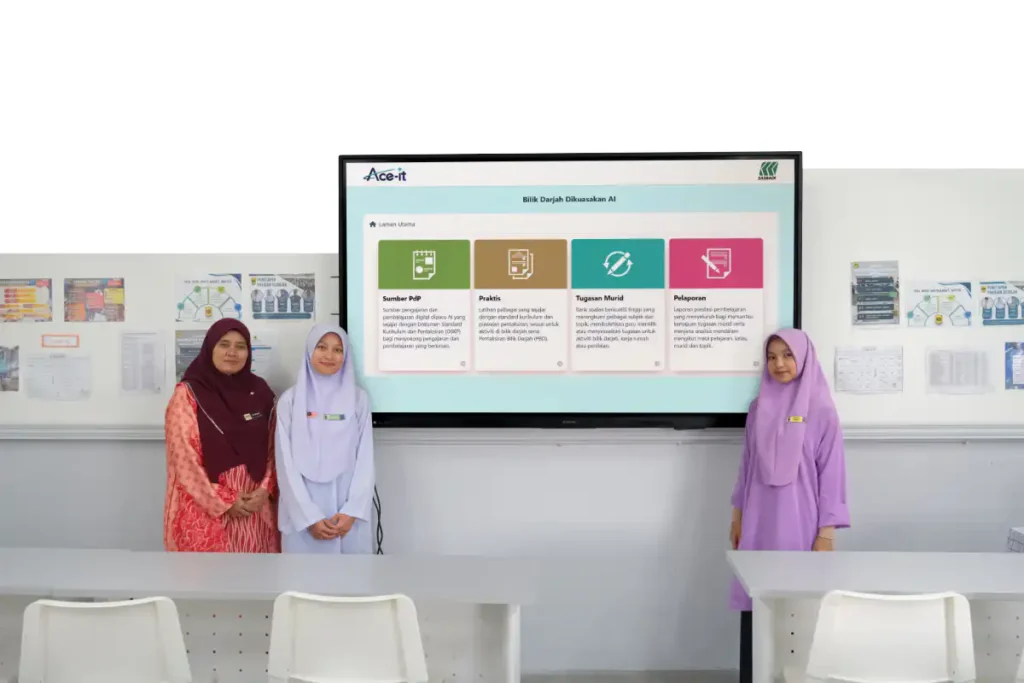
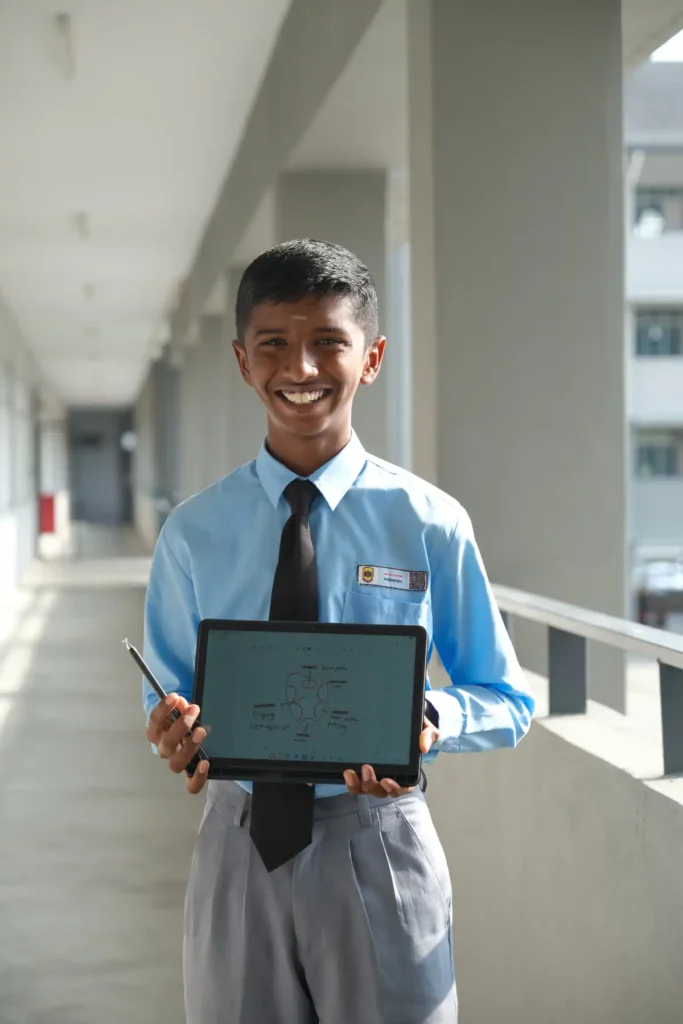
On the digital interaction side, the Ministry of Education brought in Sasbadi Holdings as the strategic content architect. Rather than letting students loose on the uncurated open web, the deployed Samsung Galaxy Tab A9+ devices run Sasbadi’s flagship Ace-it platform natively. This engine integrates localized, curriculum-aligned notes, interactive tracking modules, and an adaptive AI assistant designed to generate personalized explanations for students while automating grading processes to relieve teacher workloads.
The AI-Powered Educational Ecosystem Architecture
| Structural Vector Layer | Deployed Hardware & Platform Tools | Operational Impact on School Environments |
| Student Client Node | Samsung Galaxy Tab A9+ tablets. | Replaces heavy physical textbooks with interactive visual tracking. |
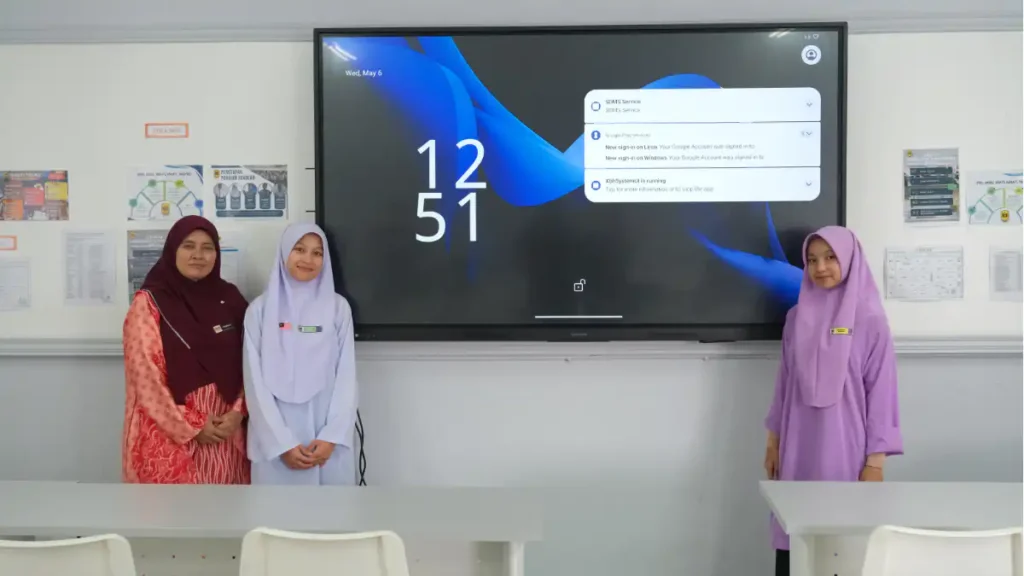
| Educator Presentation Layer | Connected dynamic smartboards. | Enables real-time, two-way digital lesson broadcasting and screen mirrors. |
| Curriculum Content Core | Sasbadi Ace-it AI software engine. | Delivers adaptive notes, digital exercises, and student query support. |
| Hardware Lifecycle Security | 6 Years of verified OS and patch updates. | Maximizes public device longevity while reducing maintenance overhead. |
From a hardware standpoint, selecting the Galaxy Tab A9+ as the core learning node is a highly logical choice for a classroom environment. It avoids the performance pitfalls of low-tier e-waste tablets while keeping deployment costs realistic.
Crucially, Samsung offers peace-of-mind and continuity: a guarantee of six years of operating system and security updates for the devices. This single longevity commitment tackles the historic device obsolescence issue head-on, ensuring public education investments remain secure, modern, and usable over a multi-year lifecycle.
“Samsung has continuously supported
Samsung President Charles Kim
Malaysia’s education journey since 2022, from enabling access to devices through PerantiSiswa to now
building fully integrated AI-Powered Classroom for students and educators. Through these efforts, we
hope to inspire the next generation of Malaysians to learn, create and innovate with confidence.”
Other Little Things
- The Textbook Weight Reduction: Feedback from Form 3 students at SMK Nilai Impian confirms that the digital shift significantly lightens daily commutes, replacing traditional heavy physical textbooks with centralized cloud storage files on the Galaxy tablets.
- The B40 Device Precedent: This pilot classroom program serves as a targeted expansion of Samsung’s ongoing national digital agenda alignment. Back in 2022, the technology provider supplied approximately 350,000 to 400,000 Galaxy Tab A8 LTE devices to eligible B40 university students under the government’s PerantiSiswa program.
Adam Lobo’s Verdict
Samsung deserves genuine credit for treating this school initiative like a serious infrastructural deployment rather than a quick public relations stunt. They have clearly learned from the historical failures of past regional education digitisation schemes that fell apart due to unmanaged software or lack of technical support.
The structural layout is highly impressive. If you just hand a tablet to a student without an integrated ecosystem, it instantly turns into an expensive toy. But by locking the hardware down with the Sasbadi Ace-it platform, building out fully-kitted rooms via SNS Network, and linking the student displays directly to the teacher’s smartboard, the technology actually serves the classroom routine.
The absolute star parameter here is that six-year software support commitment. That is an enterprise-grade policy applied directly to public school environments, ensuring these tablets do not become obsolete the second a new operating system version drops. If the Ministry of Education can successfully scale this unified structure beyond these initial pilot locations, it will mark a massive step forward for digital equity in Malaysia.
Gallery