
TL;DR / At A Glance
For 95% of users, the POCO X8 Pro Max (RM1,999) is the smarter buy, offering superior value, an industry-leading 2.5-day battery life, and enhanced IP69 durability.
Choose the POCO F8 Ultra (RM3,199) only if you require a dedicated 5x periscope telephoto lens, professional 4K selfie video capabilities, or a high-fidelity integrated Bose subwoofer audio system.
While the F8 Ultra offers a more premium physical feel, the X8 Pro Max delivers flagship-level daily performance at a significantly lower price point.
Device Comparison
POCO X8 Pro Max
✓ PROS
- • Massive 8,500 mAh battery endurance
- • Superior IP69 protection
- • Exceptional price-to-performance value
✕ CONS
- • Hollow-sounding audio setup
- • No dedicated telephoto lens
- • Front video limited to 1080p
“The endurance king for power users”
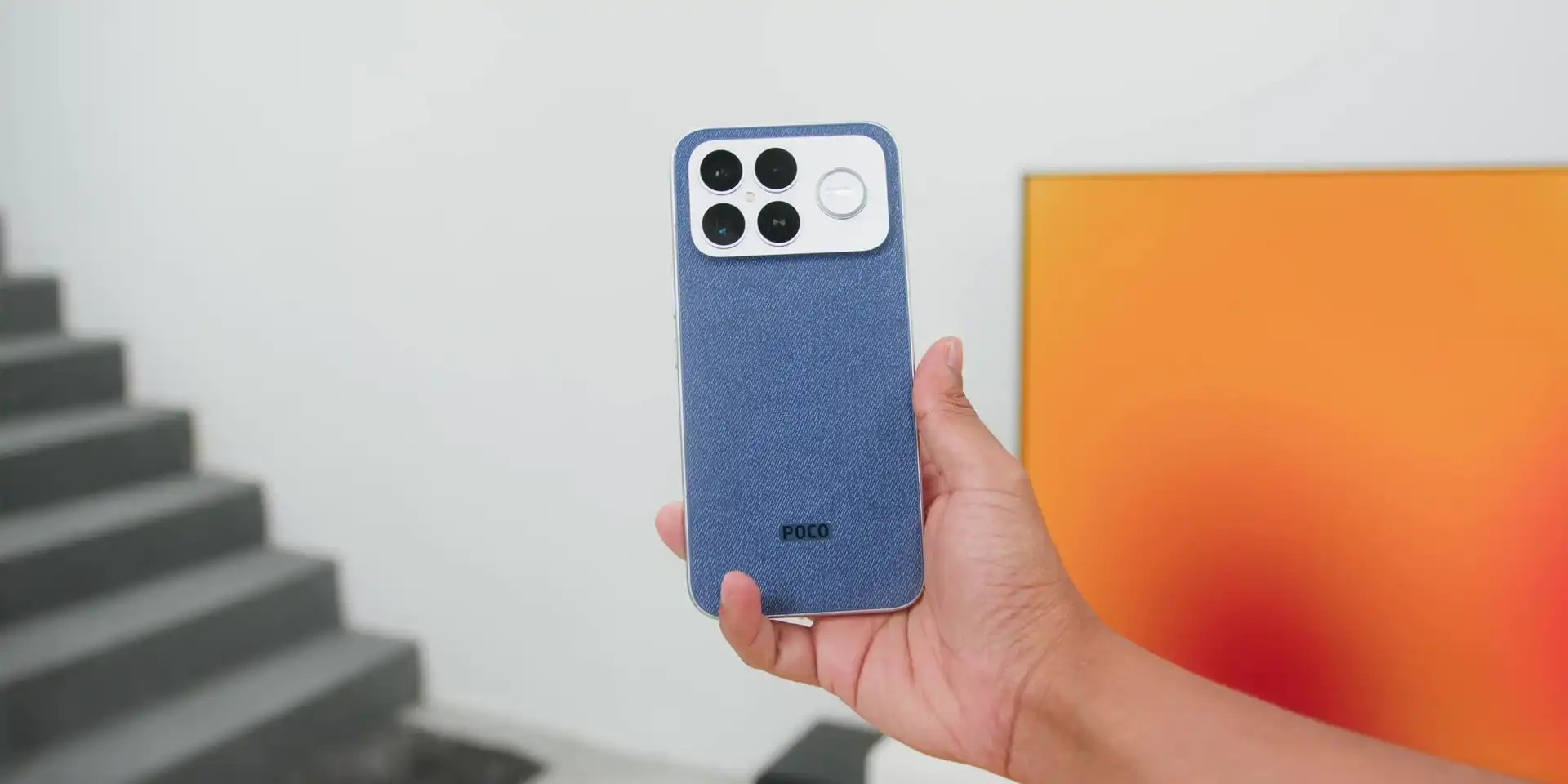
POCO F8 Ultra
✓ PROS
- • Premium Bose subwoofer audio
- • Versatile 5x periscope telephoto
- • High-quality 4K selfie video
✕ CONS
- • Premium price point
- • Lower battery capacity
- • Heavier and slightly thicker
“The content creator’s powerhouse”
These are two phones from the exact same brand, but they sit RM1,200 apart. And you might be wondering if you should just save up a bit more because the POCO F8 Ultra seems so much better on paper. Well, I thought so too. But after months of using both phones back-to-back, a clear picture emerged. In two of the most important categories for most people, the cheaper POCO X8 Pro Max actually wins, but you still might regret buying it. So before you stretch that budget, let’s break down the details so you can buy smart.
Setup
Alright. Here’s where we stand. The POCO X8 Pro Max comes in at RM1,999, a device I previously crowned as the best phone under RM2,000 in my buying guide.
Then there is the POCO F8 Ultra at RM3,199, which represents the brand’s true flagship smartphone effort. Despite the RM1,200 price gap, they run the same software, yet they are very different phones. Let’s find out if that price premium is actually worth your money.
Design & Build
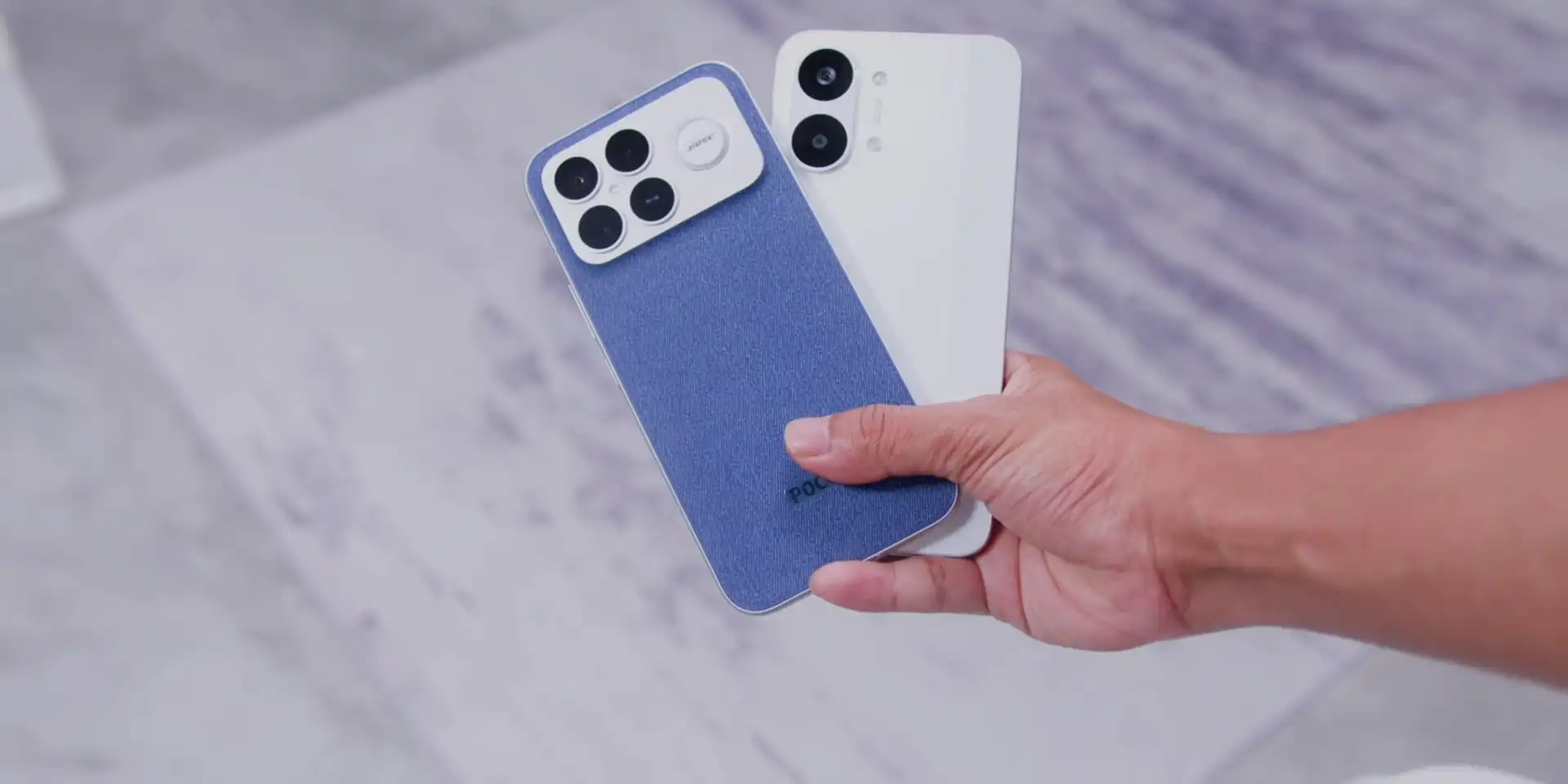
Starting with how both phones look and feel, the POCO F8 Ultra immediately takes the lead. The moment you pick it up, it just feels different, especially the Denim Blue variant. It is grippy, solid, and premium. In fact, if you place the POCO F8 Ultra next to an iPhone 17 Pro with the screen off, you could easily pick up the wrong phone. That is the level of premium build quality we’re talking about here. Additionally, because of how the camera bump sits on the back, the phone doesn’t wobble when you type on a flat surface. Which sounds like a small thing, until you’ve used a phone that wobbles and realized how irritating it gets.
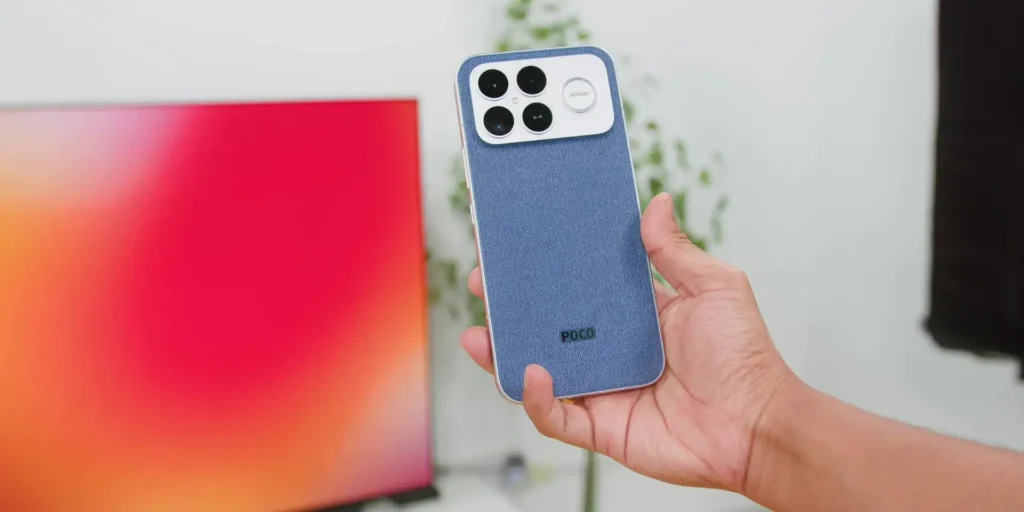
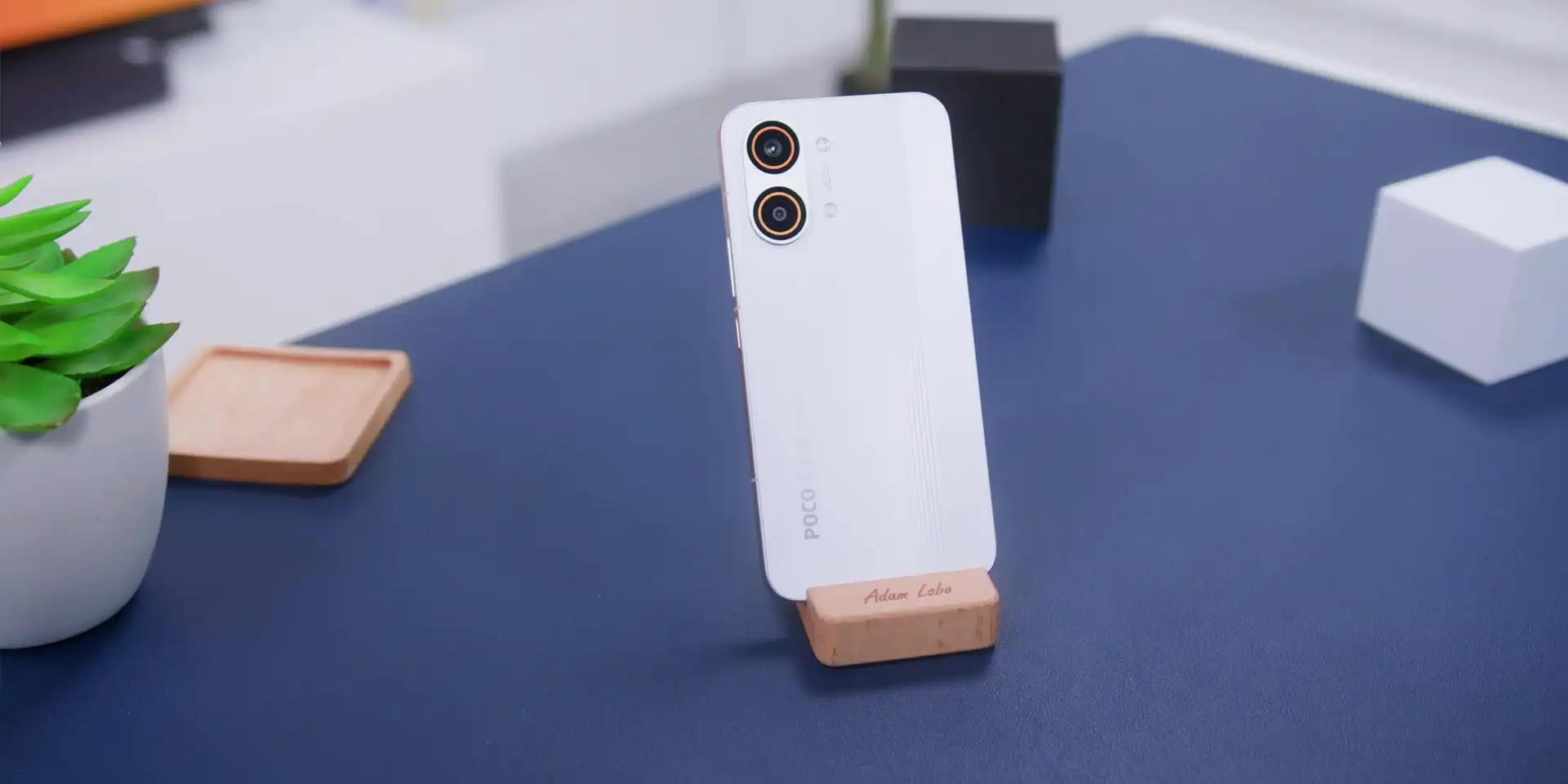
The POCO X8 Pro Max, though, still shines above its price point visually. It features a subtle two-tone back, a matte frame, and a matte back panel that completely eliminates fingerprint smudges. It absolutely holds its own in the premium department.
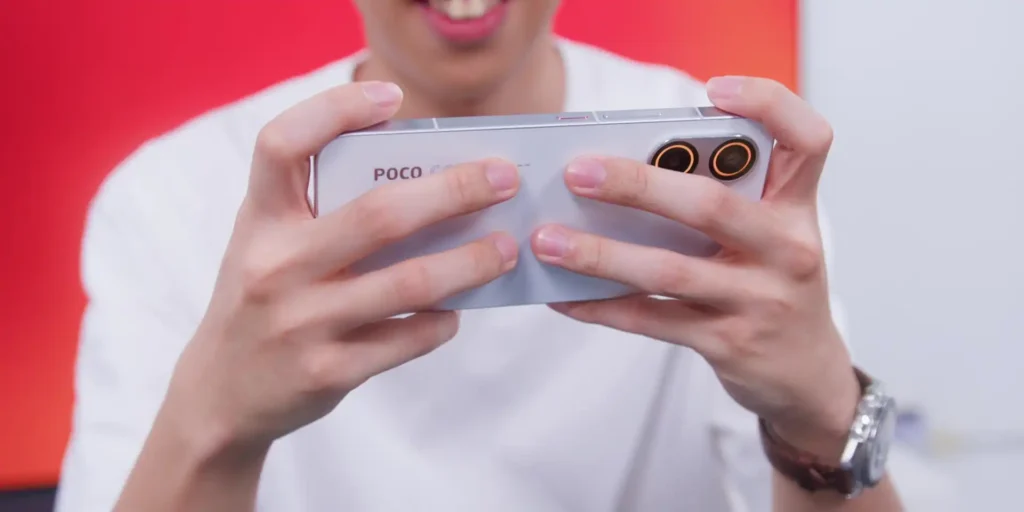
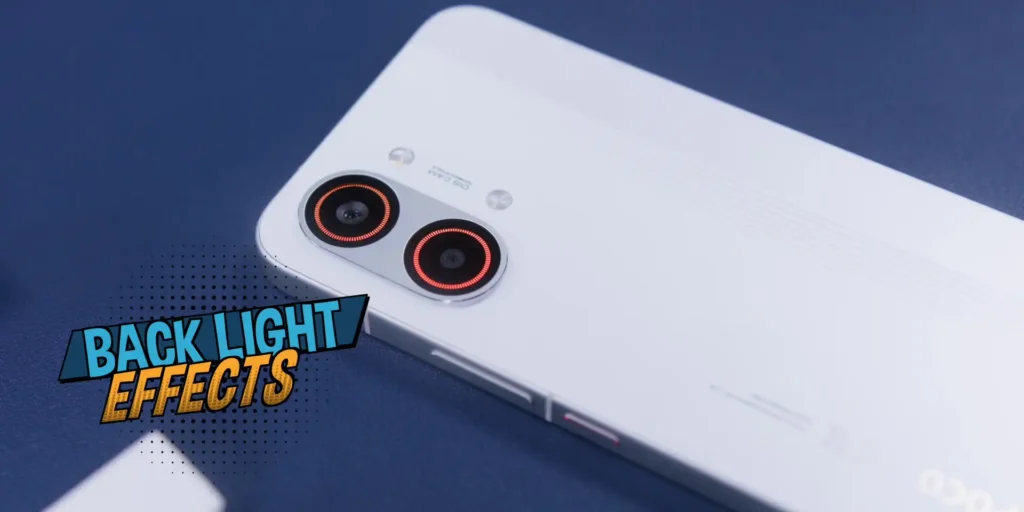
But here’s where the POCO X8 Pro Max gets bragging rights: both phones have IP68 dust and water resistance, but the POCO X8 Pro Max also carries an IP69 protection rating. That means it can withstand high-pressure water jets, not just standard underwater dunking, which is incredible for an RM1,999 phone. Then there are those RGB light rings around the camera lenses that POCO calls Back Light Effects. These trigger for notifications, calls, music, and gaming with customizable colors and brightness, serving as a very interesting take on a glowing glyph interface.
The trade-off on the POCO X8 Pro Max is the weight, coming in at 218 grams. It is a heavy device, but if you want a lighter, premium feel in your hand every single day alongside a very unique look, the POCO F8 Ultra wins this round comfortably.
Display
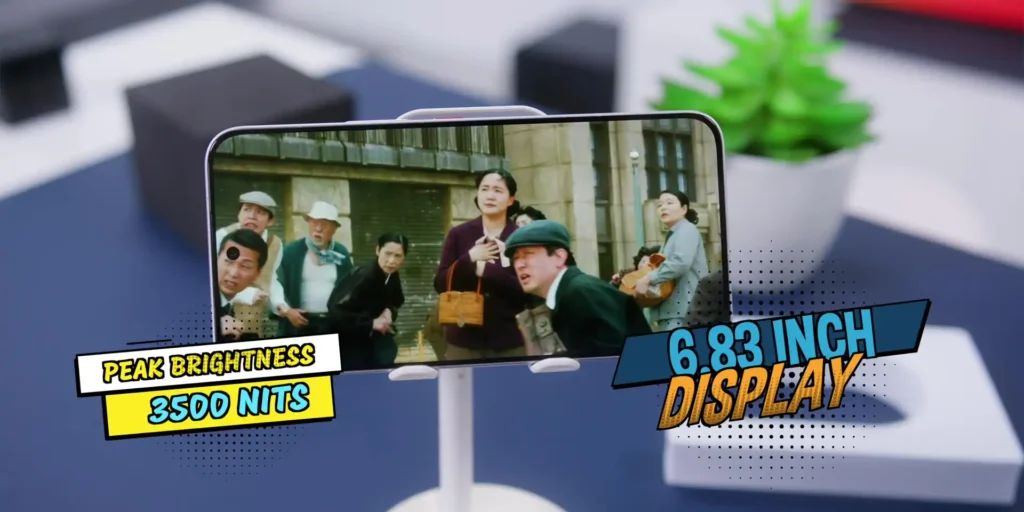
Moving to the screen, both phones have gorgeous 120Hz AMOLED display panels. The POCO X8 Pro Max features a 6.83-inch display with a 3,500-nits peak brightness, deep blacks, 12-bit color depth, and Dolby Vision support for Netflix and other streaming platforms. Even in bright sunlight, this screen holds up perfectly.
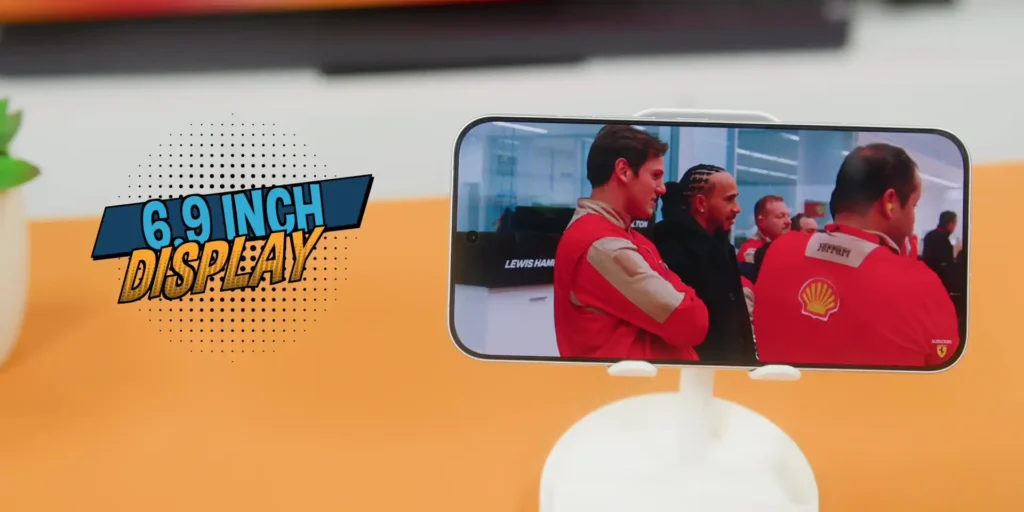
The POCO F8 Ultra’s flat screen is also stunning, offering what is arguably the best flat-screen smartphone experience available right now. It is just a tiny bit bigger at 6.9 inches. While the peak brightness specification is identical, the POCO F8 Ultra can feel a touch dimmer outdoors at times. You can manually crank the brightness up, but if you spend a lot of time outside, keep that in mind.
Both screens are absolutely great for daily use, but on pure brightness and sunlight performance, the POCO X8 Pro Max takes this one by a small margin. For durability, both phones are well-protected with Gorilla Glass 7i on the POCO X8 Pro Max and POCO’s very own POCO Shield Glass on the POCO F8 Ultra.
Performance & Gaming
Now for performance. The POCO F8 Ultra has true flagship silicon inside: the Snapdragon 8 Elite Gen 5, a 3-nanometer chip. Meanwhile, the POCO X8 Pro Max runs on the MediaTek Dimensity 9500s, which is also a 3-nanometer chip.
In everyday use, you are not going to feel a meaningful difference between them. Scrolling Instagram, opening apps, and streaming videos are handled by both without breaking a sweat.
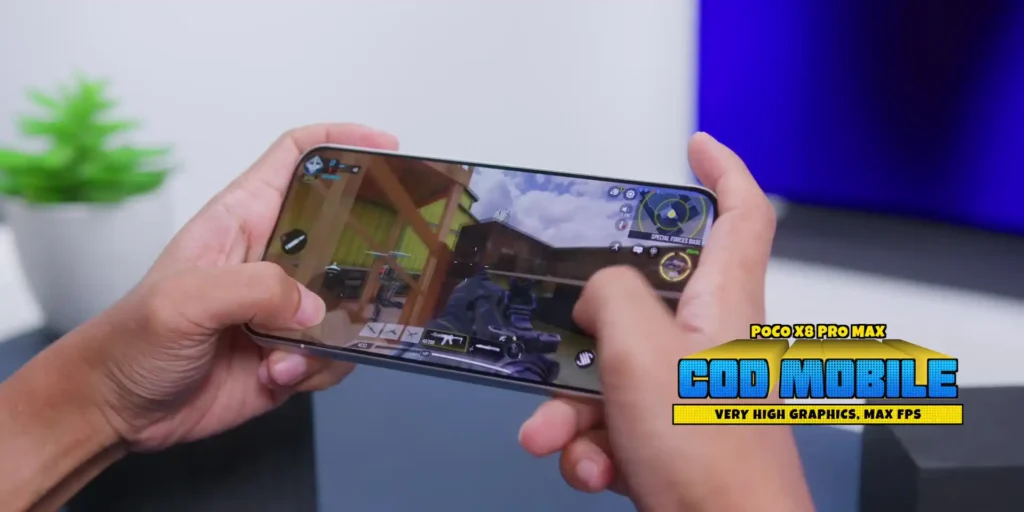
Where the gap finally shows up is in the most extreme gaming scenarios, and here is what surprised me. The POCO X8 Pro Max handles Call of Duty Mobile at a solid 120fps on very high settings, and maxed-out Wuthering Waves held 60fps for almost an entire session on both phones.
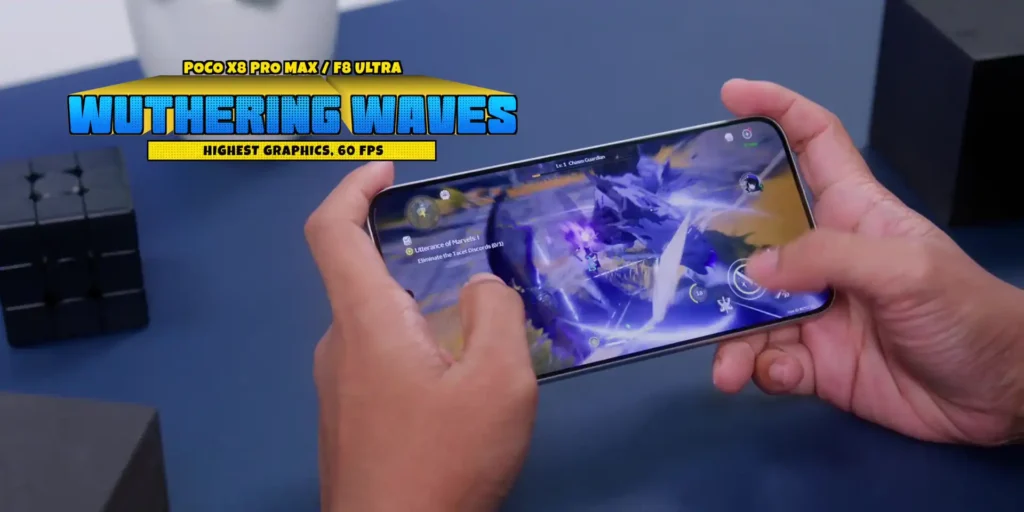
The POCO F8 Ultra does have a higher performance ceiling, but for 99% of what you’ll actually throw at it, the POCO X8 Pro Max keeps up. Where the POCO F8 Ultra pulls ahead in gaming is more so on the physical experience of actually playing on it, including how it sits in your hands, the grip, and the weight distribution for long sessions. It just feels built for gaming in a way the POCO X8 Pro Max doesn’t quite match.

All of which means that for pure performance numbers, the gap is much smaller than the RM1,200 difference suggests, but for the full gaming experience, the POCO F8 Ultra has the edge.
Cameras
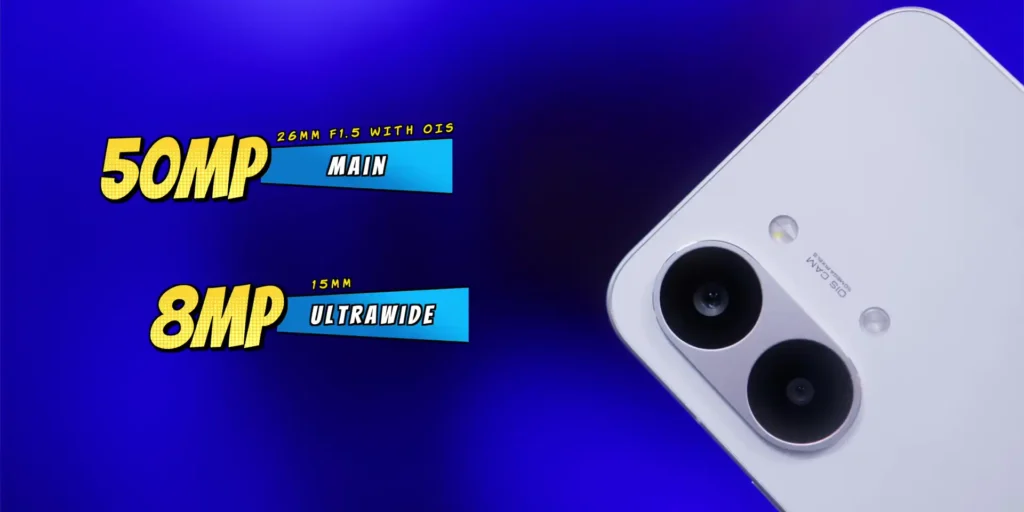
Cameras are probably where you’ll make your final purchasing decision. To recap the setups, the POCO X8 Pro Max gives you:
- • a 50MP main sensor with OIS at F1.5,
- • an 8MP ultrawide, and;
- • a 20MP selfie camera.
- • There is no telephoto lens, so any zoom beyond 1x is digital.
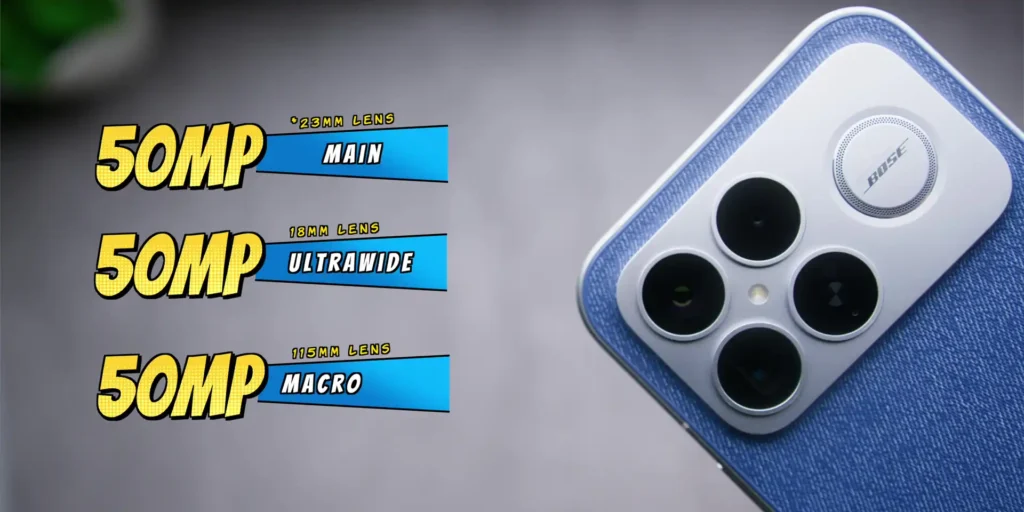
The POCO F8 Ultra gives you:
- • a 50MP main,
- • a 50MP ultrawide, and;
- • a 50MP true 5x periscope telephoto lens.
- Right away, the POCO F8 Ultra has the versatility advantage.
In daylight, both phones produce natural, nicely balanced images with great dynamic range. The POCO X8 Pro Max’s colors are clean and not oversaturated, avoiding the trap of making every photo look like it was edited with overly vibrant filters. The POCO F8 Ultra’s shots are equally clean and consistent.
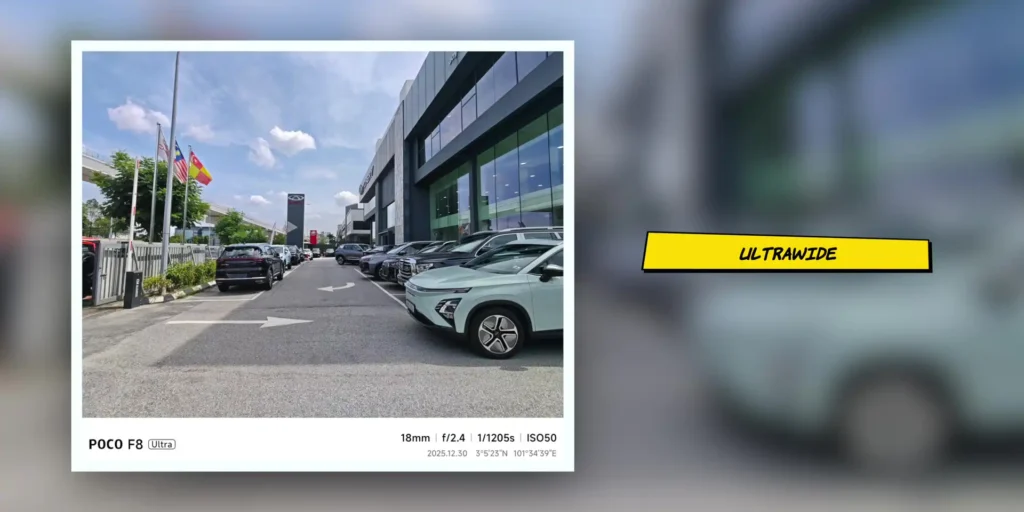
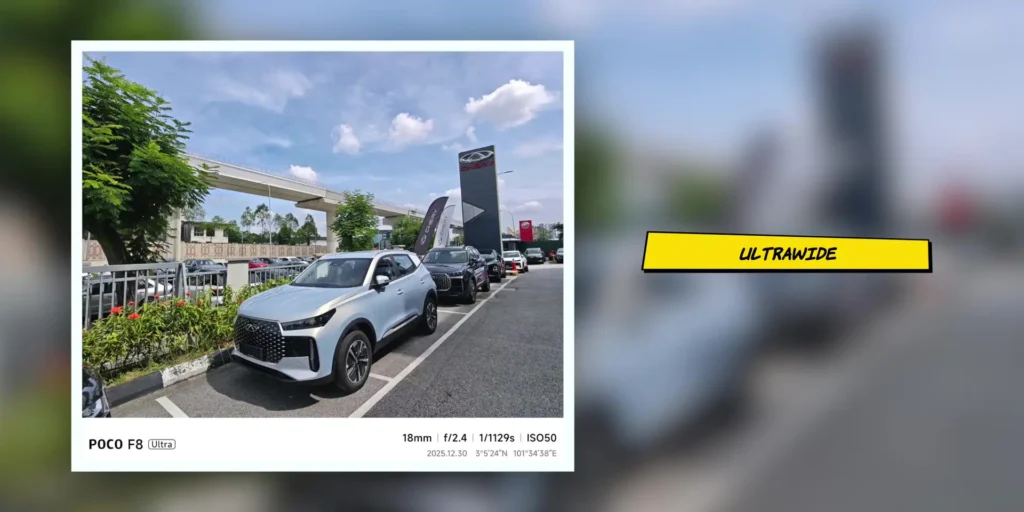
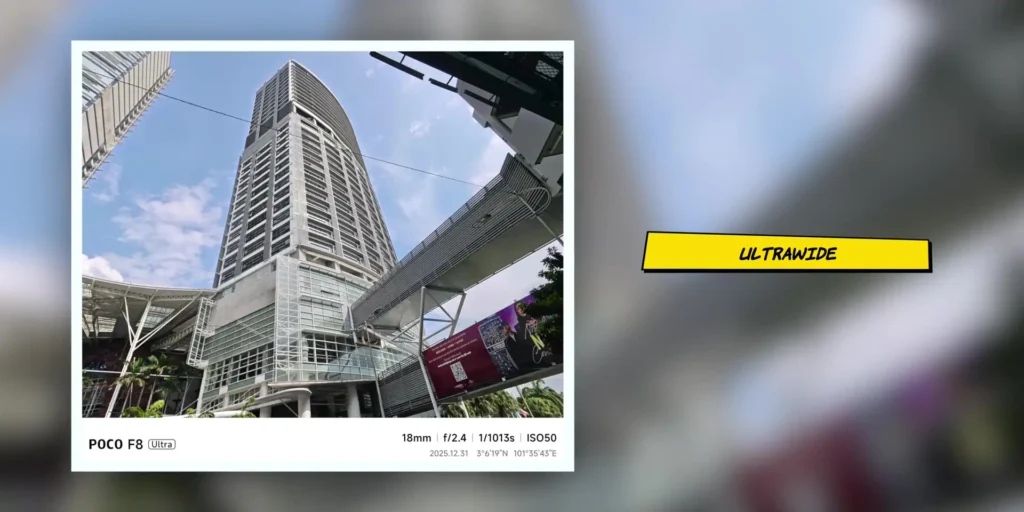


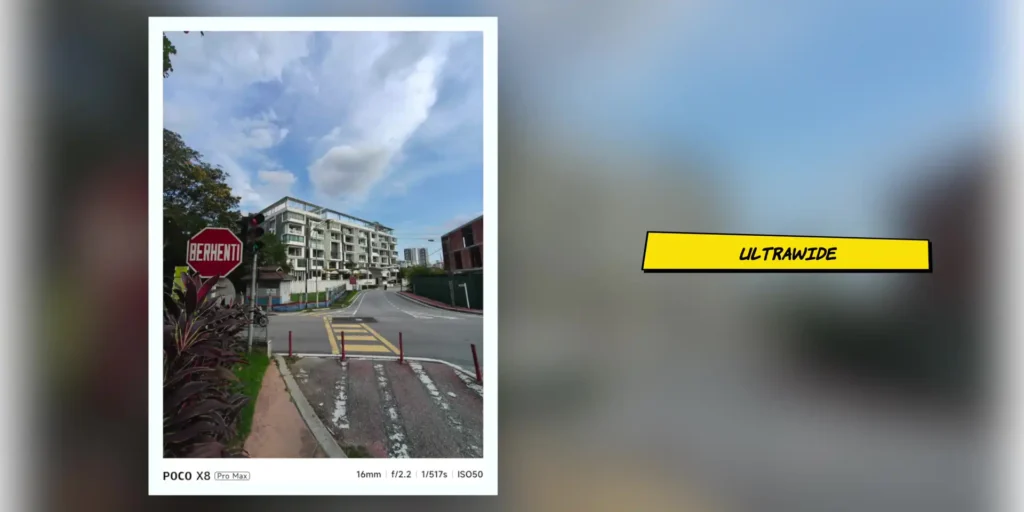
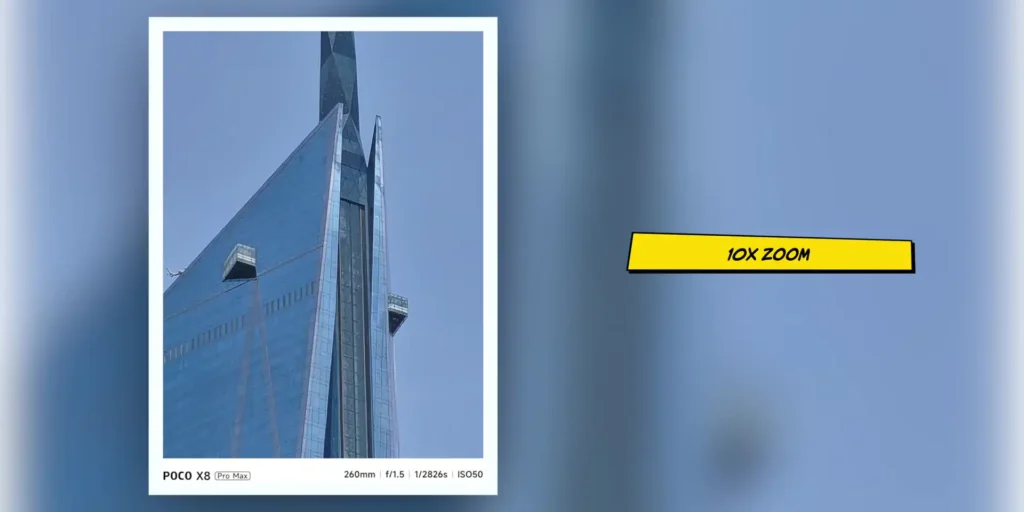
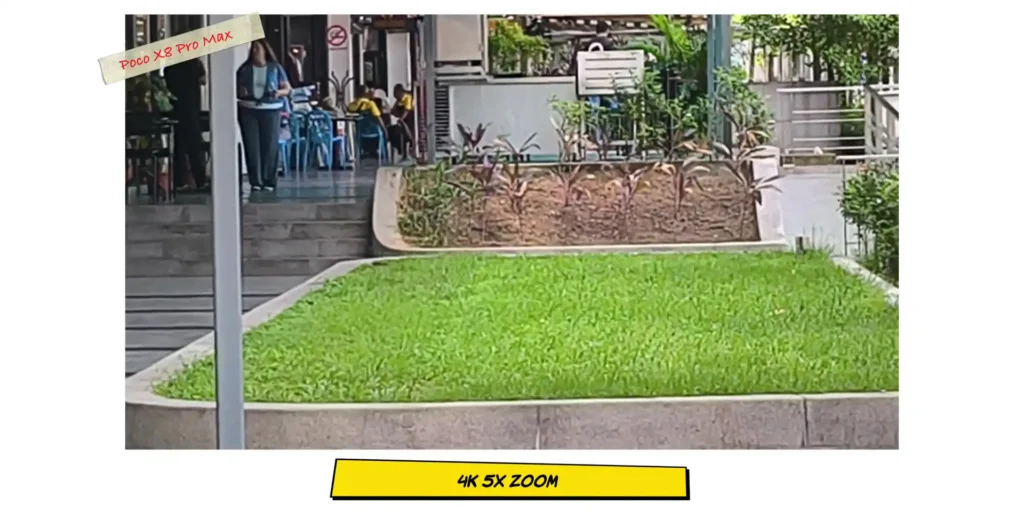
But when you start zooming, the difference becomes very real. On the POCO X8 Pro Max, the 2x digital zoom is surprisingly solid, but from 4x onwards, quality starts dropping noticeably and only gets worse at the max 10x zoom. The POCO F8 Ultra’s 5x periscope lens is a completely different story: sharp, detailed, and it holds its own even at night. Just note that you shouldn’t go beyond 10x on either phone, because beyond that point, even the POCO F8 Ultra‘s optics can’t save the image quality.

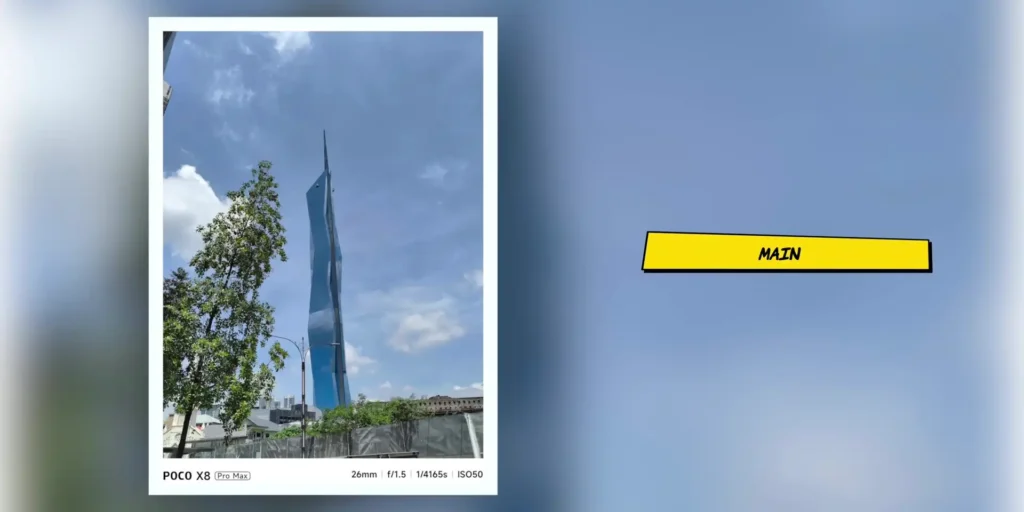
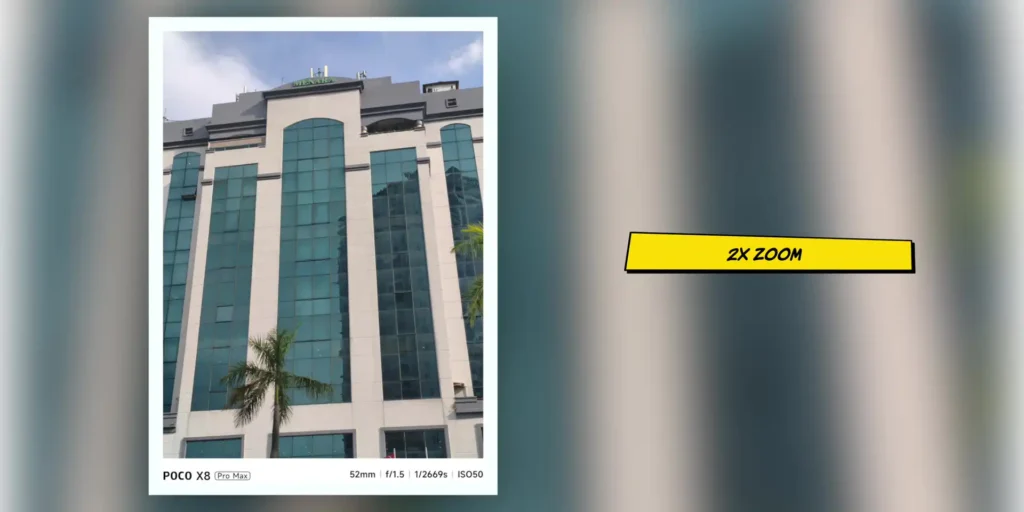
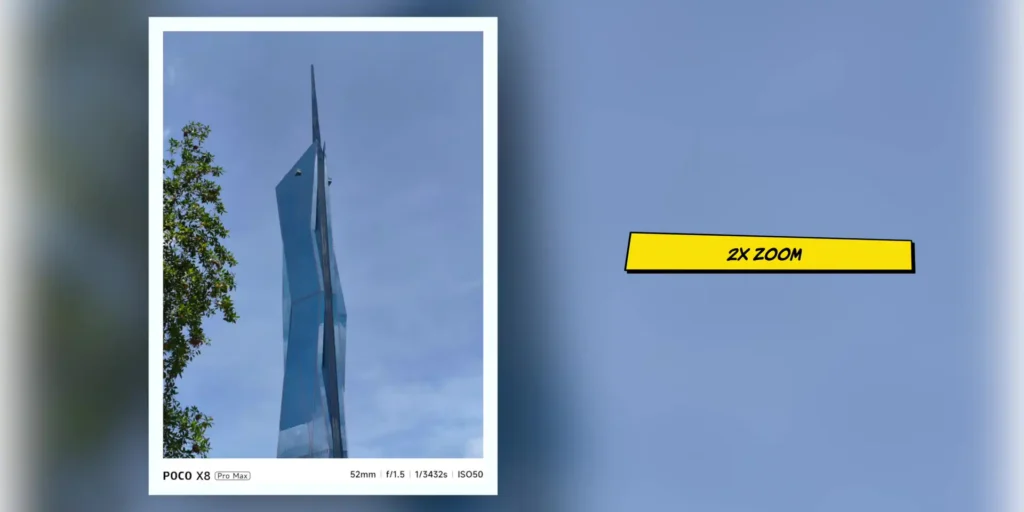
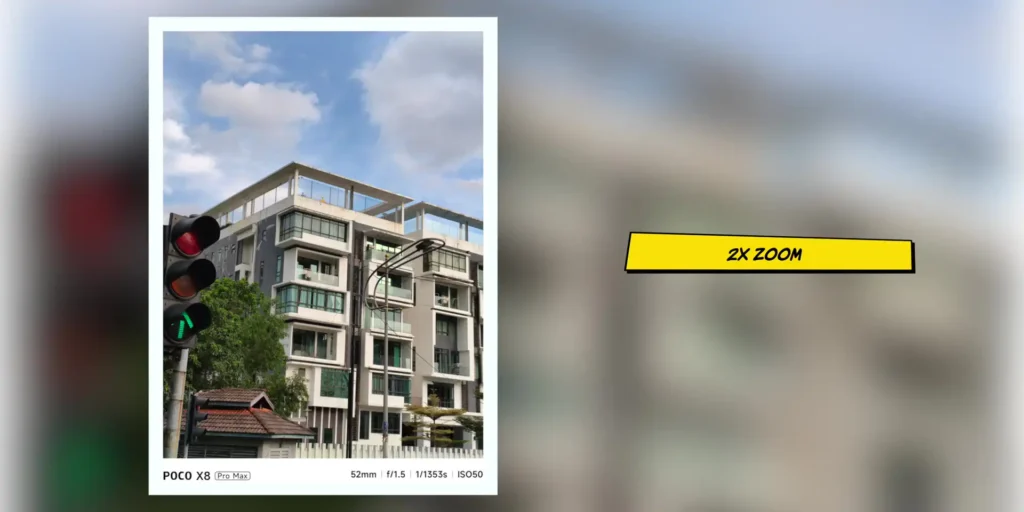
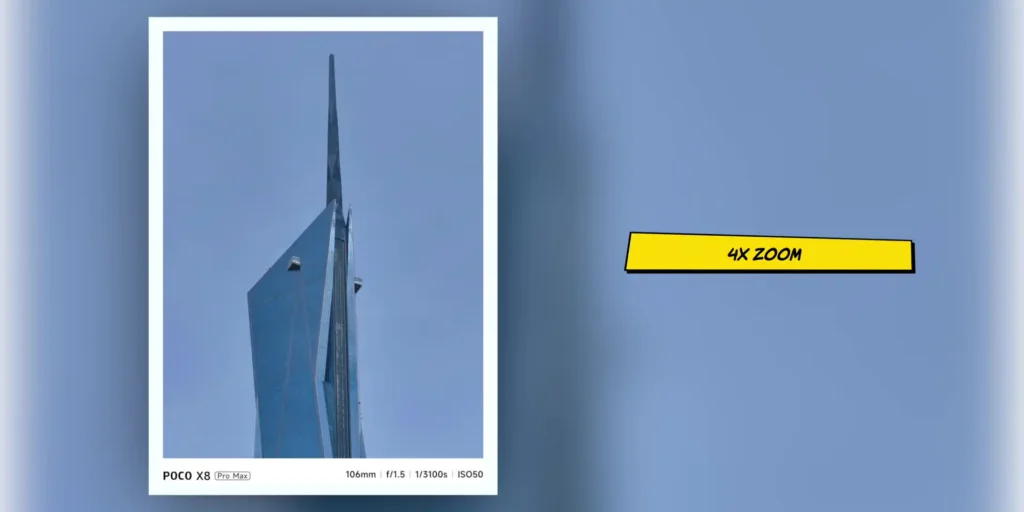
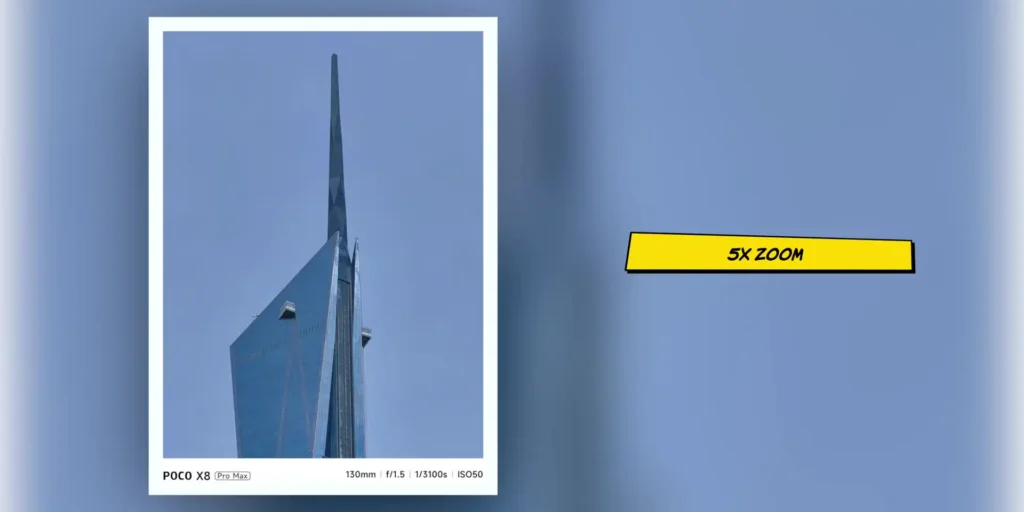
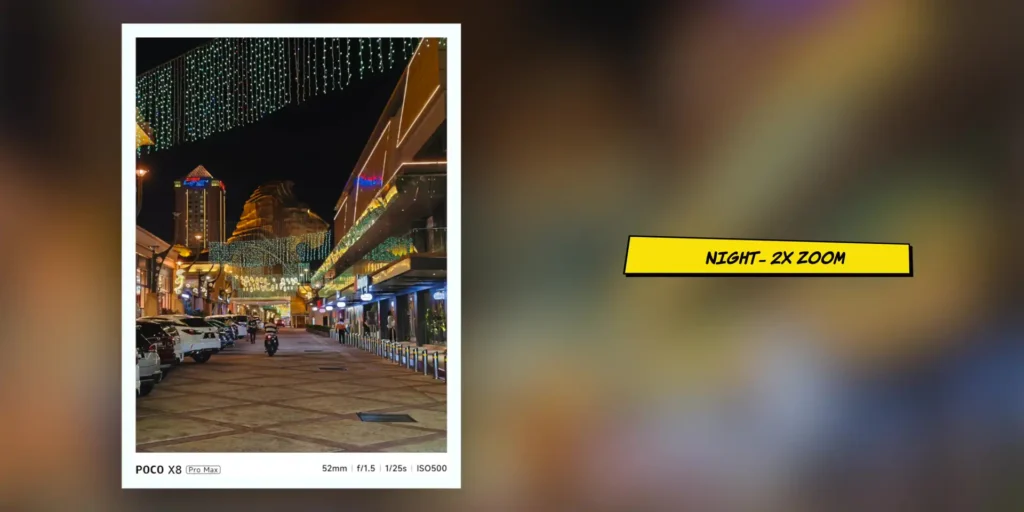
Night photography on the POCO X8 Pro Max actually shocked me after a recent software update. The ultrawide lens that used to struggle is now solid, maintaining great highlights and shadow detail. The POCO F8 Ultra’s ultrawide at night is equally impressive. Credit goes to both engineering teams because neither phone turns the night sky into a fake, artificial blue tone.





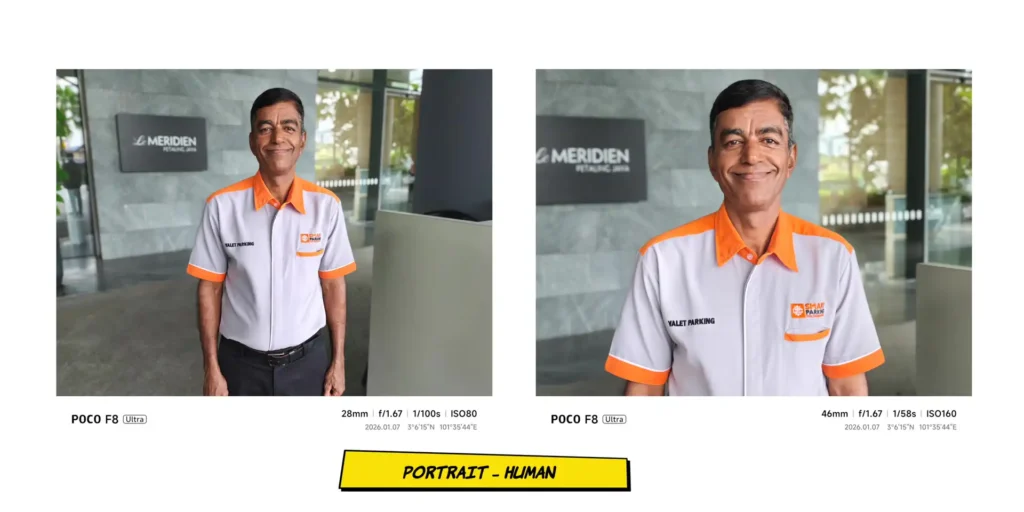
Portrait mode on both sides is also consistently strong for human subjects.

However, selfie video is where the POCO X8 Pro Max drops points hard. The front camera only records up to 1080p, which is a major letdown for modern standards. The POCO F8 Ultra, on the other hand, delivers full 4K front video. For anyone who shoots selfie content regularly, the POCO F8 Ultra has a clear advantage.


For overall video, you should stick to the main 4K lens on both phones, and avoid using the zoom function while recording on the POCO X8 Pro Max. Bottom line on cameras? If photos are your priority and you don’t zoom much, the POCO X8 Pro Max holds its own surprisingly well. But if you want versatility, real telephoto reach, and 4K selfie video, the POCO F8 Ultra is the superior camera system.


Battery
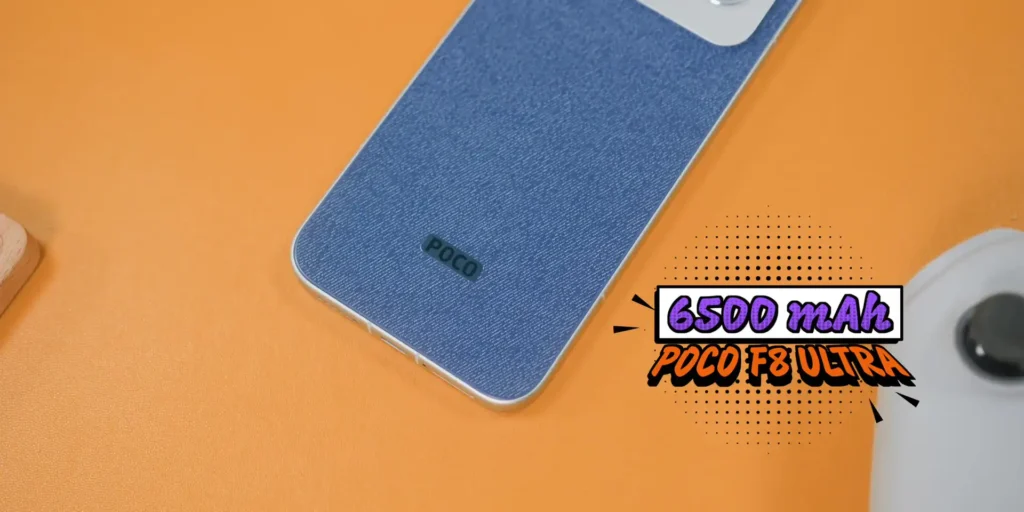
Now we get to the first of the two major categories where these phones drastically diverge, and this comparison is incredibly one-sided. The POCO X8 Pro Max packs a massive 8,500 mAh battery, while the POCO F8 Ultra has a 6,500 mAh battery cell, leaving it with 2,000 mAh less capacity.
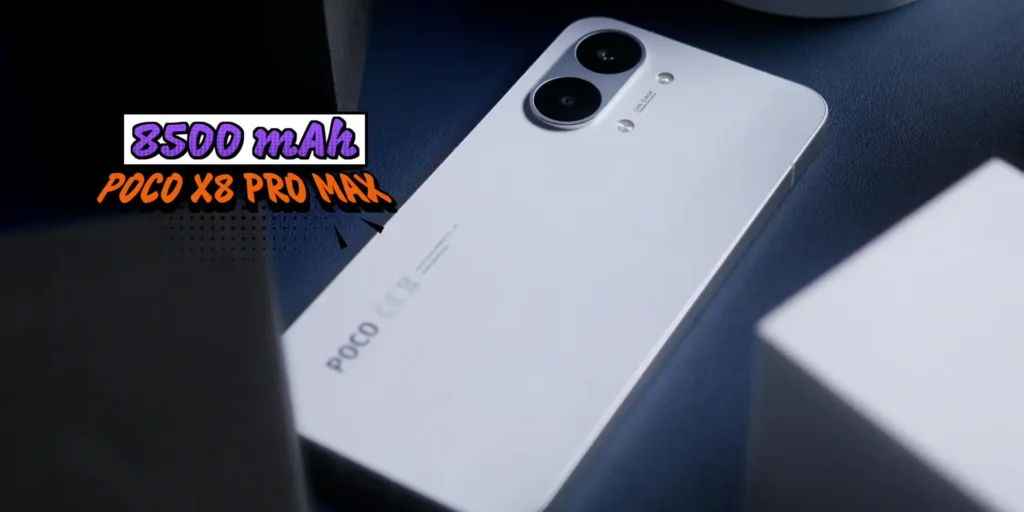
In real-world use, the POCO X8 Pro Max consistently delivers two and a half days on a single charge with mixed use, including gaming, videos, and scrolling. This phone is essentially a power bank that makes phone calls.
The POCO F8 Ultra, despite having a respectable capacity, still suffers from an initial battery drain annoyance even after three months of software updates, where the first two percent of power disappears in just nine minutes of screen-on time. Across two full days of mixed use, it nets about six and a half hours of total screen-on time, which is less than half of what the POCO X8 Pro Max delivers.
The POCO F8 Ultra does feature 50W wireless charging, while the POCO X8 Pro Max has no wireless charging support at all. But in reality, features only make sense if your battery lasts long enough, and if you have to charge twice as often, the battery life gap becomes a major factor. The battery category goes to the POCO X8 Pro Max, and it isn’t close.
Audio
The second major category goes the complete opposite way. The POCO X8 Pro Max features Dolby Atmos with dual stereo speakers, but to be frank, it sounds hollow. For an RM1,999 phone with Dolby Atmos on the label, I’ve heard better speakers on much cheaper devices, regardless of positive comments you might read online.
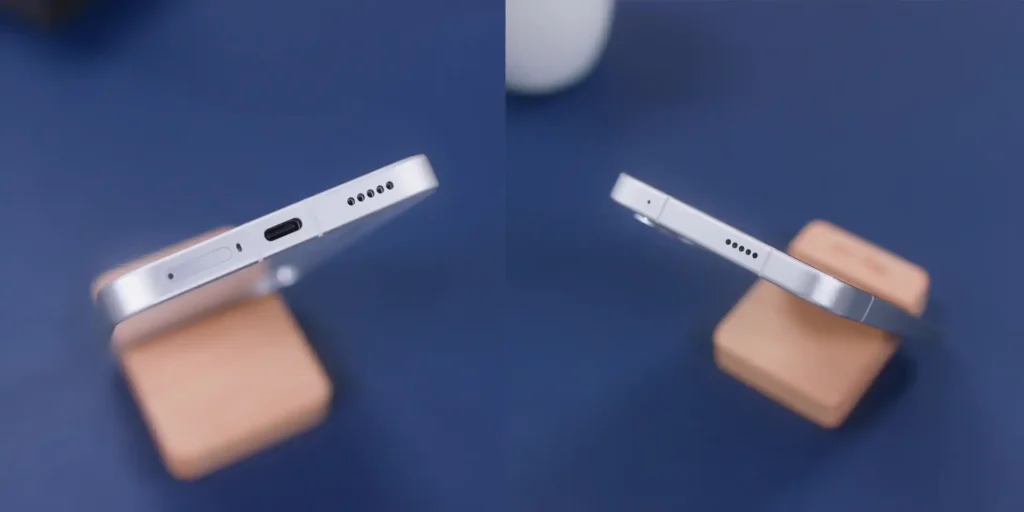
The POCO F8 Ultra, however, features a Bose subwoofer system integrated into the back, and the audio quality difference is immediate. The bass has actual weight, allowing the mids and highs to cut through clearly.
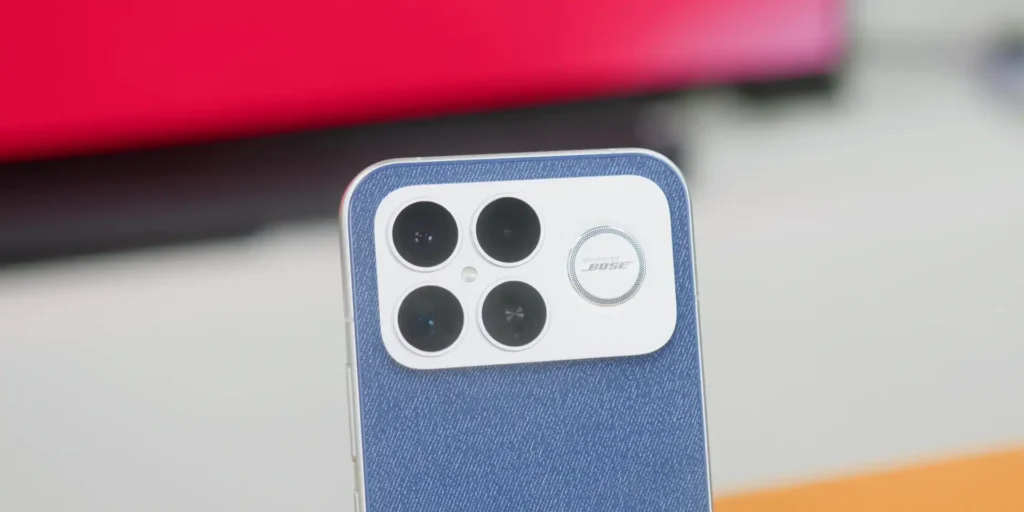
When tested side-by-side against premium flagships like the Samsung Galaxy S25 Ultra and the iPhone 17 Pro Max in a direct audio test, the POCO F8 Ultra held its own remarkably well. It sounds like a mini soundbar right in your hand.
If audio matters to you even a little bit, the POCO F8 Ultra wins this category by a very wide margin, matching the scale of the battery difference between the two devices. Honestly, this is the one area where that RM1,200 premium feels most justified.
Verdict
So, should you get the POCO X8 Pro Max or the POCO F8 Ultra? Let’s cut straight to the point.
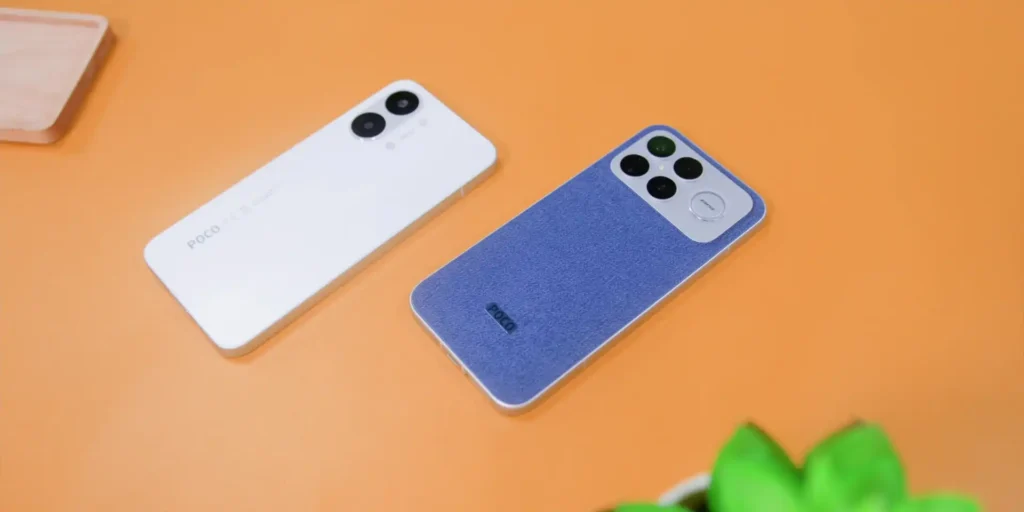
The POCO F8 Ultra wins on build quality, premium hand-feel, camera versatility with real telephoto reach, 4K selfie video, and an audio system that is on a completely different level. Meanwhile, the POCO X8 Pro Max wins on massive battery life, IP69 environmental protection, display brightness, and raw value for money.
For most consumers, the POCO X8 Pro Max at RM1,999 is the smarter buy. You get near-flagship performance, a battery that easily goes deep into day two, IP68 and IP69 protection, Wi-Fi 7, Bluetooth 6, and eSIM support, all while keeping RM1,200 in your pocket.
The POCO F8 Ultra only makes sense if audio quality is something you simply cannot compromise on, if you create front-facing content that requires telephoto versatility and 4K selfie video, or if the premium physical feel of a phone over two to three years of daily use is highly important to you. In those specific cases, the premium price tag starts to justify itself.
At RM3,199, the POCO F8 Ultra has to compete against established flagship offerings from Samsung, vivo, and others, meaning it has to work much harder to prove its worth. The POCO X8 Pro Max at RM1,999, however, has almost nothing to worry about at its price point.
To help you visualize the physical differences underneath the hood, here is the direct specifications comparison:
| Feature | POCO X8 Pro Max | POCO F8 Ultra |
|---|---|---|
| Price | RM1,999 | RM3,199 |
| Display Size | 6.83 inches | 6.9 inches |
| Display Glass | Corning Gorilla Glass 7i | POCO Shield Glass |
| Peak Brightness | 3,500 nits | 3,500 nits |
| Processor | MediaTek Dimensity 9500s (3nm) | Snapdragon 8 Elite Gen 5 (3nm) |
| Rear Main Camera | 50 MP (f/1.5, OIS, 26mm) | 50 MP (f/1.67, OIS, 23mm) |
| Rear Ultrawide | 8 MP (f/2.2, 15mm) | 50 MP (f/2.4, 18mm) |
| Rear Telephoto | N/A (Digital zoom only) | 50 MP Periscope (f/3.0, OIS, 5x Optical, 115mm) |
| Front Camera | 20 MP (f/2.2) | 32 MP |
| Front Video Max | 1080p @ 30/60fps | 4K @ 30fps |
| Battery Capacity | 8,500 mAh (Silicon-Carbon) | 6,500 mAh (Silicon-Carbon) |
| Wired Charging | 100W HyperCharge | 100W HyperCharge |
| Wireless Charging | N/A | 50W wireless HyperCharge |
| Water Resistance | IP68 / IP69 | IP68 |
| Audio Setup | Stereo Speakers (Dolby Atmos) | Symmetrical Stereo + Bose Subwoofer |
| Weight | 218g | 218g (Black) / 220g (Denim Blue) |
| Thickness | 8.2mm | 7.9mm (Black) / 8.3mm (Denim Blue) |
Frequently Asked Questions (FAQ)
Does the POCO X8 Pro Max support wireless charging?
No, the POCO X8 Pro Max does not support wireless charging. If wireless charging is a requirement for your workflow, the POCO F8 Ultra supports 50W wireless charging.
Which phone has better battery life for gaming and heavy use?
The POCO X8 Pro Max is the clear winner for endurance, featuring an 8,500 mAh battery that consistently provides up to 2.5 days of mixed usage. The POCO F8 Ultra features a 6,500 mAh battery, which is smaller and requires more frequent charging.
Is the POCO F8 Ultra’s audio quality significantly better?
Yes. The POCO F8 Ultra includes a dedicated Bose subwoofer system integrated into the chassis, providing deeper bass and clearer mid-to-high frequencies compared to the hollower-sounding dual stereo speakers on the POCO X8 Pro Max.
Can the POCO X8 Pro Max record 4K video on the front camera?
No, the POCO X8 Pro Max front camera is limited to 1080p recording. The POCO F8 Ultra is the recommended choice for content creators as it supports native 4K selfie video.
Related:
- • POCO X8 Pro Max After 1 Month Review: They Said RM1,999 Can’t Buy a Flagship?
- • POCO F8 Ultra After 3 Months: ❌ I Was WRONG
- • POCO F8 Ultra Review: After 1 Month