
TL;DR / At a Glance:
Six months after release, the Xiaomi 17 Ultra remains a top-tier flagship in Malaysia. Powered by the Snapdragon 8 Elite Gen 5 processor and 16GB RAM, its daily performance is flawless. Its standout feature is the Leica-engineered quad-camera array featuring a 1-inch main sensor and a 200MP continuous optical zoom (75-100mm), which outperforms competitors in low-light and long-range stability. The 6,000mAh silicon-carbon battery consistently provides nearly two days of moderate use (6 hours SOT).
Key trade-offs include pre-installed software bloatware in HyperOS, poor pre-applied screen protector quality, and average front-facing video performance.
Starting at RM5,499 for 16GB RAM and 512GB storage, it delivers long-term value for mobile photographers.
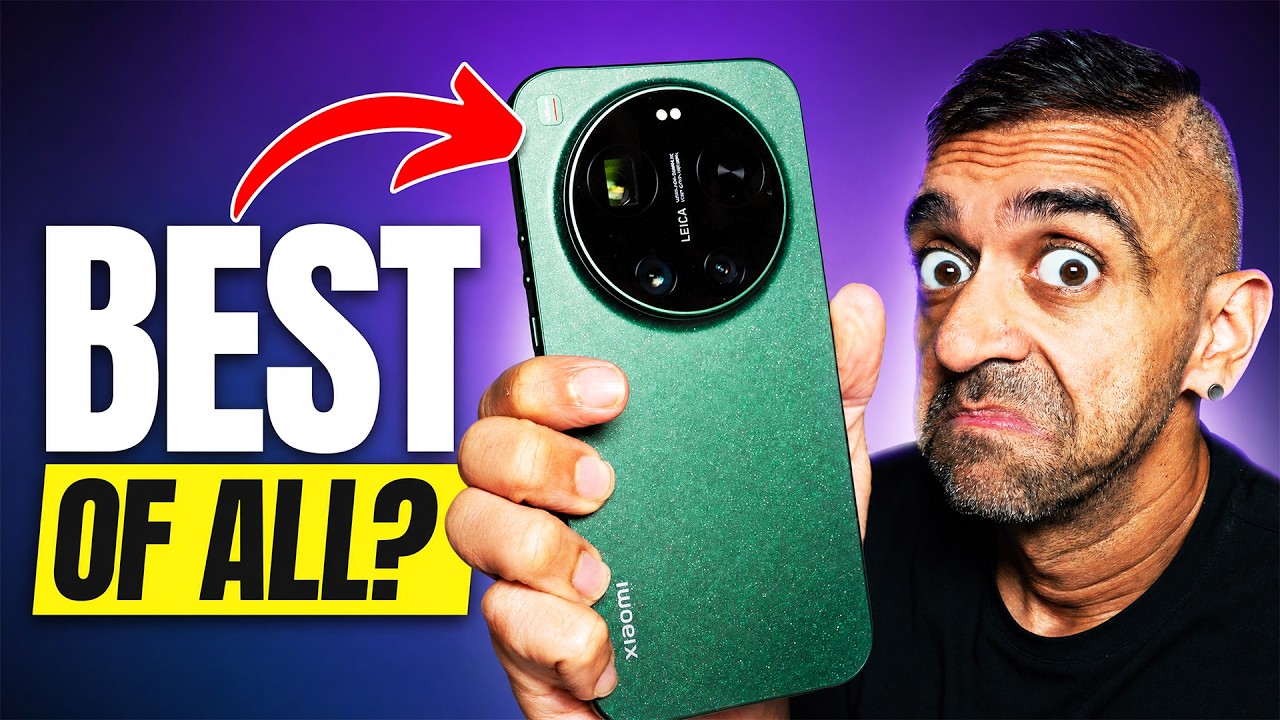
The problem with the Xiaomi 17 Ultra is that it was released early in the year, so people tend to forget about it. I am revisiting this device after 6 months to find out if this phone got better with age or if 6 months just exposed everything Xiaomi hoped you wouldn’t notice.
Design & Build
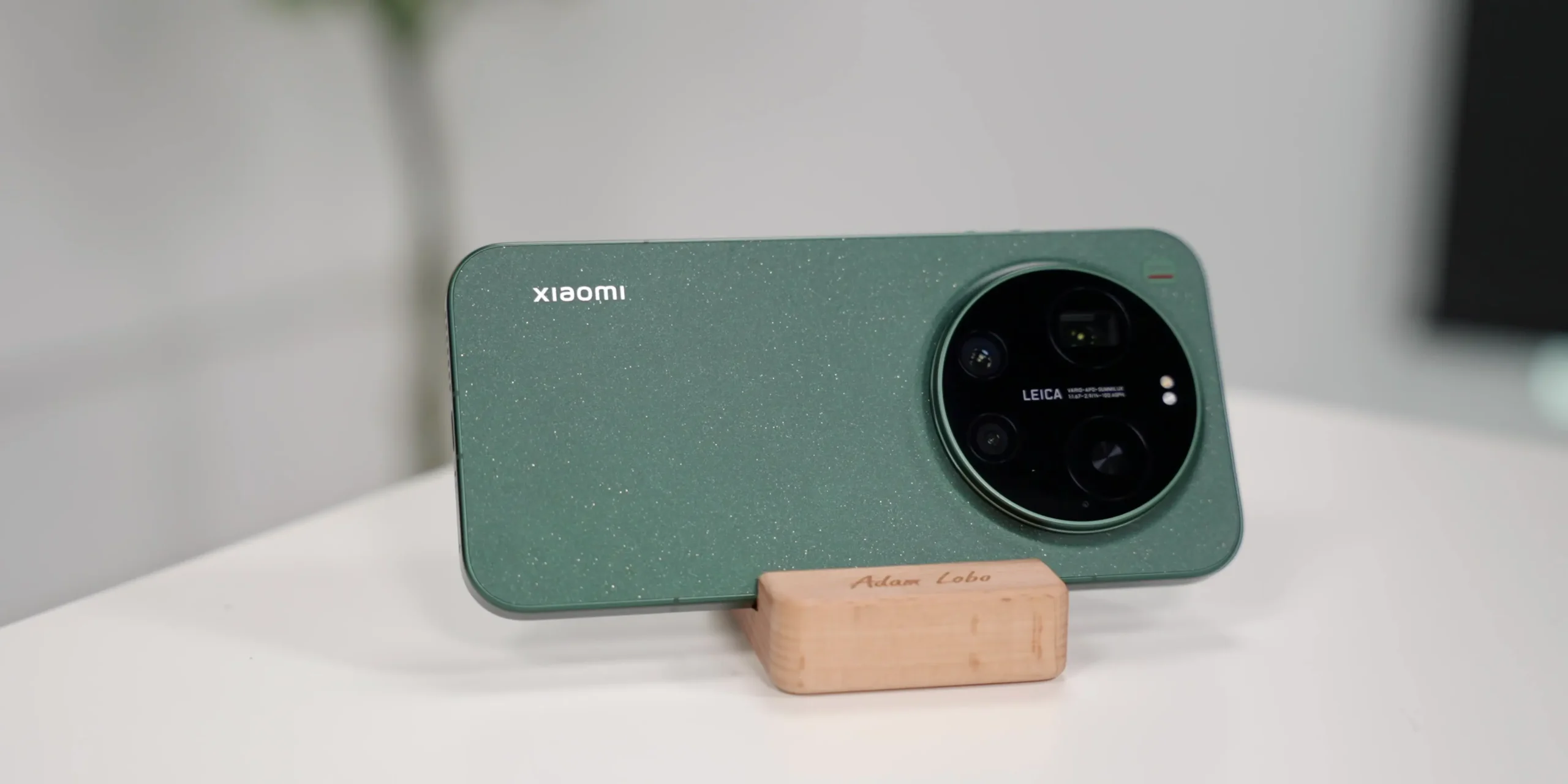
I have actually been using the phone caseless this whole time because I just love how it feels in the hand. And this Starlit Green finish also really looks premium, too. It was something that I appreciated the more I used it.
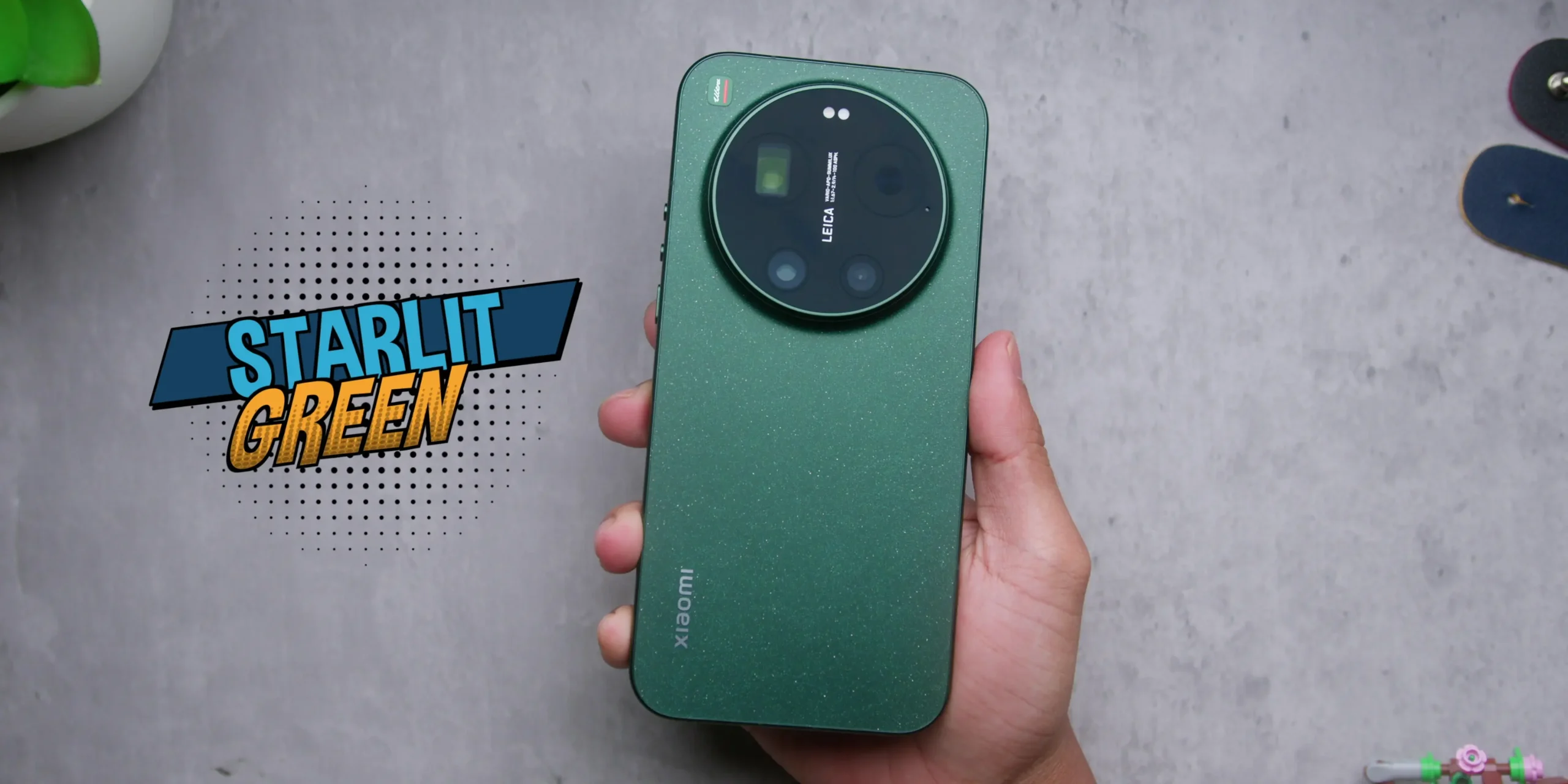
However, as much as I am used to huge camera modules like this, as it is very similar to the Ultra smartphones from vivo and OPPO, my biggest anxiety is how these big camera modules on ultra phones can get scratched up fast when you set them face down on a table. But Xiaomi put Corning’s Gorilla Glass 7i specifically on this camera bump. Compared to vivo putting what they call Armor Glass and OPPO with their NanoCrystal Shield, I trust Corning more than these proprietary options because 6 months later, there is not a single visible scratch.
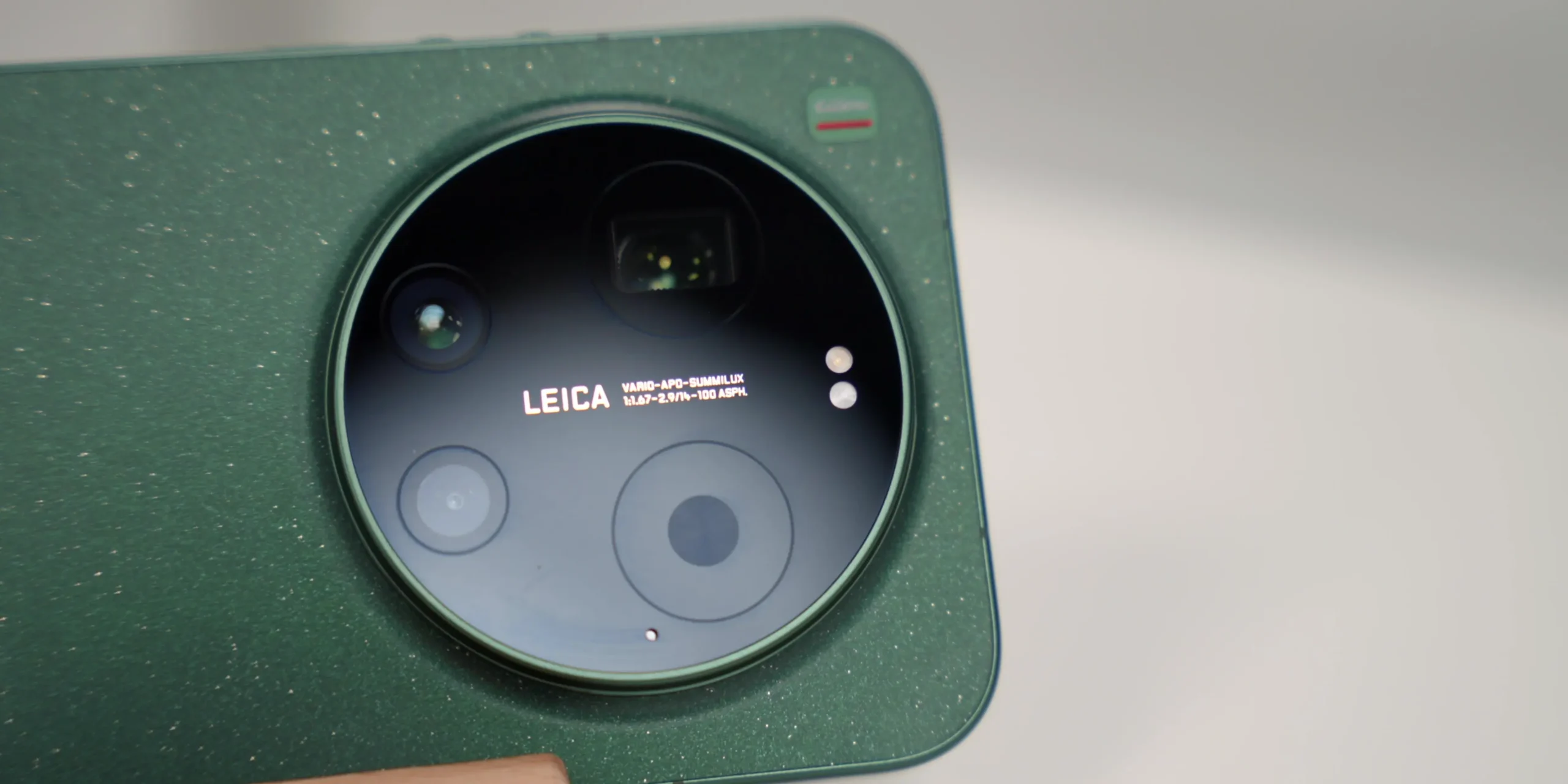
Speaking of the camera bump again, I honestly like the fact that I can rest my index finger just below it when I am using the phone with one hand. The back itself is an aerospace-grade fiberglass, not actual glass. Which sounds like a cost cutting decision from Xiaomi, but I feel it is actually smart because it keeps this phone so much lighter than the vivo X300 Ultra and the OPPO Find X9 Ultra where you will surely feel that weight difference.
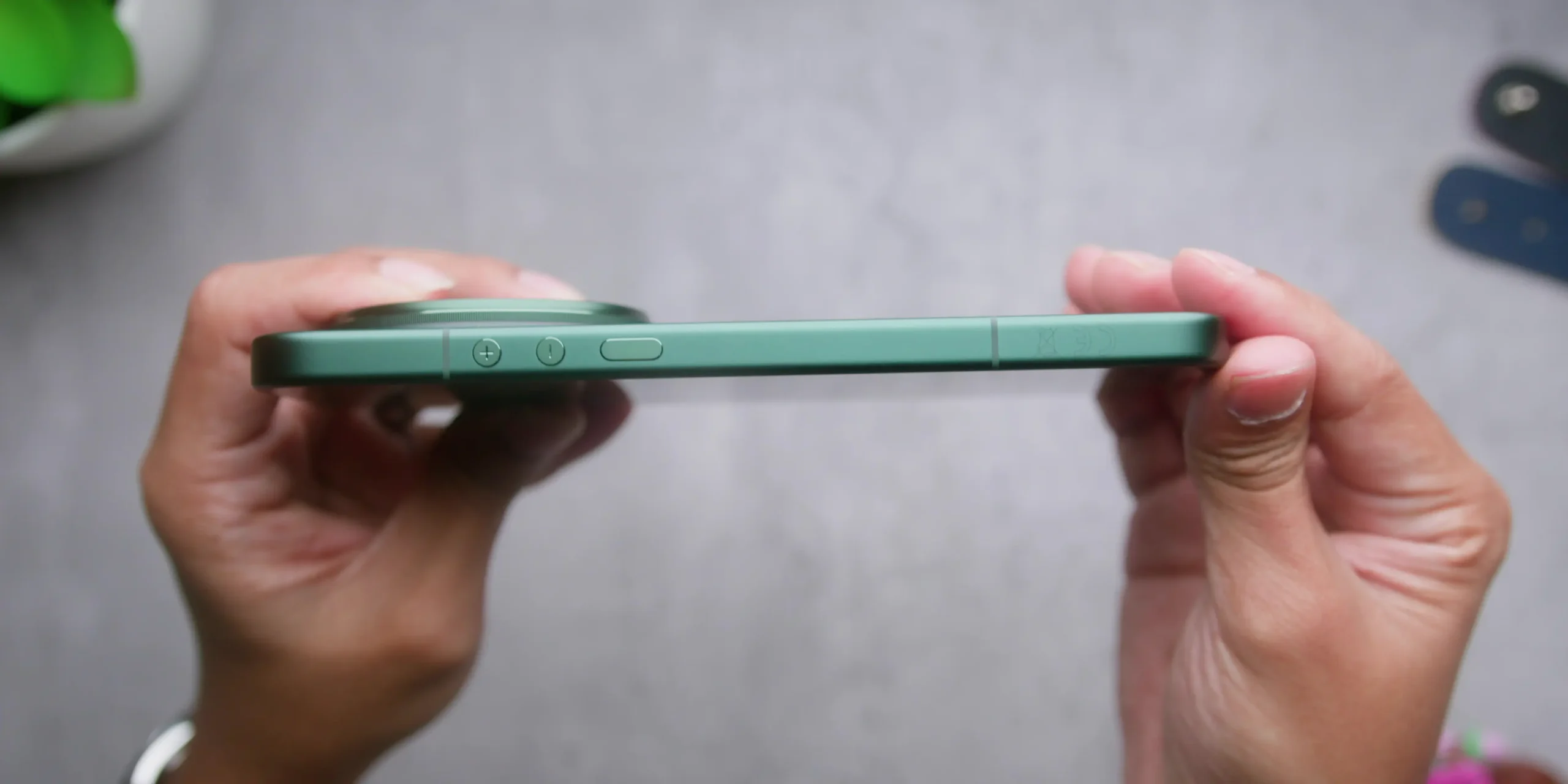
My one ongoing gripe is the rounded buttons, which may take some getting used to. Especially if you have thicker fingers, grabbing a quick screenshot can actually be a struggle at first.
⭐ Design and build quality rating: 4 out of 5 stars.
Display
The longer you live with this display, the more you appreciate what Xiaomi actually did here. This 6.9-inch AMOLED screen has a proper 12-bit color, not 8-bit pretending to be 12-bit. If you know, you know. On top of that, it has up to 3500 nits of peak brightness and it is also Dolby Vision certified.
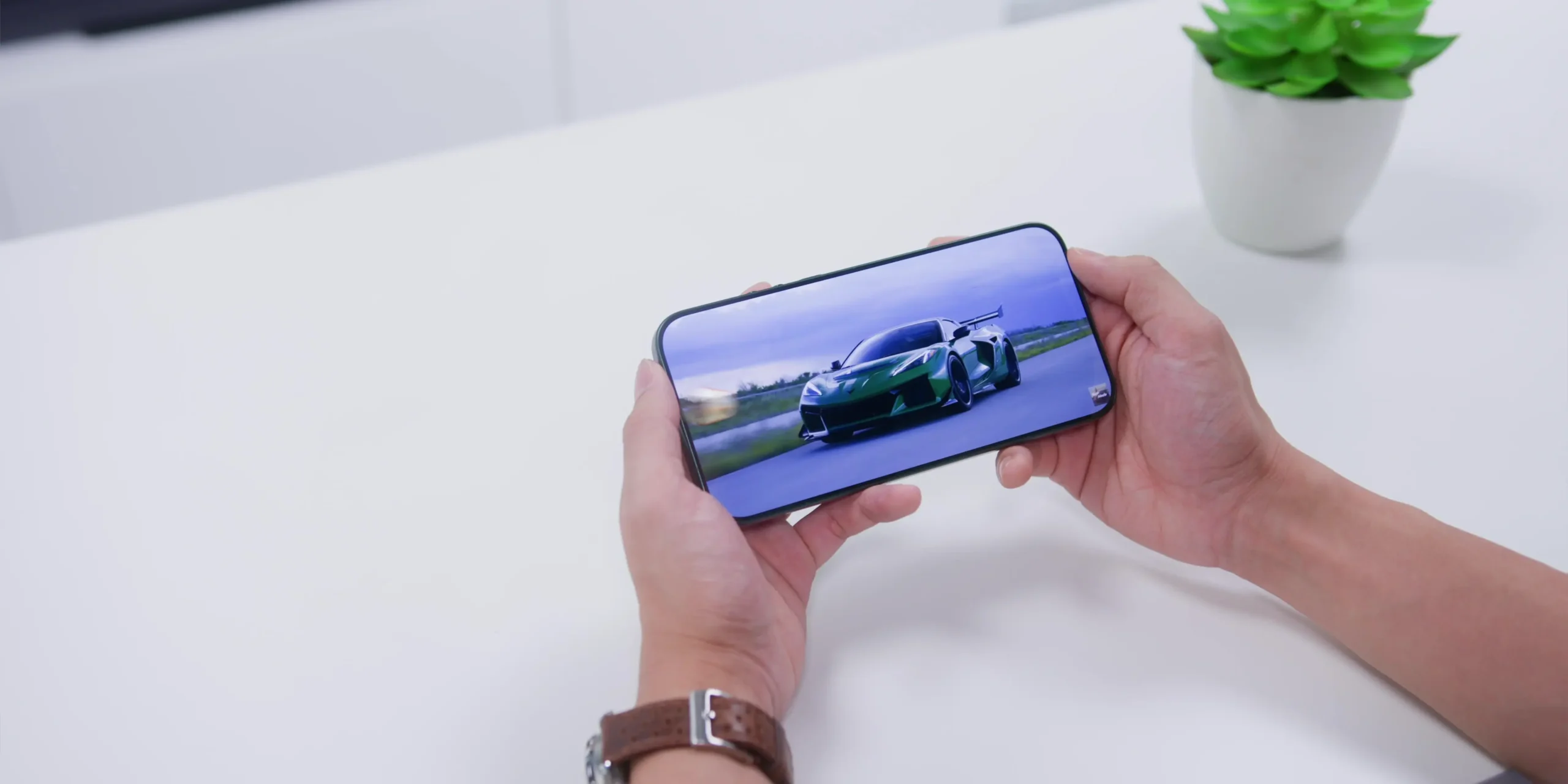
All of which means that you will feel like you are watching an OLED TV on this device. One thing I will say is the fact that the pre-installed screen protector is bad. So it is either you can get a proper one to replace it or you can just take it off and rely on Xiaomi’s Shield Glass 3.0.
The fingerprint unlock is still one of the fastest enrolments I have used on any phone. That press and rotate entry is still very satisfying. It is a small thing, but after unlocking this phone probably about 30 times a day, it is these small things that start to matter.
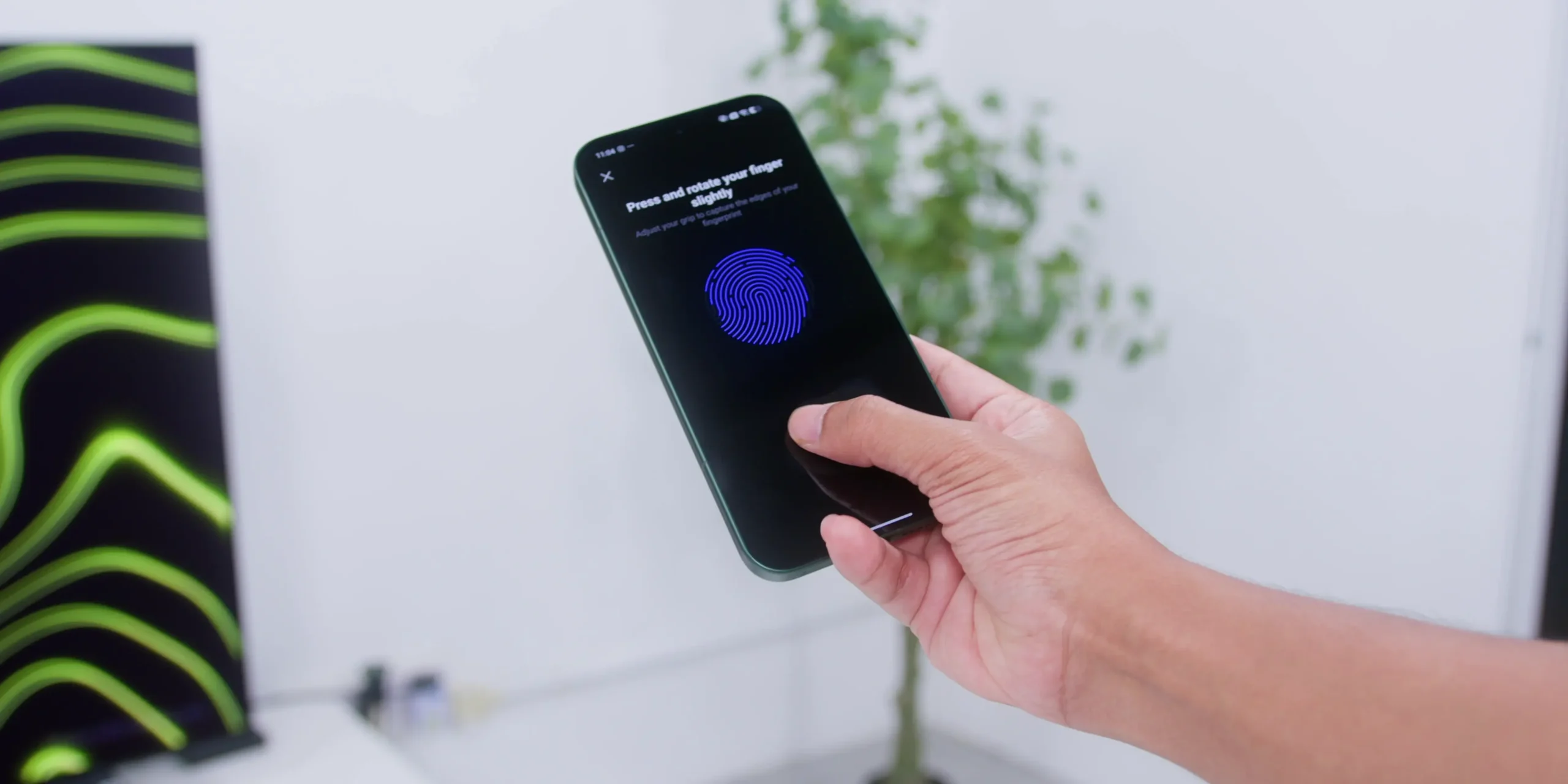
Since this is an LTPO Panel, the refresh rate goes down all the way to 1Hz when you are not using the phone, which saves the battery.
⭐ Display: 4.5 out of 5 stars.
Camera
Cameras are still the headline reason to buy an Ultra. Many people forget about how good the cameras are, and after 6 months, that hasn’t changed. The 1-inch main sensor paired with Leica’s low-light mode is still the standout compared to other latest Ultra smartphones like vivo and OPPO, which don’t have a 1-inch sensor.
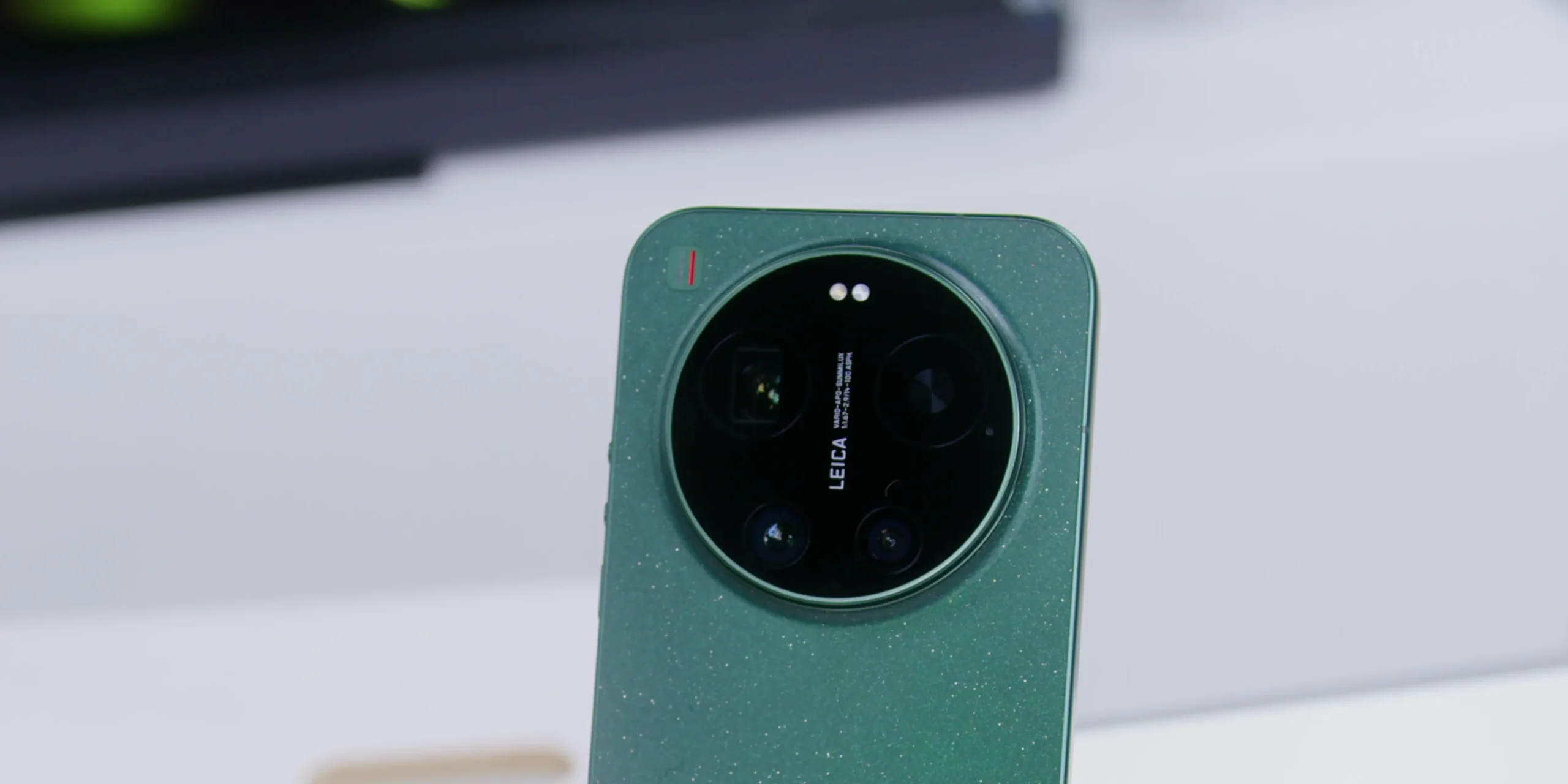
Revisiting this phone after 6 months was truly refreshing. Even now, the phone takes the best shots not only during the day but at night, too.

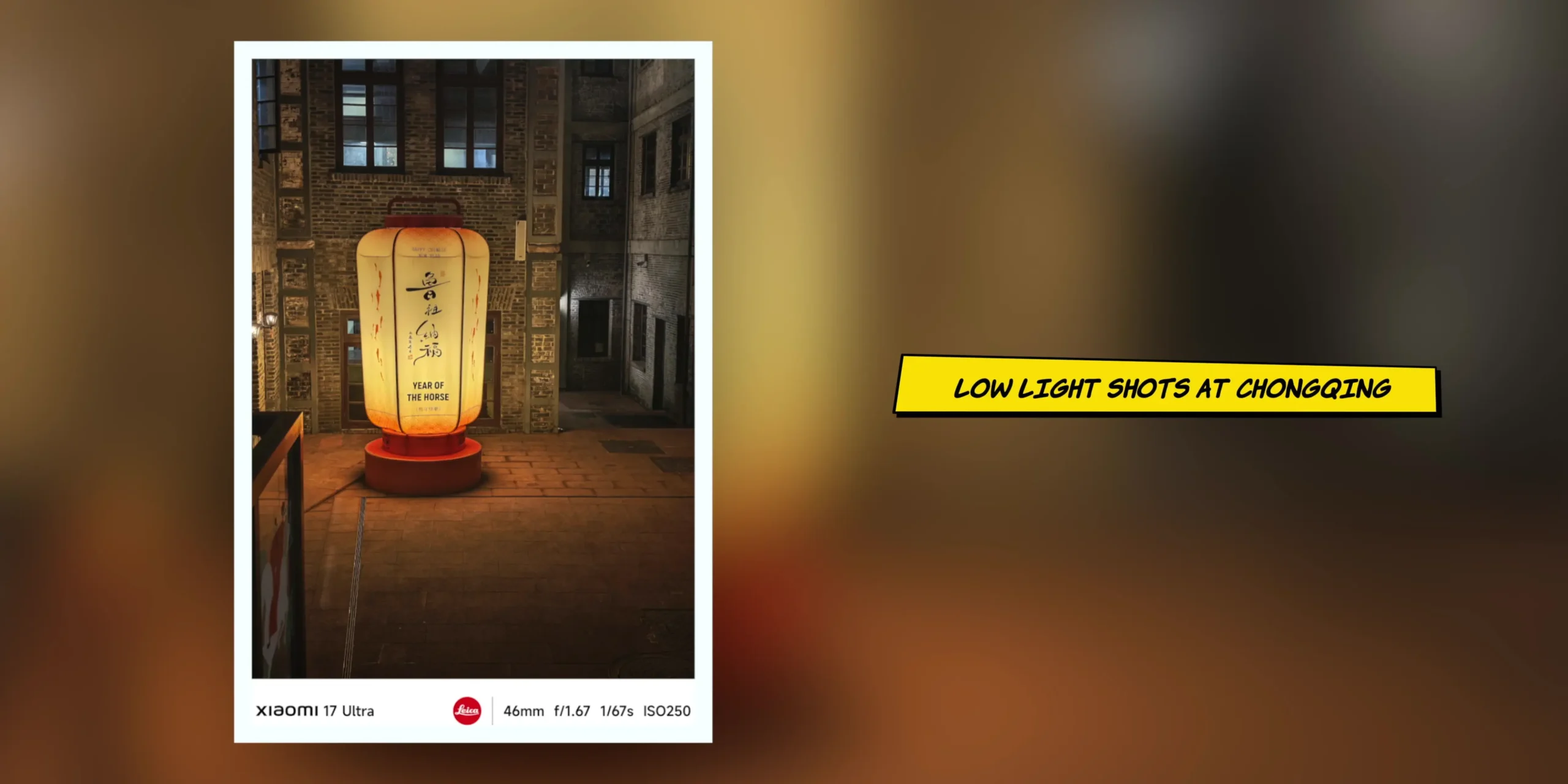

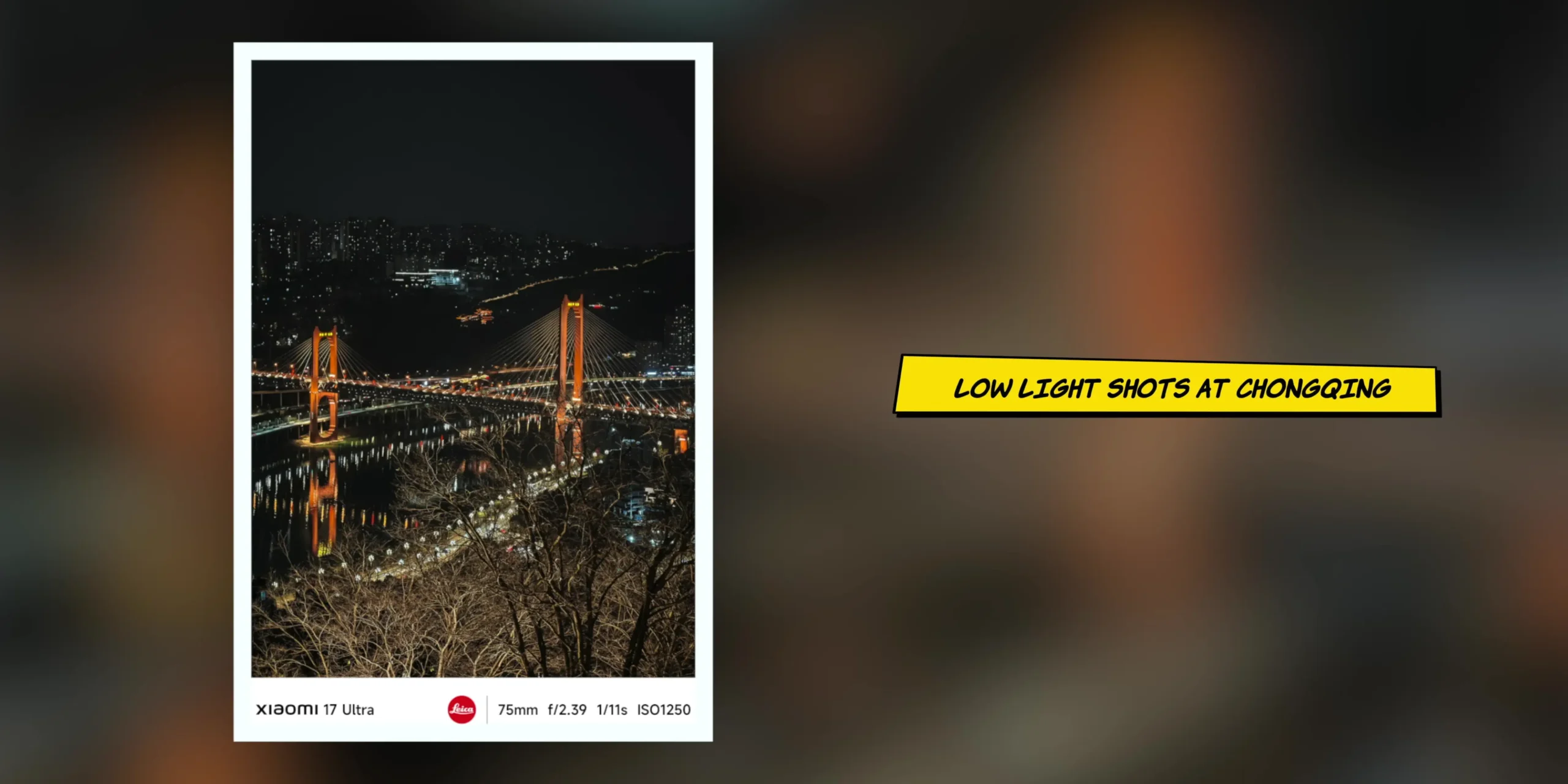
I even intentionally took some photos towards the evening in Malaysia to see how the camera handled the combo of highlights and shadows, and it turned out great.
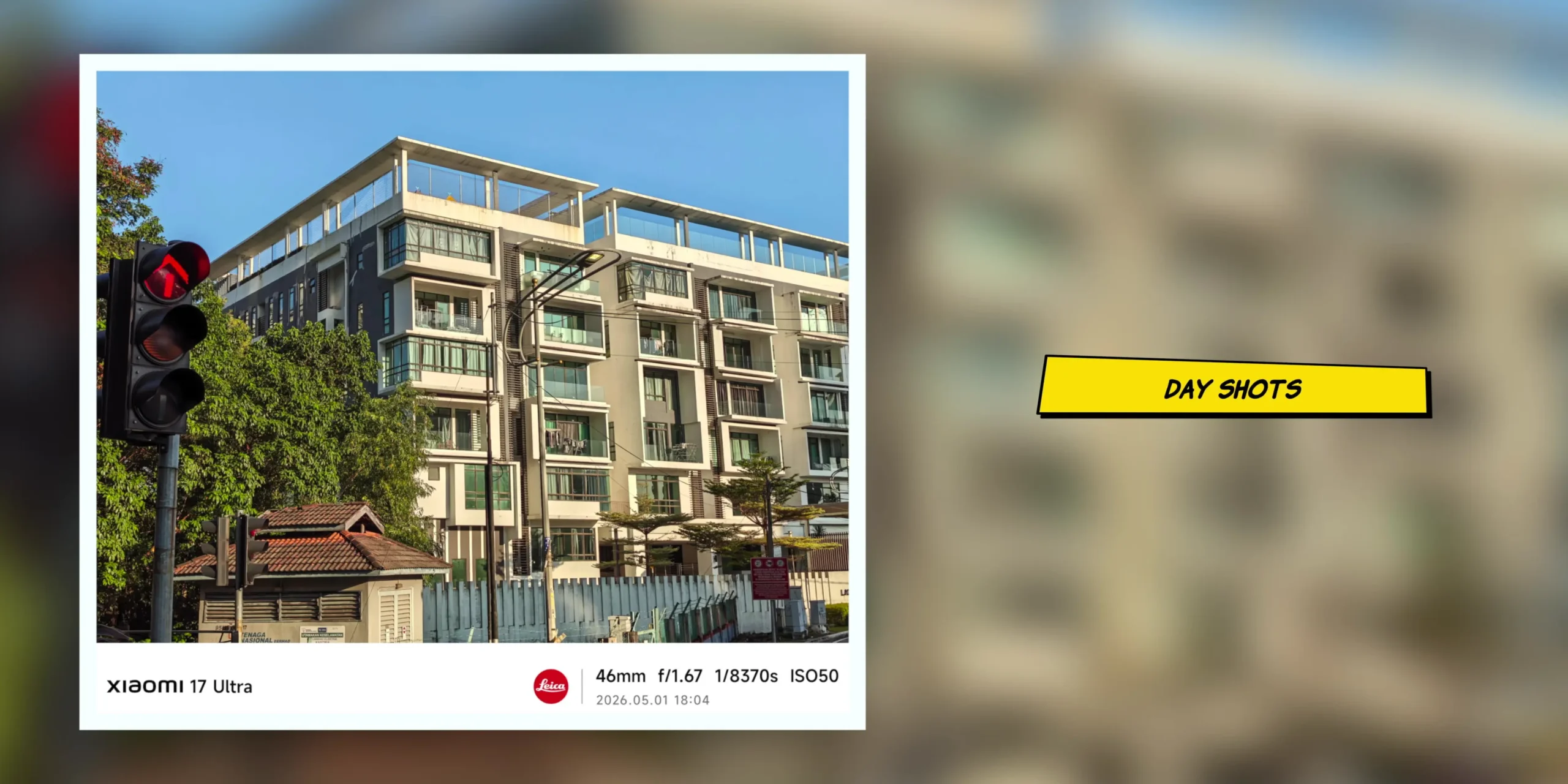
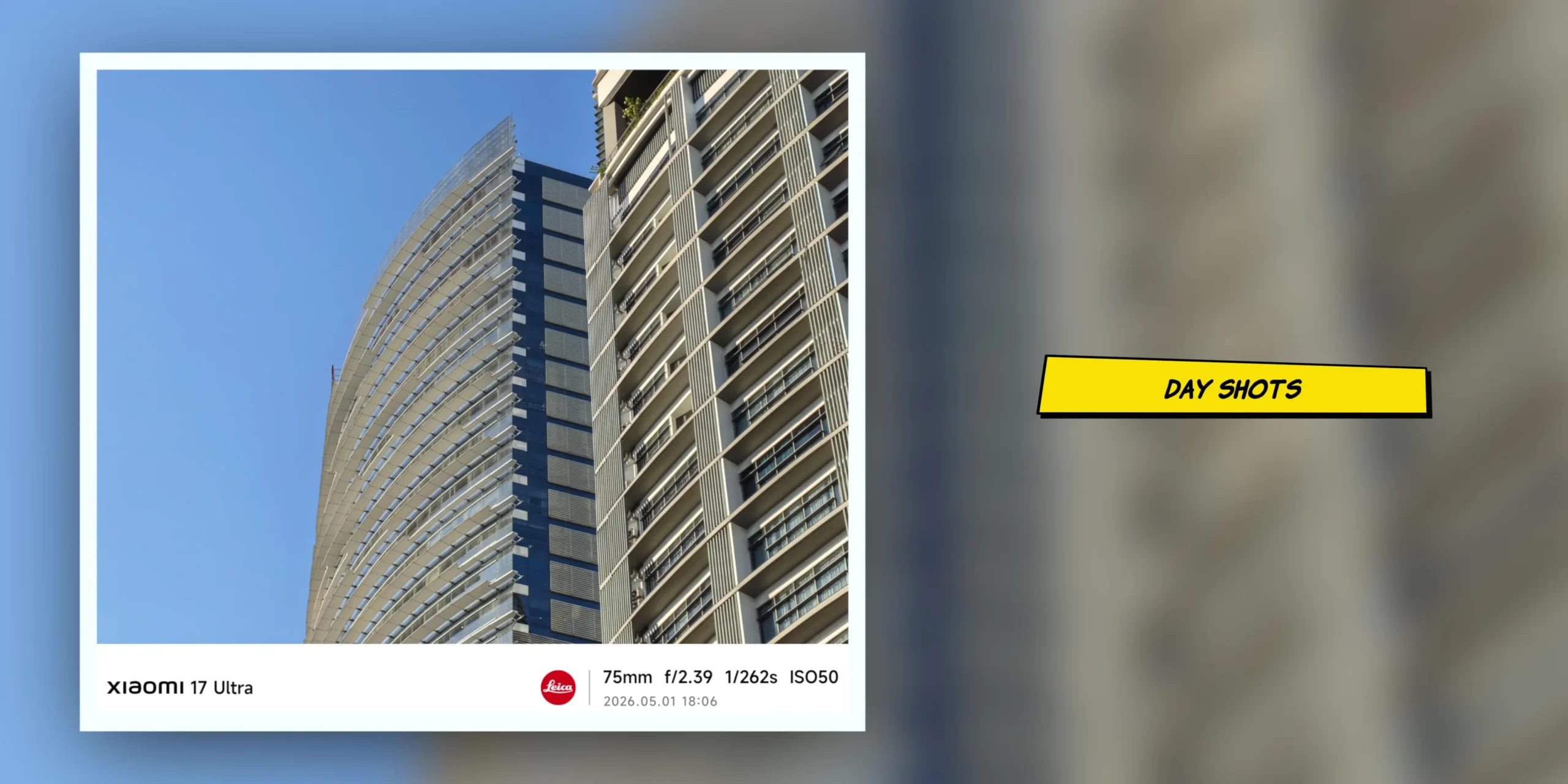
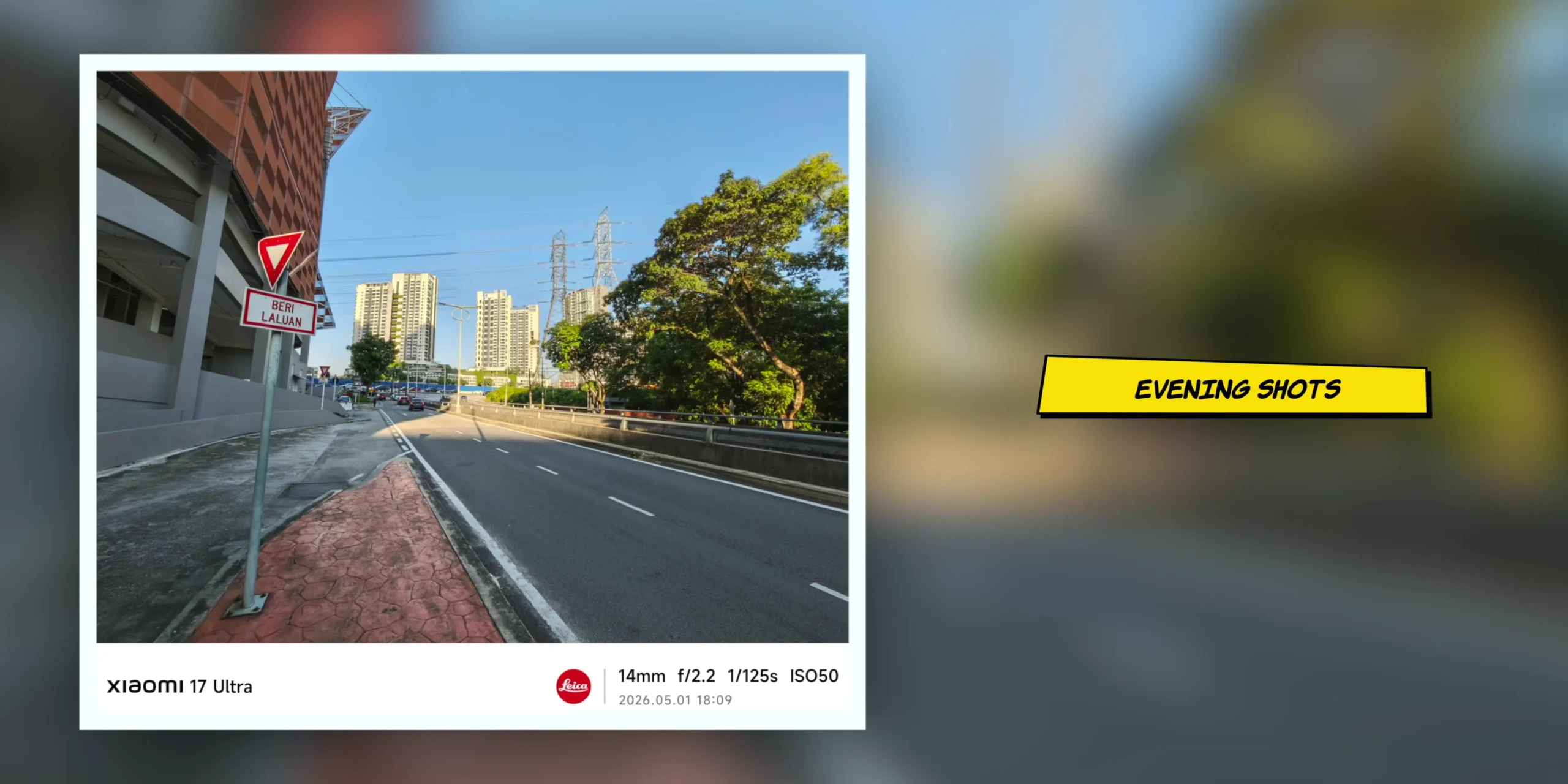
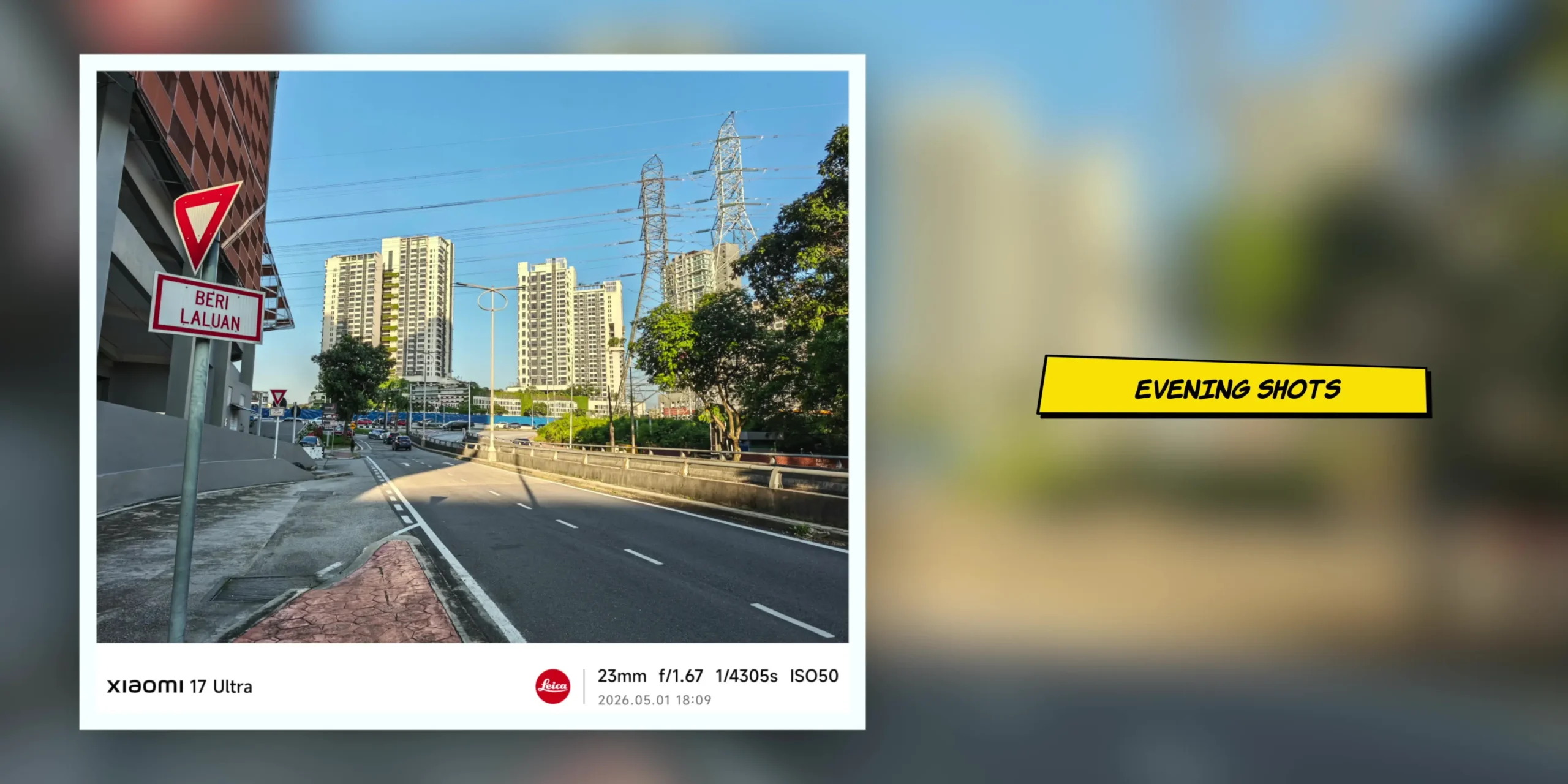
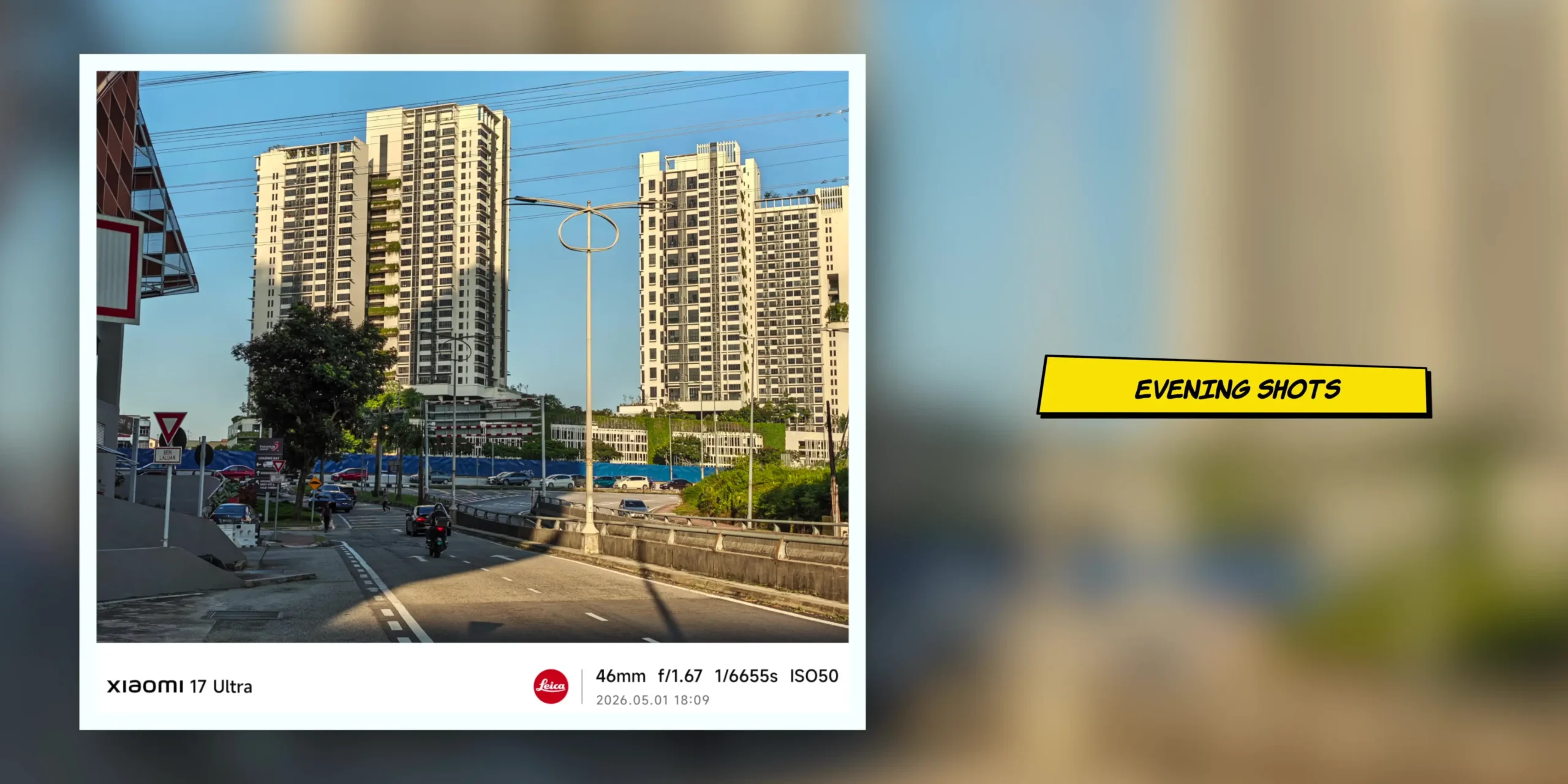
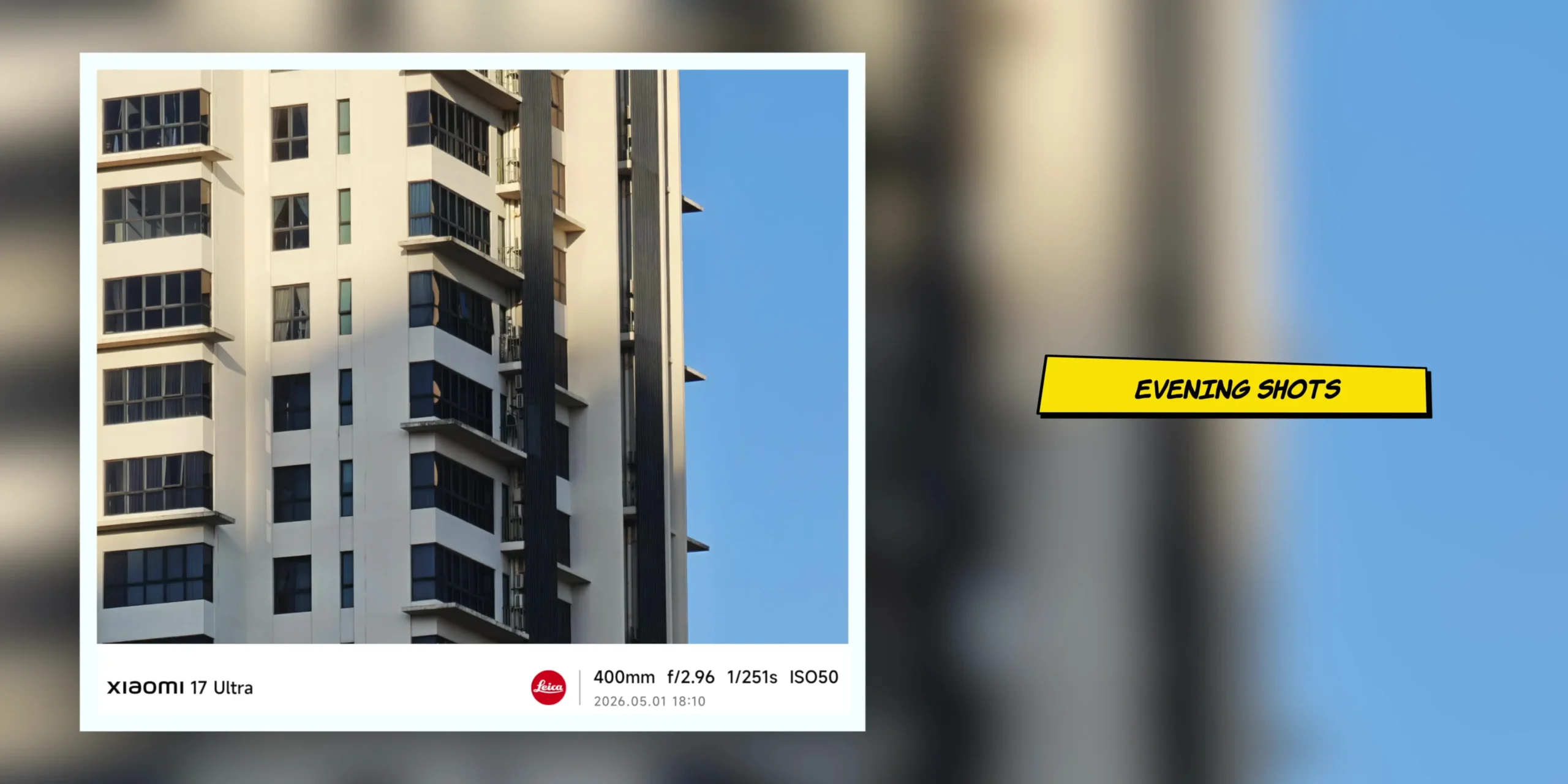
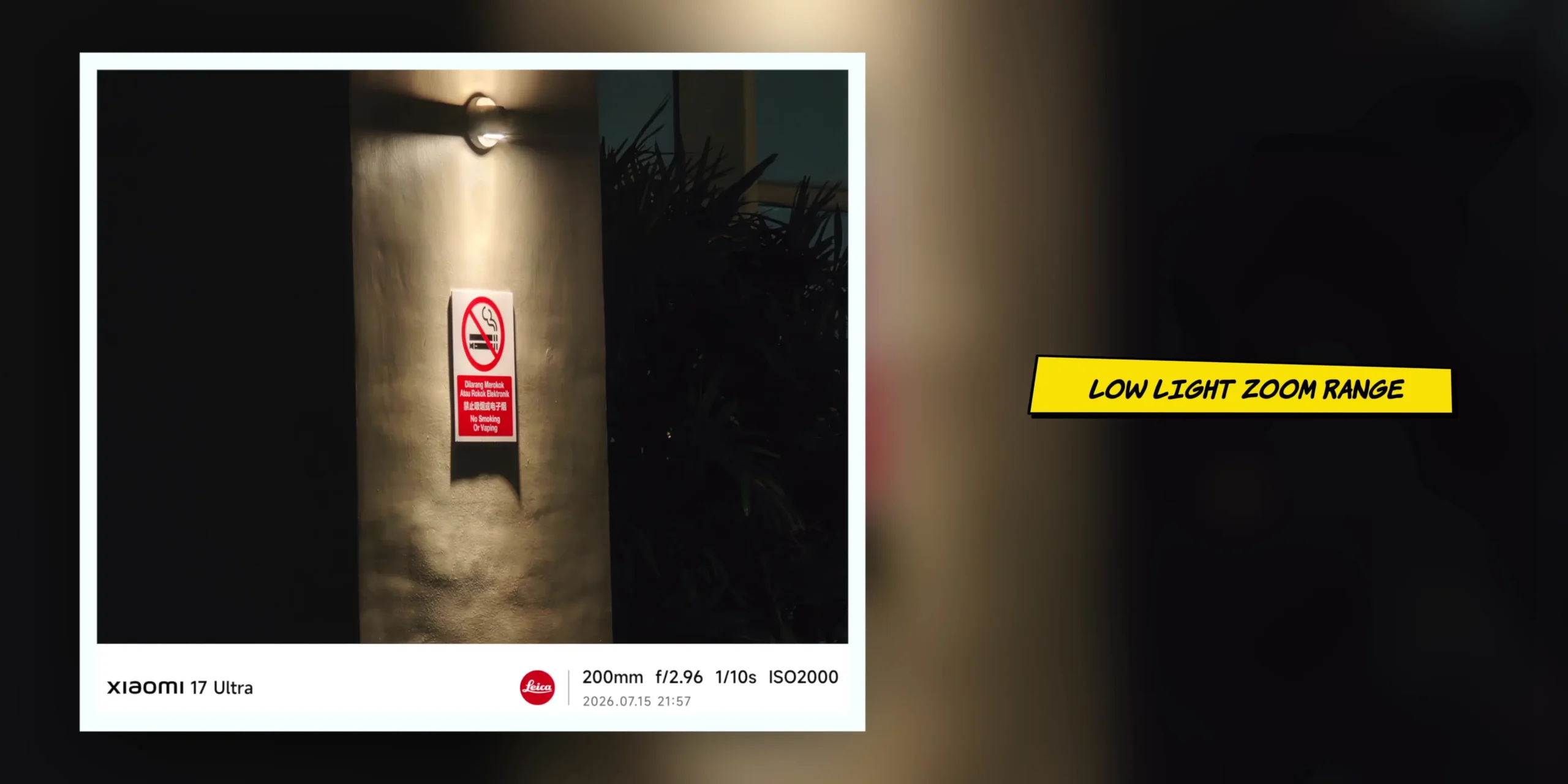
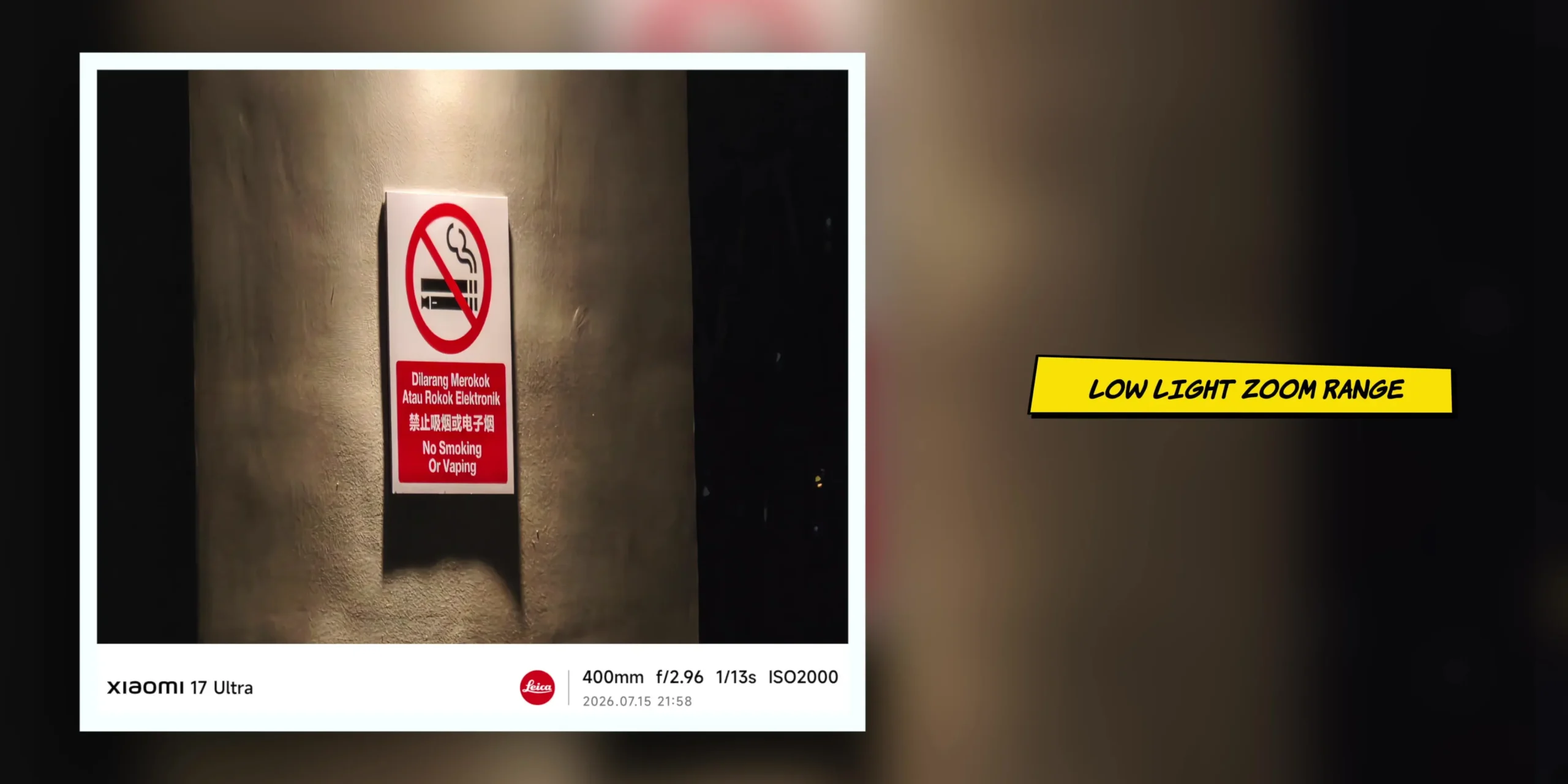
I also tested the zoom ranges under very low light and it held very well, too.
The video quality was really great in the evening, as was the stabilization. The same could be said for the 1x nighttime videos with great stabilization too. There is also an option for LOG Recording, if you ever need it.

On previous generation Xiaomi Ultra smartphones, I always used the Leica Authentic Filter, but this time around I went with Leica Vibrant all the way because the image processing was not as overly saturated as it was before. Although the skin tones do get slightly brighter in portrait mode after taking the shot, even when on the Master Portrait or the Leica Portrait Mode with HDR turned off, so keep that in mind.
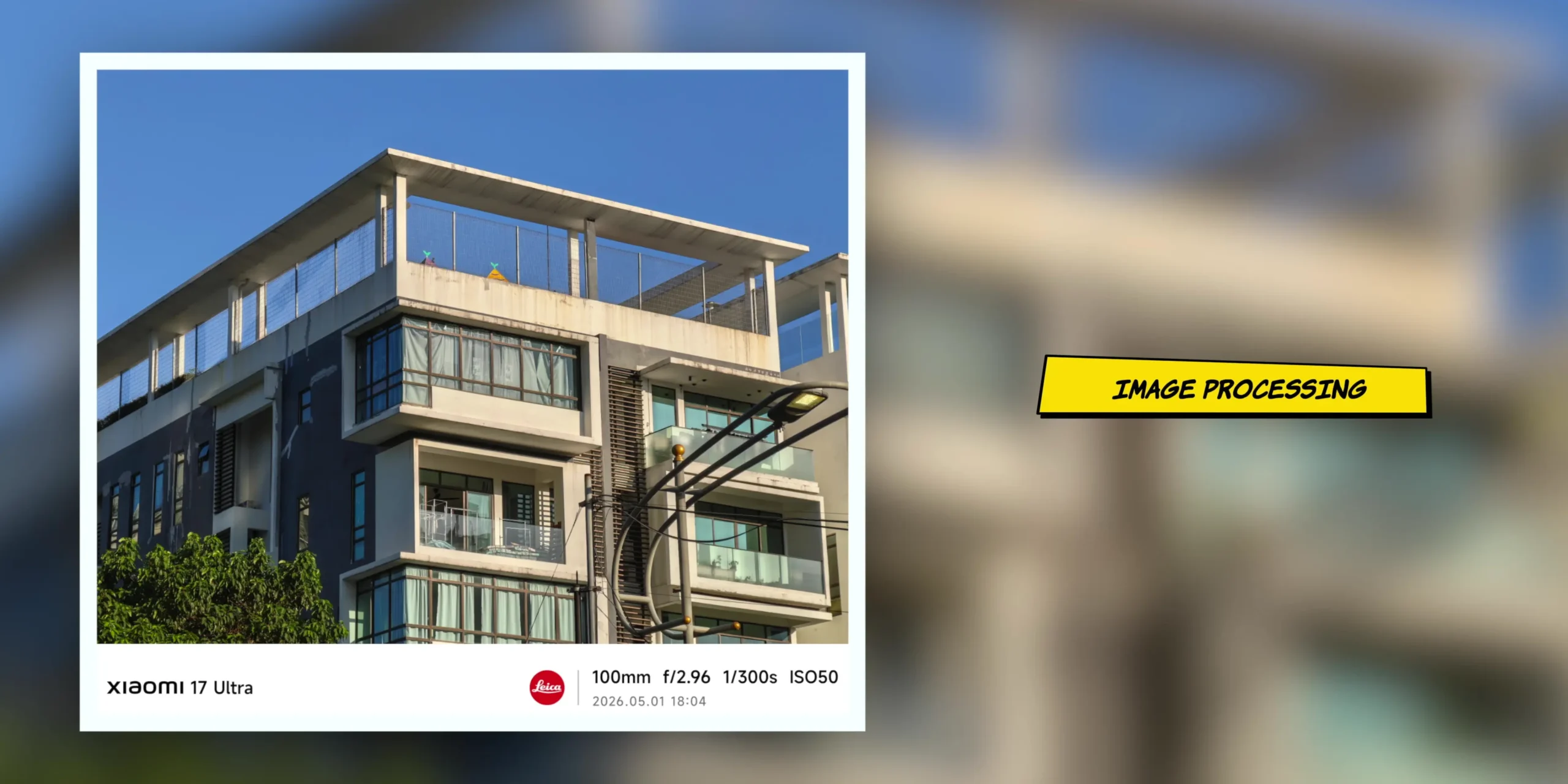
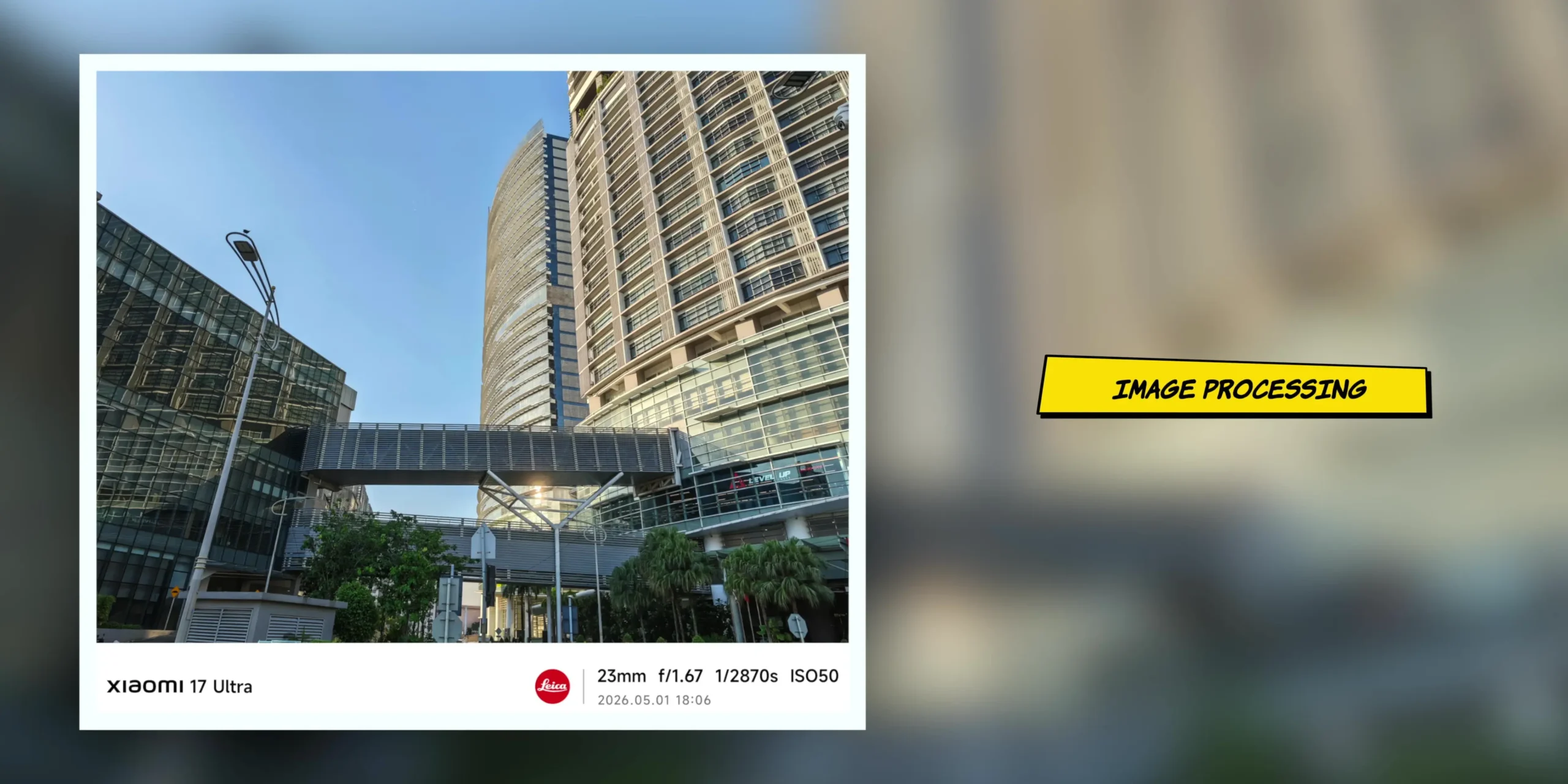

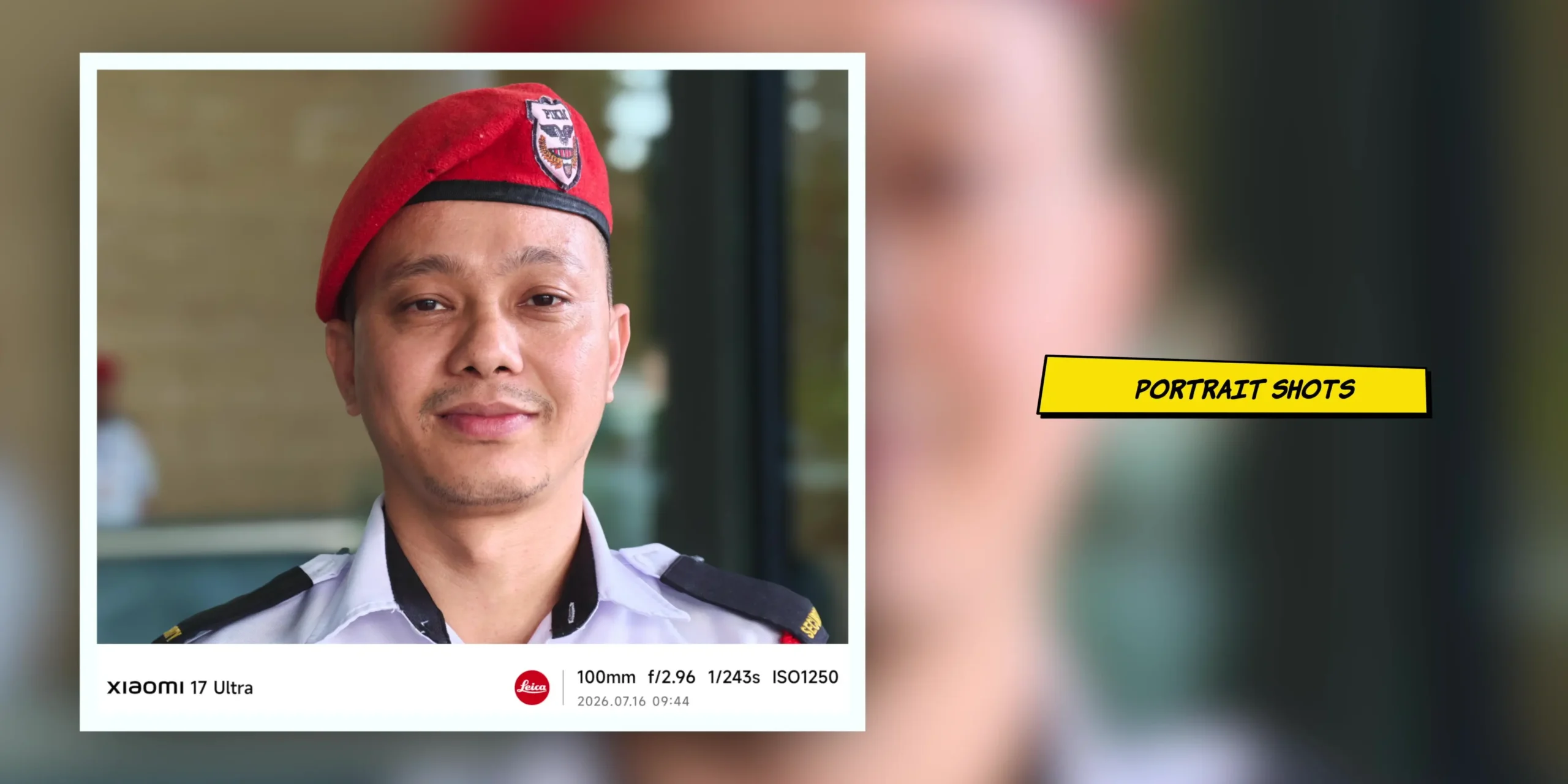
But among all, the 200 megapixel continuous optical zoom of 75 to 100mm is still one of the most impressive things on any phone right now.
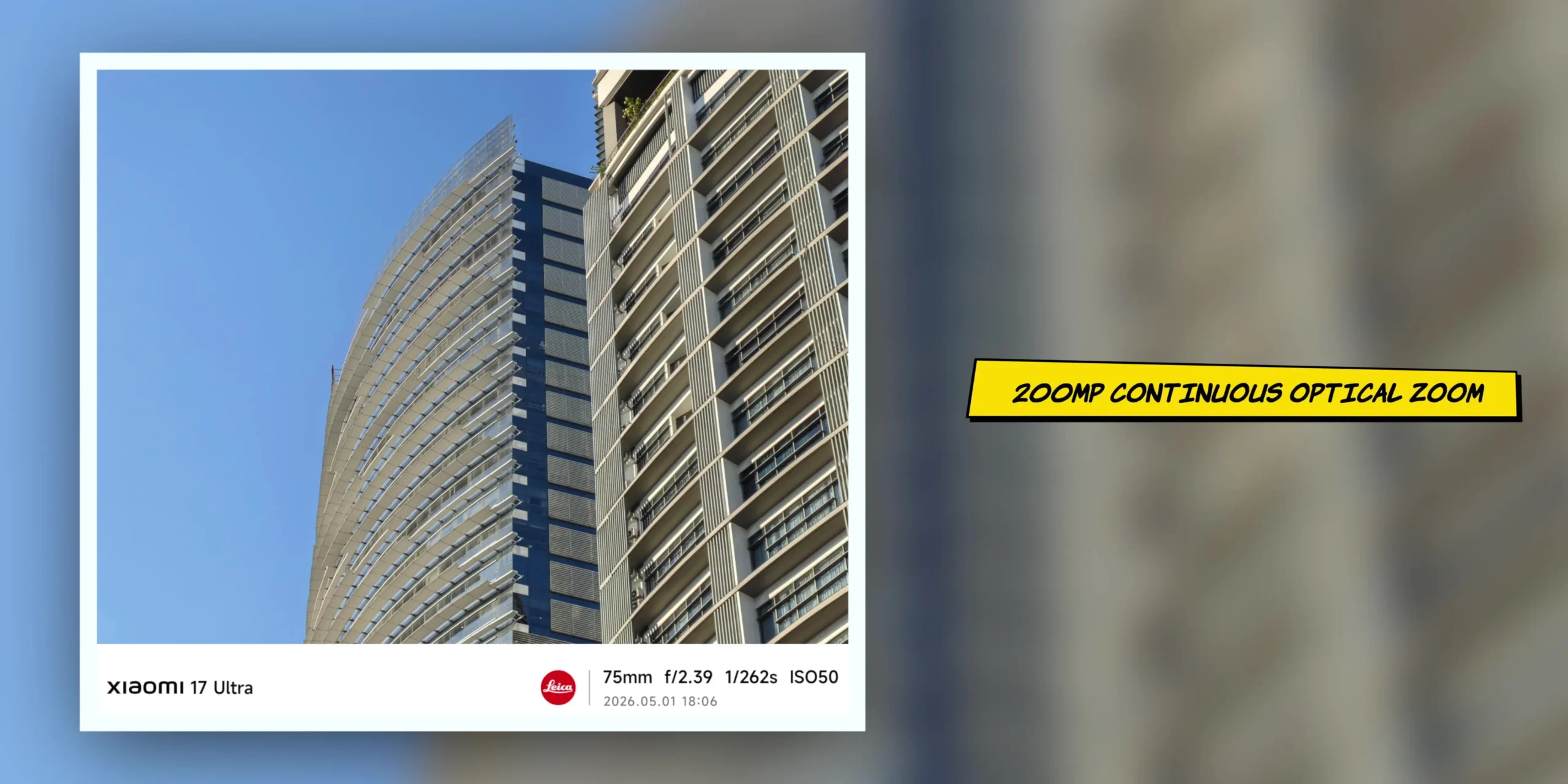
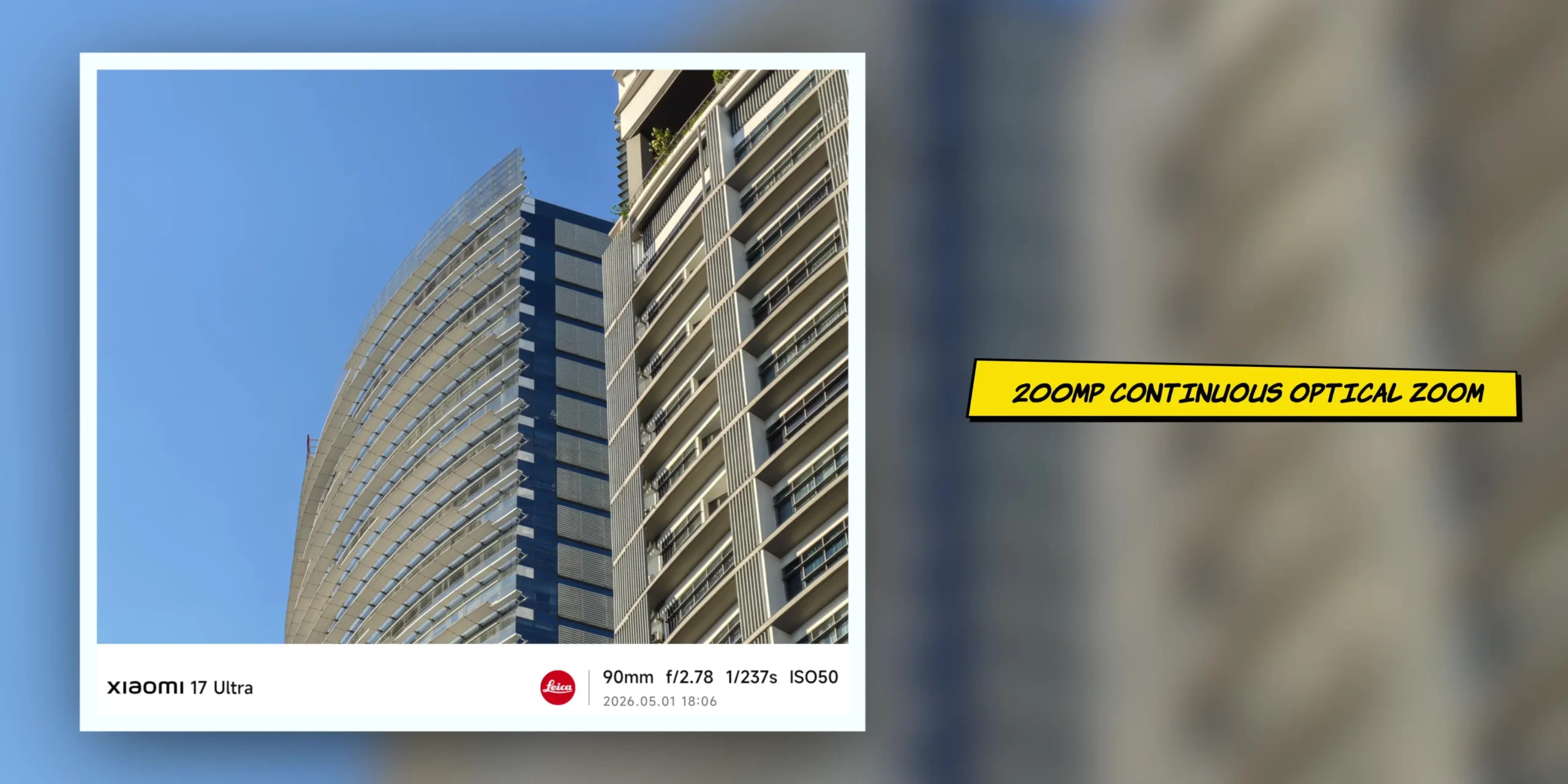
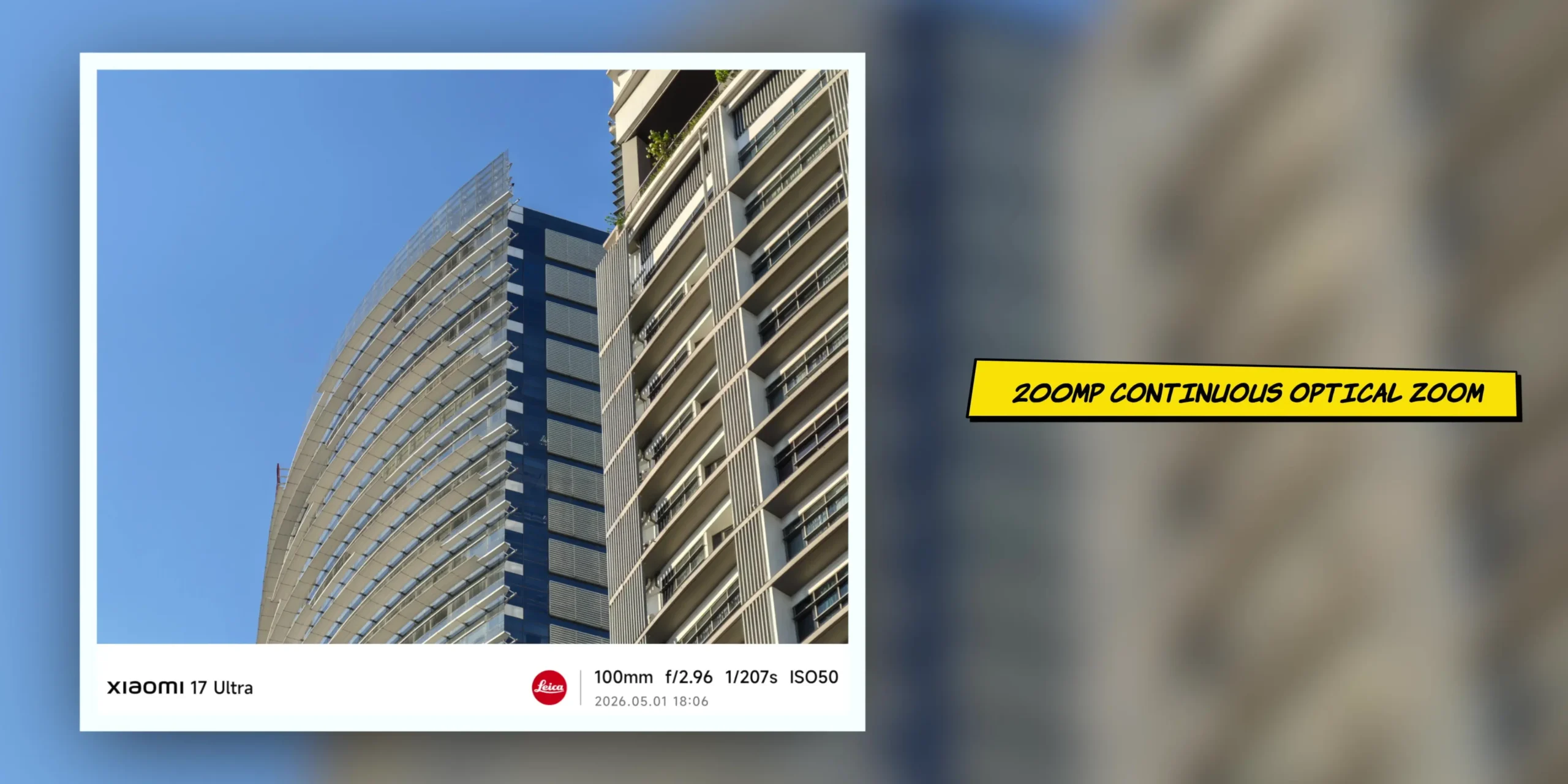
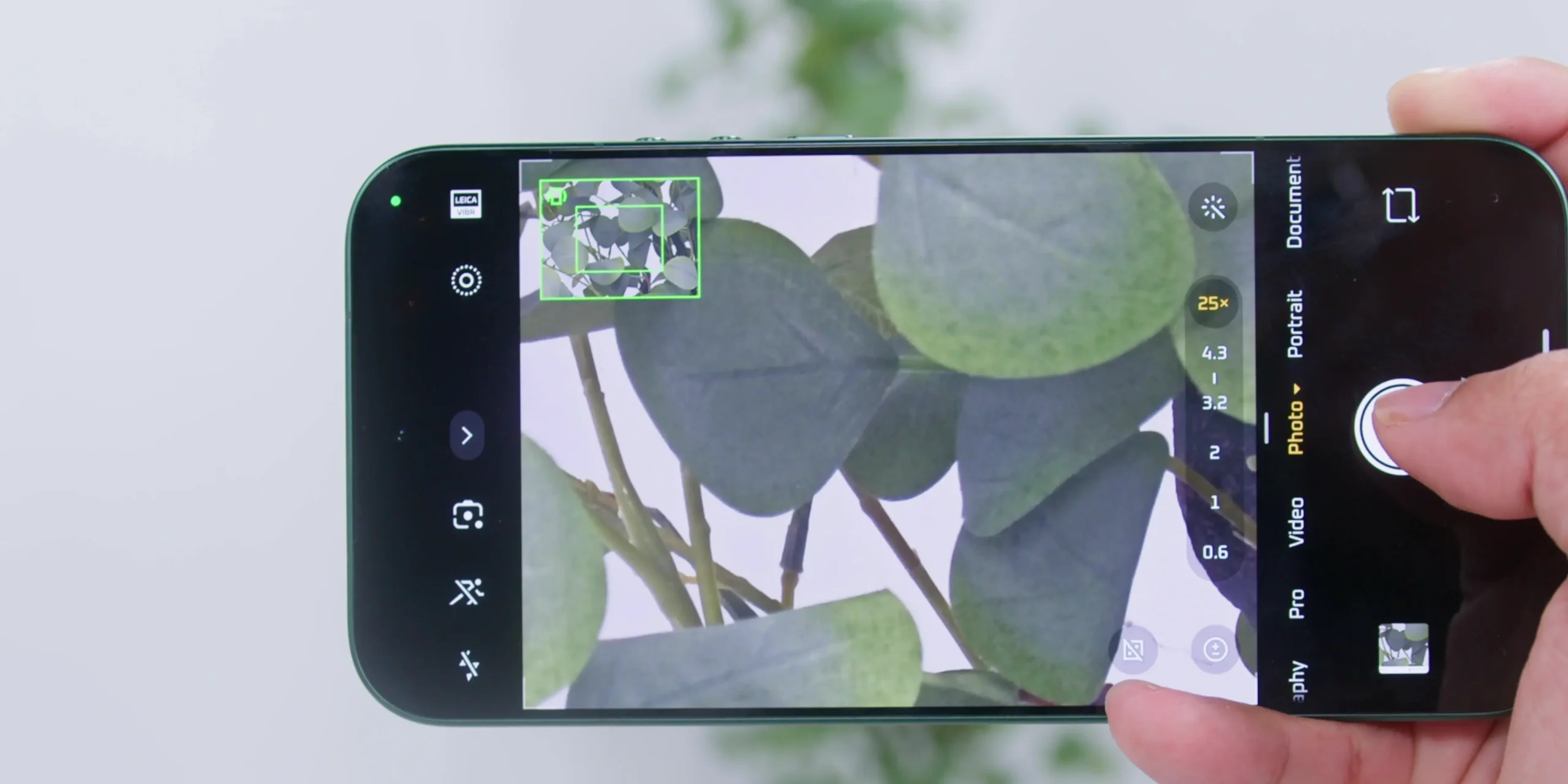
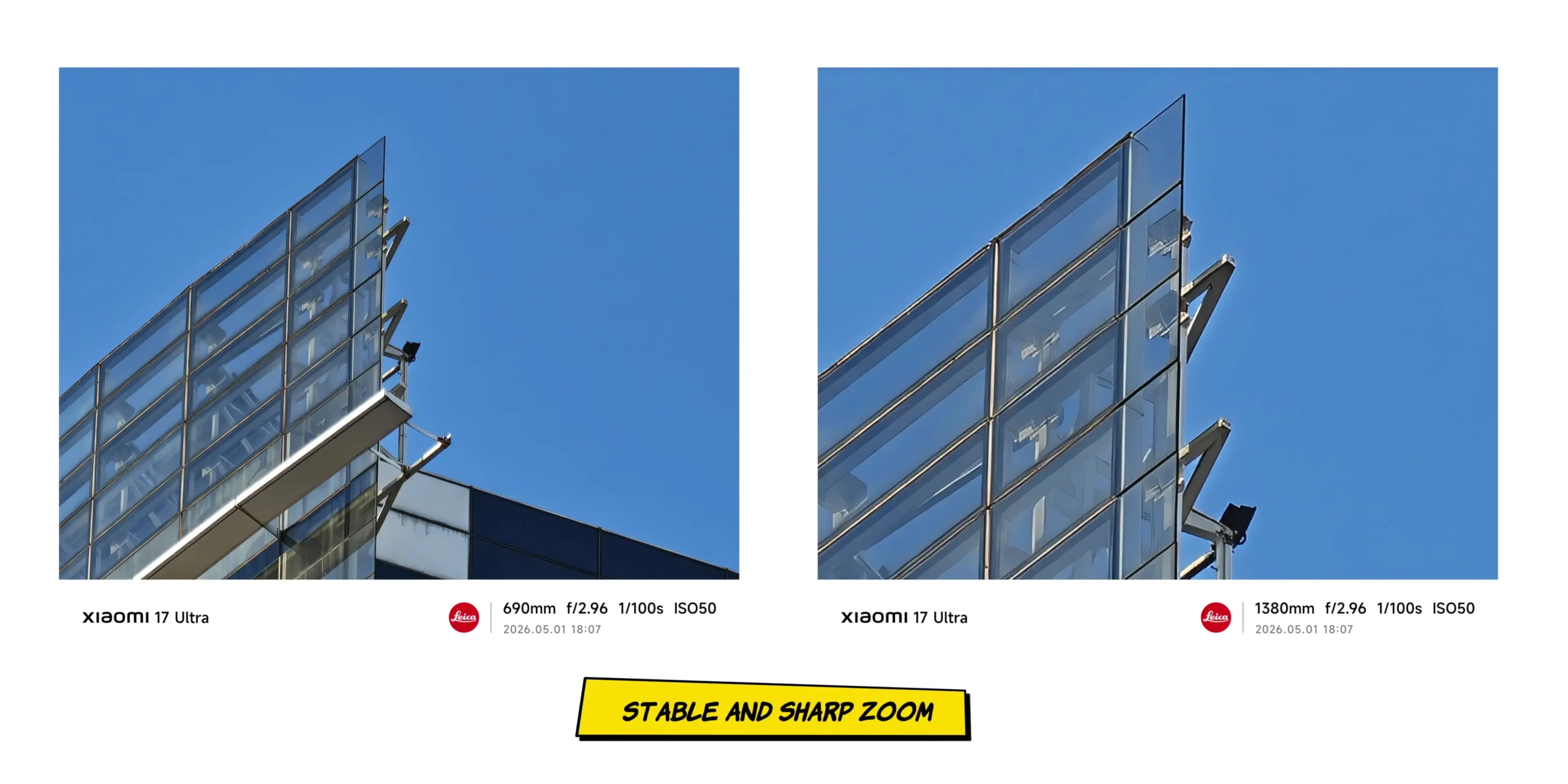
Compared with the current flagships I have used, this one has the most stable zoom. Because past 20x, there is a small viewfinder box that turns green the moment it locks focus, so you actually know when the shot is sharp before you press the shutter.

When I know I am going to be shooting a lot, I put on the camera grip. It not only gives you that camera grip type of form factor but also, since it has a built-in 2,000 mAh battery, I am not worried about draining the phone’s battery halfway through a shoot.
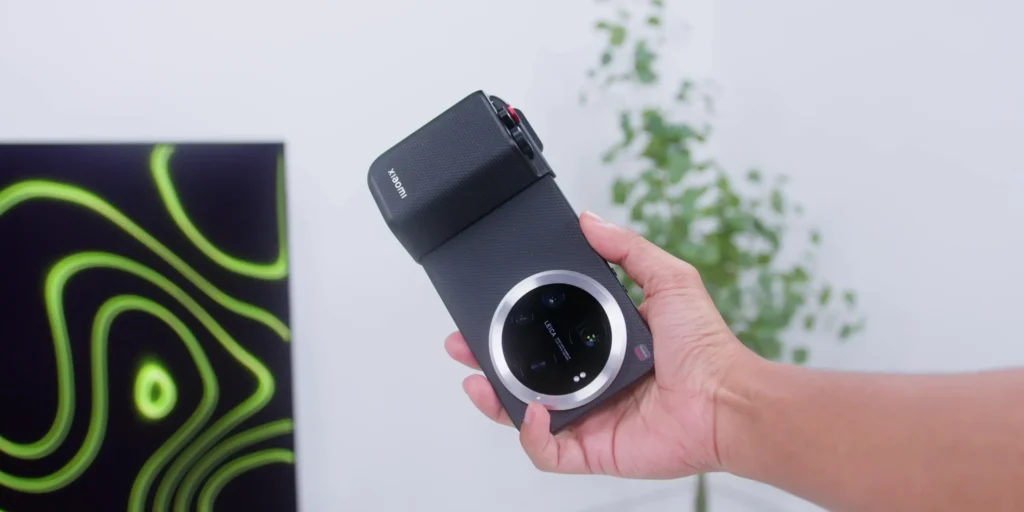
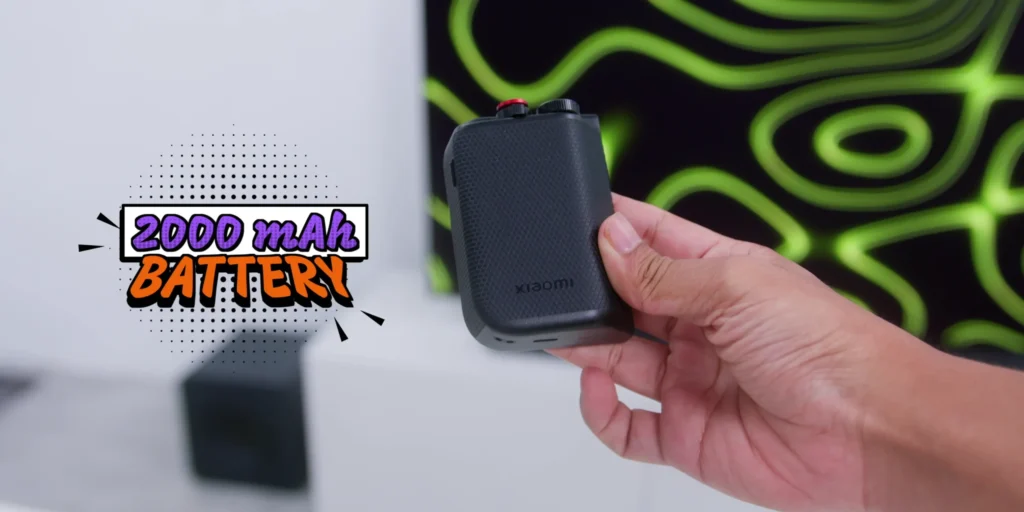
6 months in, nothing about this camera system has aged or gotten buggy. But where I still feel that it falls short is the front video camera. While the selfie photos looked really nice during the day and at night, during the day the skies were a little too overexposed and the front video camera at night also was not the best.


⭐ I would rate this phone’s camera a solid 4.5 out of 5 stars.
Software
After many updates, HyperOS feels a little more complete these days. Besides the customizable lock screens, it includes all of the AI related features like AI writing tools, AI interpreter, or even AI erase for cleaning up photos. Gemini is also baked right in, so things like Circle To Search work nicely over here.
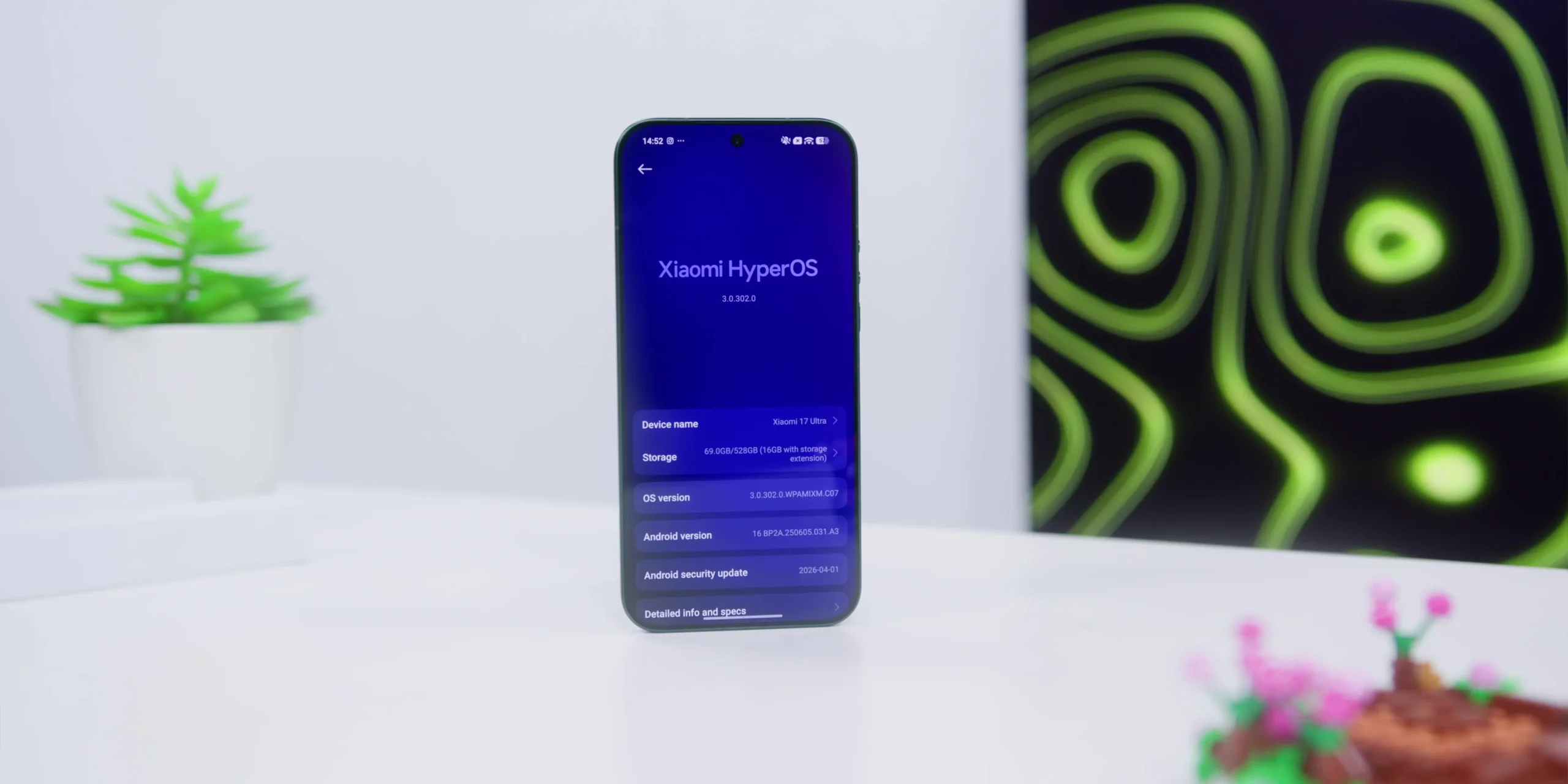
With a recent software update, you can even unlock your Xiaomi phone using your MacBook’s fingerprint reader and have file sharing with Apple devices. It has been working very well.
However, my honest critique hasn’t changed since launch. HyperOS really lets itself down is bloatware. I don’t want or need pre-installed apps like Moomoo, Agoda, LinkedIn, the Xiaomi Community app, WPS Office, Netflix, or even Spotify. If we really want these apps, we know how to find them ourselves.
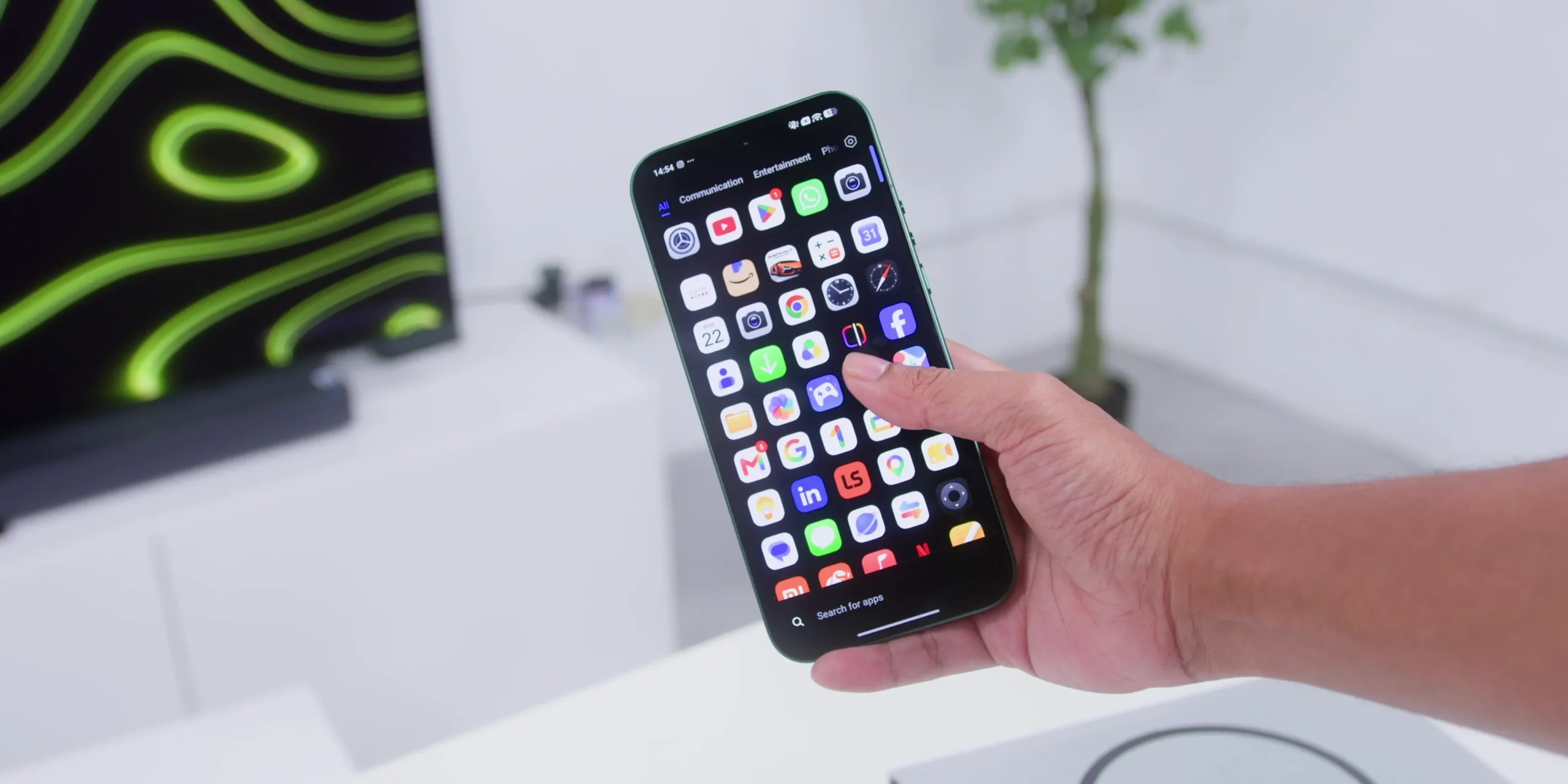
The out-of-box software experience still needs work for anyone jumping from another ecosystem. That said, HyperOS does some things really well, like moving multiple apps between home screens which is stupidly easy. You can select everything at once with one hand, and deleting a bunch of apps works the same way. The haptics on this phone are also excellent and properly tactile.
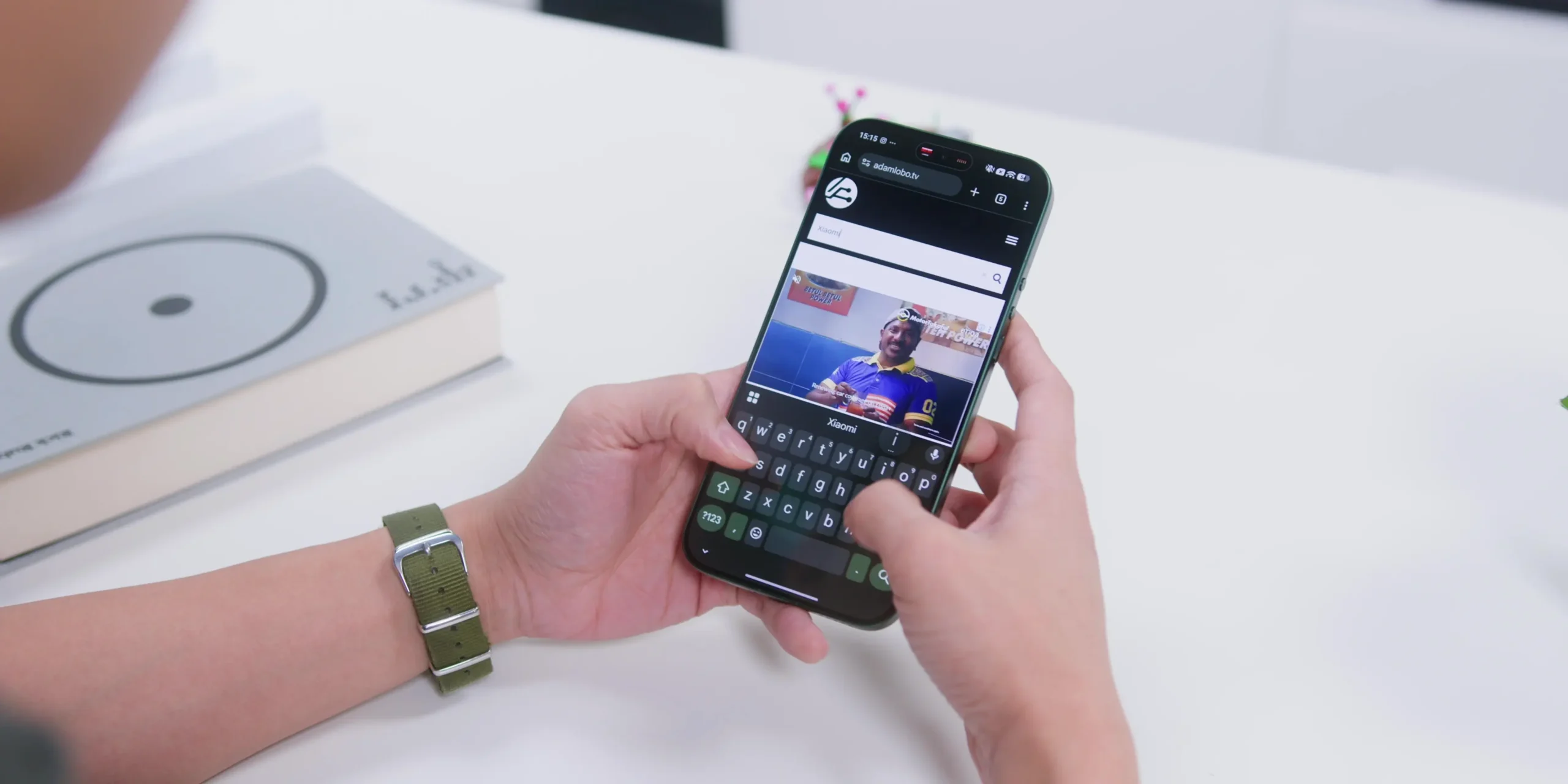
⭐ I would give the software the lowest out of the rest of 3.5 out of 5 stars.
Performance
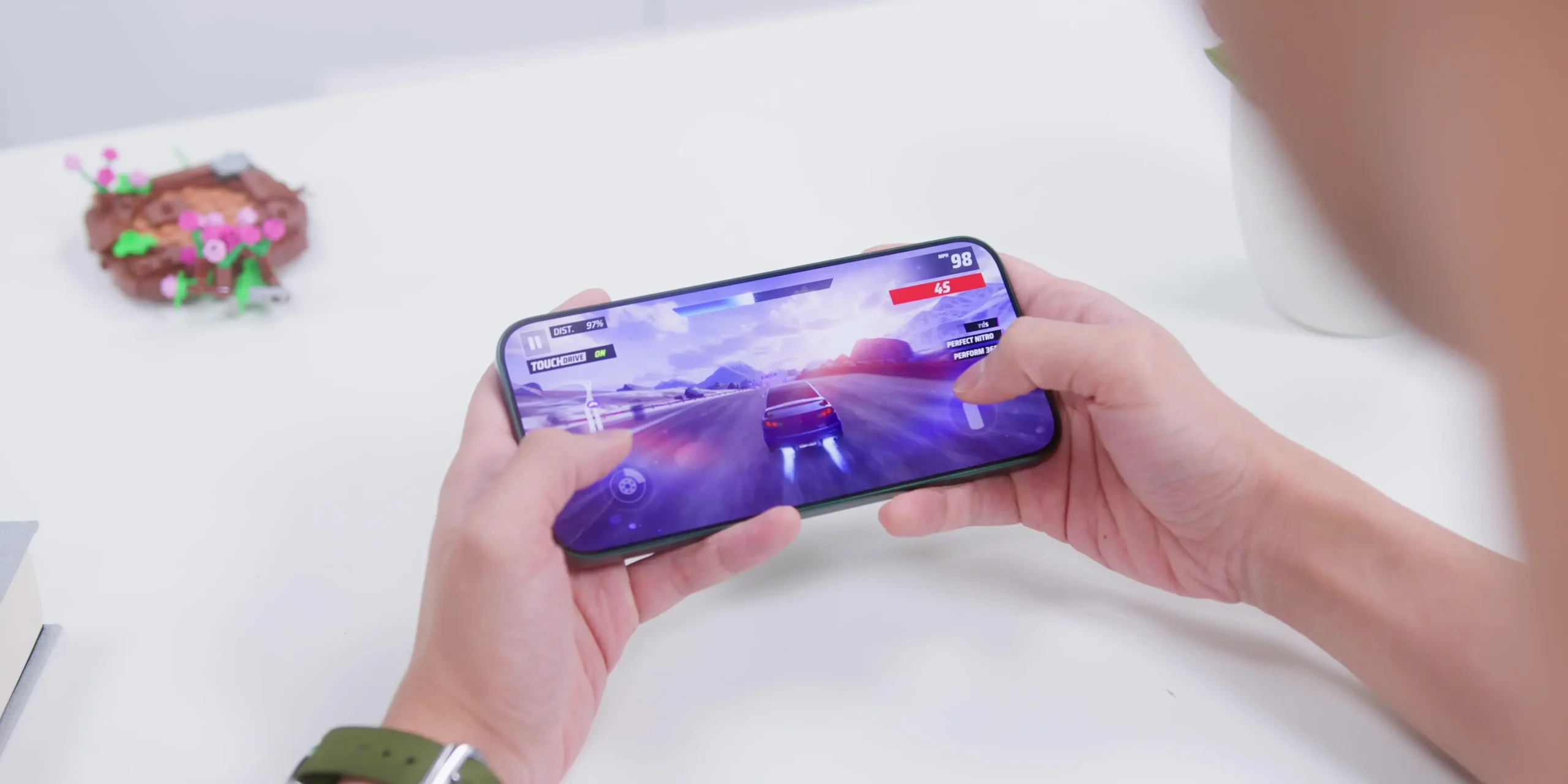
As for the phone’s daily performance, it is as snappy as the Snapdragon 8 Elite Gen 5 chipset inside. Performance day to day has never once felt like it’s struggling. Scrolling, multitasking, and switching between heavy apps is all instant, which is exactly what you’d expect from a Snapdragon premium chip paired with 16GB of RAM. Nothing here has slowed down or aged the way some flagships do after half a year of updates and background bloat.
⭐ For this, I would go towards the highest rating of 5 out of 5 stars.
Battery
The battery is where six months actually tells you something a launch review can’t. My daily pattern has stayed consistent the whole time. Ending day one around 11:30 p.m. at about 58%. Battery drain overnight was really good, losing only 4% when waking up at about 7:40 a.m..
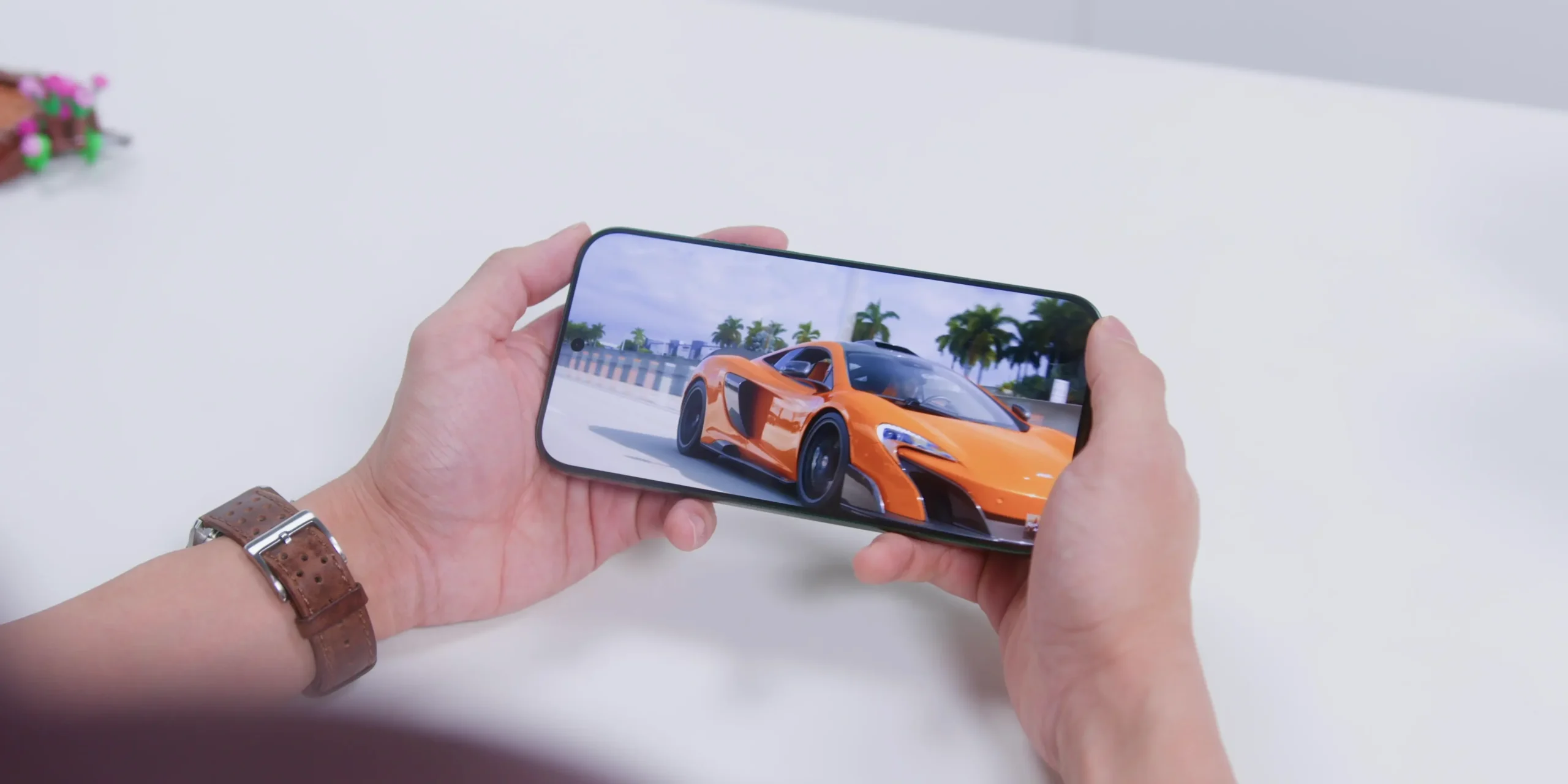
If I don’t charge it, day two takes me all the way to around 12 p.m. still sitting at roughly 45%. I then finish off at around 9% battery close to 4:30 p.m., which is roughly close to 6 hours of screen on time. That is the 6,000 mAh silicon carbon cell doing exactly what it promised. That consistency matters more than any single benchmark run. It means I am not thinking about my charger during the day.
⭐ For battery, I give it 4 out of 5 stars.
Conclusion
So 6 months later, the Xiaomi 17 Ultra remains a powerhouse. In Malaysia, this phone starts at RM5,499 for the 16GB of RAM with the 512GB storage variant, which is about 1,350 USD. Honestly, at that price the value hasn’t moved.
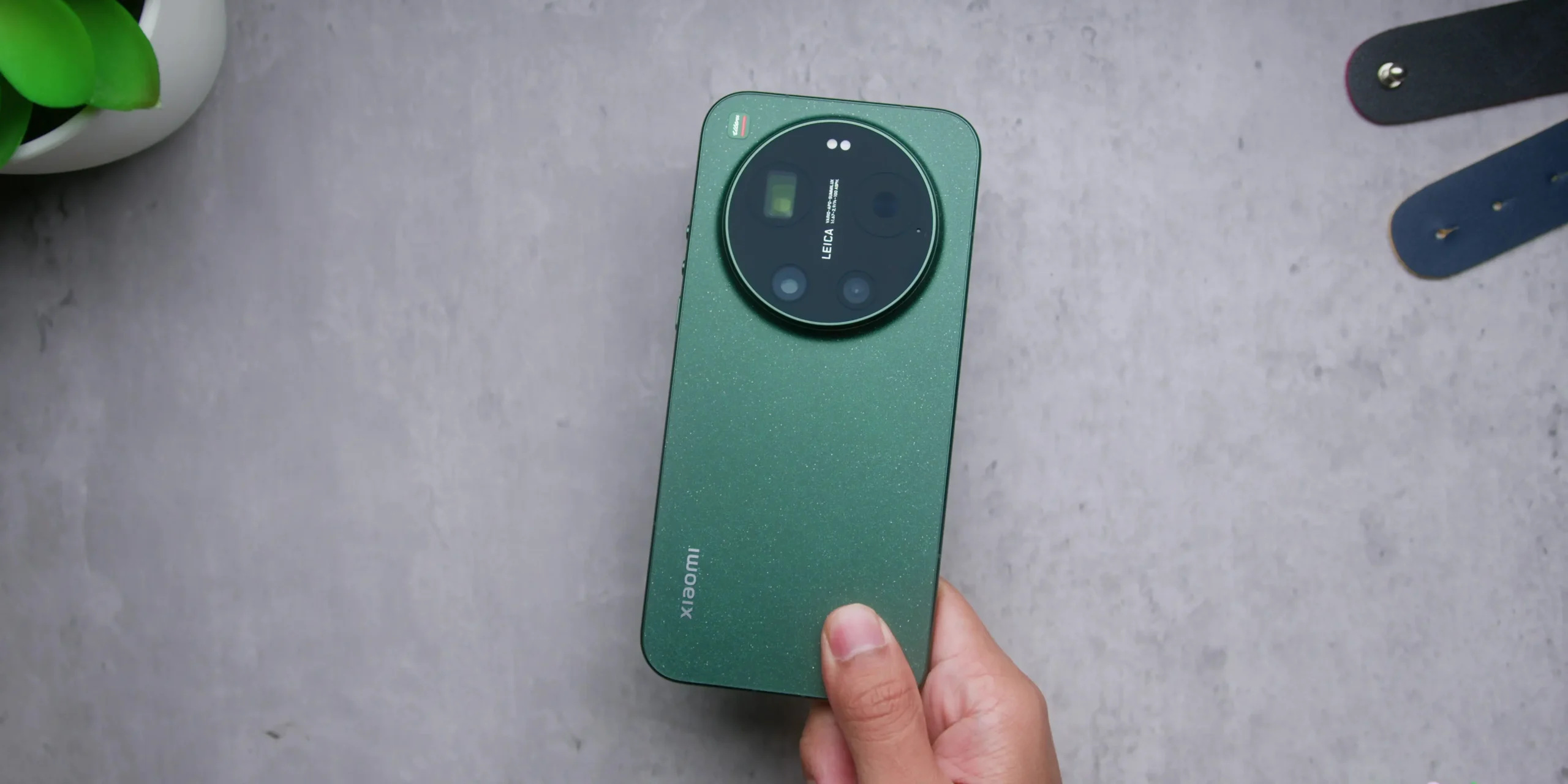
You are still getting an excellent camera system backed by real Leica character, a build quality that has held up better than expected, a display that keeps impressing, and battery life that holds up under real daily pressure. While the bloatware and the front video are still gripes, none of that is close to a deal breaker.
.
▶️ Watch the full video on YouTube
Frequently Asked Questions (FAQ)
Is the Xiaomi 17 Ultra camera bump scratch-resistant?
Yes. Xiaomi covers the camera bump with Corning Gorilla Glass 7i, which shows no visible scratches even after six months of caseless daily use.
What is the price of the Xiaomi 17 Ultra in Malaysia?
In Malaysia, the Xiaomi 17 Ultra starts at RM5,499 for the 16GB RAM and 512GB storage model.
How long does the battery last on the Xiaomi 17 Ultra?
The 6,000mAh silicon-carbon cell easily lasts into a second day under normal daily use, delivering around 6 hours of screen-on time with minimal overnight drain.
Does the Xiaomi 17 Ultra have a 1-inch camera sensor?
Yes, it features a 1-inch main sensor with Leica optics and low-light mode, offering superior night photography compared to rival ultra flagships.
What processor powers the Xiaomi 17 Ultra?
The device is powered by the flagship Qualcomm Snapdragon 8 Elite Gen 5 chipset paired with 16GB of RAM.
Related:
- Xiaomi 17 Ultra: The Hardest Camera Test I’ve EVER Done!
- Xiaomi 17T vs 17T Pro: Don’t Buy The WRONG One!