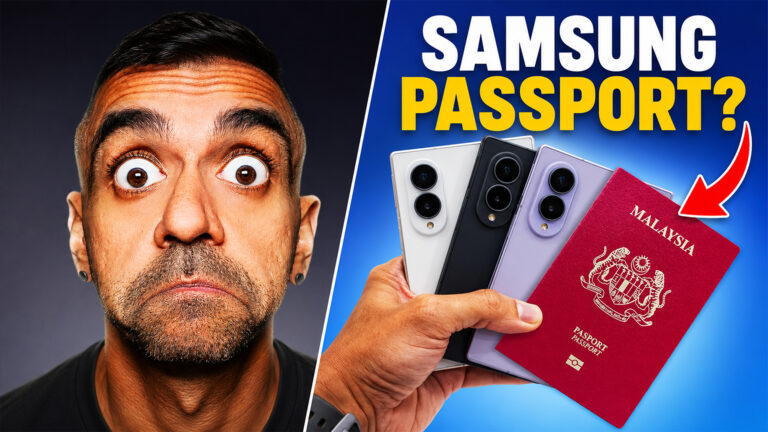

TL;DR / At a Glance: The Samsung Galaxy Z Fold8 introduces a major hardware shift, adopting a wide passport aspect ratio featuring a 5.5-inch 16:10 outer screen and a 7.6-inch 4:3 inner display. Built on silicon-carbon battery technology that drops total weight to 200 grams while maintaining an ultra-slim 9.7mm folded profile, this redesigned layout fixes foldable ergonomics. However, hitting its RM7,299 baseline price required dropping the telephoto lens, leaving a dual-camera setup that separates it from the flagship Ultra tier.
The Passport Aspect Ratio Is the Ultimate Foldable Canvas
Let’s skip the marketing fluff and get straight to the point: the narrow TV-remote cover screen on foldables was an ergonomic failure. For many generations, mobile phone makers forced users to type on a cramped, narrow outer display that felt like texting through a keyhole.
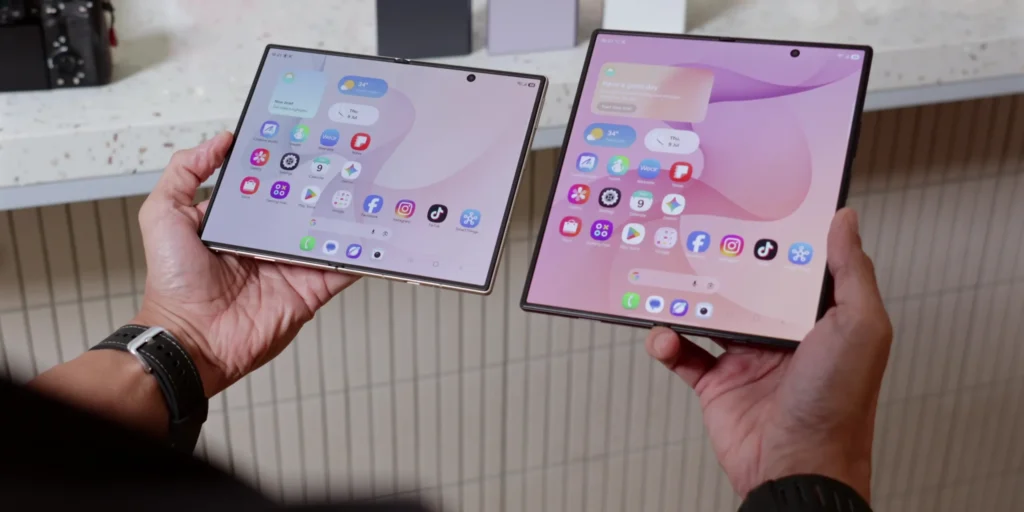
With the official arrival of the Samsung Galaxy Z Fold8, Samsung has finally delivered the shape we should have had years ago: the passport form factor.
When closed, the 5.5-inch 16:10 outer screen mimics the physical dimensions of a standard passport. It feels like a normal, highly usable candybar smartphone in your palm.
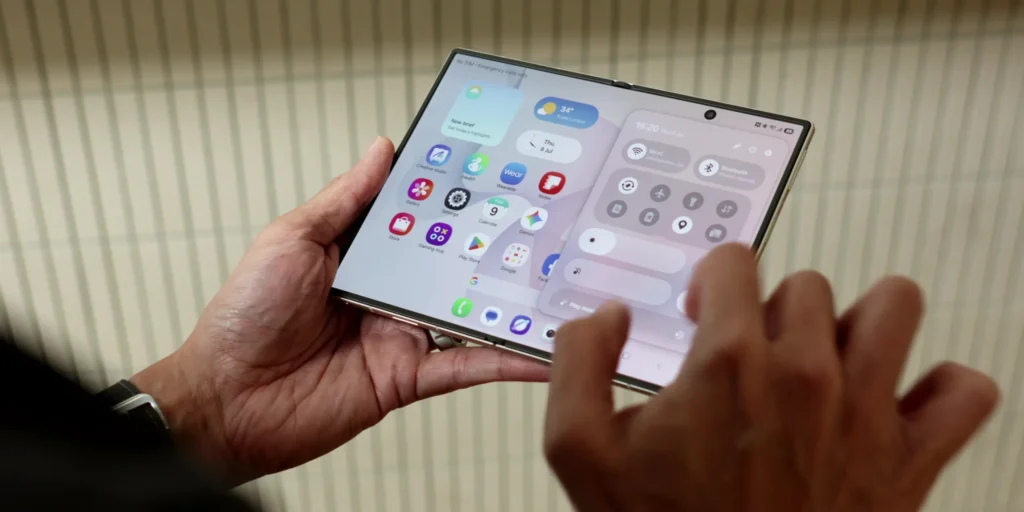
Unfold the device, and you are greeted by a 7.6-inch main display pushing a native 4:3 aspect ratio. This 4:3 and 16:10 layout combination is, without a doubt, the perfect foldable screen ratio.
It handles split-screen multitasking cleanly, fits web pages without forced horizontal scrolling, and reduces black letterboxing bars during video playback.
The Foldable Geometry Evolution: Galaxy Z Fold8 vs. Previous Paradigms
| Architectural Metric | Samsung Galaxy Z Fold8 (Passport) | Legacy Galaxy Z Fold7 | Early Generation Competitors |
| Malaysia Entry Price | RM7,299.00 (12GB/256GB) | RM7,299.00 (Launch MSRP) | ~RM7,500.00+ |
| Outer Screen Aspect Ratio | 16:10 Passport Ergonomics | 22.1:9 Narrow Remote Profile | Variable Wide Profiles |
| Inner Display Geometry | 7.6-inch Native 4:3 Canvas | 7.6-inch Near-Square | Wide Horizontal Layouts |
| Folded Chassis Thickness | Ultra-Slim 9.7mm Profile | 12.1mm Heavy Mechanical Body | 12mm – 14mm Bulky Hinges |
| Total System Mass | 200g (Silicon-Carbon Cell) | 239g Heavy Polycarbonate | 280g+ Anchor Weight |
| Rear Camera Hardware | 50MP Wide + 50MP Ultra-Wide | 50MP + 12MP + 10MP Telephoto | 50MP + 13MP + 12MP Telephoto |
Why did it take Samsung so long to adopt this form factor? The early history of the passport aspect ratio is littered with abandoned attempts. Devices like the Microsoft Courier concept, the original Google Pixel Fold, and early Oppo Find N experiments proved that wide outer screens were brilliant for typing, but they struggled with heavy hinges, thick folded profiles, and poor app scaling.
Samsung hesitated because their supply-chain focus was locked on making the narrow hinge durable. They waited until the software ecosystem matured and their internal display tech could fold thin enough to prevent a wide phone from feeling like an unmanageable brick in your pocket.
Which brings us to the question of the name. Why didn’t Samsung brand this radical new passport shape as the “Galaxy Passport” or “Galaxy Z Wide”?
Why stick to the standard Galaxy Z Fold8 nomenclature? Because Samsung needed to preserve its core tier hierarchy.
By keeping the standard Z Fold8 name, Samsung established a baseline for the passport form factor while carving out room for the higher-end Galaxy Z Fold8 Ultra. The Ultra retains the traditional taller, 8-inch workspace for heavy multi-window power users, leaving the standard Z Fold8 to capture the mainstream, pocket-friendly market.
READ ALSO: Samsung Galaxy Z Fold8 vs Z Fold8 Wide: Which One Should You Wait For?
Here is what’s important: the engineering execution on the hardware itself is impressive. Thanks to the integration of high-density silicon-carbon battery technology, Samsung squeezed a 4,800mAh cell into a chassis that weighs just 200 grams with a folded thickness of only 9.7mm. Mind you, this is the first time Si-C is being used on any Samsung device. And that’s the win.
It drops the anchor-like weight of earlier foldables, and the updated Titanium flex hinge renders the internal display crease almost invisible under normal indoor lighting.
However, achieving this slim passport footprint at the RM7,299 price point required some severe hardware trade-offs.
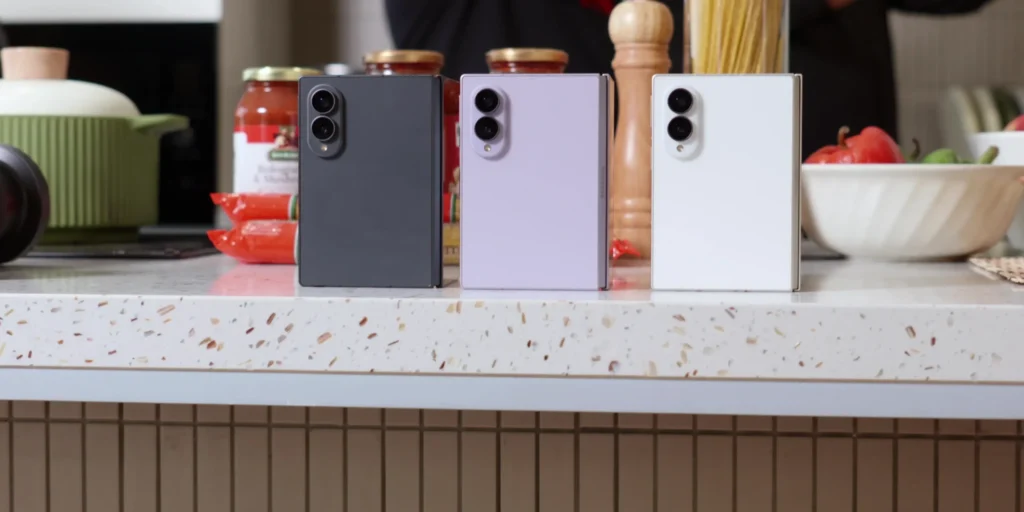
The most frustrating downgrade is in the camera array. Samsung completely removed the dedicated telephoto zoom lens. You get a dual-camera setup consisting of a 50MP primary sensor and a 50MP ultra-wide lens.
If you want to zoom in past 2x, you are forced to rely on digital sensor cropping. For a device costing over seven thousand ringgit, losing a physical optical zoom lens is a massive compromise designed to push camera-obsessed buyers up to the more expensive Ultra model.
The second drawback is charging speed. While Chinese competitors are pushing 80W to 120W wired charging setups, the Z Fold8 remains stuck at 45W wired charging and 20W wireless charging.
Refilling a 4,800mAh battery at 45W is acceptable, but it falls short of modern flagship standards.
Other Little Things
- The Local Pre-Order Trade-In Window: Samsung Malaysia is currently running pre-order promotions through 13 August 2026. Combining the RM250 Reservation+ voucher, bank card rebates of up to RM500, and trade-in bonuses can drop the effective entry price down by up to RM1,950.
- The Clean Software Alternative: For mobile users who want a clean, bloatware-free daily driver without paying foldable prices, check out our coverage of the Nothing Phone (4b) Strategy Shift.
Adam Lobo’s Take
The Samsung Galaxy Z Fold8 feels like a polished Version 1.0 of an entirely new foldable vision. Samsung made some obvious compromises to separate this model from the Ultra, particularly with the removal of the telephoto camera.
Yet, despite those drawbacks, this device reaffirms my opinion that the 4:3 inner and 16:10 outer screen setup is the ideal foldable form factor. The slim 9.7mm profile, the 200g weight, and the wide cover screen mean it passes the real-world mamak test with ease.
For the first time since the foldable category debuted, this is a device that might actually become my primary daily driver.
To see how this passport form factor compares to the official launch specifications and earlier renders, check out our comprehensive breakdown of the Samsung Galaxy Z Fold8 Launch Specs.
You guys tell me what you think in the comments below. Is the lack of a dedicated telephoto camera a dealbreaker for you, or are you ready to embrace the passport aspect ratio? Let’s find out what you prefer!