
Samsung Breaks New Ground with In-House GPU Design in Exynos 2600
Samsung has officially turned a new page in the semiconductor history books. In a move that signals a bold departure from relying solely on off-the-shelf components, the tech giant has successfully integrated its own self-designed GPU into the upcoming Exynos 2600 chipset, marking a pivotal moment in its quest for hardware independence.
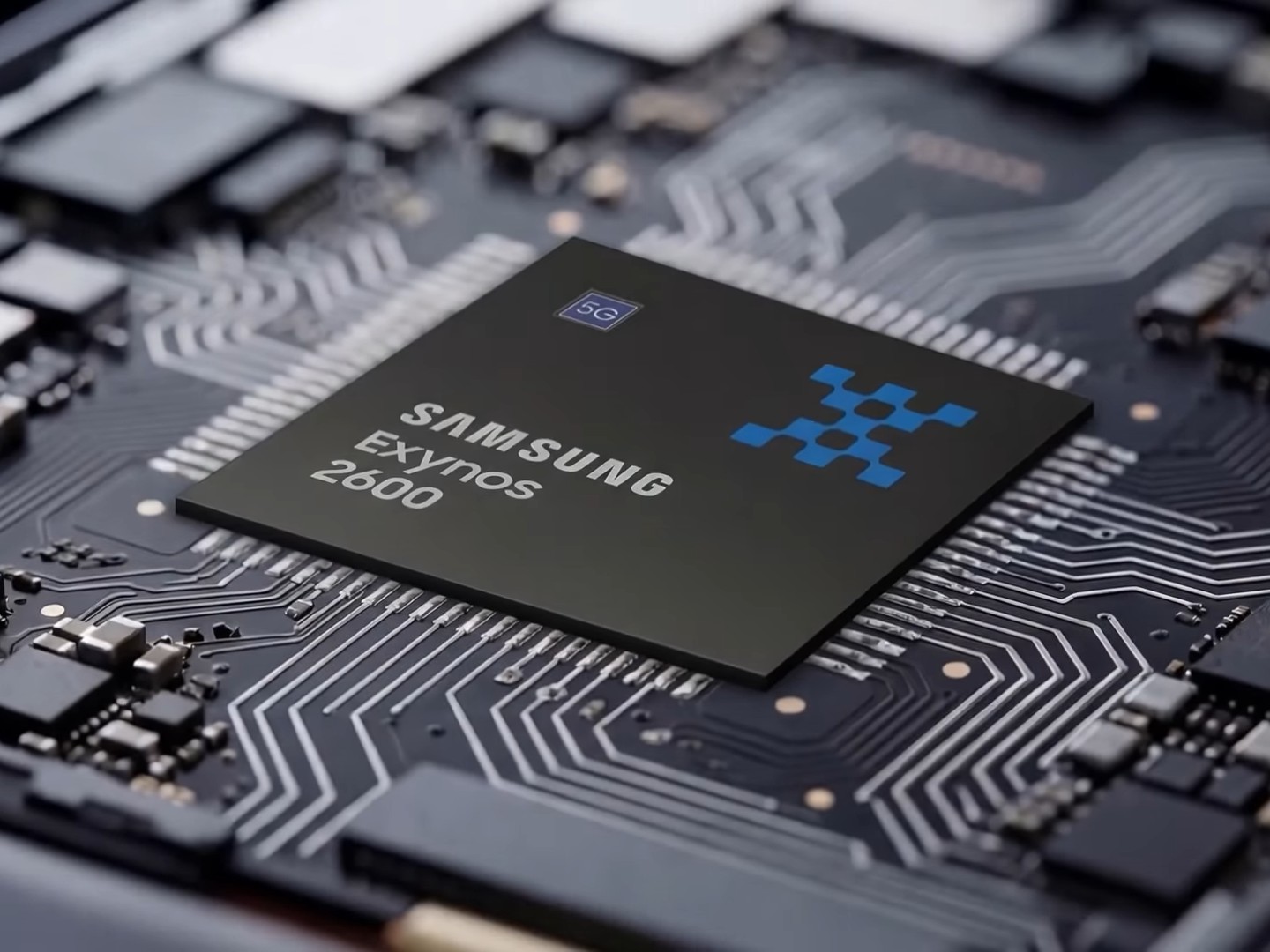
The new processor, set to power the Galaxy S26 series in early 2026, features a graphics processing unit that was designed directly by Samsung’s System LSI Business Unit. While the chip continues to use the underlying architecture from its partner AMD, the actual design and implementation were executed in-house by Samsung engineers. This hybrid approach represents a significant leap from previous generations, where the company relied more heavily on external vendors for graphics technology.
A recent report from Hankyung confirmed that the Exynos 2600 has successfully incorporated this new GPU, known as the Xclipse 960. By taking charge of the design process, Samsung aims to achieve a level of optimisation between hardware and software that was previously out of reach. This shift is expected to deliver substantial improvements in power efficiency and performance, particularly for the demanding workloads of the AI era.
“Samsung’s decision to internalise GPU design is driven by the explosive growth of on-device AI,” said a semiconductor industry official. “To expand the AI ecosystem, it is crucial to receive GPU supplies promptly and, more importantly, to achieve perfect optimisation with their own software.”
The Exynos 2600 is just the beginning of Samsung’s ambitious roadmap. According to the report, the company plans to take this independence a step further with the “Exynos 2800” (tentative name) in 2027. That future chipset is slated to feature a GPU built on a completely proprietary architecture, effectively ending the company’s reliance on external intellectual property for its mobile graphics.
This strategic pivot extends beyond smartphones. Samsung intends to employ its new GPU capabilities across a wider range of platforms, including smart glasses, autonomous driving software, and humanoid robots. The ability to process parallel tasks efficiently makes these chips ideal for the complex image processing and AI calculations required by next-generation autonomous machines.
To support this vision, Samsung has been aggressively recruiting top-tier talent, including former AMD executives, and leveraging its research centres in Austin and San Jose. The successful deployment of the self-designed GPU in the Exynos 2600 serves as a critical proving ground for these efforts, potentially setting the stage for Samsung to rival major fabless players like Qualcomm and Apple in silicon design prowess.