
ASUS Quashes Rumours of Entering Memory Chip Manufacturing Market
Amidst intense market speculation suggesting a radical strategic pivot for one of the world’s leading computer hardware companies, ASUS has stepped forward to firmly shut down reports that it plans to build its own memory chip factories.
The rumours began circulating earlier this week when foreign technology media outlet Wccftech cited reports claiming ASUS was preparing to enter the dynamic random-access memory (DRAM) manufacturing sector. The report alleged that the company intended to set up production lines by the second quarter of 2026 to combat persistent component shortages and rising prices. These claims suggested the company was looking to secure its own supply chain for its vast ecosystem of laptops, motherboards, and smartphones.
However, ASUS clarified the situation in a statement to the Central News Agency (CNA). A company spokesperson explicitly stated that the company has “no plans to invest in memory wafer fabs.”
Instead of venturing into the capital-intensive and highly complex world of semiconductor fabrication, ASUS outlined its actual strategy for navigating current market volatility. The company intends to deepen its cooperation with existing memory suppliers. Furthermore, ASUS will adjust product specifications and optimise product life cycles to better manage supply and demand fluctuations.
Analysts had viewed the rumours with scepticism from the start. Experts noted that constructing a semiconductor fabrication plant typically takes at least two years. Consequently, a new facility would not provide a timely solution to current supply shortages.
Analysts further pointed out that the memory market is notoriously cyclical. Investing billions of dollars now would expose ASUS to significant financial risk, as market conditions and prices could look drastically different by the time any potential factory became operational. The consensus among market watchers is that ASUS is better positioned by focusing on its core competencies in brand management and product design rather than attempting to compete with established memory giants like Samsung, SK Hynix, and Micron.
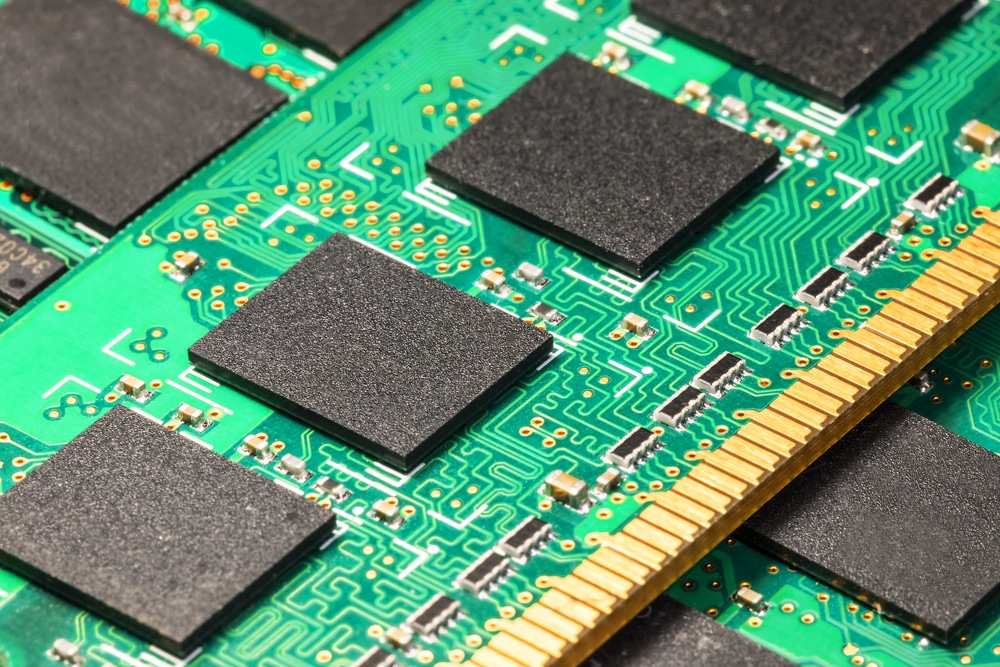
DRAM is a type of volatile memory that serves as a critical component in personal computers, servers, and mobile devices. It provides high-speed temporary storage for data that central processing units (CPUs) need to access quickly. While shortages of this component can severely impact production costs for PC brands, ASUS has signalled it will rely on supply chain management rather than manufacturing to weather the storm.