
Valve Architect on Steam Phone: “I’m Not Discounting Any Possibility”
In a move that could fundamentally reshape the landscape of mobile gaming, Valve has revealed it has been quietly laying the groundwork for Steam games to run on mobile hardware. Following the massive success of the Steam Deck and the resurgence of the Steam Machine, a “Steam Phone” is technically no longer a fantasy.
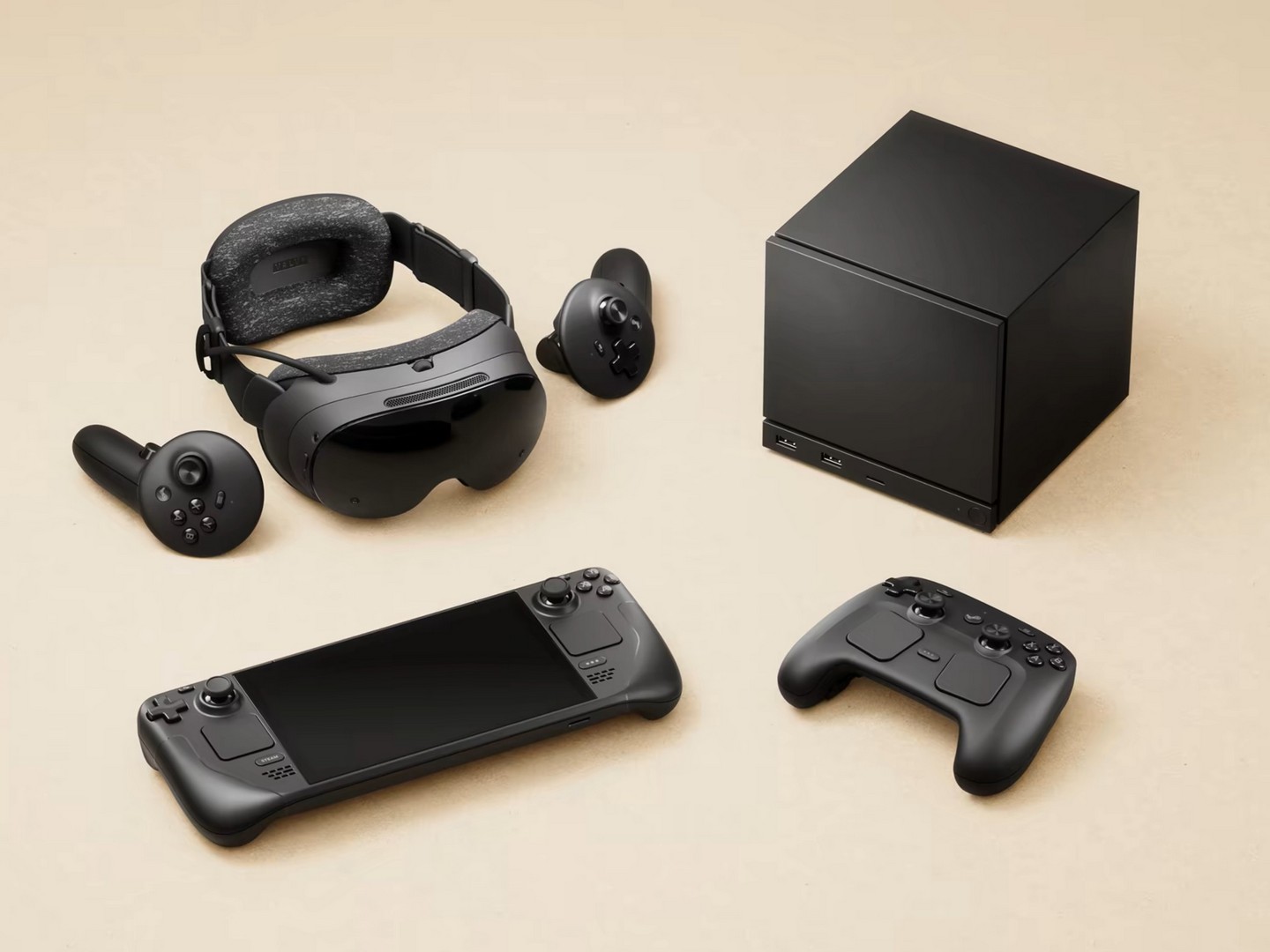
In an exclusive interview with The Verge, Valve’s SteamOS architect Pierre-Loup Griffais shed light on the company’s long-term investments in ARM architecture, the same low-power technology that drives nearly every smartphone on the planet today. When pressed directly about the prospect of a Steam-branded phone or bringing SteamOS to mobile devices, Griffais maintained a pragmatic stance, refusing to rule out a future mobile entry.
“I don’t know if that’s going to be a big focus for us to develop local content or try to develop SteamOS for devices like that,” Griffais told The Verge. “I mean, I’m not discounting any possibility.”
This careful approach is significant because Valve has spent the last decade secretly removing the technical barriers that would have made a Steam Phone impossible. The interview revealed that Valve has been funding an open-source project called FEX since 2016. FEX is an emulator designed to run x86 (standard PC) applications on ARM processors. Combined with Proton, Valve’s compatibility layer that allows Windows games to run on Linux, FEX completes the puzzle. Theoretically, this tech stack allows a standard PC game from your Steam library to run on an ARM-based tablet or phone without the developer needing to port the code.
“We definitely started that project with the idea that it would be useful for the ecosystem at large, but also something that would be really useful for SteamOS and other applications in the future,” Griffais explained.
Griffais further noted that ARM architecture is particularly attractive for devices that need to be even more power-efficient than the Steam Deck. He suggested that this technology paves the way for a new class of “ultraportables” that could offer PC-gaming experiences in form factors smaller than today’s handhelds. While users shouldn’t expect a Valve smartphone to hit shelves immediately, the infrastructure is being built. With FEX and Proton, Valve is ensuring that if they or a partner decide to build a Steam Phone, the games will be ready to run.