iPhone Air Production Drops Sharply; Strong Pro and Base Sales Maintain Apple’s Overall Forecast
Apple has initiated a major reallocation of its iPhone 17 production, sharply reducing manufacturing orders for the iPhone Air model while increasing volumes for the iPhone 17 Pro and the standard iPhone 17. This adjustment, reported by Nikkei Asia, is a direct response to a weaker-than-anticipated global reception for the iPhone Air outside of China, as well as unexpectedly strong demand for the other two models. Despite the internal model shifts, Apple maintains its overall production forecast of 85 million to 90 million units for the entire lineup.
Significant Reduction in iPhone Air Orders
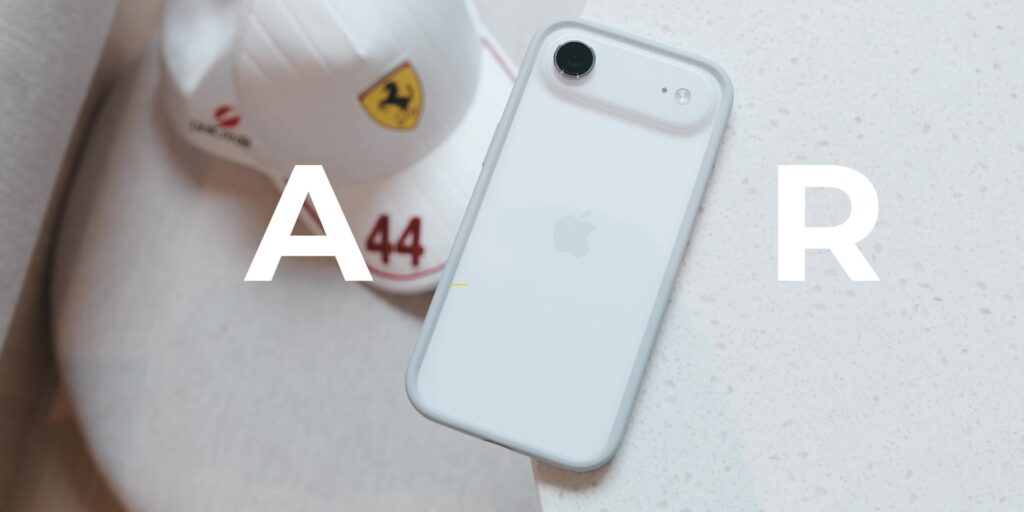
The iPhone Air, which was originally projected to account for 10% to 15% of the new iPhone production, has seen its manufacturing orders cut to nearly “end of production” levels. This reduction comes shortly after the model’s delayed release in China last week.
Supply chain sources confirmed that Apple instructed multiple suppliers to reduce component orders significantly. One manager noted that Air production orders from November onward will drop to less than 10% of the volume compared with September projections. The Air model was strategically intended to pave the way for Apple’s first foldable phone in 2026.
Increased Production for Standard and Pro Models
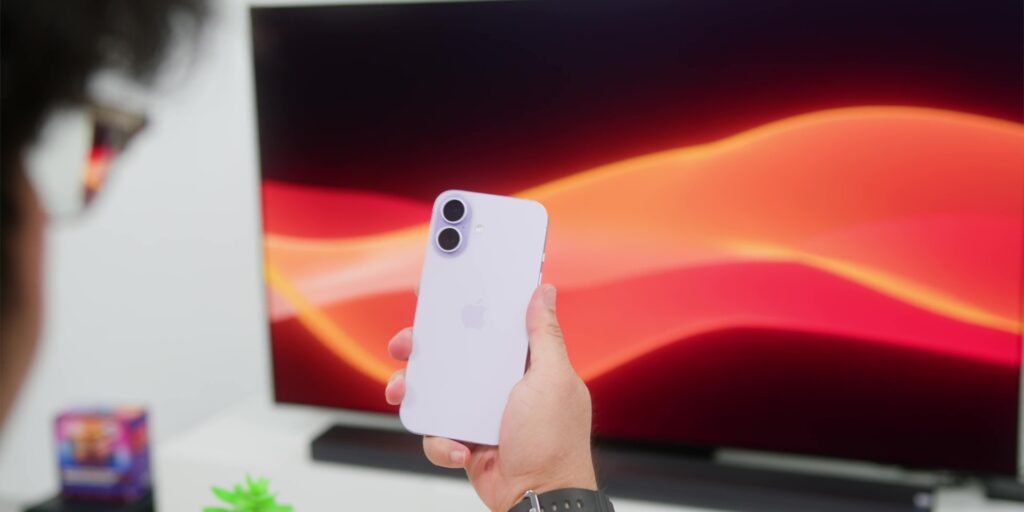
In contrast to the Air’s performance, demand for the standard iPhone 17 and the premium iPhone 17 Pro has exceeded initial projections. To meet this demand, Apple has reportedly increased production orders for the baseline iPhone 17 by an estimated 5 million units and added further orders for the 17 Pro.
The difference in demand is reflected in current consumer wait times in the U.S.: the iPhone 17 (256GB) has a two-to-three-week delay, and the 17 Pro takes one-to-two weeks. The iPhone Air currently shows no reported wait time.
Overall Outlook Remains Stable
Apple’s ability to maintain its stable, high-volume overall production target is notable, as it is reportedly the only client among the top five smartphone makers (Samsung, Xiaomi, Vivo, and Oppo) to keep its forecast intact amid global macroeconomic concerns.
Initial sales data support this confidence. The iPhone 17 series outsold its predecessor, the iPhone 16 lineup, by 14% during the first 10 days in major markets, with the standard iPhone 17 model serving as the primary driver of this growth.