Intel Inside? New Rumour Suggests Apple May Tap the Chipmaker for Future iPhone Manufacturing
Apple’s chip manufacturing strategy could undergo a notable change, following a report suggesting the company is considering Intel to fabricate chips for its non-Pro iPhone models starting in 2028. This potential agreement would extend a rumoured partnership that is already expected to include Mac chips.
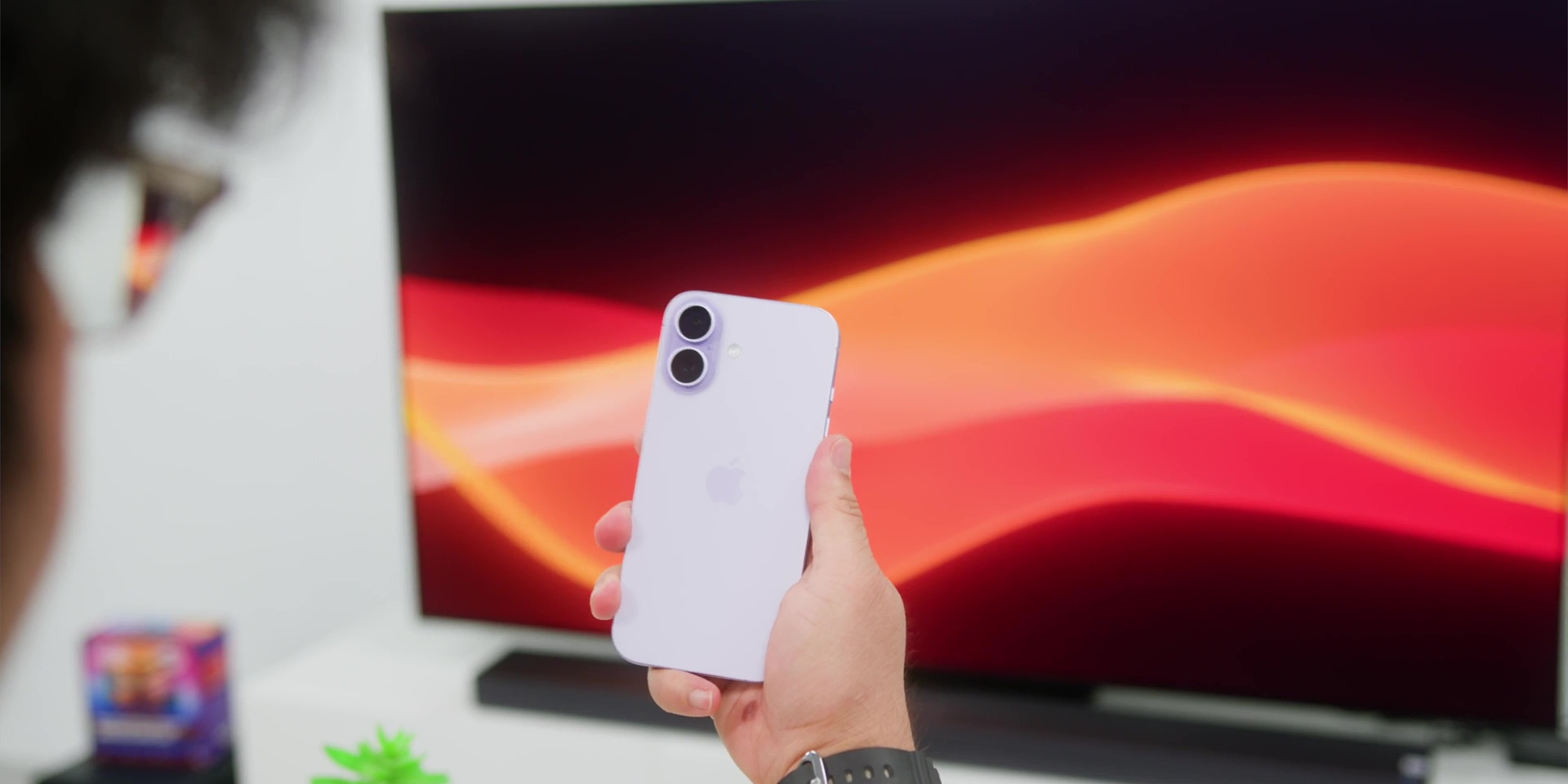
According to a research note from analyst Jeff Pu, Apple and Intel are expected to finalise a supply agreement that would see the chipmaker handle the fabrication of certain A-series chips. This manufacturing would reportedly employ the firm’s advanced 14A process node. Based on the projected timeline, these chips could power devices such as the “iPhone 20” and “iPhone 20e” models.
Fabrication, Not Design
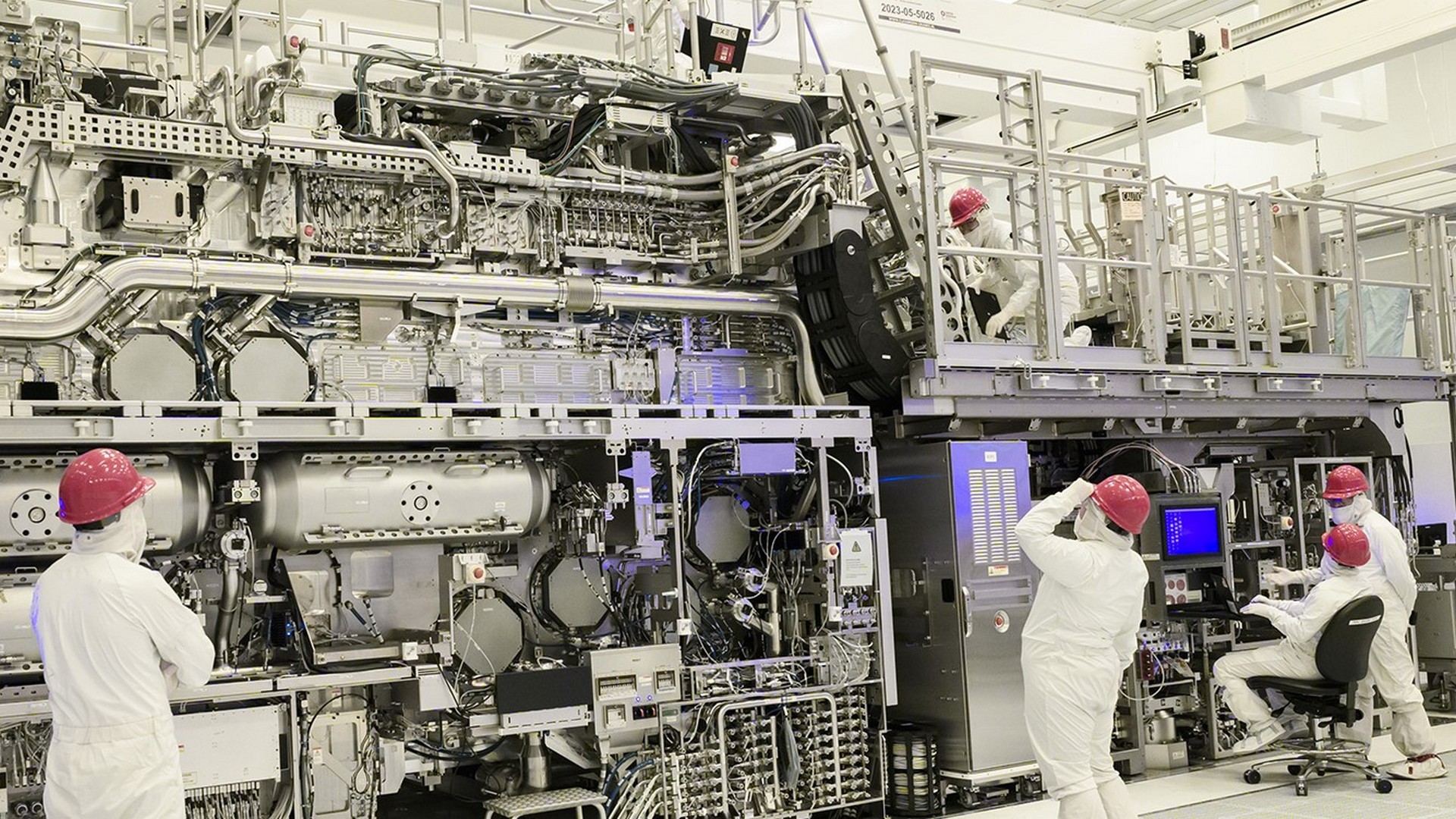
It is crucial to note that Intel’s expected involvement would be strictly limited to chip manufacturing. Apple would retain full control over the design of its custom Arm-based silicon, a strategy established since the transition to Apple Silicon in its Mac lineup. The chips would still be Apple’s proprietary A-series processors, with the manufacturer acting as a foundry partner alongside Apple’s primary chip manufacturer, TSMC.
This rumour builds upon previous reports, including one from supply chain analyst Ming-Chi Kuo, who suggested that Intel could begin shipping Apple’s lowest-end M-series chips for select Mac and iPad models as early as mid-2027, employing the 18A process.
Strategic Implications and Diversification
The move to include Intel as a fabrication partner is seen by analysts as addressing several of Apple’s strategic objectives. Primarily, diversifying the company’s supply chain would reduce reliance on a single primary manufacturer (TSMC), thereby enhancing overall supply resilience. Furthermore, the inclusion of its fabrication facilities aligns with broader industry trends and governmental priorities to secure chip production within North America.
While Apple previously partnered with the company for cellular modems in older iPhone models, this new arrangement would mark Intel’s first return to manufacturing core application processors for the iPhone ecosystem. The next several years will be pivotal in determining how Apple splits its manufacturing orders between its established partners and its potential new ones.