Samsung’s Exynos 2600 Reportedly Confined to South Korean Galaxy S26 Models
Reports suggest that Samsung is preparing a highly restrictive rollout for its new flagship mobile processor, the Exynos 2600. Despite its official unveiling, the 2-nanometer chip is reportedly set to power the upcoming Galaxy S26 and S26+ models exclusively within Samsung’s home market of South Korea.
This strategy, if confirmed, signals a significant retreat from a global deployment of Samsung’s in-house silicon. For the vast majority of international buyers, the Galaxy S26 series is expected to feature Qualcomm’s competing platform, the Snapdragon 8 Elite Gen 5. Analysts indicate that this geographical segmentation is a calculated move driven by a combination of commercial constraints and a continued cautious approach to the Exynos brand’s performance history.
Commercial and Production Hurdles
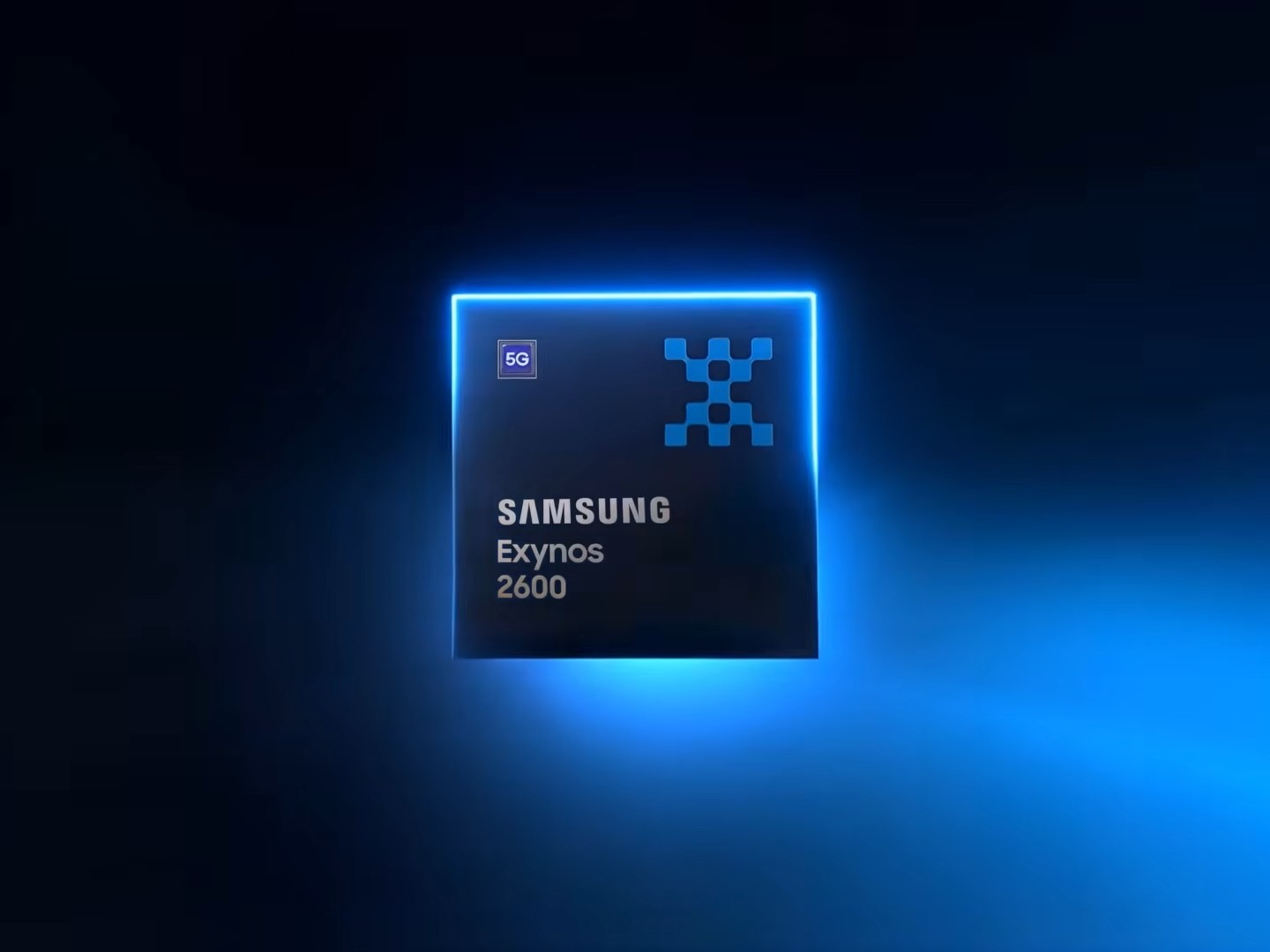
Multiple reports point to two primary factors limiting the Exynos 2600’s global reach. Firstly, a reported contractual agreement between Samsung and Qualcomm dictates that the American chipmaker must supply processors for at least 75% of the total Galaxy S26 series shipments. This high quota severely restricts the volume of Exynos-equipped devices Samsung can sell internationally.
Secondly, despite advancements, the production yield for Samsung Foundry’s cutting-edge 2nm Gate-All-Around (GAA) manufacturing process is rumoured to be around 50%. While a notable improvement over prior generations, this rate may still be insufficient for the high-volume demand of a global flagship launch, leading Samsung to confine its initial deployment to the domestic market.
Addressing Historical Concerns
The decision also reflects Samsung’s efforts to rebuild consumer confidence in the Exynos line, which has historically faced criticism regarding thermal efficiency and sustained performance compared to Snapdragon variants.
Samsung has attempted to address these issues in the Exynos 2600, featuring a newly engineered thermal solution called “Heat Pass Block” technology. This integrated heat sink is reportedly designed to reduce the chip’s operating temperature by up to 30%. By limiting the initial launch to Korea, Samsung can closely monitor the chip’s real-world performance and stability before considering a wider expansion in future models. The global market, meanwhile, appears to be set for the Snapdragon 8 Elite Gen 5, largely relieving concerns from international buyers who often prefer the Qualcomm chipset.