ASUS Officially Exits Smartphone Market to Chase AI Ambitions
ASUS has confirmed it is exiting the smartphone market, marking the end of its acclaimed Zenfone and ROG Phone product lines. According to a report by Taiwanese media outlet Inside, the company will pivot its research and development resources toward commercial PCs and the emerging field of “Physical AI.”
Strategic Pivot and Resource Reallocation

In a recent interview, ASUS Chairman Jonney Shih confirmed that the company would “no longer add new phone models” in the future. The decision is part of a broader strategic shift aimed at addressing the “fourth industrial revolution,” driven by artificial intelligence.
The company is realigning its talent and resources from the mobile division to focus on high-growth areas. Specifically, ASUS is targeting commercial PCs and Physical AI devices, such as robots and smart glasses. Analysts suggest that the mobile team’s experience with Qualcomm platforms will be instrumental in developing new devices powered by Snapdragon X and Dragonwing platforms, ensuring a smooth transition of technical expertise.
End of an Era for Zenfone and ROG Phone
This development signals the conclusion of the Zenfone series, known recently for its compact flagship appeal, and the ROG Phone series, which has long been a benchmark for mobile gaming performance.
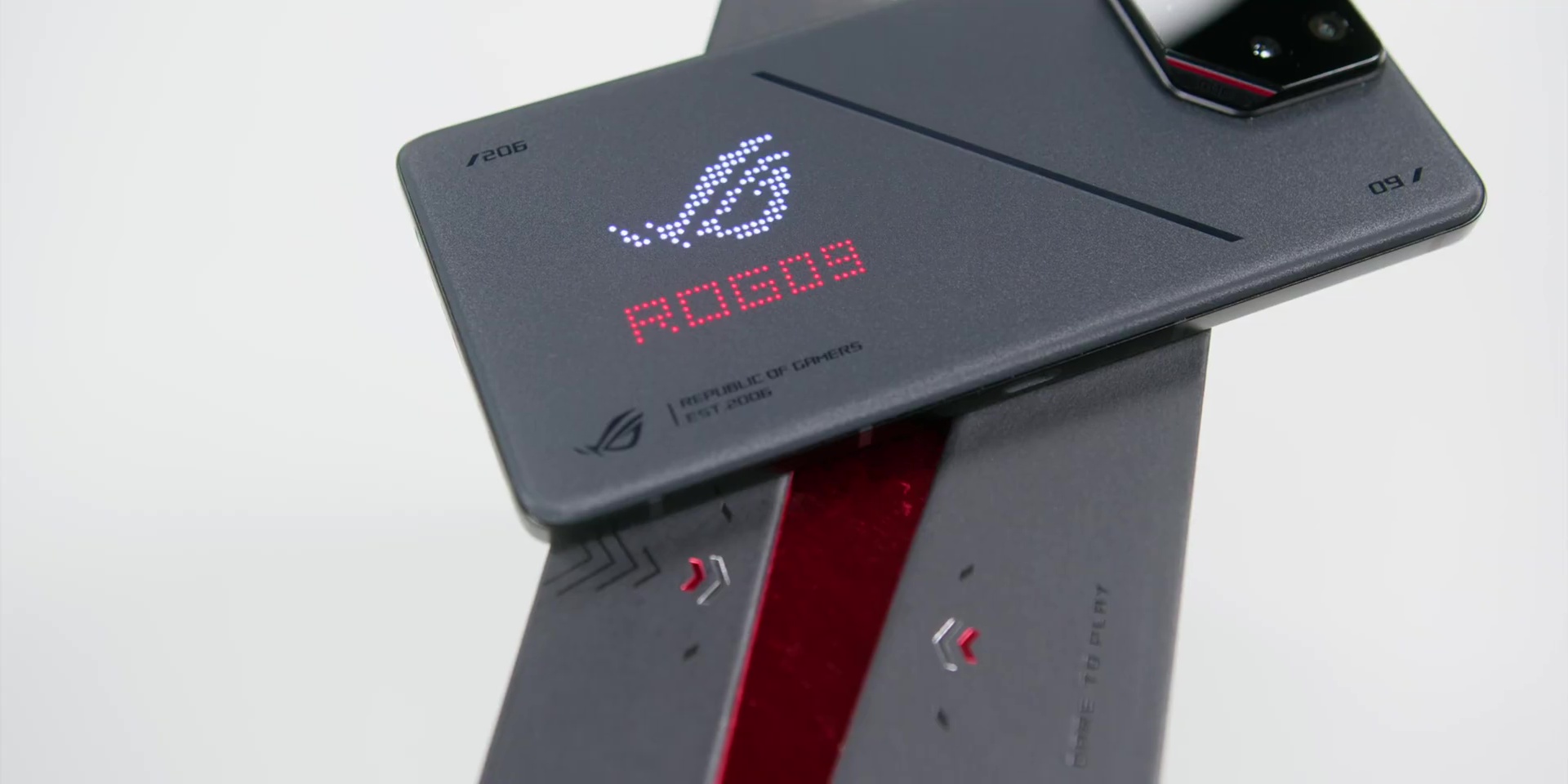
This official confirmation validates earlier reports that suggested ASUS was undergoing an organisational restructuring, sparking speculation about the discontinuation of the Zenfone legacy. At the time, rumours hinted that the ROG Phone 9 and Zenfone 12 series smartphones might be the final iteration as the company looked to consolidate or wind down its mobile efforts.
While Shih assured that the company would “continue to take care of brand mobile phone users,” the confirmation that no new models will be added marks the definitive end of the division.
Commercial Realities
The move highlights the challenging economics behind the decision. The global smartphone market remains a “red sea” dominated by giants like Apple and Samsung, making it difficult for niche players to sustain profitability. Despite the ROG Phone’s success among gamers, the high costs of maintaining a cutting-edge mobile division without mass-market volume contributed to the strategic pivot.
ASUS is now betting its future on becoming a leader in AI hardware, leveraging its engineering pedigree to define the next decade of intelligent devices rather than competing in the saturated smartphone space.