Google Chrome Update Lets Gemini Browse the Web for You
TL;DR: Google Chrome has launched “Browse for Me,” a feature that allows Gemini to autonomously navigate websites and perform complex research tasks. This agentic AI update includes safety controls like “human-in-the-loop” oversight and biometric confirmation for sensitive actions.
Google is taking the next step in browser automation with a massive update to Chrome. Starting today, Gemini can now browse the internet on behalf of users, effectively turning the browser into an autonomous research agent.
This new capability marks a significant shift from simple summarisation or text generation. Instead of just answering questions based on training data or a single search result, Gemini can now navigate websites, click links, and synthesise information from multiple sources to complete complex tasks without user intervention.
From Search to Action
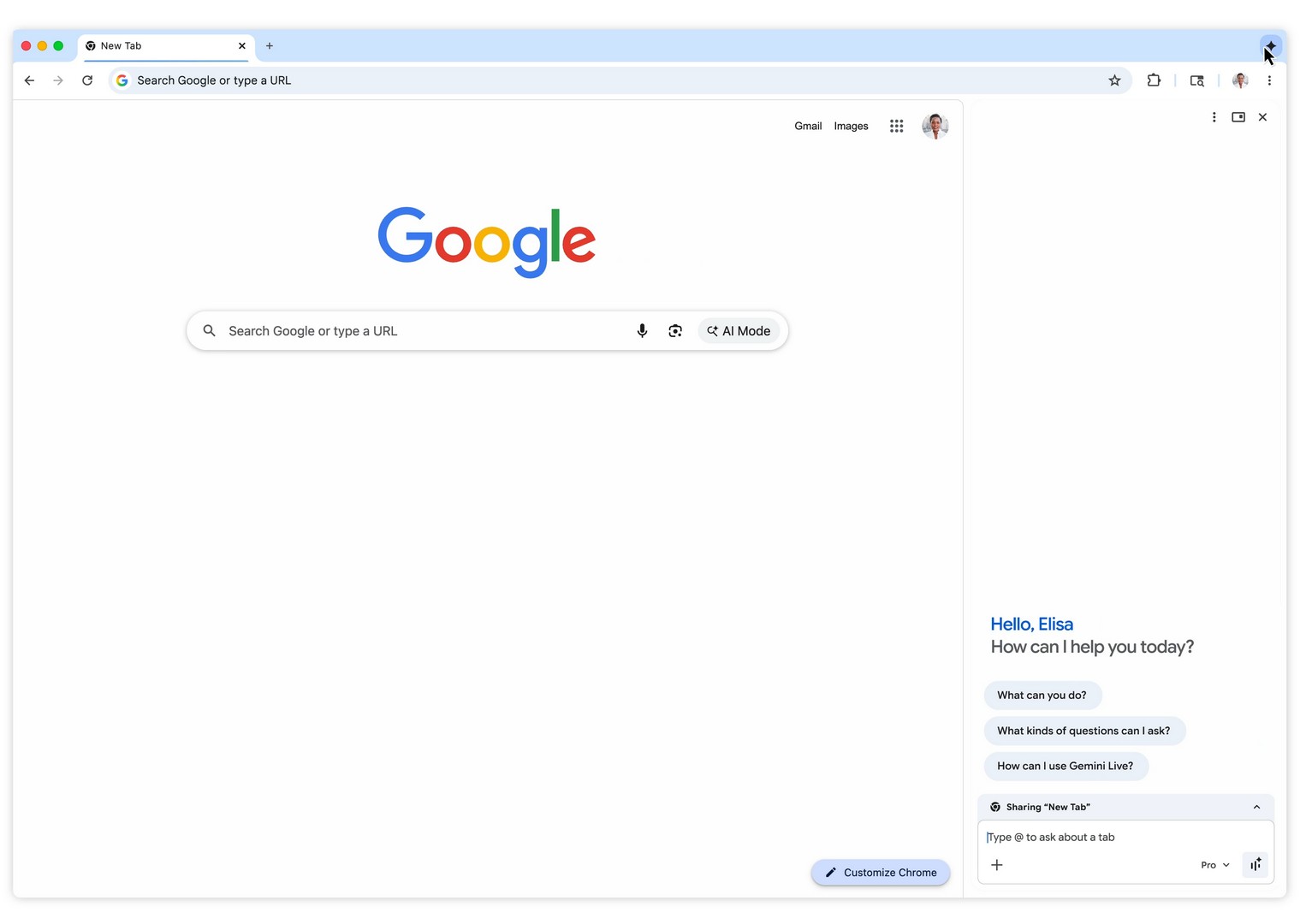
The feature, simply dubbed “Browse for Me,” integrates directly into the Chrome side panel. Users can input multi-step requests, such as “Find a hotel in Tokyo for under $200 a night that is near a subway station and has a gym.”
Previously, this would require the user to open multiple tabs, apply filters on travel sites, and cross-reference locations on Maps. Now, Gemini performs these actions in the background. It navigates through search results, reads the content of various pages, checks availability, and presents a consolidated list of options directly to the user.
Agentic AI in the Browser
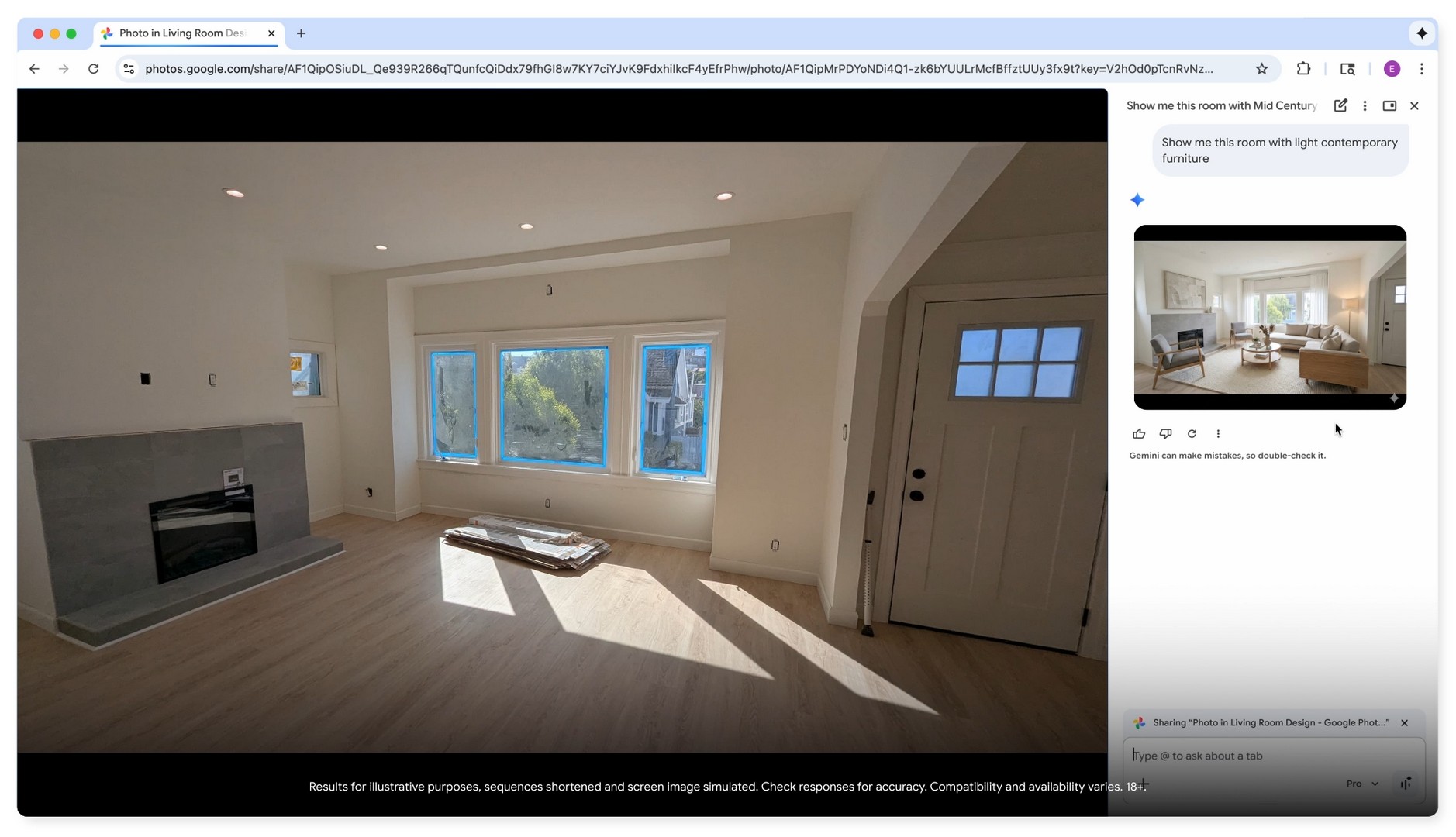
This update aligns with the broader industry trend toward “Agentic AI,” where artificial intelligence systems are designed to execute goals rather than just retrieve information.
Safety and Control
To address potential privacy concerns, Google has implemented a “human-in-the-loop” system. Gemini will outline its plan before it begins browsing, and users can watch the progress in real-time via a status bar. The AI is also restricted from performing sensitive actions, such as making purchases or changing account passwords, without explicit biometric confirmation from the user.
The feature is rolling out to Chrome on desktop and mobile platforms starting this week.