TL;DR/At a Glance
The Xiaomi 17 Ultra Review confirms that Xiaomi has finally overtaken its rivals in raw imaging hardware. As the 2026 flagship benchmark, it introduces a groundbreaking 200MP Leica Telephoto lens with continuous optical zoom and a 1-inch Light Fusion 1050L main sensor with LOFIC HDR technology. Beyond the camera, it packs a massive 6,000mAh Surge battery and the Snapdragon 8 Elite Gen 5 chipset, making it the most powerful and long-lasting Ultra device we’ve tested this year. In Malaysia, starting at RM5,499, it offers superior value for mobile photographers compared to the Galaxy S26 Ultra.
I took over thousands of photos and videos in Chongqing, China, one of the most visually insane cities I’ve ever been to. Layered highways, trains going through buildings, rain, low light. But halfway through shooting, I realized something that this Xiaomi 17 Ultra didn’t feel like mobile photography anymore. It felt like I was “cheating”.
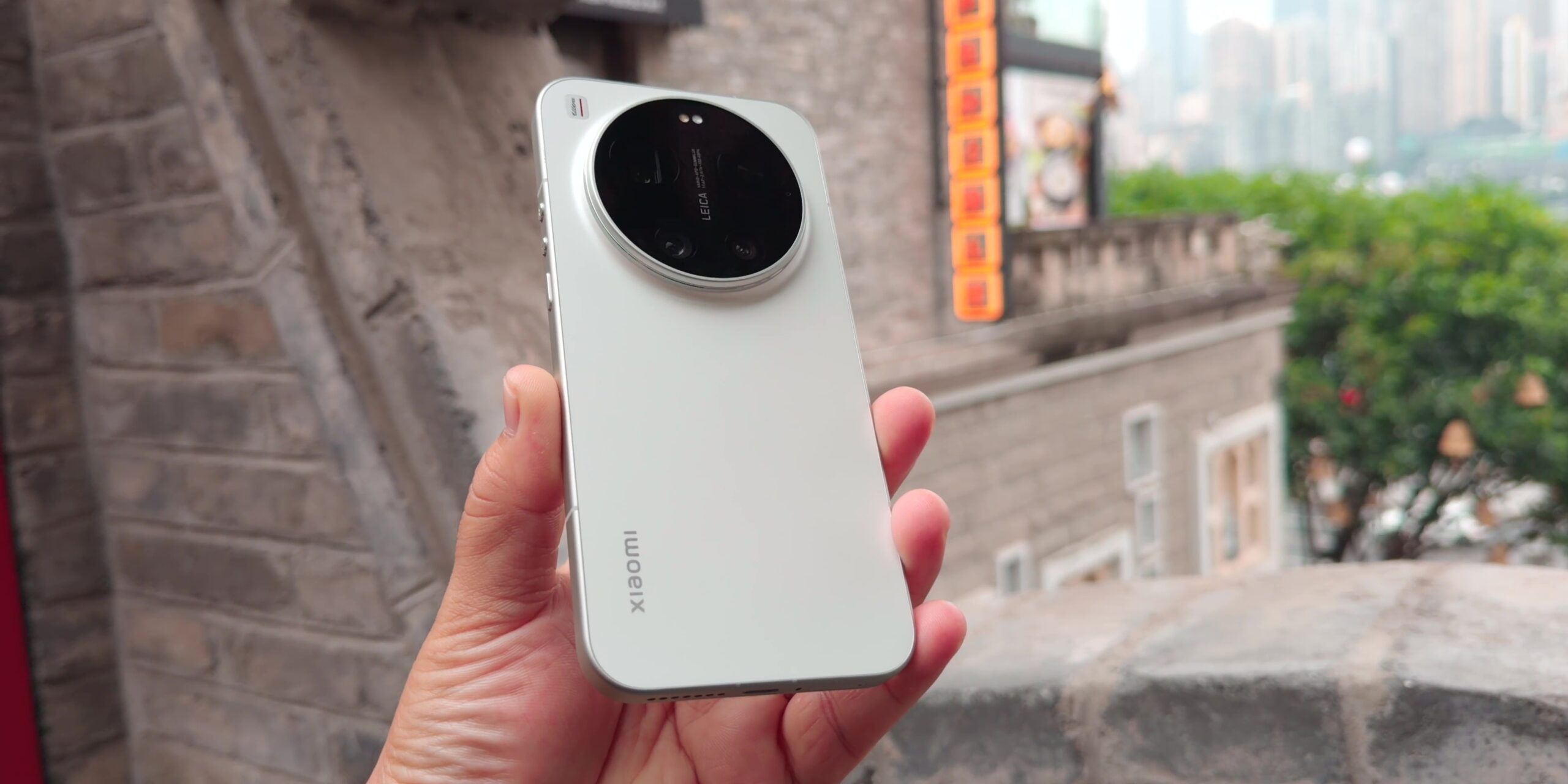
And after using it here, you’ll finally understand why Xiaomi meant by “Professional Photography in Your Pocket.”
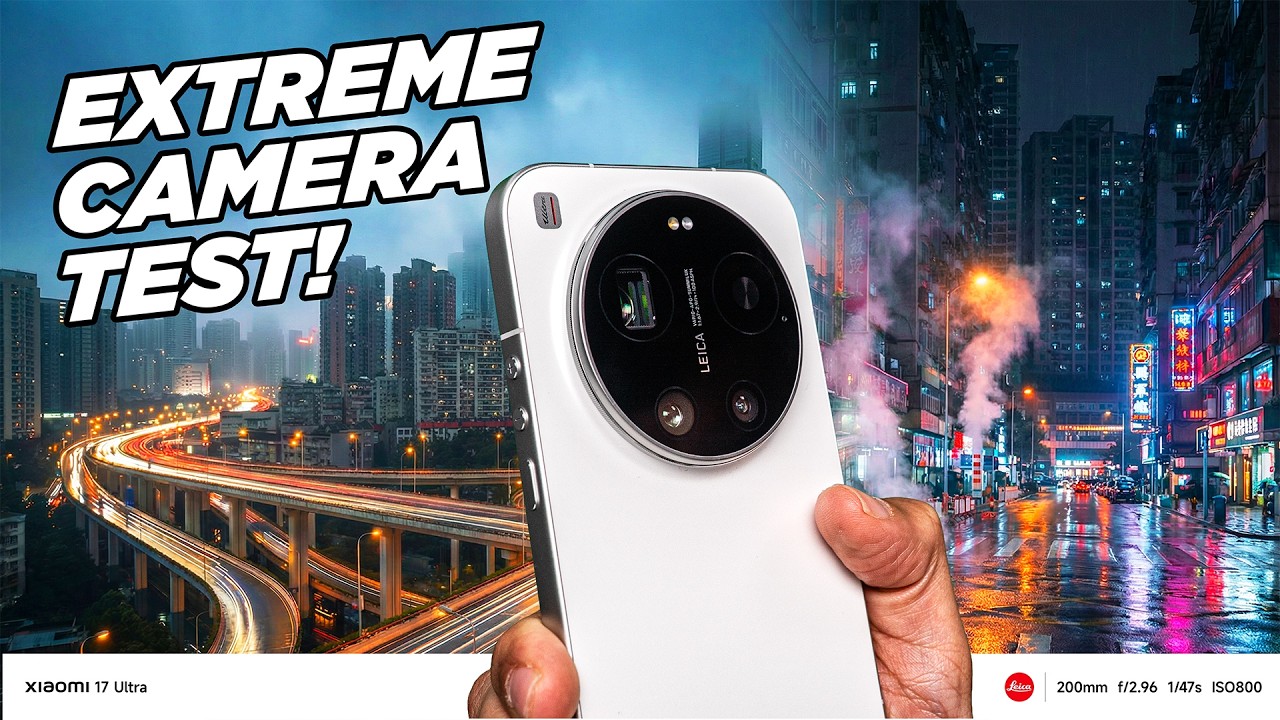
WHY CHONGQING IS THE PERFECT TEST
Chongqing City is a challenging place for cameras. And that’s why it’s the perfect place to test the cameras because you’ve got high contrast lights, deep shadows, constant movement, fog, steam, and even, of course, rain reflections.
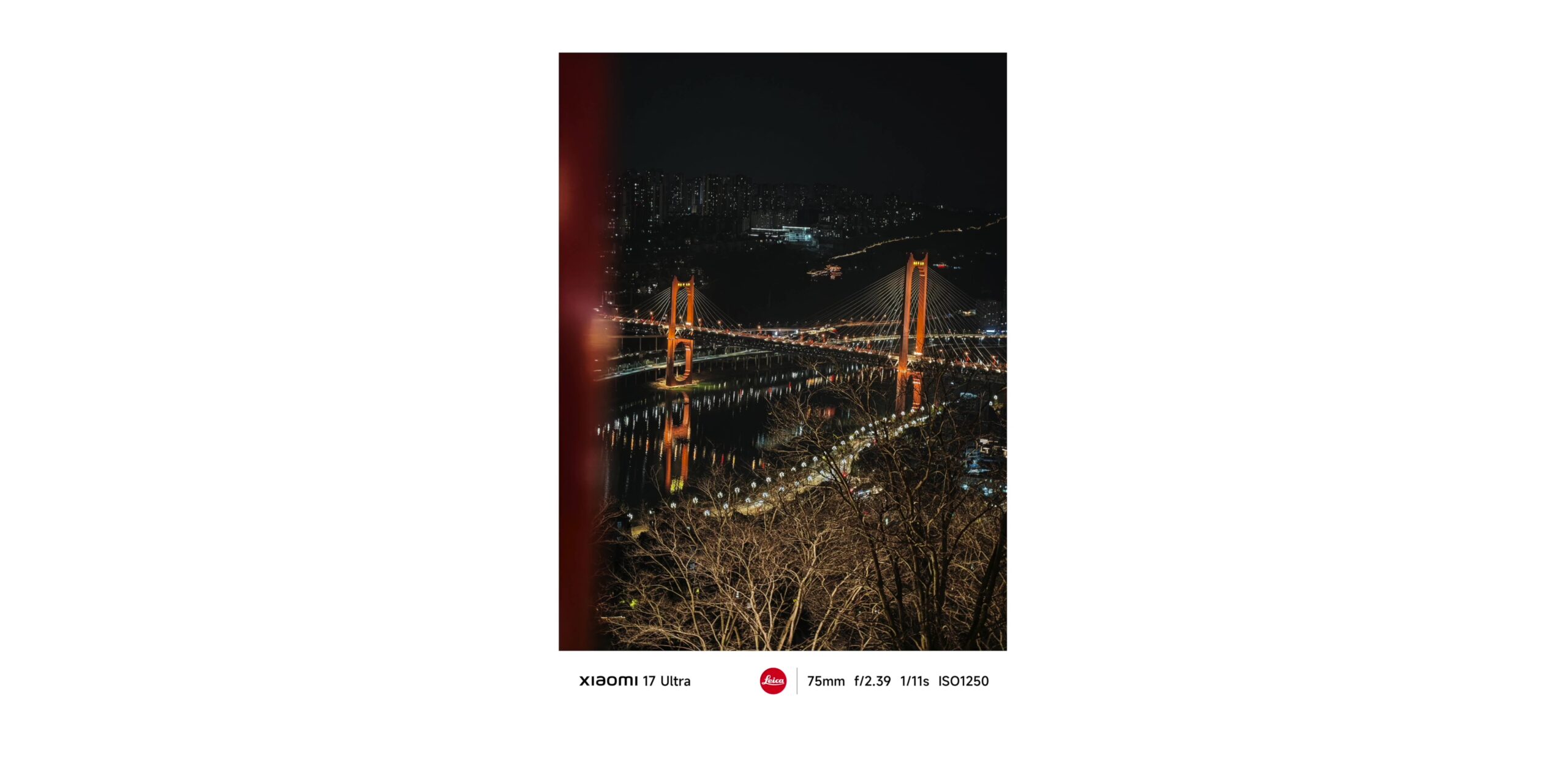
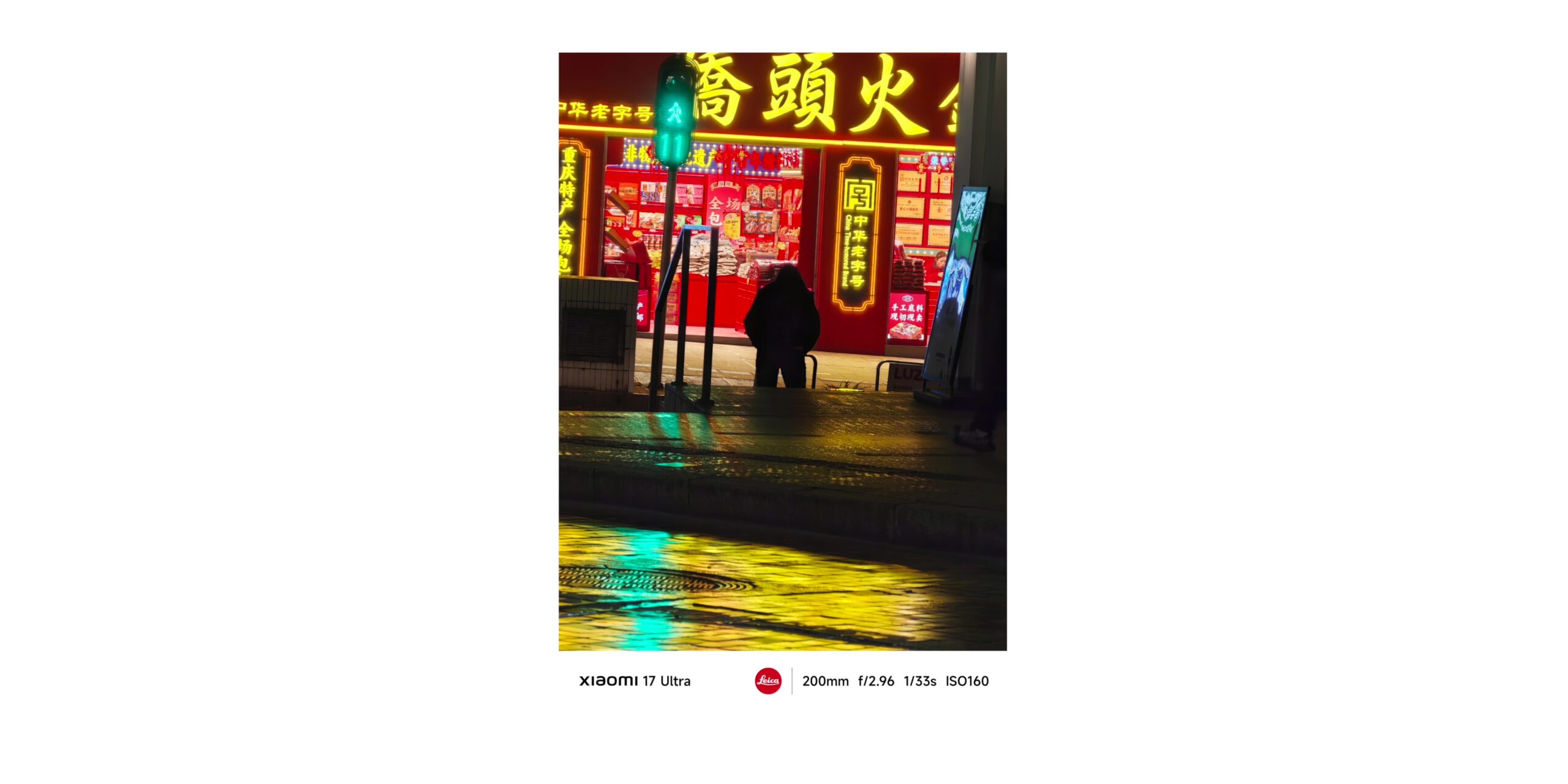

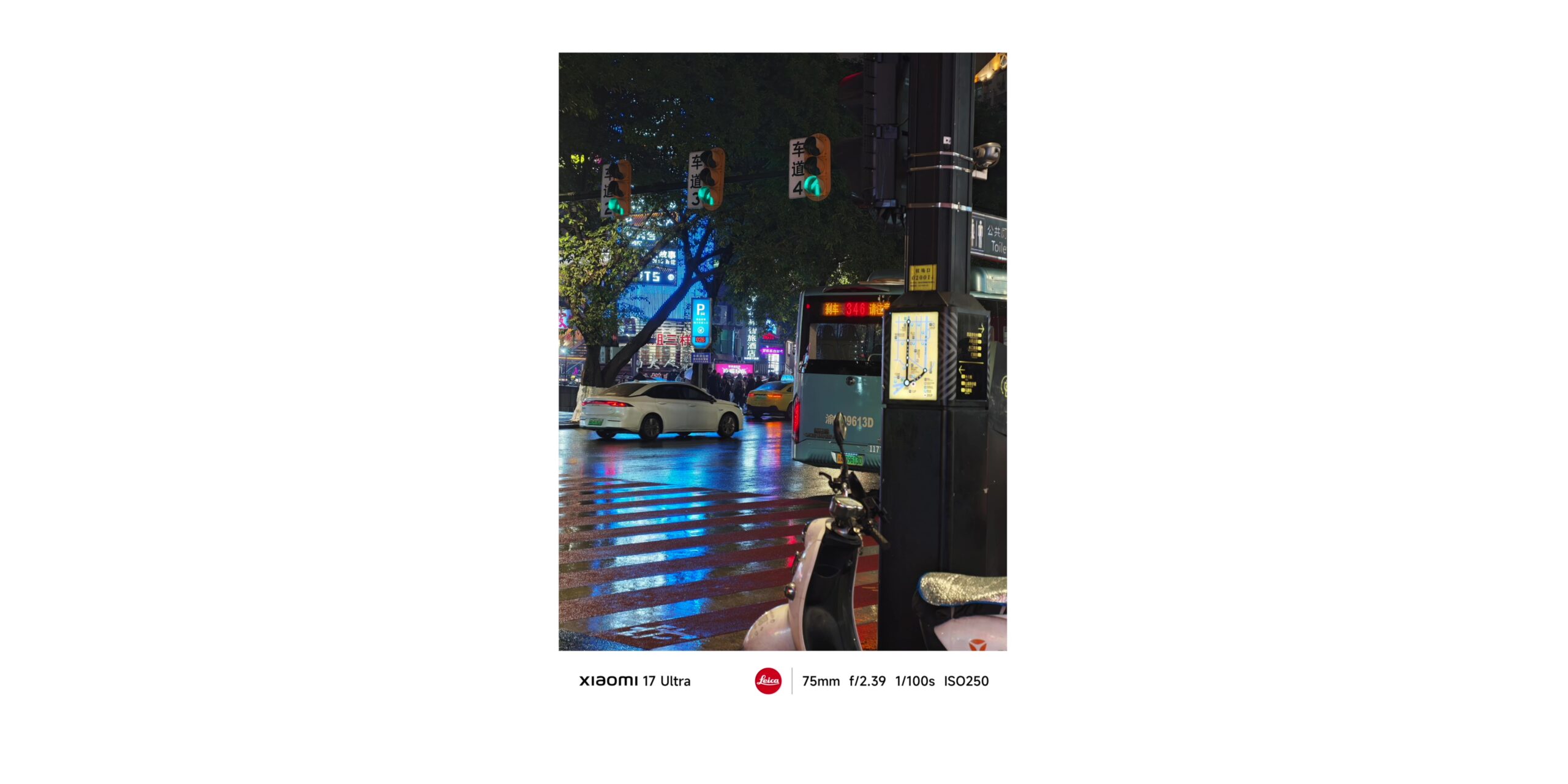
So, if a camera messes up the HDR or High Dynamic Range, you will see it immediately. And if low light tuning is weak, you will know it instantly.
And that’s why I wanted to shoot here because if a phone survives in Chongqing, it survives everywhere.
THE CAMERA PHILOSOPHY
Before we talk about the specs, let me tell you that this phone isn’t about more cameras. It’s about better transitions between the cameras.
Because normally on phones, every lens feels like a different personality, especially when it comes to switching lenses where it is different in colors, different in contrast, and difference in sharpness.
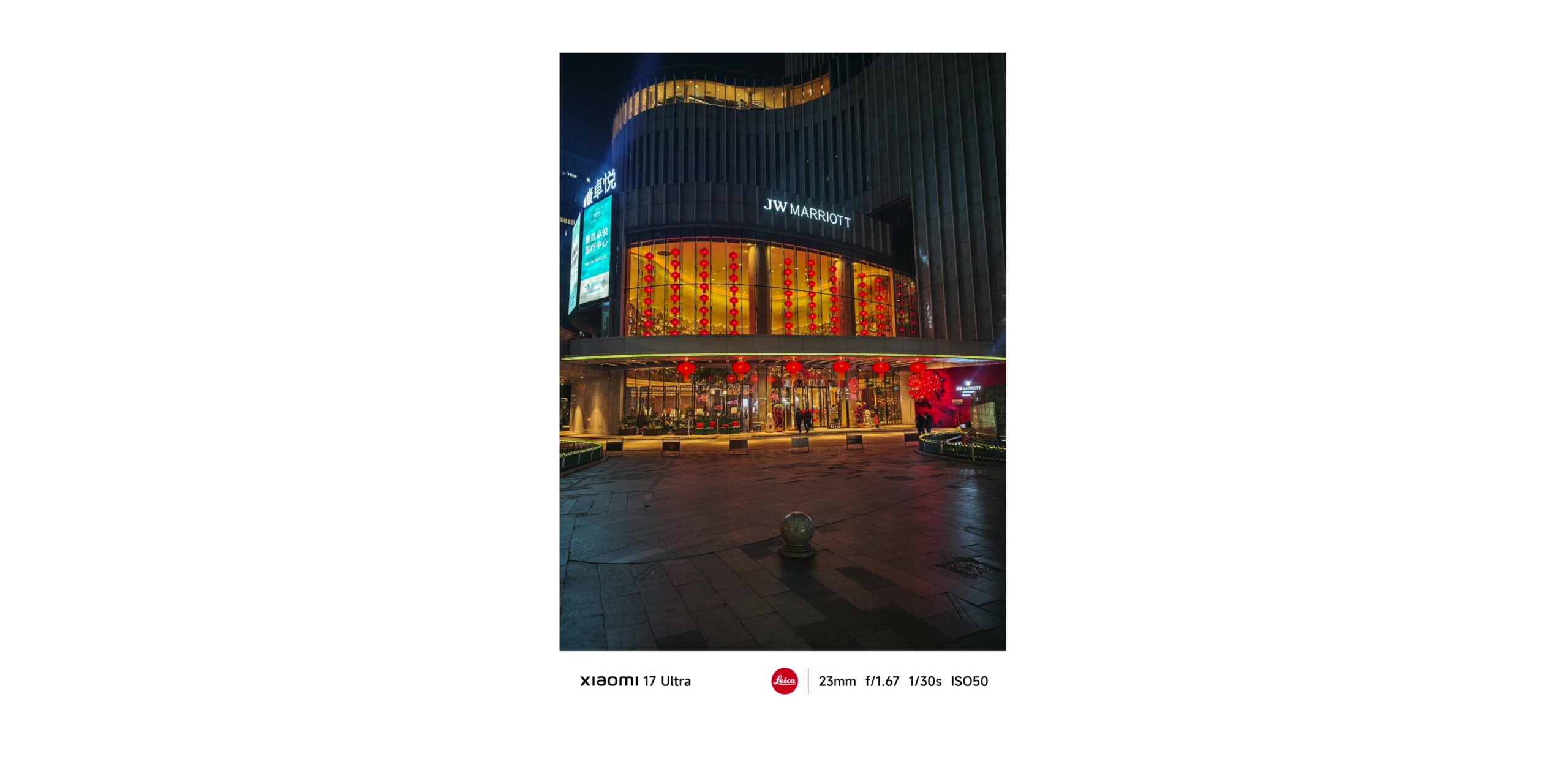
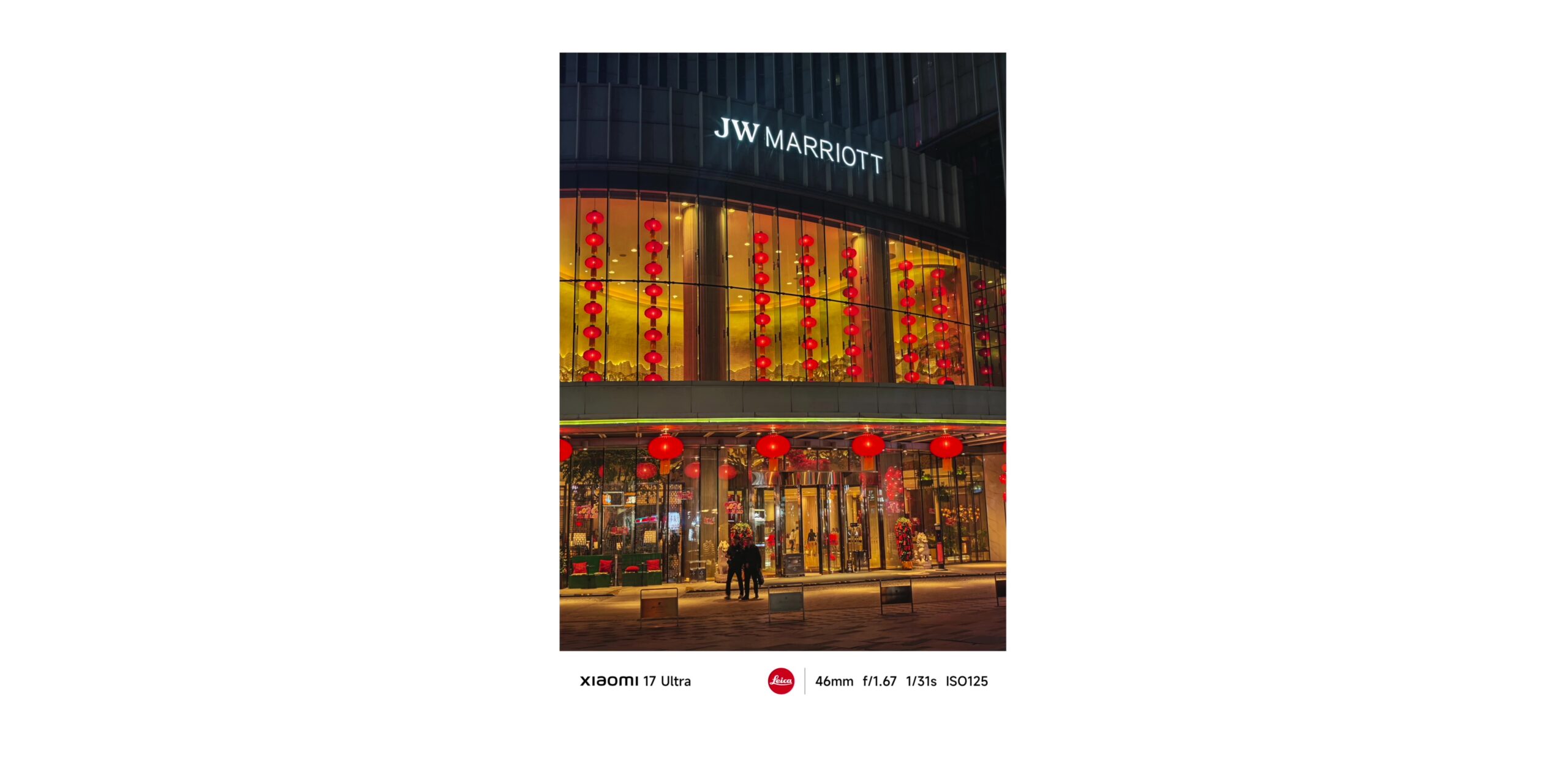

But the Xiaomi 17 Ultra feels like one camera system just changing the focal length and that is because of Leica of course.
MAIN CAMERA – 23MM
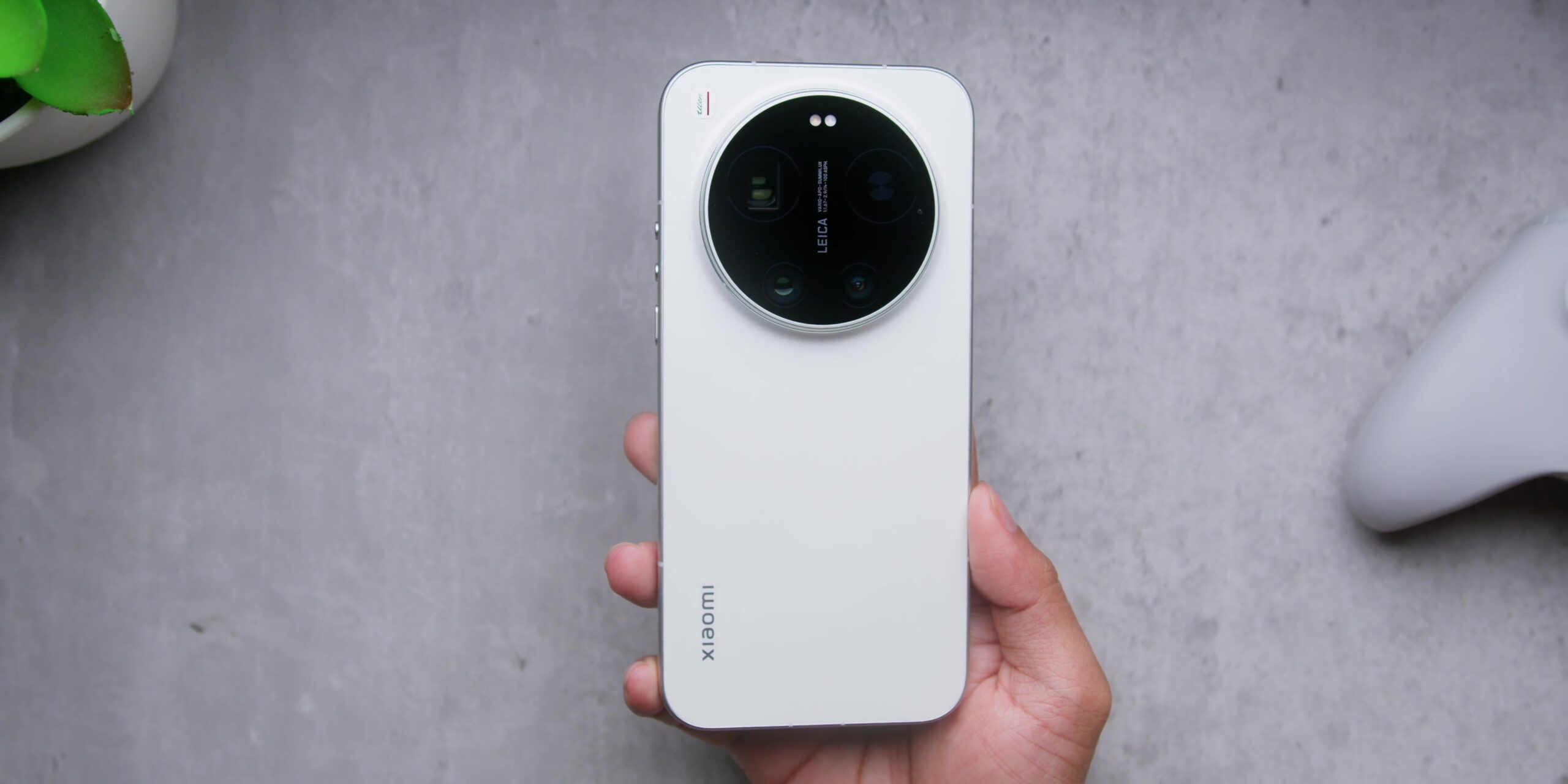
So the main camera lens is the lens that I use the most which is the 23mm Leica Summilux main camera which is a 50MP with an aperture value of f/1.67.
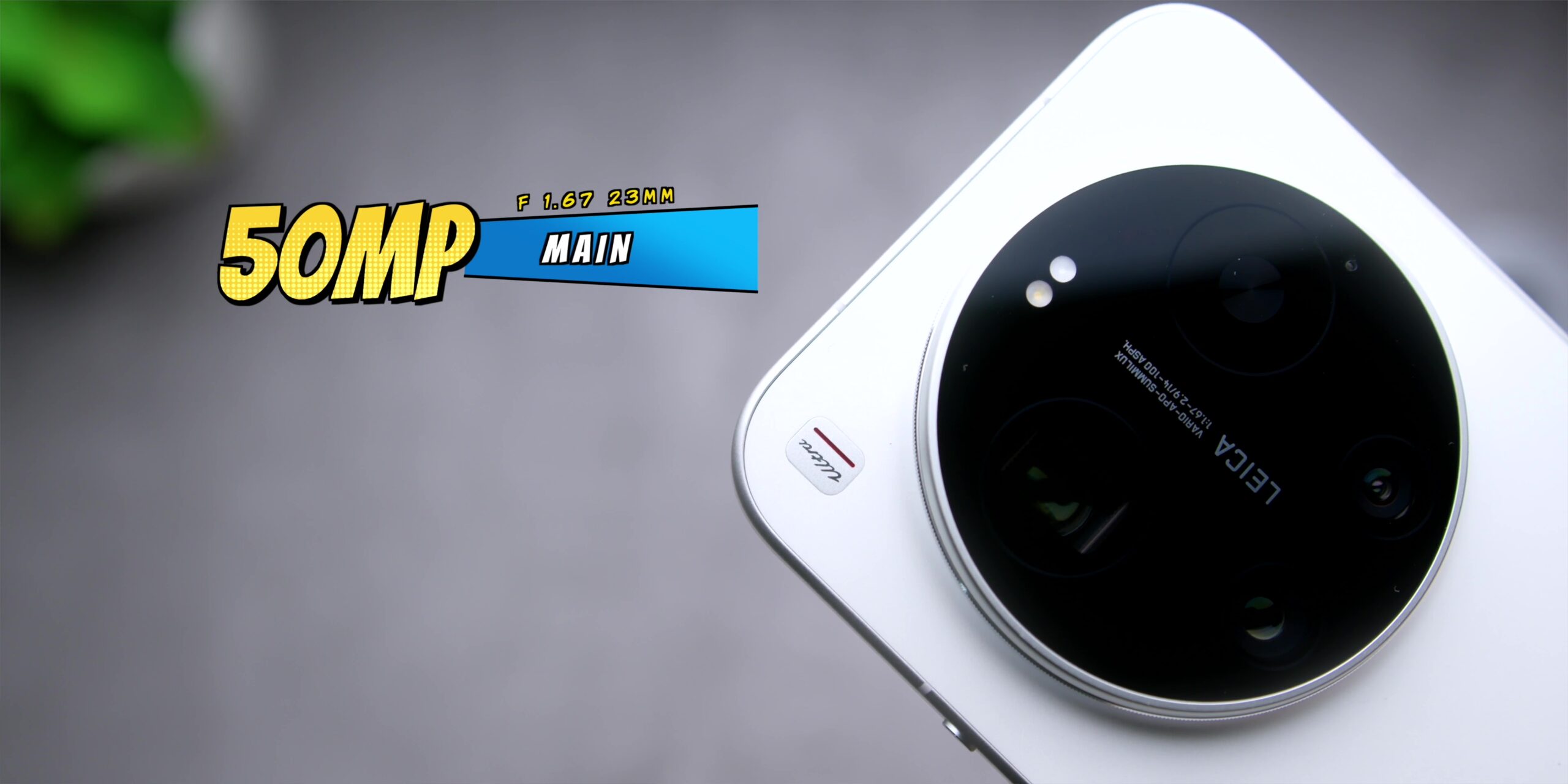
It is a 1-inch sensor and it is also an upgrade from the Light Fusion 900 to the Light Fusion 1050L and in Chongqing this lens is perfect. Street scenes, neon lights, a mix of bright and darker areas, and even rain on the pavement.
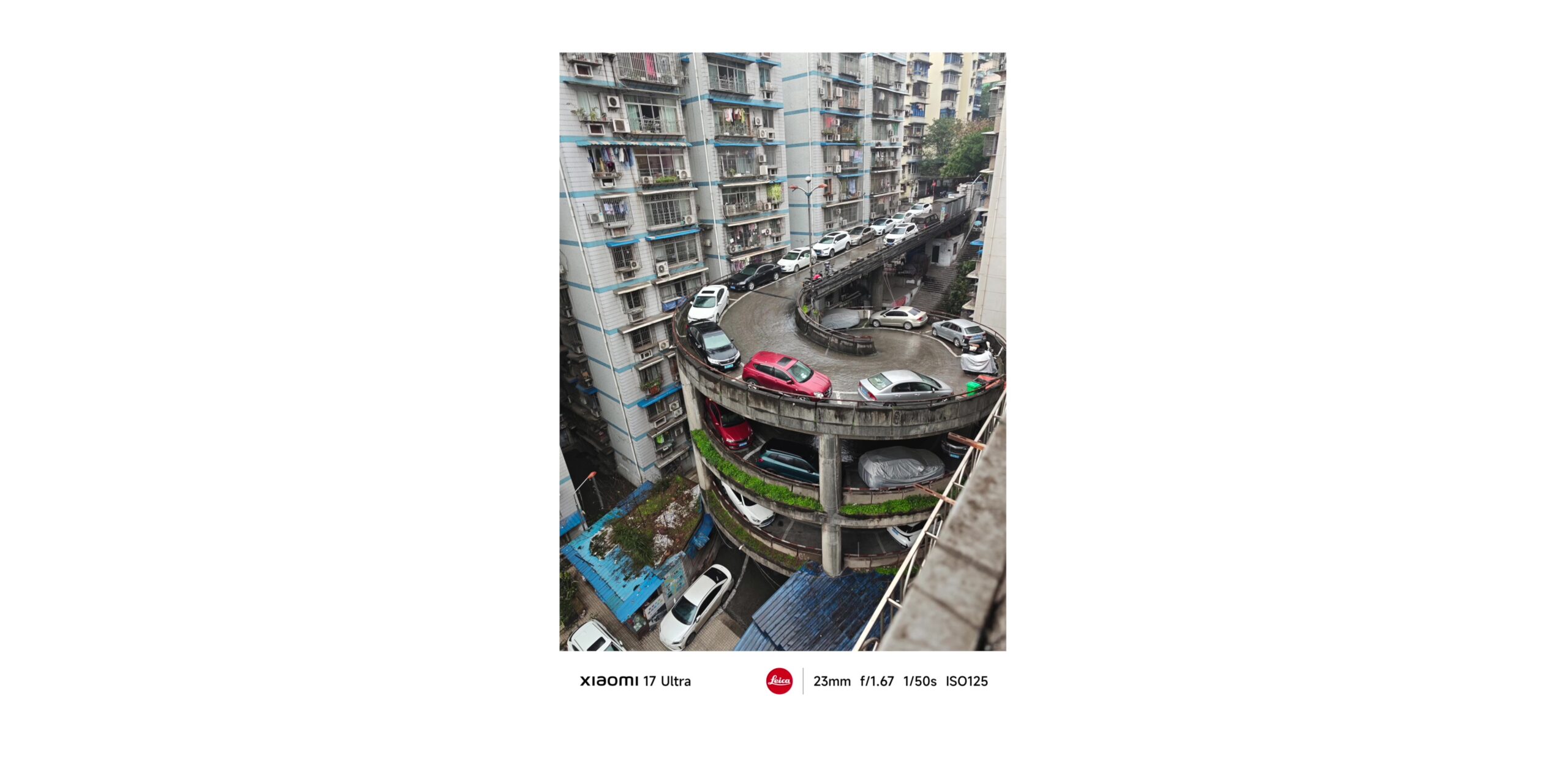
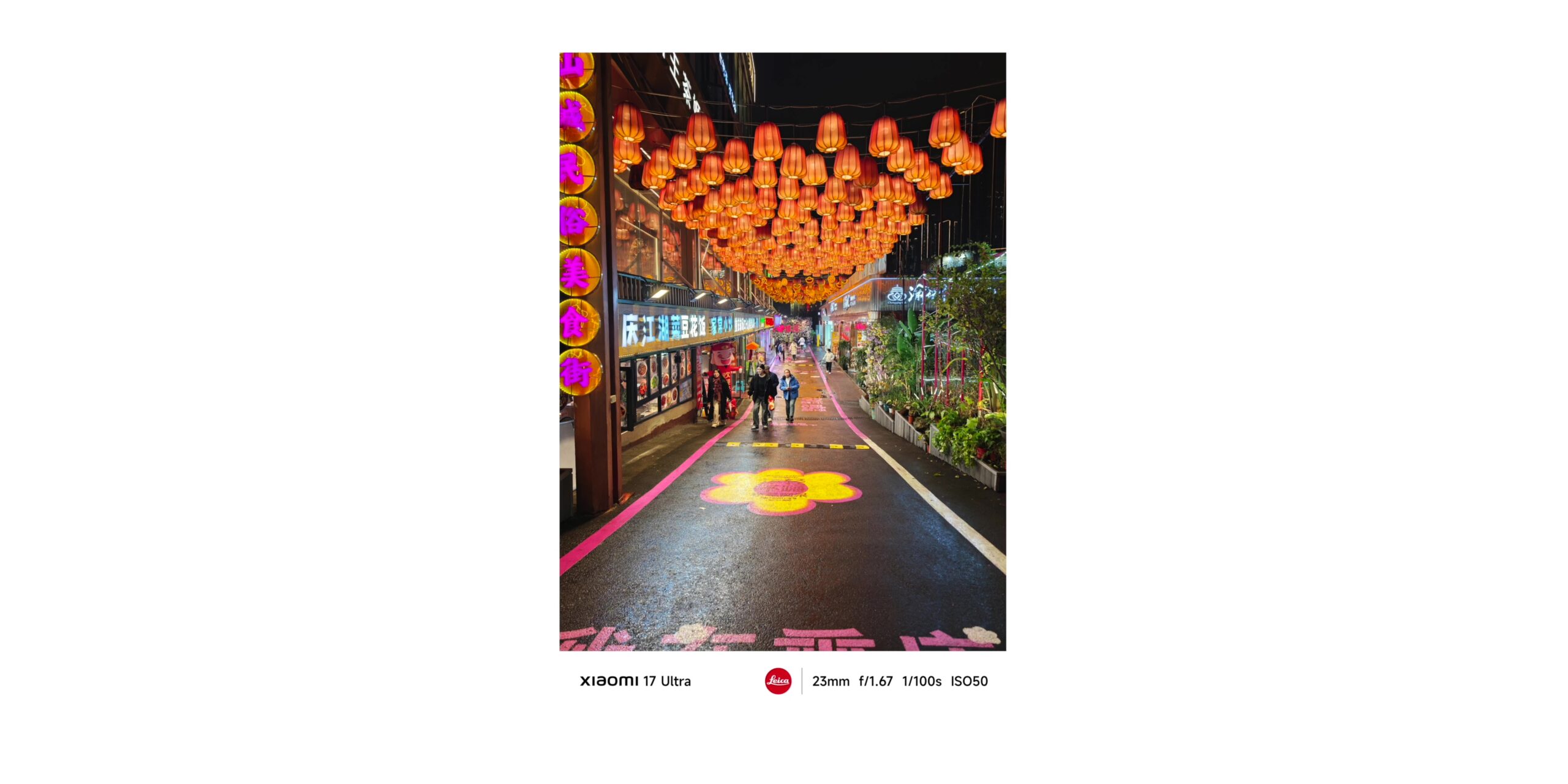
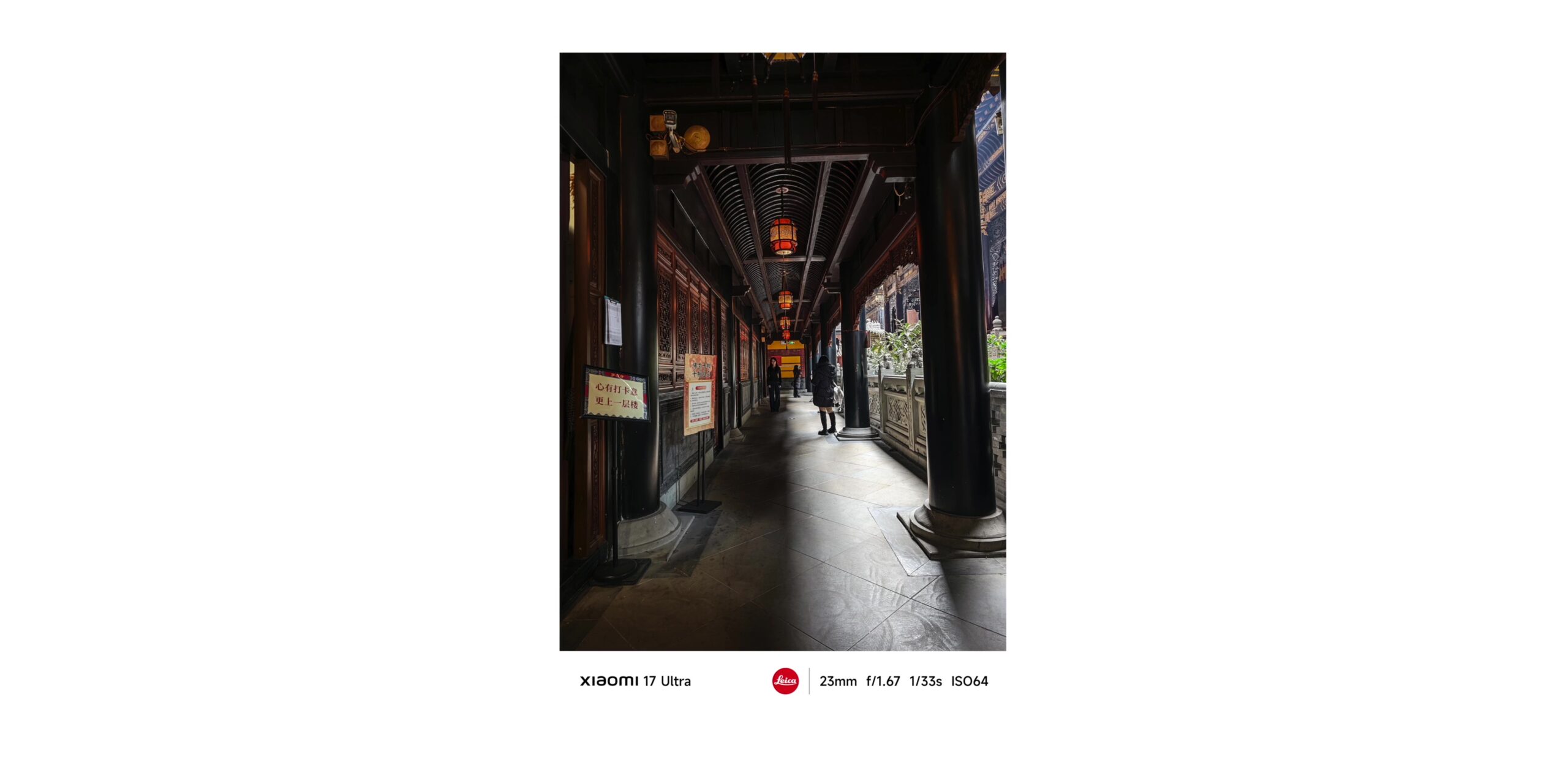
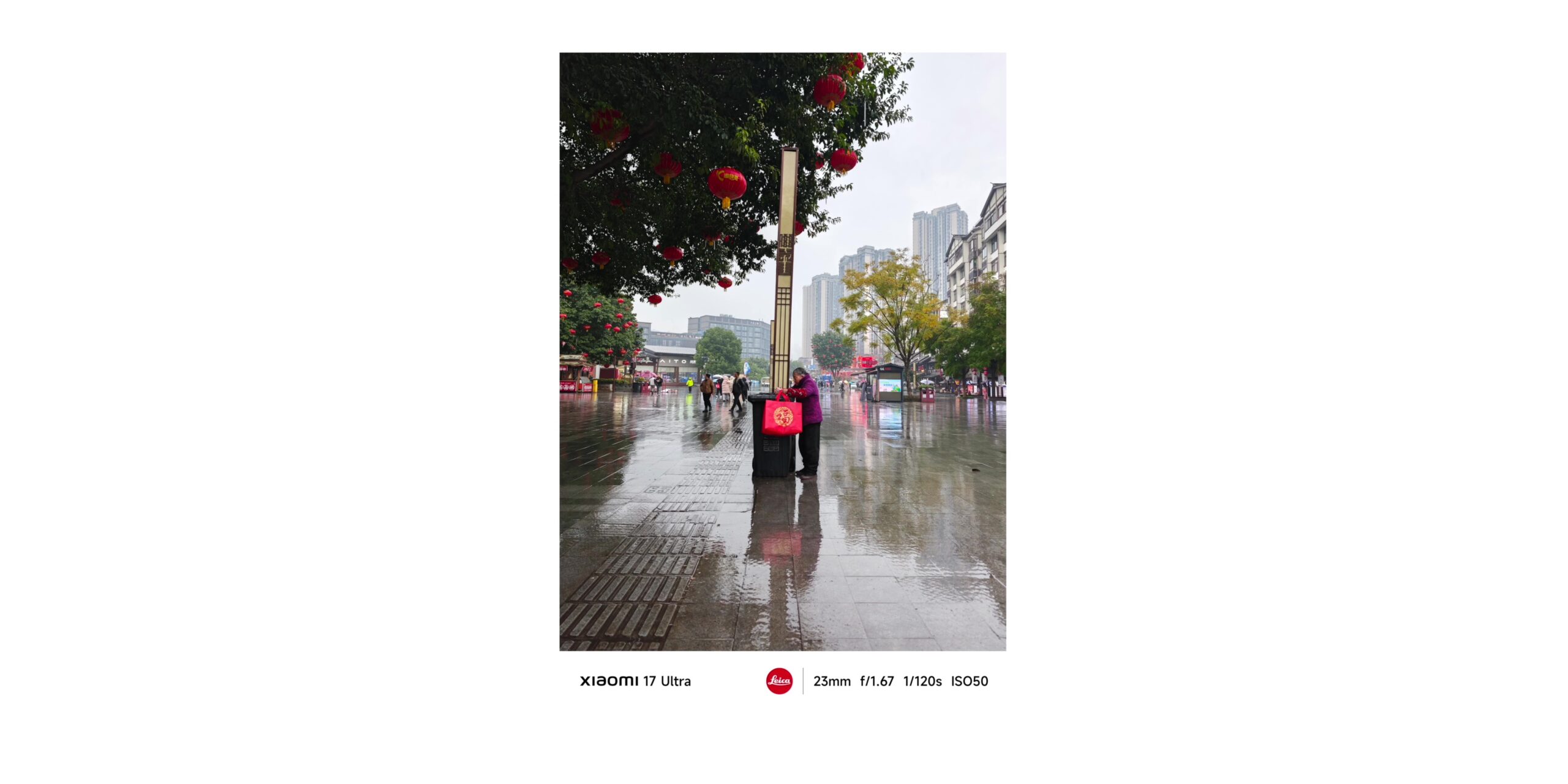
But what stood out to me immediately was the dynamic range where the highlights didn’t blow out, shadows didn’t turn muddy or noisy, and that is because of the LOFIC HDR technology powered by this new Light Fusion 1050L sensor.
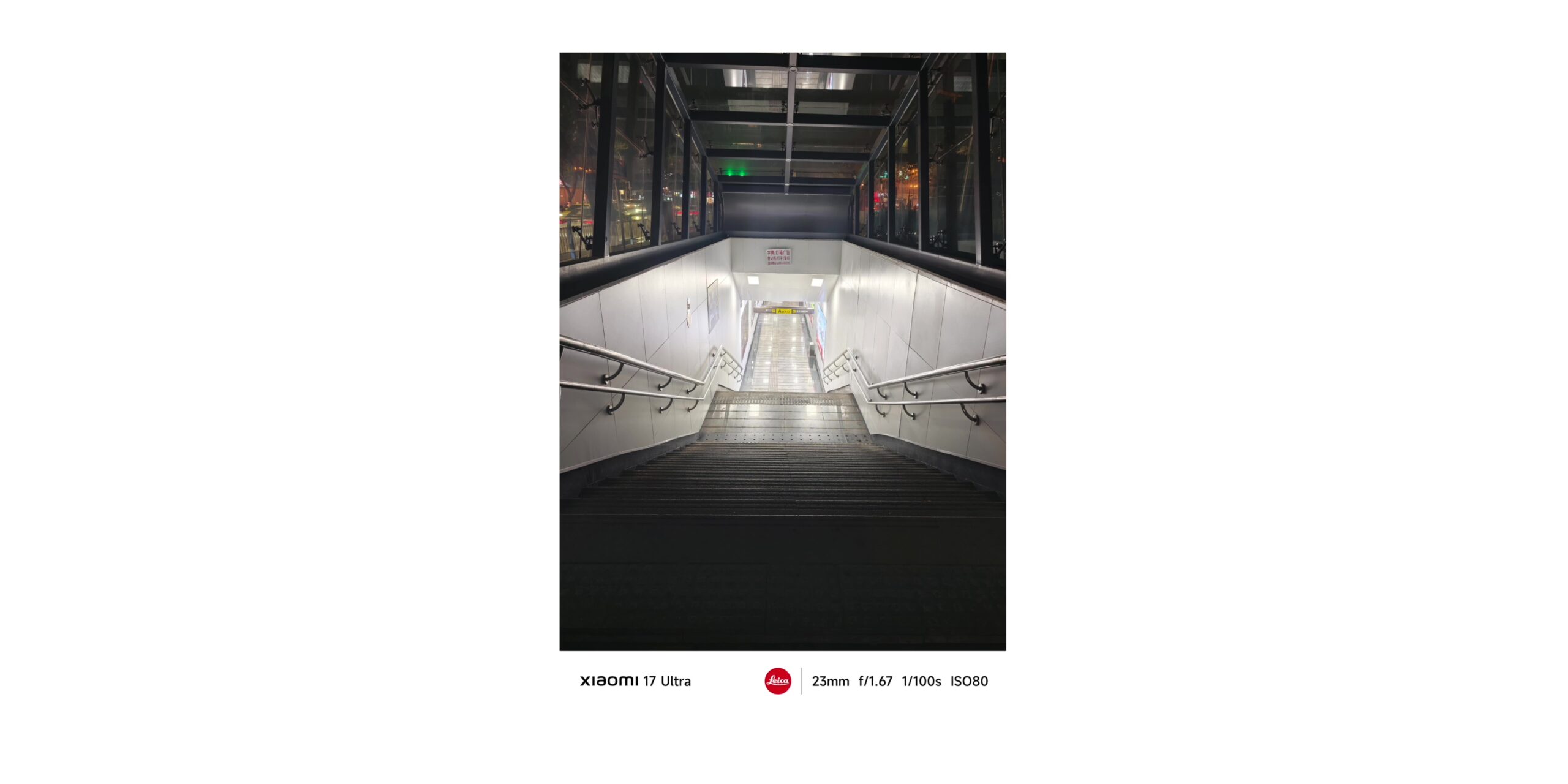
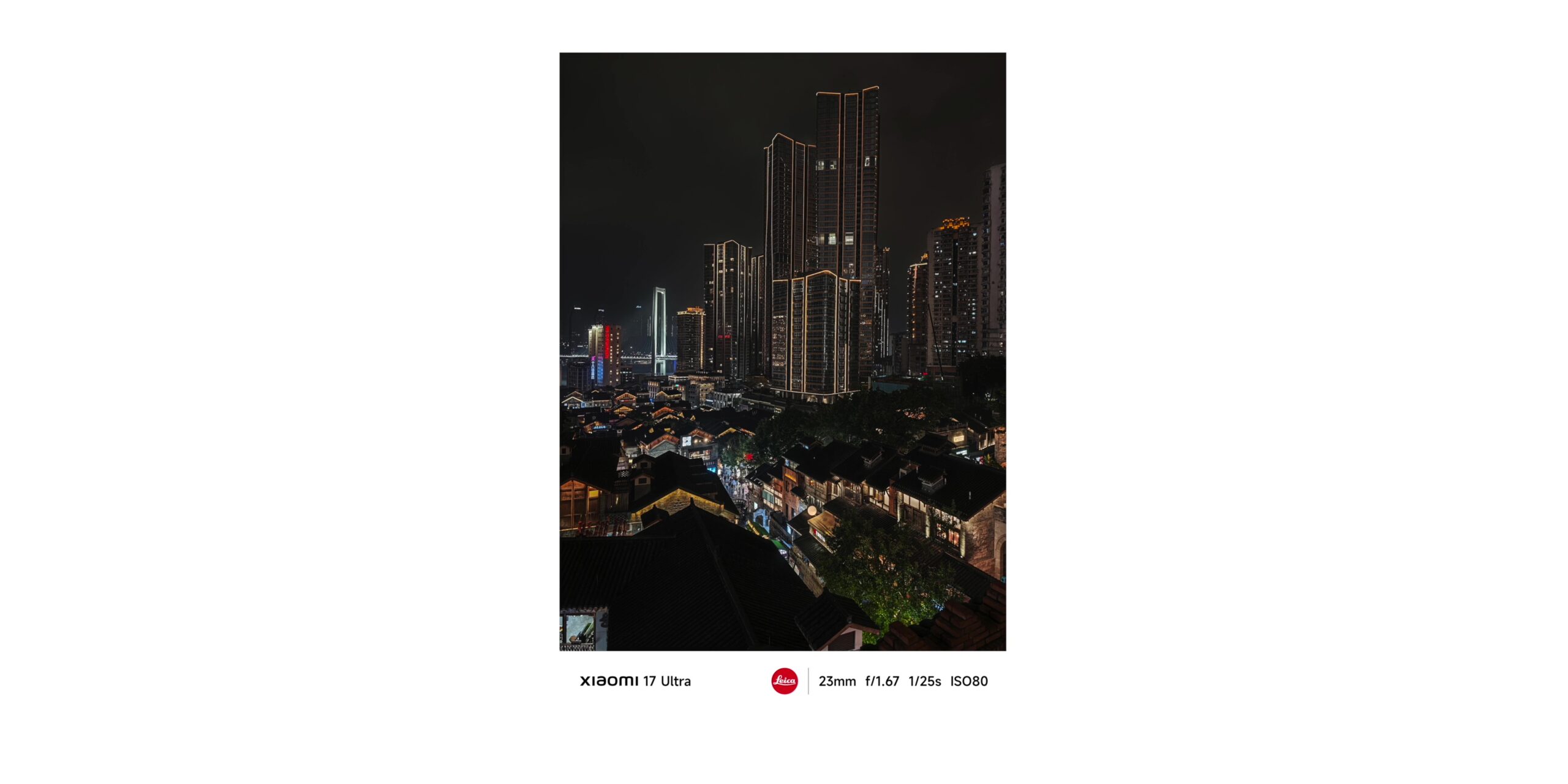
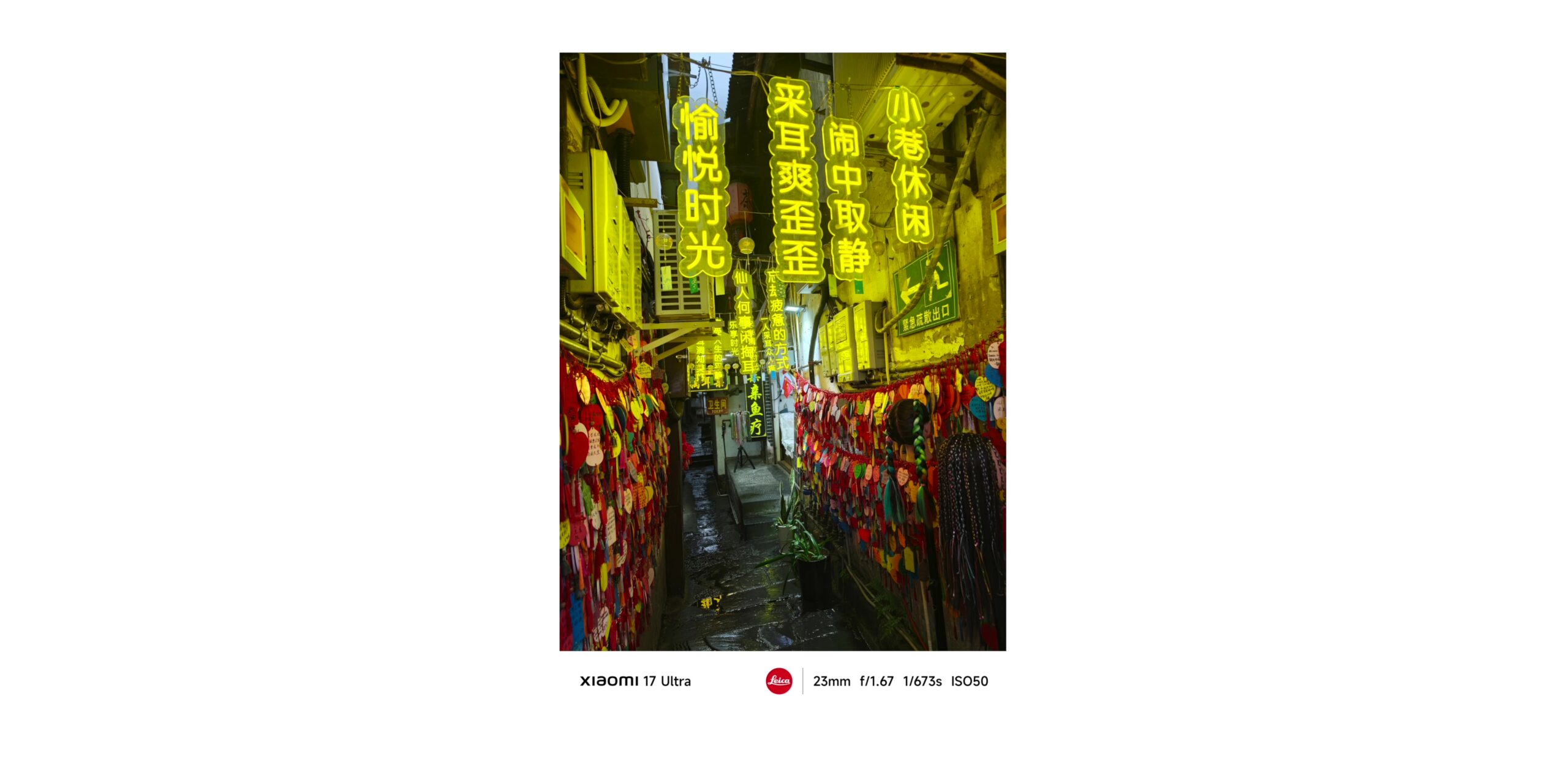
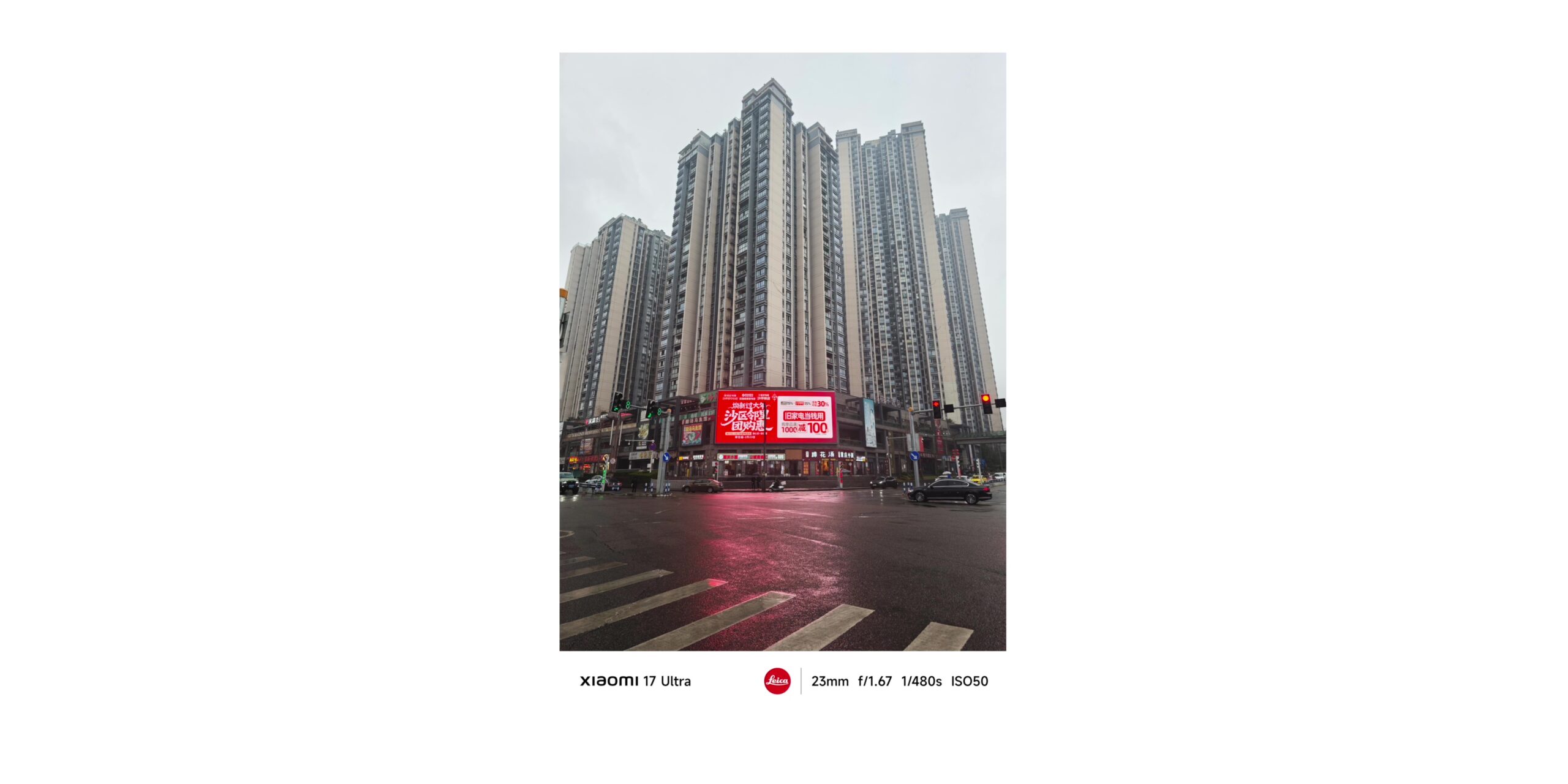
And yes, this only works on the 1x zoom or the main lens, but yes, you will feel it because bright signs stay detailed, but darker areas still have texture and the reflections on the ground were also very nicely shown.
And the colors, well, Leica colors done right, of course, not overcooked or not Instagram fake, just naturally Leica.
LOFIC HDR
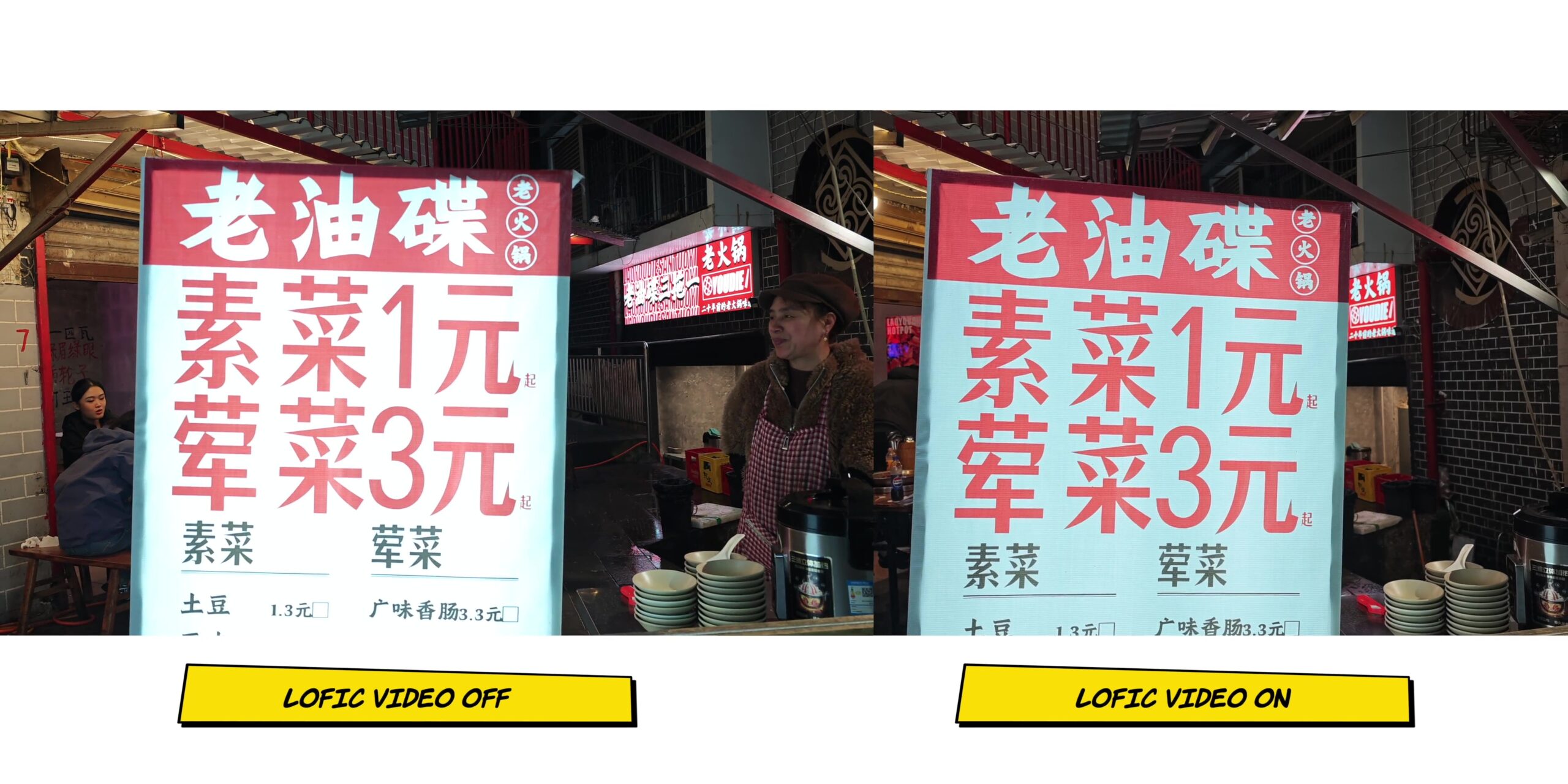
So, what is LOFIC HDR mentioned earlier? Well, LOFIC basically lets the sensor handle the bright and dark areas at the same time without forcing aggressive HDR software.
And in a city like Chongqing where you have glowing buildings with nighttime skies, this matters more than megapixels.
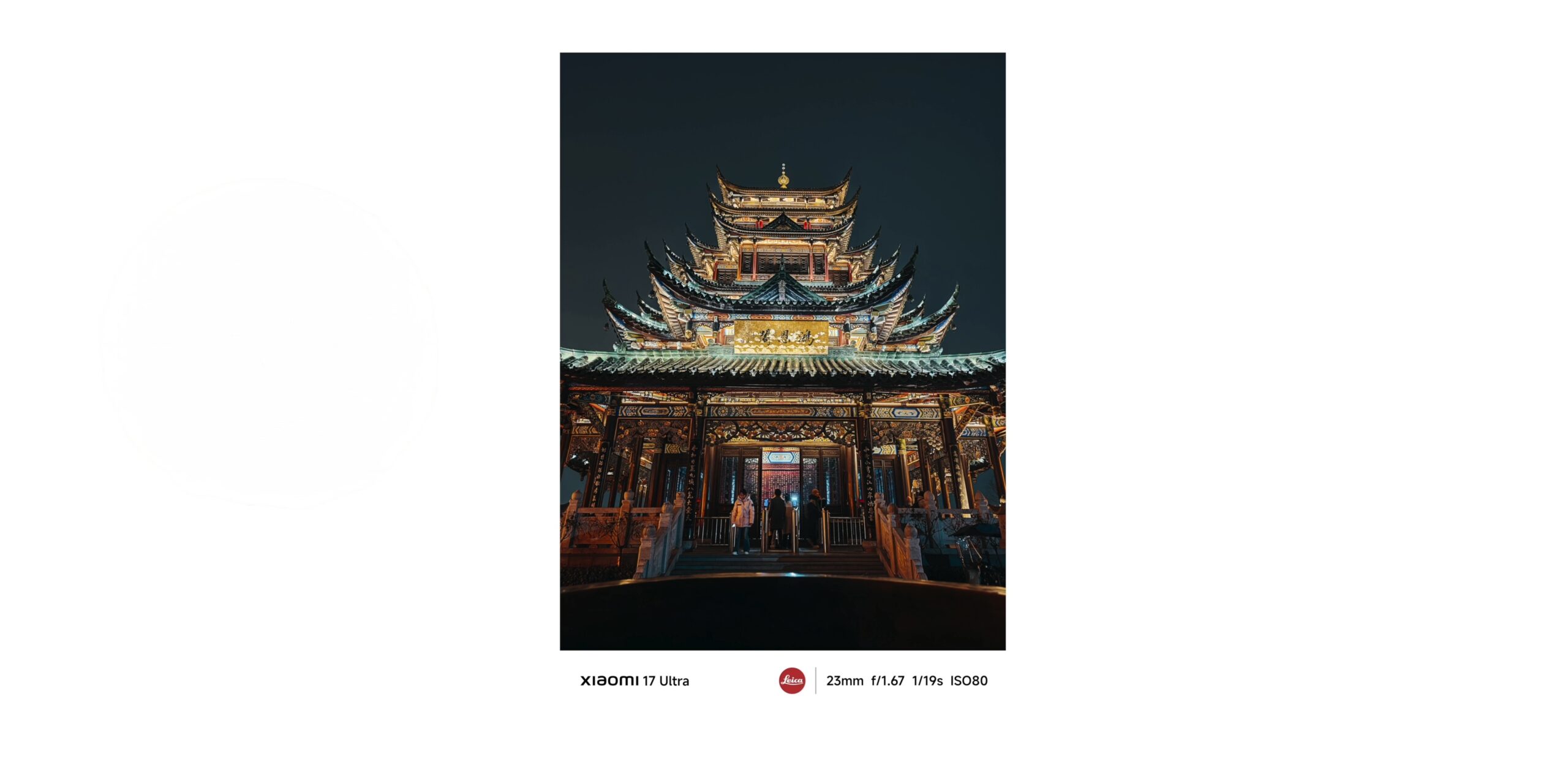
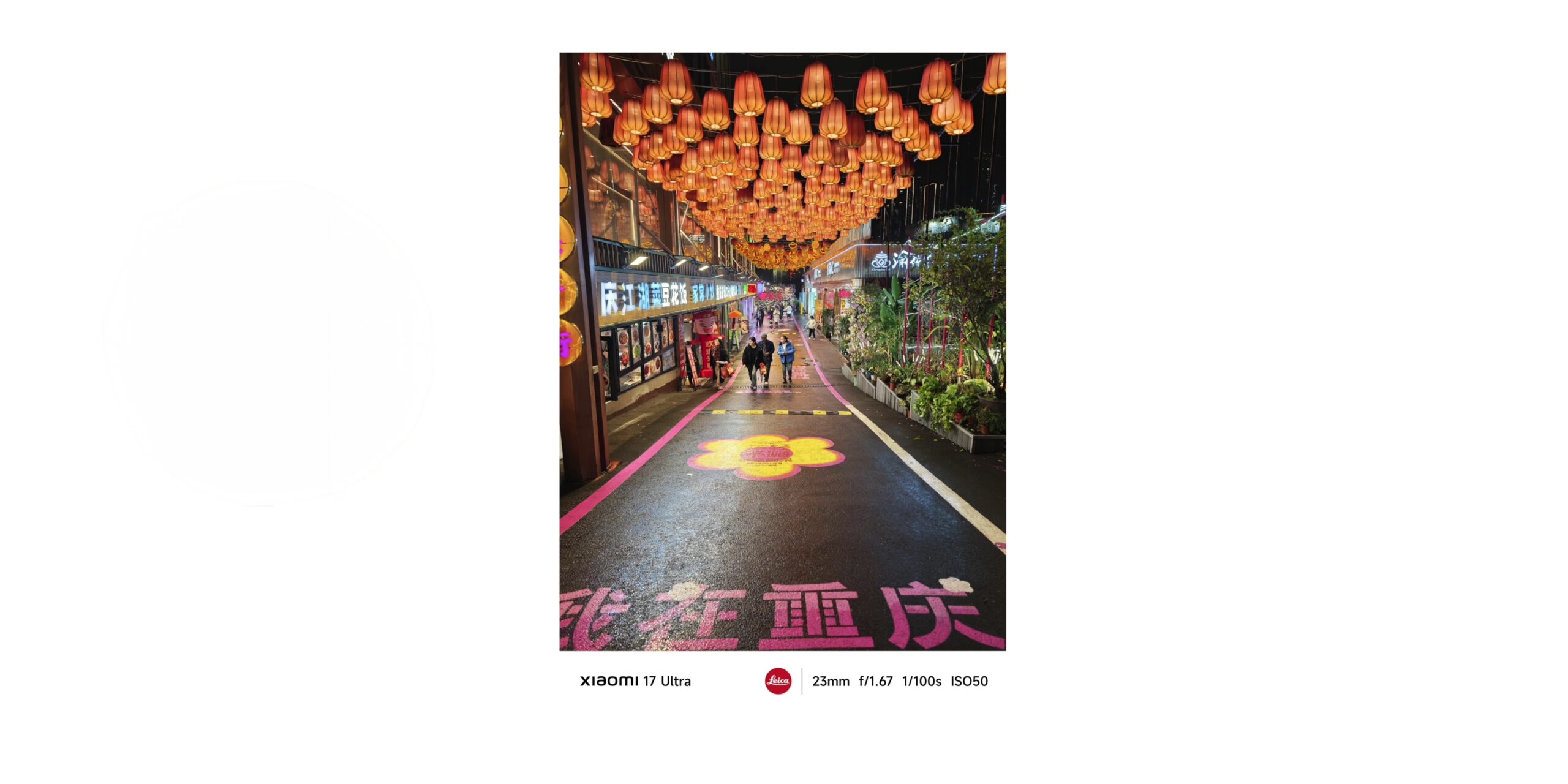
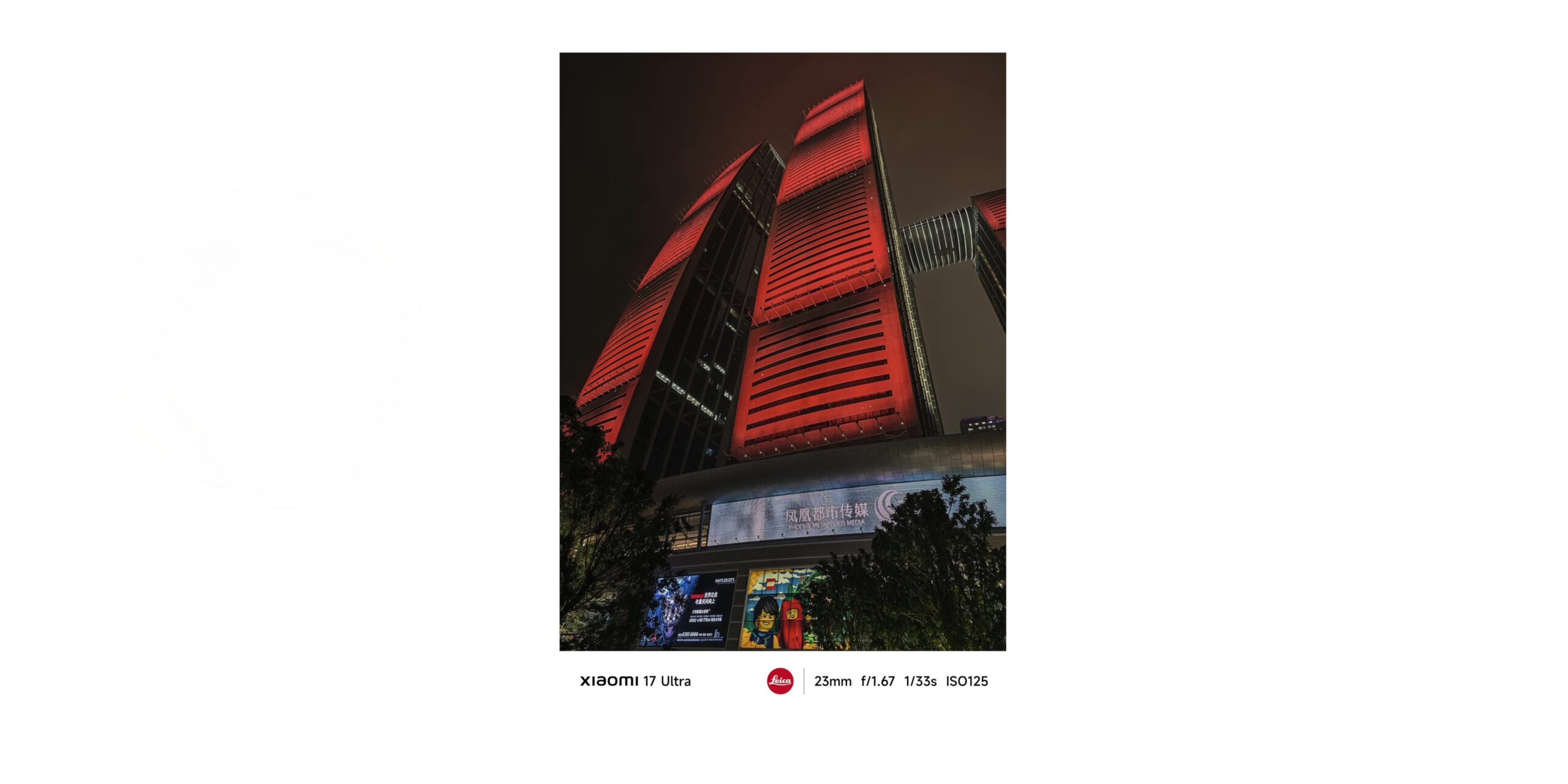
So, this turns on automatically on the 1x photo mode, but you can turn it on and off on video manually as seen in this comparison video with it turned on and turned off where you can see the real HDR control and LOFIC, perfect for video shooters when handling highlights, especially at night.
THE STAR OF THE SHOW – 200MP TELEPHOTO (75–100MM)
But let’s talk about this lens though because this really made me shocked halfway shooting. This 200MP 75 to 100mm continuous optical zoom.
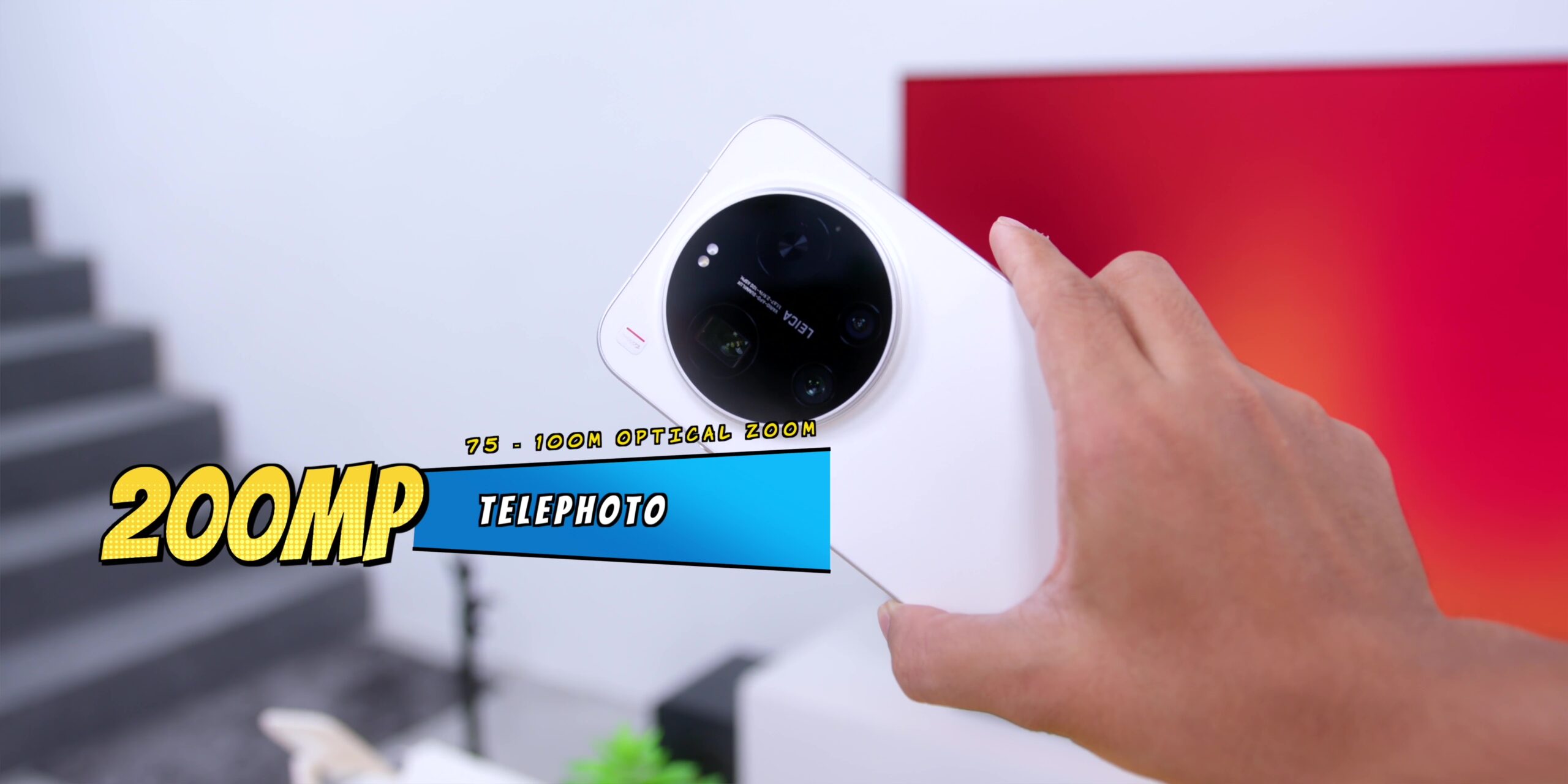
And this is the world’s first smartphone to have this because it’s not 1x, 2x, 3x to a sudden jump to 5x. This is a smooth optical zoom as every step is optical. So in the camera app when you see 3.2x to 4.3x. Those focal lengths in between are optical quality zoom, not digital.
And in Chongqing, the storytelling is perfect because you can clearly isolate people across the street, shoot directly at bright signs, shoot portraits without any distortion.
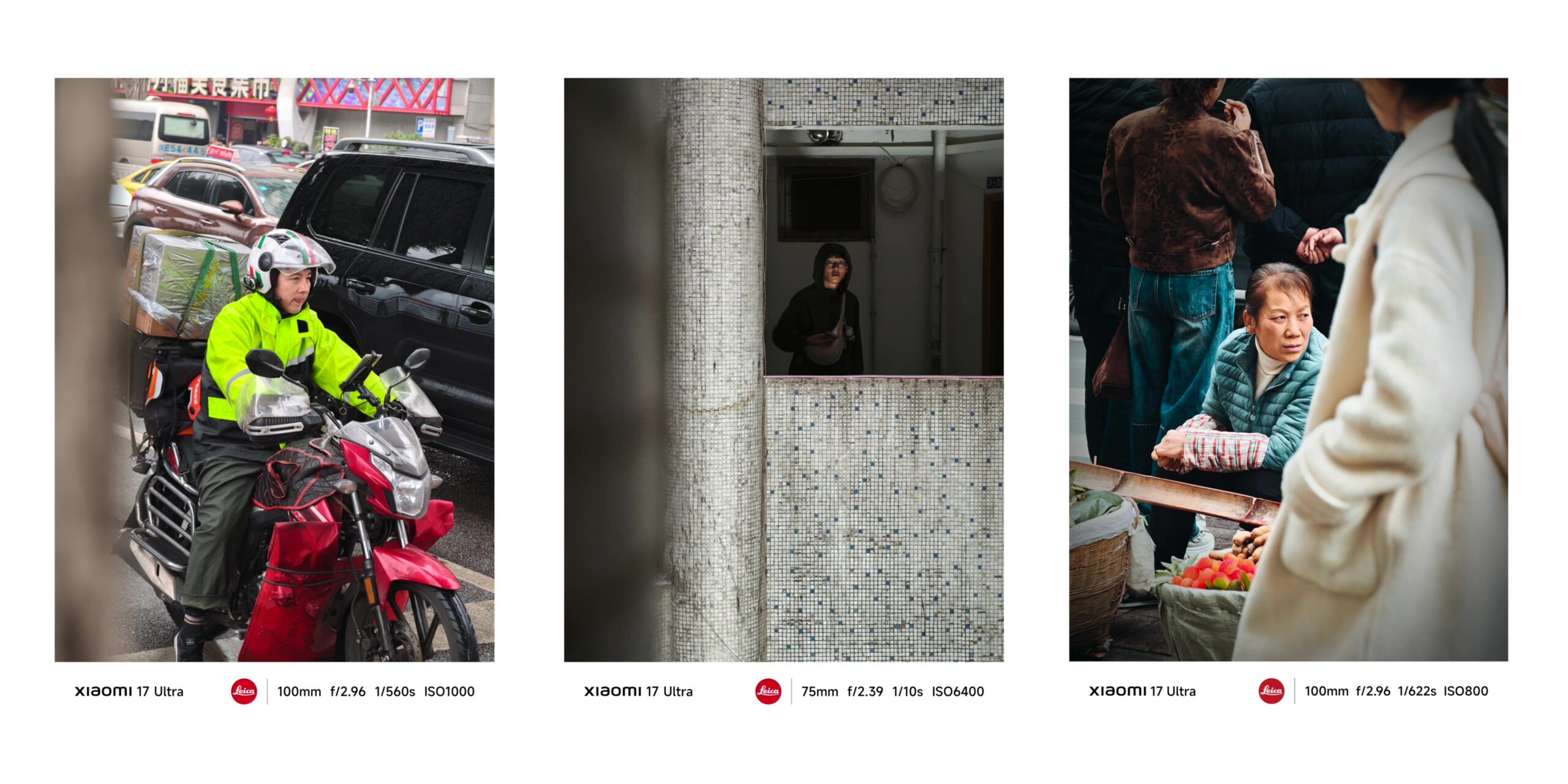
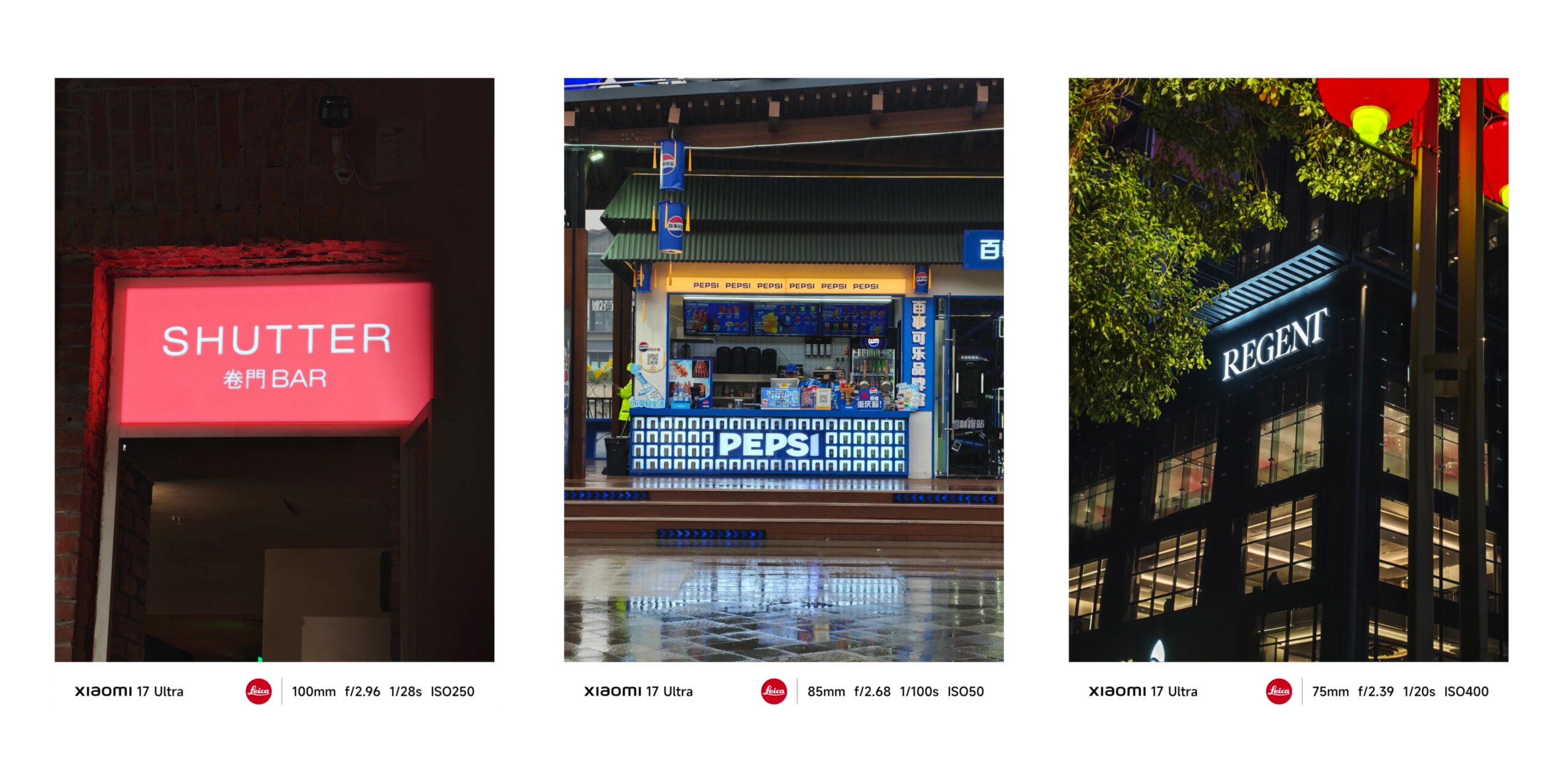

And this is because it is Leica APO certified. And just to give you a learning moment on what APO means, well, APO is short for Apochromatic lens, which brings different colors of light to the same focus points. All of which means that there’s no weird color fringing, no purple edges, no messy highlights at night.
But this also works for video as well. And it is the first smartphone to receive the Leica APO certification.
So yes, this is the cleanest telephoto I’ve ever used on a phone, especially at night being the “Master Of Night” when it comes to photos.
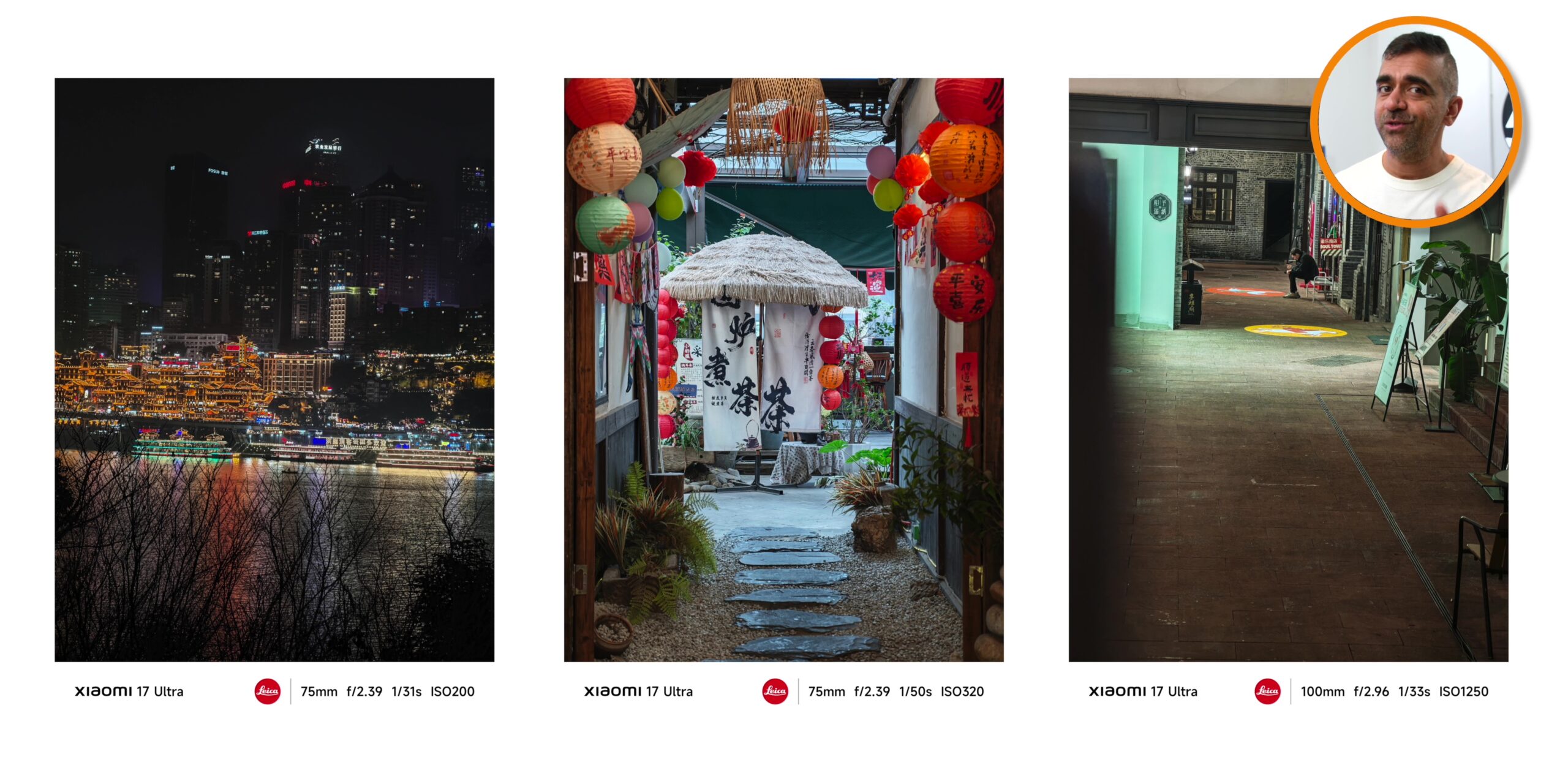
Then there’s even a dedicated 200 megapixel mode in the camera app, which you can choose between 75, 85, 90, and 100mm.
But what’s extra sweet is that not only this gives you the highest resolution possible, but also when the image is processing, you don’t need to stand there like a statue holding to be very stable waiting for the photos to be processed. You can just take a shot and move on. And it works amazingly at night too.
400mm In-sensor Zoom
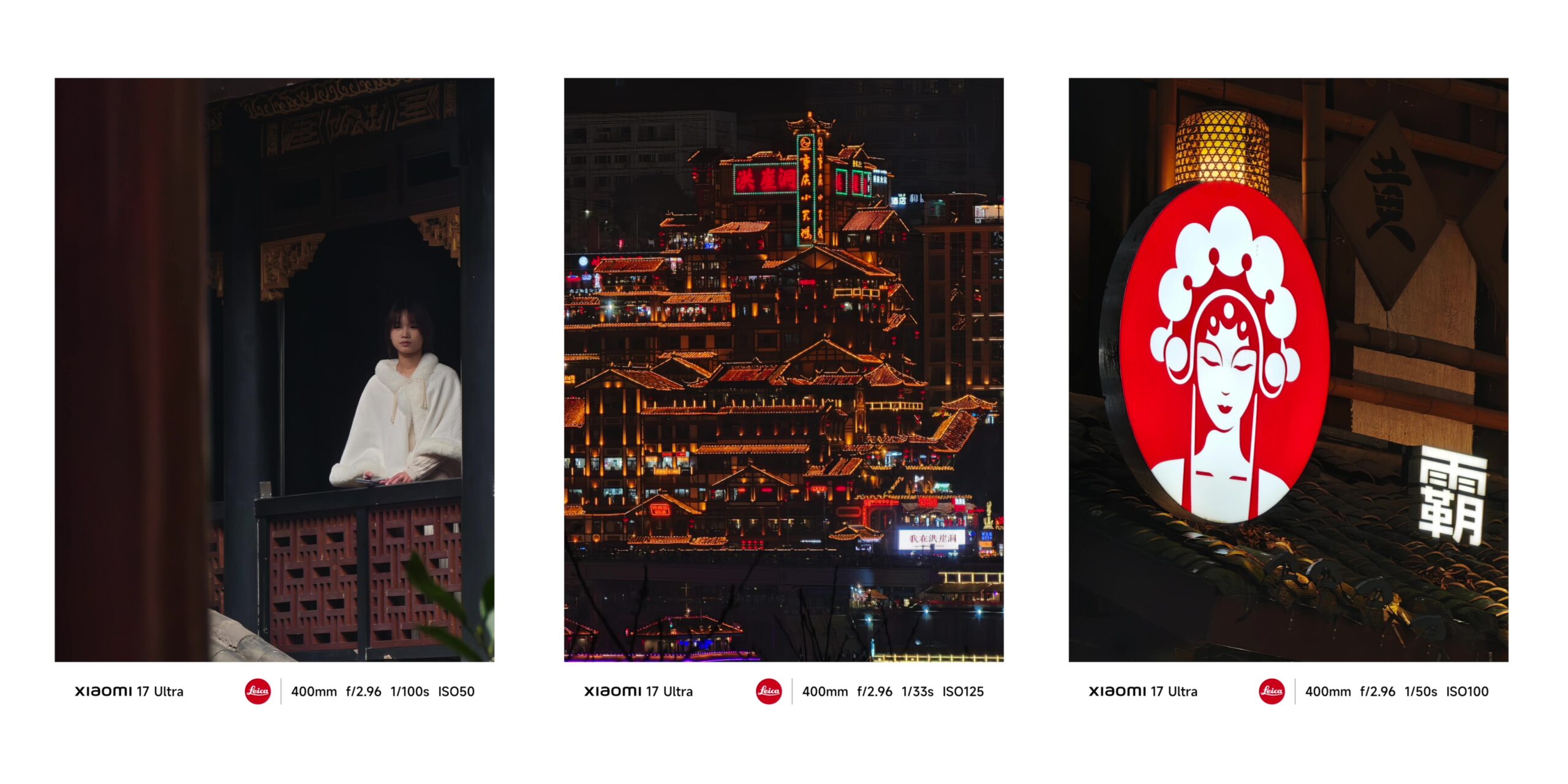
But at 17.2x, which is a 400mm in sensor zoom, I expected things to fall apart especially at night.
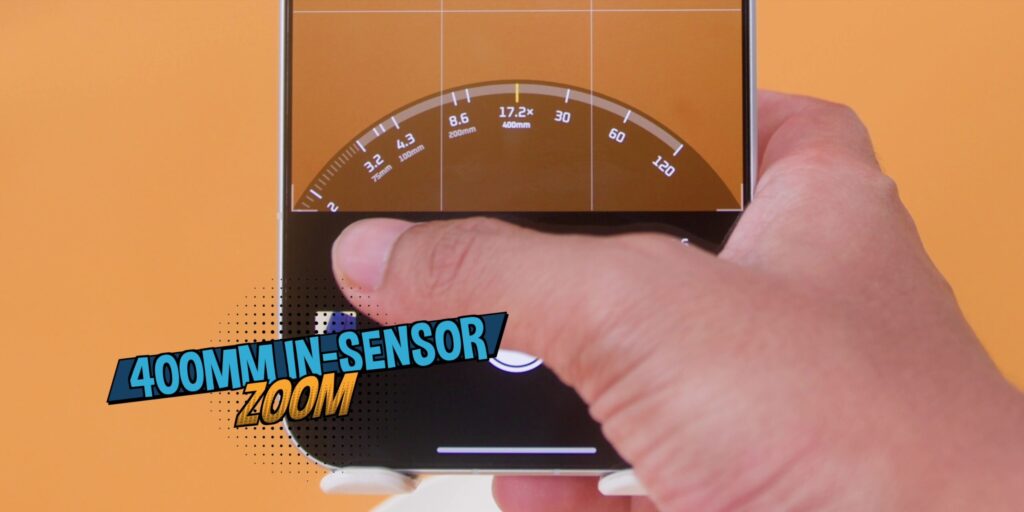
But surprisingly, still very detailed. No watercolour-looking. Definitely one of the best long range zoom I’ve ever used on a phone.
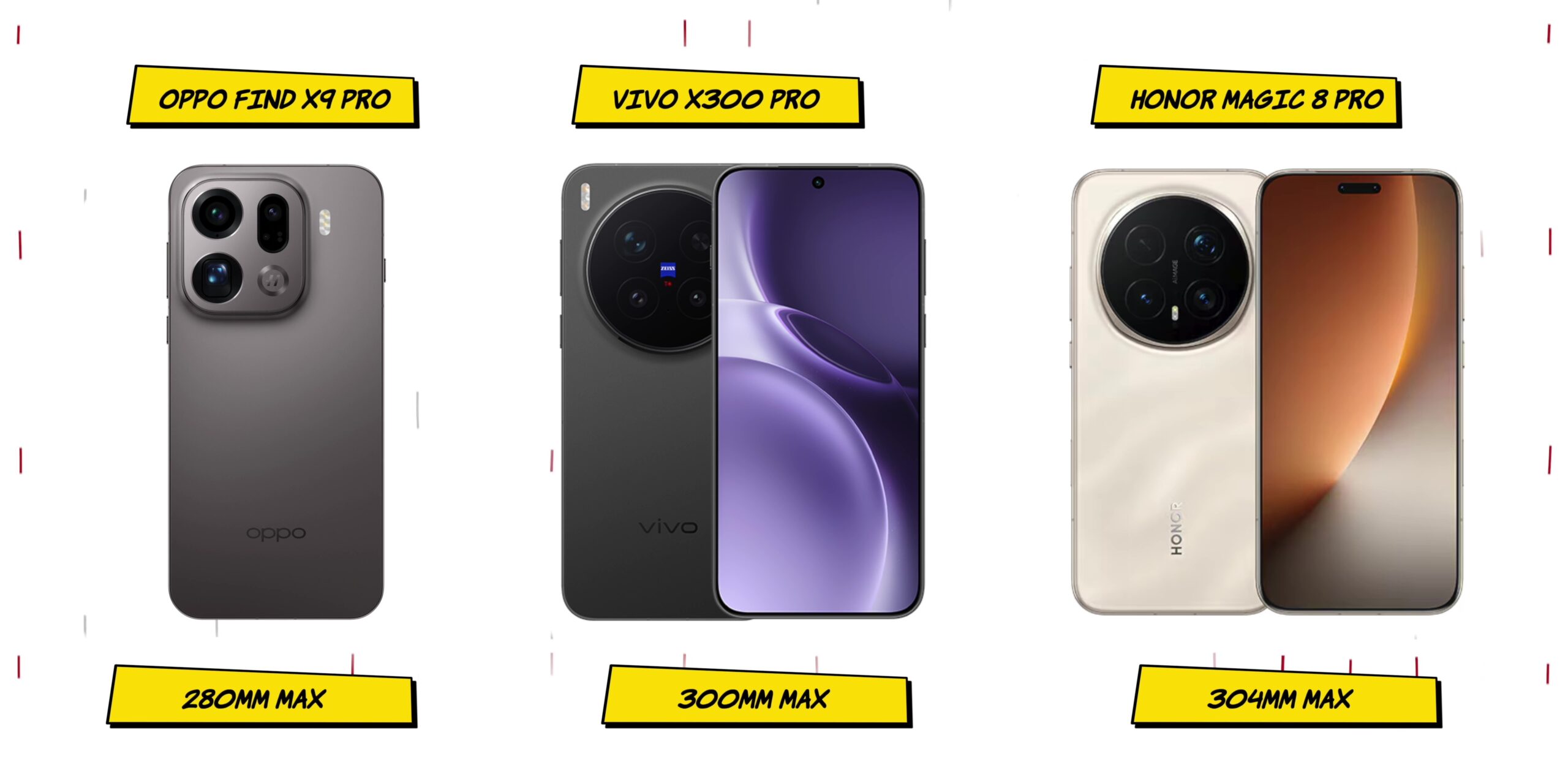
Now just for context compared to other phones out there, the OPPO Find X9 Pro’s in sensor zoom is at 280mm max and the vivo X300 Pro is maxed out at 300mm and the Honor Magic 8 Pro has a maximum of 304mm in sensor zoom.
ULTRAWIDE
Chongqing is also quite vertical like streets circling on each other, narrow buildings with bridges running across one another.
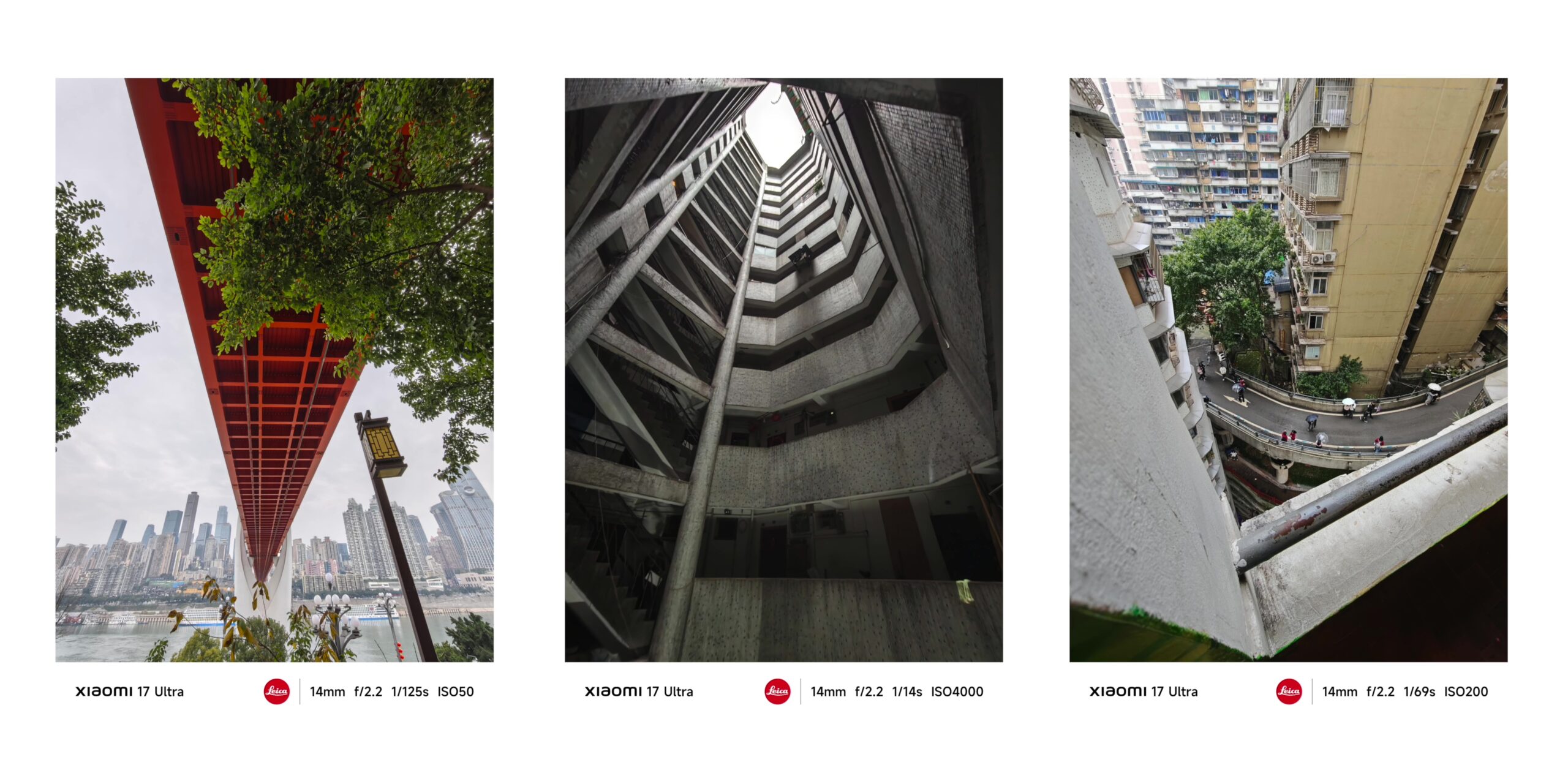
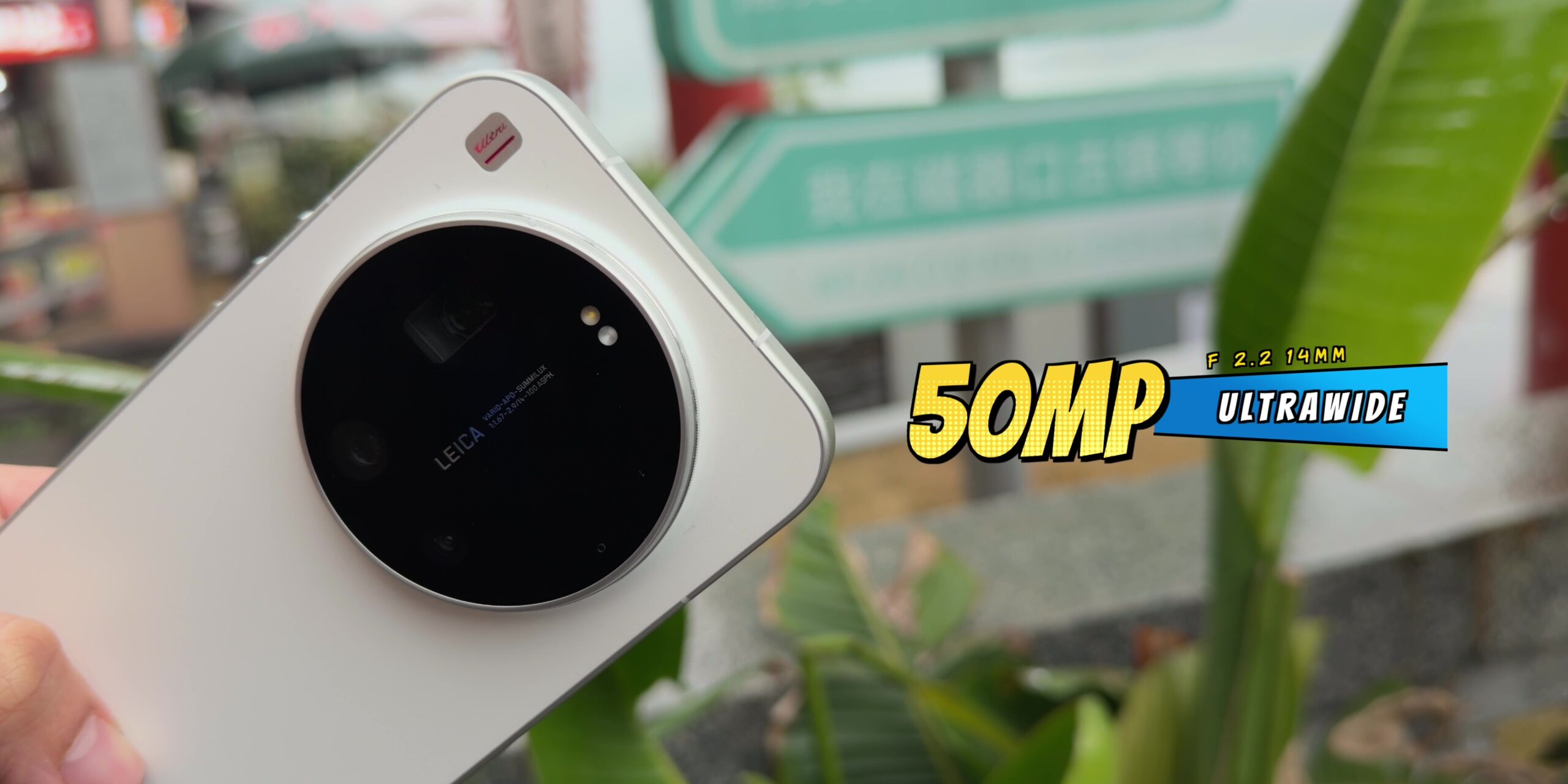
So the 50MP f/2.2 14mm ultrawide makes sense over here and most importantly it doesn’t destroy the edges with any barrel distortion.
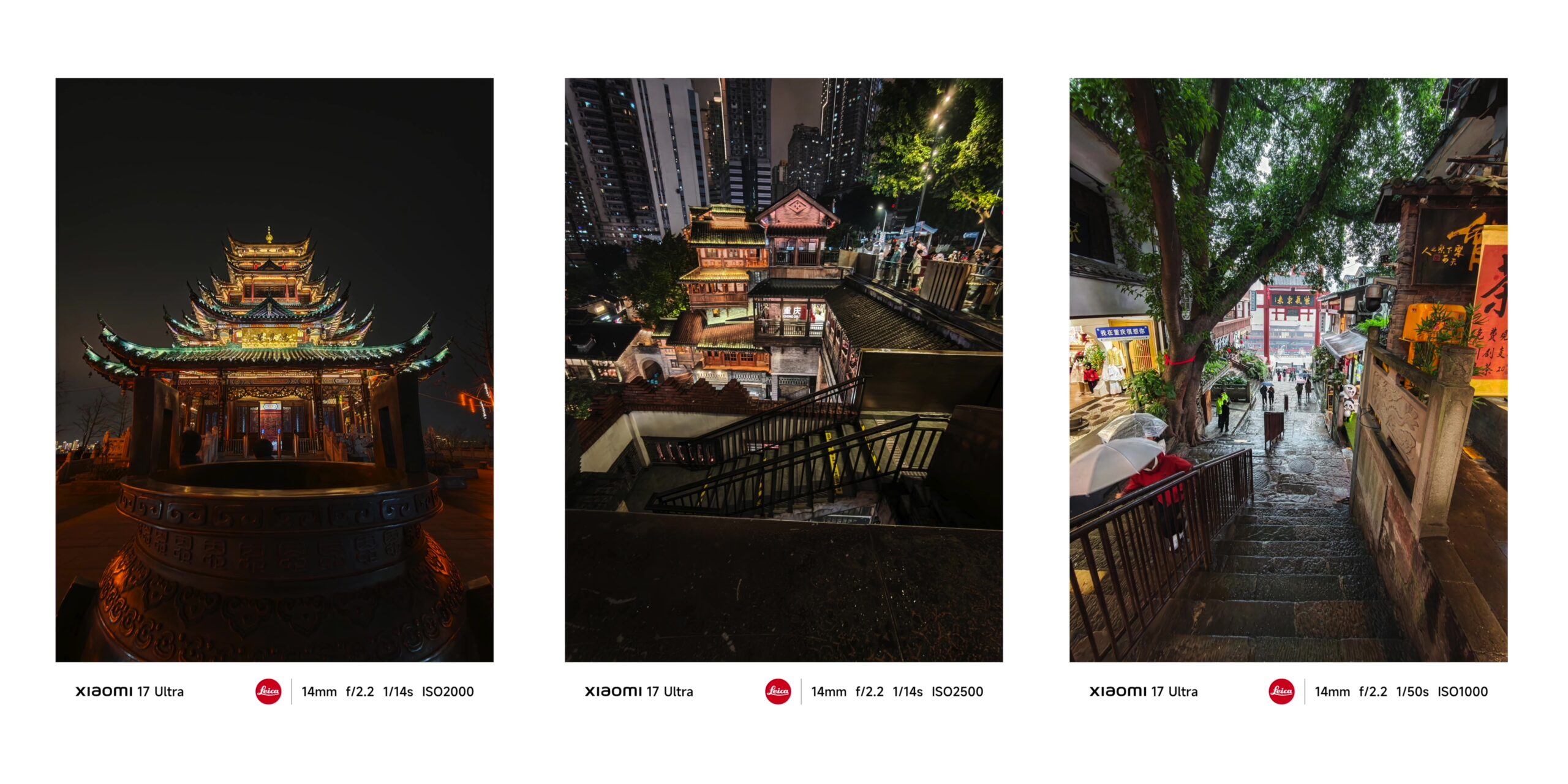
Lines stay straight and details doesn’t smear. Then the 5cm macro on this lens is also super fun too capturing street details, textures and even leaves.

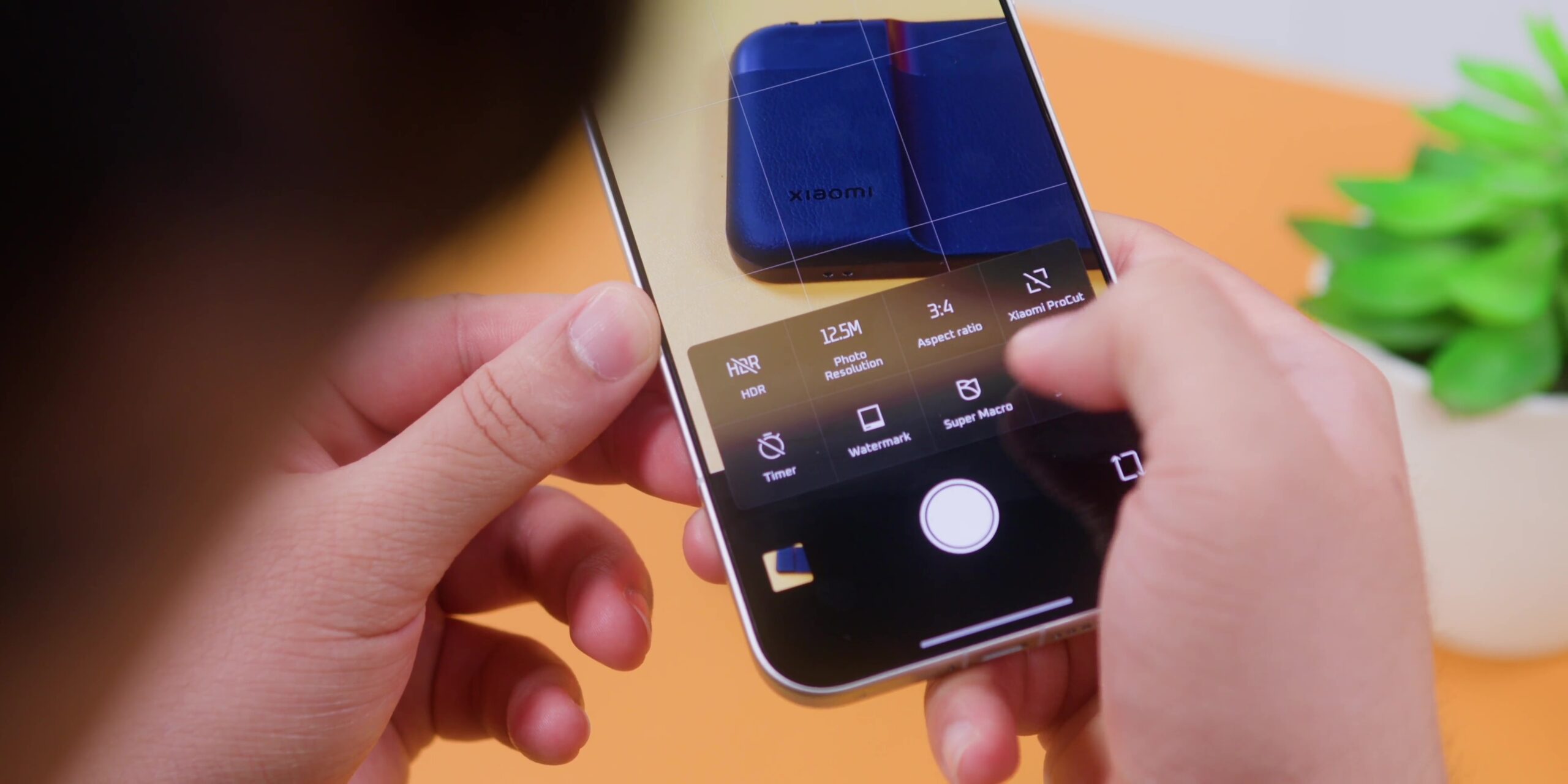
Speaking of macro photography, what’s interesting is that besides the ultra-wide lens, doubling it as a macro lens, the telephoto lens also comes into play in the Super Macro mode, which you can toggle it accordingly in the camera app.
But yes, overall, the ultra wide lenses has the night shot staying clean without making the highlights explode too, and the noise in the image stays totally in control.
SCENES + FILTERS
Speaking of staying controlled, the new Scenes also was great for certain scenarios that you’re in where you can find it by hitting the arrow at the photo menu in the camera app.
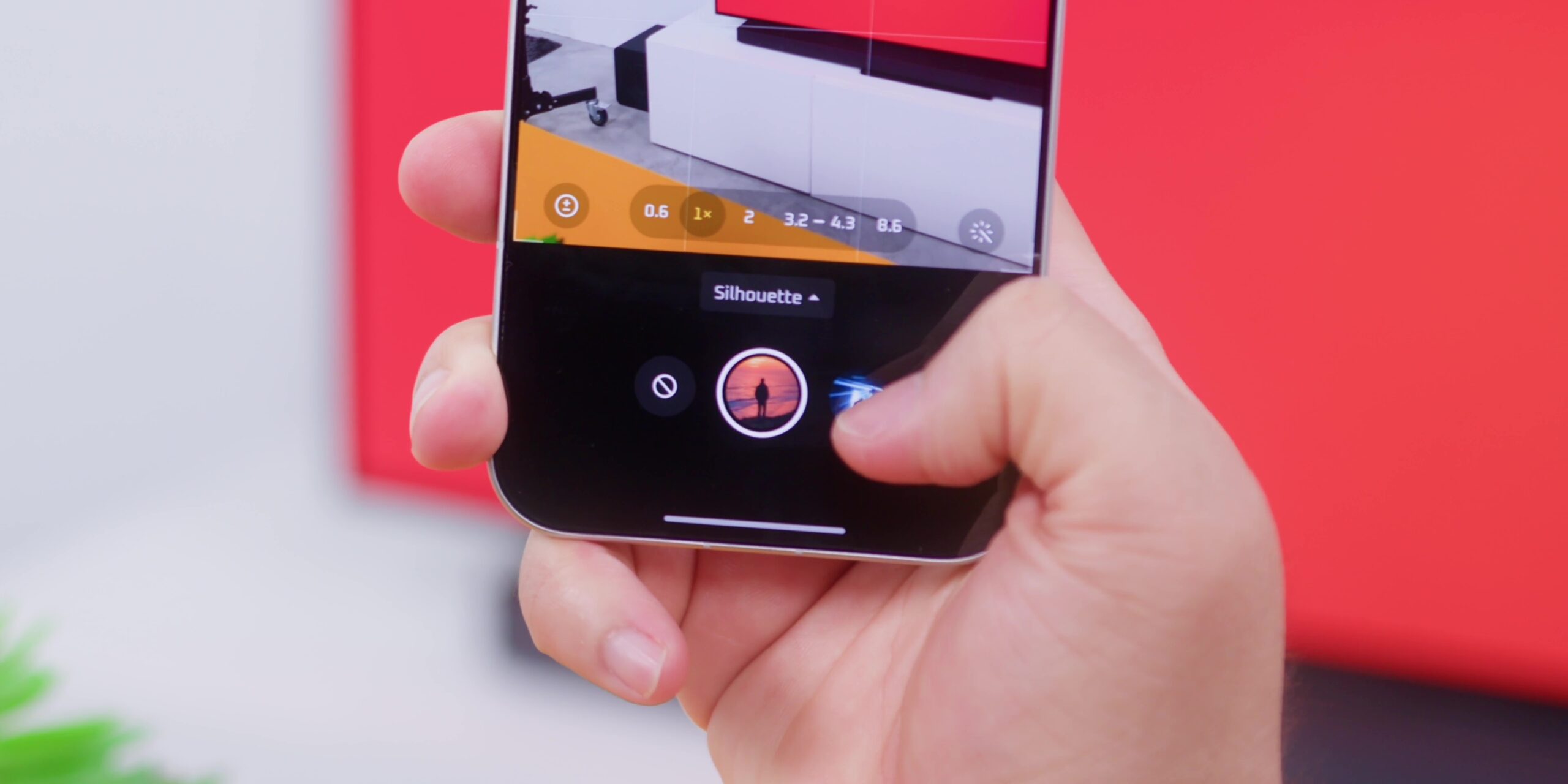
And among all of this in there, I got to test out the Silhouette and Flames and it made the overall aesthetics of the image to be even better with the help of the additional understanding of the scene when the image is processing.

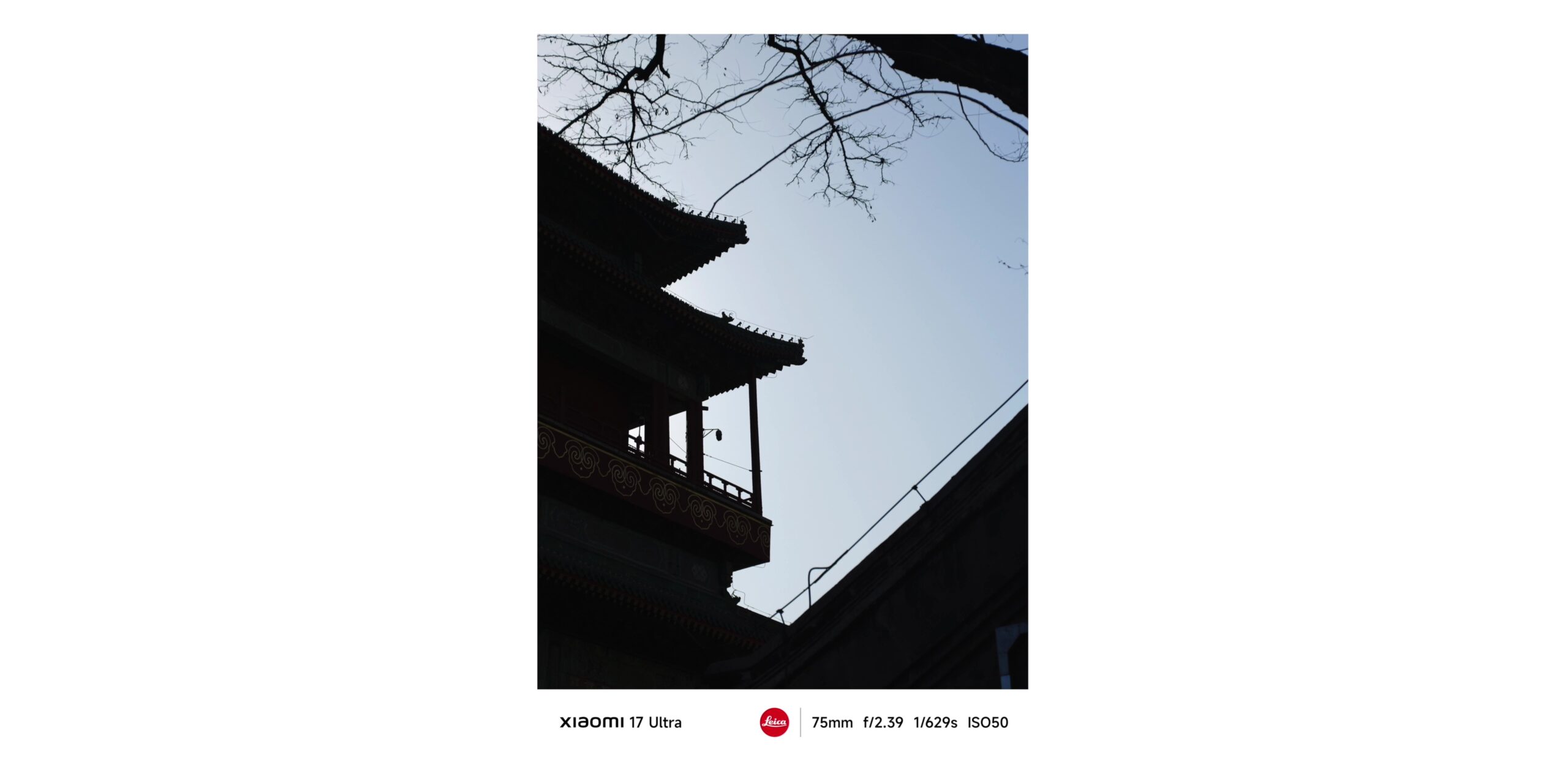
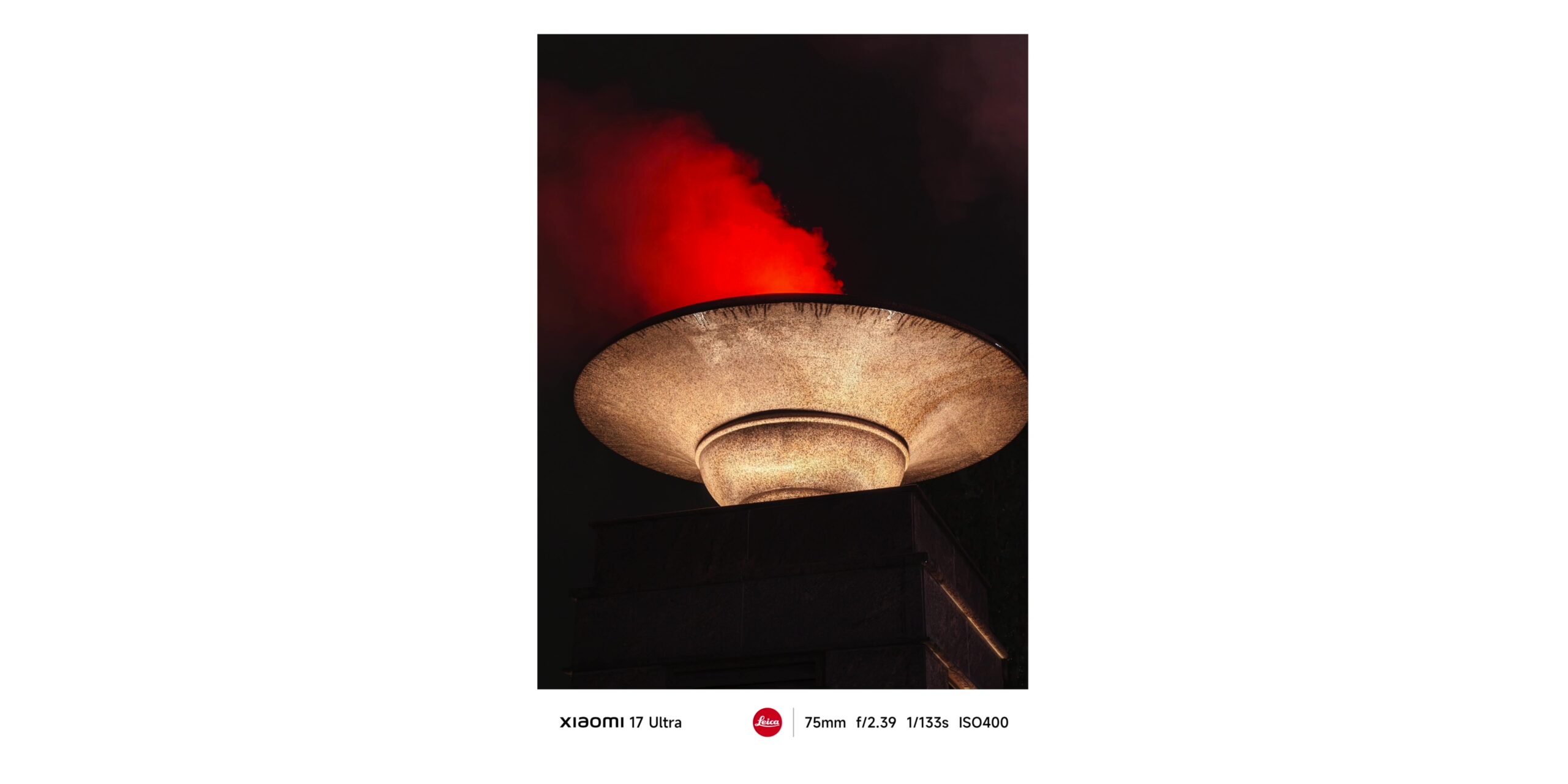
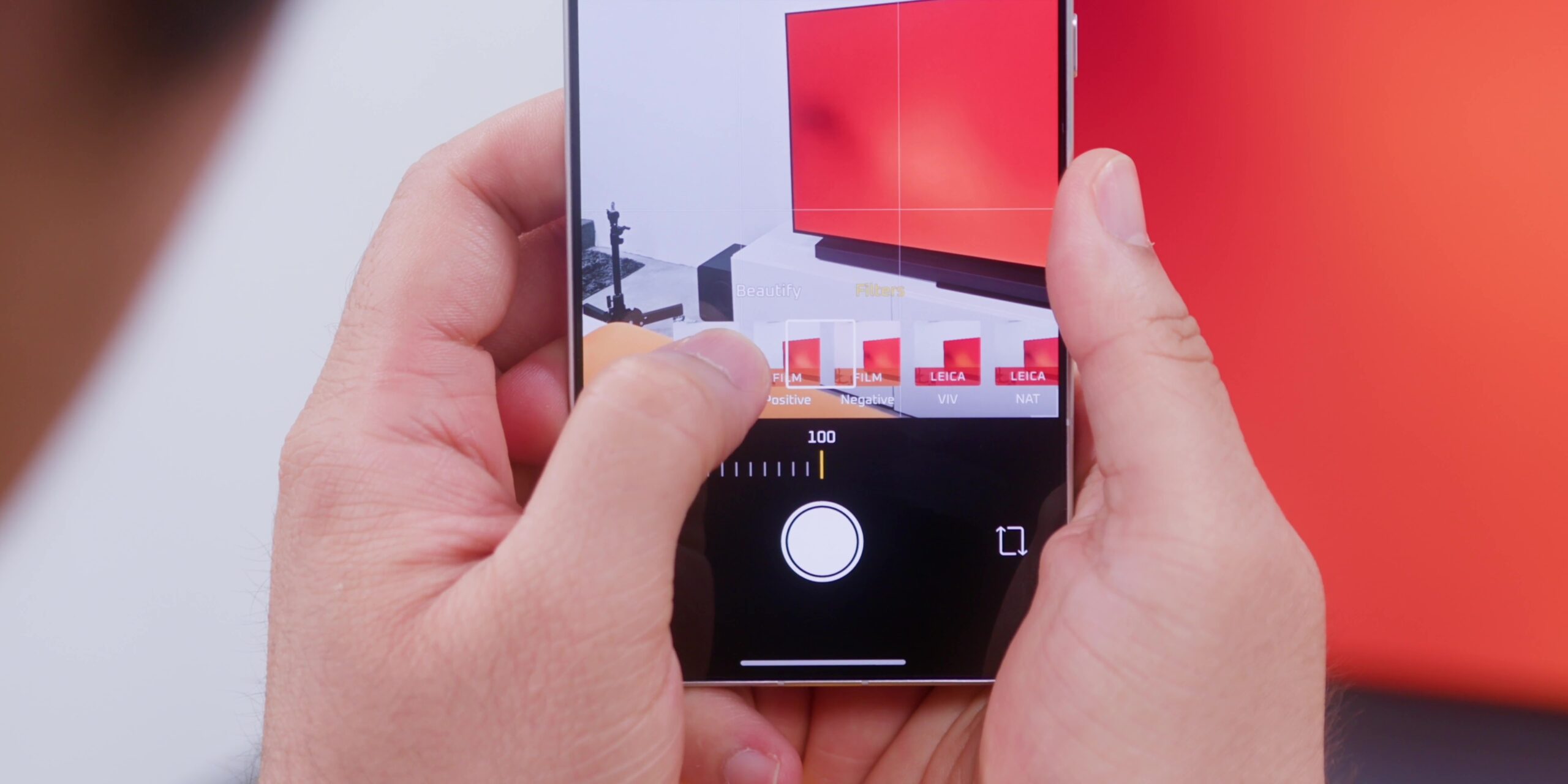
And of course, you’ll find the usual Leica filters and the popular filters where you can use these filters before you take the photos or even after the fact, making the experience more catered towards what you want or need.
VIDEO RECORDING
Then, as for video, Xiaomi is still being very serious over here because it can shoot up to 8K 30fps and also 4K Dolby Vision shooting as well with up to 120fps.

And on top of that, it even has 4K 60fps LOG recording too. And the LOG recording on this phone finally feels like a creator phone.
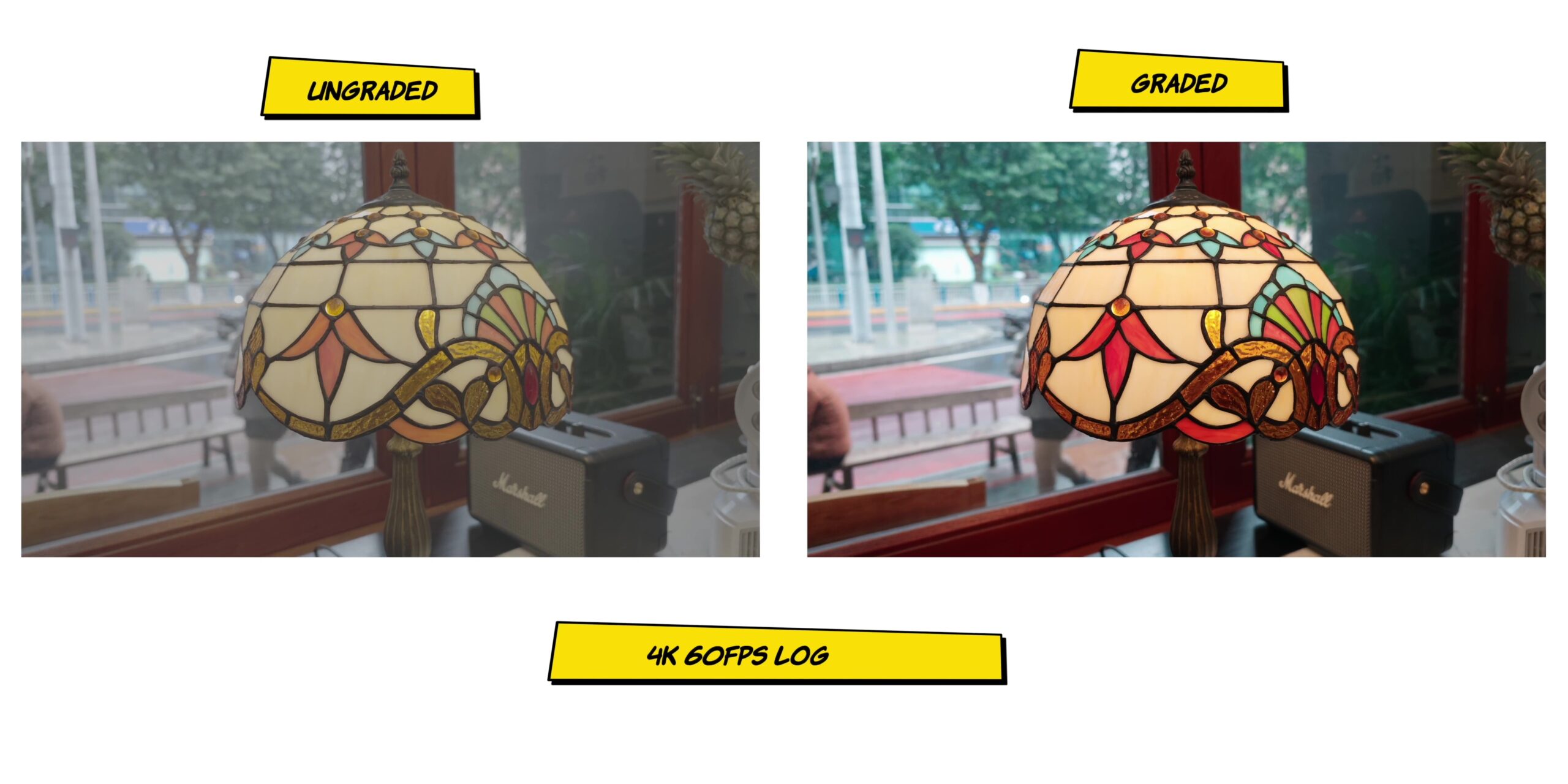
But specs aside, what matters more is the stability and the color.
And shooting in Chongqing handheld just by walking, the footage still stays very stable. Colors also stay consistent across lenses even at 4K video recording as well.
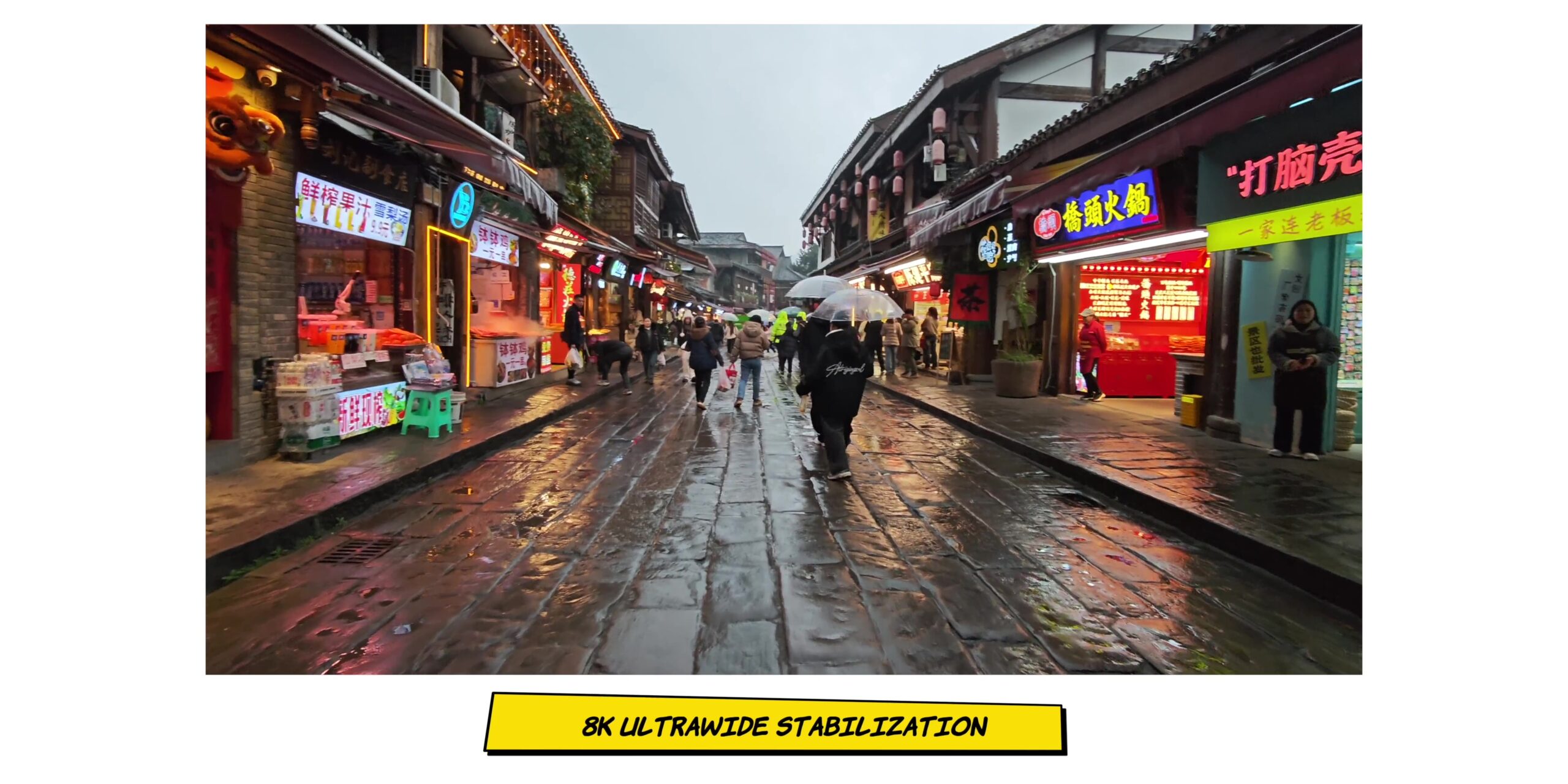
So this isn’t just a photo phone that also shoots video. It does both very well.
PERFORMANCE, DISPLAY, BATTERY
But all of this only matters if what powers the camera is good, right? So let’s talk about that.
Well, because of the Snapdragon 8 Elite Gen 5 Chip, there’s no lag, no overheating, even after heavy camera use.
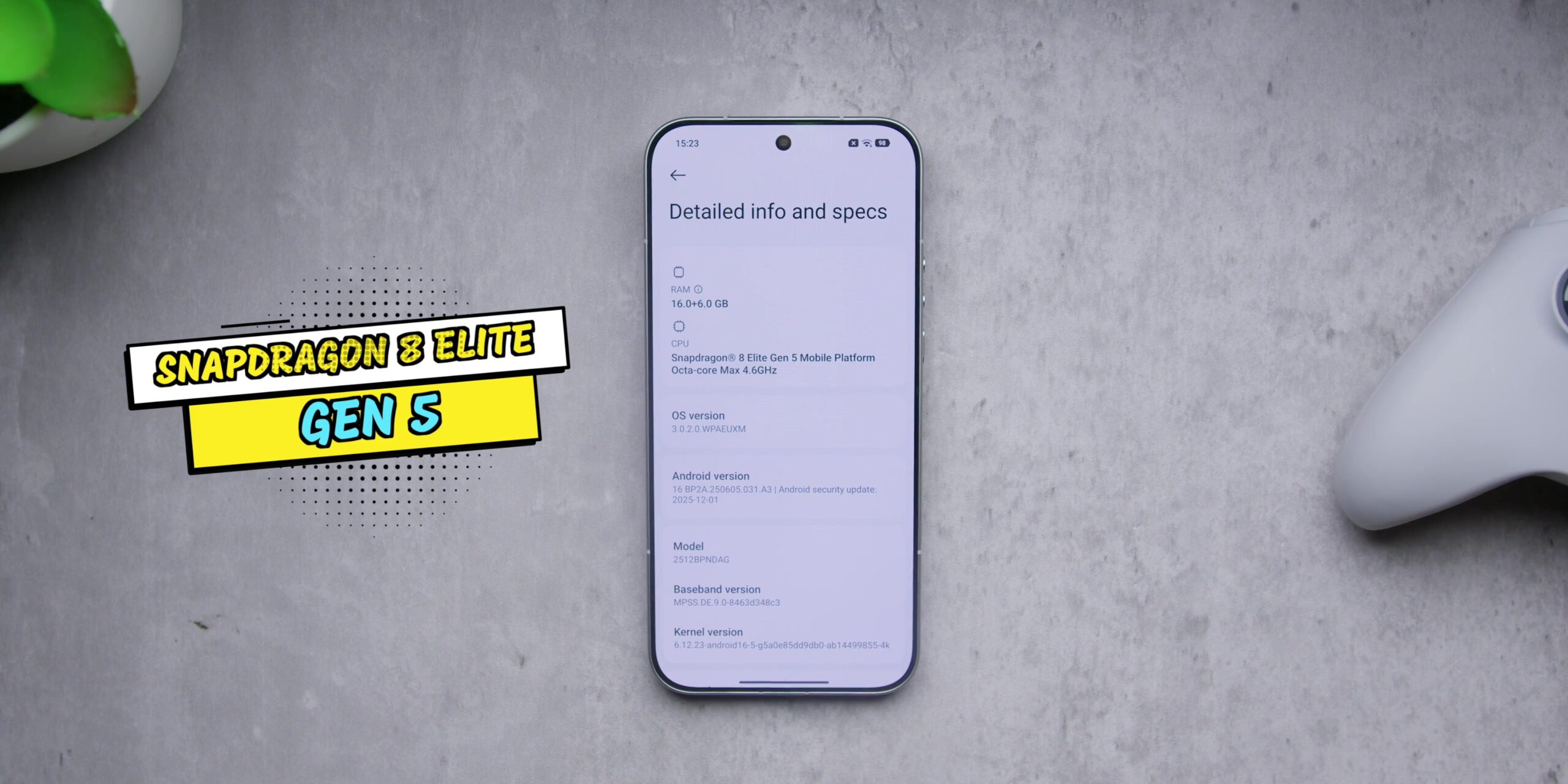
And yes, you can argue with the fact that it was 11°C cold in Chongqing. But don’t worry, I’ll be testing this phone more when I’m back here in Malaysia. So, don’t worry.
The 6.9” OLED display is bright enough even in harsh light, even when I came back here in Malaysia since the peak brightness is 3500 nits, which is really useful with Xiaomi Shield Glass 3.0, an IP68 rating and 120Hz refresh rate.
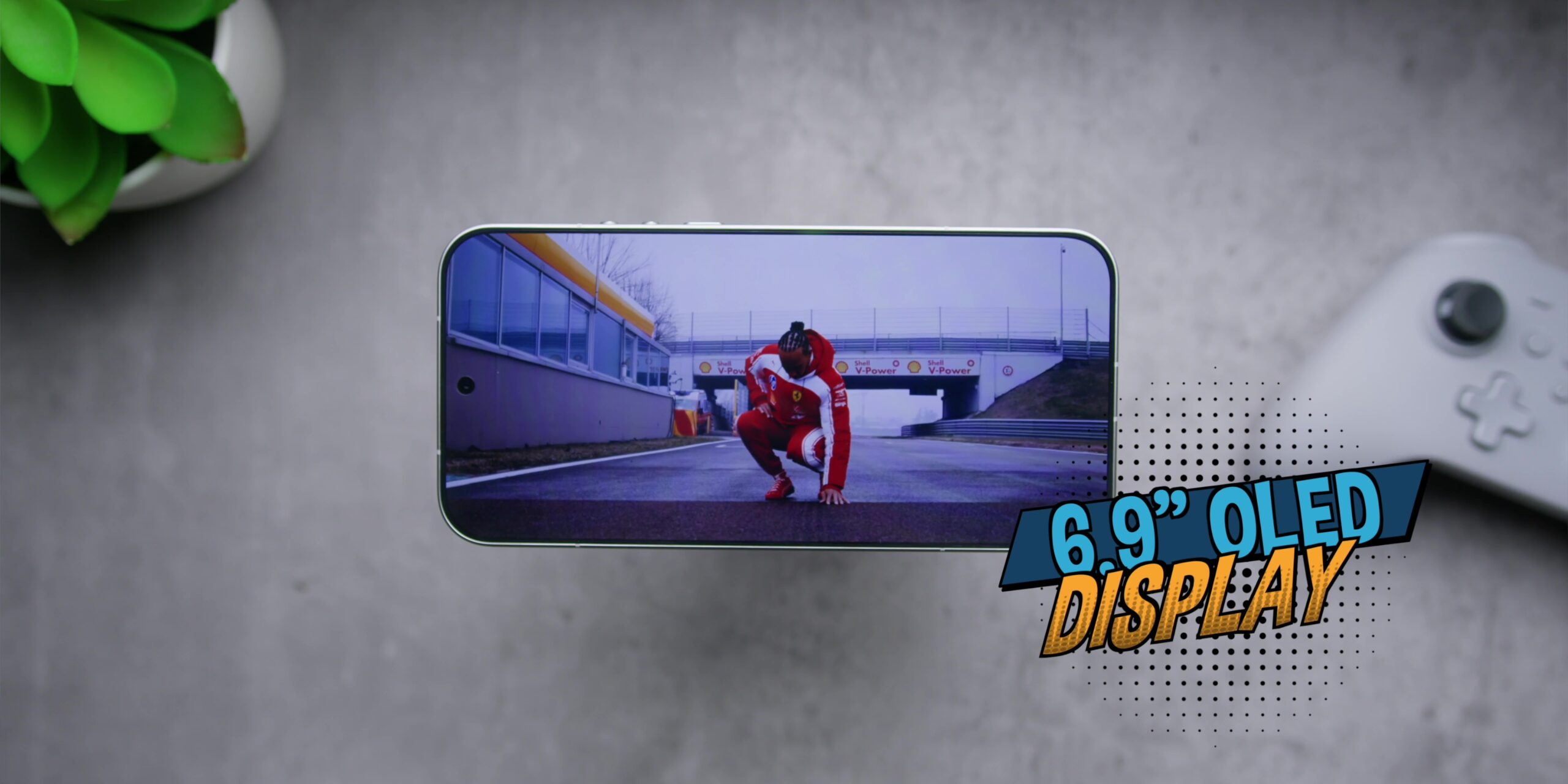
Then software wise, it comes with Xiaomi’s HyperOS 3 with 5 years of OS updates and 6 years of security updates and with a massive 6,000mAh battery.


This also means that you’ll be getting a lot more battery life left, even with heavy camera use the entire day.
And it also supports 90W of wired HyperCharge, which is PD-PPS compatible, 50W of wireless HyperCharge, and 22.5W of reverse wired charging.
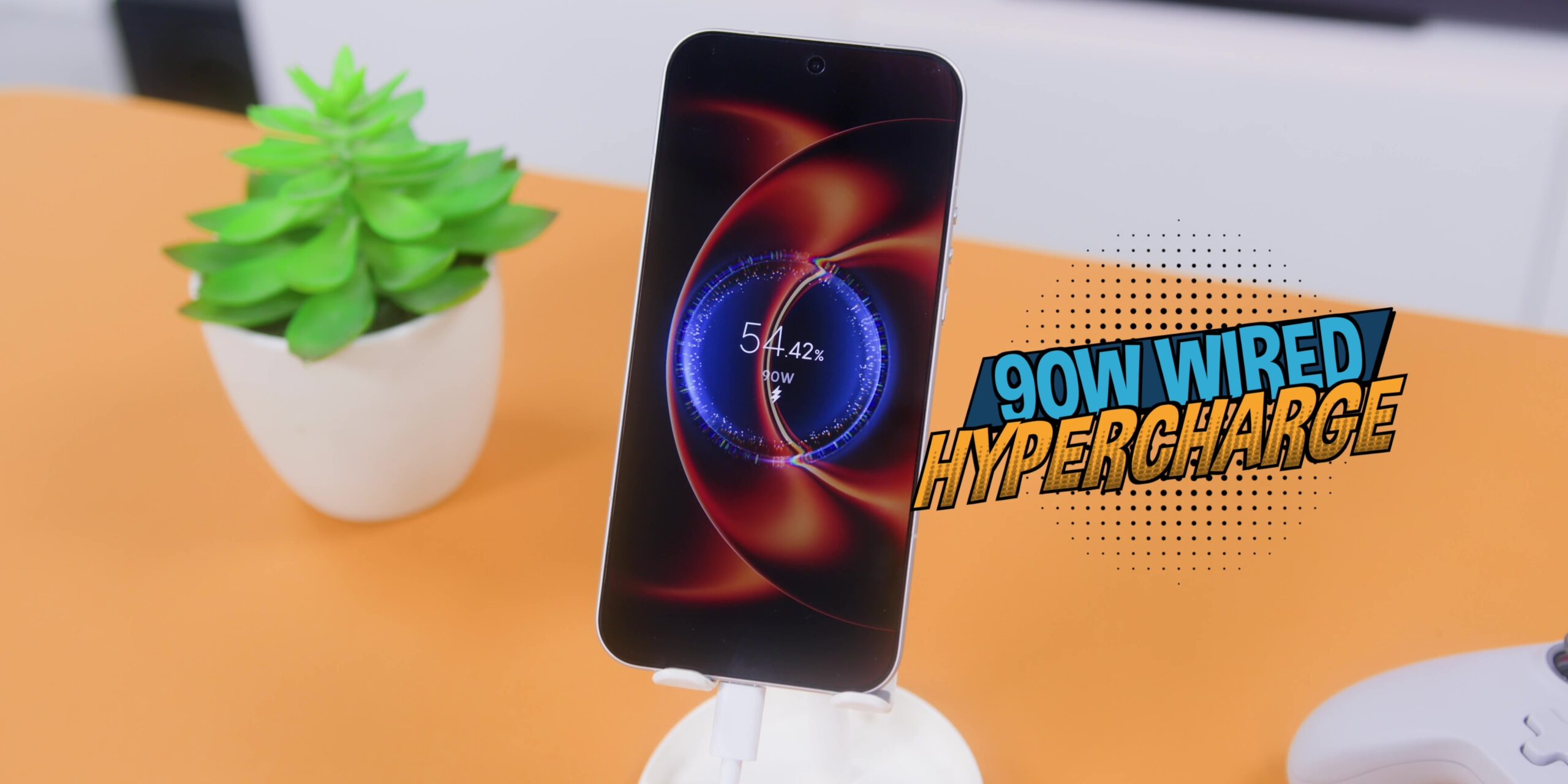
And yes, the charger does come inside of the box here in Malaysia.
But as usual, stay tuned for my in-depth review of this phone when I use the phone daily, not only for taking photos and videos, but also as a daily device phone for you to make a purchase decision.
THE VERDICT
So, after shooting at Chongqing with this particular phone, it shows you that this isn’t about specs or megapixels or even marketing numbers.
This phone makes you look for shots and that’s different because when a camera inspires you to shoot more, it is definitely doing something right.
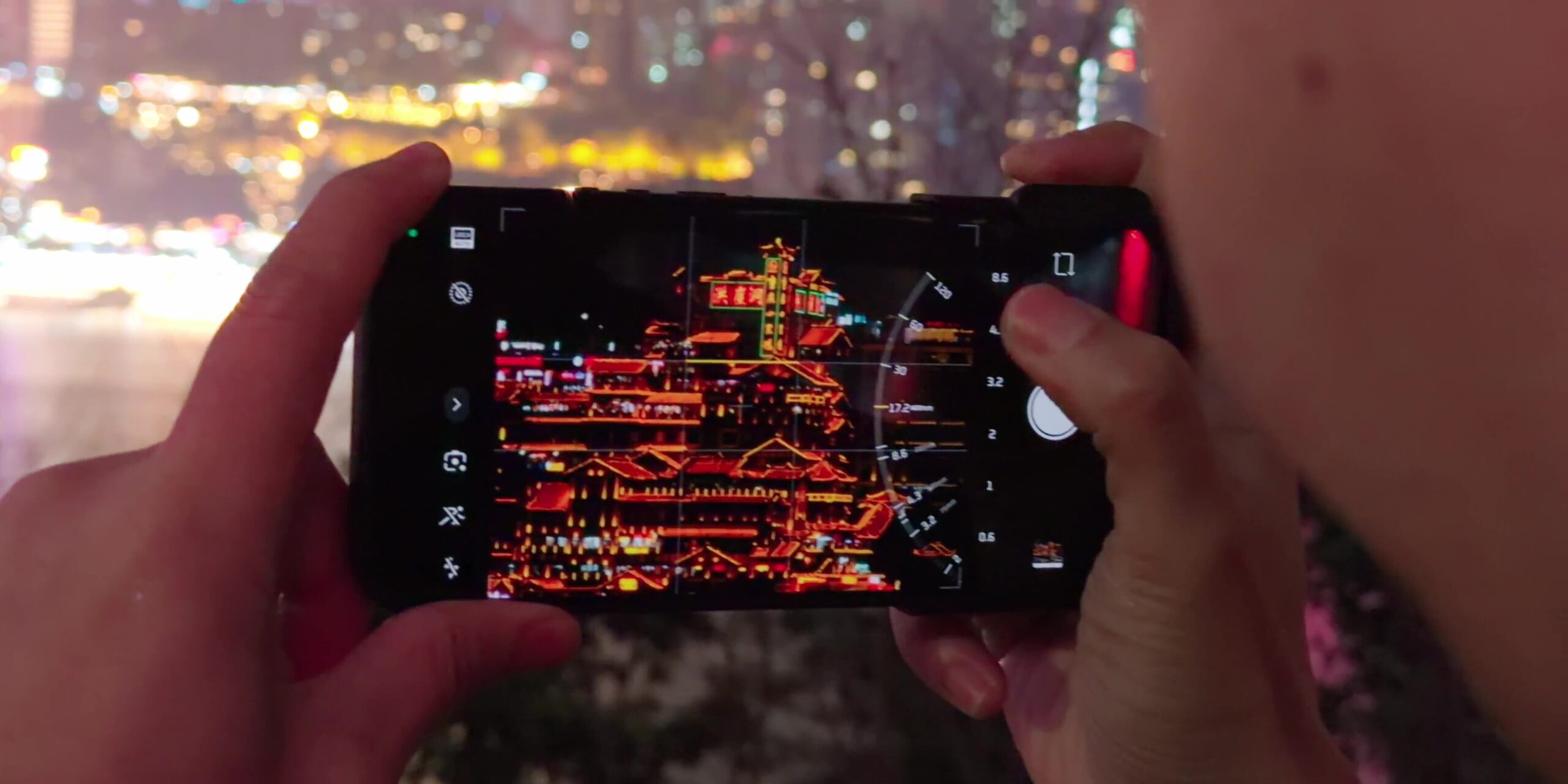
So, if you care about street photography, night photography, and real Leica colours and tuning, this Xiaomi 17 Ultra is one of the most serious camera phones that you will ever use because you don’t need to fight the camera. Just point, shoot, and trust it, which is very rare.
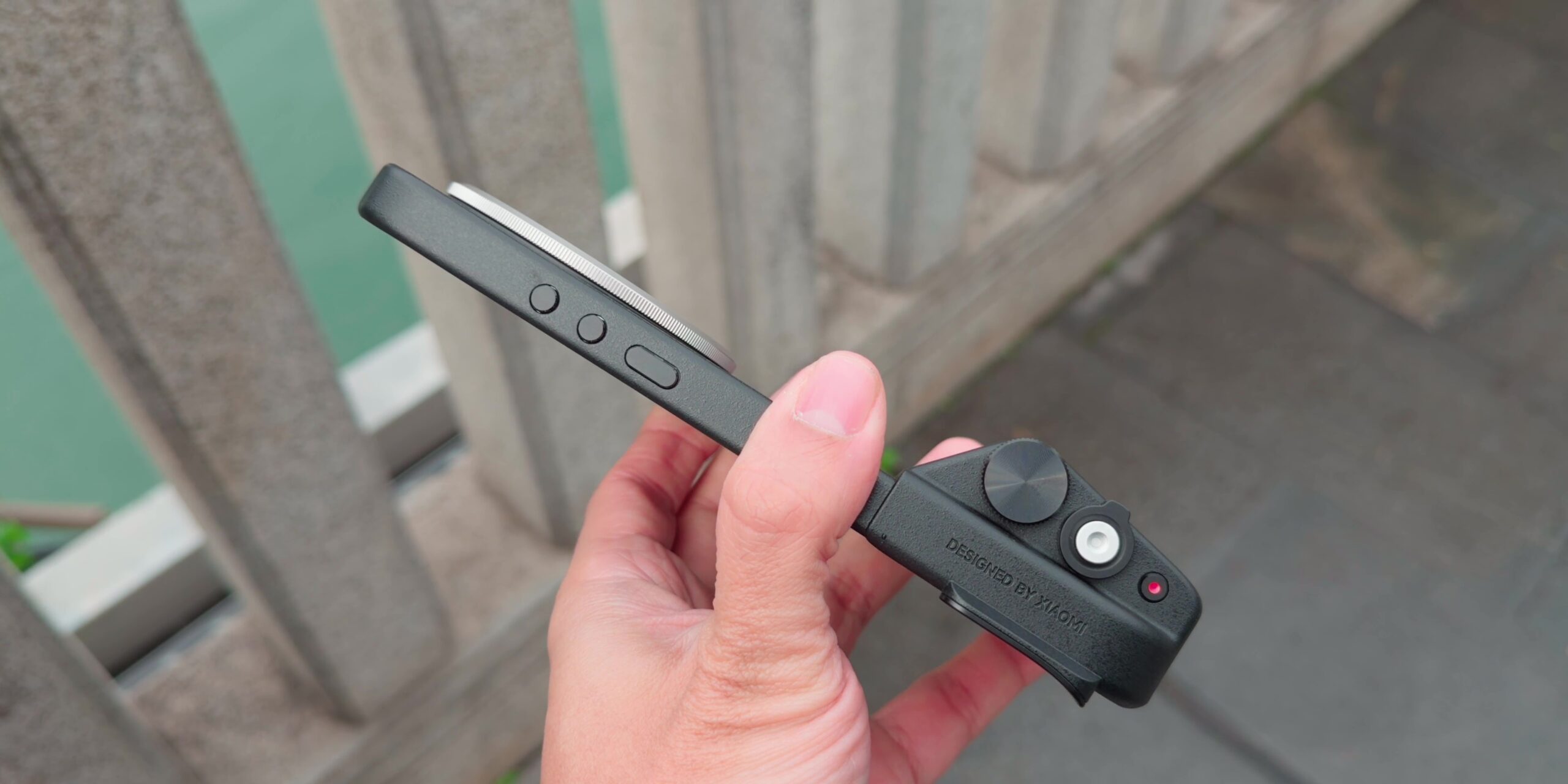
And Xiaomi also released not one but two photography kits. One is the Photography Kit Pro which comes with a usual physical camera grip and physical buttons for exposure, EV controls and recording and snapping buttons too with a built-in battery inside.
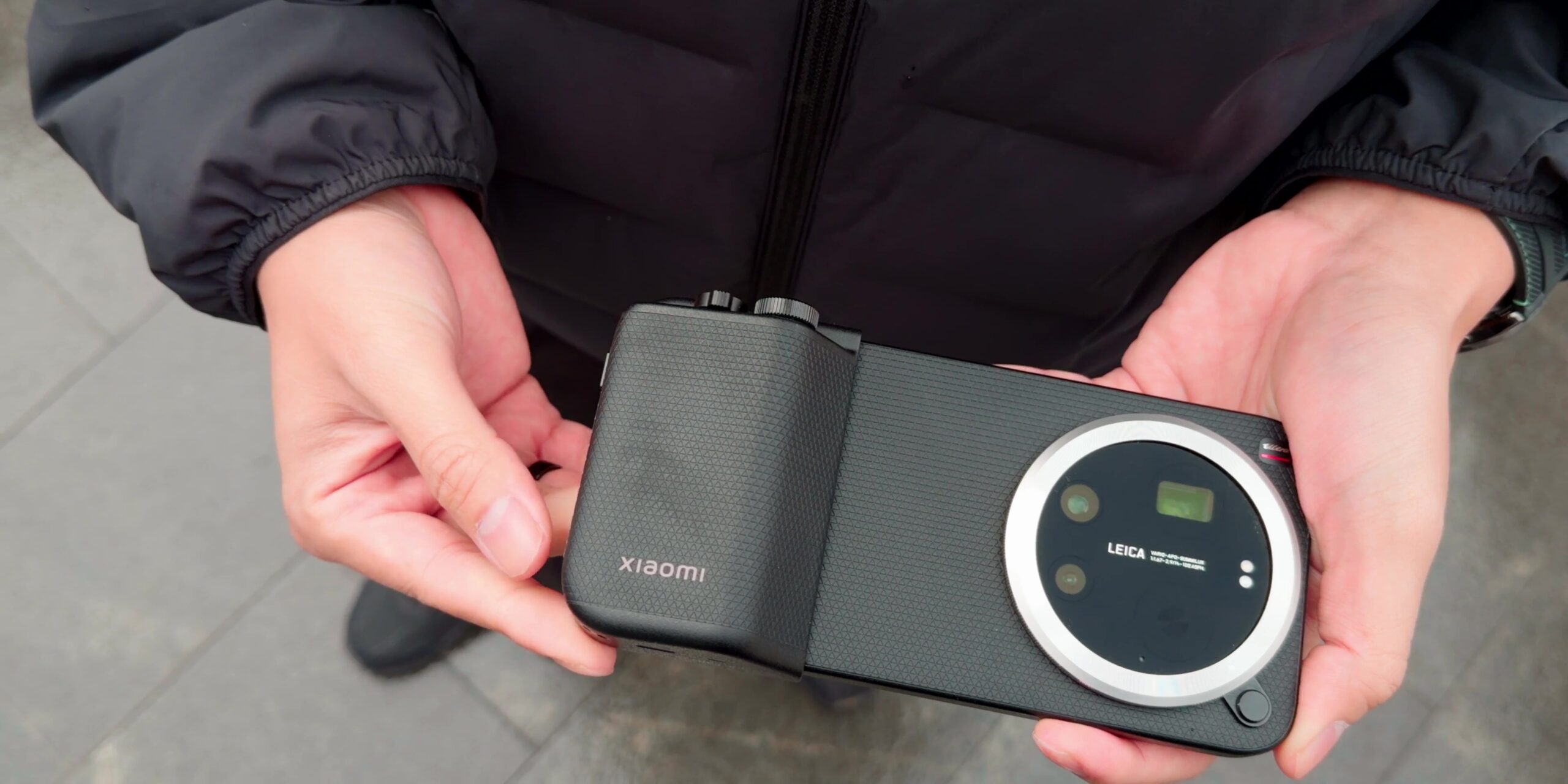
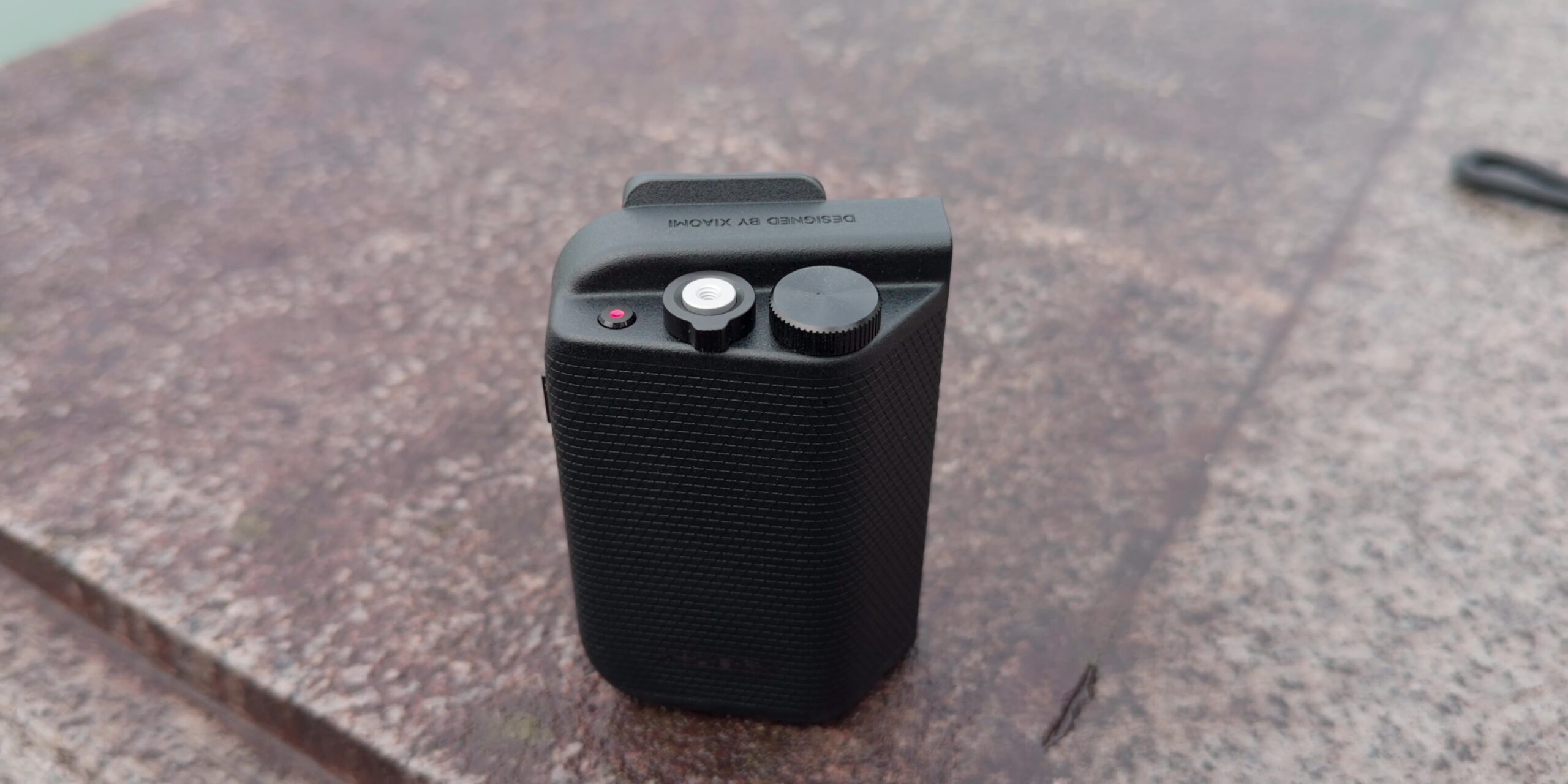
And the other one is a more “low profile” Photography Kit which uses Bluetooth.
[Watch the full review video on YouTube here]