Apple’s Most Affordable MacBook Yet Could Pressure Budget Laptop Makers
TL;DR: The MacBook Neo starts from RM2,499 and targets laptops powered by the AMD Ryzen 5 7430U and Intel Core i5-1335U. Its aluminium build, strong single-core performance from the Apple A18 Pro chip and long battery life could disrupt the budget laptop market while pushing competitors to improve their own offerings.
Apple introduced the MacBook Neo last week, a new entry-level laptop designed to bring the macOS experience to a lower price tier. With pricing starting at RM2,499 in Malaysia, the device enters a segment traditionally dominated by budget Windows laptops.
The laptop is priced at RM2,499 for the base 256GB configuration, while the higher 512GB model with Touch ID is priced at RM2,899. This places it squarely against many laptops powered by processors such as the AMD Ryzen 5 7430U and Intel Core i5-1335U, which are commonly found in notebooks within the same price bracket.
While Apple is not new to entry-level laptops, the MacBook Neo represents a more direct attempt to compete in the RM2,000 to RM3,000 segment rather than simply offering older models at discounted prices.
Aggressive Pricing Targets Budget Laptop Buyers

Apple rarely offers laptops below the RM3,000 mark, making the MacBook Neo one of the company’s most aggressive pushes into the affordable laptop segment.
By pricing the device at RM2,499, Apple appears to be targeting students, first-time Mac users and buyers who would normally consider entry-level Windows machines from brands such as ASUS, HP or Acer.
The move also lowers the barrier for users who already own an iPhone or iPad but have never owned a Mac due to the cost. With Apple’s ecosystem features such as AirDrop, Handoff and Universal Clipboard becoming increasingly important, a lower-priced MacBook could attract buyers looking for tighter device integration.
However, the pricing strategy also comes with trade-offs. The base model lacks Touch ID and includes just 256GB of storage, which may feel limited for users accustomed to larger capacities in similarly priced Windows laptops.
Premium Build Quality at a Lower Price

Despite being Apple’s cheapest MacBook yet, the MacBook Neo retains many of the design characteristics typically associated with the company’s laptops.
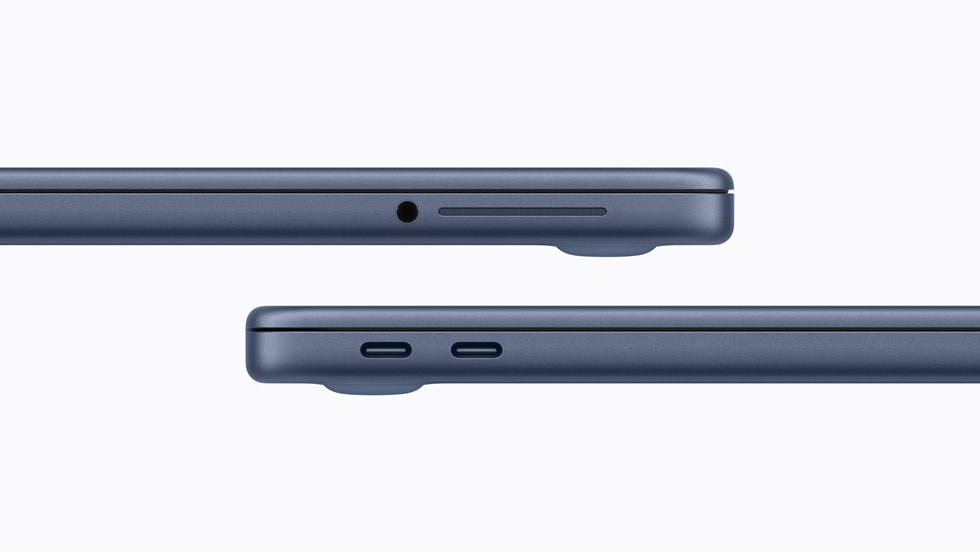
The device features a full aluminium chassis, something that remains relatively uncommon among Windows laptops in the RM2,000 to RM3,000 range, where plastic builds are still widely used to reduce costs.
Apple’s attention to detail also extends to other hardware elements. The laptop includes a 13-inch Liquid Retina display, a large multi-touch trackpad and the company’s Magic Keyboard.
Battery life is rated at up to 16 hours, and the laptop operates silently thanks to its fanless design.
These features could give the MacBook Neo a perceived quality advantage over many competing laptops, particularly in areas such as build quality, trackpad responsiveness and display calibration.
That said, some competitors have started narrowing the gap. Certain Windows laptops in the same price bracket now offer OLED displays or higher refresh rate panels, features that the MacBook Neo does not currently include.
A18 Pro Chip Brings Strong Everyday Performance
Powering the laptop is the Apple A18 Pro chip, a processor originally designed for the iPhone 16 series but adapted here for use in a laptop environment.
The chip includes a six-core CPU, a five-core GPU and a 16-core Neural Engine designed to accelerate machine learning and AI workloads.
At first glance, using a smartphone-class chip in a laptop might appear to be a compromise. Traditional laptop processors from AMD and Intel are typically designed for higher sustained power envelopes and heavier multitasking workloads.
However, Apple’s silicon architecture has historically focused on delivering extremely strong single-core performance and high power efficiency.
In real-world usage, that combination often translates to snappy performance in everyday tasks such as web browsing, productivity apps, photo editing and light creative work.
Quick Performance Comparison
To understand where the MacBook Neo stands in the market, it helps to compare its processor with the chips commonly used in competing laptops.
| Processor | Cores / Threads | Single Core Score | Multi Core Score |
|---|---|---|---|
| Apple A18 Pro | 6 cores | ~3500 | ~8600 |
| AMD Ryzen 5 7430U | 6C / 12T | ~1819 | ~6548 |
| Intel Core i5-1335U | 10C / 12T | ~2126 | ~7000 |
The comparison highlights several important differences.
The A18 Pro delivers significantly stronger single-core performance, which can improve responsiveness in everyday tasks such as launching applications or switching between browser tabs.
Meanwhile, the AMD and Intel processors benefit from additional threads and higher sustained power budgets, which can give them an advantage in heavier workloads such as video encoding, software compilation or complex multitasking.
Another important distinction lies in power efficiency. Laptop processors like the Ryzen 5 7430U and Core i5-1335U typically operate within a 15W thermal envelope, while Apple’s mobile-derived architecture is designed to deliver similar performance at lower power levels.
This efficiency advantage helps explain how the MacBook Neo can achieve long battery life while operating without active cooling.
Potential Limitations to Consider
While the MacBook Neo appears promising, there are also several limitations worth noting.
For example, the base configuration includes only 8GB of unified memory, which may be restrictive for users running multiple heavy applications.
The reliance on a mobile-derived chip could also mean performance throttling under prolonged heavy workloads compared to traditional laptop processors designed for sustained performance.
Additionally, software compatibility remains a factor. Although macOS has largely transitioned to Apple Silicon, certain niche professional applications or Windows-specific tools may still work better on x86-based laptops.
Why the MacBook Neo Could Disrupt the Market
The MacBook Neo’s potential impact ultimately comes down to a combination of pricing, performance and build quality.
At RM2,499, it significantly lowers the entry point for owning a MacBook. For many buyers, this price makes the device a viable alternative to budget Windows laptops for the first time.
If Apple can deliver strong real-world performance alongside premium build quality and long battery life, the MacBook Neo could shift expectations for what a laptop in this price segment should offer.
More importantly, the device could push competitors to improve their own products.
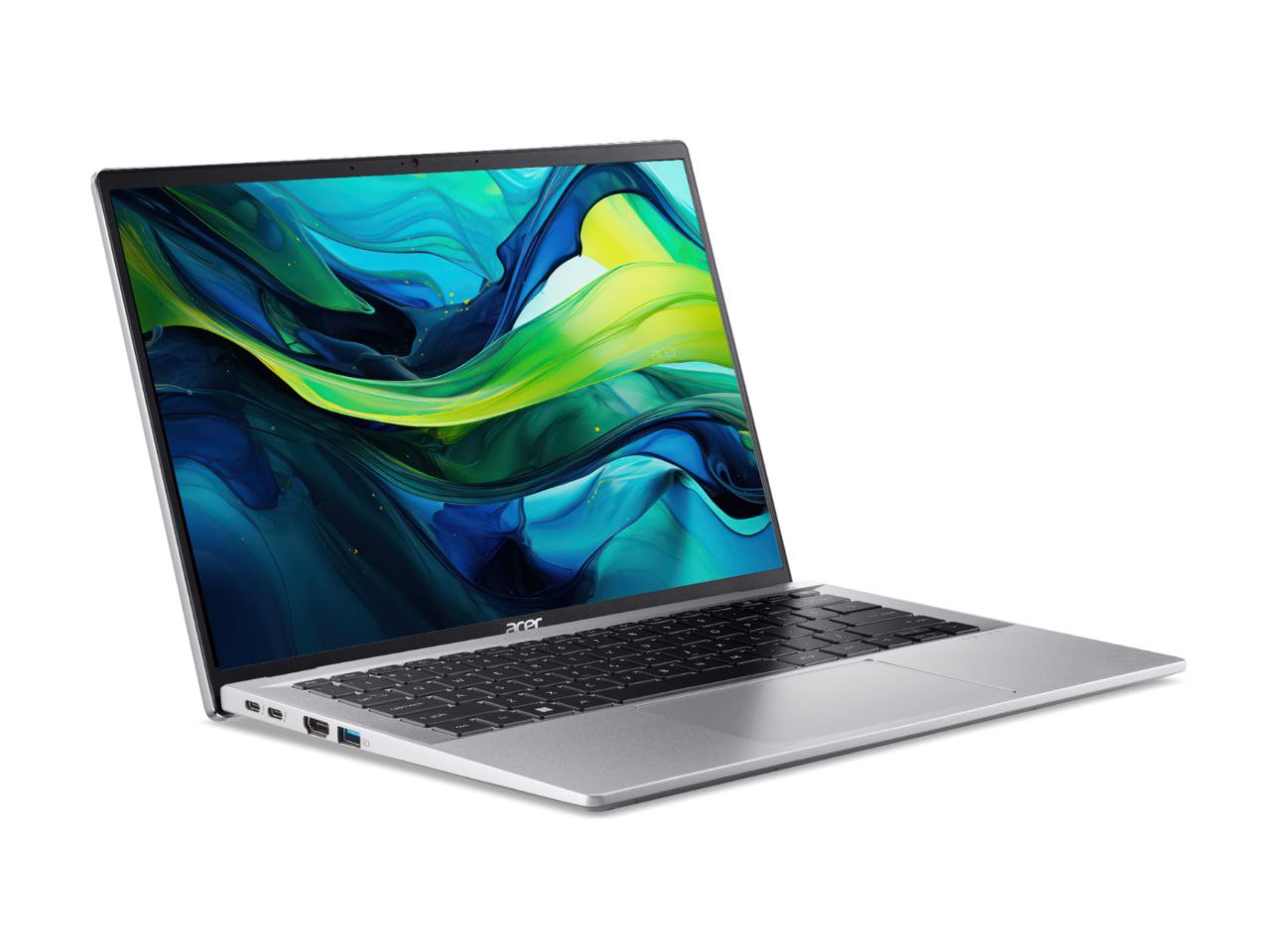
Manufacturers such as ASUS, Acer and Lenovo may respond by offering better build materials, improved displays or more powerful processors in their entry-level models.
In that sense, Apple’s move could have a positive ripple effect across the laptop market. Increased competition at this price level may ultimately raise the overall quality of laptops in the RM2,000 to RM3,000 range, benefiting consumers regardless of which platform they choose.
The real test will come once the laptop is available for hands-on testing. Stay tuned for our full review of the MacBook Neo when we get our hands on it to see how it performs in real-world use.