Vivo Explores Rollable Future with Expanding Vertical Display
TL;DR: vivo has patented a vertically rollable smartphone that expands upward to offer more screen space without folding. It’s still a concept, but it hints at a possible future beyond today’s foldables.
vivo could be exploring a new direction for smartphone design, as a recently surfaced patent reveals a vertically rollable device that expands upward rather than folding outward or inward like current foldables.
The concept suggests a shift away from traditional foldable designs, offering a taller display on demand while maintaining a slim, conventional smartphone form factor when not in use.
A Different Take on Expandable Displays
Unlike devices such as the Samsung Galaxy Z Flip series or Samsung Galaxy Z Fold series, which rely on hinges and folding screens, vivo’s concept uses a rolling mechanism to extend the display vertically.
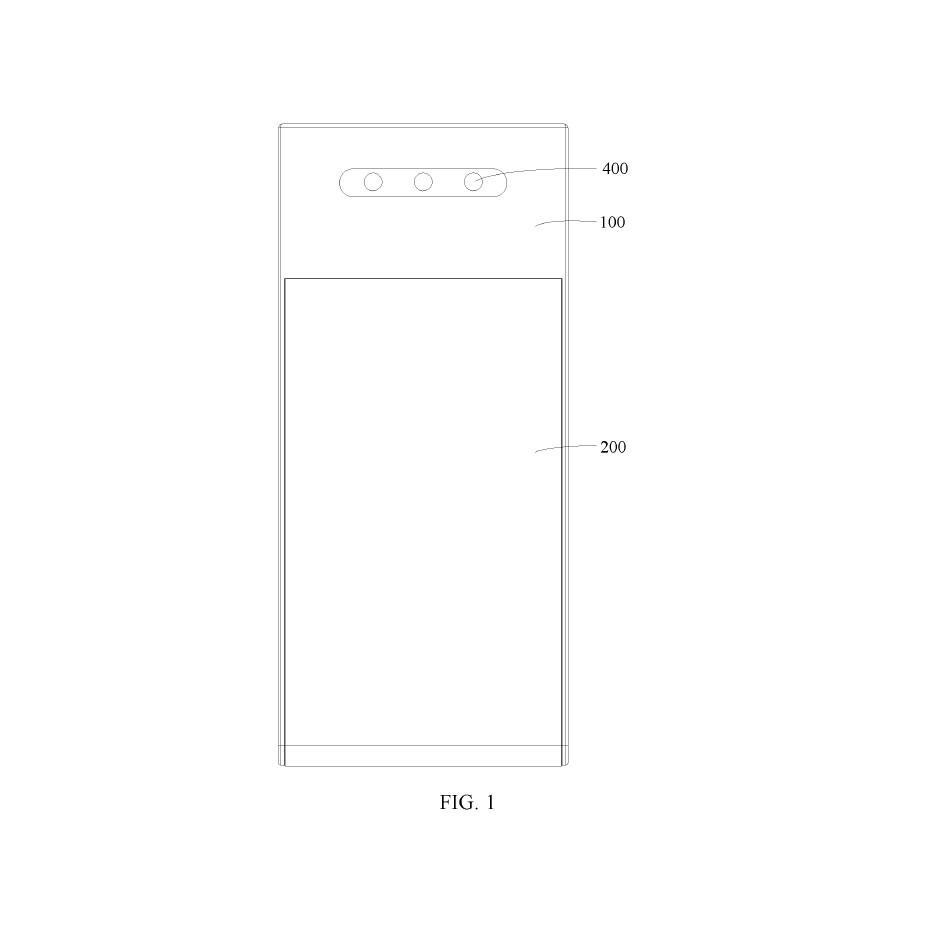
In its standard form, the device appears similar to a typical slim smartphone. However, when extended, the screen grows taller, providing more space for content without increasing the phone’s width.
This approach avoids one of the most common drawbacks of foldables, the visible crease along the folding point.
Patent drawings show a tall, narrow device with a clean, minimal design. The front is almost entirely display, while the back features a simple layout with a horizontal triple-camera bar near the top.
One notable detail is a long vertical section on the rear, which appears to be part of the internal sliding mechanism rather than a purely aesthetic element.
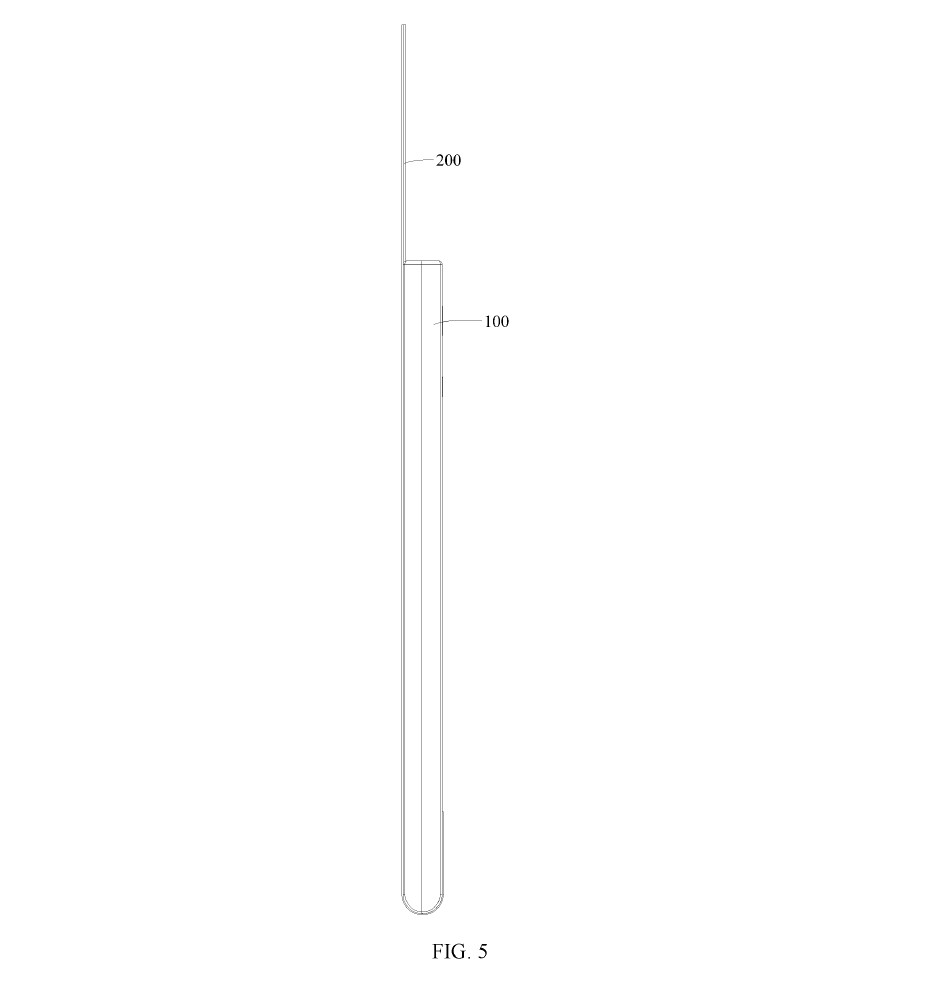
From the side, the device looks slightly thicker than a typical smartphone, likely due to the need to house the flexible display and rolling components. The internal structure also suggests a curved pathway at the bottom, allowing the display to wrap and retract smoothly down the chassis.
The idea behind rollable smartphones is straightforward: deliver more screen space without the compromises of folding displays.
Beyond hardware, a rollable device like this could open the door to more adaptive AI-driven experiences.
In its compact mode, the phone could prioritise quick interactions such as notifications, voice queries, and smart replies. Once expanded, the taller display could better support tasks like document summarisation, live translation, and multitasking.
This points to a bigger idea: on a rollable device, AI may not just enhance the experience, it could actively determine when and why the screen expands in the first place.
As with all patents, there is no guarantee that this design will make it to a commercial product. Companies often explore multiple concepts behind the scenes, many of which never reach the market.
You can check out vivo’s patent here.