
Apple Takes a Step Toward Repairability with the MacBook Neo
TL;DR: Apple’s MacBook Neo is its most repairable laptop in over a decade, thanks to a modular design, screws instead of glue, and improved repair tools. It’s not perfect, but it’s a clear step in the right direction.
Apple appears to be taking a meaningful step toward more repair-friendly hardware with the launch of the MacBook Neo, which early teardowns suggest is the company’s most repairable laptop in more than a decade.
The shift marks a notable departure from Apple’s long-standing reputation for tightly integrated, difficult-to-repair devices.
A Rare Win for Repairability
According to teardown analysis by iFixit, the MacBook Neo introduces several long-requested changes that make repairs significantly easier. These include the use of screws instead of glue or rivets to secure key components such as the battery and keyboard.
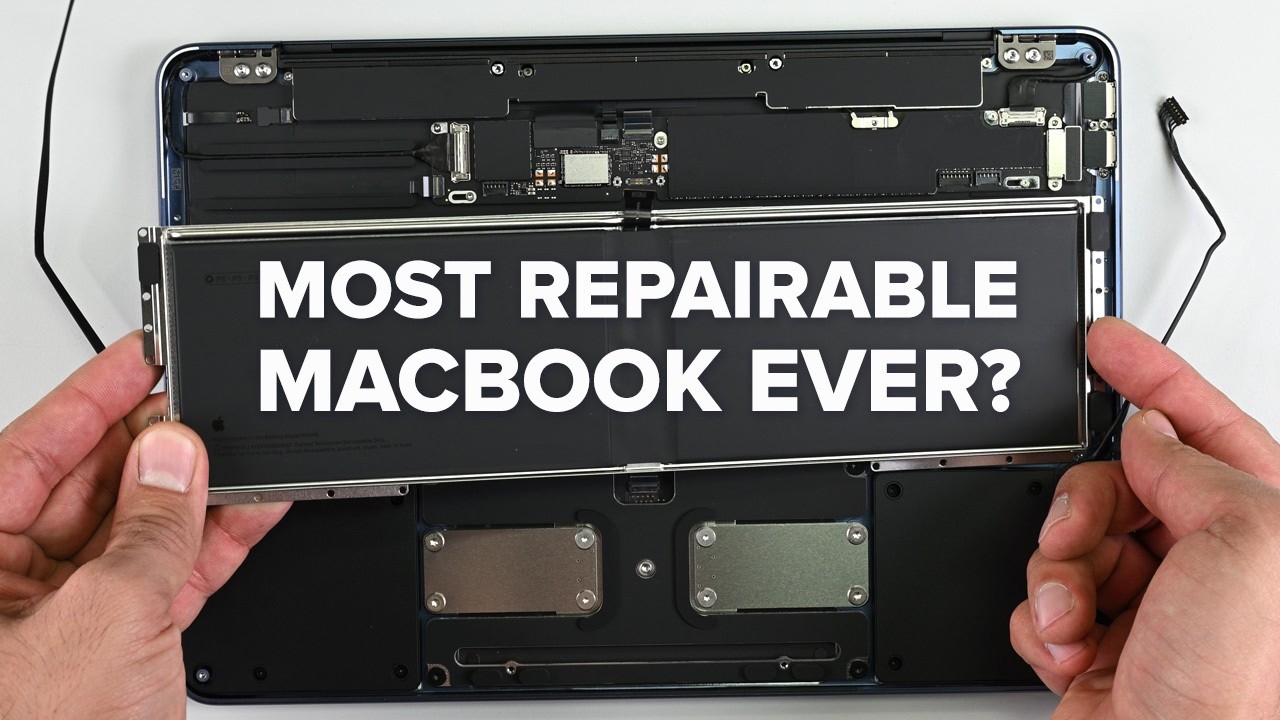
The battery, in particular, stands out. Unlike previous MacBooks, where batteries were glued in place, the Neo uses a screwed-down design, making replacements far less risky and more straightforward.
Internally, the laptop also features a more accessible layout, allowing parts like the camera, speakers, and ports to be replaced without complex disassembly.
Modular Design Makes a Difference
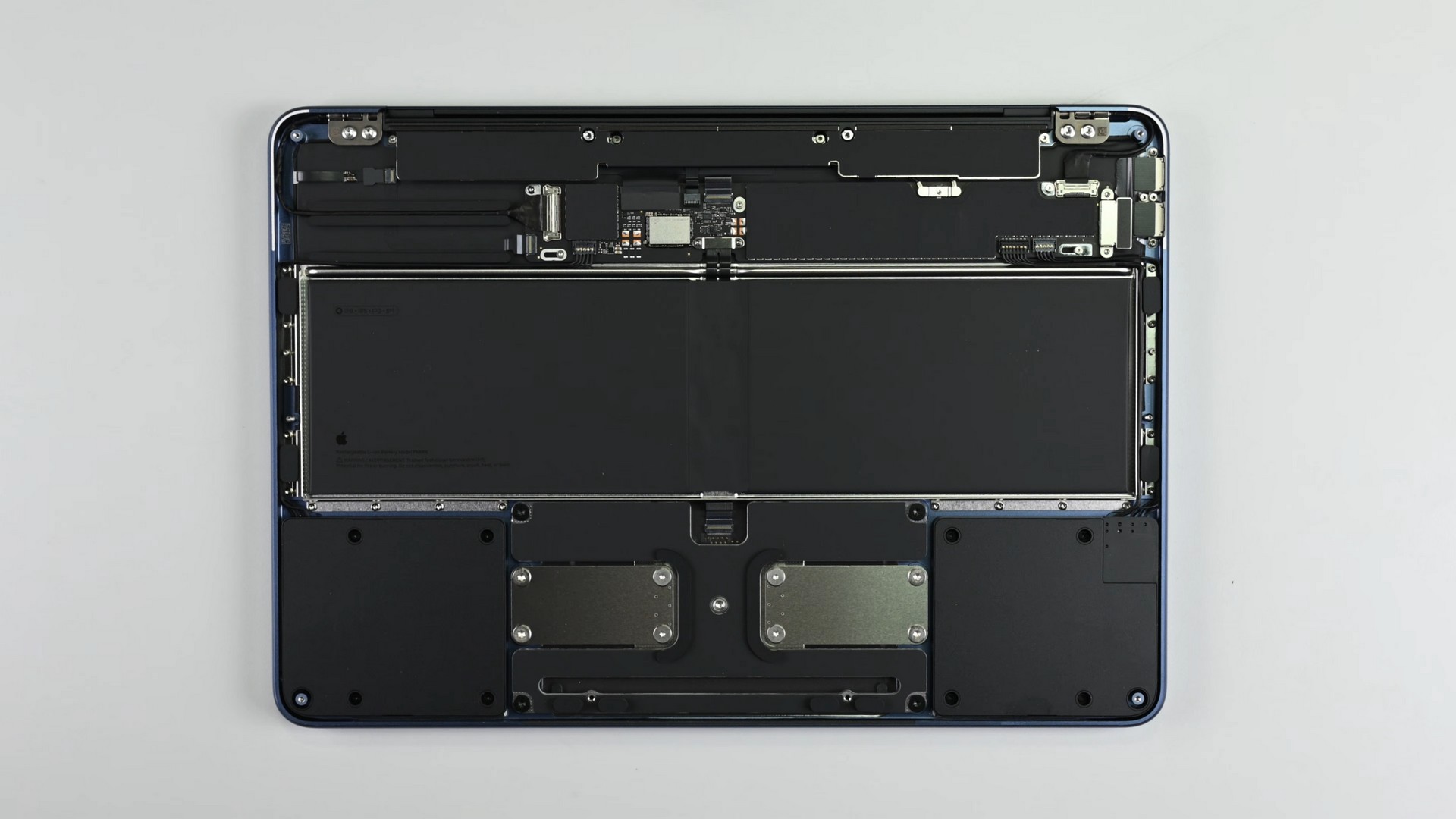
One of the biggest changes is the move toward modular components. Ports, speakers, and even the headphone jack can be swapped independently, reducing repair complexity and cost.
The keyboard is also no longer permanently fixed to the top case, meaning it can be repaired or replaced without replacing the entire chassis, a long-standing issue in previous MacBook designs.
Apple’s internal layout has also been simplified, with fewer overlapping components, making it easier for technicians and even experienced users to access critical parts.
Software Support Improves Repairs
Beyond hardware, Apple has also improved its repair ecosystem. Tools like Repair Assistant now allow replacement parts such as displays, batteries, and even Touch ID modules to be calibrated without triggering system warnings.
This reduces one of the biggest barriers to third-party and independent repairs, where software restrictions previously limited functionality after part replacements.
Not Perfect, But a Step Forward
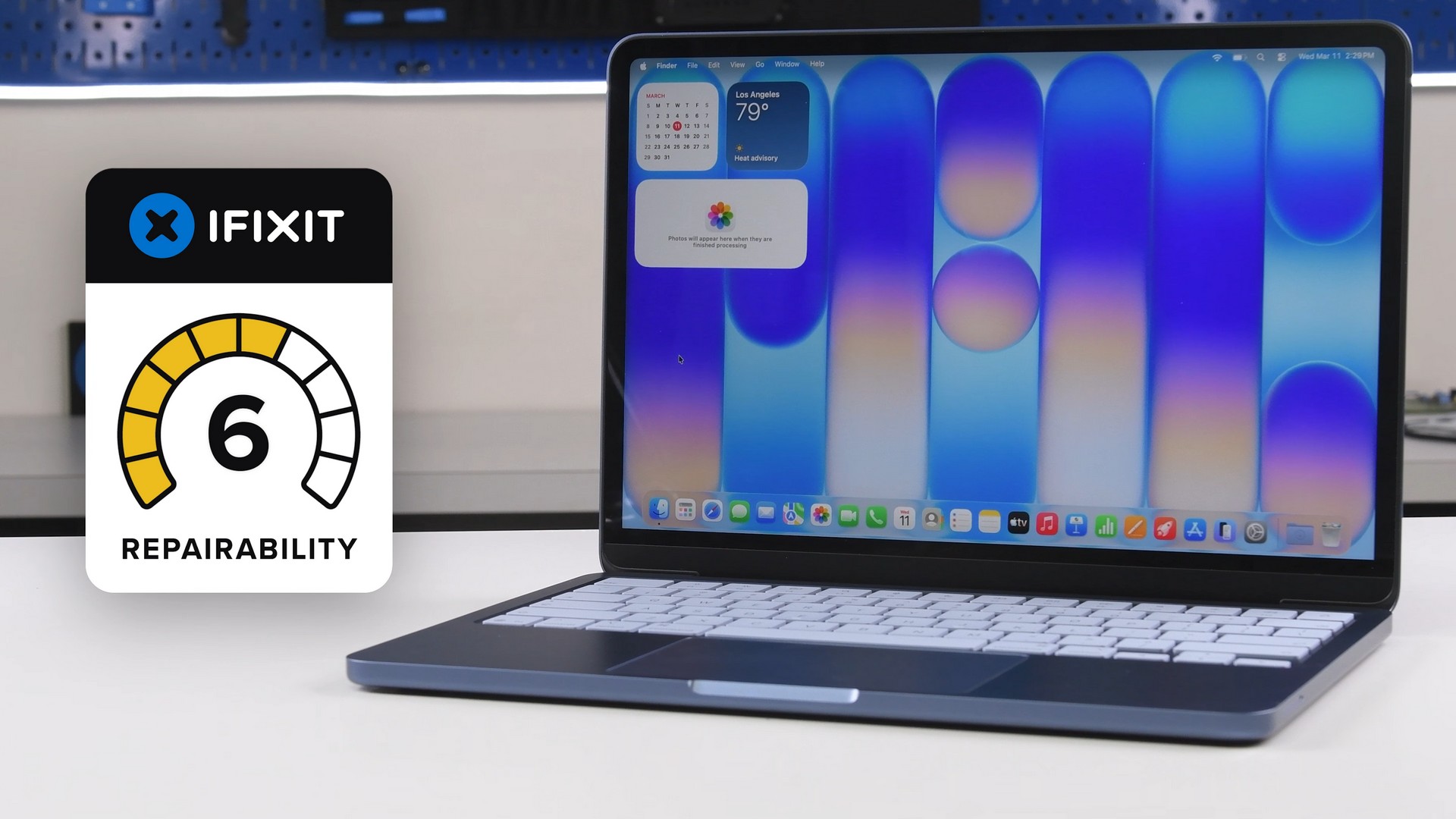
Despite these improvements, the MacBook Neo is not fully repairable by industry standards. It received a repairability score of 6 out of 10 from iFixit, highlighting both progress and remaining limitations.
Key drawbacks include soldered RAM and storage, which cannot be upgraded after purchase. This is largely tied to its use of integrated chip architecture, but it still limits long-term flexibility for users.
Performance and Practical Limitations
The MacBook Neo is powered by Apple’s A18 Pro chip, marking a shift from the company’s usual M-series processors. While capable, its base configuration of 8GB memory may limit more demanding use cases.
For example, virtualisation tools like Parallels Desktop can run Windows apps on the device, but memory constraints may impact performance, especially when multitasking or running heavier workloads.
A Shift in Apple’s Strategy?

The MacBook Neo’s improved repairability could signal a broader change in Apple’s design philosophy, potentially influenced by growing right-to-repair pressure and sustainability concerns.
By making components easier to access and replace, Apple not only reduces repair costs but may also extend the lifespan of its devices, an increasingly important factor for both consumers and regulators.
Still, whether this approach will extend to higher-end models like the MacBook Air or MacBook Pro remains to be seen.