
TL;DR / At a Glance: The Nothing Phone (4b) offers a massive 5,200mAh battery and 2,000 nits peak brightness at a lower price point (RM1,499+). The (4a) provides a more powerful Snapdragon 7s Gen 4, a superior 32MP selfie camera, and the full 63-LED Glyph matrix. Choose the 4b for endurance; choose the 4a for premium performance.
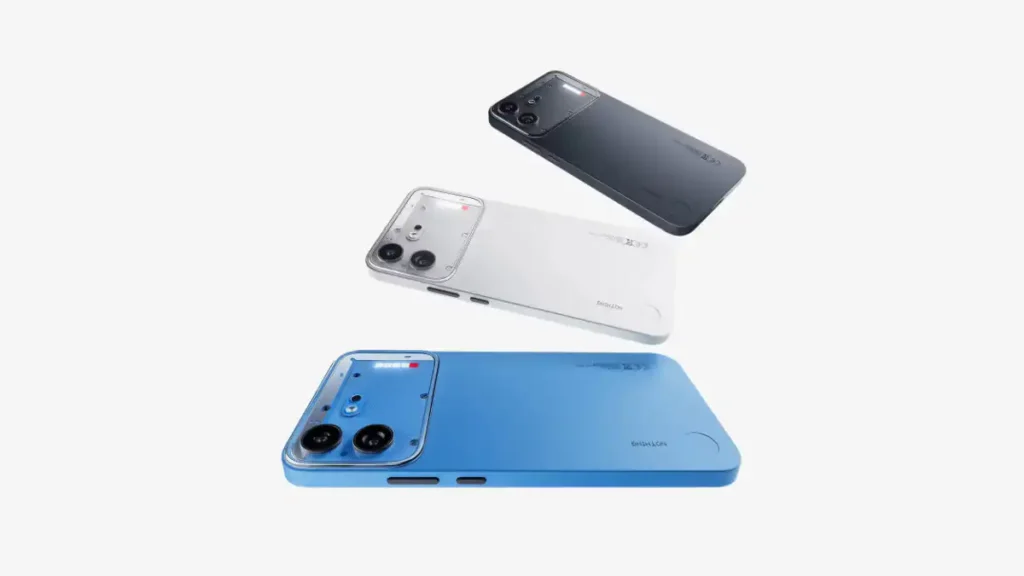
Nothing has mastered the art of the “aesthetic compromise.” It is a difficult balancing act, but it is exactly why they are winning over tech enthusiasts in Malaysia and Singapore. With the introduction of the Nothing Phone (4b), the brand is making a calculated move: give the fans the look, the vibe, and the performance, while trimming specific features to hit a more aggressive budget target.
The central debate for local buyers revolves around one question: Is the “premium” experience of the (4a) worth the RM400 jump over the (4b)?
Let’s look at the core engine first. The (4a) runs on the Snapdragon 7s Gen 4. It is a capable, snappy chip that handles high-frame-rate gaming and intensive multitasking with ease. The (4b) steps down to the Snapdragon 6 Gen 4. While it is still a solid piece of silicon for everyday use, it is “down-clocked” to manage heat and costs. In reality? You won’t notice a massive difference while scrolling social media or browsing news, but if you are a hardcore mobile gamer, the (4a) has that extra overhead.
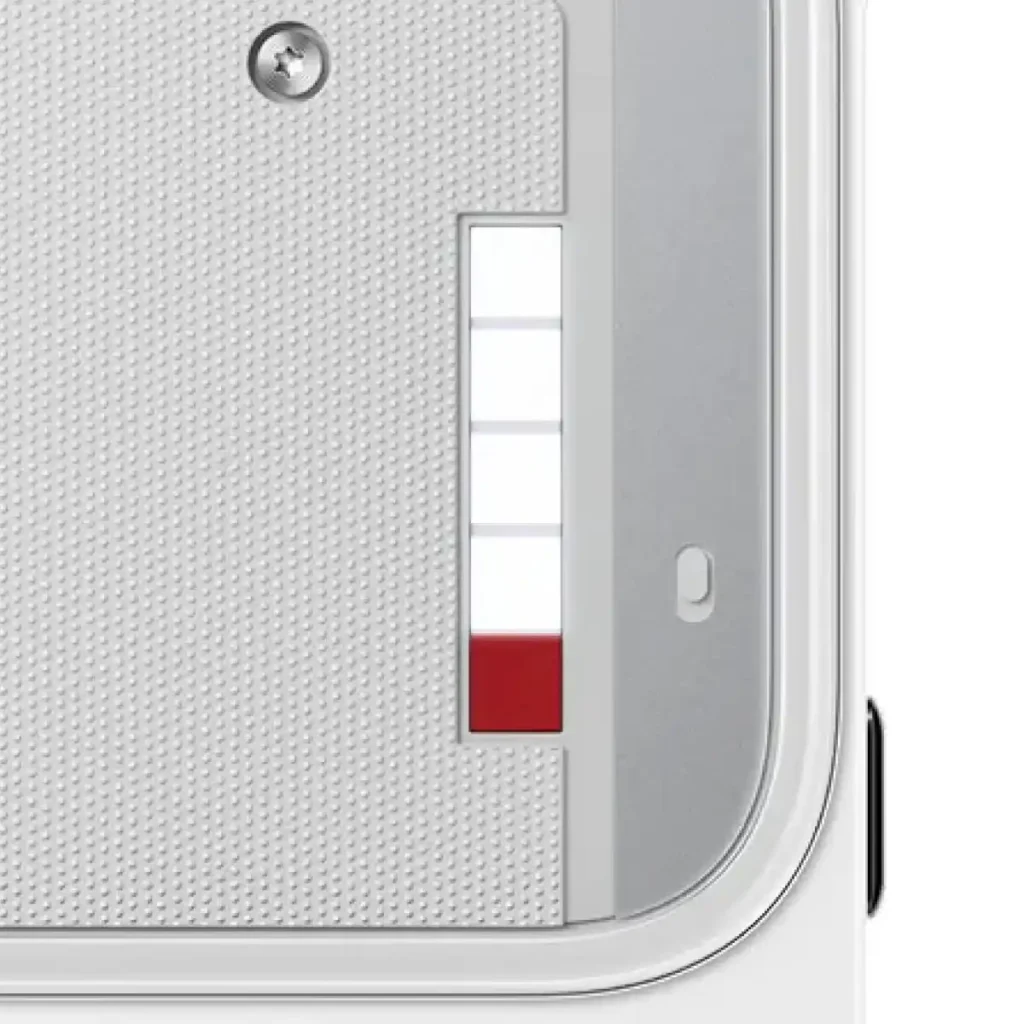
Then we have the Glyph Interface. This is Nothing’s calling card. The (4a) features the full 63-LED matrix, offering intricate light patterns and “Multi-Sense” interactions. The (4b) drops this down to a 45 LED stripped matrix.
Is it a dealbreaker? No.
Here is my take: 90% of what you do with Glyph—alert notifications, timer indicators, and basic visual cues—is perfectly functional on the (4b). You only really see the “extra” lights when you are deep into the brand’s specific aesthetic modes. If you want the full symphony of light, get the (4a). If you just want a phone that looks cool and alerts you for calls, the (4b) is more than enough.
The most interesting twist in this comparison is the battery and display. The (4b) actually takes a lead here with a massive 5,200mAh cell. That is a behemoth of a battery that will easily carry you through a full day of heavy use. It also boasts a 2,000 nits peak brightness, making it arguably easier to see in the harsh Malaysian sun compared to the 1,300 nits on the (4a).
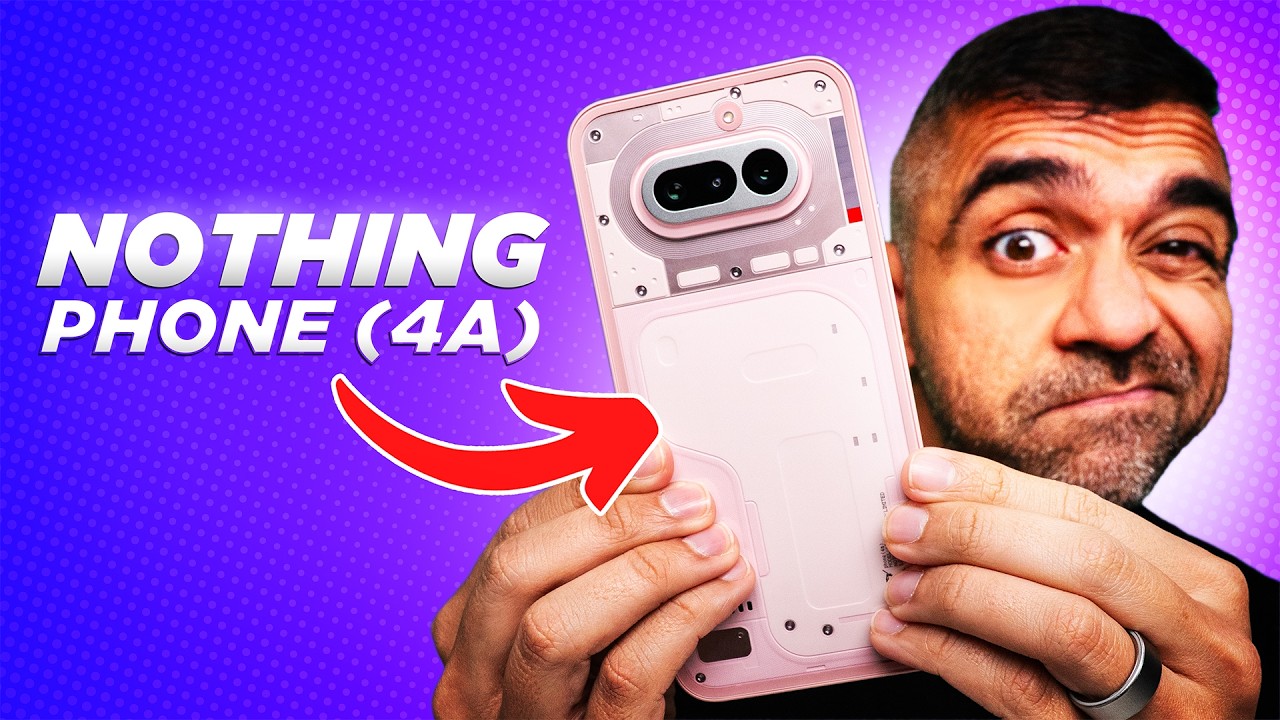
However, the (4a) wins on camera quality. The jump from a 16MP selfie camera on the (4b) to a 32MP wide-angle on the (4a) is significant. If you are an influencer or someone who takes a lot of front-facing portraits, that extra hardware will be immediately noticeable in your photos.
So, what makes sense for your wallet? The Nothing Phone (4b) is positioned at RM1,499 to RM1,599. It is the “workhorse” choice: huge battery, high brightness, and a unique design. The (4a) at RM1,999 is the “pro-sumer” choice. You are paying that extra RM400 for the higher-resolution selfie camera, more refined thermal management (dual-layer graphite), and the full 63-light show of the master Glyph array.
In short: The (4b) isn’t a lesser phone; it is a leaner one. It cuts specific luxury features to give you a high-capacity batteryed beast at a lower entry point.
Nothing Phone (4a) vs Phone (4b) Specs Comparison
Technical Specification Matchup: Nothing Phone (4b) vs. (4a)
| Specification Metric | Nothing Phone (4a) (Flagship Mid-Ranger) | Nothing Phone (4b) (Budget Focused Tier) |
| Projected Retail (MYR) | RM 1,999 (Stable Launch Tier) | RM 1,499 – RM 1,599 (Target Budget Sweetspot) |
| System on Chip (SoC) | Snapdragon 7s Gen 4 (4nm Architecture) | Snapdragon 6 Gen 4 (4nm Down-clocked) |
| CPU Clock Configuration | 2x Performance Core up to 2.8 GHz + 6x Efficiency | 2x Performance Core down-tuned to 2.3 GHz + 6x Efficiency |
| Glyph Interface Array | Full Matrix (63 Addressable mini-LED Zones) | Stripped Matrix (45 mini-LED Structural Zones) |
| Glyph Functionality | Volume Tracker, Essential Lights, Music Visualizer | Essential Notifications Only (Shed secondary accent zones) |
| Display Panel | 6.7-inch Flexible AMOLED, 120Hz | 6.77-inch Super AMOLED, 120Hz |
| Peak Panel Brightness | 1,300 nits Outdoor | 2,000 nits Peak HBM (High Brightness Mode) |
| Thermal Configuration | Dual-layer Graphite sheet | Single-layer Graphite sheet passive cooling |
| Primary Rear Camera | 50 MP Wide (OIS) + 50 MP Ultra-Wide | 50 MP Main (OIS) + 8 MP Ultra-Wide |
| Front Selfie Camera | 32 MP Wide Angle | 16 MP Standard |
| Power & Battery Pack | 5,000 mAh Cells / 45W Fast Charge | 5,200 mAh Dense Pack / 33W Fast Charge |
| Chassis Structural Build | Polycarbonate + Aluminum Frame accents | 100% Injection-Molded Polycarbonate |
| Under-Display Sensor | Optical Biometric Array | Optical Biometric Array |
The Truth about the RM400 Gap
That RM400 difference between the two models represents a significant chunk of a monthly contract plan with providers like CelcomDigi or Maxis. If you are a student or a young professional, that’s enough to cover several months of extra data. For those users, the (4b) is arguably the smarter play. You get the core “Nothing” identity and a usable Glyph system without paying for the “extra” polish that only truly shines in a dark room during an Instagram reel.
If you are a power user who demands every bit of premium polish—and if you plan to use the full, complex lighting patterns as a centerpiece of your tech setup—the 4a is your sanctuary. But for everyone else? The (4b) isn’t a “lesser” phone; it’s an optimised one.
READ ALSO: Nothing’s Phone (4b): B for Best, Bold, Budget Phone?
Other Little Things
- The Power Gap:
The (4b) packs a massive 6,000mAh battery, outclassing the (4a) in raw capacity, despite having a slower 33W charging speed compared to the 45W on the (4a). - Display & Visibility:
The (4b) features a higher peak brightness of 2,000 nits, making it a powerhouse for outdoor visibility in tropical environments. - Camera Delta:
The (4a) offers a superior 32MP selfie camera and a dual 50MP rear setup, whereas the (4b) drops to a 16MP front camera and an 8MP ultra-wide. - Thermal Engineering:
The (4a) utilises a dual-layer graphite sheet for better sustained performance under heavy loads; the (4b) uses a single-layer system.
Adam Lobo’s Verdict
Let’s have some real talk: the difference between these two isn’t about what they can do; it’s about how much you want to pay for the “extra.” The (4b) is a masterclass in smart cutting. You aren’t losing critical features like notifications or basic aesthetics; you are just shedding the luxury elements—like the full 63-light show and high-res selfies—to hit a price point that makes sense for the local market. If you want a battery monster that stays visible under the sun, grab the (4b). If you want the ultimate “Nothing” experience with every light lit up and a pro-grade selfie camera, invest in the (4a).