TL;DR / At a Glance: Unveiled alongside the broad iOS 27, iPadOS 27, and macOS 27 Golden Gate platform rollouts at WWDC26, certain heavy server side Apple Intelligence features like Image Playground now carry explicit Daily Usage Limits due to the high operational demands of remote infrastructure models. To expand these caps, users must hold a premium iCloud+ subscription (200GB plan at RM11.90/month or higher), which transitions Apple’s cloud storage network into a functional AI priority queue. Beyond lifted generation throttles, these qualifying tiers unlock advanced computer vision tools for HomeKit Secure Video smart home setups.
Managing remote data infrastructure during a global software expansion is an incredibly expensive logistical hurdle. For the past year, consumer technology brands have happily fronted the bill for remote model processing, burning through billions in data center expansion simply to get users hooked on generative text fields and rapid photo manipulations. We were told that AI was an infinite utility asset, woven directly into the core purchase price of our flagship metal rectangles.
At WWDC26, Apple quietly put an end to that illusion. While basic text processing, writing tool adjustments, and on-device logic blocks will remain completely uncapped and free for anyone holding an A17 Pro, A18, or M-series silicon slice, compute-heavy cloud tasks now face an immediate structural limitation: Daily Usage Limits.
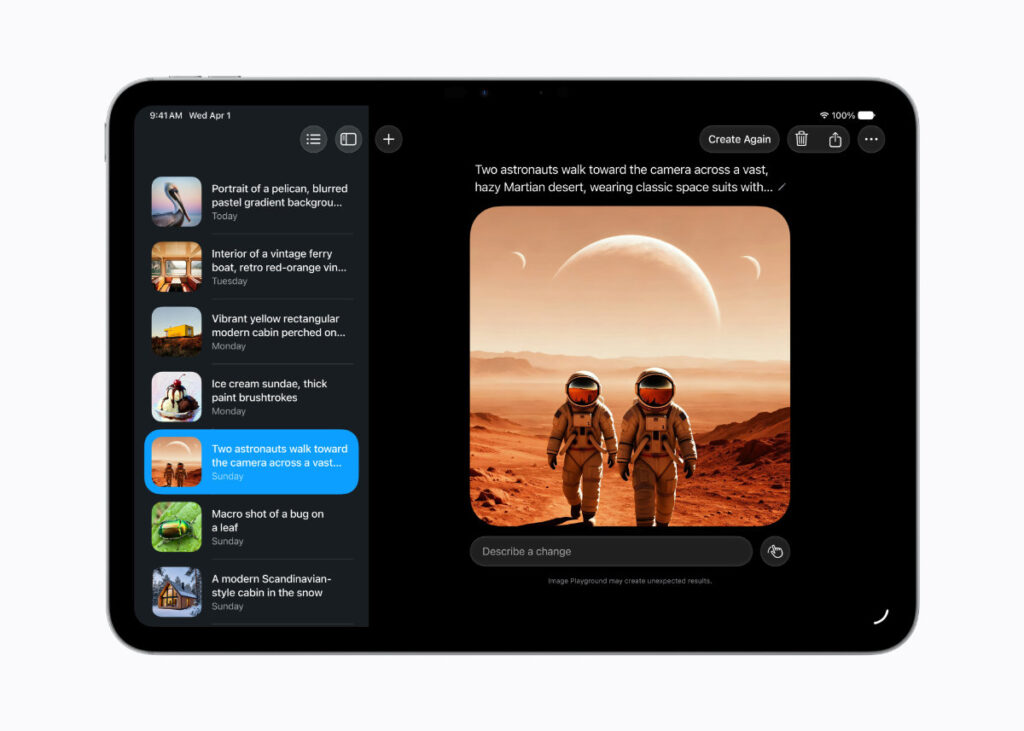
Features relying heavily on complex server side infrastructures, such as the newly deployed Image Playground asset creator and advanced Genmoji engines, will actively track your daily prompt count. The moment you cross that internal infrastructure threshold, your processing speed hits a hard throttling gate, unless you happen to pay for a qualifying iCloud+ or Apple One Premier storage footprint.
This hidden adjustment transitions the classic iCloud+ storage platform into a functional, paid AI priority queue. Apple has split its storage tier allocations into distinct capability layers, matching infrastructure access directly to your monthly spending plan.
The Real-World AI Storage Priority Matrix
| AI Storage Infrastructure Layer | Monthly Access Pricing (MYR) | Core Generative Token Access | Integrated Smart Home Security Perks |
| Free Allocation / 50GB Base Tier | Free / RM3.90 per month | Strict Daily Generation Caps: Severe layout speed throttling on cloud models. | Standard clip storage profiles without integrated AI processing lines. |
| Premium 200GB Storage Tier | RM11.90 per month | Priority Processing Allocation: Significantly higher daily prompt queues. | HomeKit Secure Video Overhaul: Unlocks native 4K clip recording and text summaries. |
| Premium 2TB Flagship Tier | RM44.90 per month | Priority Processing Allocation: Maximum daily allowances for multi-device workflows. | HomeKit Secure Video Overhaul: Unlocks unlimited camera streams with fully integrated AI object search. |
The transition from free system utility to gated storage incentive comes down to raw computing math. Running local, highly optimised device structures costs Apple absolutely nothing after the initial engineering phase, because your iPhone’s integrated Neural Engine does all the heavy lifting. But when millions of consumers simultaneously ping the server banks to render high-parameter artistic variations or process multi-layered object arrays, individual transaction costs spike dramatically.
By keeping the baseline 50GB tier locked out of this higher allocation, Apple matches infrastructure demands directly to recurring profit streams. They avoid the immediate user friction of launching a direct, standalone AI paywall by masking the priority access token inside an ecosystem subscription that consumers are already completely comfortable paying for.
When you look across the fence at how the wider tech space monetizes advanced machine models, Cupertino’s approach is highly aggressive for the local Malaysian consumer space. Google and Microsoft position their high-tier models as explicit software-as-a-service business expansions, demanding near-RM100 monthly entry payments for standalone priority lines. Apple treats it as ecosystem glue, combining photo backups, encryption keys, and processing privileges into a single household bucket that feels like an affordable upgrade by comparison.
Advanced Consumer Processing Perks
| Feature Category | Technical Background Execution | Real-World Family Impact |
| Uncapped Creative Flows | Bypass speed throttling gates on remote machine models. | High-intent creators using iPads and MacBooks can compile assets all day inside Image Playground without prompt blocks. |
| HomeKit Timeline Tracking | Secure local decryption keys process raw stream inputs directly. | Compatible home security cameras receive a massive intelligence upgrade natively within the Home app. |
The home security update is especially massive for families building out an automated household. Instead of just saving passive, un-indexed video archives to the cloud, the elevated storage plans inject full Apple Intelligence logic directly into your local home surveillance lines. The system automatically parses raw camera feeds, generates coherent natural-language text descriptions of events happening in your driveway or garden, and supports deep conversational object searches natively within the Home application.
Platform Comparisons: The Disruptive Pricing Disconnect
When you look across the fence at how the wider tech space monetises advanced machine models, Cupertino’s approach is highly aggressive for the local Malaysian consumer space.
Modern Intelligence Subscription Layouts
| AI Service Provider | Standalone Monthly Fee (MYR) | Primary Ecosystem Target Integration |
| Apple iCloud+ Priority Tier | RM11.90 per month (200GB baseline) | Systemwide asset generation plus native smart home camera security networks. |
| Google AI Premium (One) | RM99.00 per month | Deep workspace automation inside Google Docs, Sheets, and Gmail extensions. |
| Microsoft Copilot Pro | RM90.00 per month | Advanced enterprise priority lanes inside Word, Excel, and custom PowerPoint templates. |
Google and Microsoft position their high-tier models as explicit software-as-a-service (SaaS) business expansions, demanding near-RM100 monthly entry payments for standalone priority lines. Apple treats it as ecosystem glue, combining photo backups, encryption keys, and processing privileges into a single household bucket that feels like a bargain by comparison.
Adam Lobo’s Take
Apple has executed a brilliant piece of commercial engineering here. By sliding expanded AI processing queues directly into the 200GB and 2TB iCloud+ storage brackets, they have completely bypassed the consumer blowback that follows an explicit, standalone monthly AI fee.
The move makes total sense. If you are a casual user who only relies on basic text corrections or rapid email smart replies inside Mail, the free baseline allocation will serve you perfectly fine, as those workflows run securely on your physical device hardware.
However, if you are a creator who relies heavily on mobile image generation tools, or a smart home enthusiast who wants to run deep natural-language object queries across native home security camera feeds, upgrading your cloud storage layer is no longer just about buying more digital room. It has effectively become the mandatory ecosystem tax required to keep your devices operating at peak performance.
Are you guys planning to stick to the free baseline allocations, or will you be upgrading to the 200GB tier to ensure your generation queues stay completely unthrottled? Tell me what you think in the comments below!
Other Little Things
- The Apple One AI Loophole: If you are already paying for an all-in-one Apple services bundle, you do not need to sign up for a separate AI processing tier. Apple is natively mapping its cloud-heavy priority privileges directly into your existing monthly bundle allocation, turning the Family (200GB) and Premier (2TB) plans into an automatic priority pass at zero additional cost.
- The Silicon RAM Boundary: Remember that regardless of your cloud subscription tier, the underlying system logic remains locked behind hardware configurations. Your hardware must meet the physical 8GB RAM architecture threshold to support Apple Intelligence, meaning older device setups get left out of the loop regardless of your cloud storage size.
- Regional Regulatory Walls: These updated storage privileges match global feature rollouts, but regional legal hurdles remain active. Because of the strict mandates of the Digital Markets Act, Apple has formally delayed the rollout of Siri AI on iOS 27 and iPadOS 27 across all 27 European Union member states due to data compliance risks.
Editorial Citations & Source Links
- Official Apple Newsroom Press Announcement: “Apple unveils next generation of Apple Intelligence, Siri AI, and more.” Published June 8, 2026. Explicitly outlining server model usage dependencies, image generation limits, and iCloud+ smart home camera integrations.
- Official Apple Services Architecture Update: “Apple unveils innovative features and intelligence experiences across services.” Published June 9, 2026. Documenting iCloud+ expanded daily allocation tiers and advanced security camera machine learning arrays.
- Ecosystem Platform Market Analysis: MacRumors technical brief: “iCloud+ Is Starting to Look Like Apple’s Paid AI Tier.” Published June 11, 2026. Detailing analyst calculations regarding Private Cloud Compute server operating margins and high-priority Image Playground token scheduling.