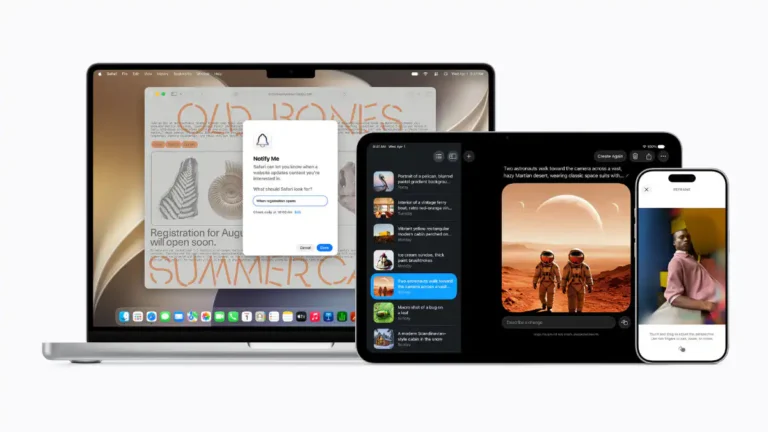

TL;DR / At a Glance: On 9 June 2026, Apple formally announced that Siri AI will be delayed in the European Union (EU) for iOS 27 and iPadOS 27 due to regulatory conflicts with the Digital Markets Act (DMA). While EU users will still be able to access the assistant on macOS 27, visionOS 27, and watchOS 27, the features are completely blocked on iPhone and iPad. Apple stated that EU regulators rejected all proposed compliance solutions—including an 18-month rollout plan for an intermediary security layer called the Trusted System Agent—leaving the company with no official release timeline for iOS or iPadOS in the region.

If you live in Europe and were eagerly counting down the days until you could test out Apple’s massive multi-modal interface paradigm shift on your daily carry, I have some incredibly brutal news for you. The bureaucratic hammer has officially dropped, and it has shattered the upcoming iOS launch rollout for millions of users.
In a stunning post-WWDC update, Apple has confirmed that Siri AI is officially delayed in the European Union for iOS 27 and iPadOS 27. Because of the strict, uncompromising mandates of the EU’s Digital Markets Act (DMA), Apple is completely pulling the plug on its next-generation intelligence suite for iPhones and iPads across all 27 EU member states.
The Regional Siri AI Availability Map
| Apple Device Platform | Availability Status inside the 27 EU Member States | Availability Status Across the Rest of the World |
| iPhone (iOS 27) | 🚫 Completely Blocked / Delayed Indefinitely | Fully Available (Beta Launch Later This Year) |
| iPad (iPadOS 27) | 🚫 Completely Blocked / Delayed Indefinitely | Fully Available (Beta Launch Later This Year) |
| Mac (macOS 27) | 🍏 Fully Available Upon Release | Fully Available Upon Release |
| Vision Pro (visionOS 27) | 🍏 Fully Available Upon Release | Fully Available Upon Release |
| Apple Watch (watchOS 27) | 🍏 Fully Available Upon Release | Fully Available Upon Release |
The Core Controversy: The Extreme Open-Access Dilemma
So, why are Mac, Apple Watch, and Vision Pro users getting a pass while the iPhone and iPad are hitting a hard regulatory brick wall? It all comes down to how EU regulators are interpreting the DMA. Under the Commission’s extreme interpretation, the moment Apple deploys the deeply integrated Siri AI infrastructure on iOS or iPadOS, they are legally required to grant competing virtual assistants identical, unrestricted access to the user’s private data footprint and device functions.
According to Apple, the DMA mandates that any third-party AI platform must be given nearly unlimited, autonomous access to execute actions across the operating system without ongoing user visibility or confirmation.
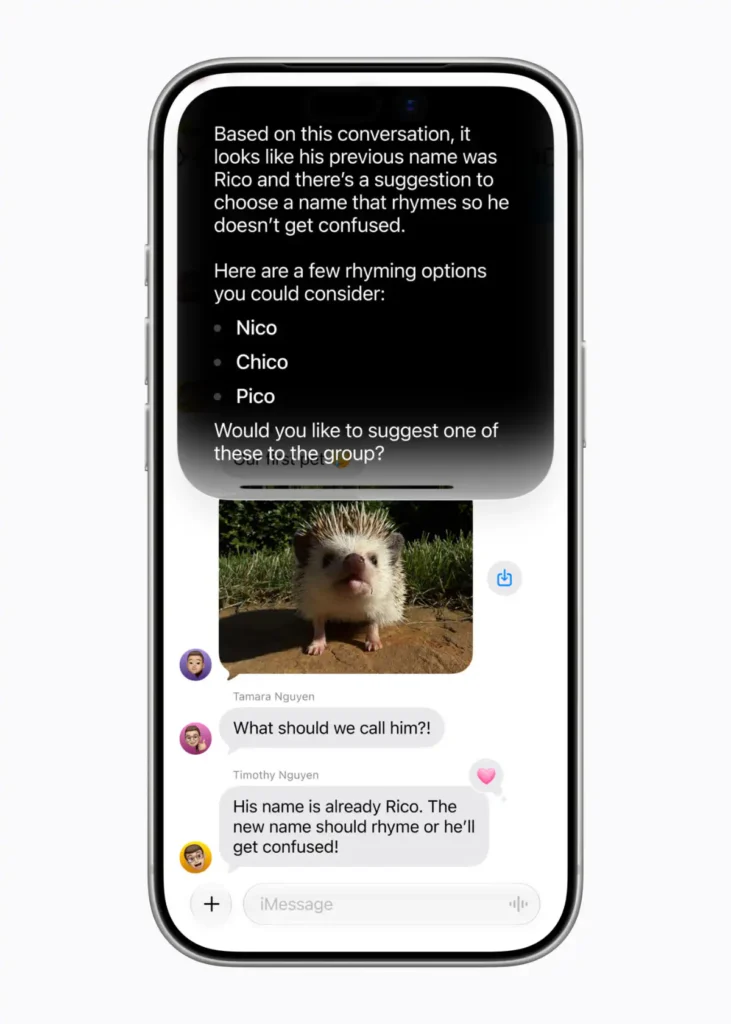
Third-Party AI Access Mandates Under the DMA
| System Security Vector | Apple’s Native Security Standard | EU Regulators’ DMA Mandates |
| Data Interception Risk | High-level data encryption via Private Cloud Compute. | Demands full visibility to read, interpret, and transmit personal message logs. |
| Financial Execution | Strict biological verification (FaceID/TouchID) per transaction. | Requires autonomous capability to execute financial purchases natively. |
| System Modification | Sandbox app isolation layers to protect baseline file directories. | Demands unrestricted access to alter account settings and local file systems. |
The Rejected Compromise: The Trusted System Agent
Apple’s Senior Vice President of Software Engineering, Craig Federighi, expressed deep disappointment over the regulatory gridlock, noting that security researchers have repeatedly demonstrated how completely unshielded AI frameworks can be easily hijacked to permanently alter system settings or siphon sensitive user metrics like passwords and photos.
To bridge the gap between regulatory openness and ironclad user security, Apple engineered a highly specific middleware infrastructure called the Trusted System Agent.
The Lifespan of Apple’s Rejected EU Compliance Plan
| Milestone Phase | Proposed Operational Layer | European Commission Ruling |
| Phase 1 | Implement the Trusted System Agent as a secure intermediary layer to let rival assistants safely query device data. | ❌ REJECTED |
| Phase 2 | Launch Siri AI in the EU alongside a structured, gradual 18-month rollout program to continuously test security. | ❌ REJECTED |
| Phase 3 | Lock down a definitive local release timeline for iOS 27 and iPadOS 27 AI integrations across Europe. | 🛑 CANCELLED (No current timeline) |
Because the European Commission completely refused to accept any version of this 18-month rollout or the Trusted System Agent architecture, the entire deployment has stalled. Even developers based in Europe are completely barred from testing or optimizing Siri AI code on iOS or iPadOS devices.
Other Little Things
- The Fragmented Feature List: EU iPhone users are missing out on the entire core of the WWDC update—including the dedicated Siri app conversational logs, expanded Visual Intelligence camera parsing, system-wide writing tools, and the integrated Camera Siri Mode.
- The Geographic Boundary: This hard lock applies strictly to all 27 EU member states, meaning users from France, Germany, Italy, and Spain are completely locked out, while neighbors outside the EU bloc face no such restrictions.
Adam Lobo’s Take
This is an absolute logistical nightmare for Apple, and a massive slap in the face for European consumers who are paying a heavy premium for flagship hardware.
When you put this regulatory gridlock through our signature mamak test—evaluating real-world everyday utility versus investment value while sitting down at a local spot—the situation is incredibly frustrating. On one hand, you have to respect Apple for refusing to compromise on user security. Giving an unverified, third-party AI system the autonomous power to read your personal messages, dig through your files, and execute purchases behind your back without clear user tracking is an absolute security disaster waiting to happen.
But on the other hand, leaving European iPhone and iPad users completely stranded without the headline capabilities of the Siri AI Revolution deep dive or the automated background workflows we deconstructed in The Rise of Invisible Agents destroys the premium appeal of the ecosystem. If you are a high-tier developer or power user living inside the EU, your mobile device has essentially been handcuffed. Unless the European Commission or Apple blinks first, the continent is staring down a long, quiet tech drought.
Let me know your thoughts in the comment section below. If you live in the EU, are you considering switching platforms, or are you hoping Apple finds a backdoor via macOS to patch the gap?