
TL;DR / At a Glance: Apple has previewed a suite of next-generation accessibility features launching later this year across iOS, iPadOS, macOS, tvOS, and visionOS. Built directly on the local architecture of Apple Intelligence, the core updates introduce natural language navigation to Voice Control, deep contextual analysis to VoiceOver and Magnifier via Image Explorer, and automatic on-device generated subtitles for uncaptioned video content. Furthermore, Apple Vision Pro users will gain a groundbreaking ability to control compatible power wheelchairs utilising the spatial headset’s precise eye-tracking system.
Every tech giant on the planet is currently shouting about artificial intelligence, but most of it feels like marketing fluff designed to inflate stock prices. Today, Apple flipped the narrative. In the lead-up to WWDC26, the company previewed a profound suite of ecosystem-wide accessibility updates coming later this year.
By integrating Apple Intelligence directly into core system layers, Apple is transitioning tools like VoiceOver, Magnifier, and Voice Control away from rigid, robotic computing logic and into fluid, natural language interfaces.
Voice Control Ditches the Script for Natural Language
For users navigating physical disabilities, traditional Voice Control has always come with a steep learning curve. To execute a command, you historically had to memorise exact menu strings, specific on-screen numbers, or precise labels.
With Apple Intelligence, Voice Control gains flexible, natural language input. Instead of looking at a complex layout and struggling to call out a technical tag, users can deploy an intuitive “say what you see” approach. For instance, inside applications with dense, visual interfaces like Apple Maps or Files, a user can simply say, “tap the guide about best restaurants” or “tap the purple folder.” The underlying AI models parse the visual context of the screen in real time, matching natural human intent to the proper OS execution barrier—even if developers failed to label the app elements correctly.
Accessibility Reader Overhauls Complex Layouts
For users navigating cognitive or visual conditions like dyslexia and low vision, complex web layouts can be incredibly fragmented. Apple is upgrading Accessibility Reader using on-device Apple Intelligence to structurally dissect multi-column articles, academic journals, images, and tables. Rather than rendering a chaotic wall of text, the system reconstructs the page into a clean, custom-formatted interface.
The upgraded tool introduces on-demand summaries for a quick high-level overview before users dive into the details. With the new built-in translation engine allows users can read in their native language while retaining custom formatting, font, and colours.
Contextual Sight: VoiceOver and Magnifier Level Up
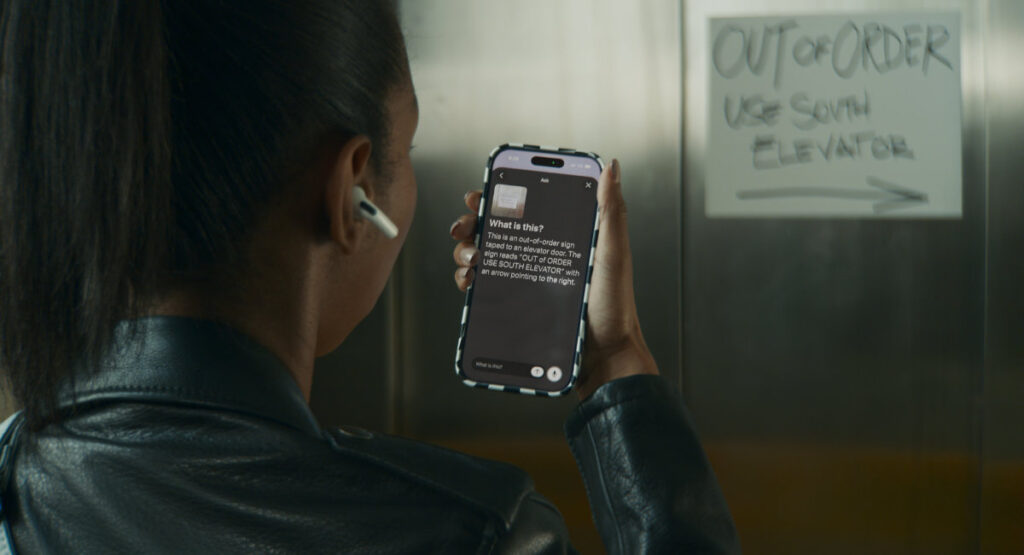
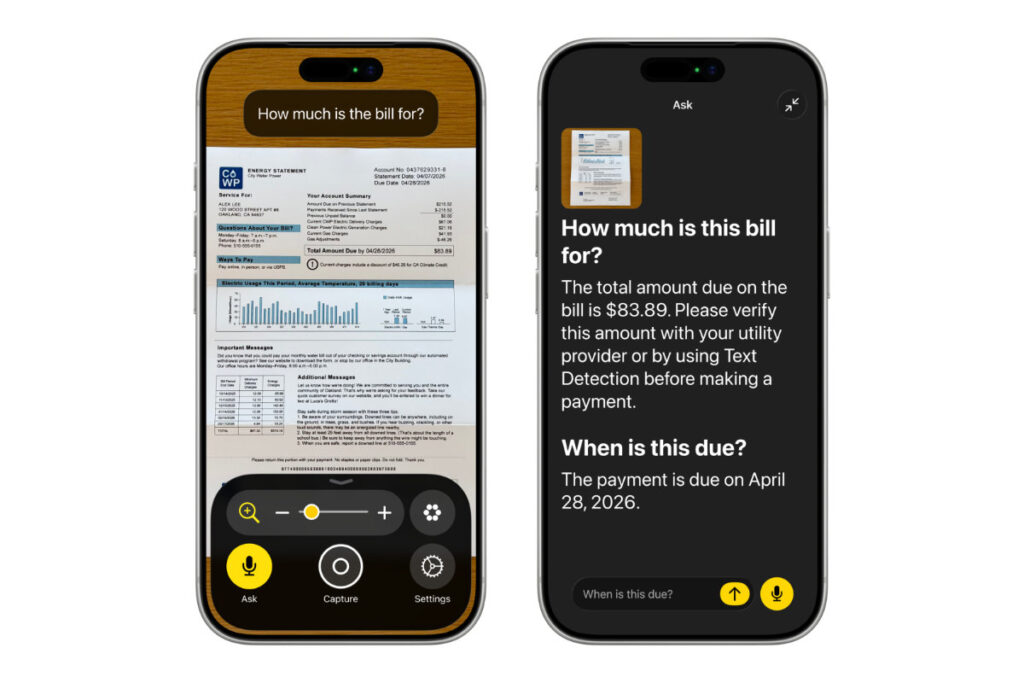
For blind or low-vision users, navigating digital imagery and physical environments is receiving a massive boost via the new Image Explorer in VoiceOver. Backed by Apple Intelligence, the tool moves past generic asset descriptions to provide dense, contextual readouts of what is happening inside systemwide photos, scanned bills, or personal records.
Additionally, through updates to Live Recognition, a user can tap the physical Action button on their iPhone to snap a frame of their current environment and ask open-ended questions about the camera viewfinder. Crucially, this setup operates using a conversational, multi-turn dialogue flow. You can ask a follow-up question in your own words to dig out micro-details about your immediate surroundings without resetting the app state. The exact same conversational intelligence expands into a high-contrast UI for the Magnifier app, which can now be completely configured via spoken commands like “zoom in” or “turn on flashlight.”
On-Device Generated Subtitles for Personal Media
While professional streaming platforms offer comprehensive closed captioning, a massive accessibility gap exists within personal family videos, voice notes, and independent social media clips.
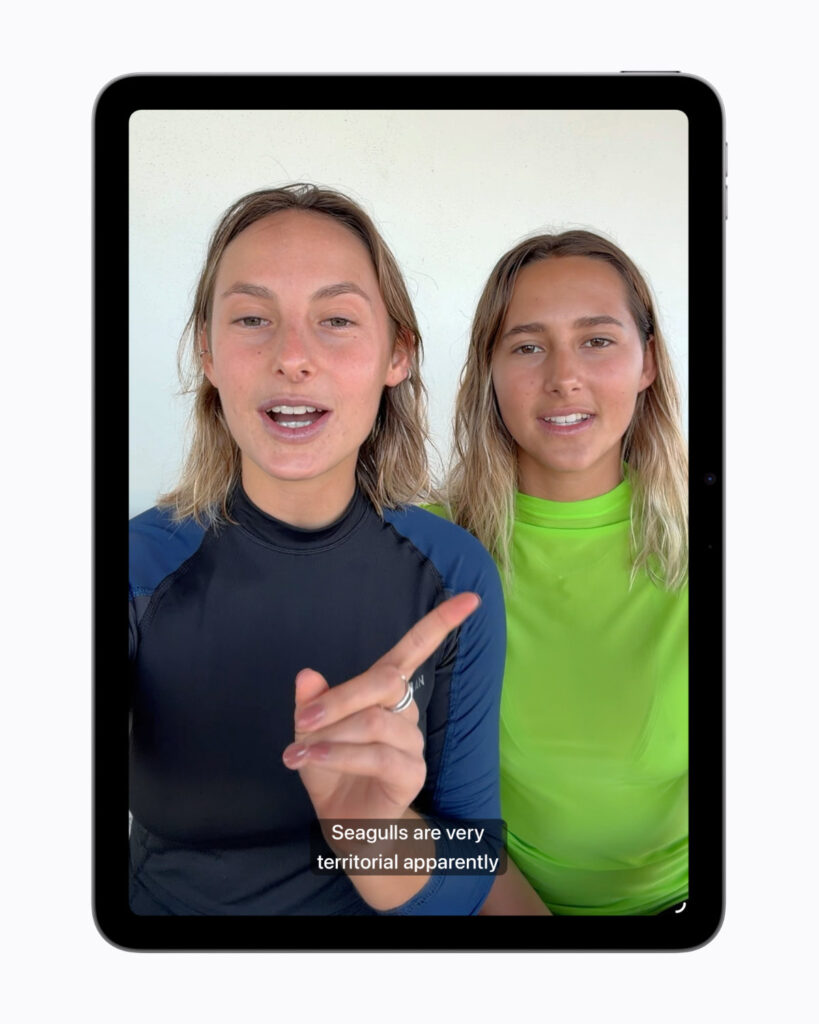
To bridge this, Apple is deploying Generated Subtitles across iPhone, iPad, Mac, Apple TV, and Apple Vision Pro. Powered entirely by private, local speech recognition models, the system automatically overlays real-time transcriptions on any uncaptioned video content rolling through your device. Because the transcription pipeline operates completely on-device, your private audio notes or home videos are never shipped off to an external cloud server, preserving total data privacy.
Apple Vision Pro Becomes an Alternative Wheelchair Drive System
Perhaps the most stunning engineering feat in this preview belongs exclusively to the spatial computing arena. For individuals living with severe motor conditions like ALS, traditional physical joystick inputs for power wheelchairs are not always viable.
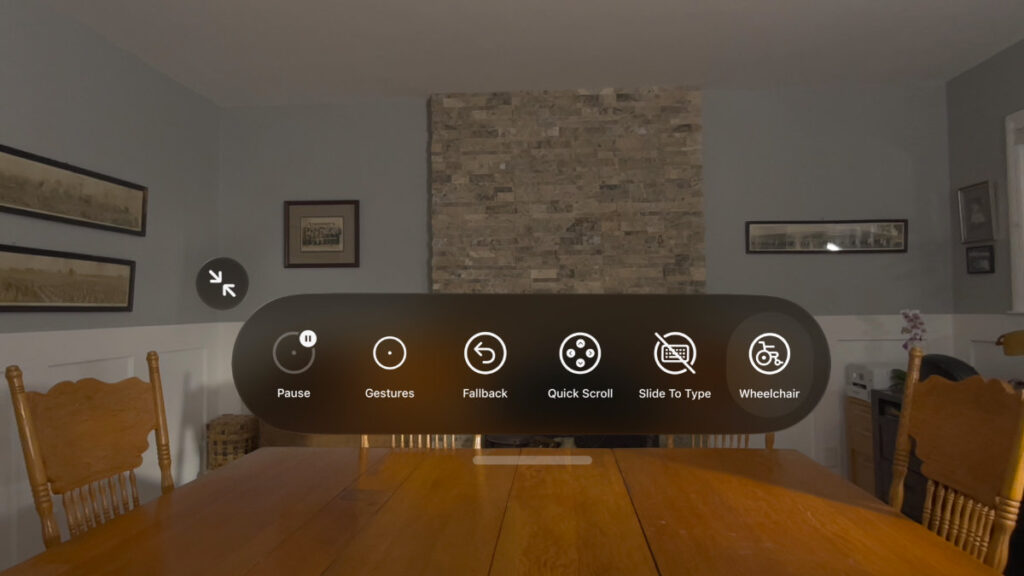
Leveraging the ultra-precise, hardware-integrated eye-tracking matrix on Apple Vision Pro, Apple has developed a responsive power wheelchair control feature. The headset links natively via Bluetooth or wired connection profiles to compatible alternative drive setups—launching initially alongside market leaders Tolt and LUCI in the United States. Because Vision Pro’s tracking framework handles variable lighting environments without demanding constant user recalibration, it gives individuals an entirely independent, highly reliable method of spatial mobility driven completely by eye-gaze control.
Multi-Platform Ecosystem Refinements
Beyond the headlining AI tools, Apple dropped a massive wave of practical structural enhancements targeting audio, visual, and physical customization across every single operating system layer:
- Ecosystem Hearing Aid Handoff: Made for iPhone hearing aids can now pair and hand off between different active Apple devices far more reliably, backed by a thoroughly streamlined setup workflow on iOS, iPadOS, macOS, and visionOS.
- Name Recognition: Can now actively listen and notify users if someone speaks their name aloud across more than 50 languages globally.
- Touch Accommodations: Provide a new way to personalise setup in iOS and iPadOS.
- tvOS Larger Text: Introduces Larger Text support, ensuring viewers with low vision can easily scale up on-screen interface text across their home theater screens.
- FaceTime Sign Language API: For third-party software creators focusing on sign language interpretation apps, Apple is releasing a brand-new API. This tool allows developers to seamlessly integrate a live human interpreter directly into an active, ongoing FaceTime video session.
- Sony Access Controller Support: Gamers with physical limitations can now natively connect the highly adaptable Sony Access controller to iOS, iPadOS, and macOS. The integration allows deep layout customisation of the thumbstick, nine core physical buttons, and up to four external specialty switches, even letting players link two separate controllers to build a highly tailored gaming battle station.
Trust Equity: Real Talk on Apple’s Accessibility Dominance
Tech brands love throwing the term “AI” around as a marketing buzzword. However, Apple’s long-standing strategy of integrating assistive features deeply into its silicon architecture remains the gold standard for building trust equity. By running these complex visual, auditory, and language parsing pipelines locally on-device, Apple bypasses cloud processing entirely, guaranteeing total user privacy while ensuring zero input lag. This is exactly how consumer-facing AI should be used.
Read more about Apple Accessibility. Global Accessibility Awareness Day (GAAD) falls on 21 May.