
TL;DR / At a Glance: Unveiled at Computex 2026, the updated Dell XPS 13 (2026) launches at a disruptive US$699 (~RM2,800) baseline to directly challenge the premium budget laptop sector. The ultraportable features a 13.4-inch 2.5K InfinityEdge variable refresh rate touchscreen and debuts the low-voltage Intel Core Series 3 “Wildcat Lake” architecture, engineered for long battery life. While out-speccing the Apple MacBook Neo on display fluidly, backlighting, and port speeds, the entry-level configuration is bound to an 8GB RAM threshold that faces distinct x86 memory allocation limits under modern productivity workloads.
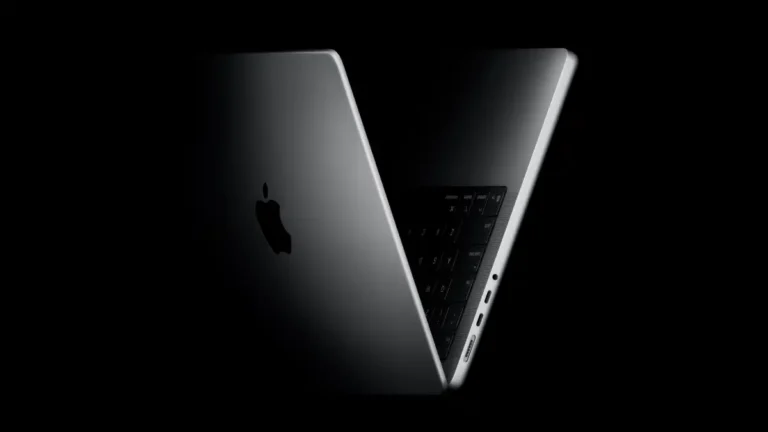
The arrival of Apple’s highly anticipated MacBook Neo directly challenges current mid-range value options in Malaysia and across the globe. By slicing out the traditional pricing floor to offer a thin, precision-milled aluminum ultraportable backed by a retrofitted 3nm A18 Pro chip, Apple exposed a massive, glaring vulnerability in the PC market. For years, if an everyday consumer, local student, or young professional wanted high-end chassis materials, they were forced into a premium four-figure pricing tier. Anything below that line meant settling for flex-heavy plastic shells, dim displays, and abysmal battery life.
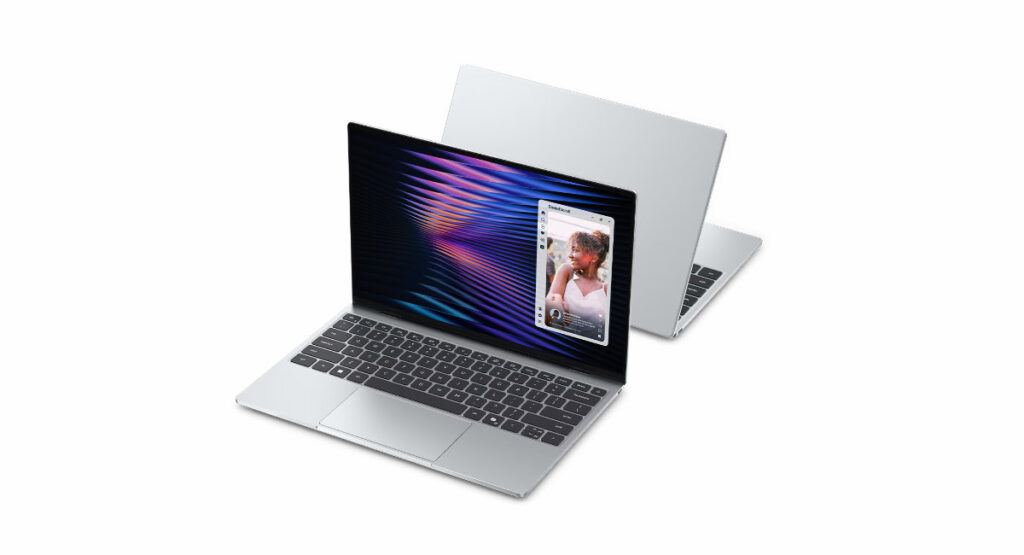
The panic in the x86 camp is now fully out in the open. At Computex Taipei 2026, Dell delivered the tip of the spear for the Windows response by executing an unprecedented pivot, completely overhauling its iconic flagship to launch the most affordable premium laptop in the brand’s history: the Dell XPS 13 (2026).
Starting at an aggressive US$699 (~RM2,800), with a deeper US$599 (~RM2,400) student promo for the back-to-school season, Dell didn’t just target Apple’s pricing framework. Their official global press materials took a cheeky swipe by naming the MacBook Neo no less than four times. But for tech-savvy buyers and corporate professionals across Malaysia looking to upgrade their portable workflows, this price crash comes with a hidden catch. Let’s execute a deep dive into the structural engineering shifts and underlying silicon compromises that allowed Dell to slash its flagship down to a budget tier.
The Strategic Counter: Exploiting Apple’s Hardware Limitations
Dell’s engineering strategy with the new entry-level XPS 13 was simple, systematically identifying every single hardware omission Apple made on the MacBook Neo to save costs, and offering them as standard features on a cheaper Windows platform.
| Hardware Parameter | Apple MacBook Neo ($799) | Dell XPS 13 ($699) |
| Display Panel Tech | Static 60Hz Non-Touch Screen | 30Hz-120Hz 2.5K Touchscreen |
| Keyboard Deck Architecture | Standard Non-Backlit Deck | Backlit Chiclet Deck Standard |
| I/O Interface Speeds | Asymmetric Type-C (One limited to USB 2.0) | Twin High-Speed USB 3.2 Gen 2 |
| Memory Allocation Base | Fixed 8GB Base Configuration | 8GB Base (System Upgrade Paths Exist) |
Dell isn’t just matching Apple’s premium CNC-machined aesthetic, they are actively out-speccing it at a lower starting entry point. While the MacBook Neo locks users into a basic 13-inch, 60Hz non-touch display, the base XPS 13 comes standard with a 13.4-inch 2.5K InfinityEdge touchscreen. This panel features a variable refresh rate that scales dynamically from 30Hz up to 120Hz, covering 100% of the professional DCI-P3 color gamut.
To separate its entry line from the MacBook Air, Apple stripped the backlit keyboard function from the Neo. Dell counters this directly by keeping its premium, backlit layout intact across all configurations. Furthermore, whereas Apple oddly limited one of the Neo’s Type-C ports to legacy USB 2.0 speeds (480Mbps), Dell fits the baseline XPS with twin high-speed USB 3.2 Gen 2 configurations.
Under the Hood: The Reality of Intel “Wildcat Lake” Silicon
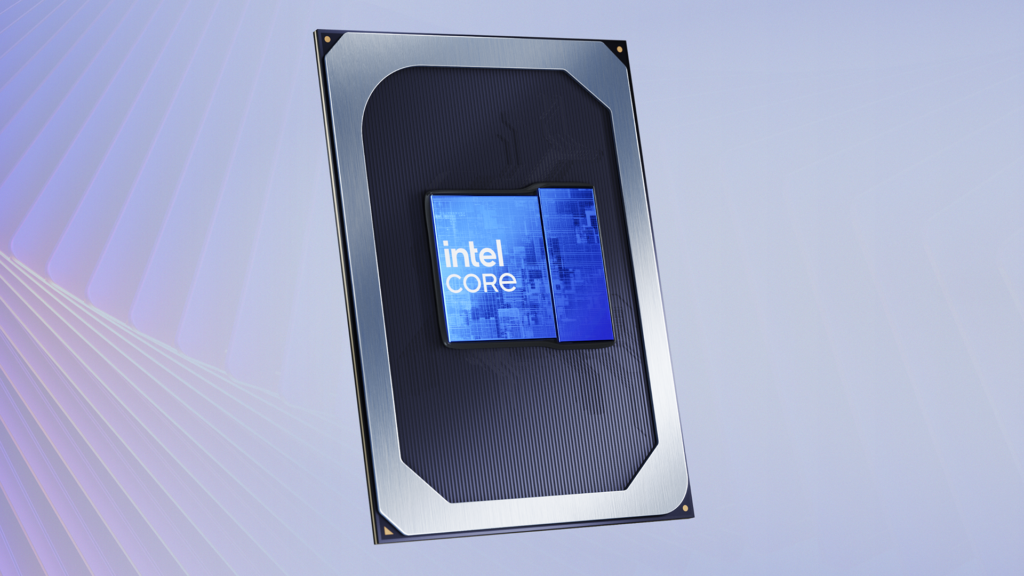
To pull off a sub-RM3,200 estimated regional launch price for an aluminum XPS shell, Dell had to abandon traditional premium Core Ultra processors for the base model. Instead, this machine serves as the retail testing ground for Intel’s brand-new Core Series 3 family, formerly codenamed Wildcat Lake, specifically debuting with the Intel Core 5 320 processor. This new core family is manufactured on the Intel 18A process node technology, the most advanced logic node developed and manufactured in the United States.
| Architectural Layer | Baseline Component Profile | System Performance Impact |
| Processor Platform | Intel Core 5 320 (Wildcat Lake) | 8-Core low-voltage hybrid layout targeting extreme efficiency |
| Integrated Graphics & NPU | Dedicated Core Series Media Engine | Handles baseline productivity tasks without discrete silicon heat |
| Passive Thermal Window | Restructured Internal Voltage Rails | Drastically lowers passive power envelope for silent operation |
This is where the analyst reality check hits hard. Wildcat Lake is an architectural pivot engineered specifically to stop Qualcomm’s Snapdragon C and Apple Silicon from dominating efficiency benchmarks. By restructuring internal voltage rails, Intel has drastically lowered the chip’s passive power envelope. Paired with a 53Wh battery, Dell claims up to 17 hours of continuous video streaming. The screen can even drop its refresh rate down to a crawling 30Hz during static document tasks to preserve energy.
The 8GB Windows Constraint: To hit that head-turning US$699 baseline, the starting configuration couples this Wildcat Lake chip with 8GB of LPDDR5X RAM and a 512GB SSD. While macOS can navigate basic daily workflows comfortably within an 8GB footprint due to tight Unix memory compression routines, Windows 11 is notoriously bloated. Once you launch local enterprise software layers, a corporate VPN client, and ten Google Chrome tabs, an 8GB x86 system will aggressively hit its pagefile swap boundaries, creating subtle system micro-stutters.
Technical Architecture & Product Lineup Mapping
To assist high-intent buyers evaluating their entry strategy into the new XPS ecosystem, here is how the foundational hardware stack maps out based on initial Computex data:
| Core Architectural Layer | Baseline Specification | High-Tier Upgrade Path |
| Processor Platform | Intel Core 5 320 (Wildcat Lake) | Intel Core Ultra Series 3 (Panther Lake) |
| Memory Allocation | 8GB Integrated LPDDR5X | Up to 32GB Integrated LPDDR5X |
| I/O Connectivity | 2x USB 3.2 Gen 2 (Type-C) | 2x Thunderbolt 4 (Type-C) |
| Physical Footprint | 12.7mm thickness / 1.0kg mass | 12.7mm thickness / 1.0kg mass |
| Audio Hardware | Quad-Speaker Array (Woofer + Tweeter) | Quad-Speaker Array (Woofer + Tweeter) |
Other Little Things
- The Weight Metric: Dell has managed to keep the total mass of the machine down to an absolute 1.0kg flat, making it slightly lighter than the standard MacBook Air or Neo alternatives. For road warriors commuting on the LRT or managing off-site work meetings, this minimal physical footprint is an exceptional design victory.
- The Charging Protocol: The device drops its proprietary power bricks for clean, universal Type-C delivery, supporting up to 65W charging velocities. It plays perfectly with multi-port GaN adapters, meaning you only need to carry a single wall plug to juice your phone and laptop simultaneously.
- Ecosystem Synergy: This display and chip integration drops right alongside wider industry shifts. To see how other tech titans are completely abandoning old rendering habits to keep systems efficient across mobile setups, take a look at our “The $300 ARM Revolution: Is Snapdragon C the Windows’ Answer to MacBook Neo?” article.
Technical Performance Matrix
Here is how the new Intel Wildcat Lake platform aligns with the current budget computing landscape on paper:
Entry-Tier Laptop Silicon Landscape
| Feature Metric | Qualcomm Snapdragon C | Apple A18 Pro (MacBook Neo) | Intel Wildcat Lake (Entry) |
| Target Retail Floor | $300+ (Approx. RM1,190) | $599 (Approx. RM2,380) | $699+ (Approx. RM2,800) |
| Core Architecture | Kryo big.LITTLE (ARM) | 6-Core Apple Silicon (ARM) | x86 Hybrid Architecture |
| Thermal Layout | Fanless / Silent | Fanless / Silent | Fan-Cooled Active Typical |
| Hardware NPU | Integrated Standard | 16-Core Neural Engine | VPU / NPU Layer Dependent |
| Primary OS Targets | Windows on ARM / Googlebooks | macOS Tahoe | Windows 11 Home / ChromeOS |
| Baseline RAM Ceiling | 8GB Maximum | 8GB Unified | 8GB / 16GB Scaled |
Adam Lobo’s Take
Dell has achieved something genuinely remarkable with the XPS 13 (2026). They have successfully broken the long-standing industry rule that affordable Windows laptops must look and feel like cheap, flex-heavy plastic trash. They built a gorgeous, ultraportable machine that handily beats the MacBook Neo on pure hardware features for less money.
However, local buyers must look past that attractive entry-level price. Buying the base 8GB / Wildcat Lake model means buying a device that operates at its absolute physical memory limits right out of the box. The true sweet spot for this machine will require stepping up to the 16GB or 32GB configurations with Intel Core Ultra Series 3 silicon when they land later this season.
If you just need a sleek, lightweight machine for basic documentation, media streaming, and light office admin during your daily commute across Kuala Lumpur, Dell has built a spectacular alternative. But if you’re an engineer, programmer, or creative professional, remember that avoiding Apple’s ecosystem restrictions by opting for the cheapest Windows alternative means you will eventually have to pay the x86 system memory tax.
Tell me what you guys think in the comments below. Would you choose this $699 premium Windows machine, or are you still leaning toward Apple’s hardware?