TL;DR / At a Glance: Prime Minister Datuk Seri Anwar Ibrahim announced a uniform subsidised diesel price of RM2.10 per litre nationwide effective July 1, 2026. This updated system replaces floating rates in Peninsular Malaysia and lowers prices in East Malaysia through an identity-linked MyKad-based verification system at the pump. Because corporate-registered vehicles are completely excluded from this individual point-of-sale verification loop, used pick-up truck valuations are bracing for a sharp decline as businesses offload high-overhead turbodiesel fleets.
The RM2.10 Subsidised Realignment
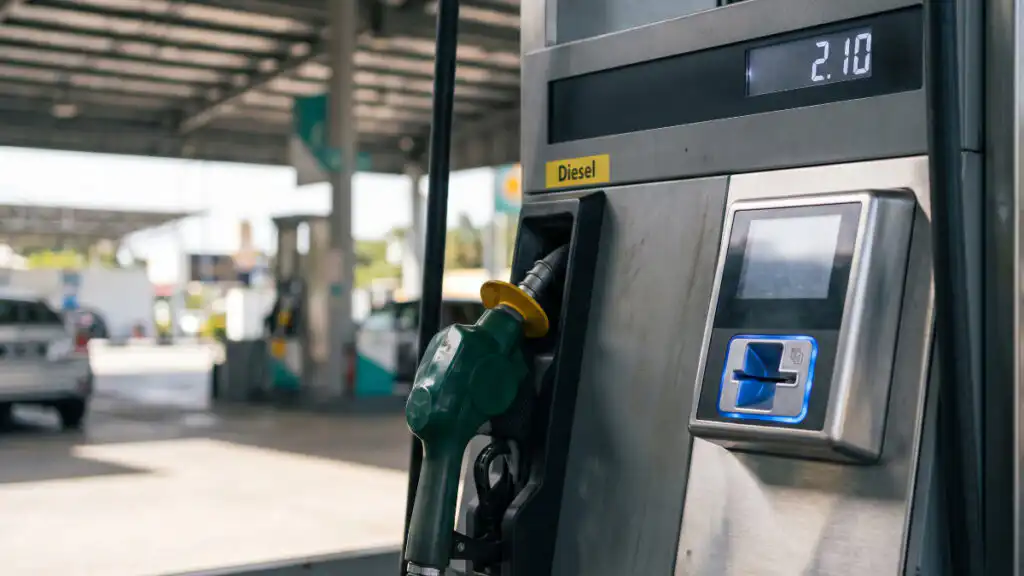
The local automotive landscape has hit a massive structural turning point. On June 21, 2026, the government announced an overhaul of the targeted fuel framework. Starting July 1, 2026, the retail price of subsidised diesel will drop to a uniform RM2.10 per litre across all states.
The arrival of this updated policy directly challenges previous fuel distribution methods in Malaysia, shifting away from fragmented regional cash aids and floating price structures. This strategy introduces an identity-linked, point-of-sale MyKad verification system at every petrol terminal, utilising the technical footprint of the existing BUDI MADANI RON95 (BUDI95) framework.
While consumers celebrate the RM2.27 per litre reduction, we are completely missing the severe, long-tail macroeconomic shockwave this structural shift will inflict on the secondary vehicle market. For business operators and professionals running a turbodiesel workhorse across Malaysia, this card-scanning checkpoint changes the financial math of vehicle ownership.
The Targeted Diesel Subsidy Matrix
| Fuel & Ownership Parameters | Subsidised MyKad Tier | SKDS 2.0 Fleet Card Tier | Unsubsidised Market Tier |
| Retail Price (Per Litre) | RM2.10 | RM2.15 | RM4.37 (Floating Market Rate) |
| Verification Gate | Physical MyKad Scan at Pump | Corporate Fleet Card System | Standard Payment Terminal / Cash |
| Target End-User | Private Citizens / Smallholders | Registered Logistics Firm | Non-Citizens / Corporate Fleets |
| Monthly Fuel Allocation | Personal Verification Caps | Pre-approved Quota Ceilings | Unlimited Open Volume |
| Primary Vehicle Group | Private Lifestyle Pick-ups | Commercial Lorries & Movers | Luxury Diesel SUVs / Company Cars |
For years, used car dealers across the Klang Valley relied on a highly profitable transaction pipeline. Corporate entities would purchase lifestyle pick-ups like the Toyota Hilux, Ford Ranger, or Mitsubishi Triton under a private limited company (Sdn Bhd) banner, write off the depreciation against corporate taxes, and enjoy cheap diesel at the pump.
The July 1 MyKad mechanism completely kills this loophole. Because the updated point-of-sale system requires a physical Malaysian identity token scan matching an individual private citizen, any utility vehicle registered under a corporate entity is immediately locked out of the RM2.10 subsidised rate.
This structural lockout creates an immediate valuation trap for company-owned light commercials. Corporate buyers and small enterprise owners are realising that running an older, company-registered turbodiesel without an official government Sistem Kawalan Diesel Bersubsidi (SKDS) quota means paying an immediate operational penalty at the pump. As companies race to unload these high-overhead assets, the secondary market is bracing for a supply glut of company-owned utility vehicles, driving down resale prices by an estimated 15% to 20% over the next quarter.
Private individuals using a modern pick-up like the Ford Ranger Wildtrak as a daily lifestyle commuter will clear the MyKad gate for the cheaper RM2.10 rate, but the system introduces hidden allocation anxieties. If the volume cap aligns with the restrictive BUDI95 parameters, which were adjusted to 200 litres per month due to global energy market pressures, lifestyle truck owners will run into a hard wall quickly.
A standard lifestyle commuter traveling between construction nodes or regional estates will deplete a 200-litre allocation within the first two and a half weeks of normal driving. For the remainder of the month, the vehicle transforms into a high-cost asset, forcing the owner to buy fuel at the un-subsidised market rate. This dynamic will push urban commuters away from high-displacement turbodiesels and directly toward efficient hybrid options or full electric SUV alternatives like the Proton e.MAS 7 PHEV.
Other Little Things
- The BUDI Individu Cash Tier: The personal consumer branch of the fuel ecosystem continues to offer direct cash assistance to verified personal bank accounts. This tier is limited to Malaysian citizens with an individual or household income below RM100,000 per year, verified against Inland Revenue Board (LHDN) records, ensuring that luxury vehicle profiles do not abuse the public fund.
- The Producer Asset Filter: Under the BUDI Agri-Komoditi tier, smallholders, farmers, and livestock breeders receive direct fuel assistance to run heavy agricultural machinery like tractors and water pumps. The verification system targets micro-entrepreneurs with an annual sales turnover strictly between RM50,000 and RM300,000 to prevent large corporate mega-plantations from bleeding state resources.
- The Corporate Fleet Quota System: Commercial transport companies owning any of the 33 government-approved vehicle categories utilise a dual-step Quota and Fleet Card system via the MySubsidi KPDN portal. This digital network tracks fuel consumption metrics in real time, reverting transactions to the un-subsidised floating rate the moment a company exhausts its monthly approved quota.
Adam Lobo’s Take
The RM2.10 nationwide standardisation is a highly sophisticated, data-driven revenue protection play by the Ministry of Finance. By anchoring the subsidy directly to physical national identity card validation, the state effectively eliminates border smuggling leakages while forcing commercial entities to pay true market rates. This is an intentional hardware and database bridge that cuts churnalism rehashes down to absolute facts.
Finance Minister II Datuk Seri Amir Hamzah Azizan is set to announce further details on the diesel subsidy implementation on 22 June 2026.
Tell me what you think in the comments below. Are you planning to capitalise on the upcoming used truck price drop, or are you looking to shift your workflow directly to a hybrid setup? Let’s find out what you prefer!
Frequently Asked Questions (FAQ)
What is the core difference between BUDI95 and the BUDI Individu / MyKad diesel subsidy?
BUDI95 is the targeted fuel subsidy mechanism for RON95 petrol, providing a flat price of RM1.99 per litre at the pump up to a set allocation limit. BUDI Individu, on the other hand, is a targeted cash assistance program that distributes a fixed cash aid to verified private diesel vehicle owners, while the new point-of-sale MyKad diesel framework allows eligible individuals to unlock a standardised pump price of RM2.10 per litre natively.
Who is eligible to receive the BUDI Individu or MyKad diesel relief?
To qualify for personal diesel subsidy benefits, applicants must meet the following strict government criteria:
– Must be a certified Malaysian citizen owning a private diesel vehicle registered under their personal MyKad number with the JPJ.
– Individual or household annual income must not exceed RM100,000 based on verified Inland Revenue Board (LHDN) data records.
– The vehicle’s motor vehicle license (road tax) must be active and valid within Peninsular Malaysia.
What types of diesel vehicles are strictly excluded from the subsidy?
The government explicitly blacklists several vehicle categories from unlocking the subsidised fuel tier:
– Luxury vehicles that are under 10 years old (premium brands like Audi, BMW, Mercedes-Benz, and Porsche).
– Any utility vehicle or pick-up truck registered under an enterprise, corporate organisation, or company name.
– Deployed vehicles actively operating for commercial e-hailing services, caravans, motorhomes, or commercial touring vans.
How is the cash assistance distributed if you apply via the portal?
Once your profile is audited and approved through the official portal, payments are handled via two distinct paths. If you provided your personal banking information during registration, the funds are credited directly to your account. For unbanked recipients, the cash can be claimed manually by bringing your physical MyKad to any Bank Simpanan Nasional (BSN) branch nationwide.