
TL;DR / At a Glance: Does Apple announce new hardware at WWDC? While WWDC is primarily a software-focused event, Apple frequently uses it to announce “Pro” hardware or new product categories. Notable examples include the iPhone 4 (2010), the redesigned Mac Pro (2019), the MacBook Air M2 (2022), and the Apple Vision Pro (2023). These announcements are usually aimed at giving developers time to optimize their apps for new hardware capabilities.
By definition, the Worldwide Developers Conference (WWDC) is a software show. It’s a week where engineers in hoodies dive into APIs, Swift code, and kernel extensions. But Apple has a flair for the dramatic. Over the decades, they have repeatedly broken their own “software-only” rule to drop hardware that fundamentally shifted the market.
As we approach WWDC26, the question isn’t just about iOS 27; it’s about whether Apple has a “One More Thing” hidden in the wings. To understand where we’re going, we have to look at the times Apple stole its own show.
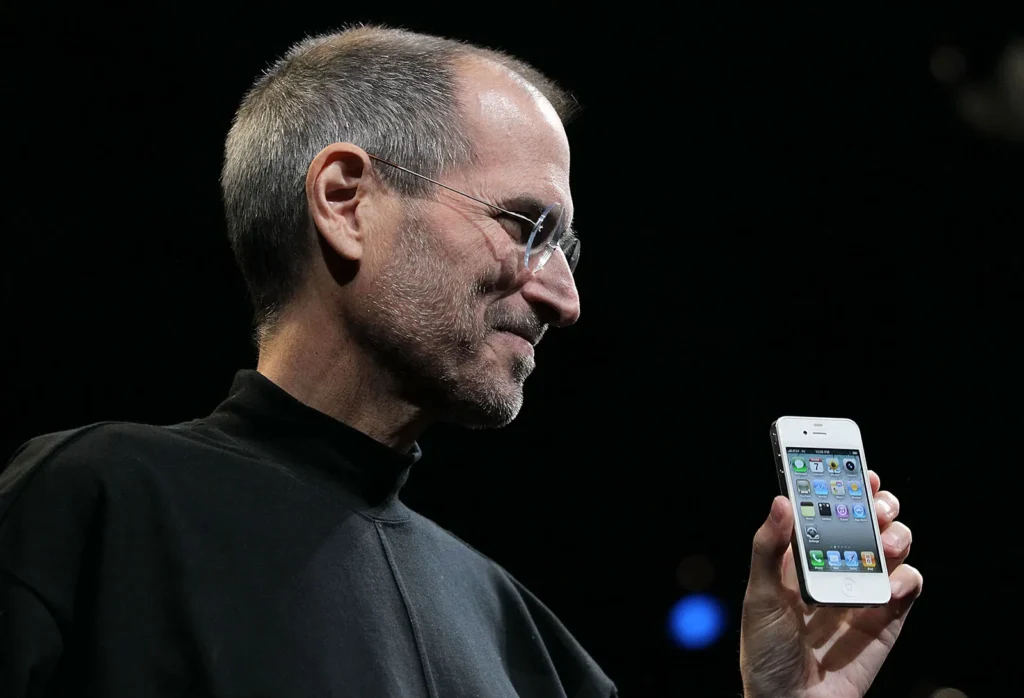
1. 2010: The iPhone 4 (The Last WWDC iPhone)
In the early days, WWDC was the home of the iPhone. But 2010 was different. The iPhone 4 wasn’t just an update; it was a manifesto. It introduced the Retina Display, a screen so sharp the human eye couldn’t discern individual pixels. It also debuted the “glass sandwich” design and the stainless steel frame that doubled as an antenna (leading to the infamous “Antennagate,” but that’s another story).
- The Legacy: This was the last time an iPhone was revealed at WWDC before Apple moved the phone to its own dedicated September slot. It set the standard for premium industrial design that the iPhone 17 still echoes today.
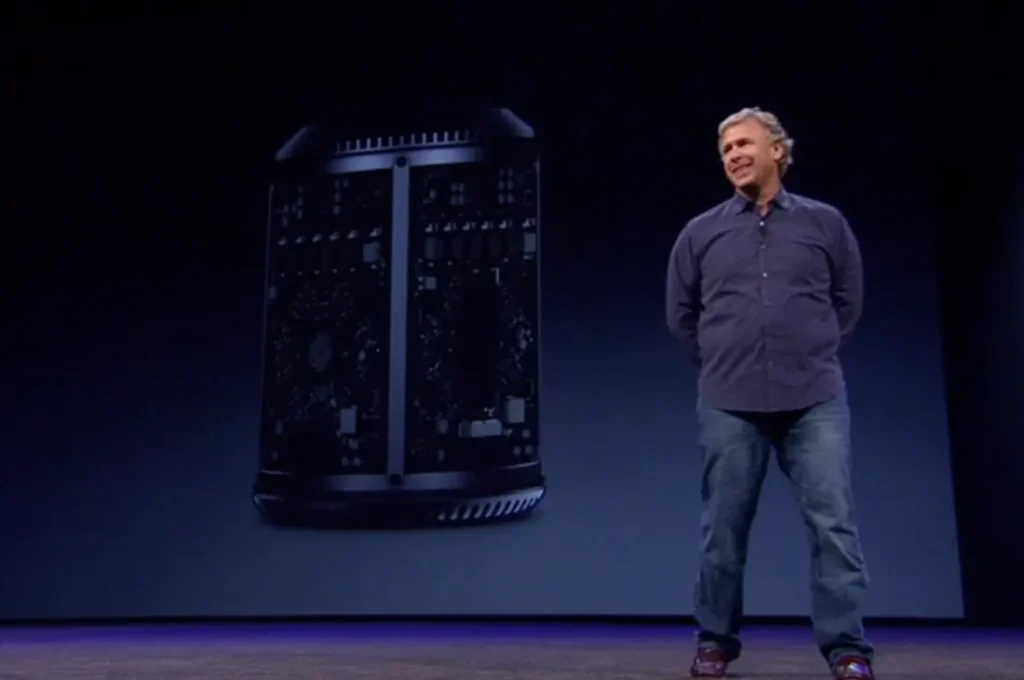
2. 2013 & 2019: The “Pro” Redemption (Mac Pro)
Apple uses WWDC to signal its commitment to the creative professionals who build their ecosystem.
- The 2013 “Trash Can”: A beautiful, cylindrical mistake. It was a radical thermal experiment that eventually hit a dead end, but its reveal at WWDC 2013 was a shock to the system. This was also when Phil Schiller famously said, “Can’t innovate anymore, my ass!”
- The 2019 “Cheese Grater”: After years of silence, Apple returned to the modular tower. It was a 1.4-kilowatt monster with a $5,000 monitor (and a $999 stand). It proved that Apple still cared about the 1% of users who need absolute, uncompromised power.
3. 2017: The HomePod (Siri’s First Body)
At WWDC 2017, Apple didn’t just announce a speaker; they announced a new category. The original HomePod was an acoustic marvel, packed with beam-forming tweeters and an A8 chip.
- The Strategy: Apple launched it at WWDC specifically to get developers to build SiriKit integrations. It was the first attempt to move Siri out of our pockets and into our living rooms.
4. 2022: The M2 MacBook Air (The Consumer Shift)
This was a rare moment where Apple dropped a high-volume consumer product at a dev event. The M2 MacBook Air was a ground-up redesign—thinner, lighter, and finally ditching the “wedge” shape for a modern, uniform look.
- Why it worked: The move to Apple Silicon was so fast that Apple couldn’t wait for September. They needed to get M2 into the hands of developers immediately to push the boundaries of what “thin and light” computing could do.
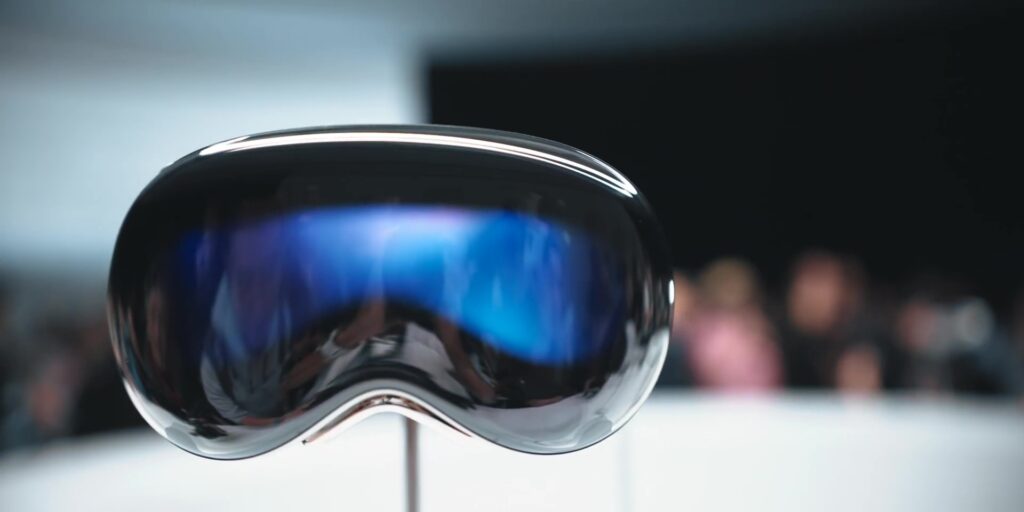
5. 2023: Apple Vision Pro (The Birth of Spatial Computing)
The ultimate WWDC surprise. No one knew exactly what it would look like or what it would be called. When Tim Cook uttered “One More Thing” in 2023, the industry changed. The Vision Pro wasn’t just a headset; it was a “Spatial Computer.”
- The Dev Play: Apple revealed it a full year before it shipped. Why? Because a $3,499 device is useless without apps. They needed the WWDC crowd to spend 12 months building the visionOS ecosystem. This paved the road for the smart glasses we expect to see teased this year.
The Completion of the Circle (Mac Pro, Mac Studio, & MacBook Air)
While the Vision Pro stole every headline, WWDC 2023 was secretly the most important day for the Mac in a decade. Apple dropped a “Hardware Triple-Threat” that catered to everyone from students to high-end film editors.
- The 15-inch MacBook Air: For years, if you wanted a big screen, you had to pay “Pro” prices. Apple surprised everyone by dropping the world’s thinnest 15-inch laptop, giving the average consumer the screen real estate they craved without the $2,500 price tag.
- Mac Studio (M2 Max & Ultra): Apple proved the “Studio” wasn’t a one-off. By putting the M2 Ultra—essentially two M2 Max chips fused together—into this tiny box, they created a machine that could process 22 streams of 8K ProRes video at once.
- The Apple Silicon Mac Pro: This was the big one. It was the “One More Thing” before the actual One More Thing. By introducing the M2 Ultra Mac Pro with six open PCIe Gen 4 expansion slots, Apple finally completed its transition away from Intel. It was the moment they proved Apple Silicon could handle professional-grade audio, video, and networking cards.
The 2026 “Buy Smart” Analysis
Why does Apple do this? It’s rarely about sales; it’s about ecosystem priming. If you see hardware at WWDC26—whether it’s an M5 Mac Studio or a new AI-powered Home Hub—it’s a signal that Apple needs developers to build for a new type of interaction.