TL;DR / At a Glance: The POCO F7 is the definitive performance leader in the sub-RM2,000 category for 2026, driven by the Dimensity 8400-Ultra chipset and a 144Hz 1.5K AMOLED display. While its camera system is “social media-ready,” its primary value lies in sustained gaming performance and 120W charging that hits 100% in under 20 minutes.
2026 Mid-Range Benchmark Table
| Metric | POCO F7 | Nothing Phone (2a) Plus | Samsung A55 5G |
| Chipset | Dimensity 8400-U | Dimensity 7350 Pro | Exynos 1480 |
| Charging | 120W HyperCharge | 50W Fast Charge | 25W Wired |
| Display | 1.5K 144Hz | FHD+ 120Hz | FHD+ 120Hz |
| Price (Est) | ~RM1,500/~$357 | ~RM1,899 | ~RM1,999 |
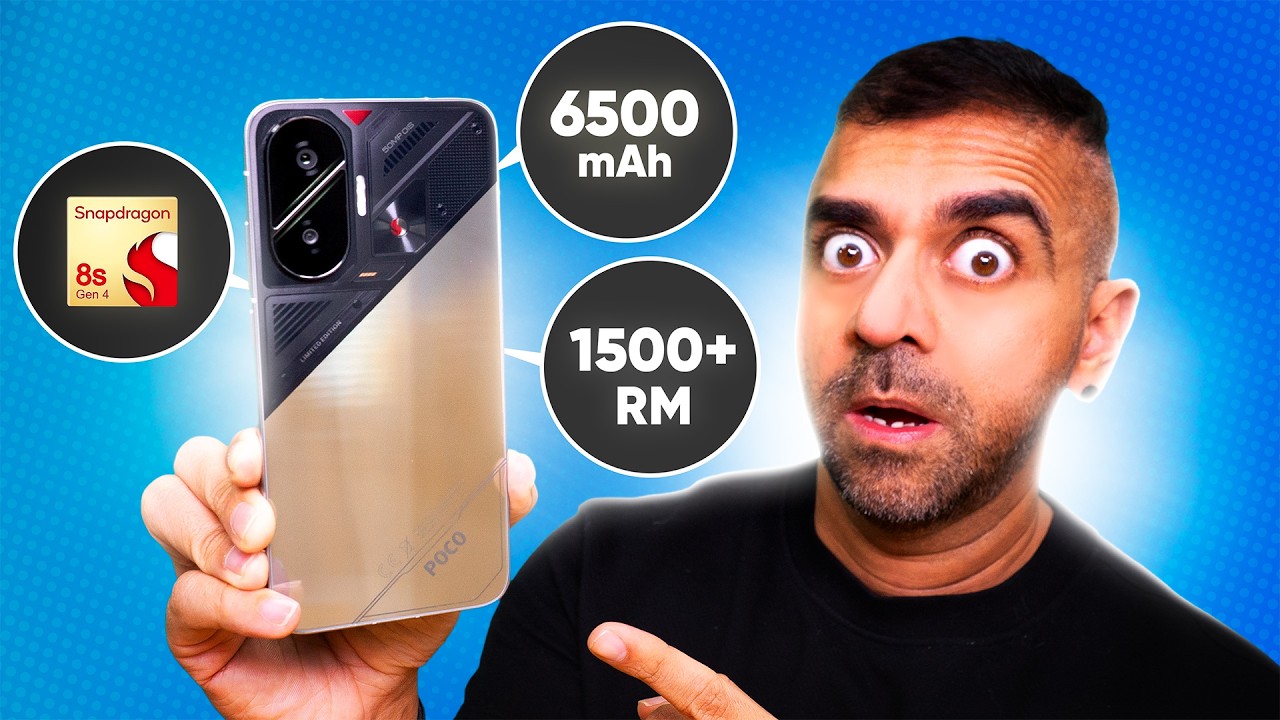
With the Snapdragon 8s Gen 4, a huge 6,500 mAh battery, and 90W of fast charging, this POCO F7 starts with a very affordable price (around ~RM1,500 / ~$357). This POCO F7 didn’t get the spotlight compared to its other two siblings, the F7 Pro and the F7 Ultra.
No flashy launch and barely any coverage. So, I call this “The Forgotten One”. After a week of daily use, what surprised me wasn’t what it lacked, but what it actually got right.
Design & Build
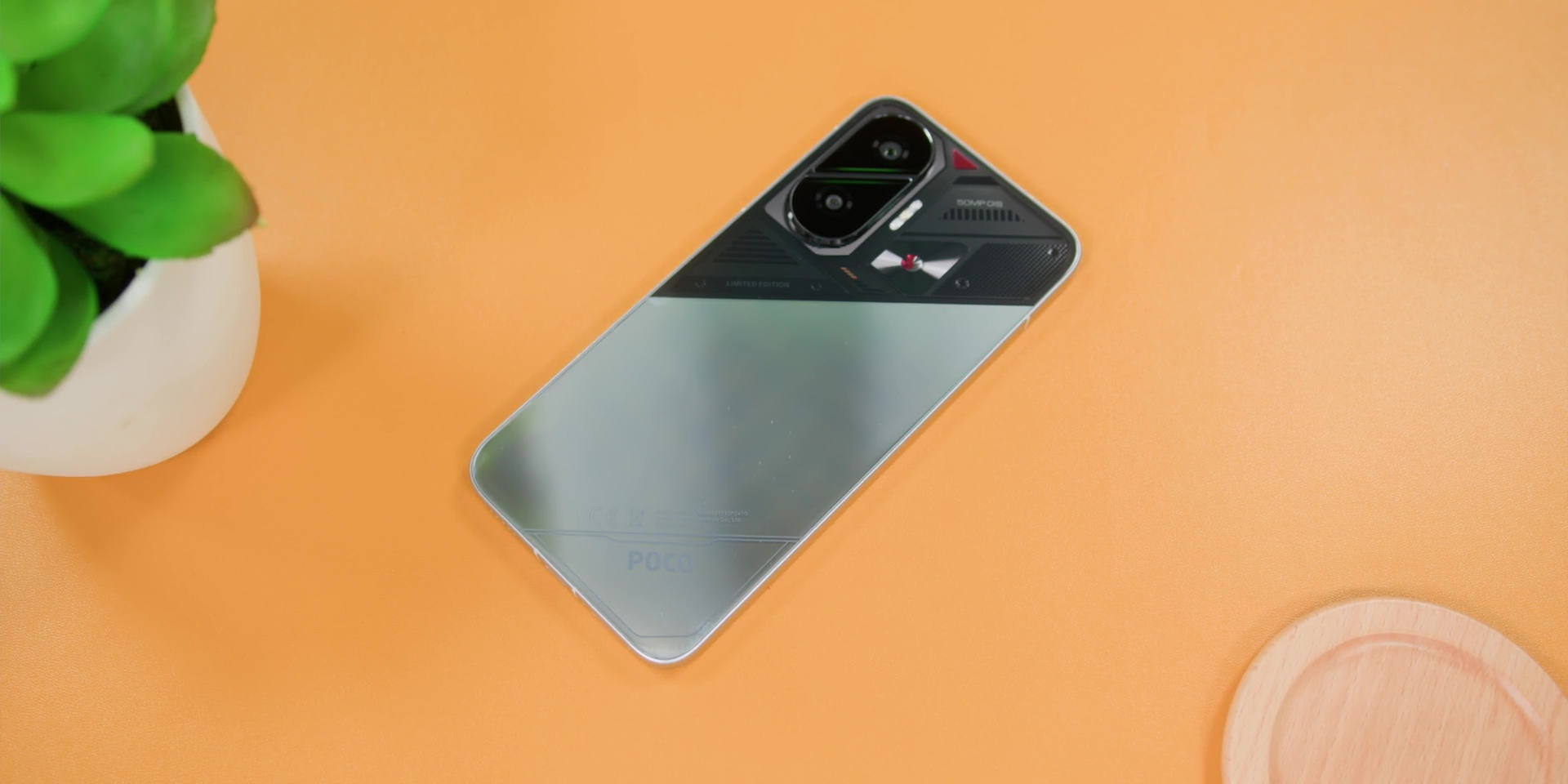
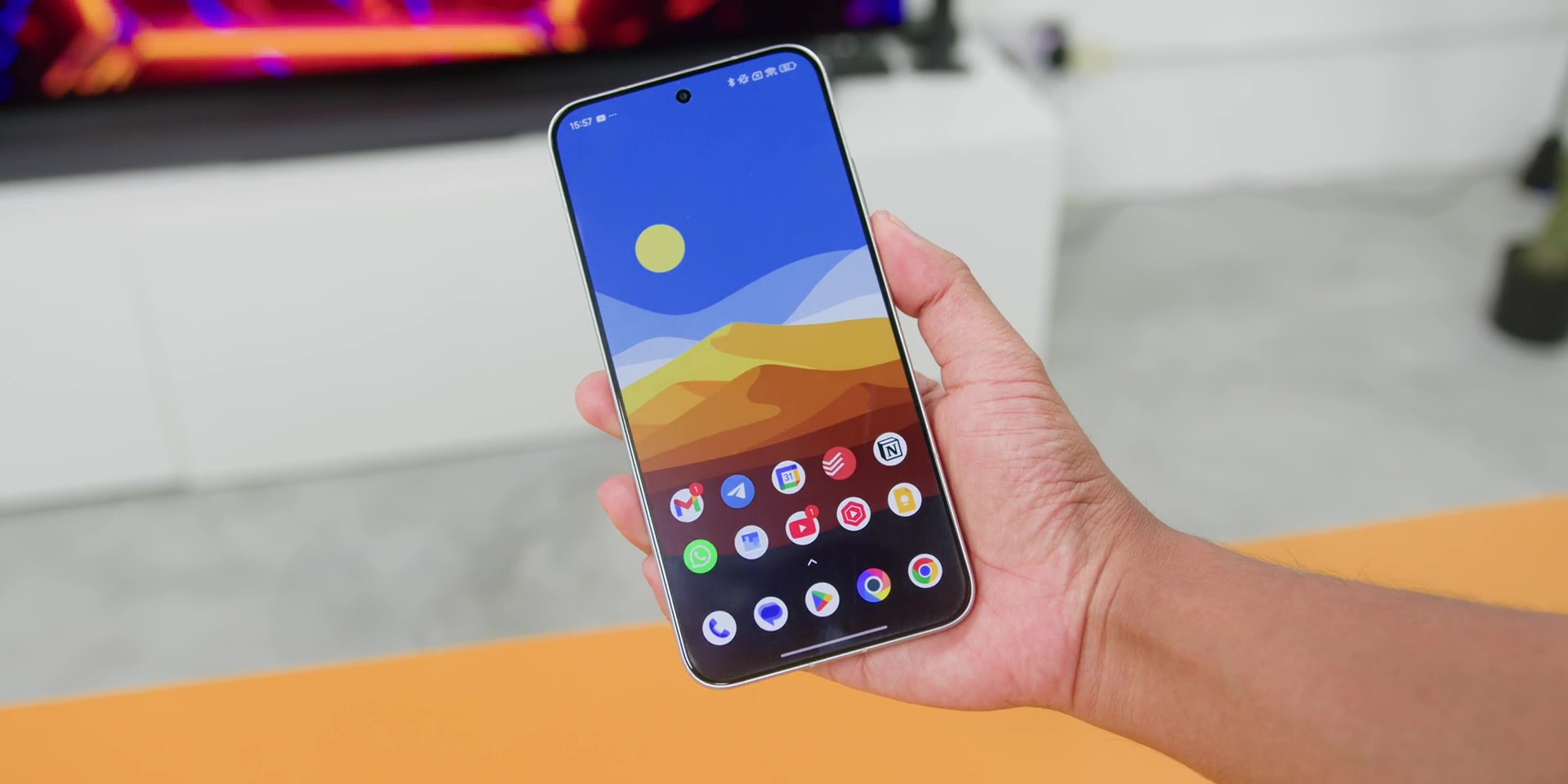
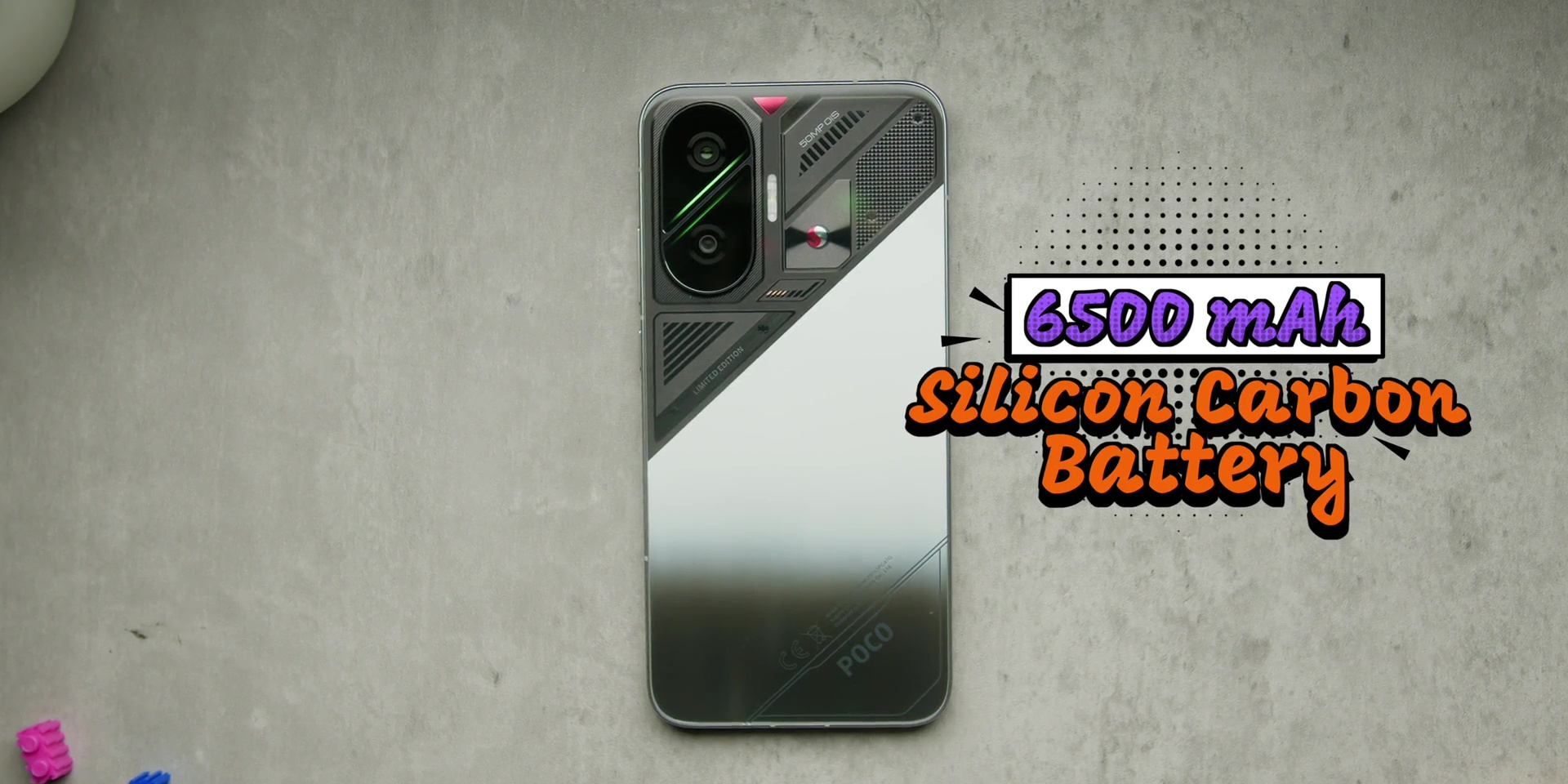
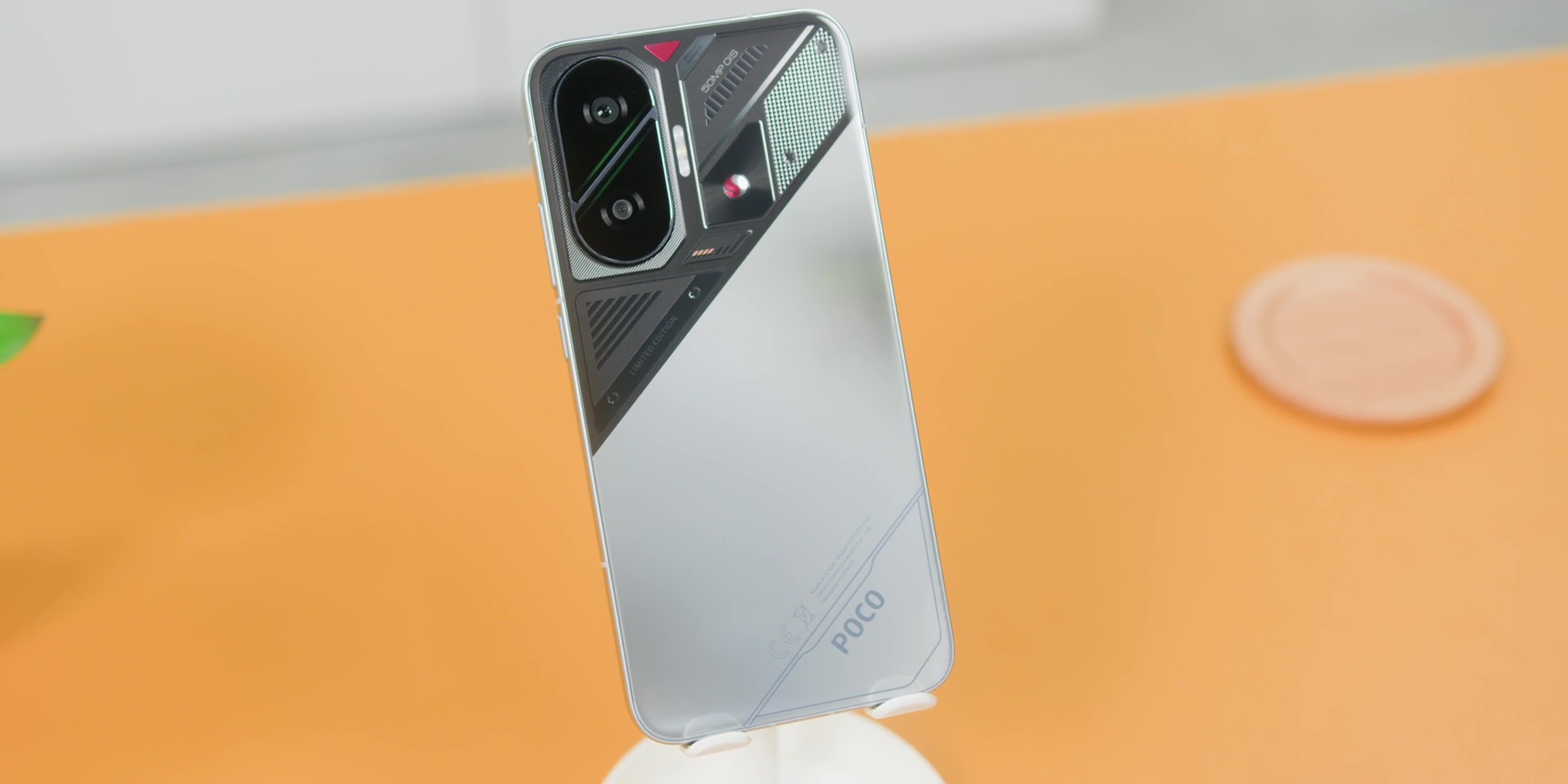
Although this looks like a gaming phone, especially this limited edition Silver color variant with the vents and the Snapdragon logo at the top half, the thing is that this is not actually the interior of the phone. It is just a design with a glass sheet over it. It’s trying to look like a gaming phone with the Nothing Phone’s flavor on it. It’s almost like “copy my homework, but don’t make it obvious.”
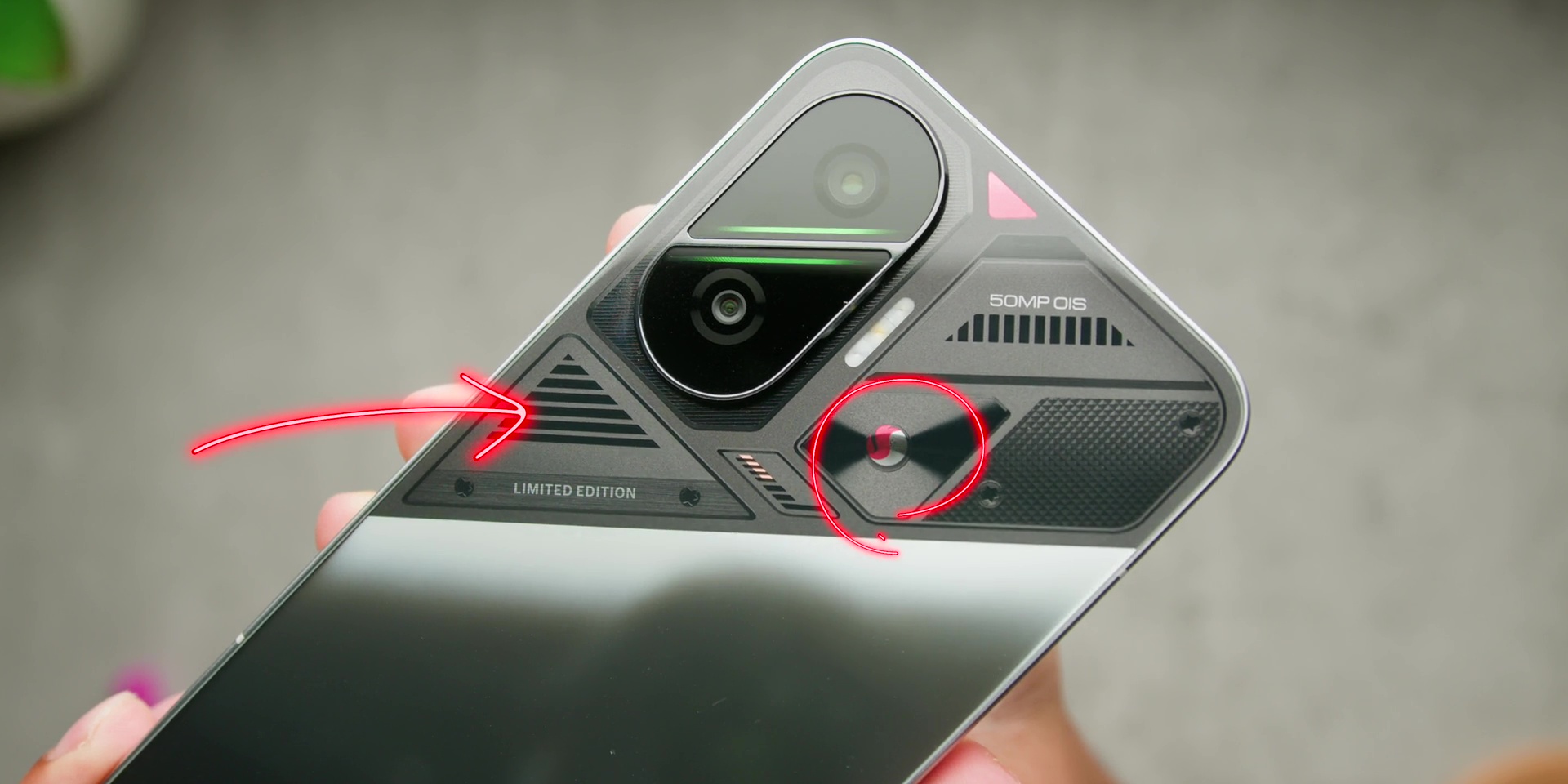
But jokes aside, surprisingly, for the very first time, I did not find a single article or review that tells the exact protection that this has on the back glass, not even on Xiaomi’s website. It is just a glass back with no wireless charging. Of course, more on the charging and the battery performance later.
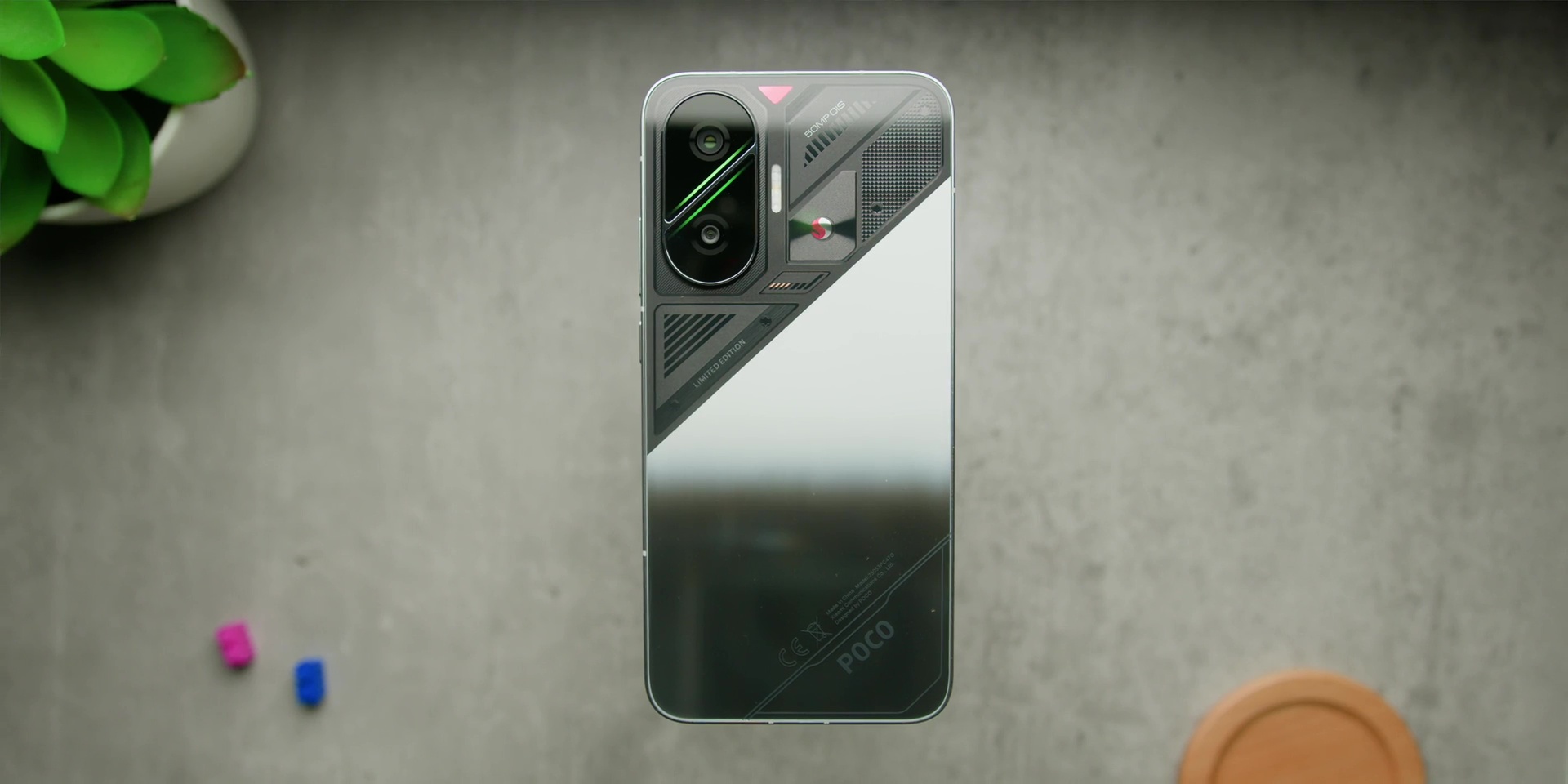
But the front glass has the Corning Gorilla Glass 7i, which is good because I can now know how much or whether or not I should just toss my phone whenever I can. The 7i glass seems to be the way to go for smartphones to really reduce the cost without sacrificing on the durability that much.

While I love this top layer of the gamer look, when it comes to the bottom area, it is a very glossy finish, which means that this is a fingerprint magnet level “Olympic gold”. You touch it once and it remembers you forever. So yeah, keep that in mind.
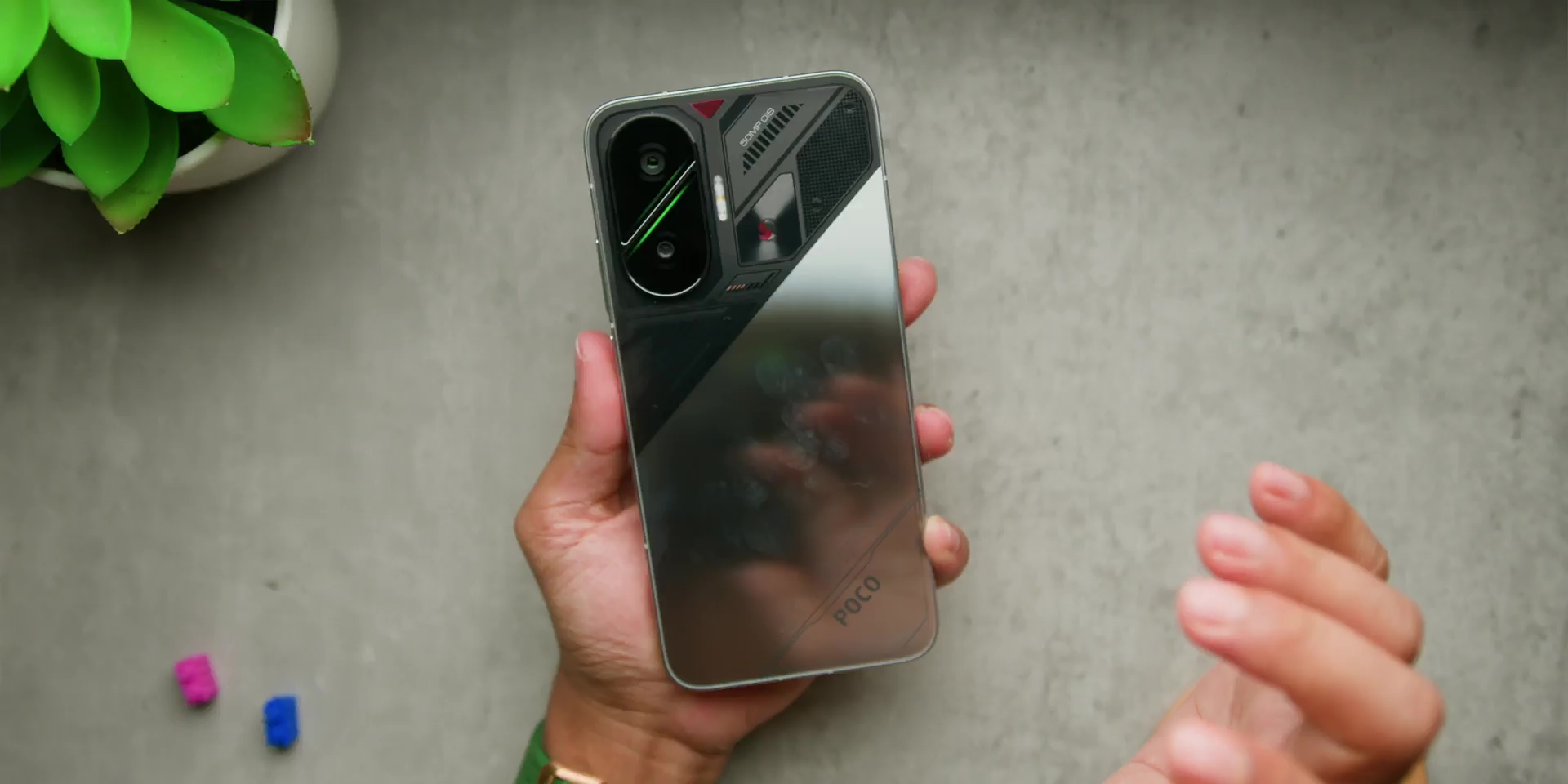
The size also feels very nice in the hand when I use it daily, but it does have quite a weight to it, just over 215 grams, heavier than most other phones. This is surely because of the size of the battery and the size of the phone itself because it is the biggest screen among the other two siblings, the F7 Pro and even the F7 Ultra.
Display
Speaking of the display, this has a 6.83-inch AMOLED 120 Hz refresh rate and a peak brightness of 3,200 nits, which is the same compared to the other siblings, so this also remains bright and clear under direct sunlight as well.
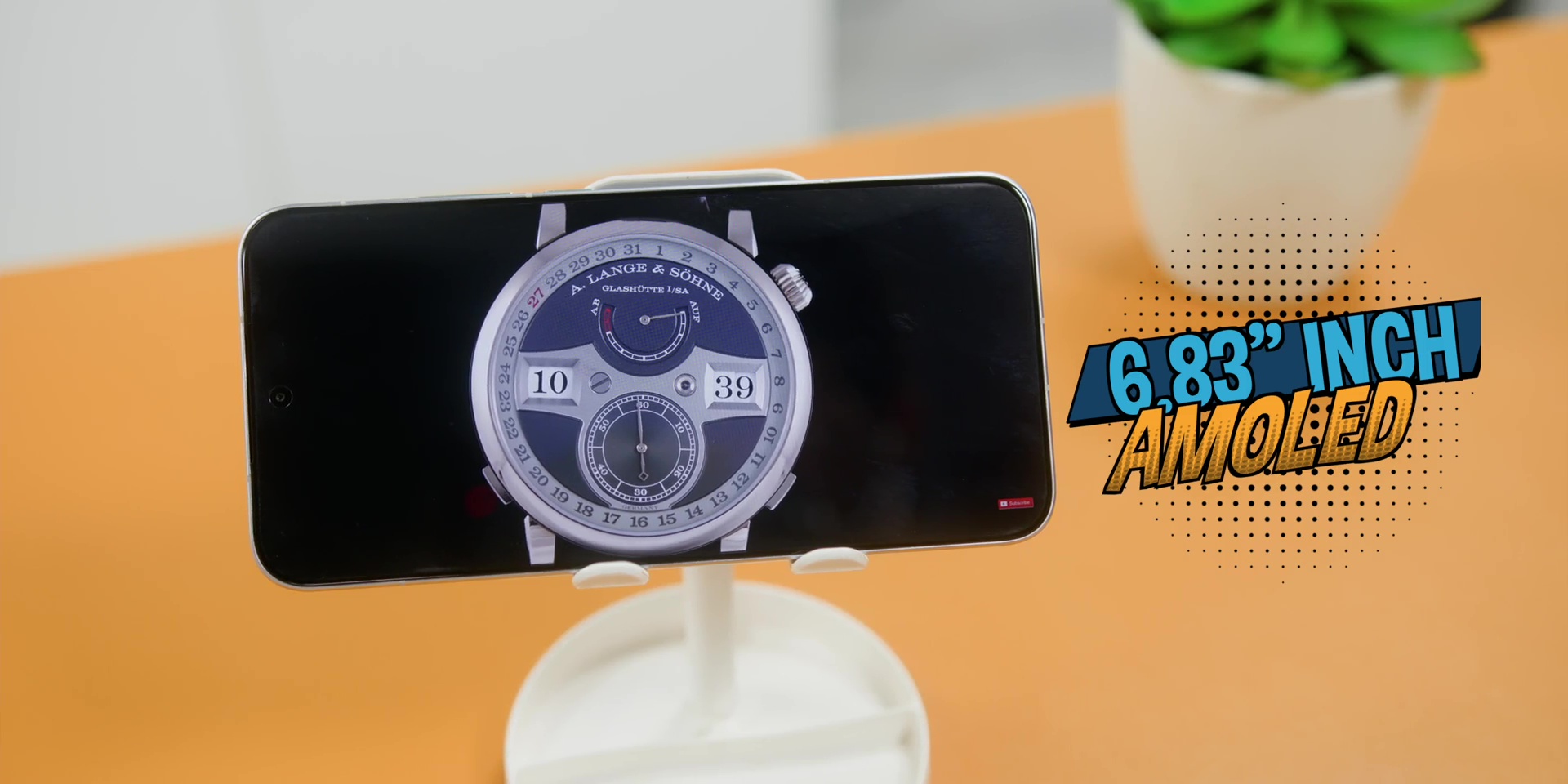
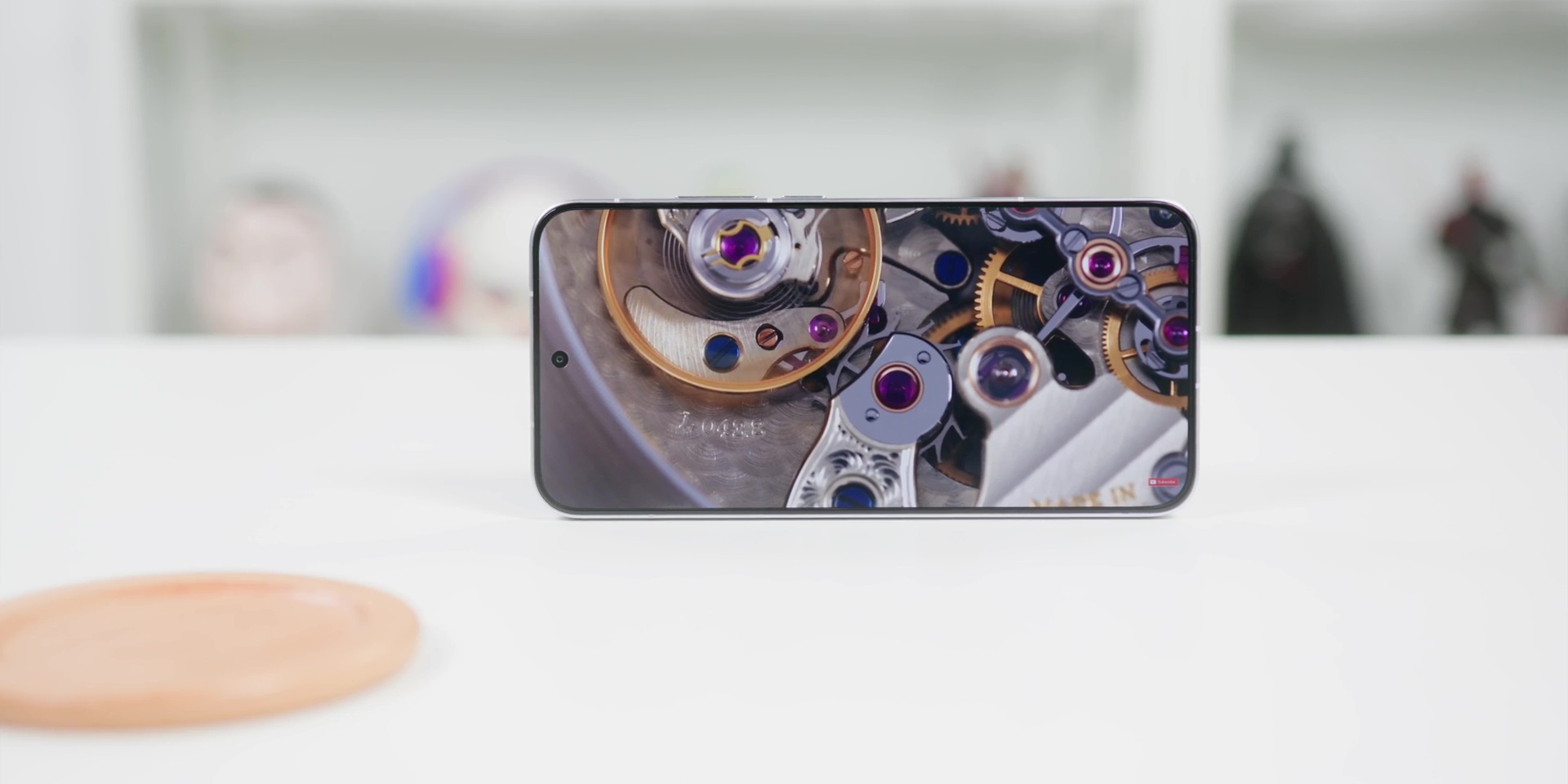
I also really love the flat display that I’ve missed ever since switching from my Pura 80 Ultra to this. This felt like I was coming home to my wife’s cooking, very comforting and also predictable. Surely it is one of the nicest looking screens for the price. The included screen protector is also high in quality, surely nicer than others.
While on paper this is slightly smaller than the iPhone 16 Pro Max or even the Samsung Galaxy S25 Ultra, the broadness of the phone makes this phone feel bigger compared to how it actually is, which means that this allows you to have a better smartphone content consumption, which was nice, sharp, and very punchy.
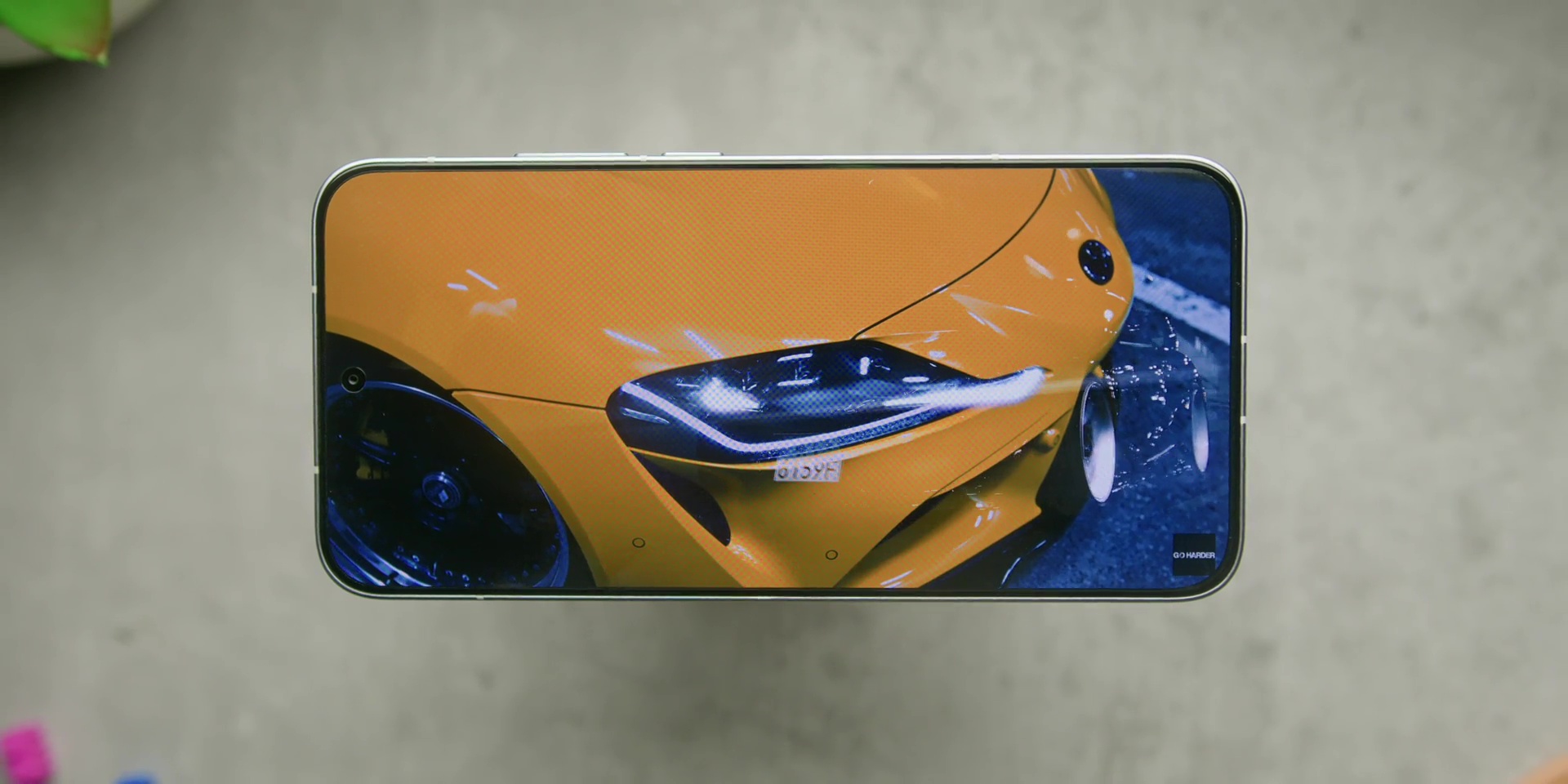
But the stereo speakers on this were just okay, not the best when it comes to the overall audio quality. This broader screen makes it nicer to game on, and more on my gaming test later.
Performance
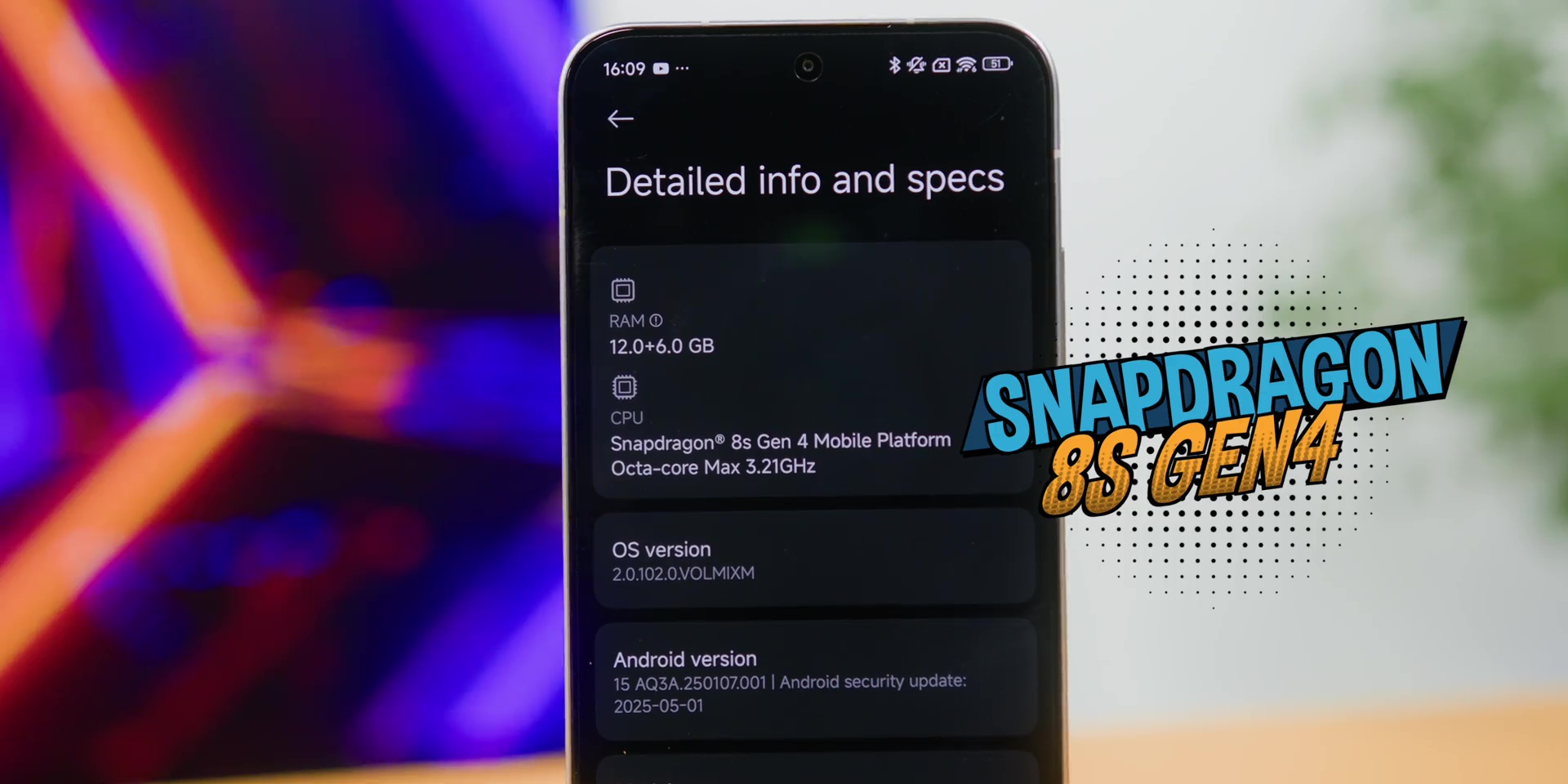
Let’s first talk about the overall performance of this phone using it daily. This has the Snapdragon 8s Gen 4 with 12 GB of RAM, which is the LPDDR5X RAM, and starts with 256GB of UFS 4.1 storage. That itself is already a huge win for a phone within this price range compared to the likes of the Nothing Phone (3) from a chipset and a UFS storage version perspective.
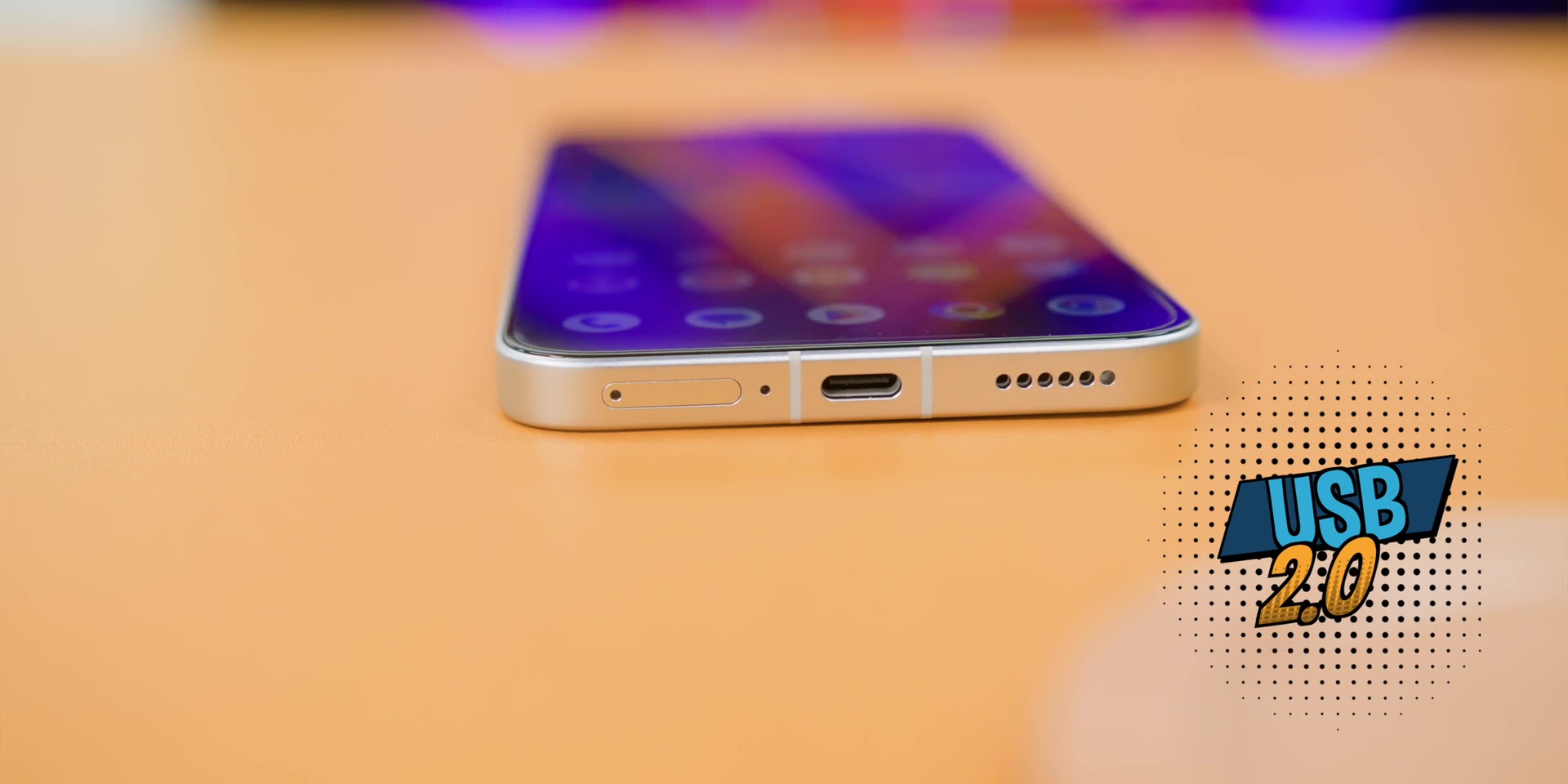
But I won’t forgive the fact that the Nothing Phone (3) and this phone still use USB version 2.0 on the port. But then again, for the price, that was totally fine by me.
Using the phone daily was really nice, fast, and also smooth. But the phone does not shy away from performing heavy gaming as well because I tested Genshin Impact on the POCO F7 and I managed to play the game on the highest graphic preset with the frame rate set to 60 fps.
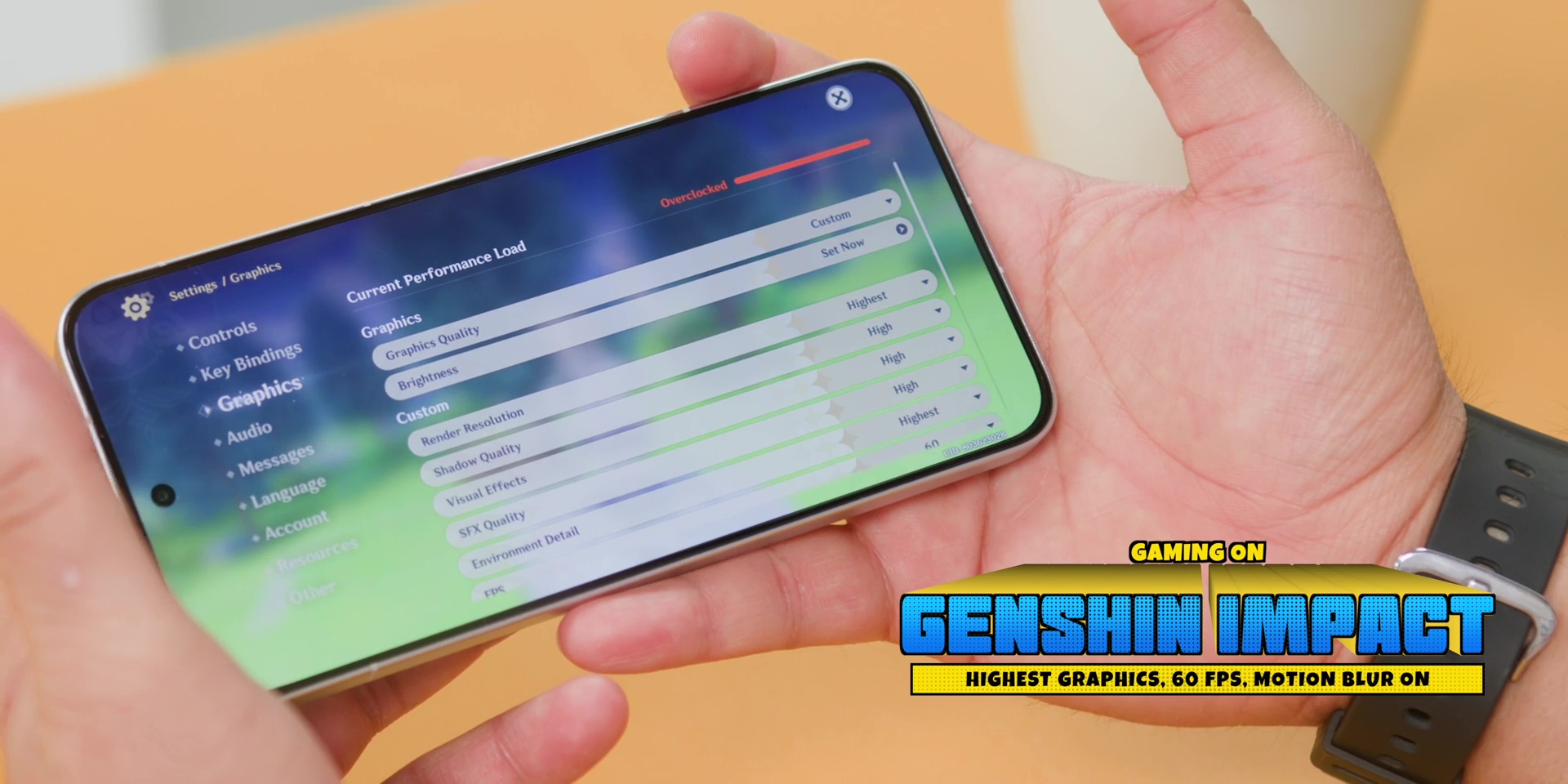
Everything from the texture quality to the environmental details has been also set to the max without any dips or any issues throughout my gameplay. And I was also quite surprised at how little heat was generated throughout my gameplay even though I was gaming for close to an hour.
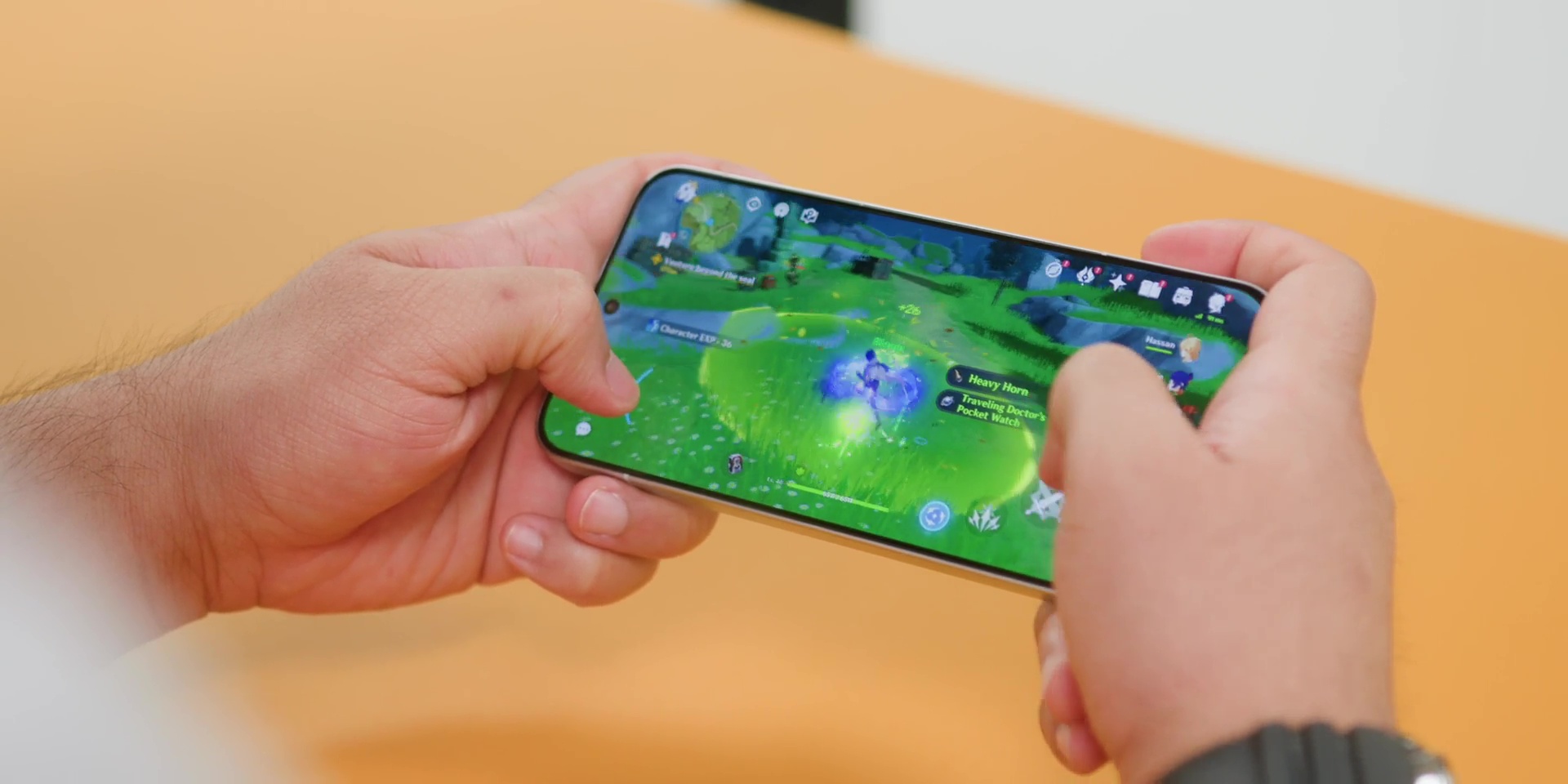
The battery dipped about 20% during my whole entire hour of gameplay, which was actually pretty decent. However, I was playing in a relatively cool environment, so your results might be slightly different depending on your surroundings.
I also like the way how the sides of the phone felt when I was gaming. Although it has a flatter side, not sharp, it doesn’t even dig into your hands. And this makes for a very comfortable playing experience. Once again, the visuals were nice and bright too. So, yeah, that would be for my gaming test.

This means that based on my daily usage, there were no overheating issues. But apparently the majority of the units in India have touched up to 44° C. Not sure why that is happening, but it is totally fine on my unit here in Malaysia.
Battery
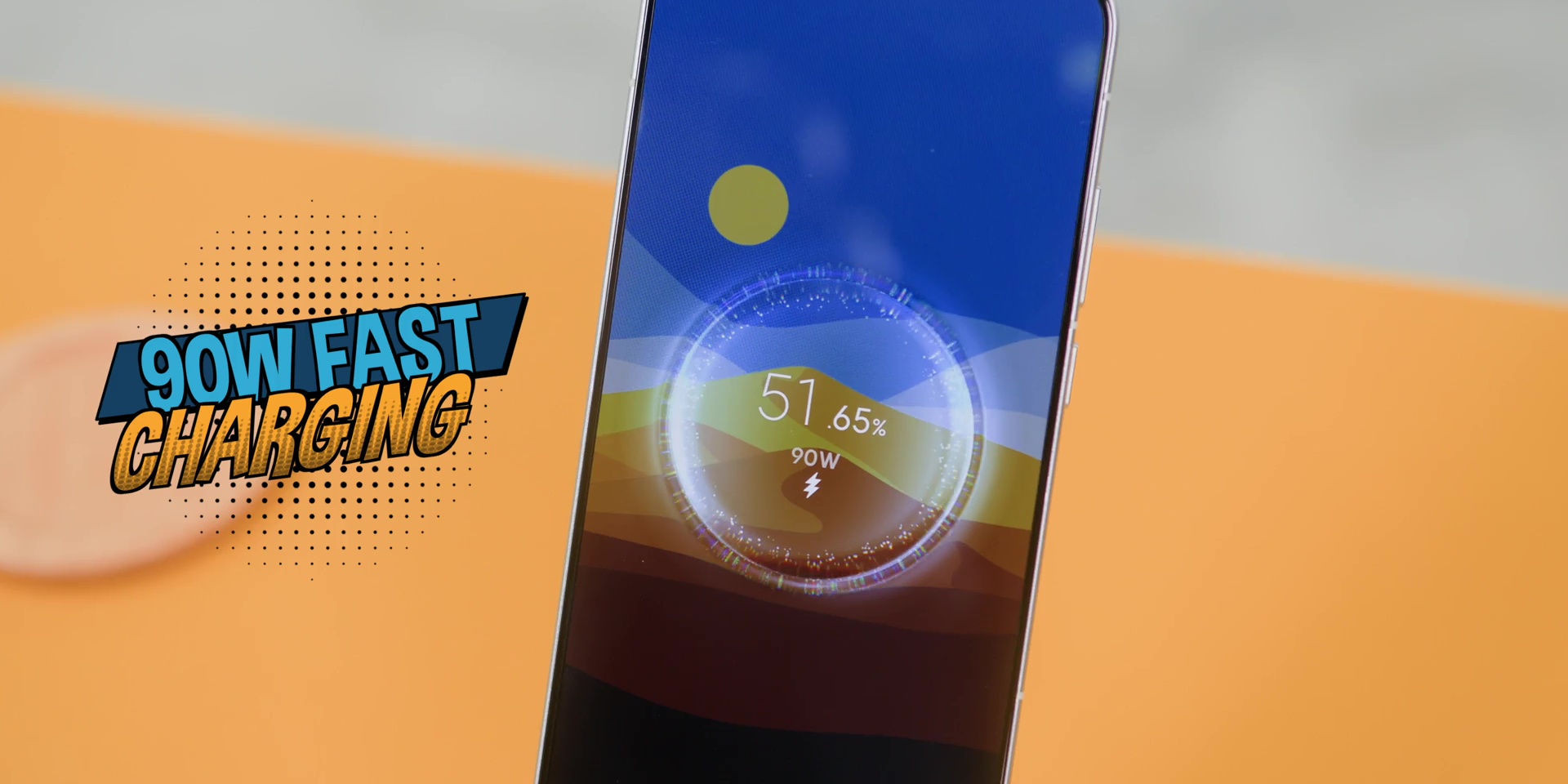
With a performance like this, it means that it should have a bigger battery. So yes, POCO knew it. So, this has a massive 6,500 mAh silicon carbon battery with 90W of fast charging, where not only is it faster than most flagship phones, the charger also comes inside of the box and it also supports reverse charging at 22.5W, quite a power bank-like experience.
But the screen time that I got was below what I thought I would get, though, as it was only about 6 hours plus at 18% battery life. So, I would say the max that you would get is probably 7 hours.
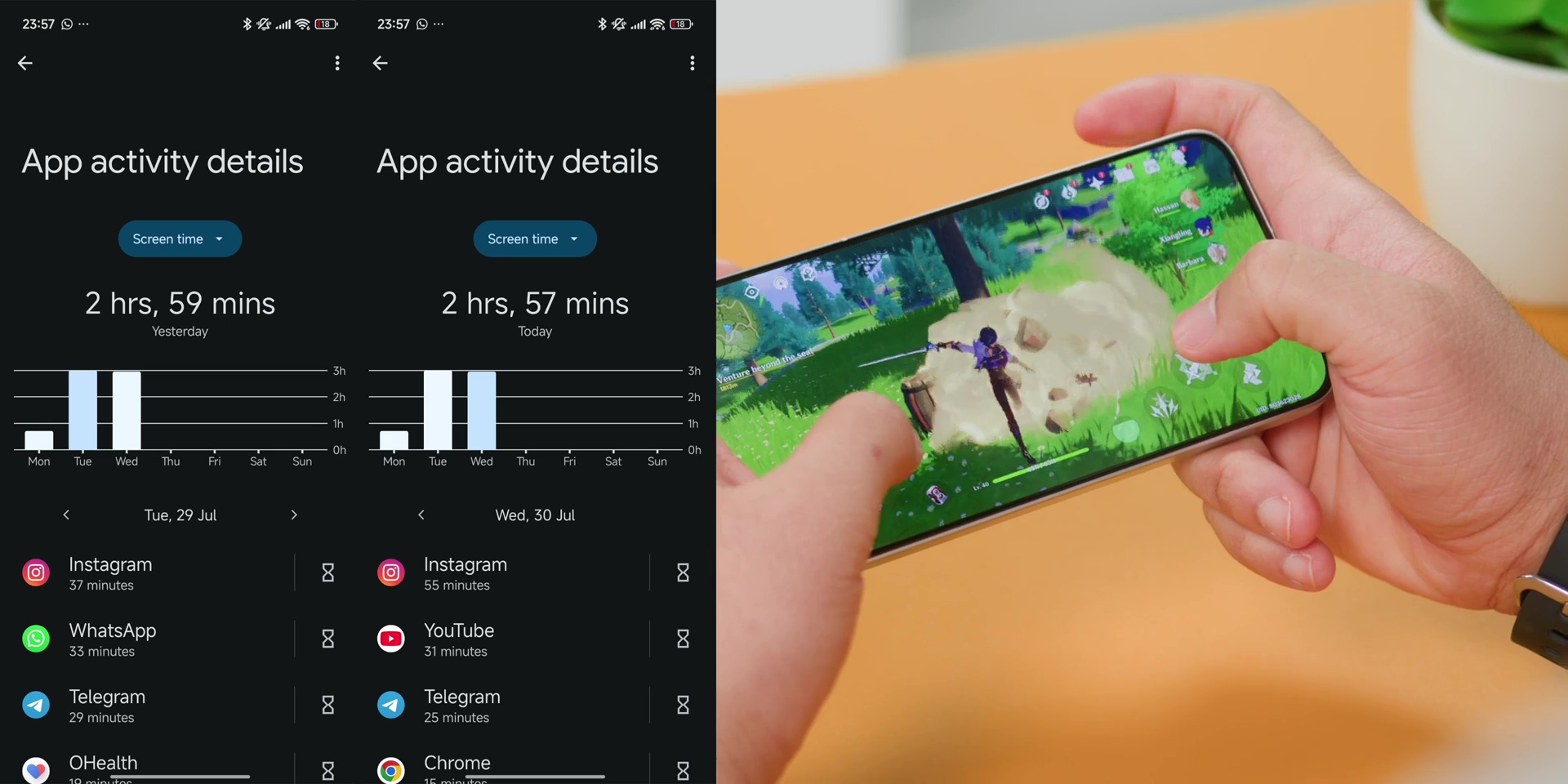
The reason why I was not super impressed is because the Nothing Phone (3) mentioned earlier gave me about 10 hours of screen on time instead with the same processor, though. So, I expected a marathon, but this was more of a 10K run.
But yeah, once again, as mentioned many times, considering the price, I was willing to let that go.
Cameras
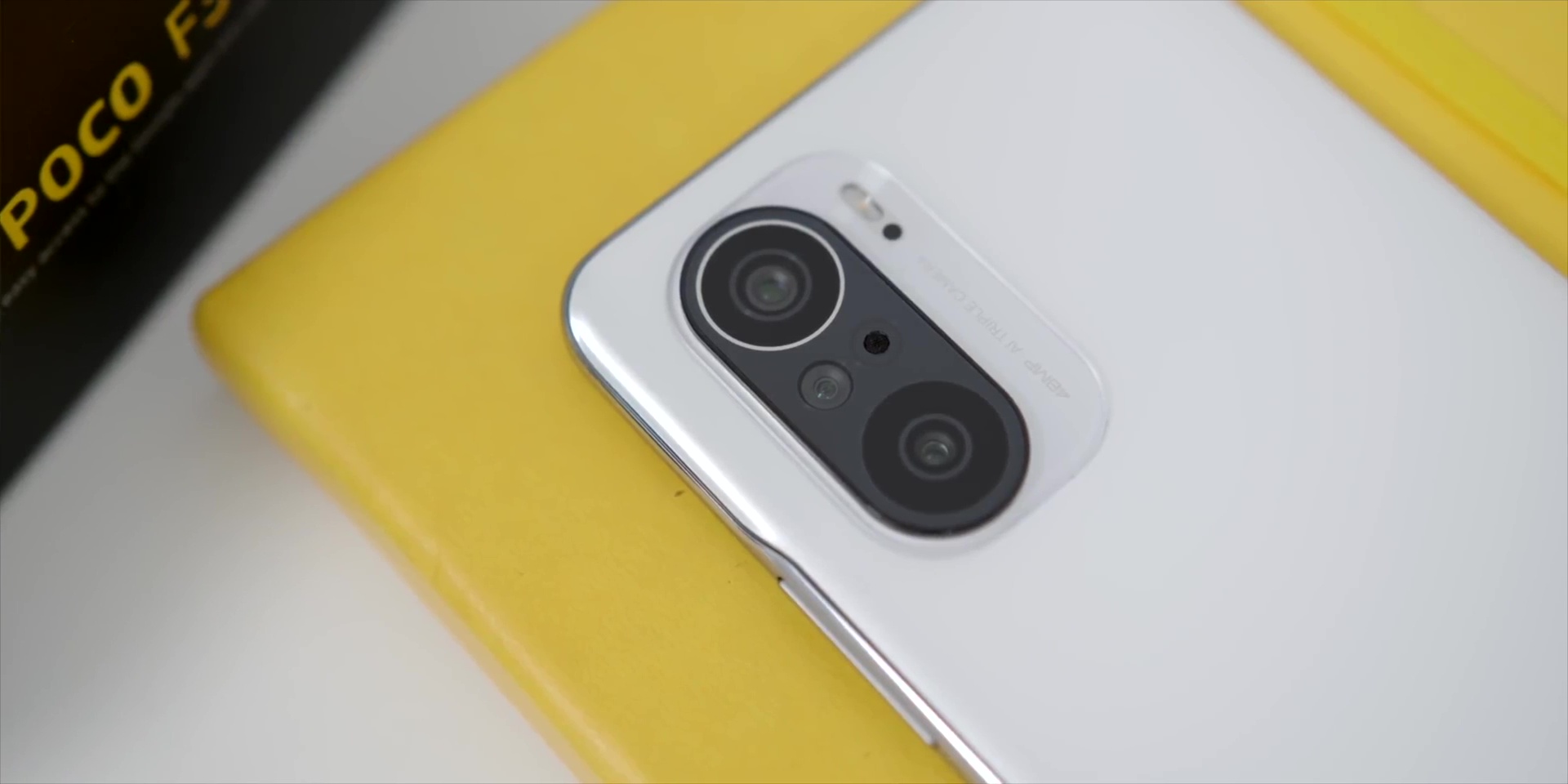
Oh, I almost forgot about the cameras. This is probably because there’s just a dual camera setup, a main 50MP and an 8MP ultrawide lens, which is not the most in the year 2025. But yes, once again, the price justifies that.
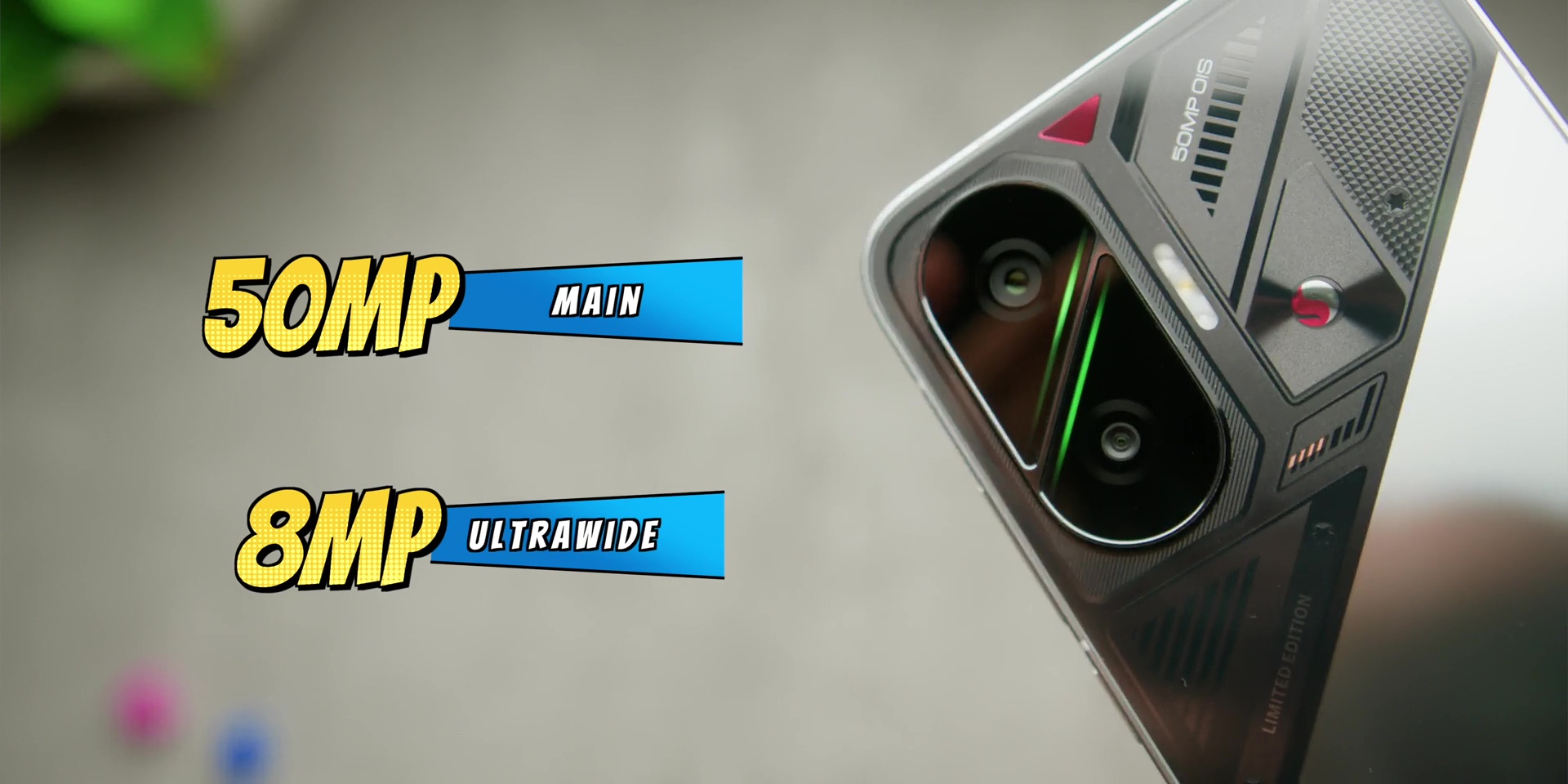
Before we go into the camera samples, I want to give a special shout-out to how the camera layout looks because it does give you some POCO F3 vibes, right?
Daytime Photos
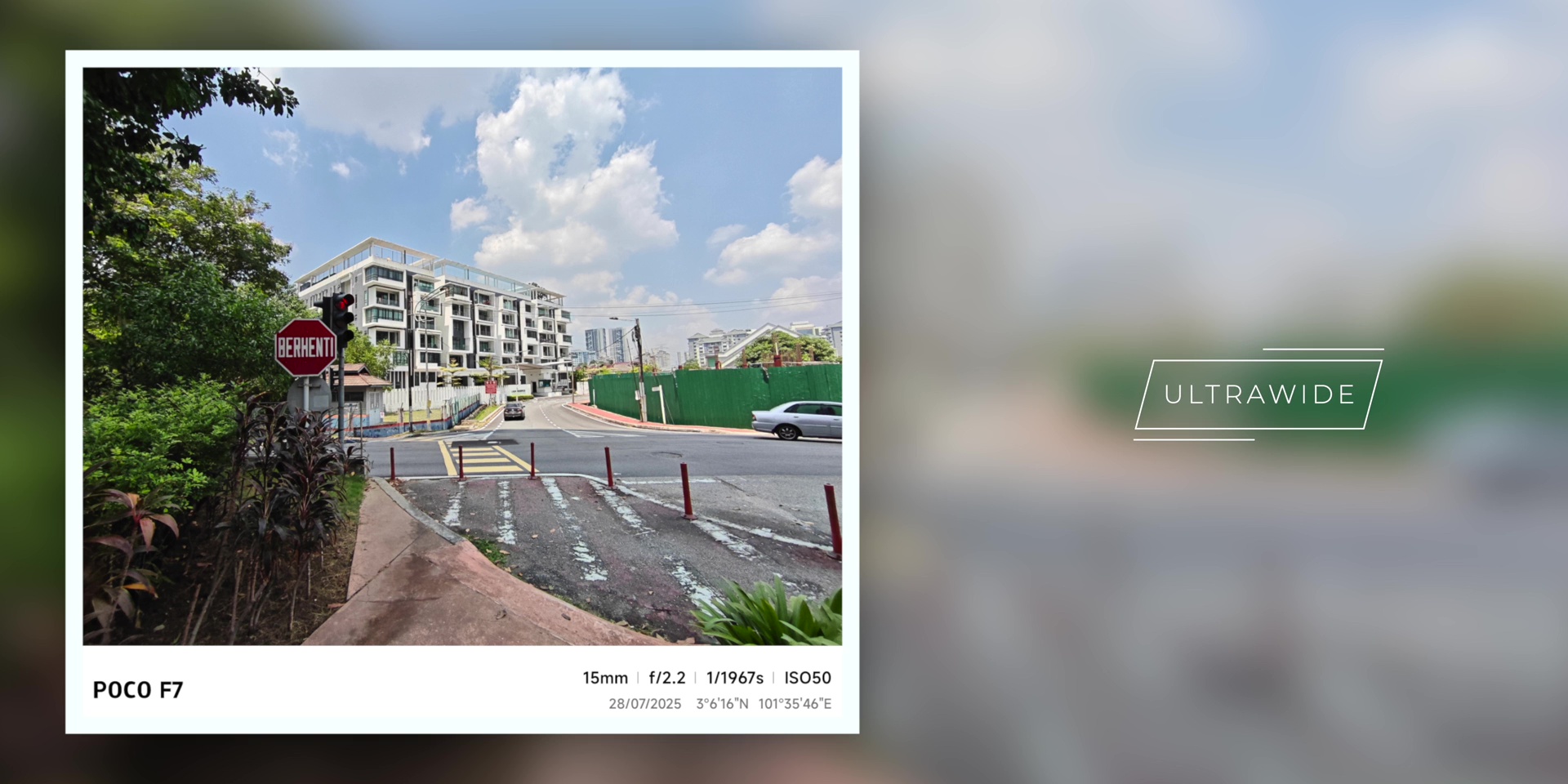
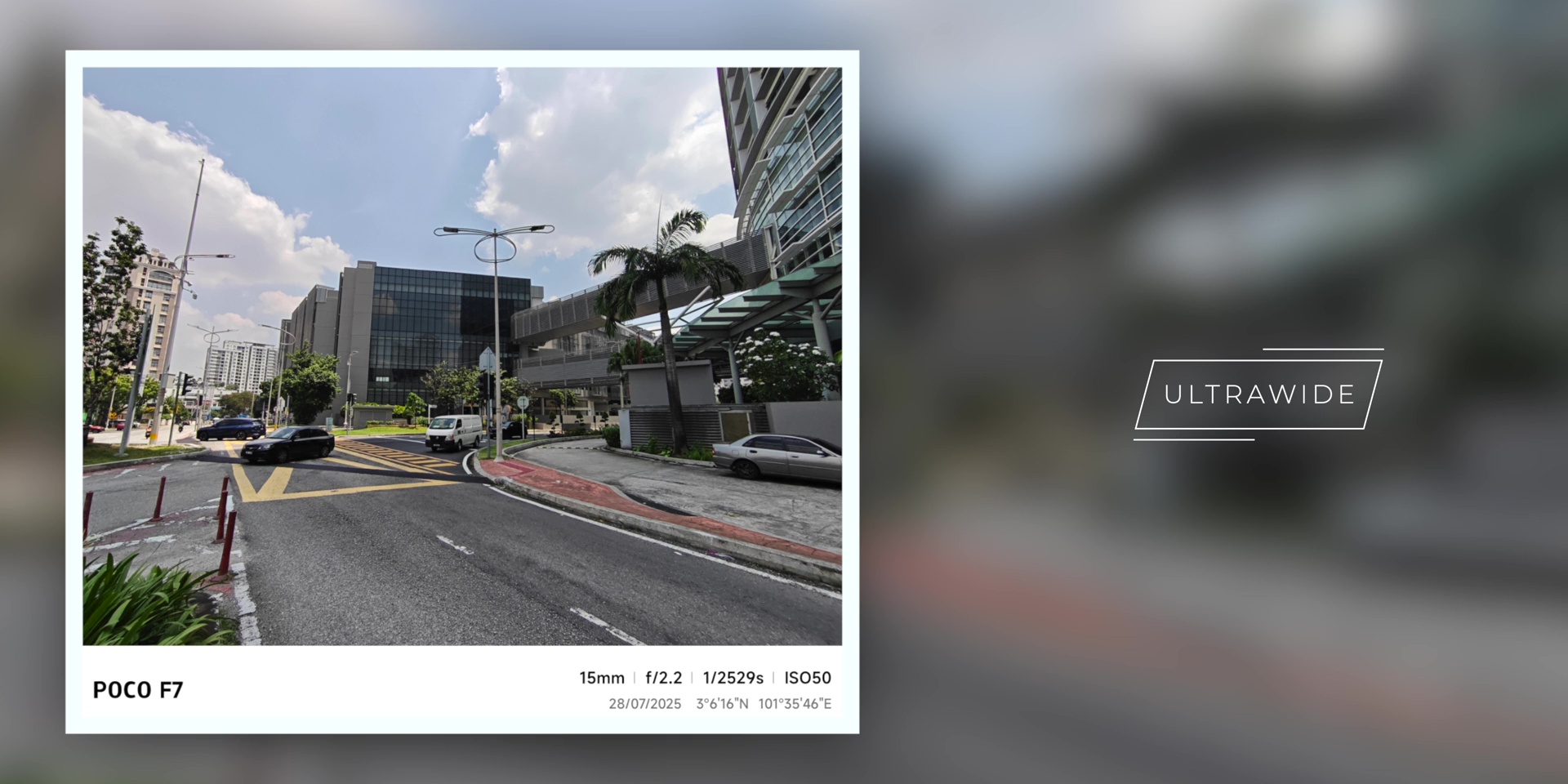
Starting from the ultrawide photos, I expected it to be not the best because of how low the megapixel count was, but it was still decently good with good dynamic range and no distortion at the edges. The good news is there’s no color shift between the ultrawide and the main lenses as seen over here in the sample photos, which does look great.
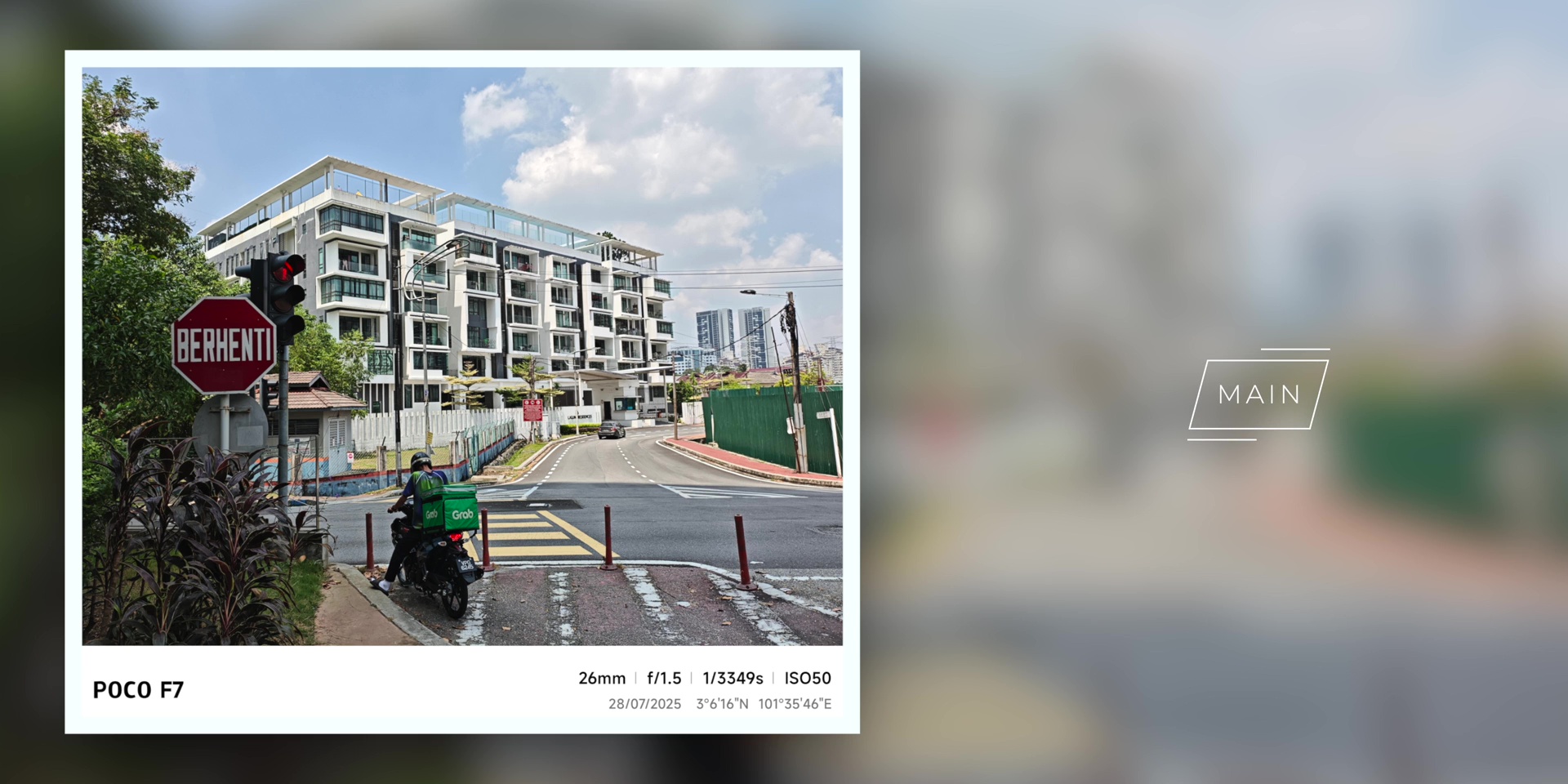
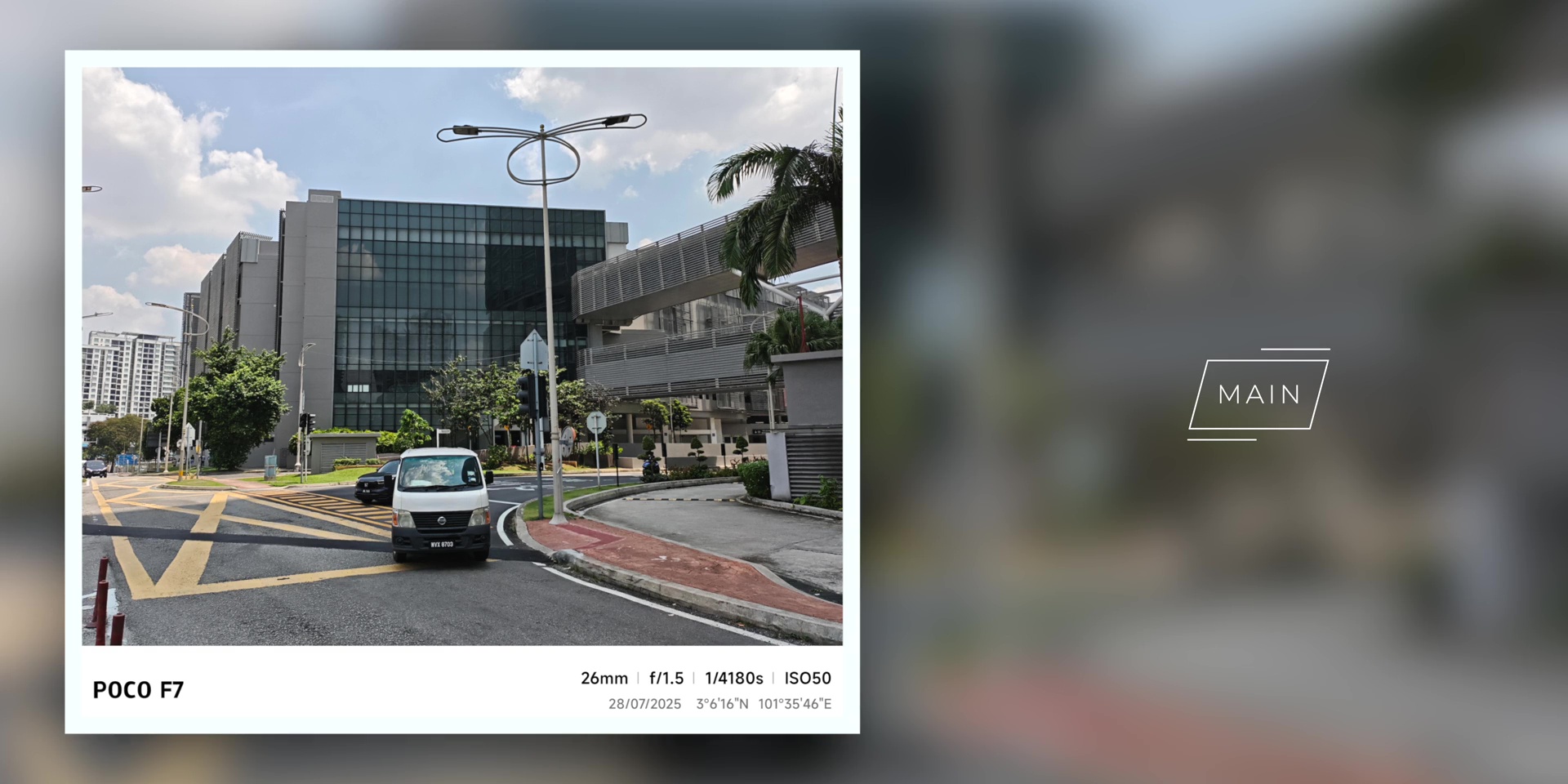
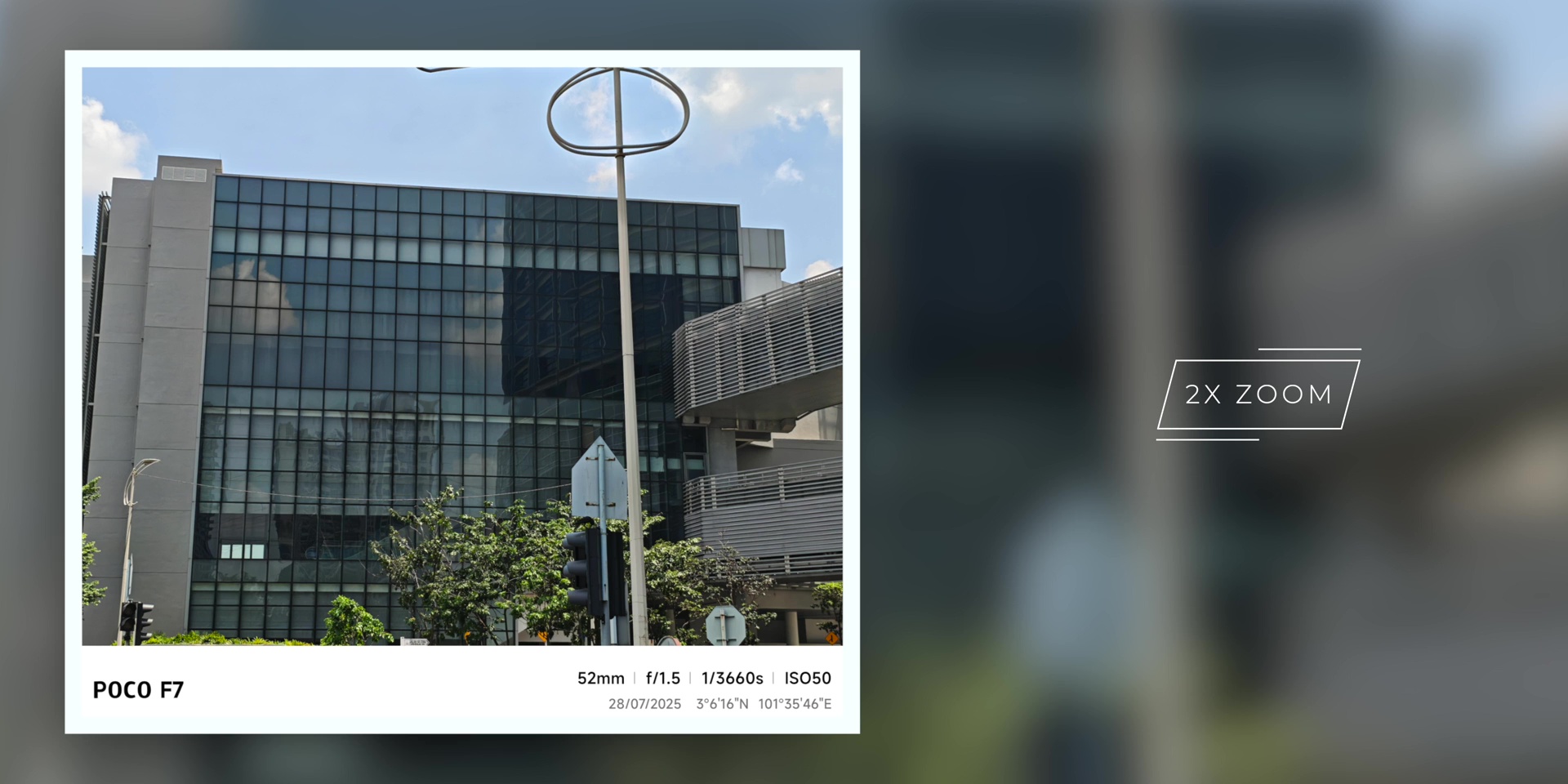
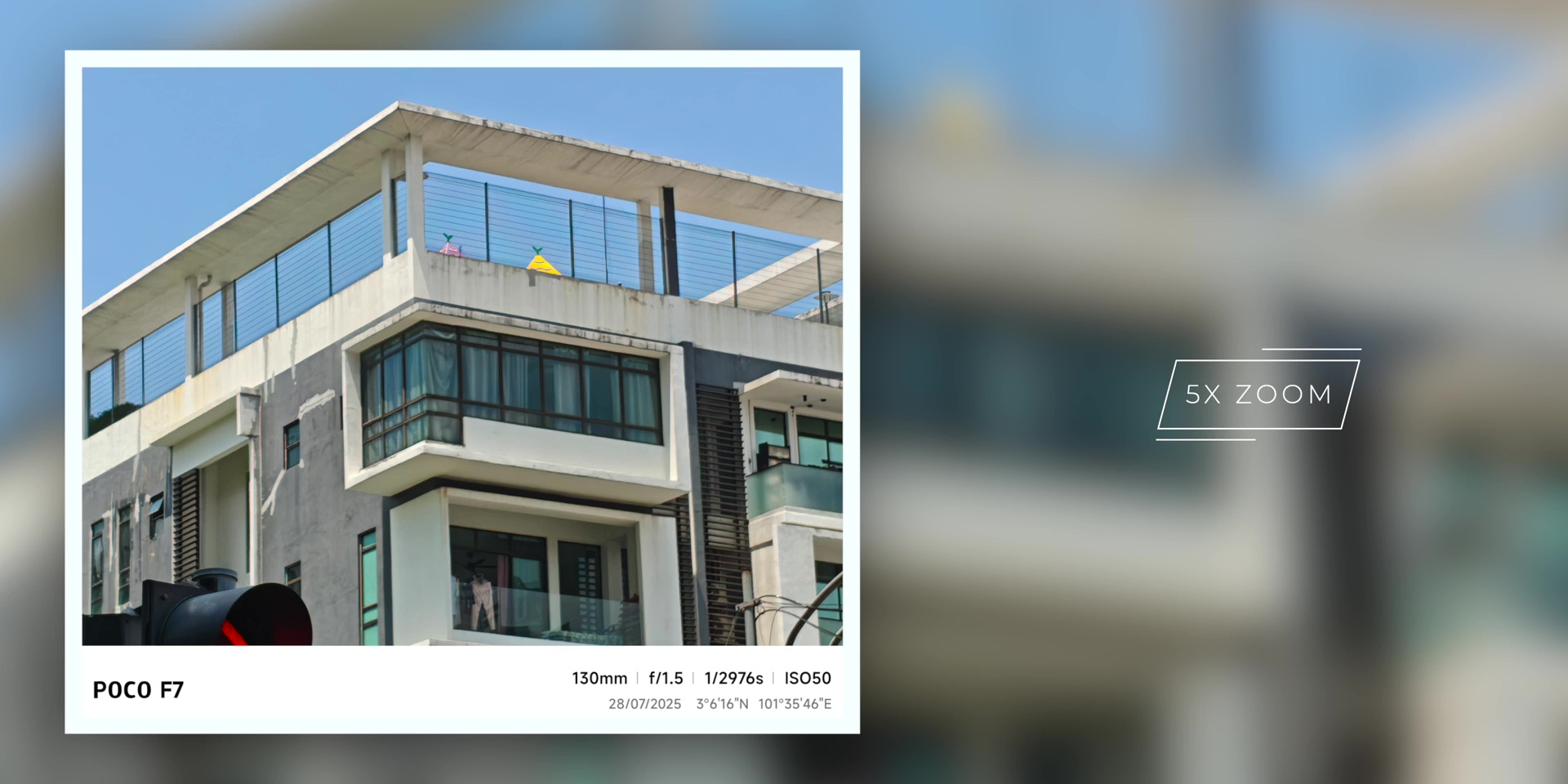
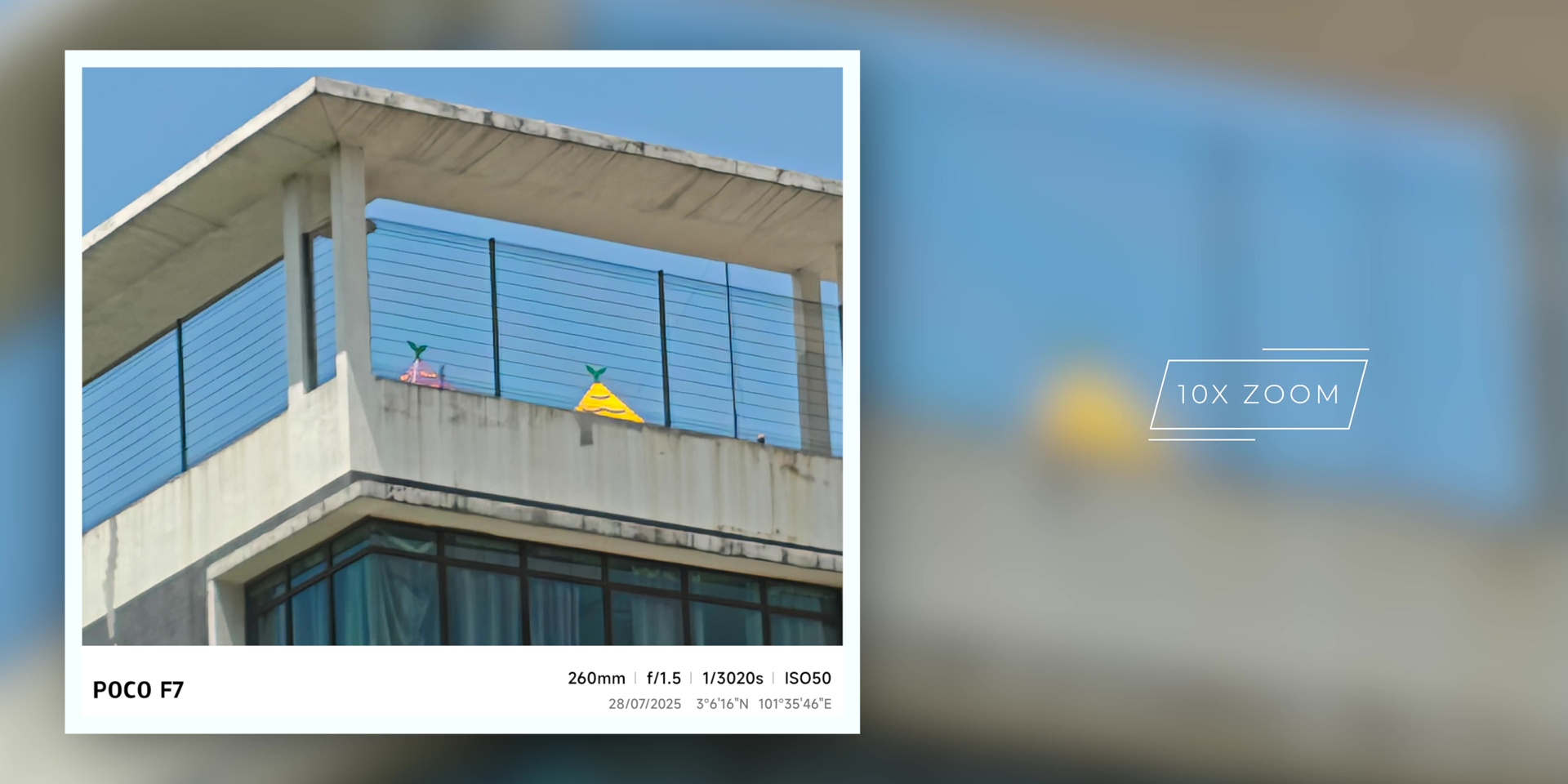
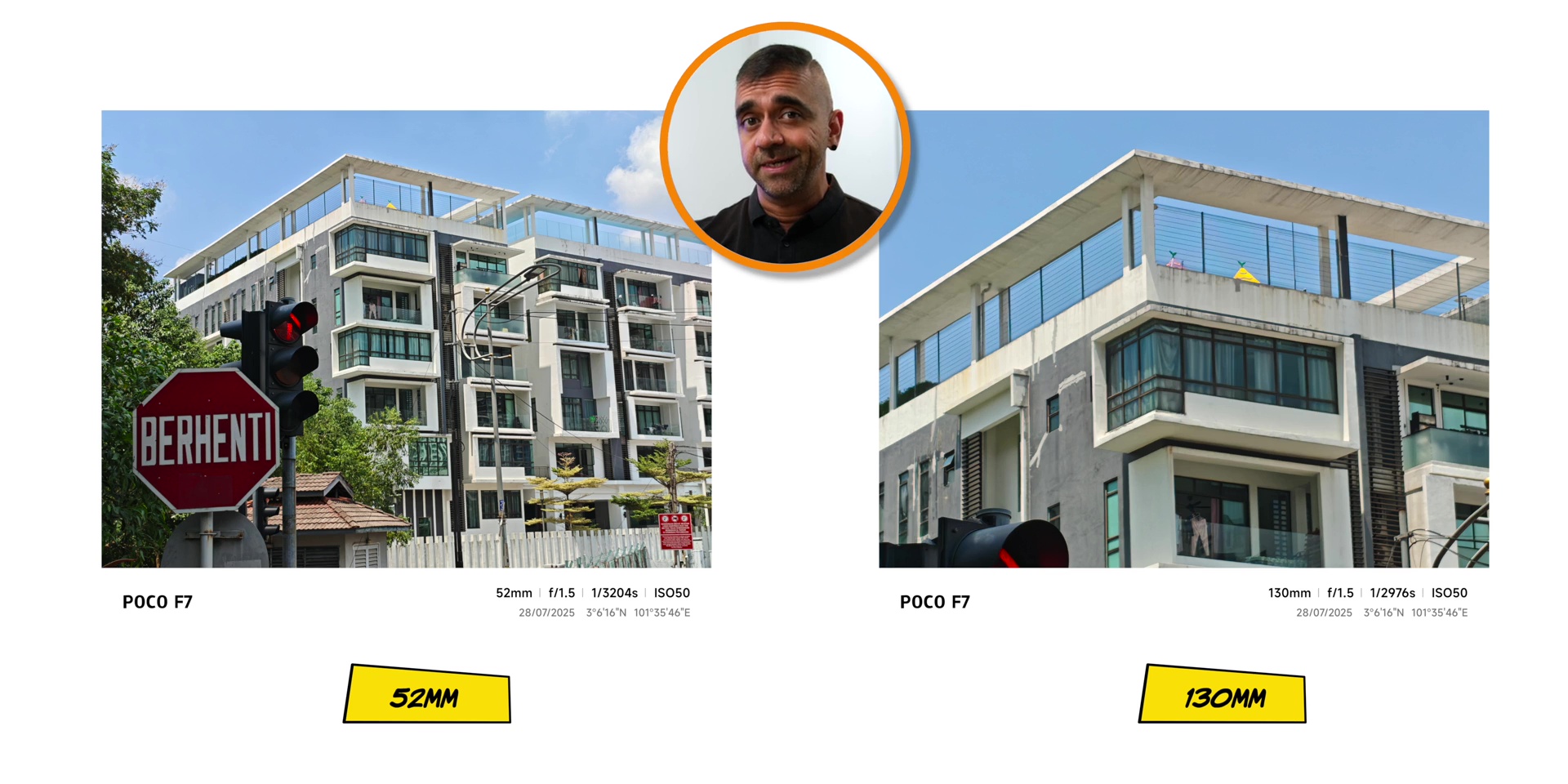
In the app, you can go up to 2x zoom, which is 52 mm, where the quality was very well maintained, and that could be said for the 5x or the 130 mm too.
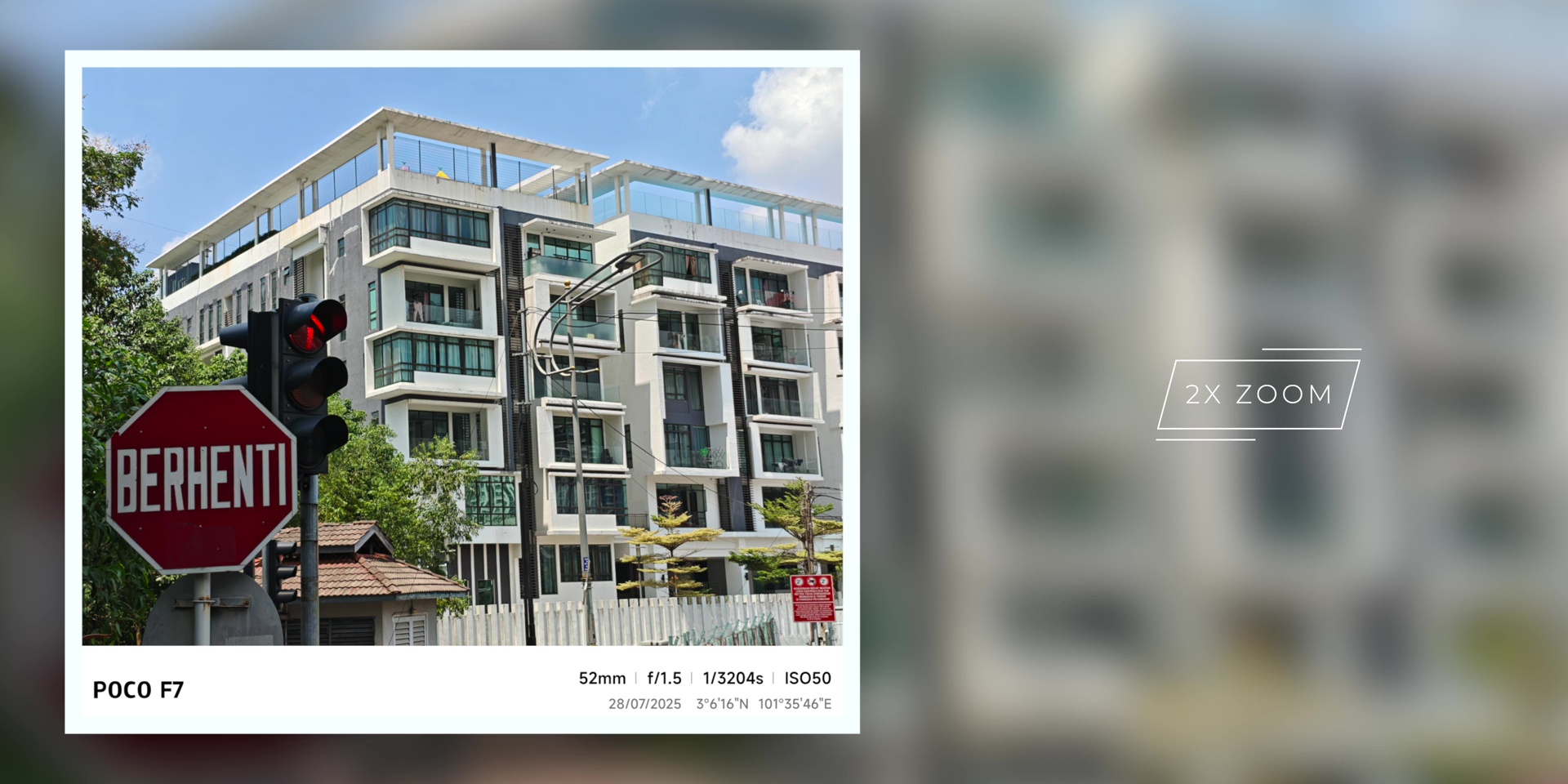
But you can see the quality dropping at its max zoom or 10x zoom or at 260 mm. So my personal favorite is more of the 52 mm or the 130 mm because it had that very nice telephoto lens look overall.
POCO devices have always been great when it comes to portrait mode for humans, and so was this with the two focal lengths of 26 mm and 52 mm.


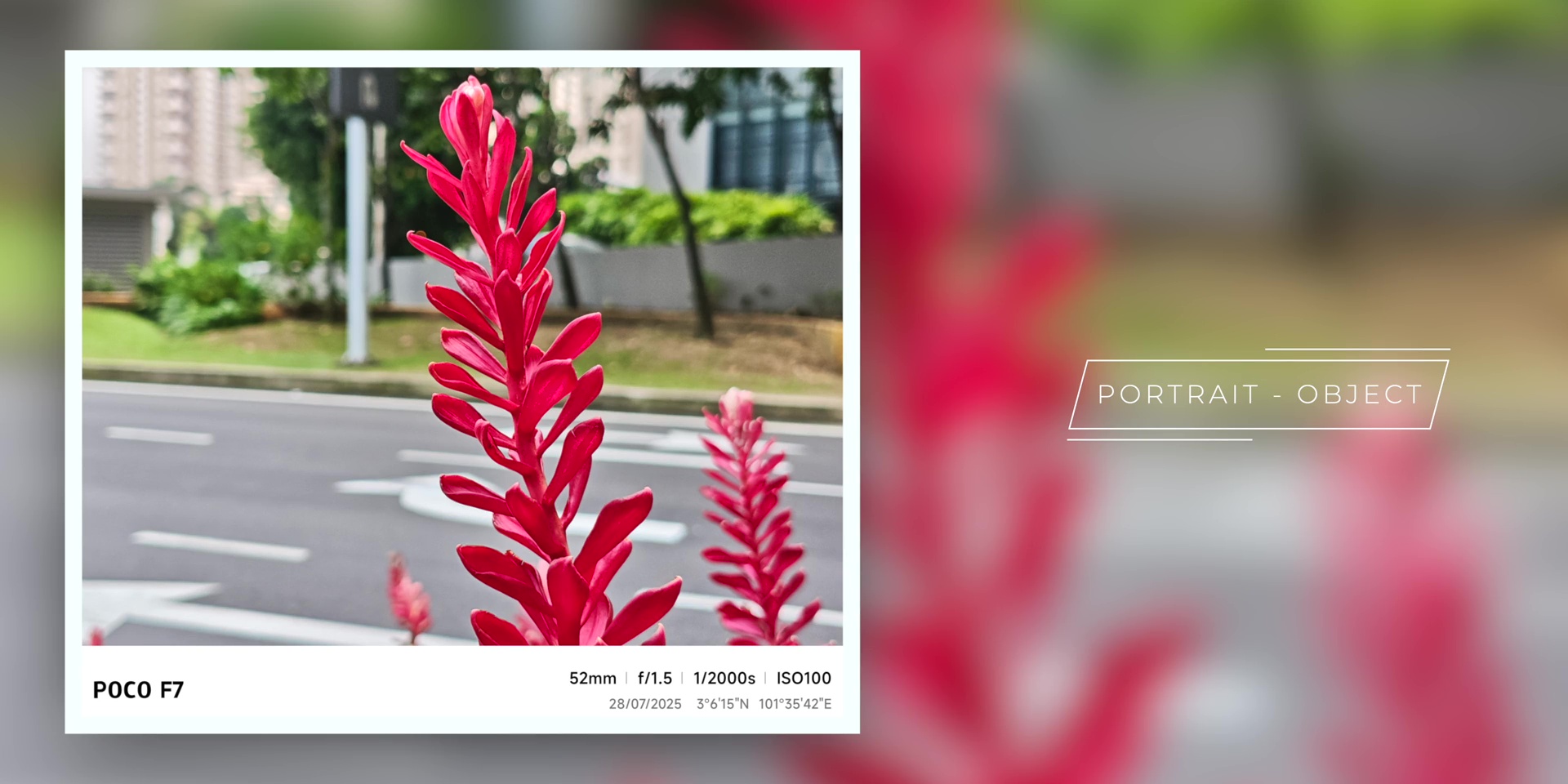
I was also very impressed with the portrait mode for objects where it did a very good job even with more complicated shapes like this red flower over here.

Selfie photos also looked amazing as long as you had the light in front of you where you had a great subject to background blur and you had a flawless edge detection. But once it is against the backlight, the skin tones can be a little overexposed but still lit pretty well.


Nighttime Photos
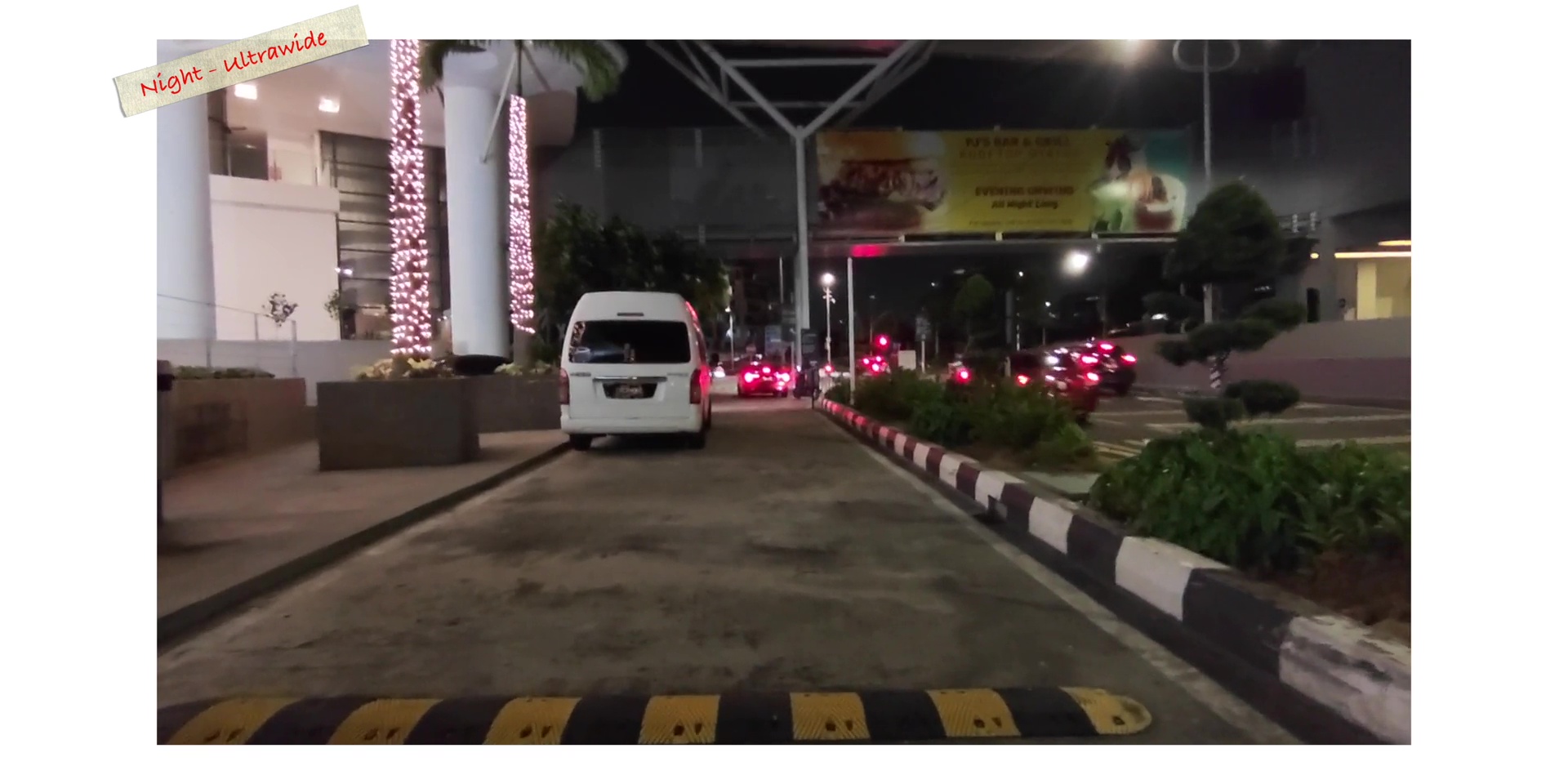
Switching over to the night photos, FYI, there’s no dedicated night mode on the camera so it adapts to the scene. Because of this, the ultrawide lenses require a lot of light at night to perform better.
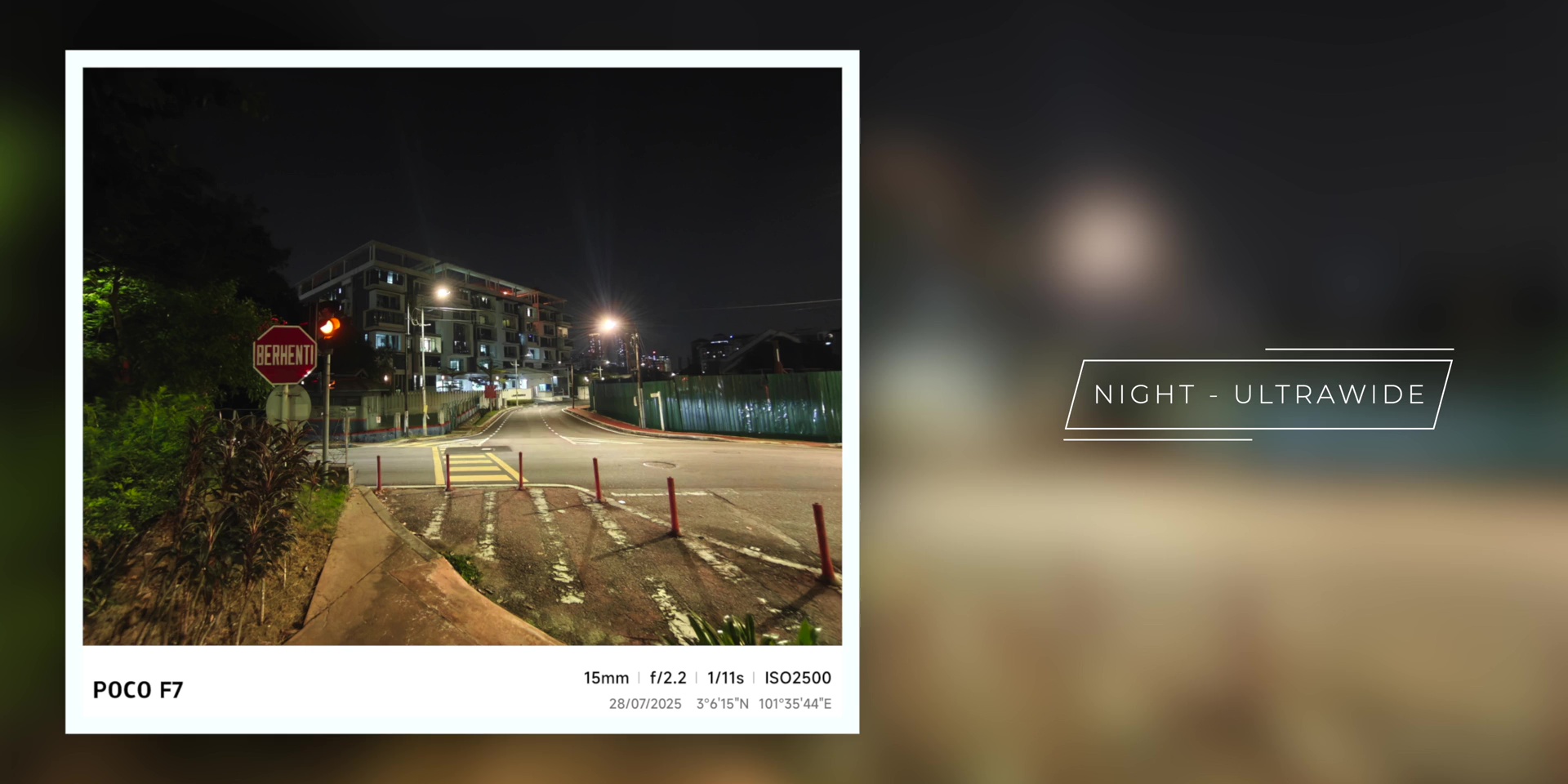
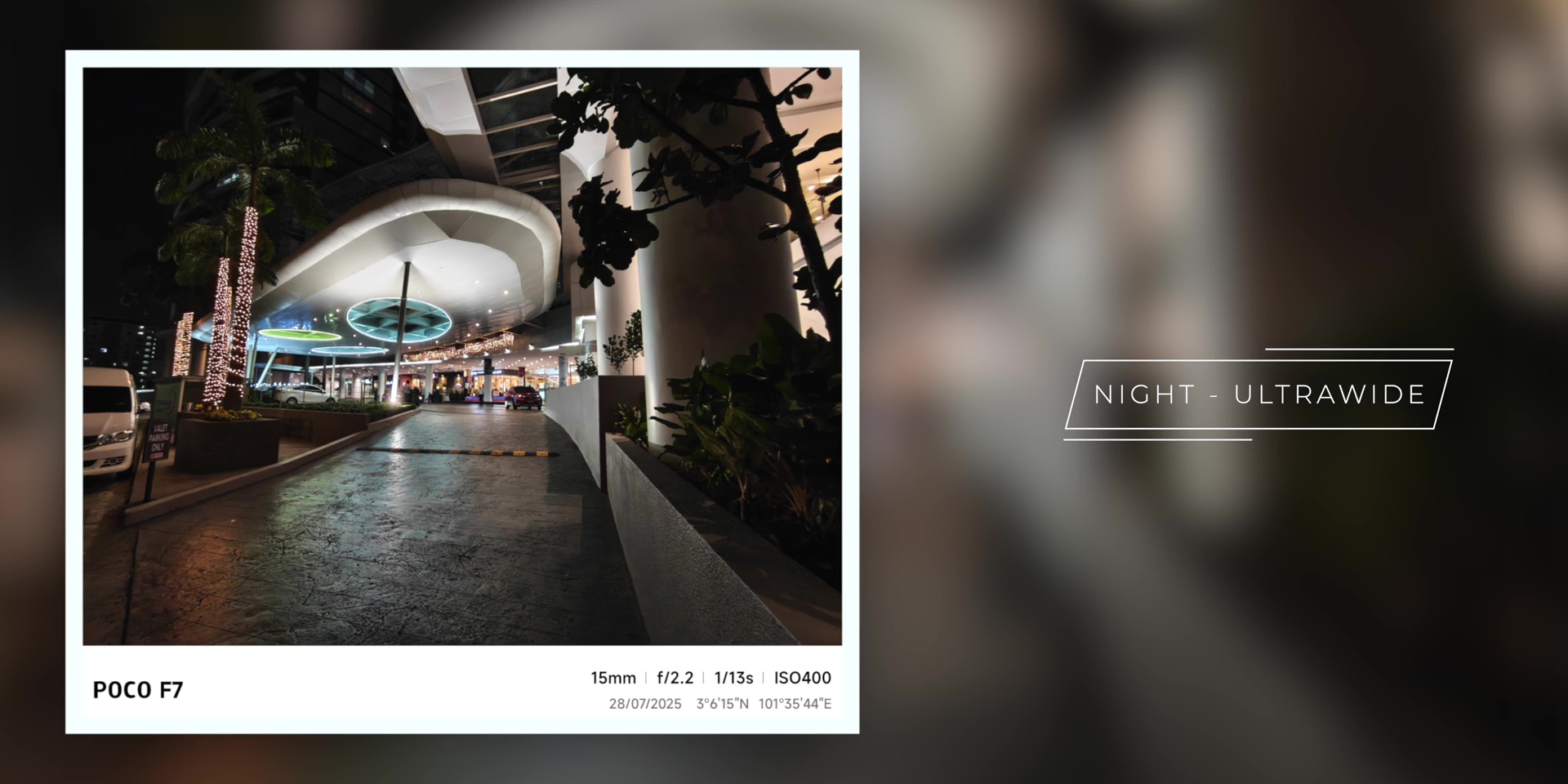
And while the main lenses at night did well, I wouldn’t go beyond the 2x zoom of 52 mm because the quality starts to degrade a little beyond that.
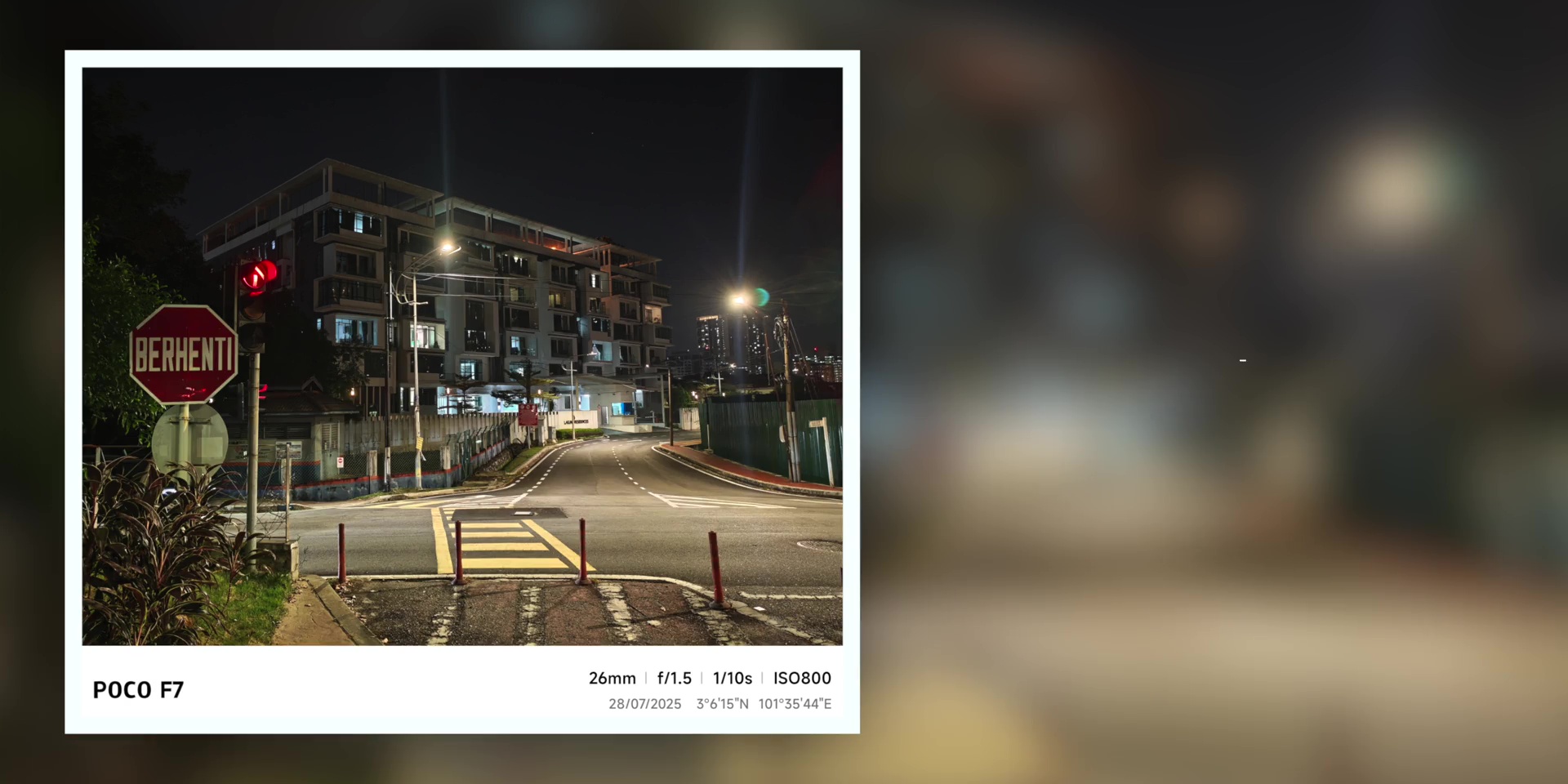
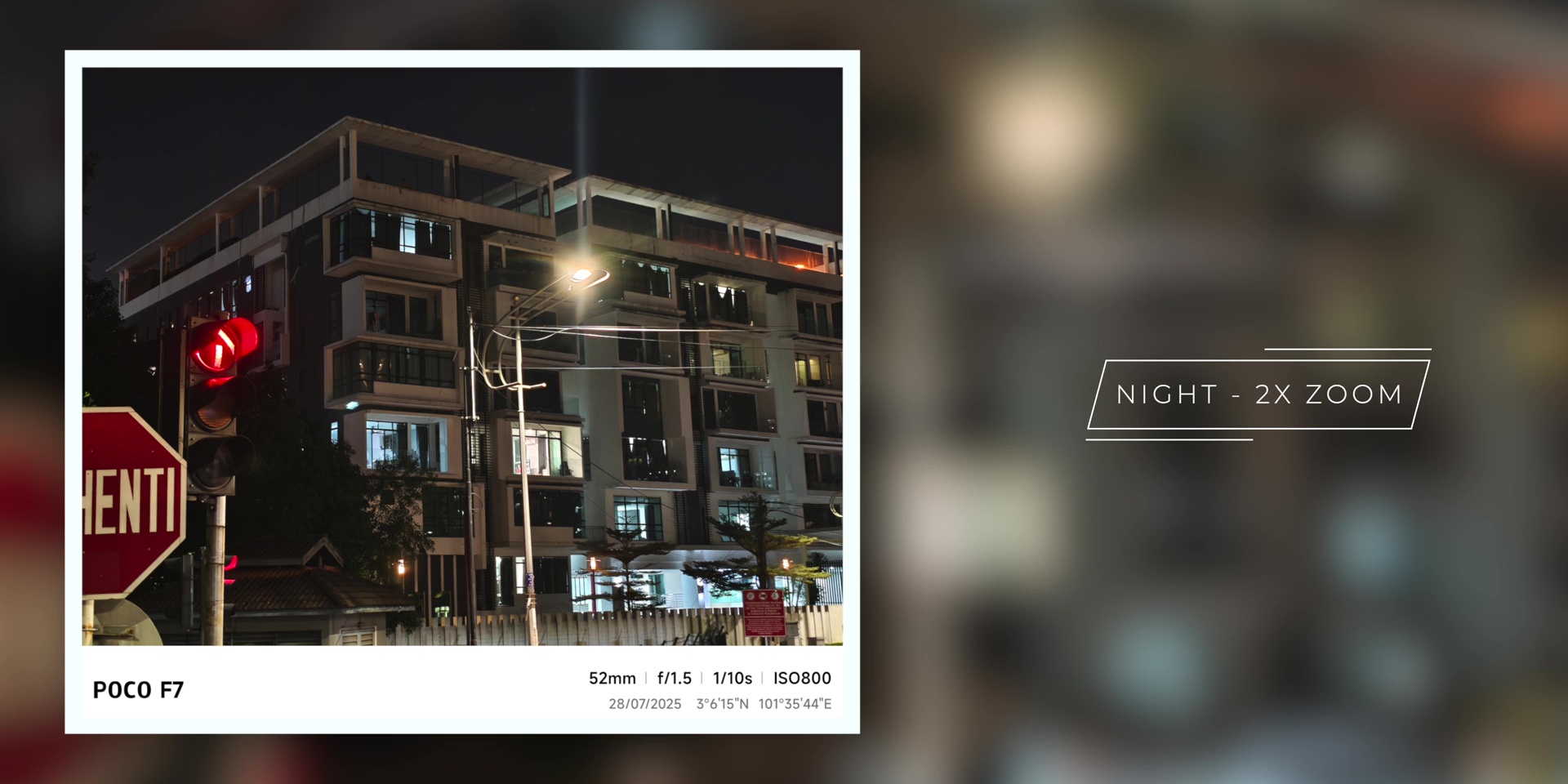
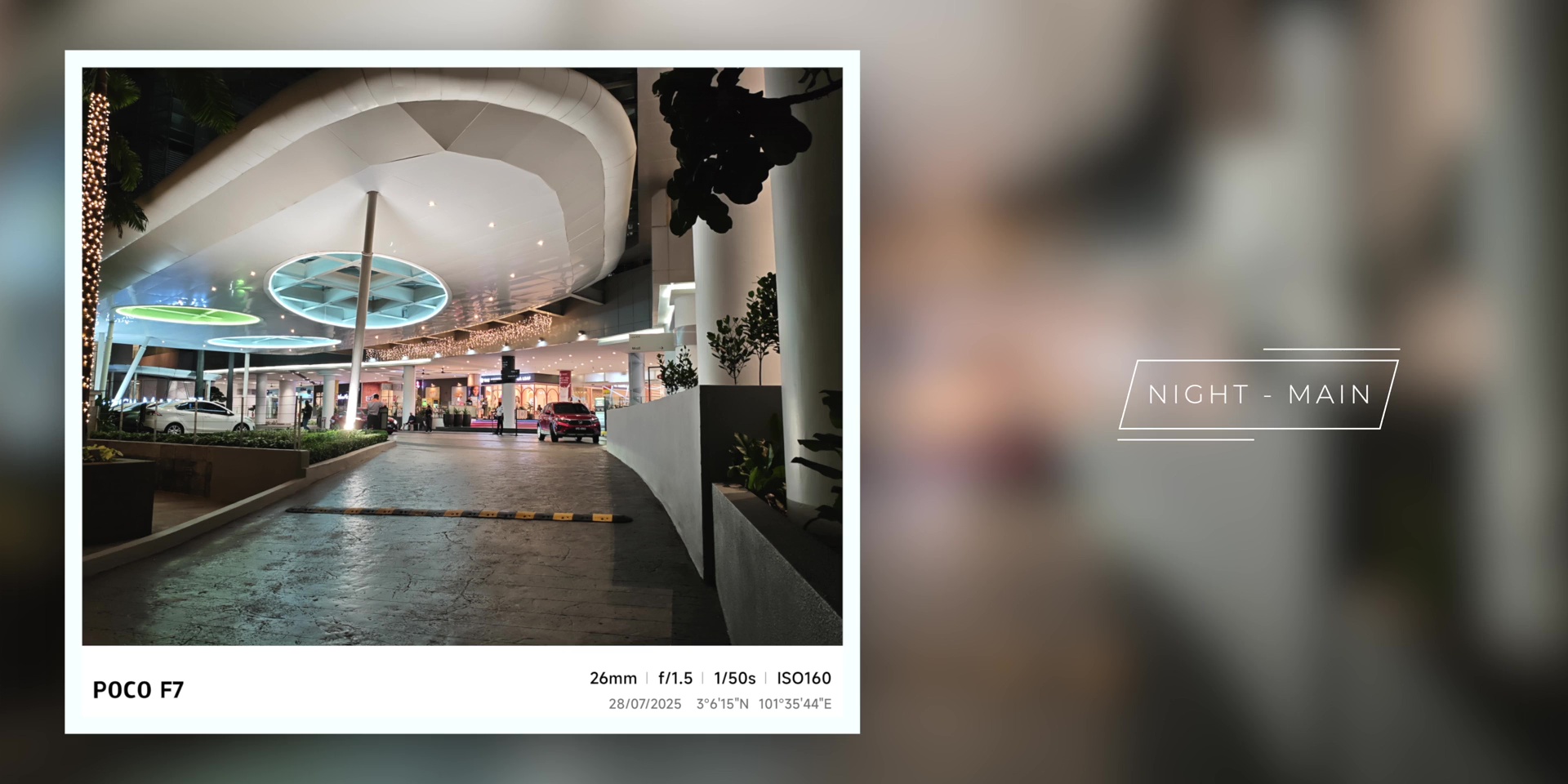
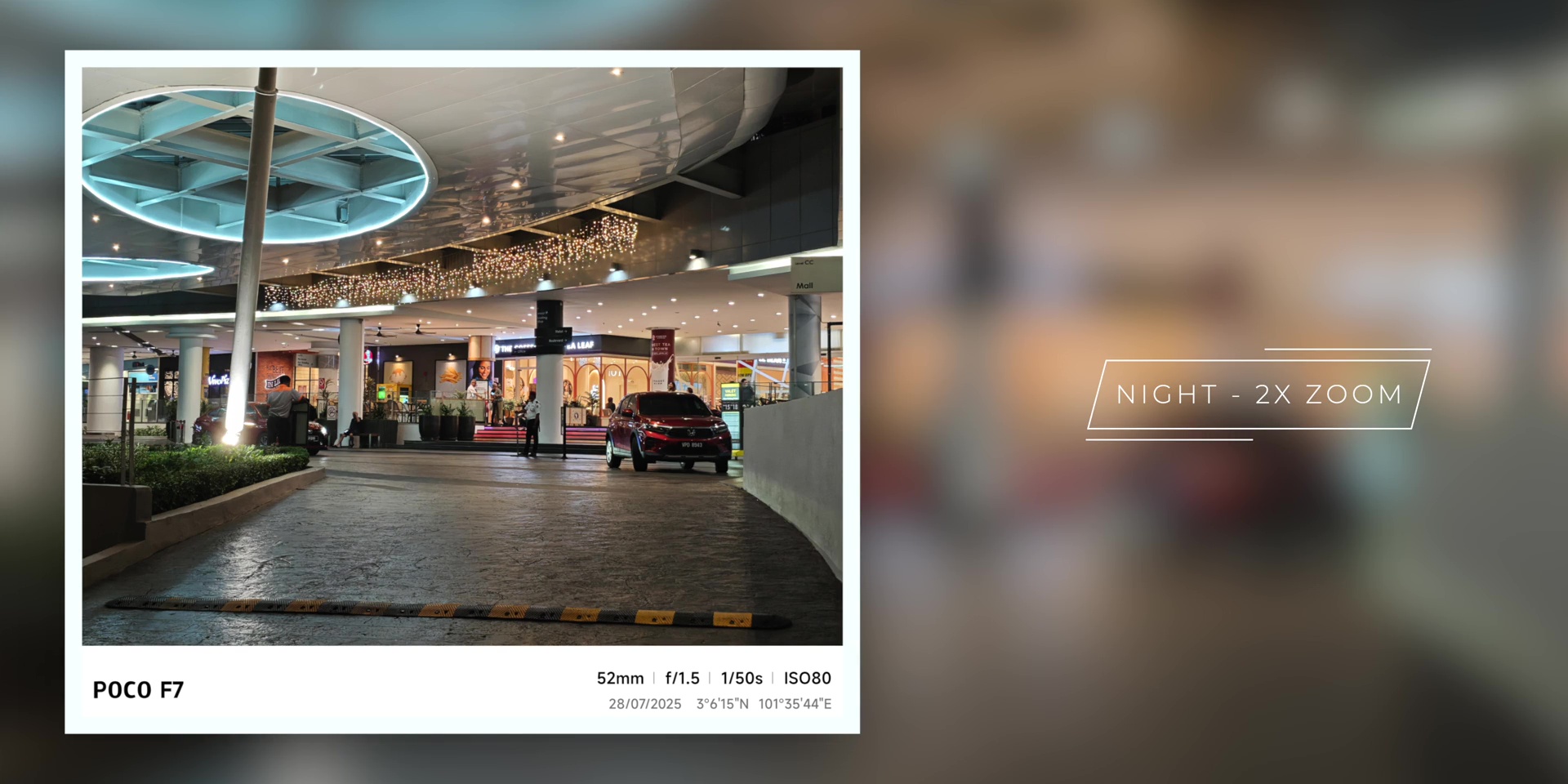
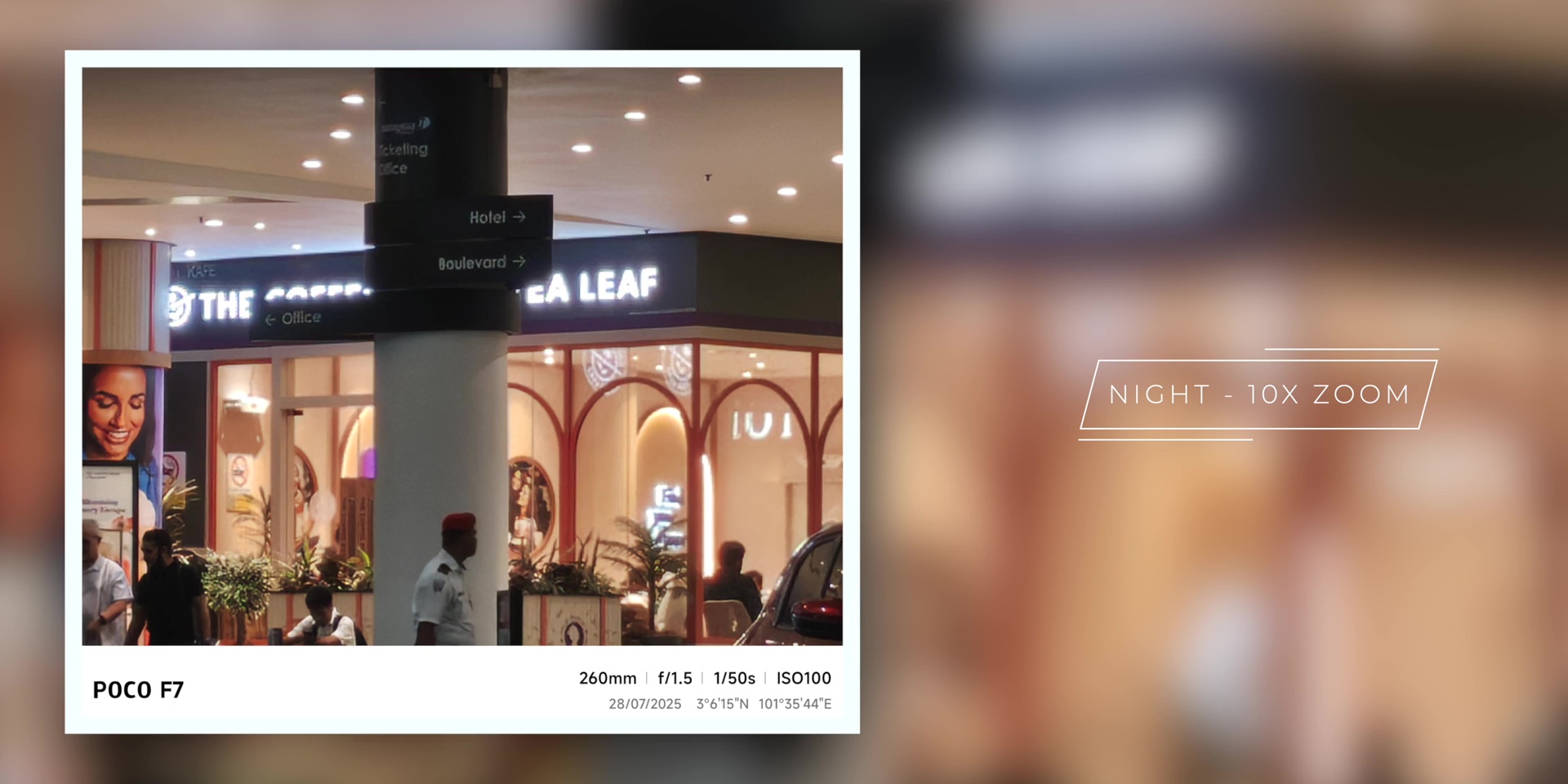
Once again, the portrait mode at night was truly amazing, both for humans on both focal length and also subjects too. The nighttime selfies were also surprisingly really good too.


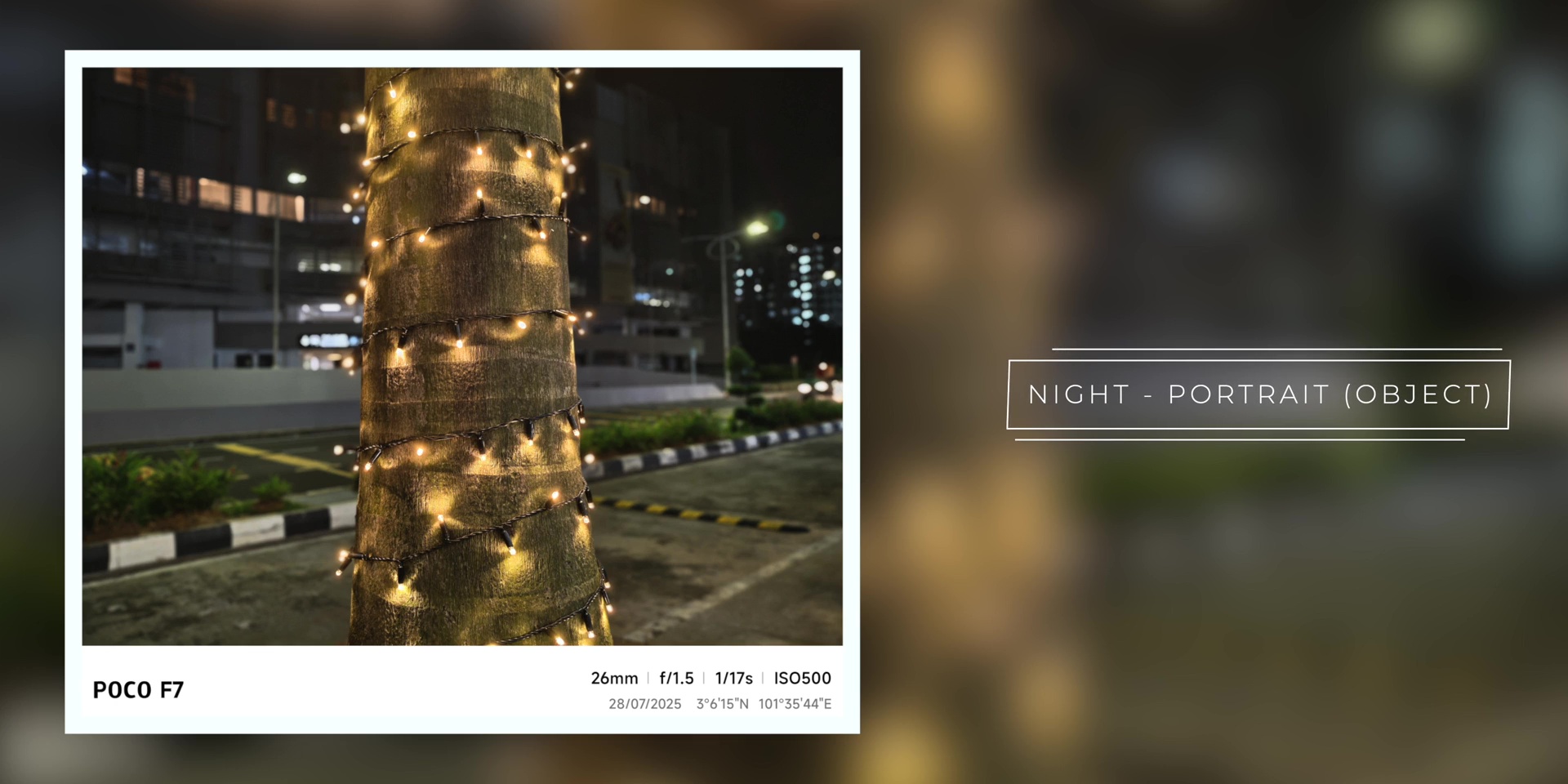
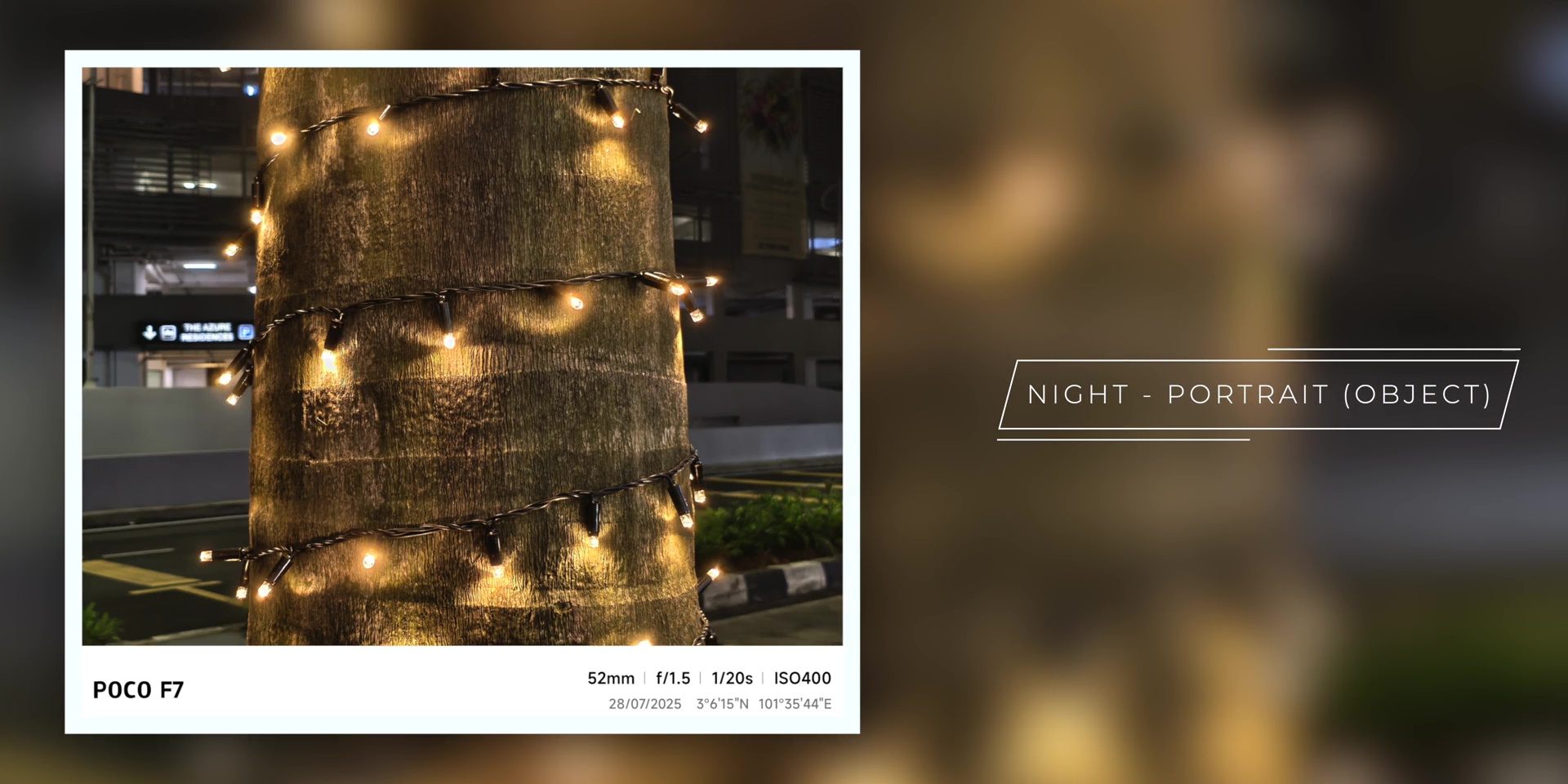
The nighttime selfies were also surprisingly really good too.

Video Recording
[Check out my YouTube video for all the sample video footage]
As for video recording, the ultrawide lenses can only record up to 1080p. Sad, but totally expected because even the POCO F7 Ultra maxes out at 1080p for its ultrawide lenses. So for the best quality, I would just use the main lenses or I would say you should just use the 4K main lenses for recording.
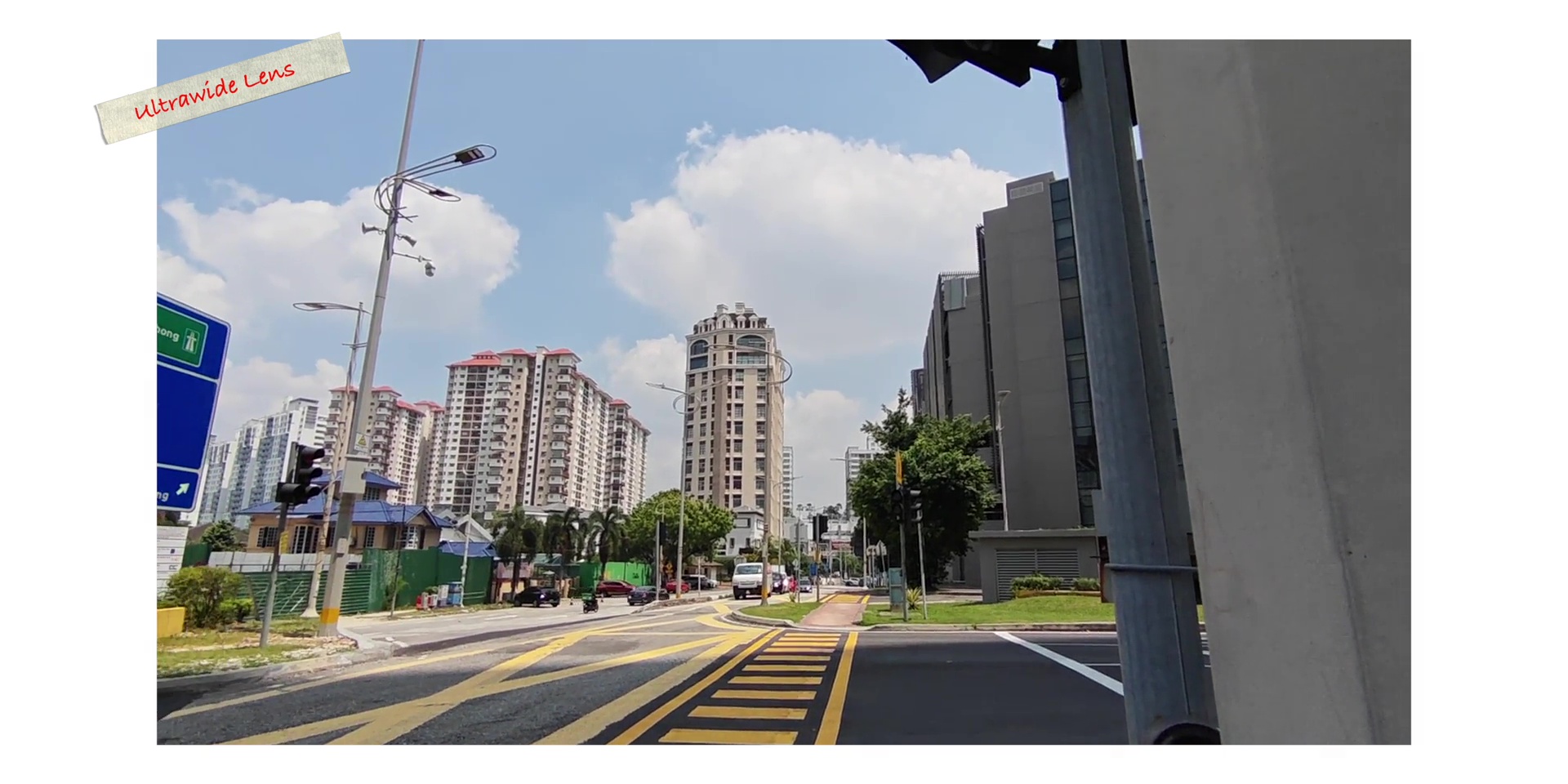
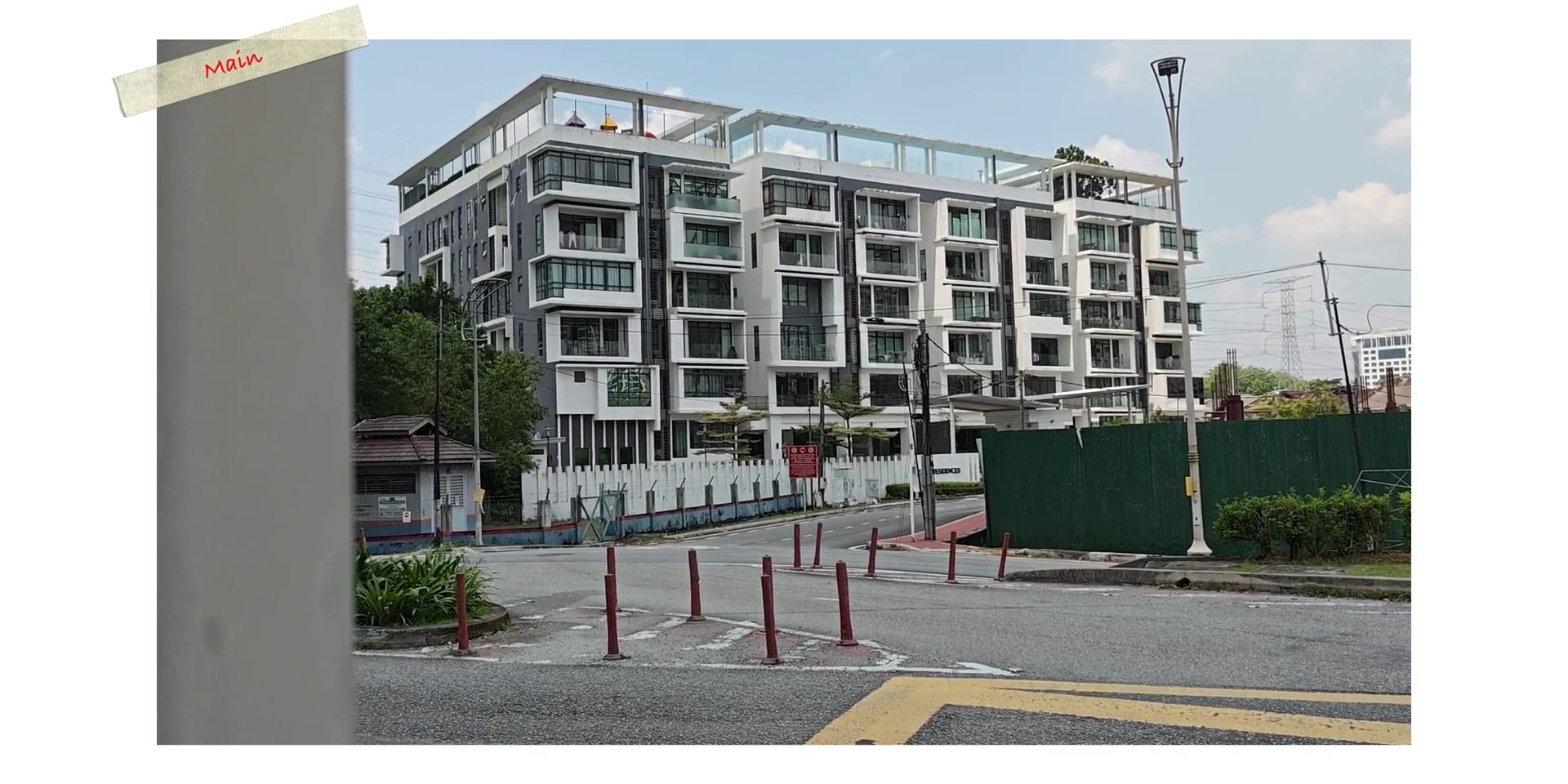
The 2x video recording was just okay. But for God’s sake, please do not use the 6x zoom on this because not only do you need to switch back to 1080p in order to do this, but you can imagine how the quality looks like over here.
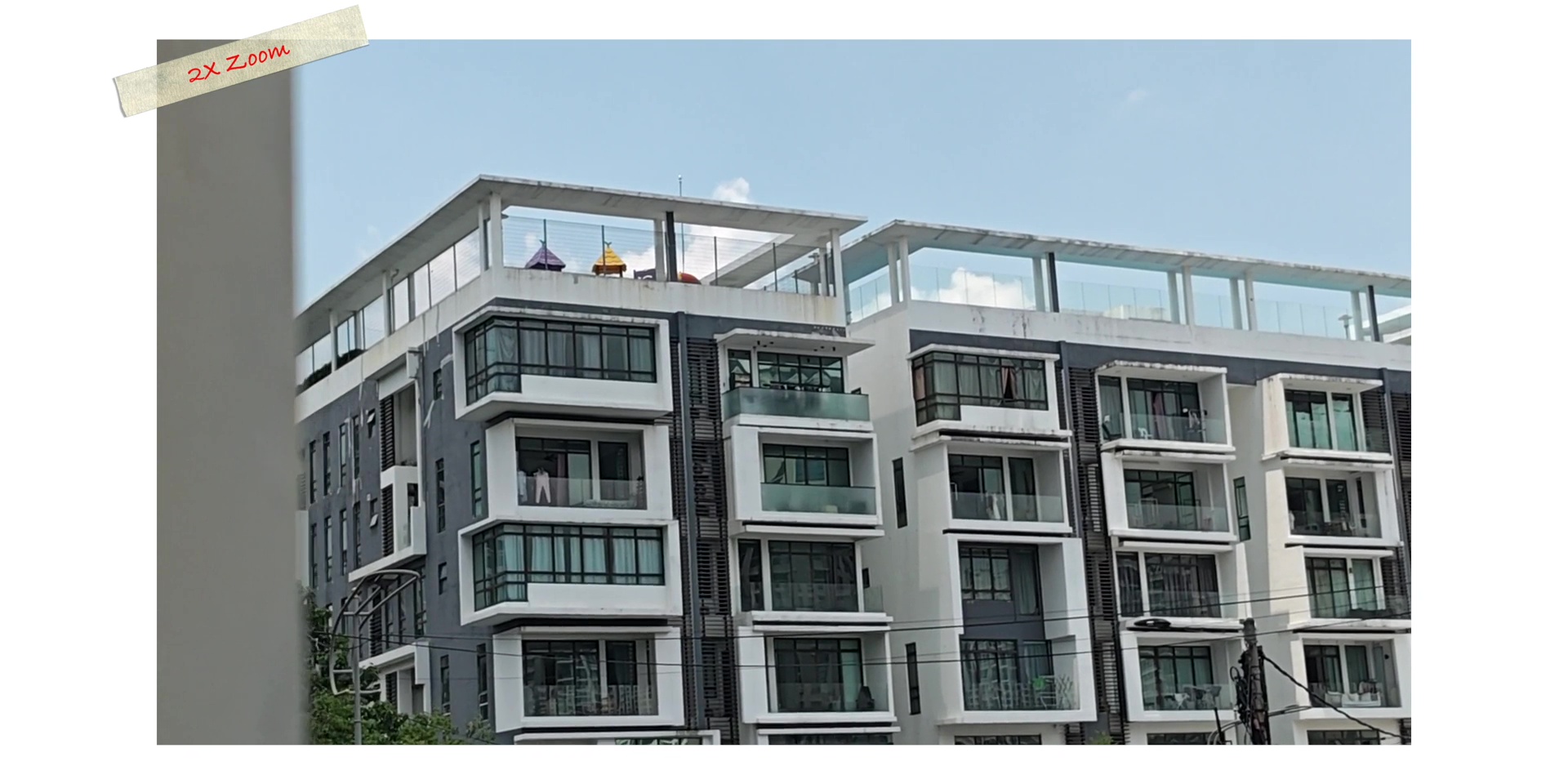

While the front video stabilization was nice, the dynamic range is not that great with the skies being overexposed instead of showing the clouds.

Videos at night were noisier on the ultrawide as expected because of the 1080p resolution and the sensor size. So, once again, you’re better off using just the main lenses all the way for video.
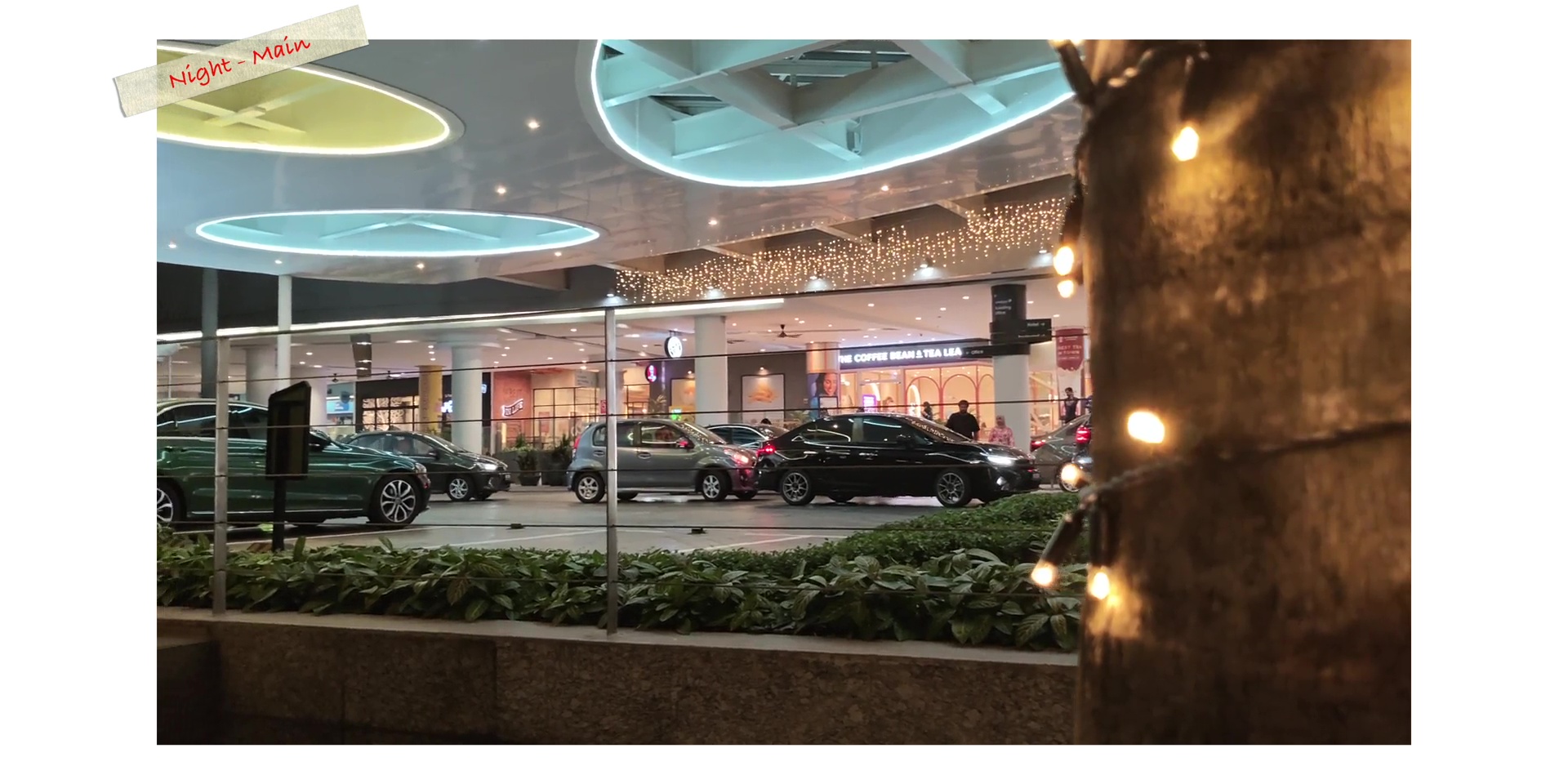
Stabilization-wise, the ultrawide lenses were jittery at night where even the main lenses had some level of jitters too. So just stick with that and don’t even try to use the 2x or even the 6x zoom for a walking type of shot.

The front cameras were just decent in terms of the quality and the stabilization as well.

Do check out my YouTube video for a vlogging test.
Software
As for the software part, this comes with HyperOS version 2 based on Android 15 with 4 years of OS updates and 6 years of security updates.
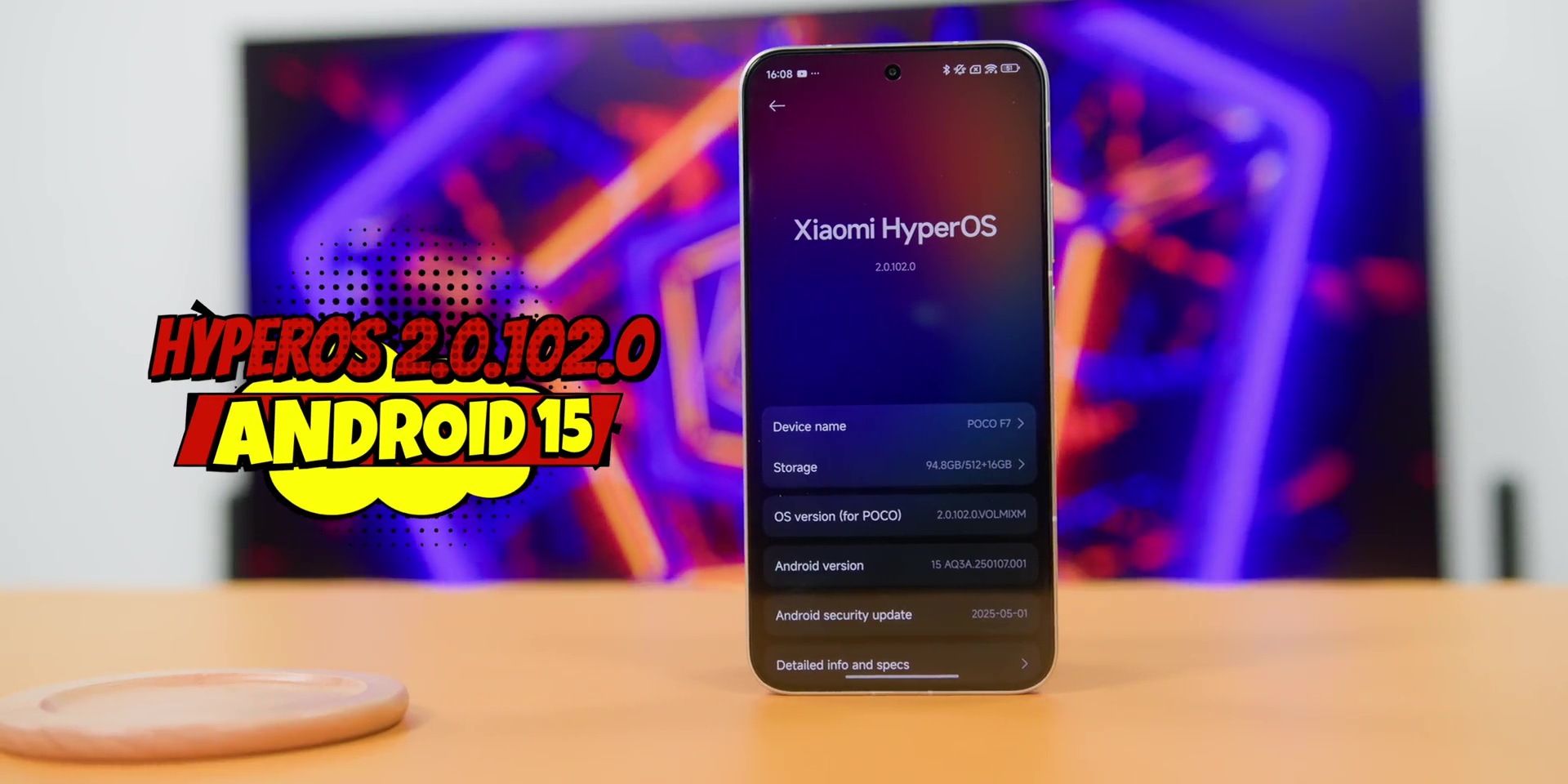
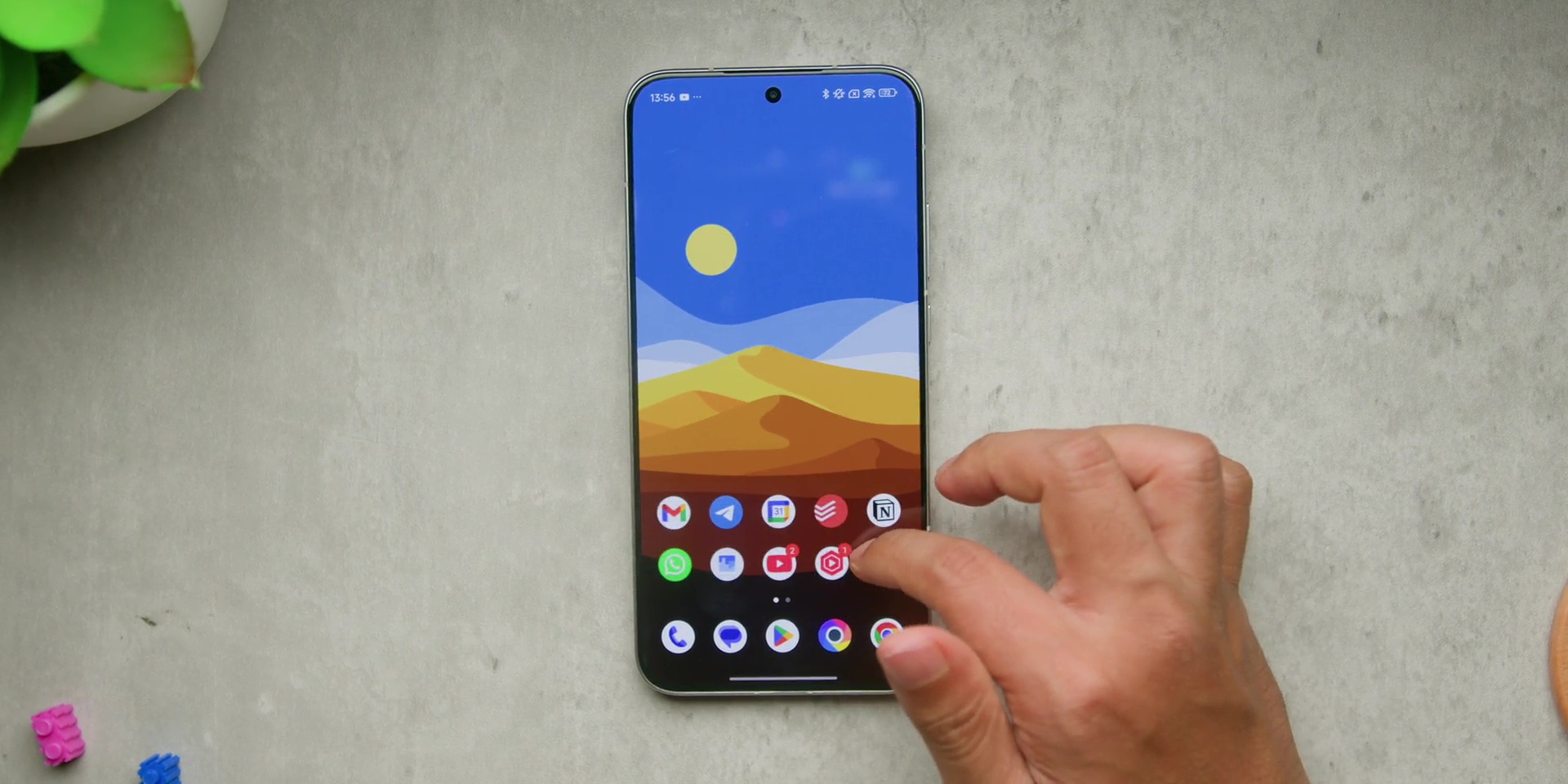
The software overall was really snappy and very responsive. And it also has that very nicely natural and smooth all around the UI. And this is because HyperOS has come a long way from using the phone daily to just doing simple tasks like having to move a bunch of apps to the home screen has never been easier.
I also love how the default keyboard is even nicer to type on compared to other default keyboards out there, almost making me want to start texting people again.
It does come with bloatware. But like I said every time, I don’t have a problem with that since it does make the phone more affordable.
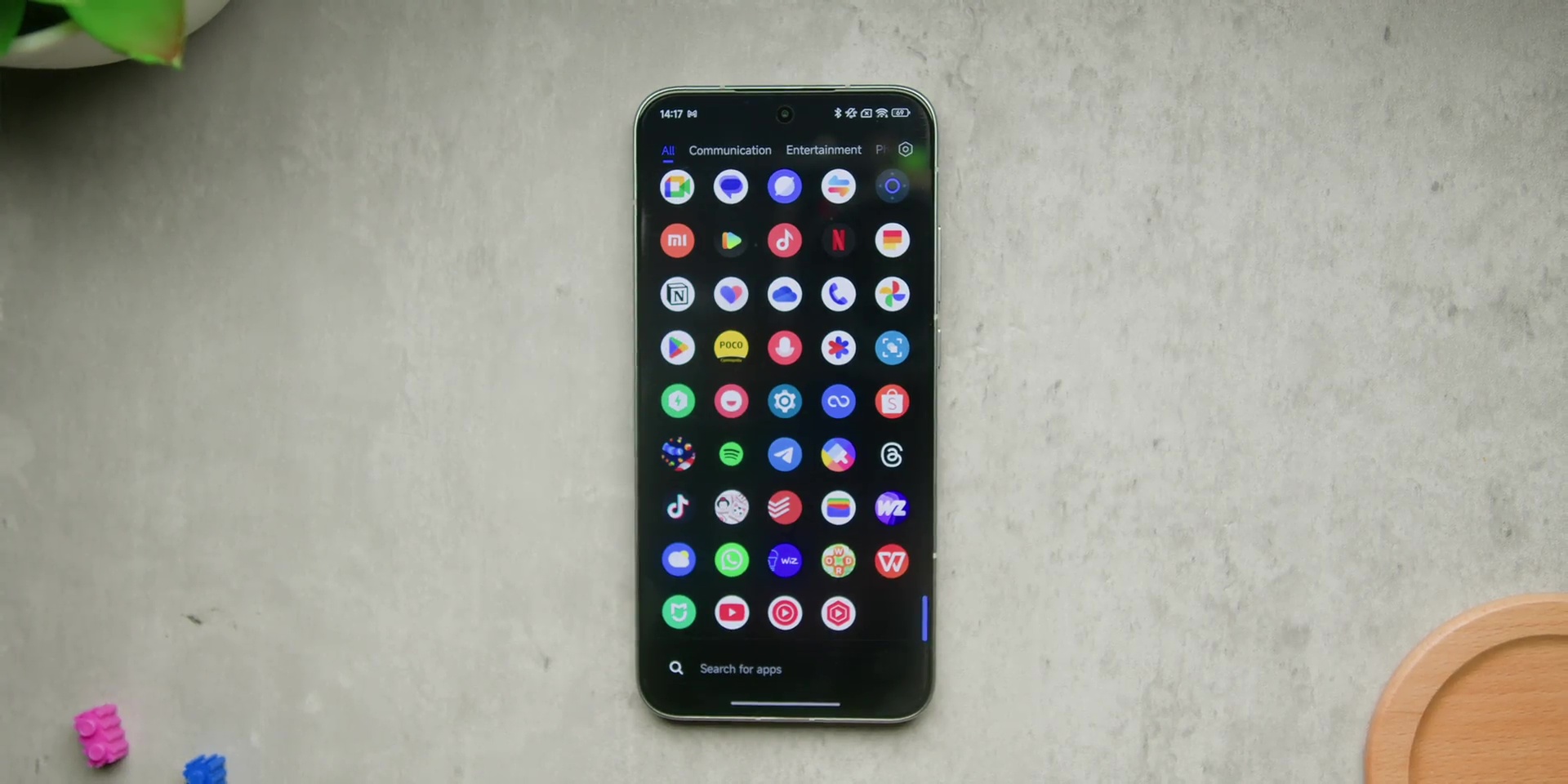
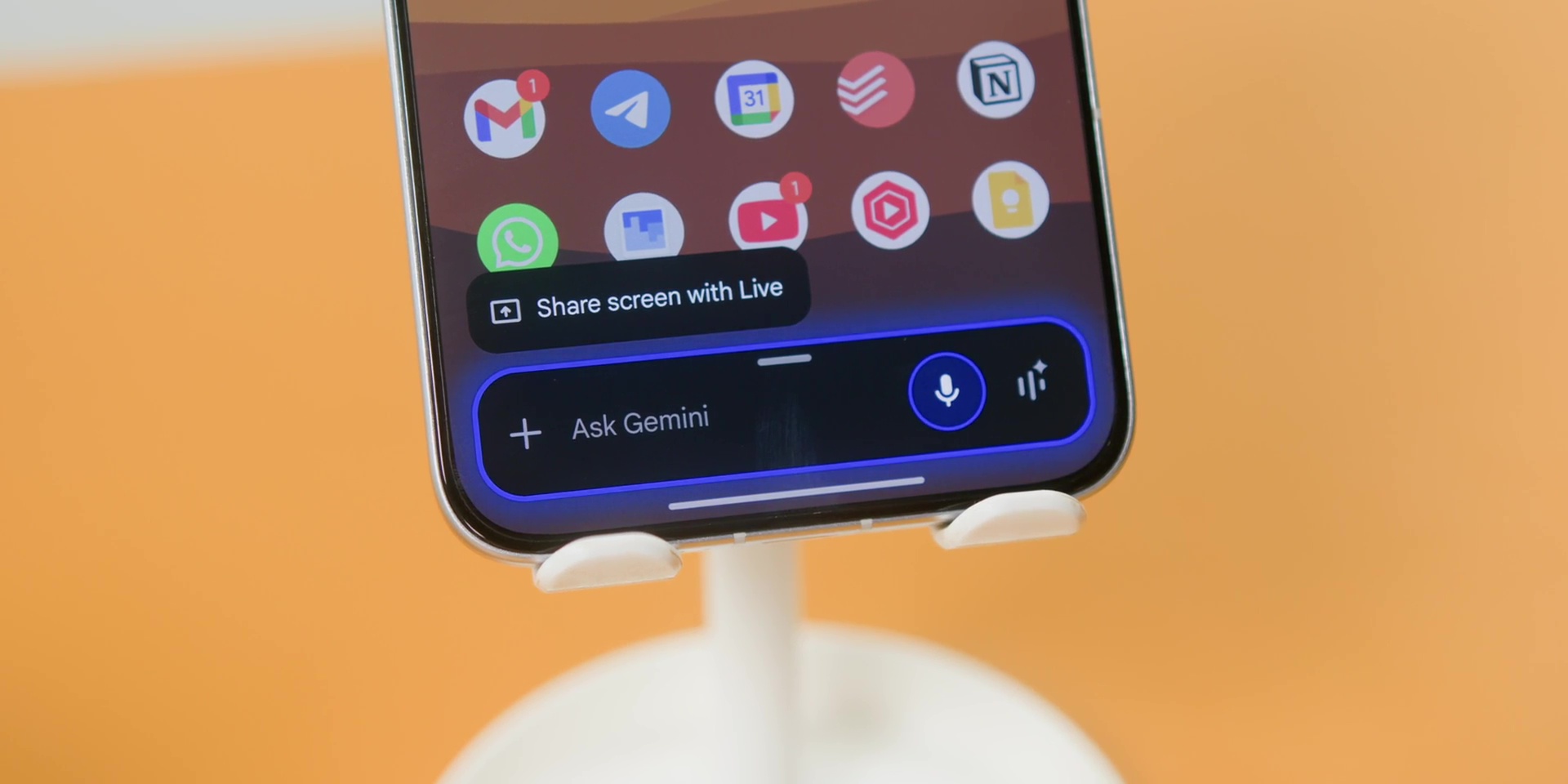
It also comes with Google’s Gemini and all of the Gemini-related features over here like Circle To Search and Gemini Live.
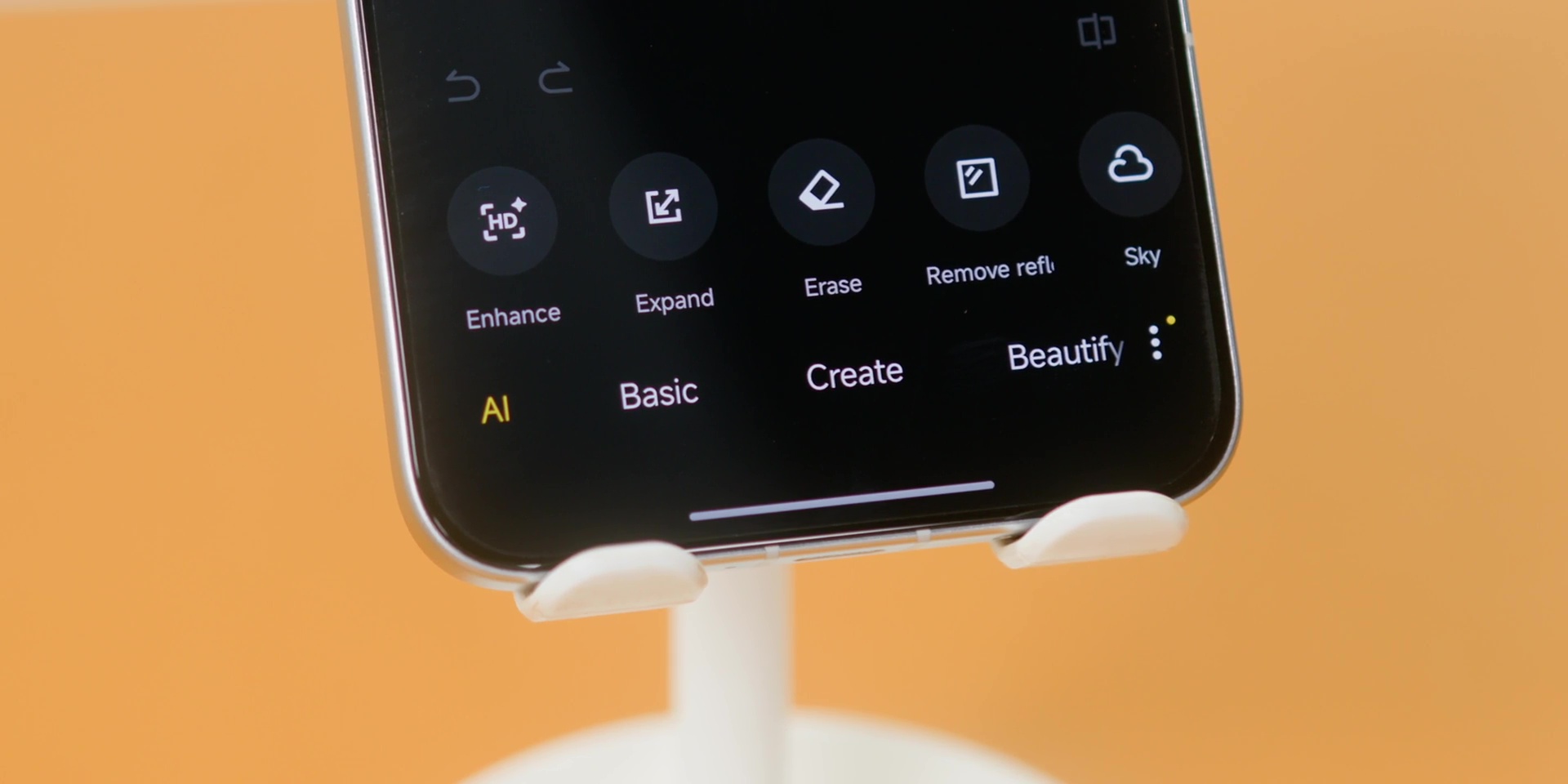
And also including some dedicated AI features that you can see within the photo editor in the photo gallery. There is a dedicated tab for AI for enhance, expand, the usual erase, remove reflection, and changing the sky. And based on my test, they do work very well indeed. So you can pick and choose which gives you the best results and use them accordingly.
Conclusion
Remember I started this video comparing both the POCO F7 Pro or even the POCO F7 Ultra which does bring almost what they both offer but with just enough corners cut.
So would I recommend this phone? Absolutely!
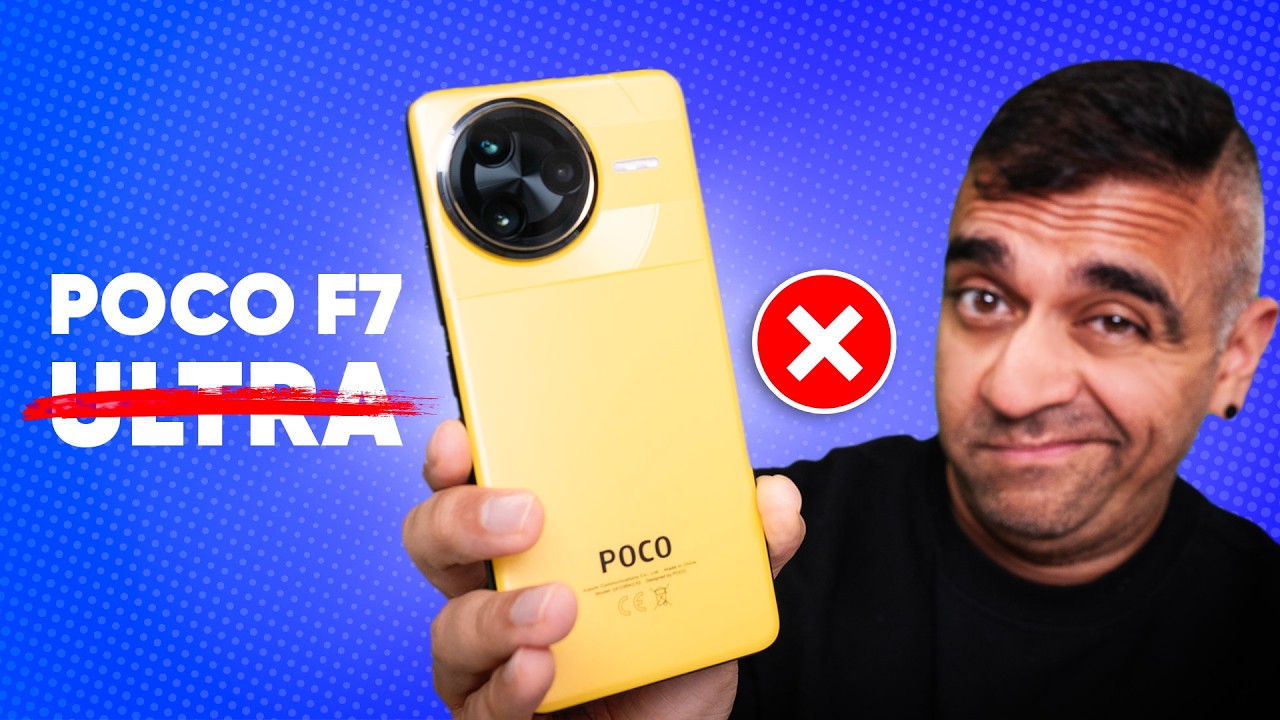
But if you have the money for the POCO F7 Ultra, check out my in-depth review below.
Is the POCO F7 good for gaming in 2026?
Absolutely. The POCO F7 is one of the best value gaming phones for 2026, featuring the Dimensity 8400-Ultra chipset and a 144Hz 1.5K AMOLED display. In our testing, it maintained a stable 60 FPS in heavy titles like Genshin Impact and Warzone Mobile with minimal thermal throttling.
How fast does the POCO F7 charge?
The POCO F7 supports 120W HyperCharge technology. Using the included in-box charger, the 5500mAh battery can be charged from 0% to 100% in approximately 19 to 21 minutes, making it one of the fastest-charging mid-range devices on the market.
POCO F7 vs. POCO F7 Pro: What is the difference?
The main differences lie in the chipset and display brightness. The POCO F7 Pro typically features a more powerful Dimensity 9000-series chip and a higher peak brightness (up to 4000 nits) compared to the standard F7. However, for most users, the standard F7 offers a better “price-to-performance” ratio for daily use and gaming.
Is the POCO F7 camera good for photography?
While the POCO F7 is performance-focused, its 50MP Sony IMX882 main sensor performs well in daylight and decent in low-light conditions. It is “social media-ready,” though users looking for professional-grade telephoto capabilities might prefer the Xiaomi 15T Pro or the Vivo X300 Pro.
What is the price of the POCO F7 in Malaysia?
As of 2026, the POCO F7 is typically priced between RM1,599 and RM1,799 in Malaysia, depending on the RAM and storage configuration (8GB/256GB or 12GB/512GB). It is frequently available with discounts on official Shopee and Lazada stores.
Is the POCO F7 worth buying in 2026?
Yes, the POCO F7 is currently a “Hidden Gem” in the mid-range market. If you prioritise raw processing power, fast charging, and a high-quality display over a flagship-tier camera, it remains the “Performance King” of the sub-RM2,000 category.