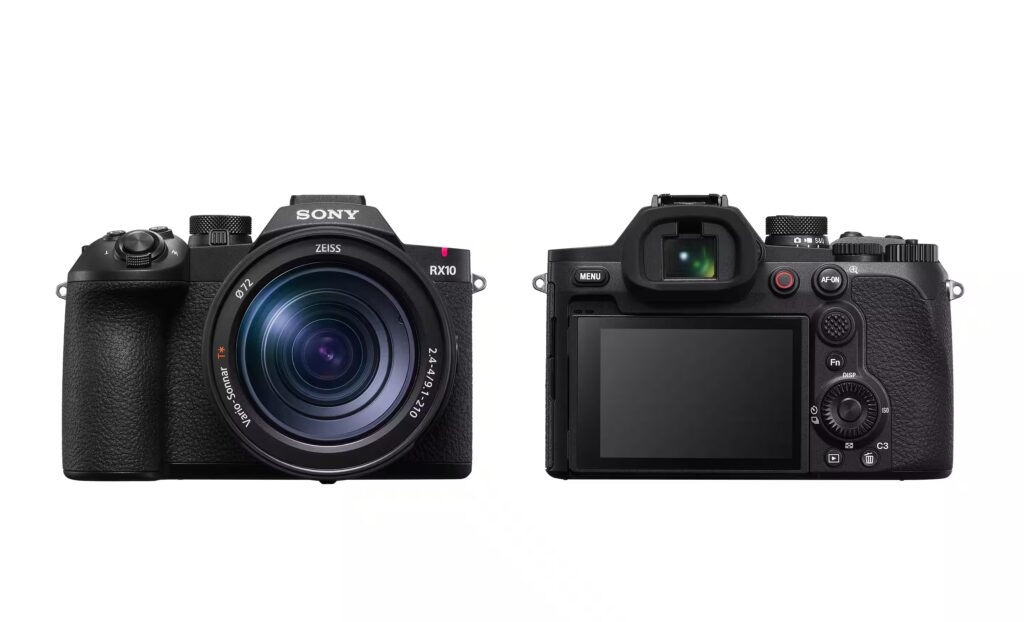
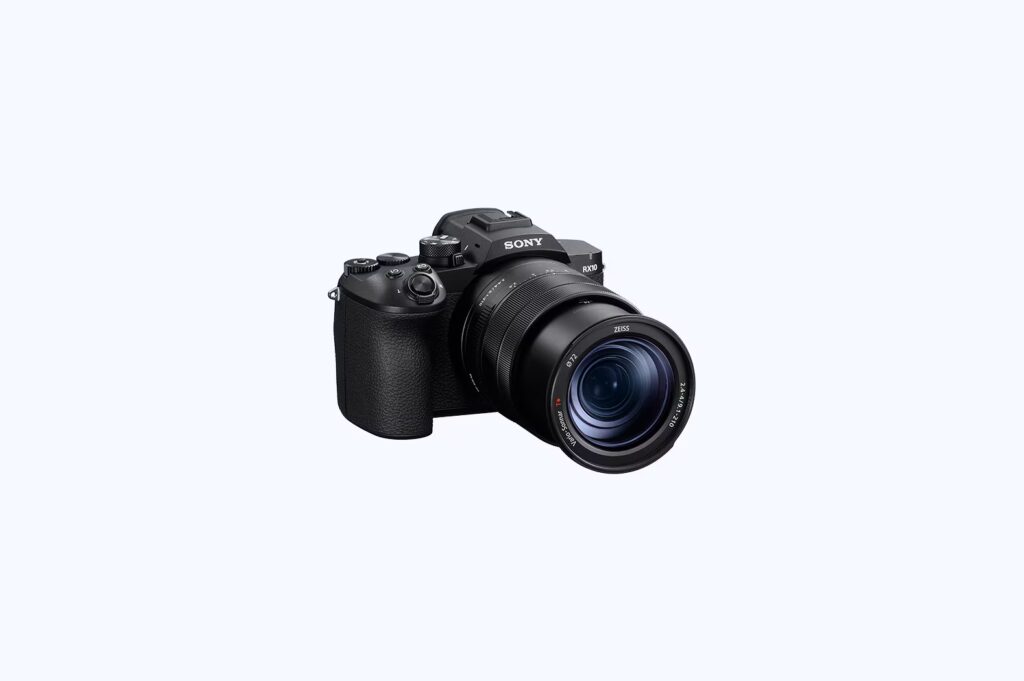
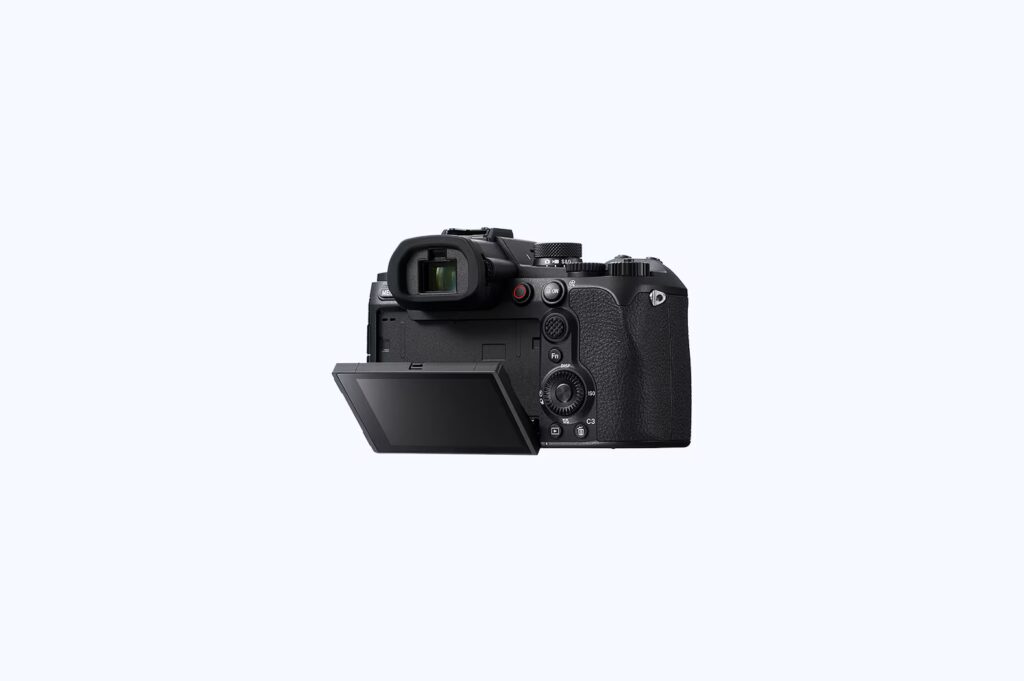
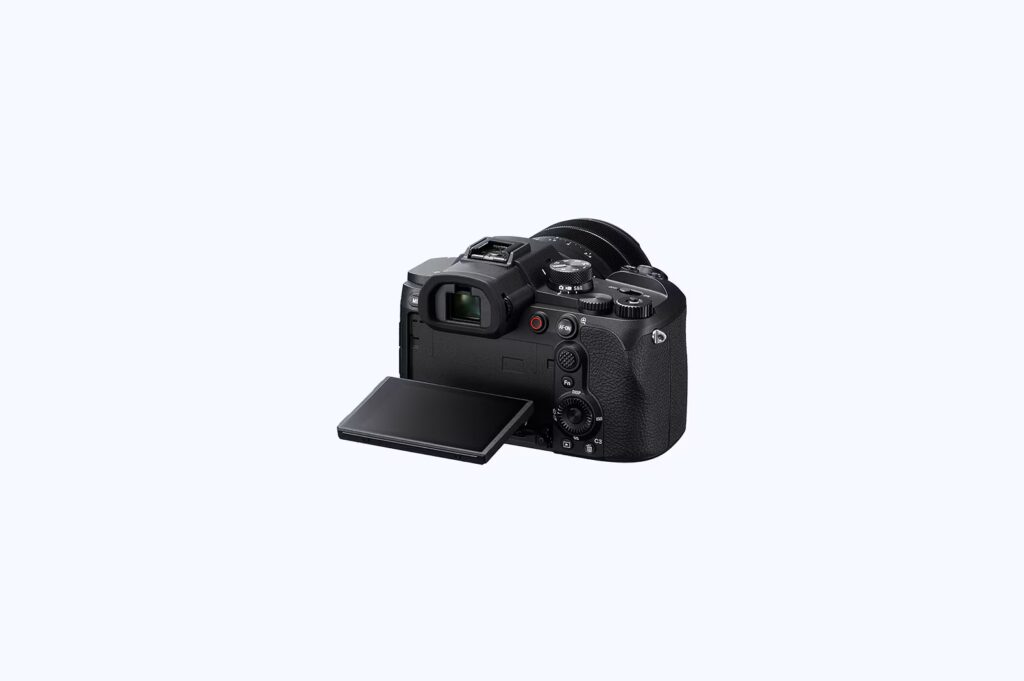
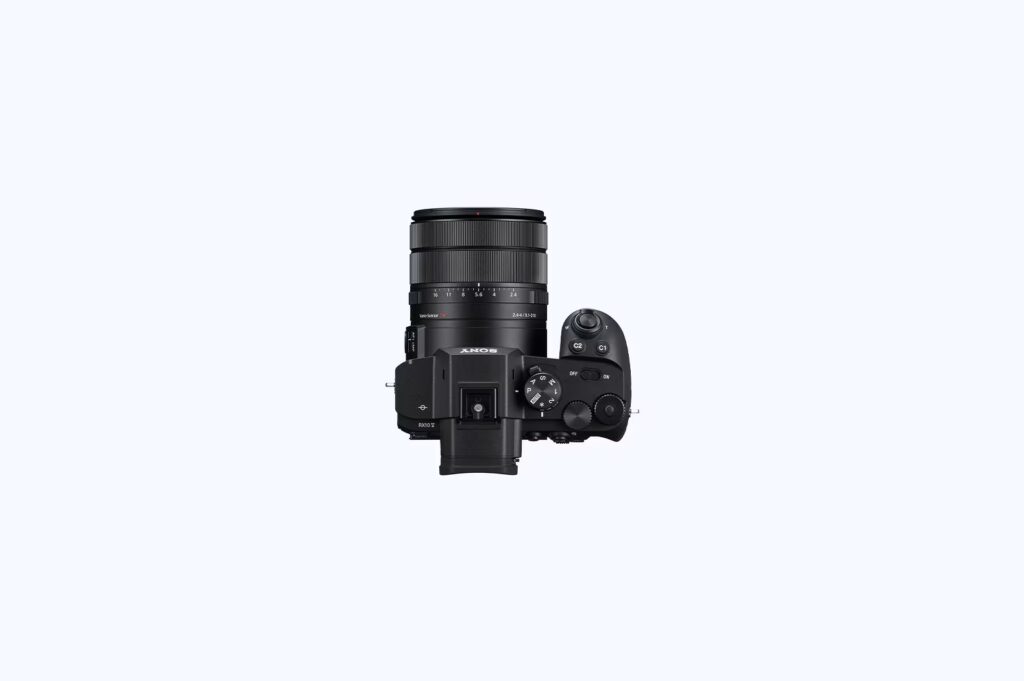
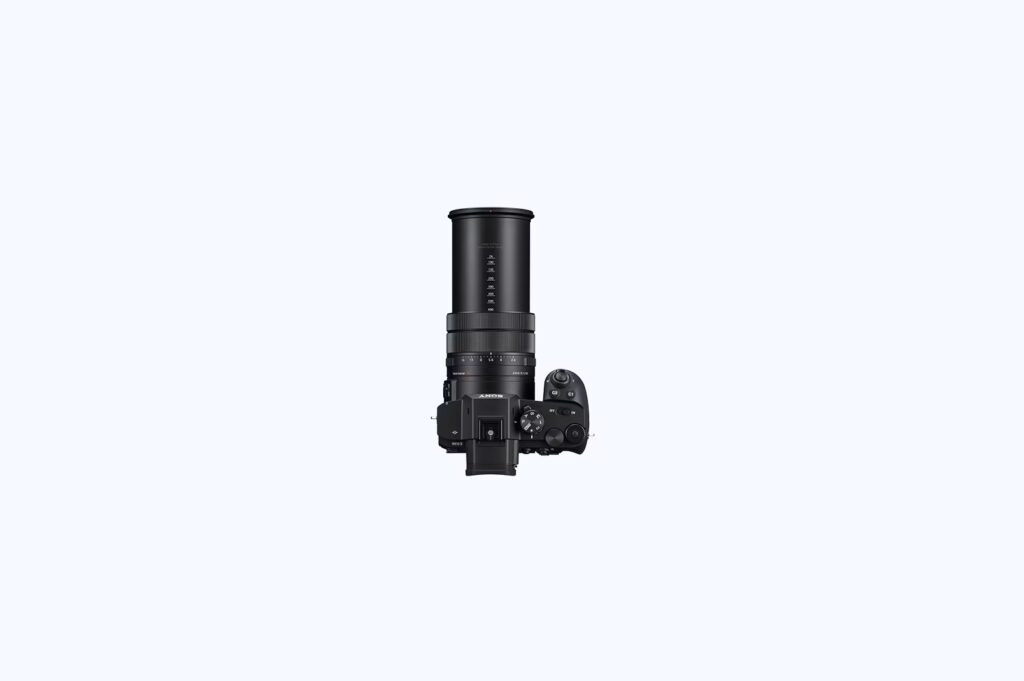
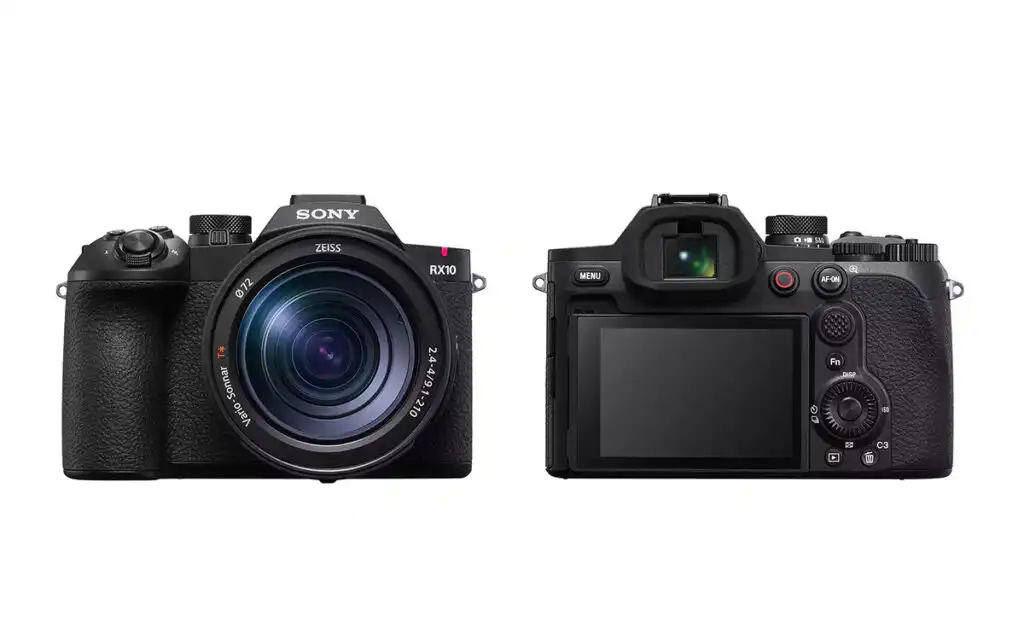
TL;DR / At a Glance: Officially launched on 10 July 2026, the Sony RX10 V enters the Malaysian market with a retail price tag of RM8,999. This fifth-generation bridge camera pairs a 20.1MP 1.0-type stacked Exmor RS sensor with an integrated ZEISS Vario-Sonnar 24-600mm F2.4-4.0 lens. The big upgrade is the inclusion of an AI processing unit for Real-time Recognition AF, alongside blackout-free 30 fps burst shooting and 4K 120p video recording.
The RM8,999 AI All-in-One Illusion
The standalone bridge camera market was supposedly dead, run over by computational smartphone zoom lenses and aggressive price cuts on entry-level mirrorless bodies. The arrival of Sony’s latest hardware directly challenges current mid-range value options in Malaysia by trying to prove that a single, fixed-lens setup can still dominate. Launched officially on 10 July 2026, the Sony RX10 V lands in Malaysia with a massive retail price tag of RM8,999, targeting hobbyists, wildlife trackers, and school sports day parents who refuse to carry a heavy backpack full of distinct lenses.
At nine thousand ringgit, this is an expensive bet on an older form factor, but Sony is betting big on its brand-new internal silicon intelligence to justify the luxury premium.
The 2026 Super-Zoom Grid: Sony RX10 V vs. Mirrorless Alternatives
To see exactly how this fixed-lens ecosystem holds up against building a custom interchangeable gear setup, look at the technical vectors below:
| Technical Metric / Feature Node | Sony RX10 V (Official All-in-One) | Sony Alpha 6700 + Tamron 18-300mm | Fujifilm X-T50 + XC 50-230mm |
| Malaysia Retail Price | RM8,999.00 (Pre-Order Bundle) | ~RM8,200.00 (Combined Retail) | ~RM7,900.00 (Combined Retail) |
| Silicon Image Sensor | 20.1MP 1.0-type Stacked CMOS | 26.0MP APS-C Exmor R CMOS | 40.2MP APS-C X-Trans 5 HR |
| Optical Lens Range | Integrated 24-600mm Equivalent | Interchangeable 27-450mm Equiv. | Interchangeable 76-350mm Equiv. |
| Autofocus Processing | Dedicated AI Unit (Real-Time AF) | AI Processing Chip (Real-Time AF) | Deep-Learning Subject AF |
| Maximum Burst Rate | 30 fps (Blackout-Free Electronic) | 11 fps Mechanical / Electronic | 20 fps Electronic (Cropped) |
| Video Recording Limit | 4K 120p (Slight Crop Node) | 4K 120p (1.6x Crop factor) | 4K 60p / 6.2K 30p Natively |
| Power Cell Capacity | NP-FZ100 (Up to 630 Shots) | NP-FZ100 (Up to 570 Shots) | NP-W126S (Up to 390 Shots) |
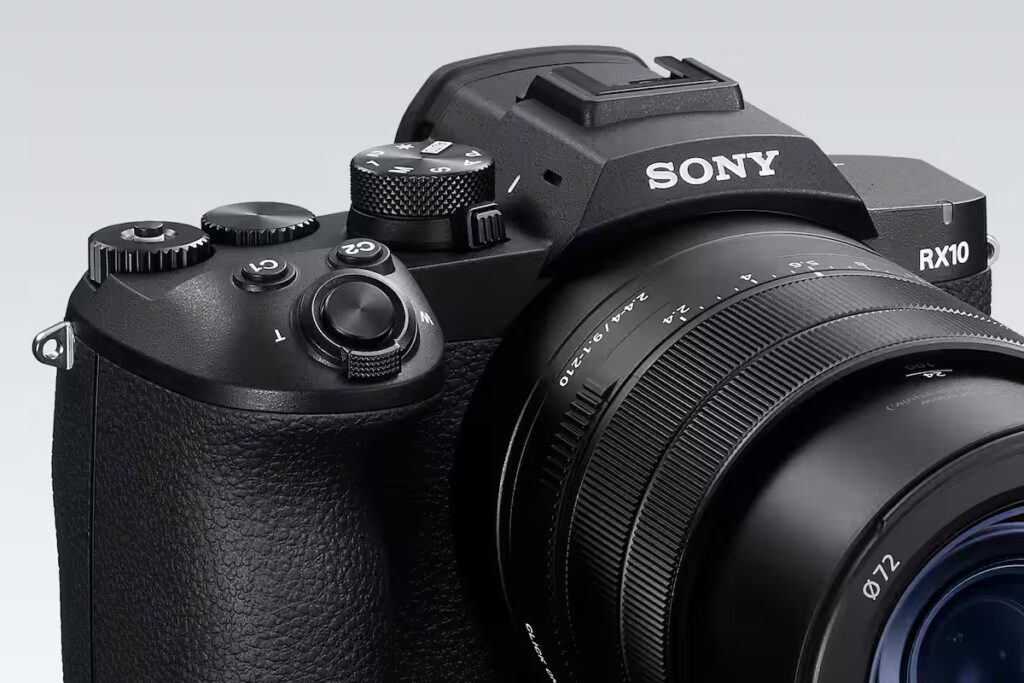
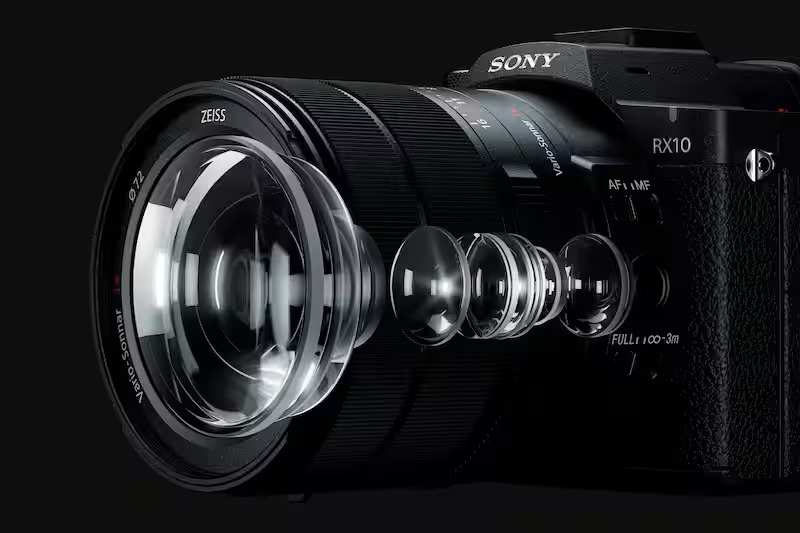
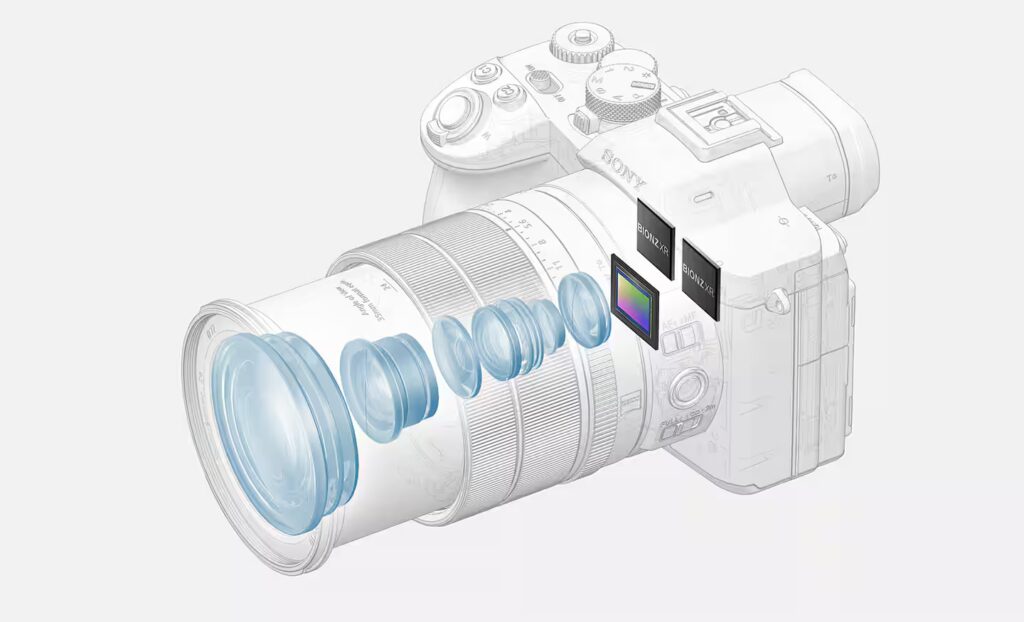
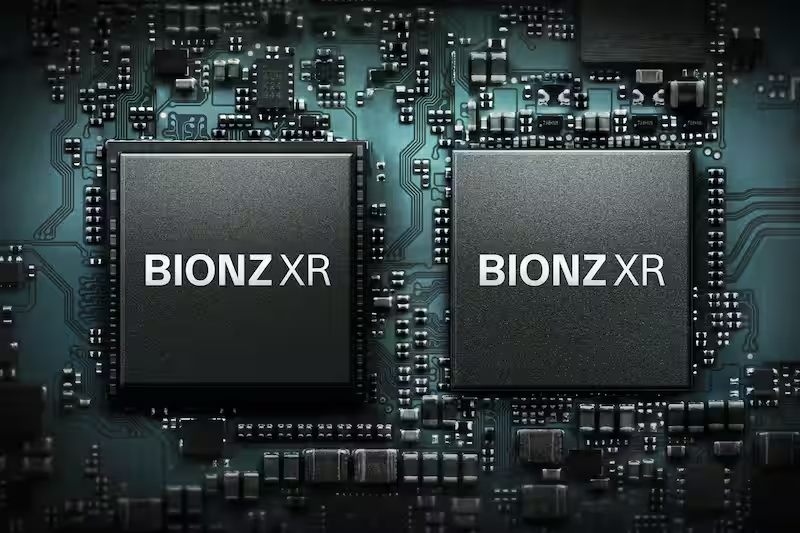
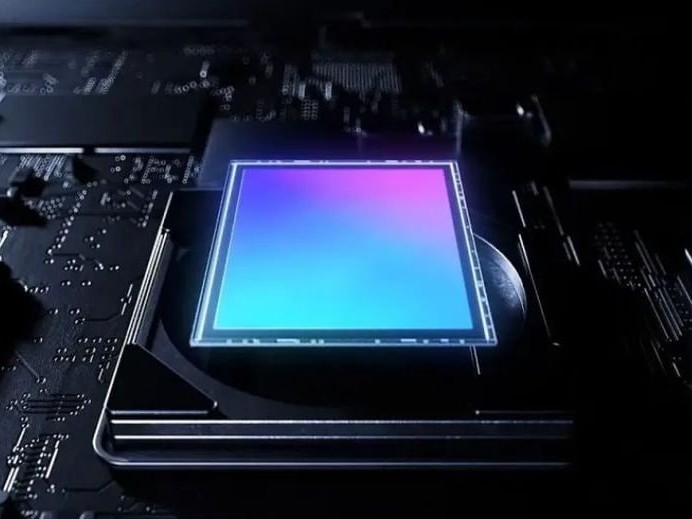
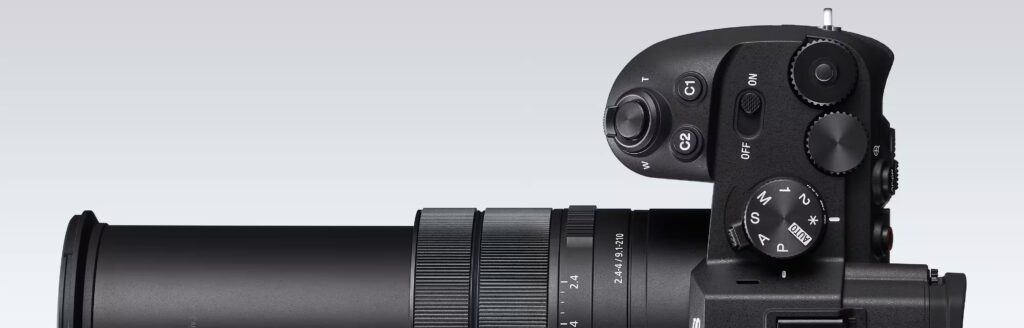
Here is a lowdown on the core technical layout: the physical foundation relies on a 20.1-megapixel 1.0-type stacked Exmor RS CMOS sensor paired with the high-speed BIONZ XR image processing engine. The defining hardware feature remains the massive, built-in ZEISS Vario-Sonnar T* 24-600mm F2.4-4.0 lens. This massive glass optic delivers a 25x optical zoom range, allowing you to snap a macro shot from just 3cm away at the wide end, or track a bird in a tree canopy at a 72cm tele-macro distance at full zoom.
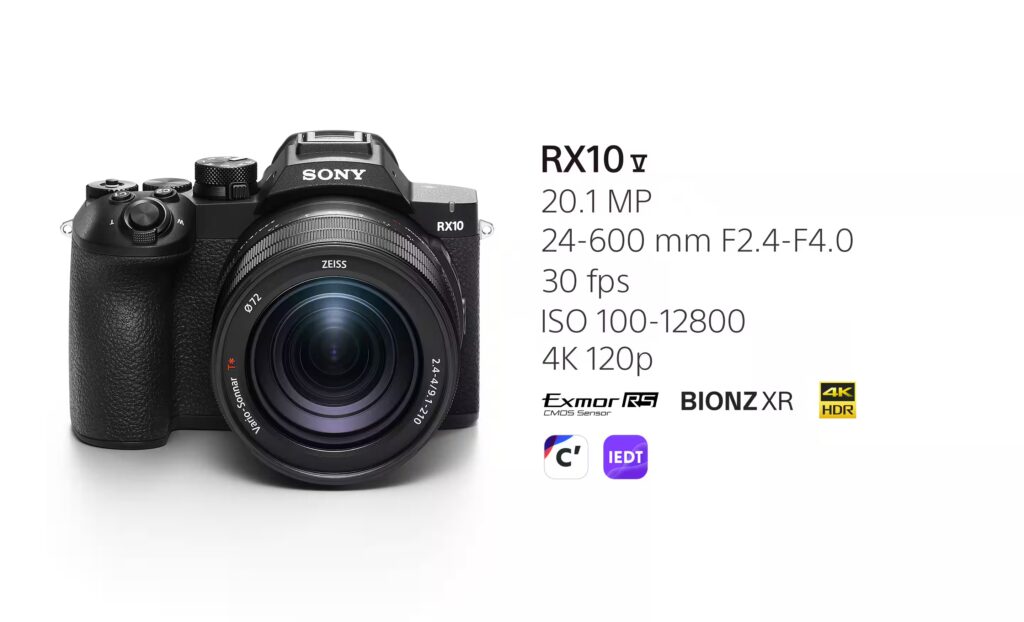
The real generational leap is the inclusion of the Alpha-tier AI processing unit for Real-time Recognition AF. Older bridge cameras frequently hunted or dropped focus the second a subject moved behind a branch or turned their back to the lens.
Sony’s new dedicated AI chip introduces advanced human pose estimation technology. It recognises and locks focus on human skeletal frames, animals, birds, insects, cars, trains, and airplanes even if the subject’s face is completely obscured by a helmet, sunglasses, or sudden shifts in orientation.
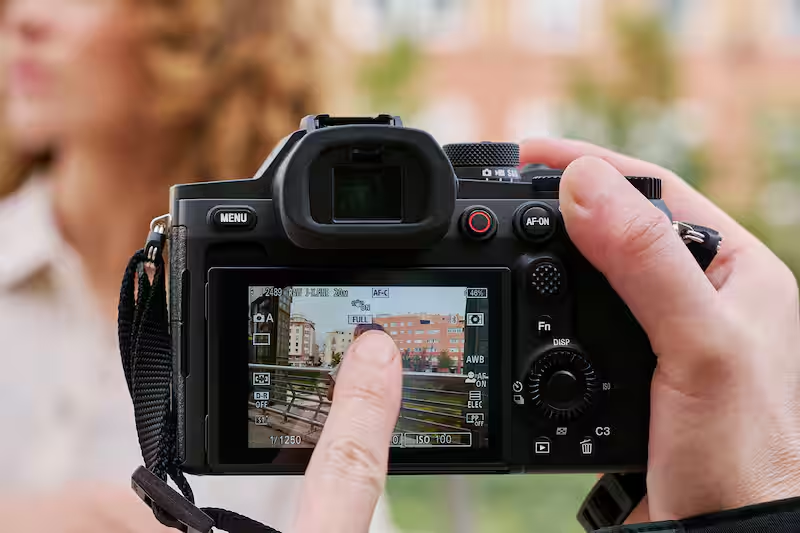
Simply tapping the upgraded 3.0-type 1.62-million-dot LCD monitor tracks the target smoothly across the frame, letting you shoot continuous blackout-free bursts at up to 30 frames per second with full AF/AE tracking calculations happening 60 times per second behind the shutter.
For video creators, the RX10 V brings serious movie features by supporting 4K 120p high-frame-rate recording for smooth 5x slow-motion playback. Handheld shooting at the extreme 600mm telephoto end is stabilized via an Active Mode optical image stabilization system.
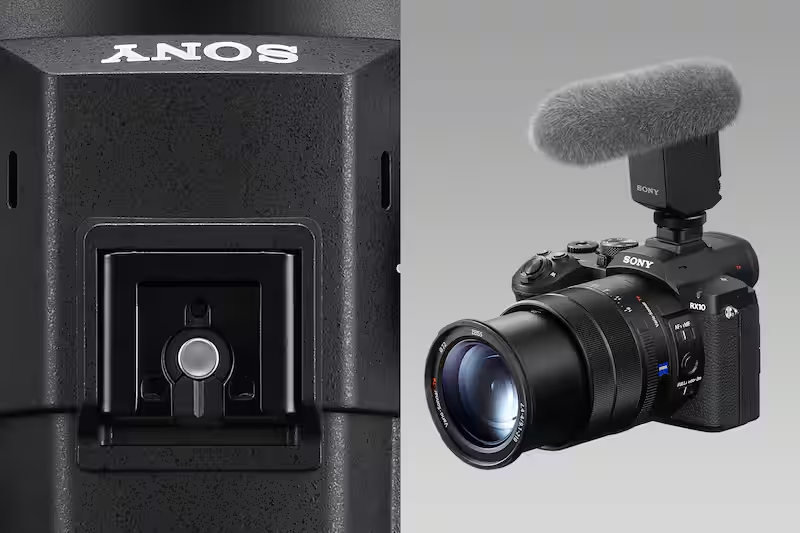
The body also gains an Auto Framing function powered by AI that intelligently crops and holds your subject in the center of the frame during locked-down interviews. It supports professional workflows with S-Cinetone for out-of-the-box cinematic color tones, S-Log3 for post-production color grading, and the ability to import up to 16 user LUTs directly into the camera.
Crucially, Sony has fixed the terrible battery life that plagued earlier compact cameras by migrating the chassis to the larger NP-FZ100 Z-series rechargeable battery. This upgrades still image endurance by over 50%, letting you capture up to 630 shots per charge when using the LCD screen.
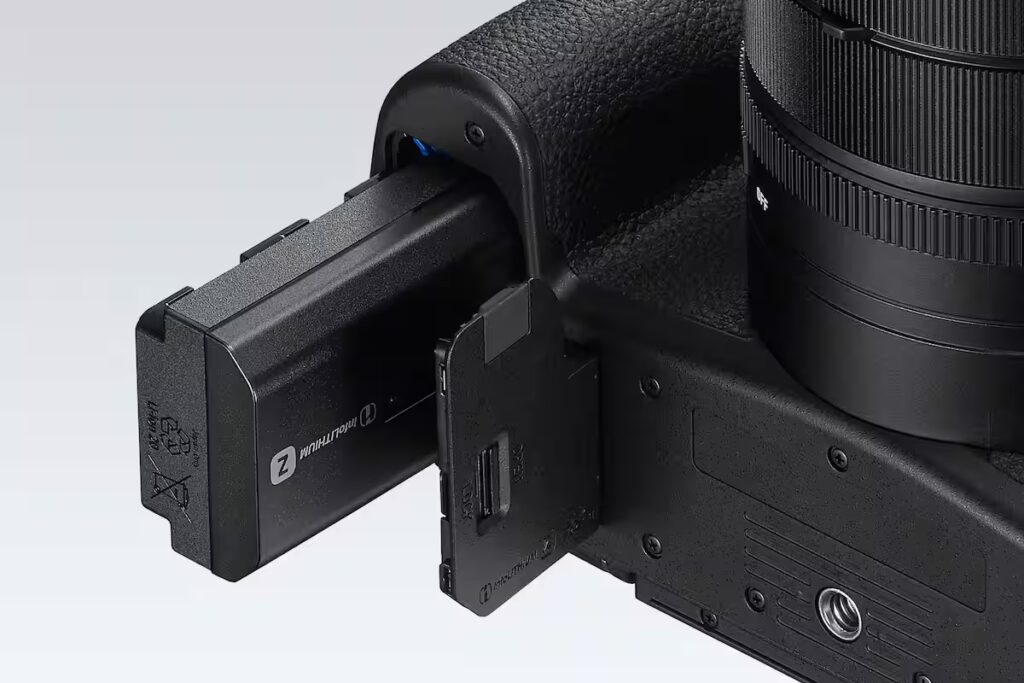
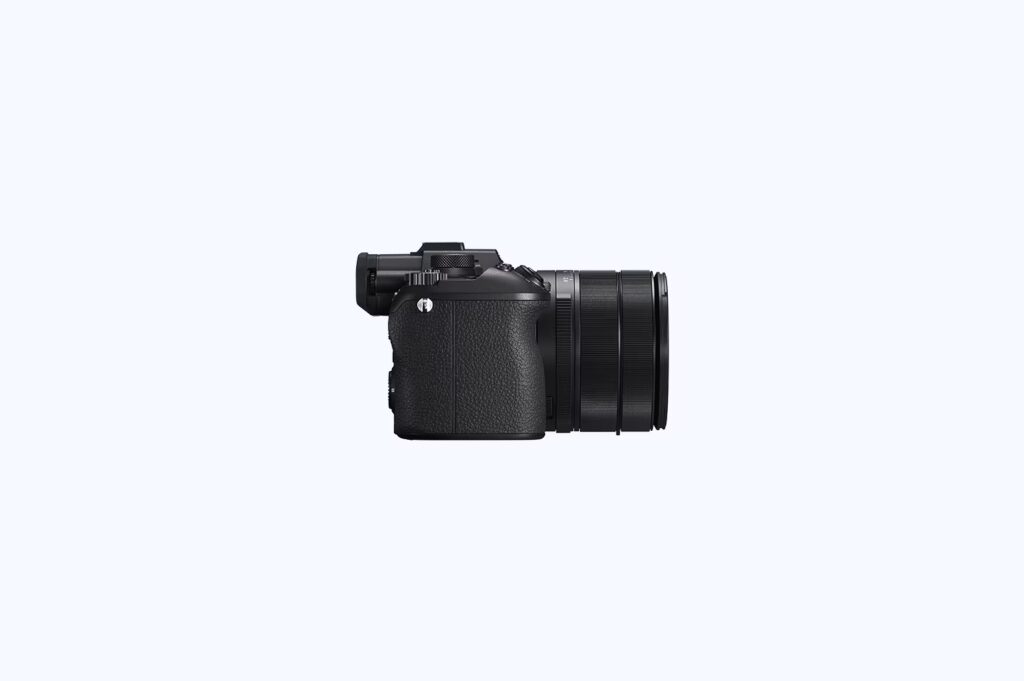
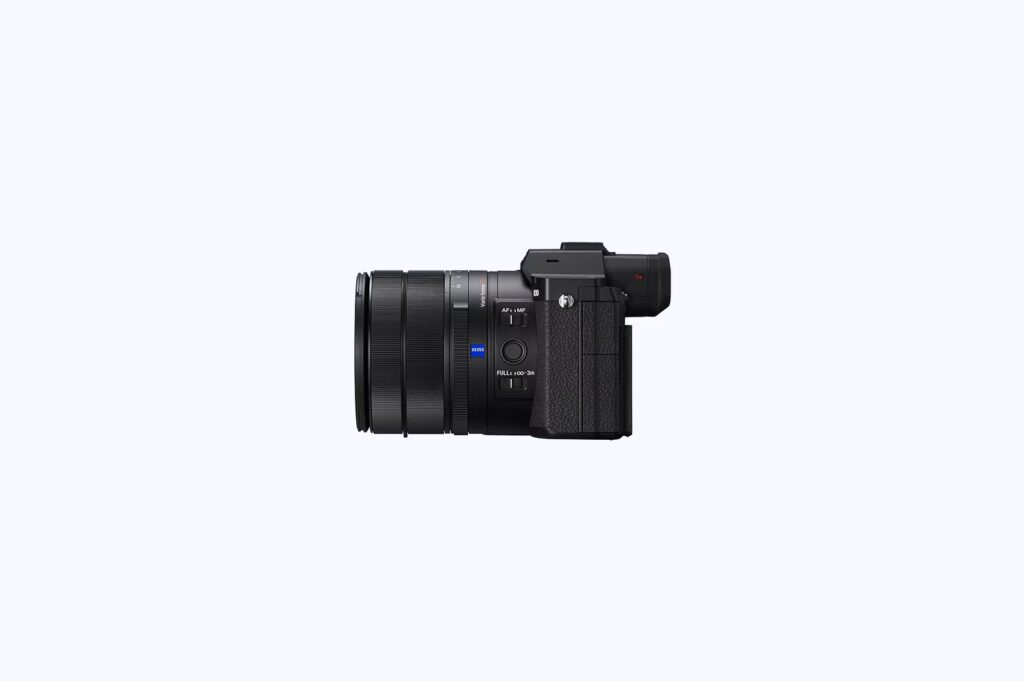
The layout gets a refined grip, an eight-direction multi-selector joystick for rapid menu navigating, and a larger Quad-VGA OLED electronic viewfinder packing 3.68 million dots. The body features a dust and moisture-resistant design for shooting through tropical downpours, dual-band Wi-Fi for fast data transfers, and USB Type-C connectivity that supports 4K 30p live streaming right out of the box.
Other Little Things
- The Local Pre-Order Perks: Pre-orders for the RX10 V open today through official Sony Malaysia stores and authorised dealers. The retail bundle includes a free extra NP-FZ100 battery pack and a premium PGYTECH OneGo Lite Backpack (22L) in Matte Black to sweeten the financial blow.
- The Cloud Integration Shift: The camera natively supports Sony’s updated Creators’ App, allowing photographers to automatically drop files into a cloud repository, control shutter parameters remotely via a smartphone, and push direct firmware updates over the air.
Adam Lobo’s Take
The Sony RX10 V is a masterclass in modern camera engineering, but let’s be completely candid: at RM8,999, it forces a massive consumer reality check. Sony did not just throw minor cosmetic changes at this camera, they successfully integrated their class-leading AI autofocus engine and a massive 24-600mm lens range into a highly durable, single-body package.
When you subject this camera to our real-world evaluation metrics, analysing pure utility against that hefty price tag, the question comes down to your personal shooting workflow. If you want the absolute highest image quality, low-light performance, and shallow depth-of-field background blur, spending nine thousand ringgit on an APS-C mirrorless setup like the Sony Alpha 6700 with an interchangeable telephoto lens will give you a superior image sensor block.
But if your main priority is pure travel convenience—having a massive 24-600mm reach ready to capture an eagle flight or a track event instantly without ever switching lenses or getting dust on a sensor—then this AI-packed powerhouse justifies its premium. It passes the real-world mamak test for hobbyists who want zero lens friction.
You guys tell me what you think in the comments below. Are you ready to place a pre-order on this RM8,999 AI super-zoom bridge camera, or are you sticking with interchangeable mirrorless setups? Let’s find out what you prefer!
Gallery